 Skip to content
Private Label Lunch Bags for Retail and E-Commerce Brands
Create private label lunch bags for retail stores, Amazon, Shopify, DTC brands, meal prep lines, kids product brands, wellness programs, subscription boxes, and multi-SKU product launches. Plan the bag style, insulation, lining, logo method, labels, barcodes, SKU packing, sample approval, and repeat order standard before bulk production begins.
- Sampling Before Launch and Bulk Production
- 600+ Staff, 18,000㎡ Factory, 80 QC Inspectors
- From First Launch to Multi-SKU Repeat Orders
- Retail Packing and E-Commerce Fulfillment Support
- Insulated Lining, Easy-Clean Interior, and Food-Carry Structure
- Labels, Hangtags, Barcodes, SKU Stickers, and Individual Packing
- Private Label Lunch Bags for Retail, Amazon, Shopify, and DTC Sales
- Kids Lunch Bags, Office Lunch Totes, Meal Prep Bags, and Cooler Bags

Private Label Lunch Bags for Retail and Online Sales
Retail and e-commerce lunch bag projects usually have more requirements than a standard logo gift. A product sold through a store, Amazon, Shopify, a DTC site, or a subscription box needs clean presentation, accurate labels, scannable barcodes, stable sizing, and packing that keeps each unit ready for sale or shipment.
Jundong supports private label lunch bag projects for retail stores, online brands, Amazon sellers, Shopify stores, DTC brands, wellness lines, kids product brands, meal prep brands, food storage brands, and gift set programs.
A kids lunch bag may need a name label area, easy-clean lining, light structure, and compact packing. A meal prep bag may need more room for containers, bottles, ice packs, and reinforced handles. An e-commerce lunch tote may need clean folding, individual packing, SKU labels, and product photo consistency. A retail lunch cooler may need a hangtag, barcode sticker, product card, and carton mark.

| Product Direction | Better Setup |
|---|---|
| Kids lunch bag line | Easy-clean lining, name label area, compact size |
| Office lunch tote | Insulated lining, clean logo, practical handle |
| Meal prep bag | Wider opening, bottle space, container fit |
| Retail lunch cooler | Hangtag, barcode, individual packing |
| Amazon lunch bag product | SKU label, folded packing, carton accuracy |
| Shopify / DTC launch | Clean unit packing, product photo consistency |
| Subscription box gift | Fixed folded size, set packing, insert card |
| Multi-SKU program | Color sorting, barcode setup, and reorder records |
Lunch Bag Styles for Different Product Lines
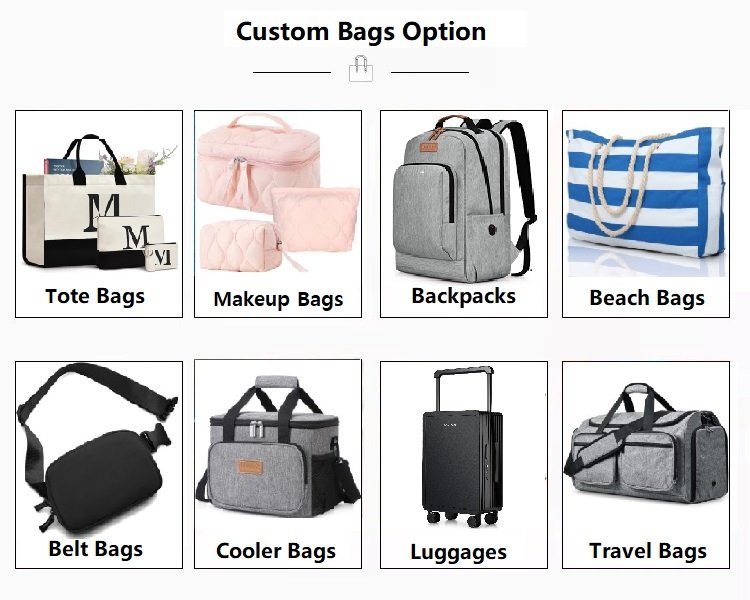
Retail and online lunch bag brands often start with one hero style, then expand into new sizes, colors, or use cases. A kids lunch bag can serve school and family use. An office lunch tote can target employees and commuters. A meal prep bag can serve fitness, wellness, and healthy eating users. A cooler lunch bag can support outdoor, picnic, grocery, and food promotion projects.
Choosing the right style early helps control cost, product photography, packing size, review samples, and future SKU expansion.

Office Lunch Tote
Office lunch totes fit work meals, commuting, and corporate wellness gifts, with clean shape and comfortable handles.

Gift Set Lunch Bag
Gift set lunch bags work well for subscription boxes, wellness kits, and food brands needing inserts and barcode setup.

Kids Lunch Bag
Compact kids lunch bags suit school, family meals, and children’s product lines, with name labels and easy-clean lining.

Neoprene Lunch Bag
Neoprene lunch bags are lightweight and flexible, ideal for soft daily use, simple retail items, and easy carrying.

Cooler Lunch Bag
Cooler lunch bags provide larger capacity and stronger insulation for outdoor, picnic, grocery, and food campaign use.

Meal Prep Bag
Meal prep bags offer container space, bottle pockets, and organized storage for fitness, wellness, and healthy meal brands.

Foldable Lunch Bag
Foldable lunch bags reduce storage space and carton volume, making them practical for e-commerce, gifts, and compact shipping.

Lunch Backpack
Lunch backpacks support hands-free carrying and larger capacity, suitable for kids, field trips, outdoor use, and school programs.
Before choosing a lunch bag style, review the end user group, product price level, food container size, bottle or ice pack space, retail channel, product photo style, packing volume, and future SKU plan. These details help match the right insulated lunch bag structure, material, capacity, logo method, and packaging setup for school, office, meal prep, retail, e-commerce, or gift programs.
Insulation, Lining, and Food-Carry Structure
Retail and e-commerce lunch bags need functional details that users can feel in daily use. The lining should be clean, smooth, and easy to wipe. The foam layer should support structure without making the bag too bulky. The zipper should open smoothly. The size should fit real lunch boxes, bottles, snacks, ice packs, or meal prep containers.
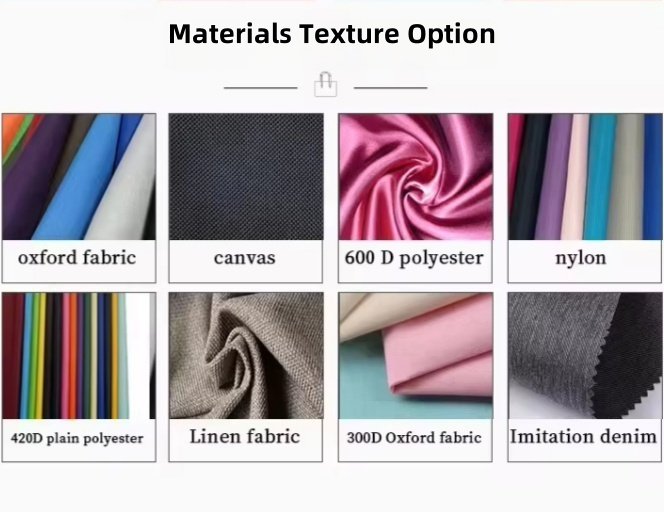
Common material directions include polyester, Oxford fabric, neoprene, RPET fabric, and canvas with lining. For the inside, PEVA lining and aluminum foil lining are common for lunch bags and cooler bags. PE or EVA foam can be used as insulation support.
Polyester Outer Fabric

Polyester outer fabric is practical, printable, and cost-friendly for retail lunch bags, school products, value lines, and colorful logo programs.
Oxford Fabric

Oxford fabric offers a stronger surface and better wear resistance, suitable for daily lunch bags and outdoor cooler bag use.
RPET Fabric

RPET fabric supports reusable and eco-positioned lunch bags, helping brands build sustainable product stories and greener retail programs.
Neoprene

Neoprene is lightweight, stretchy, and easy to carry, making it a good fit for soft lunch bags and flexible daily use.
Canvas with Lining

Canvas with lining suits lifestyle lunch totes that need a clean shape, planned structure, and more refined brand presentation.
PEVA Lining

PEVA lining has a smooth, easy-clean surface, ideal for office lunch bags, kids lunch bags, and daily food carry.
Aluminum Foil Lining

Aluminum foil lining gives lunch cooler bags a common thermal look, with an easy-wipe surface for insulated food storage.
PE / EVA Foam

PE or EVA foam supports insulation and padding, while affecting bag thickness, structure, packing volume, and carton space.
Before confirming an insulated lunch bag design, review the lunch box fit, bottle or ice pack space, opening size, lining smoothness, lining smell, foam thickness, zipper movement, handle strength, folded packing size, and target retail price level. These functional details help control daily use experience, food storage comfort, insulation performance, packing volume, cost, and final product quality for school, office, meal prep, retail, and promotional lunch bag projects.
Private Label Details: Tags, Labels, Barcodes, and SKU
Cooler bag size should be planned from the inside out. Exterior dimensions alone do not tell whether the bag can hold the real product well.
A lunch box needs flat space. A drink bottle needs height. Cans need side-by-side width. Yogurt cups may need upright storage. Ice packs need extra room. If the bag will be used for a meal kit, it may need space for lunch boxes, snacks, sauce packs, cutlery, and a cold pack. If it will be used for a beverage campaign, bottle height, can count, and carrying weight need to be checked first.
The bag should not be too tight. If food boxes are squeezed, the bag becomes hard to use. If bottles move too much, the user may feel the bag is unstable. If the bag is too large, it may increase material cost, carton volume, and freight cost.
For large orders, size planning also affects packing. A foldable cooler bag may save space in the carton. A structured cooler tote may look better for retail, but it takes up more space. A tall beverage cooler may work well for bottles but not for lunch boxes. These trade-offs are worth reviewing before sampling.
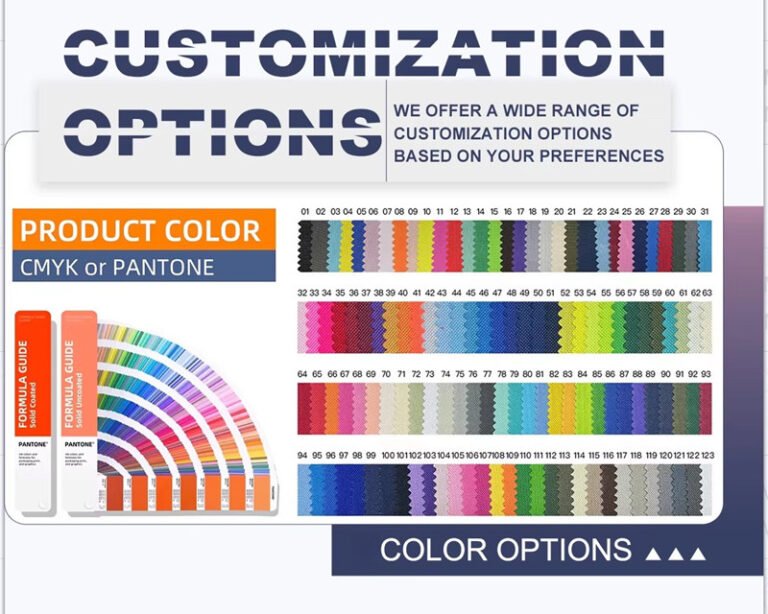
Before production, confirm label size and placement, barcode format, SKU naming rules, hangtag material, hangtag hole position, single packing or set packing, carton quantity, color sorting, version sorting, and destination warehouse requirements. These details help keep private label lunch bags, retail packaging, e-commerce orders, and multi-SKU shipments easier to check, pack, scan, store, and reorder.
| Detail | Better Use |
|---|---|
| Inner Label | Brand identity inside the lunch bag |
| Care Label | Material, cleaning, and use information |
| Woven Label | Premium brand detail on outer fabric |
| Hangtag | Retail display, product story, price information |
| Barcode Sticker | Store scanning and warehouse handling |
| SKU Label | Color, size, bundle, and platform version control |
| Individual Polybag | Clean unit packing for retail or e-commerce |
| Carton Mark | Receiving, sorting, and inventory checking |
| Packing List | Faster warehouse and distributor verification |
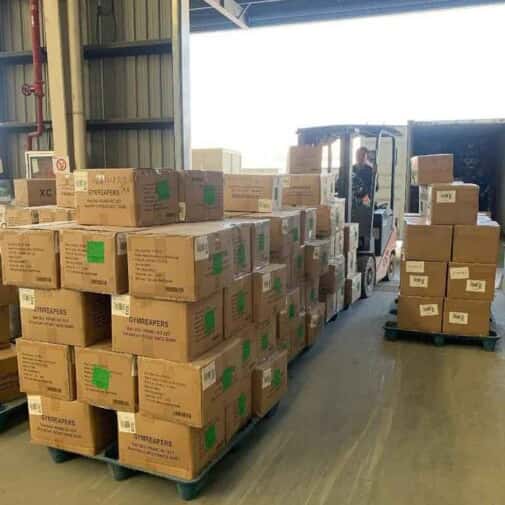
Retail Packaging and E-Commerce Fulfillment Support
Packing is not only the last step. For a private label lunch bag product, packing affects warehouse receiving, online fulfillment, retail allocation, subscription box assembly, product photography, and client experience.
A retail lunch bag may need a hangtag, barcode sticker, individual polybag, product card, and carton mark. An Amazon or Shopify product may need clean folded packing, SKU labels, compact carton volume, and accurate color sorting. A subscription box gift may need fixed folded size, insert card, and set packing with other items. A distributor order may need clear mixed-SKU notes and carton-level sorting.

| Channel | Packing Needs |
|---|---|
| Retail Store | Hangtag, barcode, individual packing, carton mark |
| Amazon / FBA | SKU label, compact packing, carton accuracy |
| Shopify / DTC | Clean folded packing, product photo consists,ency |
| Subscription Box | Fixed folded size, insert card, set packing |
| Distributor | Carton marks, quantity control, mixed SKU notes |
| Supermarket / Grocery | Barcode, retail label, reusable structure |
| Kids Product Line | Name label area, clean unit packing |
| Gift Set Program | Set packing, product card, box fit review |
Before shipment, review folded size, single unit or set packing, barcode placement, SKU label format, carton quantity, carton size, carton weight, mixed color sorting, warehouse receiving rules, and delivery route. Clear packing details help lunch bag orders reduce repacking, relabeling, manual sorting, and warehouse delays after arrival.
They also keep each insulated lunch bag closer to the approved sample and product image shown online, in retail displays, or in promotional kits. This is especially useful for e-commerce orders, multi-color programs, private label projects, and repeat shipments.
Logo and Branding Methods for Lunch Bag Products
Lunch bag branding can be simple, premium, sporty, colorful, or retail-focused. The best method depends on the surface material, logo size, artwork detail, color count, and how often the bag will be handled.
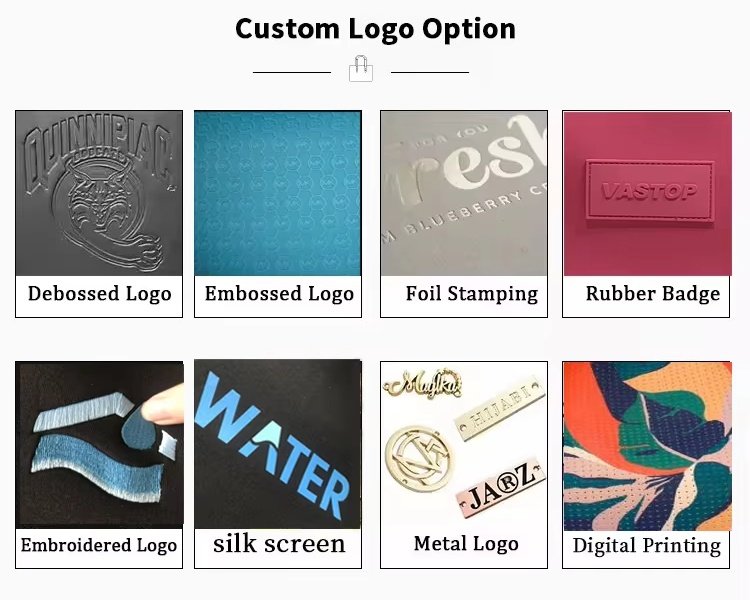
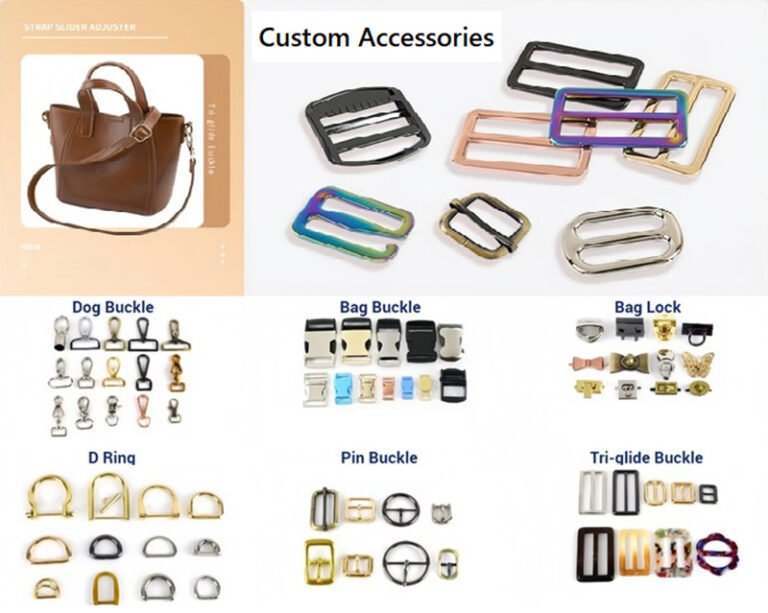
Screen printing works well for simple logos, brand names, product lines, and clean one-color graphics. Heat transfer can support richer colors and smoother graphic edges, especially for campaign artwork or colorful retail products. Embroidery can add texture on selected outer fabrics and is often better for small logos or premium gift lines. Rubber patches work well for outdoor, kids, sporty, or modern-style lunch bags. Woven labels are useful for subtle private label branding. Custom zipper pullers and hangtags can add extra product value without making the bag look crowded.
Screen Printing

Screen printing suits simple logos, school-style lunch bags, and value product lines, with clear results on flat fabric areas.
Heat Transfer

Heat transfer works for multi-color graphics, campaign visuals, and detailed logo artwork, but fabric and heat tests should be checked.
Embroidery
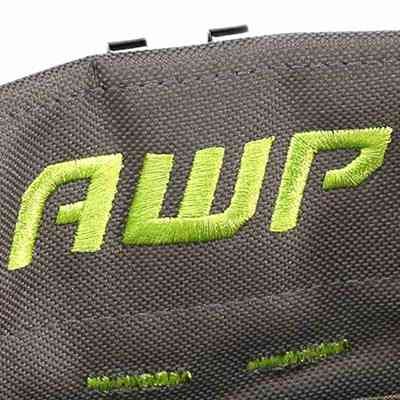
Embroidery is better for smaller logos, premium lunch totes, and corporate gift lines that need a refined brand detail.
Rubber Patch

Rubber patches create strong visual detail for outdoor, kids, sporty, and modern lunch bags with a more dimensional logo feel.
Woven Label

Woven labels suit private label lunch bag collections and subtle branding, offering a clean, repeatable, and professional finish.
Full-Color Print

Full-color print fits retail graphics, food brands, and seasonal lunch bag lines, with color clarity and surface fit reviewed early.
Hangtag

Hangtags help show retail stories, prices, care notes, and product features, making lunch bags clearer for shelf display.
Custom Zipper Puller

Custom zipper pullers add a small but frequent-use brand touch for zipper lunch bags, cooler bags, and private label items.
Inner Label

Inner labels support brand ownership, reorder consistency, care details, and private label lunch bag programs across repeated production.
Printed Care Label

Printed care labels are useful for washing notes, material information, compliance text, and reorder codes inside branded lunch bags.
Before confirming lunch bag artwork, review logo file quality, outer fabric type, print area, seam position, number of colors, expected retail price, daily use frequency, rub resistance, cleaning resistance, and label, patch, or hangtag needs. These details help choose the right branding method, such as screen printing, heat transfer, embroidery, rubber patch, woven label, or full-color print.
Sampling, MOQ, and Launch Quantity Planning
Jundong supports sample development and bulk planning for private label insulated lunch bags, cooler bags, kids lunch bags, meal prep bags, office lunch totes, neoprene lunch bags, and lunch bag gift sets.
Standard sampling time is usually 5–7 days. Some simple lunch bag styles can be sampled in 2–3 days when the material, size, structure, and artwork are clear. The usual MOQ is 500 pcs per design. Some simple lunch bag projects can be reviewed at 200–300 pcs depending on material availability, structure, logo method, and packing needs. Bulk production usually takes 20–30 days after sample approval and material readiness.
For first launches, it is often better to start with one clear style, one or two colors, one logo method, and a simple packing plan. This helps review product photos, listing feedback, real user response, and warehouse handling. After the first result is clear, the line can expand into new colors, adult and kids sizes, gift set versions, or different platform SKUs.
| Launch Stage | Better Direction |
|---|---|
| First product test | Use a focused style and available material |
| First retail launch | Confirm hangtag, barcode, and unit packing early |
| Amazon / Shopify start | Plan SKU label, folded size, carton accuracy |
| Kids lunch line | Review name label, easy-clean lining, compact size |
| Meal prep line | Confirm container fit, bottle space, and structure |
| Gift set launch | Test full set packing before bulk order |
| Multi-SKU launch | Limit versions first, then expand after feedback |
| Repeat order | Use approved sample and written records |

For a faster quotation and sample review, please send a reference photo or sketch, target size, lunch box or bottle dimensions, outer material or lining preference, logo file, label, barcode or SKU request, order quantity, packing method, delivery country, and target launch date. These details help confirm bag structure, insulation design, branding method, sample cost, bulk price, packing plan, and production schedule more accurately.
Quality Checks for Private Label Lunch Bags
A lunch bag used for retail or e-commerce must arrive clean, functional, correctly labeled, and ready for the next step. If the lining has a smell, the zipper feels rough, the logo is off-center, the lunch box does not fit, or the barcode is wrong, the issue can affect returns, reviews, warehouse handling, or launch timing.
Jundong has 80 quality inspectors and supporting inspection equipment, with checks covering incoming materials, production process, and finished goods before shipment. This is useful for private label lunch bag programs where function, packing accuracy, and repeat consistency matter.
Outer Fabric

Review outer fabric color, texture, stains, and surface strength to keep lunch bags clean, durable, and retail-ready.
Lining

Check lining cleanliness, smell, smoothness, and seam finish to support safe, easy-clean, daily food carry.
Insulation

Review foam thickness, placement, and structure to improve insulation performance, bag shape, and practical food storage.
Zipper
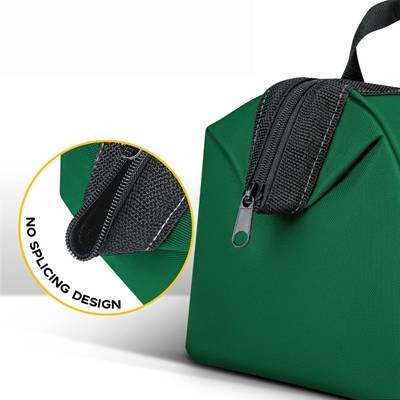
Test zipper movement, puller strength, and closure quality to reduce daily use problems and improve user experience.
Handle / Strap

Review handle length, comfort, attachment strength, and carrying balance for office, school, and outdoor lunch bags.
Logo
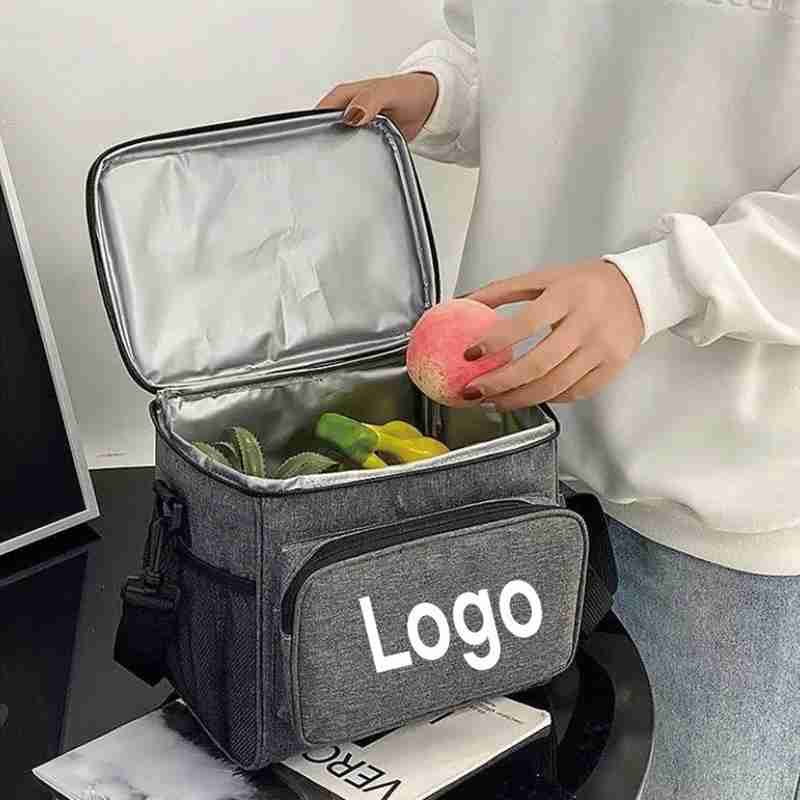
Check logo position, size, color clarity, and adhesion to keep branding clean, visible, and production-ready.
Capacity

Confirm lunch box, bottle, snack, and ice pack fit to avoid tight packing, wasted space, or poor use.
Labels
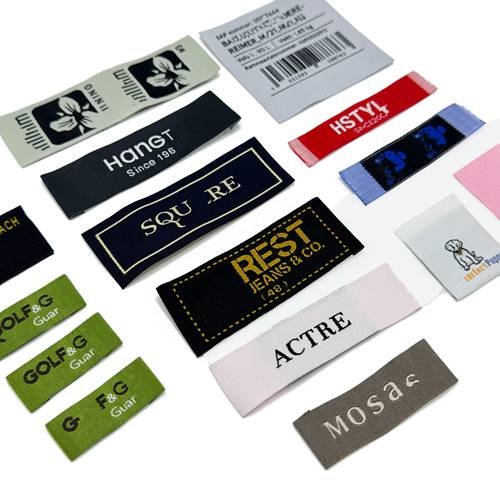
Review inner labels, care labels, barcodes, and SKU stickers for private label, retail, and repeat order control.
Packing

Check polybag style, folded size, set packing, and carton count to improve storage, shipping, and warehouse handling.
Carton

Review carton marks, weight, quantity, and mixed SKU notes to reduce sorting errors and delivery delays.
Before shipment, check lining smell, wrinkles, uneven foam placement, zipper movement, handle stitching strength, logo position, lunch box fit, SKU labels, barcode sticker placement, folded packing size, and carton marks. These checks help custom lunch bag orders stay closer to the approved sample and reduce quality complaints.
A strong inspection process also helps avoid wrong color sorting, relabeling, repacking, warehouse delays, and packing list mismatch after delivery. It is especially useful for private label lunch bags, multi-SKU retail programs, e-commerce orders, and repeat production.
Multi-SKU Collections and Repeat Order Control
A first lunch bag product can later expand into kids sizes, adult office totes, meal prep versions, cooler styles, gift set versions, new colors, and seasonal editions. Each new version should be planned with clear SKU rules so the product line stays easy to manage.
For retail and e-commerce brands, repeat consistency is just as important as first launch quality. Partners may reorder the same color. Warehouses may expect the same folded size. Product photos may need the same shape. Reviews may depend on the same lining, zipper, and capacity. If a second batch changes too much, it can affect client trust and listing performance.
| SKU Detail | What to Keep Clear |
|---|---|
| Style Version | Kids, office, meal prep, cooler, foldable, gift set |
| Size Version | Small, medium, large, bottle-friendly, container-friendly |
| Color System | Core colors, seasonal colors, platform-specific colors |
| Material Standard | Outer fabric, lining, foam thickness, zipper type |
| Logo Version | Artwork, position, print method, patch or label |
| Barcode / SKU | Code per color, size, platform, or bundle |
| Packing Format | Folded size, polybag, carton quantity, set packing |
| Reorder Record | Approved sample, measurements, production notes |

Lunch bag product lines can include kids’ lunch bags, adult lunch totes, meal prep bags, compact office lunch bags, seasonal cooler bags, Amazon size-and-color sets, subscription box items, gift sets with bottles or containers, and reusable RPET lunch bags. Different platform barcodes can also be planned for the same bag structure.
For long-term programs, approved samples, material references, lining details, logo placement, barcode setup, packing notes, SKU rules, and carton standards can be kept as reorder references. This helps private label lunch bag collections stay consistent across repeat production, retail launches, e-commerce sales, and multi-color programs.
Reusable and Sustainable Lunch Bag Options
For retail and e-commerce brands, a reusable lunch bag should be more than an eco claim. It should be durable enough for daily meals, easy enough to clean, and simple enough to pack, store, and ship. The best option depends on the brand’s audience, price level, design style, and channel needs.
RPET fabric can support recycled-material positioning. Oxford fabric can work well for stronger daily-use lunch bags. Neoprene gives a soft, flexible feel for simple reusable products. Canvas with lining can support lifestyle-style lunch totes. PEVA or aluminum foil lining can make the inside easier to wipe and more suitable for food carrying. A durable zipper, reinforced handle, smooth inner lining, and stable bottom can help the product stay useful longer.
Sustainability also depends on product life. A lunch bag that breaks quickly, smells bad, or is hard to clean will not be used long. A practical reusable design should balance material choice, function, cleaning, packing, and cost.

| Option | Better For | Review Notes |
|---|---|---|
| RPET Outer Fabric | Eco-positioned lunch bag lines | Check fabric handfeel and color options |
| Oxford Fabric | Daily-use and outdoor lunch bags | Stronger surface and good wear resistance |
| Neoprene | Soft reusable lunch bags | Flexible, lightweight, easy to carry |
| Canvas with Lining | Lifestyle lunch totes | Needs clean lining and structure support |
| PEVA Lining | Easy-clean daily lunch bags | Practical, smooth, food-carry friendly |
| Aluminum Foil Lining | Cooler bags and insulated totes | Common thermal look and easy wipe surface |
| Reinforced Handle | Repeated daily carrying | Check attachment strength |
| Compact Packing | E-commerce and retail storage | Helps reduce carton volume |
Make a sample first ?
Private label lunch bags should match more than a logo. They should fit your retail price level, product images, food containers, barcode rules, packing method, SKU plan, and delivery channel. When material, insulation, lining, logo placement, labels, hangtags, cartons, and warehouse needs are clear from the beginning, your lunch bag project becomes easier to quote, sample, produce, inspect, and ship.
Client Testimonials
800+ brand Clients Trust Jundong


Start Your Private Label Lunch Bag Project? Contact Us!
Your private label lunch bag project may start with a simple logo, or it may need a full retail and e-commerce plan. A supermarket line may need several colors, barcode labels, hangtags, and carton marks. An online brand may need compact packing, clean product images, SKU labels, and stable repeat order records. A gift set may need bottles, food containers, insert cards, custom packaging, and matching product details.
The best result usually starts with a clear project brief. You do not need to confirm every detail before contacting us. If you already have a logo file, reference photo, target size, food container dimensions, preferred material, packing idea, or launch date, that will help. If not, you can start with the basics: who will use the lunch bag, what it needs to hold, how many pieces you need, where it will be sold, and when the goods should arrive.
Jundong can help turn these early details into a workable private label lunch bag specification. The review can include bag style, outer fabric, insulation layer, lining material, logo method, woven label, inner label, hangtag, barcode setup, SKU rules, single packing, set packing, carton quantity, carton marks, sample timing, bulk lead time, QC checkpoints, and shipment preparation.
For faster review, send your logo, quantity, target retail channel, product size, lunch box or bottle dimensions, packing needs, and delivery country to info@jundongfactory.com. If your project is still open-ended, share your goal first: retail shelf sale, Amazon listing, e-commerce launch, corporate gift, wellness kit, subscription box, school program, or reusable lunch bag collection. A practical recommendation can start from there.
The right private-label lunch bag is not always the most complicated option. It is the option that fits your price level, protects your brand presentation, supports daily use, works with your packing and warehouse rules, and can be repeated with stable quality in future orders.
Private Label Lunch Bags Made Easy
At Jundong factory, we make complexity simple! Follow these three steps to get started immediately:
1. Tell Us Your Needs
Provide us with detailed information about your requirements, supply design drawings or tech packs, reference images, and share your ideas.
2. Get Solutions and a Quote
We will customize the best solution based on your needs and drawings, and provide a specific quote within 24 hours.
3. Confirm for Mass Production
Once we receive your confirmation and deposit, we will commence mass production and take care of the subsequent shipping arrangements.
FAQs, You ask, we answer
Choosing private-label lunch bags becomes easier when product details are clear from the beginning. The right solution may change depending on your retail price level, food container size, bottle space, insulation needs, logo method, label setup, barcode rules, packing volume, sales channel, and delivery plan.
These FAQs cover the practical details often reviewed before quotation, sampling, and bulk production, including bag style, outer fabric, PEVA or aluminum foil lining, foam thickness, logo placement, hangtags, SKU labels, carton marks, Amazon packing, e-commerce storage, retail display needs, MOQ, lead time, and repeat order control.

Certainly, a private label lunch bag is built as a sellable product under your brand, while a custom printed lunch bag may only add a logo to an existing style. The difference is in the full product setup: bag structure, insulation, lining, label system, hangtag, barcode, SKU sticker, packing format, carton mark, and reorder record.
A simple custom-printed lunch bag can work well for events, giveaways, or one-time promotions. It may only need one logo, one color, and simple carton packing. A private label lunch bag, however, needs to move through retail stores, Amazon, Shopify, DTC shipping, subscription boxes, or warehouse stock. That means each unit should be easy to identify, scan, store, ship, and reorder.
Private label details often include an inner label, care label, hangtag, barcode sticker, SKU label, individual polybag, folded packing, product card, and clear carton marks. These details may feel small, but they help avoid confusion when one lunch bag line has several colors, sizes, materials, or bundle versions.
A private label lunch bag also needs stronger product thinking. The lining should be easy to clean. The zipper should move smoothly. The handle should support daily use. The capacity should fit real lunch boxes, bottles, snacks, or ice packs. The logo should match the retail price level, not simply fill the front panel.
| Custom Printed Lunch Bag | Private Label Lunch Bag |
|---|---|
| Logo added to a standard bag | Product developed for brand sales |
| Simple packing | Unit packing, labels, barcodes, SKU |
| Often used for events | Used for retail, e-commerce, and repeat lines |
| Less channel detail | Built around listing, storage, shipping, and reorders |
In short, custom printing decorates the bag. Private label development prepares the lunch bag to become a real product in your line.
Sure, the best lunch bag style depends on the target user, product price level, channel, packing size, and how the bag will be shown online or on shelf. Retail and e-commerce brands usually choose from kids’ lunch bags, office lunch totes, meal prep bags, cooler lunch bags, neoprene lunch bags, foldable lunch bags, lunch backpacks, and gift set lunch bags.
A kid’s lunch bag should be compact, light, easy to clean, and easy to recognize. A name label area is helpful for school and family use. An office lunch tote should look clean and practical, with an insulated lining, a comfortable handle, and enough space for a lunch box, drink, and snacks. A meal prep bag needs a wider opening, a stronger structure, bottle space, and room for food containers. A cooler lunch bag works well for outdoor, grocery, picnic, food promotion, and reusable gift programs.
For e-commerce, packing size also matters. A beautiful lunch bag that folds badly may increase storage and shipping volume. A very soft lunch bag may look flat in product photos if the structure is not reviewed. A large cooler bag may look high-value, but carton size and shipping cost need to be checked early.
| Product Direction | Strong Style Choice |
|---|---|
| Kids product line | Kids’ lunch bag with name label area |
| Office and commute | Insulated lunch tote |
| Fitness and wellness | Meal prep bag |
| Food and grocery campaign | Cooler lunch bag |
| Simple online launch | Neoprene or foldable lunch bag |
| Subscription box | Fixed-size foldable lunch bag |
| Gift set | Lunch bag with product card and set packing |
A strong first style should be easy to photograph, easy to pack, easy to explain, and useful enough for repeated daily use. After the first launch works, the line can expand into new colors, sizes, or bundle versions.
Absolutely, insulation and lining should be chosen based on food-carry use, cleaning needs, product price level, and packing volume. Common options include PEVA lining, aluminum foil lining, PE foam, EVA foam, polyester outer fabric, Oxford fabric, neoprene, RPET fabric, and canvas with inner lining.
PEVA lining is widely used because it is smooth and easy to wipe. It works well for kids’ lunch bags, office lunch totes, and reusable daily lunch bags. Aluminum foil lining is common for cooler bags and insulated lunch totes because it creates a clear thermal look and is often used for food and drink carry. PE or EVA foam can add padding, structure, and thermal support, but thicker foam may increase bulk and carton volume.
The outer fabric also affects the product. Polyester is practical for value lines, school-style products, and colorful branding. Oxford fabric is stronger for daily use or outdoor lunch coolers. Neoprene is soft, flexible, and light, often suitable for simple retail or online products. RPET fabric is a good direction for reusable or sustainability-focused lines. Canvas with lining can support lifestyle-style lunch totes, but the structure needs to be planned well.
| Option | Better Use |
|---|---|
| PEVA lining | Easy-clean kids’ and office lunch bags |
| Aluminum foil lining | Cooler bags and insulated totes |
| PE / EVA foam | Structure and thermal support |
| Polyester | Value retail and colorful product lines |
| Oxford fabric | Stronger daily-use lunch bags |
| Neoprene | Soft, flexible, lightweight products |
| RPET fabric | Reusable and eco-positioned lines |
| Canvas with lining | Lifestyle lunch totes |
The safest way to decide is to test a sample with real lunch boxes, bottles, snacks, and ice packs. This shows whether the lining, opening, foam thickness, and final size work as expected.
Definitely, private label lunch bags should be packed according to the sales channel, because retail stores, Amazon, Shopify, DTC shipping, subscription boxes, and distributors all handle products differently. A good packing plan helps each unit stay clean, easy to identify, easy to scan, and ready for storage or shipment.
For retail stores, lunch bags often need hangtags, barcodes, product cards, and individual packing. The product should be easy to display and easy to scan. For Amazon or warehouse-based fulfillment, SKU labels, carton accuracy, folded size, and clear outer marks are more important. For Shopify or DTC brands, clean unit packing and product photo consistency matter because the customer experience often starts when the parcel is opened.
Subscription box lunch bags may need fixed folded size and set packing. Gift set versions may need to fit with bottles, containers, cutlery, insert cards, or snack packs. Distributor orders may need mixed-SKU carton notes, color sorting, and packing lists.
| Channel | Packing Priority |
|---|---|
| Retail store | Hangtag, barcode, display-friendly packing |
| Amazon/warehouse | SKU label, carton accuracy, compact packing |
| Shopify / DTC | Clean unit packing and photo consistency |
| Subscription box | Fixed folded size and set packing |
| Distributor | Carton marks and mixed-SKU notes |
| Gift set | Item fit, insert card, set packing |
| Multi-color line | Color sorting and barcode control |
Packing should be planned before production ends. If barcode labels, SKU stickers, carton marks, or set packing are added too late, the order may need extra labor, relabeling, or repacking. A clear packing plan makes the lunch bags easier to receive, store, ship, and reorder.
Sure, the right size for a custom lunch cooler bag should be chosen by the real contents, not only by a standard catalog size. Start with what the bag needs to carry: lunch boxes, drink bottles, cans, yogurt cups, fruit, snacks, ice packs, cutlery, sample packs, or grocery items.
Measure the product length, width, height, and final placement direction. A lunch box may need to lie flat. A drink bottle may need to stand upright. A 6-can cooler needs enough width and load support. A meal prep bag may need stacked boxes and a side or top space for an ice pack. If the bag is too small, the user will struggle with packing. If it is too large, the project may waste material, carton space, and freight cost.
The opening size also matters. A bag may technically fit the lunch box, but if the zipper opening is too narrow, the user will still find it difficult to use. The same is true for cleaning. A wider opening helps users wipe the lining more easily after food or drink use.
For food and beverage brands, size planning should also consider distribution. A structured cooler tote may look better for retail but take more carton space. A foldable insulated bag may be easier for large campaigns and store distribution. A compact bag may work well for dairy sampling or coffee promotions, while a larger cooler tote may suit grocery or picnic programs.
Before sampling, it is helpful to send the product size, expected capacity, and use scene. A simple photo with a ruler can already speed up the review.
Size Planning Checklist
| Step | What to Confirm |
|---|---|
| 1 | Product size and weight |
| 2 | Flat or upright placement |
| 3 | Ice pack position |
| 4 | Opening width |
| 5 | Handle or shoulder strap needed |
| 6 | Folded size and carton volume |
| 7 | Retail or giveaway packing |
Absolutely. A sample is the safest step before launching a private label lunch bag because it confirms the real product, not just the design idea. It allows your team to check the size, insulation, lining, zipper, handle, logo placement, barcode position, SKU label, unit packing, and how the bag looks in photos before bulk production begins.
For retail and e-commerce brands, the sample stage is especially useful because the product must perform in several places at once. It needs to look good in product photos. It needs to fit real lunch boxes, bottles, snacks, ice packs, or meal prep containers. It needs to fold into a practical packing size. It needs to arrive clean enough for warehouse storage or direct online fulfillment.
A sample review should not only ask, “Does it look good?” It should also ask, “Can this product be sold, shipped, reviewed, reordered, and expanded into more SKUs?”
| Sample Check | What to Review |
|---|---|
| Size | Lunch box, bottle, snack, and ice pack fit |
| Lining | Smoothness, smell, cleaning ease, seam finish |
| Insulation | Foam thickness, placement, structure |
| Zipper | Smooth movement and puller strength |
| Handle | Comfort, length, attachment strength |
| Logo | Size, clarity, color, and position |
| Labels | Inner label, care label, SKU, barcode |
| Packing | Folded size, polybag, carton quantity |
Standard sampling time is usually 5–7 days. Some simple lunch bag styles can be sampled in 2–3 days when the material, size, structure, and artwork are clear. More detailed styles with special lining, thick foam, embroidery, rubber patches, custom zipper pullers, or gift set packing may need more review time.
A good sample approval record should include photos, measurements, material notes, lining details, logo position, label placement, packing notes, and carton details. This record helps the first bulk order stay closer to the approved version and makes repeat orders easier to control.
Certainly, private label lunch bag bulk production usually takes about 20–30 days after sample approval and material readiness. The actual timeline depends on the lunch bag style, outer fabric, lining, foam layer, logo method, label system, SKU quantity, packing format, and total order volume.
A simple polyester zipper lunch bag with available material, PEVA lining, one-color logo, and basic unit packing can usually move faster. A private label cooler lunch bag with custom color fabric, thicker insulation, rubber patch, hangtag, barcode sticker, SKU label, gift set packing, and several color versions needs more time for material preparation, matching, inspection, and packing.
For retail and e-commerce launches, timing should be planned from the launch date backward. Product photography, listing preparation, warehouse booking, retailer delivery windows, Amazon or Shopify inventory planning, and campaign dates can all affect the real schedule.
A practical timeline may look like this:
| Stage | Main Review |
|---|---|
| Project details | Style, size, material, quantity, channel |
| Sampling | Usually 5–7 days; simple styles may be 2–3 days |
| Sample approval | Size, lining, logo, labels, packing |
| Material preparation | Fabric, lining, foam, zipper, labels |
| Bulk production | Cutting, printing, sewing, finishing |
| Inspection | Lining, zipper, handle, logo, capacity |
| Packing | SKU label, barcode, polybag, carton marks |
| Shipment prep | Packing list, carton details, delivery route |
For a faster launch, keep the first version focused. Choose available materials when possible, limit the number of colors, confirm the logo method early, and avoid changing the packing plan after production starts. Clear early decisions usually save more time than rushing at the end.
Of course. Private label lunch bags can include hangtags, inner labels, care labels, woven labels, barcode stickers, SKU labels, individual polybags, folded unit packing, product cards, carton marks, and packing lists. These details help lunch bags move more smoothly through retail stores, warehouses, Amazon, Shopify, DTC shipping, subscription boxes, and distributor programs.
For retail stores, hangtags and barcodes are often needed for display, checkout, and stock control. For Amazon or Shopify products, SKU labels and clean unit packing help with storage, picking, packing, and fulfillment. For subscription boxes, a fixed folded size and set packing help the lunch bag fit with other products. For distributors, carton marks and packing lists help check mixed SKUs, colors, and quantities.
A private label lunch bag line may include several versions. For example, a kids’ lunch bag in three colors, a meal prep bag in two sizes, and a cooler lunch bag with a gift set packing. Without clear SKU and barcode rules, the order can become difficult to receive and ship.
| Detail | Why It Helps |
|---|---|
| Hangtag | Retail display and product information |
| Inner label | Brand identity |
| Care label | Cleaning and material guidance |
| Barcode sticker | Store scan and warehouse handling |
| SKU label | Color, size, platform, and bundle control |
| Individual polybag | Keeps each unit clean |
| Carton mark | Helps with receiving and sorting |
| Packing list | Speeds up warehouse checking |
These small details reduce relabeling, repacking, and manual sorting after arrival. For retail and e-commerce lunch bags, they are part of the product system, not an optional decoration.
Of course. Repeat consistency comes from approved samples, written records, material references, label rules, packing standards, and controlled changes. For private label lunch bags, this is especially important because online reviews, product photos, warehouse expectations, and Partner reorders often depend on the product staying stable.
After sample approval, keep clear records of the outer fabric, lining material, foam thickness, zipper type, handle length, logo placement, label position, barcode setup, folded size, carton quantity, and inspection notes. These details help the next order stay close to the first approved version.
A repeat order may still include changes. A brand may add new colors, a larger size, a kids version, a meal prep version, or a gift set version. The key is to control what changes and what stays fixed. For example, the color may change while the lining, zipper, capacity, and packing method stay the same. Or the bag size may change while the logo position and label system remain consistent.
| Repeat Control Item | What to Keep |
|---|---|
| Approved sample | Shape, size, feel, main structure |
| Fabric record | Material type, color, texture |
| Lining standard | PEVA, foil lining, seam finish, smell check |
| Foam detail | Thickness and placement |
| Logo record | Artwork, size, position, method |
| Label system | Inner label, care label, barcode, SKU |
| Packing record | Folded size, polybag, carton quantity |
| Carton mark | Style, color, SKU, destination notes |
Consistent repeat orders make product line growth easier. They also reduce the chance of negative reviews, warehouse confusion, and partner complaints caused by unexpected changes.
Sure. To get an accurate quote for private label lunch bags, provide the bag style, target size, outer material, lining preference, insulation requirement, logo file, label details, barcode or SKU needs, packing method, quantity, delivery country, and target launch date. If the bag needs to fit a lunch box, bottle, ice pack, snack pack, container set, or subscription box, those measurements are very helpful.
A complete request allows the cost to reflect the real product, not only the basic bag. Private label projects often include details such as inner labels, care labels, hangtags, barcode stickers, SKU labels, individual polybags, set packing, carton marks, and packing lists. If these details are missing from the first quote, the final cost may change later.
| Information | Why It Helps |
|---|---|
| Reference image | Shows the style direction |
| Target size | Helps calculate material and capacity |
| Lunch box or bottle size | Confirms real item fit |
| Outer material | Affects cost, strength, and look |
| Lining type | Affects cleaning and insulation |
| Logo file | Helps choose the branding method |
| Label and barcode details | Supports retail and online handling |
| Packing request | Affects labor, carton size, and sorting |
| Quantity | Affects MOQ, unit cost, and setup |
| Delivery country | Helps review export and shipping details |
| Target launch date | Helps check sample and production timing |
If the design is not final yet, a reference photo, rough size, target quantity, and sales channel are enough for an early estimate. For a more accurate project review, include product photos, listing goals, SKU plan, packing requirements, and any warehouse rules.
Project files, logo artwork, measurements, and packing references can be sent to info@jundongfactory.com for review.