 Skip to content
Polyester Bags Manufacturer
Looking for a polyester bag manufacturer that can deliver stable bulk, not just a nice first sample? We build polyester tote bags, backpacks, duffels, pouches, and promotional bags with a repeatable approval package (BOM lock, tolerances, reinforcement map, logo spec, packing rules) and staged QC focused on real failure zones like strap anchors, zipper ends, and base corners. Start with a pilot SKU, validate feel and function, then scale into clean reorders with consistent materials, labeling, and pack-out logic—so your team spends less time firefighting and more time selling.
Polyester Bags: Bulk-Stable, Clean Reorders
A reliable polyester bag program is not “about polyester.” It’s about turning polyester into a repeatable system. Many suppliers can sew a bag once. Fewer can keep the same hand-feel, shape, logo placement, and carton marks month after month.
(1) Approval Package
Bulk drift is likely when approval is only photos and verbal OK. Polyester varies by weave, yarn, coating, and finishing, which changes stiffness, print clarity, abrasion behavior, and color. A production-ready Approval Package should include:
- BOM lock: outer, lining, foam or interfacing, webbing, zipper and hardware, thread
- Measurements and tolerances
- Reinforcement map: anchors, handle roots, zipper ends, base corners
- Logo spec: method, placement dimensions, artwork file, basic durability checks
- Packaging rules: polybag, barcode placement, carton marks, carton numbering
(2) Stress-zone control
Common failure points are strap anchors, zipper ends, base corners, and seam creep. Ask about anchor stitch patterns, zipper-end reinforcement, base protection, and webbing grade matched to load.
(3) Staged QC
Use incoming checks for component match, in-process checks at anchors and zipper ends, then final function, measurement, and packing verification.
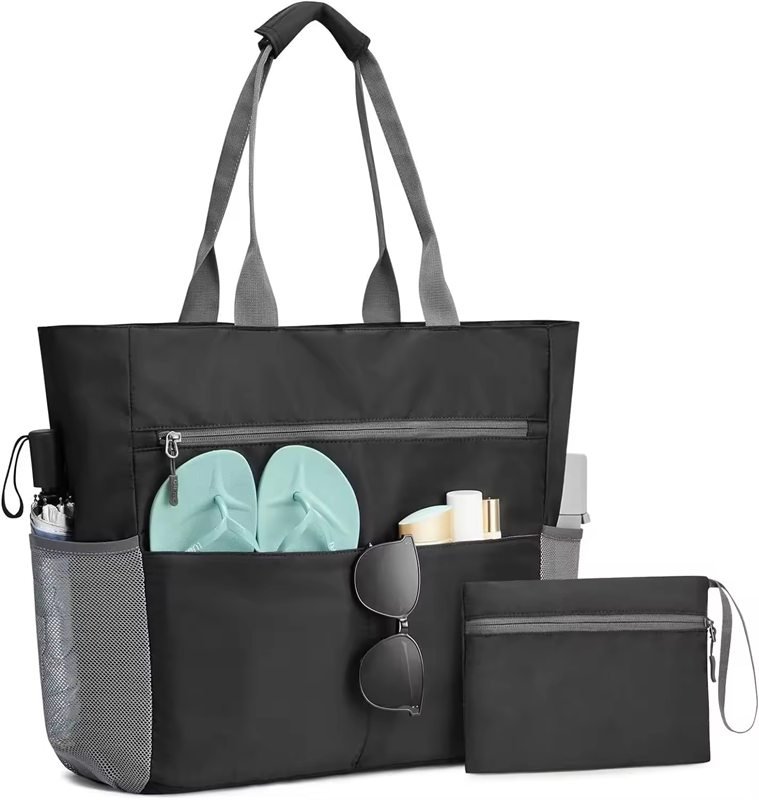
We make polyester totes, backpacks, duffels, slings, organizers, cooler bags, drawstring bags, and promo bags, so one SKU can scale into a line.


Why Polyester Bags: Cost and Scalability
Polyester is often chosen for three reasons: stable supply, cost predictability, and branding flexibility. Results improve when the right grade and full build system are specified.
(1) When polyester is a good fit
Polyester works well for totes, backpacks, travel bags, pouches, drawstrings, and promotional bags. It supports printing and color programs, and coatings can add water resistance or stiffness.
| Use case | Why polyester works | What to control |
|---|---|---|
| Promotional or gifting | cost and branding | print method, color match |
| E-commerce daily use | stable supply | zipper grade, anchors |
| Retail basics | consistent look | hand-feel, stitching |
| Light outdoor | durable enough | coating, base wear zones |
For extreme abrasion or heavy industrial use, reinforcement and component grade matter as much as the fabric.
(2) Polyester is not one spec
Define weave and density, coating intent, color standard (stock or Pantone), target performance (abrasion, colorfastness, stiffness, water resistance), and packing style (flat vs shape protected).
(3) Avoid common assumptions
Thicker is not always better. Water resistance is not waterproof. Logo methods depend on coatings. Zipper grade affects returns.
A practical approach is to choose your tier first (promo, standard, premium), then select the polyester system to match.
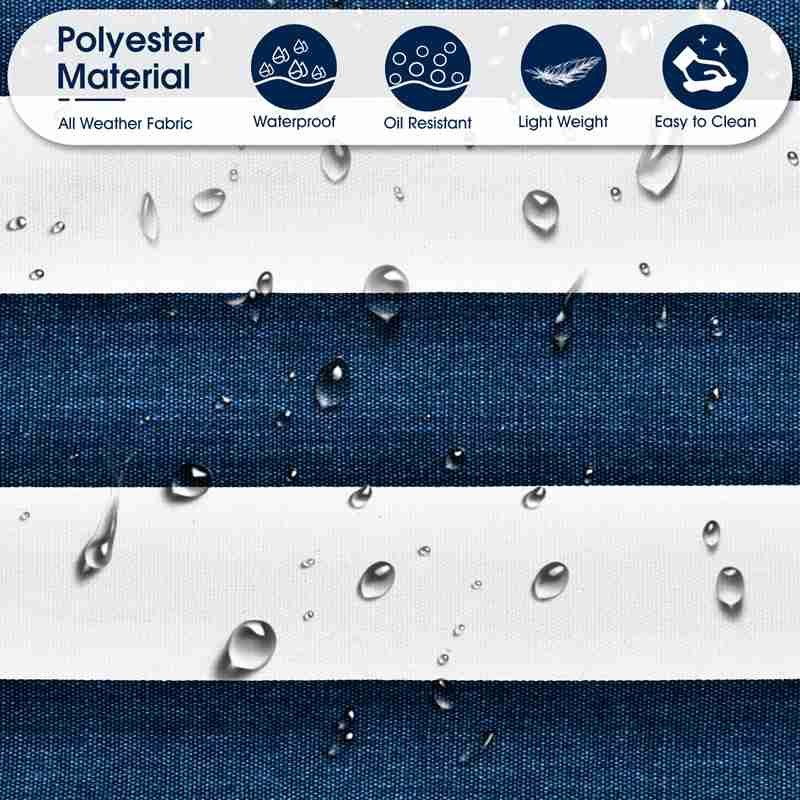
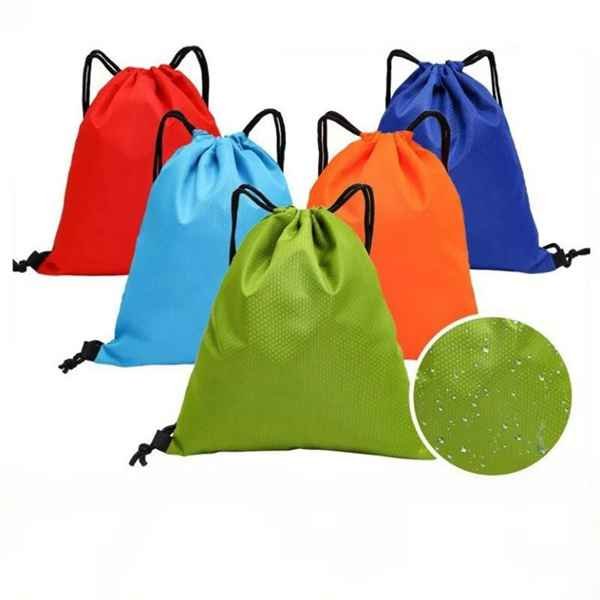

Polyester Bag Types We Manufacture
Polyester bags are a broad manufacturing family. A supplier who can sew a tote may not be able to produce a structured backpack with stable tolerances and clean interior finishing. Here’s a practical breakdown of common types and what to check.
(1) Common polyester bag categories
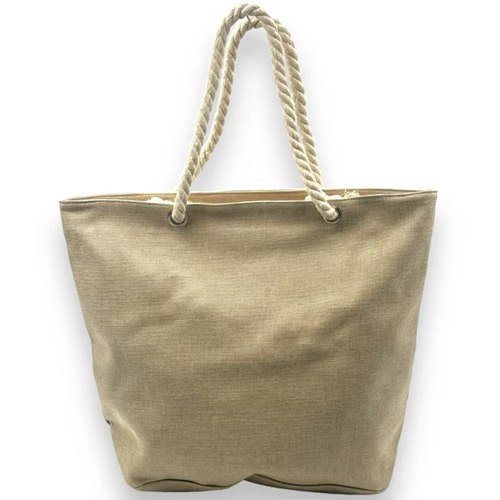
- Tote bags: events, retail add-ons, corporate gifting
- Backpacks: school, commuting, brand merch, retail basics
- Duffel and gym bags: fitness, travel, team kits
- Sling and crossbody bags: compact everyday carry
- Pouches and organizers: tech, cosmetics, kits
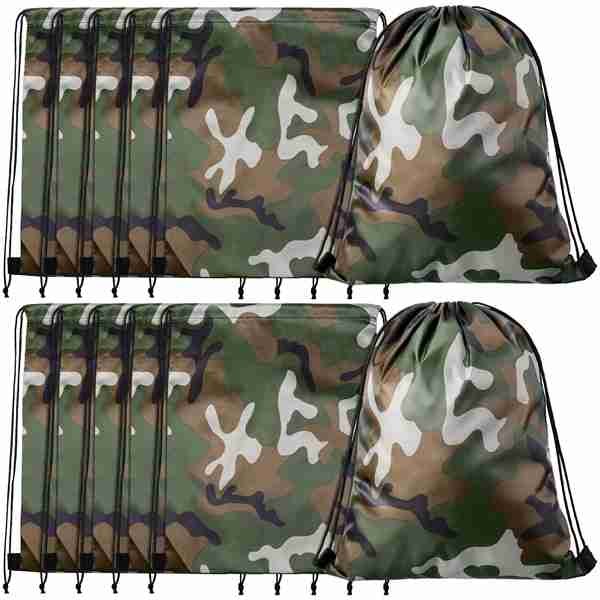
- Drawstring bags: events, schools, sports teams
- Cooler bags (polyester outer): food delivery, promo, outdoor use
(2) What matters by bag type
| Bag type | Success metric | Key QC focus |
|---|---|---|
| Tote | clean branding, low returns | handle roots, print durability |
| Backpack | comfort, stable shape | strap anchors, tolerances |
| Duffel | smooth zip, base durability | zipper grade, base corners |
| Sling | reliable hardware | buckle stitching, strap hold |
| Pouch | clean alignment | zipper alignment, panel symmetry |
(3) Fast quotation inputs
Send bag type, size, target load, material direction, logo method, packaging needs, quantity split by SKU, plus a short must-not-change list.


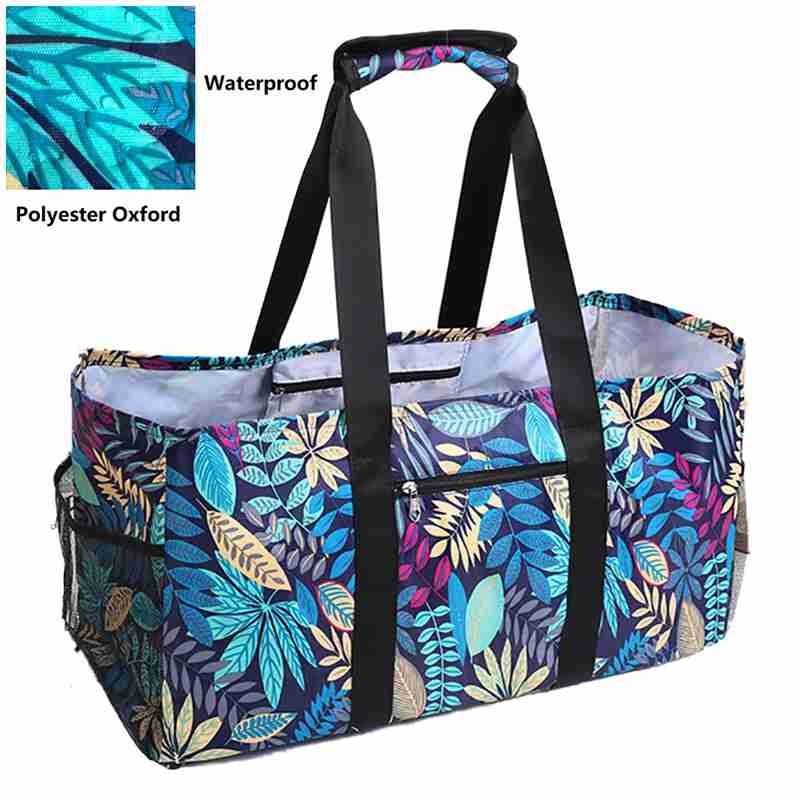

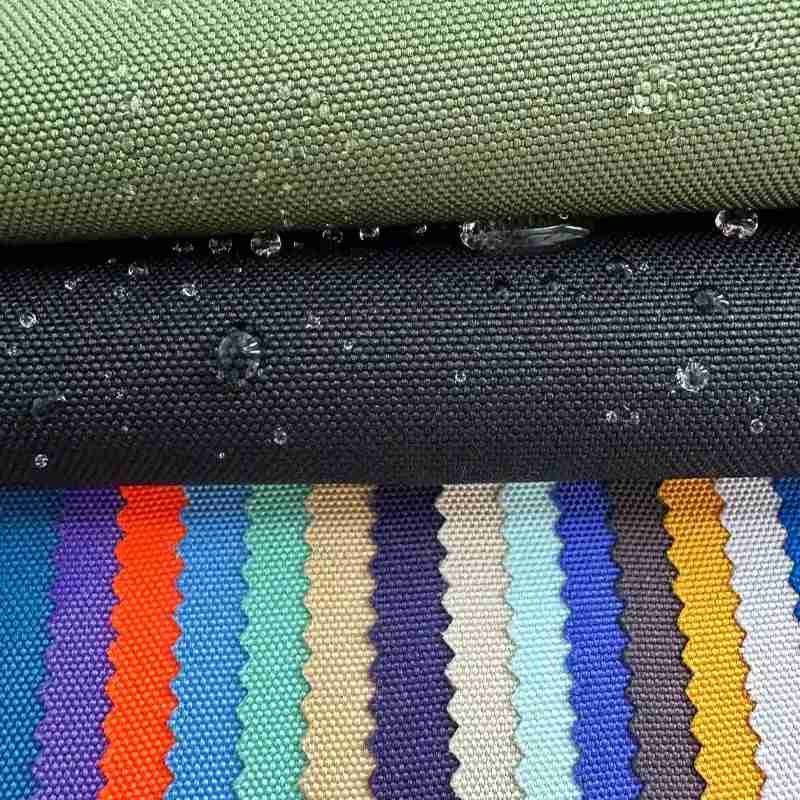
Polyester Fabrics and Coatings for Consistency
If the goal is “sample matches bulk,” polyester selection must be treated as a controlled system. Most inconsistency comes from vague language like “polyester” or “water-resistant polyester,” which leaves too much room for substitution.
(1) Four variables that change performance
- Weave: plain weave prints cleanly and feels stable; twill can feel richer but may vary in texture.
- Yarn density and fabric weight: affect abrasion and shape. Define target feel: structured, semi-structured, or soft drape.
- Finish: matte vs sheen changes perceived quality and logo adhesion.
- Coating system: affects water resistance and stiffness, but can cause transfer peeling or cracking if the logo method is mismatched. Common directions: PU, TPU, or no coating.
(2) Water-resistant vs waterproof
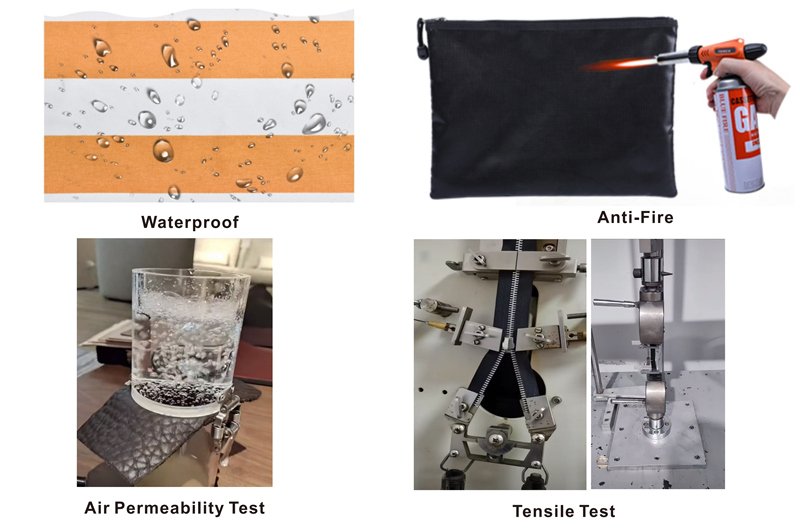
Water-resistant handles light splashes. Waterproofing requires a full system: seam sealing, closure design, and construction control.
(3) RFQ fabric checklist
Target feel, visual finish, coating intent (PU, TPU, none), color standard (stock or Pantone), expected use, and packing method (flat vs shape protected).
(4) Sampling requests
Swatch photos under neutral light, a simple rub check for prints, and confirmation bulk fabric matches the approved swatch.
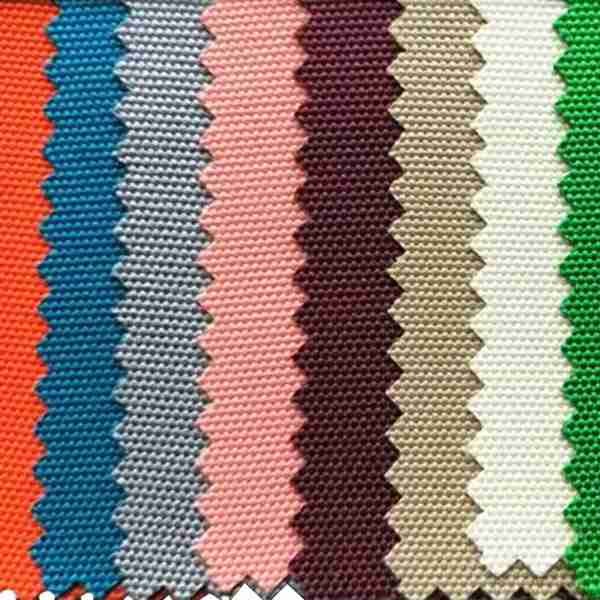
Polyester Fabrics and Coatings for Consistency
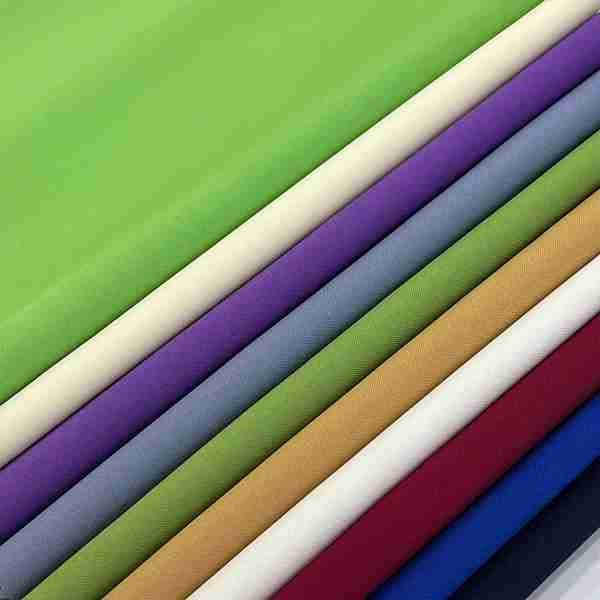
The real question is not “polyester vs nylon.” It’s: which material system best matches your use case, price tier, and durability expectations without creating supply instability?
(1) Comparison table
| Factor | Polyester | Nylon | Practical takeaway |
|---|---|---|---|
| Cost | often more predictable | often higher | choose by tier |
| Hand-feel | soft to structured | often smoother | approve swatch, not name |
| Abrasion | good with right weave | often strong | weave and coating matter |
| Water resistance | depends on coating | depends on coating | waterproof needs construction |
| Color and print | usually stable | also good, varies | match logo and print method |
| Reorder stability | strong with stock colors | strong, supply can vary | lock BOM and swatch |
(2) Channel rules
Promo programs often favor polyester for cost and printing. Daily carry can use either; prioritize zipper grade, webbing, and reinforcement. Premium outdoor can lean nylon, but still needs a full durability system. Retail premium feel should be chosen by hand-feel and finishing.
(3) What really drives returns
Anchor tearing, zipper issues, base corner collapse, size drift, and poor finishing are solved by reinforcement, component grade, and QC, not fabric name.
(4) Sampling shortcut
Request two options on the same pattern: one polyester system and one nylon system, then test under the same load.

Polyester Bag MOQ and Cost Drivers
MOQ becomes difficult when it’s treated as a negotiation number instead of a supply-chain logic problem. For polyester bags, MOQ is usually driven by custom color dye lots, custom trims or hardware, too many SKUs, and complex labor builds.
(1) What increases MOQ and how to reduce it
| MOQ driver | Why it raises MOQ or cost | Practical fix |
|---|---|---|
| Custom fabric color | dye minimums | start with stock colors |
| Custom zipper puller | supplier minimums or tooling | use standard puller in V1 |
| Too many SKUs | batch splitting | start with 1–2 SKUs |
| Complex internal layout | more labor and defects | simplify pockets in V1 |
| Premium packaging kits | extra operations | upgrade packaging in V2 |
(2) Pilot SKU method
A small order can still fail if standards are vague. A stable pilot includes a locked BOM and approved swatch, a reinforcement map at stress zones, a measurement tolerance sheet, and a defined packaging and labeling plan. Then scale with minimal changes.
(3) Cost cuts that won’t create returns
Avoid cutting zipper grade, webbing, anchor reinforcement, and base corner wear protection. Safer savings: fewer pocket layers, no custom hardware early, stock colors, and simpler builds.
(4) Quote clarity checklist
The quote should state fabric and coating direction, zipper spec, webbing spec, logo method, and packaging assumptions.

Polyester Bag Sampling: Prototype to Scale
A sampling workflow is more than “make a sample.” It turns an idea into a bulk-stable standard. Drift often happens when stages are skipped or approvals happen too early. A fast, safe route is staged.
Step 1: Feasibility and build plan
Confirm bag type, target dimensions, load expectation, polyester weave and coating intent, logo method, packaging format, and MOQ logic. This prevents later quote changes.
Send in one message: use case and channel, size and must-fit items, estimated load, logo method, quantity and SKUs, packaging needs (barcode, carton marks, inserts).
Step 2: Prototype sample
Confirms function and layout: pockets, opening path, strap range, internal organization. Approve function under load, comfort, layout, practicality, and rough logo position.
Step 3: PPS (pre-production sample)
Made in bulk. Lock the Approval Package: BOM lock, measurements and tolerances, reinforcement map photos, logo dimensions, packaging rules, and carton marks.
Step 4: Pilot order
Proves consistency and pack-out logic: operator repeatability, defect profile under QC, label accuracy, carton marks, and packing list alignment.
Step 5: Scale order
Expand one change at a time, and treat each change as a spec version update.

Polyester Bag Reinforcement Map for Durability
A reinforcement map defines where the bag carries load and the construction rules that protect those zones. Polyester can be durable, but it needs consistent reinforcement, especially for repeat orders.
(1) Common stress zones
- Strap anchors and handle roots: the most frequent failure point
- Zipper ends: tension concentrates at end stops; misalignment causes jams.
- Base corners and base panel: abrasion, impact, and collapse risk
- Pocket openings and attachment seams: seam creep if sewing is inconsistent
(2) Practical reinforcement patterns to specify
| Stress zone | Reinforcement pattern | Why it works |
|---|---|---|
| Anchors | bar-tack or box-X with backing | spreads load |
| Zipper ends | end-stop reinforcement with clean finishing | prevents split or jam |
| Base corners | corner patch and edge control | improves wear resistance |
| Attachment seams | controlled seam allowance with topstitch | reduces seam creep |
(3) Reinforcement is a system
More stitches are not always better. Stitch density, backing material, webbing grade, and seam route must match the load path, or panels can distort.
(4) How to confirm in production
Request simple photo evidence at checkpoints: close-ups of anchors, zipper ends, base corners, plus basic zipper cycle and load checks.
(5) RFQ lines
“Define reinforcement patterns for anchors, zipper ends, and base corners.”
“Include close-up photos in pilot production.”
“Lock reinforcement into the Approval Package.”

Polyester Bag QC Checkpoints for Reorders
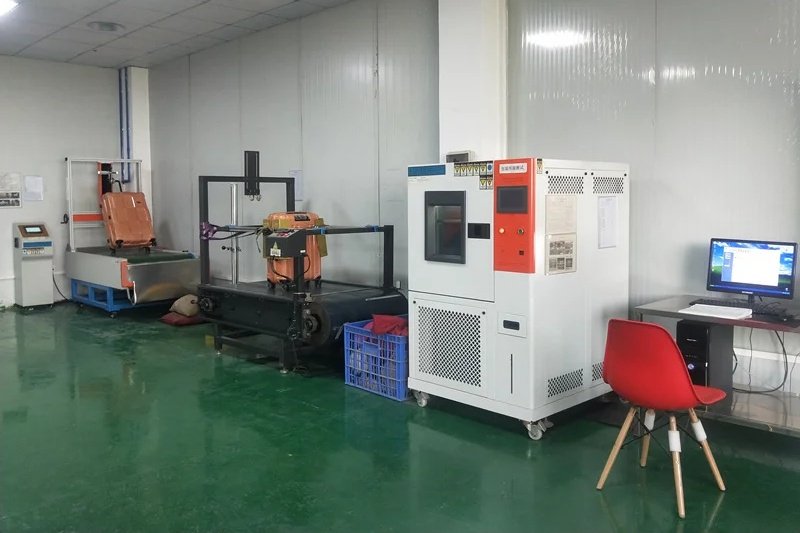
Quality control works best when it’s staged. Final inspection alone is too late for many failures. A practical system has three layers: incoming QC, in-process QC, and final QC with packing verification.
(1) Incoming QC
Confirm bulk materials match the approved swatch and BOM: polyester finish and coating feel, webbing thickness, zipper grade, hardware tone, and thread match.
Request simple proof: material photos with labels and a BOM checklist.
(2) In-process QC
Focus on stress zones and repeatability:
- anchors: stitch pattern and layer stack
- zipper ends: alignment and finishing
- base corners: reinforcement and edge control
- pocket seams: seam allowance consistency
Request close-up photos and a basic defect record.
(3) Final QC and packing verification
Check key measurements within tolerance, zipper cycles under light load, appearance, and logo placement. Verify packing: SKU code, barcode position, carton marks, carton numbering, and packing list accuracy.
(4) Tolerance strategy
Set tighter tolerances on critical fit points (opening width, strap length, laptop fit) and moderate tolerances elsewhere to reduce disputes.

Polyester Bag Logo Options That Last
For polyester bags, logo durability is a compatibility decision: fabric finish, coating, logo method, and real-use friction. A good-looking logo can still fail in shipping or daily carry if the method is mismatched.
(1) Common branding methods
| Method | Best for | Risk | Notes |
|---|---|---|---|
| Woven label | clean, premium detail | low | stable on most polyester |
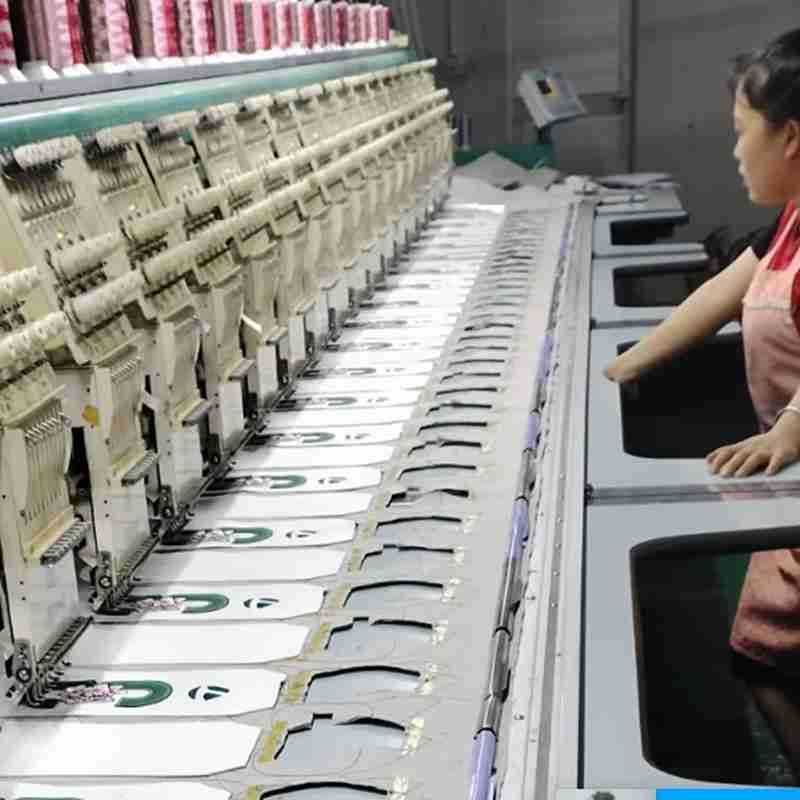
| Embroidery | premium look | medium | may pucker thin fabrics |
| Heat transfer | detailed graphics | medium-high | depends on coating and process control |
| Screen print | bold simple logos | medium | rub resistance varies by ink system |
| Rubber patch | sporty utility styles | low-medium | needs clean edge finishing |
| Metal plate | premium feel | medium | scratch risk without protection |
(2) Compatibility rules
Matte polyester works well with woven labels and controlled embroidery. Coated polyester (PU or TPU direction) can create adhesion issues for transfers unless validated. Avoid placing printed logos on high-friction areas like strap zones and base corners.
(3) What to lock
Lock the artwork file version, logo size and placement measurements, method spec, placement tolerance, and basic durability expectations. Add a simple bulk photo standard (logo close-up).
(4) Practical tip
Use one primary branding method for V1, then add variations after bulk stability is proven.


Polyester Bag Packaging Rules
Packaging is part of product quality. It affects unboxing, damage rate, and receiving accuracy.
(1) Choose the packing goal
| Goal | Best for | Trade-off | Add-on |
|---|---|---|---|
| Flat pack | promo, cost control | more creases | folding instruction, protection sheet |
| Shape protected | retail-ready, premium feel | higher volume | inner support board or insert |
If the fabric creases easily, shape protection can reduce complaints and improve perceived value.
(2) Protect what’s noticed first
Focus on logo surfaces (avoid rubbing), front-panel creases, strap deformation, and coated surfaces (prevent sticking or scuffs). Simple controls: individual polybag, tissue or protection sheet, and a consistent folding method.
(3) Carton marks and SKU logic
A clean carton mark should include: SKU code, color, quantity per carton, carton number (1/20), gross and net weight, carton size, and PO number when needed. Packing lists should match carton numbering.
(4) Packing verification proof
Request packing photos: carton marks, barcode placement (if used), and clear separation when multiple SKUs are packed.


Polyester Bag Compliance for Startups
Most compliance issues come from two mistakes: waiting until the last minute or testing without a clear plan. A better approach is a simple compliance roadmap.
(1) Start with four questions
- Sales markets: US, EU, UK, or others?
- User group: kids or adults?
- Claims: waterproof, food contact, recycled content?
- Materials to watch: coatings, prints, PVC-like finishes, metal hardware?
(2) Planning table
| Situation | Risk level | Best practice |
|---|---|---|
| Adult bags, standard use | medium | supplier declarations and stable BOM |
| Kids-focused items | higher | safer materials and planned testing |
| Heavy coatings or prints | medium-high | durability checks and material review |
| Multi-market distribution | higher | plan by region and control documents |
(3) Useful documents to prepare
Material spec sheet, BOM list with component sources, required test reports (if needed), and packaging declarations for any recycled-content claims.
(4) Key principle
Compliance starts with material selection and BOM lock. Testing verifies; it doesn’t “rescue” unstable materials or last-minute substitutions.
Polyester Bag RFQ Template
You can copy this RFQ template into an email or form. Fill in what you know. Unknown items can be marked “TBD”.
RFQ Template
(1) Bag Type and Use
- Bag type: tote / backpack / duffel / sling / pouch
- Sales channel: e-commerce / retail / promotional
- Use scenario: daily commute / gym / travel / event
- Expected load: ____ kg (estimate is fine)
(2) Size and Layout
- Target size (L × W × H): ______
- Must-fit items: laptop size / bottle size / other ______
- Pocket layout: (brief description) ______
- Closure: zipper / drawstring / snap / open top
(3) Materials (Polyester)
- Target feel: structured / semi-structured / soft
- Surface finish: matte / slight sheen / glossy
- Coating: PU / TPU / none (purpose: water resistance, stiffness, wipe-clean, etc.)
- Lining: (if any) ______
(4) Components
- Webbing: standard / heavy duty (based on load)
- Zipper: standard / upgraded (preferred type if you have one)
- Hardware color: black / nickel / gunmetal / other ______
(5) Branding
- Method: woven label / embroidery / transfer / print / patch
- Placement and size: ______
- Artwork files: AI / PDF / PNG
(6) Quantity and SKUs
- Total quantity: ______
- Colors or SKUs and quantity per SKU: ______
(7) Packaging and Carton Marks
- Individual polybag: yes/no
- Barcode label: yes/no (position: ______)
- Carton marks template needed: yes/no
- Packing list by carton number: yes/no
(8) Approval Steps
- Prototype sample needed: yes/noyes/no
- PPS (pre-production sample) required: yes / no
- Pilot order preferred: yes/no
Why this template works
It helps suppliers quote on the same assumptions and makes sampling smoother, because materials, components, logo method, packaging, and approval steps are clear.
If you want a fast review of your RFQ and a practical build suggestion, you can email info@jundongfactory.com when ready.
Make A Sample First?
See your idea come to life before mass production.
At Jundong Factory, we offer free design mockups and custom samples to ensure every detail is perfect — from material and color to logo placement and stitching.
Start your project with confidence today: info@jundongfactory.com.
Frequently Asked Questions
What’s the difference between a prototype sample and a PPS (pre-production sample) for polyester bags?
The prototype proves function and layout, while PPS is the true bulk standard that locks BOM + tolerances + reinforcement map + logo spec + packing rules to prevent sample-to-bulk drift.
Buyers often approve a prototype too early and assume bulk will match. But the prototype is usually made to validate the idea quickly—sometimes with available materials, approximate trims, and “sample-room craftsmanship.” That’s fine for checking pocket usability, carry comfort, and the overall silhouette. It is not enough to protect bulk repeatability.
A PPS is different. It should be made using the same material direction and component grade intended for bulk: the approved polyester fabric (finish/coating), the intended zipper and webbing grade, the correct lining, and the planned reinforcement at anchors and zipper ends. PPS is also where you lock measurement tolerances. Without a tolerance sheet, “looks close enough” becomes the rule—until your warehouse or customers complain.
For procurement teams, the best practice is: prototype → revise → PPS → pilot → scale. During PPS approval, request evidence that matters: close-up photos of strap anchors (stitch pattern, backing), zipper-end finishing (alignment, end reinforcement), and base corner construction. Also, confirm logo method compatibility if the fabric is coated. Finally, approve the pack-out plan: polybag spec, barcode placement, carton marks, carton numbering, and packing list format.
If your supplier doesn’t offer PPS or treats it like another prototype, your risk goes up. PPS is the step that turns “a nice sample” into “a production-ready program.”
What usually causes failures in bulk polyester bags—and how do we prevent returns?
Most failures come from predictable stress zones—strap anchors, zipper ends, and base corners—so prevention depends on a defined reinforcement map and staged QC, not just “thicker fabric.”
Returns usually happen when daily friction meets weak construction. Polyester itself isn’t the enemy. The enemy is uncontrolled reinforcement and component downgrade. The most common failure 1 is anchor tear-out (handles or shoulder straps). If the strap is stitched into a thin panel without proper backing, the fabric will creep and split. A better approach is to define a reinforcement pattern (bar-tack or box-X) plus backing material and layer stacking rules, then verify it with in-process photos.
Failure 2 is zipper problems: jamming, separating, or end splitting. This often happens at zipper end stops where tension concentrates. Prevention includes correct zipper grade, alignment control (no tape waviness), and end reinforcement finishing.
Failure 3 is base wear and corner collapse. Corners take abrasion and impact. If base corners aren’t protected (patch, binding control, stable stitching route), they wear quickly, and the bag loses shape.
How do we choose the right polyester fabric + coating for our bag (and avoid hand-feel drift)?
Choose polyester by use case and hand-feel target (structured vs soft), then match the coating intent (water resistance, wipe-clean, or none) and lock it with an approved swatch + BOM, because “polyester” alone is not a spec.
The biggest mistake is assuming all polyester behaves the same. Two polyester fabrics can differ in weave structure, yarn density, surface finish, and coating—each changing stiffness, print behavior, crease tendency, and even perceived color. Start by deciding what your customers should feel: a premium matte structured feel for retail, or a softer drape for promo totes and packable bags.
Then decide coating by purpose. A PU-like coating can add structure and light water resistance, while a TPU direction can improve water resistance and durability, but may affect logo adhesion. “Water-resistant” is safer than “waterproof” unless your entire build supports waterproof claims (seam sealing, closure design, construction control).
To avoid hand-feel drift from sample to bulk, procurement should lock: (1) a physical swatch approval, (2) coating direction, (3) acceptable color tolerance, and (4) a rule that bulk must match the approved swatch. If you’re launching fast, request two material options on the same pattern: standard and premium hand-feel. Compare them under the same load and choose based on customer expectation and return risk.
Also, align packaging with fabric choice. Coated fabrics can scuff or stick if packed too tightly; soft fabrics crease more under flat packing. Your fabric decision should include a pack-out decision.
What’s the best way to manage MOQ for startups (low MOQ without quality compromise)?
Manage MOQ by controlling what drives it—custom colors, custom trims, and SKU complexity—and start with a pilot SKU using stock materials while keeping durability spend on anchors and zippers.
MOQ isn’t just a factory preference. For polyester bags, MOQ is often driven by upstream suppliers: custom dye lot minimums for fabric colors, minimum order quantities for zipper pulls or branded hardware, and production inefficiency when you split into many SKUs. If you try to launch with five colors, two sizes, custom zipper pullers, and premium packaging, MOQ and unit price will climb fast.
The startup-friendly strategy is to separate “must-have brand signals” from “nice-to-have upgrades.” In V1, use stock colors when possible, standard zipper pulls, and a simplified pocket layout. Put your quality budget into the real return drivers: webbing grade, strap anchor reinforcement, zipper grade, and base corner protection. Those are the parts customers stress daily. A cheap zipper can destroy reviews faster than any fabric choice.
A smart pilot SKU plan looks like: one main SKU + one backup color, one logo method, and one packaging format. After pilot production proves stability, expand one variable at a time: add colors, then add versions, then upgrade packaging. That keeps your approval workload manageable and protects cash flow.
If you want to negotiate MOQ, do it by simplifying supply chain drivers, not by asking the factory to “just do smaller.” Ask the supplier to propose two build options: a cost-controlled V1 and a premium V2. That makes MOQ and pricing logic transparent.
Which material system is best for abrasion vs easy-clean heavy-duty bags?
The “best” material depends on the wear mode. For abrasion-first use (dragging on concrete, warehouse turnover), prioritize abrasion resistance at the base and corners, plus reinforcement architecture. For easy-clean requirements (oil, dirt, frequent wipe-down), surface systems like PU/PVC can perform well when the wipe method is defined early. The key is to avoid vague requirements like “waterproof.” Instead, specify whether you need splash resistance, short-term exposure, or frequent chemical wiping.
A good factory will propose two build options for the same bag type: one optimized for abrasion life, one optimized for easy cleaning. They should explain trade-offs in feel, cost, and long-term surface stability. For equipment protection, neoprene or structured layers can add cushioning, and EVA-assisted structure can help shape retention when needed.
Procurement tip: ask for a material system comparison that ties each option to your environment and failure risks. This leads to faster sampling and fewer revisions.
How do we prevent logo peeling / cracking on coated polyester in bulk production?
Prevent peeling by matching the logo method to the exact fabric finish/coating, validating with a PPS sample, and controlling high-friction zones, packing friction, and production checkpoints.
Coated polyester can look premium and resist splashes, but coatings change surface energy and can reduce adhesion for certain transfers. That’s why “worked on a sample” is not enough unless the sample used the exact bulk coating direction and curing conditions.
Start with compatibility: matte coated surfaces may accept certain heat transfers well, while some glossy or heavily coated surfaces can cause edge lift over time. When in doubt, choose more mechanically secure methods—woven labels, stitched patches, or embroidery—especially for products that will see high friction.
Then control placement: avoid putting transfer logos where the bag rubs constantly (strap zones, base corners, hip contact on slings). Also, control packing: tight stacking and unprotected surfaces can create micro-scuffing that starts peeling. Simple protection sheets or individual polybagging often reduce this risk.
For bulk control, add two checkpoints: (1) PPS logo inspection under neutral light with close-up photos, and (2) in-process logo inspection in pilot production. Procurement should specify what counts as a reject: edge lift, bubbling, cracking, or uneven gloss.
If your brand wants “premium print,” request two logo options during sampling: one visual-first option (transfer) and one durability-first option (woven label/patch). Choose based on your channel: e-commerce buyers punish defects quickly; retail can accept small variations if the feel is premium and consistent.
How do we keep color consistency across bulk orders and reorders for polyester bags?
Color stability comes from controlling fabric batch, approved swatch, Pantone/stock color rules, and clear tolerance expectations—then repeating the same BOM and finishing conditions.
Polyester generally offers good color stability, but drift still happens when buyers mix suppliers, change fabric finishes, or approve only photos. The safest practice is to approve a physical swatch under neutral light and define whether the order uses stock color or a custom Pantone. If custom, dye lots matter and must be planned with MOQ.
Procurement should define acceptable tolerance: slight variation may be acceptable for promo goods, but retail programs often need tighter control. Also note that coatings can change perceived color (matte vs glossy). So “same Pantone” can still look different if the finishing changed.
For reorders, repeat the same BOM: fabric, coating, lining, webbing, zipper tape color, and thread. Small components like a thread can shift the visual impression on seams. Ask the supplier to store the approved swatch reference and confirm the bulk material against it at incoming QC.
If you plan multi-color launches, consider starting with 1–2 core colors, then expanding after your first bulk proves stable. That reduces risk and simplifies inventory.
How do we set quality tolerances for polyester bags so inspections are fair and fast?
Set tolerances by separating critical fit points from non-critical points, and document them in a measurement sheet—this prevents emotional disputes and speeds up QC decisions.
Many disputes happen because “size must be perfect” is not realistic in sewn goods. The correct approach is to define what truly affects usability: opening width, strap length range, laptop sleeve fit, and key symmetry points. Those get tighter tolerances. Less critical measurements (like minor panel edge lengths) can have wider tolerances.
A strong tolerance sheet includes measurement points with reference photos showing where to measure. That removes ambiguity. It also supports faster inspection at your warehouse or third-party QC.
For startup brands, a practical tolerance system protects both sides: you avoid receiving unusable goods, and the supplier avoids false rejects that delay shipping. Tie tolerances to your channel. Retail and premium programs may need tighter appearance control; promo programs may prioritize functional consistency.
How do we evaluate whether a supplier is a trusted polyester bags manufacturer (not just good at samples)?
Evaluate the supplier’s ability to deliver repeatable bulk by checking whether they can provide an Approval Package, stress-zone proof, staged QC evidence, and warehouse-ready packing rules—not just a pretty prototype.
A supplier who is “sample-strong” may still be bulk-weak. The giveaway is documentation and controls. Ask: Do they lock BOM? Do they define tolerances? Do they have a reinforcement map? Can they show close-up proof of anchors and zipper ends during pilot production? Do they have a packing verification checklist?
Also, test how they handle version control. Startups change details fast—logo placement, pockets, colors. A reliable supplier can track versions and update the approval package without chaos.
Finally, look at communication behavior: do they explain MOQ drivers (dye lots, trims, SKU splits) clearly, or do they just push a number? Transparency here usually predicts better project stability.
If you want a quick supplier-fit check, send one RFQ with your must-not-change items and ask the supplier to respond with an approval package outline and QC checkpoints.
Polyester vs Nylon for bags — which is better for startup brands, and how do we choose?
Neither is “always better.” Choose based on use case, hand-feel, abrasion, weight, price tier, and branding needs; then lock a stable material system (outer + lining + webbing + zipper) so bulk stays consistent.
Buyers often compare polyester and nylon as if one is automatically premium. In reality, both can be excellent—or disappointing—depending on yarn quality, weave, finishing, and construction. For startups, the goal is not to pick the “best-sounding” material; it’s to pick the material system that matches your customers’ real use and your price position.
Polyester is widely used for tote bags, backpacks, and promotional programs because it can be cost-efficient, offers stable colors, and supports many surface finishes. It’s also easier to standardize across reorders if you keep the same finishing and coating direction. Polyester can feel structured or soft depending on weave density and coatings. If your brand needs consistent colors across multiple SKUs, polyester is often a friendly starting point.
Nylon is often chosen for a lighter, smoother hand-feel and for certain performance expectations. Some nylon fabrics perform extremely well in abrasion and tear resistance, but nylon pricing can vary more widely by grade and finishing. Nylon can also have a distinct “premium outdoor” feel that fits certain brand narratives.
For procurement decisions, focus on what matters operationally:
| Factor | Polyester Tendency | Nylon Tendency | Startup Decision Tip |
|---|---|---|---|
| Color consistency | strong | strong (grade dependent) | lock approved swatch + tolerance |
| Hand-feel range | wide | wide | Choose based on channel (retail vs promo) |
| Cost control | often easier | can vary more | Start with the standard system, then upgrade |
| Brand positioning | versatile | performance/premium perception | match your audience’s expectations |
| Logo methods | many options | many options | validate on exact finish/coating |
The “hidden truth” is that many returns are not caused by outer fabric choice. They come from zipper grade, weak strap anchors, poor base corner protection, and unclear packaging. So if your budget is limited, prioritize structural reliability first. You can use polyester and still deliver a premium product if the reinforcement map and components are right.
Finally, if you’re unsure, ask your manufacturer to quote both options using the same pattern and the same reinforcement standards. Compare the samples under realistic load and packing conditions. That gives you a decision grounded in your product reality—not material stereotypes.
How do we ensure sample-to-bulk consistency for polyester bags when we have multiple SKUs?
Consistency comes from version control: one “master” Approval Package per SKU group, locked BOM, controlled tolerances, and a pilot run with evidence checkpoints—otherwise, multi-SKU programs drift fast.
Multi-SKU orders are where factories and buyers both get stressed. Colors, sizes, logo placements, packaging variants—each variable multiplies the chance of mixing errors and workmanship drift. The cure is not “more meetings.” The cure is a structured control system.
Start by defining a “reference SKU”—the one your team approves most strictly. This reference SKU becomes the standard for reinforcement, zipper grade, webbing, and measurement method. Then build a SKU matrix that clearly lists what changes across SKUs (color, logo location, pocket layout, packaging) and what must not change (structure, key components, reinforcement map).
Use this table for control:
| Control Item | Must Be the Same Across SKUs? | Notes |
|---|---|---|
| BOM core components | yes | zipper/webbing/hardware grade |
| Reinforcement map | yes | anchors, zipper ends, base corners |
| Critical measurements | yes | opening, strap range, fit points |
| Color/fabric | may vary | but must match the approved swatch |
| Logo placement | may vary | but define tolerance + measurement |
Then enforce approvals in stages: prototype checks layout; PPS locks BOM and tolerances; pilot proves consistency and packing accuracy. During the pilot, request photo evidence by SKU group: anchor close-ups, zipper-end finishing, carton marks, and SKU separation proof.
Finally, packaging is where multi-SKU orders fail most often. Use carton numbering (1/XX) and packing lists by carton number. If mixed SKUs are allowed, define separation rules and carton-level labeling. This reduces warehouse disputes and prevents mis-shipments.
The real “secret” is that multi-SKU success depends more on documentation and pack-out discipline than on sewing skill. Choose suppliers who can manage the paperwork and the evidence.
What are the most important QC checkpoints buyers should require for polyester bags?
Require staged QC with proof: incoming QC (materials match BOM), in-process QC (stress zones), and final + packing verification (measurements + SKU accuracy), supported by photos and simple records.
If a supplier says “we do 100% QC” but cannot show checkpoints, the statement has low value. For polyester bags, the most useful QC is not complex—it’s consistent.
Incoming QC: confirm fabric finish/coating direction, webbing thickness, zipper grade, hardware color, and thread. This prevents “silent downgrades.”
In-process QC: focus on anchors, zipper ends, base corners, and pocket seams. Ask for close-up evidence photos during the pilot and the first bulk.
Final QC: measurement sheet with critical points, functional checks (zip cycle under load), logo placement within tolerance.
Packing verification: carton marks, carton numbering, packing list by carton number, barcode placement, and SKU separation proof.
Here is a buyer-ready checklist:
| Checkpoint | What It Prevents | Evidence |
|---|---|---|
| incoming BOM check | wrong batch | labeled photos |
| anchor check | tear-outs | anchor close-ups |
| zipper-end check | split/jam | zipper-end photos |
| base corner check | abrasion failure | base corner photos |
| final measurement | size drift | measurement sheet |
| packing audit | mixed SKUs | carton+packing photos |
This is the QA structure that supports reorders. The first bulk should generate a “QC reference file” that you reuse on future runs.
How do we create a warehouse-friendly packing plan that prevents mixed SKUs and chargebacks?
Use carton numbering + packing list by carton number, standard carton marks, and explicit SKU separation rules; then request packing evidence photos during pilot production.
Warehouse pain is expensive: delayed receiving, chargebacks, returns from wrong items, and internal labor costs. Most of these come from unclear pack-out rules. A buyer-friendly packing plan includes:
- one standard carton mark template
- carton numbering (1/XX)
- packing list structured by carton number
- clear “mixing policy” (mixed SKUs allowed or not)
- barcode placement rules (consistent position)
If mixed SKUs are allowed, add rules: inner bags labeled by SKU, separators, and a carton label listing all SKUs inside. If mixed SKUs are not allowed, require “one SKU per carton” and enforce it via packing audits.
Request evidence photos: filled carton mark, internal packing, barcode placement, and the packing list sample. Once you approve the template, reuse it across reorders.
Everything You Need to Know Before Customizing Your Bags
Polyester bag sourcing decisions are rarely based on appearance alone. For procurement teams, a good evaluation depends on clear answers around MOQ vs bulk pricing, lead time, durability expectations, coating/hand-feel consistency, logo method compatibility, reinforcement standards, hardware specifications, packing rules, and reorder stability. This FAQ section is built to cover those operational questions upfront, so you can judge supplier fit faster and reduce internal back-and-forth.
We recommend structuring FAQs around real triggers: what information is needed to start sampling, how to prevent sample-to-bulk drift (especially fabric finish/coating drift), how to lock a BOM and approved alternates, how to match reinforcement to real load, how to manage multi-SKU color programs without mix-ups, and which QC checkpoints protect long-term consistency. Written clearly, these FAQs also support long-tail search intent such as “polyester bag MOQ,” “custom polyester tote manufacturer,” “PU coated polyester bag supplier,” or “polyester backpack OEM.”
For a quick evaluation, share your bag type, target load, target size, coating/hand-feel direction (structured vs soft), logo method, and packing needs. Our team will review your inputs and reply with material system options, a reinforcement map direction, and a practical sampling route to support your polyester bag program from sample to repeat bulk.
