 Skip to content
Oxford Fabric Bag Manufacturer
Oxford Fabric Bag Manufacturer in China | Custom Oxford Bags for Travel, School, Tool & Storage Use
Looking for a custom Oxford fabric bag factory that can support both sampling and bulk production? Jundong develops Oxford fabric backpacks, tool bags, storage bags, travel bags, cooler bags, utility bags, and promotional carry styles with strong durability, water resistance, and stable repeat-order quality. Our team supports design development, fabric selection, logo customization, color matching, fast sampling, low-volume trial orders, packaging setup, and bulk production control. Whether you need private label Oxford bags, OEM development, or scalable production for work, travel, retail, or outdoor use, we help turn your bag concept into a production-ready product.
Why Oxford Fabric Works
Oxford fabric is often chosen because it gives a strong balance of durability, cost control, surface stability, and design flexibility. It is not the lightest or the softest textile, but for many carry products, that is exactly why it works. The woven structure helps the material hold its shape better than many lighter cloth options, while coatings and backing can add water and abrasion resistance, as well as a cleaner, more structured appearance.
For many projects, Oxford is a practical middle ground. It can look clean enough for branded daily-use items, yet tough enough for storage, utility, travel, school, and outdoor use. It also works well with many finishing options, including screen print, heat transfer, woven labels, rubber patches, and stitched branding details.
What matters most is not just “Oxford or not.” The real decision is how the fabric weight, denier, coating, lining, and reinforcement are matched to the end use. That is where a bag program becomes more reliable, easier to quote, and easier to scale.
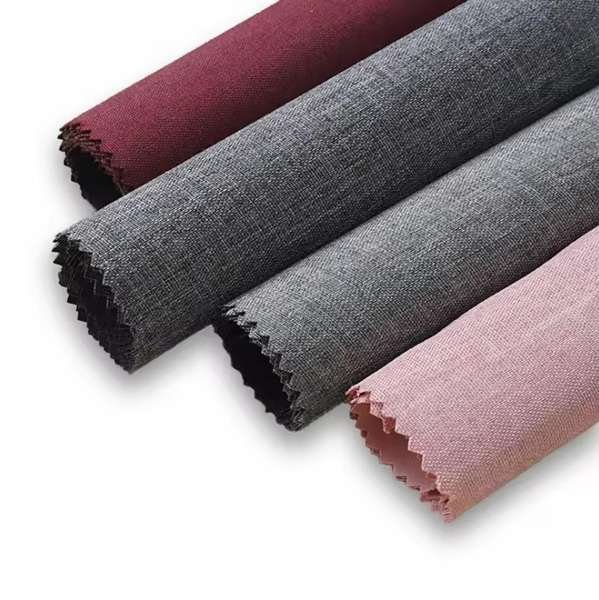


Choosing the Right Oxford Fabric
Not every Oxford fabric behaves the same. A lighter option, such as 210D, may work for foldable items, inner organizers, dust covers, or lightweight promotional pieces. 420D often feels its projects need a cleaner hand feel with moderate structure. 600D Oxford is one of the most common choices for backpacks, tote-style utility bags, school bags, and travel products because it balances strength, appearance, and cost. Higher denier constructions are more suitable when the bag must handle heavier tools, rougher environments, or stronger shape retention.
A simple rule helps:
| Oxford Option | Often Used For | Key Priority |
|---|---|---|
| 210D | Light pouches, liners, foldable bags | Lower weight |
| 420D | Daily-use bags, soft organizers | Balanced hand feel |
| 600D | Backpacks, travel bags, utility styles | Versatile performance |
| High Denier | Tool bags, outdoor gear, heavy-duty storage | Extra toughness |
The right choice should also consider coating type, lining, foam, and load expectation. A wrong fabric spec can make a bag look acceptable in photos but disappointing in real use.


Where Oxford Fabric Performs Best
Oxford fabric is most useful when the product needs to survive repeated handling, keep a stable shape, and stay practical in everyday use. That is why it appears so often in travel bags, backpacks, school bags, tool bags, cooler bags, organizers, delivery bags, and outdoor gear bags. These are not just style-driven products. They are use-driven items, so fabric choice has a direct effect on returns, complaints, and repeat orders.
Different use cases need different priorities. Travel pieces may care more about weight and clean branding. Tool and utility styles often need stronger reinforcement at handles, corners, zippers, and shoulder connection points. Storage bags may need shape retention and abrasion resistance. School and daily-use styles usually require a balance between appearance, cost, and durability.
This is where development becomes more practical: choose the fabric only after the bag function, target price, branding method, and shipping plan are clear. That sequence reduces rework and gives a better result from the sample stage to bulk stage.


Oxford vs Canvas vs Nylon
These three materials may all be used for bags, but they behave very differently once a project enters sampling, sewing, printing, and bulk production. Oxford fabric is often chosen when a product needs structure, surface stability, and a practical balance between cost and toughness. It is easier to build into utility shapes than many softer textiles, and it works across school, travel, storage, and work-related styles.
Canvas usually gives a more natural and casual look. It can feel more premium in some lifestyle projects, but it is often heavier, slower to dry, and less suitable when water resistance is a key requirement. Nylon is known for being lighter and smoother. It fits lightweight or sporty styles well, but some nylon constructions feel too thin or too slippery for products that need stronger shape retention.
| Material | Common Strength | Typical Limitation |
|---|---|---|
| Oxford | Structure and durability | Can feel less soft |
| Canvas | Natural texture and visual weight | Heavier, less water-friendly |
| Nylon | Lightweight and smooth feel | May lack body |
The better choice depends on use, target price, branding style, and shipping expectations.
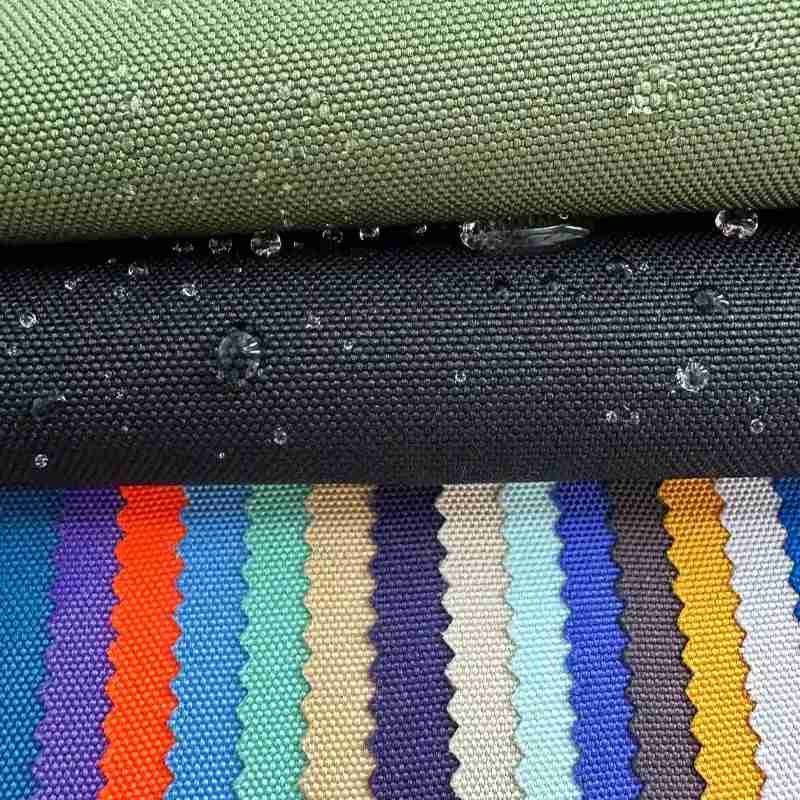
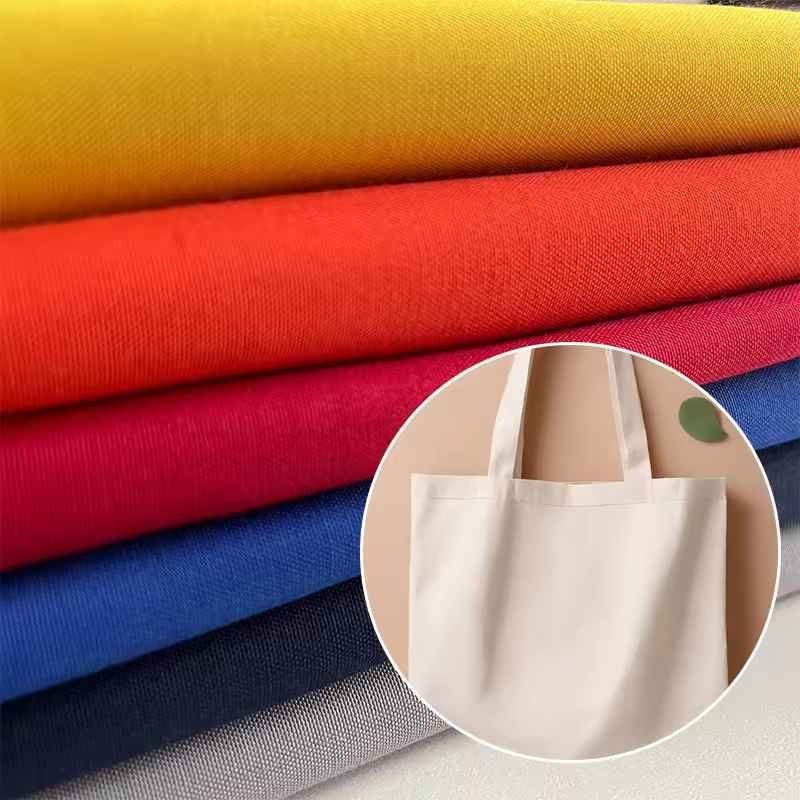
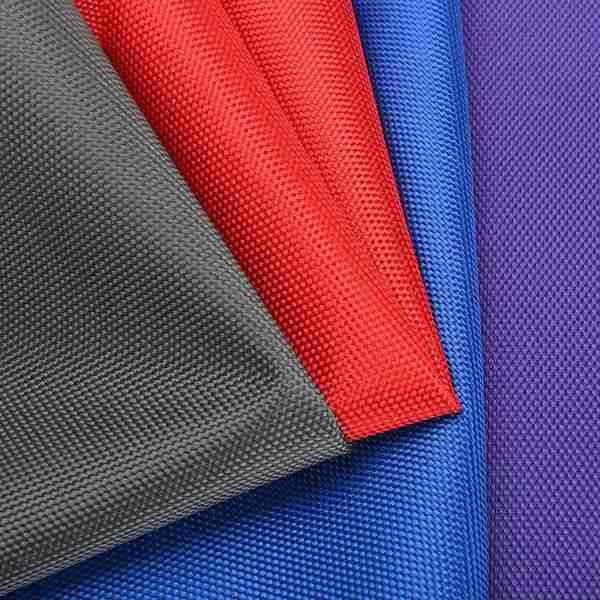
Details That Decide Bag Performance
Many bag problems do not come from the main fabric alone. They come from what sits behind it. A bag may look good in a photo, but if the coating, backing, lining, or reinforcement layout is wrong, the product can fail in daily use. That is why a strong Oxford bag program is built layer by layer, not fabric by fabric.
A PU coating can help improve water resistance and surface control. Backing choices affect stiffness and sewing behavior. Lining affects both interior feel and long-term wear. Reinforcement decisions matter even more in stress areas such as handles, strap roots, zipper ends, bottom panels, and corners.
A useful way to think about it:
| Detail | What It Changes |
|---|---|
| Coating | Water resistance, surface control |
| Backing | Shape, stiffness, sewing stability |
| Lining | Interior durability, finish quality |
| Reinforcement | Load strength, service life |
When these details are aligned early, the bag becomes easier to sample, easier to quote correctly, and less risky in bulk production.


From Sketch to Sample Faster
A smooth bag project usually starts with clearer inputs, not just faster sewing. When an Oxford bag is developed with the right sequence, sampling becomes more efficient, and revision rounds become more useful. The most effective process is to confirm the key variables early: bag size, main use, target cost, fabric direction, logo method, hardware tone, and packing expectation.
A practical workflow often looks like this:
- Review concept or reference images
- Confirm dimensions and function zones
- Recommend Oxford spec and matching trims
- Build a sample and adjust weak points
- Lock details before bulk
This approach helps reduce common problems such as wrong fabric body, poor zipper matching, unstable strap placement, oversized packaging, or logos that look good on screen but weak on fabric. For projects with multiple colorways or private-label details, clearer development work at the sample stage also helps bulk production stay closer to the approved version.


Best Logo Methods for Oxford
Branding on Oxford fabric needs more than a logo file. The same artwork can look sharp, flat, textured, premium, sporty, or low-value depending on the method. For this material, the best result usually comes from choosing a technique that matches the weave texture, bag position, intended use, and target price.
For cleaner daily-use styles, silk screen printing and heat transfer can work well when the fabric surface is stable, and the logo area is flat enough. For stronger perceived value, woven labels, rubber patches, embroidery, and metal logo plates often give better depth and a more finished feel. On utility or outdoor items, rugged branding usually looks better than overly glossy decoration.
| Logo Method | Best For | Visual Effect |
|---|---|---|
| Silk Screen | Simple graphics, larger runs | Clean and direct |
| Heat Transfer | Multi-color artwork | Sharper image detail |
| Woven Label | Brand identity, sewn finish | Refined and durable |
| Rubber Patch | Outdoor, sport, utility styles | Strong texture |
| Embroidery | Classic logos, stitched character | Premium craft feel |
A good logo choice should support the bag, not fight the fabric.

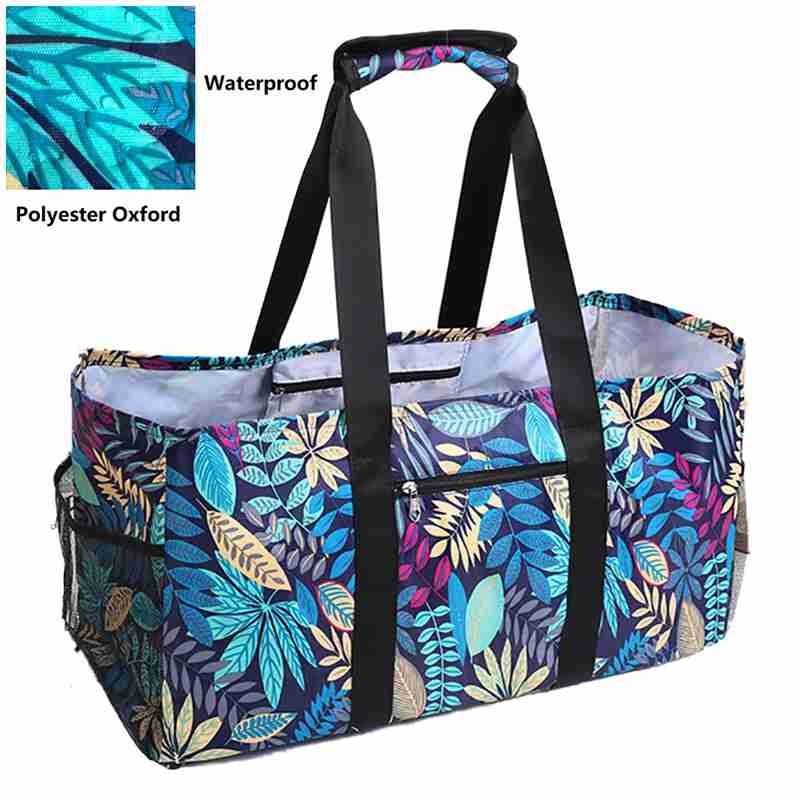
Keep Oxford Bag Quality Consistent
Many bag projects look fine at the sample stage but become inconsistent in production. The reason is rarely one single mistake. More often, it comes from small changes in fabric batch, webbing tone, zipper match, foam thickness, stitch density, or logo placement tolerance. Oxford styles are especially sensitive to these details because the fabric has a visible structure, and any mismatch is easier to notice.
A more reliable approach is to lock the approval standard before bulk starts. That usually includes the approved fabric code, color reference, logo method, measurements, handle drop, reinforcement points, packing method, and carton standard. For styles with multiple pockets or color combinations, it also helps to confirm which details are visual priorities and which ones are acceptable within tolerance.
| Control Area | What Should Be Locked |
|---|---|
| Material | Fabric code, color, lining, trims |
| Construction | Stitching, reinforcement, measurements |
| Branding | Position, size, method, color |
| Packing | Folding method, polybag, carton mark |
When these details are fixed early, repeat orders become easier, and bulk output stays closer to the approved sample.


MOQ and Key Cost Drivers
Price in an Oxford bag project is not decided by fabric alone. In many cases, the main cost difference comes from construction complexity, pocket count, padding, webbing and hardware quality, logo method, packing style, and whether the order is a trial run or a repeated style. A simple 600D tote and a multi-compartment Oxford utility bag may use similar fabric names, yet the sewing time and trim cost can be completely different.
For early-stage programs, it is often smarter to review cost by structure, not by guesswork.
| Cost Driver | Why It Changes Price |
|---|---|
| Fabric Spec | Denier, coating, backing, color |
| Construction | Panels, pockets, binding, reinforcement |
| Trims | Zippers, buckles, webbing, pulls |
| Branding | Patch, print, embroidery, label |
| Order Size | Trial quantity vs repeat quantity |
| Packing | Insert, hangtag, polybag, carton setup |
A trial order can help test the product, but it should still be built with the correct cost logic. Clear structure usually leads to clearer pricing and fewer surprises later.


Oxford Fabric Bag Types We Build
Oxford fabric is not limited to one bag category. Its real value is that it can adapt to many product directions while still keeping a practical balance between shape, durability, surface control, and cost. That makes it useful for both simple styles and more structured programs with multiple compartments, reinforcement zones, or branding details.
Common directions include backpacks, travel duffels, tool bags, cooler bags, storage organizers, delivery bags, school bags, waist bags, drawstring bags, laptop bags, and utility-focused tote styles. Some projects need a lighter and cleaner finish. Others need stronger bottom panels, stiffer sides, padded compartments, or outdoor-ready trims. Oxford can support all of these when the fabric spec and construction logic are chosen correctly.
A useful way to view it is by function:
| Bag Type | Typical Oxford Priority |
|---|---|
| Backpacks | Structure, abrasion resistance |
| Travel Bags | Weight balance, branding, and durability |
| Tool Bags | Reinforcement, heavy-duty stitching |
| Cooler Bags | Outer stability, lining compatibility |
| Storage Bags | Shape retention, easy handling |
| School Bags | Cost balance, everyday wear resistance |
This flexibility is why Oxford remains a reliable option across many product lines instead of only one niche.


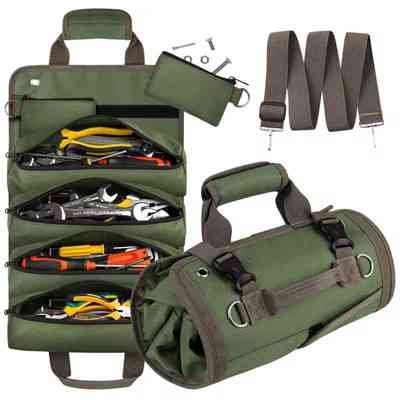


Built for Brands and Importers
Oxford bag programs are not only for one type of business. They fit especially well when the product needs to be practical, repeatable, and easier to adapt across multiple colors, sizes, or usage scenes. That is why this material is often a strong option for private-label collections, promotional programs, seasonal launches, utility-focused assortments, school or travel lines, and item groups that need steady replenishment.
Different teams usually care about different things. A brand may focus on visual consistency and trim selection. An importer may focus more on packing efficiency, repeatability, and delivery planning. A project-driven sourcing team may need faster development and clearer cost control. A fast-moving seller may care most about whether the style can be tested in a smaller run and repeated later without starting over.
| Team Type | Main Concern |
|---|---|
| Brand Teams | Finish quality, identity details |
| Importers | Repeatability, shipment control |
| Project Teams | Development speed, clarity |
| Fast-Moving Sellers | Trial setup, restock flexibility |


Make A Sample First?
See your idea come to life before mass production.
At Jundong Factory, we offer free design mockups and custom samples to ensure every detail is perfect — from material and color to logo placement and stitching.
Start your project with confidence today: info@jundongfactory.com.
Decision FAQs About Oxford Fabric Bag
What is the best Oxford fabric specification for a bag project?
The best Oxford fabric specification is the one that matches the bag’s real use, target price, expected load, branding style, and desired product feel, rather than simply choosing the highest denier. This is one of the most common mistakes in bag development. Many teams assume thicker fabric always means better quality, but that is not always true. A bag that is too stiff, too heavy, or too costly for its intended use can be just as problematic as a bag that is too weak.
In practical development, the choice usually starts with the end use. If the product is a lightweight organizer, inner pouch, or foldable style, lower denier Oxford may be enough. If the product is a school bag, travel bag, work backpack, or daily carry item, 600D Oxford is often a strong and balanced starting point because it offers good shape, decent abrasion resistance, and broad trim compatibility. If the item will carry tools, heavy gear, or face rough handling, a heavier construction or stronger reinforcement layout may be necessary.
The fabric should also be evaluated together with other structural decisions. These include coating, backing, lining, foam, webbing, and seam stress points. For example, a 600D body fabric with poor reinforcement may still fail at the handle area, while a slightly lighter Oxford with better construction may perform better overall.
A simple decision view is below:
| Use Situation | Often Suitable Direction |
|---|---|
| Lightweight pouch or folding item | Lower denier Oxford |
| School bag or daily backpack | 600D Oxford |
| Travel duffel or utility tote | Mid to heavier Oxford depending on load |
| Tool bag or rough-use gear bag | Heavier Oxford + stronger reinforcement |
A better fabric decision comes from understanding the product as a whole, not from chasing the thickest cloth on paper.
Is Oxford fabric waterproof, and what level of water resistance should we really expect?
Oxford fabric is usually water-resistant rather than fully waterproof, and the final result depends more on the full bag construction than on the fabric name alone. This distinction matters a lot in sourcing, because many product discussions use “waterproof” too loosely. In real production, the outer fabric may resist splashes, light rain, or surface moisture, but that does not automatically mean the full bag can block water under pressure or in prolonged wet exposure.
Several factors influence the final performance. The first is the coating on the fabric, such as PU or a similar backing treatment. The second is seam construction. Even if the outer Oxford performs well, stitched seams still create needle holes, and water can enter through those paths unless special sealing methods are used. The third is the zipper type and opening design. Standard zippers are often enough for daily-use bags, but they are not the same as sealed zipper systems used in high-exposure outdoor products.
For most practical bag programs, the more accurate question is not “Is it waterproof?” but “What environment does the bag need to survive?” A school bag may only need basic splash resistance. A travel bag may need better protection in transit. A cooler bag or outdoor gear bag may require stronger lining coordination and a more deliberate construction plan.
A useful comparison:
| Requirement Level | More Accurate Description |
|---|---|
| Daily splash protection | Water-resistant Oxford is often enough |
| Rainy commuting or travel | Coated Oxford and better zipper and panel planning |
| High wet exposure | Stronger waterproof-focused construction is needed |
Clear wording at the start prevents disappointment later. It is much safer to define the expected use scene than to rely on a broad label.
What affects the price of a custom Oxford bag the most?
The biggest price changes in an Oxford bag project usually come from structure, labor complexity, reinforcement, trims, branding method, and packing details, not from the fabric name alone. Many teams focus first on the main material, which is understandable, but in real quotations the sewing logic often costs more than people expect.
For example, two bags may both use 600D Oxford, yet one may be a simple tote with one main compartment, while the other includes multiple zipper pockets, padded sections, binding, webbing attachments, shaped panels, and logo patchwork. On paper, they may sound similar because they share the same body fabric category, but in production, they have completely different cost structures.
Labor is often one of the most underestimated elements. Every extra pocket, binding edge, bartack, handle wrap, or stitched reinforcement adds time. Zippers, buckles, webbing, lining quality, and logo application also influence the price more than many first-time buyers expect. Packaging can matter too, especially when hangtags, inserts, custom polybags, barcode labels, or special carton marks are required.
A useful breakdown looks like this:
| Cost Area | Typical Impact |
|---|---|
| Fabric | Denier, coating, color, backing |
| Labor | Panels, pockets, stitching complexity |
| Trims | Zippers, buckles, webbing, pulls |
| Branding | Print, patch, embroidery, label |
| Packing | Polybag, insert, carton setup, marks |
How can we avoid sample-to-bulk differences when developing Oxford bags?
The most effective way to reduce sample-to-bulk differences is to lock a clear approval standard before production starts, including material codes, trim references, measurements, branding details, reinforcement logic, and packing method. Most bulk inconsistencies do not happen because a factory wants to change things. They happen because some details were never fully fixed, or because both sides assumed the same understanding without documenting it clearly.
Oxford bags are especially sensitive to this issue because the fabric texture is visible, structure matters, and trim matching can change the whole look. Even small differences in webbing tone, zipper color, foam thickness, lining weight, handle height, or logo placement can become obvious once dozens or hundreds of pieces are placed together.
A more reliable process usually includes these steps:
- Approve the exact body fabric code and color reference
- Confirm all visible trims and hardware tone
- Lock logo size, method, and position
- Confirm key measurements and tolerance points
- Record reinforcement areas and packing standard
If the project includes several colorways, the control work should be even stricter. It helps to identify which visual elements must stay highly consistent and which areas can allow minor tolerance without affecting sell-through or function.
Here is a simple control table:
| Control Part | What Should Be Confirmed |
|---|---|
| Material | Main fabric, lining, webbing, zipper |
| Appearance | Color reference, logo method, panel shape |
| Structure | Measurements, reinforcement, and handle drop |
| Packing | Folded method, labeling, carton mark |
Which logo method is best for Oxford fabric bags?
The best logo method for an Oxford bag is the one that matches the fabric texture, product position, expected visual level, and real use scene, rather than the one that looks best in a flat digital file. This is a very common development issue. A logo that looks sharp on a screen may not feel right once applied to a woven fabric with visible texture, especially if the bag is meant to look practical, outdoor-ready, or durable.
For cleaner daily-use styles, screen printing can work well when the artwork is simple and the logo area is flat enough. Heat transfer can support more complex color detail, but it should be evaluated carefully depending on fabric texture and long-term use. Woven labels are often a strong option when the goal is a more refined and stitched-in brand look. Rubber patches work especially well for sport, utility, and outdoor-inspired products. Embroidery can add depth and craft character, but it needs to be placed thoughtfully so it does not distort the panel or fight the bag’s structure.
A comparison helps:
| Logo Method | Better For | Style Feeling |
|---|---|---|
| Screen Print | Simple artwork, clean face panels | Direct and neat |
| Heat Transfer | Multi-color graphic detail | Sharper visual detail |
| Woven Label | Brand identity, sewn finish | Refined and durable |
| Rubber Patch | Outdoor, sport, utility direction | Textured and strong |
| Embroidery | Classic logos, stitched expression | Crafted and premium |
Can Oxford fabric bags still look premium, or do they always look basic?
Oxford fabric bags can absolutely look premium when the material selection, panel proportions, trim matching, and branding details are handled well; they only look basic when the development choices are too generic or cost-driven without enough control over finish. This is a very practical question because many teams associate Oxford only with low-cost school bags or simple utility items. In reality, Oxford is much more flexible than that. The final visual level depends less on the category name and more on how the bag is designed and built.
A premium result often starts with choosing a fabric that has a cleaner surface, better hand feel, and more stable structure. Then the bag needs balanced panel lines, consistent stitching, and trims that do not feel too light for the body fabric. Webbing, zipper teeth, pullers, lining, and logo method all influence perceived quality. Even small changes, such as using a better zipper pull, reducing visual clutter, or selecting a more refined woven label, can move the product upward noticeably.
Color also matters. Oxford fabric in poor color matching can look flat or overly commercial. But when the body fabric, webbing, zipper, and logo tones are aligned properly, the bag can feel much more complete. The same is true for shape. A cleaner silhouette with stronger edge control usually feels more elevated than a bag overloaded with too many visible pockets or decorative parts.
A simple comparison:
| Development Choice | More Basic Result | More Premium Result |
|---|---|---|
| Fabric Feel | Rough or generic | Cleaner surface, better hand feel |
| Trim Matching | Weak color match | Coordinated webbing, zipper, and hardware |
| Branding | Oversized print only | Balanced label, patch, embroidery, or plate |
| Structure | Too many details | Cleaner proportions, stronger silhouette |
Is 600D Oxford always better than 420D or 210D?
600D Oxford is not automatically better; it is simply one of the most versatile and widely usable options, while 420D or 210D may be more suitable when the product needs a lighter weight, softer body, or a different cost and handling balance. This is a common sourcing misconception because 600D is mentioned so often that some teams treat it as the default “upgrade.” In reality, every denier level solves a different problem.
210D Oxford is often useful for lightweight pieces, foldable designs, inner compartments, or situations where the bag should not feel bulky. 420D can work well when the project needs more body than a light fabric but still wants a smoother, less heavy overall feel. 600D is frequently used because it gives a strong middle position: good shape, decent wear resistance, and wide trim compatibility. But if the product is too small, too soft by design, or strongly focused on light portability, 600D may actually be too much.
Another issue is that people sometimes compare deniers without comparing the full structure. A lower-denier bag with strong reinforcement and good trim selection may perform better than a 600D bag with poor construction. Denier matters, but so do coating, backing, lining, foam, and stress-point reinforcement.
A practical way to read it:
| Oxford Option | Stronger Advantage |
|---|---|
| 210D | Lighter weight, easy foldability |
| 420D | Balanced softness and control |
| 600D | Versatility, shape, and general durability |
What should we prepare before asking for a quotation or sample?
The more clearly you define the bag’s intended use, size, feature priorities, branding direction, and expected price level before sampling or quotation, the more accurate and efficient the development process will be. Many delays in bag projects do not happen because production is slow. They happen because the initial information is too vague, which leads to repeated assumptions, changing specifications, and revisions that could have been reduced early.
A reference image is a good start, but it is rarely enough on its own. A more useful request usually includes the approximate dimensions, target function, expected load level, preferred fabric direction, logo artwork, color preference, and any required packing details. If the product will be sold through retail, online, schools, travel programs, or promotional channels, that context also helps because it affects cost logic and construction choices.
If some details are not confirmed yet, that is still fine. What matters is identifying what is already fixed and what still needs recommendation. For example, some teams may know the size and logo but need help choosing Oxford spec and trims. Others may know the budget and use the scene but still be exploring the final structure.
A practical checklist:
| Item to Prepare | Why It Helps |
|---|---|
| Reference image or sketch | Gives direction quickly |
| Target size | Helps structure and yield planning |
| Use scene | Guides material and reinforcement choice |
| Logo file | Affects the branding method decision |
| Color preference | Supports trim and fabric matching |
| Packing expectation | Influences cost and shipment plan |
Are Oxford bags suitable for private label programs and repeat orders?
Oxford bags are often very suitable for private label programs and repeat orders because the material supports practical styling, stable structure, broad logo compatibility, and relatively clear reproduction logic when the approval standards are managed properly. This is one reason Oxford appears so often in school, travel, utility, organization, and promotional product lines. It adapts well across multiple business models without forcing the product into one narrow style category.
For private label programs, Oxford works well because it can carry branding in many ways. Printed logos, woven labels, rubber patches, embroidery, and stitched branding details all work when chosen correctly. It also supports broad color development, which is useful when a collection needs multiple seasonal colors, different retail channels, or tiered product positioning.
For repeat orders, the real advantage is not just the material itself. It is the fact that Oxford-based products are often easier to standardize when the project has already locked the correct fabric code, trim references, logo setup, measurements, and packing rules. This helps later replenishment stay closer to the approved version instead of restarting the development discussion every time.
A simple view:
| Program Type | Why Oxford Works Well |
|---|---|
| Private Label | Broad branding options, easy style adaptation |
| Repeat Orders | Easier to standardize once specs are locked |
| Multi-Color Lines | Good color expansion and trim coordination |
| Utility Collections | Durable, practical, commercially flexible |
Which bag categories work best with Oxford fabric?
Oxford fabric works best in bag categories where shape stability, abrasion resistance, practical handling, and repeatable construction matter more than drape or ultra-soft hand feel. That is why it is one of the most widely used materials across everyday functional bag programs. It is especially strong in products that need to survive repeated handling, transport, daily wear, or organized storage.
Typical categories include backpacks, school bags, travel duffels, tool bags, cooler bags, storage organizers, delivery bags, laptop bags, waist bags, and utility-style totes. In these products, the fabric is expected to do more than look acceptable. It needs to help the bag keep its shape, hold stitching well, match with webbing and zippers, and stay commercially practical over repeated production.
That said, not every Oxford bag must look rugged. Some projects use Oxford in a cleaner and more refined way, especially when the goal is a neat shape with moderate structure and controlled cost. The key is still the same: choose the right denier, coating, lining, and trim system for the job instead of treating all Oxford bags as one generic category.
A simple category map:
| Bag Category | Why Oxford Is Commonly Used |
|---|---|
| Backpacks / School Bags | Shape, daily wear resistance |
| Travel Bags / Duffels | Practical durability, trim compatibility |
| Tool / Utility Bags | Reinforcement support, tougher use logic |
| Cooler / Storage Bags | Structural support, easier handling |
| Laptop / Work Bags | Balance of form, function, and cost |
Everything You Need to Know Before Customizing Your Bags
Custom Oxford fabric bag sourcing is rarely judged by material alone. When comparing factory options, teams usually focus on practical details such as MOQ vs bulk pricing, sampling lead time, Oxford fabric grade (210D, 420D, 600D), coating and water resistance, lining and reinforcement, zipper and hardware matching, logo method, structure feasibility, packing setup, and repeat-order consistency. A well-structured FAQ helps buyers review these points early and reduce unnecessary back-and-forth during sourcing.
A stronger FAQ approach should address real concerns: what to prepare before sampling, how to keep sample-to-bulk consistency in color, texture, shape, and logo finish, how to match structure with actual use, how to manage multi-SKU Oxford bag programs, and which QC steps protect durability and appearance. Clear answers also support search terms like custom Oxford bags, Oxford bag manufacturer, OEM Oxford bags, private label Oxford backpacks, wholesale Oxford bags, and custom work or travel bags.
