 Skip to content
One Supplier for Multiple Bag Categories
Managing multiple bag categories with different materials, structures, and order volumes does not have to mean managing multiple factories. A capable one-stop bag supplier helps brands reduce communication loss, sampling delays, quality inconsistency, and supply-chain risk across tote bags, backpacks, cooler bags, EVA cases, travel bags, and more. The real value is not only category coverage—it is structured execution: unified development logic, clearer version control, coordinated QC, and scalable production planning.
One Supplier, Multiple Bag Categories
For many brands, the biggest sourcing problem is not finding a factory that can make one bag. It is building a supply system that can support multiple bag categories without creating chaos. As product lines expand from tote bags to backpacks, cooler bags, travel bags, EVA cases, and category-specific projects, teams often face fragmented communication, repeated sampling mistakes, uneven quality standards, and hard-to-control timelines. A qualified multi-category bag supplier helps reduce this friction by making development, production, and quality control more consistent across categories.
(1) The hidden cost of using too many factories
They initially split categories across different factories for a reasonable reason: specialization. One factory may be good at canvas totes, another at insulated bags, and another at EVA cases. This model can work. But once SKUs grow, the management cost rises quickly.
The hidden costs often include:
- Repeated briefing work for each factory
- Different sampling standards and communication formats
- Version confusion when logos, trims, or packaging change
- Inconsistent quality expectations across categories
- More time spent chasing updates instead of managing launch strategy
(2) “One supplier” does not mean “one process for everything.”
A common misunderstanding is that using a single supplier across many categories means treating all products the same.
A reliable multi-category supplier should not use one generic workflow for all bag types. Instead, they should operate with:
- a shared management framework (communication, version control, QC reporting, timelines)
- plus category-specific execution rules (materials, construction, testing focus, packaging needs)
For example:
- A canvas tote bag project may focus more on printing consistency, handle reinforcement, and folding/packing efficiency.
- A cooler bag project may require stronger control on insulation structure, lining sealing quality, and leak-resistance checks.
- An EVA case project may depend on shell mold precision, insert fit, and protective function validation.
- A travel bag or backpack program may require more attention to load points, strap attachment strength, zipper performance, and wear resistance.
(3) What they actually gain from a multi-category supplier
When done well, a one-supplier model creates value in three major areas:
Better control
- Fewer communication channels
- More consistent documentation
- Faster internal alignment
- Easier approval tracking across projects
Better speed
- Reusable development knowledge across categories
- Faster handoff between sampling and production teams
- Easier coordination for mixed shipments or parallel launches
Better scaling logic
- Shared supplier understanding of brand standards
- More stable repeat-order execution
- Better support when the SKU count increases
This is especially useful for:
- growing DTC brands
- marketplace sellers expanding categories
- importers managing seasonal assortments
- private label launching related product lines
- established brands trying to reduce supplier complexity without losing flexibility
(4) Where this model works best — and where they should be cautious
To keep this page realistic (and trustworthy), it is better to say clearly: a one-supplier strategy is powerful, but not always automatic.
It works best when the supplier has:
- proven category breadth
- structured project management
- clear QC logic
- disciplined version control
- transparent communication across teams
Clients should be more cautious if a supplier only says “we can do everything” but cannot explain:
- how they separate category-specific QC checkpoints
- how they manage mixed-category timelines
- how they prevent sample-to-bulk drift across different product types
- how they coordinate materials and packaging requirements in one shipment plan

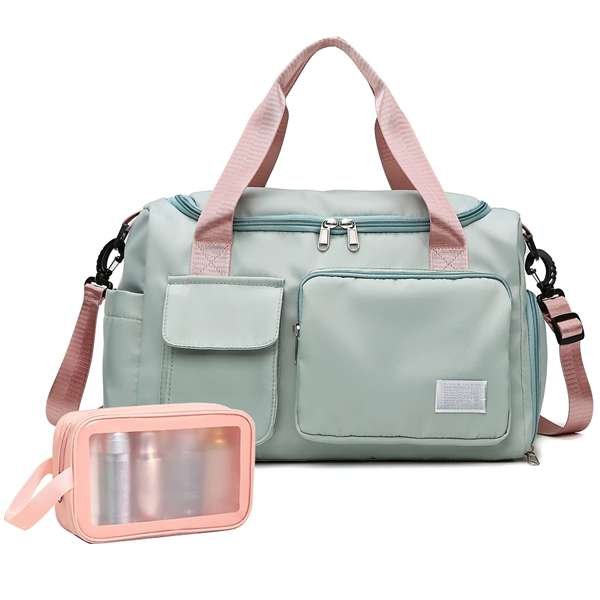

Beyond Coverage: One Bag Supplier
The 5 capability layers of a real multi-category supplier
A reliable one-supplier model usually includes five layers of capability. They can use this as an evaluation framework.
Layer 1 — Category Manufacturing Capability
This is the base layer: the supplier can actually produce multiple bag categories with appropriate techniques.
They should check:
- Which categories are in-house strengths
- Which categories are stable repeat-order categories
- Which categories are development-heavy or less mature
- Which categories require special tooling or partner support
This matters because many suppliers can “make” a category once, but not all can support it consistently at scale.
Layer 2 — Development & Sampling Coordination
Multi-category sourcing often creates parallel sampling work. If the supplier has weak coordination, they will experience delays and confusion.
A stronger supplier should be able to support:
- parallel sample scheduling across different bag types
- material and trim coordination by project
- sample status visibility (what is waiting, in progress, completed)
- revision tracking by SKU and version
- category-specific technical feedback during development
This is where a supplier moves from “factory” to “project partner.”
For example, if a brand is developing a cooler bag, cosmetic bag, and EVA carrying case at the same time, the supplier should not force one generic sample workflow on all three. Each category has different risk points and approval priorities.
Layer 3 — Unified Communication & Version Control
This is one of the most overlooked capabilities, but it has huge impact on their trust.
When multiple bag categories are handled together, small misalignments can spread quickly:
- wrong logo file used on one SKU
- old packaging instruction applied to another SKU
- revised dimensions not updated in production notes
- different teams following different sample versions
A true one-supplier system should have a workable method for:
- clear version naming
- revision confirmation records
- centralized communication threads (or structured summaries)
- approval checkpoints before bulk
- cross-team handoff discipline
Layer 4 — Category-Specific QC and Shared QC Standards
A common mistake in sourcing is assuming one QC standard fits all bag categories.
It does not.
A tote bag and a cooler bag may both be “bags,” but they require different inspection focus:
- cooler bags may need leak-related checks and lining/sealing attention
- Backpacks may require stress-point and strap connection checks
- EVA cases may require shell shape consistency and fit function checks
- travel bags may require zipper path smoothness and load-bearing checks
At the same time, brands still need shared standards across all categories:
- logo consistency
- packaging accuracy
- labeling accuracy
- workmanship baseline
- final inspection reporting quality
So a qualified multi-category supplier should combine:
- category-specific QC checkpoints
- plus brand-level shared quality expectation
Layer 5 — Production Planning & Mixed-Order Execution,
This is where many suppliers fail, even if sampling looks good.
The real challenge of multi-category sourcing is not making one SKU. It is managing:
- different materials arrival timing
- different production routes
- mixed packing requirements
- staggered launch dates
- partial shipment decisions
- priority changes from them
A capable supplier should be able to explain:
- how they schedule mixed-category orders
- how they handle different lead-time paths
- how they prevent one delayed SKU from hiding risk for the whole project
- how they communicate shipment options (full shipment vs split shipment)
- how they align production updates with decisions
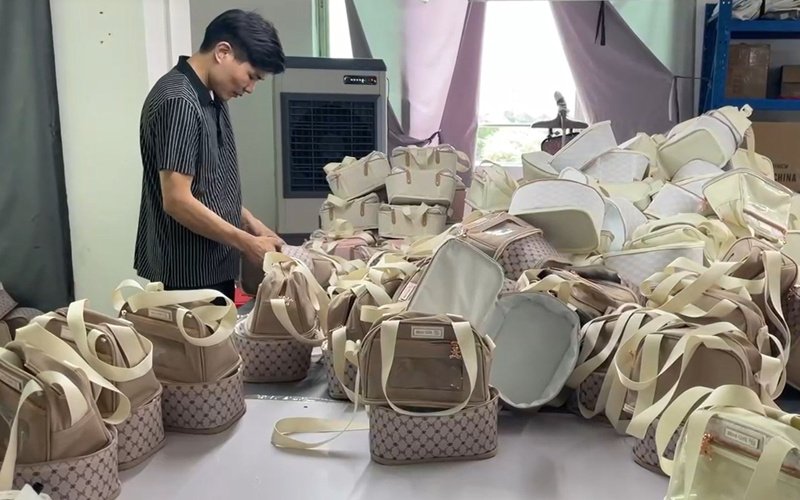
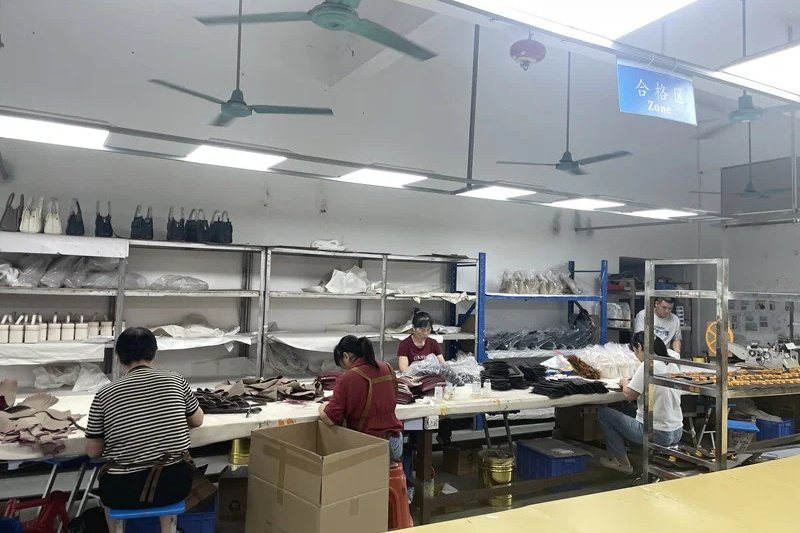
One Supplier: Strategic Bag Grouping
(1) The 4 strategic grouping methods they can use
To make this practical, they can group bag categories using four planning methods. These methods are especially useful for brands that are expanding SKU count but want to keep execution stable.
Method A — Group by Material System
This is often the easiest starting point.
Examples:
- Fabric soft goods group: tote bags, drawstring bags, simple backpacks, pouches
- Insulated group: cooler bags, lunch bags, thermal totes
- Structured protection group: EVA cases, molded protective bags/cases
- Leather or leather-look accessories group: wallets, belt bags, small goods (depending on factory strengths)
Method B — Group by Construction Complexity
Not all categories create the same production risk.
Examples:
- Low-to-medium complexity: simple totes, drawstring bags, basic pouches
- Medium complexity: backpacks, travel bags, multi-pocket totes
- Higher complexity / specialized: insulated leak-resistant bags, EVA protective cases, heavy-duty function bags
Method C — Group by Launch Rhythm
Some brands release categories on very different timelines:
- evergreen core products
- seasonal launches
- promotional bundles
- test SKUs for new channels
A supplier may be able to make all categories, but if launch timing is mixed without planning, execution pressure rises fast.
Method D — Group by QC Critical Points
This is a very useful method for quality-sensitive brands.
Examples:
- Appearance-driven categories (logo alignment, print quality, stitching appearance)
- Function-driven categories (leak resistance, insulation performance, zipper function)
- Protection-driven categories (fit, impact resistance, shell consistency)
- Wear/load-driven categories (strap reinforcement, stress points, durability)
(2) Which categories are usually easier to consolidate first
For many brands, the best path is phased consolidation, not full consolidation on day one.
A common and practical sequence is:
Phase 1 — Start with categories that share soft-goods workflows
These often include:
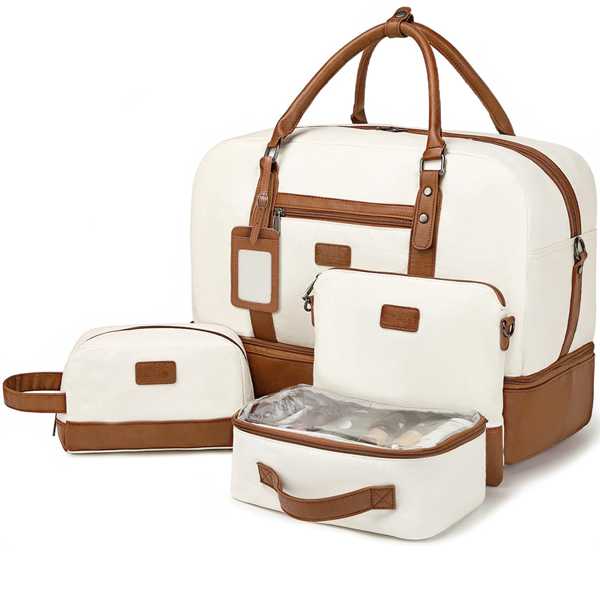
- Tote Bags
- Drawstring Bags
- Makeup Bags or Pouches
- Basic Backpacks (depending on structure)
- Simple Travel Organizers
Phase 2 — Add categories with added function or structure
These may include:
- Cooler Bags / Lunch Bags
- Travel Bags / Duffels
- Multi-compartment Backpacks
- Belt Bags / Functional carry styles
Phase 3 — Add specialized or tooling-sensitive categories
These may include:
- EVA Cases
- Molded protective formats
- Specialized structural products requiring tighter fit/control
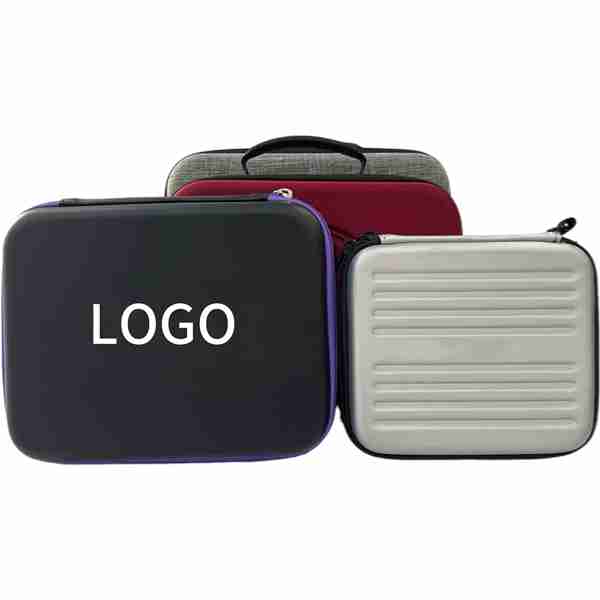

Multi-Category Sampling Without Chaos
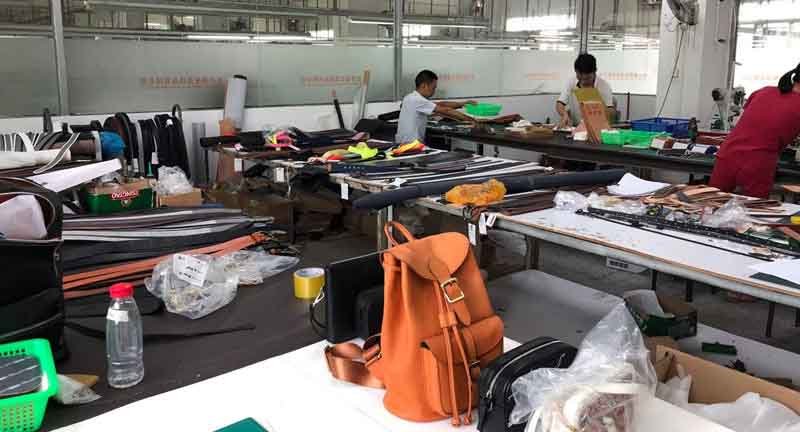
(1) A practical sampling system that they should expect
A reliable one-supplier model does not need complex software to work well. It needs clear rules. They can evaluate a supplier based on whether they can support the following practical structure.
A. Sample ID and version naming discipline
Each project/SKU/sample round should be clearly traceable.
A workable format may include:
- category code
- SKU or project code
- version (V1 / V2 / V3)
- date or round
- status (submitted / comments received / in revision / approved)
B. Category-specific comment sheets
When they review many samples at once, they often send feedback in one long mixed message. That creates risk.
A better practice is:
one comment sheet (or one clearly separated section) per category/SKU
comments grouped by priority: must fix, should improve, optional/future version
C. Approval checkpoints before next-stage work
In multi-category programs, “assumed approval” is dangerous.
They should expect a supplier to confirm:
- what is approved
- What is conditionally approved
- What is pending
- what can proceed to the next step
- What affects lead time if delayed
D. Priority-based sampling board
Not all samples matter equally. A practical supplier should help the identify:
- Critical-path samples (if delayed, launch is delayed)
- Support samples (important but not launch-blocking)
- Experimental/test samples (can move later if needed)
E. Status visibility across all active samples
They do not need constant messages. They need useful visibility.
A good status update should make it easy to see:
- What is in progress
- What is waiting on material
- What is waiting on approval
- What has been completed
- What is risk and why

Mixed Orders, Multi-SKU Control
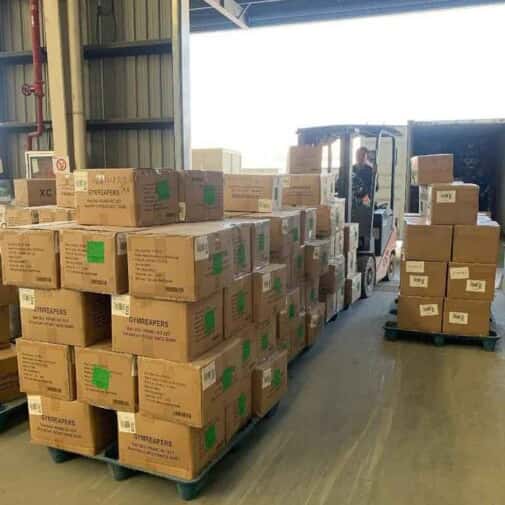
(1) How a capable supplier should break down a mixed order
To avoid chaos, a supplier should break mixed orders into manageable units before production starts. Customers can ask for this explicitly.
A. Segment by category or process family
Examples:
- Soft-goods lane: tote/pouch/drawstring
- Structured function lane: backpack/travel bag
- Insulated lane: cooler / lunch bag
- Specialized lane: EVA case / molded products
B. Segment by priority level
Not all SKUs have the same commercial impact. Some are launch-critical; others are add-on items.
A useful priority structure:
- P1 (Launch-critical)
- P2 (Important but flexible)
- P3 (Support/add-on / optional in split shipment)
C. Segment by packaging/label requirements
A common hidden bottleneck in mixed orders is not sewing—it is packaging readiness.
Different SKUs may have:
- different barcodes
- different hangtags
- different insert cards
- different carton packing rules
- different carton marks by channel/market
D. Segment by shipment decision path
Some mixed orders require:
- one complete shipment only
- optional split shipment
- fixed date for core SKUs and later shipment for secondary SKUs
(2) How mixed-order control protects quality (not just lead time)
They often schedule mixed-order management, which is mainly about the schedule. It is also a quality protection tool.
Why? Because mixed orders increase the chance of:
- wrong labels on the wrong SKU
- packaging instruction mix-ups
- inspection focus confusion
- incomplete approval carryover from sampling
- rushed finishing on low-priority SKUs
A reliable supplier should protect quality by combining:
- category-specific QC checkpoints
- SKU-specific packaging checks
- clear approval references
- batch-level reporting
- escalation if one lane becomes unstable
Consistent Quality Across Bag Categories
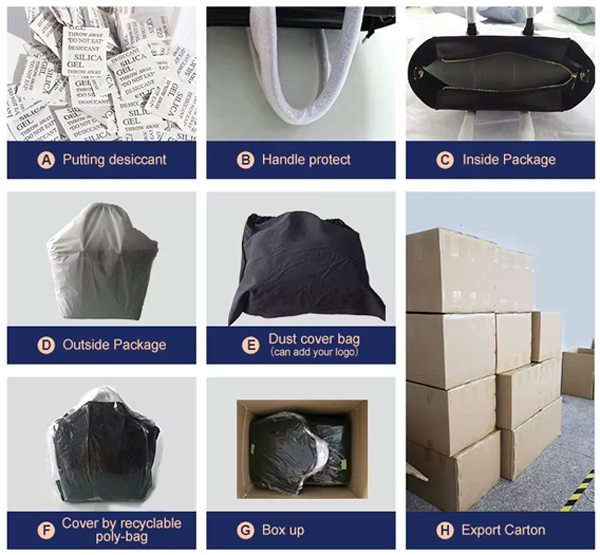
(1) The key principle: same brand standard, different QC focus
A. Shared brand-level standards
These are the things they usually expect to remain stable across all product lines:
- logo accuracy and placement consistency
- branding color consistency (where applicable)
- workmanship baseline (stitching neatness, finishing cleanliness)
- label/barcode accuracy
- packaging accuracy
- approval/version traceability
- inspection reporting quality
B. Category-specific QC focus
These depend on the product type and use case:
- Tote/pouch/drawstring: stitching appearance, dimension consistency, print/logo placement
- Backpack/travel bag: stress points, strap attachment, zipper function, load-bearing areas
- Cooler bag / insulated bag: lining finish, leak-risk zones, closure performance, insulation structure consistency
- EVA case: shell shape consistency, fit, insert accuracy, closure alignment, structure protection function
(2) What a practical multi-category quality system should include
They do not need a supplier to use complicated quality language. They need clear and repeatable control. A practical system usually includes the following elements.
A. Approved reference control
Before bulk production, the supplier should clearly define:
- Which sample/version is the approved reference
- What changes were accepted after sample approval
- what remains conditional / pending
- Which documents/photos/spec notes production will follow
B. Category-specific inspection checkpoints
A multi-category supplier should not rely on one final inspection only.
A stronger approach uses checkpoints by category and stage, for example:
- material incoming checks (where relevant)
- in-line checks for key construction points
- functional checks (zipper, closure, fit, leak-related checks where needed)
- appearance/branding checks
- packing and labeling checks
- final inspection with category-specific focus list
C. Defect classification by category
If all defects are grouped together in one generic list, clients get poor visibility.
A stronger supplier should be able to separate:
- appearance defects
- functional defects
- measurement/spec deviations
- branding/labeling issues
- packaging error
D. Corrective action discipline
Quality consistency depends on how a supplier reacts when issues appear.
A reliable supplier should be able to explain:
- how they identify the issue
- What containment action is taken
- how they prevent spread to other SKUs/categories in the same order
- What correction/prevention is implemented
- how they updates are communicated if risk affects the schedule or shipment


Multi-Category Lead Time Control
(1) What actually drives lead time in multi-category orders
They focus on sewing/assembly days, but multi-category lead time is often driven by earlier decisions.
A useful way to explain lead time is to split it into five control zones:
Zone 1 — Approval Lead Time
This includes:
- sample feedback turnaround
- revision confirmations
- final production approval
- logo/artwork confirmation
- packaging file confirmation
Zone 2 — Material Readiness Lead Time
Different categories require different materials and components:
- standard fabrics and webbing
- insulation layers and specific linings
- EVA shell-related materials/components
- zippers, trims, labels, packaging items
Zone 3 — Production Sequence Lead Time
In multi-category orders, the question is not only “how long to produce,” but:
- What should run first
- what can run in parallel
- what depends on prior confirmation
- What is the critical path for launch
Zone 4 — QC and Correction Lead Time
Categories with different risk profiles will not require the same QC path.
Examples:
- Soft-goods appearance issues may be corrected quickly
- function-related or structural issues may require more time
- Packaging/label mismatches may block shipment even when production is complete
Zone 5 — Packing and Shipment Decision Lead Time
This is frequently underestimated.
Mixed-category orders often need:
- different carton marks
- channel-specific labels
- assorted packing rules
- shipment strategy decisions (full vs split shipment)
(2) How a reliable supplier should report lead-time risk early
They do not need perfect certainty. They need an early warning with decision value.
A strong supplier should be able to report:
- What is delayed
- why it is delayed
- which SKUs/categories are affected
- what the impact is on shipment readiness
- What actions can reduce the impact
This is much better than generic updates like:
- “There may be some delay.”
- “We are trying our best.”
- “Please wait for final confirmation.”
Example of useful lead-time risk reporting
- Category: Cooler Bags
- Risk: Lining material arrival delayed 3 days
- Impact: Production start shifts; QC and shipment readiness may move by 2–4 days
- Decision needed: Confirm whether cooler bags are split-shipment eligible if the core tote launch must hold date
- Current recommendation: Keep the production lane active for other categories while monitoring material arrival
(3) Lead-time control across different launch rhythms
One of the most practical challenges in a one-supplier model is that categories do not always share the same launch rhythm.
A brand may have:
- core evergreen SKUs (stable repeat orders)
- seasonal campaign bags (hard deadline)
- test SKUs (timing flexible)
- bundle add-ons (can ship later in some cases)
If the supplier does not understand this structure, they may over-allocate time to lower-impact SKUs or under-protect hard-deadline products.

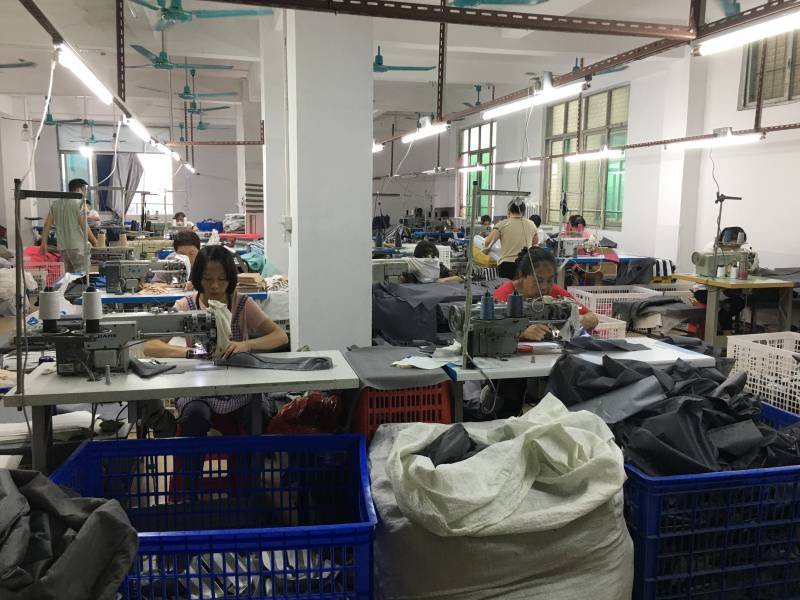
One-Supplier Sourcing Risk Control
When brands consolidate multiple bag categories under one supplier, the goal is efficiency and scale. But consolidation also introduces sourcing risks. In practice, most risks fall into four main groups.
(1) Capability Risk
Some suppliers claim broad category coverage but lack real experience in certain products. For example, a factory may produce EVA cases, cooler bags, or structured travel bags, yet lack stable fit control, insulation QC, or tooling management. They should verify repeat-order categories, development-heavy items, and realistic lead time assumptions for each bag type.
(2) Execution System Risk
A supplier may have production capacity but weak coordination across projects. Signs include unclear sample revisions, poor version control, weak milestone reporting, and messy multi-SKU order planning. They should confirm the supplier has structured sampling management, mixed-order planning, and clear approval checkpoints.
(3) Quality Consistency Risk
As more bag categories are added, quality can drift if one generic QC system is used. A backpack, cooler bag, EVA case, and tote bag require different control points. They should verify a category-specific QC matrix, approved reference samples, and defect reporting standards to keep quality consistent across orders.
(4) Timeline and Commercial Risk
Even when production is moving, the launch plan may fail if timing and shipment decisions are poorly managed. Examples include launch-critical SKUs delayed by other categories or packaging readiness blocking shipment. They should confirm milestone-based planning and early risk reporting.
Phased Supplier Consolidation Strategy
The most practical way to reduce sourcing risk is phased consolidation, not moving all bag categories at once.
Phase 1: simple products like tote bags, drawstring bags, pouches
Phase 2: medium complexity items like backpacks, travel bags, belt bags, and cooler bags
Phase 3: specialized products such as EVA cases and structured protective bags
Key Customer Best Practice
Use pilot orders to test not only product quality but also system reliability—parallel sampling, risk reporting, and multi-category coordination.
A well-structured supplier system helps brands scale bag sourcing while maintaining quality consistency, predictable lead times, and lower operational risk.
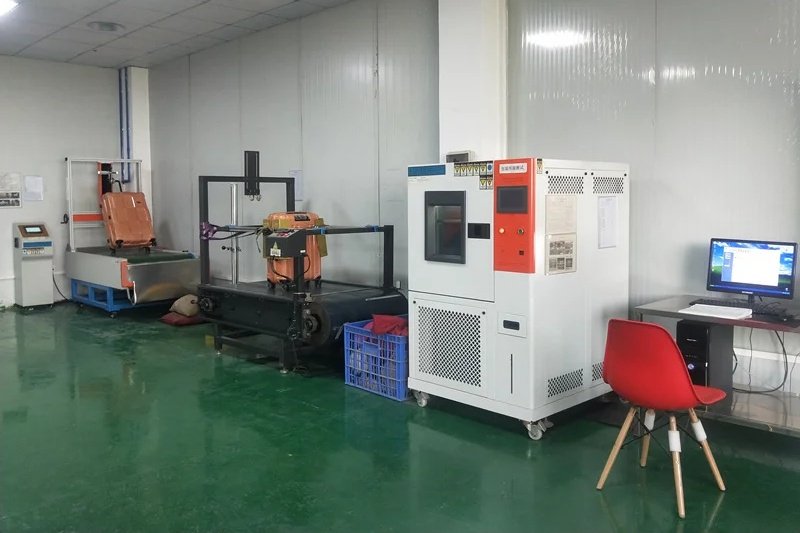
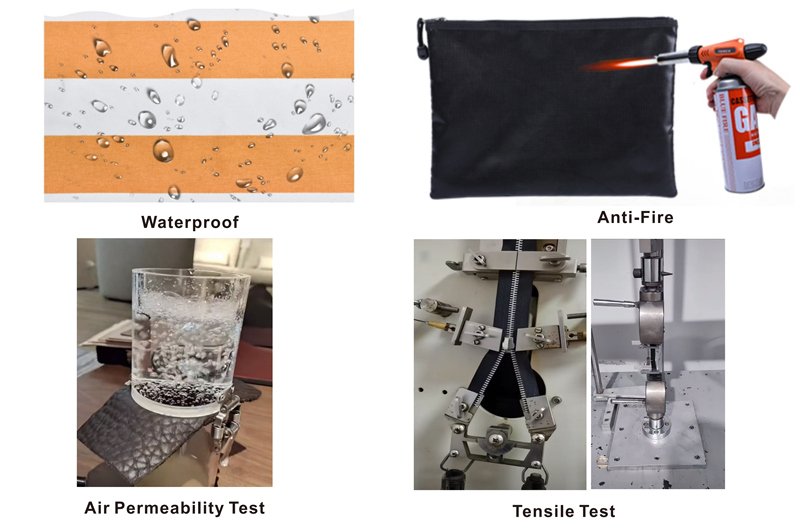
Strong Onboarding for Multi-Category Suppliers
When brands start working with a new bag manufacturer for multiple bag categories, a structured onboarding process helps reduce sourcing risk and improve execution. A strong onboarding system should achieve several key goals before full production begins.
(1) Define the first-phase scope clearly
They and suppliers should first align on which bag categories and SKUs are included in the initial phase. It is also important to identify launch-critical SKUs versus pilot items. This prevents scope drift, where too many products are added before systems are stable.
(2) Build a shared execution language
Successful projects require a clear way to discuss versions, approvals, milestones, priorities, and shipment decisions. Without structured communication, even frequent updates can lead to confusion across multiple bag programs.
(3) Align quality standards early
Quality expectations should be defined before sampling and bulk production. They should confirm brand-level standards, category-specific QC focus, approved reference samples, and defect reporting rules. This helps reduce sample-to-bulk surprises in multi-SKU orders.
A Practical Multi-Stage Onboarding Model
A strong supplier relationship usually follows a staged structure:
Stage 1 – Discovery & Fit Check
Verify the supplier’s strongest categories, sampling capability, QC system, and communication discipline.
Stage 2 – Scope & Standards Alignment
Define product scope, approval ownership, version control, quality standards, and reporting format.
Stage 3 – Pilot Sampling or Pilot Order
Test multi-SKU coordination, category-specific QC execution, packaging accuracy, and milestone reporting.
Stage 4 – Scale Decision
Review quality, stability, lead-time performance, and communication efficiency before expanding to additional bag categories.
Why Structured Onboarding Matters
A well-designed onboarding process helps them evaluate bag supplier reliability, quality consistency, and production management systems before scaling. This approach improves sourcing stability, reduces coordination risk, and builds a stronger long-term partnership for OEM bag manufacturing and private label bag programs.


Decision Framework: One Supplier Strategy
Many sourcing decisions fail because they ask the wrong question. Instead of asking “Can one factory make all these bag types?”, the better question is:
“Will consolidating these bag categories into one supplier improve our execution speed, quality control, and coordination?”
The answer is rarely just yes or no. For many brands, the result is full consolidation, phased consolidation, or preparation before consolidation.
When consolidation works well
A multi-category bag supplier model is often a strong fit when SKU counts are growing and supplier coordination becomes difficult. Brands may struggle with repeated status chasing, inconsistent packaging execution, and uneven quality standards across factories. Consolidating categories such as tote bags, backpacks, travel bags, and pouches under one supplier can improve consistency, streamline approvals, and reduce communication overhead.
Consolidation also works best when the team has clear approval ownership, defined launch priorities, and stable product requirements. A supplier with a structured system for sampling management, quality control, and lead-time reporting can support faster scaling.
When phased consolidation is better
Many brands benefit from a phased approach. Start with simpler products, such as tote bags or pouches, then add more complex items, such as backpacks, cooler bags, or EVA cases, once processes are stable.
Key principle
Choose the sourcing model your team can manage and scale consistently, not simply the one that sounds easiest. Structured consolidation often leads to stronger quality, faster launches, and more efficient OEM bag manufacturing partnerships.
Start with Jundong: Controlled Pilot Plan
When working with a new bag manufacturer, the best first step is not sending every product idea at once. A stronger approach is to begin with a decision-ready scope. This means selecting a small group of bag categories and clearly marking priorities.
For example, a Phase-1 scope might include tote bags, makeup bags, drawstring bags, or backpacks, with 3–5 SKUs chosen as pilot items. This helps both sides focus on product development, packaging requirements, and quality priorities before scaling.
A useful first inquiry should include:
Category scope and SKU priorities
Target launch timing or seasonal deadlines
Key quality concerns (durability, branding accuracy, packaging consistency)
Current sourcing challenges, such as inconsistent quality or supplier coordination issues
With this information, Jundong can review the feasibility and recommend a pilot sampling plan, QC focus by category, and lead-time planning approach.
A Practical Pilot Model
A typical pilot project includes 2–3 bag categories and 3–8 SKUs. The goal is to test more than product appearance. Client should evaluate communication clarity, version control, quality control systems, packaging coordination, and milestone reporting.
Simple First-Step Plan
Share a Phase-1 category list and priorities.
Request a pilot order and feasibility review.
Align approval rules, packaging files, and milestone updates.
Run a pilot and review performance before scaling.
This structured approach helps brands build a stable OEM bag manufacturing partnership and expand multiple bag categories with greater control and efficiency.

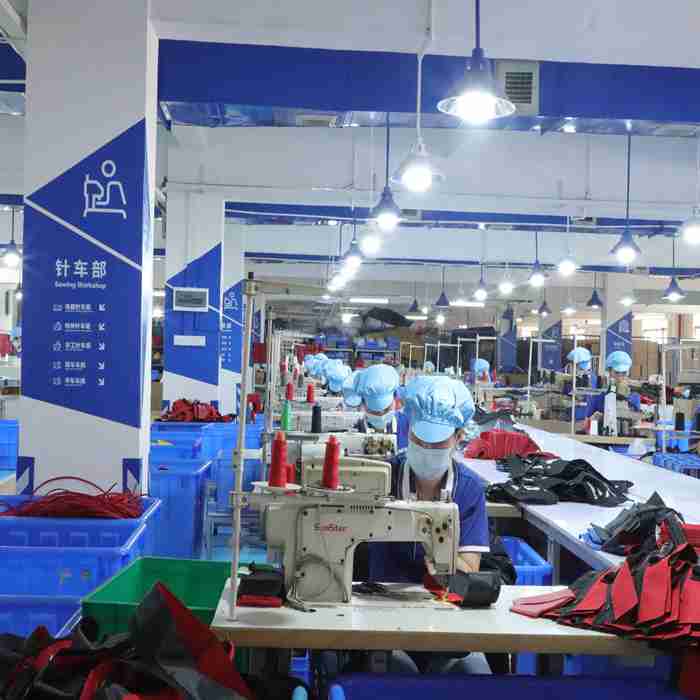
Make A Sample First?
See your idea come to life before mass production.
At Jundong Factory, we offer free design mockups and custom samples to ensure every detail is perfect — from material and color to logo placement and stitching.
Start your project with confidence today: info@jundongfactory.com.
One Supplier Multi-Category FAQs
Is it really better to use one supplier for multiple bag categories, or is it safer to split orders across several factories?
This is one of the most common and most important sourcing questions. They are not just comparing factories—they are choosing a management model.
At first, splitting categories across multiple factories can seem safer because risk is distributed. If one supplier has a problem, the whole portfolio is not affected. That logic is valid. But in real operations, they discover a different problem: they reduce concentration risk but create coordination risk.
When you split suppliers, your team often needs to manage:
- different quality standards
- different communication styles
- different sample approval processes
- different production update formats
- different packaging and labeling execution habits
- different lead-time assumptions
This can become expensive in time and internal effort, especially as SKU count increases.
By contrast, one strong supplier model can improve:
- consistency across categories
- packaging alignment
- approval discipline
- reporting visibility
- repeat-order speed
- cross-category learning
But this only works if two conditions are true:
Condition 1: The supplier is truly strong across execution, not just product variety
Some suppliers can show many product photos, but their internal system is weak. A real multi-category partner should be able to explain:
- how they manage version control
- how they run category-specific QC
- how they report risk early
- how they handle mixed-order timelines
- how they support packaging/label control
If the answer is only “we can do all kinds of bags,” that is not enough.
Condition 2: They do not transfer everything at once
A lot of failures come from overloading the first project. A better path is:
- start with phase-1 categories
- run a pilot
- review quality and system execution
- expand based on evidence
In other words, the best model is often not “one supplier immediately for everything,” but one strong supplier and phased consolidation.
How can we verify whether a supplier is truly capable of handling multiple bag categories, not just showing many product photos?
This is a very smart question because many sourcing mistakes begin with a “catalog illusion.” A supplier may present a long product range—tote bags, backpacks, travel bags, cooler bags, EVA cases, makeup bags, drawstring bags, and more—but that does not automatically prove stable execution capability across all categories.
What product photos can tell you (and what they cannot)
Photos can help you see:
- style range
- basic workmanship appearance
- brand exposure examples
- category breadth
But photos cannot prove:
- repeat-order consistency
- QC discipline
- version control
- lead-time control
- packaging accuracy
- problem-solving under pressure
5 areas to verify before scaling
(1) Sampling control ability
Ask:
- How do you manage multiple samples across categories at the same time?
- How do you label versions?
- How do you track revision comments?
- How do you avoid sample mix-ups?
A strong supplier should give a structured answer, not just “we will follow your comments.”
(2) Category-specific QC thinking
Different categories need different QC focus. For example:
- tote bags may focus more on stitching consistency, logo alignment, and overall finish
- cooler bags may require stronger attention to lining finishing, seam sealing logic (if applicable), and leak-related risk points
- EVA bags/cases may require fit, shaping, and structure-related checks
Ask for a QC focus list by category, not one generic “100% inspection” promise.
(3) Mixed-order planning logic
If you plan to source multiple categories from one supplier, ask:
- How do you plan timelines by category?
- Can you show lane-based milestones?
- How do you report delays by affected SKU/category?
This reveals whether they can manage complexity or only single-category orders.
(4) Packaging and label control
A lot of shipment delays and complaints come from packaging errors, not sewing quality. Ask:
- How do you manage different labels/carton marks/packing rules across SKUs?
- How do you lock packaging files before production/packing?
- How do you prevent mixed packing errors?
This matters a lot for e-commerce, retail, and promotional campaigns.
(5) Risk reporting quality
Ask the supplier to describe how they report problems. Strong suppliers usually report:
- what happened
- which SKUs are affected
- expected impact
- decisions needed
- recommended next steps
Weak suppliers often give vague updates like “some delay” or “we are checking.”
Best verification method: a phased pilot
Instead of asking the supplier to prove everything in a meeting, run a pilot:
- 2–3 categories
- limited SKU count
- one priority SKU included
- clear review criteria (quality + system execution)
This is the fastest way to separate “good presentation” from real operational capability.
What is the safest way to start with one supplier for multiple bag categories without taking too much risk on the first order?
This question is exactly what experienced ask. They are interested in consolidation, but they do not want to make a large commitment before verifying a real fit. That is the right mindset.
A lot of first orders become stressful, not because the supplier is bad, but because the project is designed badly. Typical mistakes include:
- too many categories in the first batch
- unclear priorities across SKUs
- no final approver on the custom side
- packaging or label requirements provided too late
- trying to combine testing, launch, and price negotiation in one chaotic process
The safer and smarter way is to build a controlled first-order model.
Recommended low-risk start model
Step 1: Define a Phase-1 scope
Choose a manageable set, for example:
- 2–3 categories
- 3–8 SKUs total (depending on complexity)
- include one important SKU (to test real execution)
- avoid adding too many high-complexity items at once
If your team is new to supplier consolidation, a soft-goods-first mix often works well:
tote bags + makeup bags + drawstring bags
Then add more functional or specialized categories later.
Step 2: Define control rules before the pilot starts
This is where many teams skip important work. Before sampling or pilot production begins, align:
- who approves samples, artwork, labels, packaging
- version naming method
- QC focus by category
- milestone updates format
- risk reporting expectations
- shipment decision checkpoints (full vs split, if needed)
This reduces confusion dramatically.
Step 3: Test the system, not only the product
Your first pilot should evaluate four things:
- Category product capability
- Communication and version discipline
- QC logic and issue handling
- Lead-time visibility and risk reporting
A supplier may pass the product test but fail the coordination test. If you only check samples, you may miss the real risk.
Step 4: Use a structured review before expansion
After the pilot, do not ask only “Was the product okay?”
Review by category and by process:
- Which category performed well?
- Where did delays happen?
- Were issues reported early?
- Was packaging control stable?
- Did the supplier help decision-making?
Then decide one of three paths:
- Scale now
- Expand in phases
- Fix controls and run another pilot
Why this approach works
It protects both parties:
- They reduces first-order exposure
- suppliers get a clearer execution setup
- both sides build a reusable working model
This is how long-term multi-category partnerships usually start successfully—not with the biggest order, but with the best-designed first order.
Mini checklist (what to send before first pilot)
- phase-1 categories and SKU count
- priority labels (critical/flexible/test)
- target timeline
- quality concerns by category
- packaging/label requirements (if known)
- main contact and final approver
- desired output (pilot plan/quote/feasibility review)
That single step alone can save a lot of time and rework.
How should we compare quotations fairly when one supplier quotes multiple bag categories and another supplier quotes only one category?
This is one of the easiest places for them to make a misleading comparison. If Supplier A quotes multiple bag categories (for example, tote bags, backpacks, cooler bags, makeup bags) and Supplier B quotes only one category (for example, tote bags), the quote comparison is not “wrong” — it is often incomplete.
Why? Because the sourcing model is different.
A one-supplier multi-category quote may include or imply value in:
- consolidated communication
- shared packaging coordination
- fewer onboarding cycles
- more consistent brand execution
- simpler milestone reporting
- easier mixed-shipment planning
A single-category specialist may offer a lower unit price for one item, but they still need to manage:
- more supplier handoffs
- more quality alignment work
- more packaging file coordination
- more status follow-up
- more timeline conflicts across categories
So the correct comparison is not only unit price vs unit price. It should be project execution cost vs project execution cost.
How to compare fairly
(1) Separate “product price” from “execution cost.”
Ask yourself:
- Are we only comparing item cost?
- Or are we comparing the cost of actually getting the launch done smoothly?
Product price is only one part of the sourcing decision.
A better comparison includes:
- Unit price
- Sampling cost/sample revision cost
- Packaging/label setup complexity
- Freight planning impact (if mixed shipments matter)
- Internal coordination time
- Delay risk cost
- Rework/inconsistency risk
Even if some items are hard to calculate exactly, estimating them helps them avoid false savings.
(2) Compare by category, then compare by model
A useful method is:
- First, compare each category’s quote competitively
- Then compare the overall sourcing model value
For example:
- Tote bag unit price: Supplier A vs Supplier B
- Backpack unit price: Supplier A vs Supplier C
- Cooler bag unit price: Supplier A vs Supplier D
After that, ask:
- What is the total management burden if we split these?
- What is the quality consistency risk?
- What is the launch timeline risk?
- What internal resources do we need to control this?
This avoids overpaying blindly for convenience, but also avoids underestimating the value of a strong one-supplier model.
(3) Watch out for “hidden quote gaps.”
Sometimes a quote looks lower because key things are not included or not clarified yet.
Common hidden gaps:
- packaging materials/specs not confirmed
- label/barcode work not included
- testing or validation expectations unclear
- sample revisions beyond one round not included
- different quality assumptions
- different carton/packing standards
- different incoterms or shipping assumptions
When comparing quotes, you should standardize the RFQ basis as much as possible.
Tip: Build a quote comparison sheet with standardized fields
Use the same fields for all suppliers:
- category
- SKU
- material assumption
- logo method
- packaging assumption
- MOQ
- sample lead time
- bulk lead time
- included services
- excluded items / open assumptions
This improves fairness and reduces decision errors.
(4) Compare “response quality,” not just quote speed
In a multi-category bag sourcing decision, the quality of the quote response is itself a capability signal.
A stronger supplier response often includes:
- assumption list
- missing information list
- risk notes
- category grouping suggestions
- phased recommendation
- QC focus reminders
- realistic lead-time logic
A weaker response may only send numbers quickly without clarifying execution conditions.
Fast quoting is useful. But clear quoting is often more valuable for procurement decisions.
(5) Use scenario comparison, not only one total-price comparison
When evaluating one supplier vs multiple suppliers, build 2–3 scenarios:
Scenario A — Full split
Each category goes to a different supplier.
Scenario B — Phase consolidation
Core categories go to one supplier; specialized categories remain separate temporarily.
Scenario C — Broad consolidation
Most categories go to one supplier with a controlled onboarding plan.
Then compare each scenario on:
- total estimated cost
- coordination burden
- lead-time control
- quality consistency
- launch risk
- internal team load
This gives management a much stronger decision basis than “Who is cheapest?”
What quality control structure should customers require when one order includes multiple bag categories?
This is a critical question, and many sourcing teams ask it too late. When one supplier handles multiple categories, quality control becomes more efficient only if the QC structure is designed correctly. Otherwise, they may get “inspection” but still experience:
- inconsistent workmanship standards
- missed functional issues
- packaging errors
- category-specific defects that were never checked properly
The most common mistake is relying on a generic QC promise, such as:
- “We do 100% inspection.”
- “We check all goods before shipment.”
Those statements are not wrong—but they are incomplete.
Why a single QC checklist is not enough
Different bag categories have different risk points:
Tote Bags / Drawstring Bags
Often requires a stronger focus on stitching consistency, logo position, measurement tolerance, seam appearance, handle attachment, and overall cosmetic finish.
Backpacks / Travel Bags
Often requires a stronger focus on structure consistency, strap attachment strength, zipper function, load-bearing points, alignment, and multi-compartment construction accuracy.
Cooler Bags / Leak-resistant Food Bags
Often require stronger focus on lining finish, insulation layer integrity, seam/edge finishing, zipper route and closure quality, and leak-related risk points (depending on design and intended performance standard).
EVA Bags / Structured Cases
Often requires a stronger focus on shape consistency, fit, edge finishing, zipper alignment, shell/lining integration, and accessory placement accuracy.
If QC is too generic, inspectors may check what is easy to see and miss what is critical to function.
Best practice: 2-layer QC structure
Layer 1 — Shared Brand-Level QC Standards
This should include:
- approved logo usage/placement rules
- cosmetic finish baseline
- color consistency tolerance (if applicable)
- labeling/barcode accuracy
- packaging and carton marking requirements
- workmanship baseline (no loose threads, stains, major appearance defects, etc.)
- measurement tolerance policy
- AQL or inspection method (if used)
These standards protect brand consistency.
Layer 2 — Category-Specific QC Matrix
This should define QC focus items by category, including:
- key functional checkpoints
- high-risk points
- test/check method (visual/functional / measurement)
- severity classification (critical/major/minor)
- sampling frequency or priority level (if applicable)
This is what protects product performance across different bag types.
Example (simplified mixed-category QC structure)
| Category | Shared Brand Checks | Category-Specific Focus |
|---|---|---|
| Tote Bag | Logo, label, packaging, overall finish | Handle attachment, stitch consistency, size tolerance |
| Backpack | Logo, label, packaging, finish | Strap strength points, zipper function, alignment, and compartment construction |
| Cooler Bag | Logo, label, packaging, finish | Lining integrity, seam/edge finish, zipper closure path, leak-risk points |
| EVA Case | Logo, label, packaging, finish | Shape consistency, zipper alignment, fit, and structure accuracy |
What they should ask the supplier before bulk
To make QC practical, they should ask:
- Can you show a shared QC standard plus category-specific QC checklist/matrix?
- Who is responsible for final QC review across mixed-category orders?
- How are defects classified (critical/major/minor)?
- How are QC issues reported by category and SKU?
- How do you prevent packaging/label mix-ups across multiple SKUs?
- What happens when one category has an issue—does it block the full shipment or get isolated?
These questions move QC from “promise” to “process.”
Do not forget packaging QC.
In multi-category orders, packaging and labeling accuracy is often just as important as sewing quality.
Common real-world failures:
- correct product, wrong barcode
- correct SKU, wrong carton mark
- mixed inner packs
- packaging accessories missing
- retail packaging damage due to a weak packing method
How does this improve sourcing outcomes?
A strong mixed-category QC structure helps them:
- reduce repeat errors
- improve consistency across categories
- identify problems faster
- decide shipment actions more clearly
- build a stable repeat-order system
It also helps suppliers perform better because the QC target becomes clearer.
How can we control lead time when one order includes multiple bag categories with different production complexity?
This is one of the biggest real-world challenges in multi-category sourcing. They often ask for “the lead time” as if the order moves as one unit. But when one order includes tote bags, backpacks, cooler bags, travel bags, EVA cases, or other categories, the production path is usually not uniform.
Different categories may differ in:
- sampling revision cycles
- material readiness
- construction difficulty
- QC requirements
- packaging complexity
- rework risk
- production scheduling flexibility
The common mistake: one-date management
A supplier may say:
- sample lead time: XX days
- bulk lead time: XX days
That is useful as a general estimate, but in mixed-category orders, it is not enough for control.
Why it fails:
- One slow category can hide behind the total order status
- Priority SKUs may not get enough planning focus
- They notice delays too late to protect the launch
- shipment options are discussed only after pressure becomes high
The result is often frustration, even when production is technically moving.
Better method: lane-based lead-time control
What is lane-based control?
It means managing the project by category/SKU lanes instead of one overall timeline.
Example lanes:
- Lane A: Tote Bags / Makeup Bags (soft goods, faster path)
- Lane B: Backpacks / Travel Bags (medium complexity)
- Lane C: Cooler Bags (functional checks, packaging sensitivity)
- Lane D: EVA Bags / structured cases (specialized control points)
Each lane has its own:
- milestone timeline
- risk checkpoints
- approval dependencies
- packaging readiness status
Key lead-time controls they should require
(1) Priority labels by SKU
Do not let every SKU be “urgent.” Label clearly:
- Launch-critical
- Flexible
- Test/add-on
(2) Milestone-based updates (not just overall status)
Ask for updates by milestone, such as:
- sample approval status
- material readiness
- production start
- in-line QC / process control checkpoints
- finishing/packing readiness
- final inspection readiness
- shipment readiness
When milestones are visible, delays are easier to manage earlier.
(3) Cause–Impact–Action risk reporting
When a delay risk appears, they need more than “delayed.” A strong update should include:
- Cause (what happened)
- Impact (which SKU or category and how much delay risk)
- Action (supplier action and decision needed)
This format improves response speed and reduces confusion.
(4) Early shipment decision rules
In mixed-category orders, a major risk comes from waiting too long to discuss shipment strategy.
They should align early on:
- Is split shipment allowed if priority SKUs are ready?
- Under what conditions?
- What decision deadline is needed?
- What packaging/document requirements affect shipment timing?
This protects launches when one lane slips.
(5) Packaging and labeling lock dates
Many lead-time delays are not caused by sewing. They are caused by late packaging files, barcode changes, or carton mark revisions.
That is why they should define:
- packaging file submission deadlines
- artwork approval deadlines
- barcode or label confirmation deadlines
These are lead-time controls, not only packaging details.
How should clients design a pilot order for multi-category bag sourcing so it actually tests supplier capability (not just sample appearance)?
This is one of the most practical questions in real sourcing. They say they want to “test the supplier first,” but the pilot is often designed too narrowly. They may only test:
- one-sample look
- one category
- one round of communication
- one price point
That can be useful for product fit, but it does not fully test whether the supplier can support a multi-category bag program.
The purpose of a pilot is not only to test products
A good pilot should help them answer these bigger questions:
- Can this supplier manage multiple bag categories without confusion?
- Can they apply shared brand standards and category-specific QC logic?
- Can they provide clear updates and risk reporting?
- Can they manage packaging and labeling coordination?
- Can they support future scaling, not just one small trial?
In other words, the pilot should test the working model, not just the first product output.
What a good pilot should include
(1) A limited but representative category mix
Do not overload the pilot, but do not make it too simple either.
A strong pilot usually includes:
- 2–3 categories
- 3–8 SKUs total (depending on complexity)
- at least one core/priority SKU
- optionally one higher-complexity category (if timing allows)
Examples of pilot mixes
- Tote Bags, Makeup Bags, and Drawstring Bags (soft goods coordination test)
- Backpacks and Travel Bags (functional/structure test)
- Tote Bags and Cooler Bags (brand consistency + functional variation test)
- Backpacks and EVA Bags (structure and complexity control test, higher challenge)
The goal is to create a pilot that reveals how the supplier handles variation, not just repetition.
(2) Clear SKU priority labels
One common pilot mistake is treating every SKU as equally urgent. That creates noise.
They should label SKUs clearly:
- Launch-critical
- Flexible
- Test / Evaluation only
(3) Pre-agreed pilot goals (what exactly are we testing?)
Before the pilot starts, define the review goals. Otherwise, the pilot ends with vague conclusions like “it was okay.”
Recommended pilot goals
Product goals
- workmanship quality
- fit/function performance (where applicable)
- consistency vs approved sample
- branding and packaging accuracy
Execution goals
- communication clarity
- version control discipline
- milestone update quality
- category-specific QC logic
- issue escalation quality
- lead-time visibility
This makes the pilot review much more useful.
What information should we send in our first inquiry to get a useful response from a multi-category bag supplier (instead of a generic quote)?
This is one of the highest-impact improvements they can make. Many first inquiries are too short or too vague, for example:
- “Please quote these bags.”
- “Can you make these?”
- “What is your MOQ and lead time?”
- “We need many categories, please give the best price.”
These questions are normal, but they often lead to generic replies because the supplier does not yet understand:
- your priorities
- your timeline pressure
- your packaging requirements
- your quality expectations
- whether you want a pilot or direct bulk planning
What makes a first inquiry “useful”
A useful inquiry helps the supplier understand not only the products, but the project reality.
That means your message should answer:
- What are we trying to do?
- What is phase 1?
- What matters most?
- What are our constraints?
- What do we want in your first response?
This dramatically improves response quality.
Recommended first inquiry structure
(1) Phase-1 category scope
Tell the supplier:
- Which bag categories are included in phase 1
- estimated SKU count
- whether this is a pilot, test launch, or broader sourcing transition
Example
- Phase 1 categories: Tote Bags, Makeup Bags, Cooler Bags
- Estimated SKUs: 6
- Purpose: Pilot for one-supplier multi-category sourcing model
This gives the supplier a clearer starting point.
(2) SKU priority labels
Do not assume the supplier knows what matters most.
Label SKUs as:
- Launch-critical
- Flexible
- Test / Evaluation
This helps them suggest better planning, sampling sequence, and risk controls.
(3) Target timeline and flexibility
Include:
- target launch date (if any)
- hard deadline vs flexible timing
- whether split shipment is acceptable / not acceptable/undecided
This one section can greatly improve lead-time planning discussions.
(4) Quality priorities by category
Different categories have different priorities. Examples:
- Tote Bags: logo consistency, stitching quality, handle strength, finish
- Cooler Bags: leak-risk points, lining integrity, zipper route, insulation finish
- Backpacks: strap attachment strength, zipper function, alignment, structure
(5) Packaging and labeling status
A lot of delays happen here, so even partial information is useful. Tell the supplier:
- packaging already defined / partly defined / not finalized
- barcode/label requirements known or pending
- carton mark needs
- retail/e-commerce / promotional packing expectations
Even if details are not final, the supplier can plan risk checkpoints better.
(6) Current pain points (optional but very powerful)
This section often creates the best response quality because it shows what they actually need solved.
Examples:
- inconsistent quality across current suppliers
- slow response and weak updates
- packaging mistakes
- late risk reporting
- difficulty coordinating multiple factories
- repeat-order inconsistency
A capable supplier will often respond with more targeted suggestions if they understand your pain points.
(7) What do you want in the supplier’s first reply
This is the most overlooked part. If you do not ask, you may only get a price sheet.
You can ask for any combination of:
- preliminary quotation
- category feasibility review
- pilot order suggestion
- phased onboarding recommendation
- QC focus suggestions by category
- lead-time planning format example
- questions list for missing information
This turns the conversation into a professional sourcing discussion.
Everything You Need to Know Before Customizing Your Bags
Sourcing multiple bag categories from one supplier is rarely only about convenience. For procurement teams, the real evaluation depends on whether the supplier can maintain consistent quality, stable lead times, and clear coordination across different bag types, such as tote bags, backpacks, travel bags, cooler bags, or EVA cases. They often need clarity on MOQ structures, sampling workflow across categories, packaging coordination, mixed-SKU production planning, and how quality control standards adapt to different bag constructions.
This FAQ section addresses the practical questions they usually ask when considering a one-supplier multi-category bag sourcing strategy. Topics include how to manage sampling across several product types, how to maintain consistent branding and packaging, how mixed orders are scheduled, and which QC checkpoints protect product consistency across categories.
For an initial discussion, you can share your category mix, estimated SKU count, launch priorities, and timeline expectations. Our team can review the scope and suggest a practical pilot or phased sourcing plan.
