Skip to content
OEM & ODM Full-Service Bag Factory — From Concept to Mass Production, Built for B2B
Most bag projects don’t fail because the idea is wrong. They fail because execution is fragmented: design is done by one party, sampling by another, production by a third, and packaging compliance is handled too late. The result is predictable—sample-to-bulk deviation, missed timelines, inconsistent quality, and packaging errors that trigger warehouse rejection. A true OEM/ODM full-service factory solves this by owning the workflow end-to-end, with clear documents, stable workmanship standards, and production controls that scale across multiple SKUs.
At Jundong, our service is built for B2B customers who need reliability, speed, and repeatability. With an established team structure and in-house capability, we help you move from a product brief to an approved sample and stable bulk output—without turning each stage into a separate negotiation.
OEM vs ODM Bag Manufacturing — A Decision Guide
Choosing OEM or ODM is not a branding preference—it’s a risk-and-speed decision. OEM is ideal when you already have a proven design, clear specifications, and you want the factory to execute with stable quality and repeatability. ODM is better when you have a direction but need help translating it into a manufacturable structure, selecting materials, and building a cost-feasible BOM.
Customers often start in ODM (to validate structure and function), then shift into OEM (to lock standards and scale production). The key is to choose a model that aligns with your internal resources, timeline pressure, and the maturity of your product documentation.
| Decision Factor: OEM | M (You Provide Specs) | ODM (Factory Helps Develop) |
|---|---|---|
| Best for | mature designs, existing SKUs | new product lines, upgrades |
| Speed | fast once specs are locked | fast to prototype, needs alignment |
| Cost control | clearer unit economics early | BOM optimization is part of the work |
| Risk point | sample-to-bulk consistency | expectation alignment & approvals |
| Documents needed | tech pack, measurements, logo | concept, use case, target price |
| Procurement goal | stable bulk and reorders | validate design and go-to-market |


Full-Service Workflow: RFQ to Bulk Delivery
A factory can only deliver stable results when the workflow is structured. “Fast” without checkpoints often means hidden risk—unclear specs, missing packaging files, or uncontrolled changes that appear during bulk. For procurement teams, a better approach is a controlled route with clear gates: RFQ clarity, sampling confirmation, approval standards, and production/packing verification.
We run OEM/ODM projects as a sequence of measurable steps, so your team can forecast lead time, control cost drivers, and reduce sample-to-bulk deviation. This also makes multi-SKU expansion easier, because the same structure can be reused and scaled.


Below is a practical workflow designed for repeatable results and bulk consistency:
RFQ Intake (Project Brief)
Product type, use case, quantity, target market, packaging rules
Feasibility Review
Structural risk points, materials sourcing plan, and key cost drivers
Sampling (Prototype / Pre-Production Sample)
Pattern confirmation, material approval, logo method, fit, and function checks
Approval Gate
Measurement tolerances, workmanship standards, logo placement guide
Bulk Production
Line scheduling, in-process checks, and defect prevention controls
Final Inspection and Packing Verification
AQL inspection, SKU critical points review, barcode, and carton mark verification
Shipment Documentation Support
Packing list reconciliation, carton numbering, export readiness documentation
Development & Pattern Engineering: OEM/ODM Success
Many suppliers talk about “customization,” but real OEM/ODM success is decided in development: structure engineering, pattern accuracy, and how changes are managed. If development is weak, the project becomes a loop of re-sampling and surprise defects during bulk. If development is disciplined, sampling becomes faster and bulk becomes stable.
Jundong’s workflow is supported by a dedicated team structure covering product development, design, and a professional pattern/sampling system. That means we can translate customer requirements into measurable specs: pocket logic, load paths, reinforcement points, stitch routes, seam allowances, and packing rules—so your design is executed correctly, not approximately.

Materials & Construction Options Across Fabrics
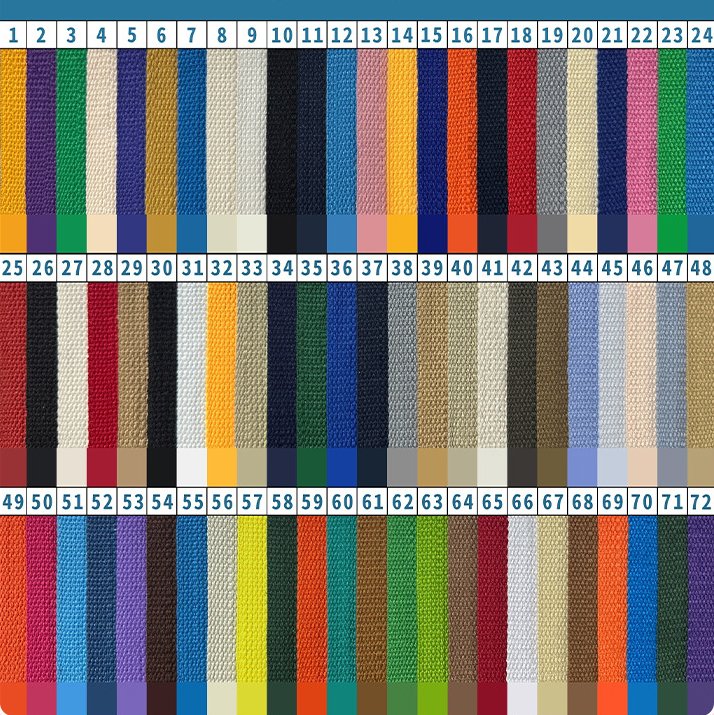
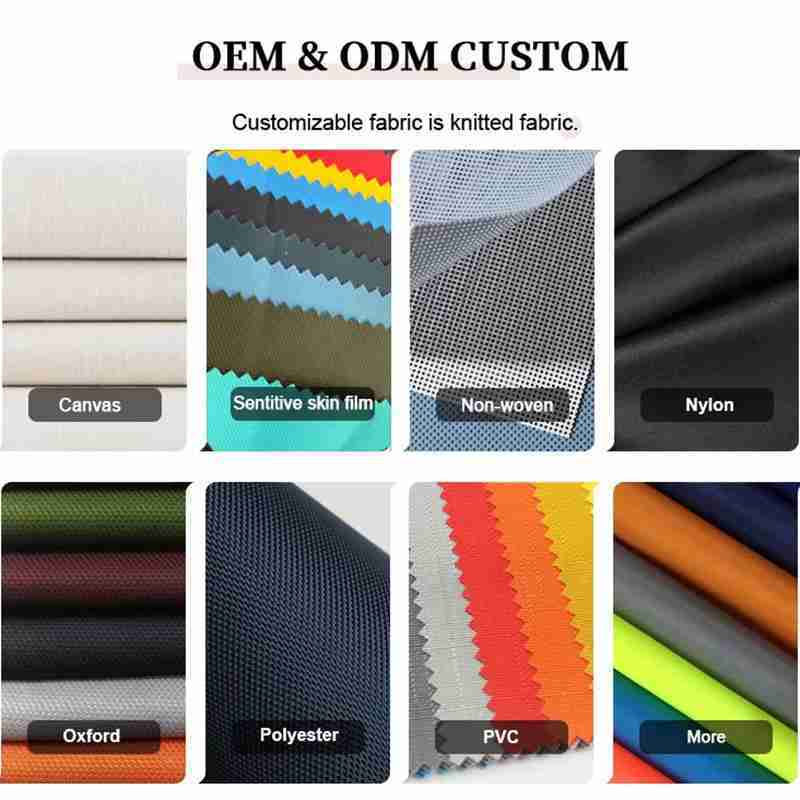
Wrong material choices can lead to abrasion, deformation, odor, or weak print adhesion. A capable OEM/ODM factory should help you build a realistic BOM that fits your channel, price point, durability targets, and packaging limits. Jundong supports a wide range of materials, including fabric, genuine/synthetic leather, PU, PVC, neoprene, and plush. The real value isn’t “many materials.” It’s selecting and combining them into a stable material system that meets performance, compliance, and cost goals—so your approved sample can scale into consistent bulk production.
| Customer Goal | Recommended Material Direction | Key Watchouts | Best Use Cases |
|---|---|---|---|
| Cost efficiency | polyester/nylon + standard trims | shade control | promotions, bulk programs |
| Premium hand-feel | leather / high-grade PU | surface defect rules | brand retail lines |
| Water resistance | PVC / coated fabrics | welding/edge sealing | waterproof, outdoor |
| Protection | EVA structure + foam inserts | tolerance & fit | tools, electronics |
| Soft-touch / insulation | neoprene | thickness consistency | sleeves, bottle holders |
| Gift/character lines | plush | shedding / stitching | merch, gift items |
OEM/ODM Scale: Capacity, Discipline, Stability
In OEM/ODM bag manufacturing, “capacity” is not just how many machines exist. For B2B buyers, capacity means the factory can absorb real-world variability: multiple SKUs, packaging versions, rush schedules, and reorders—without quality drifting. Many suppliers can produce a sample or a small run, but struggle when you scale into a program: workmanship becomes inconsistent, lead times slip, and the factory becomes reactive instead of controlled.
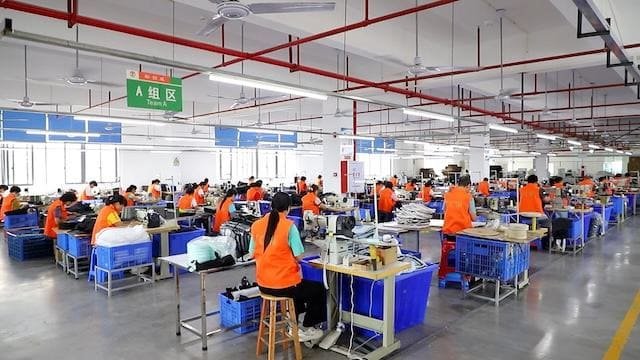
Jundong’s manufacturing foundation is designed for program execution. With a factory area of around 18,000㎡ and 600+ employees, we support a structured division of work—production, sampling, QC, and coordination—so projects are not dependent on one person’s memory.
For procurement teams, the real question is: can this factory deliver stable outputs when your project scales from 1 SKU to 10+ SKUs, and from trial order to bulk? Factory scale matters because it enables three outcomes: process specialization, cross-checking, and repeatability.
What scale changes (practical impact):
- Specialized roles: sampling and production don’t compete for attention
- Faster correction loops: issues are detected earlier, not after packing
- More stable output: operators gain familiarity, reducing variation in bulk

Scalable QC: 80 Inspectors, Checkpoints

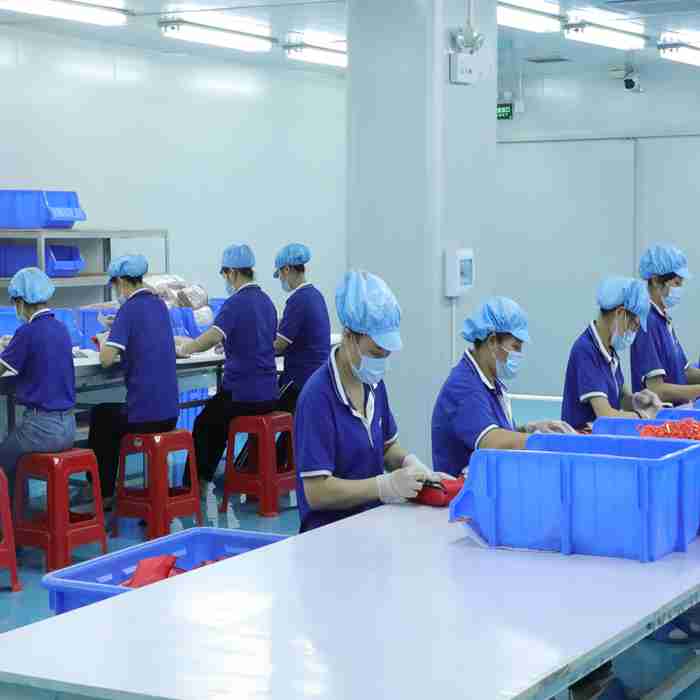
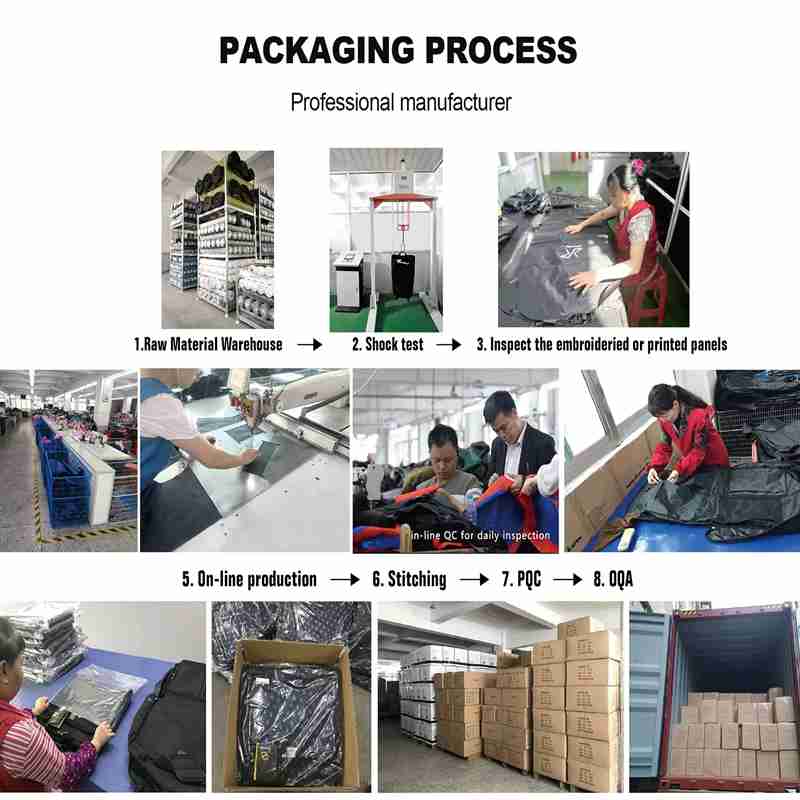
Quality in OEM/ODM is not “we check at the end.” End-only inspection is too late—especially for multi-SKU programs where packing errors and small workmanship variations can multiply into expensive claims. A reliable factory builds quality into the workflow: incoming material checks, in-process inspections, and final verification tied to measurable standards. Jundong’s QC strength is supported by 80 quality inspectors, which allows structured inspection across the production flow instead of relying on occasional spot checks. For procurement teams, this matters because a QC system reduces sample-to-bulk deviation, lowers defect leakage, and protects reorders by keeping standards consistent.
| Bag Type | Common Failure Mode | Critical QC Point |
|---|---|---|
| Backpack | strap stress failure | reinforcement & bartacks |
| Cooler bag | leakage / seam issues | lining seam + sealing |
| Laptop bag | padding misfit | measurement + foam spec |
| Protective case | fit tolerance | insert fit + shell size |
Multi-SKU Control for Traceable Mixed Orders
Most “full-service” factories can produce different bag styles. The real question is whether they can execute multi-SKU orders without mixing, delays, or inconsistency. Mixed orders fail when SKU standards are not locked, packaging files arrive late, or production is scheduled without considering changeover cost. The result is rushed packing, wrong labels, and inconsistent workmanship across SKUs in the same shipment.
A full-service OEM/ODM partner should treat mixed orders as a controlled program. That means SKU coding, version control, batching logic, and packing verification. When these controls are visible and repeatable, procurement teams can scale SKU count without losing predictability.
Export-Ready OEM/ODM: Clear Docs, Communication

For international buyers, the factory’s “export readiness” shows up in small details: how fast they clarify specifications, how they name and track files, and whether packaging rules are treated as a core production input—not an afterthought. Many disputes come from document gaps: barcode versions not confirmed, carton marks inconsistent, or last-minute market compliance changes.
Jundong maintains a structured export-facing team and workflow to support international projects, including communication, development coordination, and production follow-up. This matters because when your project involves multiple SKUs or channels, file discipline becomes a manufacturing requirement.
Export-ready support means you can expect:
- clear RFQ intake with a structured SKU sheet
- early confirmation of packaging rules and file sets
- change management via version control
- shipment document alignment: packing list, carton marks, carton numbering
- proactive risk flags (long-lead materials, multi-logo bottlenecks)
Packaging & Label Control Buyers Notice
For many customers, the most expensive mistakes happen after production is finished: wrong barcodes, mixed hangtags, inconsistent carton marks, or packing lists that don’t match the cartons. These errors can trigger warehouse rejection, relabeling labor, delays in inbound appointments, and even chargebacks. In multi-SKU OEM/ODM programs, packaging and labeling are not “admin work”—they are operational controls.
A full-service factory should treat packaging as a controlled system with versioned files, scan verification, carton numbering, and packing list reconciliation. When this is done correctly, your receiving becomes predictable, and your shipment risk drops sharply.
We recommend a “3-layer packaging control” approach:
Layer 1 — File control:
- barcode master list by SKU + market
- hangtag and label master files (V1/V2)
- carton mark templates
Layer 2 — Physical controls:
- inner pack label with SKU code
- carton numbering (1/50, 2/50…)
- separated packing zones per SKU group
Layer 3 — Verification:
- barcode scan check before sealing cartons
- packing list reconciliation by carton number
- photo record for first carton (golden reference)

MOQ Pricing: Why Small Orders Cost More

Many customers ask for “low MOQ,” but the real question is how to balance trial order validation with bulk order economics. Even for a small order, core production steps still exist: pattern confirmation, material preparation, cutting, sewing, inspection, and packing. What changes with volume are material purchase cost, line efficiency, and defect cost distribution. A transparent MOQ explanation helps buyers plan budgets, choose the right SKU mix, and avoid surprises during quotation.
We support small-batch programs, but pricing follows manufacturing reality. When quantity is low, the factory cannot remove key steps, and material costs are often higher because bulk purchasing discounts don’t apply. Also, operators need ramp-up time on a new style; higher volume improves familiarity and efficiency, which typically improves cost stability and consistency.
If your project has many files (SKU sheet, logo files, barcode list), email can reduce confusion. When necessary, send consolidated documents to info@jundongfactory.com for a structured RFQ review.
Lead Time Drivers in OEM/ODM Orders
Lead time problems usually come from hidden “critical path” items, not sewing itself. Special fabrics, custom trims, multiple logo methods, and late packaging files can delay a project even when the production line is available. For customers, the best approach is to identify what drives the schedule and build a realistic timeline with buffers and decision deadlines.
Critical path drivers (most common):
Special materials (custom fabric, coated PVC, unique hardware)
Multiple logo methods (embroidery, printing, and patches in one PO)
Packaging files (barcodes, hangtags, carton marks)
Too many unique trims across SKUs

Compliance Ready Before Bulk Production
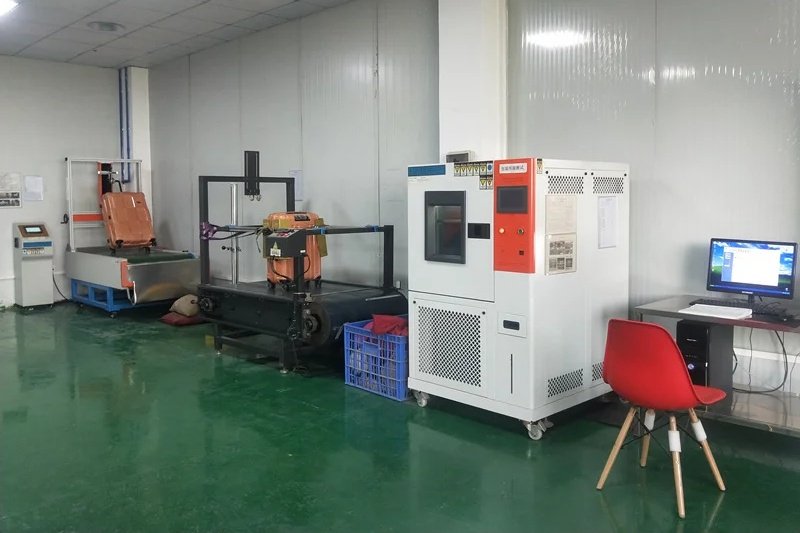
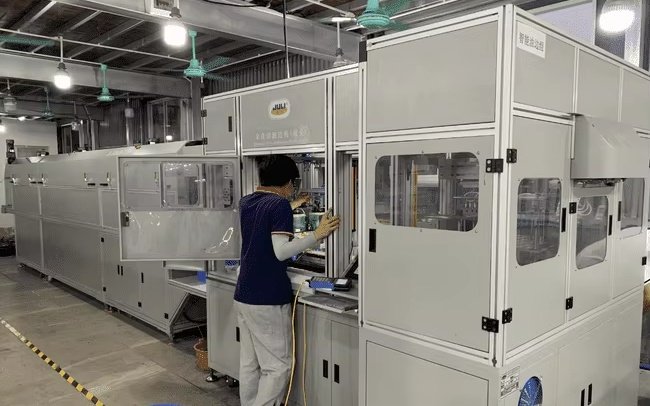
Compliance is easiest when planned early. If requirements arrive late—label content, material restrictions, testing standards—buyers often face relabeling, delays, or rejected shipments. OEM/ODM bag programs vary by market and use case: promotional bags, kids-related products, medical accessories, or electronics kits may trigger different documentation and labeling rules.
Market readiness table (example planning):
| Item | Why It Matters | When to Confirm |
|---|---|---|
| Label content | avoids relabel labor | before sampling |
| Packaging warnings | prevents warehouse rejection | before bulk |
| Material restrictions | prevents redesign | RFQ stage |
| Testing plan | protects program credibility | before bulk |
Cooperation Model: Trial to Long-Term Reorders
A good factory relationship is not a single PO—it’s a repeatable program. Buyers who plan only for the first order often face reorder instability: materials change, workmanship drifts, or packaging files get lost. A full-service OEM/ODM factory should offer a path that protects reorders through standard packs, version control, and predictable batching.
In the trial order stage, we lock the approved sample and tolerances, confirm the BOM and logo method, and finalize packaging rules.
In the bulk production stage, we build an SKU standard pack (spec sheet, photos, labeling and packing rules), schedule production by SKU groups, and run AQL inspection with SKU critical-point checks.
In the reorder stage, we reuse the same file versions and approved references, replenish through rolling restocks by SKU group, and apply corrective actions based on defect feedback to keep quality stable over time.
Make A Sample First?
See your idea come to life before mass production.
At Jundong Factory, we offer free design mockups and custom samples to ensure every detail is perfect — from material and color to logo placement and stitching.
Start your project with confidence today: info@jundongfactory.com.
OEM ODM Full-Service Bag Factory — FAQs
What information do you need to quote an OEM/ODM bag project accurately?
The fastest accurate quotation needs a clean SKU sheet covering dimensions, quantity, materials, logo method, and packaging rules—not only product photos.
To quote correctly, we need inputs that directly determine BOM, process steps, and packing workload. Photos help, but they don’t define measurements, material grades, or labeling requirements. For multi-SKU or mixed orders, a structured SKU list avoids mistakes and shortens back-and-forth.
RFQ Must-Have Checklist (recommended):
| Item | Why it matters |
|---|---|
| Bag type + use case | drives structure & reinforcement |
| Size / capacity | defines pattern and carton plan |
| Qty by SKU | affects MOQ logic & batching |
| Material direction | impacts cost, lead time, performance |
| Logo method + files | affects sampling + production flow |
| Packaging rules | barcode/carton marks reduce rejection risk |
If you don’t have a full tech pack, you can start with a reference sample + target market/channel. For file-heavy projects (barcode lists, hangtags, carton marks), it’s sometimes cleaner to send a consolidated RFQ pack to info@jundongfactory.com so versions stay controlled.
What’s the difference between OEM and ODM when choosing a bag factory?
OEM is best when you already have clear specs; ODM is best when you need the factory to develop structure, materials, and manufacturable details.
In OEM, the buyer drives product definition: measurements, materials, logo placement, and acceptance standards. The factory’s job is execution and consistency. In ODM, the buyer provides concept + target market, and the factory converts it into a manufacturable solution: pattern, BOM options, reinforcement logic, and sampling iterations.
Procurement decision tip: If your team lacks a complete tech pack, starting with a controlled ODM sprint often reduces future revision loops. Once structure and BOM are confirmed, the project can convert to OEM-style execution for stable bulk and reorders. This approach also helps multi-SKU programs because shared elements (lining, zipper spec, webbing width) can be standardized early.
How do you prevent sample-to-bulk deviation in OEM/ODM manufacturing?
ample-to-bulk deviation is prevented by locking BOM + tolerance table + workmanship standard + logo placement guide + packaging file versions, then enforcing QC checkpoints.
Most deviations happen because the “approved sample” is not converted into measurable production controls. We recommend turning the sample into a standard pack: material list, measurement points, seam/stitch standards, reinforcement requirements, and logo placement references (distance to seams/edges). For multi-SKU, each SKU must have its own standard pack, even if designs look similar.
On the factory side, deviation control also depends on inspection structure. With a dedicated QC team and staged inspections, issues are detected earlier, not at the end of packing. Your factory profile includes a specialized QC setup (80+ QC) which supports consistent checkpoints across production.
Procurement tip: require a pre-production confirmation step that rechecks key points (BOM, measurements, logo placement, packaging rules). That one checkpoint prevents most “surprises” in bulk.
Can you support mixed orders (multiple SKUs) in one purchase order?
Mixed orders are stable when the factory uses SKU coding, batching logic, version control, and packing verification—not just “accepting” the PO.
For multi-SKU POs, the highest risks are mixing labels/cartons, inconsistent workmanship between SKUs, and delays caused by the slowest SKU. A reliable mixed-order system includes: SKU code per variant, BOM lock per SKU, batching by shared materials/logo methods, and packing controls (inner labels, carton numbering, barcode scan checks, packing list reconciliation).
Buyer tip: ask for proof of process—SKU sheet format, packing list template, carton mark layout, and how the factory prevents mixing during packing. These documents matter more than verbal promises.
What is your typical MOQ for OEM bags and ODM development projects?
MOQ depends on materials MOQs, trim uniqueness, and SKU count, and small orders cost more because the full process still applies.
For OEM projects with standard materials and trims, MOQ can be lower and more flexible. For ODM or custom-material projects, MOQ often increases because suppliers of fabric/hardware may require minimum runs, and development work involves multiple iterations.
MOQ drivers table:
| Driver | Why it increases MOQ |
|---|---|
| Custom fabric / color | dyeing and supplier minimums |
| Unique hardware | plating + tooling constraints |
| Many SKUs | more changeovers, more packing complexity |
| Multiple logo methods | different production scheduling |
We can support small-batch orders, but unit price will be higher than bulk because material discounts and line efficiency improve with volume. For a realistic plan, share your SKU list and target market so we can propose a trial-to-bulk pathway.
What lead time should we plan for OEM/ODM bag orders?
Lead time is driven mainly by material lead time, logo method queues, and packaging file readiness, not sewing speed alone.
A realistic lead time includes RFQ clarification, material sourcing, sampling/approval (if needed), and packing preparation. Delays most often come from late decisions: switching materials after sampling, adding a new logo method midstream, or finalizing barcode/hangtag files at the end.
Lead-time driver table:
| Driver | Typical delay cause | How buyers can prevent it |
|---|---|---|
| Special materials | late sourcing | approve alternatives early |
| Embroidery/patch | scheduling queue | batch by logo method |
| Packaging files | version mismatch | lock V1/V2 before bulk |
| Too many trims | procurement complexity | standardize across SKUs |
What bag categories can your OEM/ODM factory produce?
A full-service bag factory should cover diverse categories and materials while keeping process control consistent across product lines.
In practical procurement terms, you want a factory that can handle different structures (soft bags, structured bags, multi-compartment layouts) and materials (fabric, PU/PVC, neoprene, leather) without losing quality consistency. Your factory introduction confirms broad material capability including fabric, leather (genuine/artificial), PU, PVC, neoprene, plush.
For fast evaluation, share your primary bag type and the top 3 functional requirements (load, compartments, water resistance, protection). We can recommend structure approaches and materials that match your target channel and price positioning.
How do you manage quality control for bulk and repeat orders?
Stable bulk and reorders rely on multi-stage QC plus a documented standard pack that defines what “acceptable” means.
Quality is most reliable when it’s built into the process: incoming inspection, in-process checks, and final inspection, plus packing verification. Your factory profile indicates a dedicated QC structure with 80 quality inspectors, which supports staged inspection coverage rather than occasional spot checks.
For reorders, the critical factor is file discipline: BOM, tolerances, workmanship points, logo placement, and packaging versions should be stored and reused. Reorder speed improves when you keep shared items standardized (lining, zipper type, webbing width) and reorder by SKU groups.
Can you help optimize BOM and reduce cost without degrading quality?
Cost optimization is most effective through standardization + smart substitutions + structure engineering, not by cutting QC or using unknown materials.
We typically reduce cost in three procurement-safe ways:
- Standardize trims across SKUs (zipper type, webbing width, lining)
- Offer material alternatives with performance notes (abrasion, water resistance, hand-feel)
- Adjust structure details that affect labor time (pocket complexity, binding routes, reinforcement choices)
Buyer tip: ask for a cost-impact list that separates “safe substitutions” (doesn’t change function) from “risk substitutions” (may affect durability or returns). That keeps decision-making clear inside your team.
What’s the best way to start if we only have a concept, not a tech pack?
Start with a controlled ODM feasibility review using your use case, target price, and reference images, then lock structure and BOM before sampling.
A concept-only start is common. The key is to avoid vague directions like “make it premium” or “like brand X.” Instead, provide: target market/channel, expected load/use conditions, must-have features, target retail/wholesale price band, and 2–3 reference images showing structure elements you like. With that, we can propose materials and structure routes and flag risks early (long-lead items, complex logo methods, packaging requirements).
Once structure is confirmed, convert the concept into measurable specs (dimensions, tolerance points, logo placement). That prevents re-sampling loops.
How do you handle packaging, labels, barcodes, and carton marks for export orders?
Export packing runs smoothly when packaging is treated as a version-controlled file set plus packing verification—not a last-minute add-on.
For B2B shipping, packing accuracy affects warehouse receiving and chargeback risk. A reliable approach includes: barcode master list by SKU/market, hangtag/label files with V1/V2 version control, carton mark template, carton numbering, and packing list reconciliation by carton. Buyers should confirm label content and placement early to avoid relabel labor later.
How long does sampling take, and how many revisions should we plan for?
Sampling time depends on complexity + material readiness + logo methods, and most B2B projects should plan 1–3 controlled revision rounds.
A realistic sampling plan includes: concept/spec clarification, pattern making, material confirmation, production of prototype, and evaluation feedback. Projects move fastest when buyers define “approval gates” in advance: measurement points, tolerance limits, logo placement references, and what defects are unacceptable. Without these, revisions become subjective (“looks a bit off”) and sampling drags.
Sampling planning table:
| Complexity level | Typical revision rounds | What usually causes revisions |
|---|---|---|
| Standard bag | 1–2 | zipper/pocket placement, logo size |
| Multi-compartment | 2–3 | internal layout, reinforcement points |
| Mixed-SKU program | 2–3 | packaging/label versions, SKU differences |
Procurement tip: approve structure first, then fine-tune branding details. This reduces full re-sampling loops.
Everything You Need to Know Before Customizing Your Bags
OEM/ODM programs succeed or fail on execution details, not slogans. For procurement teams, a true full-service bag factory is measured by how well it controls development, BOM discipline, sampling accuracy, QC checkpoints, packaging and labeling, and repeat-order stability—especially when orders involve multiple SKUs, mixed trims, and tight timelines. This section is written to help you evaluate factory fit with operational clarity, so internal approval moves faster and risk is easier to quantify.
We recommend assessing suppliers through real procurement triggers: what information is needed to start sampling, how the factory prevents sample-to-bulk drift, how it manages materials sourcing and hardware specs, how it keeps mixed orders traceable, and which inspection checkpoints protect long-term consistency. When explained clearly, this content also matches long-tail search intent such as “OEM ODM bag factory,” “full-service bag manufacturer,” “bag sampling to bulk production,” or “AQL inspection bag factory.”
For a fast evaluation, share your product reference, target dimensions, use case, target market requirements, logo method, packaging rules, and quantity plan. Our team will review your inputs and respond with practical structure suggestions, a controlled material system proposal, and a realistic development route that supports bulk production and stable reorders.