 Skip to content
OEM/oDM Cotton Bag Factory
Cotton Bag Manufacturer for Custom Tote Bags, Drawstring Bags, Gift Bags & Pouches
Need a cotton bag manufacturer for custom tote bags, drawstring bags, gift bags, and pouches? Jundong helps you build the right product based on your size, fabric, logo, packaging, and target market needs. We support OEM and ODM projects for private label collections, promotional campaigns, gift packaging, retail programs, and wholesale orders. With sample support, flexible customization, and bulk production experience, we make it easier to move from concept to finished cotton bags with fewer communication gaps.
Choose Cotton by Weight and Weave
Cotton bag projects often slow down early because cotton fabric is treated as if it were one standard material. In reality, cotton can behave very differently depending on fabric weight, weave, surface texture, finishing, washing response, and bag construction. A lightweight promotional tote, bookstore shopping bag, museum gift bag, retail pouch, and zippered cosmetic bag should not all begin from the same fabric direction.
A more practical starting point is to define how the bag will actually be used. Should it feel soft and foldable for daily carry? Should it keep a cleaner shape for shelf display? Does it need to carry books, groceries, cosmetics, event handouts, or gift items? Will the design use screen printing, heat transfer, embroidery, woven labels, or logo printing? Should the final look feel natural, structured, textured, rustic, or more polished?
Once the use setting is clear, the right cotton direction becomes easier to narrow down. This helps reduce fabric mismatch, weak body, poor print performance, and avoidable cost.
What to confirm early:
- Bag purpose — affects weight, weave, shape, and construction
- Expected load — affects fabric body, handle strength, and stitching
- Logo or print plan — affects surface suitability and print clarity
- Target look — casual, clean, textured, natural, or retail-ready
- Budget level — helps keep the build realistic
Choosing cotton by real use, not only by material name, usually leads to better sampling, clearer bag development, and a smoother production path.


Choose Between Cotton and Canvas
Cotton and canvas are often grouped into the same material family, but they do not always create the same bag effect. In many projects, the real decision is not only about using a natural fabric. It is about whether the bag should feel lighter and more flexible or firmer and more structured. That choice affects shape, handfeel, carrying experience, and visual presentation.
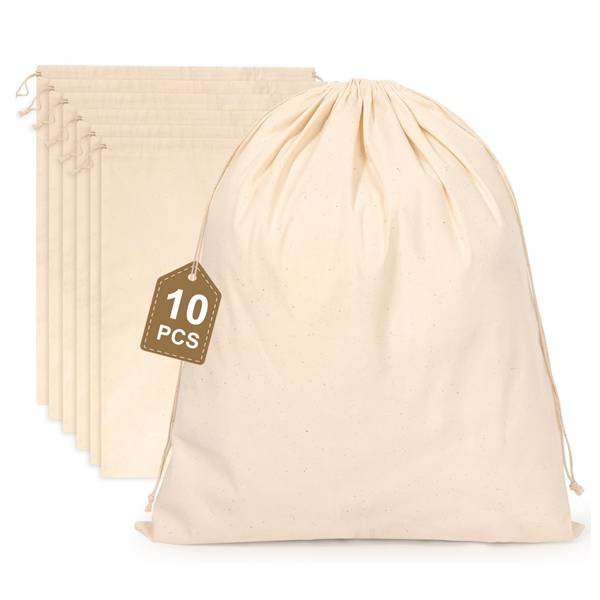
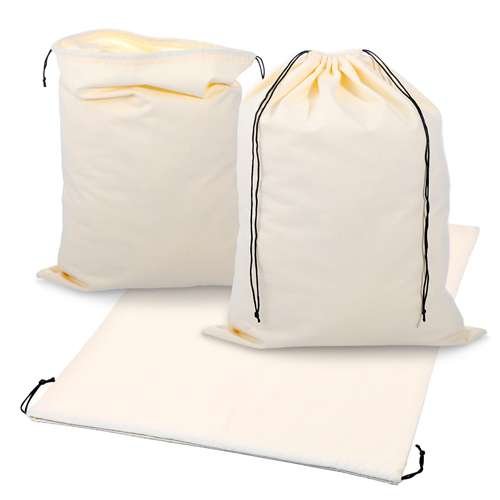
A lighter cotton fabric often works well for event tote bags, gift bags, drawstring bags, giveaway bags, cotton pouches, and soft promotional packaging. It usually feels easier to fold, easier to store, and more relaxed in the hand. This makes it suitable for lightweight daily use, branded event distribution, simple gift packaging, and softer retail bag styles.
Canvas fabric is often a better option when the bag needs more body, stronger structure, and better shelf presence. It is commonly used for book bags, shopping totes, grocery bags, retail tote bags, utility bags, and heavier carry styles. Canvas can feel more durable and more stable, especially when the design includes gussets, reinforced handles, lining, inside pockets, or larger logo areas.
Before choosing, it helps to confirm:
- Bag purpose — gifting, shopping, packaging, retail display, or daily carry
- Expected load — books, clothing, groceries, cosmetics, or accessories
- Print method — screen printing, embroidery, heat transfer, or woven labels
- Surface feel — soft, smooth, natural, textured, or rugged
- Cost level — simple lightweight build or stronger structured construction
The better material choice depends on use, shape, load, texture, and branding needs.


How Cotton Weight Changes Bags
Fabric weight changes far more than thickness. It affects how a cotton bag folds, carries, hangs, prints, wrinkles, and feels in the hand. It can also change whether the finished bag feels more casual, more practical, or more substantial. That is why cotton fabric weight should be confirmed early, before the project moves too far into logo layout, print setup, or sample approval.
Lightweight cotton is often used for giveaway tote bags, event bags, simple drawstring bags, liners, and promotional handout bags where easy folding, lighter material use, and lower cost matter. Midweight cotton is usually a strong balance for daily tote bags, branded shoppers, gift bags, and cotton pouches that need a cleaner body without feeling too stiff. Heavy cotton works better when the bag should hold shape more clearly or carry books, bottles, groceries, tools, or other heavier contents.
A practical way to compare them:
- Lightweight cotton — easier to fold, lighter carry feel, more cost-sensitive use
- Midweight cotton — balanced handfeel, better everyday structure, broader use range
- Heavy cotton — stronger body, fuller shape, more supportive carry
The best fabric weight is rarely the heaviest one. It is the weight that matches the bag’s real use, load level, print plan, and target feel without adding unnecessary bulk, stiffness, or extra cost.

Why Cotton Bags Work Well
Cotton bags remain widely used because they combine natural texture, everyday practicality, and broad branding flexibility in ways many synthetic materials do not. They feel familiar in the hand, fold easily, and work well across gift shops, bookstores, museum stores, cafes, seasonal campaigns, event packs, and reusable shopping programs.
For branded use, cotton also creates a softer and more approachable impression. A clean printed logo on cotton often feels less aggressive than the same mark on a slick synthetic surface. That makes cotton especially suitable for retail totes, gift-with-purchase bags, book bags, wellness or lifestyle programs, and lighter daily-carry styles.
| Why cotton is often chosen | Practical value |
|---|---|
| Natural hand feel | Feels easier to carry and keep |
| Print-friendly surface | Works well for text, art, and logo applications |
| Reusable appeal | Suitable for repeat daily use |
| Flexible style range | Can look simple, soft, or more retail-ready |
| Broad gifting fit | Works across events, shops, and brand programs |
Cotton works especially well when the product needs to feel useful after the first use, not just at the moment it is handed out.


Best Logo Methods for Cotton
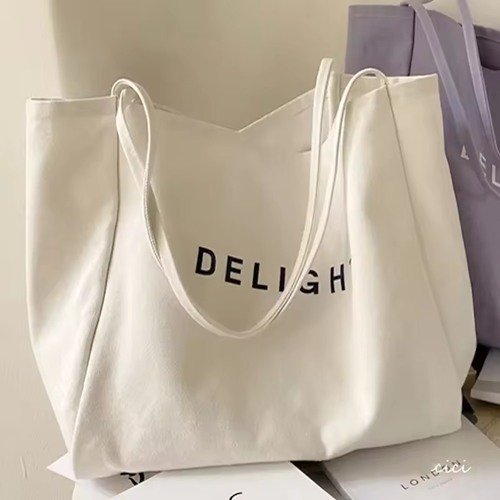
Cotton usually offers a friendly surface for branding, but the best logo method still depends on fabric weight, weave texture, artwork detail, and the final look the bag should carry. A simple one-color bookstore tote does not need the same approach as a gift pouch, a museum bag, or a heavier retail shopper.
Screen print is often a strong choice for bold graphics, slogans, and cleaner large-area designs. Heat transfer can work well for more detailed or multi-color visuals when the fabric surface is stable enough. Embroidery gives a richer and more tactile look, especially on heavier cotton or canvas, but may feel too heavy on lighter cotton. Woven labels and printed labels are useful when branding should stay quieter and more integrated.
| Logo method | Works well for | Watch-out |
|---|---|---|
| Screen print | Bold text, simple graphics, tote branding | Fine detail may soften on textured surfaces |
| Heat transfer | More colorful or detailed visuals | Must confirm adhesion and feel |
| Embroidery | Raised branding, richer retail look | Can pull lighter fabric |
| Woven or printed label | Subtle branding, cleaner collections | Placement needs planning |
The right method should suit both the artwork and the cotton itself. A technically possible logo is not always the one that yields the best final bag.


Natural, Dyed, Organic, or Blended
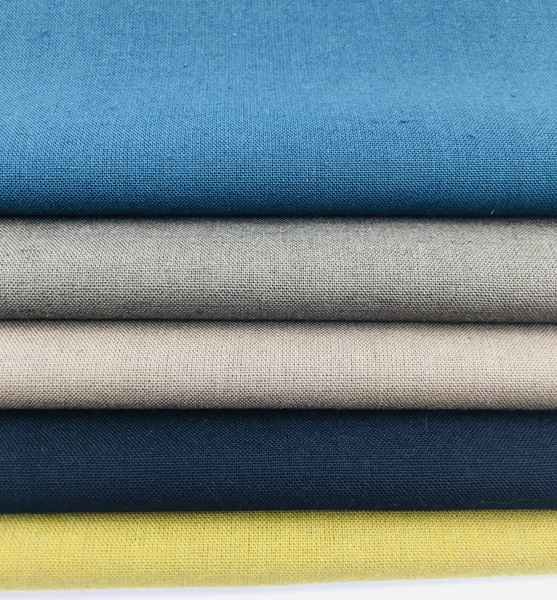
Cotton bag development does not stop at shape and print. The fabric direction itself also changes how the product is perceived. Natural cotton often feels softer, simpler, and more grounded. Dyed cotton gives more control over brand color and collection coordination. Organic cotton may suit projects that want a clearer natural-material story. Blended directions can help balance texture, strength, shrink behavior, or cost.
The right choice depends on what the bag needs to communicate. A natural-toned gift bag may feel more honest and relaxed. A dyed cotton retail tote may better match a store’s palette. An organic option may support a more intentional product story. A cotton blend may help when the project needs a specific hand feel or more stable performance.
| Fabric direction | Often chosen for |
|---|---|
| Natural cotton | Gifting, bookstores, museum stores, casual lifestyle use |
| Dyed cotton | Branded collections, stronger color identity, retail programs |
| Organic cotton | Natural-material positioning, special collections |
| Blended cotton | Balanced performance, adjusted texture, cost, or stability planning |

Small Cotton Details Change Results
Cotton bags often look simple, but bulk results can change quickly if shrinkage behavior, fabric body, and stitch handling are not considered early. Cotton reacts differently from many synthetic materials. It may soften, relax, wrinkle, or shift slightly depending on fabric finish, wash condition, humidity, print process, and the way the bag is stored or packed.
That is why cotton bag development should pay close attention to details that may seem small at first: panel straightness, gusset balance, handle alignment, top opening shape, and whether the bag still looks clean after folding, printing, or repeated handling. A bag can look fine as one sample and still lose consistency in bulk if the construction is not stable enough for the chosen cotton.
| Detail to watch | Why it matters |
|---|---|
| Shrink response | Affects final size and print placement |
| Handle alignment | Changes how the bag hangs and is carried |
| Gusset shape | Influences the standing form and load balance |
| Top opening | Affects overall neatness, and the user feels |
| Stitch consistency | Helps repeated production stay cleaner |


Control Cost, Keep Cotton Natural
Cotton bags are often selected because they feel softer, more familiar, and more natural in use. That is exactly why cost control needs to be handled carefully. If too many visible elements are reduced at the same time, the bag may still function, but it may no longer carry the warm, easy, reusable quality that made cotton the right choice in the first place.
A better approach is to protect the features people notice most: fabric touch, print clarity, handle comfort, and overall shape balance. Cost can often be controlled more intelligently through simpler internal construction, cleaner panel engineering, fewer unnecessary trim changes, and packaging that is practical rather than excessive.
| Cost-control move | What it protects |
|---|---|
| Keep the right face fabric | Preserves hand feel and visual tone |
| Simplify hidden construction | Saves labor without changing the appearance too much |
| Choose practical logo methods | Holds visual value without forcing expensive upgrades |
| Reduce unnecessary trim variation | Helps with consistency and cost control |
| Use packaging efficiently | Lowers cost without affecting daily use |


Cotton Bag Styles Worth Developing
Cotton works best in bag styles that benefit from soft handling, clean print presentation, repeat use, and a more approachable everyday look. That is why cotton is often chosen not only for simple totes, but also for a wider group of products that sit between gifting, retail, events, daily use, and store programs.
The most commonly developed styles include tote bags, drawstring bags, gift bags, zipper pouches, book bags, flat shoppers, and gusseted carry bags. Lighter cotton may suit event distribution and simple pouches, while denser cotton or canvas-like fabrics work better for book-heavy totes, retail shoppers, and styles that need more body.
| Cotton bag style | Why it works well |
|---|---|
| Tote bag | Broad print area, easy daily use, strong gifting fit |
| Drawstring bag | Light, simple, easy to fold and distribute |
| Zipper pouch | Good for small branded programs and add-on products |
| Book bag or shopper | Works well with a stronger body and repeated use |
| Gift bag | Natural look supports retail and event presentation |
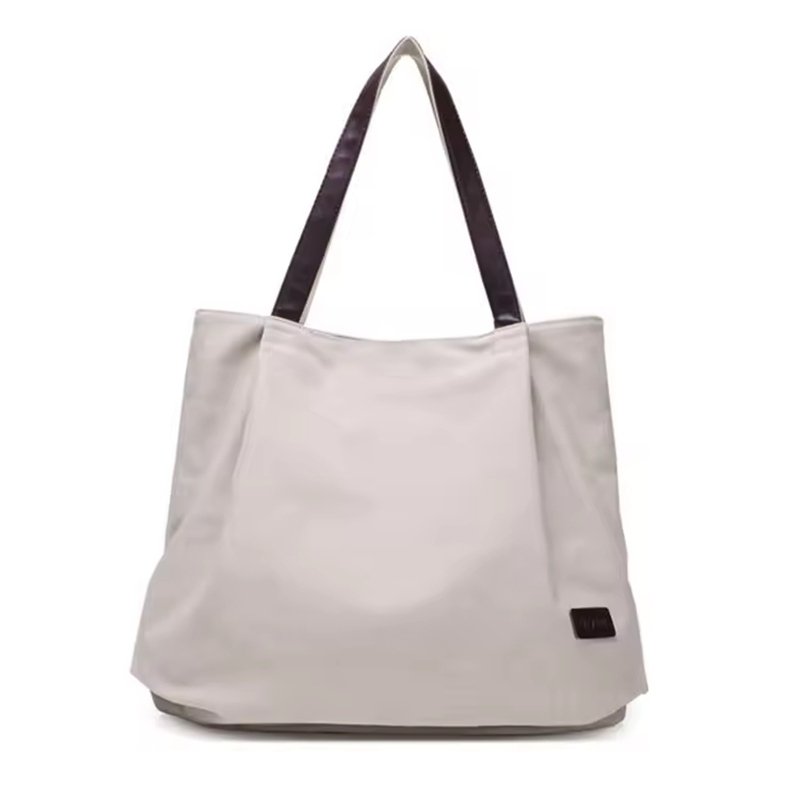


Cotton Bags by Use Scenario
Cotton bags perform best when they are planned around the actual use setting, not only around a sketch or a logo file. A cotton bag for an event giveaway should not be built the same way as a museum gift bag, a bookstore tote, a school program bag, or a brand retail shopper. The fabric may still be cotton, but the priorities change.
For event use, lightweight, print visibility, and easy packing often come first. For shops and museum stores, the bag may need better texture, a neater shape, and a more gift-ready look. For school or bookstore use, handle comfort, fabric body, and carrying strength matter more because the contents may be heavier. For brand programs, color tone, print cleanliness, and collection consistency usually become more important.
| Use scenario | What should come first? |
|---|---|
| Events or campaigns | Foldability, print area, and easy distribution |
| Shops or museum stores | Natural feel, cleaner presentation, gifting fit |
| Schools or bookstores | Carry strength, handle comfort, shape stability |
| Brand collections | Color control, logo finish, style consistency |
A stronger cotton bag program starts when the build is matched to real use, not when one formula is repeated across every style.

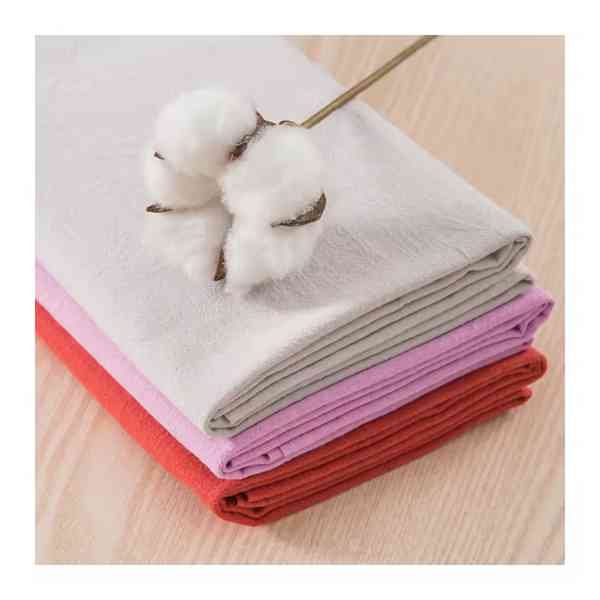

Why Cotton Sampling Needs Clarity
Oxford bag programs are not only for one type of business. They fit especially well when the product needs to be practical, repeatable, and easier to adapt across multiple colors, sizes, or usage scenes. That is why this material is often a strong option for private-label collections, promotional programs, seasonal launches, utility-focused assortments, school or travel lines, and item groups that need steady replenishment.
Different teams usually care about different things. A brand may focus on visual consistency and trim selection. An importer may focus more on packing efficiency, repeatability, and delivery planning. A project-driven sourcing team may need faster development and clearer cost control. A fast-moving seller may care most about whether the style can be tested in a smaller run and repeated later without starting over.
| Team Type | Main Concern |
|---|---|
| Brand Teams | Finish quality, identity details |
| Importers | Repeatability, shipment control |
| Project Teams | Development speed, clarity |
| Fast-Moving Sellers | Trial setup, restock flexibility |


Make A Sample First?
See your idea come to life before mass production.
At Jundong Factory, we offer free design mockups and custom samples to ensure every detail is perfect — from material and color to logo placement and stitching.
Start your project with confidence today: info@jundongfactory.com.
Decision FAQs About Cotton Bag
What is the difference between a cotton bag and a canvas bag, and which one should I choose?
The main difference is this: cotton bags usually feel softer, lighter, and easier to fold, while canvas bags usually feel denser, firmer, and more structured. That difference affects carrying feel, print appearance, shape retention, and how the bag is judged in retail, gifting, or daily use.
A cotton bag often works well for event totes, gift bags, drawstring bags, museum shop bags, bookstore bags, and light zipper pouches. It feels more relaxed and is easier to pack flat in larger quantities. A canvas bag is usually a better fit for retail shoppers, book bags, grocery totes, utility bags, and heavier daily carry because it gives more body and a stronger silhouette.
Before choosing, confirm:
- Use scene — gifting, retail, events, shopping, or reuse
- Expected load — light items or heavier contents
- Desired feel — soft and natural, or firmer and cleaner
- Packing method — folded flat or display-ready
- Logo direction — simple print, embroidery, or more structured branding
The right choice is usually the one that matches the bag’s real use first, then balances handle design, gusset structure, print method, and budget around that direction.
How do I choose the right fabric weight for a cotton bag?
The right cotton fabric weight is the one that supports the bag’s real use, print plan, shape, and carrying load without adding unnecessary stiffness, bulk, or cost. Fabric weight affects much more than thickness. It changes drape, hand feel, shape retention, wrinkle behavior, print clarity, foldability, and packing efficiency.
Lightweight cotton is often suitable for event bags, promotional totes, gift bags, and simple pouches where easy folding and lower volume matter. Midweight cotton is often a balanced option for daily tote bags, bookstore shoppers, museum bags, and reusable retail styles. Heavier cotton or canvas-like fabric is better when the bag needs more structure or will carry books, bottles, documents, or groceries.
What to confirm early:
- Bag purpose
- Expected load
- Print or logo method
- Need for folding
- Target hand feel
- Budget direction
A common mistake is choosing heavier fabric only because it feels more substantial. That can increase cost, reduce foldability, and make the bag less suitable for the original project. A better approach is to match weight to the job first, then refine details like gusset, handle width, print method, and finishing.
Which logo method works best on cotton bags?
The best logo method for a cotton bag depends on the fabric surface, artwork style, bag positioning, and the finished look you want. On cotton, the same graphic can appear softer, cleaner, more textured, or more refined depending on the method used.
The most common options are:
- Screen print — strong for bold graphics, text, event totes, bookstore bags, and gift bags
- Heat transfer — useful for finer artwork or more colorful visuals
- Embroidery — better for heavier cotton or canvas when the bag needs a stronger retail look
- Woven labels or printed labels — good for quieter branding on pouches, tote collections, and gift lines
What should be checked:
- Fabric weave and texture
- Logo detail level
- Bag weight and structure
- Brand style
- Use scene
A common mistake is choosing the logo method only from a digital mockup. On real cotton, weave, weight, surface texture, and bag tension all affect the result. A graphic that looks sharp on screen may appear softer on fabric. The safer route is to test at least two branding methods on the actual material before approval. The best result is usually the one that looks most natural on the bag, not the one with the highest decoration cost.
Will cotton bags shrink, wrinkle, or lose shape in bulk production?
Yes, cotton bags can show shrinkage, wrinkling, or shape variation if fabric behavior and construction details are not checked early. Cotton responds more naturally than many synthetic fabrics, so the final result can be affected by fabric finish, print process, humidity, folding method, washing response, and storage conditions.
The most common risk areas include:
- Overall size
- Print placement
- Top opening
- Handle alignment
- Side gussets and bottom corners
That does not mean cotton is unreliable. It means cotton needs better control points. A sample should not only confirm size. It should also confirm fabric hand feel, print response, handle proportion, fold condition, and overall shape after realistic handling.
To reduce risk, it helps to lock:
- Fabric direction and finish
- Print method
- Handle placement
- Gusset balance
- Packing method
- Pre-production sample if needed
The goal is not to remove every natural cotton characteristic. A little softness or relaxed texture may still suit the product. The real goal is to prevent the bag from becoming too inconsistent, too loose in shape, or too messy for the intended retail, gifting, or daily-use setting.
How can I reduce cost on a cotton bag without making it feel cheap?
The most effective way to control cost on a custom cotton bag is to protect the parts people notice most, while simplifying hidden details that add cost but do little for the real user experience. A cotton bag starts to feel weak when the fabric touches, shape balance, logo finish, and carry comfort all decline together.
A more practical cost plan usually protects:
- Outer fabric hand feel
- Visible texture
- Logo clarity
- Handle comfort
- Clean overall shape
It can often simplify:
- Extra internal compartments
- Unnecessary trim variation
- Overbuilt packaging
- Decorative details that add little value
For example, it may be smarter to keep a suitable outer cotton fabric and a balanced handle, while simplifying inside construction or reducing accessory complexity. In some cases, choosing a logo method that suits the fabric naturally works better than forcing a more expensive decoration style. Cleaner panel planning can also reduce fabric waste and labor time.
The goal is not to cut every line item as far as possible. The goal is to keep the bag feeling worth carrying and worth keeping after first use. When the visible and tactile parts are still considered, the project can stay attractive even under a more practical cost plan.
Are cotton bags good for retail, or only for giveaway use?
Cotton bags can work well for both retail and giveaway use. The difference usually comes from fabric weight, print finish, shape control, handle construction, and overall presentation. A cotton bag is not limited to simple promotional use. It can also support bookstore bags, museum shop bags, gift-with-purchase totes, lifestyle carry bags, zipper pouches, and more polished retail shoppers when the development level is matched to the use scene.
A more giveaway-focused cotton bag usually uses lighter fabric, a simpler structure, and a straightforward print method. A more retail-ready cotton bag often needs better body, cleaner logo finish, stronger handle proportion, neater gusset balance, and a more complete overall feel. Even a simple tote can feel suitable for store use when the cotton direction, logo scale, and construction details are handled carefully.
Before deciding, confirm:
- How the bag will be used after handoff
- Whether repeat use matters
- Whether shelf presence matters
- How polished the logo result should feel
- Whether the project is short-term distribution or longer-term reuse
The better question is not whether cotton is for retail or giveaway. It is the role the bag still needs to play after it is received.
Can cotton bags be made with organic cotton, recycled blends, or special fabric directions?
Yes. Cotton bags can be developed in organic cotton, recycled blends, dyed cotton, natural cotton, washed cotton, and other fabric directions. The right choice should support the bag’s real use, print method, hand feel, and visual tone, not only the fabric story. Many projects choose these directions because the bag needs to express more than function, such as a natural look, gift-ready feel, seasonal color identity, or a more distinctive collection concept.
Common directions include:
- Natural cotton — bookstores, museum stores, gift shops, relaxed lifestyle use
- Dyed cotton — stronger brand color direction, retail collections, seasonal programs
- Organic cotton — projects built around a natural-fiber story
- Recycled blends — bags that want a more specific material narrative
- Washed or softer cotton — casual, relaxed, more giftable product feel
The key is to confirm:
- Does the fabric support the chosen logo method?
- Does it match the expected shape and carry feel?
- Will it still look right after folding, printing, and daily use?
- Does the material direction strengthen the product, or only complicate it?
The strongest fabric choice is usually the one that creates a better bag, not just a more interesting material description.
What cotton bag styles are most practical to develop first?
The most practical cotton bag styles to develop first are the ones that fit cotton’s natural strengths: soft handling, easy branding, repeat use, and a more relaxed daily-carry feel. For a new cotton bag project, it is usually smarter to begin with styles that let the fabric work naturally, instead of forcing cotton into a role better suited to a denser or more technical material.
The most reliable starting styles often include:
- Tote bag — broad use, large branding area, simple structure
- Drawstring bag — lightweight, foldable, easy for events and campaigns
- Gift bag — works well for bookstores, museum stores, and gift programs
- Zipper pouch — useful as a smaller branded item or series add-on
- Book bag or shopper — better for repeated carry with midweight or heavier cotton
- Gusseted carry bag — stronger volume and a more complete retail look
A tote bag is often the easiest first choice because it combines branding space, practical use, and easy development. A drawstring bag fits event distribution well. A pouch works when the project wants a smaller branded piece. A shopper or book bag is often the next step when daily use matters more.
The most practical first cotton bag is usually not the most complex one. It is the one that makes the material, branding, and use scene align naturally.
What should I confirm in a cotton bag sample before bulk approval?
Before bulk approval, a cotton bag sample should confirm the details that most affect shape, print result, hand feel, and repeat consistency, not only whether the size looks roughly right. Cotton reacts more visibly to small development choices than many teams expect, so a quick visual check is usually not enough.
The most useful sample review usually checks:
- Fabric hand feel — too soft, too stiff, too light, or too heavy
- Shape and proportion — how the bag hangs, folds, and presents
- Print or logo result — clarity, placement, texture response, balance
- Handle width and placement — comfort, visual proportion, daily usability
- Top opening and side seams — whether the bag stays neat in real use
- Folded condition — pack-out efficiency and post-delivery presentation
- Stitch cleanliness — perceived quality and repeatability
A better review process asks:
- Does this cotton weight match the intended use?
- Does the logo suit the surface?
- Do the handles feel balanced?
- Does the bag still look neat after folding and filling?
- Does the sample feel ready to repeat in bulk?
The best sample is not only a visual reference. It should also behave well in handling, carrying, and packing.
How can I start a custom cotton bag project more efficiently?
The most efficient way to start a custom cotton bag project is to send a clear first brief built around real use. Many cotton bag projects slow down not because the bag is difficult, but because the opening request is too general. If the only instruction is “we need a cotton bag,” too many key decisions are still missing, such as fabric weight, cotton or canvas direction, logo method, intended use, target hand feel, and whether the bag is for gifting, retail, events, schools, bookstores, or daily carry.
A stronger starting brief usually includes:
- Bag type
- Approximate size
- Main use scenario
- Expected quantity
- Logo method or artwork style
- Target hand feel
- Special requirements, such as gusset, zipper, washed finish, organic cotton, or stronger carry support
Reference photos are especially useful because the cotton bag impression depends heavily on shape, drape, handle proportion, and surface feel. It also helps to divide requirements into:
- Must have
- Preferred
- Optional
That makes sample development clearer and reduces unnecessary revision. A practical first brief does not need every detail finalized. It just needs enough structure to guide fabric direction, construction level, and development priorities.
Everything You Need to Know Before Customizing Your Bags
Custom cotton bag sourcing is rarely judged by fabric alone. When comparing factory options, teams usually focus on practical details such as MOQ versus bulk pricing, sampling lead time, cotton fabric weight and weave, print method, handle construction, stitching quality, shape control, packaging setup, and repeat-order consistency. A strong FAQ section helps buyers review these points early and reduce unnecessary back-and-forth.
A better FAQ structure should answer real project questions: what to prepare before sampling, how to keep bulk consistency in fabric feel, color, shape, and logo finish, how to match bag structure with actual use, and which QC steps help protect appearance and daily performance.
