 Skip to content
OEM Canvas Bag Factory
OEM Canvas Bag Factory for Brands & Bulk Programs
If you’re sourcing custom canvas bags for retail, promotions, or corporate programs, success depends on repeatability, not just a good-looking sample. As an OEM/ODM canvas bag factory in Guangdong, we support brands with a controlled manufacturing route—from material selection and construction engineering to branding, packing, and shipment readiness. Our strength is process discipline: a version-controlled BOM, measurable tolerances, reinforcement standards for handles and stress zones, and multi-stage QC that keeps bulk output aligned to the approved reference. Share your target size, use case, logo method, and packaging channel, and we’ll propose practical build options, an accurate timeline, and a quotation you can audit.
What a “Canvas Bags Manufacturer” Should Solve
A capable canvas bag manufacturer is not just a sewing supplier. You’re evaluating whether a factory can translate your product idea into a stable program that survives: multi-SKU expansion, mixed orders, reorders, and seasonal peaks. For canvas, the most common bulk issues cluster into four categories:
- Material reality vs. sample reality: “Canvas” can mean different yarn counts, weaving densities, finishes, and coatings. Without a locked spec, the bulk hand-feel and body structure shift.
- Structure engineering: Handles, boxed bottoms, gussets, inner pockets, and zipper closures require reinforcement mapping. A tote that carries 10–15kg needs a very different stitching strategy than a light promo bag.
- Brand execution: Screen print, embroidery, woven label, leather patch, and heat transfer behave differently on canvas and may change after washing or friction.
- Packaging and labeling discipline: Wrong barcodes, carton marks, or packing lists can create warehouse rejections—even if the bags are well-made.
At Jundong, we position canvas programs as OEM or ODM projects with clear process discipline: in-house sampling capability and structured workflow, plus export-oriented packaging or label support for global programs.


Canvas Options: Cost, Feel, Performance
Use the material selection as a performance decision, not a guess. For most canvas bag projects, buyers compare:
- Cotton Canvas: classic feel, strong printing/branding surface, good for lifestyle and retail.
- Poly-Cotton Canvas: improved wrinkle resistance, often better dimensional stability, useful for a consistent bulk feel.
- Washed/Softened Canvas: vintage look and softer hand-feel; requires tighter color control between lots.
- Waxed/Coated Canvas: water resistance and rugged appearance; ensure coating uniformity and rub-fastness.
- Recycled Canvas / Sustainable blends: marketing value; verify availability and batch consistency.
Spec table:
| Spec item | What to define? | Why it matters in bulk |
|---|---|---|
| Weight (GSM/oz) | target range | controls thickness & structure |
| Weave density | yarn count/density | affects durability & print clarity |
| Finish | washed/coated / none | impacts, shrink, color, water resistance |
| Color standard | Pantone / swatch | prevents shade drift |
| Shrink plan | pre-shrunk? | reduces post-wash distortion |
Procurement tip: ask the factory to propose 2–3 canvas options and explain trade-offs (cost vs. structure vs. print). Then lock the choice into a BOM with specs and confirm incoming inspection checkpoints.

Top Canvas Bag Styles We Manufacture
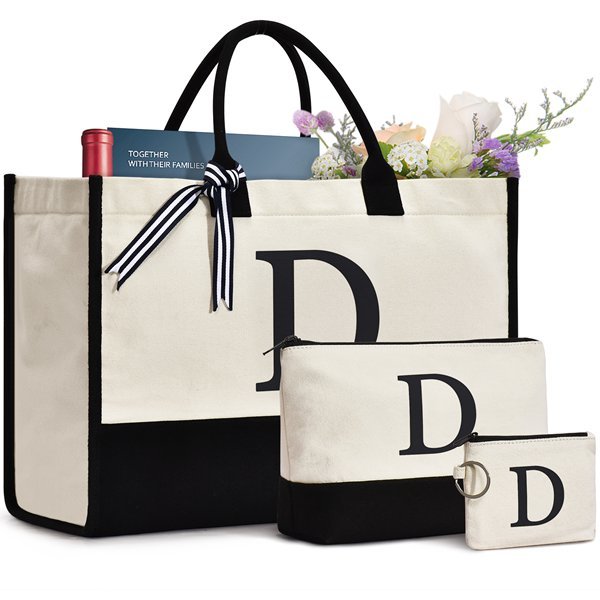
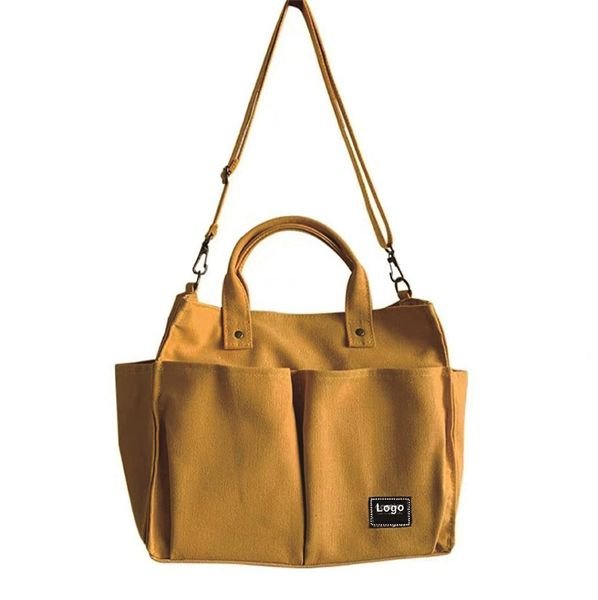
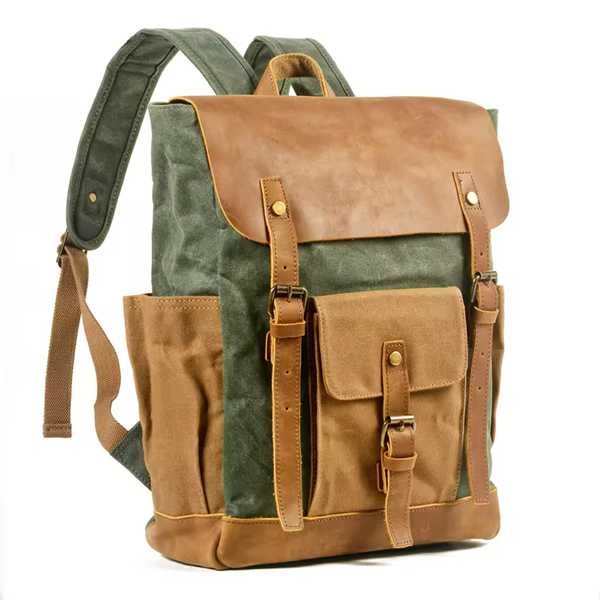
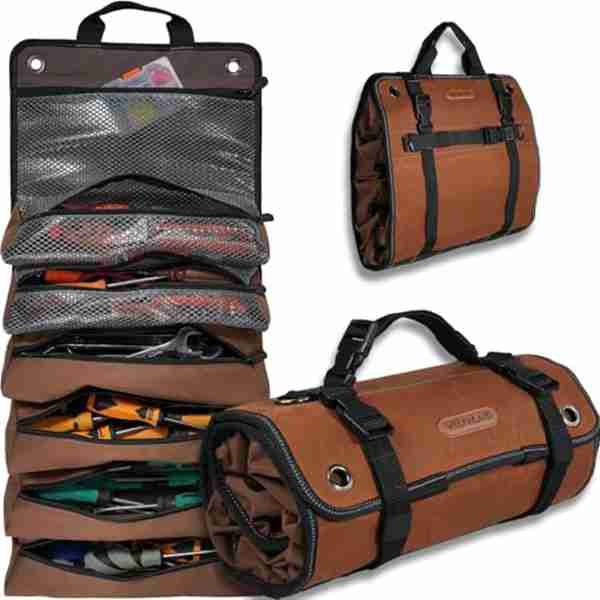
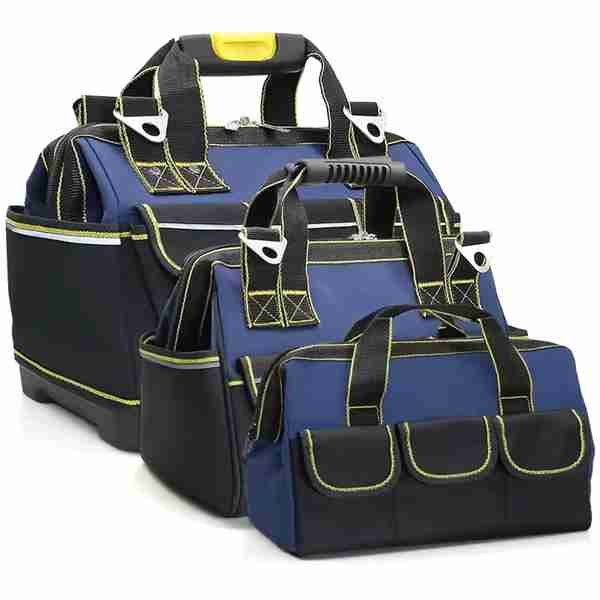
Common canvas bag programs we support include Canvas Tote Bags for daily retail, brand merch, and store bags; Gusseted and Box-Bottom Canvas Totes for higher capacity and stronger structure; Zipper Canvas Totes for retail security and a more premium feel; Canvas Shopper Bags and Grocery Bags for reusable, high-volume programs; Canvas Drawstring Bags for promotional and event distribution; Canvas Crossbody and Sling Bags for lifestyle lines with higher spec control; Canvas Tool and Utility Carry Bags for load-bearing use with reinforced seams; and Canvas Laptop and Office Totes with padding and organizer requirements.
Style-to-control table:
| Style | Key risk in bulk | What to lock in the sample |
|---|---|---|
| Box-bottom tote | shape collapse | canvas GSM and bottom reinforcement |
| Zipper tote | zipper waviness | zipper specification and sewing route |
| Shopper bag | handle tearing | webbing specification and reinforcement map |
| Drawstring | closure failure | eyelet specification and cord quality |
| Tool carry | seam rupture | stitch length and bartack points |
Canvas Lunch Bag
Canvas Diaper Bag
Canvas Pencil Case
Canvas Bucket Bag
Canvas Toiletry Bag
Canvas Garment Bag
Canvas Zip Pouch Bag
Canvas Makeup Pouch
Canvas Coin Purse Bag
Canvas Cooler Tote Bag
Canvas Drawstring Backpack


Branding & Logo Methods for Canvas
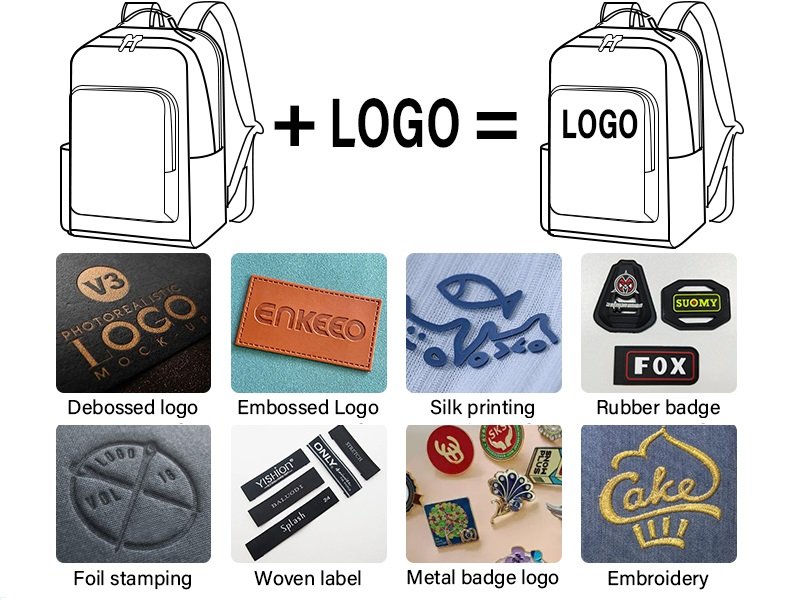
Common branding methods on canvas:
- Screen Printing: excellent for large solid logos; requires control of ink coverage on textured weave.
- Heat Transfer: sharp details and gradients; confirm adhesion and cracking behavior on washed canvas.
- Embroidery: premium feel; confirm stitch density and backing to prevent puckering.
- Woven Label / Sewing Label: clean brand identity; confirm label placement tolerance.
- Leather/PU Patch: premium upgrade; confirm edge finishing and stitch route.
- Metal plate / Rivet branding: for rugged styles; confirm reinforcement behind hardware.
Logo decision table:
| Method | Best for | Key bulk control |
|---|---|---|
| Screen print | large, simple artwork | ink opacity + color match |
| Heat transfer | fine detail | adhesion + crack test |
| Embroidery | premium logo | stitch density + puckering |
| Woven label | subtle branding | placement tolerance |
| Patch | premium look | edge finish + stitching |
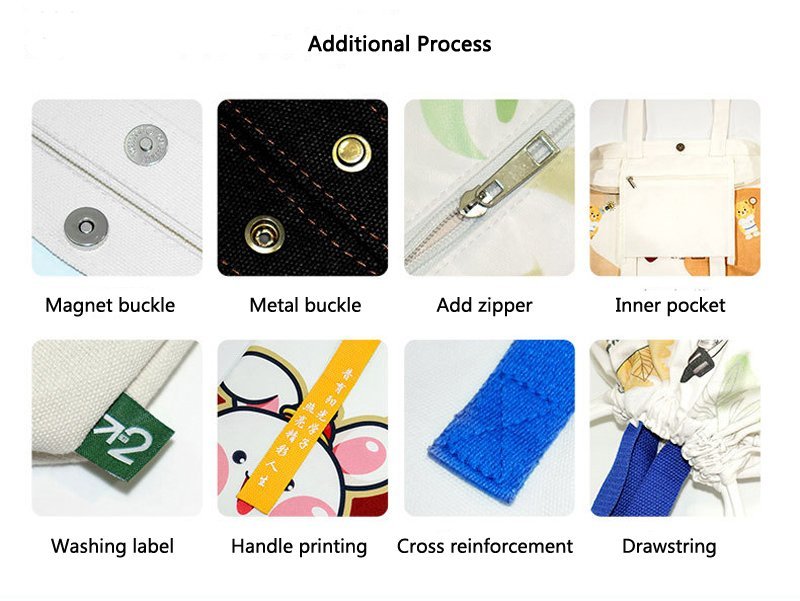
Structure Engineering for Canvas Bags
Canvas customers often ask for “stronger stitching,” but strength is not achieved by adding random stitches everywhere. Strength comes from load path design: how the weight transfers from the body panel to the handle, how corners are reinforced, and how stress points are stabilized over time. Overbuilding increases cost and makes the bag look bulky; underbuilding leads to tearing at the handle roots and corner seams.
A practical reinforcement approach uses a “map,” not improvisation. Key engineering elements for canvas:
- Handle construction: canvas self-handle vs webbing handle vs rope handle. For heavier loads, webbing handles with boxed stitching distribute stress better.
- Stress area reinforcement: handle roots, bottom corners, zipper ends. Methods include box-X, bar-tack, binding tape, and internal patches.
- Bottom structure: single layer vs double layer vs insert board; choose based on load and shape requirement.
- Gusset design: side gussets and boxed bottoms add capacity but need stable seam allowance control.
- Seam allowance & stitch length standard: repeatability matters as much as design.
Reinforcement selection table :
| Use case | Typical load | Recommended reinforcement |
|---|---|---|
| Promo tote | 2–5 kg | basic seams + corner lock |
| Retail tote | 5–10 kg | webbing handle + box-X |
| Heavy carry | 10–15 kg | internal patch + bartack map |
| Tool/utility | 15 kg+ | multi-layer bottom + stress backing |


Sampling Workflow for Canvas Bags
For canvas bags, sampling is not only about getting the shape right. It’s where you lock the rules that protect bulk consistency: fabric spec, stitch routes, reinforcement points, logo placement tolerances, and packing method. Many delays happen because buyers approve an “attractive sample” that is not production-ready—then bulk starts, and the bag subtly changes. A full-service OEM/ODM factory should structure sampling into clear stages, with a revision record, so every change is traceable, and the final sample can be used as the benchmark for production and QC. This guide gives a practical sampling roadmap procurement teams can follow.
A reliable canvas bag sampling workflow usually follows five steps:
- Requirement alignment (RFQ brief): define bag type, target load, expected channel, logo method, and packaging requirements.
- Spec drafting: build a lightweight tech pack (measurement points, tolerance table, material spec, and reinforcement map).
- Prototype sample: confirm structure and usability first (handle comfort, pocket logic, opening size).
- Revision + lock: record changes as V1/V2, and confirm “no more structural changes” before branding fine-tuning.
- PP sample (pre-production): made using bulk-ready materials and trims under production conditions; becomes the QC reference.
Procurement tip: treat the PP sample as the “real promise,” because it confirms the bulk process, not just the sample room capability. If you’re running multi-SKU, submit your SKU list and priorities; we can propose a faster sampling path. (If you prefer email for a multi-style brief: info@jundongfactory.com — use only when needed.)


Tech Pack & Measurement Control
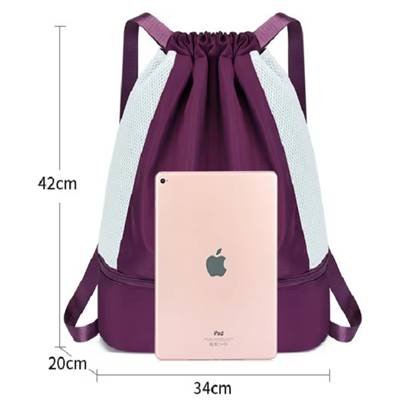

A practical canvas bag tech pack does not need to be complicated. It should include:
- Key measurement points (W/H/D, gusset depth, pocket depth, strap length, handle drop)
- Tolerance table (critical zones tighter than cosmetic zones)
- Material spec (canvas GSM/oz range, weave/finish, lining, webbing, zipper)
- Workmanship points (stitch length, seam allowance, reinforcement map)
- Logo guide (method, size, placement distances, color references)
- Packaging spec (folding method, polybag size, label/barcode placement)
Tolerance zoning table:
| Zone | Typical points | Recommended tolerance |
|---|---|---|
| A (critical) | opening size, pocket depth, handle drop | ±3–5mm |
| B (important) | body width/height, gusset | ±5–8mm |
| C (cosmetic) | decorative panels | ±8–10mm |
Canvas Bag QC: Incoming to Final
A canvas QC plan should prioritize “high-risk points” rather than checking everything equally.
Incoming inspection (materials):
- canvas GSM/oz and hand-feel vs approved swatch
- color shade check against the standard
- webbing width/thickness
- zipper function (if used)
- prints/labels for version correctness
In-process inspection (workmanship):
- seam allowance stability
- reinforcement execution at handle roots and corners (box-X, bartack)
- logo placement distance checks
- stitching straightness on visible seams
Final inspection (shipment readiness):
- measurement points within tolerance
- functional checks (zipper smoothness, handle pull check)
- appearance + cleanliness
- packaging/label/barcode verification
QC gate table:
| Stage | Main checks | Prevents |
|---|---|---|
| Incoming | material variance | bulk feel/shape drift |
| In-process | workmanship drift | tears, misalignment |
| Final | spec + packing accuracy | returns, warehouse rejects |
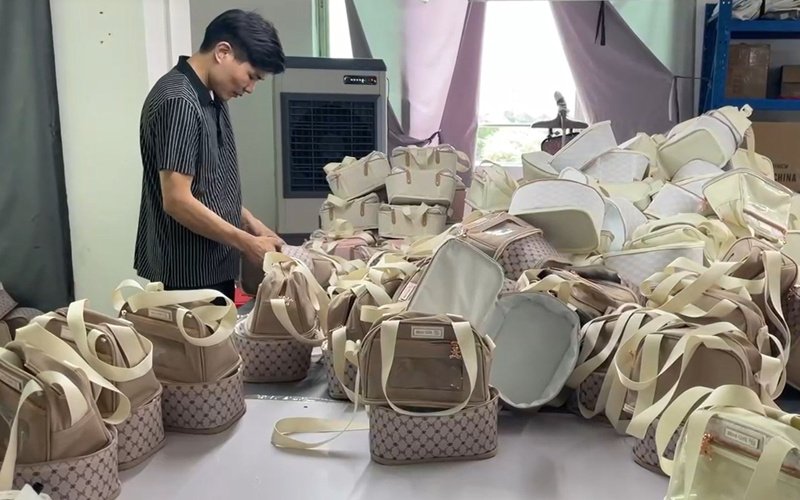
Color Consistency & Pantone Matching for Canvas
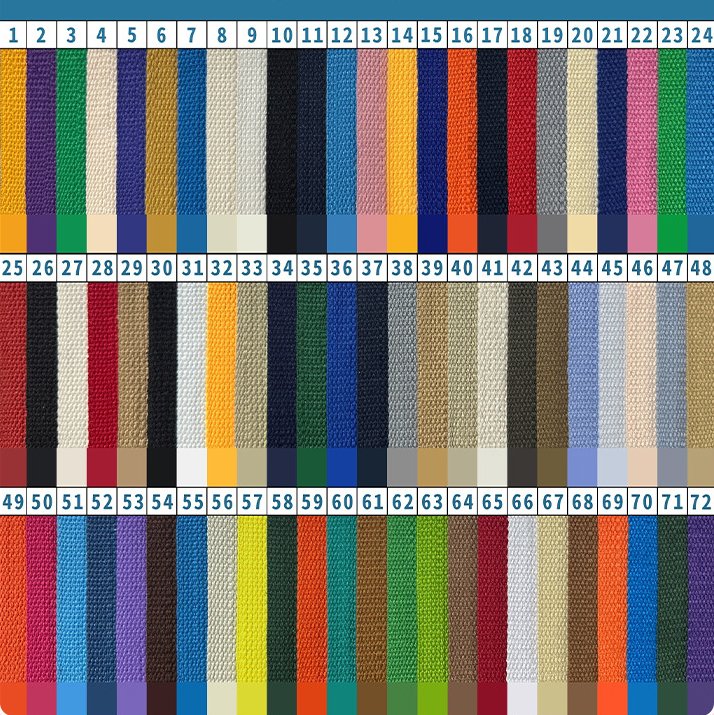
Color drift is one of the most common reasons canvas tote reorders get rejected—especially in retail and promotional programs where brand colors must be consistent. Canvas is sensitive to dye lots, washing/softening processes, and even coating finishes that change how the color reflects under different lighting. A factory that “matches color by eye” cannot protect your program at scale.
A reliable color control method for canvas includes four layers:
- Color standard selection: Pantone code + approved physical swatch (or buyer-provided fabric).
- Lot/batch tracking: keep the bulk order within the same dye lot when possible; document lot IDs.
- Incoming shade verification: compare to standard under consistent lighting; record photos.
- Process stability: if using washed canvas, confirm the wash recipe is stable and approved, because the wash affects shade and softness.
Canvas Bag MOQ, Pricing, Mixed Orders
Canvas bags are often chosen because they can scale—from small pilot orders to large retail or promotional rollouts. But pricing and MOQ are not “one number.” They depend on material availability, complexity, logo setup, and whether your program uses shared components across SKUs. Customers who understand cost drivers can optimize without sacrificing quality: standardize the right components, keep customization on brand-facing areas, and choose packaging that supports efficient shipping.
Key cost drivers for canvas bag manufacturing:
- Canvas spec (GSM/oz, finish, custom dye)
- Structure complexity (gusset, box-bottom, pockets, zipper)
- Reinforcement level (webbing handles, internal patches, bartack count)
- Logo method (screen print vs embroidery vs patch)
- Accessories (zippers, hardware, lining)
- Packaging (individual polybag, hangtag, barcode, carton mark)
Small vs Bulk logic table :
| Item | Small order impact | Bulk order benefit |
|---|---|---|
| Material price | higher per unit | better raw material pricing |
| Line efficiency | lower | higher (operator familiarity) |
| Logo setup | heavier cost share | spread across quantity |
| QC & workflow | same steps required | cost diluted |
Canvas Bag Lead Time and Planning
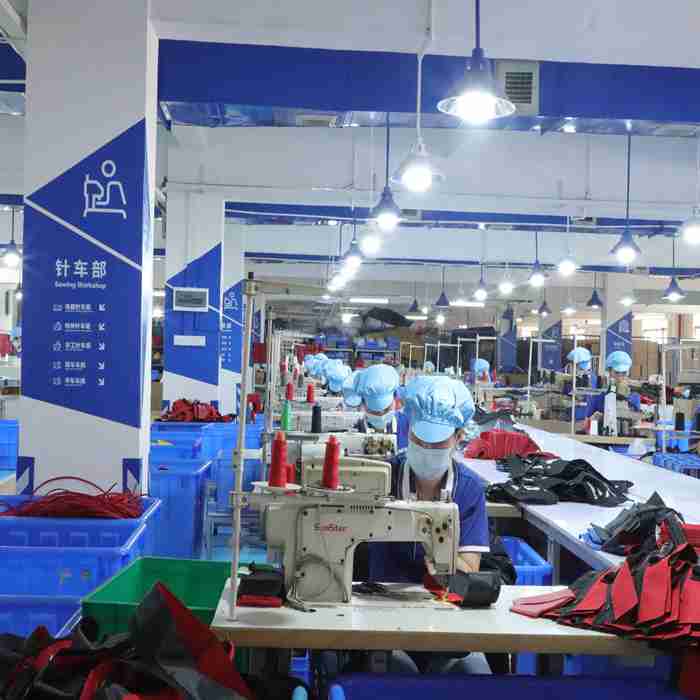
Lead time for canvas bags is rarely a single number that applies to every program. It changes based on whether your canvas is stock or custom-dyed, whether the structure needs multiple components (gusset, zipper, pockets), and whether your order is mixed-SKU with different branding methods. The biggest schedule failures usually happen when buyers don’t freeze the spec early, or when material readiness is assumed rather than verified. This module shows a practical, procurement-friendly way to plan timelines—so you can protect launch dates, reduce last-minute changes, and keep reorders predictable without sacrificing workmanship or QC.
A stable timeline is built by controlling four “schedule levers”:
- Material readiness: canvas (GSM/finish/color), webbing, zippers, labels. Custom dyeing or special finishes add time; stock materials move faster.
- Complexity & changeovers: box-bottom, zipper, inner organizers and multiple logo methods increase operations and line changeovers.
- Sampling lock: if structural changes continue late, the line setup drifts and delays cascade.
- Packaging readiness: barcodes, hangtags, carton marks, and packing lists must be confirmed early—otherwise finished goods wait.
Packaging, Labeling & Warehouse-Ready Execution
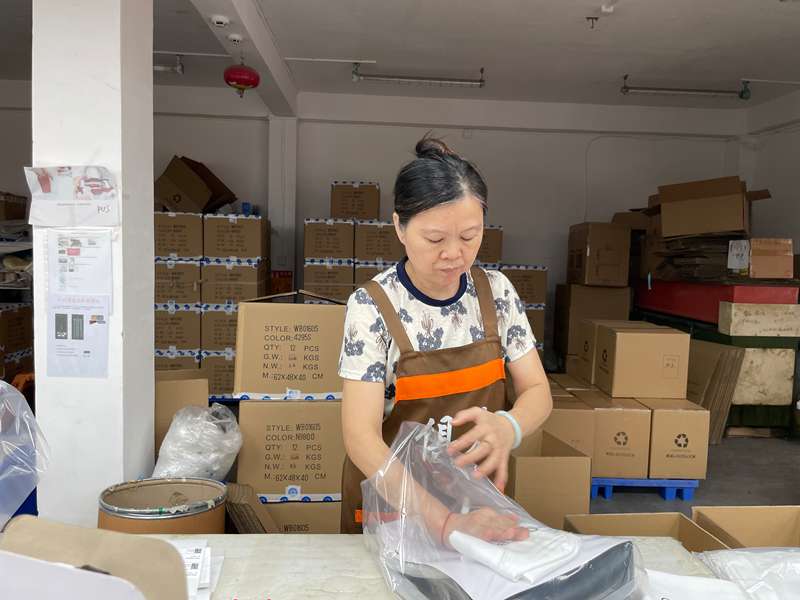
Warehouse-ready execution needs version control and verification, not “we will be careful.”
Key packaging elements to control:
- Barcode & label placement (unit label, polybag label if required)
- Hangtags / inserts (content accuracy, language requirements)
- Carton marks (SKU, quantity, PO, destination codes)
- Carton numbering (traceability for mixed orders)
- Packing list reconciliation (what’s packed vs what’s planned)
Warehouse-ready control table:
| Control | Why it matters | Best practice |
|---|---|---|
| Packaging file versions (V1/V2) | prevents wrong artwork | lock files + approval record |
| SKU coding | avoids mix-ups | unique code per variant |
| Scan verification | catches label swaps | scan before carton sealing |
| First-carton approval | sets a “golden reference” | photo record + checklist |
Procurement tip: if you ship to multiple channels, map SKU-by-channel and keep packaging files separated by version. This reduces relabeling cost and receiving errors. For complex programs, a short packaging briefing email can speed alignment (use info@jundongfactory.com naturally when you’re ready).
Why Jundong for Canvas Bag OEM/ODM

What matters to B2B customers is not “we are good,” but “how do we reduce risk.”
Execution pillars customers can evaluate:
- Sampling & development discipline: ability to work with tech packs, revisions (V1/V2), and PP samples to make bulk predictable.
- Quality gate structure: incoming → in-process → final inspection, with measurable checks and records.
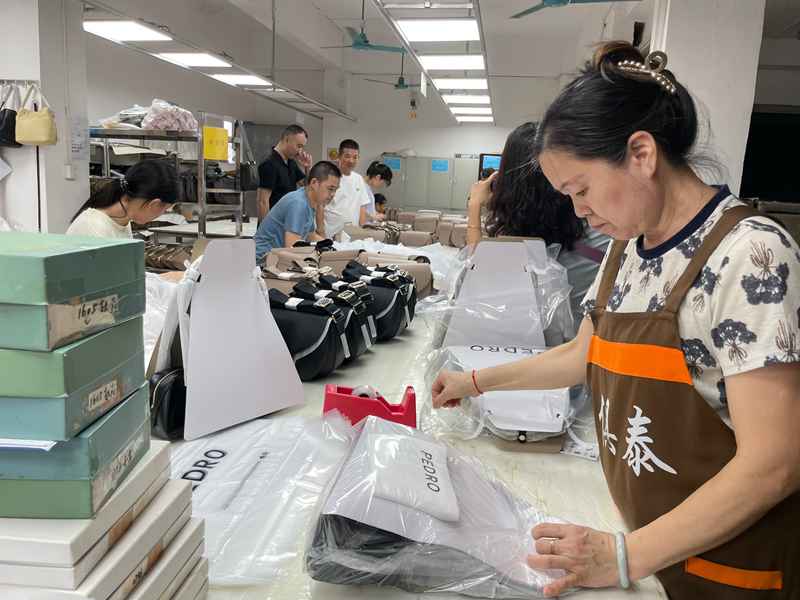
- Capacity and staffing reality: stable team structure and QC staffing help programs scale without chaos. Jundong’s profile indicates 600+ staff and 80+ QC, which supports systematic inspection and repeatability for bulk.
- Export & packaging readiness: support for labels, carton marks, and shipment documentation reduces warehouse failures.
Procurement tip: the best factory relationship is one where standards are documented and repeatable—so your team spends less time “policing” and more time scaling.
RFQ Toolkit for Canvas Bags
Use this RFQ checklist to reduce ambiguity and protect sample-to-bulk consistency:
RFQ must-have fields:
- bag style (tote/shopper/drawstring/zipper), and reference photos
- target dimensions (W/H/D), and capacity requirements
- expected load (kg) and use scenario
- canvas spec preference: GSM/oz, finish (washed/coated), color standard (Pantone/swatches)
- logo method(s): screen print/embroidery/patch/label, and placement reference
- quantity by SKU/color and target reorder plan
- Packaging requirements: barcode/hangtag/carton marks and channel (retail/Amazon/distributor)
- acceptance standard: key tolerances and defect priorities (critical/major/minor)
RFQ-to-action table (EN):
| What you provide | What the factory can deliver faster |
|---|---|
| GSM + finish + Pantone | stable material proposal & quote |
| load requirement | reinforcement map & cost options |
| logo method + placement | correct setup & fewer revisions |
| packaging rules | warehouse-ready plan & fewer errors |
Procurement tip: if you send this toolkit with your inquiry, you’ll get a more accurate quote and a more reliable sampling plan. (Optional: send the brief to info@jundongfactory.com when ready.)
Make A Sample First?
See your idea come to life before mass production.
At Jundong Factory, we offer free design mockups and custom samples to ensure every detail is perfect — from material and color to logo placement and stitching.
Start your project with confidence today: info@jundongfactory.com.
Canvas Bags Manufacturer FAQs
Is cotton canvas or poly-cotton canvas better for bulk consistency?
Poly-cotton canvas is often more stable for bulk programs, while 100% cotton canvas is preferred for classic feel and printing—your best choice depends on wrinkle control, shrink risk, and branding expectations.
Cotton canvas delivers a natural, premium look and strong print receptivity, but it can be more sensitive to shrinkage and dye-lot variation—especially if washed/softened. Poly-cotton blends can improve dimensional stability and reduce wrinkles, which helps consistency across mass production and reorders. However, blends may feel slightly less “heritage” than pure cotton, depending on ratio and finish.
Customer decision checklist:
- Target channel: retail vs promo vs industrial
- Whether the bag will be washed/softened
- Required color precision (Pantone matching)
- Expected fold/pack behavior for shipping
- Your sustainability claim needs (if any)
For procurement, the safest route is to approve fabric swatches and lock the final choice into a spec-driven BOM—not just “cotton canvas” wording.
What logo method is most durable on canvas—screen print or embroidery?
Embroidery is typically the most durable for long-life branding, while screen printing is best for large graphics and cost efficiency. Durability depends on use, abrasion, wash exposure, and weave texture.
Embroidery withstands friction well, but it needs correct stitch density and backing to avoid puckering, especially on softer canvas. Screen print offers clean large-area branding, but ink durability depends on ink type, curing, and the canvas finish (washed/coated). Heat transfer can be sharp for fine details, but you must validate adhesion and crack resistance over time.
Procurement tip: approve logo-on-bag reference photos (with placement distances) and request a simple durability validation: rub test / wash simulation if your channel requires it.
How do we prevent color differences (shade drift) between canvas batches?
Prevent shade drift by locking a Pantone + physical swatch standard, tracking dye lots, and requiring incoming shade checks tied to the same reference.
Canvas can reflect color differently depending on weave density, washing, and coating. That’s why relying on photos or “close enough” is risky. In procurement practice, you need a single standard that survives time: Pantone code plus a signed swatch (or your supplied fabric). Then control batch usage by minimizing dye-lot mixing and documenting lot IDs. Incoming inspections should compare against the same standard under consistent lighting, with photo records.
Shade control table:
| Step | Customer action | Factory control |
|---|---|---|
| Standard | Pantone + swatch | match & keep reference |
| Batch | Request lot control | isolate & record lots |
| Incoming check | require shade verification | inspect + photo log |
| Reorder | reuse the same standard | confirm availability |
What are the common quality defects in canvas bags we should watch for?
The highest-risk defects in canvas bags are handle tearing, corner seam failure, logo misplacement, uneven stitching, and packing-related deformation.
Canvas looks forgiving, but stress points fail quickly if reinforcement is not engineered. Handle roots and bottom corners take the most load. For branded programs, logo placement and print quality are frequent rejection points. Uneven seam allowance and stitch drift cause shape differences and poor visual uniformity. Lastly, canvas can crease or collapse if the packing method is wrong.
Defect priority list (buyer-friendly):
- Critical: strap/handle weakness, wrong barcode/labels, major logo misplacement
- Major: visible crooked stitching, print bleeding, shade mismatch
- Minor: small thread tails, slight wrinkles (within tolerance)
Do we need a PP sample for canvas bags before bulk production?
Yes—PP sample is the most reliable way to confirm sample-to-bulk consistency because it uses bulk-ready materials and production line settings, not just sample room workmanship.
Approval samples can be made under controlled conditions. Bulk is made on lines where speed, tooling, and operators differ. A PP sample verifies whether the same fabric, webbing, zipper, reinforcement map, and logo setup can be repeated under production conditions. It also reveals packaging deformation risks early.
Procurement tip: approve PP sample with measurable records: key measurements vs tolerances, logo placement distances, reinforcement photos, and packing method confirmation.
How do mixed orders affect canvas bag consistency and pricing?
Mixed orders can stay consistent if you standardize shared components and batch by logo methods, but pricing can increase due to changeovers and setup costs.
When multiple SKUs share the same canvas spec, webbing width, and lining, sourcing becomes easier and variance risk drops. The biggest challenge is frequent process switching—screen print setups, embroidery setups, different label versions—so batching by process improves repeatability. From a costing perspective, setup time and lower line efficiency raise unit cost, especially at small quantities.
Procurement tip: ask for a mixed-order plan that groups SKUs into production batches and clarifies what is shared vs unique.
How do we avoid “silent material substitution” in canvas bag bulk orders?
Prevent substitution by locking spec-based BOM, approving signed swatches, and requiring written approval for any alternative—especially for canvas GSM, webbing, and zippers.
Substitution risk rises when the BOM is vague (“canvas fabric” without GSM/finish). For procurement, a good BOM defines what is allowed and what is not. Combine that with incoming inspection checkpoints: GSM range verification, hand-feel check against swatch, webbing thickness and width, and zipper grade. For mixed-SKU programs, standardizing shared components reduces sourcing pressure and substitution temptation.
Can you support private label packaging like hangtags, barcode labels, and carton marks?
Yes—private label execution is safest when packaging files are version-controlled (V1/V2) and verified through scan checks + first-carton approval.
For retail and e-commerce, packaging and labeling mistakes cause receiving failures. Procurement should separate packaging by channel, lock artwork versions, and request verification steps: scan the barcode before sealing cartons, reconcile packing lists, and keep a photo record of the first carton as the reference. This approach reduces rework and prevents wrong-SKU shipments in mixed orders.
What information should we send to get an accurate quote for canvas bags?
Accurate pricing needs your style, dimensions, canvas spec, logo method, quantity by SKU, and packaging requirements, because each item directly changes material cost and line operations.
A quote based only on a photo is usually unstable. For procurement, the fastest way is to send a short, structured RFQ: bag type, W/H/D, load requirement, target GSM and finish (washed/coated), Pantone or swatch, logo method and placement, quantities per SKU/color, and packaging needs (barcode/hangtag/carton marks). If you provide these, a factory can respond with 2–3 pricing scenarios (pilot vs scale) and highlight cost drivers transparently. If you prefer, you can send the brief to info@jundongfactory.com.
What’s a realistic lead time for canvas bag sampling and bulk production?
A realistic timeline depends on whether you use stock canvas vs custom-dyed/finished canvas, and whether your program requires multiple logo methods and warehouse-ready packaging.
For sampling, the fastest path is when you provide a complete RFQ and approve a simple tech pack early—then the factory can build prototypes without guessing. For bulk, the most common hidden delays are: custom dyeing, label/barcode file approval, and mixed-SKU changeovers (screen print vs embroidery vs patches). A disciplined plan separates “must-freeze” items (structure + BOM) from “can-finalize later” items (minor packaging copy), so production setup doesn’t reset repeatedly.
Planning table:
| Stage | Faster when… | Delays when… |
|---|---|---|
| Sampling | specs & logo method clear | late structure changes |
| Pre-production | BOM locked + PP sample | materials not confirmed |
| Bulk | SKUs batched by process | many small changeovers |
| Shipment | packaging files approved | barcode/hangtag errors |
Procurement tip: ask for a milestone plan with checkpoints (material readiness → PP sample → production → first-carton approval). It reduces surprises and protects launch dates.
How do we set AQL and acceptance standards for canvas bags?
Use AQL with a clear defect classification system—critical/major/minor—so inspection is consistent and disputes are reduced.
AQL only works when both sides agree what counts as a defect and how serious it is. For canvas bags, critical defects usually involve functional failure (handle strength, seam rupture), compliance/logistics errors (wrong barcode/label), or brand violations (major logo misplacement beyond tolerance). Major defects include visible stitching issues, print bleeding, or shade mismatch outside agreed limits. Minor defects are cosmetic issues that don’t affect function.
Defect category table:
| Category | Definition | Canvas bag examples |
|---|---|---|
| Critical | safety/function/compliance fail | handle tearing, wrong barcode |
| Major | affects selling/brand perception | crooked logo, big stain |
| Minor | small cosmetic issue | small thread tail |
Procurement tip: attach the defect list to the PO/spec pack and reference it in pre-shipment inspection. This makes quality expectations enforceable, not subjective.
How do we avoid logo placement mistakes in bulk production?
Prevent placement errors by defining placement distances from seams/edges, approving logo-on-bag photos, and adding an in-process check at the first-piece stage.
Loose statements like “centered” or “same as sample” often lead to small shifts that violate brand guidelines. A placement guide should specify the exact measurement points (e.g., logo top edge to pocket seam, left edge to side seam). During production, require first-piece approval photos and periodic checks to stop drift early—especially for mixed orders where similar SKUs can be confused.
Placement control checklist:
- logo size + method locked
- distances defined (mm)
- first-piece approval photos
- periodic in-process verification
Everything You Need to Know Before Customizing Your Bags
Canvas bag sourcing decisions are rarely based on appearance alone. For procurement teams, effective evaluation depends on clear answers around canvas weight and weave choice, reinforcement standards for handles and stress zones, printing and embroidery compatibility, MOQ versus bulk pricing, lead time, packaging requirements, SKU coding, and reorder consistency. This FAQ section is designed to address these operational questions upfront, helping you assess supplier fit quickly while reducing avoidable revisions and back-and-forth.
We recommend structuring FAQs around real procurement triggers: what information is required to start sampling, how to lock a measurable spec (dimensions and tolerances), how to prevent sample-to-bulk drift in feel and color, how to manage mixed orders across multiple SKUs, and which QC checkpoints across incoming materials, in-process sewing, and final inspection protect long-term repeatability. When written clearly, these points also support long-tail search intent such as “canvas tote bag manufacturer,” “custom canvas bag OEM,” “heavy duty canvas bag factory,” or “private label canvas bags wholesale.”
For a quick evaluation, share your bag style list, target size, load requirement, logo method, and packaging channel. Our team will review your inputs and propose a practical route: material and construction options, a sampling plan aligned to bulk, and a quotation you can audit—so your canvas bag program can scale from pilot order to repeat production with stable output.
