 Skip to content
MOLLE Tactical Bags for Modular Carry Systems
Custom tactical backpacks, pouches, sling bags, waist packs, tool bags, and gear bags with MOLLE webbing, reinforced stitching, modular layout planning, and private label support for outdoor, duty, worksite, and gear organization programs.
- MOLLE Webbing Layout Planning
- Reinforced Stitching for Load Points
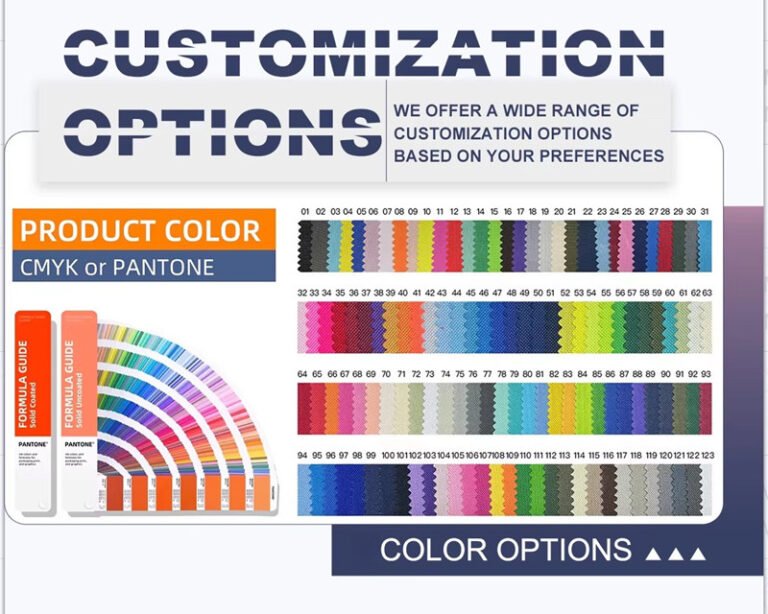
- Custom Fabric, Color, Logo & Hardware
- Sampling, Trial Orders & Bulk Production
- In-House QC Team for Consistent Orders
- Backpacks, Pouches, Waist Packs & Gear Bags

Why MOLLE Tactical Bags Fit Modular Carry Programs
MOLLE tactical bags are made for projects that need more than one fixed storage space. They allow backpacks, pouches, waist packs, tool holders, first aid kits, bottle carriers, and utility pockets to work together as one flexible carry setup.
For outdoor gear brands, security gear programs, rescue kits, worksite tools, hunting accessories, or EDC collections, this structure helps one main bag support different missions. A user can attach a medical pouch today, a tool pouch tomorrow, or a hydration pouch for an outdoor trip.
That is why MOLLE bags are often chosen for tactical backpacks, modular gear bags, utility pouches, range bags, emergency kit bags, tool backpacks, and vehicle gear organizers.

A strong MOLLE carry setup depends on five details:
- A practical main bag shape
- Correct webbing layout
- Stable pouch attachment
- Reinforced load areas
- Materials that match real use
Jundong helps turn a MOLLE bag idea into a working carry system by reviewing the use case, bag size, gear weight, pocket layout, webbing position, logo plan, and packing method before sampling.
Best Fit For
- Outdoor tactical gear lines
- Security and duty gear programs
- Emergency response kits
- Tool and worksite carry bags
- Hunting and shooting accessories
- EDC tactical collections
- Vehicle gear organization
- Promotional tactical gear sets
From Backpack To Full MOLLE Bag System
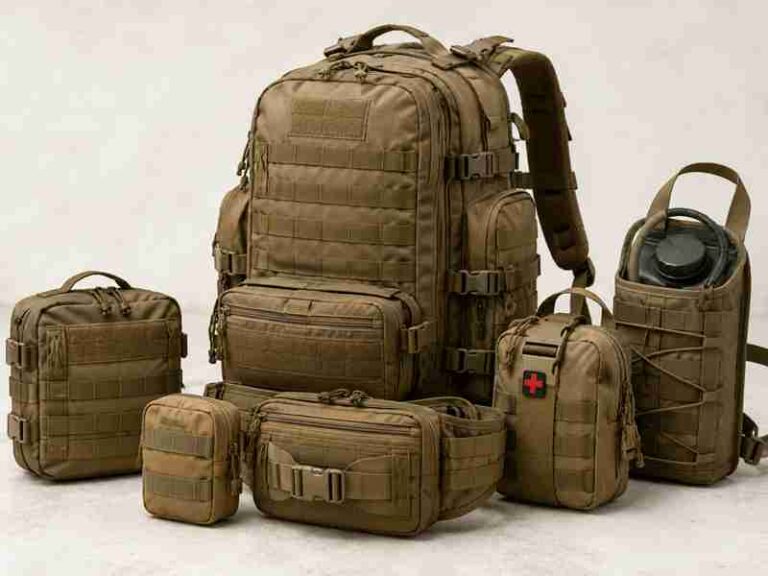
A MOLLE project can begin with one tactical backpack, but many strong product plans grow into a full carry system. The same webbing logic can connect backpacks, sling bags, waist packs, utility pouches, bottle holders, tool bags, medical pouches, admin pouches, and compact gear organizers.
This gives brand teams more room to build a collection, not just one item. A 30L tactical backpack can be matched with a side pouch, waist pack, hydration holder, and first aid pouch. A worksite tool backpack can be paired with tool rolls, hardware pouches, and detachable accessory bags. A vehicle gear kit can use flat MOLLE panels with compact pouches for cables, gloves, flashlights, first aid items, and repair tools.
Jundong supports multi-style development across tactical, outdoor, work, safety, travel, and utility bag categories. This helps your team keep the same color direction, logo style, material language, hardware selection, packing method, and carton setup across related items.

MOLLE Tactical Backpack
Designed for outdoor duty, survival kits, EDC gear, patrol equipment, and modular load expansion in demanding field use.

MOLLE Sling Bag
Compact MOLLE sling bags support quick access, travel carry, daily tools, and lightweight tactical organization for mobile users.

MOLLE Waist Pack
MOLLE waist packs are practical for patrol, hiking, event staff, field work, and hands-free equipment carrying.

Utility Pouch
Utility pouches help organize tools, cables, accessories, repair items, small gear, and add-on storage for tactical bags.

Medical Pouch
Medical MOLLE pouches are built for first aid kits, rescue supplies, emergency packs, and fast-access safety equipment.

Hydration Pouch
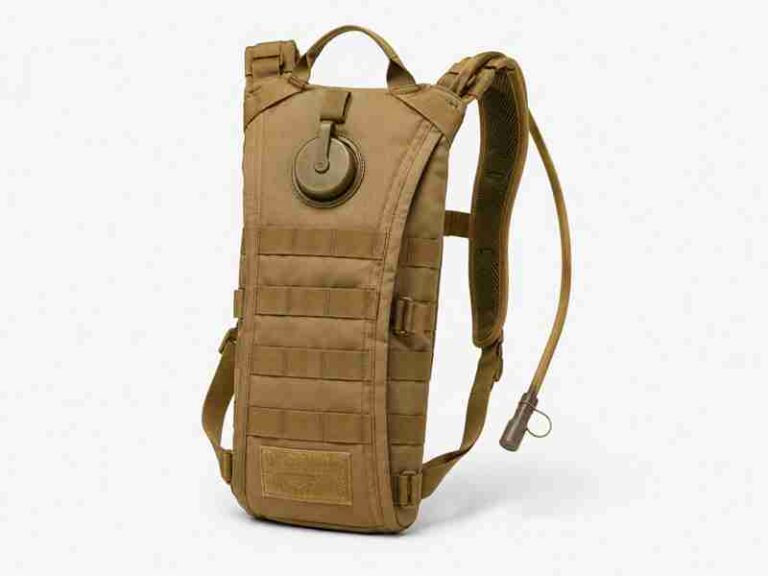
Hydration pouches support hiking, camping, outdoor training, field movement, and hands-free water carrying during long activities.

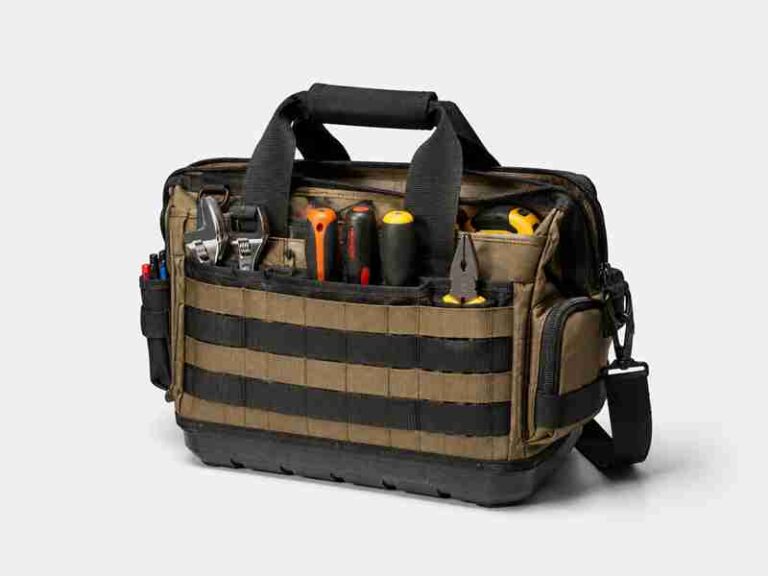
Tool Bag With MOLLE
MOLLE tool bags organize electrician tools, technician kits, repair gear, hardware parts, and jobsite accessories efficiently.

Vehicle Gear Bag
Vehicle gear bags store car kits, off-road tools, rescue setups, emergency supplies, and travel safety equipment.
MOLLE Webbing, PALS Layout, And Attachment Stability
The webbing on a MOLLE bag is not decoration. It decides whether a pouch sits straight, stays tight, and works with the intended attachment system.
For serious tactical and outdoor use, webbing placement needs to be planned before the sample is made. The front panel, side panels, shoulder strap area, waist belt, and bottom section may all need different layouts. A pouch that works well on a flat front panel may not work the same way on a curved side panel or a padded waist belt.
The stitch quality also matters. MOLLE webbing often carries repeated pulling force, especially when users attach tool pouches, medical kits, water bottle holders, flashlight pouches, or compact gear pockets. Loose spacing, weak stitching, or uneven alignment can make the whole bag feel unreliable.
Jundong reviews webbing width, layout, stitch distance, attachment direction, stress areas, and pouch compatibility during sample development. For repeat orders, the approved layout can be kept as a reference, so the same MOLLE pattern can be followed again.
| Detail | Why It Matters |
|---|---|
| Front MOLLE layout | Controls pouch position and visual balance |
| Side webbing | Works for bottle pouches and compact gear |
| Shoulder strap webbing | Useful for small tools, a radio, sunglasses, and clips |
| Waist belt webbing | Helps distribute smaller carry items |
| Stitch reinforcement | Reduces loose webbing and tearing risk |
| Attachment direction | Affects how quickly gear can be added or removed |

Materials Built For Tactical, Outdoor, And Worksite Use
The right material depends on how the bag will be used. A lightweight promotional tactical bag does not need the same fabric as a heavy tool backpack. A duty gear bag may need stronger webbing and more structured padding. A hiking pack may need lighter fabric, better comfort, and water-resistant treatment.
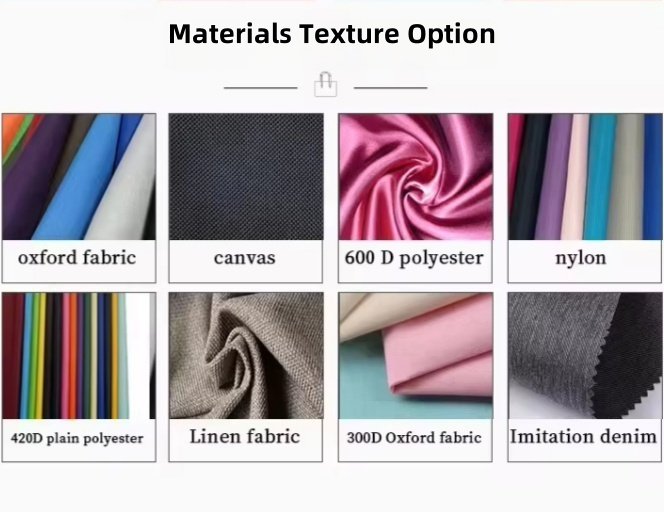
Jundong works with fabric, PU, PVC, leather, neoprene, and other soft materials, which gives more room to balance cost, handfeel, strength, weight, and appearance. For MOLLE tactical bags, the material plan usually includes outer fabric, lining, webbing, zipper, buckle, padding, thread, logo patch, and packing material.
For rugged use, the fabric should resist daily abrasion, the webbing should hold shape, and the zipper should move smoothly under pressure. For retail collections, the material also needs to look clean, match brand colors, and stay consistent across repeat orders.

| Use Direction | Suggested Material Focus |
|---|---|
| Light tactical giveaways | 600D polyester, simple lining, cost-aware hardware |
| Outdoor MOLLE backpacks | 900D or stronger fabric, water-resistant coating, padded straps |
| Heavy-duty tool carry | Reinforced bottom, strong webbing, heavy zipper, thicker padding |
| Security gear bags | Dark solid colors, firm structure, quick-access pockets |
| EDC tactical bags | Cleaner fabric surface, compact structure, smart compartments |
| Emergency kit bags | Easy-clean fabric, clear labeling area, organized inner pocket |
Reinforced Load Areas That Matter In Real Use
A MOLLE tactical bag often fails in the small areas that people do not notice at first glance. Shoulder strap joints, handles, side webbing, zipper ends, bottom corners, waist belt seams, and pouch attachment rows all take repeated force.
For a 20L EDC tactical bag, comfort and pocket access may matter more. For a 40L outdoor pack, shoulder strap strength, back padding, chest strap position, and side compression become more serious. For a tool backpack, the base panel, handle, zipper track, and inner pocket stitching need stronger treatment because tools add weight and sharp edges.
Reinforcement does not mean making every part bulky. It means adding strength where the bag carries weight, bends, rubs, or gets pulled most often.
Jundong can review the load path before sampling: where the weight sits, where the hand pulls, where the pouch hangs, where the zipper is stressed, and where the bag touches the ground. This helps the sample move closer to real use before bulk production begins.
Strap Connection

Reinforced strap connections help MOLLE tactical bags carry heavier gear, reduce the risk of tearing, and improve long-term field durability.
Zipper Ends

Secure zipper ends help prevent opening failure, improve smooth access, and support repeated use in tactical carry systems.
Side Pouch Area

Side pouch areas expand storage for bottles, radios, flashlights, first aid kits, and quick-access outdoor essentials.
Waist belt seams

Strong waist belt seams improve load stability, body fit, comfort, and movement support during patrol or hiking.
Top carry handle

A strong top carry handle supports quick lifting, daily transport, duty use, and easier handling during outdoor operations.
MOLLE webbing rows

Accurate MOLLE webbing rows allow modular pouches, tools, and accessories to attach securely for flexible gear organization.
Inner divider stitching

Clean inner divider stitching keeps tools, cables, medical items, and small gear organized inside custom MOLLE bags.
Tool pocket edges

Durable tool pocket edges reduce fraying, protect sharp accessories, and keep repair gear secure during jobsite use.
Strap Anchors

Reliable strap anchors support compression straps, external gear fixing, load control, and safer movement in field conditions.
Bottom Corners

Reinforced bottom corners protect the bag from abrasion, pressure, dragging, and rough ground during outdoor or rescue use.
Custom Layouts For Outdoor, Duty, Tool, And EDC Gear
Different gear needs different carry logic. A MOLLE backpack for hiking should not be arranged the same way as a duty waist pack, tool backpack, vehicle kit, or compact EDC sling bag.
For outdoor use, the bag may need side bottle pouches, compression straps, hydration space, front webbing, and a comfortable back panel. For duty gear, quick access and stable pouch placement matter more. For tool carry, the structure must handle weight, sharp edges, and repeated opening. For EDC products, the design should stay clean, compact, and easy to organize.
Jundong can review the real use scene before sampling. Bag size, carry direction, pocket access, MOLLE webbing area, shoulder comfort, tool weight, zipper path, and packing needs can all be checked early. This helps the first sample move closer to a workable product.

| Use Scene | Practical Layout Direction |
|---|---|
| Outdoor survival pack | Front MOLLE, side pouch space, hydration area |
| Security duty bag | Fast-access pocket, patch area, stable waist or shoulder carry |
| Tool backpack | Reinforced base, inner tool loops, strong handle |
| Vehicle gear kit | Flat shape, detachable pouches, and clear item sorting |
| EDC sling bag | Compact front panel, hidden pockets, clean appearance |
| Emergency kit bag | Medical pouch space, label area, easy-grab handle |
Private Label Details For Tactical Bag Brands
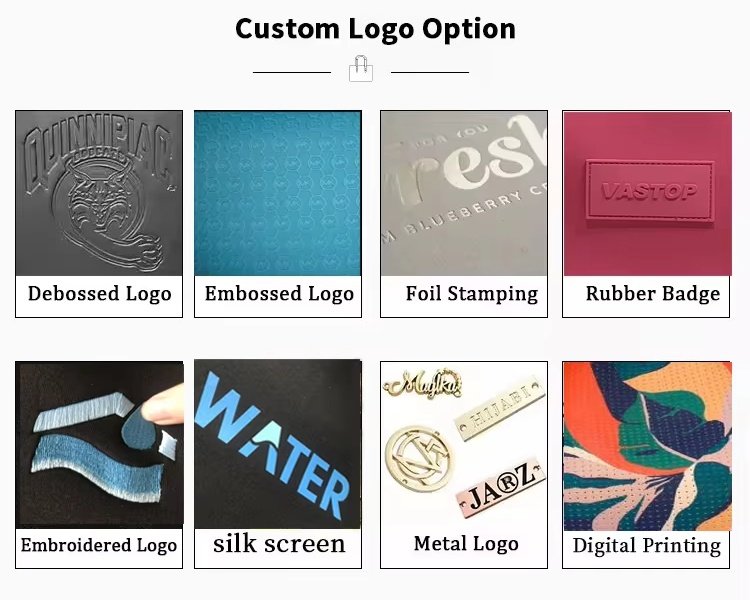
A MOLLE tactical bag should carry your brand identity as clearly as it carries gear. The final product can be shaped through color, fabric texture, patch style, zipper puller, lining, buckle choice, webbing tone, hangtag, label, packing bag, barcode sticker, and carton mark.
For tactical and outdoor products, logo placement needs to look strong without affecting function. A rubber patch on the front panel may work well for an outdoor backpack. A woven label may suit a clean EDC sling bag. A hook-and-loop patch area may be better for duty gear or emergency kits. For tool bags, a smaller logo near the handle or front pocket can look more professional.
Jundong can support custom logo methods, color matching, trim selection, packing details, and multi-style brand consistency. This is helpful when one project includes a tactical backpack, utility pouch, waist pack, and tool bag in one coordinated collection.
| Title | English Description |
|---|---|
| Rubber Patch | Rubber patches create a durable 3D brand effect for tactical bags, outdoor gear, tool bags, and MOLLE accessories. |
| Woven Label | Woven labels offer a clean private label detail for logos, size marks, care information, and product identity. |
| Embroidery | Embroidery adds a premium textured logo finish for tactical backpacks, waist packs, sling bags, and custom pouches. |
| Screen Print | Screen print is suitable for simple logos, bold graphics, campaign branding, and cost-friendly custom bag programs. |
| Heat Transfer Logo | Heat transfer logos support colorful artwork, gradients, detailed graphics, and smooth branding on selected bag panels. |
| Hook-And-Loop Patch Area | Hook-and-loop patch areas allow removable badges, team signs, morale patches, and flexible tactical identification options. |
| Custom Zipper Puller | Custom zipper pullers improve brand recognition, zipper handling, user experience, and product detail consistency. |
| Custom Webbing Color | Custom webbing colors help match brand palettes, tactical styles, outdoor themes, and product collection planning. |
| Private Label Hangtag | Private label hangtags support retail display, product information, brand story, barcode use, and channel presentation. |
| Barcode Label | Barcode labels help manage SKU tracking, inventory sorting, warehouse scanning, retail sales, and repeat order control. |
| Individual Packing Bag | Individual packing bags protect each item during storage, shipping, retail delivery, and e-commerce order preparation. |
| Carton Mark Setup | Carton mark setup supports PO numbers, SKU details, quantity checks, destination sorting, and smoother bulk shipment handling. |


Sampling Path Before Bulk MOLLE Bag Production
A MOLLE tactical bag sample should test more than shape and color. It should check whether the carry layout works, whether the webbing position is practical, whether pouches attach firmly, whether the zipper opens smoothly, and whether the bag feels right when loaded.
A clear sampling path reduces changes later. Before cutting the sample, it is useful to confirm the main use scene, target size, capacity, material direction, pocket list, MOLLE area, logo method, lining, hardware, packing style, and expected order plan.
Jundong has sales support, product development, design support, and an in-house sample setup. This helps turn sketches, photos, reference samples, or rough ideas into workable prototypes. Revisions can focus on real details: webbing spacing, pocket depth, strap angle, handle strength, logo position, zipper direction, and packing method.


| Title | Sampling Focus |
|---|---|
| Send Project References | Share an idea, drawing, photo, tech pack, or reference sample so we can understand the tactical bag direction clearly. |
| Confirm Use Details | We review the use scene, bag size, gear list, material choice, carrying method, and expected outdoor application. |
| Review Bag Structure | Pocket layout, MOLLE webbing area, attachment points, zipper position, logo method, and storage function are checked together. |
| Make Prototype Sample | A prototype sample helps turn the design concept into a real custom tactical bag for hands-on review. |
| Test Carrying Function | Pouch attachment, carrying comfort, zipper path, load-bearing areas, strap connection, and gear access are carefully tested. |
| Adjust Bag Details | We refine dimensions, pocket depth, webbing spacing, stitching position, hardware choice, and branding details if needed. |
| Confirm Pre-Production Sample | The final pre-production sample confirms structure, materials, logo placement, packing details, and bulk order standards before production. |
Quality Checks For MOLLE Bags Before Shipment
MOLLE tactical bags need a different inspection mindset from simple daily bags. The outer look matters, but the working parts matter more: webbing rows, stress seams, zipper tracks, buckles, shoulder straps, handles, bottom corners, pouch attachment areas, and packing accuracy.
Before shipment, a strong inspection process should compare bulk goods with the approved sample. Fabric shade, MOLLE layout, stitch quality, logo position, zipper direction, inner pocket structure, label placement, barcode, polybag, carton mark, and quantity sorting should all be checked.
Jundong has a dedicated quality team and inspection flow covering material arrival, production process, and finished goods. This helps reduce sample-to-bulk drift and makes repeat orders easier to control.

Fabric Surface
Fabric color, coating, handfeel, surface marks, and material consistency are checked before tactical bag assembly.

MOLLE Alignment
MOLLE webbing alignment, spacing, width, and attachment accuracy are reviewed for modular pouch compatibility.

Load Stitching
Reinforced stitching on load-bearing areas helps improve strength, durability, and safety during outdoor gear carrying.

Strap Strength
Shoulder straps, carry handles, and waist belts are checked for pulling strength, comfort, and long-term use.

Zipper Movement
Zipper smoothness, pull direction, slider strength, and opening path are tested for reliable daily operation.

Buckle Function
Buckle opening, closing, locking feel, and strap adjustment are inspected for secure tactical bag performance.

Pocket Stitching
Inner pocket position, divider stitching, storage layout, and tool organization details are reviewed carefully.

Logo Placement
Logo size, color, position, print quality, embroidery detail, and brand visibility are checked before approval.

Label Packing
Hangtags, woven labels, barcode labels, and individual packing bags are checked for retail and delivery needs.

Carton Check
Carton marks, SKU sorting, quantity checks, PO details, and shipment information are reviewed before dispatch.
Why Work With Jundong For MOLLE Tactical Bag Projects
MOLLE tactical bag development works best when communication, sampling, material choice, structure review, production, inspection, and packing stay connected.
Jundong is based in Guangdong and supports custom soft goods projects for overseas brand teams, retailers, project operators, and private label programs. The team works across product development, design support, sampling, production coordination, quality checking, and export communication.
For MOLLE tactical bags, this connected support can make the project smoother from the first idea to repeat orders. Your team can review materials, structure, MOLLE webbing, hardware, logo details, packing, and carton marks in one clear process.
What You Can Expect:
- Project review before sampling
- Material and structure suggestions
- Custom backpack, pouch, waist pack, sling bag, and tool bag development
- Logo, patch, label, and packing support
- Sample revision before bulk order
- Inspection from material to finished goods
- Multi-style order coordination
- Export packing and shipment support
- Long-term repeat order improvement
For new MOLLE bag projects, you can send reference images, size needs, material preference, target quantity, logo file, and packing details to info@jundongfactory.com.

Make A MOLLE Sample First?
A useful custom MOLLE tactical bag should match more than a basic shape. It should fit the gear list, pouch attachment needs, webbing layout, carry method, zipper path, load areas, material strength, logo position, packing details, and field-use scenario it will serve. When structure, size, MOLLE spacing, fabric, hardware, and branding details are clear from the beginning, the project becomes easier to quote, sample, inspect, and prepare for bulk order.
Client Testimonials
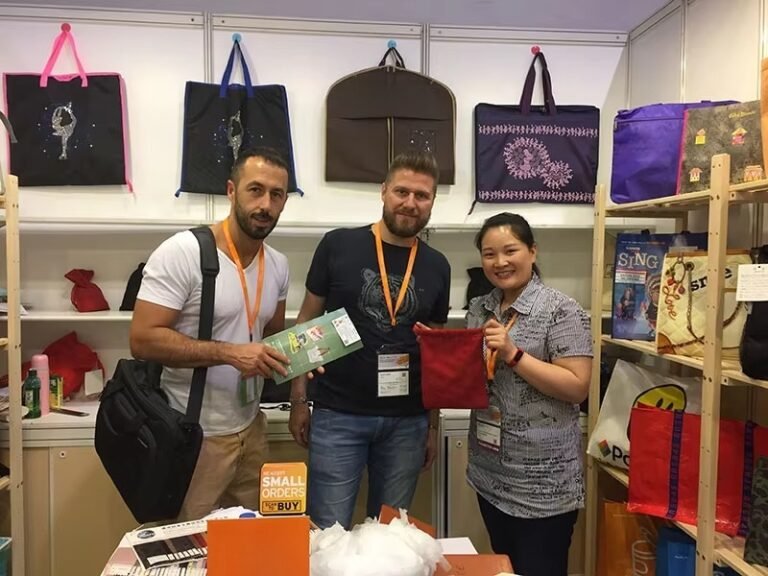
800+ brand Clients Trust Jundong


Start Your MOLLE Tactical Bag Project? Contact Us!
Your custom MOLLE tactical bag project may be simple, or it may require several layers of detail. A patrol team may need modular storage for tools, radios, first aid kits, and field gear. An outdoor brand may need organized webbing space, stronger fabric, reinforced stitching, and flexible pouch attachment. A rescue or utility program may also need label options, barcode control, individual packing, and carton marks for bulk delivery.
The best result usually starts with a clear project brief. You do not need to finalize every detail before contacting us. If you already have a logo file, bag size, gear list, material reference, or previous sample, that will help. If not, you can start with the basics: what the bag will carry, where it will be used, which pouch or attachment functions are needed, what brand details should be added, and when the goods need to arrive.
Jundong can help turn these early details into a workable MOLLE tactical bag specification. The review can include bag type, size, pocket layout, MOLLE webbing position, strap structure, zipper path, load-bearing areas, logo method, label options, packing method, sample timing, bulk lead time, QC checkpoints, barcode rules, carton marks, and shipment preparation.
For faster review, send your logo, quantity, use scene, gear list, size request, packing needs, and delivery timeline to info@jundongfactory.com. If your project is still open-ended, share the goal first: patrol carry, outdoor use, rescue setup, utility storage, technician work, vehicle gear organization, or private label tactical programs. A practical recommendation can start from there.
The right MOLLE tactical bag is not always the most complicated option. It is the option that fits the gear, supports modular organization, improves carrying efficiency, protects product function, and can be produced at a realistic cost and timeline.
Custom MOLLE Tactical Bags Made Easy
At Jundong factory, we make complexity simple! Follow these three steps to get started immediately:
1. Tell Us Your Needs
Provide us with detailed information about your requirements, supply design drawings or tech packs, reference images, and share your ideas.
2. Get Solutions and a Quote
We will customize the best solution based on your needs and drawings, and provide a specific quote within 24 hours.
3. Confirm for Mass Production
Once we receive your confirmation and deposit, we will commence mass production and take care of the subsequent shipping arrangements.
FAQs, You ask, we answer
Choosing custom MOLLE tactical bags becomes easier when the key details are clear from the beginning. The right solution may change depending on gear type, bag size, pocket structure, MOLLE webbing layout, load requirements, logo method, attachment options, field use, or private label goals.
These FAQs cover the practical details often reviewed before sampling, including fabric choice, reinforced stitching, modular pouch compatibility, zipper structure, handle strength, label options, MOQ, lead time, packing rules, and bulk quality control.


Certainly. A custom MOLLE tactical bag project can start from almost any clear reference, including a hand sketch, tech pack, competitor sample, mood board, existing bag, or even a simple list of the gear that needs to fit inside. In real projects, many teams do not begin with a finished drawing. They may only know the target use, capacity, attachment needs, and the type of gear the bag must carry. That is enough to begin a serious development discussion.
A practical development path usually starts with six key details:
- Use scene: outdoor, duty, worksite, vehicle, rescue, or EDC
- Bag type: backpack, sling bag, waist pack, tool bag, pouch set
- Target size or capacity
- Gear list: radio, first aid kit, flashlight, laptop, tools, bottle, cables
- Material direction: lighter, mid-duty, or heavy-duty
- Logo and packing requirements
For MOLLE projects, the most valuable early review is not only the bag shape, but the full carry logic. That includes webbing layout, pouch placement, pocket access, shoulder comfort, weight distribution, zipper opening direction, and which areas need reinforcement. A rough sketch may show the idea, but a proper sample review turns that idea into a product that can actually work in daily use.
If you already have a sample, photos from different angles are helpful. If you do not, a simple note with size, gear list, preferred fabric, logo method, and expected quantity can still move the project forward. Many strong tactical bag programs begin with less information than people expect. The key is not perfect documentation. The key is making sure the first review focuses on function, structure, and repeatability rather than appearance alone.
Of course. A strong MOLLE collection is rarely limited to one backpack. The better approach is usually to build a modular product family around one carry system. That can include a tactical backpack as the main item, then add compatible pouches, sling bags, waist packs, medical pouches, bottle holders, admin pouches, tool rolls, and compact utility bags. This gives the collection more depth and makes it easier to serve different users without losing a consistent visual language.
A well-planned MOLLE series often follows one of these structures:
Outdoor series
Main backpack + hydration pouch + bottle pouch + first aid pouch
Duty series
Compact backpack + waist pack + radio pouch + utility pouch + patch panel area
Work gear series
Tool backpack + hardware pouch + cable organizer + detachable accessory bag
Vehicle gear series
Flat organizer bag + MOLLE pouch set + rescue kit pouch + glove/tool holder
EDC series
Sling bag + waist pack + compact admin pouch + clean front-panel pouch
This kind of series planning has three clear advantages. First, it helps keep fabric, hardware, webbing tone, and logo style consistent across multiple items. Second, it creates more room for line extension and repeat orders. Third, it helps the end user build a flexible carry system rather than rely on one overstuffed bag.
In practice, not every project needs all these items at once. Some teams begin with one tactical backpack and one pouch, then expand after testing the first order. Others start with a full line because they already know the collection will be sold through retail, e-commerce, security channels, or outdoor dealers. The best structure depends on how the products will be sold and how the end user will carry gear in real situations.
Definitely. This is one of the most important questions in any serious MOLLE bag project, because a tactical bag with poor webbing structure may look acceptable in photos but perform badly in real use. If the webbing rows are uneven, too loose, stitched weakly, or placed in the wrong area, the attached pouch can sit crooked, wobble during movement, or become difficult to weave in and remove.
Five practical checks matter most:
Webbing alignment
Rows should sit straight and stay visually even across the front or side panel.
Webbing spacing
Spacing needs to be consistent enough for pouch straps to weave through properly.
Stitch reinforcement
Rows that carry weight should be fixed with dependable reinforcement, especially at the ends.
Panel suitability
A pouch that works well on a flat panel may not work as well on a curved side wall or padded waist section.
Real-use testing
Attachment should be checked with actual pouches, not only by visual inspection.
A reliable sampling process usually tests more than one pouch type. For example, a compact utility pouch, a bottle pouch, and a first aid pouch can behave differently on the same backpack. That is why the bag should be reviewed under realistic loading conditions instead of as an empty display piece.
It also helps to decide early whether the project needs heavy front loading, side access, detachable modules, or a cleaner, low-profile appearance. These choices affect where webbing should be placed and how much reinforcement is needed. In short, good MOLLE performance comes from structure planning, not from decoration. When the webbing system is right, the whole bag feels more stable, more functional, and more trustworthy.
Absolutely. The right material depends on the job the bag must do, and this decision affects durability, weight, handfeel, structure, and price more than most teams expect. There is no single “best” fabric for every tactical bag. The better question is which material combination fits your target use, target price, and target product image.
For many projects, the outer shell, webbing, zipper, buckle, lining, and padding matter as much as the main fabric itself. A strong tactical backpack may use 900D or 1000D-grade material with firm webbing and a heavier zipper. A lighter promotional-style tactical bag may work well in 600D polyester. A tool backpack may need extra reinforcement in the bottom panel, pocket edges, and handle base. A cleaner EDC sling bag may use a more refined surface texture with a compact padded structure.
A simple reference guide looks like this:
- 600D polyester: lighter cost, lighter use, good for entry-level or promo projects
- 900D polyester: stronger body, good balance for outdoor and utility styles
- 1000D-style fabric: better for heavy use, rough handling, and stronger tactical appearance
- PU or PVC-backed fabric: helpful when water resistance or shape retention matters
- Reinforced webbing and sturdy zipper: essential for pouches, shoulder load, and repeated opening
For tool-carry products, sharp-edge protection and weight support are often more important than appearance alone. For outdoor packs, comfort, water resistance, and carry balance matter more. For duty gear, fast access and structural stability usually come first. The most practical material plan is the one that reflects real use instead of chasing the heaviest fabric by default.
Exactly. A clearer request almost always leads to a faster and more accurate quote, a smoother sampling process, and fewer revisions later. The good news is that you do not need a perfect tech pack to get started. A simple but complete request is usually enough.
The most helpful information is:
Product type
Backpack, sling bag, waist pack, tool bag, pouch, or a full modular set
Use scene
Outdoor, tactical training, duty gear, rescue kit, vehicle storage, tool carry, or EDC
Approximate size or capacity
For example, 20L, 30L, or specific dimensions
Gear list
What should fit inside or attach outside
Material preference
If known, such as 600D, 900D, 1000D-style, water-resistant coating, or lighter fabric
Logo method
Rubber patch, woven label, embroidery, print, or hook-and-loop patch area
Quantity target
Even an estimate helps, especially for trial orders and repeat planning.
Packing details
Hangtag, barcode, polybag, carton mark, inner pack, or retail presentation
Reference images
Front, side, back, inside, or pouch attachment views, if available
Timing
If you have a target launch date, sample deadline, or shipment window
If some of this information is missing, that does not block the project. It simply means the early review may need more discussion. In tactical bag development, a strong first request does not need to be complicated. It only needs to be practical. When the use of scene, structure, and quantity direction is clear, the quote and sample plan become much more reliable.
Sure. Trial orders are often a smart way to start a new MOLLE tactical bag program, especially when the product is new, the sales channel has not been fully tested, or the collection includes several styles such as a backpack, pouch, waist pack, and tool bag.
For new tactical bag projects, a first order is not only about quantity. It is also a practical test of material choice, structure, logo placement, packing method, user feedback, and repeat order potential. A trial order can help your team check whether the MOLLE webbing layout works, whether the pouch size is right, whether the fabric feels strong enough, and whether the final product fits the expected price level.
Jundong can support flexible starting quantities for suitable custom bag projects. For many customized bag styles, low MOQ options can start from 50 pcs, depending on the material, structure, logo method, trim availability, and packing request. Simple styles are usually easier to arrange at a lower starting quantity. More complex MOLLE tactical backpacks, multi-pouch sets, special fabrics, custom molds, or exclusive hardware may need a higher quantity because material purchasing, cutting, sewing, and setup costs are different.
A practical way to control risk is to start with one core style and one or two matching pouches. For example, a 30L MOLLE tactical backpack can be tested together with a utility pouch and a medical pouch. If the feedback is good, the second order can expand into a sling bag, waist pack, hydration pouch, or tool carry version.
The best approach is to share your target quantity early. That helps the team suggest a structure and material plan that fits both your budget and your launch stage. A trial order should not feel like a compromise. It should help you test the product with better control before moving into larger production.
Generally, the timeline depends on the bag structure, material availability, logo method, number of styles, and how many revisions are needed. A simple MOLLE pouch or waist pack usually moves faster than a heavy tactical backpack with multiple compartments, padded shoulder straps, detachable pouches, custom zipper pullers, and retail packing.
For many custom tactical bag projects, the sampling stage often includes three parts: structure confirmation, material and trim confirmation, and sample revision. If the product is simple and the materials are available, the first sample can usually move faster. If the project involves special camouflage fabric, custom webbing color, molded rubber patch, unique buckle, or a full multi-style set, more time should be allowed before the sample is finalized.
A practical timeline often looks like this:
| Stage | What Happens |
|---|---|
| Project review | Size, use scene, material, structure, logo, quantity |
| Sample preparation | Pattern, cutting, sewing, logo detail, prototype |
| Sample review | Fit, webbing layout, pocket access, carrying comfort |
| Revision if needed | Adjust size, webbing, pocket, zipper, strap, logo |
| Pre-production check | Confirm the final sample before the bulk order |
| Bulk production | Material purchase, cutting, sewing, inspection, packing |
For bulk production, the schedule is usually affected by order quantity, material lead time, production line arrangement, and packing complexity. Multi-SKU orders also need extra control because each style, color, label, barcode, and carton mark must be matched correctly.
The safest way to plan is to share your expected launch date or shipment window early. This allows the sample plan, material booking, and packing details to be arranged in a more realistic order. A rushed MOLLE project can easily miss small structural details, so it is better to leave enough time for webbing checks, load area review, and packing confirmation.
Definitely. Sample-to-bulk consistency is one of the most serious concerns in custom tactical bag projects. A good sample is only useful when the approved details can be repeated in bulk production.
For MOLLE tactical bags, consistency is more than color matching. It includes fabric shade, material handfeel, webbing layout, stitching position, pouch attachment area, zipper direction, buckle type, shoulder strap angle, inner pocket structure, logo placement, label position, packing method, and carton mark.
The approved sample should become the production reference. Before bulk production starts, the key details need to be recorded clearly. This usually includes:
- Final sample photos from different angles
- Fabric and lining reference
- Webbing color and placement
- Logo size, color, and position
- Zipper, buckle, puller, and trim details
- Stitching and reinforcement requirements
- Inner pocket and divider structure
- Packing method, label, barcode, and carton mark
- Any tolerance requirements for size or placement
During production, checks should happen at different stages, not only after all goods are finished. Material inspection helps catch fabric or color issues early. In-process checking helps control stitching, webbing, and structure. Finished product inspection helps confirm final appearance, function, packing, and quantity.
For repeat orders, keeping records is even more valuable. When the same MOLLE backpack or pouch set is produced again, the previously approved details can be used as a reference. This helps reduce drift between orders and keeps the product more stable over time.
The most reliable results come from clear confirmation before production, controlled checking during sewing, and careful comparison before shipment.
Absolutely. For tactical bag programs, product development is only one part of the job. Retail readiness and order organization are just as important, especially when one project includes several sizes, colors, pouch types, or packing styles.
Jundong can support common private label details such as rubber patches, woven labels, embroidery, screen print, heat transfer logos, hook-and-loop patch areas, customized zipper pullers, hangtags, barcode labels, polybags, inner packs, and carton marks. These details help the final product look ready for retail shelves, online sales, project distribution, or channel delivery.
Multi-SKU orders need careful planning. A tactical backpack in black, coyote brown, and camouflage may each need different labels and carton marks. A MOLLE set may include one main backpack, two utility pouches, one medical pouch, and one waist pack. If the packing logic is unclear, the warehouse or sales channel may face sorting problems later.
A clean packing plan usually confirms:
| Detail | Why It Matters |
|---|---|
| SKU name or code | Helps avoid style and color mix-ups |
| Barcode label | Supports retail and warehouse scanning |
| Individual packing | Protects each item and keeps sets organized |
| Hangtag or insert card | Presents product information and brand identity |
| Carton mark | Helps receiving teams identify goods quickly |
| Set packing method | Keeps backpack, pouch, and accessories together |
For MOLLE projects, packing should be discussed before bulk production, not after goods are finished. This is especially true for pouch sets, retail kits, e-commerce packs, and project delivery orders. Good packing control saves time for everyone after shipment.
Of course. Ready-made MOLLE bags can be useful when speed is the only priority. But for a serious tactical gear line, outdoor collection, tool carry program, or private label project, ready-made styles often bring limits. The bag size may not fit your gear. The webbing layout may not match your pouches. The fabric may feel too light or too stiff. The logo position may look forced. The packing may not match your channel requirements.
Working directly on a custom development path gives more control over the product. You can decide the size, fabric, color, MOLLE area, pocket layout, zipper type, buckle style, shoulder strap structure, logo method, packing plan, and carton setup. This is especially valuable when the product needs to match your brand image or serve a very specific use scene.
There is also a long-term advantage. Once the approved sample, material details, webbing layout, trim list, and packing method are recorded, repeat orders become easier to manage. A ready-made style may change without notice, especially if it is sourced from general stock. A custom project gives your team more stability and clearer product ownership.
The biggest difference is simple: ready-made styles help you fill a short-term need, while custom MOLLE development helps you build a product program. If your goal is only a quick giveaway, a ready style may be enough. If your goal is a tactical bag line with stronger identity, better structure, and repeatable quality, custom development is usually the better path.
For teams preparing a new MOLLE tactical backpack, pouch set, tool bag, or modular gear system, reference images, target use, size needs, logo files, and quantity plan can be sent to info@jundongfactory.com for a project review.