 Skip to content
Lightweight Fabric Bag Manufacturer
Looking for a reliable lightweight fabric bag manufacturer for daily carry, events, travel, retail, promotions, and easy-pack programs? We support custom lightweight tote bags, drawstring bags, backpacks, shoppers, foldable bags, and simple organizer styles with practical fabric selection, logo printing, structure adjustment, sample development, and stable bulk production. From soft everyday carry bags to lightweight promotional and travel-ready designs, we help create fabric bag products that balance comfort, packability, cost control, and repeat-use convenience for different markets and use scenes.
Lightweight Bags Sell on Convenience
A lightweight fabric bag is not valuable just because it uses less material. It becomes useful when it makes daily movement, storage, travel, and backup carry easier. That is why lightweight bags work well in commuting, event giveaways, retail add-on programs, travel packing, office storage, car use, and foldable everyday carry. People do not choose them because they want the thinnest bag possible. They choose them because they want something easy to carry, easy to store, easy to pack, and easy to keep on hand.
This changes how the bag should be developed. A good lightweight tote bag, drawstring bag, backpack, shopper, or foldable travel bag should reduce bulk without feeling disposable. It should pack down smoothly, then open into a shape that still feels practical.
A useful planning view includes:
| What People Want | Why It Matters |
|---|---|
| Low bulk | easier to keep as a backup bag |
| Fast storage | makes repeat use more likely |
| Comfortable carry | improves daily acceptance |
| Practical shape | Keeps the bag useful after unfolding |
A stronger lightweight bag is not only lighter in fabric weight. It should also support compact storage, quick folding, easier transport, and repeat-use convenience. The real value comes from solving movement and storage problems, not simply from making the material thinner.


What Lightweight Really Means
In lightweight fabric bag development, “lightweight” should not mean weak by default. It should mean better control over fabric weight, packed volume, carry comfort, and useful feature balance. Many lightweight bags fail because weight is reduced in the wrong places. Too much structure is removed, handles become unstable, or the opening system becomes so simplified that the bag is harder to use in daily life.
A better lightweight bag is built in layers. First, control the weight of the outer fabric, lining, webbing, zipper, and hardware. Second, decide which details are truly needed and which only add bulk. Third, protect the points that affect trust most, such as handle attachment, seam balance, opening access, and basic load support.
A practical review looks like this:
| Lightweight Factor | What Should Be Controlled |
|---|---|
| Material weight | fabric, lining, webbing, trims, hardware |
| Packed volume | folding logic, storage size, pocket layout |
| Carry feel | strap width, handle comfort, body balance |
| Useful features | keep only what supports real use |
The best lightweight tote bag, foldable shopper, drawstring bag, travel bag, or packable backpack is not the emptiest one. It is the one that keeps it practical, comfortable, compact, and worth carrying again.


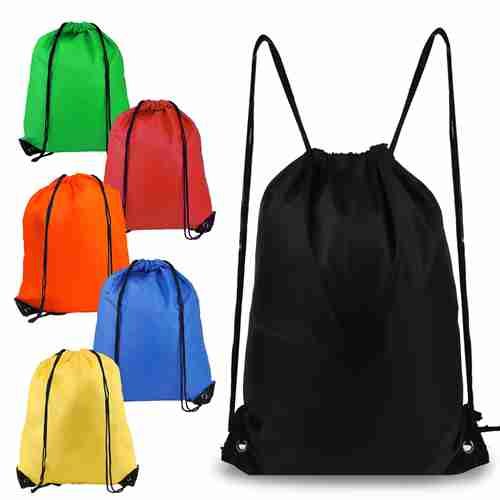

Lightweight Bag Materials Compared
Material choice is one of the biggest decisions in a lightweight fabric bag program because each fabric changes not only weight, but also hand feel, foldability, surface look, print response, packability, and repeat-use confidence. A lightweight bag that folds well but feels weak after a few uses often starts with a material mismatch, not a sewing problem.
A practical material comparison looks like this:
| Material Direction | Often Better For | What It Helps Balance |
|---|---|---|
| Nylon | packable travel bags, backup carry, foldable shoppers | lower weight and smoother folding |
| Polyester | daily-use bags, retail bags, reusable tote styles | print stability and broader color options |
| Ripstop | lighter bags that still need a tougher look | visual durability and tear-awareness |
| Non-woven | event bags, giveaways, short-cycle distribution | cost control and large-quantity use |


Packable, Foldable, Compressible Compared
These three terms are often used together, but they do not describe the same lightweight bag logic. A packable bag is usually designed to stay inside another bag and come out only when needed. A foldable bag focuses more on quick closing, easy reopening, and simple re-storage after use. A compressible bag goes further by reducing volume as much as possible, often for travel, outdoor carry, luggage saving, or emergency backup storage.
This distinction matters because lightweight bag development is not only about reducing grams. It is about deciding what kind of convenience the bag should deliver in daily use.


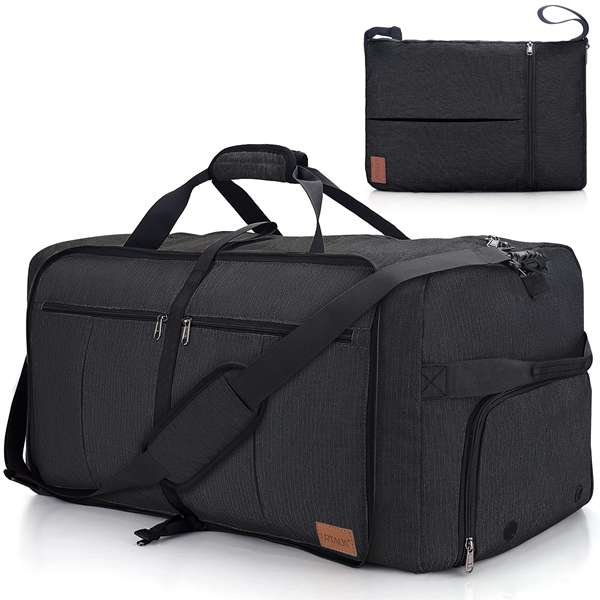
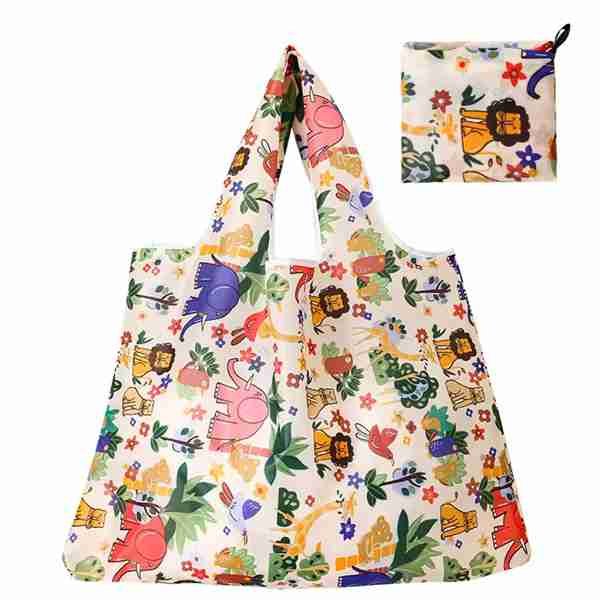
A practical comparison looks like this:
| Product Logic | Main Goal | Common Use |
|---|---|---|
| Packable | easy to keep inside another bag | backup carry, travel, shopping |
| Foldable | easy to open, use, and fold again | daily carry, retail, event use |
| Compressible | reduce stored volume as much as possible | travel packing, outdoor use, emergency storage |
When these ideas are mixed without a clear goal, the bag can become awkward. It may be too soft to carry well, too bulky when folded, or too hard to repack quickly.
A stronger lightweight fabric bag program starts when the storage behavior is defined clearly from the beginning, not assumed later.
Where Lightweight Bags Work Best
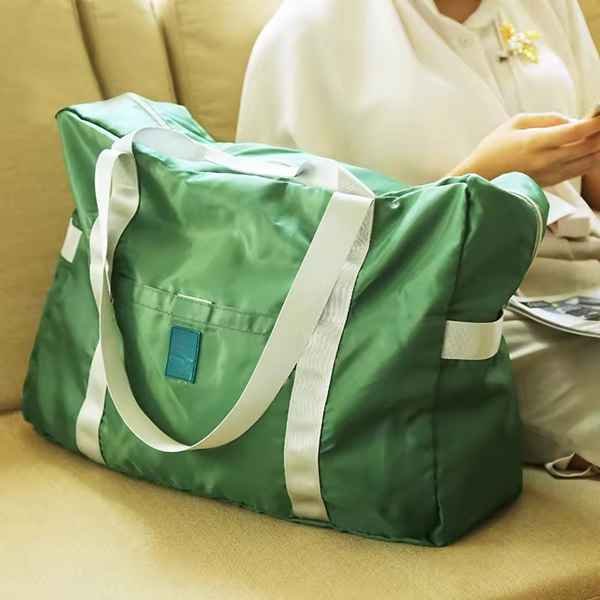
Lightweight fabric bags perform best in product lines where mobility, storage efficiency, foldability, and lower carrying burden matter more than rigid structure. That is why they work especially well as travel backup bags, commuter overflow bags, packable shopping totes, foldable retail bags, event giveaway bags, and daily carry styles meant to stay inside a suitcase, backpack, office drawer, or car until needed.
A practical use-based view looks like this:
| Use Scene | Why Lightweight Works |
|---|---|
| Travel backup | packs easily before the trip and helps with extra items later |
| Commuting | adds flexible carry space without daily bulk |
| Retail or giveaways | supports easy distribution, branding, and repeat use |
| Daily carry | fits compact storage habits and just-in-case use |
In travel, these bags are useful for extra purchases, laundry separation, shoes, souvenirs, or day-trip overflow without taking much luggage space. In commuting, they act as easy second bags for documents, lunch, gym gear, or unexpected shopping. In retail and event use, they combine large logo area, compact pack-out, and practical reuse.
The strongest lightweight tote bag, foldable shopper, drawstring bag, or travel carry bag is usually the one designed around real carry behavior, not only around fabric weight.


Lightweight Should Not Feel Fragile
One of the biggest mistakes in lightweight fabric bag development is removing too much just to save weight. A bag quickly feels unreliable when the handles feel weak, the opening collapses, the body twists under a light load, or the folding system becomes awkward to use. A lightweight bag does not need to feel heavy, but it should still feel intentionally built.
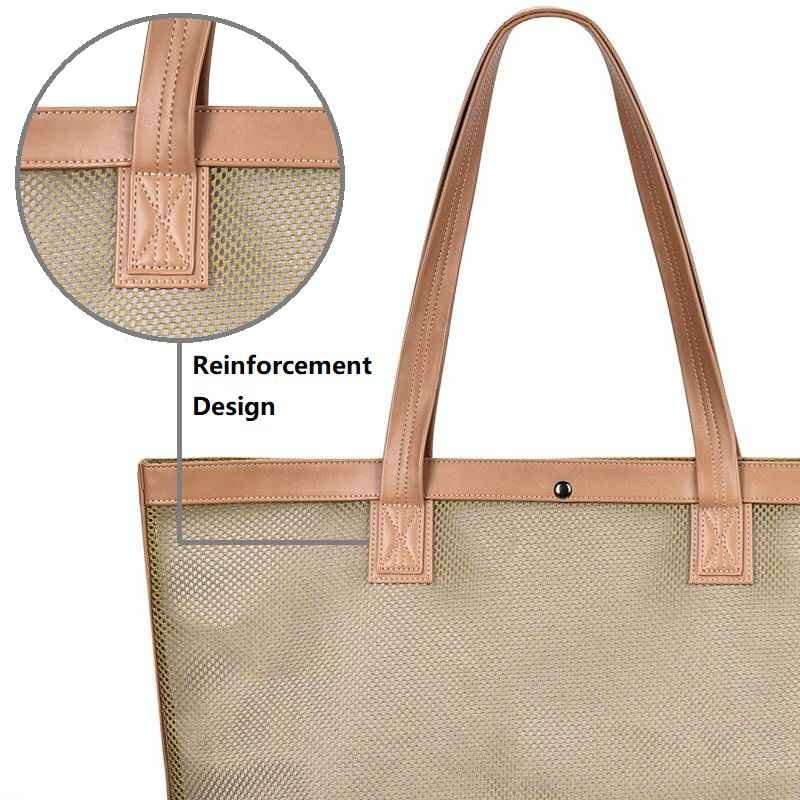
A better method is selective reinforcement. Keep the overall body light, but protect the areas that shape user confidence most:
- Handle attachment
- Top opening
- Corner wear zones
- Base support
- Fold-back or packable logic
Small structural changes often matter more than heavier fabric. A slightly wider strap, cleaner seam allowance, better bartack position, or stronger zipper edge can improve trust without adding much bulk.


A practical comparison looks like this:
| Problem Area | Better Lightweight Fix |
|---|---|
| Weak handles | improve attachment and webbing control |
| Collapsing opening | Add cleaner edge support or opening logic |
| Twisting body | balance panel shape and seam structure |
| Poor re-folding | Simplify the fold path and storage pocket design |
A useful lightweight tote bag, foldable shopper, drawstring bag, or travel backup bag should feel compact first, but dependable the moment it is opened. The best result is not a bag with the fewest grams. It is a bag that stays practical, comfortable, and easier to trust in repeated daily use.
Weight and Packed Size Matter
In a lightweight fabric bag program, product weight is only part of the real calculation. A bag can be light in grams and still perform poorly in shipment if the packed size, folding behavior, or carton arrangement is not planned well. This is one of the most overlooked issues in lightweight bag development.
A more useful review should look at three factors together:
- Unit weight
- Stored volume
- Shipping efficiency
A lightweight tote bag that folds into a flat, consistent shape may save more freight space than a softer bag that technically weighs less but packs irregularly. The same logic matters in foldable shoppers, travel bags, event bags, retail add-on bags, and giveaway programs, where carton count, warehouse space, shelf storage, and handling convenience all affect the final cost structure.
A practical comparison looks like this:
| Efficiency Factor | What It Changes |
|---|---|
| Unit weight | freight cost and carry comfort |
| Packed size | storage density and carton use |
| Folding consistency | easier packing and cleaner presentation |
| Carton planning | better shipment efficiency |
The strongest lightweight bag is usually the one that performs well both in hand and inside the carton. A good design should not only feel easy to carry, but also stay easier to fold, pack, stack, store, and ship in larger quantities.

Clean Branding on Lightweight Fabrics
Branding on a lightweight fabric bag needs more restraint than branding on a heavier bag. Thin, foldable, or packable materials react differently to printing pressure, panel tension, heat transfer, and logo placement. A method that looks clean on structured fabric can appear distorted, too stiff, or visually crowded on a lighter bag. That is why clean branding usually matters more than aggressive branding in this category.
For lightweight tote bags, foldable shoppers, drawstring bags, travel bags, and promotional bags, the strongest result often comes from matching the artwork to the bag’s surface and purpose. Screen printing works well for simple graphics on flatter panels. Heat transfer can suit sharper artwork and stronger color detail, but it should be tested carefully on lighter fabrics. Woven labels, small stitched tabs, or compact rubber details often work better when the brand wants a cleaner and more refined finish.

A practical comparison looks like this:
| Branding Method | Better For |
|---|---|
| Screen print | clean graphics on simple panels |
| Heat transfer | Sharper artwork with controlled placement |
| Woven label | refined identity with lower visual noise |
| Small rubber detail | sporty or travel-oriented accents |
A lightweight bag usually looks better when the branding supports its ease, portability, and clean appearance instead of overpowering it.
Trial Orders and Fast Sampling
Lightweight fabric bag programs are often a strong fit for trial orders, low-volume runs, seasonal testing, retail experiments, and promotional launches because these bags are usually easier to store, distribute, compare, and update across versions. But a smaller run still needs clear planning. Even a lightweight tote bag, foldable shopper, travel bag, drawstring bag, or giveaway bag should be developed with decisions already made around material choice, folding behavior, print method, carry comfort, and packing format.
A useful trial order should help confirm:
- Whether the bag works well in real use
- Whether the compact form is practical
- Whether the logo or print stays clean
- Whether the cost still makes sense after packing and shipment
- Whether color variants, handle options, or print layouts are worth keeping
This is especially useful when testing seasonal colors, foldable structures, packable pockets, carry handles, or branded promotional versions.
For a faster start, it helps to prepare:
- Reference photos
- Target size
- Use scenario
- Artwork
- Expected folding or packing style
A trial run is not only about making fewer pieces. It is about learning quickly, reducing risk, and making the next lightweight bag order easier to plan, price, and repeat.


Lightweight Bag Types We Develop
Lightweight fabric bags are not limited to one simple tote shape. The strongest product lines usually come from matching the right light-carry format to the right use scene. Some bags are designed to stay folded inside luggage until needed. Some are built for everyday overflow carry. Others fit retail programs, travel accessories, event distribution, sports use, commuting, or reusable daily routines. The key is not to force every lightweight bag into the same silhouette.
Common lightweight bag types often include:
- Foldable tote bags
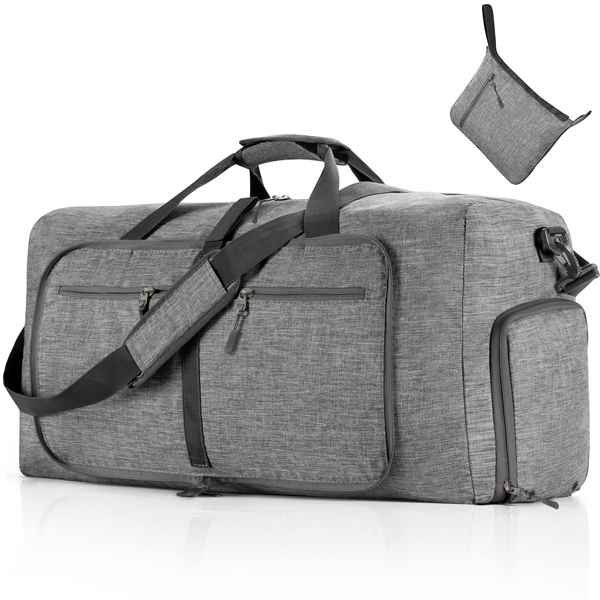
- Packable duffel bags
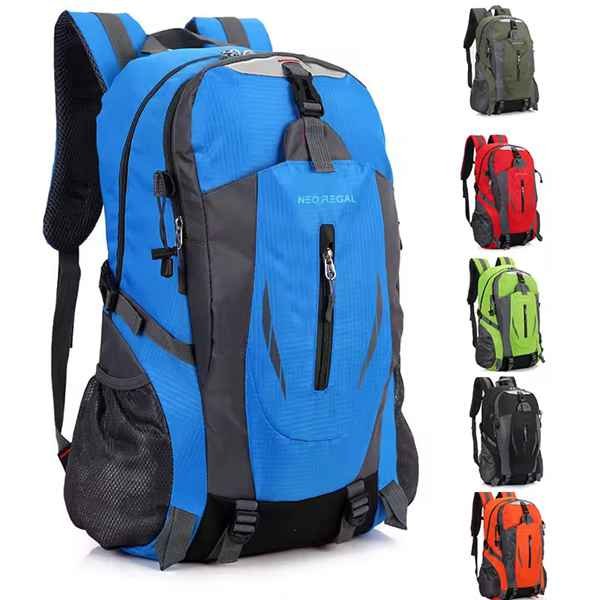
- Lightweight backpacks
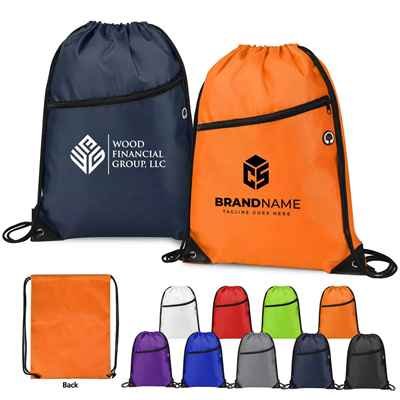
- Drawstring bags
- Reusable shopping bags
- Laundry bags Repeat
- Shoe bags
- Travel backup bags
- Promotional giveaway bags
- Compact gym or commuter bags



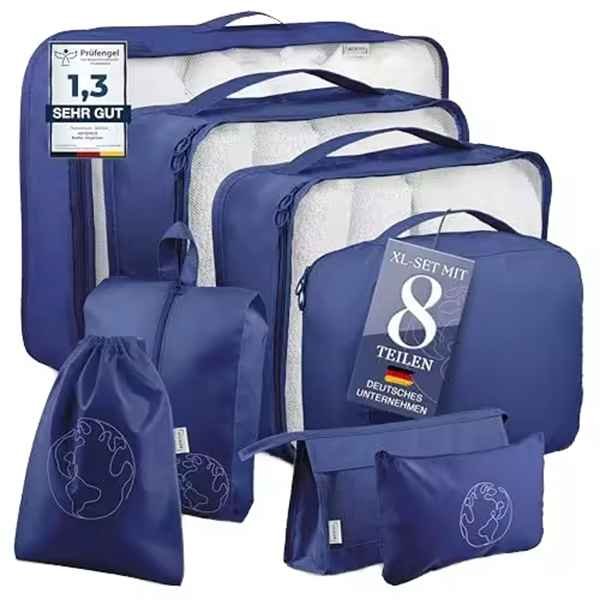
A practical comparison looks like this:
| Bag Type | Typical Lightweight Value |
|---|---|
| Foldable tote | easy daily backup carry |
| Packable duffel | extra travel capacity |
| Lightweight backpack | hands-free compact carry |
| Drawstring bag | fast use and easy distribution |
| Reusable shopping bag | Repeat use with low bulk |
| Travel, shoe, or laundry bag | compact organization and separation |
Each type balances packed size, opening speed, carry comfort, print area, storage efficiency, and repeat-use convenience in a different way.
Built for Travel, Retail, Promotions
Lightweight bag programs are especially useful for teams that care about mobility, storage efficiency, repeat usability, and faster product testing. That is why they often fit well in travel product lines, retail seasonal collections, event distribution, promotional launches, online selling, and compact add-on programs. These bags are usually easier to ship, easier to store, and easier to compare across different colors, logo layouts, print versions, and feature variations.
Different project directions usually focus on different priorities. Travel-focused products often need compact storage, lower luggage burden, and reliable backup-carry value. Retail collections usually care more about clean appearance, easier shelf display, and repeat-use appeal after purchase. Promotional bag projects often need visible branding, wider distribution, and more practical cost control. Fast-moving sellers often need trial orders, quicker revisions, flexible low-volume runs, and styles that can be understood at a glance.
A practical view looks like this:
| Project Direction | What Matters Most |
|---|---|
| Travel Programs | compact storage, backup-carry function |
| Retail Collections | clean look, display efficiency, repeat use |
| Promotional Projects | easy distribution, logo visibility, manageable cost |
| Fast-Moving Sellers | quick testing, flexible updates, simpler product logic |
This category works best when the bag is designed around real movement habits, compact storage behavior, and actual selling conditions, not only around lighter fabric weight.


Make A Sample First?
See your idea come to life before mass production.
At Jundong Factory, we offer free design mockups and custom samples to ensure every detail is perfect — from material and color to logo placement and stitching.
Start your project with confidence today: info@jundongfactory.com.
FAQs About Custom Lightweight Fabric Bag
What is the best fabric for a lightweight bag?
The best fabric for a lightweight bag is the one that matches the bag’s real use, storage method, print requirement, and expected reuse cycle, rather than the one with the lowest weight on paper. This is one of the most common misunderstandings in lightweight bag development. Many teams assume that the lightest material is automatically the best choice, but that often leads to products that feel too flimsy, wrinkle too easily, print poorly, or lose user confidence after only a few uses.
A better decision starts with use. If the bag is meant for travel backup carry, packable daily use, or compact storage inside luggage, lightweight nylon is often a strong option because it folds easily and usually feels smoother. If the product is meant for reusable shopping, retail programs, or daily carry with visible branding, polyester often performs better because it gives a more stable surface and usually handles color and print in a more predictable way. If the product needs to stay light but still signal a slightly more durable, outdoor-ready look, ripstop may be a better fit. For short-cycle event use or giveaway distribution, non-woven can also make sense when cost and volume matter more than long-term repeat use.
The fabric should never be chosen in isolation. It should be reviewed together with folding behavior, handle construction, printing method, packed size, and shipment plan. A fabric that feels ideal in a swatch can still fail in a finished product if it does not support the actual way the bag will be stored, opened, carried, and reused.
| Fabric Direction | Often Better For | Watch-Out Area |
|---|---|---|
| Lightweight Nylon | Travel backup, packable carry | The surface may feel too thin for some prints |
| Polyester | Reusable daily use, retail styles | May fold less compactly depending on the finish |
| Ripstop | Light bags need a tougher visual appeal | Texture changes print feel |
| Non-Woven | Events, giveaways, large-volume distribution | Less suitable for premium long-term reuse |
The strongest fabric choice is the one that makes the bag feel easy to keep, easy to use, and worth taking out again after the first use.
How light should a lightweight bag actually be?
A lightweight bag should be light enough to feel easy to carry and easy to store, but not so light that it loses structure, trust, or repeat-use value. This is a very practical sourcing question because “lightweight” is often treated as a vague label instead of a balanced product goal. In reality, there is no single ideal weight that works for every lightweight bag. The correct weight depends on what the bag is supposed to do after it is unfolded.
A packable shopping tote, a travel backup duffel, a drawstring giveaway bag, and a lightweight backpack all belong to the “lightweight” category, but they do not need the same weight logic. A foldable tote should disappear easily into another bag, but it still needs enough body to carry groceries or daily extras without feeling disposable. A travel backup duffel may accept a slightly higher weight if that gives better opening stability and more confidence when carrying clothing or trip overflow. A lightweight backpack needs a different balance again, because comfort and shoulder carry stability start to matter more.
The safest approach is not to ask, “How light can we make it?” but “How light can we make it while still keeping it useful?” That usually means checking four things together: carry comfort, packed size, load behavior, and repeat-use confidence.
| Product Type | Lightweight Goal |
|---|---|
| Foldable Tote | Very easy storage with enough carry shape |
| Packable Duffel | Compact storage with better opening usefulness |
| Drawstring Bag | Low weight and fast distribution |
| Lightweight Backpack | Reduced bulk without unstable shoulder carry |
If weight becomes the only target, the bag often becomes forgettable. If usefulness stays in the decision, the bag is much more likely to be kept and reused.
What is the difference between a foldable bag and a packable bag?
A foldable bag is designed for easy re-folding after use, while a packable bag is designed to stay stored inside another bag until needed; the difference sounds small, but it changes the whole product logic. This is a very common development issue because many teams use the two terms as if they mean the same thing. In real product planning, they usually point to different expectations.
A foldable bag usually needs a simpler fold path, easier handling, and a more repeatable way to close back into its stored form. It is often intended for repeated open-close use in daily routines. A packable bag, on the other hand, is often judged more by how little space it occupies before use. It may stay inside luggage, a backpack, a glove compartment, or a desk drawer until extra carrying capacity is needed. That means its packed size and pre-use storage behavior often matter more than how elegant the re-folding process feels.
The mistake happens when one product is expected to do both without clear prioritization. That often leads to awkward compromises: the pouch is too bulky, the fold path is frustrating, or the final packed form is not compact enough to justify the concept.
| Type | Main Priority | Common Use |
|---|---|---|
| Foldable Bag | Easy to fold again after use | Daily carry, shopping, routine backup |
| Packable Bag | Easy to keep inside another bag | Travel, emergency, extra carry, spare storage |
The right choice depends on when the bag is supposed to save space: before use, after use, or both.
Are lightweight bags strong enough for repeat use?
A lightweight bag can absolutely support repeat use if the material choice, handle construction, opening control, and stress-point reinforcement are planned correctly; what fails most often is not the “lightweight” concept itself, but careless reduction in the wrong areas. This matters because many people still associate lightweight bags with disposable or short-life products. That can be true for some low-cost versions, but it is not true for the whole category.
Repeat-use confidence usually comes from a few visible and invisible details working together. The fabric needs to recover well enough after folding. The handle area must feel stable when the bag is loaded. The top opening should not collapse so badly that the bag becomes annoying to use. The corners and seams should survive real movement, not just a showroom test. If the product is expected to carry groceries, travel items, shoes, laundry, or commuting extras, these points become even more important.
The development mistake is often over-reducing one of these trust areas to save a very small amount of weight or cost. That trade-off may look efficient on paper, but it can reduce the product’s long-term usefulness sharply.
| Trust Area | Why It Matters for Repeat Use |
|---|---|
| Fabric Recovery | Better look after folding and reuse |
| Handle Security | Users trust the bag under load |
| Opening Control | Easier real-life use |
| Seam or Corner Strength | Longer practical life |
A lightweight bag does not need to feel heavy to feel dependable. It just needs to feel intentionally protected in the places that users notice first.
What affects the price of a lightweight fabric bag most?
The biggest price changes in a lightweight bag program usually come from fabric direction, print method, handle construction, folding design, packaging style, and order scale, not simply from whether the bag is “lightweight.” This is an important sourcing topic because lightweight products are often assumed to be cheap by default. In practice, that is not always true. A bag may use less material overall, yet still become expensive if the print is demanding, the fold structure is complex, or the packaging needs to look retail-ready.
The first driver is usually material choice. Lightweight nylon, polyester, ripstop, and non-woven do not behave the same in sourcing, printing, or finishing. The second driver is branding. A simple one-color print is very different from multi-color artwork, transfer work, sewn labels, or added patch details. The third driver is construction discipline. A plain flat bag is one thing. A bag with a self-storage pocket, shaped handles, edge reinforcement, or more controlled opening structure is another. Packaging also matters more than many teams expect, especially if the product is meant for retail shelves, event kits, or gift distribution.
| Cost Driver | Why It Changes Price |
|---|---|
| Material | Fabric type, finish, print response |
| Branding | Artwork complexity and application method |
| Construction | Fold design, handle build, reinforcement |
| Packaging | Individual packing, inserts, and retail display needs |
| Order Scale | Trial quantity versus repeat quantity |
The smartest cost control is not cutting everything down. It is deciding which details make the bag more useful or more sellable, and which ones only add cost without improving the product enough.
Which lightweight bag types are best for travel, retail, and promotional use?
The best lightweight bag type depends on how the product will be carried, stored, displayed, and reused, because travel use, retail use, and promotional use do not reward the same design choices. This is a very common sourcing question. Many teams start with a generic idea like “we want a lightweight bag,” but that is usually not enough to choose the right format. A foldable tote, a packable duffel, a drawstring bag, and a lightweight backpack all sound suitable at first, yet they solve very different problems.
For travel use, products that pack into luggage easily and open into meaningful extra carrying space usually perform best. That often makes packable duffels, foldable totes, shoe bags, and compact laundry or organizer bags especially practical. For retail use, visual cleanliness and repeat-use potential usually matter more. A lightweight bag that looks too temporary may not support retail value well, even if it is technically light. In those cases, reusable shopping bags, cleaner foldable totes, and more polished lightweight carry styles usually work better. For promotional use, the priorities often shift toward distribution efficiency, visible branding, and cost control. Drawstring bags, flat lightweight totes, and simple giveaway-friendly shapes often make more sense there.
A useful comparison:
| Use Direction | Often Better Bag Types | Why |
|---|---|---|
| Travel | Packable duffel, foldable tote, shoe bag, laundry bag | Easy to store before use, useful after unpacking |
| Retail | Reusable shopping bag, cleaner foldable tote, lightweight carry bag | Better shelf presentation and repeat-use value |
| Promotional | Drawstring bag, simple tote, flat packable bag | Easy to distribute, easy to brand, easy to budget |
The strongest decision usually comes from asking one question first: Is this bag meant to be kept, displayed, gifted, sold, or used as backup? That answer usually points to the right product format much faster than fabric weight alone.
How should logo printing be handled on lightweight fabrics?
Logo printing on lightweight fabrics should be handled with more restraint, better placement discipline, and earlier material testing, because light materials react more visibly to pressure, heat, panel tension, and repeated folding. This is one of the most important decisions in a lightweight bag project, especially when the product must stay visually clean. A logo that looks perfect on a digital mockup may become too stiff, too sharp, too wrinkled, or too loud once it is applied to a thin or foldable fabric.
The first step is to match the branding method to the fabric surface. On lighter materials, simple screen printing often works well when the artwork is clean and the print area is flat. Heat transfer can support sharper color and detail, but it needs to be tested carefully because some lightweight materials react differently under heat or may feel stiffer afterward. Woven labels or small stitched tabs are often a strong choice when the goal is to keep the visual level neat and low-noise. For sport or travel-influenced styles, a very small rubber detail can work, but oversized logo blocks usually feel too heavy visually.
Placement matters just as much as method. On lightweight bags, large graphics placed across folding lines, high-tension corners, or self-storage pockets often create the most problems. The more often the bag will be folded, the more the logo area should be chosen with the fold path in mind.
| Branding Choice | Works Better When | Main Risk |
|---|---|---|
| Screen Print | Artwork is simple, and the panel is flat | Over-large prints can feel cheap |
| Heat Transfer | Graphic detail matters, and fabric allows it | Heat reaction and stiffness |
| Woven Label / Tab | Brand wants a refined look | Must be placed without adding bulk |
| Small Rubber Detail | A sporty accent is needed | Too large can look heavy on light bags |
The safest principle is simple: lightweight bags usually look better when branding feels integrated, not forced.
What should we prepare before asking for a quotation or sample?
Before asking for a quotation or sample, the most useful preparation is to define the bag’s intended use, folded or packed condition, target size, branding direction, and expected price level, because these details directly affect material choice, structure, and shipping logic. This is especially important for lightweight bags, where small design decisions can change the product’s feel much more than many teams expect.
A reference image is helpful, but it is usually not enough on its own. A stronger starting package includes the approximate open size, desired folded size if relevant, preferred use scene, expected carrying content, logo file or artwork direction, preferred colors, and any packing or display requirements. For example, a bag intended for retail shelves may need different packaging logic from one meant for event distribution. A travel backup bag may need a more compact storage size than a reusable grocery tote.
It is also helpful to separate what is already fixed from what is still open. Some teams already know the look and size, but need support on fabric choice. Others know the cost range and use the scene, but still want to compare two or three product structures. That is completely normal. In fact, clearer early communication usually helps the first sample become more relevant and reduces avoidable revisions later.
A practical checklist:
| Item to Prepare | Why It Helps |
|---|---|
| Reference image or sketch | Aligns visual direction faster |
| Open size or packed size | Defines structure and storage logic |
| Use scene | Guides material and handles decisions |
| Artwork/logo with file | Affects branding method and placement |
| Color direction | Helps with fabric and trim coordination |
| Packing or display need | Changes cost and shipment planning |
The more clearly the product is described before sampling, the more useful the quote becomes and the fewer assumptions the development stage needs to carry.
Are lightweight bags suitable for trial orders and low-volume runs?
Lightweight bags are often very suitable for trial orders and low-volume runs because they are usually easier to store, easier to compare across versions, and practical for testing colors, graphics, folding behavior, and use response without committing immediately to a large program. This makes them a strong fit for seasonal launches, promotional tests, new retail ideas, travel accessory expansion, and first-round product validation. Your uploaded company materials also explicitly position Jundong around small batch bag production, rapid sampling, and trial-order-friendly workflows, which aligns well with this kind of project rhythm.
That said, a trial order should still be planned properly. The biggest mistake is to treat a low-volume run as an excuse to skip decisions that will matter later. Even in a smaller run, the bag should have a defined material direction, storage logic, logo method, and packaging plan. Otherwise, the feedback from the market becomes hard to interpret. If a trial bag underperforms, it should be clear whether the issue came from the concept itself, the visual execution, the carry comfort, or a rushed specification.
Lightweight projects are especially useful for trial comparison because small changes can be tested clearly. A team can compare one print layout against another, one handle treatment against another, or one folded format against another without changing the entire product concept. That makes the learning value of the trial much higher.
| Trial Goal | What Can Be Tested Well |
|---|---|
| Design Validation | Open shape, packed shape, and daily usability |
| Brand Validation | Logo scale, print feel, color direction |
| Commercial Validation | Cost logic, packaging, display response |
| Repeatability Check | Material consistency, fold behavior, and handling feel |
A good lightweight trial run should not just prove that a bag can be made. It should prove which version deserves to scale.
How can we make a lightweight bag look cleaner and more valuable?
A lightweight bag usually looks cleaner and more valuable when the design is more edited, the branding is more controlled, and the visible touchpoints feel intentional rather than crowded. This is one of the most commercially important questions in the category, because lightweight products can easily drift into one of two weak directions: either they look too disposable, or they become overloaded with unnecessary graphics and features in an attempt to look more substantial.
A more refined lightweight bag often starts with a cleaner silhouette. That means fewer distracting seams, fewer unnecessary panels, and a clearer idea of what the bag is meant to do. The second factor is touchpoint quality—the small details people notice first, such as handle feel, zipper pull, edge finish, label size, and how the bag opens and closes. These influence perceived value very quickly. The third factor is branding restraint. On lightweight materials, oversized graphics, or too many applications often reduce the sense of quality instead of improving it.
Material choice also matters. A slightly better surface, more controlled color match, or tidier folded appearance often creates more value perception than adding an extra pocket that the user may not need. In commercial terms, lightweight bags usually benefit more from clarity than from complexity.
| Value Driver | What Makes the Bag Feel Better |
|---|---|
| Cleaner Shape | Fewer distractions, stronger visual purpose |
| Better Touchpoints | Nicer handle feel, better opening experience |
| Branding Restraint | More refined identity, less visual noise |
| Controlled Material Finish | Better color match, tidier appearance after folding |
The bags that feel most valuable in this category are rarely the busiest ones. They are the ones that feel easy, clear, and well judged from the first touch.
Everything You Need to Know Before Customizing Your Bags
A custom lightweight fabric bag may look simple at first, but the real decision usually depends on material choice, packed size, folding logic, carry comfort, print method, and repeat-use purpose. A bag for travel backup, commuting, retail add-on use, event giveaways, promotional programs, or daily carry should not all be built the same way.
That is why the most useful questions are rarely about shape alone. They are usually about how the bag folds, how small it packs, how comfortable it feels when opened, how branding performs on lightweight fabric, and whether the structure still feels dependable without adding bulk.
The FAQs focus on the points that usually need to be clarified early: nylon vs polyester, packable vs foldable, lightweight without fragility, logo methods, MOQ, sampling speed, shipping efficiency, and real-use fit.
