 Skip to content
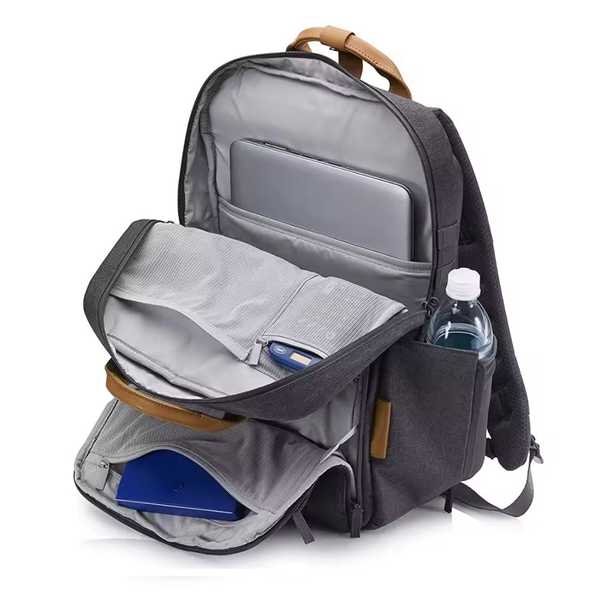
Laptop Backpacks for Work, Travel, and Tech Brands
Custom laptop backpack development for office commutes, business travel, tech carry, private label programs, and bulk-ready brand projects.
- Develop laptop backpacks for work, travel, tech accessories, corporate kits, and retail and e-commerce programs with device protection, organized storage, and a brand-ready appearance.
- Review laptop size, bottom padding, tablet sleeve, charger pocket, cable storage, trolley sleeve, back panel, shoulder strap, logo, label, and packing before sample making.
- Work with a Guangdong custom bag factory with 20+ years of OEM/ODM experience, 600+ team members, a 18,000 m² factory area, and 80 QC inspectors.
- Start from a reference backpack, design file, product idea, tech pack, device size, logo artwork, or existing sample.
Built For Brands Developing Smarter Laptop Backpack Lines
Work Commute Brands
Office and commuter backpack programs need a clean look, stable laptop protection, and easy access for daily essentials. A good work backpack should not feel like a school bag or a promotional giveaway. Jundong reviews body shape, fabric stiffness, laptop sleeve, document pocket, shoulder strap, back panel, and logo placement before sampling.
Business Travel Brands
Business travel backpacks need to move smoothly through airports, hotels, and offices and on short trips. The design should protect electronics while leaving enough space for documents, a charger, personal items, and light clothing. Jundong reviews the trolley sleeve, hidden pocket, clamshell opening, luggage-friendly size, back support, and packing volume before sample confirmation.
Tech Accessory Brands
Tech brands often need laptop backpacks to match devices, chargers, cables, keyboards, mice, hard drives, and organizer pouches. The backpack should feel like part of a device ecosystem, not a random add-on. Jundong reviews electronic storage, scratch protection, cable pockets, charger zones, tablet layers, and related pouch options.
Retail And Online Programs
Retail and online laptop backpack programs need clear product features, stable repeat details, and accurate packing. A strong backpack should be easy to photograph, easy to explain, and easy to reorder across colors or SKUs. Jundong reviews the barcode, hangtag, individual packing, carton mark, color separation, and sample records before bulk work begins.
Remove Hidden Risks Before The First Sample
A laptop backpack may look clean in a sketch, but hidden problems often appear during sampling. Device protection, visual level, inner layout, and travel structure should be reviewed before cutting fabric, choosing zippers, or placing the logo.

Weak Laptop Protection
A backpack with a basic inner sleeve is not always ready for laptop carry. If the laptop pocket is too loose, too shallow, too rough, or too close to the bottom, the device may move inside the bag or take pressure when placed on the floor. Jundong reviews laptop size, sleeve height, foam thickness, bottom buffer, and lining surface before sample work begins.
Too Promotional Looking
Many laptop backpacks fail because they look more like giveaways than work or travel products. Soft fabric, an oversized logo, a thin zipper, a weak handle, and a flat body shape can reduce the product value quickly. Jundong reviews material stiffness, front panel proportion, logo scale, zipper level, handle reinforcement, and trim matching before the first sample.
Messy Tech Storage
A tech backpack should help people carry devices without digging through one large space. The laptop, tablet, charger, mouse, cable, SSD, documents, and personal items should have clear zones. Jundong reviews pocket depth, divider softness, opening direction, inner mesh, elastic loops, and front quick-access layout before sample confirmation.
Missing Travel Function
A work backpack may not perform well during business travel if the structure is too simple. Travel use may need a trolley sleeve, a hidden pocket, a stronger handle, a side bottle pocket, a larger opening, and better back support. Jundong reviews travel needs before sample approval, so the backpack does not need major structural changes later.
Turn Use Needs Into Product Specifications
A strong laptop backpack starts with clear decisions. Before sampling, brand teams should define device fit, carry scene, protection level, storage layout, material direction, logo method, packing rule, and quantity plan.
| Program Need | What To Confirm Before Sampling | Jundong Review Focus |
|---|---|---|
| Laptop protection | Laptop size, sleeve opening, foam thickness, bottom buffer | Help protect 13–17 inch devices with suitable compartment structure |
| Work commute | Professional shape, weight, front access, document storage | Keep the backpack clean, organized and office-ready |
| Business travel | Trolley sleeve, hidden pocket, short-trip capacity, quick access | Improve airport movement and travel convenience |
| Tech storage | Tablet, charger, mouse, cable, SSD, power bank space | Build cleaner organization for device and accessory carry |
| Private label details | Front logo, inner label, care label, hangtag, barcode | Connect branding details with material and packing method |
| Carry comfort | Shoulder strap, back panel, handle, load balance | Review comfort before bulk production, not after complaints |
| Retail and online packing | Individual packing, SKU label, carton mark, barcode rule | Reduce packing confusion when several colors or versions ship together |
| Larger orders | Approved sample, material record, logo position, QC reference | Keep shape, fabric, zipper, label and packing consistent in volume |
Build a laptop backpack line around real use
Laptop backpack projects become stronger when each style has a clear role. Work, travel, tech carry, anti-theft use, corporate kits, and carry-on packing need different structures, materials, and brand details. Jundong helps review the style mix before sample development.
Commuter Laptop Backpacks
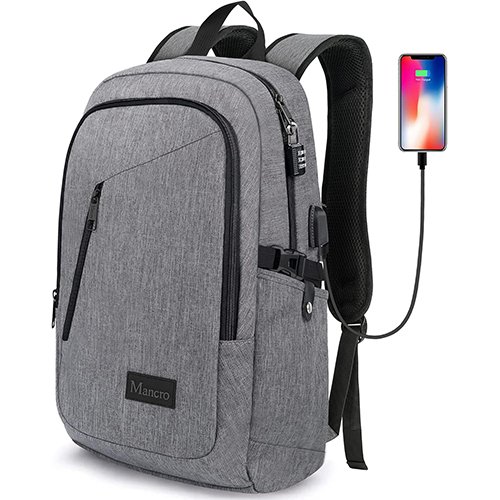
Commuter laptop backpacks should look clean, light, and professional. The main structure usually focuses on a padded laptop sleeve, a document pocket, a quick front pocket, a bottle pocket, and comfortable shoulder straps. Jundong can review body thickness, fabric stiffness, back panel, zipper movement, and logo scale, so the backpack suits office use without looking too formal or too casual.
Business Travel Backpacks
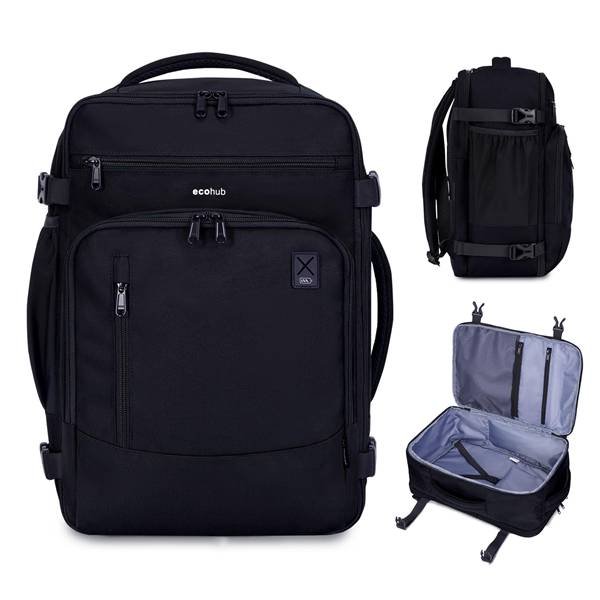
Business travel backpacks need stronger support for movement. A trolley sleeve, hidden back pocket, quick passport pocket, laptop compartment, tablet sleeve, and short-trip clothing space can make airport and hotel use easier. Jundong reviews capacity, opening direction, handle strength, packing depth, back support, and outer size before the first sample is approved.
Tech Organizer Backpacks
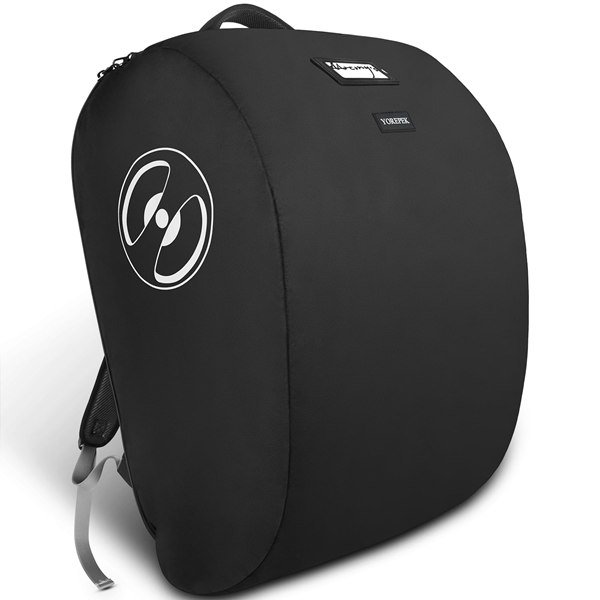
Tech organizer backpacks are built for laptops, tablets, chargers, cables, mice, SSDs, power banks, and small device accessories. The design should keep each item easy to find and protected from friction. Jundong can review inner dividers, mesh pockets, elastic loops, soft lining, accessory pouch compatibility, and cable storage logic before sample cutting.
Anti-Theft Laptop Backpacks

Anti-theft laptop backpacks need cleaner outer panels, hidden openings, and secure storage. They may include a back zipper pocket, a rear-access laptop compartment, hidden side pockets, RFID-style card areas, or lock-friendly zipper pulls. Jundong reviews access direction, comfort, zipper placement, pocket depth, and outer appearance so that protection does not make the bag hard to use.
Carry-On Laptop Backpacks
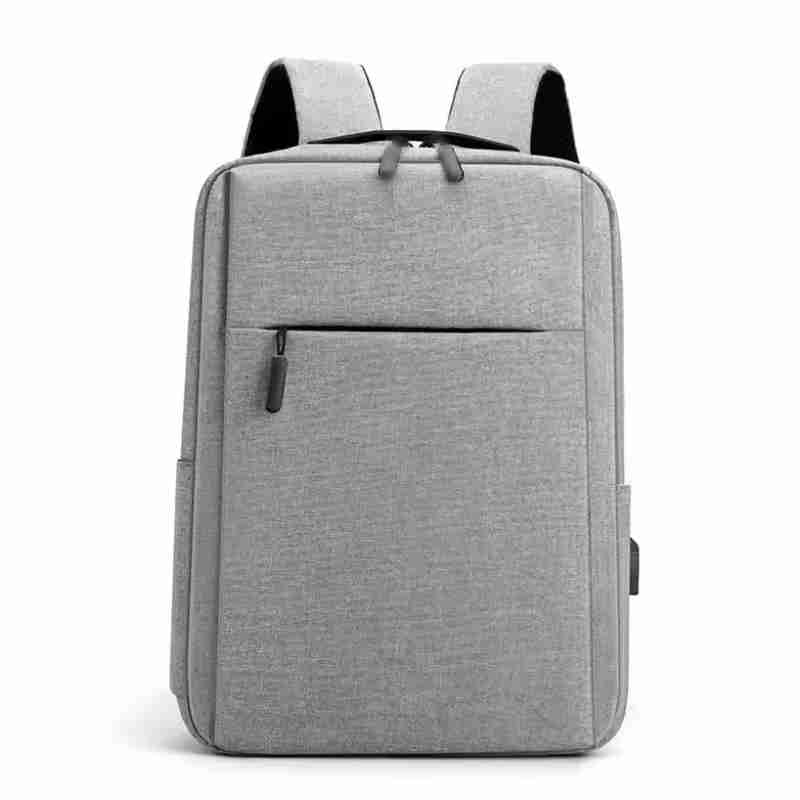
Carry-on laptop backpacks should balance electronics and short-trip packing. A strong style may include laptop protection, a travel document pocket, a clothing section, a bottle pocket, a trolley sleeve, and a quick-access zone. Jundong reviews outer size, body depth, shoulder comfort, zipper route, packing volume, and product weight, so the backpack feels useful for business travel and weekend trips.
Corporate Laptop Backpacks
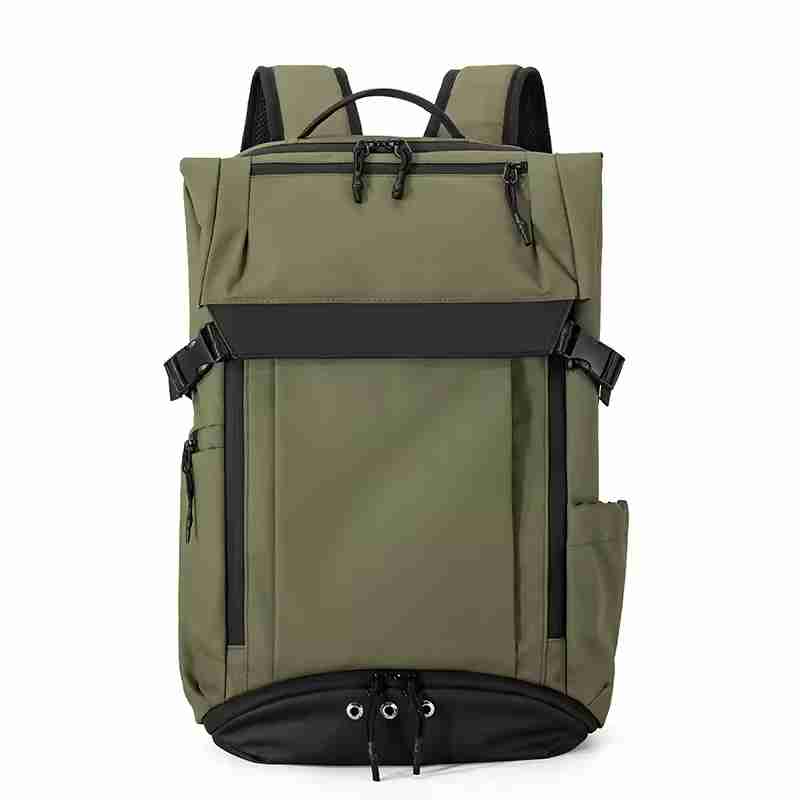
Corporate laptop backpacks are often used for staff gear, conference gifts, onboarding kits, dealer programs, or executive events. They need stable quality, clear logo placement, suitable material, and efficient packing. Jundong reviews embroidery, heat transfer, woven label, hangtag, individual packing, carton mark, and bulk detail records before production.
Protect The Device Before Adding More Pockets
Device Size Fit
Laptop fit should be reviewed against the actual device size, not just a general label such as “15 inch.” A 15.6-inch office laptop, a 16-inch creative laptop, and a 17-inch gaming laptop may need different sleeve widths, heights, and opening spaces. Jundong can review 13-inch, 14-inch, 15.6-inch, 16-inch, and 17-inch layouts based on target use.
Suspended Bottom Padding
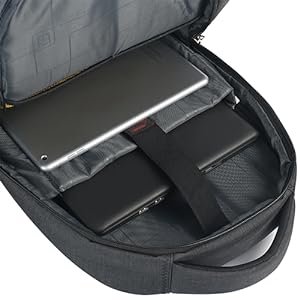
A stronger laptop compartment often needs a raised or padded bottom so the device does not sit directly on the floor’s impact zone. The bottom buffer can be adjusted by foam thickness, sleeve height, bottom panel structure, and body depth. Jundong reviews whether the device needs a suspended design before the pattern is finalized.
Anti-Scratch Inner Layer
The inside of the laptop area should feel smooth and protective. Rough lining, hard seams, exposed zipper edges, or sharp trim can create a scratch risk. Jundong checks the lining material, divider softness, seam position, and zipper path before sample confirmation, especially for tech brands that care about device experience.
Tablet And Accessory Separation
Laptops, tablets, chargers, and small device accessories should not fight for the same space. A tablet layer can sit in front of the laptop sleeve. Charger and mouse pockets can stay in a separate zone. Cable loops or mesh pockets can keep small items visible. Clear separation improves use without making the whole backpack bulky.
Protection Without Overbuilding
Better protection does not always mean thicker everywhere. Too much foam can increase weight, reduce inner space, and make the backpack look heavy. Jundong reviews foam placement, density, and thickness by use scene so protection works where it matters most: laptop sleeve, bottom, shoulder straps, and back panel.
Impact And Pressure Zones
Protection should also be checked when the backpack is fully loaded, not only when the laptop sleeve is empty. A laptop may receive pressure from books, chargers, water bottles, tight front panels, or a compressed main compartment during daily use. Jundong reviews corner zones, bottom compression, side squeeze, zipper clearance, and panel tension so the laptop area can protect the device
Give Every Device A Clear Place
A laptop backpack for work, travel, and tech brands should not feel like one large empty space. Good compartment design helps users find devices faster, protect electronics better, and keep daily items separated. Jundong reviews the inner layout by real care habits before sample making.
Laptop And Tablet Zones
The laptop sleeve should hold the main device securely, while the tablet sleeve should sit in a separate soft layer. When both devices share the same space, they may rub against each other or make the bag harder to organize. Jundong can review sleeve height, divider softness, opening direction, and access angle based on the target device size.
Charger And Cable Storage
Chargers, adapters, and cables are small, but they create clutter quickly. A clean tech backpack may need mesh pockets, elastic loops, zipper pockets, or a separate organizer area. The goal is not to add as many pockets as possible. The goal is to keep power accessories easy to find without making the bag thick and heavy.
Work Item Separation
A work backpack often carries a notebook, documents, a pen, a badge, keys, a wallet, glasses, and a water bottle, together with electronics. Jundong reviews front pocket depth, side pocket tension, inner flat pocket, and quick-access areas to keep daily items easy to reach while protecting the laptop area.
Travel Access Planning
Travel use changes the inner layout. Passport, boarding pass, power bank, headphones, and small personal items should be reachable without opening the whole bag. A hidden back pocket, top pocket, side access, or front admin panel can improve airport and hotel movement. Access should feel natural when the backpack is on a luggage handle or carried on one shoulder.
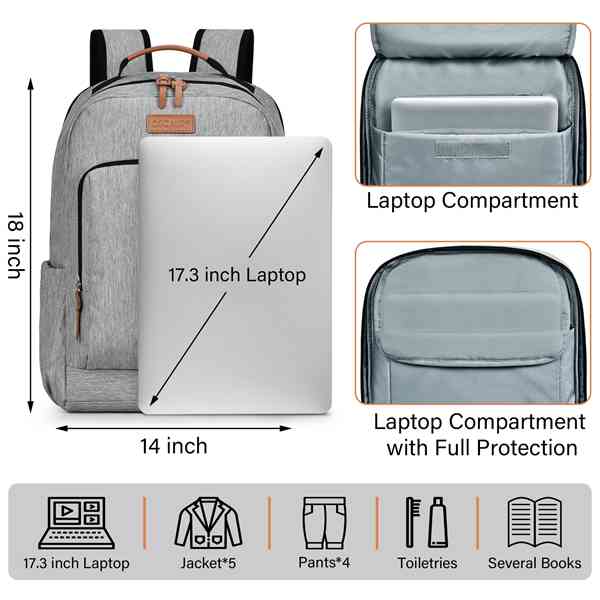
Avoiding Over-Complication
Too many pockets can increase cost, weight, and confusion. A smarter layout uses fewer zones, but each zone has a clear job. Before sampling, Jundong checks which pockets truly improve use, which pockets can be simplified, and which compartments should stay flexible for different laptop backpack programs.
Make One Backpack Work Across Office And Travel
Work and travel often overlap. A laptop backpack may go from home to the office, from a meeting room to an airport, or from a flight to a hotel check-in desk. Jundong reviews the structure details that help the same backpack feel professional, organized, and travel-ready.
Professional Outer Shape
Work laptop backpacks need a clean outer profile. The front panel should not look too busy, and the logo should match the brand tone. Fabric stiffness, body thickness, zipper path, front pocket shape, and handle design all affect the professional feeling. Jundong can review these details before sampling, so the backpack works for office wear, meetings, and daily commutes.
Trolley Sleeve Support
Business travel often needs a trolley sleeve. The sleeve should hold the backpack securely on luggage without twisting, sagging, or blocking important pockets. Jundong reviews sleeve width, sewing strength, position, back panel thickness, and overall balance. A well-placed sleeve makes airport movement easier while keeping the backpack clean enough for work use.
Quick Access Areas
Quick access is important for a phone, passport, wallet, badge, earbuds, pen, key, and boarding pass. A front pocket, side pocket, top pocket, or hidden back pocket can reduce repeated opening of the main compartment. Jundong reviews pocket depth, zipper angle, and one-hand access to keep daily and travel items easy to reach.
Short-Trip Capacity
Some laptop backpacks need light clothing space for one-night or two-day trips. A travel version may include a wider main compartment, a clamshell opening, or a separated packing area. Jundong reviews body depth, zipper route, fabric strength, shoulder load, and packing volume, so the backpack carries more without losing laptop protection.
Design Comfort Around Real Weight
Laptop backpacks carry more than a computer. They may hold a laptop, tablet, charger, notebook, bottle, cables, headphones, and light clothing. Comfort should be planned around real weight, not empty-bag appearance. Jundong reviews shoulder straps, back panel, handle, load balance, and stress areas before bulk work begins.
Shoulder Strap Structure
Shoulder straps should match the bag size and expected load. Strap width, foam thickness, curve shape, edge binding, adjuster position, and sewing strength all affect comfort. A backpack for a 16-inch laptop and travel items needs stronger shoulder support than a slim commuter style. Jundong can review the strap structure during sample fitting.

Comfort For Different Styles
A commuter backpack, a corporate backpack, and a carry-on laptop backpack should not use the same comfort structure. Slim work styles need light support and clean lines. Travel styles need stronger back and shoulder support. Tech organizer styles need balance because small accessories can add hidden weight. Jundong reviews comfort by intended use before production.
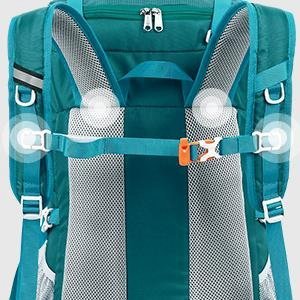
Load Balance
Laptop position changes the whole carrying feeling. If the laptop is too far from the back panel, the backpack may pull backward. If heavy items sit low without support, the bag may sag. Jundong reviews compartment order, body depth, foam support, and pocket placement to keep weight closer to the body.
Handle And Stress Zones
A loaded laptop backpack is often lifted by the top handle, pulled from a car seat, placed under a desk, or moved through airport security. The handle, shoulder strap root, side seams, bottom corners, and trolley sleeve area need careful review. Reinforcement should be placed where force happens, not only where it looks strong.

Back Panel Support
The back panel affects heat, pressure, and stability. Work backpacks may need clean padded panels. Travel styles may need breathable mesh, raised padding, or a firmer structure. A soft back panel feels comfortable at first but may collapse when loaded. Jundong checks foam placement, fabric softness, and body support before sample approval.

Movement Comfort Check
Comfort should also be reviewed while the backpack is being worn and moved. A laptop backpack may feel acceptable when standing still, but shoulder slipping, back pressure, handle pulling, or bottom swinging can appear during walking, commuting, stairs, or airport movement. Jundong checks strap angle, back contact, side stability, chest fit if needed, and loaded movement before sample approval, so the backpack feels stable in real daily use.

Match Materials With Protection, Shape And Carry Use
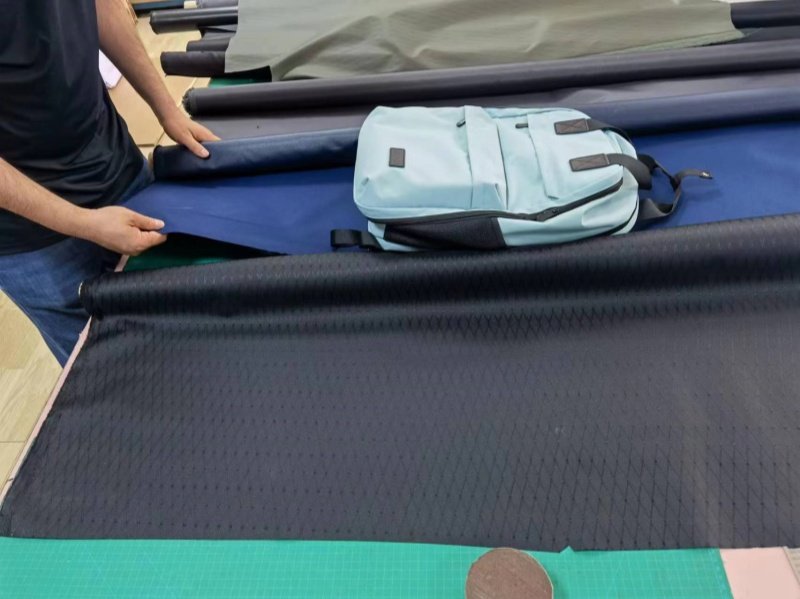
Laptop backpack materials should be selected based on structure, device protection, outer shape, comfort, logo method, and order plan. A fabric that works for a light commuter bag may not fit a 17-inch travel backpack. Jundong reviews the shell fabric, lining, mesh, foam, and trim together before sample cutting.


| Material / Component | Best Use | Product Feel | Review Before Sampling |
|---|---|---|---|
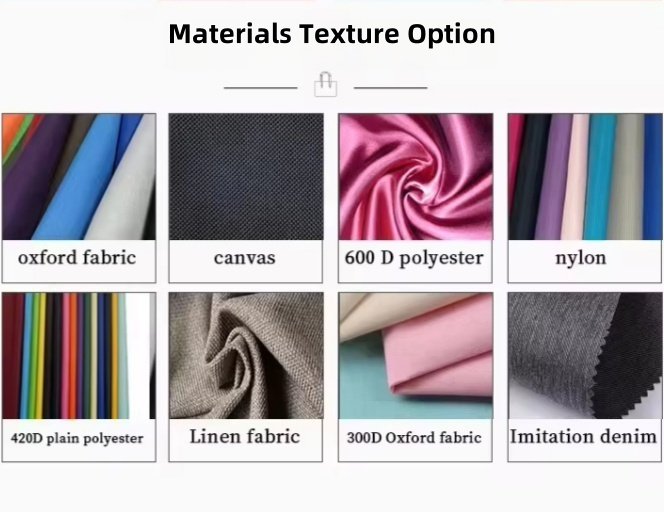
| 210D / 420D Polyester | Light office backpacks, corporate kits, daily carry styles | Clean, stable, cost-controlled | Check fabric weight, color, coating, and wrinkle level |
| 600D Polyester Oxford | Work backpacks, school-tech programs, standard laptop styles | Durable, structured, widely used | Review abrasion feel, coating, sewing tension, and logo result |
| 840D / 1000D Nylon | Premium commuter and travel laptop backpacks | Smooth, strong, refined | Check denier, surface finish, water-repellent treatment, and hand feel |
| 1680D Oxford | Heavy-duty travel, tech gear, and high-load backpack programs | Strong, firm, protective | Review thickness, weight, needle tension, and edge finishing |
| RPET Fabric | Sustainable work, travel, and lifestyle laptop backpack lines | Modern, responsible, retail-ready | Confirm material document needs, color availability, and logo compatibility |
| Canvas | Casual work, campus-tech, and relaxed lifestyle styles | Natural, warm, less technical | Check shrinkage, fading risk, lining match, and logo method |
| PU Details | Front panel, puller, trim, bottom panel, or logo patch | More polished and premium-looking | Review peeling risk, edge finish, color match, and scratch marks |
| Mesh Fabric | Back panel, shoulder strap, and bottle pocket | Breathable, soft, comfort-focused | Check stretch, softness, tension, and long-term shape recovery |
| Foam Padding | Laptop sleeve, shoulder strap, back panel, and bottom area | Protective, cushioned, structured | Review thickness, density, rebound, and placement |
| Lining Fabric | Laptop sleeve, main compartment, and accessory pockets | Smooth, protective, organized | Check anti-scratch feel, color, seam strength, and pocket function |
A work laptop backpack often needs a clean outer fabric, a smooth zipper, soft lining, and a stable body shape. A travel version may need stronger nylon or Oxford fabric, thicker shoulder support, and more durable lining. A tech accessory backpack may need softer dividers, clear pockets, and better scratch control around the device area.
A stronger material is not always the best choice. Heavy fabric can make the backpack feel more durable, but it may also increase weight and reduce comfort. Jundong reviews the full material system so the backpack can protect devices, hold shape, look professional, and remain suitable for the planned quantity and packing method.
Use Trims That Match Daily Movement
Laptop backpacks are opened, lifted, adjusted, and packed many times every day. Zippers, buckles, webbing, foam, handles, and reinforced parts should match the real load and use scene. Jundong reviews trim choices before the sample moves forward.
Zipper System
A laptop backpack may use different zippers for the laptop compartment, main compartment, front pocket, side pocket, and hidden pocket. Each position needs the right zipper strength, pull feel, and opening route. A smooth zipper makes the backpack feel more refined, while a weak zipper can damage the whole product experience.
Webbing And Buckles
Webbing and buckles control shoulder adjustment, chest straps, side compression, and luggage attachment. If the webbing is too soft, it may twist. If buckles are too light, the backpack may feel less reliable. Jundong reviews webbing width, edge feel, adjuster movement, buckle strength, and color matching before production.
Foam And Padding
Foam is used for laptop protection, back support, shoulder comfort, and body structure. Different areas need different foam thickness and density. A laptop sleeve may need a firmer protective layer, while shoulder straps need comfortable rebound. Jundong reviews foam placement carefully to avoid extra weight without losing protection.
Reinforced Stress Areas
The strongest-looking part is not always the part that needs reinforcement. Real stress appears at the shoulder strap roots, handles, side seams, bottom corners, trolley sleeve edges, and zipper turns. Jundong reviews these areas during sample checking, so reinforcement is placed where daily force happens.
Keep tech branding clean and professional
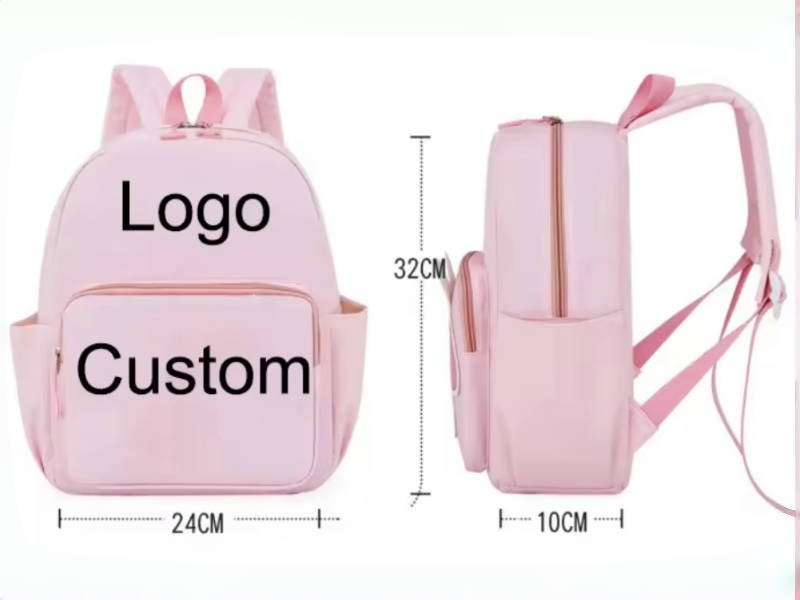
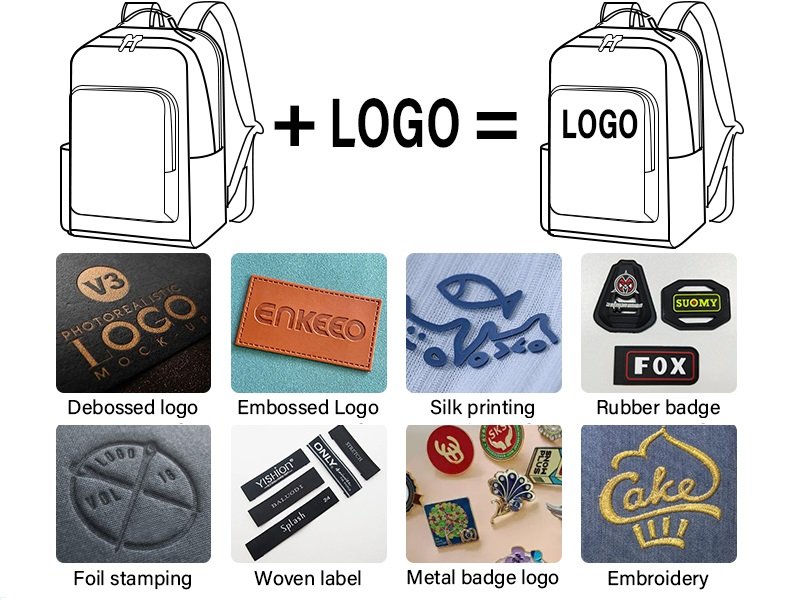
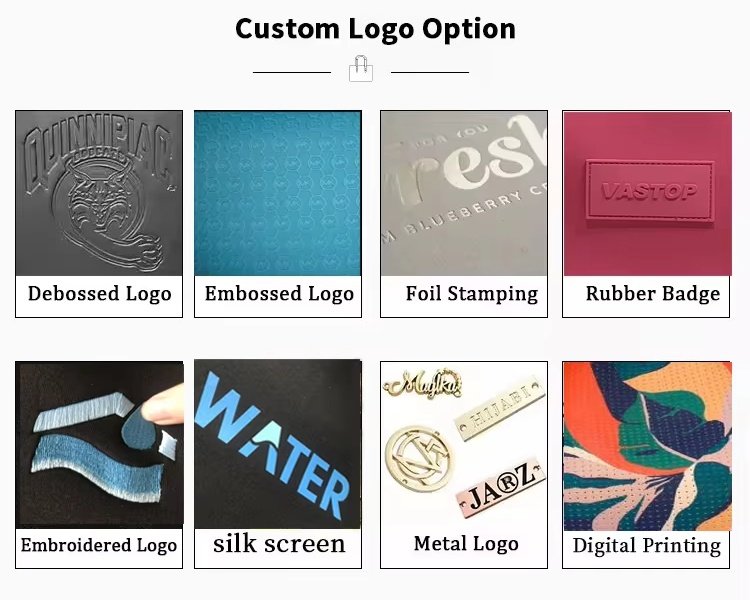
Laptop backpacks for work, travel, and tech programs often need quieter branding than promotional bags. A refined logo system may include a small front mark, woven inner label, care label, hangtag, barcode, zipper puller, packing insert, and carton rule. Jundong reviews brand details together with material, structure, and packing.

| Brand Detail | Common Options | Best Use | Review Before Production |
|---|---|---|---|
| Front Logo | Embroidery, rubber patch, heat transfer, screen print, metal plate | Main visual identity | Check size, position, color, surface match and edge quality |
| Woven Label | Inner label, side label, back label | Quiet brand identity | Confirm label size, fold type, sewing position and artwork clarity |
| Rubber Patch | Flat patch, raised patch, matte patch, soft-touch patch | Tech, travel and outdoor-inspired looks | Review mold needs, color details, thickness and placement |
| Metal Plate | Silver, black, gunmetal or brushed finish | Premium work and executive travel backpacks | Check weight, plating tone, fixing method and scratch risk |
| Zipper Puller | Standard puller, branded puller, cord puller or molded puller | Detail upgrade and easier use | Review comfort, MOQ, mold needs, color and strength |
| Care Label | Printed label or woven care label | Material and care information | Check wording, position, sewing and channel requirements |
| Hangtag | Coated paper, kraft card, luxury card or product information tag | Retail shelf, tech kit and corporate gift use | Confirm hole position, string, barcode, product story and packing match |
| Barcode / SKU Label | Sticker, FNSKU, carton mark or SKU label | Online, retail and warehouse handling | Review label position, size, scan clarity and color separation |
| Packing Insert | Thank-you card, use guide, device fit card or warranty card | Brand experience and launch programs | Check size, language, pack position and cost impact |
A work laptop backpack may look better with a small woven label or subtle rubber patch. A tech backpack may use a clean molded puller, inner label, and device-fit card. A travel backpack may need stronger hangtag information, barcode rules, and outer carton marks. The right choice depends on product position, channel, and order plan.
Too many visible decorations can make a professional backpack look noisy. Jundong helps review which logo details improve value and which details should stay inside the product or packaging.
Build A Sample That Tests More Than Appearance
A laptop backpack sample should confirm protection, comfort, storage, structure, and brand details before larger production. A clean outer shape is important, but the real value comes from testing laptop fit, padding, strap comfort, zipper movement, pocket access, logo position, and packing direction.

Step 1: Project Review
A project can begin with a reference backpack, sketch, tech pack, product photo, device size list, logo file, or existing sample. Jundong first reviews target use, laptop size, capacity, carry style, preferred material, compartment needs, label plan, packing style, quantity, and delivery schedule. For work, travel, and tech backpacks, the device list is especially useful.

Step 2: Structure Advice
After the first review, the team checks laptop compartment size, bottom buffer, tablet sleeve, charger pocket, cable zone, trolley sleeve, shoulder strap, back panel, and fabric choice. A commuter backpack may need a slimmer shape, while a travel version may need stronger fabric, a larger opening, and better load support.

Step 3: Sample Making
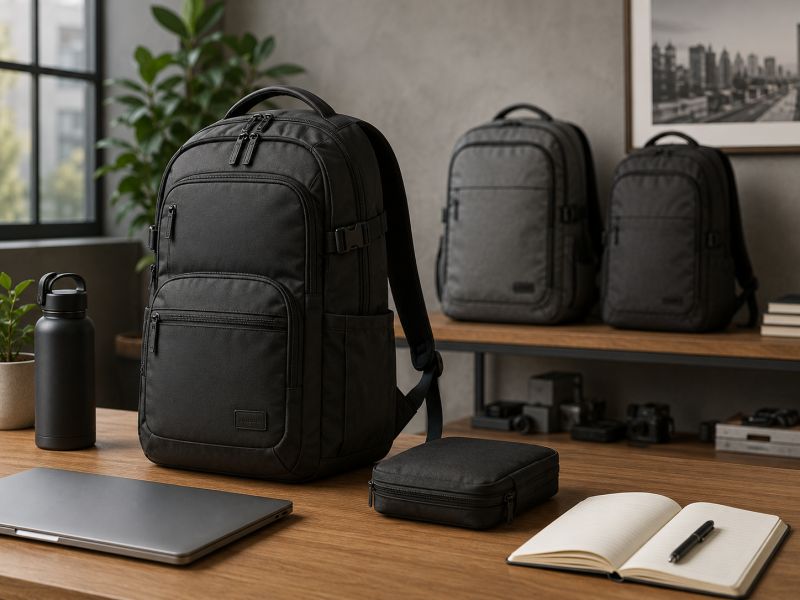
Sample making usually takes 5–7 days after main details are confirmed. More complex details, such as custom pullers, new rubber patches, printed fabric, special foam, premium packing, or multi-layer compartments, may need longer preparation. The sample should be checked with real devices and daily carry items, not only measured on a table.
Step 4: Pre-Bulk Revision
A useful sample process leaves room for adjustment. Laptop sleeve height, foam thickness, strap length, pocket depth, zipper direction, logo scale, fabric stiffness, or packing method may need refinement before approval. Once the sample is confirmed, Jundong records the approved details for production, QC, and packing.
Check The Details That Decide Daily Trust
Laptop backpacks carry valuable devices, so quality control must focus on protection, comfort, structure, and packing accuracy. Jundong checks the details that affect daily use: laptop fit, padding, zipper, straps, back panel, stitching, logo, labels, and carton preparation.
Padding And Foam
Padding affects protection and shape. Jundong checks foam thickness, density, rebound, bottom placement, and side support. Too little foam weakens protection, while too much foam can add weight and reduce inner space. The right foam should protect the laptop area, support the back panel, and keep the backpack comfortable when loaded.
Laptop Fit
The laptop sleeve should match the target device size without being too tight or too loose. Jundong checks sleeve width, height, opening angle, closure method, and tolerance. For 13–17 inch laptop layouts, fit should be reviewed with real device dimensions or dummy references, especially when the same backpack version needs to support several laptop sizes.
Zipper Smoothness
A laptop backpack usually has several zipper routes, including a main compartment, laptop area, front pockets, and hidden pockets. Jundong checks zipper movement, slider strength, puller attachment, tape color, and curved areas. Smooth zipper movement makes the product feel more refined and reduces complaints during daily office and travel use.
Shoulder Strap Strength
Shoulder straps carry the main load, so strength and comfort must be checked together. Jundong reviews strap root stitching, foam thickness, webbing width, adjuster movement, and strap symmetry. A loaded backpack should not feel unstable; twist the straps or pull heavily on one side during normal use.
Back Panel Comfort
Back panel quality affects carrying feel, heat, and product shape. Jundong checks foam position, mesh softness, stitch line, pressure areas, and body support. A soft back panel may feel good when empty, but it should still support the bag when a laptop, charger, bottle, and documents are inside.
Sewing And Reinforcement
Sewing quality decides durability and appearance. Jundong checks stitch density, seam alignment, edge binding, thread trimming, handle root, bottom corners, side seams and trolley sleeve stitching. Reinforcement should be placed in real stress areas, especially for travel backpacks and corporate backpack programs with repeated daily use.
Logos and Labels
Logo and label accuracy affects brand presentation. Jundong checks logo position, size, color, embroidery density, print edge, rubber patch placement, woven label, care label, hangtag, and barcode. A small position error is easy to notice on a clean laptop backpack front panel, so approved placement should be followed carefully.
Packing Accuracy
Packing should protect the backpack and support warehouse or retail handling. Jundong checks the individual bag, hangtag, insert card, SKU label, carton mark, carton strength, and packing count. For multi-color or corporate kit orders, packing separation should be checked before shipment arrangement, not after cartons are sealed.
Laptop Backpacks For Store, Online And Corporate Use
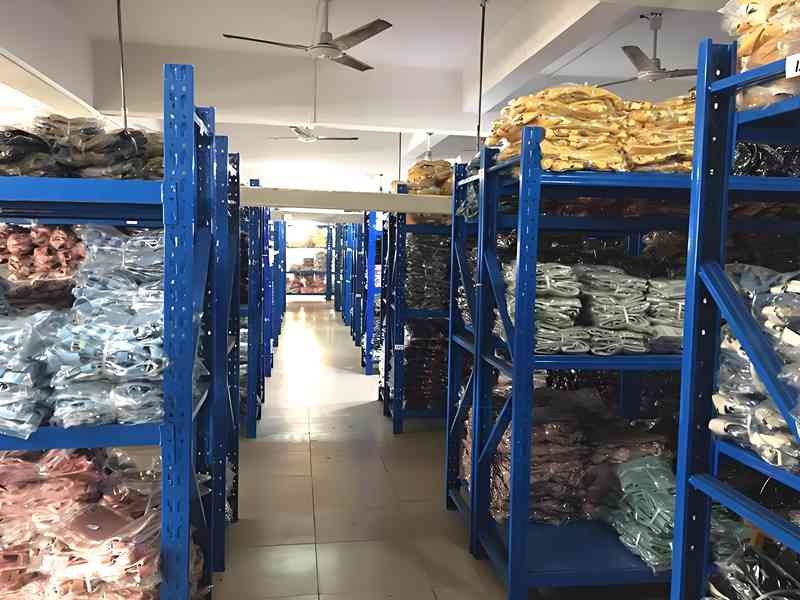
A laptop backpack can leave the factory as a loose product or as a channel-ready brand item. For work, travel, and tech programs, packing should protect the backpack shape, keep labels accurate, support warehouse handling, and make the product easier to present.


Retail Packing
Retail laptop backpacks need clean presentation and clear product information. Packing should protect the surface, keep the shoulder straps organized, and show the hangtag, barcode, or product card clearly. Jundong can review the individual bag, hangtag, care label, barcode sticker, carton mark, and outer carton strength before production begins.
For premium work and travel backpacks, the packing style should match the product price level. A structured commuter backpack may need shape protection during packing. A tech-style backpack may need a device-fit card or feature card. A travel backpack may need hangtag information showing a trolley sleeve, laptop size, and compartment structure.
Online Packing
Online programs need packing that protects the backpack during storage and shipping. The bag should be folded or shaped carefully, with zipper pulls protected and straps controlled. Jundong can review individual polybags, warning labels, SKU stickers, barcodes, FNSKU needs, carton sizes, carton marks, and mixed-color packing rules.
Packing accuracy is especially important when several colors, sizes, or versions ship together. A wrong sticker or unclear carton mark can slow warehouse intake. Clear SKU grouping helps repeat orders, seasonal color updates, and online listings stay easier to manage.
Corporate Kit Packing
Corporate programs often need laptop backpacks for employee gear, conference gifts, onboarding kits, dealer programs, or tech launch events. Packing may include an inner label, a front logo, an insert card, a document sleeve, an accessory pouch, or a matching tech organizer.
A 500-piece staff backpack order may use simple individual packing with a logo and hangtag. A 1,500-piece tech event program may need a backpack plus cable organizer packing. A 3,000-piece corporate kit may need stronger carton separation, insert cards, and clearer delivery batches. Jundong can review the packing level based on quantity, event date, destination, and product mix.
Plan Quantity, Cost, and Timing Before Sample Approval
The laptop backpack cost is shaped by more than fabric. Device protection, foam padding, zipper level, shoulder strap structure, back panel, compartment count, logo method, labels, packing, and order quantity all affect the final plan. Jundong reviews these details together before sample approval.
MOQ Planning
For many custom laptop backpack programs, the standard MOQ usually starts from 500 pcs per design. Simple structures with available fabrics may be reviewed at 200–300 pcs., case by case. More complex styles, special colors, custom zipper pullers, molded patches, printed fabric, thick foam systems, multiple compartments, or premium packing may need 1,000 pcs or more for stable production.
Quantity should match the launch purpose. A 500-piece single-color work backpack order can test product fit and packing methods. A 1,500-piece program across three colors can support a stronger retail or online launch. A 3,000-piece corporate kit can justify more detailed packing separation and brand insert planning.
Cost Factors
Cost changes quickly when a laptop backpack moves from a simple office style to a travel-ready or tech-focused structure. Stronger fabric, a better zipper, thicker foam, a trolley sleeve, an anti-theft pocket, a separate tablet layer, a charger pocket, a rubber patch, a custom puller, or gift packing can all affect price.
Cost control should protect the product role. Removing the wrong detail may save money but damage the product. For example, reducing foam in the laptop sleeve may lower cost, but it can weaken device protection. A cleaner outer design with better padding and zipper quality often feels more valuable than too many decorative details.
Sample And Bulk Time
After main details are confirmed, sample making usually takes 5–7 days. Simple office backpack structures may move faster. Special foam, custom hardware, new patches, printed panels, complex compartments, or upgraded packing may need more preparation.
After sample approval and material readiness, bulk production usually takes about 20–30 days. Exact timing depends on structure, material sourcing, quantity, packing method, and shipping plan. For large retail or corporate programs, confirming packing rules early helps avoid delays near shipment.
Development Scenario
A tech accessory brand may begin with 500 pcs. of a black 15.6-inch laptop backpack to test device fit, charger storage, and online packing. After approval, the next order may expand to 1,500 pcs across black, grey, and navy, using the same laptop sleeve, zipper system, and label plan. A later corporate project may grow to 3,000 pcs with insert cards and tech organizer pouches. This staged plan keeps development controlled while allowing the backpack line to grow.
Make a sample first ?
A useful laptop backpack should do more than carry a device. It should match the people who will use it, the way they move through work and travel, the accessories they carry every day, and the brand image they need to present. When laptop size, protection, pocket layout, comfort, materials, and packing details are reviewed early, the whole project becomes easier to sample, refine, produce, inspect, and deliver.
Client Testimonials
800+ brand Clients Trust Jundong


Questions Brand Teams Ask Before Developing Laptop Backpacks
Before a laptop backpack moves into sampling, brand teams usually want clarity on device fit, protection, materials, comfort, tech storage, logo, packing, MOQ, and timing. These FAQs help define the project before artwork, materials, and samples move forward.

Can Jundong develop laptop backpacks from a reference sample?
Certainly—Jundong can develop laptop backpacks from a reference sample, product photo, sketch, tech pack, device size list, or product idea. The first review usually covers laptop size, backpack dimensions, material direction, compartment structure, shoulder strap, back panel, logo method, packing needs, quantity, and delivery schedule.
A complete tech pack is helpful, but not always required at the first stage. If a brand team has an existing sample, photos of the front, back, side, inside, laptop compartment, and shoulder strap area will help Jundong review the structure more accurately before sampling.
What laptop sizes can be reviewed for backpack design?
Sure—Jundong can review laptop backpack layouts for common 13-inch, 14-inch, 15.6-inch, 16-inch, and 17-inch device needs. The right laptop compartment should be based on real device dimensions, sleeve height, opening direction, padding thickness, and bottom protection.
A “15-inch laptop backpack” label alone is not enough. A slim office laptop, a 16-inch creative laptop, and a 17-inch gaming laptop may need different sleeve widths, depth, and access space. Sending device dimensions or a target device list helps avoid a laptop pocket that is too loose, too tight, or too shallow.
How should a laptop compartment be protected?
Definitely—a stronger laptop compartment should include a suitable sleeve size, soft lining, foam padding, and a bottom buffer. For better protection, the laptop should not sit directly on the bottom impact area of the backpack.
Jundong can review the raised-bottom structure, foam thickness, divider softness, zipper route, and inner lining material before sample approval. Protection should be placed where it matters most: sleeve sides, back panel sides, bottom areas, and areas near the zipper opening. More foam everywhere is not always better, because too much foam can increase weight and reduce usable space.
Which materials work best for work and travel laptop backpacks?
Of course, polyester Oxford, nylon, 1680D Oxford, RPET, canvas, PU trim, mesh, lining fabric, and foam padding can all be used depending on product direction. Work backpacks often need a clean, structured outer fabric. Travel laptop backpacks may need stronger fabric, better zipper movement, and more durable lining.
For premium commuter or travel styles, 840D or 1000D nylon can create a smoother and stronger feel. For standard work programs, 600D polyester oxford is widely used. RPET supports sustainability-driven projects. Mesh and foam should be reviewed carefully for back-panel and shoulder comfort.
Can Jundong add a trolley sleeve, an anti-theft pocket, and tech compartments?
Absolutely—Jundong can review the trolley sleeve, anti-theft back pocket, tablet sleeve, charger pocket, cable loops, mesh pocket, bottle pocket, and quick-access sections based on the intended use. These details should be planned before sampling, not added randomly after the backpack shape is fixed.
For business travel, a trolley sleeve and passport pocket may be useful. For tech brands, tablet and charger zones may matter more. For a work commute, clean front access and document storage may be enough. Jundong helps keep the structure useful without making the backpack too heavy or complicated.
Can Jundong support logos, labels, and private label packing?
Certainly—Jundong can support a front logo, rubber patch, embroidery, heat transfer, metal plate, woven label, care label, hangtag, barcode sticker, packing insert, individual bag, and carton mark. The right branding system should match the material, product role, and sales channel.
For work and tech backpacks, subtle branding often looks more refined than oversized decoration. A small rubber patch, a clean woven label, a branded puller, or an inner label can make the product feel more professional. Packing details can also support retail, online programs, corporate kits, and repeat orders.
What is the usual MOQ for custom laptop backpacks?
Sure, many custom laptop backpack projects usually start from 500 pcs per design. Simple structures with available fabric and standard trims may be reviewed at 200–300 pcs, case by case. Complex structures, special colors, custom zipper pullers, molded patches, printed panels, multi-layer compartments, or premium packing may require 1,000 pcs or more.
MOQ is linked to material sourcing, cutting efficiency, trim preparation, logo setup, and packing rules. For serious work, travel, or tech programs, Jundong recommends reviewing quantity together with material, structure, logo, and packing plan so the first order can scale more smoothly later.
How long does laptop backpack sampling usually take?
Definitely — standard laptop backpack sampling usually takes 5–7 days after key details are confirmed. Simple commuter styles may move faster. Complex travel structures, special foam, custom pullers, molded patches, printed panels, upgraded packing, or multi-layer tech storage may need more preparation time.
A useful sample should be checked with real devices and daily carry items. Laptop fit, shoulder comfort, zipper movement, back panel support, pocket access, logo position, and packing method should all be reviewed. Clear sample feedback helps revisions move faster and reduces risk before larger production.
How does Jundong control sample-to-bulk consistency?
Of course, Jundong records approved sample details before bulk production, including fabric, color, laptop compartment, foam, zipper, shoulder strap, back panel, logo, labels, and packing rules. These records guide production and inspection.
Laptop backpacks contain many parts, so small changes can affect the whole product. A softer foam, a different zipper route, shorter sleeves, or lighter webbing can change protection and comfort. Jundong checks key details through material review, sample confirmation, production checking, finished product inspection, and packing review, so the final goods follow the approved direction more closely.
What should we send for a laptop backpack quote?
Absolutely—the fastest way to receive a useful quote is to send reference photos, target laptop size, backpack dimensions, material ideas, compartment needs, logo files, label needs, packing style, quantity, delivery deadline, and destination. Photos of an existing sample from the front, back, side, inside, and strap area are very helpful.
For work, travel, and tech backpacks, also share the device list, expected capacity, trolley sleeve needs, anti-theft pocket needs, charger storage, target retail channel, and any testing requirements. These details help Jundong suggest a clearer structure, material, and sample plan. Files can be sent to info@jundongfactory.com when ready.