Skip to content
Laptop Backpack Customization
Develop Laptop Backpacks Around Real Usage, Not Just Appearance
A professional laptop backpack needs to protect expensive devices, organize daily essentials and represent a brand identity at the same time.
Jundong develops customized laptop backpacks by connecting user scenarios with product structure, material selection and production execution.
From business commuting and corporate programs to technology brands and retail collections, each project can be developed around:
- Laptop protection requirements from 13-inch to 16-inch devices
- Internal organization for chargers, documents, tablets and accessories
- Comfort-focused carrying structures for daily use and travel
- Materials, trims and branding details that match product positioning
- Sample validation before bulk production begins
A successful laptop backpack is not created by adding a logo to an existing style. It is developed by understanding how the product will be used, what problems it should solve and how the final design should represent the brand.

Which Laptop Backpack Programs Need Custom Development?
Technology Product Programs
Technology-focused projects usually require a backpack that matches the precision and reliability of electronic products.
The development focus is often not only external appearance but also:
- Secure laptop protection
- Dedicated accessory organization
- Clean internal layout
- Modern material appearance
- Consistent brand presentation
A technology brand may require a backpack that feels like part of its product ecosystem rather than a simple carrying accessory.
Corporate Employee & Partner Programs
Corporate programs often involve hundreds or thousands of identical units distributed to employees, partners, or event participants.
The important considerations include:
- Professional appearance
- Comfortable daily carrying
- Stable quality across quantities
- Brand color accuracy
- Efficient packing and distribution
The backpack represents the company whenever it appears in offices, airports, meetings or commuting environments.
Business Lifestyle Collections
Retail-oriented brands usually require stronger product differentiation.
A successful business backpack collection may need:
- Unique silhouette
- Premium fabric selection
- Better pocket organization
- Refined hardware details
- Retail-ready packaging
The goal is not only carrying a laptop, but creating a product users choose repeatedly because of design and function.
Education & Institutional Projects
Schools, universities, and training programs often need durable laptop backpacks designed for long-term daily use.
Important development factors include:
- Strong structural durability
- Comfortable carrying weight
- Practical storage layout
- Easy identification through branding
Large-scale institutional programs require stable production consistency and clear specification control.
What Can Be Customized In A Laptop Backpack?
A complete laptop backpack customization project covers much more than fabric and logo selection.
The most important decisions usually happen around protection, organization, carrying experience and long-term product performance.

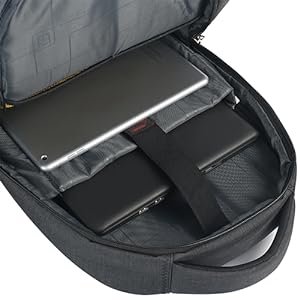
Laptop Protection Architecture
The laptop compartment is the foundation of the product.
Development should consider:
- Device size compatibility
- Padding thickness
- Corner protection
- Bottom impact protection
- Suspended laptop sleeve structure
A well-designed compartment prevents direct impact and creates a more reliable daily carrying experience.
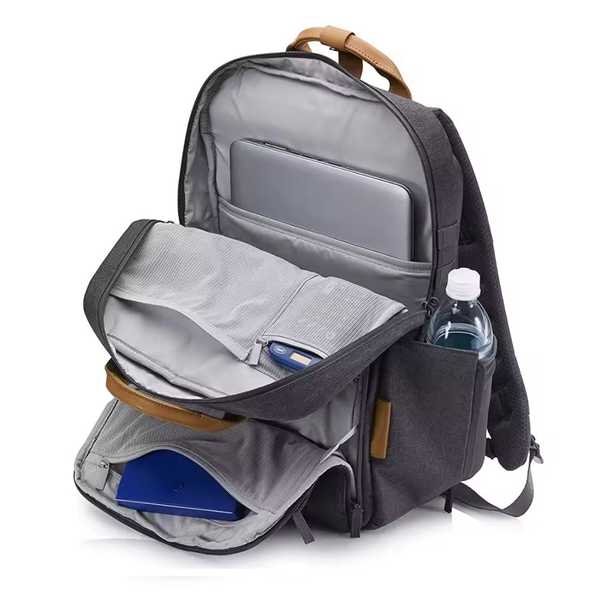
Internal Organization System
Modern professionals carry multiple devices and accessories.
A well-planned interior may include the following:
- Laptop compartment
- Tablet sleeve
- Charger storage
- Cable management
- Document section
- Small accessory pockets
The internal structure determines whether the backpack feels organized or inconvenient during daily use.
External Access Design
External pockets influence how quickly users can access frequently used items.
Possible structures include the following:
- Quick-access front pocket
- Water bottle pocket
- Hidden security pocket
- Expandable compartment
- Side organization areas
The position and size of each pocket should match actual user habits.
Carrying Comfort Structure
Laptop backpacks often carry heavier contents than ordinary backpacks.
Important details include:
- Ergonomic shoulder straps
- Breathable back panel
- Weight distribution design
- Reinforced stress areas
- Adjustable carrying system
Comfort depends on the relationship between the strap system, back panel and overall weight balance.
Travel & Business Functions
Many laptop backpack users move between office, transportation and business locations.
Useful functions include:
- Luggage trolley sleeve
- Passport pocket
- Quick document access
- Travel organizer section
- Anti-theft hidden areas
These details transform a basic laptop bag into a professional travel companion.
Brand Identity Development
Premium brands often create recognition through product details rather than only surface printing.
Possible options include:
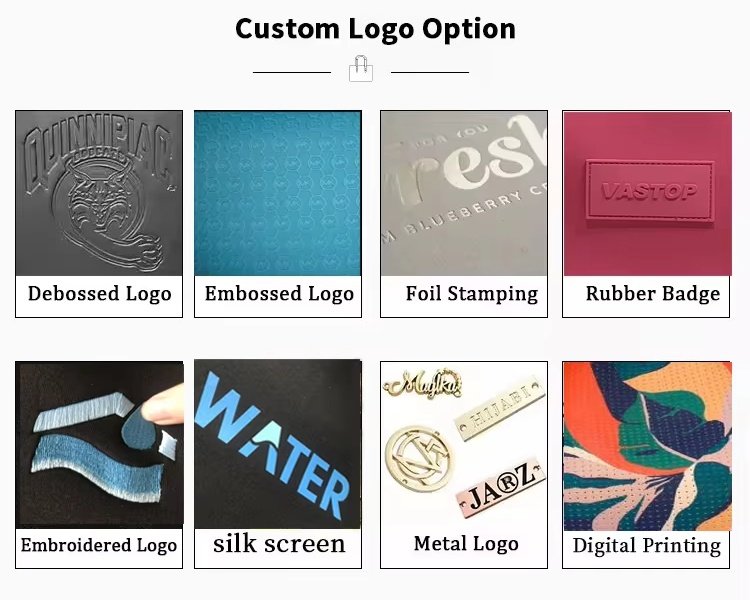
- Embroidery logo
- Rubber patch
- Woven label
- Custom zipper puller
- Metal branding details
- Special lining patterns
Small details can significantly influence the perceived value of the final product.
How Should Laptop Protection and Internal Structure Be Developed?
A laptop backpack is not simply a larger backpack with a padded pocket. The internal structure determines how devices are protected, how efficiently users organize their daily equipment, and how the product performs after long-term use.
Professional laptop backpack development starts from understanding:
- Device dimensions
- Protection requirements
- Carrying environment
- Weight distribution
- Daily storage habits
A well-developed structure balances protection, accessibility, and comfort instead of adding unnecessary layers that increase weight and reduce usability.
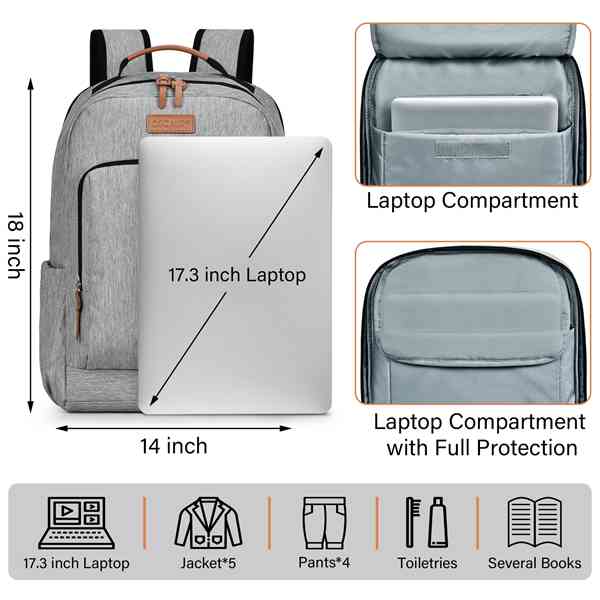
Laptop Compartment Design
The laptop compartment is the most important functional area.
Different devices require different internal solutions. A backpack designed for a lightweight 13-inch laptop does not necessarily provide the right protection for a heavier 16-inch workstation device.
Important development considerations include:
Device Size Compatibility
Common laptop sizes include:
- 13-inch
- 14-inch
- 15.6-inch
- 16-inch
The internal compartment should provide enough space for the device while preventing excessive movement during transportation.
Padding Protection System
Protection normally depends on multiple structural layers:
- Outer fabric durability
- Foam thickness
- Inner lining softness
- Compartment separation
- Bottom reinforcement
The purpose is not simply making the compartment thicker, but creating a balanced protection system.
Suspended Laptop Structure
For premium business and travel backpacks, the laptop sleeve can be designed slightly above the bottom panel.
This creates additional protection when the backpack is placed on hard surfaces and reduces direct impact transfer to the device.
Internal Organization Development
Laptop users usually carry more than one electronic device throughout the day for work, study, meetings, or frequent travel.
A professional organization system may include:
- Laptop compartment
- Tablet sleeve
- Charger pocket
- Mouse storage
- Cable organizer
- Document section
- Personal item pocket
The best internal layout depends on the user’s workflow.
A technology professional may prioritize electronic accessories.
A business traveler may need documents, passport storage, and quick-access areas.
A student may need books, chargers, and daily essentials.
The structure should follow how the backpack will be used, not simply maximize the number of pockets.
Weight Distribution And Carry Comfort
A laptop backpack often carries heavier contents than a standard backpack, especially when it holds computers, chargers, documents, accessories, and other essentials throughout a busy working day.
Poor weight distribution can create uncomfortable pressure on shoulders and backs. Balanced construction helps keep the backpack stable while walking, commuting, waiting at airports, or moving between offices and meeting rooms.
Important structural elements include:
- Shoulder strap width
- Foam thickness
- Back panel design
- Strap connection position
- Load-bearing reinforcement
For travel and business applications, comfort is not an additional feature. It is part of the overall product experience and directly influences long-term carrying comfort and daily usability.
How Should Materials Be Selected for Laptop Backpack Positions?
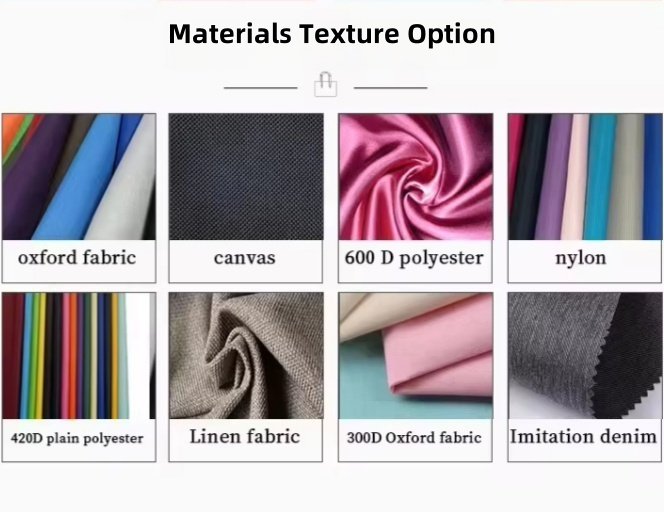
Material selection affects more than appearance. Fabric durability, weight, water resistance, touch feeling, and brand positioning all influence the final product experience.
The right material depends on the intended use rather than on choosing the most expensive option.
Polyester Laptop Backpacks

Polyester provides flexible development options for corporate programs and large-volume projects.
Advantages include:
- Stable color performance
- Wide customization options
- Practical durability
- Cost control flexibility
Suitable applications:
- Employee backpacks
- Educational projects
- Promotional programs
- Daily commuter products
The final appearance depends on fabric quality, coating treatment and construction details.
Canvas & PU Lifestyle Laptop Backpacks

Canvas and PU materials are often chosen when appearance and lifestyle positioning are important.
They can create:
- Fashion-oriented designs
- Casual business styles
- Premium retail collections
The development focus usually moves toward:
- Material texture
- Color expression
- Hardware matching
- Overall visual identity
- Practical daily use
These elements should work together while keeping the finished backpack functional, durable, and visually consistent.
Nylon Laptop Backpacks

Nylon is commonly selected for premium business and travel laptop backpacks because it offers a strong balance between durability, lightweight performance, and professional appearance.
Suitable applications:
- Executive backpacks
- Business travel backpacks
- Technology product programs
Important considerations:
- Fabric density
- Surface finish
- Water resistance treatment
- Texture consistency
Different nylon specifications create different product impressions, from technical outdoor styles to refined business designs.
RPET Sustainable Laptop Backpacks

A sustainable laptop backpack still needs to maintain:
- Device protection
- Comfortable carrying
- Clean appearance
- Reliable durability
Material selection should consider both environmental positioning and actual product performance throughout repeated daily use, travel, storage, and long-term distribution cycles.
How Does a Laptop Backpack Move From Concept to Sample?
A successful laptop backpack project requires more than selecting an existing style. The development process needs to connect user requirements, product structure, materials, and production feasibility before moving into bulk production.
A complete development process usually includes:
Concept & Requirement Review
Every project starts with understanding how the backpack will be used.
Important information includes:
- Target users
- Laptop size requirements
- Storage expectations
- Material preference
- Brand positioning
- Quantity planning
A business travel backpack and a corporate employee backpack may both carry laptops, but their structures and priorities are different.
Early clarification helps avoid unnecessary redesign after sampling begins.
Structure & Design Development
The structure determines how the final backpack performs.
Development can include:
- Compartment layout
- Pocket positioning
- Shoulder strap design
- Back panel structure
- Hardware selection
- Reinforcement areas
During this stage, appearance and function need to work together. A visually attractive design still needs to remain practical for production and daily use.
Sample Development & Evaluation
A physical sample allows the design to be evaluated beyond drawings.
The sample review should confirm:
- Overall dimensions
- Laptop compartment size
- Carrying comfort
- Material appearance
- Pocket accessibility
- Logo placement
- Construction details
Standard samples usually take around 5–7 days, while selected simple projects may be completed faster. Complex materials, special hardware or additional development requirements may require more time.
Final Approval Before Bulk Production
Before production begins, the approved sample becomes the reference for execution.
Key details should include:
- Confirmed measurements
- Approved materials
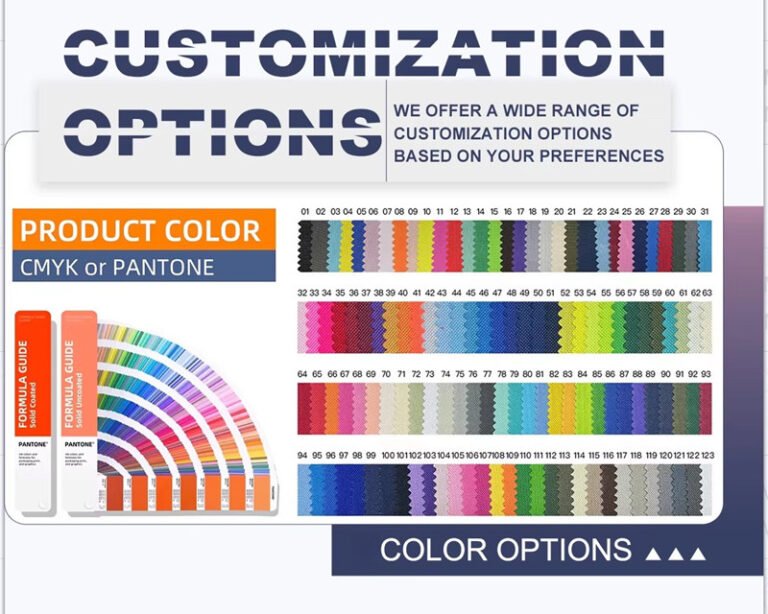
- Final colors
- Branding methods
- Accessories
- Packing requirements
A clear approval process helps maintain consistency between the first sample and the finished production quantity.
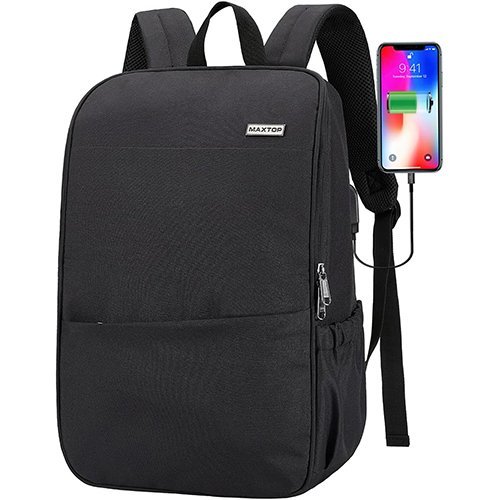
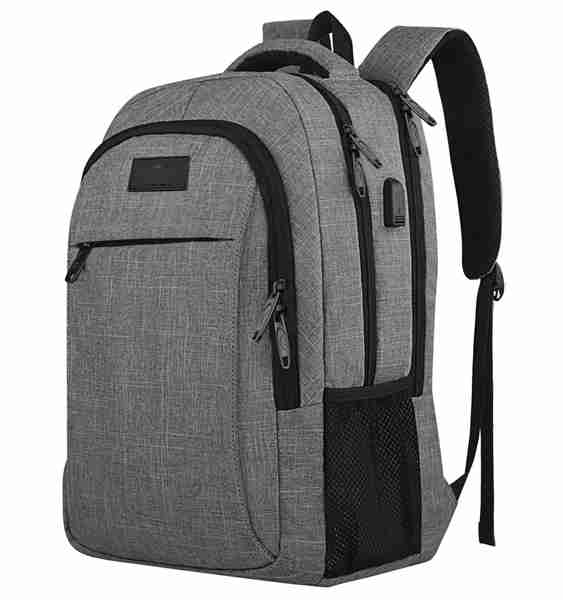
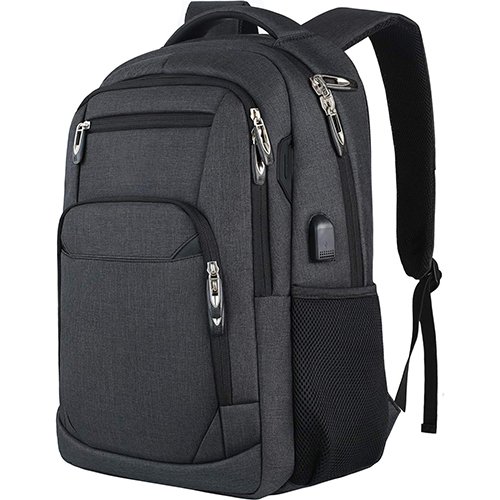
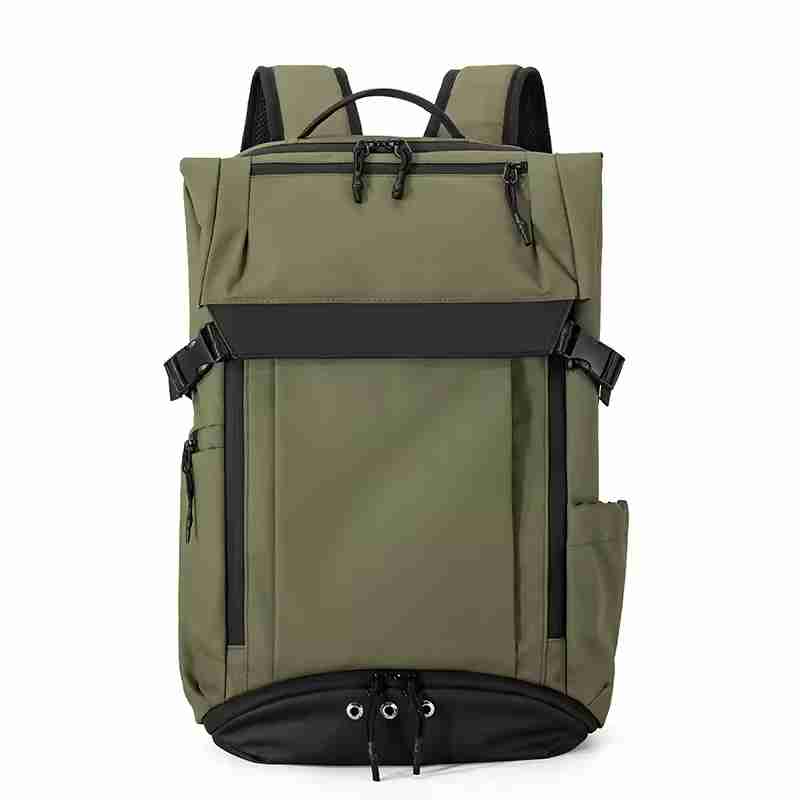
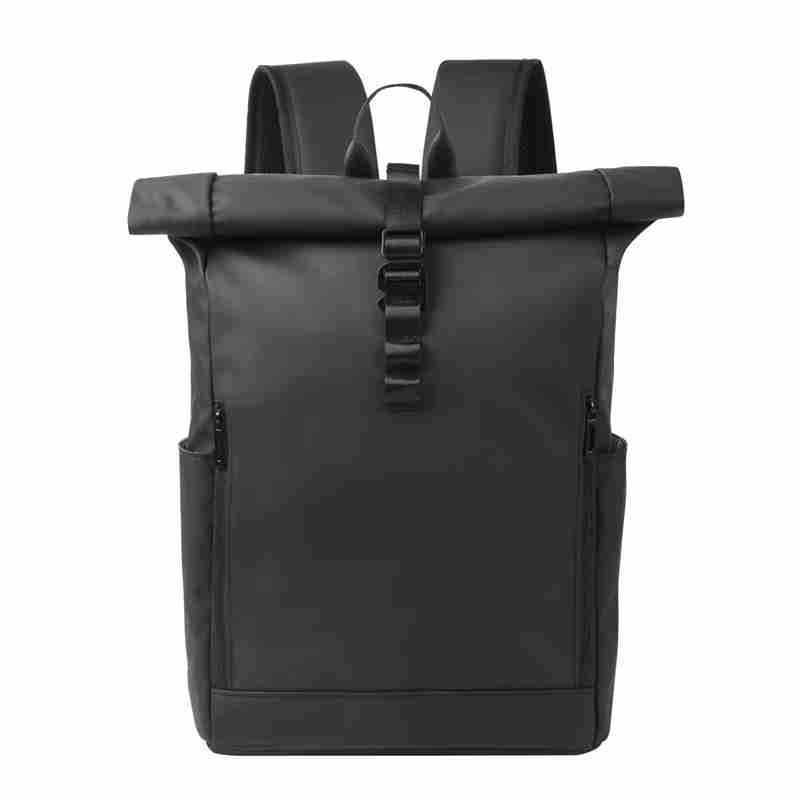
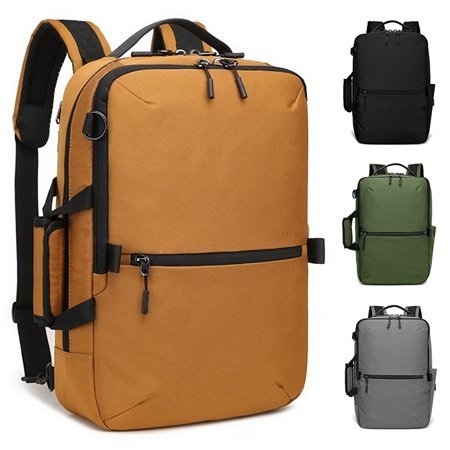
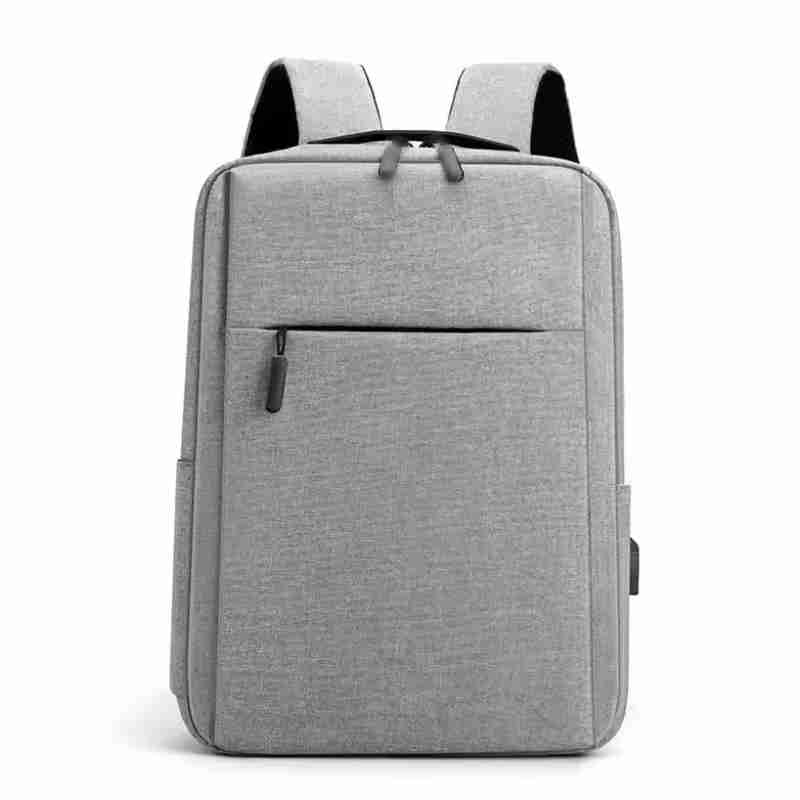
Which Laptop Backpack Style Fits Your Product Position?
Different users require different backpack structures. A professional office user, frequent traveler and retail consumer may all carry laptops, but their expectations for the product are completely different.
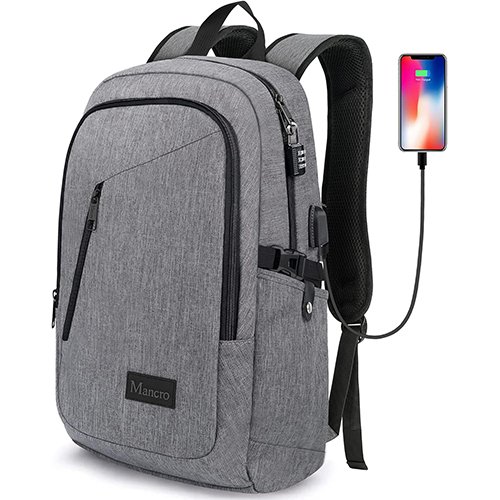
Travel Laptop Backpack

Designed for users moving between offices, airports and business destinations.
Typical features:
- Luggage trolley sleeve
- Multiple compartments
- Quick-access pockets
- Comfortable carrying system
Suitable for:
Business travelers and frequent commuters.
Tech Laptop Backpack

Designed for users carrying multiple electronic accessories.
Typical features:
- Cable management
- Accessory pockets
- Device separation
- Functional internal layout
Suitable for:
Technology brands and digital professionals.
Executive Laptop Backpack

Designed for professionals who value clean appearance and organized storage.
Typical features:
- Structured silhouette
- Premium fabric selection
- Dedicated laptop compartment
- Document organization
- Refined hardware details
Suitable for:
Corporate executives, business professionals and premium office programs.
Anti-Theft Laptop Backpack

Designed around security and protection needs.
Typical features:
- Hidden pockets
- Protected compartments
- Concealed access areas
- Reinforced structures
Suitable for:
Urban professionals and technology users.
Slim Laptop Backpack

Designed for lightweight urban use.
Typical features:
- Minimal silhouette
- Lightweight structure
- Essential device storage
Suitable for:
Office commuters and lifestyle brands.
Expandable Laptop Backpack

Designed for users who need flexible storage capacity.
Typical features:
- Expansion zipper
- Adjustable volume
- Multi-purpose compartments
Suitable for:
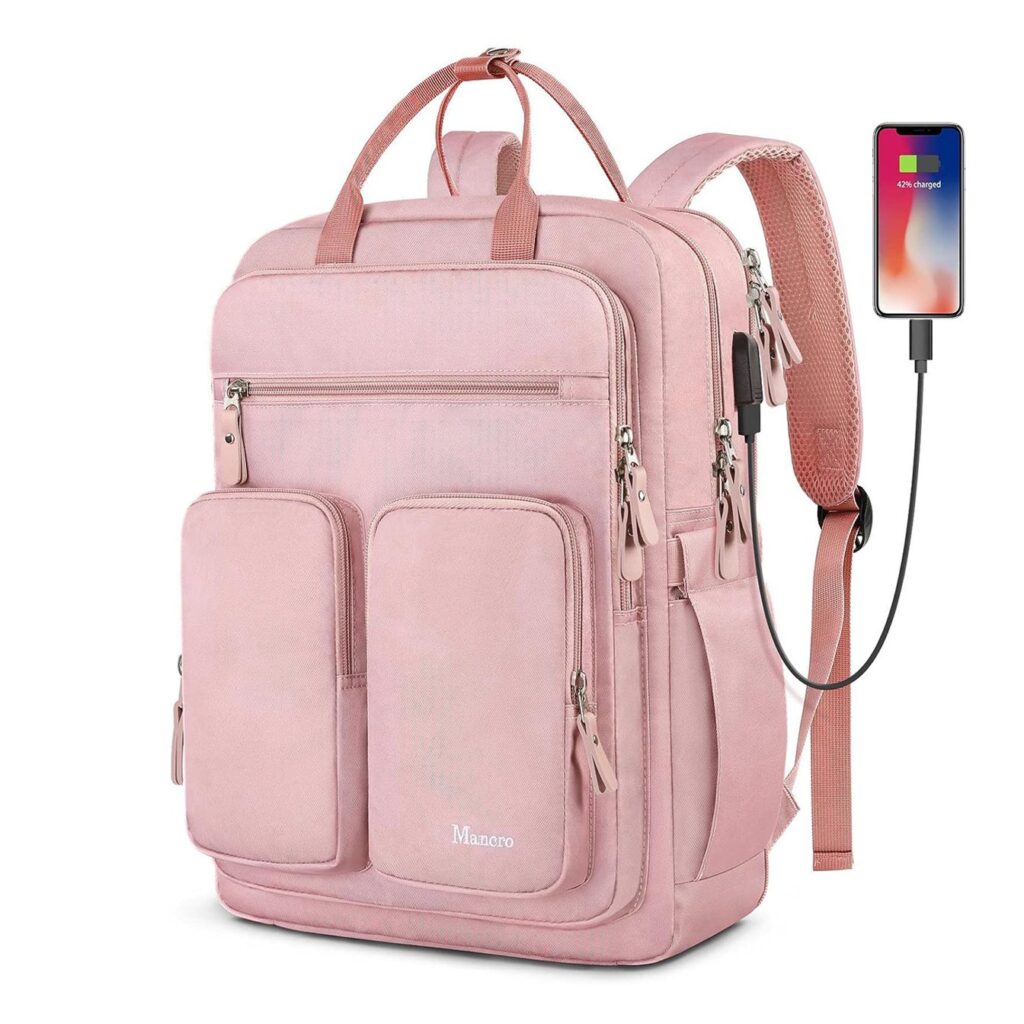
Travel, commuting and changing daily workloads.
How Is Laptop Backpack Production Planned For Bulk Orders?
Bulk production success depends on controlling each stage before problems appear. A clear production plan connects approved samples, materials, manufacturing steps, inspection and delivery preparation.
| Production Stage | Main Focus | Key Details To Control |
|---|---|---|
| Design Confirmation | Lock final specifications | Dimensions, structure, materials, colors, logo placement and accessories |
| Material Preparation | Ensure correct components are ready | Main fabric, lining, foam, zippers, webbing, hardware and labels |
| Cutting Process | Maintain accurate product shape | Pattern accuracy, fabric direction, panel matching and material utilization |
| Sewing Assembly | Build structural consistency | Stitch quality, reinforcement areas, zipper installation, strap connection |
| Functional Inspection | Verify daily-use performance | Laptop compartment, pocket access, carrying comfort and overall structure |
| Final Quality Review | Compare with approved sample | Appearance, measurements, workmanship, functions and packing |
| Packing Preparation | Support smooth delivery | Labels, cartons, quantity count and shipping marks |
For professional laptop backpack programs, production should begin only after critical specifications are confirmed.
Common risks come from:
- Changing dimensions after cutting begins
- Adjusting materials after production starts
- Updating branding details too late
- Missing packing requirements before shipment
A controlled development process reduces unnecessary changes and helps keep quality stable across larger quantities.
Jundong normally supports bulk production planning around confirmed samples, with standard production periods generally around 20–30 days, depending on structure complexity, materials and project requirements.
How Is Laptop Backpack Quality Controlled?
Laptop backpacks combine multiple materials and functional structures. Quality control should focus not only on appearance but also on protection, durability and daily-use performance.
Fabric & Material Inspection

The main fabric influences durability, appearance and overall product positioning.
Inspection focuses on:
- Fabric color consistency
- Surface condition
- Coating quality
- Material defects
- Matching with approved specifications
Material stability creates the foundation for consistent bulk production.
Laptop Compartment Inspection

The laptop area requires dedicated attention because protection is the main purpose of the product.
Checks include:
- Compartment dimensions
- Padding position
- Foam thickness
- Internal lining
- Bottom protection
The compartment should hold the device securely without affecting daily access.
Sewing & Reinforcement Inspection

Laptop backpacks often carry heavier contents, making structural reinforcement important.
Inspection areas include:
- Stitch consistency
- Stress points
- Handle attachment
- Shoulder strap connection
- Corner reinforcement
Good workmanship helps the backpack maintain performance during repeated use.
Zipper & Hardware Inspection

Zippers and hardware affect both function and perceived quality.
Checks include:
- Smooth opening and closing
- Correct zipper installation
- Hardware appearance
- Puller connection
- Attachment strength
Small hardware details can influence the overall product experience.
Functional Performance Inspection

A finished backpack should be checked according to how users interact with it.
Evaluation includes:
- Laptop insertion and removal
- Pocket accessibility
- Carrying comfort
- Strap adjustment
- Overall balance
Function testing helps identify issues that appearance checks cannot reveal.
Final Product Quality Inspection

Before packing, finished products should be reviewed against approved specifications.
Final checks include:
- Product dimensions
- Appearance consistency
- Branding details
- Construction quality
- Packing accuracy
A complete inspection process helps ensure the delivered products match the approved development direction.
How Can Branding Details Create A Premium Laptop Backpack?
A professional laptop backpack represents more than a company name. The combination of materials, logo techniques, hardware, and interior details determines how the product communicates brand value in daily use.
Brand development should consider where users see, touch, and interact with the backpack.
Embroidery & Fabric Branding
Embroidery creates a premium tactile appearance and works especially well for corporate, technology, and lifestyle backpack programs.
Suitable applications:
- Brand logos
- Small identity marks
- Premium decorative details
- Fabric-based branding areas
Important considerations:
- Thread color matching
- Logo size
- Stitch density
- Fabric thickness compatibility
Embroidery works best when the design remains clear at the final product size.
Rubber Patch & 3D Branding
Rubber patches provide a modern technical appearance and are often used for outdoor, technology and urban lifestyle backpack designs.
Advantages include:
- Three-dimensional appearance
- Strong visual recognition
- Durable surface performance
- Flexible shape options
Common applications:
- Front panels
- Shoulder straps
- Pocket areas
- Decorative positions
The patch size and placement should match the overall backpack structure rather than appearing as an isolated element.
Woven Labels & Interior Branding
Woven labels are useful when brands want subtle identification without changing the overall exterior appearance.
Applications include:
- Side labels
- Interior labels
- Brand story tags
- Care information
Interior branding can create a more complete product experience because users discover additional details during daily use.
Custom Hardware & Functional Details
Premium backpacks often create differentiation through small components.
Possible options include:
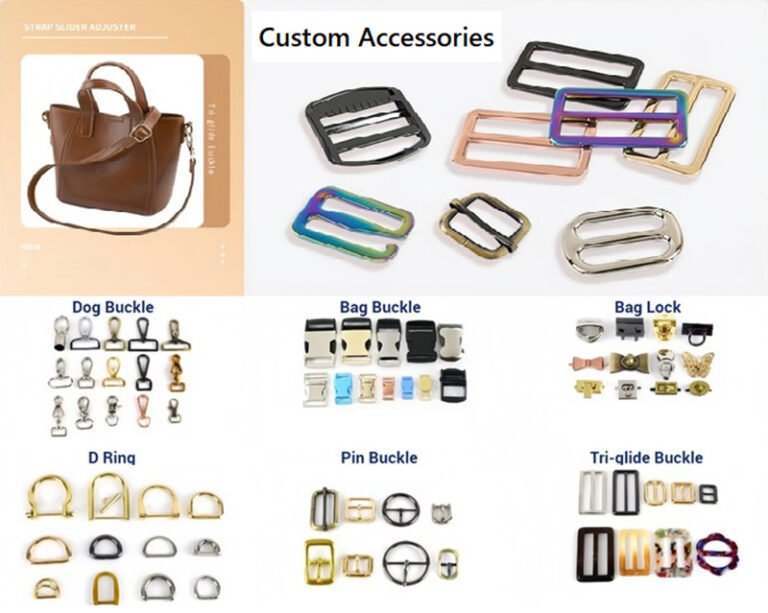
- Custom zipper pullers
- Metal logo plates
- Special buckles
- Custom sliders
- Branded lining patterns
These details influence the perceived quality of the final product and should be developed together with the overall design direction.
How Are Laptop Backpack Packaging and Delivery Planned?
A successful product launch depends not only on production quality but also on how efficiently products are prepared, identified, and delivered.
Laptop backpack projects often involve multiple details:
Retail packaging
Corporate distribution
Warehouse receiving
Event preparation
Multi-location delivery
A clear packing plan helps prevent confusion after production is completed.

Packaging Development
Packaging should match the purpose of the project.
Different programs may require:
Retail Programs
Focus on:
- Product presentation
- Barcode labels
- Hangtags
- Individual protection
- Shelf-ready appearance
Corporate Programs
Focus on:
- Efficient packing quantity
- Employee distribution
- Identification labels
- Easy warehouse handling
Event Programs
Focus on:
- Fast unpacking
- Grouped cartons
- Clear quantity marking
- Delivery timing
The correct packing method depends on how the backpacks will move after production.
Label & Identification Control
For projects with multiple versions, accurate identification becomes essential, especially when several colors, sizes, logo variations, or destination requirements are packed and shipped within the same production order together.
Important details include:
- Style numbers
- Color names
- Quantity marking
- Carton labels
- Barcode information
- Packing instructions
Clear identification reduces unnecessary sorting work when products arrive at warehouses or distribution locations. It also helps receiving teams verify each shipment quickly and route different versions to the correct storage or fulfillment areas.
Delivery Preparation
- Production completion date
- Carton dimensions
- Destination requirements
- Required arrival date
- Shipping method
Production and transportation should be planned separately. This makes it easier to select a suitable route, estimate logistics costs
Transportation planning should consider:
- Production completion date
- Carton dimensions
- Destination requirements
- Required arrival date
- Shipping method
Production and transportation should be planned separately. This makes it easier to select a suitable route, estimate logistics costs, and leave sufficient buffer time for customs clearance or unexpected transit delays ahead of the scheduled delivery date.
Early coordination also helps confirm carton quantities, loading arrangements, shipping documents, and delivery responsibilities before the bags leave the facility for their final destination under the agreed international shipping schedule.
A finished backpack still needs enough time for shipment, receiving procedures, and final distribution.
What Determines Laptop Backpack MOQ, Sampling, and Cost?
Laptop backpack pricing depends on more than quantity. Structure, materials, functions, branding methods, and packaging requirements all influence the final project cost.
| Decision Factor | Typical Consideration | Impact On Project |
|---|---|---|
| Quantity | Standard programs are usually planned around 500 pcs per design | Higher quantities improve material and production efficiency |
| Product Structure | Number of compartments, reinforcement areas, special functions | More complex structures require additional development and production steps |
| Laptop Protection | Foam, padding, suspended sleeves and reinforcement | Protection level affects material usage and construction methods |
| Fabric Selection | Nylon, polyester, RPET, canvas, PU and other options | Materials influence appearance, durability, weight and positioning |
| Branding Method | Embroidery, printing, patches, labels, hardware | Different techniques require different preparation and production processes |
| Sample Development | Physical prototype before bulk production | Helps confirm dimensions, function and appearance |
| Packaging Requirements | Labels, bags, boxes, retail packaging and cartons | Customized packaging affects preparation time and cost |
| Testing Requirements | Product type and destination standards | Required documents may influence project planning |
Sampling Reference

Standard sample development usually takes around:
5–7 days
Selected simple projects may be completed faster, while complex structures, special materials or custom components may require additional development time.
A physical sample helps confirm:
- Product dimensions
- Laptop compartment fit
- Material appearance
- Functional layout
- Branding details
Cost Planning Principle

A lower unit price does not always create the best product value.
A successful laptop backpack project balances:
- Required functions
- Product durability
- Brand positioning
- Target quantity
- Delivery expectations
Providing complete specifications early helps create a more accurate evaluation.
Make a Laptop Backpack Sample First?
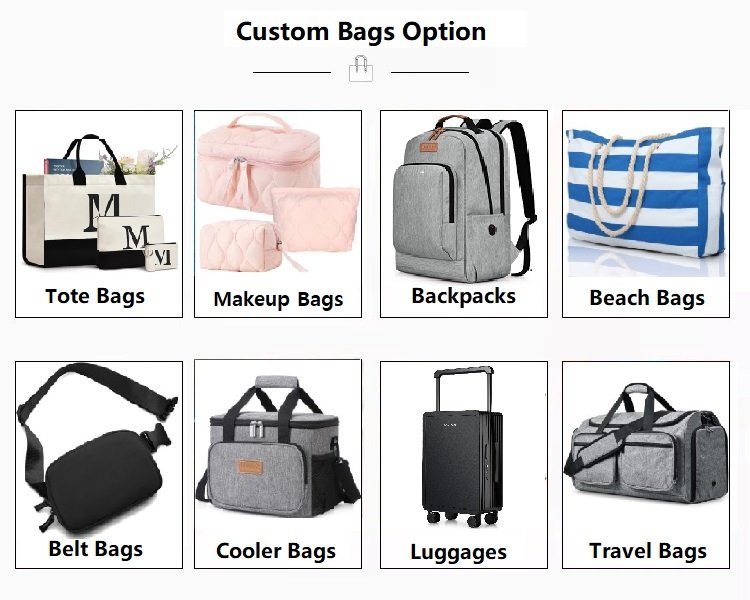
A production-ready laptop backpack should confirm more than its appearance. Sampling allows you to evaluate device fit, protective padding, compartment layout, shoulder-strap comfort, materials, hardware, logo placement, and overall construction before bulk production. Identifying adjustments at this stage helps reduce production risks and keeps the finished bags aligned with their intended use.
Client Testimonials
800+ brand Clients Trust Jundong


Laptop Backpack Customization FAQs
Choosing a custom laptop backpack project requires clear decisions about structure, materials, sampling, production, and delivery.
The following questions cover the areas most often reviewed before starting a professional laptop backpack development project.

Can you customize laptop backpacks based on our own design?
Certainly, custom laptop backpacks can be developed from sketches, reference products, technical drawings, or existing samples.
The development process can begin from an initial concept and gradually define the structure, materials, functions, and branding details.
Customization may include:
- Laptop compartment size
- Pocket arrangement
- Backpack dimensions
- Fabric selection
- Zipper and hardware options
- Logo applications
- Packaging requirements
For brands with an existing product idea, the focus is usually improving production feasibility and creating a stable structure suitable for repeated orders.
For new concepts, the development process helps transform an idea into a physical sample that can be reviewed before bulk production.
What laptop sizes can be supported in a custom backpack?
Laptop backpacks can be developed for common device sizes, including 13-inch, 14-inch, 15.6-inch, and 16-inch laptops.
The correct compartment design depends on more than the laptop measurement.
Development should consider:
- Device thickness
- Protective padding space
- Charger and accessory storage
- Internal movement allowance
- User carrying habits
A professional laptop compartment should hold the device securely while still allowing smooth daily access.
For example, a backpack designed for a 16-inch professional laptop may require stronger padding, reinforced bottom protection, and a different internal balance compared with a lightweight 13-inch commuter backpack.
Can you develop completely new laptop backpack styles?
Absolutely, new laptop backpack styles can be developed through structure planning, material selection, and prototype evaluation.
A new design usually involves:
- Reviewing the product purpose
- Planning internal organization
- Developing patterns
- Selecting suitable materials
- Creating a physical sample
- Adjusting details before production
A new backpack should not only look different. It also needs to maintain functional balance between appearance, comfort, durability, and production feasibility.
This approach helps create products suitable for retail collections, corporate programs and long-term brand development.
Which materials are suitable for custom laptop backpacks?
The best material depends on the product positioning, usage environment, and expected durability.
Common choices include:
Nylon
Suitable for:
- Premium business backpacks
- Travel laptop backpacks
Advantages:
- Durable
- Lightweight
- Professional appearance
Polyester
Suitable for:
- Corporate programs
- Large quantity projects
Advantages:
- Flexible customization
- Stable color performance
RPET
Suitable for:
- Sustainability-focused products
Advantages:
- Recycled material positioning
- Modern environmental image
Canvas & PU
Suitable for:
- Lifestyle collections
- Fashion-oriented designs
Material selection should match the product story rather than focusing only on price.
Can laptop backpacks be made waterproof?
Yes, water-resistant laptop backpacks can be developed through appropriate fabric selection, coating treatment, and construction methods.
Water protection usually depends on multiple elements:
- Main fabric performance
- Waterproof coating
- Zipper selection
- Seam construction
- Pocket design
A water-resistant backpack is not created by one material alone. The complete structure needs to work together.
For outdoor commuting or travel applications, additional attention may be given to:
- Protected laptop compartment
- Covered zipper areas
- Durable bottom materials
What is the MOQ for custom laptop backpacks?
The standard development quantity is usually around 500 pieces per design, while selected projects may be reviewed based on structure, materials, and production requirements.
MOQ is influenced by:
- Fabric purchasing quantity
- Custom hardware requirements
- Production setup
- Packaging needs
- Development complexity
A higher quantity often allows more flexibility in material selection and cost control.
For professional projects, quantity planning should consider future demand, product positioning and long-term availability rather than only the first order.
How long does laptop backpack sampling take?
Standard sample development usually takes around 5–7 days after specifications and materials are confirmed.
The timeline depends on:
- Design complexity
- Material availability
- Custom components
- Number of revisions
Sampling is an important stage because it allows evaluation of:
- Size accuracy
- Carrying comfort
- Material appearance
- Functional layout
- Branding details
A well-reviewed sample reduces unnecessary adjustments during bulk production.
Can you provide private label packaging for laptop backpacks?
Of course, packaging can be developed together with the backpack project to support retail, corporate, or distribution requirements.
Possible options include:
- Hangtags
- Labels
- Individual packing
- Carton marks
- Barcode information
Packaging is part of the complete product experience, especially for retail programs where presentation and identification are important.
How do you control laptop backpack quality?
Laptop backpack quality is controlled through multiple inspection stages covering materials, structure, workmanship, and finished products.
Key inspection areas include the following:
- Fabric condition
- Laptop compartment structure
- Sewing quality
- Strap reinforcement
- Zipper performance
- Final appearance
Quality control should focus on how the backpack performs during real use, not only how it looks before shipment.
What information is needed for a laptop backpack quotation?
A more complete project brief helps create a more accurate quotation and development plan.
Useful information includes:
- Reference images or drawings
- Laptop size
- Product dimensions
- Material preference
- Required functions
- Branding method
- Quantity
- Packaging requirements
- Destination country
If the design is still at an early stage, basic information is enough to start a product discussion.
Start Your Custom Laptop Backpack Project
A successful laptop backpack begins with a clear understanding of product goals, user needs and development requirements.
Whether you are creating a business backpack collection, corporate program, technology accessory line, or travel-focused product, the development process can be planned around your specific requirements.
Share your project details:
- Product concept or reference images
- Laptop size requirements
- Target functions
- Preferred materials
- Branding details
- Quantity expectations
- Packaging requirements
- Delivery timeline
Our team can review the structure, materials, and production possibilities based on your project direction.