Skip to content

Kids Lunch Bag Customization
Custom insulated kids lunch bags developed for school collections, children’s brands, retail programs and private label projects from design through bulk delivery.
Description:
- Develop lunch bag size, shape, handle, zipper and internal layout around children’s daily school use and the food containers they actually carry.
- Review outer fabrics, insulation layers and easy-clean lining options according to product positioning, target destination and required performance.
- Apply brand-owned colors, graphics, logos, labels and coordinated collection details through suitable decoration methods.
- Confirm materials, dimensions, structure, artwork, packing and critical quality details through sampling before controlled volume production begins.

Factory Capacity Behind Large Kids Lunch Bag Programs
Large school and retail programs need coordinated development, sampling, production, inspection and packing capacity—not only a workshop capable of sewing one attractive prototype.
20+ Years OEM/ODM Experience
More than two decades of custom bag experience supports early review of materials, structure, artwork, accessories and production feasibility. Kids lunch bags bring together soft-bag construction and insulated-bag details, so decisions around lining, zipper, handles, print methods and packing are easier to control when risks are considered before sampling rather than after production starts.
600+ Employee Team
A 600+ employee operation supports development, sample making, material preparation, cutting, decoration, sewing, inspection and packing across larger orders. The scale becomes especially relevant when a school collection contains several colors, graphics or related SKUs that need coordinated scheduling and clear identification instead of being treated as unrelated small orders.
18,000㎡ Factory Space
An 18,000㎡ production area provides room for materials, cutting, sewing, quality review, packing and order handling within an organized workflow. For volume kids lunch bag programs, fabric rolls, insulated components, printed panels, labels, finished goods and cartons all need controlled movement so one production stage does not create confusion for the next.
80 QC Inspectors
Eighty QC inspectors support checks from materials and logo details through sewing, finished products and packing. For kids lunch bags, inspection can focus on confirmed dimensions, zipper operation, handle attachment, printed graphics, lining condition, label matching and carton information. Multi-stage review reduces the chance of leaving every issue until final shipment inspection.
From Personalization To Full Kids Lunch Bag Product Development


Name & Identity Details
School lunch bags often need easy identification. A dedicated name-label area, printed identification panel or selected fixed text can be incorporated into the layout when required by the program. Position, writing space, material and cleaning exposure should be considered early so identification remains useful without interfering with the main artwork or opening structure.
- Name-label panel
• Identification area
• School collection details
Custom Brand Colors
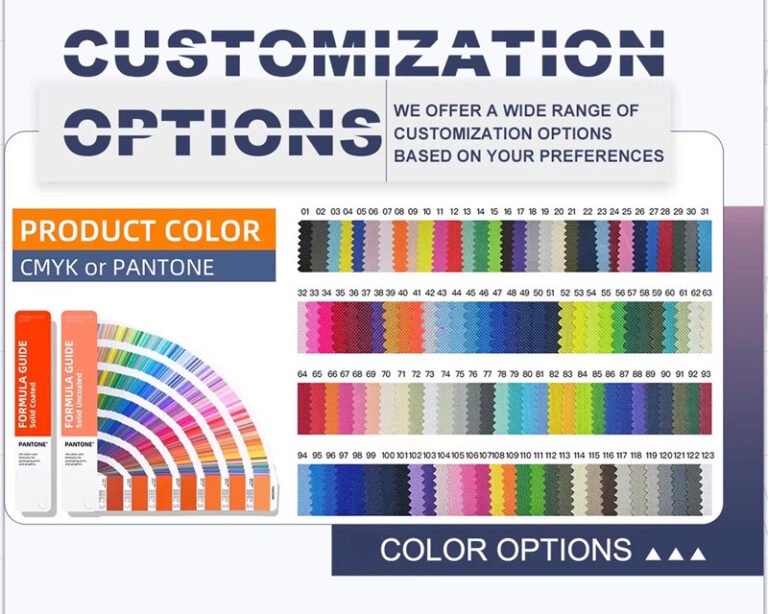
Outer fabric, webbing, zipper, lining and printed graphics can be coordinated around an approved color direction. Pantone references are useful for communication when brand colors matter, while the physical material and sample remain important because fabric texture, dyeing and decoration processes can affect appearance. Multi-color collections should also define each SKU clearly before production.
- Fabric color direction
• Coordinated trims
• Pantone references
Custom Artwork
Children’s collections often depend on strong visual themes such as animals, nature, sports, space or original character graphics. Brand-owned artwork can be reviewed for suitable printing methods based on detail, color count, material surface and print area. Licensed or protected artwork should only move forward when the brand has the necessary rights or authorization.
- Original graphics
• Repeating patterns
• Collection themes
Logo & Label Branding
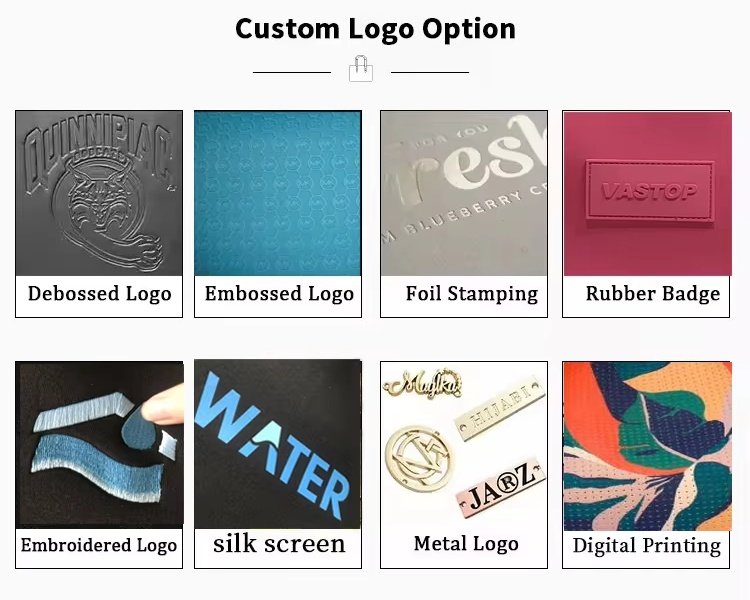
Brand identity can appear through screen printing, heat transfer, digital printing, embroidery, woven labels and other suitable methods depending on material and design. Logo size, color, position and process should be approved during sampling rather than decided only from a digital mockup. Labels can also support brand recognition inside or outside the lunch bag.
- Printed logos
• Embroidered branding
• Woven labels
Full Structure Development
Customization can change the actual product, not only its surface. Size, gusset, zipper opening, handle proportion, outer pocket, bottle storage, lining and insulation structure can be reviewed around the intended age group and contents. Structural changes should be tested through a physical sample because capacity and daily usability cannot be judged reliably from appearance alone.
- Custom dimensions
• Internal organization
• Insulated construction
Private Label Packing
A retail-ready kids lunch bag may require care labels, hangtags, barcodes, SKU labels, individual packing and carton marks in addition to the main product. Packing rules should be planned while the product is being developed, especially for collections with several colors or graphics, so each bag, label and carton remains connected to the correct SKU.
- Hangtags and labels
• Barcode / SKU control
• Individual retail packing
Kids Lunch Bags Built For Brands, Schools And Retail Programs
Children’s & Family Brands
Children’s and family brands often need lunch bags that fit an existing visual system rather than stand alone as one accessory. Colors, original graphics, logo placement, zipper details, labels and packing should align with backpacks, drinkware or school accessories. Product development also needs to reflect age group, daily carrying habits, easy opening and easy-clean requirements.
School Supply Collections
School supply collections usually place greater emphasis on repeatable dimensions, recognizable artwork, usable capacity and organized SKU control. Lunch bags may need to coordinate with backpacks, pencil cases or drawstring bags across several colors or themes. Clear identification areas, durable handles, smooth zippers and straightforward packing can make school distribution and repeat ordering easier to manage.
Custom Artwork
Children’s collections often depend on strong visual themes such as animals, nature, sports, space or original character graphics. Brand-owned artwork can be reviewed for suitable printing methods based on detail, color count, material surface and print area. Licensed or protected artwork should only move forward when the brand has the necessary rights or authorization.
- Original graphics
- Repeating patterns
- Collection themes
Back-To-School Programs
Back-to-school programs often work toward a fixed launch or seasonal delivery window, so artwork, samples, materials, labels and packing need to be confirmed early. Coordinated themes can extend across lunch bags and related school accessories without making every SKU identical. The goal is a recognizable collection that remains efficient to produce, pack, identify and replenish.
Kids Lunch Bags Need Child-Specific Structure, Not Smaller Adult Design
Children’s lunch bags should be designed around age group, hand size, daily routines and real school use—not by simply shrinking an adult insulated bag.
Child-Friendly Size

Finished dimensions should relate to the child’s age group and the food containers intended for daily use. An oversized bag adds unnecessary bulk, while an undersized design can force containers sideways or make the zipper difficult to close. Proportion also affects handle position, artwork scale and how easily the bag fits inside a school backpack or cubby.
- Define age group before pattern development
• Check lunch box dimensions before fixing capacity
• Review overall proportion on the physical sample
Lightweight Construction

A kids lunch bag should carry food containers without becoming unnecessarily heavy before anything is packed inside. Outer fabric, EPE insulation, lining, pockets, reinforcement and decorative details all add weight. Material selection should balance structure, cleaning needs and durability instead of adding layers simply to make the bag feel more substantial.
- Avoid unnecessary structural layers
• Match reinforcement to real stress areas
• Review finished sample weight and hand feel
Easy Zipper Access

Children often open lunch bags without adult help, making zipper layout an important usability detail. Opening length, slider movement, puller size and seam tension can influence whether the bag opens smoothly. A decorative zipper pull may look attractive, but shape, attachment and any small-part requirement should be reviewed according to the intended age group and destination.
- Check opening length and access angle
• Review slider smoothness on the sample
• Confirm puller design and age-related requirements
Comfortable Handles

Handle design affects how a child lifts, carries and hangs the lunch bag. Length, width, softness, webbing choice and attachment position should work with the finished size and expected load. Handle connection areas also need suitable stitching or reinforcement because daily lifting places repeated stress on the same locations.
- Match handle length to bag proportion
• Review width and hand feel
• Inspect attachment stitching during sampling and bulk production
Soft-Edge Details

Soft-bag construction should avoid unnecessary hard or sharp-feeling details in locations children frequently touch. Binding, seam allowances, zipper ends, labels, badges and decorative parts all influence the finished feel. Exposed details, accessory construction and testing needs should be reviewed against the intended age group, use scenario and agreed product specification.
- Review exposed edges and zipper ends
• Check decorative accessory placement
• Confirm testing requirements before production
Name Label Area

A name-label area solves a simple but important school problem: children carrying visually similar lunch bags. The identification space should be large enough to use, easy to find and positioned away from high-wear or frequently cleaned areas when possible. It can be integrated inside or outside depending on the collection design.
- Plan the identification area during development
• Keep it separate from main brand artwork when needed
• Confirm label material and position on the sample
Build Kids Lunch Bag Insulation As A Complete Structure
Insulation does not come from one lining material alone. Outer fabric, EPE, inner lining, seams, opening design and zipper construction work together as one system.
| Component | Common Direction | Main Role | What Should Be Reviewed |
|---|---|---|---|
| Outer Fabric | Polyester, selected Oxford, RPET or other suitable fabrics | Creates the exterior appearance, supports printing and protects the insulated structure | Fabric weight, surface feel, color, print compatibility, abrasion needs, cleaning expectations and target positioning should be reviewed before sampling. |
| EPE Foam | Project-based thickness and structure | Adds insulation, cushioning and shape support between the outer shell and inner lining | Thickness influences hand feel, internal space, sewing difficulty, cost and thermal structure. More thickness is not automatically better if it makes the lunch bag bulky or reduces usable capacity. |
| PEVA Lining | Easy-clean inner lining direction | Provides a smooth interior surface that can be easier to wipe after food or drink use | Material specification, seams, odor, flexibility, cleaning requirements and any food-related material requirements should be confirmed according to the destination and project standard. |
| Aluminum Foil Lining | Thermal-style inner lining | Creates an insulated interior appearance and can be combined with an insulation layer | Creasing, surface durability, sewing method, opening structure and finished appearance should be checked during sample development. It should not be used as a stand-alone guarantee of insulation performance. |
| Zipper & Opening | Single or double slider depending on design | Controls access and affects how much open space the insulated compartment has during use | Opening length, zipper smoothness, puller size, sewing tension and child use should be reviewed together. An opening that is too small can also make bento boxes difficult to load. |
| Seams & Assembly | Sewn lining and insulation structure | Connects the insulated components and determines how clean and stable the interior looks | Lining wrinkles, seam position, insulation movement, edge finishing and assembly consistency should be checked during sampling and bulk production. Leak resistance depends on the selected structure and process. |
A kids insulated lunch bag should be evaluated as a complete construction rather than described by one material name. PEVA can support an easy-clean interior, EPE can provide insulation and structure, and aluminum foil can create a thermal-style lining, but actual performance also depends on fabric, thickness, seams, zipper opening, loading method, ice-pack use and testing conditions.
For brand programs, the more useful decision is not simply “PEVA or foil?” It is whether the full structure matches the intended lunch set, cleaning routine, hand feel, finished size, target cost and destination requirements.
Fixed insulation-hour claims should only be used when the specific construction has been tested under defined conditions.
Plan Kids Lunch Bag Capacity Around The Actual Lunch Set
Capacity should be planned from the actual lunch set. Bento dimensions, bottle diameter, snack volume and ice-pack position give more useful guidance than vague size labels.

Bento Box Fit
The bento box is usually the first item to measure because its length, width and height determine the minimum internal footprint. A bag that looks spacious from the outside can still fail if the opening is too short or the base shape forces the box to tilt. Jundong can review actual container dimensions before pattern development and sampling.
- Provide bento length × width × height
• Confirm horizontal or vertical placement
• Check zipper opening against the container size
Water Bottle Storage
A water bottle can change the internal layout quickly, especially when the lunch box already uses most of the base area. Depending on the collection, the bottle may sit inside, in an elastic side pocket or in a separate external compartment. Bottle diameter, height and possible liquid exposure should be considered before deciding pocket dimensions and materials.
- Provide bottle diameter and height
• Choose internal or external storage
• Review pocket opening, retention and cleaning needs
Snacks & Fruit
Snacks, fruit, napkins and small food containers need flexible space without making the bag unnecessarily bulky. A mesh pocket, flat internal pocket or open upper area may be more useful than several fixed compartments. The layout should reflect what children actually carry and how quickly items need to be accessed during school lunch periods.
- List common snack and fruit containers
• Separate loose items only where useful
• Avoid compartments that reduce main-box capacity
Ice Packs & Utensils
Ice packs and utensils are small, but poor placement can interfere with the main lunch box or create pressure against the lining. A flat pocket, mesh sleeve or dedicated area can be reviewed according to ice-pack dimensions and utensil length. The final arrangement should still allow the bag to close naturally without forcing the zipper or distorting the insulated structure.
- Provide ice-pack dimensions
• Confirm utensil length and storage direction
• Test the complete packed set during sample approval
Choose Artwork & Branding Methods for Kids Lunch Bags
Kids collections often depend on recognizable graphics and coordinated colors. Decoration should match artwork complexity, fabric surface, brand identity and the required bulk appearance.
Screen Printing
Screen printing works well for simple logos, school marks, bold lettering and artwork with limited solid colors on suitable fabrics. It can be an efficient direction when the graphic does not rely heavily on gradients or extremely fine details. Color count, print size, fabric base color and logo position should be confirmed before volume production.
- Solid-color graphics
- School or brand logos
- Clear visual blocks
Heat Transfer
Heat transfer can suit colorful artwork, gradients and designs containing more visual detail, especially on compatible polyester, nylon, Oxford or selected neoprene surfaces. Temperature, pressure, print size and fabric response influence the result. A physical sample should confirm color appearance, surface feel, edge quality and adhesion before the process is repeated across a full collection.
- Multi-color graphics
- Gradient artwork
- Detailed campaign visuals
Digital Printing
Digital printing can support detailed illustrations, multi-color graphics and creative artwork that may be difficult to simplify into a few solid colors. Material surface, base color, artwork resolution and print area still affect clarity and appearance. For children’s collections with several graphic versions, each final artwork file should be identified clearly before sample and bulk production.
- Detailed illustrations
- Multi-color patterns
- Multiple artwork versions
Embroidery
Embroidery can create a tactile brand detail for logos, lettering and selected name elements. Stitch density, thread color, artwork simplification, backing and placement should match the fabric and lunch bag structure. Very fine gradients or photographic graphics are usually better reviewed for another decoration method rather than forced into an embroidery file.
- Text and initials
- Brand emblems
- Tactile logo details
Labels & Soft Patches
Woven labels, rubber patches, PVC patches and silicone patches can create recognizable brand details without relying only on front-panel printing. Size, color, thickness, edge finish and attachment method should be planned around child use and the selected product structure. Small text or highly complex marks may require simplification before production.
- Woven side labels
- Rubber or PVC patches
- Silicone brand details
Pattern Placement Control
Repeating prints and large graphics need more than a good artwork file. Panel cutting, seams, zipper position, handle attachment and side construction can change how the design appears after assembly. Important characters, names or visual elements should not land unintentionally inside folds or seam allowances, so placement needs to be reviewed on the finished sample.
- Front-panel positioning
- Repeat pattern direction
- Seam and zipper alignment
Build A Coordinated Back-To-School Product Collection
A strong school collection feels related across products without making every item identical. Shared colors, graphics, labels and packing rules create recognizable brand continuity.
Core Lunch Bag

The lunch bag can establish the visual and material direction for the wider collection. Outer fabric, color, pattern, zipper, handle, name-label area and private label details should be approved as one complete product. Functional decisions such as insulation and internal capacity can remain unique to the lunch bag while the brand language continues across related school items.
- Confirm primary collection colors
- Lock approved artwork versions
- Record zipper, handle and label details
- Keep the insulated structure product-specific
Accessory Pouches

Pencil-style cases, small accessory pouches or related organizers can extend the school collection using the same approved artwork and brand language. Smaller products need their own size, zipper, lining and print-area review because details that work on a large front panel may become too crowded when reduced. SKU naming should remain clear across every item and graphic version.
- Adapt artwork for smaller surfaces
- Review zipper and lining separately
- Keep SKU names easy to identify
- Coordinate color and label direction
Matching Backpack

A matching backpack does not need to copy the lunch bag structure. The stronger connection comes from coordinated fabric direction, color palette, original graphics, logo treatment, zipper pullers and labels. Backpack capacity, shoulder straps, padding and compartment layout should still be developed around backpack use rather than forced to follow lunch bag specifications.
- Coordinate visible materials and colors
- Reuse approved visual language where suitable
- Keep backpack structure independently functional
- Align brand labels and packaging presentation
Collection Brand System

The biggest advantage of a coordinated collection is repeatable brand recognition across products, colors and future orders. Woven labels, hangtags, barcode rules, artwork names, Pantone references, packaging instructions and carton marks should follow an organized system. When one graphic appears in several products, production files must identify which size, position and version belongs to each SKU.
- Use consistent artwork naming
- Record Pantone and label specifications
- Separate barcode and SKU data clearly
- Keep repeat-order records for future seasons
Validate Kids Lunch Bag Details Before Bulk Production
A useful sample should prove more than appearance. Capacity, insulation structure, zipper access, handles, artwork, lining and packing all need physical confirmation.
Turn Approved Specifications Into A Physical Kids Lunch Bag

A custom kids lunch bag sample converts drawings, reference images and written requirements into a product that can be measured, opened, packed and inspected. Sampling is where material choices, finished dimensions, structure and artwork begin working together rather than remaining separate decisions.
Jundong’s standard sampling time is usually about 5–7 days after key specifications and required materials are ready. Selected simple structures may take around 2–3 days, while special fabrics, complex artwork, new accessories, structural changes or additional revisions can require more development time.
A useful sample review should cover:
- Outer fabric type, color, texture and hand feel
- Finished width, height, depth and opening size
- EPE insulation and selected lining construction
- PEVA, foil or other approved interior direction
- Zipper length, slider movement and puller design
- Handle dimensions, placement and attachment
- Internal pockets or bottle storage where specified
- Logo size, graphic placement and color direction
- Name-label area and private label details
- Individual packing or retail presentation when required
For lunch bags, capacity should not be judged only by external measurements. The physical sample needs enough usable internal space for the intended lunch set while still allowing the zipper to close without excessive pressure.
A sample can also reveal problems that drawings often hide: an opening may be too narrow, an insulated wall may take more internal space than expected, a handle may look out of proportion, or a graphic may move visually after panels are sewn together.
Finding such issues during development is far more useful than discovering them after hundreds or thousands of units have already entered production.
Kids lunch bag approval should focus on how the finished product actually works during a normal school day. The correct dimensions are not simply the dimensions that look balanced in a drawing; they need to support the intended containers, opening method and carrying structure.
When actual lunch-set information is available, sample evaluation can compare the internal space with the planned contents. The most useful reference is the real size of the bento box, bottle, snack containers, utensils or ice pack rather than broad descriptions such as “medium capacity.”
Important checks include:
- Whether the main lunch box sits in the intended orientation
- Whether the zipper opens far enough for easy loading and removal
- Whether internal pockets reduce the main usable compartment
- Whether an ice pack or bottle creates pressure against the lining
- Whether the bag closes naturally after the planned contents are packed
- Whether the handle remains proportionate to the finished loaded shape
- Whether internal surfaces remain accessible for routine wiping
- Whether the product keeps its intended appearance after being filled
The zipper deserves particular attention. A bag can have enough theoretical internal volume but still become inconvenient when its opening is shorter than the lunch container. Similarly, thick insulation can create structure while reducing usable interior dimensions.
For children’s products, ease of use should be reviewed together with visual design. A decorative puller, outer patch or extra pocket may add character, but each additional detail should justify its effect on access, weight, cleaning or construction.
A stronger sample is therefore not simply the most attractive version. It is the version where size, access, organization and branding work together without creating unnecessary complexity.
Check Capacity, Opening And Daily School Use On The Sample

Convert The Approved Sample Into A Clear Production Reference

Once the sample is accepted, approval should turn the physical product into a repeatable production standard. “Make it like the sample” is not detailed enough for a multi-stage custom bag order.
The approved reference should be supported by confirmed production information covering the details that matter most:
- Outer material specification and approved color
- Finished dimensions and structural measurements
- Insulation and lining direction
- Zipper type, length and approved opening structure
- Handle dimensions and attachment locations
- Final artwork version and graphic size
- Logo or pattern placement
- Approved color references
- Label files and sewing positions
- Packing method and SKU information
The approved sample then becomes an important reference during material preparation, decoration, cutting, sewing, finished-product inspection and packing.
If the brand later changes a major element—such as outer fabric, lining, artwork scale, zipper construction, handle length or packing format—the effect should be reviewed before the revised version moves directly into volume production. A change that looks minor on screen can affect cost, production steps, dimensions or appearance.
Sample approval also does not mean variation becomes impossible. Soft goods involve materials, printing, sewing and assembly, so bulk consistency depends on combining the physical reference with recorded specifications and production checks.
The goal is straightforward: reduce interpretation. When the sample, artwork, material specification and packing rules all describe the same finished product, the production team has a clearer standard to follow and the receiving team has a clearer standard to evaluate.
Review Kids Lunch Bag Compliance Before Materials Are Finalized
Children’s lunch bag requirements depend on age group, product use, materials, destination, sales channel and brand standards. Testing needs should be identified early.
| Review Area | Why It Matters | What Should Be Confirmed Before Production |
|---|---|---|
| Intended Age Group | Children of different ages may require different review of dimensions, accessories, small parts and labeling. | Define the intended age group and provide any age-related product or testing requirements before sample approval. |
| Target Destination | Requirements can differ between the United States, European countries, the United Kingdom and other destinations. | Confirm destination country or region before selecting final materials, labels or third-party testing scope. |
| Outer Material | Polyester, Oxford, RPET, coatings, inks and other components may carry project-specific chemical or material requirements. | Provide restricted-substance requirements, material specifications or brand standards when applicable. |
| Inner Lining | Lunch bags may involve PEVA, foil or other inner materials used around packed food containers. Food-related requirements cannot be assumed from the material name alone. | Confirm whether the program has specific food-contact, chemical, odor, cleaning or documentation requirements for the selected lining. |
| Insulation Layer | EPE or other insulation components contribute to construction and may be included in material review. | Confirm required material specification, thickness direction and any documentation requested for the program. |
| Zippers & Accessories | Pullers, patches, badges, trims and other components can introduce additional material or small-part considerations for children’s products. | Review accessory construction, attachment and any applicable age-group or testing requirements before bulk production. |
| Labels & Warnings | Age statements, origin information, material details, warnings and product labels vary by destination and retail program. | Label wording should come from applicable requirements or brand-approved files rather than being created without confirmation. |
| Retail Requirements | Large retailers and brand programs may have their own quality manuals, packaging standards, chemical restrictions, testing protocols or inspection requirements. | Send vendor manuals, product specifications, quality checklists and relevant compliance documents early enough for review. |
| Third-Party Testing | Required tests depend on the real product, materials, use and destination. One report should not automatically be assumed to cover every version. | Define the requested testing scope before material purchase or volume production whenever third-party testing is required. |
Kids lunch bag compliance should be reviewed project by project. A lunch bag intended for children combines two areas that deserve careful attention: children’s product details and a bag used to carry food containers.
A material name by itself is not a certification. PEVA should not automatically be described as food-grade, and the presence of EPE or aluminum foil does not establish universal compliance.
For projects requiring specific testing or documents, provide the intended age group, destination, sales channel, material restrictions, label requirements and testing standard as early as possible. Early review helps avoid selecting a material or accessory first and discovering later that it conflicts with the program specification.
Jundong can cooperate with project-based testing and documentation requirements based on supplied standards. Final requirements should be confirmed according to the applicable destination, channel, brand standard or qualified third-party testing organization.
Control Kids Lunch Bag Quality From Approved Sample To Bulk


Material & Color Control
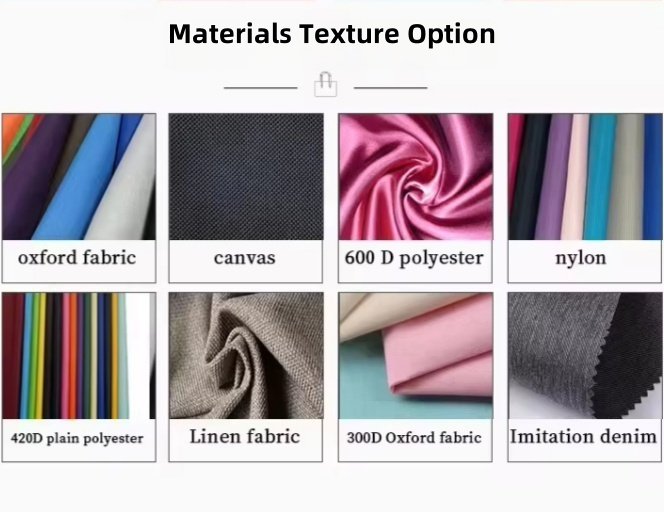
Bulk production should begin with materials that follow the confirmed direction rather than selecting visually similar alternatives after approval. Outer fabric, lining, EPE, webbing, zipper components and approved colors can all influence the final product. Material batches should remain identifiable when several colors or graphic versions are produced together.
- Check material type against approved specifications
- Review visible color and surface differences
- Keep multi-color materials clearly identified
- Confirm lining and insulation components before assembly
Artwork & Panel Control
Many kids lunch bag graphics are applied before final assembly, so printed or decorated panels should be checked before they disappear into the sewing process. Artwork version, print size, position, color direction and clarity need to follow the approved reference. Repeating patterns also need attention to panel direction and important visual elements near seams or zipper areas.
- Confirm correct artwork version
- Check logo or graphic dimensions
- Review placement before sewing
- Separate multiple graphic SKUs clearly
Lining & Insulation Control
The interior deserves its own production check because lining and insulation directly affect appearance, cleaning and structure. EPE placement, PEVA or foil condition, seam position and internal wrinkles can be reviewed during assembly rather than waiting until every bag has been completed. Incorrect internal components are much harder to replace once the finished shell is closed.
- Confirm approved lining material
- Check insulation placement and structure
- Review visible wrinkles, damage or incorrect seams
- Compare internal construction with the accepted sample
Zipper & Handle Control
Zippers and handles are used repeatedly, making them more than decorative components. During production, zipper movement, opening length, puller installation, handle dimensions and attachment stitching should follow the confirmed sample. A beautiful lunch bag can still fail the product specification when a zipper catches or handle positions vary noticeably across units.
- Test zipper movement during production
- Check handle length and placement
- Review attachment stitching
- Compare opening structure with the approved reference
Finished Bag Inspection
Finished inspection should evaluate the lunch bag as one complete product. Dimensions, shape, graphic presentation, cleanliness, zipper operation, handles, lining, pockets and specified brand details can be compared with the approved reference. For a collection containing several designs, inspection should also confirm that the correct graphic, label and color remain linked to the correct SKU.
- Measure key finished dimensions
- Review overall appearance and cleanliness
- Check function and structural details
- Verify color, artwork and SKU identity
Packing & SKU Check
Quality control does not end when the lunch bag itself is accepted. A correct product with the wrong barcode, hangtag or carton information can still cause receiving and distribution problems. Packing should follow the confirmed instructions for individual bags, labels, quantities per carton, SKU identification, PO information and destination marks where required.
- Check labels against the SKU list
- Confirm quantity per carton
- Review carton and destination marks
- Keep different colors and artwork versions separated
See The Workmanship Behind A Finished Kids Lunch Bag
Finished appearance comes from dozens of small production decisions. Cutting, insulation assembly, zipper installation, handle reinforcement and lining work together before final inspection begins.
Clean Cutting And Panel Preparation Protect Shape And Artwork
A kids lunch bag begins as separate pieces rather than a finished insulated product. Outer fabric, lining, insulation, handles, pockets and printed panels all need to reach the sewing stage with the correct size, direction and identification.
Cutting accuracy affects far more than appearance. When front and back panels vary, the finished dimensions can shift. When zipper panels are inconsistent, the opening may no longer match the approved sample. When printed panels are cut or positioned incorrectly, important graphics can move closer to seams, handles or edges after assembly.
Production preparation should therefore connect the approved pattern with the correct material and artwork version.
Key workmanship details include:
- Outer fabric panels cut to the confirmed pattern
- Print direction and graphic placement checked before sewing
- Insulation pieces prepared for the approved structure
- Lining pieces matched to the correct product color or SKU
- Handle webbing cut to the confirmed length
- Pocket and zipper components separated by style
- Multi-pattern versions identified before assembly
Kids collections often include several graphics that use the same basic construction. Such programs require especially clear panel identification. A dinosaur print, floral print and space print may share dimensions, but their artwork files, labels, packing and carton information remain different.
Photos of prepared materials, pattern pieces, printed panels and cutting tables provide useful evidence because they show the product before sewing hides the internal construction.
For private label programs, early-stage control also protects repeat orders. When material direction, pattern dimensions and artwork placement are recorded rather than remembered informally, future production has a clearer reference for rebuilding the approved product.
Zipper, Handle And Lining Assembly Define Everyday Product Quality
Kids lunch bags are handled repeatedly through opening, closing, lifting, carrying and cleaning. Several of the most important workmanship details therefore sit around the zipper, handle and insulated interior rather than on decorative areas.
Zipper installation should allow the opening to follow the approved shape without excessive tension. Slider movement needs to remain smooth, zipper ends should be finished cleanly, and pullers need to match the agreed design. A zipper that looks correct from a distance can still create a poor daily experience when the opening catches or becomes difficult for smaller hands to operate.
Handle workmanship deserves similar attention. The confirmed handle length and position should remain consistent, while attachment areas need suitable stitching or reinforcement because the same locations carry repeated lifting force.
The insulated interior adds another layer of production complexity. PEVA or foil lining, EPE insulation and outer fabric must be assembled without creating unnecessary distortion.
Workmanship review can focus on:
- Zipper alignment and smooth movement
- Clean zipper-end finishing
- Handle symmetry and attachment stitching
- Seam consistency around corners and gussets
- Lining position and visible wrinkles
- Insulation placement inside the structure
- Pocket opening and internal layout
- Woven label and care label sewing
For cooler and lunch bag structures, lining quality affects more than appearance. Poorly positioned material can make cleaning less convenient, reduce usable internal space or create an unfinished feel when the bag is opened.
Close-up photography is especially valuable here. Showing zipper installation, handle reinforcement, lining seams and interior assembly gives brand teams a far clearer view of construction quality than a distant photograph of completed bags stacked on a table.
Production Evidence Should Follow The Product Through Final Packing
A credible production record should continue after sewing. Finished kids lunch bags still need dimensional checks, appearance review, functional inspection, SKU identification and packing verification before they are ready for shipment preparation.
The most useful evidence follows one product specification through several stages rather than showing unrelated factory scenes.
A complete visual sequence can include:
- Approved sample beside production units
- Finished size measurement
- Zipper opening and slider checks
- Handle and seam inspection
- Interior lining review
- Graphic and logo placement comparison
- Color and SKU separation
- Hangtag or barcode application
- Individual packing
- Finished cartons and carton marks
Such records are especially useful for multi-pattern school collections. When the same bag construction appears in several graphics, the inspection team needs to verify not only workmanship but also whether the correct artwork, woven label, barcode and packing information stay connected.
In-process inspection helps identify deviations while production is still moving. Finished-product inspection then reviews the complete lunch bag against the accepted reference. Packing checks confirm quantity, labels and carton information before handover.
Production evidence should not be interpreted as a promise that soft goods can never show any variation. Fabric, printing, sewing and assembly all involve real production variables. The stronger control method is to combine an approved physical sample, recorded specifications and staged inspection.
The result is a more traceable product journey:
Approved Sample → Materials → Cutting → Branding → Sewing → Interior Assembly → Inspection → Packing.
For established brands, that traceability is often more valuable than broad claims about “premium workmanship,” because each photographed stage can be connected to an actual production decision.
Understand Kids Lunch Bag MOQ And Cost Before Quotation
Kids lunch bag cost is shaped by materials, insulation, dimensions, artwork, structure, labels, packing and quantity. Clear specifications make price comparisons far more meaningful.
| Cost Factor | How It Changes The Kids Lunch Bag | What To Provide For Review |
|---|---|---|
| Order Quantity | Jundong’s standard MOQ is usually 500 pcs per design. Selected simple styles may be reviewed at 200–300 pcs case by case. Multi-pattern programs should also consider quantity per graphic or SKU because material, printing and packing requirements may differ between versions. | Quantity per design, color and SKU |
| Outer Fabric | Polyester, Oxford, RPET, neoprene and other suitable directions can differ in weight, surface feel, printing compatibility, purchasing requirements and cost. | Preferred fabric, reference sample or target hand feel |
| Insulation Structure | EPE thickness, lining type and complete insulated construction affect internal space, sewing difficulty, hand feel and material consumption. | Lining preference, insulation direction and intended use |
| Finished Size | Width, height and depth influence fabric usage, insulation area, zipper length and carton volume. A larger lunch bag is not simply the same product with extra empty space. | Finished dimensions and lunch-set sizes |
| Artwork Method | Screen printing, heat transfer, digital printing, embroidery and patches follow different production logic. Artwork colors, print area, complexity, stitch count or patch construction can change cost. | Final artwork, color references, size and position |
| Product Structure | Bottle pockets, internal pockets, larger openings, special zipper pullers, added reinforcement or more complex shapes require additional pattern making, materials and sewing operations. | Structure drawing, reference photos or requested feature list |
| Private Label Details | Woven labels, care labels, hangtags, barcodes, insert cards and branded packing add materials and application steps. Some custom packaging components may also have separate setup or quantity requirements. | Label files, barcode data and packing guide |
| Multiple SKUs | Several colors or patterns increase artwork control, material separation, labeling and carton management. The same total quantity can have different cost logic when divided across many versions. | SKU list and quantity breakdown |
| Testing Requirements | Third-party testing, material documentation or brand-specific inspection requirements can add preparation and external testing cost depending on the program. | Target destination and required testing standard |
| Delivery Schedule | Material availability, sample approval, bulk production and packing need enough time to follow the confirmed specification. Urgent schedules may require a separate feasibility and cost review. | Required arrival date and destination |
| Sampling | Sample development includes material preparation, pattern making, decoration, sewing and review. Sample fees can be refunded or deducted when the confirmed bulk order reaches 2,000 pcs. | Sample requirements and approval plan |
Two kids lunch bags that appear similar in a photograph can have very different cost structures.
One may use a simple polyester shell, basic zipper and limited-color print. Another may include a custom all-over graphic, thicker insulation, PEVA lining, bottle pocket, branded zipper puller, woven label, hangtag, barcode and individual retail packing. Their development work and production steps are not equivalent.
For established brand programs, a more useful quotation compares the complete approved specification rather than only the lowest unit price.
If a target cost already exists, it can be shared before sample development. Material, insulation thickness, pocket layout, artwork method or packing format can then be reviewed together to find a stronger balance between product presentation, everyday use and production cost.
MOQ should also be considered by SKU rather than only by total order quantity when several patterns or colors are involved. Material purchasing, artwork preparation and custom packaging may each create their own production requirements.
Prepare Kids Lunch Bags For Retail, Warehousing And Distribution
Packing quality affects shelf presentation, barcode scanning, warehouse sorting and delivery accuracy. Multi-pattern school collections need especially clear labels, SKU rules and cartons.

Retail-Ready Packing
Kids lunch bags can be individually packed for retail or distribution according to the confirmed channel. Options may include polybags, OPP bags, hangtags, insert cards or other approved presentation formats. Packing dimensions, label position and product orientation should be reviewed early because packaging affects presentation, carton efficiency, handling and final delivery cost.
Labels & Barcodes
Care labels, woven labels, hangtags, barcode stickers and other product identification should follow files supplied or approved by the brand team. Barcode data, warning text, age information and platform-specific labels should never be guessed during packing. Final files need clear version control before they are applied to hundreds or thousands of units.
Multi-SKU Separation
A back-to-school collection may contain several graphics, colors or related accessories under one purchase program. SKU names, artwork versions, barcode files and packing quantities should remain clearly connected. Separating products before final carton loading reduces the risk of mixing a floral design with a dinosaur barcode or packing the wrong quantity under one style number.
Carton & Distribution Control
Outer cartons need clear quantity and identification rules for warehouse receiving or store distribution. Carton marks, PO information, SKU details, destination labels and quantities per carton can be prepared according to confirmed instructions. When shipments are divided between warehouses, stores or regions, destination allocation should be finalized before packing instead of reorganized after cartons are closed.
Send The Right Details For Kids Lunch Bag Review
A clear product brief helps confirm size, insulation, artwork, cost and production feasibility earlier. Complete technical drawings help, but they are not required to begin.
Age Group & Use
Start with the intended age group and how the lunch bag will be used. Preschool, primary-school and older children may need different proportions, opening structures and accessory review. Also explain whether the product is planned for daily school use, retail, a private label collection or another defined program.
Lunch Set Dimensions
Provide the actual dimensions of the bento box or lunch container whenever possible. Bottle size, snack containers, utensils and ice-pack dimensions are also useful. Real measurements help review internal capacity, zipper opening and pocket layout more accurately than broad descriptions such as small, medium or large lunch bag.
Material & Insulation
Share any preferred outer fabric, color, lining or insulation direction. If materials are still open, describe the desired hand feel, cleaning expectations, product positioning and target cost. Jundong can then review suitable directions involving polyester, Oxford, RPET, neoprene, EPE, PEVA, foil or other project-appropriate components.
Artwork & Branding
Send the final logo, original graphics or pattern files available for review. Vector AI, PDF or CDR files are preferred for accurate production, while high-resolution raster artwork can also be assessed. Include Pantone references, desired artwork size, placement, name-label requirements and any private label details already defined.
Quantity & Packing
State the quantity per design, color or SKU rather than giving only one combined total. Also share expected packing such as individual polybags, hangtags, barcodes, retail labels or carton requirements. Multi-pattern school collections need clear quantity and packing information because each version may follow different artwork, labeling and carton rules.
Destination & Requirements
Provide the destination country, sales channel and required arrival date. If the program has retailer standards, testing requirements, material restrictions, warning labels or inspection rules, share them before materials are finalized. Early information allows sampling, production, packaging and delivery planning to follow the actual program requirements more accurately.
Make a sample first ?
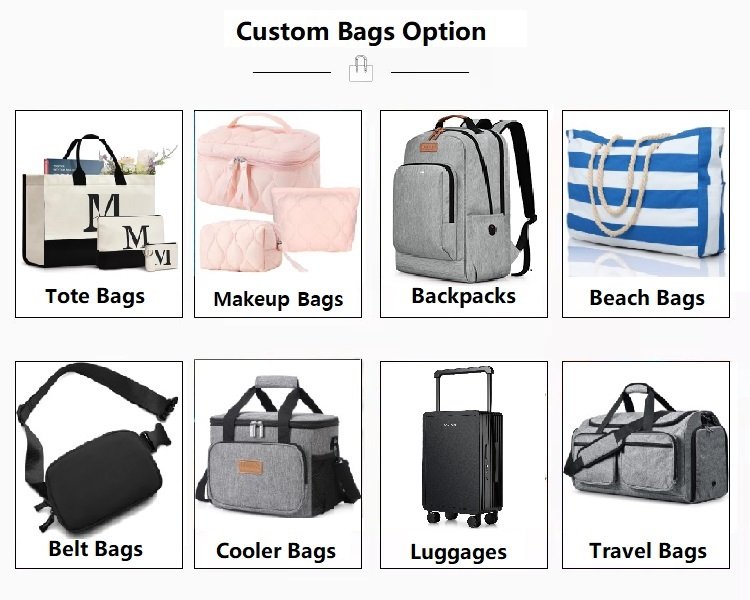
A well-designed kids lunch bag should fit more than a logo or a cute pattern. It should match children’s daily routines, including the right size for lunch containers, comfortable carrying methods, easy-to-clean materials, insulation performance, safety details, and the requirements of the intended sales channel.
A custom sample helps confirm the actual appearance, structure, fabric selection, zipper function, handle strength, printing details, and packaging requirements before bulk production begins. When these details are approved early, the production process becomes easier to control and more consistent.
Client Testimonials
800+ brand Clients Trust Jundong


Kids Lunch Bag FAQs
These ten questions cover the decisions brands most often need to make before approving a custom kids lunch bag sample, quotation and volume order.
What size should a custom kids lunch bag be?
The right size should be built around the actual lunch set, not a generic “kids size.” Start with the bento box length, width and height, then add bottle, snacks, utensils or an ice pack where required. Child age and how the bag will be carried also matter. Jundong reviews usable internal space together with zipper opening and insulation thickness, because a bag can look large outside yet still be difficult to load when the opening or inner structure is too tight.
Which lining works best for kids insulated lunch bags?
Certainly, PEVA and aluminum foil are common lunch bag directions, but the better choice depends on cleaning needs, product feel and required structure. PEVA is often selected for an easy-clean interior, while foil provides a recognizable thermal appearance. EPE can sit between the outer shell and lining as insulation and structural support. Insulation performance should be judged from the complete construction—including fabric, lining, thickness, seams, zipper and testing conditions—rather than from one material name alone.
Can you create custom patterns and artwork for kids lunch bags?
Absolutely. Brand-owned illustrations, repeating patterns, school themes and multi-color graphics can be reviewed for screen printing, heat transfer, digital printing, embroidery or suitable label and patch options. The method depends on artwork detail, fabric surface, colors, placement and quantity. Large or repeating graphics also need panel and seam planning before sewing. For protected characters or licensed artwork, the brand must own the rights or provide appropriate authorization before production moves forward.
What is the MOQ for custom kids lunch bags?
Jundong’s standard MOQ is usually 500 pcs per design. Sure, selected simple styles may be reviewed at 200–300 pcs case by case, but lower quantities are not a default commitment. For collections containing several graphics or colors, MOQ should also be reviewed by SKU because materials, artwork setup and packaging may differ. Share the quantity per design, color and SKU so production feasibility and unit cost can be assessed against the actual collection structure rather than one combined number.
How long does kids lunch bag sampling usually take?
Normally, custom bag sampling takes about 5–7 days once the main specifications and required materials are ready. Selected simple styles may take around 2–3 days, while special fabrics, complex artwork, unusual accessories or revisions can require longer. The sample should confirm material, dimensions, insulation, lining, zipper, handle, branding and packing—not appearance alone. Sample fees can be refunded or deducted when the confirmed bulk order reaches 2,000 pcs.
How long does bulk production take after sample approval?
Typically, bulk production takes about 20–30 days after order details and the approved sample are confirmed, depending on quantity, materials, artwork, structure and packing. A fixed retail launch or back-to-school date should be shared early because production is only one part of the schedule. Material preparation, decoration, sewing, inspection, packing and international shipment all require time. Jundong can review the required arrival date and work backward to judge whether the planned schedule is workable.
What testing may be needed for kids lunch bags?
Compliance should be reviewed by age group, materials, product use, destination and sales channel rather than assumed from a generic certificate. Definitely share any retailer manual, chemical restriction, food-related lining requirement, warning label or third-party testing standard early. Children’s products may need attention to accessories, small parts, materials and labeling, while lunch bags can add lining and food-related material concerns. Jundong can cooperate with project-based testing and documentation requirements after the applicable scope is confirmed.
How do you control sample-to-bulk consistency?
Consistency starts with an approved physical sample plus recorded production specifications. Of course, the goal is not to rely on one instruction saying “make it the same.” Material, artwork version, lining, insulation, zipper, handle, dimensions, labels and packing should all follow confirmed references. Jundong has 80 QC inspectors supporting multi-stage checks across custom bag projects, including materials, in-process production, finished goods and packing. Early inspection helps identify deviations before every unit has reached final packing.
Can you support private label and multi-SKU school collections?
Definitely. Kids lunch bags can be developed as part of a coordinated private label school collection with backpacks, accessory pouches, woven labels, hangtags, barcodes and retail packing. Each product should keep its own functional structure while sharing approved colors, graphics and brand details where appropriate. Multi-SKU programs need especially clear artwork names, quantity breakdowns, barcode files and carton rules so different colors, patterns and related products remain correctly identified through production and packing.
What information is needed for an accurate kids lunch bag quote?
A strong quotation starts with the intended age group, lunch-set dimensions, bag size, material direction, artwork, quantity and packing requirements. You do not need a finished tech pack to begin. A reference photo, sketch or existing sample can also work. For greater accuracy, add Pantone colors, quantity per SKU, destination, required arrival date and any testing standards. Clear specifications help review material usage, insulation structure, artwork method, MOQ, production schedule and cost before unnecessary assumptions enter the quotation.
Start Your Custom Kids Lunch Bag Project
Your kids lunch bag project can begin with a reference image, sketch, existing sample, artwork file or clear product idea. A complete tech pack is helpful, but it is not required for the first review.
For a more accurate development and quotation review, share the information already available:
- Intended age group and use
- Bento box or lunch-set dimensions
- Target bag size and capacity
- Outer fabric, lining or insulation preference
- Logo, original artwork and Pantone references
- Quantity per design, color or SKU
- Zipper, handle, pocket or name-label requirements
- Private label packing, hangtags or barcode needs
- Destination country and sales channel
- Required arrival date
- Testing, labeling or retailer standards when applicable
Jundong can review the details against material feasibility, insulated construction, artwork method, sampling, MOQ, bulk production, QC, packing and delivery planning.
Confidential or unreleased designs can be discussed with NDA requirements before sensitive files are shared.
Project files may also be sent to info@jundongfactory.com.