 Skip to content
Insulated Lunch Bag Manufacturer for Bulk Custom Orders
Custom insulated lunch bags for schools, corporate gifts, retail programs, food brands, meal prep sets, and reusable cooler projects — with insulation structure, easy-clean lining, size planning, logo options, sampling, quality checks, and export-ready packing from a Guangdong bag factory.
- 5–7 Days Sampling, 20–30 Days Bulk Production
- Built Around Real Meal Boxes, Bottles, and Ice Packs
- Custom Size, Logo, Print, Label, and Packing Options
- Insulation Layers, PEVA Lining, and Easy-Clean Details
- 500 pcs Standard MOQ, 200–300 pcs Possible for Simple Styles
- 80 QC Inspectors for Material, Sewing, Lining, and Packing Checks

Custom Insulated Lunch Bags for Bulk Programs
An insulated lunch bag needs to do more than carry food. It should keep meals organized, help maintain freshness for daily use, feel easy to clean, carry comfortably, and present your brand in a useful way.
Jundong develops custom insulated lunch bags for school programs, employee gifts, food brands, meal prep sets, retail lines, supermarket cooler projects, outdoor use, and reusable daily-carry programs. Each project can be adjusted by size, outer fabric, insulation layer, inner lining, zipper, handle, shoulder strap, logo method, label, and packing style.
A better lunch bag project starts with real use:
- Who will use the bag: kids, office staff, gym users, shoppers, or delivery teams?
- What needs to fit inside: lunch box, bento box, bottle, snacks, ice pack, or cutlery?
- Does the bag need to stand upright or fold flat?
- Should the inner lining be wipe-clean or leak-resistant?
- Will the bag be used as a school item, retail product, gift, or meal program accessory?
- Does the order need different colors, prints, labels, or carton sorting?
A practical insulated lunch bag should make meal carrying cleaner, easier, and more repeatable for every program.

| Project Type | Better Lunch Bag Direction |
|---|---|
| School lunch programs | Kids’ size, easy-clean lining, name label area |
| Employee gifts | Standard lunch tote, clear logo, simple packing |
| Food brands | Branded cooler lunch bag, clean color match |
| Meal prep sets | Larger capacity, container fit, ice pack space |
| Retail lunch bag lines | Better shape, hangtag, barcode, SKU label |
| Supermarket cooler projects | Foldable insulated tote, stronger handles |
| Outdoor and picnic use | Shoulder strap, larger space, water-resistant lining |
| Private label series | Inner label, repeatable specs, color updates |
Lunch Bag Styles for Schools, Brands, and Meal Programs
Different lunch bag styles solve different carrying problems. A school lunch bag should be light and easy to clean. A corporate gift lunch bag should look useful and be easy to distribute. A meal prep bag needs more capacity. A supermarket cooler tote needs stronger handles and better foldability.
The best style starts with the meal container, user group, and final channel. A compact kids lunch bag may fit a lunch box and juice box. A bento lunch tote may need a flat base and zipper closure. A meal prep bag may need room for two or three containers. A cooler tote may need space for cold groceries, drinks, or picnic items.
School Lunch Bags

Kids insulated lunch bags need light weight, smooth zippers, safe lining, name labels, and easy-carry handles for daily school meals.
Office Lunch Totes

Office lunch totes work best with clean shapes, bottle space, stable insulation, easy-clean lining, and comfortable daily carrying structure.
Retail Lunch Bags

Shaped lunch bags help private label projects with better shelf display, hangtags, barcode stickers, refined finishing, and brand-ready packing.
Meal Prep Bags

Meal prep lunch bags need larger capacity, container fit, ice pack pockets, leak-resistant lining, and strong handles for organized food storage.
Baby Bottle Bags

Small insulated bottle bags need upright storage, easy-clean lining, compact structure, zipper closure, and safe carrying for baby food bottles.
Picnic Cooler Bags

Outdoor picnic cooler bags need shoulder straps, larger capacity, durable fabric, insulated lining, and easy packing for drinks and snacks.
Insulated Grocery Totes

Insulated grocery totes need foldable bodies, larger openings, stronger handles, thermal lining, and retail packing for chilled supermarket goods.
Employee Gift Coolers

Logo lunch cooler bags suit employee gifts, corporate programs, branded giveaways, and simple structures with clear logo placement.
Sample Kit Coolers

Compact cooler bags suit food delivery sample kits with insulation, clear labels, neat packing, easy handling, and controlled sample presentation.
To choose the right insulated lunch bag style, it helps to confirm the meal box size, container quantity, bottle height, side pocket needs, ice pack space, snack storage, and user group. Kids, office staff, shoppers, delivery teams, and food brands may need different structures, from foldable lunch totes to shaped cooler bags.
Carry method, logo area, full-print design, retail packing, school programs, employee gifts, and food promotion use should also be reviewed early. These details help match size, insulation, lining, zipper, handle, shoulder strap, label, and packing requirements more accurately.
Insulation Layers, Lining, and Temperature Control
An insulated lunch bag keeps meals practical through a layered structure, not one single material. Outer fabric, coating, foam thickness, inner lining, zipper closure, seam finish, and bag shape all affect how the lunch bag performs during daily use.
For school, office, retail, and meal prep programs, the insulation structure should match the expected use time and what goes inside. A simple lunch tote for office use may need a lighter foam layer and easy-clean PEVA lining. A meal prep bag may need thicker insulation and more space for ice packs. A supermarket cooler tote may need a larger insulated body and stronger handles. A food delivery cooler bag may need more structure, better closure, and easier cleaning.
Insulation performance depends on foam thickness, zipper closure, lining material, and real-use needs. Thicker foam can improve temperature control but may add bulk, while PEVA or aluminum foil lining supports easy cleaning and daily food storage.
For meal prep, school lunch, picnic, grocery, and cooler bag programs, ice pack space and container fit should be reviewed early. Testing with real meal boxes, bottles, and use scenes helps choose a more practical insulated lunch bag structure.
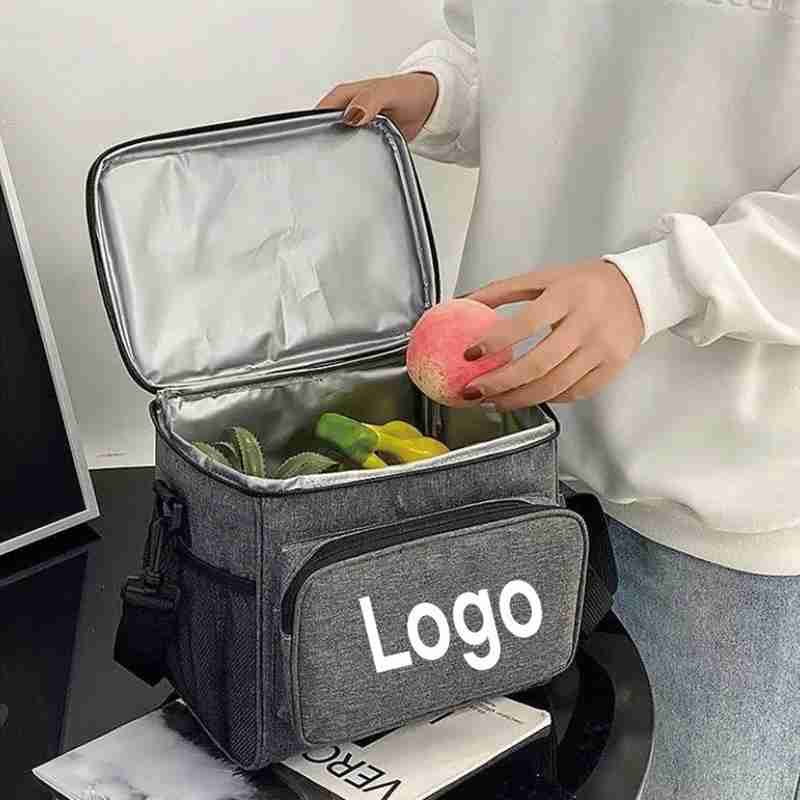
| Layer / Part | Common Options | Main Function |
|---|---|---|
| Outer fabric | Polyester, Oxford, RPET, canvas, neoprene | Appearance, wear resistance, print surface |
| Coating/backing | PU coating, PVC coating | Water resistance, structural support |
| Insulation layer | EPE foam, PE foam, thicker foam | Temperature retention, cushioning, shape |
| Inner lining | PEVA, aluminum foil, easy-clean lining | Wipe-clean surface and inner protection |
| Closure | Zipper, Velcro, buckle, roll-top | Helps reduce heat exchange |
| Base | Flat base, foam base, reinforced bottom | Keeps containers stable |
| Extra pocket | Ice pack pocket, mesh pocket, bottle pocket | Adds a daily-use function |
Food-Friendly Lining and Easy-Clean Details
The inside of a lunch bag matters as much as the outside. A lunch bag may carry warm meals, cold drinks, fruit, snacks, sauces, ice packs, baby bottles, or meal prep containers. Spills, condensation, crumbs, and odor can happen during daily use.
A good lining should be easy to wipe, neatly attached, and suitable for repeated use with packed food containers. PEVA lining and aluminum foil lining are common choices for insulated lunch bags. The better choice depends on bag shape, target cost, cleaning needs, and the look your brand wants.
Easy-clean design is not only about the lining material. Inner seam finish, corner shape, pocket placement, zipper opening, and bag depth all affect how easy it is to clean. If crumbs stay in sharp corners or liquid collects in low seams, the bag becomes harder to reuse.
Before sampling an insulated lunch bag, it helps to confirm what the bag will carry, such as dry snacks, meal boxes, drinks, fresh food, bottles, or ice packs. User group also matters, because kids, adults, employees, and food delivery teams may need different sizes, openings, lining, and cleaning methods.
Daily use, seasonal campaigns, school programs, retail sales, food brand promotions, or one-time gifts should be reviewed early. These details help plan container fit, wipe-clean lining, bottle position, zipper structure, carry comfort, logo placement, and bulk packing more accurately.
| Detail | Why It Matters |
|---|---|
| PEVA lining | Light, flexible, wipe-clean, common for daily lunch bags |
| Aluminum lining | Bright thermal look, easy surface cleaning |
| Inner seam finish | Reduces rough edges and trapped crumbs |
| Rounded inner corners | Easier to wipe than sharp corners |
| Wide opening | Makes cleaning and loading easier |
| Bottle space | Helps reduce tipping and condensation spread |
| Ice pack pocket | Keeps the cooling element in a stable position |
| Leak-resistant planning | Useful for sauces, fruit, drinks, and kids’ use |
| Odor consideration | Better cleaning helps long-term reuse |


Materials for Durable and Reusable Lunch Bags
A reusable lunch bag needs materials that can handle daily carrying, repeated opening and closing, light cleaning, folding, storage, and transport. The right material depends on the project use, target price, logo method, desired look, and expected durability.
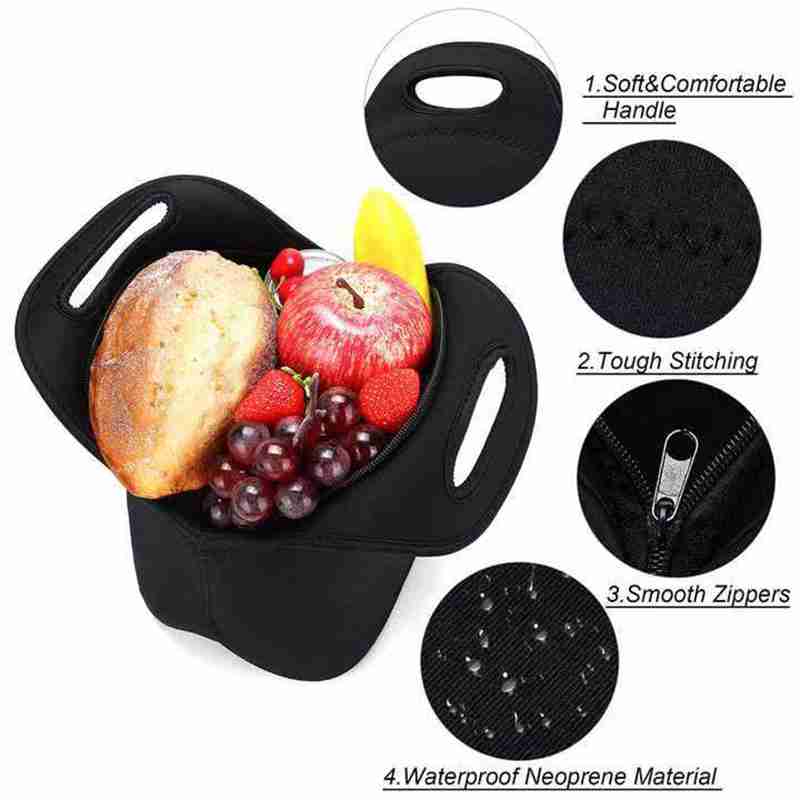
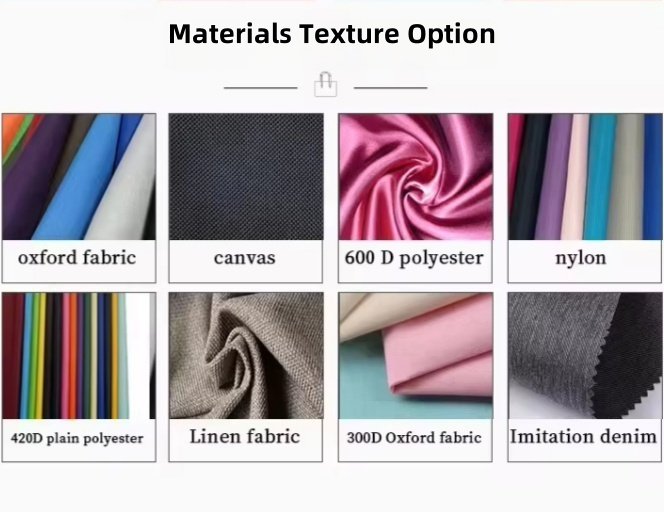
Polyester and Oxford fabric are common choices for school lunch bags, corporate gifts, retail lunch totes, and daily-use cooler bags. RPET fabric can support reusable and eco-style programs when material supply and project positioning match. Canvas gives a more natural lifestyle look, but lining and structure still need insulation planning. Neoprene offers a soft, flexible feel and works well for simple lunch sleeves or compact lunch totes. Non-woven material can be cost-friendly for short-term promotions, but it may not be suitable for higher-use lunch programs.
Durability comes from the full structure, not only the outer fabric. Zippers, webbing handles, shoulder straps, stitching, inner lining, foam layer, binding, and bottom construction all affect how long the bag stays useful.
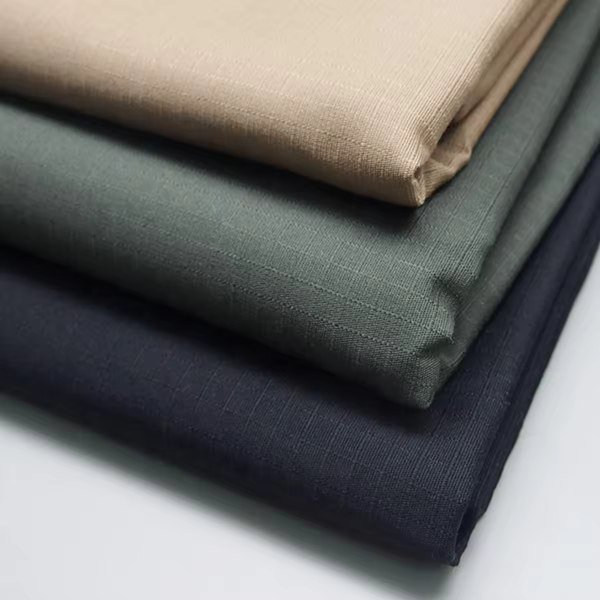
Canvas
Canvas gives lifestyle lunch bags and retail lines a natural look, strong texture, and a more casual branded appearance.

Polyester
Polyester is suitable for daily lunch bags, school lunch programs, and gift projects, with flexible printing and cost-friendly customization.

RPET fabric
RPET fabric is a good choice for reusable lunch bags and eco-style programs, adding a recycled material story to branded projects.

Neoprene
Neoprene is used for soft lunch sleeves and compact bags, offering flexibility, soft touch, light protection, and easy carrying.
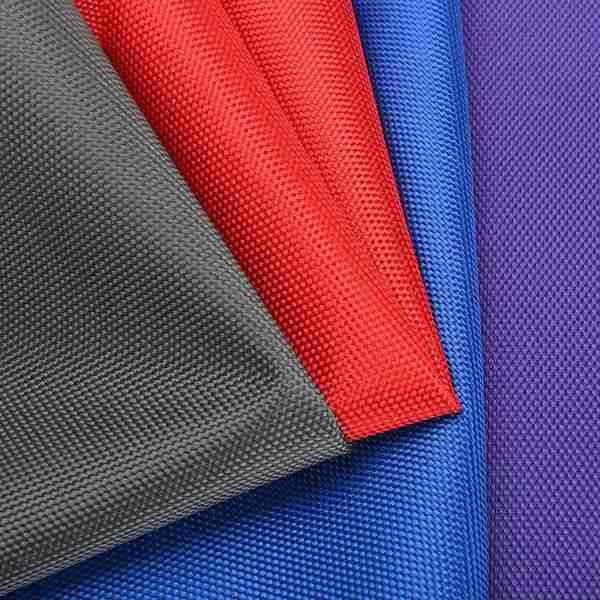
Oxford fabric
Oxford fabric works well for durable lunch totes and cooler bags, offering better wear resistance, structure, and long-term daily use.

PEVA lining
PEVA lining is popular for daily insulated lunch bags because it is light, flexible, food-friendly, and easy to wipe clean.

Reinforced webbing
Reinforced webbing is useful for lunch bag handles and shoulder straps, giving better strength for repeated daily carrying.

Non-woven
Non-woven material suits short-term promotional lunch bags, large event campaigns, simple branding, and lower-cost bulk order needs.

Smooth zipper
A smooth zipper improves the main opening experience, helps protect food storage, and makes insulated lunch bags easier to use.
Aluminum lining
Aluminum lining gives cooler lunch bags a bright thermal appearance, simple cleaning surface, and practical food storage support.
Material choices can make insulated lunch bags easier to reuse in school, office, retail, and daily food programs. Outer fabric should match use frequency, while lining should fit cleaning needs, food contact habits, and wipe-clean requirements.
Foam thickness, bag shape, handle stitching, smooth zipper use, stain-resistant colors, and logo method should be reviewed together. These details help create custom lunch bags with better durability, easier care, stronger branding, and more practical long-term use.
Size, Capacity, Compartments, and Bottle Space
A lunch bag can look attractive, but still fail if the meal box does not fit. For bulk custom insulated lunch bags, size planning should start from the real items that will go inside: lunch boxes, bento boxes, water bottles, juice boxes, ice packs, fruit, snacks, cutlery, napkins, or meal prep containers.
A school lunch bag may need to fit inside a backpack and still hold a lunch box, drink, and snack. An office lunch tote may need a cleaner shape, space for a bottle, and enough room for daily meals. A meal prep bag may need a wider base, more depth, and a stable layout for two or three containers. An insulated grocery tote may need a larger opening, stronger handles, and foldable packing.
Capacity is not only about total volume. The bag should also load easily, close smoothly, keep containers stable, and remain comfortable to carry. A few centimeters can change whether the zipper closes well or whether a water bottle stands upright.
Before sampling an insulated lunch bag, confirm container length, width, height, quantity, bottle size, and ice pack dimensions. It is also useful to know whether meal boxes will stack vertically or sit side by side inside the bag.
Carry method, folded packing size, retail display, and gift packing needs should be checked early. These details help plan bag capacity, gusset depth, zipper opening, handle structure, shoulder strap, insulation layout, logo position, and bulk packing more accurately.


| Item to Fit | Better Bag Detail |
|---|---|
| Kids lunch box | Compact body, easy zipper, name label area |
| Bento box | Flat base, stable bottom, clean inner lining |
| Water bottle | Side pocket or taller main compartment |
| Ice pack | Inner pocket or reserved flat space |
| Meal prep containers | Wider base and larger depth |
| Snacks and fruit | Front pocket or extra top space |
| Cutlery and napkins | Small inner pocket or elastic loop |
| Baby bottle | Upright space and easy-clean lining |
| Grocery cold items | Larger tote shape and stronger handles |
Logo, Print, Private Label, and Retail Details
An insulated lunch bag is often used in visible daily settings: schools, offices, gyms, stores, picnics, company events, and food programs. The logo and retail details should look clean, stay durable, and match the surface of the bag.
Branding can be simple or highly visual. A corporate gift lunch bag may need a clear one-color logo. A kid’s lunch bag may use full-print artwork or playful patterns. A food brand may prefer a strong brand color with a neat label. A retail lunch bag line may need hangtags, inner labels, barcodes, SKU labels, and packaging that looks ready for shelf display.
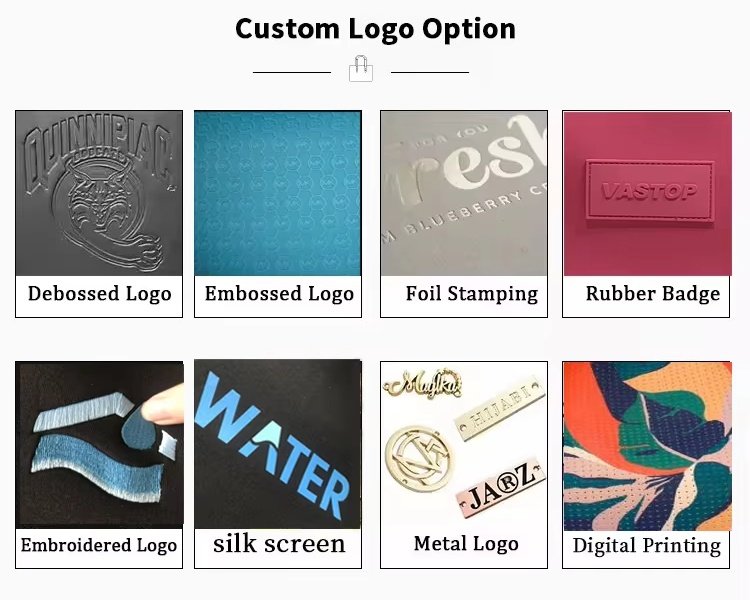
The logo method should match the material and bag shape. A flat polyester panel works well for screen printing or heat transfer. Full-panel artwork may work better with digital print or sublimation on suitable materials. Embroidery can add texture, but it should be reviewed on padded or insulated panels because thick layers can affect the result. Woven labels, rubber patches, and PU patches can create a clean, branded look without covering a large area.
Before production, logo size, print area, fabric surface, panel shape, and artwork type should be confirmed clearly. A one-color logo, full-print design, kids’ pattern, corporate logo, or retail collection may need different printing methods and placement checks.
Label position, barcode, SKU rules, hangtag size, and multi-color or multi-design order details should also be reviewed early. These details help control brand consistency, logo clarity, packing accuracy, retail display, and repeat order records for custom insulated lunch bags.
| Detail | Best Use |
|---|---|
| Screen printing | Simple logos and larger orders |
| Heat transfer | Multi-color graphics and flexible artwork |
| Digital printing | Full-color designs and seasonal prints |
| Sublimation printing | All-over patterns on suitable fabrics |
| Embroidery | Premium look on selected panels |
| Woven label | Private label and retail lines |
| Rubber / PU patch | Durable brand detail |
| Inner label | Product series or store brand |
| Name label area | School and kids lunch bags |
| Hangtag | Retail display and product information |
| Barcode / SKU label | Store, warehouse, and e-commerce sorting |
Cost Planning for Bulk Insulated Lunch Bag Orders
Cost planning for insulated lunch bags is different from ordinary tote bags. The price is affected by the outer fabric, insulation layer, lining, bag size, shape, closure, handle, compartments, logo method, packing style, carton volume, and order quantity.
A low-cost lunch bag can work well for a short corporate gift or event campaign. A school lunch program may need stronger fabric, easy-clean lining, and colors that hide stains. A meal prep brand may need a larger size, thicker insulation, and a dedicated ice pack pocket. A retail line may need better shape, hangtag, barcode, and more consistent finishing.
The best cost plan protects the parts users feel every day: the zipper, handle, lining, insulation, and size fit. Cost can often be managed by simplifying the shape, choosing a suitable foam thickness, reducing unused pockets, using a practical logo method, selecting common materials, and keeping packing efficient.
Outer fabric
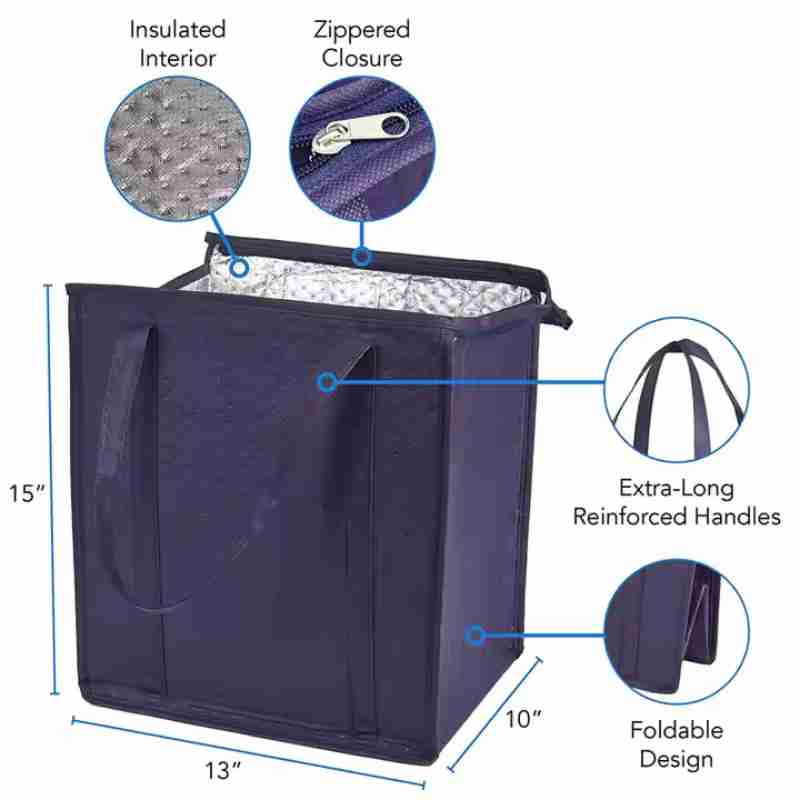
Outer fabric affects lunch bag appearance, durability, texture, thickness, color performance, and logo print result for custom projects.
Inner lining

Inner lining affects cleaning, food storage, wipe-clean use, odor control, and the overall user experience of lunch bags.
Bag size
Bag size affects meal box capacity, bottle space, carton volume, packing cost, and daily use convenience.
Insulation thickness

Insulation thickness affects thermal performance, bag shape, bulk, container fit, and daily carrying comfort for insulated lunch bags.
Compartments

Compartments add bottle pockets, snack storage, cutlery space, and better organization, but may increase sewing labor.
Closure

Closure options such as zipper, Velcro, buckle, or roll-top affect cost, sealing effect, and user convenience.
Handles / strap

Handles and straps affect carrying comfort, loaded strength, material use, shoulder support, and repeated daily use.
Logo method

The logo method affects branding effect, print clarity, artwork detail, color performance, and custom lunch bag presentation.
Retail details
Retail details like hangtags, barcodes, labels, and polybags affect packing time, display value, and SKU management.
Quantity

Order quantity affects setup cost, material planning, unit price control, production efficiency, and bulk project flexibility.
Cost control starts with matching the insulated lunch bag to real-use needs. Insulation thickness, bag size, container fit, pocket layout, zipper type, handle structure, and full-print design should be selected based on daily use, school programs, retail sales, gifts, or food delivery projects.
Stable easy-clean lining, practical folded size, carton quantity, and material availability should also be confirmed early. For repeat orders, avoiding rare fabrics or overly complex structures can help control unit price, production timing, packing cost, and long-term order stability.
Sampling With Real Meal Box and Ice Pack Review
A lunch bag sample should be checked with the real items it will carry. A bag may look correct in a photo, but the fit can change once a lunch box, bottle, ice pack, fruit, snack pouch, or meal prep container is placed inside.
Sampling helps confirm the details that affect daily use: size, opening width, zipper movement, lining finish, bottle space, ice pack position, handle comfort, folded size, and packing method. For retail or school programs, it also helps check logo placement, name label area, hangtag position, barcode space, and carton packing.
A few centimeters can make a big difference. A lunch box may fit, but press against the zipper. A bottle may fit only when lying flat. An ice pack may take up more space than expected. A double-layer bag may look roomy, but become too bulky after packing. These issues are easier to adjust during sampling than after bulk production begins.
Jundong supports sample development through material review, structure adjustment, logo proofing, lining checks, and packing reference confirmation. Standard sampling usually takes about 5–7 days after details are clear. For some simple styles, 2–3 days may be reviewed when the material and structure are ready.
A clear sampling path starts with lunch box size, bottle size, ice pack size, quantity, logo file, and use scene. These details help confirm outer fabric, insulation layer, lining, bag size, closure type, handle structure, and logo method before sample making.
The first sample is used to review container fit, bag shape, material feel, zipper use, handle strength, pocket layout, and packing direction. After adjustments, the approved final sample becomes the standard for bulk production, quality checking, labels, and repeat orders.
| Sample Detail | Why It Matters |
|---|---|
| Lunch box fit | Confirms real capacity and zipper closure |
| Bottle space | Checks upright or side pocket placement |
| Ice pack position | Helps cooling layout stay practical |
| Inner lining | Reviews wipe-clean surface and seam finish |
| Opening width | Affects loading and cleaning |
| Handle comfort | Checks daily carrying feel |
| Folded size | Affects storage, packing, and carton volume |
| Logo placement | Keeps branding visible and balanced |
| Hangtag and label | Confirms retail or school program needs |
| Carton packing | Helps avoid late packing changes |


Quality Checks for Insulated Lunch Bag Orders
Insulated lunch bag quality is not only about outside appearance. The inner lining, insulation layer, zipper, handle, seam finish, logo position, and packing details all affect how the bag performs after daily use.
Common risks include loose lining, uneven foam, weak zipper movement, poor handle attachment, rough inner seams, wrong label placement, color differences, logo misalignment, mixed SKUs, and unclear carton marks. For school programs, retail lines, corporate gifts, and reusable meal programs, these small issues can affect how the order is received and reused.
Quality checks should cover the full process, from incoming material to finished packing. Outer fabric should be reviewed for shade, coating, and defects. Lining should be checked for attachment and surface condition. Foam should match the approved structure. Zippers should open smoothly. Handles should feel secure when the bag is loaded. Labels, hangtags, barcodes, and carton marks should match the packing plan.
Outer fabric
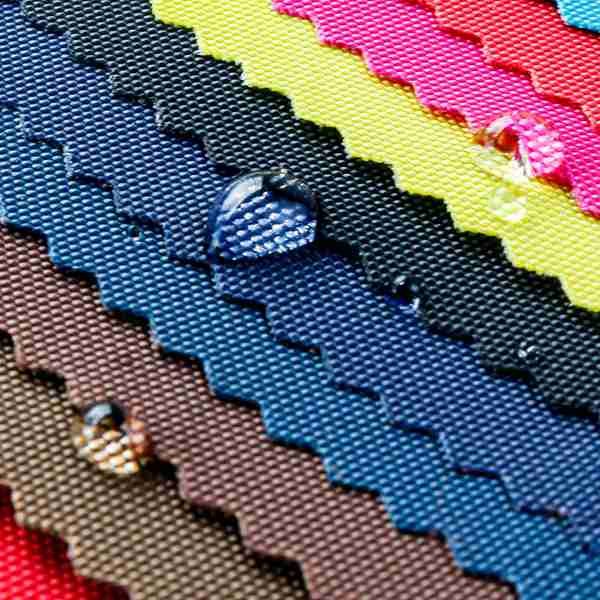
Outer fabric inspection checks color shade, coating, defects, and print surface to support better lunch bag appearance and branding.
Insulation layer

Insulation layer review checks foam thickness, placement, shape support, and thermal structure for better-insulated lunch bag performance.
Inner lining

Inner lining inspection checks PEVA or aluminum surface, attachment, seam finish, cleaning comfort, and food storage experience.
Cutting

Cutting control checks size accuracy, panel direction, and panel matching to keep the approved lunch bag shape consistent.
Sewing

Sewing inspection checks stitching, edge binding, thread trimming, seam strength, and overall workmanship for durable daily use.
Zipper
Zipper checking focuses on smooth movement, puller strength, closure alignment, and easy opening for repeated lunch bag use.
Size and capacity

Size and capacity checking compares bulk goods with the approved sample to control meal box fit and bottle space.
Handle / strap

Handle and strap review checks webbing quality, attachment strength, carrying comfort, and loaded use for school or office bags.
Logo

Logo inspection checks position, color, clarity, adhesion, durability, and brand presentation for custom insulated lunch bag orders.
Packing

Packing inspection checks polybags, hangtags, barcodes, SKU labels, carton marks, and sorting accuracy before shipment.
Quality control for custom insulated lunch bags should start with the approved sample as the production reference. Material, lining, insulation layer, color, and logo proof should be checked before cutting and bulk logo work to reduce mismatch risks.
During sewing, in-process checks help control stitching, zipper, handle strength, pocket layout, and bag shape. Before shipment, finished bag review, label checking, SKU sorting, carton packing, and carton mark confirmation help keep bulk orders consistent and easier to receive.
Packing, Labels, Cartons, and Export Details
A bulk lunch bag order is easier to receive and distribute when packing details are clear before production. This is especially important for school programs, employee gifts, retail lines, e-commerce orders, supermarket projects, and food brand campaigns.
Different programs need different packing logic. A school order may need name label areas, color sorting, class or campus grouping, and clear carton marks. A corporate gift order may need individual packing and easy distribution. A retail lunch bag line may need hangtags, barcodes, SKU labels, inner labels, and clean shelf-ready presentation. A supermarket cooler tote may need folded packing, carton quantity control, and strong outer carton marks.
Packing details should match the final channel. If the bags go to a warehouse, barcodes and carton marks matter. If they go to a school program, sorting clarity matters. If they go to retail shelves, hangtags and label placement matter. If they go to several destinations, carton allocation should be planned early.
Packing details should be confirmed early for custom insulated lunch bag orders. Individual packing, bulk packing, folded packing, shaped packing, hangtag position, barcode placement, name labels, and school sorting rules can affect handling time and delivery accuracy.
SKU format, color or print sorting, quantity per carton, carton size, gross weight, warehouse labels, and destination marks should also be reviewed before production. Clear packing logic helps support retail sales, school programs, employee gifts, food promotions, and repeat bulk orders.

| Detail | Common Use |
|---|---|
| Individual polybag | Clean delivery and basic protection |
| Hangtag | Retail display and product information |
| Name label area | School and kids lunch bags |
| Inner label | Private label and product series |
| Barcode sticker | Store scanning and warehouse receiving |
| SKU label | Multi-color or multi-style sorting |
| Insert card | Gift message, care note, or product story |
| School sorting label | Class, campus, or program distribution |
| Carton mark | Item code, color, quantity, carton number |
| Multi-SKU packing | Retail, e-commerce, and multi-location orders |
A Guangdong Bag Factory for Long-Term Lunch Bag
Insulated lunch bag projects often continue beyond one order. Schools may reorder for new terms. Companies may repeat employee gift programs. Food brands may restock branded cooler bags. Meal prep brands may update size and color. Retail lines may add new prints, barcodes, or seasonal versions. Supermarkets may reorder insulated grocery totes throughout the year.
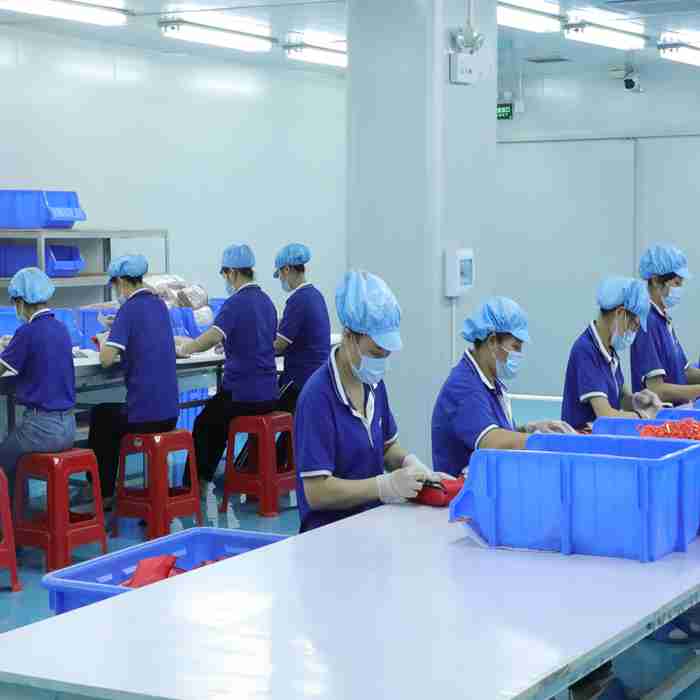
Jundong is based in Guangdong, China, with export sales support, product development, design assistance, an in-house sample room, over 600 staff, an 18,000 square meter facility, professional equipment, and a quality team of 80 inspectors. This setup supports lunch bags, cooler bags, tote bags, travel bags, promotional bags, retail bags, and long-term reusable bag programs with flexible material options and export-ready packing.
For long-term lunch bag programs, clear records make reorders easier. The approved sample, outer fabric, insulation layer, lining material, bag size, zipper type, handle length, logo file, print color, label layout, packing method, carton quantity, and carton mark format should stay organized. These details help future orders stay close to the approved standard.
For a faster insulated lunch bag project review, share the bag style or reference photo, meal box size, bottle dimensions, ice pack size, preferred outer material, lining choice, insulation needs, logo artwork, label requirements, target quantity, packing method, delivery deadline, and destination country or region.
These details help the team review container fit, bag capacity, insulation structure, zipper opening, handle design, logo method, retail packing, carton marks, and production planning. Project details can also be sent to info@jundongfactory.com for a clearer size, material, packing, and bulk order proposal.
| Program Need | Practical Support |
|---|---|
| School programs | Kids sizes, name label areas, sorting support |
| Employee gift projects | Logo lunch bags, clean packing, repeat batches |
| Food brand programs | Brand color, cooler structure, label consistency |
| Meal prep brands | Container fit, ice pack space, larger capacity |
| Retail private label | Hangtags, barcodes, SKU labels, seasonal updates |
| Supermarket cooler totes | Foldable structure, strong handles, carton planning |
| Multi-SKU lines | Color records, print files, label separation |
| Repeat orders | Approved sample records, material references, packing details |
Make a sample first ?
A useful custom insulated lunch bag should match the meal boxes it will carry, the drinks it needs to hold, the people who will use it, and the sales channel it will serve. When size, insulation, lining, zipper, handle, logo, and packing details are clear from the beginning, bulk custom orders become easier to quote, sample, produce, inspect, and deliver.
Client Testimonials
800+ brand Clients Trust Jundong


Ready To Build Custom Insulated Lunch Bags For Project? Contact Us!
Your insulated lunch bag project may be simple, or it may need several layers of detail. A school lunch program may need lightweight fabric, easy-clean lining, name label space, and smooth zippers. A retail private label order may need shaped bags, hangtags, barcode stickers, color sorting, and individual packing. A corporate gift or food promotion project may need clear logo placement, practical insulation, bottle space, ice pack pockets, and carton marks.
The best result usually starts with a clear project brief. You do not need to have every detail finalized before reaching out. If you already have a logo file, lunch box size, bottle size, material preference, color direction, or previous sample, that will help. If not, you can start with the basics: what the bag will carry, who will use it, how many pieces you need, where the logo should appear, and where the goods will be delivered.
Jundong can help turn those early details into a workable custom insulated lunch bag specification. The review can include outer fabric, insulation thickness, inner lining, bag size, zipper type, handle or shoulder strap, pocket layout, logo method, label options, retail packing, MOQ, sample timing, bulk lead time, QC checkpoints, and shipment preparation.
For faster review, send your logo, quantity, use scene, meal container size, bottle size, ice pack needs, packing request, and delivery timeline to info@jundongfactory.com. Whether your project is for school lunch programs, office meals, employee gifts, food delivery sample kits, supermarket cooler use, outdoor picnic programs, retail merchandise, or private label orders, a practical recommendation can start from there.
The right custom insulated lunch bag is not always the most complex option. It is the option that fits the meal container, protects the food, presents the brand clearly, stays comfortable for the user, and can be produced at a realistic cost and timeline.
Custom Insulated Lunch Bags Made Easy
At Jundong factory, we make complexity simple! Follow these three steps to get started immediately:
1. Tell Us Your Needs
Provide us with detailed information about your requirements, supply design drawings or tech packs, reference images, and share your ideas.
2. Get Solutions and a Quote
We will customize the best solution based on your needs and drawings, and provide a specific quote within 24 hours.
3. Confirm for Mass Production
Once we receive your confirmation and deposit, we will commence mass production and take care of the subsequent shipping arrangements.
FAQs, You ask, we answer
Choosing custom insulated lunch bags becomes much easier when the main project details are clear from the beginning. The right solution may change depending on whether the bags are used for school lunch programs, office meals, employee gifts, retail private label lines, supermarket cooler use, outdoor picnics, food delivery sample kits, or promotional campaigns.
These questions cover the details that many clients check before sampling, including lunch box fit, bottle space, insulation thickness, inner lining, zipper type, logo method, MOQ, sample timing, bulk lead time, labels, barcode stickers, retail packing, carton marks, and bulk quality control.


Certainly, the best insulation structure depends on what the bag carries, how long the food needs support, and how the bag will be used. A school lunch bag, an employee gift lunch tote, a meal prep bag, and an insulated grocery tote should not use exactly the same structure.
A practical insulated lunch bag usually has several layers. The outer fabric gives appearance, print surface, and wear resistance. The middle foam layer helps reduce temperature change and adds shape support. The inner lining helps with cleaning and protects the inside from spills, crumbs, and condensation. The closure, such as zipper, Velcro, buckle, or roll-top, also affects how well the bag works in daily use.
For standard office lunch bags and school lunch bags, a polyester or Oxford outer layer with EPE foam and PEVA lining is a common and balanced direction. It keeps the bag light, easy to carry, and easier to wipe clean. For meal prep programs, a thicker foam layer and more structured body may be useful because the bag may hold several containers and an ice pack. For supermarket cooler totes or outdoor lunch cooler bags, stronger handles, a larger insulated body, and a better closure should be reviewed.
The key is not to choose the thickest foam for every project. Too much insulation can increase bulk, carton volume, and cost. Too little insulation may make the bag feel weak or less useful. A better choice starts with the real use: container size, ice pack needs, carrying time, climate, channel, and target price.
Before sampling, share the meal box size, bottle size, ice pack size, quantity, and use scene. This helps choose the outer fabric, foam thickness, lining, closure, and bag structure more accurately.
Absolutely, PEVA lining and aluminum foil lining are both common choices, but PEVA is often preferred for daily insulated lunch bags when flexibility, light weight, and wipe-clean use matter. Aluminum foil lining is also widely used when a bright thermal look and simple surface cleaning are desired.
The easier lining choice depends on the project. School lunch bags need inner surfaces that can handle crumbs, juice boxes, fruit, sauces, and daily handling by children. Office lunch bags need a clean inner surface that can be wiped after lunch. Meal prep bags need lining that works with larger containers, ice packs, and possible condensation. Grocery cooler totes may need stronger lining attachment because cold items and larger loads can press against the inner surface.
Cleaning is not only about lining material. Inner seam finish, corner shape, opening width, bag depth, and pocket placement also matter. A wide opening makes it easier to wipe inside. Rounded inner corners are easier to clean than sharp corners. A lining that is poorly attached can wrinkle, trap crumbs, or feel unfinished. If the bag has bottle space or ice pack pockets, those areas should also be easy to reach.
For kids lunch bags, name label areas and stain-resistant outer colors may be useful. For food brands or meal prep projects, a cleaner inner finish and more stable base can make the bag feel more reliable. For retail lunch bags, lining appearance matters because users often open the bag before purchase or right after receiving it.
A good lining should support repeated use. It should be easy to wipe, neatly attached, and matched with the bag structure. Before bulk production, it is smart to check the lining on a real sample, especially around corners, seams, zipper opening, and ice pack areas.
Sure, the right lunch bag size should start from the real meal containers, not only from a popular sample size. A lunch bag needs to fit the food neatly, close smoothly, carry comfortably, and still look good after loading.
The most useful details are container length, width, height, bottle size, ice pack size, and the number of items per bag. A compact kids’ lunch bag may only need space for one lunch box, one juice box, and a snack. An adult office lunch tote may need room for a bento box, fruit, cutlery, and a water bottle. A meal prep bag may need a wider base for two or three containers. An insulated grocery tote may need a larger opening and stronger handles for cold items.
A size that looks “standard” may not work for every program. If the bag is too small, the zipper may press against the lunch box. If the bag is too tall, food containers may move around. If the base is too narrow, containers may tilt. If the bag is too large, carton volume and freight cost may increase. This is why size planning should include both product fit and packing efficiency.
A practical check can use this simple table:
| Item | Detail to Confirm |
|---|---|
| Lunch box | Length, width, height |
| Bottle | Height, diameter, upright or side position |
| Ice pack | Flat size and thickness |
| Snacks | Extra top or front pocket space |
| Cutlery | Inner pocket or elastic loop |
| Packing | Folded size and carton quantity |
The safest method is to test a sample with the real lunch box, bottle, and ice pack before production. This helps prevent small fit issues from becoming large order problems.
Definitely. Insulated lunch bags can be designed for meal prep containers, ice packs, bottles, snacks, cutlery, and daily food storage. The key is to plan the inner size, base width, opening, compartment layout, and closure around the actual container set.
Meal prep projects often need more structure than a basic lunch tote. Many users carry two or three containers, plus an ice pack, shaker bottle, fruit, or utensils. If the bag is too narrow, containers may sit at an angle. If the bag is too shallow, stacked containers may press against the zipper. If the ice pack has no proper place, it may slide around and reduce user convenience. A dedicated ice pack pocket or reserved flat space can make the layout more practical.
For fitness meal brands, larger lunch cooler bags, double-layer lunch bags, or structured meal prep bags may work better than small school lunch bags. For office lunch programs, a medium insulated tote with a flat base and bottle space may be enough. For food programs or subscription-style meal kits, consistent container fit and packing repeatability become more important.
A helpful review starts with these details:
| Meal Prep Detail | Why It Matters |
|---|---|
| Number of containers | Controls bag width and depth |
| Container height | Affects zipper closure |
| Ice pack size | Helps plan a cooling space |
| Bottle size | Decides side pocket or taller body |
| Container stacking | Affects base and compartment layout |
| Daily carry style | Decides handle or shoulder strap |
Before approving the final sample, load the real containers and ice pack into the bag. This confirms whether the size, zipper, handle, lining, and base are ready for bulk production.
Of course, reusable insulated lunch bags need materials that balance daily durability, insulation structure, cleaning, logo work, and cost. The best material depends on whether the bag is used for school lunches, employee gifts, retail shelves, meal prep, supermarket cooler programs, or food brand promotions.
Polyester is a practical choice for many lunch bag projects because it is flexible, printable, and cost-friendly. Oxford fabric is often chosen when better wear resistance and a more structured feel are needed. RPET fabric can support reusable and eco-style programs when the project wants a recycled material story. Canvas gives a more natural lifestyle look, but it still needs a proper insulation layer and lining. Neoprene can create a soft and flexible lunch sleeve or compact lunch tote. Non-woven material may work for short-term promotional lunch bags, but it may not be strong enough for higher-use daily programs.
The inside materials are just as important. PEVA lining is common for daily lunch bags because it is light, flexible, and easy to wipe. Aluminum foil lining gives a bright thermal look and simple cleaning. Foam insulation, such as EPE or PE foam, helps with temperature support and shape. Webbing handles, zipper quality, stitching, binding, and bottom structure all affect how long the bag stays useful.
A reusable lunch bag should survive repeated opening, carrying, wiping, folding, and packing. So the material decision should not stop at the outer fabric. The outer layer, foam, lining, zipper, handle, seam, and packing method should work together.
For a safer choice, match the material to the use scene first, then review the logo method, cleaning needs, order quantity, and carton volume.
Certainly. Custom insulated lunch bags can include logo printing, heat transfer graphics, full-panel artwork, embroidery, woven labels, rubber patches, PU patches, inner labels, name label areas, hangtags, barcode stickers, SKU labels, insert cards, and carton marks. These details are useful for school programs, employee gift projects, retail lunch bag lines, food brands, meal prep brands, supermarket cooler totes, and private label programs.
The best branding method depends on the bag material, surface shape, order quantity, artwork style, and final channel. A simple corporate gift lunch bag may work well with one-color screen printing. A kid’s lunch bag may need bright full-print artwork or a name label area. A retail lunch bag may need a woven label, hangtag, barcode, and inner label. A food brand may prefer a clean logo, brand color, and simple product message. A meal prep brand may need functional wording, size labels, and SKU separation.
Logo placement should also be checked on the real bag shape. Insulated lunch bags often have foam layers, curved panels, zipper edges, front pockets, and side pockets. A logo that looks balanced on flat artwork may sit too close to a zipper or look distorted on a rounded panel. For full-print designs, artwork scale and seam placement should be reviewed before production.
For retail and private label orders, barcode and SKU details should be planned early. A beautiful lunch bag can still create warehouse or store problems if labels are missing, hard to scan, or placed in the wrong area. The safest path is to confirm logo size, print method, label position, hangtag layout, barcode format, and carton mark style during sampling.
Sure, the standard MOQ for many custom insulated lunch bag projects is usually around 500 pcs per design. This quantity is more practical for material preparation, insulation layer setup, lining cutting, sewing, logo work, packing, and quality checking. It also helps spread setup costs across more units, which usually makes the unit price more reasonable.
For simple lunch bag styles, 200–300 pcs may be reviewed. This is more realistic when the project uses available outer fabric, standard PEVA or aluminum lining, a simple bag shape, one logo method, and basic packing. A simple lunch tote with one-color printing is easier to evaluate at a smaller quantity than a meal prep bag with thick foam, multiple compartments, a custom zipper, a full-panel print, a hangtag, a barcode, and individual retail packing.
MOQ is not only a production number. It affects material purchasing, print setup, lining preparation, labor efficiency, unit cost, sampling value, and delivery schedule. Insulated lunch bags have more layers than ordinary tote bags, so the structure, inner lining, and insulation material all need proper setup before bulk work starts.
If the project is still in the testing stage, the first order can often use a simpler structure to reduce risk. If the lunch bag is for a school program, employee gift, retail shelf, food brand, meal prep line, or long-term reusable cooler project, 500 pcs and above usually gives more room for stable production and better cost planning.
Generally, sampling for custom insulated lunch bags takes about 5–7 days after the main details are confirmed. For some simple lunch tote styles, 2–3 days may be reviewed when material, size, lining, logo method, and structure are already clear. Bulk production commonly takes about 20–30 days after sample approval and final order details are confirmed.
The actual timeline depends on outer fabric availability, insulation thickness, lining material, bag shape, number of compartments, zipper type, logo process, packing method, and order quantity. A standard polyester lunch tote with PEVA lining and one logo print usually moves faster than a double-layer meal prep bag with thick foam, ice pack pocket, side bottle pocket, full print, barcode labels, and retail packing.
Sampling is worth doing carefully because the lunch bag fit cannot be judged by artwork alone. During sampling, the team can check the lunch box fit, bottle space, ice pack position, zipper movement, lining finish, handle comfort, folded size, logo placement, and packing method. If the bag will be used for schools, employees, retail stores, food brands, or meal prep programs, testing with the real container is strongly recommended.
For projects tied to back-to-school dates, company events, retail launches, seasonal promotions, or food brand campaigns, schedule planning should start early. It is safer to work backward from the delivery date and leave time for sample review, possible revision, bulk production, inspection, packing, and shipping.
Definitely, cost control for bulk insulated lunch bags should protect the parts users notice every day: size fit, zipper movement, lining cleanup, handle comfort, and reasonable insulation. A lower unit price can create problems if the bag becomes too small, too thin, hard to clean, weak at the handle, or unsuitable for the intended meal containers.
The main cost factors include outer fabric, insulation thickness, lining material, bag size, shape complexity, compartments, zipper or Velcro closure, handle or shoulder strap, logo method, print area, individual packing, hangtag, barcode label, carton volume, and order quantity. A short-term corporate gift lunch bag can stay simple and cost-friendly. A school lunch bag may need stronger fabric and easier cleaning. A meal prep bag may need more capacity and better structure. A retail private label lunch bag may need better finishing, hangtags, barcodes, and SKU labels.
Cost can often be managed by keeping the bag size close to the real container, avoiding unused pockets, selecting a suitable foam thickness, choosing standard zipper and handle options, using a practical logo method, and planning carton quantity early. Full-panel prints, special materials, thick insulation, multiple compartments, and complex retail packing should be used when they clearly support the project value.
The best approach is to decide where not to compromise. For reusable lunch bags, lining quality, zipper function, handle strength, and container fit are worth protecting. These are the details users feel after the first few uses.
Absolutely. Testing the sample with real lunch boxes, bottles, ice packs, and containers before production is one of the safest ways to avoid fit problems. A lunch bag may look correct when empty, but the real performance appears only after it is loaded.
A real loading test helps check whether the lunch box fits flat, whether the zipper closes smoothly, whether the bottle stands upright, whether the ice pack has a proper position, and whether the bag still looks neat after loading. It also shows whether the inner lining is easy to wipe, whether the handle feels comfortable, and whether the base supports the container properly.
A practical test can include:
| Test Item | What It Shows |
|---|---|
| Lunch box fit | Confirms width, height, and base size |
| Bottle placement | Checks upright space or side pocket use |
| Ice pack space | Reviews cooling layout |
| Zipper closure | Shows if the bag closes without pressure |
| Carry test | Checks handle comfort and balance |
| Lining wipe test | Reviews cleaning convenience |
| Folded packing | Confirms storage and carton volume |
| Label placement | Checks retail or school program details |
If the real containers are not available, photos with dimensions can still help. For meal prep brands, school programs, employee gifts, and retail lunch bag lines, container testing is highly recommended before final approval.
This step helps adjust size, base width, pocket position, lining, zipper, handle, and packing method before the full order begins. It is much easier to improve a sample than to correct a full batch.