Skip to content
How to Reduce Risk When Working with Overseas Bag Factories
Sourcing custom bags overseas can work smoothly when risk is managed with structure, not luck. Most problems come from unclear specs, untracked changes, and missing checkpoints—so the approved sample does not translate into stable bulk. This guide shows a practical control route used by professional sourcing teams: RFQ clarity, BOM discipline, controlled sampling stages, clear approval gates, in-line QC checkpoints, and packing and labeling verification before shipment. You’ll also find checklists for material and color control, inspection timing, communication routines, and version control, so reorders stay consistent and disputes stay rare.
Reduce Risk with Overseas Bag Factories
When sourcing custom bags overseas, the biggest risk is rarely “a bad factory.” Most problems arise when requirements are not translated into measurable specs, control points are not defined, and decisions are documented in chat logs rather than traceable documents. Disputes usually come from three gaps:
-
Expectations are unclear or incomplete,
-
The production process lacks stable checkpoints,
-
Both sides don’t share the same approved reference for bulk.
A low-risk program follows a simple structure used by professional sourcing teams: clear RFQ scope → controlled sampling → approval gates → in-line QC → pre-shipment inspection → packing and labeling verification → delivery risk controls. This guide provides practical checklists, comparison tables, and decision FAQs that help procurement and brand teams evaluate supplier fit and keep the project stable from sample to reorder.
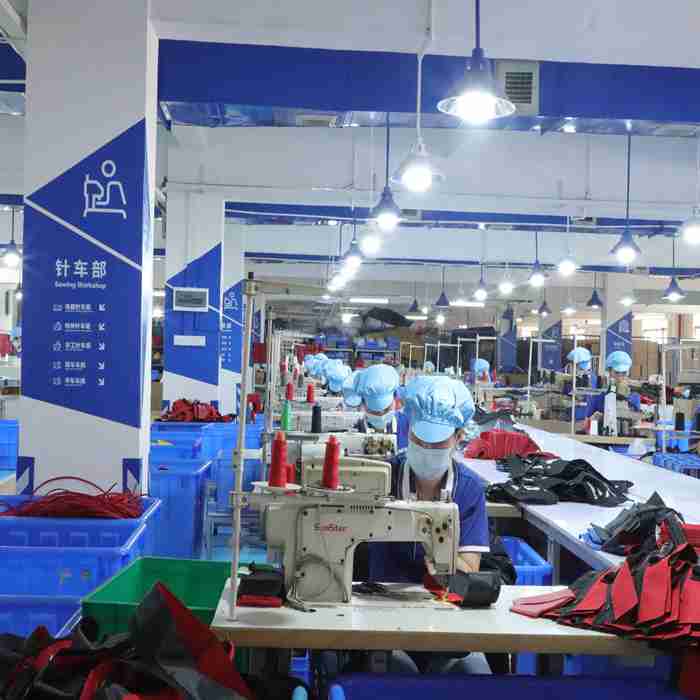
From factory execution experience in Guangdong, many bulk failures come from small details that were never locked: zipper substitutions, foam thickness drift, missing bartacks, inconsistent sewing tension, logo placement shift, or carton deformation during sea freight. The solution is systematic: define spec tolerances, identify critical-to-quality points (CTQ), require documented QC checkpoints, and maintain version control so every reorder follows the same approved standard.


The 8 Common Overseas Bag Risks and Fixes
Customers often think of risk as fraud or a factory shutdown. In reality, the most expensive issues are operational: spec gaps, material substitution, color drift, weak reinforcement, unclear tolerance, missing inspection gates, and packaging mistakes that create damage in transit.
| Risk Area | What It Looks Like in Bulk | Root Cause | Prevention Action |
|---|---|---|---|
| Sample-to-Bulk Deviation | The approved sample looks better than the production | No locked BOM, no golden sample control | Freeze BOM and tech pack and golden sample; sign-off photos |
| Material Substitution | Fabric/zipper/foam swapped “equivalent.” | Ambiguous specs, supplier cost pressure | Specify material codes, brand, GSM/D, tolerance, and incoming checks |
| Color Drift | Pantone mismatch, batch-to-batch variation | No lab dips, poor dye lot control | Require lab dip and shade band; record dye lot |
| Workmanship Variation | Stitch density varies; loose threads | Weak SOP; inconsistent operator training | Define SPI, seam allowance, and in-line QC checklist |
| Reinforcement Failure | Handles tear, straps detach | Stress points not engineered | Add bartack, box-X, binding; load test standards |
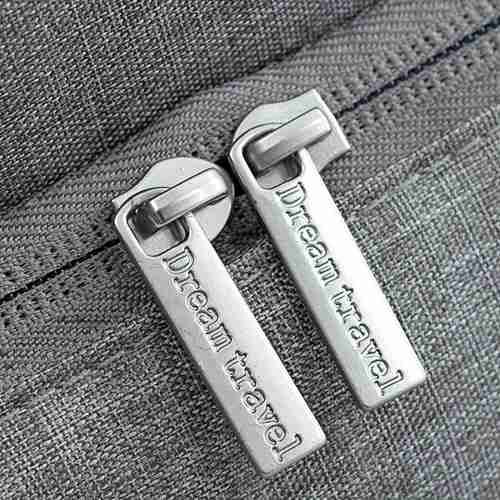
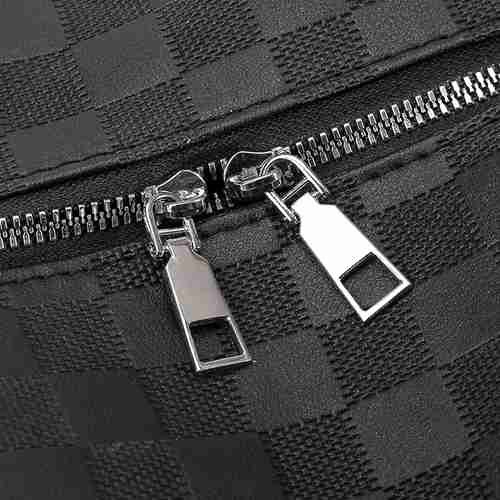
| Hardware Failure | Buckles crack, zipper teeth split | Low-grade hardware; no testing | Set hardware standard and testing (pull, cycle) |
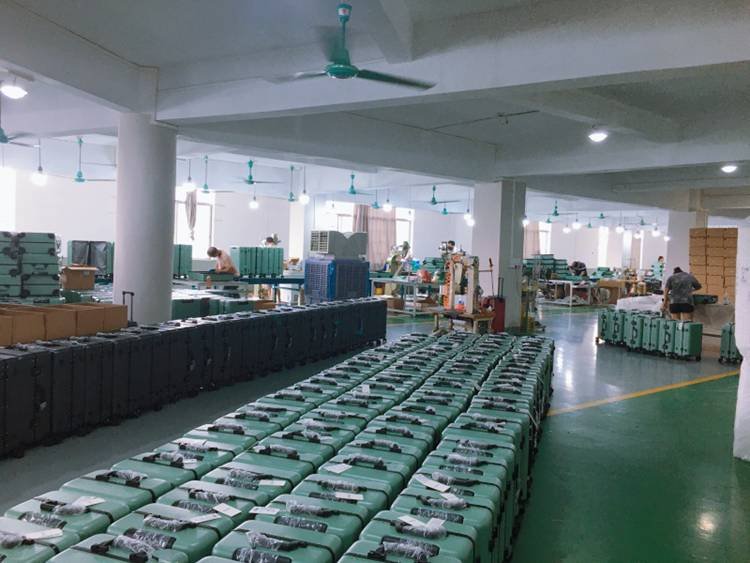
| Packaging Damage | Deformation, corner crush in cartons | Wrong carton spec; no drop/compression logic | Define carton strength, inner support, and packing SOP |
| Lead Time Slippage | Missed the ship window, partial delivery | No capacity planning; unclear milestones | Production calendar, weekly report, and buffer plan |


Factory Checklist Before Paying Deposit
Pre-Qualification Checklist :
- Product Fit Proof: photos/videos of similar bag structures (not just lifestyle shots).
- Sampling Capability: in-house sample room? how many pattern makers? typical sample lead time?
- Specification Discipline: do they work with tech packs, size charts, and revision logs?
- Material Traceability: can they provide material codes, supplier lists, and incoming inspection?
- QC System: do they have defined AQL, in-line inspection, final inspection reports?
- Capacity & Lead Time Control: production calendar, line allocation, peak season planning.
- Packaging & Labeling Accuracy: barcodes, carton marks, polybag warnings, retail-ready packing.
- Compliance Readiness: REACH/CA Prop 65 (if needed), CPSIA/ASTM/EN71 for relevant programs.
- Communication & Responsiveness: structured updates, weekly reports, issue escalation process.

RFQ Pack That Reduces Disputes: What to Include


A professional RFQ pack doesn’t need to be complex—but it must be complete enough for quoting accuracy and production control. Here’s the structure we recommend for custom bag programs:
A. Tech Pack Essentials
- Dimensions with tolerance
- Construction drawings: panels, seams, binding, reinforcement areas
- Stitching requirements: SPI, seam allowance, thread type
- Logo spec: position, size, method (embroider/print/patch), tolerance
- Hardware spec: buckle type, color, finish, minimum strength
- Function spec: pockets, dividers, load rating, zipper direction
B. BOM (Bill of Materials)
List every material with codes: fabric, lining, webbing, foam, zipper, puller, label, packaging. Include target specs like GSM/D, thickness, coating type, and color references (Pantone / lab dip).
C. CTQ List (Critical-to-Quality)
CTQ is your “inspection language.” Example CTQs: zipper smoothness, strap pull strength, logo alignment, color matching, carton compression performance.
| CTQ Item | Standard | How to Inspect | When |
|---|---|---|---|
| Logo alignment | ±2–3mm | measure from reference points | sample + in-line |
| Zipper performance | smooth, no tooth split | 20-cycle test | in-line + final |
| Handle strength | pass pull test | tensile test / manual | pre-shipment |
Sampling Control to Prevent Bulk Failure
Approving a sample is not the finish line—it’s the start of production risk. The gap between sample and bulk happens when the factory treats the sample as a one-off “show piece,” while bulk is built with different operators, different material lots, or rushed SOPs.
To reduce risk, sampling must produce not just a physical sample but a control package. Here is a practical sampling SOP buyers can follow:
1. Sampling Stages
- Proto Sample: validate structure, size, compartment logic
- Pre-Production Sample (PPS): built using production-intent materials and workmanship
- Golden Sample: final approved reference stored and labeled, used for training and inspections
2. Sample Approval Must Include
- Signed BOM (material codes and approved suppliers)
- Signed tech pack (dimensions, tolerance, and construction notes)
- Approved color reference (Pantone and lab dip and shade band)
- Logo placement confirmation (measurement reference points)
- Packaging sample (polybag, insert, carton mark)
3. Revision Control
A simple revision log prevents confusion: what changed, why, and which version is approved.
| Version | Change | Reason | Approved By | Date |
|---|---|---|---|---|
| V2 | added bartack at the strap joint | improve strength |
4.“No-Substitution Rule.”
If materials must change, require a written request and buyer approval. This is the single highest-impact rule to prevent bulk deviation.
If you want help tightening your sampling route, share your bag type and target market (retail, promo, Amazon, etc.). We can suggest which CTQs to lock early and which can remain flexible.

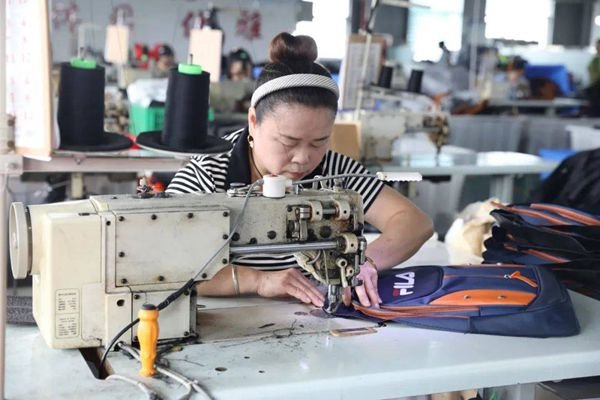
Contract & PO Attachments That Actually Protect You
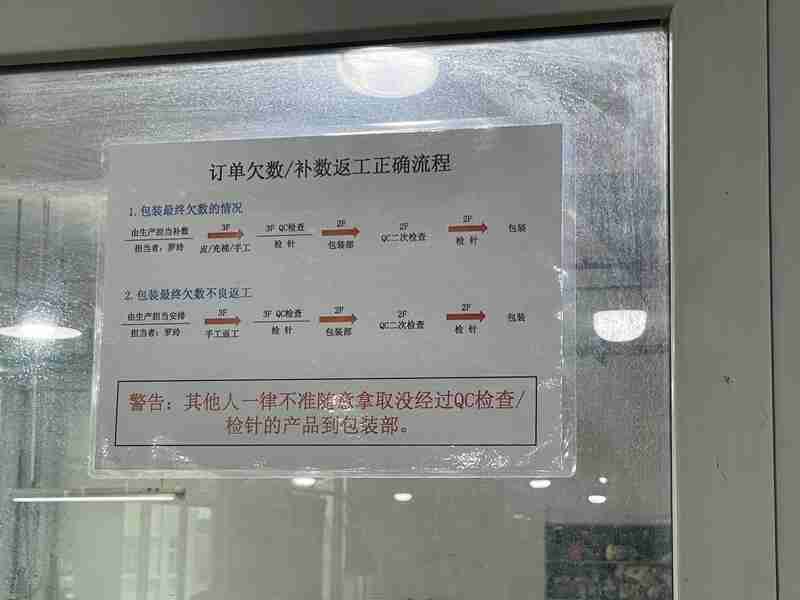
A purchase order without enforceable attachments is just a payment request. In overseas bag manufacturing, disputes rarely get solved by “we discussed it in chat.” What protects your program is a documented acceptance standard: measurable specs, quality criteria, inspection rules, and a clear change-control process.
| Item | Requirement | Acceptance Method | Reject If |
|---|---|---|---|
| Material | matches approved BOM code | incoming check and photos | unapproved substitution |
| Logo placement | within ±2–3mm | measure from reference points | offset beyond tolerance |
| Workmanship | SPI & seam allowance per spec | in-line audit | skipped reinforcement |
| Packaging | carton strength & packing SOP | drop/compression logic | deformation/incorrect marks |
QC That Works Overseas: IQC, IPQC, OQC, AQL
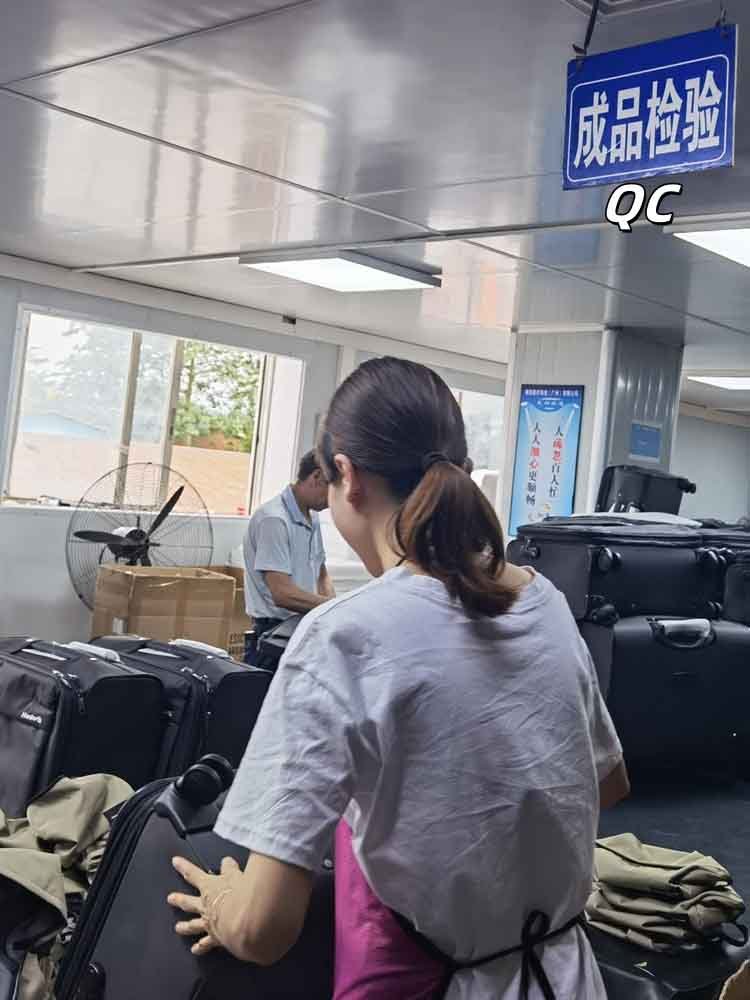
Risk drops when quality becomes checkpoints with clear pass/fail rules. Overseas production works best with a layered system: IQC to verify incoming materials, IPQC to control workmanship during sewing and assembly, and OQC to confirm final quality and packing before shipment.
QC Gate Definitions :
- IQC (Incoming): fabric defects, color batch, zipper brand/model, foam thickness, webbing strength.
- IPQC (In-line): seam allowance, SPI, reinforcement points (bartack/box-X), logo placement, pocket alignment, edge binding.
- OQC (Final): function checks, appearance, measurement, packing/labeling, carton marks.
Defect Classification :
- Critical defects: safety hazards, broken hardware, missing key components.
- Major defects: functional failure, wrong size beyond tolerance, severe color mismatch.
- Minor defects: small stains, light thread tails within limit.
AQL Planning Table :
| Inspection Stage | What to Check | Tools | Records Needed |
|---|---|---|---|
| IQC | fabric GSM, color, zipper model | scale, light box, caliper | incoming checklist and photos |
| IPQC | SPI, bartack points, logo position | ruler, template gauge | in-line report per lot |
| OQC | full function and packing | checklist, carton spec | Final inspection report |
Material and Color Control for Consistency


Many “quality” issues start with materials: lot changes, hidden substitutions, and Pantone shade drift across reorders.
1. Lock Materials With Codes
Every material should have a BOM code tied to a specification. Example fields:
- Fabric: composition, weave, GSM, coating type (PU/PVC/TPU), water resistance target
- Lining: denier, tear strength expectation
- Foam: thickness + density tolerance
- Zipper: brand/model/size , color, puller type
- Webbing: width, thickness, breaking strength
2. Control Color With Lab Dips + Shade Bands
For dyed fabrics, require:
- Lab dip approval (photo + physical reference)
- Shade band to define acceptable variation
- Dye lot record per production batch
3. Incoming Checkpoints (IQC)
- Visual defects (holes, stains)
- Weight/thickness verification
- Color verification under consistent light
- Zipper smoothness / hardware finish check
Anti-Deformation Packaging: Cartons, Supports, SOP
Packaging should be specified like a product component. For custom bags, the most common transit damage causes are: wrong folding, missing inserts, hardware rubbing, moisture exposure, and cartons not designed for stacking compression.
Packaging Control Points:
- Inner Support: tissue paper, air bags, EVA insert, cardboard formers (for structured bags).
- Hardware Protection: wrap buckles/metal plates to prevent abrasion.
- Polybag Spec: thickness, warning label (if needed), sealing method.
- Carton Spec: material, burst strength/edge crush strength, max weight per carton.
- Packing SOP: how to fold, how to stack, how many per carton.
- Carton Marks: SKU, quantity, gross/net weight, country marks, barcodes.

Lead Time Control: Milestones, Reports, Buffers
Lead time risk isn’t only about how many days a factory promises. It’s about whether they can manage dependencies: material arrival, sampling approval, line booking, and inspection windows. Overseas projects often slip when buyers approve late or when suppliers hide issues until the end.
| Stage | Owner | Deliverable | Target Date | Risk Signal |
|---|---|---|---|---|
| RFQ confirmed | Buyer+Factory | spec pack + BOM freeze | Day 0–3 | missing CTQs |
| Proto sample | Factory | proto + revision log | Day 7–15 | unclear structure |
| PPS approval | Buyer | signed PPS | Day 16–25 | late approval |
| Material arrival | Factory | IQC report | Day 20–30 | color drift |
| Bulk start | Factory | line booking + photos | Day 30–35 | capacity conflict |
| In-line inspection | QC | IPQC report | Day 40–55 | workmanship variance |
| Final inspection | QC | OQC report + packing photos | Day 55–65 | packing mismatch |
| Shipment | Forwarder | BL/Tracking | Day 65+ | missed vessel |
Inspection Strategy: When to Use Third-Party Inspection
When Third-Party Inspection Is Recommended
- New factory / first cooperation
- New bag structure (hard-to-make details, multiple compartments)
- Strict branding requirements (color, logo placement, retail packing)
- Tight launch schedule (missed ship date is expensive)
- High value goods (premium materials, custom hardware)
Three Practical Inspection Options
- DUPRO (During Production): verify workmanship consistency early; catch CTQs while rework is still cheap.
- PSI (Pre-Shipment Inspection): verify final quality, measurements, and packaging before final payment.
- Container Loading Check: confirm correct carton marks, quantities, loading method, and damage prevention.
Inspection Scope:
| Inspection Type | Best Timing | Focus | Output You Should Require |
|---|---|---|---|
| DUPRO | 20–60% complete | workmanship, reinforcement, SPI | in-line report + CTQ photos |
| PSI | 80–100% complete | measurements, appearance, function | pass/fail + defect list + AQL |
| Loading | at shipment | quantity, carton marks, loading method | photos + seal number record |
Communication SOP: Updates, Escalation, Records

A communication SOP reduces risk because it keeps everyone aligned on the same “source of truth.”
1) Define a Single Source of Truth
- Tech pack + BOM + revision log are the core.
- Chat is for speed, but decisions must be copied into the revision log.
2) Weekly Update Template (what to request)
- Production progress (% complete)
- Material arrival status + batch confirmation
- CTQ inspection results + photos
- Issues & corrective actions (with deadlines)
- Next week plan + risks
- Packing readiness + carton marks preview
3) Escalation Path (simple and fast)
If a CTQ fails, it should follow a 3-step escalation:
- Step 1: notify + photos + root cause hypothesis
- Step 2: corrective action proposal (cost/time impact)
- Step 3: buyer decision + signed revision (approve / reject / redesign)
Small vs Bulk Orders: Cost and Risk
MOQ conversations often sound like negotiation, but for factories it’s mainly math and process. Even if you order fewer bags, the factory still runs most of the same steps: pattern making, cutting setup, sewing line training, QC setup, and packing preparation. Material procurement is also less favorable at low volume.
Small vs Bulk Decision Table:
| Item | Small Order (Pilot) | Bulk Order | Buyer Takeaway |
|---|---|---|---|
| Unit cost | higher | lower | volume lowers material + efficiency |
| Lead time | sometimes similar | stable if planned | bulk needs capacity booking |
| Risk | lower upfront cash | higher cash exposure | pilot reduces spec risk |
| Best for | new design validation | repeat orders | pilot → lock CTQs → scale |
| Factory efficiency | learning stage | optimized | stable output improves consistency |

Market Compliance Planning to Avoid Risks
A compliance plan starts with two decisions: where you sell and what materials you use. Different channels have different risks: customs, retail audits, and online marketplace policies.
Compliance Planning Table (buyer framework):
| Target Market / Channel | Common Focus | What to Prepare Early | When to Confirm |
|---|---|---|---|
| EU retail | chemical limits, labeling | material declarations, supplier traceability | before material purchase |
| US retail / online | labeling, restricted substances | packaging labeling plan, material spec | before PPS |
| Kids-related programs | safety & materials | avoid risky trims, define testing scope | before sampling |
| Premium brands | audit readiness | QC records, traceability, workmanship SOP | throughout |
30-Minute Pre-Order Bulk Risk Audit
Use this checklist as a gate before paying deposit or before approving PPS. It prevents the most common overseas sourcing failures: unclear specs, unapproved substitutions, weak inspection plans, and shipping damage.
Pre-Order Risk Audit Checklist (Yes/No):
- Tech Pack complete (dimensions + tolerance, construction notes, SPI, reinforcement points)
- BOM frozen with material codes + approved supplier range
- Golden sample defined (ID label + photos + storage responsibility)
- CTQ list finalized (logo alignment, zipper performance, strap strength, color match, carton strength)
- QC standard set (AQL level, defect definitions, sampling plan)
- Inspection timing confirmed (DUPRO/PSI/loading as needed)
- Packaging spec confirmed (inner support, polybag, carton marks, max weight/carton)
- Change-control rule accepted (“no substitution without written approval”)
- Milestone calendar agreed (weekly report format, escalation path)
- Payment milestones linked to deliverables (PPS/PSI pass → balance release)

Make A Sample First?
See your idea come to life before mass production.
At Jundong Factory, we offer free design mockups and custom samples to ensure every detail is perfect — from material and color to logo placement and stitching.
Start your project with confidence today: info@jundongfactory.com.
Common FAQs for Overseas Bag Factories
How do I ensure the bulk order matches the approved sample?
Bulk matches the approved sample when you lock a golden sample, freeze the BOM material codes, and enforce a no-substitution rule tied to IQC/IPQC/PSI checkpoints.
In practice, “sample approval” must include more than a physical piece. You need a signed tech pack with tolerance, a BOM with material codes (fabric, lining, webbing, foam, zipper model, hardware finish), and a CTQ list that defines what inspectors must measure. Without these attachments, factories may treat the sample as a one-off, while bulk uses different operators or material lots.
A reliable method is to require a PPS (pre-production sample) built with production-intent materials. Then, enforce incoming material checks (IQC) to verify the same zipper model, foam thickness, and coating type as approved. During production (IPQC), inspect CTQ points like bartack locations, stitch density (SPI), and logo alignment from reference points. Finally, a PSI confirms AQL results and packaging compliance before balance payment. This chain prevents “looks similar” outcomes and creates evidence if disputes occur.
What documents should I require from an overseas bag factory before placing an order?
Require a complete RFQ/PO attachment set: tech pack + tolerance, BOM with codes, CTQ list, QC standard (AQL), packaging spec, milestone plan, and change-control rule.
These documents reduce risk because they convert expectations into measurable acceptance criteria. A tech pack clarifies size and construction; BOM prevents “equivalent” substitutions; CTQ links product performance to inspection points; AQL defines pass/fail; packaging specs prevent deformation and labeling errors; milestone plans reduce silent delays; change control prevents unapproved material or workmanship changes.
If a supplier cannot produce these items or resists documentation, that’s a major risk signal. Even if you’re doing a small pilot order, the same documentation prevents confusion and makes scaling safer. Keep files simple but specific—tables and photos are often enough. The goal is not paperwork; it’s repeatability and evidence.
When should I use a third-party inspection for overseas bag orders?
Use third-party inspection when the cost of failure is high: first-time factory, new structure, strict branding, tight launch schedule, or premium materials.
A practical plan is to combine factory QC with targeted third-party checks. A DUPRO catches workmanship variance early, while a PSI confirms AQL and packaging before final payment. If shipping damage risk is high, add a container loading check to verify carton marks, quantities, and loading method.
The key is to define inspection scope using CTQs, not generic checklists. Specify what to measure (logo alignment, SPI, reinforcement, zipper cycles, foam thickness) and what counts as reject. Also, tie payments to inspection results: “balance payment after PSI pass.” This keeps the process professional and reduces last-minute disputes.
How can I prevent shipping damage and deformation for custom bags?
Prevent shipping damage by treating packaging as a controlled specification: inner support, hardware protection, polybag rules, carton strength targets, and a packing SOP verified with photos.
Deformation often happens when structured bags ship without formers, when hardware rubs against fabric, or when cartons cannot handle long stacking during sea freight. Your packaging spec should define inner support materials (tissue, air bags, cardboard formers), separators for metal parts, max weight per carton, and required carton marks.
Ask the factory to share first-carton packing photos for approval, especially on the first order. For sea freight, ensure carton strength matches stacking height and time. Packaging problems are cheaper to prevent than to claim later.
What are the clearest red flags that an overseas bag factory is risky?
The clearest red flags are resistance to documentation, vague “equivalent quality” language, no AQL or QC records, and unapproved substitution behavior.
If a supplier cannot provide a BOM with material codes, refuses to define tolerances, or only offers “final inspection” without in-line checks, risk rises quickly. Another major red flag is when the factory avoids written change requests and suggests swapping components informally.
Green flags are the opposite: revision logs, PPS process, willingness to share QC checklists and packaging SOPs, and structured weekly reporting. Sourcing overseas is not about trust alone—it’s about systems and evidence.
What AQL level should I use for custom bags?
The right AQL level depends on your channel and defect risk; most buyers combine a moderate AQL with strict control on CTQs like logo alignment, reinforcement, and zipper performance.
AQL is a sampling standard used to decide pass/fail for a lot. For custom bags, a practical approach is: define CTQs that must be near-zero tolerance (logo placement, functional defects, broken hardware) and apply AQL sampling for the rest (minor appearance issues). If you sell into retail or premium brand channels, you may require tighter acceptance on appearance and packaging labeling. For promotional or internal-use bags, you may prioritize functionality and delivery.
More important than a single AQL number is the supporting system: defect definitions must be clear, and inspection must happen at the right times (IPQC and PSI). Also align AQL with rework rules: what happens if major defects exceed acceptance? Who pays for re-inspection? AQL works best when combined with a CTQ checklist and photo evidence.
How can I keep lead time stable when ordering from overseas factories?
Stable lead time comes from a milestone calendar, material readiness checks, weekly reporting, and early escalation—not from a single promised delivery date.
Overseas lead time slips when dependencies are not managed: late logo files, late Pantone approval, delayed material arrival, or line booking conflicts during peak season. To control this, use a milestone plan: RFQ freeze → sample/PPS approval → material IQC → bulk start → in-line QC → PSI → shipment. Each milestone should have an owner, deliverable, and risk signal.
Weekly reports should include % progress, CTQ issues, corrective actions with deadlines, and packaging readiness. If a factory cannot provide a production calendar or refuses weekly structured updates, treat it as a risk signal. Also plan buffer in approvals and shipping windows—buyers cause delays too. Lead time control becomes easier when you lock materials, limit substitutions, and group production by shared components for mixed orders.
What’s the safest way to start with a new overseas bag factory?
The safest start is a pilot order with locked CTQs and inspection gates, then scale to bulk after the factory proves repeatability.
Instead of jumping to a large MOQ, run a controlled pilot that tests the factory’s real performance: can they follow your tech pack, maintain logo placement tolerance, use the correct zipper model, and pack without deformation? Your pilot should still include the same documents as bulk: frozen BOM, CTQ list, QC standard, packaging spec, and a simple milestone schedule.
During the pilot, require PPS approval and request CTQ photo evidence (bartacks, stitch density, zipper ends, logo measurement). If results are stable, freeze the “V1 spec pack” and move to bulk with confidence. If problems appear, you can correct them with less cash exposure. This staged approach reduces financial risk and speeds up future reorders because the supplier learns your standard early.
How do I handle mixed orders (multiple SKUs) without increasing risk?
Mixed orders are safe when you standardize shared materials, lock labeling rules, and schedule production by grouped components to reduce variation.
Mixed SKU orders often fail due to confusion in labeling, wrong accessory allocation, and inconsistent workmanship across small batches. The fix is to treat mixed orders as a controlled system: define SKU-level BOMs but standardize shared components where possible (same zipper brand/size, same webbing width, shared lining material). Then implement packing and labeling discipline: barcode rules, carton marks, and separation logic per SKU.
Production scheduling also matters. Ask the factory to group by material and process steps to improve operator consistency. Add QC checkpoints that include SKU verification: right logo artwork, correct color, correct accessories per SKU. Mixed orders can actually reduce risk if managed well, because they force better documentation and traceability.
How can I reduce payment risk when buying from an overseas factory?
Reduce payment risk by linking payments to deliverables (PPS approval, PSI pass), keeping documents in PO attachments, and requiring photo evidence for CTQs.
Payment risk is not only fraud; it’s paying for goods that do not meet spec. A practical structure is milestone-based: deposit after RFQ freeze, next payment after PPS approval (production-intent sample), and final balance only after PSI passes with AQL and packaging verification. This protects you without being confrontational, because it is a process rule tied to inspection.
Also, keep your PO attachments complete: tech pack, BOM codes, CTQ list, QC standard, packaging spec, change control clause. If disputes occur, these documents provide objective criteria. Finally, request CTQ photo evidence during production (in-line checks). If a supplier refuses milestone payments or inspection-linked balance release, treat it as a risk signal.
What should I do if defects are found during PSI or after arrival?
Act fast with evidence: classify defects, reference AQL/CTQs, request rework plan, and lock improvements into a V2 spec pack to prevent repeats.
If PSI finds defects, the priority is to stop shipment or stop final payment until a corrective plan is agreed. Use your QC standard to classify defects (critical/major/minor) and compare results to AQL acceptance. Ask the factory for a rework proposal including scope, timeline, and how they will prevent recurrence (operator retraining, template gauges, reinforcement changes). Require re-inspection after rework.
If defects are discovered after arrival, documentation matters even more. Collect photos with measurements, carton marks, and batch info. Identify whether the cause is production, material substitution, or packaging damage. Then update your process: add CTQ checkpoints, improve packaging SOP, and freeze the corrective changes in a revised tech pack (V2). Risk control improves when problems become controlled improvements rather than repeated surprises.
How do I choose materials and hardware to reduce returns and complaints?
Choose materials based on use-case stress, not appearance—then lock specs using BOM codes and require testing for high-risk components like zippers, buckles, and coatings.
Returns often come from predictable failure points: zipper tooth split, buckle cracking, coating peeling, strap tearing, and color bleeding. Start by mapping your use case: load weight, abrasion, moisture exposure, temperature, and cleaning frequency. Then select materials with performance intent (e.g., higher-denier nylon for abrasion, TPU for certain waterproof needs, reinforced webbing for shoulder stress).
Hardware should be specified as a standard, not a photo. Define zipper size (#5/#8/#10), slider quality, puller type, and cycle expectations. For coatings, require an approved swatch and monitor smell/tackiness.
Material Risk Table:
| Component | Common Failure | Prevention |
|---|---|---|
| Zipper | split teeth, snag | lock model + cycle test |
| Coating | peel/tacky smell | specify coating + retention swatch |
| Webbing | fray/tear | breaking strength spec |
The safest path is to run a pilot order with CTQ testing, then scale when performance is proven.
Everything You Need to Know Before Customizing Your Bags
Overseas bag sourcing decisions are rarely based on appearance alone. For procurement teams, effective evaluation depends on clear answers around material system control, dimension tolerances, structural layout feasibility, reinforcement standards, zipper and hardware specifications, pack-out rules, and repeat-order consistency. This section is designed to address these operational questions upfront, helping you assess supplier fit quickly while reducing avoidable revision loops.
We recommend structuring qualification questions around real procurement triggers: what information is required to start sampling, how to prevent sample-to-bulk drift, how to align reinforcement architecture with real load conditions, how to plan multi-SKU programs (sizes, colorways, trims), and which QC checkpoints protect long-term durability and repeatability. When written clearly, these points also support long-tail search intent such as “overseas bag factory,” “OEM ODM bag manufacturer,” “bag supplier quality control,” or “bulk bag production overseas.”
For a quick evaluation, share your use case, target dimensions, target load, branding method, and packaging and labeling requirements. Our team will review your inputs and respond with practical structure recommendations, a controlled BOM and material system direction, and a realistic development route to support your program from sampling to stable repeat production.