 Skip to content
Tote bags are everywhere — from grocery stores to designer boutiques. They’ve become a statement of practicality, sustainability, and style. Whether you want to make one yourself or design your own branded collection, understanding how tote bags are made is the first step toward creating something that people will actually use and love.
To make a tote bag, choose durable fabric such as canvas or cotton, cut it to size, sew the sides and bottom, attach reinforced handles, and finish with optional lining or branding. In factories, tote bags are produced using industrial cutting, stitching, and printing equipment for consistent quality and scalable production.
In this guide, we’ll explore every step — from choosing materials and tools to cutting, sewing, and even branding your tote bag. You’ll see how the same process scales from a home sewing table to a professional OEM factory like Jundong, where global brands turn creative ideas into tangible products.
What Is a Tote Bag and Why Is It So Popular?
A tote bag is a large, open-top carry bag with sturdy handles, designed for everyday use. Its simple structure and eco-friendly versatility make it one of the most popular accessories in both fashion and retail industries. Tote bags have evolved from simple cotton carriers to branded fashion statements and sustainable marketing tools.
Tote bags are more than just fabric stitched together — they represent function and lifestyle. Originating as practical market bags, they now bridge eco-conscious living and modern design.
Fashion houses like Prada and Celine sell luxury versions at $900+, while global supermarkets distribute cotton totes for everyday shoppers. This versatility gives tote bags a unique position in the market: they’re equally relevant in fashion and functionality.
What Are the Different Types of Tote Bags?
Tote bags come in many forms:
- Open-top totes – minimalist design for easy access.
- Zippered totes – secure and organized.
- Reversible totes – dual-color designs for versatility.
- Foldable totes – ideal for travel and shopping.
- Luxury totes – made from PU leather or vegan materials.
Are Tote Bags Still Trending in 2025?
Absolutely. Global search data shows tote bags remain a top-selling accessory with a 35% increase in sustainable product interest year-over-year. As more consumers prioritize eco-friendly lifestyles, reusable bags have become both a personal and corporate branding essential.
What Materials Are Best for Making a Tote Bag?
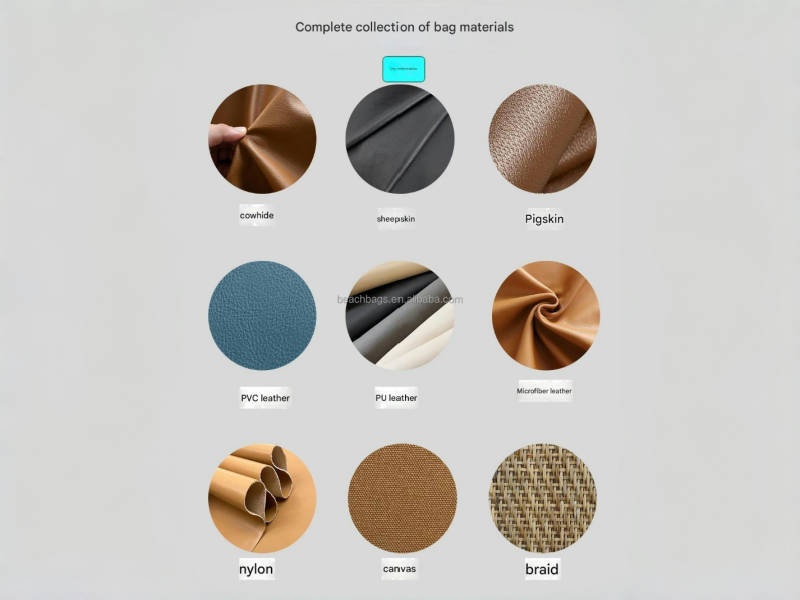
The best tote bag materials depend on purpose: canvas and cotton for durability, polyester for waterproofing, PU leather for style, and RPET for eco-friendly appeal. Quality depends on stitching, reinforcement, and lining — not just the fabric itself.
The material determines not only the appearance but also how long the tote will last and how it represents your brand.
| Material | Key Features | Ideal Use | Sustainability |
|---|---|---|---|
| Canvas | Durable, washable, thick | Daily use | High |
| Cotton | Soft, breathable | Promotional use | High |
| Polyester | Water-resistant, affordable | Outdoor/travel | Medium |
| PU Leather | Sleek, luxury appearance | Fashion totes | Medium |
| RPET | Recycled plastic fiber | Eco branding | Very High |
How Do Material and Construction Impact Quality?
Even the best fabric can fail if poorly constructed. Professional tote bag makers reinforce key stress points — especially at handle attachments and corners. Double stitching and inner lining increase longevity by 40–60%.
Do Eco-Friendly Fabrics Increase Brand Value?
Yes. Using RPET or organic cotton enhances brand reputation and helps meet sustainability targets. Studies show 62% of consumers are willing to pay more for sustainable packaging — making green tote bags a profitable choice.
How to Make a Tote Bag Step by Step (DIY & Factory Comparison)

Making a tote bag involves measuring, cutting, sewing, and reinforcing fabric panels. At home, you can make one with basic tools in under two hours. In factories, tote bags are produced with industrial machinery, ensuring uniform quality and large-scale output.
Which Tools and Equipment Are Best for Making a Tote Bag?
| Tool | Function | Alternative |
|---|---|---|
| Fabric Scissors | Cutting clean edges | Rotary cutter |
| Sewing Machine | Stitching panels | Hand sewing |
| Measuring Tape | Ensures accuracy | Ruler |
| Iron | Flattens seams | Heat press |
| Overlock Machine | Edge finishing | Bias binding |
Factories use automatic cutting machines, heavy-duty sewing lines, and overlock machines to ensure consistent seams and precision in bulk production.
How Do You Cut and Sew a Basic Tote Bag Step-by-Step?
- Select the Fabric — canvas, cotton, or RPET for strength.
- Cut Panels — standard size 16×14 inches for a medium tote.
- Sew the Sides and Bottom — use straight stitches; reinforce corners.
- Attach Handles — 22–24 inches long, double-stitched for strength.
- Add Optional Lining or Pocket — improves structure and style.
A DIY tote bag takes about 90–120 minutes for beginners.
How Do Factories Like Jundong Produce Tote Bags Efficiently?
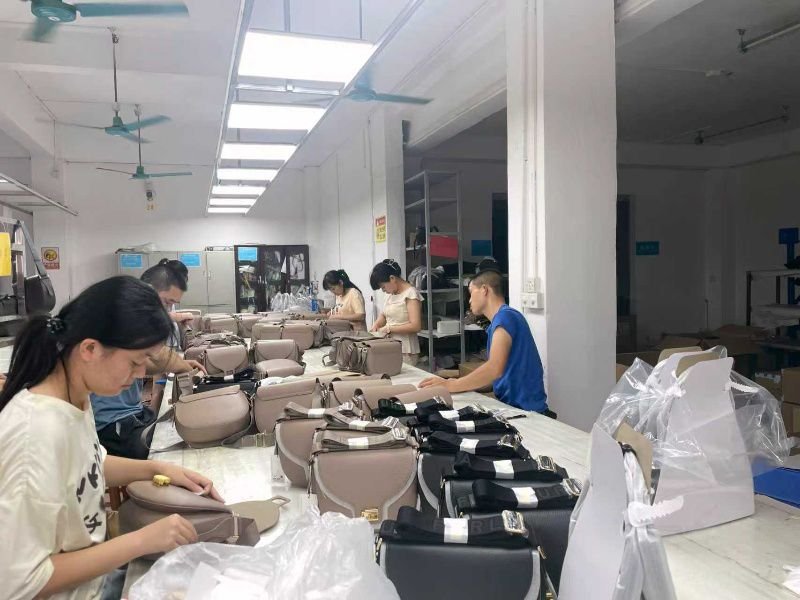
At Jundong, tote bags undergo industrial-scale production:
- CAD Fabric Cutting: ensures precision and minimal waste.
- Automated Sewing: guarantees uniform stitching.
- Quality Control: every batch undergoes stress testing.
- Printing & Branding: in-house logo customization saves time.
What’s the Difference Between Handmade and OEM Tote Bags?
| Feature | DIY Tote | OEM Tote (Jundong) |
|---|---|---|
| Quantity | 1–5 pcs | 100–10,000 pcs |
| Quality | Basic | Industrial-grade |
| Branding | Minimal | Fully customizable |
| Unit Cost | Higher | Lower with scale |
How to Design and Customize a Tote Bag for Your Brand?

You can customize a tote bag by choosing materials, colors, printing methods, and add-ons such as zippers or inner pockets. Branding methods include screen printing, embroidery, or heat transfer to showcase your logo.
Customization is where creativity meets commerce. A plain tote can become a statement piece when tailored with thoughtful design.
How Can You Customize or Brand Your Tote Bag?
- Logo Techniques: silk screen, heat transfer, embroidery, woven labels, or foil stamping.
- Functional Add-ons: pockets, closures, adjustable handles.
- Material Colors: Pantone-matched fabric options.
- Packaging: dust bags or branded hang tags for premium presentation.
How Can Jundong Help You Create Custom OEM Tote Bags?
With over 20 years of experience, Jundong provides:
- Free design consultation and digital mockups.
- Material sourcing across canvas, RPET, cotton, and PU.
- Sampling in 5–7 days.
- Low MOQ (100 pcs) for startups and retail brands.
How Much Does It Cost to Make a Tote Bag?
A tote bag costs between $2 and $8 to produce depending on fabric, size, and printing. Retail prices range from $10 to $100. OEM factories like Jundong reduce unit costs through bulk production and in-house printing.
| Factor | Impact | Typical Cost Range |
|---|---|---|
| Fabric | Major cost driver | $1.5–$8 |
| Labor | Stitching & assembly | $0.8–$4 |
| Printing | Logo & branding | $0.5–$2 |
| Packaging | Final presentation | $0.3–$1 |
| Freight | Global shipping | Variable |
How Does MOQ Affect Pricing?
Producing 100 bags may cost $5 each, while 1,000 bags drop to $2.80–$3.20 per piece. This makes OEM manufacturing cost-effective even for small brands.
Is It Worth Outsourcing Tote Bag Production to a Factory?
Yes — factories ensure better consistency, professional finish, and scalable output. Partnering with a manufacturer like Jundong saves 30–50% in production cost while improving quality.
What Are the Common Tote Bag Sizes and Their Uses?

Tote bags come in various sizes: small (gift), medium (daily use), large (shopping), and oversized (travel). Choosing the right size depends on the target market and purpose.
| Size | Use Case | Recommended Fabric | Example |
|---|---|---|---|
| 25×20cm | Gift or promo | Cotton | Boutique freebie |
| 35×30cm | Everyday tote | Canvas | Office / lifestyle |
| 45×40cm | Shopping tote | Polyester | Retail store |
| 55×45cm | Beach / travel | Canvas / RPET | Resort clients |
Brands should tailor sizes to their audience — eco-conscious shoppers prefer large reusable bags, while lifestyle boutiques focus on medium stylish totes.
Are Custom or Private-Label Tote Bags Worth It for Brands?
Yes. Private-label tote bags enhance brand visibility and profitability with low MOQ and design flexibility. They act as sustainable merchandise with high daily exposure.
Why Are Tote Bags the Perfect Brand Merchandise?
A tote bag generates up to 5,700 brand impressions in its lifetime. It’s reusable, functional, and visible in daily life. Retailers, NGOs, and fashion startups use tote bags to expand brand awareness affordably.
How Can Jundong Help Scale Your Private-Label Tote Bag Business?
Jundong offers:
- Full OEM/ODM production.
- Eco-material sourcing (RPET, canvas, PU).
- Certified manufacturing (BSCI, ISO).
- Free design, low MOQ, and fast global delivery.
FAQ — Everything About Making and Customizing Tote Bags
Q1. What fabric is best for tote bags?
Canvas or cotton for durability; RPET for sustainability.
Q2. Can small brands order custom totes?
Yes — Jundong supports 100 pcs MOQ orders.
Q3. How long does production take?
Samples: 5–7 days; bulk: 25–30 days.
Q4. What printing options are available?
Screen print, embroidery, heat transfer, or metal plate.
Q5. Are sustainable tote bags in demand?
Yes — 70% of global buyers prefer eco materials.
Final Call to Action
A tote bag isn’t just a bag — it’s a walking billboard for your brand. Whether you’re a retailer, designer, or corporate client, the right material, design, and factory partnership can turn a simple product into a best-seller.
Jundong Factory combines craftsmanship, innovation, and global service to help you create tote bags that reflect your brand’s values.
✅ Free design & sampling
✅ Low MOQ (100 pcs)
✅ Multi-material options (canvas, PU, RPET, cotton)
✅ 100% quality guarantee
✅ Fast global delivery