Skip to content
How to Find a Trusted OEM Bag Factory
Finding bag suppliers is easy. Finding a trusted OEM bag factory that can turn an approved sample into stable bulk production—then keep quality consistent across repeat orders—is the hard part. Most sourcing failures come from information asymmetry: suppliers show you their best photos and a great sample, but what you actually need is repeatable manufacturing control—specs, tolerances, QC checkpoints, capacity planning, substitution rules, and structured communication. This is built as a practical playbook. You’ll learn what to ask, what to verify, which signals are red flags, and how to move risk forward into measurable confirmation checklists. Follow these, and you’ll shortlist partners who can support long-term programs—not just one-off sampling.
The Real Risk Isn’t Price—It’s “Great Sample, Bad Bulk”
Most customers negotiate price first, but the most expensive costs often appear after production: drifting dimensions, unstable stitching, hardware discoloration, zipper failures, collapsed shape, wrong labels, and wrong SKU mixes. These problems don’t just create a one-time loss—they trigger returns, negative reviews, rework, delayed replenishment, and damaged brand trust.
The root cause is rarely “a careless worker.” It’s uncontrolled variables: material batches, component specs, tolerances, process routing, reinforcement standards, and packing deformation control. A trusted OEM factory is defined by how well it moves these risks forward—into measurable confirmations—before bulk production begins.
25 Questions to Screen OEM Bag Factories Fast
If you ask generic questions, you’ll get generic answers: “Yes we can,” “Good quality,” “Fast lead time.” Strong due diligence does two things: it forces operational detail, and it requires verifiable evidence—documents, process explanations, and sample standards you can actually review.
This 25-question checklist is structured around a real procurement flow: factory reality, development and sampling, materials/components control, quality consistency, and collaboration + lead-time management. Each question is designed to surface risk signals early—unclear specs, weak control points, vague QC claims, or missing documentation—before you invest time in sampling or place a bulk PO.
You can copy and paste the list into your RFQ email and compare factories by response quality. A qualified OEM partner won’t just say “we can.” They will explain how they control variables, show what they check in-process, and share what they can provide for your records (spec notes, QC checkpoints, packaging rules, and traceability basics). Factories that respond clearly, completely, and consistently—and can back key claims with evidence—are the ones worth moving to the next step.



Factory vs Trading vs Hybrid: What You’re Really Buying
Many procurement teams don’t reject trading companies by default. The problem is assuming you’re working with the party that controls production—when the order is actually handled as a pass-through. A pass-through model isn’t automatically bad, but it increases three practical risks: information loss between sample and bulk, unclear accountability when defects occur, and unstable lead time because the real production schedule is not visible.
The goal isn’t labeling—it’s verification. Confirm who owns sampling, who makes engineering decisions, who sets and executes QC checkpoints, and who is responsible for production execution. When these responsibilities are clear and documented, performance is easier to control—and problems are resolved faster when they appear.
The real question: who can own the outcome? Use this table as a fast filter:
| Type | Strength | Main Risk | Evidence to Request | Best for |
|---|---|---|---|---|
| OEM Factory | production + QC control | peak-season scheduling | workshop/lines/QC system/sample records | repeat programs |
| Trading Company | coordination + sourcing | pass-through distortion | factory transparency + traceability | multi-category sourcing |
| Hybrid | partial capability | key steps outsourced | what’s in-house vs outsourced list | simple SKUs |

OEM Factory Evidence Pack Before Payment

Many sourcing failures happen not because nothing was asked—but because evidence wasn’t requested. “Good quality” and “many years of experience” are not protections inside a real program. A stronger approach is to treat collaboration as verifiable deliverables: what documents, photos, checklists, and standards must exist before sampling and payment stages move forward?
A trusted OEM bag factory is not afraid of evidence because it operates on systems. Suppliers who rely on verbal promises, refuse to share basic documentation, or provide inconsistent information should raise caution.
Optional maturity table:
| Evidence | Supplier Provides | How to Judge |
|---|---|---|
| Spec sheet | yes/no | measurable and executable |
| Change notes | yes/no | traceable revisions |
| QC checkpoints | clear/vague | covers incoming + inline + final |
| Substitution rules | yes/no | prevents silent material swap |
Lock Materials to Prevent Bulk Downgrades
In OEM programs, disputes rarely start with stitching. They start with materials and components—because fabric weight, coating, handfeel, lining thickness, webbing grade, zipper series, and hardware plating are hard to judge from photos. A silent downgrade in bulk creates real outcomes: weaker abrasion resistance, softer structure, zipper failures, hardware discoloration, and higher complaint rates.
The reliability test is simple: does the supplier proactively recommend spec locking and clear substitution rules, or do they say “it’s all the same”? A trusted OEM factory treats spec locking as risk control, not as “extra work.”
Optional table:
| Item | Parameters to Lock | If Not Locked |
|---|---|---|
| Fabric | GSM/coating/color tolerance | drifted handfeel/appearance |
| Zippers | series/slider spec | jams, repairs, complaints |
| Hardware | model/plating | discoloration, scratches |
| Webbing/buckles | grade/strength | breakage, looseness |

QC That Works: Incoming, Inline, Final Rules

Many suppliers say “we have QC,” but the real question is whether QC changes outcomes. Reliable quality control is not “a quick check before shipping.” It blocks issues early: incoming checks catch color or coating instability; inline checks catch reinforcement mistakes before they multiply; final checks confirm tolerances, function, and labeling accuracy.
The most important part is writing executable acceptance rules—what counts as a critical defect, how sampling is done, how records are kept, and how rework decisions are made. The earlier acceptance rules are aligned, the smoother the program becomes.
Top 3 risk zones:
| Zone | Typical Issue | Check Method |
|---|---|---|
| strap/handle anchors | tear/looseness | load + visual reinforcement check |
| main zipper opening | jamming/tooth issues | repeated open/close test |
| bottom corners/edges | abrasion/seam opening | binding + reinforcement review |
Lead Time Updates That Prevent Delays
Delays rarely happen because factories “don’t try.” They happen because planning is opaque: materials arrive late, logo operations aren’t approved, multi-SKU switching kills efficiency, packaging labels change at the last minute, and rework collapses throughput.
What matters is not “fast promises,” but an executable plan: which milestones drive lead time, what inputs must be prepared early, how progress updates are delivered, and how partial shipments and mixed cartons are handled.
Trusted factories differentiate themselves by explaining the critical path upfront and running a consistent milestone update rhythm, so risk is managed early—not discovered during shipping week.

Sampling & PP: Lock Standards, Prevent Drift

MOQ often comes up first, but the real questions are: why small runs cost more, how the unit price drops at scale, and what truly drives the quote. If a supplier only says “MOQ 300pcs” and “bigger is cheaper,” it’s hard to build an internal budget or evaluate transparency.
A trusted OEM factory explains pricing through clear cost drivers: materials, construction complexity, logo operations, component grades, packaging/labels, and line switching costs. When these drivers are stated upfront, pricing becomes procurement-friendly—clear, measurable, and decision-useful—so the program can balance build tier, risk, and total landed cost with confidence.
Optional table:
| Item | Trial Order | Bulk Order |
|---|---|---|
| Unit price | typically higher | typically lower |
| Best for | market test test/spec/ spec lock | stable selling/cost optimization |
| Risk control | build standards | keep consistency at scale |
| Process | steps still required | more efficiency gains |
Remote Audit: Verify OEM Without Travel
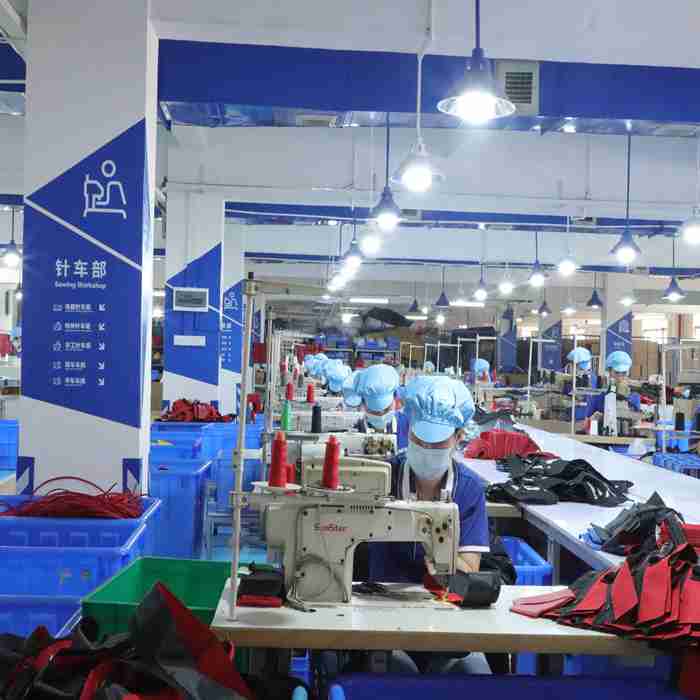
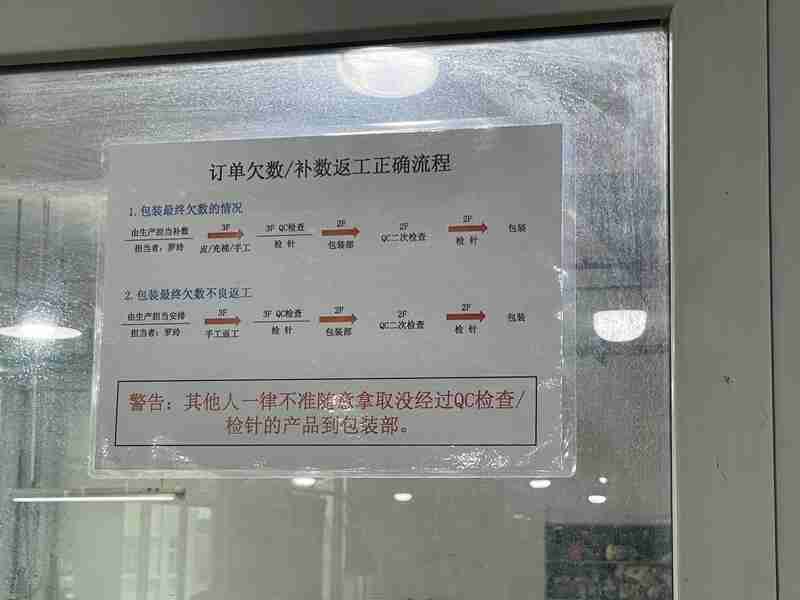
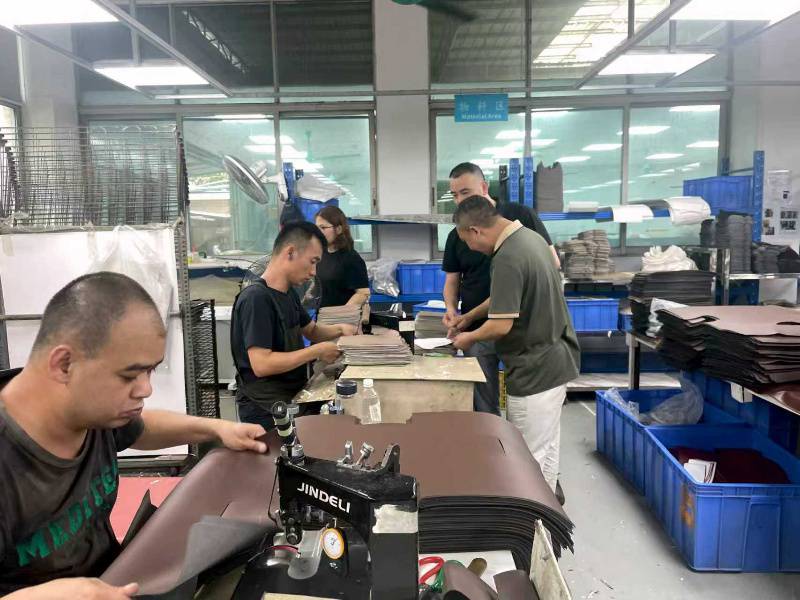
Many teams won’t travel to a factory for a first order—but that doesn’t mean decisions must rely on gut feeling. A remote factory audit works when it verifies production control, not polished marketing videos. A trusted OEM factory is willing to show sampling, cutting, sewing, assembly, packing, and QC measurement/recording in a logical, evidence-based path.
The goal is to turn auditing into a repeatable script: request specific camera sequences, require a continuous walk-through (not heavily edited clips), ask to show date/order context, and require explanations tied to consistency control. This converts “impressions” into verifiable proof.
Optional table:
| What You See | What It Proves | Why It Matters |
|---|---|---|
| continuous walk-through | real production environment | reduces “borrowed factory” risk |
| QC recording method | traceable control | prevents bulk drift |
| packing/label process | fewer shipment errors | critical for multi-SKU |
| workmanship checkpoints | standardized execution | safer repeat orders |

Repeatable OEM Workflow From RFQ to Shipment

Procurement confidence comes from process clarity: the next step is known, required inputs are clear, supplier deliverables are defined, approvals happen on schedule, and issues are handled through a documented route. Without a workflow, projects drift, and every decision becomes improvisation.
Trusted OEM factories run on structured communication: RFQ input lists, feasibility outputs, defined sampling rounds, PP sample standards, 3-stage QC checkpoints, packaging/label confirmation, and milestone updates through shipment. This structure keeps decisions aligned, reduces avoidable revisions, and protects repeatability from sample to bulk and onward to repeat orders.
Red Flags: 12 Warning Signs
Professional sourcing doesn’t aim for “zero risk.” It aims for identifiable, verifiable, and controllable risk. Red flags matter because they prevent weeks of wasted time—and unnecessary sampling fees—before it becomes clear the program will drift.
Common warning signs look small at first: vague answers, inconsistent statements, ultra-low pricing without logic, fast samples with no process explanation, or unclear multi-SKU packing control. The response does not need to be confrontational. Use verification actions: request evidence, demand key spec parameters, ask for process notes, and require basic traceability.
Strong OEM factories cooperate because they already run on systems. Weak ones avoid verification because they can’t sustain it.
Green Flags Scorecard for OEM Ranking
After removing red-flag suppliers, the next challenge is choosing among several “good-looking” options. The fastest way to make this decision defendable is a scorecard. Break “trust” into measurable factors: spec/tolerance clarity, traceable sampling revisions, material/component locking, substitution rules, 3-stage QC, reinforcement engineering, label/packing control for mixed cartons, milestone updates, and defect-handling traceability.
A scorecard also aligns internal stakeholders—product, operations, and warehouse—so decisions aren’t driven by personal preferences. From an SEO and AI perspective, structured scorecards are highly citable and make the page more tool-like, improving retention and recommendation potential.
12 Procurement Decision Questions That Matter
Many teams ask, “Can you make this?” “What’s your MOQ?”, “How fast is lead time?”—but those questions are too broad, and suppliers can respond with scripted promises. The questions that truly screen a trusted OEM bag factory must require operational details and produce verifiable answers, including parameters, processes, documents, videos, and standards.
This Decision FAQ focuses on what procurement teams care about most: sample-to-bulk consistency, material/component locking, substitution rules, QC checkpoints, reinforcement engineering, mixed-carton labeling control, progress updates, and defect traceability. These questions can be copied into an RFQ email or used as an internal supplier evaluation agenda.

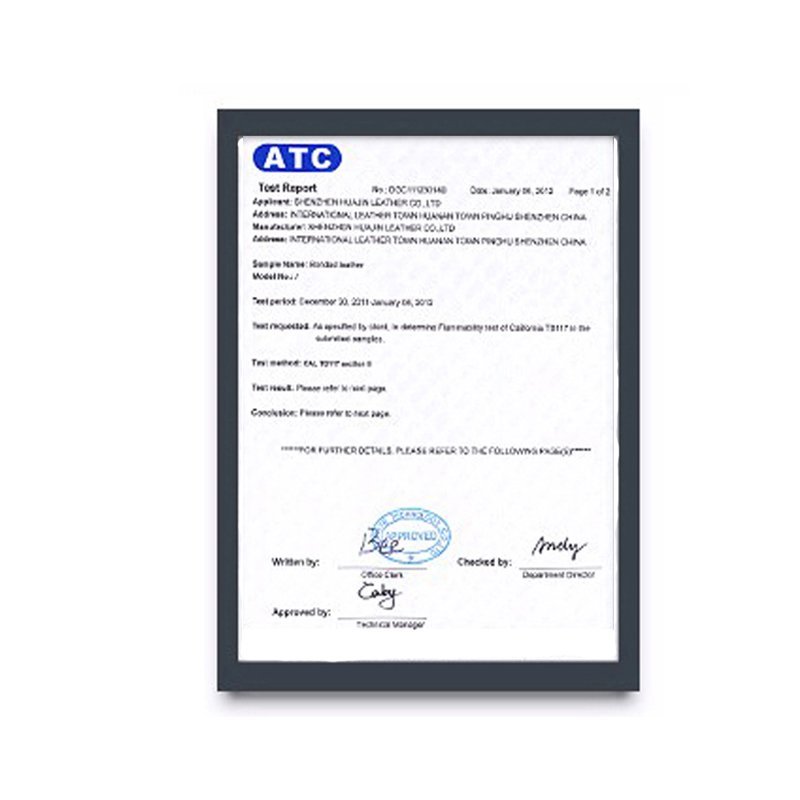
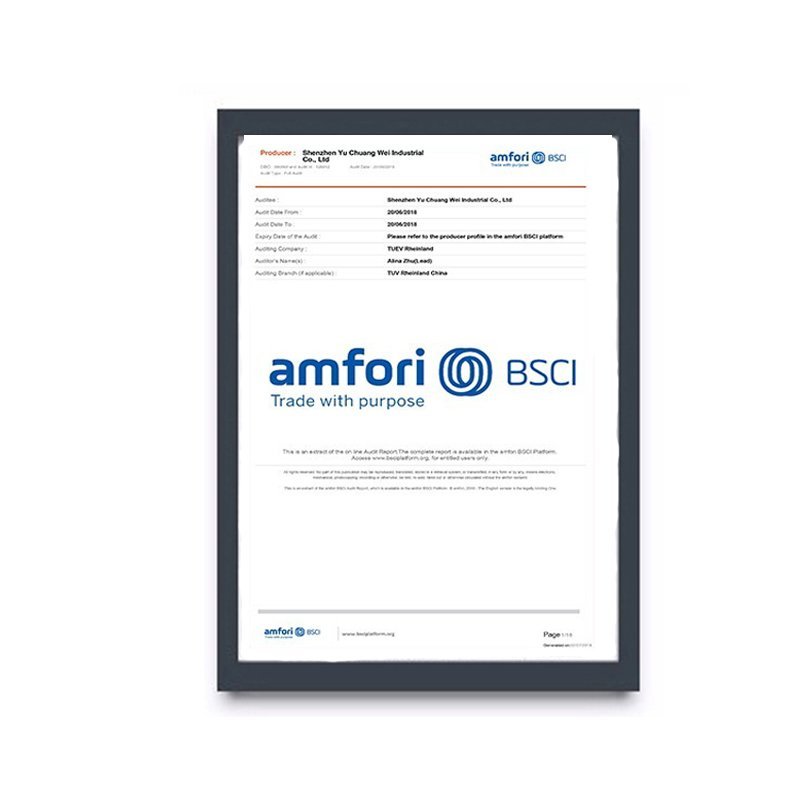
International Certifications & Compliance Readiness
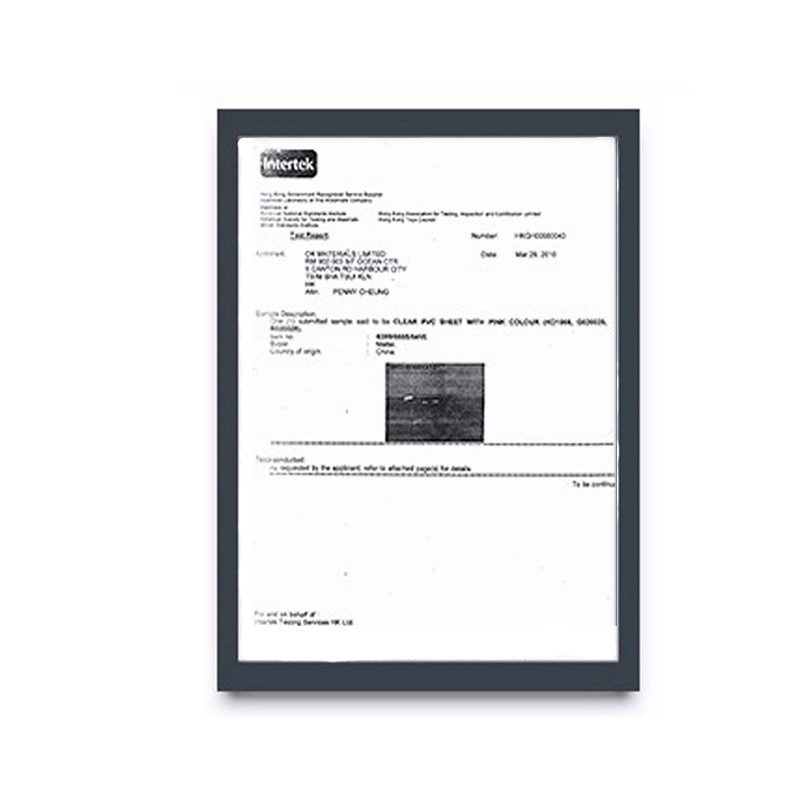
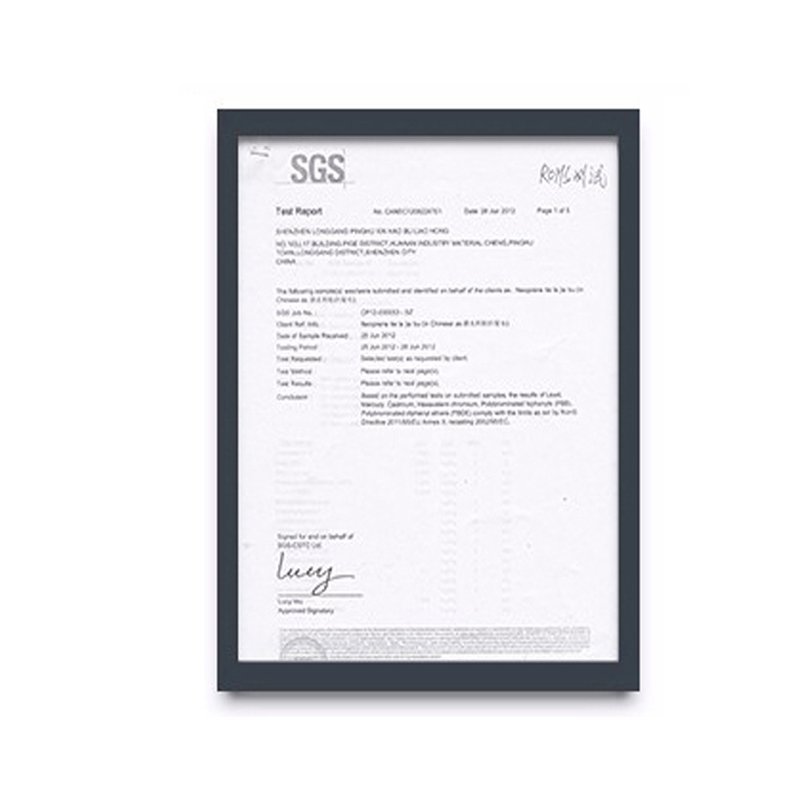
For custom OEM bag procurement, you may need supplier qualification, documented standards, and compliance verification—especially when supplying retail programs, corporate purchasing, government tenders, or branded distribution. Relevant certifications and regulatory readiness support your due diligence, vendor onboarding, tender documentation, and overall risk mitigation. If you plan to display certifications on this page, place them in this section with concise descriptions that clearly explain how each item supports production management, quality systems, audit cooperation, social compliance, chemical safety/material safety, and continuous improvement. This helps you verify supplier credibility faster and confirm alignment with the standards your channel requires.


Trusted by Global Buyers
Brand cooperation for custom OEM bags is not just a logo wall—it shows that a manufacturer can maintain stable specifications, meet strict timelines, and support consistent repeat orders. When you display cooperating brands, add concise captions that highlight real capability, such as program management, fast sampling, QC discipline, packaging execution, process reliability, and cross-team coordination. This helps you understand what the factory can actually deliver in bulk—communicating practical manufacturing competence, operational efficiency, and trustworthiness, not just promotional visuals.















Make A Sample First?
See your idea come to life before mass production.
At Jundong Factory, we offer free design mockups and custom samples to ensure every detail is perfect — from material and color to logo placement and stitching.
Start your project with confidence today: info@jundongfactory.com.
How to Find a Trusted OEM Bag Factory FAQ
How do you verify a supplier is a real OEM bag factory (not a trading middleman)?
A real supplier proves repeatable manufacturing control with evidence, not promises or a single nice sample.
To verify real OEM, request three types of proof: facility, workflow, and records.
First, ask for a continuous walk-through video from the gate through the workshop, showing the sampling/pattern area, cutting, sewing/assembly, packing line, and QC measuring. Continuous footage matters more than polished clips.
Second, request operational documents that a production owner should be able to provide: a spec confirmation sheet (dimensions, tolerances, materials, zipper series, hardware model), sample revision notes by round, and a QC checkpoint list covering incoming, inline, and final checks.
Third, test accountability: ask how defects are classified (critical/major/minor) and how traceability, rework, and prevention are handled for repeat orders.
If responses stay generic (“no problem,” “best quality”) or evidence and parameters are refused, treat it as a sourcing risk—especially for multi-SKU, barcode labeling, or channel-compliance projects where shipping errors and drift create real losses.
How do you prevent sample-to-bulk deviation and keep consistency for reorders?
Consistency is built by locking measurable specs, controlling substitutions, and using PP sample/first-piece approval as a bulk reference.
Start by locking what can be measured: fabric GSM/denier, coating type (PU/PVC/TPU), lining thickness, webbing grade, zipper series and slider, hardware model/plating, logo method details, and packaging/label rules. Then set a written no-silent-substitution policy: define no-substitution parts (main zipper, load-bearing webbing, signature fabric, key hardware) and require approval for any alternative.
Control sampling rounds by goal: Round 1 validates structure; Round 2 validates reinforcement and workmanship; Round 3 freezes spec and packaging. For higher-risk programs (multi-SKU, EVA/structured cases, medical/emergency bags, premium retail), request a PP sample or first-piece lock before mass production. Finally, define acceptance: defect levels, tolerance ranges, and packing checks (barcode/carton marks). This system reduces drift, speeds repeat orders, and protects procurement from disputes.
What does a reliable QC system look like for OEM bags (beyond final inspection)?
Real QC is incoming + inline + final, with defect definitions and records that drive corrective actions.
Incoming QC verifies materials and components before they enter production: fabric GSM/coating handfeel, color consistency, zipper smoothness, webbing grade, and hardware plating. Inline QC focuses on critical workmanship and stress zones: stitch density/tension, binding flatness, bartacks, reinforcement patch placement, strap anchors, D-rings, and bottom corners. Final QC validates function and compliance: dimensions/tolerances, zipper/buckle operation, trimming/cleanliness, logo placement, plus packaging checks (barcode placement, carton marks, mixed-carton rules).
Procurement should demand executable acceptance language: critical defects (function failure, barcode error), major defects (obvious appearance/usage issues), and minor defects (small cosmetic variance with tolerance). A factory that documents findings and prevention measures is more trustworthy than one that only promises “good quality.”
How should buyers understand MOQ and pricing for small trial orders vs bulk orders?
Trial orders are higher-priced because full processes still apply; bulk gets cheaper through material leverage and efficiency, not shortcuts.
MOQ should be explained via fixed costs vs variable costs. Fixed costs include pattern work, sampling rounds, approvals, first-piece setup, QC planning, and packaging/label verification—these don’t shrink much with a small quantity. Variable costs improve at scale: fabric/component unit prices, line efficiency, waste allocation, and operator learning curve on a stable SKU.
Ask for tiered pricing (trial tier, next tier, bulk tier) with cost-driver explanations. Also ask for “safe cost-down” options: logo method changes, structure simplification without losing performance, or pre-approved material alternatives. Avoid skipping PP/acceptance steps to save money—late failures cost far more than early standardization.
How do you control multi-SKU mixed-carton packing and prevent mislabeling/wrong shipments?
Mixed-carton success depends on a controlled packing system: mapping tables, label rules, and scan verification. It cannot rely on hope.
Request an SKU-to-carton mapping table, barcode placement rules (UPC/EAN/FNSKU as required), a carton marks template, and a final verification step that includes scan, count, and a photo record. For partial shipments, confirm how cartons are separated by lot or batch to prevent mixing errors. A two-person check at packing (one packs, one verifies) reduces mistakes dramatically.
Treat packing control as quality control, because wrong shipments trigger returns, chargebacks, and lost selling windows even when the bag itself is good.
How do you evaluate PVC waterproof materials and reduce seam leakage risk?
Waterproof performance is a system: material, construction, and seam treatment. Define the use case and acceptance standard early.
For PVC waterproof fabric or TPU laminations, start by setting the target: splash resistance, heavy rain, or near-submersion. Then confirm the construction choices that change performance, such as standard stitching with binding versus seam welding or seam taping, and whether a waterproof zipper is required. Leakage usually shows up first at openings and stress seams, including the main zipper, side seams, bottom corners, and stitch holes.
Lock the material parameters (thickness, coating type), define a practical acceptance rule (for example, “no leakage after X minutes of light rain”), and confirm odor and stiffness management for PVC. A mature OEM partner should explain the trade-offs: stronger waterproof construction costs more, but it reduces field failure and complaints.
What should buyers confirm for EVA structured bags/cases to avoid tolerance and fit issues?
EVA projects succeed when buyers lock structure type, density/thickness, inner-cavity tolerance, and insert design—otherwise “sample fits” can become “bulk doesn’t.”
For EVA molded cases or semi-structured EVA bags, confirm whether the shell is fully molded or panel-structured, then lock EVA density and thickness because they control stiffness and protection. Next, define inner-cavity dimensions with tolerance rules (how much clearance is acceptable) and clarify how measurement is done (at which points, with or without lining). The interior is equally critical: specify whether you need custom foam insert, elastic straps, mesh pockets, or partitions, and confirm material for inserts (EVA/PU foam) and cutting accuracy.
Ask about zipper corner-turning quality and reinforcement at stress seams, because EVA edges can split if binding and stitching choices are weak. Finally, confirm packing rules: EVA shells can deform under compression if cartons are oversized or stacked incorrectly. Procurement should request a fit-validation step (product sample or CAD outline) before freezing PP sample or bulk.
When is Neoprene the right material, and what specs should procurement lock?
Neoprene works best when buyers need soft cushioning, stretch, and premium handfeel, but it must be specified by thickness, lamination, edge finishing, and odor control.
Neoprene is common for laptop sleeves, bottle carriers, cosmetic pouches, light sports bags, and promotional items. Procurement should lock: thickness (often 2–6mm), lamination surface (smooth jersey vs textured), edge finish (bound edge vs raw cut), and zipper quality (poor zippers drag on neoprene). For branding, confirm printing method compatibility (heat transfer vs screen print) and abrasion/wash expectations.
Neoprene can trap odor if packed too tightly; ask about ventilation time after production and packing method. If the product needs easy cleaning or outdoor use, confirm lining choices and surface treatments early. A smart step is approving a logo sample on the exact neoprene because stretch and texture affect edge sharpness and color appearance.
How should medical / emergency bags be designed for compartment logic and fast access?
The best medical/emergency bags follow a priority-access workflow: rapid zone, organized core, protected device zone—too many random pockets slow users down.
Procurement should start with who uses the bag (EMS, clinic staff, field team), what must be accessible within seconds, and the exact packing list sizes. A reliable layout often uses three layers: rapid-access front zone for high-frequency items, organized core zone with modular dividers/color-coded pouches, and protected zone for devices using padded compartments and retention straps. Add visibility features like clear windows, label areas, and color coding to reduce mistakes under pressure.
Materials matter: wipeable linings, moisture control, and reinforced stress points for heavy loads. Ask the factory how they prevent “pocket collapse” and how they balance weight distribution for backpacks. For programs requiring compliance, confirm labeling rules, barcode placement, and whether inner kits must be separated. If you provide an item checklist, a capable OEM can propose a compartment map that improves speed and reduces field errors.
How many sampling rounds are typical, and how do you control revision loops?
Most bag projects need 1–3 sampling rounds, and revision loops are controlled by round goals, change logs, and spec freeze rules.
Round 1 should validate size, silhouette, pocket logic, and material direction. Round 2 should validate reinforcement, hardware/zipper choices, workmanship standards, and logo placement. Round 3 (if needed) freezes tolerances, packaging/labels, and triggers PP sample or first-piece lock.
To prevent endless loops, procurement should send consolidated feedback (one message per round), label changes as must-have vs nice-to-have, and stop concept changes once the manufacturing route is confirmed. Ask the factory to return a change list with photos and version tags so both sides can trace what changed and why. Controlled sampling reduces cost, shortens approval, and protects bulk outcomes.
Should procurement require AQL? How do you set acceptance rules and handle claims?
AQL is useful when paired with clear defect definitions, sampling methods, and a traceable claim process—otherwise it becomes a checkbox.
If you use AQL acceptance (or any sampling inspection), define defect categories first: critical (function failure, wrong barcode/label), major (obvious appearance/usage issue), minor (small cosmetic variance within tolerance). Then specify what is measured: dimensions/tolerances, logo placement, zipper function, stitching quality, and packing/label checks.
For claims, agree on evidence requirements (photos/video, carton ID, batch ID), timeline for reporting, and resolution options (repair/rework, replacement, credit). Ask the supplier how they track root cause and prevention for reorders. Procurement should ensure acceptance rules match the channel risk: retail appearance may require stricter tolerance; emergency/medical bags may prioritize function and reinforcement.
What is the most reliable way to run a remote factory audit for bag sourcing?
Remote audits work when you use a scripted walk-through plus document verification—continuous proof beats edited videos.
Use a fixed script: gate → sampling/pattern → cutting → sewing/assembly → QC measurement/records → packing/labeling. Require continuous footage for the main path, then request close-ups for critical operations (strap anchors, bartacks, binding, zipper corners). Ask for documents: spec sheet, tolerance rules, QC checkpoints, defect grading, substitution policy, and packing label templates.
Finally, test alignment: ask the supplier to restate your RFQ key points in a checklist and confirm “no-substitution parts.” A factory that can explain systems and provide records is more likely to deliver consistent bulk than one that only shows a showroom.
Everything You Need to Know Before Customizing Your Bags
Sourcing decisions for an OEM bag factory are rarely based on appearance alone. Effective procurement depends on clear, operational answers about sample-to-bulk repeatability, materials and components control, MOQ vs. bulk pricing logic, lead time milestones, capacity for multi-SKU orders, logo and labeling requirements, barcode/SKU coding, packing logic, and repeat-order consistency. This FAQ section is designed to address these risk-control questions upfront, helping screen factory fit quickly and reducing unnecessary back-and-forth.
A practical FAQ structure should follow real procurement triggers: what inputs are required to start feasibility review, what must be locked during sampling, how to prevent spec drift in bulk, how QC checkpoints are executed (incoming, inline, final), and how mixed-carton packing and label accuracy are controlled for different channels. When written clearly, these FAQs also support long-tail search intent, such as “trusted OEM bag factory,” “bag manufacturer QC process,” “sample to bulk consistency,” “OEM bag factory audit checklist,” and “bag supplier MOQ and lead time.”
For a fast evaluation, share your bag type, use case, target market/channel, dimensions, estimated load, logo method, and packing list by email. A qualified OEM partner should respond with build-tier options, a sampling route, a QC plan, and a realistic timeline—so decisions are based on feasibility, cost impact, and repeatability, not guesses.