 Skip to content
Heavy Duty Tool Bags for Field Teams
Custom heavy-duty tool bags built for contractors, electricians, HVAC technicians, plumbers, mechanics, maintenance teams, and field service crews that need strong materials, smart tool storage, reinforced structure, and stable bulk production.
- Built Around Real Tool Loads: Tool bags can be reviewed around drills, meters, pliers, screwdrivers, wrenches, parts, cables, fittings, and field service tools before sampling.
- Reinforced Bottom and Stress Areas: Support for hard bottom, molded base, PVC-coated base, reinforced handles, bar-tack stitching, stronger webbing, and heavy-use construction.
- Pocket Layouts for Different Trades: Tool storage can be adjusted for contractors, electricians, HVAC technicians, plumbers, mechanics, maintenance teams, and field service crews.
- Sample Testing Before Bulk Orders: Samples help check tool fit, carrying comfort, handle strength, zipper function, standing stability, pocket layout, and branding placement.
- QC and Packing for Long-Term Programs: Jundong has 80 quality inspection staff and supports checks from incoming materials to finished goods and packing, helping repeat orders stay closer to approved standards.


Built for Jobsite Use, Not Light Storage
A heavy-duty tool bag must survive more than clean warehouse storage. It has to move through concrete floors, service vans, dusty rooms, wet areas, roofs, workshops, installation sites, and daily repair routes.
Contractors and technicians do not carry only light items. Their bags may hold drills, pliers, screwdrivers, meters, gauges, wrenches, blades, fittings, cables, tape, small parts, and heavy hand tools. That means the bag structure needs to handle weight, friction, sharp edges, repeated lifting, and fast access during work.
A strong tool bag starts with the real job. What tools will go inside? How often will the bag be moved? Will it sit on wet ground? Will the user climb stairs or ladders? Will the bag stay in a service vehicle? These details affect material choice, bottom structure, handle strength, opening style, pocket layout, and packing.
Heavy-duty is not just thick fabric. It means reinforced stress areas, practical tool access, strong stitching, stable standing shape, and a design that works after months of daily use.
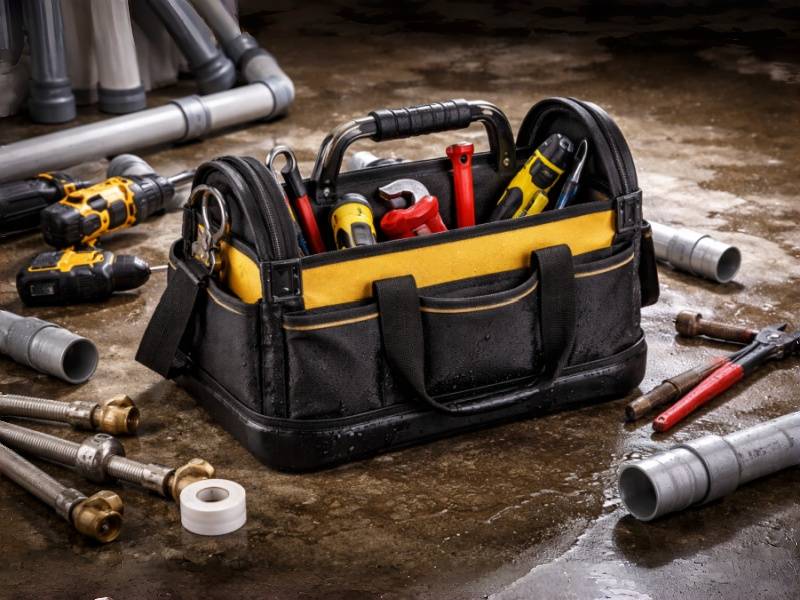
Jobsite Conditions to Consider
| Work Condition | Bag Detail to Review |
|---|---|
| Rough floors | Reinforced or molded base |
| Heavy tools | Strong webbing, handle reinforcement |
| Dust and dirt | Easy-clean outer material |
| Wet areas | Water-resistant bottom panel |
| Frequent access | Wide mouth or open top design |
| Small parts | Zipper pockets and inner organizers |
| Daily service routes | Shoulder strap, backpack, or rolling option |
Tool Bag Styles for Contractors and Technicians
Not every trade works the same way. A contractor may need open access to larger tools. An electrician may need upright pockets for pliers, screwdrivers, meters, and tape. An HVAC technician may need space for gauges, small devices, and accessories. A maintenance team may prefer compact tool backpacks for moving between floors and service rooms.
That is why tool bag style matters before material and logo details. A wide-mouth tool bag helps workers see and reach tools quickly. A hard-bottom tote stands better on rough ground. A tool backpack frees both hands for stairs, ladders, and building service routes. A rolling tool bag reduces carrying pressure when the load is heavy.
The best structure depends on how the user moves, what tools are carried, and how fast the tools need to be accessed.
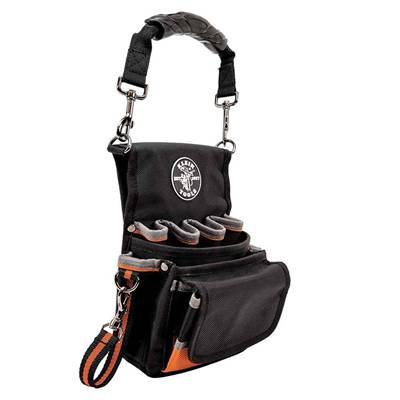
Hard bottom tool bag
Hard bottom tool bags are suitable for wet, dusty, or rough floors. The protected base helps the bag stand better, reduce bottom wear, and keep tools cleaner during site work.
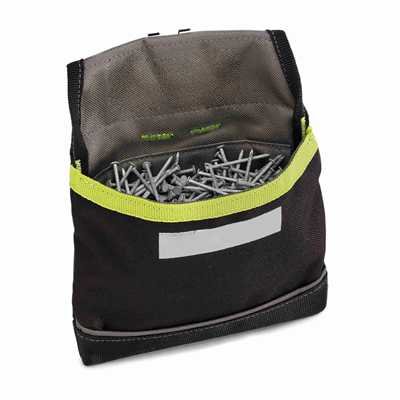
Wide mouth tool bag
Wide mouth tool bags suit contractors, installers, and repair teams who need fast tool visibility and quick access. The open structure helps organize hand tools, meters, parts, and daily worksite gear.

Tool backpack
Tool backpacks are practical for electricians, technicians, and service crews who move between floors, vehicles, and job sites. Hands-free carrying improves mobility while keeping tools organized and accessible.
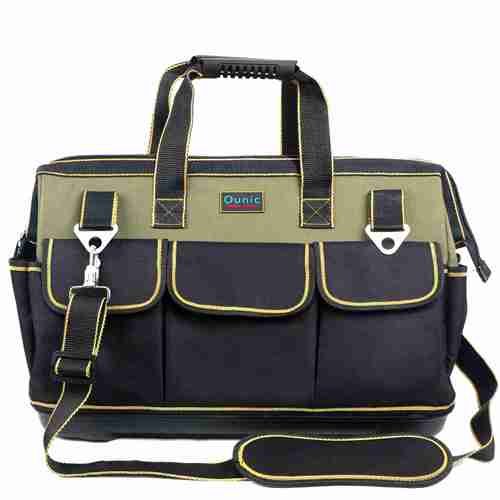
Heavy-duty tool tote
Heavy-duty tool totes work well for construction, site work, and loaded tool sets. A large main compartment, strong handles, reinforced fabric, and stable structure support heavier carrying needs.
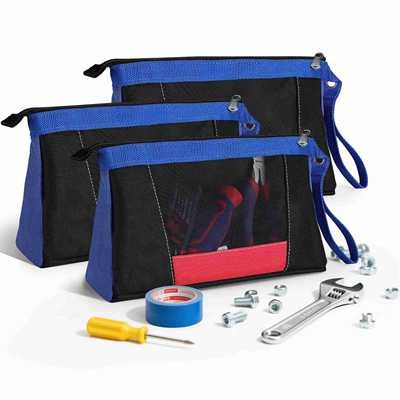
Zipper tool bag
Zipper tool bags are a good choice for transport, secure storage, and cleaner tool protection. The covered design helps prevent tools, accessories, and small parts from falling out.
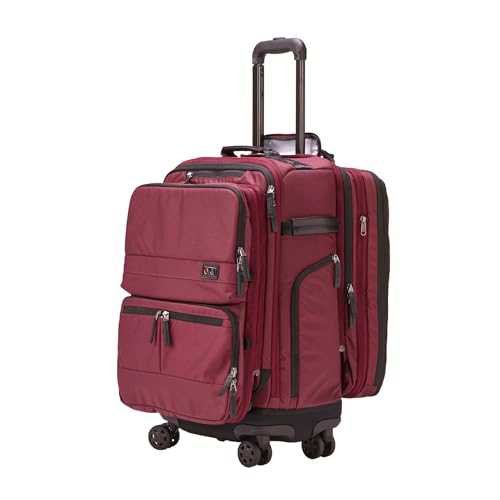
Rolling tool bag
Rolling tool bags are useful for heavy tools, long walking distances, airports, large facilities, and service routes. Wheels and telescopic handles reduce hand, shoulder, and back pressure.
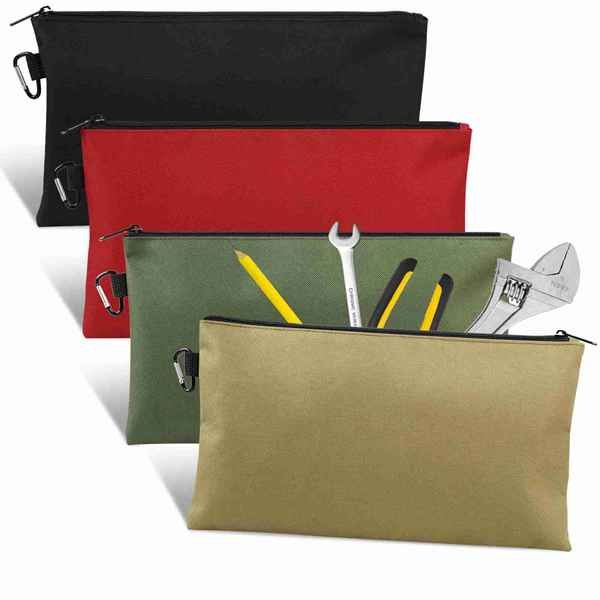
Tool pouch
Tool pouches fit quick repairs, small tools, screws, meters, and frequently used accessories. Lightweight access makes them useful for technicians, maintenance teams, installers, and mobile work tasks.
Before sampling a custom tool bag, style decisions should match real-world use. Confirm whether the bag will carry large tools, small hand tools, meters, parts, or mixed tool sets, and whether users need hands-free movement, top visibility, zipper closure, or a hard bottom for wet and rough floors.
These early choices affect size, pocket layout, fabric strength, handle structure, zipper design, base protection, and final cost. If the bag will be part of a retail tool line, it also helps to decide whether one size or a full series is needed.
Materials That Match Heavy Tool Loads
Material choice decides how the tool bag feels, carries, wears, and ages. A bag used by contractors and technicians needs more than a good-looking outer shell. It needs fabric, lining, webbing, zippers, base materials, and hardware that match the load and the work setting.
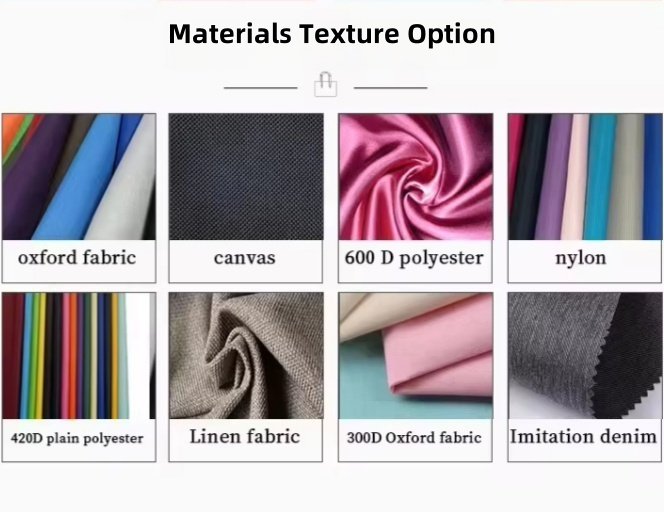
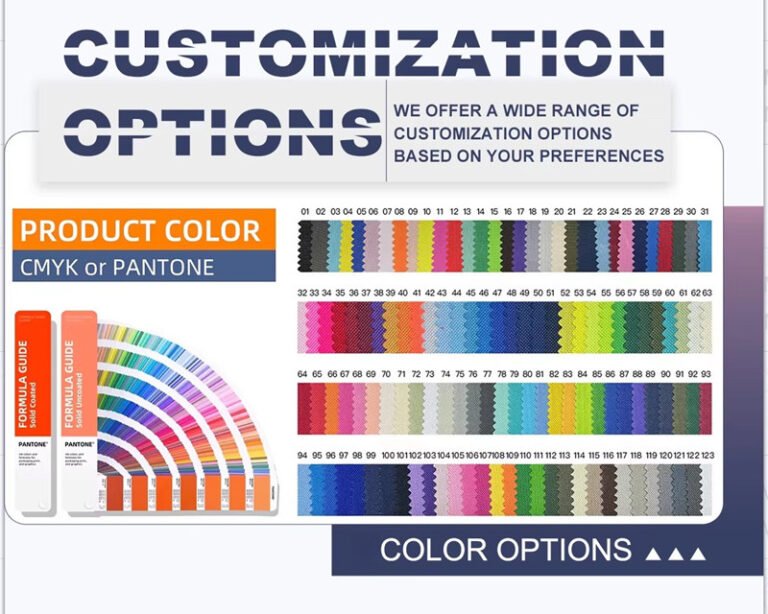
For daily site use, 600D, 900D, 1200D, and 1680D polyester are often considered for different strength and cost needs. Heavy canvas gives a classic workwear feel and strong texture. PVC-coated fabric or tarpaulin can help when moisture and dirty floors are part of the job. Leather, PU, rubber patch, EVA, or molded base parts may be added where structure or brand feel matters.
The right material mix depends on the trade. Electrician bags may need strong pockets and clean inner storage. HVAC service bags may need device protection and weather-resistant areas. Contractor totes may need tougher side panels and a stronger bottom. Plumber bags may need easier cleaning and better water resistance.
Jundong works with fabric, leather, PU, PVC, neoprene, and other materials, which allows the bag structure to be built around cost, handfeel, durability, and jobsite conditions instead of a single material choice.

| Material Direction | Better Use |
|---|---|
| 600D / 900D polyester | Cost-controlled work bags |
| 1200D / 1680D polyester | Stronger daily-use tool bags |
| Heavy canvas | Classic workwear style and tough feel |
| PVC-coated fabric | Dirty or damp work settings |
| Tarpaulin bottom | Water-resistant base support |
| EVA or molded base | Structure and standing stability |
| Reinforced webbing | Handles, straps, and load areas |
| Metal hardware | D-rings, buckles, and strap systems |
Custom tool bag materials should balance fabric strength, bottom protection, zipper quality, handle webbing, lining, padding, hardware finish, cleaning needs, moisture exposure, retail appearance, and worksite durability.
Reinforced Bottoms, Handles, and Stress Areas
Tool bags often fail first at the bottom, handles, zipper ends, pocket seams, and strap connection areas. These are the places that take the most stress during loading, lifting, dragging, and daily movement.
A reinforced bottom helps protect the bag from rough floors, damp ground, sharp tool edges, and heavy load pressure. Depending on the design, the bottom may use a molded base, EVA insert, PE board, rubber layer, PVC-coated panel, tarpaulin layer, or extra fabric reinforcement.
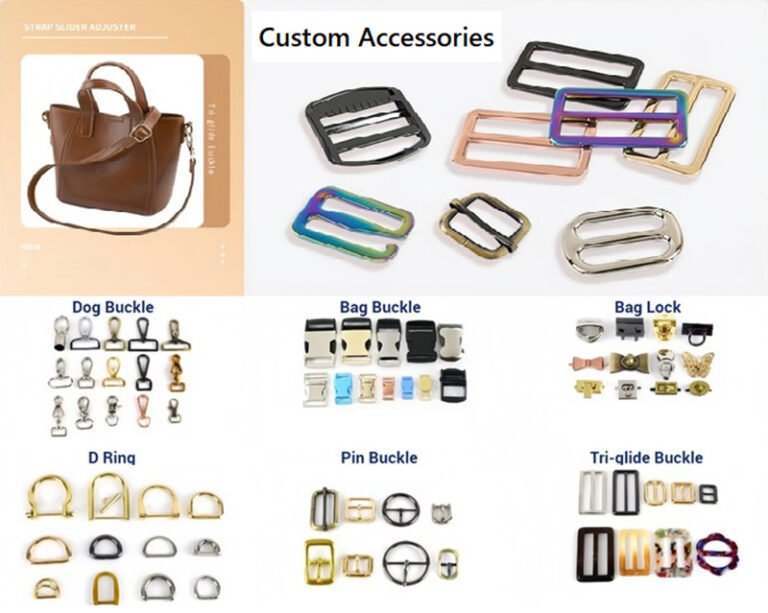
Handles need more than a comfortable grip. They need strong webbing, secure stitching, proper wrap design, and enough strength for repeated lifting. Shoulder straps, D-rings, buckles, and attachment areas should also be reviewed when the bag will carry heavier tools.
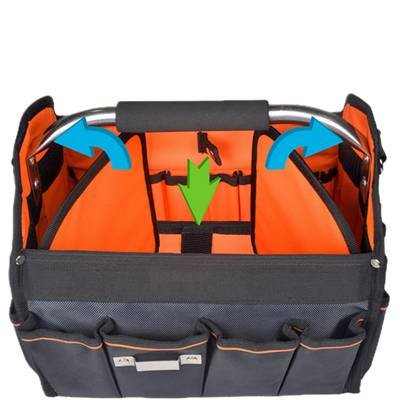
For wide-mouth tool bags and open tool totes, side structure and standing stability are also worth checking. A tool bag that collapses too easily can slow down work, while a stable, open structure helps workers reach tools faster.
Handles

Strong handles need reinforced webbing, comfortable grip, dense stitching, and secure attachment for heavy tool loads.
Pocket seams
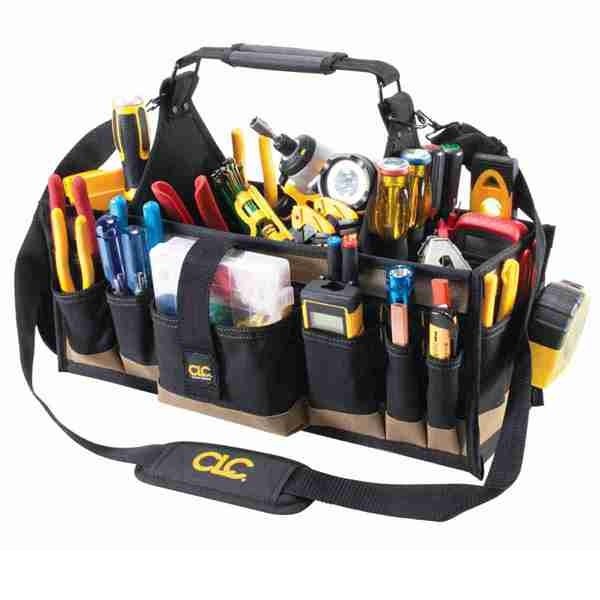
Pocket seams should resist tool weight, sagging, repeated access, and daily pressure from small hand tools.
Shoulder strap
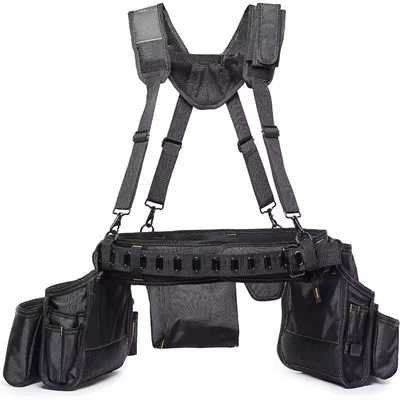
Shoulder straps need pull strength, padded comfort, buckle quality, and stable adjustment for mobile field work.
Bottom
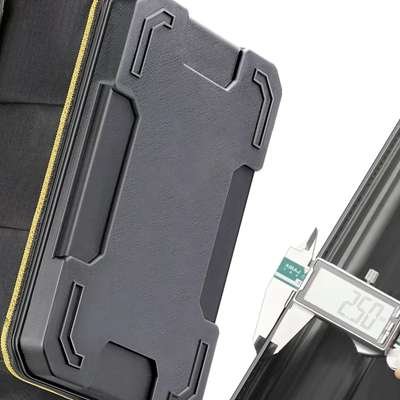
Hard bottom structure improves water resistance, wear protection, standing stability, and durability on rough or wet worksites.
Zipper ends
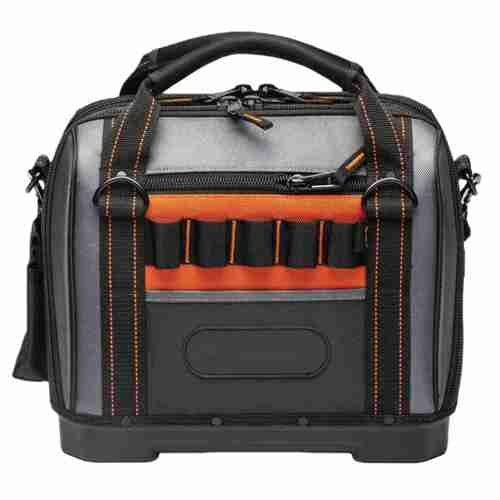
Reinforced zipper ends improve opening strength, closure durability, and repeated-use performance during transport and storage.
Side panels
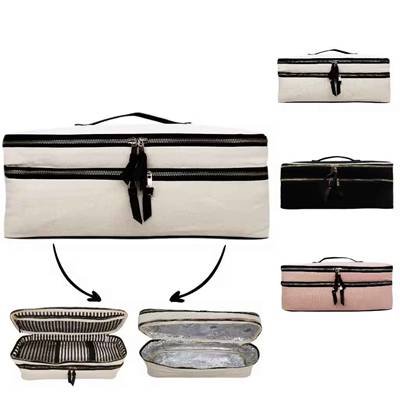
Firm side panels help control bag shape, standing structure, load balance, and collapse during loaded use.
Corners
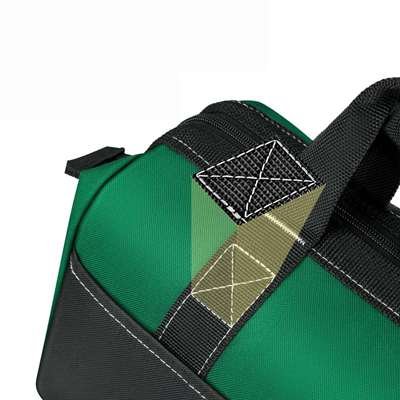
Reinforced corners protect against abrasion, impact, floor contact, vehicle loading, and daily worksite damage.
Hardware
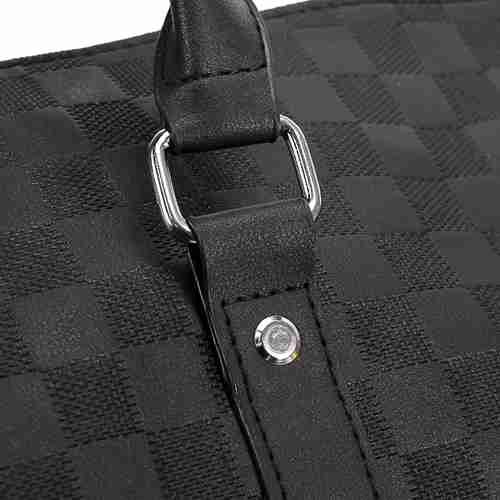
D-rings, rivets, buckles, and hooks need strong finish, rust resistance, and secure heavy-duty connection.
Tool bag reinforcement can include bar-tack stitching, double-layer fabric, bottom board inserts, molded EVA bases, rubber or PVC bottoms, rivets, wider webbing handles, bound edges, reinforced zipper ends, and stronger shoulder strap anchors.
These options help improve load-bearing strength, bottom protection, seam durability, handle comfort, zipper life, and daily worksite performance, especially for heavy tools, rough floors, mobile technicians, contractors, and field service teams.
Pocket Layouts Based on Real Tool Lists
A professional tool bag is not better simply because it has more pockets. It is better when every pocket has a purpose.
Contractors and technicians often carry a mix of large tools, small tools, sharp tools, meters, fittings, bits, tapes, cables, and parts. If the pocket layout is not planned well, the bag becomes heavy, messy, and slow to use. A good layout keeps frequently used tools visible, protects sensitive devices, separates sharp items, and prevents small parts from disappearing at the bottom.
Pocket design should start with a real tool list. For electricians, tool loops, pliers pockets, tape holders, and meter areas may matter. For HVAC service, device protection, gauges, accessories, and moisture resistance may be more useful. For contractors, open space for larger tools, external quick-access pockets, and strong bottom support may be the priority.
A practical tool bag layout should place high-use tools near the top or front, avoid deep pockets for small parts, and use reinforced pockets for heavier hand tools. Padded storage can protect meters, devices, and delicate accessories during daily movement.
Good pocket planning also keeps sharp tools away from soft items, balances left and right weight, and avoids too many decorative pockets. Testing the layout with real tools before bulk production helps improve access, comfort, durability, and worksite efficiency.
| Tool Type | Storage Detail |
|---|---|
| Screwdrivers | Vertical loops or stitched slots |
| Pliers | Reinforced open pockets |
| Wrenches | Long pockets or elastic holders |
| Tape measure | Clip holder or front pocket |
| Meters | Padded pocket or separate compartment |
| Drill bits | Small zipper pouch or elastic loops |
| Cables | Wider side pocket |
| Fittings and screws | Zipper pocket or removable pouch |
| Blades and sharp tools | Protected inner pocket |
| Documents or cards | Flat back pocket |


Trade-Specific Bags: Electrician, HVAC, Plumber, Mechanic
A tool bag becomes more useful when it matches the trade behind it. Contractors, electricians, HVAC technicians, plumbers, mechanics, maintenance crews, and field service teams carry different tools, work in different spaces, and move in different ways.
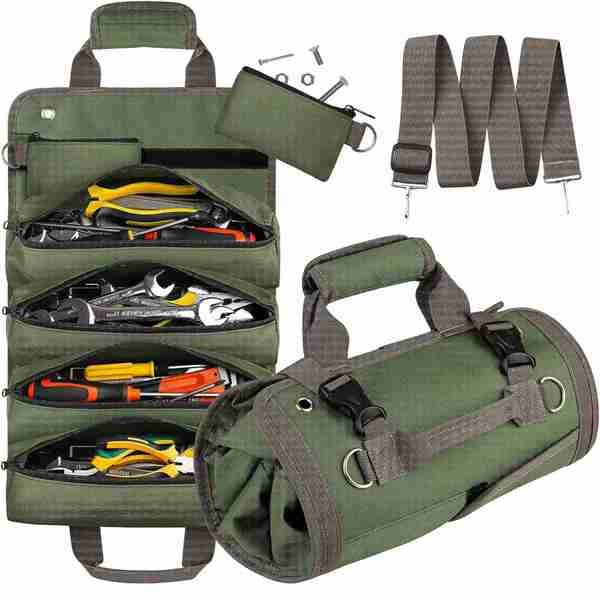
An electrician may need upright tool loops, pliers pockets, tape holders, and a protected meter area. An HVAC technician may need storage for gauges, meters, fittings, hoses, and small accessories. A plumber may need a water-resistant bottom, easy-clean materials, and room for heavier hand tools. A mechanic may need stronger zipper storage, parts pockets, and reinforced handles. A contractor may need a larger open main compartment for mixed tools and quick jobsite access.
The best tool bag is not the one with the most features. It is the one that makes the daily work easier, faster, and less frustrating.
| Trade | Useful Bag Direction |
|---|---|
| Contractors | Wide-mouth tote, reinforced base, large main space |
| Electricians | Tool loops, meter pocket, tape holder, upright storage |
| HVAC technicians | Gauge space, device pocket, weather-resistant base |
| Plumbers | Water-resistant bottom, easy-clean fabric, deep main area |
| Mechanics | Zippered storage, parts pockets, strong handles |
| Maintenance teams | Compact layout, quick access, service route carry |
| Field technicians | Backpack carry, padded device storage, hands-free movement |
Different trades need different tool bag layouts. Contractors often need quick access and enough space for mixed tools, while electricians need vertical pockets, small-parts storage, and clear tool separation for daily installation work.
HVAC teams may need padded spaces for meters and accessories, plumbers often need damp-resistant bottoms for dirty floors, mechanics need secure zipper storage and reinforced carrying areas, and field technicians need comfort when moving between job sites.
Custom Branding for Tool and Hardware Brands
A heavy-duty tool bag often represents more than storage. For tool brands, hardware distributors, industrial service companies, and private label programs, the bag becomes part of the product line.
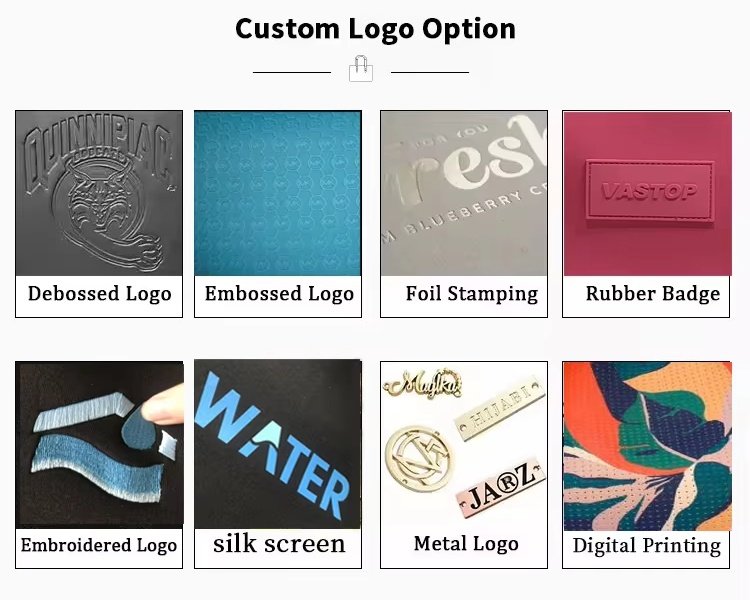
Branding needs to be practical. A logo patch must stay secure. A woven label should fit the structure. A metal plate should not scratch the user or tools. A hangtag should explain the product clearly. A barcode label should support retail or warehouse handling. A zipper puller, webbing color, binding color, and inner label can all help create a more complete product identity.
For tool bags, branding should not weaken function. Logo placement should avoid high-friction areas, heavy fold lines, sharp tool contact, and stress points. For professional use, a clean rubber patch, woven label, embroidery, or metal plate often works better than oversized decoration.

Rubber patch
Rubber patches give tool bags a heavy-duty outdoor look and work well on rugged fabric, contractor bags, technician tool totes, and durable worksite storage products.

PVC patch
PVC patches create strong visual identity with raised texture, flexible color options, and a modern finish, making them suitable for custom tool bags and brand-focused work gear.
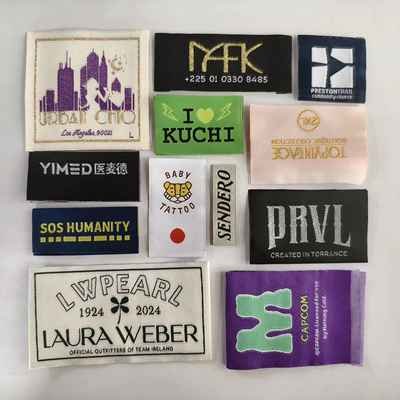
Woven label
Woven labels are suitable for private label tool bags, repeat styles, side seams, inner labels, and retail collections that need consistent brand identification.
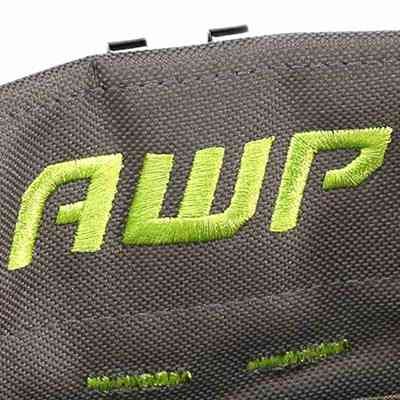
Embroidery
Embroidery works well for a simple premium logo on fabric panels, pockets, or front areas, adding a clean, durable, and professional brand detail.
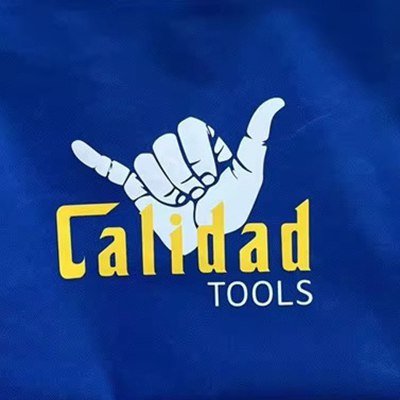
Screen printing
Screen printing is ideal for flat fabric areas, large logo placement, slogan printing, and cost-efficient branding on tool bags, pouches, and worksite carry products.

Heat transfer
Heat transfer suits multi-color graphics, detailed logos, and smooth artwork areas, helping tool bags show sharper branding without adding thick patches or heavy trims.

Hangtag
Hangtags carry retail information, material features, product highlights, care details, barcode data, and brand story, helping tool bags look ready for store display.

Metal plate
Metal plates fit higher-end tool bag lines, premium gift sets, and retail display products, giving the bag a stronger brand impression and refined finish.

Custom zipper puller
Custom zipper pullers add small but visible brand detail while improving zipper grip, daily opening comfort, and product identity on tool bags and pouches.

Barcode / SKU label
Barcode and SKU labels support store scanning, warehouse handling, inventory sorting, carton organization, and multi-style tool bag order management.
The same brand visual system can be applied across heavy-duty tool totes, electrician tool bags, HVAC service bags, technician backpacks, rolling tool bags, tool pouches, parts organizer bags, and industrial equipment carry bags.
Keeping logo style, label placement, material direction, color matching, zipper details, retail tags, barcode labels, and packing format consistent helps the full tool bag line look more professional, easier to manage, and easier to reorder.
Sampling, Load Review, and Functional Testing
A tool bag sample should be checked with real tools, not only judged by photos. The shape may look right, but the handle may feel narrow when loaded. The pockets may look clean, but they may sag with heavier tools. The zipper may open smoothly when empty, but behave differently when the bag is full.
Before bulk production, a sample helps review tool fit, loading comfort, pocket access, base stability, handle strength, shoulder strap position, zipper function, and logo placement. For tool brands and service teams, this step can prevent problems that are expensive to fix later.
Jundong has product development support, a professional sample room, and sample revision capability. Standard sampling is usually around 5–7 days, and some simple styles may be arranged faster depending on materials and structure.
Loaded carry

Reviews balance, weight distribution, hand feel, and comfort when tools, meters, and parts are loaded.
Handles
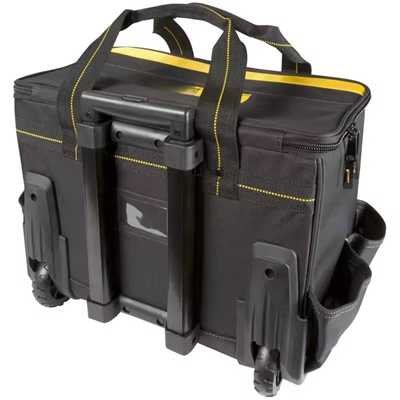
Checks webbing strength, stitch density, grip comfort, and secure attachment for heavy tool lifting.
Tool fit

Checks real tool fit, bag size, pocket depth, opening width, and daily access before bulk production.
Shoulder strap
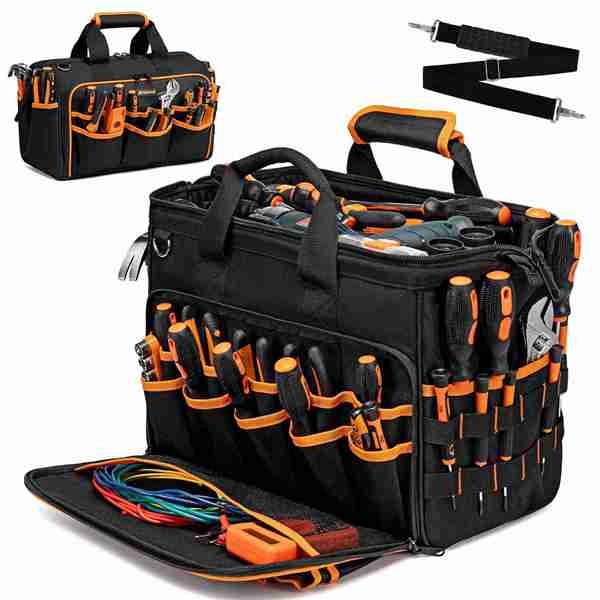
Reviews carrying angle, pull strength, padded comfort, buckle quality, and loaded movement stability.
Pockets
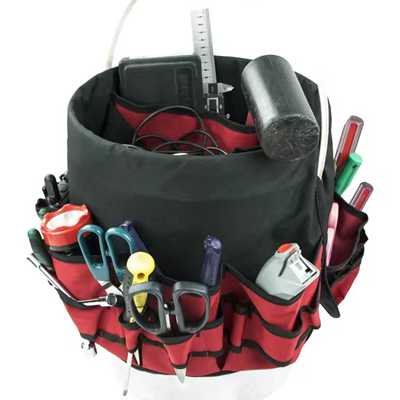
Checks pocket depth, seam strength, tool visibility, sagging control, and easy access.
Base
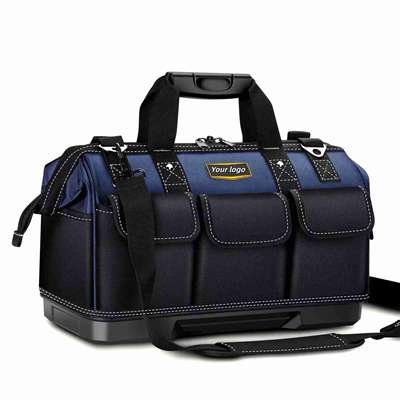
Reviews standing stability, bottom protection, water resistance, wear control, and loaded bag structure.
Zipper
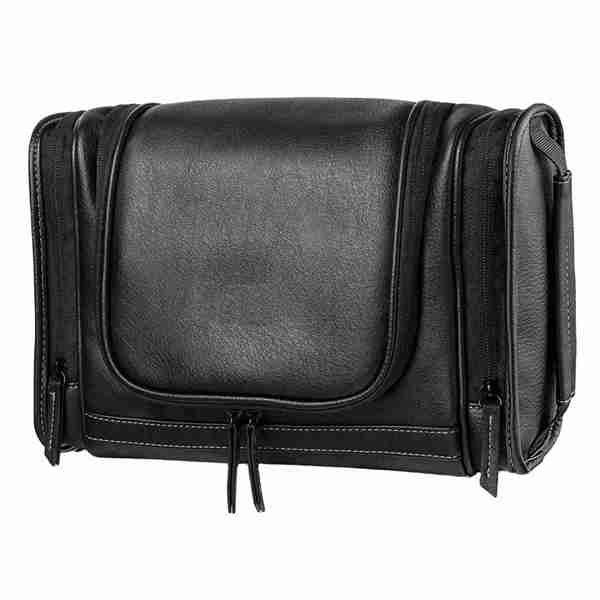
Checks smooth opening, zipper teeth strength, puller quality, reinforced ends, and full-load access.
Logo

Reviews logo visibility, placement protection, patch quality, embroidery, printing, or label position.
Packing
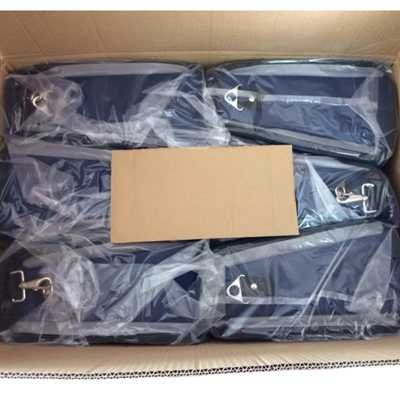
Checks folding, protection, labels, carton packing, retail display needs, and warehouse handling.
Functional checks help confirm whether a custom tool bag can handle real daily use. Before bulk production, the sample can be reviewed with estimated tool weight, handle pull, shoulder strap connection, pocket stress, zipper opening, bottom standing, tool access, packing size, and carton fit.
For repeat orders, the approved sample, material record, stitching details, logo file, label position, and packing photos can be saved as references. This helps keep later production more consistent in structure, appearance, quality, and delivery preparation.
Bulk Tool Bag Programs for Teams and Channels
Heavy-duty tool bags are often developed for more than one-time use. A tool brand may need a full line. A hardware distributor may need several sizes. A service company may need bags for technicians across different regions. A retail program may need barcodes, hangtags, cartons, and repeat stock planning.
Bulk tool bag programs need stable standards. The approved sample, material choice, tool layout, logo position, stitching method, base structure, label plan, packing rule, and carton mark format should all be clear before production starts.
For multi-style programs, each bag should have a role. A compact pouch can hold small repair tools. A technician backpack can support mobile service routes. A wide-mouth tote can fit general contractors. A hard-bottom bag can serve plumbing or field maintenance. A rolling tool bag can carry heavier kits.
Bulk control for custom tool bags should be based on clear, approved records, including the final sample standard, material, and color reference, tool layout specification, logo file, logo placement, stitching details, and reinforcement notes.
Packing photos, barcode rules, SKU labels, carton mark format, and repeat order notes also help keep production, inspection, packing, warehouse handling, and future reorders more consistent, especially for multi-style tool bag programs.
Program Type | Useful Direction |
|---|---|
Tool brand line | Tote, backpack, pouch, organizer series |
Hardware distributor | Multiple sizes and retail packing |
Service team kit | Technician bags with unified branding |
Contractor program | Heavy totes and wide-mouth bags |
HVAC service program | Meter pockets and weather-resistant base |
Electrical service program | Tool loops and upright organization |
Store brand line | Private label, barcode, hangtag, carton marks |
Industrial equipment kit | Custom compartments and protection |

Why Jundong Fits Heavy Duty Tool Bag Projects
Heavy-duty tool bag projects need careful structure review, material matching, sample testing, quality checks, and packing control. A product that looks strong in a photo still needs to carry real tools, sit on rough floors, protect parts, and keep the same standard across bulk production.
Jundong supports custom bag projects from Guangdong with product development, design support, a professional sample room, multi-material sourcing, production coordination, quality inspection, and export packing support. This is useful for tool brands, hardware distributors, industrial equipment companies, service teams, contractors, and private label programs that need more than a standard ready-made bag.
For tool bags, the early review can cover tool size, pocket layout, base structure, handle strength, fabric direction, logo method, label placement, packing style, and delivery plan. This helps reduce avoidable problems before bulk production begins.
Jundong has 600+ staff, an 18,000㎡ factory base, professional equipment, and 80 quality inspection staff. The team supports checks across incoming materials, production, finished goods, and packing. Standard MOQ is usually 500 pcs, while some simple styles may be reviewed from 200–300 pcs depending on structure, material, and schedule. Standard sampling is usually around 5–7 days, and regular bulk production is usually around 20–30 days after details are confirmed.
For a faster custom tool bag review, please share the tool bag style or reference photo, tools to be carried, target size, capacity, preferred material, work environment, logo file, brand details, quantity, packing request, delivery date, and destination country.
If the project is still at an early stage, a reference image, tool list, expected order quantity, and use scene are enough to begin. These details help review structure, pocket layout, fabric strength, reinforcement, logo placement, packing method, and cost direction.

| Project Need | Support Direction |
|---|---|
| New tool bag concept | Structure and material review |
| Real tool storage | Pocket layout based on tool list |
| Stronger carry areas | Handle, strap, base, and seam review |
| Private label program | Logo, patch, woven label, hangtag, barcode |
| Bulk order control | Approved sample, specs, QC, packing rule |
| Repeat orders | Saved references for size, material, logo, and packing |
| Export delivery | Carton marks, labels, mixed or partial shipment support |
Make A Tool Bag Sample First?
A practical heavy duty tool bag should match more than a logo. It should match the tools it will carry, the worksite conditions it will face, the way contractors and technicians move, and the packing or retail channel it needs to serve. When size, layout, material, handles, base, zipper, branding, and packing details are confirmed early, the project becomes easier to quote, sample, produce, inspect, and reorder.
Client Testimonials
800+ brand Clients Trust Jundong



Ready to build heavy-duty tool bags for your project? Contact Us!
Your heavy-duty toolbag project may be simple, or it may need several layers of detail. A contractor tool bag may need reinforced fabric, strong stitching, wide handles, and a stable bottom. A technician’s tool bag may need organized pockets, tool loops, zipper compartments, shoulder straps, and easy access during fieldwork. A retail or private label line may need woven labels, hangtags, barcode stickers, individual packing, carton marks, and repeat order records.
The best result usually starts with a clear project brief. You do not need to finalize every detail before reaching out. If you already have a reference photo, tool list, size requirement, material preference, logo file, packing request, or previous sample, that will help. If not, you can start with the basics: what tools the bag will carry, how heavy the loaded bag may be, how many pieces you need, what logo or label should be added, and when the goods need to arrive.
Jundong can help turn these early details into a workable custom tool bag specification. The review can include fabric choice, bag size, pocket layout, zipper direction, handle structure, shoulder strap, bottom support, reinforcement method, logo process, label options, packing method, sample timing, bulk lead time, QC checkpoints, carton marks, and shipment preparation.
For faster review, send your reference image, tool list, loaded weight estimate, logo file, quantity, use scene, packing needs, and delivery timeline to info@jundongfactory.com. If your project is still open-ended, share the goal first: contractor use, technician service, hardware retail, industrial maintenance, repair team supplies, corporate workwear gifts, or private label tool bag line. A practical recommendation can start from there.
The right heavy-duty tool bag is not always the most complicated option. It is the option that fits the tools, supports real working conditions, protects brand presentation, stays comfortable for daily carrying, and can be produced at a realistic cost and timeline.
Heavy-duty tool bags products Made Easy
At Jundong factory, we make complexity simple! Follow these three steps to get started immediately:
1. Tell Us Your Needs
Provide us with detailed information about your requirements, supply design drawings or tech packs, reference images, and share your ideas.
2. Get Solutions and a Quote
We will customize the best solution based on your needs and drawings, and provide a specific quote within 24 hours.
3. Confirm for Mass Production
Once we receive your confirmation and deposit, we will commence mass production and take care of the subsequent shipping arrangements.
FAQs, You ask, we answer
Choosing heavy-duty tool bags becomes much easier when the working details are clear from the start. The right bag may change depending on whether it is used by contractors, technicians, maintenance teams, installers, field service crews, or retail tool programs.
These FAQs cover the practical details often reviewed before sampling, including fabric strength, pocket layout, tool weight, zipper and handle durability, bottom reinforcement, logo method, MOQ, lead time, packing, labels, and bulk quality control.


A heavy-duty tool bag is defined by its load-bearing structure, reinforced stress areas, strong material, practical tool layout, and ability to survive daily jobsite use. It is not just a thick fabric bag with many pockets.
For contractors and technicians, the bag often carries drills, screwdrivers, pliers, wrenches, meters, gauges, cables, fittings, fasteners, tape, blades, and small parts. These tools create pressure on the bottom, handles, pocket seams, zipper ends, shoulder strap anchors, and side panels. A real heavy-duty design must review these areas before production.
The bottom is one of the most critical areas. A tool bag may sit on concrete, metal platforms, damp floors, vehicle beds, rooftops, or dirty jobsite surfaces. Depending on the intended use, the bag may need a molded base, EVA insert, PE board, rubber bottom, PVC-coated panel, tarpaulin layer, or extra fabric reinforcement.
The handles also matter. Strong webbing, bar-tack stitching, reinforced wrap, and secure anchor points help the bag handle repeated lifting. For heavier bags, the shoulder strap, D-rings, buckles, and hardware should be checked together instead of treated as decorative parts.
A heavy-duty tool bag should also make work faster. Wide mouth access, organized tool loops, padded meter pockets, zipper parts pockets, and stable standing shape can improve daily use. If the worker spends less time searching and more time working, the structure is doing its job.
Quick Check Table
| Heavy-Duty Area | What to Review |
|---|---|
| Bottom | Hard base, water resistance, abrasion protection |
| Handles | Webbing width, stitching, pull strength |
| Pockets | Tool weight, layout, sagging control |
| Zipper | Size, smoothness, and end reinforcement |
| Material | Outer fabric, lining, coating, durability |
| Structure | Standing shape, access, balance |
Certainly, contractors usually need wide mouth tool totes, heavy-duty open-top bags, hard bottom tool bags, or rolling tool bags, depending on the jobsite and tool load. The best contractor tool bag should offer fast access, large capacity, strong handles, bottom protection, and enough structure to stay useful under daily use.
For general contractors, an open main compartment is often practical because the bag may carry mixed tools: hammer, tape measure, utility knife, drill, fasteners, pliers, bits, gloves, and site documents. A wide mouth tool bag lets workers see the tools quickly instead of digging through a deep soft bag.
If the bag will be placed on rough or damp surfaces, a hard bottom or reinforced base is worth considering. A molded base, EVA board, PE board, rubber layer, or PVC-coated bottom can help reduce wear, moisture contact, and bottom collapse. This is especially useful for construction sites, remodeling jobs, installation work, and field maintenance.
For contractors carrying heavier power tools, a rolling tool bag may reduce hand and shoulder pressure. However, rolling bags also need stronger wheels, reinforced corners, stable handle systems, and enough base support. They work well for heavier kits, but not every jobsite surface is wheel-friendly.
A contractor bag should not be overloaded with small decorative pockets. It needs a balanced layout: open space for large tools, outer pockets for quick-access items, zipper pockets for small parts, and reinforced handles for lifting. Before sampling, it is helpful to list the actual tools and estimated weight.
Contractor Style Guide
| Contractor Need | Better Bag Direction |
|---|---|
| Fast access | Wide-mouth tool bag |
| Mixed tools | Heavy-duty tool tote |
| Wet or rough floor | Hard bottom tool bag |
| Heavy power tools | Rolling tool bag |
| Small parts | Zipper pockets and pouches |
| Daily lifting | Reinforced handles and webbing |
Of course, the best technician tool bag is the one that supports mobility, tool visibility, device protection, and quick access during service work. For many technicians, tool backpacks, compact service bags, wide-mouth bags, and hard-bottom technician bags are more useful than large open totes.
Technicians often move between service rooms, floors, rooftops, customer sites, vehicles, workshops, and equipment areas. They may need to carry meters, screwdrivers, pliers, cables, small devices, gauges, adapters, connectors, tapes, and repair parts. The bag should keep these tools organized without becoming too bulky or hard to carry.
A technician’s tool backpack is helpful when the worker needs both hands free, especially for stairs, ladders, building maintenance, HVAC service, telecom work, electrical inspection, and field repair. Backpack designs should review shoulder strap comfort, back padding, weight balance, base stability, and vertical tool access.
For technicians who work from a service vehicle, a wide-mouth or compact service bag may work better. It allows quick access and easier visibility when the bag is placed near the work area. If meters or devices are carried, padded compartments or separate storage areas help prevent scratches and impact.
The best technician bag often has fewer but smarter compartments: upright slots, zipper pockets, elastic loops, padded device areas, side pockets, and a stable base. It should help the worker reach the right tool quickly, not force them to reorganize the bag every day.
Technician Bag Priorities
| Technician Need | Useful Detail |
|---|---|
| Moving between sites | Tool backpack or compact carry bag |
| Device protection | Padded meter or equipment pocket |
| Fast access | Wide mouth or vertical pocket layout |
| Small parts | Zipper pockets and removable pouch |
| Hands-free work | Backpack straps and balanced weight |
| Rough floors | Reinforced or molded base |
Definitely, the choice depends on tool weight, work route, access speed, and the surfaces where the bag will be used. A tool tote, a tool backpack, and a rolling tool bag solve different problems.
A tool tote works well when fast access is the priority. Contractors, installers, and maintenance workers often like open or wide-mouth tool totes because tools are visible and easy to grab. Totes are also good for mixed tools, short-distance movement, and jobs where the bag stays near the working area.
A tool backpack is better when mobility matters. Electricians, HVAC technicians, telecom workers, building maintenance teams, and field service crews may need to climb stairs, use ladders, move between rooms, or walk through large facilities. Backpack carry frees both hands and helps distribute the weight better. However, the design must review back padding, shoulder strap angle, base support, and vertical pocket layout.
A rolling tool bag is useful when the tool load is heavy and the route is suitable for wheels. It can reduce lifting pressure, especially for larger tool kits or repeated movement across warehouses, commercial buildings, or service routes. But rolling bags need stronger wheels, reinforced corners, a telescopic handle structure, and a stable base. Rough ground, stairs, mud, or crowded worksites may limit rolling use.
For many tool brands, the best option is not one bag but a small series: a tote for jobsite access, a backpack for mobile technicians, a pouch for quick repairs, and a rolling bag for heavier kits.
Style Decision Table
| Bag Type | Best For | Watch Carefully |
|---|---|---|
| Tool tote | Fast access, mixed tools | Handle strength and base support |
| Tool backpack | Mobility, stairs, ladders | Strap comfort and weight balance |
| Rolling tool bag | Heavy loads, long routes | Wheel strength and rough-floor limits |
Sure, the best material depends on the working environment, tool weight, target cost, and product positioning. There is no single material that fits every heavy-duty tool bag project.
For cost-controlled work bags, 600D or 900D polyester may work for lighter tool loads and general service kits. For stronger daily-use tool bags, 1200D or 1680D polyester is often reviewed because it can offer better abrasion resistance and structure. Heavy canvas gives a classic workwear appearance and a firm handfeel, which can suit contractor bags, heritage-style tool bags, or retail tool lines with a rugged look.
For wet, dirty, or rough environments, the bottom material becomes very important. PVC-coated fabric, tarpaulin, rubber layers, EVA base inserts, PE boards, or molded bottom parts can help protect the bag from moisture, floor abrasion, and bottom collapse. The outer fabric and bottom should be considered together, not separately.
Webbing and hardware also affect durability. A strong outer fabric cannot save a bag if the handle webbing is weak or the D-rings fail. For heavier tool bags, webbing width, stitch density, buckle quality, zipper size, and shoulder strap anchors should be reviewed early.
For private label and tool brand programs, material choice also affects perceived value. A higher-end tool bag may combine 1680D polyester, a molded base, reinforced webbing, a rubber patch, a strong zipper, and a retail hangtag. A team-use service bag may focus more on cost, durability, and simple packing.
Material Reference
| Material Direction | Common Use |
|---|---|
| 600D / 900D polyester | Light to medium work bags |
| 1200D / 1680D polyester | Stronger daily-use tool bags |
| Heavy canvas | Workwear-style contractor bags |
| PVC-coated fabric | Dirt and moisture resistance |
| Tarpaulin bottom | Water-resistant base support |
| EVA / PE board | Shape and bottom structure |
| Rubber or molded base | Stronger standing and protection |
A hard bottom is strongly recommended when the tool bag will carry heavy tools, sit on rough floors, or be used in wet and dirty jobsite conditions. It is not required for every tool bag, but for contractors, plumbers, HVAC technicians, mechanics, and field service teams, bottom protection often makes a big difference in daily use.
The bottom of a tool bag takes pressure from both sides. Inside the bag, metal tools, drills, wrenches, meters, fittings, and sharp edges press downward. Outside the bag, concrete floors, vehicle beds, rooftops, dirt, water, oil, and rough surfaces wear the bottom from below. If this area is too soft, the bag may sag, collapse, absorb moisture, or wear out early.
A hard bottom can help the bag stand better, protect tools, reduce moisture contact, and make the whole structure feel more stable. Depending on the project, the bottom can use molded base parts, EVA inserts, PE boards, rubber layers, tarpaulin panels, PVC-coated fabric, or extra reinforced fabric. Each option affects cost, weight, structure, and appearance.
For retail tool lines, a molded base can create a more professional look. For service teams, a reinforced water-resistant bottom may be more practical. For cost-controlled projects, a PE board or reinforced fabric bottom may be enough. The right choice depends on tool weight, work floor conditions, target price, and expected service life.
Bottom Option Reference
| Bottom Type | Best Use |
|---|---|
| Reinforced fabric bottom | Light to medium tool loads |
| PE board insert | Better shape and support |
| EVA insert | Lightweight structure support |
| PVC-coated bottom | Dirty or damp floors |
| Tarpaulin bottom | Water-resistant work settings |
| Molded base | Stronger standing and a premium look |
Certainly, a professional tool bag should have the right pockets, not simply the most pockets. A bag with 40 pockets can still be frustrating if the pockets are too deep, too narrow, too weak, or placed in the wrong areas. For contractors and technicians, pocket design should follow the real tool list.
A good layout usually includes a mix of large storage, vertical tool slots, open pockets, zipper pockets, elastic loops, device pockets, and small-parts areas. Large tools such as drills, hammers, or bulky fittings need an open main space. Screwdrivers, pliers, wrenches, and knives often work better in vertical slots or reinforced pockets. Meters, gauges, and digital devices may need padded compartments. Screws, bits, connectors, and fasteners need zipper pockets or removable pouches, so they do not disappear at the bottom.
The number of pockets also depends on the trade. Electricians may need more vertical loops and smaller storage areas. HVAC technicians may need fewer but more protective compartments for meters and accessories. Contractors may prefer more open capacity. Mechanics may need strong zipper storage and parts pockets. Field service teams may need balanced pockets for mobility.
Too many pockets can add cost, weight, sewing time, and confusion. Too few pockets can slow down work. The better approach is to group tools by use frequency: daily tools at the front or top, small parts in zipped areas, heavier tools in reinforced zones, and sensitive devices in protected compartments.
Pocket Planning Guide
| Tool Need | Pocket Direction |
|---|---|
| Large tools | Open the main compartment |
| Screwdrivers | Vertical slots |
| Pliers and wrenches | Reinforced pockets |
| Meters | Padded compartment |
| Drill bits | Small zipper pocket |
| Cables | Wider side pocket |
| Fasteners | Removable pouch |
| Documents | Flat back pocket |
Absolutely. Tool bags can be customized for different trades by adjusting pocket layout, bottom protection, material choice, carrying style, logo placement, and packing details. A one-size-fits-all bag rarely works well for professional tool use.
Electrician tool bags often need upright storage for screwdrivers, pliers, wire strippers, voltage testers, tape, connectors, and meters. Small-parts pockets and protected meter areas are useful. HVAC technician bags may need space for gauges, meters, hoses, fittings, and service accessories, with better protection for devices and weather-exposed areas. Plumber tool bags often need water-resistant bottoms, easy-clean outer materials, deeper main compartments, and stronger support for heavier hand tools. Mechanic tool bags may need zippered storage, parts pockets, tool roll sections, and reinforced handles.
Customization can also follow the user’s movement. A technician who climbs stairs or ladders may prefer a backpack. A contractor who works near a tool bench or jobsite area may prefer a wide-mouth tote. A service fleet may need the same bag in one color with a consistent logo, barcode, and carton label.
For brand programs, different trade bags can be developed as a product family. One series may include an electrician bag, HVAC service bag, contractor tote, compact tool pouch, and rolling tool bag. The same logo system, label position, material direction, and packing format can be kept across the line.
Jundong’s development and sample support can help review the trade use, structure, material, and branding details before bulk production.
Trade Customization Ideas
| Trade | Custom Direction |
|---|---|
| Electrician | Tool loops, meter pocket, tape holder |
| HVAC | Gauge storage, device protection, weather-resistant base |
| Plumber | Water-resistant bottom, easy-clean fabric |
| Mechanic | Zipper pockets, parts storage, strong handles |
| Contractor | Wide mouth, large capacity, reinforced base |
Definitely. Heavy-duty tool bags can be customized with logos, labels, patches, hangtags, barcode labels, and retail packing details. For tool brands, hardware channels, industrial product lines, and service teams, branding is often part of the product’s value, not only a decoration.
Common branding methods include rubber patches, PVC patches, woven labels, embroidery, screen printing, heat transfer, debossed leather or PU patches, metal plates, and custom zipper pullers. The right method depends on the material, bag structure, brand style, order quantity, and expected use.
For tool bags, logo placement must be practical. A logo should not sit where sharp tools constantly rub, where the bag folds heavily, or where stress points may distort the mark. Rubber patches or woven labels often work well on front panels, side panels, or pocket areas. Embroidery can look premium, but it is better for simpler logos. Screen printing works on flatter fabric areas, while metal plates can suit higher-end tool lines if positioned safely.
Private label details can go beyond the front logo. A tool bag line may include inner labels, hangtags, SKU stickers, barcode labels, warning labels, instruction cards, color-coded pulls, and carton marks. These details help retail display, warehouse receiving, service team distribution, and future reorders.
Before bulk production, a logo sample or placement proof is worth checking. The logo should be visible, durable, and suitable for the material surface.
Branding Method Guide
| Branding Method | Better For |
|---|---|
| Rubber / PVC patch | Heavy-duty look |
| Woven label | Private label and repeat styles |
| Embroidery | Premium simple marks |
| Screen printing | Flat fabric panels |
| Heat transfer | Multi-color areas |
| Metal plate | Higher-end tool bag line |
| Hangtag/barcode | Retail and warehouse handling |
Sure. A clear start saves time, reduces redesign work, and helps the first sample get closer to the intended result. You do not need to have every detail ready, but a few practical details make the review much faster.
The most useful information includes tool bag style, tool list, target size, work environment, material preference, logo file, order quantity, packing request, delivery timeline, and destination country. If the structure is still open, a reference photo is enough to start. If the bag must hold specific tools, send tool dimensions, weight, and photos. This helps review capacity, pocket layout, handle strength, and bottom structure.
For material review, explain where the bag will be used. A service vehicle bag, wet-floor plumbing bag, electrician backpack, and contractor tote may need different materials and reinforcements. If your project is for a retail tool line, also share whether you need hangtags, barcode labels, SKU stickers, individual packing, cartons, or display-ready packaging.
For branding, vector logo files are preferred, such as AI, EPS, SVG, or PDF. If you only have PNG or JPG files, they can be reviewed first, but production artwork may need adjustment.
Jundong’s standard MOQ is usually 500 pcs. Some simple styles may be reviewed from 200–300 pcs, depending on structure, material, and production schedule. Standard sampling is usually around 5–7 days, and regular bulk production is usually around 20–30 days after details are confirmed.
Project Start Checklist
| Detail | Example |
|---|---|
| Bag style | Tote, backpack, rolling bag, pouch |
| Tool list | Drill, meter, pliers, cables, fittings |
| Size | Custom dimensions or reference size |
| Material | 1680D polyester, canvas, PVC bottom |
| Logo | Patch, embroidery, woven label |
| Quantity | 500 pcs, 1,000 pcs, 5,000 pcs |
| Packing | Bulk pack, polybag, hangtag, barcode |
| Timing | Sample deadline and delivery date |