 Skip to content
Heavy-Duty Bags Manufacturer — Engineered for Load, Built for Repeat Orders
When procurement teams search for a heavy-duty bag manufacturer, they’re rarely looking for a “thicker bag.” They’re trying to reduce operational risk: torn handles, zipper failures, seam blowouts, deformed bottoms, and inconsistent bulk output that triggers returns, delays, or service complaints. A truly heavy-duty build starts with load-path engineering—how weight moves from handles and straps into panels—and ends with controlled workmanship that stays consistent from sample approval to mass production and repeat orders.
Based in Guangdong, we operate with an established manufacturing and quality structure: a professional sampling room and pattern-making capability, cross-functional development support, and a dedicated QC team that verifies high-stress points throughout production.
Designing Out Common Heavy-Duty Failures
Customers often judge heavy-duty bags by fabric weight or how “solid” a sample feels in hand. But real failures happen after repeated cycles: lifting, dragging, loading, unloading, and exposure to dust, moisture, or oil. The most expensive problems are not cosmetic—they are structural: handles tearing out, seams separating, base corners wearing through, zipper ends splitting, and strap anchors creeping over time.
When these failures happen in bulk shipments, the cost multiplies: returns, replacements, emergency rework, and delayed distribution. A heavy-duty manufacturer must be able to explain why a bag fails and what design controls and process controls prevent that failure.


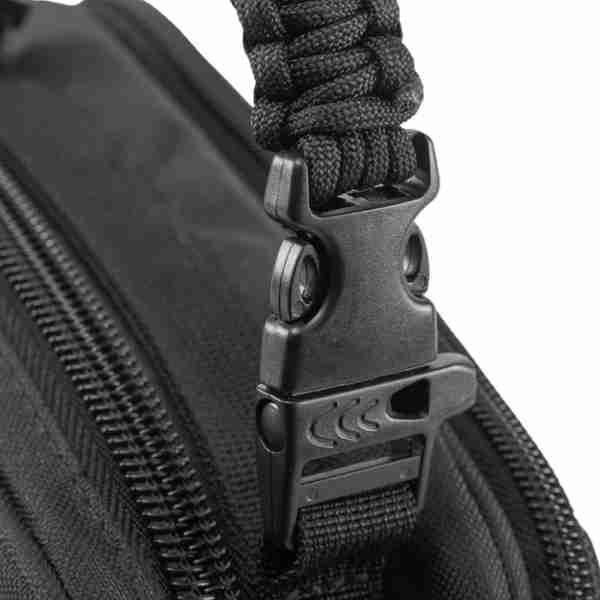
Load-Path Reinforcement That Survives Real Use
A heavy-duty bag is a small structure. If the load path is unclear, even premium materials will fail because force concentrates at one stitch line or one corner. That’s why material-only discussions are incomplete. The correct question is: where does the force enter the bag, where does it travel, and where does it exit?
Handles, straps, anchor points, side seams, and the base panel must function as a cohesive system. In OEM/ODM projects, this becomes even more critical because bulk repeatability depends on whether the reinforcement logic can be executed consistently across operators and production batches.

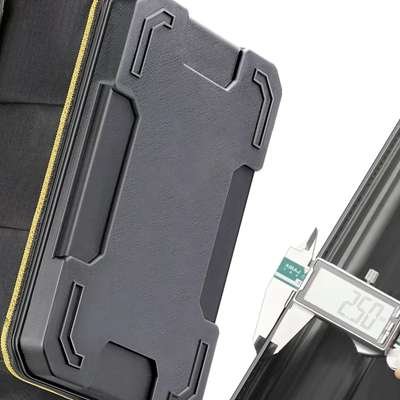
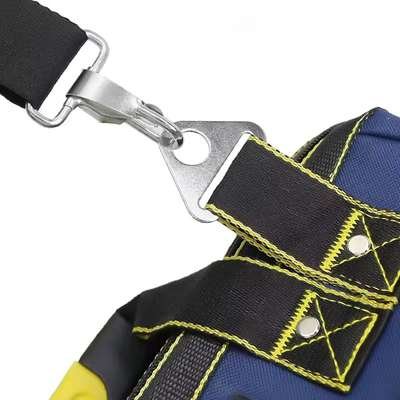
Material System Matched to Wear Modes
Material selection is where many heavy-duty projects become expensive. Overbuilding with the wrong material wastes budget, while underbuilding causes early failure. The correct approach is to start with the wear mode: is the bag dragged on rough floors, stacked in warehouses, exposed to moisture, wiped with chemicals, or used outdoors with dust and UV?
Different wear modes require different surface systems—abrasion resistance, tear resistance, water resistance, or easy-clean coatings. Based on our manufacturing scope, we support a practical set of materials and constructions, including fabric, leather (genuine/synthetic), PU/PVC, neoprene, and EVA structures when shape retention and protection are needed.
| Wear Mode | Recommended Focus | Typical Material System |
|---|---|---|
| Dragging / Floor Contact | Base reinforcement, corner guards | Fabric and reinforced base / PU-PVC base |
| Oil / Stain Exposure | Easy-clean, surface stability | PU/PVC surface |
| Impact / Shape Retention | Cushioning, structure | Neoprene / EVA structure |

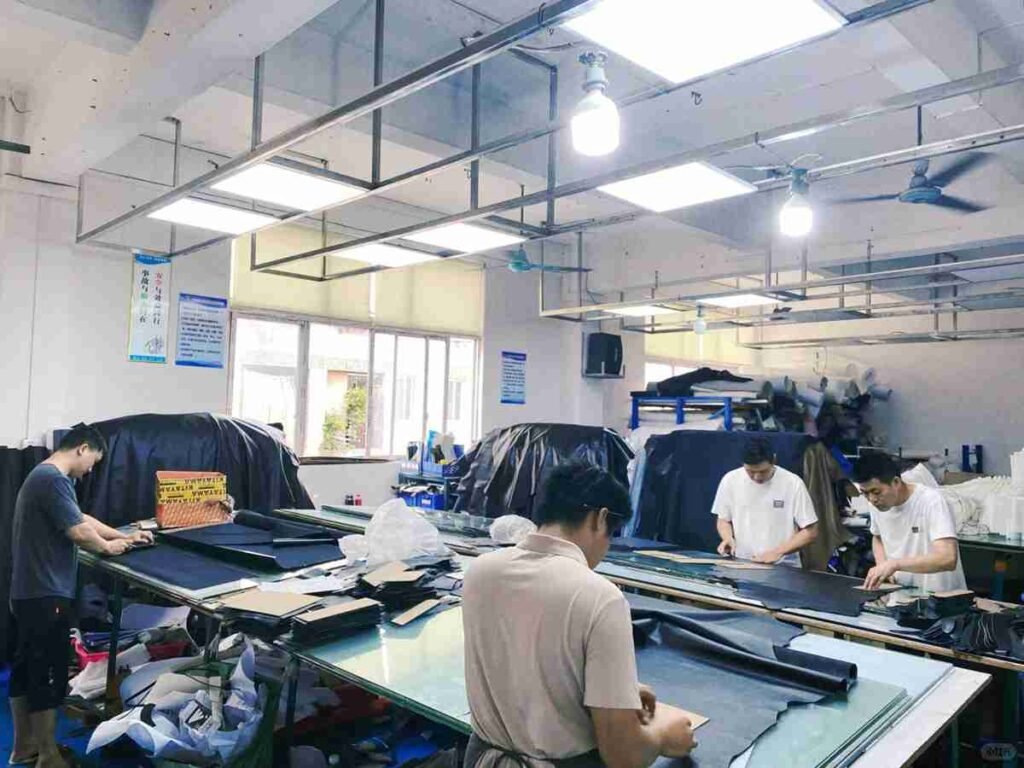
Reinforcement Stitching Details Define Service Life

Many suppliers describe their workmanship as heavy-duty, using vague terms like “strong stitching” or “double seams.” That doesn’t help procurement, because durability is defined by repeatable parameters—stitch density, back-tack length, thread specification, seam allowances, binding method, and how reinforcement layers are stacked and locked. If these are not standardized, bulk output drifts when different operators sew the same style. With an established factory setup in Guangdong, professional sampling and pattern-making capabilities, and a dedicated QC team, we treat reinforcement and stitching as a controlled system, not an artistic craft.
| Area | Must-Define Specs: | Why It Matters |
|---|---|---|
| Handle roots | reinforcement patch, back-tack, bartack | prevents tear-out |
| Base corners | binding/guard, base layer | prevents abrasion-through |
| Zipper ends | end reinforcement, seam allowance | prevents splitting |
| Strap anchors | anchor structure, alignment checks | prevents creep |
Zippers & Hardware That Don’t Become the Weak Link
In heavy-duty applications, you touch the zipper and hardware more than any other part. A bag can use premium fabric and still fail in the field if the zipper jams, the puller breaks, or the buckle hardware loosens after repeated cycles. Procurement teams also face a hidden risk: hardware inconsistency across batches. Even small changes in zipper gauge, slider fit, or buckle molding can create a noticeable difference in user experience—and a spike in complaints.
That’s why a heavy-duty manufacturer should treat closures and hardware as an engineered subsystem with defined specs, installation rules, and functional checks. With strong QC staffing and inspection equipment, we support in-process verification on zipper end reinforcement, hardware installation integrity, and final functional smoothness.
| Use Risk | Recommended Closure Focus | Typical Solution |
|---|---|---|
| Dust/debris | smoothness, protection | covered zipper/flap |
| Overfill | zipper-end reinforcement | reinforced ends + allowance |
| High-frequency access | slider stability | spec-defined zipper + QC check |

Compartment Design That Prevents Stress Concentration
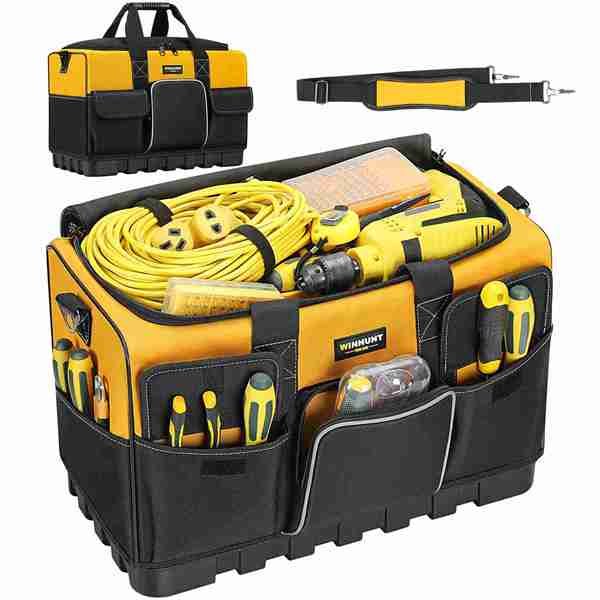
Many heavy-duty bags fail not because the material is weak, but because the internal layout creates stress concentration. Hard tools push against side panels; sharp edges rub the zipper tape; heavy items sit on one corner; dividers collapse and shift weight into seams and anchors. In bulk orders, layout problems become returns problems, because users load the bag in predictable ways—and those patterns repeat across teams, vehicles, and job sites.
A reliable heavy-duty design must guide the load into the base and reinforced zones, keep hard items away from closures, and maintain shape retention so the bag stays usable over time. That requires structured compartment logic: stable dividers, controlled pocket depth, edge binding where needed, and reinforcement mapping that matches real loading behavior—not just a showroom sample.
Prevent Sample-to-Bulk Production Drift
For heavy-duty bags, the biggest procurement risk is not whether a supplier can make a good-looking sample. The risk is drift—the bulk order quietly changes: reinforcement is reduced, stitch density loosens, hardware shifts, or dimensions vary. These changes are hard to detect until the bags are in the field.
That’s why sampling must produce more than a sample; it must produce a controlled specification that production can repeat. With our cross-functional team support, professional sampling and pattern-making capability, and a strong QC structure, we focus on turning the sample into a manufacturing standard: detailed construction notes, a reinforcement map, a workmanship checklist, and defined QC checkpoints.

Heavy-Duty QC Checkpoints for Failure Risk

In heavy-duty bags, quality is not a final-inspection activity. A bag can pass appearance checks and still fail after weeks of load cycles if reinforcement placement drifts, stitch density changes, or zipper-end finishing is inconsistent. That’s why procurement teams should evaluate a manufacturer’s QC plan as a risk-control system: how materials are inspected before cutting, how stress zones are verified during assembly, and how functional performance is checked before packing.
With a dedicated QC workforce and inspection equipment, we support a checkpoint-driven approach that protects bulk consistency across batches. This is especially important for heavy-duty OEM/ODM orders, where the real requirement is not “one good shipment,” but the ability to maintain the same build standard for repeat orders and long-term program supply.
MOQ & Pricing: Match the Build Tier
Procurement teams often ask for “the best price,” but heavy-duty pricing only makes sense when the build standard is defined. Two bags can look similar yet perform very differently depending on reinforcement layers, base architecture, zipper/hardware specs, and workmanship controls.
Another common misunderstanding is MOQ: you want low MOQs, but heavy-duty projects still require full development, sampling, and QC steps. The process effort does not disappear just because the quantity is small. The realistic approach is to treat MOQ and pricing as a decision structure: start with a trial order to validate the build tier, then scale volume to improve unit cost through material purchasing leverage and operator consistency.

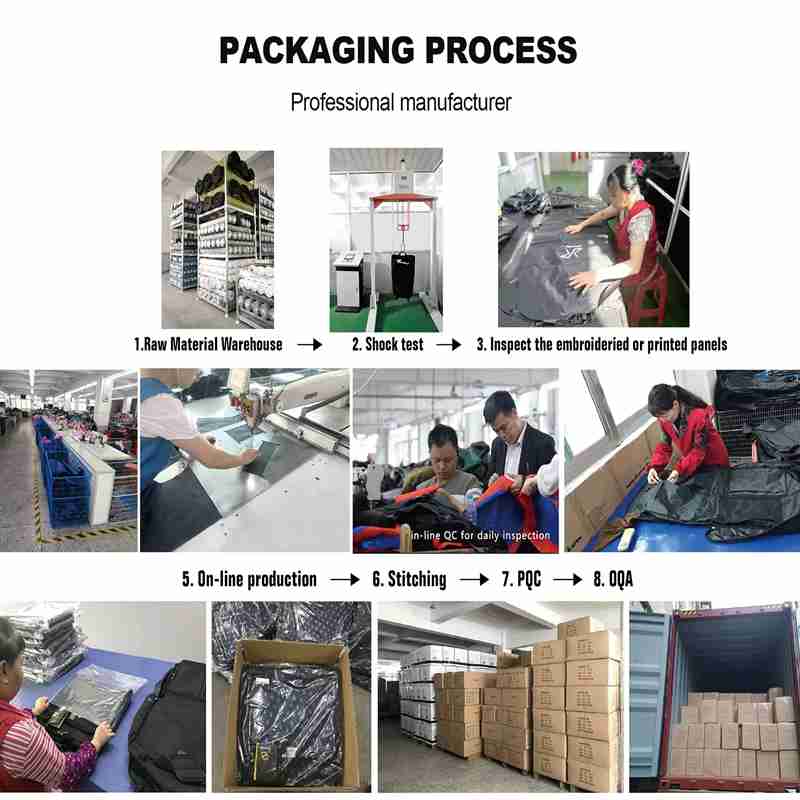
Packaging Protects Durability and Arrival Condition

Heavy-duty bags are often shipped in bulk, stacked, compressed, and moved through multiple handling points. Damage during shipping creates a painful contradiction: you order “heavy-duty,” but receive bags with dents, scuffs, deformed panels, bent hardware, or scratch marks. These issues don’t just trigger claims—they reduce buyer confidence and slow down reorders.
Packaging for heavy-duty bags must be designed around structure and hardware: how to prevent compression marks, how to protect corners and buckles, and how to keep the bag’s shape retention during long transit.
| Option | Best For | Benefit |
|---|---|---|
| Standard Protective Pack | general heavy-duty | balanced protection & cost |
| Enhanced Pack | premium surfaces / structured builds | fewer scuffs & deformation |
Send Your Specs — Get a Practical Build Plan
A serious customer doesn’t want a long sales pitch. They want a supplier who asks the right questions and returns a workable plan: material system options, a reinforcement map, closure/hardware configuration, a clear sampling route, defined QC checkpoints, and a timeline that matches reality.
The fastest way to reduce back-and-forth is to start with facts, not guesses. If you send a short RFQ checklist, we can respond with clearer options and fewer revisions—especially for heavy-duty builds where durability depends on specs.
If email is easiest for your team, contact us at info@jundongfactory.com with the checklist below. We’ll keep the conversation focused on feasibility, cost impact, and repeatability—so you can decide with confidence.
International Certifications & Compliance Readiness
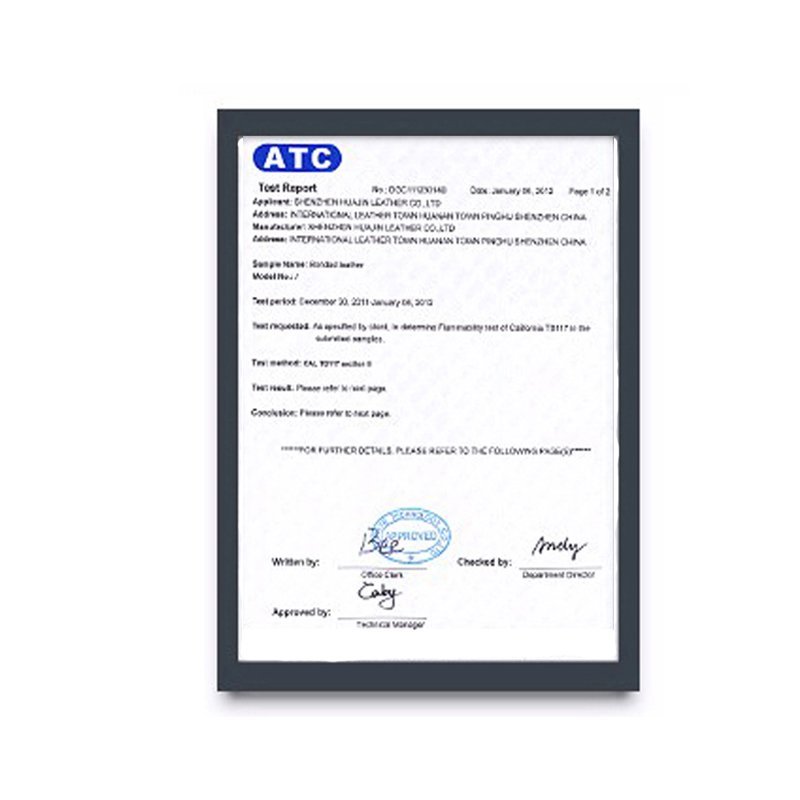
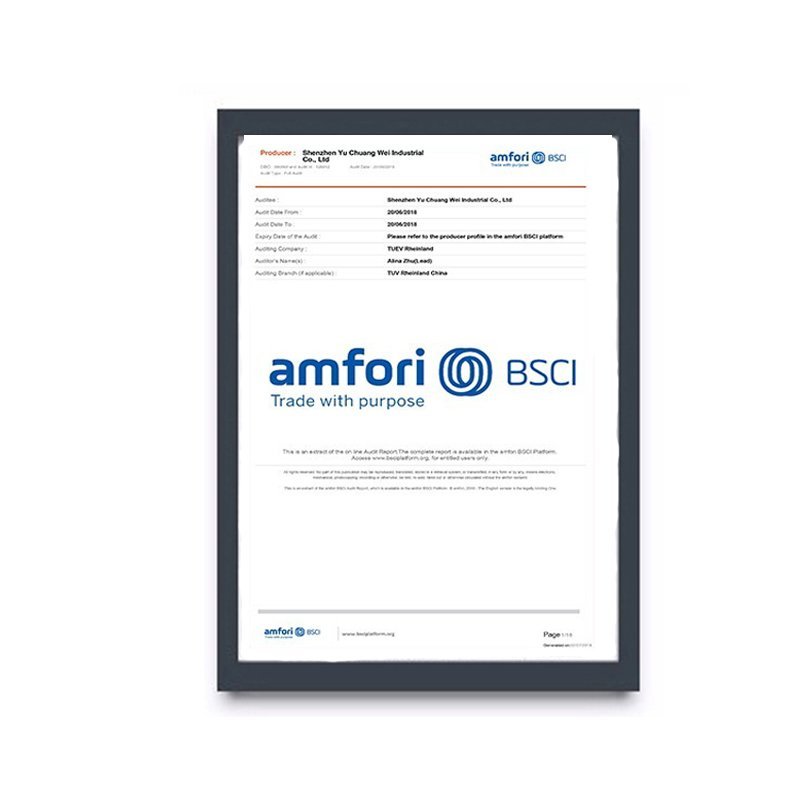
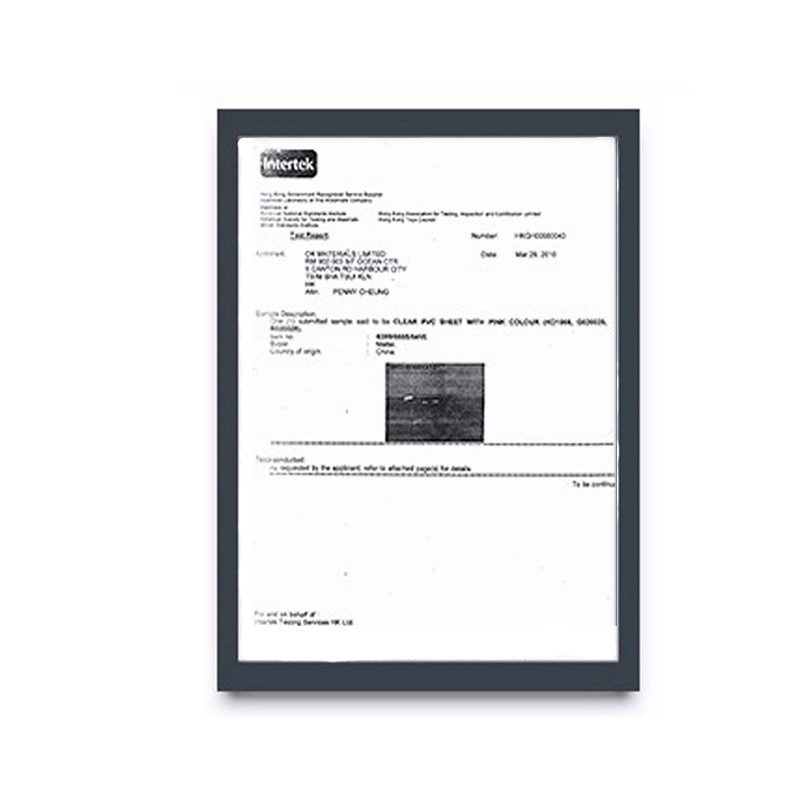
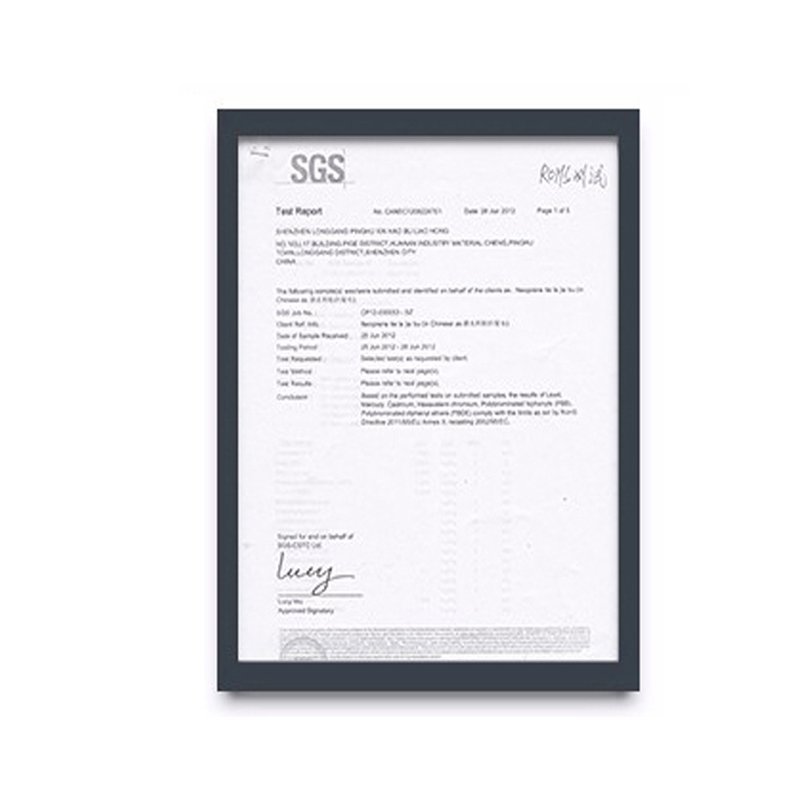
For custom heavy-duty bags procurement, you may need supplier qualification, documented standards, and compliance verification—especially when supplying retail programs, corporate purchasing, government tenders, or branded distribution. Relevant certifications and regulatory readiness support your due diligence, vendor onboarding, tender documentation, and overall risk mitigation. If you plan to display certifications on this page, place them in this section with concise descriptions that clearly explain how each item supports production management, quality systems, audit cooperation, social compliance, chemical safety/material safety, and continuous improvement. This helps you verify supplier credibility faster and confirm alignment with the standards your channel requires.


Trusted by Global Buyers
Brand cooperation for custom heavy-duty bags is not just a logo wall—it shows that a manufacturer can maintain stable specifications, meet strict timelines, and support consistent repeat orders. When you display cooperating brands, add concise captions that highlight real capability, such as program management, fast sampling, QC discipline, packaging execution, process reliability, and cross-team coordination. This helps you understand what the factory can actually deliver in bulk—communicating practical manufacturing competence, operational efficiency, and trustworthiness, not just promotional visuals.






















Make A Sample First?
See your idea come to life before mass production.
At Jundong Factory, we offer free design mockups and custom samples to ensure every detail is perfect — from material and color to logo placement and stitching.
Start your project with confidence today: info@jundongfactory.com.
Heavy-Duty Bags Manufacturer FAQ
What information should we send for an accurate heavy-duty bag quotation?
For a reliable quote on heavy-duty bags, pricing needs to match the real load target and operating conditions. Send a short spec pack with: (1) use case (industrial, logistics, field service), (2) typical and maximum carrying weight, (3) handling style—carry, drag, stack, or frequent drops, (4) exposure details like dust, moisture, oil, or required easy-clean surfaces, (5) size or a reference sample, (6) pocket and divider needs, and (7) preferred logo method (woven label, rubber patch, embroidery, print, metal plate).
Also include your channel requirements: FBA, warehouse distribution, retail, or program delivery. This affects packaging, labeling, and carton limits. If you already have a competitor sample, photos of four stress zones help a lot: handle roots, strap anchors, base corners, and zipper ends.
A strong manufacturer will respond with 2–3 feasible build levels, explain what changes in reinforcement, base structure, and hardware, then confirm a sampling route that locks specs before bulk. That is how you avoid “a low quote” that turns into returns later.
What is the typical MOQ for custom heavy-duty bags, and why does small order cost more?
MOQ depends on the material system, complexity, and how many components must be sourced. For heavy-duty bag manufacturing, a key point is that small orders still require the full development routine: material confirmation, pattern work, sampling, spec documentation, and QC checkpoint setup. These steps protect bulk repeatability, and they do not shrink just because quantity is low.
Small orders also have weaker purchasing leverage. Webbing, zippers, and hardware often price by tier. When volume is limited, factories pay higher unit costs and may face limited color or batch options. Operator efficiency also matters. Heavy-duty builds rely on consistent reinforcement placement and stitch routing. Higher volume improves operator familiarity and process stability, which reduces defects and rework.
A practical approach is to start with a trial order that validates the correct build tier—standard heavy-duty vs reinforced heavy-duty—then scale into bulk where unit price becomes more competitive. If your project must start small, ask the factory to explain what cost drivers are fixed (sampling, development, QC) and what drivers scale with volume (materials, labor efficiency, packaging).
How do you prevent handle and strap failures in heavy-duty bags?
Handle and strap failures usually come from a broken load path. The webbing may be strong, but the force is concentrated at one seam line, so the panel tears or stitches creep. Prevention starts with reinforcement architecture. A proper heavy-duty build uses a defined reinforcement map at handle roots and strap anchors, with reinforcement layers sized to spread force into a larger panel zone.
Workmanship rules matter as much as reinforcement. Stitch routing should avoid “peel force” that pulls a seam open. Stress points need controlled bartack placement and consistent back-tack rules, not random extra stitches. Alignment checks keep anchors centered and stable, so the load stays symmetrical instead of twisting the panel over time.
For procurement, the best verification is simple: request close-up photos of handle roots from the approved sample, including the inside view if possible. Ask the factory to describe which reinforcement layers are used and where QC checks occur during production. A manufacturer with a strong QC structure can check reinforcement placement and stitch integrity in-process, reducing drift between sample and bulk.
How do you stop zipper-end splitting on heavy-duty bags?
Zipper-end splitting is a classic heavy-duty complaint, especially when users overfill the bag or yank it open. It happens because the zipper end becomes a stress concentrator. Prevention requires three controls.
First, select the zipper spec to match access behavior and the environment. Second, define zipper-end reinforcement: the reinforcement layers, end finishing method, and stitch routing that locks the end without creating a hard corner that cracks. Third, control seam allowance around zipper ends. Too little allowance increases the chance of seam burst; inconsistent allowance causes bulk drift.
Procurement should request a stress-zone map that includes zipper-end treatment. Ask how the factory checks zipper-end finishing during production. Smooth function is also part of durability. A zipper that jams encourages users to pull harder, increasing stress.
A robust approach combines reinforcement and functional QC: in-process checks on end reinforcement placement and final checks on zipper smoothness and alignment. This reduces “looks fine” failures that only show up after weeks of use.
Which material system is best for abrasion vs easy-clean heavy-duty bags?
The “best” material depends on the wear mode. For abrasion-first use (dragging on concrete, warehouse turnover), prioritize abrasion resistance at the base and corners, plus reinforcement architecture. For easy-clean requirements (oil, dirt, frequent wipe-down), surface systems like PU/PVC can perform well when the wipe method is defined early. The key is to avoid vague requirements like “waterproof.” Instead, specify whether you need splash resistance, short-term exposure, or frequent chemical wiping.
A good factory will propose two build options for the same bag type: one optimized for abrasion life, one optimized for easy-clean. They should explain trade-offs in feel, cost, and long-term surface stability. For equipment protection, neoprene or structured layers can add cushioning, and EVA-assisted structure can help shape retention when needed.
Procurement tip: ask for a material system comparison that ties each option to your environment and failure risks. This leads to faster sampling and fewer revisions.
How do you keep bulk production consistent with the approved sample?
Consistency is a documentation and checkpoint problem. The approved sample must be converted into a controlled spec: reinforcement map, stitch rules (density, bartack/back-tack), seam allowance notes, hardware installation rules, and a QC checkpoint list tied to stress zones. Without this, bulk output depends on operator habits, and drift appears quietly—smaller reinforcement patches, looser stitch density, or different zipper-end finishing.
A reliable factory runs a structured transfer: sampling notes are handed into production as a build standard, and QC checks reinforcement placement and stress-zone stitching in-process. Final inspection alone is not enough because many heavy-duty defects are internal.
Procurement can protect itself by requesting: (1) a short “spec-lock checklist,” (2) photos of stress zones from the sample, and (3) confirmation that the factory checks those zones during production. If you need to move fast, send your drawings and target load; the factory should reply with feasibility notes and build-to-order-tier options before making cost promises.
What QC checkpoints matter most for heavy-duty bags?
Heavy-duty QC should focus on risk zones, not only cosmetics. The most important checkpoints usually include: incoming inspection of webbing, thread, zippers, and hardware batches; in-process verification on handle roots, strap anchors, base corners, and zipper ends; and final functional checks on zipper smoothness, buckle locking, and loaded usability.
A good QC plan also checks dimensional consistency for programs and distribution. If bag size varies, packing efficiency drops, and accessories may not fit. Another often-missed area is finishing quality at edges and bindings, because abrasion starts there.
Procurement should ask the factory to share a short checkpoint list and explain how it is executed during production. A factory with strong QC staffing can run in-process checks rather than relying on end-of-line inspection, which is too late for structural problems. If your project has strict QA requirements, send them upfront so the checkpoint list can be aligned before sampling.
How do we choose between standard heavy-duty and reinforced heavy-duty builds?
Choose the build level based on handling cycle and failure cost. If the bag carries moderate loads and is handled carefully, a standard heavy-duty build can work well: focused reinforcement at stress zones, stable zipper/hardware, and a defined stitch checklist. If the bag faces daily turnover, dragging, stacking, or rough handling, reinforced heavy-duty is safer: stronger base architecture, wider reinforcement coverage, tighter in-process QC on stress zones, and more conservative zipper-end finishing.
A simple decision method is to define your top two risks: handle tear-out, base wear-through, zipper-end splitting, or deformation. Then ask the factory which builds changes directly address those risks and what the cost impact is.
Procurement should avoid paying for “everything strongest” without justification. Overbuilding wastes budget and can reduce user comfort. A good manufacturer can propose two build tiers and show differences in reinforcement map, base build, and workmanship controls. This makes the decision objective and easier to defend internally.
What packaging and labeling details should we confirm before production?
Confirm packaging early because it affects unit cost, lead time, and arrival condition. For heavy-duty bags, key points include: individual protection for scuff-prone surfaces, hardware isolation so buckles and hooks do not scratch panels, and packing orientation that reduces compression marks on structured builds.
Labeling details matter for warehouses and FBA: barcode format, label placement, carton marks, SKU naming, and any program labels. If you confirm these after production, you risk rework, relabeling cost, and delays.
Carton planning is also part of packaging. Heavy-duty bags can be heavier per carton, so carton strength and stacking stability become important in sea freight. Ask the factory to propose a carton size and packing count that balances protection and shipping efficiency.
A good manufacturer will align packaging with your channel requirements and provide a simple packing spec sheet. This reduces claims, improves inbound handling, and makes reorders smoother.
How do lead times work for heavy-duty bag sampling and bulk production?
Lead time depends on complexity and sourcing. Heavy-duty projects often require more time than fashion bags because reinforcement architecture, hardware selection, and QC checkpoints must be aligned. Sampling time includes pattern work, material confirmation, and building at least one revision loop to lock specs. Bulk lead time then depends on material readiness, production scheduling, and inspection flow.
To shorten the timeline without increasing risk, send complete inputs early: target load, use case, size, branding method, and packaging/channel needs. This lets the factory propose a build tier quickly and avoid late changes.
Procurement should ask for a timeline that separates sampling, approval, bulk production, and final inspection/packing. When a supplier only gives one number, hidden delays appear later. If your timeline is fixed, prioritize spec-lock decisions early: the reinforcement map, zipper/hardware, and base architecture. These drive sourcing and workmanship planning.
What compliance or testing should we consider for heavy-duty bags?
Heavy-duty bags are not always regulated like medical devices, but compliance still matters in many programs and channels. Start by defining the destination market and end use. Some projects require material safety declarations, restricted substances control, or specific labeling and traceability for program distribution.
Testing can also be functional rather than regulatory: abrasion resistance for base panels, seam and strap strength checks, zipper cycle checks, and hardware corrosion resistance if the bag is used outdoors. The right testing plan depends on failure risk and the brand promise.
Procurement should ask the factory what tests are realistic for the chosen build tier and which checkpoints are built into production QC. Over-testing wastes budget; under-testing increases return risk. A practical method is to define the top two risks—tear-out, abrasion-through, zipper-end splitting, and deformation—and align tests and QC checks to those risks. If you have an internal QA checklist, share it before sampling so the build spec and QC plan are aligned early.
How should we evaluate a heavy-duty bags manufacturer before placing an order?
Evaluate the factory on repeatability, not slogans. Start with engineering clarity: can they explain the load path, show a reinforcement map, and propose build tiers with real differences? Next, check whether they can lock specs: a workmanship checklist, seam allowance notes, zipper/hardware standards, and QC checkpoints tied to stress zones.
Ask for evidence that these controls are executed in production, not only described. Close-up photos of stress zones from samples, plus a simple checkpoint list, are more useful than generic factory claims. If possible, request a short call walkthrough of the sampling flow and QC structure.
Operational capacity matters for repeat orders: stable staffing, a clear workflow from sampling to bulk, and the ability to support program-style supply. If email is your preferred channel for technical discussion, send your checklist to info@jundongfactory.com and evaluate the response quality: does the factory ask the right questions, identify risks, and offer feasible options?
A qualified partner will help you avoid both extremes: underbuilding that causes returns, and overbuilding that wastes budget.
Everything You Need to Know Before Customizing Your Bags
Heavy-duty bag sourcing decisions are rarely based on appearance alone. For procurement teams, effective evaluation depends on clear answers around MOQ vs. bulk pricing, lead time, load capacity, structural layout feasibility, reinforcement standards, hardware specifications, packing logic, and repeat-order consistency. This FAQ section is designed to address these operational questions upfront, helping you assess supplier fit quickly while reducing unnecessary internal back-and-forth.
We recommend structuring FAQs around real procurement triggers: what information is required to start sampling, how to prevent sample-to-bulk drift, how to align reinforcement architecture with real load conditions, how to plan multi-channel or multi-region distribution, and which QC checkpoints protect long-term durability and repeatability. When written clearly, these FAQs also support long-tail search intent, such as “heavy-duty bag MOQ,” “industrial bag manufacturer,” “reinforced tool bag supplier,” or “heavy-duty bags for wholesale.”
For a quick evaluation, you can share your use case, target load, packing list, and target dimensions by email. Our team will review your inputs and provide structure recommendations, material system options, and a realistic development route to support your heavy-duty bag program from sampling to repeat production.
