Skip to content

Electrician Tool Bag Customization
OEM/ODM development for tool brands and industrial programs, built around real tools, reinforced structures, controlled sampling, and stable bulk production.
- Develop around actual tool lists, tool dimensions, loaded weight, access frequency, pocket depth, opening width, and carrying method.
- Review 600D, 900D, 1000D, or 1680D Oxford, webbing, zippers, hardware, bottom support, and reinforcement according to use.
- Validate size, pocket layout, opening, handle, shoulder strap, logo, function, and packing through physical sampling before production.
- Move approved details into production references, in-process checks, finished-goods inspection, packing control, and repeat-order records for dependable execution across structured brand programs and long-term product lines.

Built for Electrician Tool Programs, Not Simple Personalization
Jundong supports full product development for established tool lines, industrial distribution, contractor programs, and private-label projects requiring controlled specifications and repeat production at scale.

Custom Tool Brand Programs
For established tool brands, the priority is not simply adding a logo. Product structure must support real tool sets, repeated use, clear specifications, and consistent replenishment. Jundong can develop from drawings, reference samples, marked-up photos, or complete tech packs.
- Review tool list, use scenario, size, structure, and material.
- Align logo execution, packaging, and approved sample details.
- Keep confirmed production information available for repeat orders.
Industrial Distribution Projects
Industrial distribution programs often require durable construction, straightforward assortment control, and packaging that moves cleanly through warehouses and dealer channels. Jundong can review electrician totes, tool backpacks, pouches, organizers, and equipment carry bags against intended use.
- Match pocket layout to the tools being carried.
- Review abrasion areas, handles, webbing, bottom support, and hardware.
- Confirm SKU labels, carton marks, packing quantity, and delivery requirements before production.
Contractor Supply Programs
Electrical contractors and field-service programs need equipment that works across installation, repair, maintenance, and daily transport. Layout decisions should consider which tools must be reached quickly, what stays protected inside, and how the bag behaves when loaded.
- Organize frequently used tools for faster access.
- Review carrying comfort, handle position, shoulder-strap structure, and base stability.
- Confirm colors, identification details, logo method, packing, and project schedule.
Private Label Development
Private-label projects need enough freedom to create a distinct product without losing production control. Jundong can review bag shape, dimensions, pocket map, materials, trims, branding, packaging, and functional details before sampling, then refine the approved version for production.
- Develop from concept, sketch, reference, sample, or tech pack.
- Compare structure and material choices against target positioning.
- Confirm one production-ready specification before bulk sewing begins.
Engineer Electrician Tool Bags Around Real Tools and Workflows
Reliable layouts begin with the exact tools being carried, their dimensions, weight, access frequency, and how electricians work across service, installation, and maintenance tasks.
Start With the Tool List Before Drawing Pockets

A professional electrician bag should start with an inventory, not a pocket count. Before pattern development, record the tools the finished product is expected to carry: pliers, wire strippers, crimpers, screwdrivers, meters, testers, tape measures, drill batteries, connectors, cables, and other equipment relevant to the intended trade use. Length, width, thickness, weight, quantity, and carrying frequency all affect the internal architecture.
Tool mapping:
- Separate long tools from short accessories so pocket depth does not hide smaller items or leave tall tools unstable.
- Identify rigid, sharp, heavy, and sensitive equipment before choosing pocket fabric, padding, elastic retention, dividers, or reinforcement.
- Mark high-frequency tools for faster access rather than burying them behind secondary compartments.
- Check whether meters, battery packs, or boxed accessories need wider cavities, added support, or protection from surrounding metal tools.
Capacity planning:
A larger bag is not automatically more useful. Empty volume can allow tools to shift, while excessive pocket density can create sewing congestion and poor access. Jundong can review the intended tool list together with the target bag size and carrying method, then translate those inputs into a clearer pocket map before sampling.
The first prototype should confirm that important tools fit, stay accessible, and do not distort the body when loaded. If the tool list changes, pocket dimensions and structural support should be reviewed again rather than assuming the same layout will remain suitable.
Pocket layout determines whether an electrician bag feels efficient after hours of real work. A technically correct pocket can still fail in use when another pocket blocks its opening, a zipper path crosses the access zone, or a tool handle collides with the bag frame. Layout review therefore needs to consider movement, sequence, and interference, not only dimensions on a drawing.
Access logic:
- Place frequently used hand tools where they can be seen and reached without emptying the main compartment.
- Review opening width after the bag is loaded; tools and filled pockets can reduce the usable opening compared with an empty sample.
- Keep long screwdrivers, pliers, cutters, and testers from competing for the same vertical space.
- Use elastic loops, shaped sleeves, dividers, or deeper pockets only where they improve retention without slowing removal.
- Review exterior pockets for snag risk, abrasion, and accidental loss during transport or site movement.
Interaction checks:
Zippers should open without catching tall tools. Side pockets should not collapse when the main compartment is full. A meter pocket should remain usable without pressing against another compartment. Removable shoulder straps, D-rings, handles, and tool loops should stay clear of the main access path.
Jundong can review these relationships from annotated drawings, reference samples, photos, or a physical tool set. During sampling, the layout should be checked with representative contents wherever possible. A useful result is not “more pockets”; it is a structure where each storage zone has a clear purpose and can be reproduced consistently in production.
Plan Pocket Access Around Frequency, Shape, and Interference

Distribute Loaded Weight Through Handles, Base, and Structure

Loaded weight should travel through the entire bag structure instead of concentrating at one seam. Heavy tools place repeated stress on handles, shoulder-strap anchors, side seams, pocket edges, the base, webbing connections, D-rings, buckles, and zipper areas. Fabric strength matters, but durable performance depends on how these parts work together.
Load-path review:
- Extend handle webbing or reinforcement into structural areas capable of spreading force across the body.
- Review bar tacks, box stitching, double stitching, reinforcement pieces, and seam construction according to the design rather than applying one sewing method everywhere.
- Support the base with suitable fabric, board, EVA, padding, or combined construction when shape retention and abrasion resistance are required.
- Check metal and plastic hardware for size, attachment method, operating load, corrosion exposure, and compatibility with webbing width.
- Reinforce pocket edges where hard or sharp tools repeatedly enter and leave.
Balance and carrying:
A bag that is strong but poorly balanced can still feel unstable. Tool placement affects how the product stands, how handles pull, how a shoulder strap carries, and whether the opening twists when lifted. Weight distribution should therefore be reviewed together with pocket placement and base support.
Jundong does not assign a fixed load claim without a defined construction and test requirement. Instead, the intended load, tool mix, material choice, stitching, hardware, and reinforcement plan are reviewed before sampling. The approved prototype then becomes the reference for further production and inspection decisions.
Customize Every Critical Part of an Electrician Tool Bag
From bag shape and pocket architecture to materials, hardware, branding, and packing, each detail can be developed around the intended tools and use conditions.


Bag Shape and Format
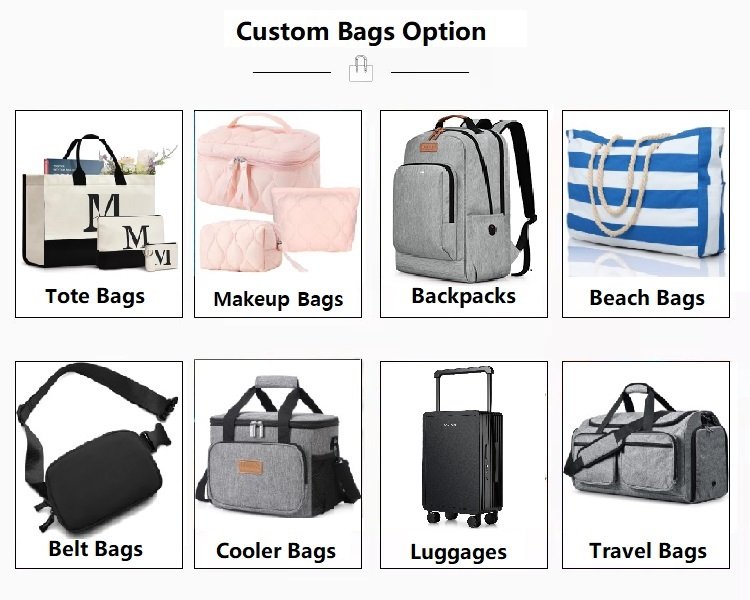
The overall format should match how the finished product will be carried, opened, loaded, stored, and transported. Development options can include open-top electrician totes, zippered tool bags, electrician tool backpacks, tool pouches, heavy-duty organizers, and equipment carry bags. Size, body shape, opening style, standing stability, carrying method, and usable interior volume should be confirmed together rather than treated as separate styling choices.
Pocket Architecture
Pocket design can be developed around the exact tools intended for the finished product. Pocket depth, width, angle, opening size, elastic retention, vertical slots, internal dividers, exterior sleeves, and quick-access areas should match tool dimensions and frequency of use. A pocket should not only hold an item; it should keep the tool accessible, reduce unnecessary movement, and remain stable when surrounding compartments are fully loaded.
Materials and Structure
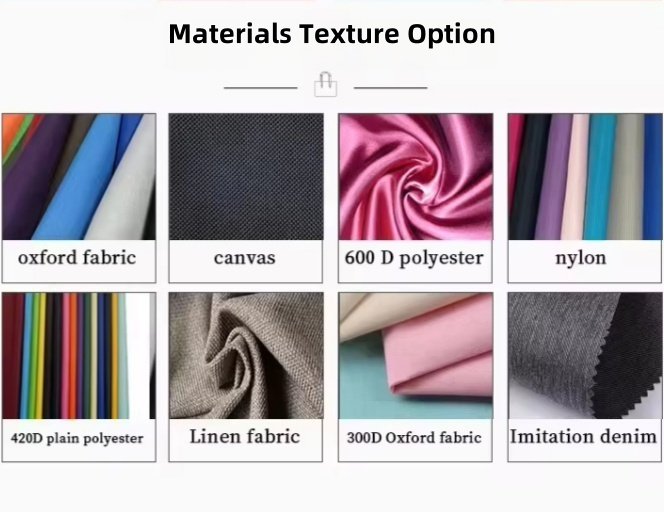
Common development options include 600D, 900D, 1000D, and 1680D Oxford fabrics, polyester, nylon, canvas, PVC-coated fabric, EVA, PE board, foam padding, and heavy-duty webbing. Selection depends on abrasion exposure, required shape, product weight, carrying method, appearance, cost structure, and packing volume. Material decisions should be confirmed together with stitching, reinforcement, bottom construction, and hardware rather than judged by fabric thickness alone.
Handles and Carrying
Handles and shoulder systems directly affect loaded carrying performance. Custom development may include webbing width, handle length, grip construction, padded sections, detachable shoulder straps, adjustable straps, D-ring positions, buckle selection, and reinforced attachment areas. Handle placement should also consider balance: a strong handle can still perform poorly if the loaded bag pulls unevenly or twists when lifted from the floor.
Hardware and Zippers
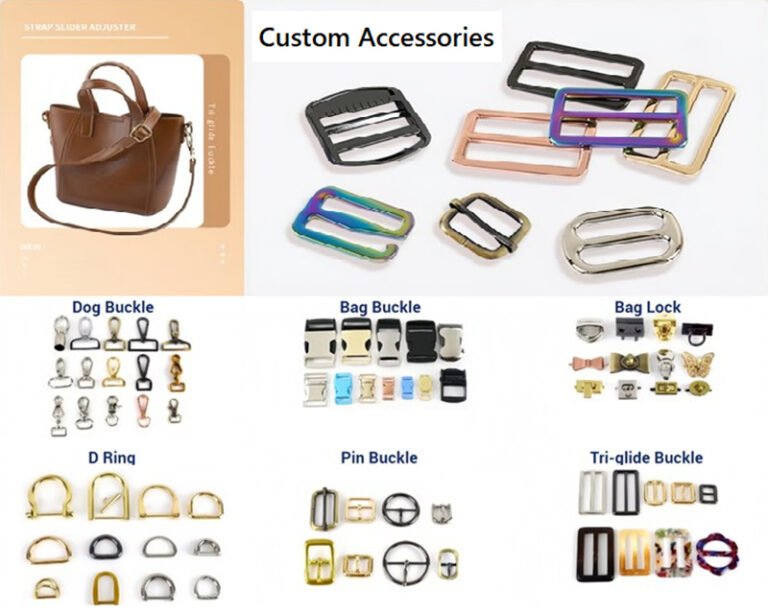
Zippers, sliders, pullers, D-rings, buckles, hooks, rivets, and other components should match the structure and expected working conditions. Zipper routes need enough clearance around tall tools and filled pockets. Hardware size should correspond with webbing width and attachment design. Metal parts may also require attention to surface finish and exposure conditions. Components are selected as part of the functional system, not only for appearance.
Branding and Packing
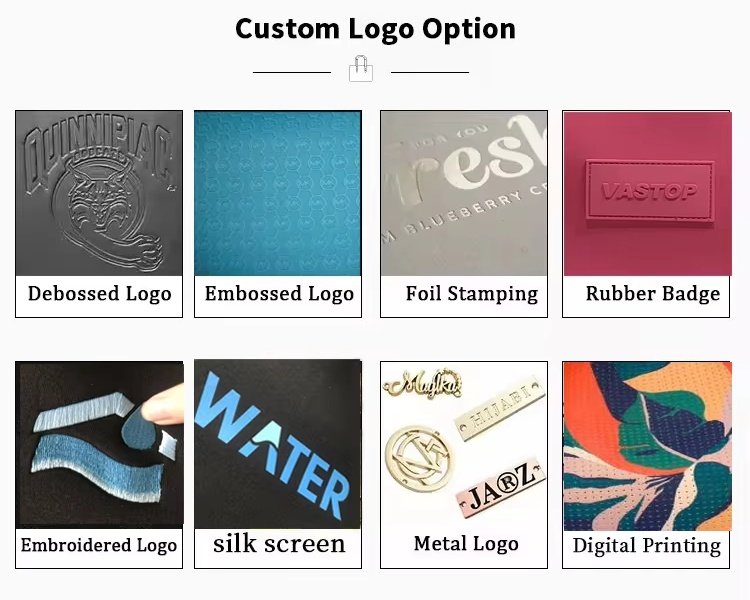
Brand identity can be integrated through embroidery, woven labels, screen printing, rubber patches, PVC patches, silicone patches, and other suitable applications depending on the material and logo artwork. Packing can also be prepared around retail, distribution, private-label, and multi-SKU programs through individual bags, hangtags, barcode labels, SKU identification, carton marks, and project-specific packing instructions. Logo position should be reviewed before sampling so it does not conflict with pockets, handles, seams, or reinforcement.
Choose Materials and Reinforcement as One Structural System
Durability comes from the relationship between fabric, webbing, stitching, hardware, base support, pocket construction, and load distribution—not from one material specification alone.
| Component | Possible Options | Functional Role | Confirm Before Sampling |
|---|---|---|---|
| Main Body | 600D / 900D / 1000D / 1680D Oxford, polyester, nylon, canvas | Controls abrasion resistance, body weight, hand feel, appearance, and structural support | Intended use, tool weight, abrasion exposure, desired shape, cost target |
| Reinforcement Zones | Additional fabric layers, reinforcement pieces, heavy-duty webbing, selected seam structures | Helps distribute repeated stress around handles, side seams, pocket edges, corners, and high-load areas | Tool load, stress direction, handle position, pocket placement |
| Bottom Construction | Reinforced fabric, EVA, PE board, foam, combined support structure | Helps protect the base, improve standing stability, maintain shape, and reduce wear from floors and work surfaces | Required stiffness, abrasion exposure, packing volume, target weight |
| Handles | Heavy-duty webbing, padded grip construction, extended reinforcement | Transfers loaded weight from the grip into stronger body areas | Carrying load, handle length, body balance, attachment method |
| Shoulder System | Adjustable webbing, shoulder pad, D-rings, detachable or fixed construction | Influences carrying comfort, balance, attachment strength, and repeated use | Bag size, loaded condition, strap width, hardware type, connection area |
| Pockets | Oxford fabric, polyester, nylon, elastic sections, reinforced edges | Controls tool retention, access speed, wear resistance, and pocket stability | Tool dimensions, tool shape, access frequency, abrasion risk |
| Zipper System | Nylon or other project-suitable zipper configurations, single or double sliders | Controls access, opening width, closure stability, and long-term operation | Opening route, pocket interference, tool height, intended use |
| Hardware | D-rings, buckles, hooks, rivets, metal or suitable structural components | Connects carrying systems and functional attachments | Webbing width, connection method, exposure conditions, structural load |
| Internal Support | PE board, EVA, foam padding, dividers, selected reinforcement | Helps create shape, separation, protection, and more controlled tool placement | Meter protection, tool collision, desired stiffness, internal layout |
Why Structural Balance Matters
A 1680D outer fabric does not automatically create a heavy-duty electrician tool bag. If the handle connection is weak, the base lacks support, pockets are overloaded, or hardware is undersized, the complete structure can still fail early.
The same principle applies in reverse. Not every section needs the thickest material available. Excessive reinforcement can increase weight, reduce flexibility, enlarge packing volume, and raise cost without improving real working performance.
Material selection should therefore follow the intended tool set, usage frequency, expected loading, carrying method, abrasion areas, desired product shape, and target positioning.
Load-Bearing Claims Require a Defined Standard
A fixed carrying-weight statement should only be used when the construction and testing method are clearly defined. Load performance depends on the complete system:
- Main fabric
- Handle and strap webbing
- Stitching method
- Reinforcement locations
- Bottom support
- D-rings and buckles
- Pocket loading
- Overall weight distribution
For development projects, the intended load should be discussed before sampling. The prototype can then be reviewed against the agreed structure and test requirement instead of relying on an unsupported kilogram claim.
Review Risks Before Electrician Tool Bag Sampling Begins
Early technical review can expose pocket conflicts, weak load paths, unstable bases, difficult openings, misplaced branding, and avoidable cost before materials are cut.
Check Opening, Pocket Depth and Real Tool Access

A drawing can look organized while becoming difficult to use once tools are loaded. Opening width, pocket depth, internal clearance, zipper route, tool height, and compartment interaction should therefore be reviewed together before pattern cutting begins.
Opening behavior:
A wide opening can improve visibility and access, especially for electrician totes and heavy-duty tool bags, but opening geometry also affects zipper length, side-panel stability, frame behavior, sewing difficulty, and finished shape. A design with a generous opening while empty may become noticeably narrower once exterior pockets are filled with pliers, testers, screwdrivers, and small components.
Pocket depth:
Pocket dimensions should follow the tool rather than a visual grid. An overly shallow sleeve may release the tool during transport. An excessively deep pocket may hide short items or force users to insert a hand too far into the compartment. Long screwdrivers, pliers, meters, cutters, drill accessories, and smaller electrical components need different retention methods and access depths.
Clearance and interference:
One storage zone can affect another. A tall tool may block the zipper. A loaded outer pocket may press against the main compartment. A side sleeve can lose useful width when the central body is full. Hardware or a shoulder-strap connection may also enter a hand-access path.
Before sampling, Jundong can review annotated drawings, reference photos, existing samples, or tool lists to identify likely conflicts. The goal is to enter prototype development with clearer dimensions and fewer structural assumptions.
Heavy tools create repeated forces that move through the bag from the contents to the base, side panels, handles, straps, and hardware. A useful design review follows the load path through the whole structure instead of checking individual components in isolation.
Handle connections:
Short reinforcement located only around the visible handle root may concentrate force in a small section. Depending on the design, webbing can extend further into the body, connect to reinforced panels, or work with additional structural layers to spread repeated load. Stitching pattern and reinforcement area should match the surrounding materials and expected carrying condition.
Stress areas:
Typical areas requiring closer attention include handle roots, shoulder-strap anchors, D-ring connections, side seams, bottom seams, pocket corners, zipper ends, webbing intersections, and sections supporting dense tool storage. Adding material everywhere is not always the correct solution. Reinforcement should follow where the force is likely to travel.
Bottom behavior:
The base influences standing stability, shape retention, abrasion resistance, and how concentrated tool weight is transferred into the lower body. Depending on the intended design, reinforced fabric, PE board, EVA, foam, or combined construction may be considered.
A structure designed for heavy use also needs to remain manufacturable. Excess layers at one seam can create unnecessary thickness, difficult turning, uneven stitching, or excessive weight. Review should balance reinforcement, sewing access, finished appearance, packing volume, and intended durability before the first prototype is produced.
Review Handles, Stress Areas and Bottom Support Together

Simplify Complexity Without Losing Functional Value

More features do not automatically create a better electrician tool bag. Extra pockets, decorative panels, hardware, layers, webbing, and complex zipper routes can increase sewing operations, material consumption, weight, inspection difficulty, and production variation. Structure review should preserve the functions that matter while removing details that add cost without improving daily use.
Functional priority:
Every component should have a clear reason to exist. A pocket should correspond with an item or storage purpose. A divider should improve organization or protection. A hardware attachment should support carrying, fastening, or accessory use. Reinforcement should protect a known stress area. Decorative complexity should not interfere with access or industrial usability.
Production stability:
A highly complicated sample may be possible to make by hand but difficult to reproduce efficiently across hundreds or thousands of pieces. Closely spaced pockets, overlapping reinforcement, multiple material transitions, and difficult internal seams can create unnecessary variation during sewing. A cleaner structure can make specifications easier to follow and inspection more consistent.
Cost and packing control:
Structure affects more than unit sewing cost. Additional foam, rigid support, protruding pockets, oversized handles, and permanently structured sections can increase packed dimensions and carton volume. Simplifying selected areas may reduce material use, sewing time, product weight, and transport volume without changing the core product value.
Jundong can review function, capacity, load, access, construction, branding position, packing volume, and cost together before sampling. Changes remain subject to approval; design intent is preserved while production risks are reduced.
Approve Electrician Tool Bag Samples Before Production
Sampling turns drawings and functional requirements into a physical product that can be loaded, opened, carried, inspected, revised, and formally approved before production.


Requirement Review
Development begins by organizing the information that affects the finished bag: tool list, tool dimensions, target size, material preference, pocket layout, carrying method, branding, packing, quantity, and intended use. Reference photos, marked drawings, existing samples, or complete tech packs can all support the review. Clear requirements reduce avoidable changes after material cutting and help define what the first prototype needs to prove.
Material Confirmation
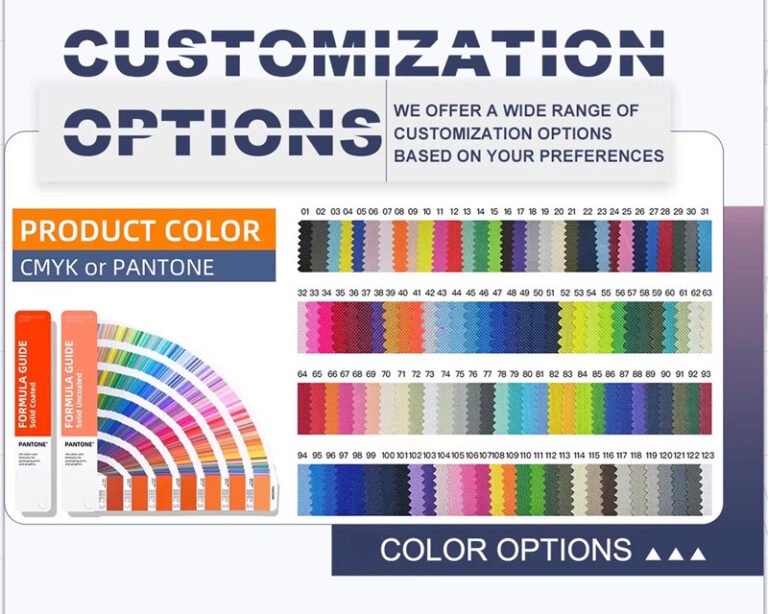
Fabric, reinforcement, webbing, zipper, hardware, padding, internal support, and branding materials should be reviewed before sample construction. A 600D or 1680D Oxford shell alone does not define the finished performance; thickness, coating, hand feel, support layers, seam construction, and compatibility with adjoining components also matter. Where appearance or color is important, material and color references should be confirmed before the approved version is finalized.
First Prototype
The first physical sample converts dimensions and drawings into a structure that can be handled and loaded. Standard sampling usually takes about 5–7 days after key details and materials are ready; selected simple constructions may take 2–3 days, while complex structures, special components, custom branding, or packaging can require additional time. The first prototype is used to expose structural issues rather than assumed to be automatically ready for production.
Functional Evaluation
The sample should be reviewed with representative tools whenever possible. Important checks include pocket depth, opening clearance, zipper movement, tool retention, standing stability, handle balance, shoulder-strap attachment, bottom support, hardware operation, and access to frequently used items. Dimensions on a drawing cannot reveal every interaction. Loading the physical bag can show where tools collide, pockets deform, or access becomes restricted.
Revision and Approval
Feedback should identify exact changes rather than relying on general comments such as “make it stronger” or “improve the pockets.” Revisions may involve dimensions, pocket positions, material, reinforcement, zipper route, hardware, logo placement, handles, straps, base construction, or packing. Marked photos, measurement notes, and version records help keep revisions clear. Approval should only happen after the required appearance, structure, function, and brand details have been checked.
Production Reference
An approved sample becomes more valuable when its details are translated into repeatable production information. Size, material, color, pocket layout, logo position, zipper, webbing, hardware, reinforcement, packing, and label requirements should remain aligned with the confirmed version. For larger, complex, private-label, or multi-SKU programs, a pre-production sample may also be reviewed when needed before full production begins.
Capacity for Long-Term Electrician Tool Bag Programs
Complex tool-bag programs need more than a good prototype. Development resources, production space, coordinated teams, and multi-stage inspection support repeatable execution after approval.


20+ Years Experience
More than 20 years of OEM/ODM bag experience provides a working base for reviewing structure, materials, sewing, branding, packing, and production feasibility before a project reaches full scale. Electrician tool bags add further demands through concentrated weight, tool-specific pockets, reinforced carrying areas, and durable components. Experience is most useful when it helps identify these risks early, improve specifications before production, and convert the approved sample into clear execution details.
600+ Employee Team
A factory team of more than 600 employees supports coordination across product development, sampling, production, inspection, packing, and export communication. Scale matters when a program moves beyond one prototype into repeat orders, multiple colors, several SKUs, or scheduled replenishment. More people do not automatically guarantee quality; the operational advantage comes from having separate functions able to handle development, sewing, checking, packing, documentation, and order follow-up as the program grows.
18,000㎡ Factory Area
An 18,000㎡ factory area provides physical space for product development, material handling, sample work, production, inspection, packing, and bulk-order movement. Professional tool bags can involve heavy fabrics, multiple reinforcement pieces, hardware, structured bottoms, many pocket components, and larger packed volume than basic promotional bags. Adequate working space helps separate different production stages and organize materials, semi-finished goods, finished products, and packing activity for larger or multi-SKU programs.
80 QC Inspectors
Jundong has 80 QC inspectors supporting multi-stage quality checks across custom bag projects. For electrician tool bags, inspection attention can include material, cut pieces, pocket layout, logo position, stitching, handle and strap attachment, zipper operation, hardware, reinforcement, bottom construction, finished workmanship, labels, and packing. Inspection does not replace clear specifications or sample approval; it works best when the confirmed sample and production details provide a defined reference throughout bulk execution.
Plan MOQ, Cost and Lead Time Before Production
Commercial planning becomes clearer once structure, materials, branding, quantity, packing, testing needs, and delivery schedule are defined before quotation and production booking.
| Planning Item | Jundong Working Basis | Main Factors to Confirm | Procurement Meaning |
|---|---|---|---|
| Standard MOQ | Usually 500 pcs per design | Bag structure, material, color, logo process, hardware, packing | Suitable for structured custom production and repeatable specifications |
| Selected Simple Constructions | 200–300 pcs may be reviewed case by case | Construction simplicity, available materials, branding, production setup | An exception for suitable projects, not the normal basis for professional electrician tool bags |
| Sample Development | Usually 5–7 days after key details and materials are ready | Structure complexity, material sourcing, special branding, hardware, packing | Allows physical verification before committing to full production |
| Selected Simple Samples | Some simple styles may take 2–3 days | Existing materials, uncomplicated structure, simple logo process | Timing depends on actual development scope rather than a fixed express promise |
| Sample Fee | Can be refunded or deducted when the bulk order reaches 2,000 pcs | Material preparation, pattern work, logo setup, sample construction, revisions | Sampling remains a development stage with real material and labor input |
| Bulk Production | Usually 20–30 days after required details are confirmed | Quantity, materials, structure, logo, packing, production schedule, inspection requirements | Production timing should be separated from freight transit time |
| Unit Cost | Quoted according to confirmed specifications | Size, fabric, pocket quantity, reinforcement, padding, zipper, webbing, hardware, logo, packing, quantity | Two bags with similar dimensions can have very different production costs |
| Cost Optimization | Structure and specification can be reviewed before sampling | Material grade, pocket complexity, reinforcement, logo method, number of SKUs, packing | Cost reduction should preserve the functions and appearance that matter to the finished product |
| Packaging | Confirmed according to distribution and brand requirements | Individual packing, hangtags, barcodes, SKU labels, carton marks, boxes | Packing choices can affect unit cost, setup, carton volume, schedule, and handling |
| Testing and Documentation | Reviewed according to destination and project requirements | Product type, material, labeling, required standards, third-party testing | Testing should be defined before production because it may affect material, cost, and timing |
| Freight Planning | Express, air, sea, rail, or appointed forwarder can be reviewed | Order volume, destination, deadline, trade terms, freight budget | Production time and transportation time should be evaluated separately |
| Accurate Quotation | Requires more than a reference photograph | Size, material, structure, tool layout, logo, quantity, packing, deadline, destination | Clear specifications reduce later price changes and make comparison between quotations more meaningful |
Send the Right Details for Electrician Tool Bag Review
Reference or Tech Pack
Send a reference photograph, marked drawing, existing physical sample, sketch, CAD drawing, or complete tech pack. The information should show the intended bag format, main dimensions, opening style, handles, straps, pockets, and visible construction. A complete technical file is helpful but not mandatory at the first stage; clear visual references can establish the initial development direction.
Actual Tool Inventory
List the tools expected to go inside the finished electrician bag. Include key dimensions where possible, especially for long screwdrivers, pliers, cutters, meters, testers, batteries, boxed components, and unusually shaped equipment. Approximate weight and use frequency are also valuable because tool size alone does not determine pocket depth, retention, reinforcement, balance, or access priority.
Bag Size and Format
Provide the target length, width, height, or an existing product size that can serve as a reference. Also indicate whether the preferred format is an open-top tote, zippered tool bag, backpack, pouch, organizer, or equipment carrier. Size should be considered together with the actual contents, opening requirement, standing stability, portability, and packed dimensions.
Material and Components
Share any preferred fabric specification, such as 600D, 900D, 1000D, or 1680D Oxford, nylon, polyester, canvas, or another confirmed direction. Include requirements for zippers, webbing, D-rings, buckles, padding, boards, EVA, or other structural components when known. If the material is undecided, intended use and desired durability can guide the comparison.
Pocket Layout
Provide a pocket drawing, marked photograph, tool-position sketch, or written description showing which tools need dedicated storage. Include preferred internal and external pockets, vertical slots, elastic retention, dividers, quick-access areas, or protected compartments. Exact placement is important because pocket depth, surrounding tools, zipper routes, and the filled main body can all affect usability.
Load and Reinforcement
State the expected loaded condition instead of requesting a generic “heavy-duty” construction. Indicate which tools are particularly heavy and whether the bag will be carried by hand, shoulder strap, or both. Requirements for reinforced handles, bottom support, webbing paths, pocket edges, D-rings, or other stress areas can then be reviewed against the actual structure rather than assumed.
Branding and Packing
Send the logo artwork and indicate the preferred appearance, position, and method if already decided. Embroidery, woven labels, screen printing, rubber patches, PVC patches, and silicone patches can be reviewed according to material and structure. Packing requirements should also include hangtags, barcodes, SKU labels, individual packing, carton marks, or other brand-specific instructions needed for distribution.
Quantity and Delivery
Provide the quantity per design, color breakdown, number of SKUs, required completion date, and destination country or city. These details influence material planning, production scheduling, packing preparation, freight selection, and quotation accuracy. If several styles belong to one electrician tool collection, submit the full assortment so production and packaging requirements can be reviewed together rather than as unrelated items.
Make a sample first ?
A professional electrician tool bag should be tested before bulk production, especially when pocket layout, tool access, load capacity, reinforcement, handle structure, and carrying comfort are customized. A physical sample allows you to check whether screwdrivers, pliers, meters, drills, cables, and small parts fit correctly, while confirming materials, stitching, hardware, and branding before the final specifications are approved.
Client Testimonials
800+ brand Clients Trust Jundong



FAQs About Electrician Tool Bag Customization
These answers cover the commercial and technical details most often confirmed before developing custom electrician tool bags for professional brand and industrial programs.

What is the MOQ for custom electrician tool bags?
Jundong’s standard MOQ is usually 500 pcs per design. Selected simple constructions may be reviewed at 200–300 pcs case by case, but professional electrician tool bags often involve multiple pockets, reinforcement, hardware, structured bottoms, and detailed sewing. Quantity should therefore be reviewed together with the confirmed structure, materials, logo process, and packing requirements.
How long does electrician tool bag sampling take?
Standard sampling usually takes 5–7 days after key specifications and materials are ready. Selected simple styles may take 2–3 days. More complex pocket layouts, special materials, custom hardware, detailed logo processes, or special packing can require additional time. Sampling should allow enough time to verify the physical product rather than focusing only on the fastest completion date.
Can development start from a tech pack or reference sample?
Yes. Development can begin from a complete tech pack, technical drawing, existing sample, reference photograph, sketch, or clearly defined product concept. More detailed information allows faster structural review. For electrician tool bags, adding the intended tool list, approximate tool dimensions, target size, pocket requirements, material direction, and expected loaded condition makes the first prototype more useful.
Can pockets be designed around specific electrician tools?
Yes. Pocket width, depth, angle, retention, position, and access can be reviewed around the actual tools. Long screwdrivers, pliers, cutters, meters, testers, batteries, and small electrical accessories require different storage logic. A useful layout considers size, weight, frequency of use, surrounding pockets, opening clearance, and how the bag behaves after the main compartment is fully loaded.
Which materials are available for heavy-duty electrician tool bags?
Common options include 600D, 900D, 1000D, and 1680D Oxford fabric, polyester, nylon, canvas, PVC-coated fabric, EVA, PE board, foam padding, heavy-duty webbing, and metal hardware. Material selection should consider abrasion, desired stiffness, product weight, structure, carrying method, appearance, cost, and packing volume. Heavy-duty performance depends on the entire construction, not fabric thickness alone.
How are handles, bottoms, and stress areas reinforced?
Reinforcement is reviewed according to the expected load path. Typical areas include handle roots, shoulder-strap anchors, side seams, pocket corners, bottom seams, D-ring connections, and dense tool-storage zones. Depending on the structure, reinforcement may involve webbing, additional fabric layers, support materials, selected stitching patterns, EVA, PE board, or other suitable construction. A fixed load claim requires a defined test standard.
How is approved-sample consistency controlled during bulk production?
The confirmed sample and production specifications become references for material, cutting, logo, pocket placement, sewing, reinforcement, hardware, function, finished-product, and packing checks. Jundong has 80 QC inspectors supporting multi-stage inspection. The purpose is to identify deviations during production rather than relying only on a final check after every unit has already been completed.
Which logo and private-label options are available?
Depending on material, artwork, structure, and desired appearance, options may include embroidery, woven labels, screen printing, rubber patches, PVC patches, and silicone patches. Logo location should be reviewed with pocket placement, seams, handles, webbing, and reinforcement. Three-dimensional patches may require molds, and artwork complexity, size, color quantity, attachment method, and order volume can affect cost and sampling time.
Can packaging, labels, and testing requirements be coordinated?
Yes. Packing can include individual bags, hangtags, barcodes, SKU labels, carton marks, color boxes, gift boxes, or other confirmed requirements. Testing and compliance documents can also be reviewed according to the product, material, destination, and project requirements. Third-party testing may be arranged when required, but testing scope, cost, standards, and schedule should be confirmed before production.
What details are needed for an accurate quotation?
Provide a reference photo or drawing, target size, tool list, material requirement, pocket layout, bottom reinforcement, hardware, expected loaded condition, logo artwork, quantity, packing, delivery deadline, and destination. A target price can also help guide material or structure decisions. One photograph can support an initial review, but a reliable final quotation requires enough detail to understand the actual construction.
Start Your Custom Electrician Tool Bag Project
A useful quotation starts with the working requirements behind the product, not only a reference image. Share the tools the bag needs to carry, target dimensions, preferred structure, material direction, pocket layout, expected loaded condition, branding, quantity, packing, delivery deadline, and destination.
If a complete tech pack is available, upload it together with drawings, logo artwork, or an existing sample reference. If development is still at an earlier stage, a clear photo, sketch, tool list, and size requirement are enough to begin a technical review.
For heavy-duty electrician tool bags, include any requirements for reinforced handles, bottom support, D-rings, shoulder straps, zipper access, protected meter storage, quick-access tool pockets, or other high-stress areas. These details help clarify construction before sampling and reduce specification changes later.
Project information can also be sent to info@jundongfactory.com for review.
- Reference photo, drawing, or tech pack
- Tool list and important tool dimensions
- Target bag size and preferred format
- Material and reinforcement requirements
- Pocket layout and carrying method
- Logo artwork and branding method
- Quantity, colors, and SKU information
- Packing requirements
- Required completion date
- Destination