Skip to content
Custom Wallets for Brands, Gifts, and Retail Programs
Develop retail-ready wallets, gift wallets, card holders, RFID wallets, and small leather goods with Jundong.
- Built for brand accessory lines, corporate gift programs, retail wallet releases, travel sets, loyalty gifts, and private label small leather goods.
- Jundong supports wallet projects from material review, card slot structure, logo craft, sample development, bulk production, QC, packaging, labels, and delivery planning.
- 20+ years of OEM/ODM experience, 600+ employees, an 18,000 m² production area, and 80 QC inspectors support stable custom bag and leather goods projects.
- Send wallet type, size, material, logo file, quantity, packaging needs, launch date, and destination for a clear review.

Who This Wallet Program Serves
Brand Programs
Brand wallet projects usually need more than a nice surface. The wallet must feel aligned with a brand’s product line, color language, packaging style, and long-term reorder plan.
- Common needs: card holders, bifold wallets, zipper wallets, travel wallets, passport wallets, and small leather goods sets.
- Key review areas: material texture, surface grain, edge thickness, logo position, stitching distance, lining color, hardware finish, and packing style.
- Jundong value: teams can start from a design file, reference photo, existing sample, or product line plan. Material, structure, logo method, sample feasibility, QC checkpoints, and bulk order details can be reviewed before production moves forward.
Gift Programs
Wallets used for corporate gifts, holiday sets, events, loyalty rewards, hotel gifts, finance campaigns, or employee programs need a balance between perceived value, budget control, and delivery timing.
- Common needs: logo wallets, card holders, RFID wallets, travel wallets, passport holders, gift box sets, and branded packaging.
- Key review areas: logo visibility, gift box structure, inner card, sleeve, packing quantity, delivery deadline, and carton mark accuracy.
- Jundong value: gift wallet programs can be planned around material level, logo finish, packaging method, target quantity, and event timing, so the final item feels polished without creating hidden cost pressure.
Retail Programs
Retail wallet programs need stable repeat quality because each detail can affect store display, online photos, consumer reviews, and future replenishment. A wallet must look clean, open smoothly, hold cards well, and arrive with correct packing.
- Common needs: private label wallets, card holders, zip wallets, travel organizers, passport wallets, and color-series collections.
- Key review areas: SKU separation, barcode labels, hangtags, single-unit packing, outer carton marks, color consistency, edge finish, and approved sample records.
- Jundong value: retail teams can review material, wallet structure, logo placement, packing rules, carton information, and QC requirements before confirming bulk production.
Why Wallet Projects Need More Than Logo Printing
A wallet is small, but the review work is not small. Hand feel, folding thickness, card slot tension, edge finish, logo depth, and packing quality can decide whether a wallet feels like a brand product or a cheap giveaway.

Small Size Makes Details More Visible
A wallet is handled closely. People touch the surface, open the fold, slide cards into slots, check the logo, feel the edge, and notice stitching lines within seconds. Because of the small size, errors are easy to see.
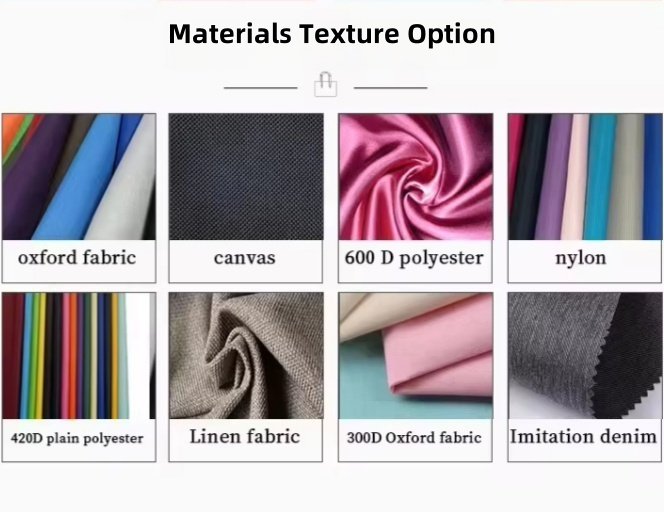
Material choice: PU, genuine leather, canvas, nylon, polyester, and mixed materials can all work, but each material behaves differently. PU can support rich colors and clean logo finishing. Genuine leather gives a more premium hand feel, but grain and shade need careful review. Canvas gives a casual look, while polyester or nylon works better for travel wallets and lightweight passport holders.
Structure the control: A wallet can look slim in a photo, but feel too thick after card slots, lining, foam, zipper, and folded seams are added. Card slots also need careful tolerance. If they are too tight, the cards are hard to insert. If they are too loose, the wallet feels poorly made. Fold line, edge thickness, zipper path, snap position, and lining tension should be checked during sample development.
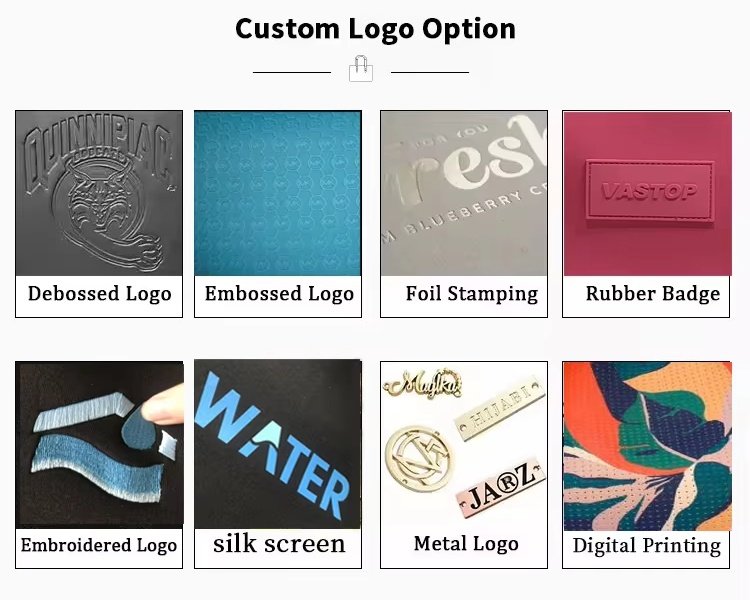
Logo finishing: Debossing, embossing, hot stamping, silk screen printing, woven labels, leather patches, and metal plates create very different brand impressions. A large shiny logo can weaken a premium wallet. A clean, small logo may work better for retail or executive gifts. The right method depends on the material surface, logo size, project positioning, and packing style.
Good Gifts Need More Than A Logo
A gift wallet must feel complete before it reaches the recipient. A wallet placed inside a thin plastic bag can feel unfinished, even when the wallet itself is acceptable. For holiday sets, corporate rewards, event gifts, hotel welcome programs, and finance-related gift campaigns, packaging changes how the item is perceived.
Gift presentation: A paper sleeve, dust bag, rigid gift box, inner card, logo sticker, or branded paper wrap can help the wallet feel prepared for gifting. The packaging should match the wallet material level. A premium PU or leather wallet with weak packaging can lose value in hand. A simple card holder with a clean box can feel more considered than a complex wallet packed poorly.
Budget control: A gift project often has a fixed event date and clear total budget. The cost should be reviewed as a complete set: wallet material, logo method, gift box, inner card, outer carton, packing labor, and shipping plan. A wallet with a lower unit cost may become expensive if the box is oversized, too heavy, or difficult to pack.
Delivery risk: Gift campaigns cannot easily miss dates. Jundong reviews sample needs, packing method, quantity, carton marks, and delivery timing before bulk work. For large gift programs, early confirmation of logo files, packaging artwork, and shipment destination helps reduce last-minute changes.
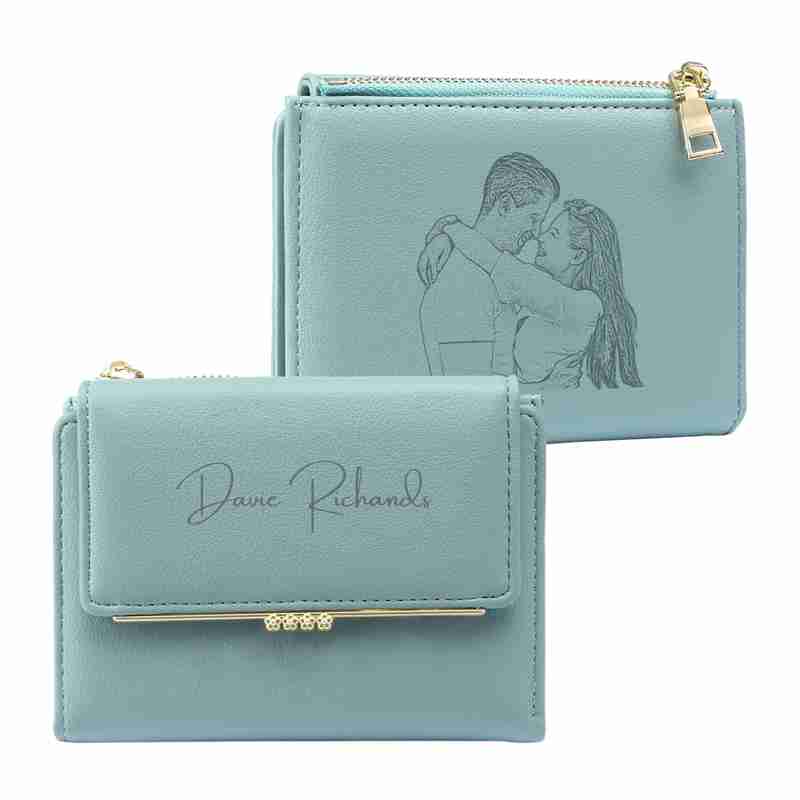

Retail Wallets Need Repeatable Control
A retail wallet must be ready for display, photography, warehousing, and repeat orders. The wallet is not only a product; it is part of a sellable retail system. Color, barcode, tag, single-unit packing, carton marks, and approved sample records all matter.
Shelf and online display: Retail wallets need clean shape, stable color, consistent logo placement, and neat packaging. If the first order looks good but the repeat order has a different shade, a shifted logo, or rougher stitching, the brand line becomes harder to manage. For online sales, close-up photos make card slots, edges, zippers, and logo details even more exposed.
Packing accuracy: Retail teams often need barcodes, hangtags, SKU stickers, polybags, paper sleeves, gift boxes, and outer carton marks. Mixed color packing, wrong carton labels, or missing barcode stickers can create warehouse delays. Those issues are not design issues; they are project control issues.
Bulk order records: Jundong can use approved samples, material notes, logo position records, packing instructions, and QC checkpoints to support stable follow-up orders. For wallets sold across store chains, e-commerce channels, or wholesale accounts, repeatability matters as much as the first sample.
Wallet Styles Jundong Can Develop For Brand Programs
Different wallet shapes serve different use cases. Jundong can review wallet size, material, card layout, logo method, packing style, and bulk order control before sample development begins.
Card Wallets
Card wallets are useful for lifestyle brands, finance gifts, hotel programs, retail accessories, and travel kits. A slim shape looks simple, but small details decide whether the wallet feels refined or unfinished.
- Custom focus: card slot count, opening direction, edge thickness, logo position, surface grain, lining, and packing method.
- Common materials: PU leather, genuine leather, canvas, recycled fabric, polyester, and mixed-material panels.
- Review note: a standard payment card is about 85.6 × 54 mm, so slot tolerance should be checked during sampling. Card access should feel secure without becoming too tight.

Bifold Wallets
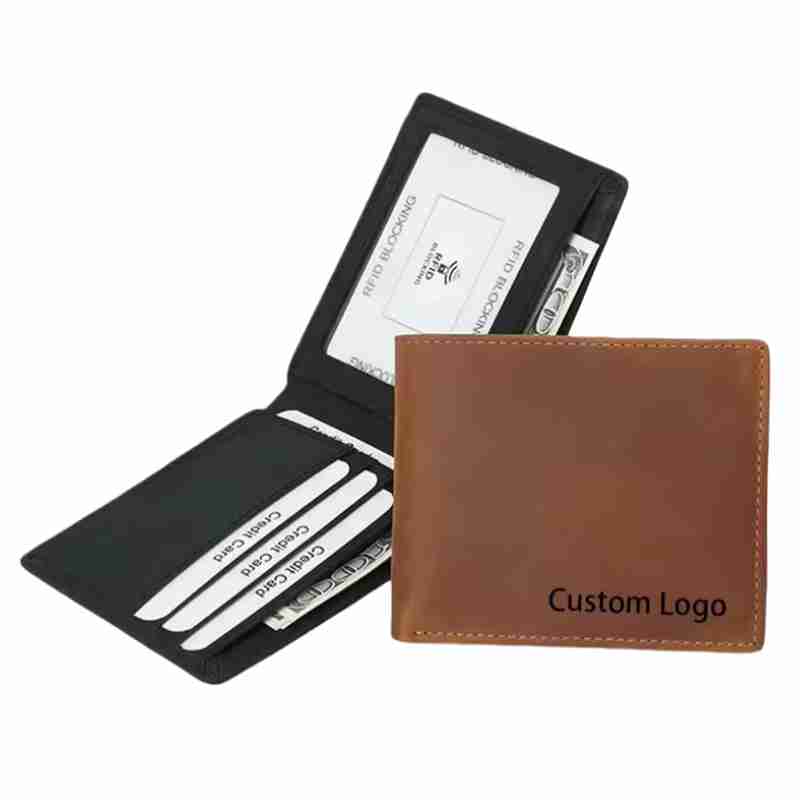
Bifold wallets fit business gifts, retail shelves, membership programs, travel retail, and private label accessories. The outside may look classic, yet the inside structure needs careful planning because card sections, cash pocket depth, lining, fold line, and total thickness all affect daily use.
- Custom focus: outer material, inner panel layout, cash pocket depth, ID window, stitching distance, fold line, logo finish, and gift packaging.
- Common materials: PU leather for controlled cost and color, genuine leather for a premium feel, or canvas mixed with leather trim for casual collections.
- Review note: too many slots can make a bifold wallet bulky. Jundong reviews thickness before sample confirmation.
Zipper Wallets
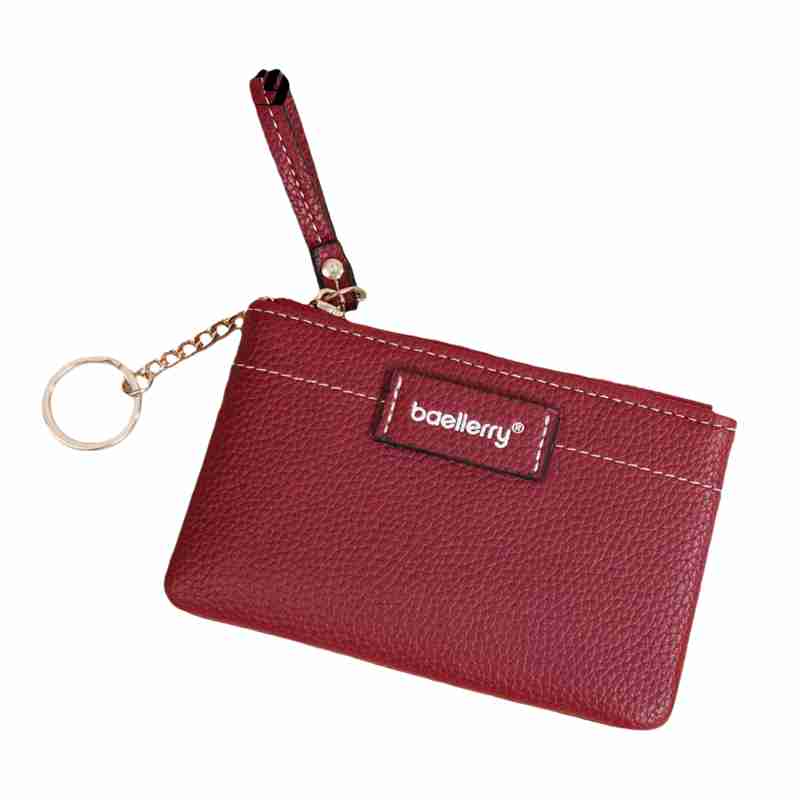
Zipper wallets suit women’s accessories, travel sets, gift boxes, lifestyle brands, and retail programs where secure storage matters. A zipper wallet often looks more valuable because it can hold cards, cash, coins, receipts, and small items in one compact shape.
- Custom focus: zipper path, puller shape, coin pocket, inner divider, gusset width, edge finish, logo position, and packing style.
- Common materials: PU leather, soft leather, nylon, polyester, or mixed panels with metal hardware.
- Review note: zipper smoothness is essential. During sample review, Jundong checks opening direction, puller comfort, corner stress, inner lining tension, and zipper end finishing.
Passport Wallets
Passport wallets work well for airlines, hotels, tourism programs, finance brands, travel retailers, corporate gifts, and international event kits. They usually need a clean outside surface, organized inside sections, and packaging that feels prepared for travel use.
- Custom focus: passport pocket, boarding pass slot, card sections, pen loop, zipper or snap closure, RFID material option, logo method, and gift box.
- Common materials: PU leather, genuine leather, nylon, polyester, canvas, or recycled fabric.
- Review note: travel documents vary by region and use case. Jundong reviews intended contents, wallet size, folding pressure, pocket access, and packing rules before sampling.

Travel Wallets
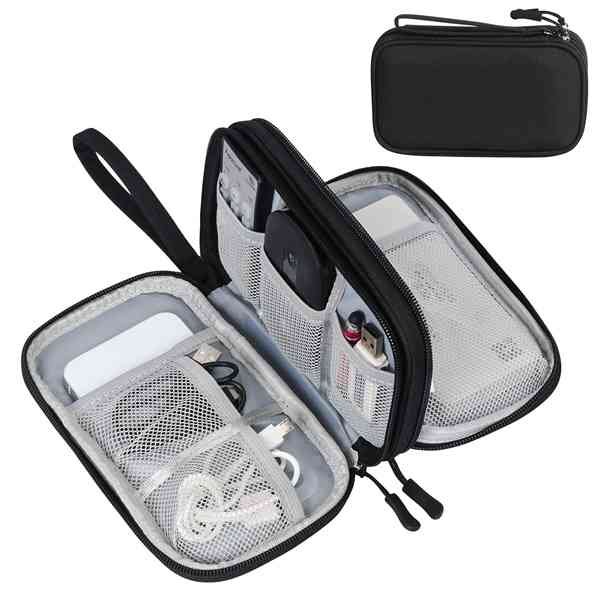
Travel wallets are larger than standard card holders and often combine passport storage, ticket slots, card pockets, cash sections, zipper pockets, and document organization. They are suitable for travel brands, airline kits, loyalty gifts, luggage sets, and retail travel accessories.
- Custom focus: overall size, compartment sequence, zipper pocket, closure method, lining, stitch reinforcement, hand feel, and weight control.
- Common materials: nylon, polyester, PU leather, canvas, recycled fabric, or mixed trims.
- Review note: travel wallets should not become too heavy after lining, zippers, pockets, and packaging are added. Sample review should include opening comfort, document access, and packing volume.
Gift Wallet Sets
Gift wallet sets can include a wallet, card holder, key pouch, passport holder, dust bag, paper sleeve, or rigid gift box. They are suitable for holiday campaigns, employee gifts, finance programs, VIP events, and retail gift collections.
- Custom focus: set combination, material consistency, color matching, logo placement, gift box size, inner card, dust bag, carton packing, and delivery schedule.
- Common materials: PU leather, genuine leather, canvas, polyester lining, paper box, or mixed gift packaging materials.
- Review note: gift sets should be reviewed as a complete package, not separate items. Oversized boxes may increase freight volume, while weak packing can reduce the perceived value.

Material Choices For Custom Wallet Development
Material affects hand feel, logo result, folding thickness, color control, cost level, and packing style. Jundong reviews material direction together with wallet structure before sample work starts.


| Material | Best For | Hand Feel | Logo Fit | Review Notes |
|---|---|---|---|---|
| PU Leather | Retail wallets, gift wallets, card holders, private label accessories | Smooth, clean, flexible, color-friendly | Debossing, embossing, hot stamping, silk screen, metal plate | Good for controlled cost, rich color options, and stable surface effect. Backing, thickness, surface grain, and color should be checked by sample. |
| Genuine Leather | Premium gift wallets, executive wallets, business card holders, boutique retail lines | Natural, premium, structured, textured | Debossing, embossing, hot stamping, metal plate | Suitable for higher-value projects. Grain, shade, thickness, cutting yield, and surface variation need early review before bulk planning. |
| Canvas | Casual wallets, lifestyle accessories, eco-style gifts, youth retail collections | Textured, casual, soft or firm based on weight | Woven label, leather patch, silk screen, embroidery | Jundong commonly works with canvas from light to heavier weights, including 6–16 oz choices for different soft goods. Shrinkage, edge treatment, and lining should be checked. |
| Nylon | Travel wallets, passport holders, organizer wallets, lightweight gift sets | Light, smooth, durable, flexible | Woven label, rubber patch, silk screen, heat transfer | Useful when weight, travel use, and water-resistant surface feel matter. Fabric density, coating, zipper matching, and sewing strength need review. |
| Polyester | Cost-controlled wallets, event gifts, travel kits, retail accessory sets | Light, stable, easy to source, color-friendly | Silk screen, heat transfer, woven label, rubber patch | Suitable for larger planned quantities and multi-color programs. Denier choice, lining, edge finish, and packing volume should be reviewed together. |
| Mixed Materials | Brand collections, fashion wallets, travel gift sets, retail series | Layered, distinctive, more designed | Leather patch, metal plate, debossing, woven label | PU with canvas, nylon with leather trim, or polyester with rubber patch can create stronger style. Different materials shrink, fold, and sew differently, so sample testing matters. |
Structure Details That Change Wallet Value
The wallet structure should be reviewed before sample approval. Card slots, fold lines, zipper paths, edge thickness, lining tension, and closure parts can change appearance, function, and bulk order stability.
Card Slots, Cash Pockets, And Fold Lines
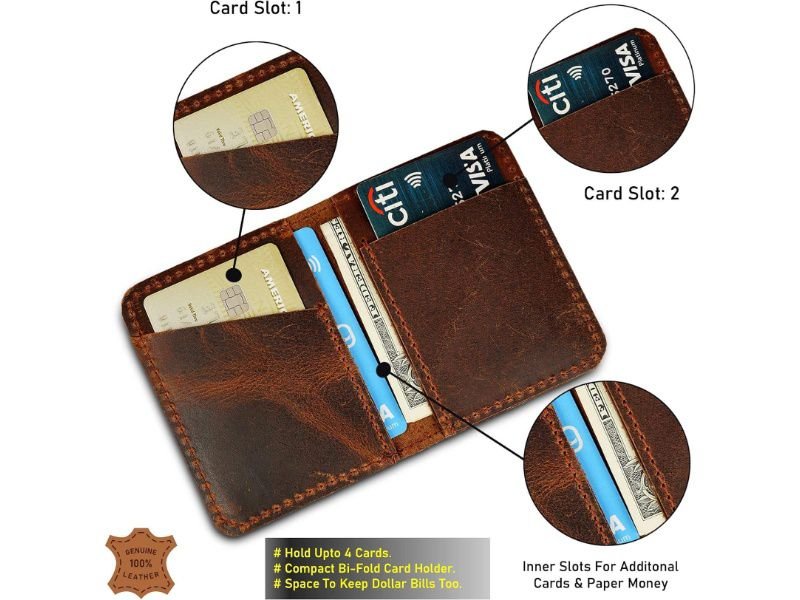
Card slot planning is one of the most important decisions in a custom wallet project. A card wallet may look simple, but card access depends on slot width, slot depth, edge turn-in, material thickness, lining, and stitch position. For card holders and bifold wallets, Jundong reviews the number of cards, slot direction, opening sequence, and surface pressure before sample confirmation.
- Card access: a standard payment card is about 85.6 × 54 mm. The slot should hold cards securely, while still allowing smooth insertion and removal. If PU, leather, lining, and folded edges are all added without tolerance review, the card area may become too tight.
- Fold line control: a bifold wallet needs enough structure to stay neat, but not so much thickness that it looks bulky after cards are inserted. The fold line should be checked after the wallet is loaded, not only when empty.
- Cash pocket depth: for wallets with cash sections, pocket depth, opening angle, lining smoothness, and stitched edges should be checked together. A shallow pocket can feel weak, while an overly deep pocket can make access inconvenient.
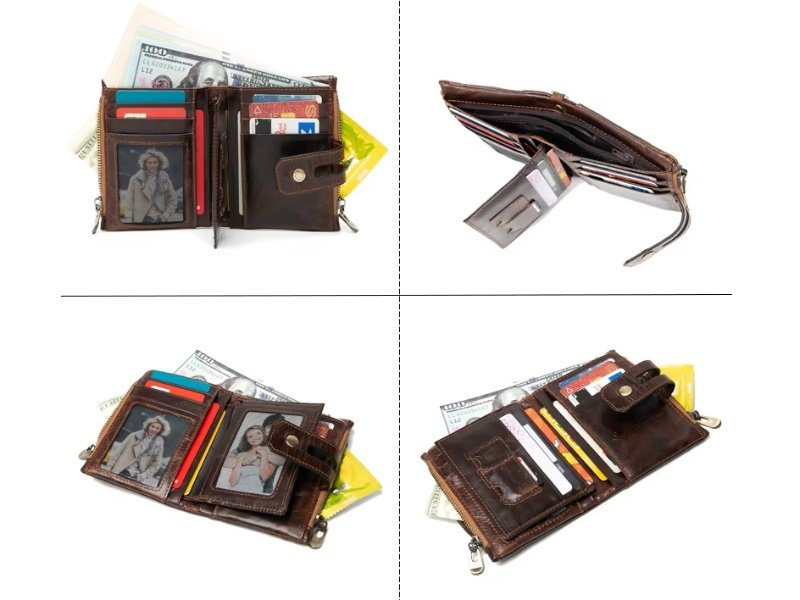
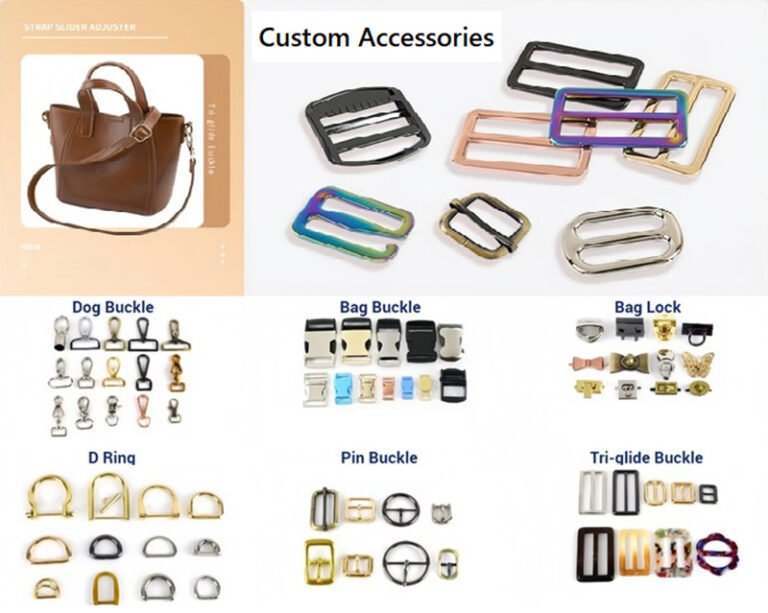
Wallet closures affect both function and perceived value. A zipper wallet, passport wallet, travel wallet, or gift wallet set may use a zipper, snap, magnetic closure, elastic band, puller, D-ring, metal logo plate, or decorative hardware. Each part should match the wallet size, material, and use scenario.
- Zipper movement: the zipper path should feel smooth around corners and should not pull the wallet out of shape. The puller needs enough grip for daily use. For small wallets, an oversized puller may look heavy. For travel wallets, a weak puller can reduce confidence in storage safety.
- Edge finishing: edge thickness affects hand feel immediately. Turned edges, painted edges, binding tape, raw edge treatments, and stitched edges create different effects. PU, leather, canvas, nylon, and polyester each require different handling. Rough edges can make a wallet feel lower in value even when the main material is acceptable.
- Hardware balance: metal plates, snaps, zipper teeth, rivets, and pullers should match the overall product level. Heavy hardware may add visual value, but it can also increase weight, cost, and pressure on seams.
Zippers, Closures, Edges, And Hardware
Thickness, Lining, And Packing Fit
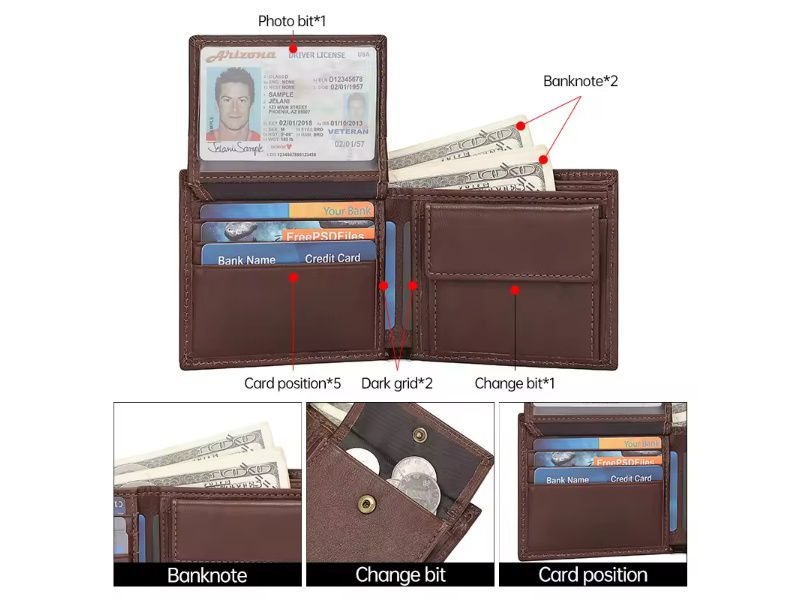
Wallet value depends strongly on thickness control. A wallet may look slim in design artwork, but its actual thickness changes once the outer material, backing, lining, card slots, foam, zipper tape, folded seams, hardware, and packaging are added. Thickness should be reviewed as a complete structure, not as a single material decision.
- Material stack: PU leather, genuine leather, canvas, nylon, polyester, lining, reinforcement, and glue layer all add thickness. A soft material can become stiff after backing. A premium material can lose elegance if too much foam or lining is added.
- Lining tension: inner lining should sit flat without wrinkles, twisting, or pulling. For passport wallets and travel wallets, lining tension can affect how documents slide in and out. For zipper wallets, the lining should not catch the zipper or reduce the inside space.
- Packing fit: gift boxes, paper sleeves, dust bags, and single-unit bags should be planned after wallet thickness is confirmed. If the box is too tight, edges may deform. If the box is too loose, the wallet can move during transport. Retail packing also needs space for hangtags, barcode labels, and SKU separation.
Logo Methods For Brand Wallet Projects
Debossed Logo

Debossing creates a pressed-in logo effect on PU, genuine leather, EVA, and selected coated materials. It works well for executive gifts, private label wallets, card holders, passport wallets, and premium travel accessories. The effect is subtle, clean, and durable when the logo is simple enough. Fine lines, tiny text, gradients, and photo-style artwork are not suitable. Jundong reviews material softness, surface grain, logo size, pressure depth, and position before making the sample mold.
Embossed Logo

Embossing creates a raised logo effect and gives a wallet more tactile detail. It can work for brand marks, initials, geometric symbols, and simple lettering on suitable PU or leather surfaces. The logo should not be placed near fold lines, tight corners, zipper paths, or high-friction areas. A raised logo may need more packing protection, especially for gift boxes and retail units. Jundong checks logo height, edge clarity, material recovery, surface pressure, and sample consistency before bulk work.
Hot Stamping

Hot stamping can add gold, silver, black, or other foil effects to PU and leather wallets. It is often used for corporate gifts, holiday wallets, finance programs, boutique retail collections, and gift box sets. A small foil logo can look refined, while an oversized shiny logo may reduce elegance. Foil adhesion depends on material surface, heat, pressure, and foil selection. Jundong reviews the logo file quality, foil color, test results, packaging protection, and surface durability during sample confirmation.
Silk Screen
Silk screen printing is useful when a wallet needs a clear color logo, simple graphic, slogan, or campaign mark. It works better on flatter surfaces and selected PU, canvas, polyester, nylon, or coated panels. It can support gift programs, travel wallets, event wallets, and fabric card holders. Artwork should be clean, with enough line thickness for printing. Jundong reviews logo size, ink color, printing area, surface adhesion, drying effect, and rubbing risk before production planning.
Metal Plate
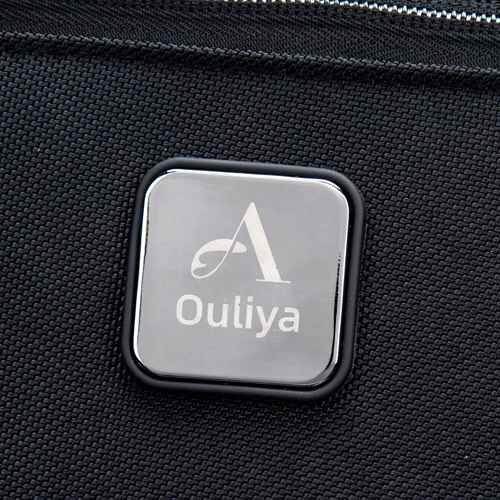
Metal logo plates can create a refined detail for premium wallets, leather goods sets, passport holders, and retail gift collections. They may use silver, gold, gunmetal, black nickel, or custom-plated finishes. The plate can be fixed by rivets, backing feet, stitching support, or adhesive structure, depending on the wallet design. Metal adds value, but it can also add weight, cost, and scratch risk. Jundong reviews plate size, finish, attachment, corner safety, and packing protection.
Woven Label
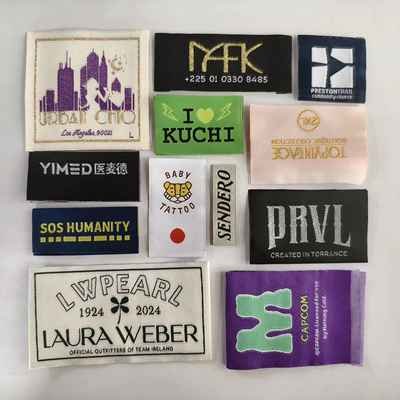
Woven labels, leather patches, inner labels, side tabs, and puller tags help create a softer private label system. They are useful for canvas wallets, nylon travel wallets, polyester organizers, casual card holders, and retail accessory collections. Labels can show brand marks without making the outside surface feel too commercial. Jundong reviews label size, fold type, sewing position, color matching, skin contact area, and retail packing needs. For repeat orders, label records help keep brand details consistent.
Custom Directions For Wallet Programs
Brand Direction
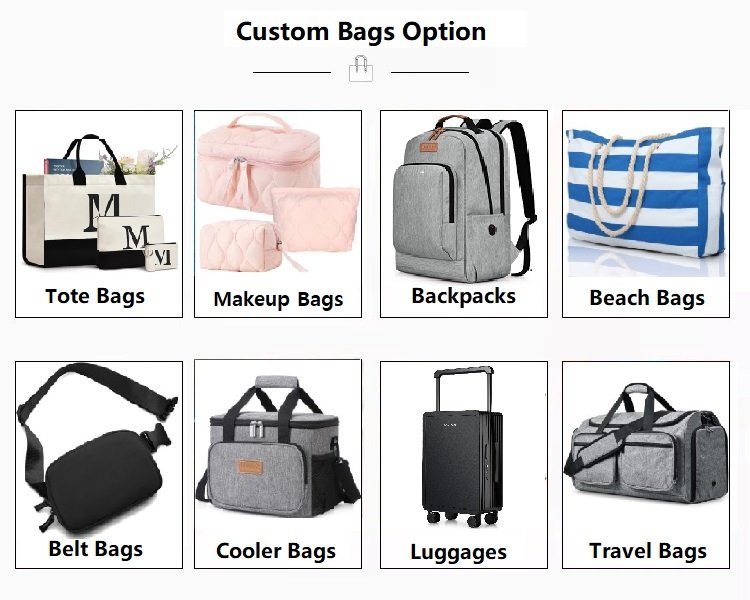
Brand wallet projects should feel connected to a wider collection. The wallet may sit beside tote bags, backpacks, travel organizers, cosmetic pouches, luggage accessories, or small leather goods. Material, color, logo size, lining, and packaging should follow one visual language instead of feeling like separate items sourced from different places.
- Main goal: build a wallet that matches the brand’s product tone, not only the logo file.
- Custom focus: surface texture, color matching, logo restraint, edge finish, stitching distance, lining color, inner label, and outer packing.
- Development path: start with a design sketch, sample, product photo, material direction, and target quantity. Jundong can review whether the structure, material, and logo method can move from sample to stable bulk work.
Gift Direction
Gift wallet projects need strong perceived value at a controlled total cost. The recipient sees the wallet, box, inner card, dust bag, sleeve, and brand mark together, so the full presentation matters. A simple wallet with clean packaging can feel more complete than a complicated wallet packed poorly.
- Main goal: create a wallet that feels ready for gifting, events, rewards, employee programs, hotel programs, or finance campaigns.
- Custom focus: material level, logo visibility, gift box structure, inner card, packing quantity, carton marks, delivery schedule, and safe transport.
- Development path: confirm event date, planned quantity, logo file, gift box type, packing method, and destination early. This helps review material and packaging costs together before sampling.
Retail Direction
Retail wallet projects need consistency across first orders and repeat orders. A wallet may need to work for store display, e-commerce photos, warehouse labels, color-series planning, barcodes, and replenishment. The product must be attractive, but the packaging system also needs to be clear.
- Main goal: create a wallet that is ready for shelf display, online sale, wholesale packing, and repeat supply.
- Custom focus: SKU separation, color consistency, barcode label, hangtag, unit packing, carton marks, approved sample records, and follow-up order control.
- Development path: review material, wallet size, card slot plan, logo position, retail packing rules, barcode placement, and carton information before bulk production.
Packaging Options For Wallet Programs
Packaging affects gift value, retail readiness, warehouse handling, shipping volume, and repeat order control. Jundong reviews wallet size, thickness, logo method, label needs, and carton information before packing plans are confirmed.
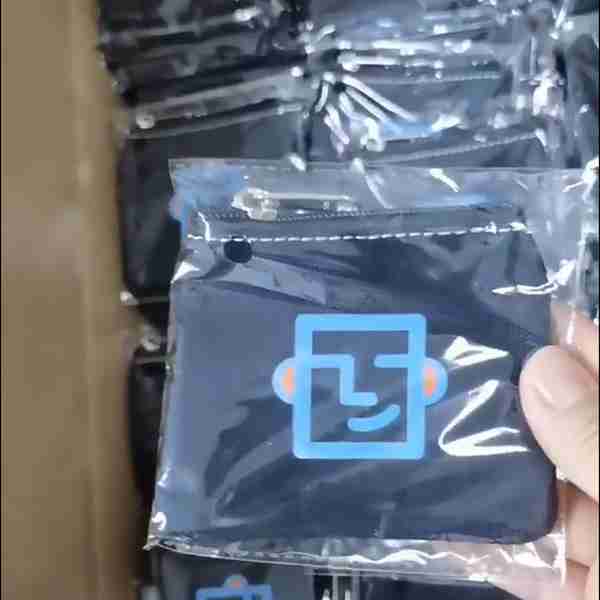


| Packaging Option | Best Use | What To Review | Risk If Missed |
|---|---|---|---|
| OPP Bag | Basic protection, sample sending, cost-controlled programs, inner packing before carton loading | Wallet size, thickness, surface scratch risk, moisture protection, SKU separation, and sticker position | A thin bag may protect from dust, but it will not create strong gift value. Wrong SKU stickers can delay sorting. |
| Dust Bag | Premium wallets, travel wallets, leather goods sets, gift wallets, and boutique collections | Bag material, drawstring type, logo position, color match, wallet fit, and packing sequence | A dust bag that is too small can press wallet edges. A loose bag may look unfinished inside a gift box. |
| Paper Sleeve | Retail card wallets, slim wallets, eco-style gifts, and shelf-friendly packing | Sleeve size, paper thickness, window opening, barcode area, logo method, and wallet removal comfort | A tight sleeve can deform wallet corners. A weak sleeve may tear during handling or store display. |
| Gift Box | Corporate gifts, holiday sets, VIP programs, finance gifts, and premium retail items | Box size, insert tray, paper surface, logo method, inner card, dust bag fit, and carton packing quantity | Oversized boxes increase freight volume. Tight boxes may press edges, metal plates, zipper pullers, or raised logos. |
| Hangtag | Retail wallets, private label collections, lifestyle accessories, and multi-SKU programs | Tag size, string type, hole position, barcode area, material story, and placement on wallet | Poor tag placement can cover the product, scratch the surface, or create messy store display. |
| Barcode Label | Retail, wholesale, e-commerce, warehouse, and store-chain programs | SKU code, color code, barcode size, sticker material, placement, carton label, and packing list match | Wrong labels can create receiving delays, mixed inventory, or additional relabeling work after arrival. |
| CartonMark | Bulk delivery, multi-color orders, repeat programs, and warehouse receiving | Item name, color, quantity, carton number, gross weight, net weight, carton size, and destination information | Missing or unclear carton marks can slow warehouse receiving and make multi-style orders harder to separate. |
From Reference Idea To First Sample
From Reference Idea To First Sample
Many wallet projects start with a simple reference photo, existing wallet, brand sketch, logo file, or product line idea. A complete technical file is helpful, but early review can also begin with basic project details. Jundong checks whether the desired wallet can be made with the planned material, size, structure, logo method, and packing style.
For custom wallets, early review usually focuses on five items: wallet type, outside size, material direction, card slot layout, and logo method. If the project involves a gift box, barcode label, dust bag, paper sleeve, or multi-color retail plan, those details should be reviewed before sample work starts, not after the wallet sample is already finished.
What Should Be Checked During Sample Review
A wallet sample should be reviewed with real use in mind. It may look good on a table, but problems can appear when cards are inserted, zipper corners are pulled, a gift box is closed, or retail packing is tested. Jundong reviews the sample as a working product, not only as a visual prototype.
Card slots should hold cards firmly without making removal difficult. Logo position, size, depth, color, and clarity should be approved before bulk work starts. Zippers, snaps, edges, lining, and folding thickness should also be checked carefully. If the wallet needs a gift box, dust bag, paper sleeve, hangtag, barcode sticker, or carton rule, the sample should be tested together with the packing method before approval.
Sample Approval Should Lead Production
A strong sample approval process should create a usable reference for production. The approved wallet should not only stay in a sample room; it should guide material purchase, cutting, logo positioning, sewing, edge finishing, packing, and final inspection.
Jundong helps keep key approval details clear, including material surface, wallet size, folded thickness, card slot count, pocket layout, logo process, hardware, lining, stitching, edge finish, packing method, label rule, and carton mark. For brand collections, retail programs, and gift projects, these records are important because the same wallet may need repeat orders, color updates, or packaging changes later. Clear sample approval helps reduce production mistakes and keeps the bulk order aligned with the confirmed sample.
Bulk Production Control For Wallet Orders
Bulk wallet orders need more than a confirmed sample. Material batches, cutting accuracy, logo position, stitching, hardware, packing rules, and carton marks must stay aligned through production.
Approved Sample Review

Bulk work begins with the approved wallet sample and project records. Before production starts, Jundong reviews the confirmed material, wallet size, card slot layout, logo method, edge finish, hardware details, packing method, and carton information. This step helps align sales, sample, material, production, QC, and packing teams around the same reference.
For wallets, sample records are especially important because many issues are small but visible. A 2–3 mm logo shift, a tighter card slot, a different lining color, a rougher edge, or a thicker fold can change how the wallet feels. Approved samples and written notes help reduce these small but costly differences.
Material Batch Check

Wallet material must be checked before cutting. PU, genuine leather, canvas, nylon, polyester, and mixed materials can show differences in shade, grain, thickness, softness, coating, or backing. If a gift set includes boxes, dust bags, paper sleeves, labels, or inner cards, those materials also need review.
Jundong checks material against the approved sample direction and project requirements. For color-series retail wallets, material batches should be separated clearly. For leather projects, natural grain and shade variation should be explained and reviewed early. For PU or coated material, surface texture, peeling risk, backing strength, and logo compatibility should be checked before larger production moves forward.
Cutting And Panel Control

Wallet cutting has less room for error than larger bags. A small panel shift can affect card slot position, fold balance, zipper alignment, or logo placement. Cutting dies, panel direction, grain direction, fabric direction, and reinforcement pieces should be controlled carefully.
For card wallets and bifold wallets, pocket panels should align neatly. For passport wallets and travel wallets, document sections need enough room without making the overall shape too loose. For zipper wallets, the zipper path and corner curve must match panel shape. Jundong reviews cutting accuracy so later sewing and assembly can stay stable.
Logo And Detail Control

Logo work should follow the approved position, size, color, and process. Debossing, embossing, hot stamping, silk screen, woven label, leather patch, and metal plate all require different control methods. A logo can look correct on the first few pieces but drift during longer production if position tools, heat, pressure, or fixing methods are not controlled.
Detail control also includes zipper pullers, snaps, metal plates, rivets, lining, card slot edges, and stitch distance. For premium wallets, subtle details matter. For gift wallets, logo and packing should look consistent across the full quantity. For retail wallets, SKU and color differences must remain clear.
Sewing, Edge, And Assembly

Sewing quality affects wallet appearance and durability. Stitching should be straight, tension should be balanced, corners should be neat, and pocket openings should remain usable. Edge finish should match the material and project level, whether turned edge, painted edge, binding, raw edge, or stitched edge is used.
Assembly checks include folding thickness, lining tension, zipper smoothness, hardware position, and wallet shape. A wallet should not twist, bulge, wrinkle, or deform after assembly. If the design includes many card slots or inner pockets, thickness should be checked during production, not only at final inspection.
Packing And Carton Control

Wallet packing needs clear rules. Unit packing may include OPP bag, dust bag, paper sleeve, gift box, hangtag, barcode label, inner card, or carton divider. Each packing method should match wallet thickness and surface protection needs.
Jundong checks packing quantity, SKU separation, color separation, barcode placement, carton marks, and outer carton strength. For gift programs, delivery date and box protection are important. For retail programs, barcode, hangtag, and carton information must be accurate. For repeat programs, packing records help keep future orders consistent.
QC Checks For Wallet Details
Wallet inspection should cover material, size, logo, stitching, card slots, zipper, hardware, lining, packaging, and carton marks. Small wallet defects are easy to see and hard to hide.


| Check Area | What Jundong Reviews | Why It Matters |
|---|---|---|
| Material Surface | Shade, grain, coating, thickness, softness, backing, scratch marks, and surface cleanliness | Wallets are held closely, so surface defects are noticed quickly. Material variation can affect brand feel and repeat order consistency. |
| Wallet Size | Outside length, width, folded thickness, pocket depth, zipper length, and shape balance | A small size change can affect card fit, box fit, shipping volume, and retail display appearance. |
| Card Slots | Slot width, slot depth, opening direction, edge neatness, card access, and tension | Slots that are too tight make daily use difficult. Slots that are too loose can make the wallet feel poorly made. |
| Logo Detail | Logo position, size, depth, color, foil adhesion, print clarity, label placement, and metal plate fixing | The logo is often the first visible brand detail. A shifted or unclear logo can reduce the value of the full project. |
| Stitching | Line straightness, stitch length, thread tension, corner sewing, loose threads, and seam strength | Wallet seams are close to the user’s hand. Uneven stitching makes the product feel unfinished. |
| Edge Finish | Turned edge, painted edge, binding, raw edge, trimming, glue mark, and corner neatness | Edges strongly affect hand feel. Rough edges can make even good material feel low-grade. |
| Zipper And Closure | Zipper smoothness, puller strength, snap position, magnetic closure, rivets, and opening comfort | Closures are used repeatedly. Weak pullers, rough zipper corners, or poor snaps create early product complaints. |
| Lining And Interior | Lining tension, pocket smoothness, inner label, glue marks, wrinkles, and inner cleanliness | Interior issues become visible when the wallet is opened. Poor lining can also affect document or card access. |
| Packaging | Dust bag fit, gift box size, sleeve fit, hangtag, barcode label, sticker position, and surface protection | Good packing protects the wallet and improves gift or retail presentation. Poor packing can damage edges or confuse SKU handling. |
| Carton Marks | Item name, color, quantity, carton number, weight, carton size, destination, and packing list match | Clear carton marks help warehouse receiving, multi-color sorting, and repeat order management. |
MOQ, Cost, And Lead Time Logic
Wallet cost is shaped by material, size, structure, logo, packing, quantity, and schedule. Jundong reviews project details before pricing, so each quote has a clearer link to real production work.
| Decision Area | What Affects Cost | Jundong Review Logic | Planning Notes |
|---|---|---|---|
| MOQ | Wallet style, material sourcing, logo process, color count, packing type, and production setup | Standard custom wallet programs usually start from 500 pcs per design. Selected simple styles may be reviewed at 200–300 pcs case by case. Basic low-unit-price styles may need 1000 pcs or more. | A lower starting quantity may work for simple card wallets or existing structures. More complex styles, special colors, metal parts, gift boxes, or multi-SKU plans need a fuller review. |
| Sample Fee | Pattern work, material test, logo mold, hot stamping plate, printing screen, hardware sourcing, and packaging proof | Sample fee depends on the wallet structure and process details. For qualified bulk orders, the sample fee may be refunded or deducted when the bulk order reaches 2000 pcs. | A sample fee should be viewed as risk control. It helps check material, logo, card slots, thickness, edge finish, and packing before larger spending begins. |
| Sample Time | Material availability, wallet complexity, logo process, packing proof, revision depth, and team schedule | Simple styles may move faster. Standard sample development is commonly reviewed around 3–14 days depending on material, structure, logo, packaging, and revision needs. | A card holder with a simple logo is usually easier than a zipper wallet, passport wallet, RFID wallet, or gift set with a custom box. |
| Bulk Time | Order quantity, approved sample status, material lead time, logo process, packing needs, QC workload, and shipment plan | Bulk production often takes around 20–30 days after sample approval and production details are confirmed. Exact timing depends on project details and factory schedule. | Early confirmation of material, logo file, packing artwork, color list, carton marks, and destination helps reduce schedule pressure before shipment. |
| Material Cost | PU, genuine leather, canvas, nylon, polyester, recycled fabric, lining, backing, and mixed trims | Jundong reviews hand feel, thickness, surface grain, color, logo compatibility, and cutting efficiency before cost direction is finalized. | A material with a higher unit price may still work well if cutting yield, logo effect, and packing value match the project goal. |
| Structure Cost | Card slots, cash pocket, zipper pocket, passport section, coin pocket, divider, gusset, fold line, and lining | More pockets and layers increase cutting, sewing, assembly, and QC work. Jundong reviews whether added structure improves real use or only adds unnecessary thickness. | A clean structure often performs better than an overbuilt wallet. Function should support the program, not create avoidable cost. |
| Logo Cost | Debossing, embossing, hot stamping, silk screen, woven label, leather patch, metal plate, and special hardware | Logo cost depends on mold, plate, screen, setup, material surface, production quantity, and expected finish. | A refined smaller logo may create stronger brand value than a large complicated logo, especially on premium wallets and gift sets. |
| Packing Cost | OPP bag, dust bag, paper sleeve, gift box, hangtag, barcode label, inner card, carton divider, and outer carton | Packing is reviewed with wallet thickness, protection needs, retail rules, carton quantity, and shipment volume. | A gift box can improve value, but an oversized box may increase freight volume. Retail labels should be confirmed before packing begins. |
Factory Strength Behind Wallet Programs
A wallet project needs close detail control. Jundong’s Guangdong factory setup supports sample development, material review, bulk production, QC, packing, and repeat program coordination.

20+ Years Experience
Jundong has more than 20 years of OEM and ODM bag experience, which matters when a wallet project moves from idea to real production. Wallets involve small details: slot size, folding thickness, surface grain, logo pressure, zipper path, edge finish, and packing fit. Experienced review helps detect possible problems before bulk work starts. For brand lines, gift programs, and retail series, early material and structure decisions can reduce later revisions and support a cleaner development path.
600+ Employees
A 600+ employee team gives Jundong the ability to support organized custom bag programs, including wallet-related product lines. Wallet projects may look small, but bulk orders still need material handling, cutting, logo work, sewing, assembly, inspection, packing, carton marking, and shipment coordination. When a program includes several colors, gift boxes, hangtags, or barcode labels, organized staffing helps keep each step clearer. Scale also supports repeat orders and wider accessory programs beyond one wallet style.
18,000㎡ Factory
Jundong’s 18,000㎡ factory space supports material storage, development work, sample review, production, inspection, packing, and order handling. Wallet programs often include small pieces, color lots, labels, packaging components, and carton information, so clean organization matters. Sufficient space helps separate materials, samples, work-in-process items, finished goods, and packing materials. For retail and gift programs, space planning also helps manage gift boxes, dust bags, paper sleeves, and outer carton preparation before shipment.
80 QC Inspectors
Jundong has 80 QC inspectors supporting multi-stage checks across materials, logo details, sewing, finished items, packing, and carton marks. Wallet quality cannot rely only on final review because many issues begin earlier. Material shade, surface marks, slot tolerance, stitch tension, hot stamping adhesion, zipper smoothness, and packing accuracy need timely attention. A structured QC team helps identify issues before they spread across a larger order, especially in multi-color wallets, gift sets, and retail-packed programs.
Sample Support
Wallet sample work needs coordination between design review, material selection, structure planning, logo process, and packing fit. Jundong can support sample development from a reference photo, existing sample, design file, brand direction, or private label plan. The sample stage can check hand feel, card access, fold line, logo position, edge treatment, zipper movement, and box fit. For projects planned at 500 pcs or above, sample review is often the most important step before bulk commitment.
Packing Support
Wallet programs often require more than a finished item. Gift wallets may need boxes, inner cards, dust bags, and safe carton loading. Retail wallets may need hangtags, barcode labels, SKU stickers, unit bags, and carton marks. Jundong can help review packing style together with wallet thickness, surface protection, label placement, carton quantity, and destination needs. Packing support helps the wallet arrive ready for the intended channel instead of becoming extra work after arrival.
What To Send For Wallet Review
A complete file is helpful, but not required for early review. A reference photo, size idea, logo file, quantity, packing needs, deadline, and destination can start the discussion.
Product Details
Start with the wallet type and basic product direction. A clear wallet type helps Jundong understand the structure before cost, sample time, and production plan are reviewed. Useful starting details include a card wallet, a bifold wallet, a zipper wallet, a passport wallet, a travel wallet, an RFID wallet, or gift wallet set.
Please send:
- Reference photo, sketch, or existing sample photo
- Target size or approximate outside dimensions
- Card slot quantity and pocket layout
- Cash pocket, coin pocket, zipper pocket, passport section, or ID window needs
- Preferred material, such as PU, genuine leather, canvas, nylon, polyester, recycled fabric, or mixed trims
Brand Details
Brand details decide how the wallet should look and feel. A wallet for a finance gift, luxury hotel program, outdoor lifestyle brand, travel retailer, fashion accessory line, or employee reward program may use very different materials, colors, and logo methods.
Please send:
- Logo artwork in AI, PDF, CDR, SVG, or high-resolution file when available
- Preferred logo method: debossing, embossing, hot stamping, silk screen, metal plate, woven label, leather patch, or inner label
- Logo size and position if already planned
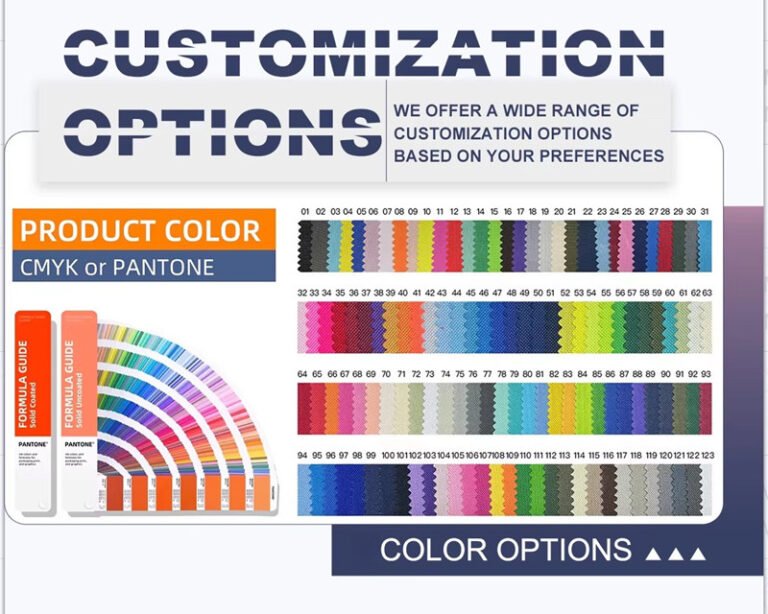
- Brand color or Pantone number if color matching is required
- Inner label, hangtag, barcode, sleeve, box, or other brand packing files
Order Details
Order details help Jundong review MOQ, cost, sample needs, bulk timing, packing rules, and delivery planning. The more complete the order information, the easier it is to avoid vague pricing and repeated revisions.
Please send:
- Planned quantity per design, color, or SKU
- Target order schedule or event date
- Packing requirement: OPP bag, dust bag, paper sleeve, gift box, hangtag, barcode label, or carton mark
- Destination country or delivery address type
- Target price level if already planned
- Testing, compliance, retail label, or warehouse receiving requirements
For direct project review, files can be sent to info@jundongfactory.com with wallet type, quantity, logo file, packing needs, and timeline. Jundong will review the material, structure, logo method, sample plan, MOQ, cost direction, and production feasibility before moving forward.
Extend Wallet Projects Into Matching Product Lines
A wallet project can become a wider accessory program. Jundong can help connect card holders, passport holders, travel organizers, pouches, gift bags, and small leather goods into one coordinated product direction.
Card Holders

Cardholders are a natural extension for wallet programs because they use similar materials, logo processes, edge finishing, and packing rules. They work well for retail collections, gift finance, hotel programs, employee rewards, and travel kits.
A brand may start with 500 pcs of a slim card holder to confirm material feel, logo finish, and retail packing, then expand into 1,500 pcs across three colors after the first sample and packing method are approved. Jundong can review card slot tolerance, surface grain, logo position, color consistency, and dust bag or paper sleeve fit before bulk work begins.
Passport Holders

Passport holders fit travel brands, airlines, hotels, tourism programs, event kits, finance gifts, and premium travel retail. They can share the same PU, leather, canvas, nylon, or recycled material direction as the main wallet program.
A passport holder may include a passport pocket, ticket slot, card sections, pen loop, zipper pocket, RFID material option, and gift box packaging. Jundong can help review document size, fold pressure, lining tension, logo placement, and box fit. For a travel accessory set, passport holders can match card holders, luggage tags, travel organizers, and drawstring dust bags.
Travel Organizers
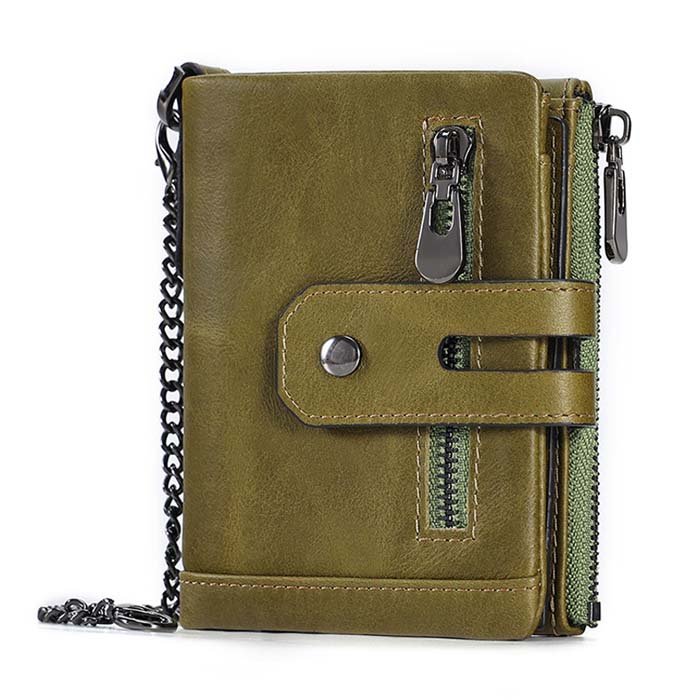
Travel organizers can move a wallet project from a single item into a complete travel accessory program. They are suitable for luggage brands, travel retailers, airline gift kits, corporate travel programs, and loyalty rewards.
Compared with a standard wallet, a travel organizer may need more compartments, zipper pockets, document sections, card slots, pen loops, and stronger lining. Jundong reviews size, material weight, zipper route, pocket sequence, edge finishing, packing volume, and carton planning. A practical program may include 800 pcs travel organizers with matching 800 pcs passport holders and 800 pcs card holders for a coordinated gift set.
Coin And Key Pouches

Coin pouches and key pouches are small, but they can add strong value to gift sets and retail accessory lines. They are often used with wallets, card holders, tote bags, travel pouches, cosmetic bags, or event packs. A pouch can use a zipper closure, snap closure, key ring, small hook, a leather patch, woven label, or metal logo plate.
Jundong can review zipper smoothness, puller size, inner lining, key ring strength, logo method, and packing sequence. For holiday gifts, a wallet and key pouch set can feel more complete than a wallet alone, especially when packed in one rigid gift box.
Gift Bags
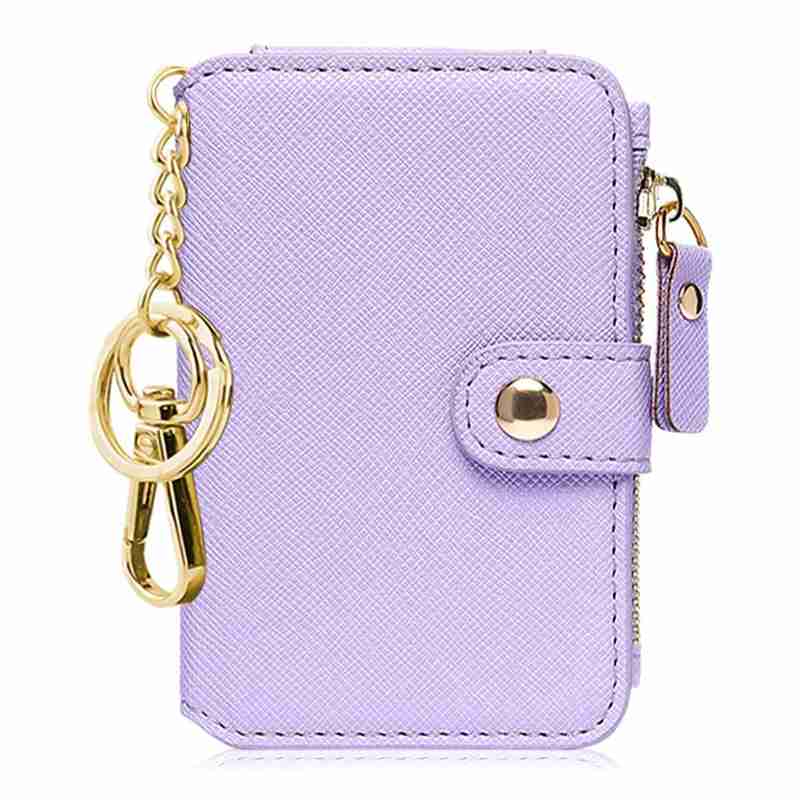
Gift bags can support wallet programs when the final presentation matters. A wallet packed in a rigid box may still need an outer paper bag, drawstring pouch, cotton bag, canvas bag, or non-woven gift bag for event distribution, hotel gifts, finance programs, or VIP sets.
Jundong’s wider bag capability can help align wallet packaging with soft gift bags, paper boxes, hangtags, carton marks, and delivery planning. For example, a 1,000-piece wallet gift project may pair each wallet box with a custom drawstring pouch or branded paper bag to improve the handover experience without changing the wallet structure.
Small Goods Sets
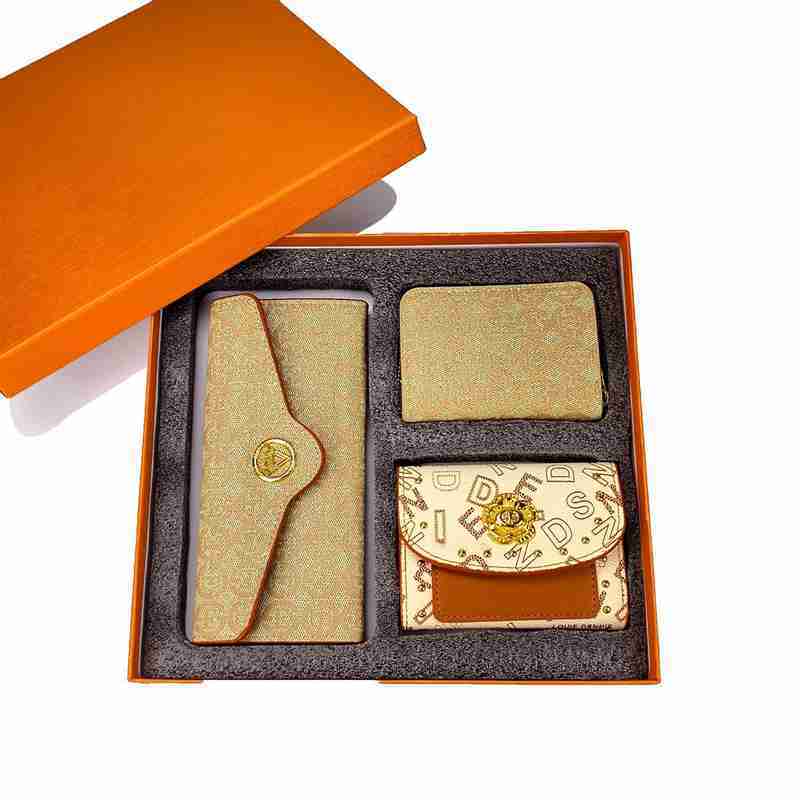
Small goods sets can combine wallets with card holders, passport holders, luggage tags, key pouches, coin pouches, cosmetic pouches, travel organizers, or branded gift bags. This direction suits brand collections, retail gift sets, annual reward programs, finance promotions, and travel campaigns.
Jundong can help review material consistency, color matching, logo system, packing sequence, carton quantity, and SKU separation across the full set. For repeat programs, approved samples and packing records help maintain the same look across future orders. A set-based plan also gives brands more room to develop seasonal colors, premium boxes, and channel-specific versions.
Make a sample first ?
A useful custom wallet should match more than a logo. It should match the people who will carry it, the cards and items it needs to hold, the gift or retail setting it will enter, and the way it needs to be packed, shipped, displayed, and reordered. When these details are clear from the beginning, the whole project becomes easier to review, sample, produce, inspect, and deliver.
Client Testimonials
800+ brand Clients Trust Jundong


FAQ For Custom Wallet Projects
Wallet projects often look simple at first: one shape, one logo, one material, one box. In real development, the best result comes from early decisions about use, wallet type, material, card layout, logo method, packaging, order quantity, and delivery timing. The FAQs below focus on the questions project teams usually ask before sending wallet details, approving samples, or planning bulk orders with Jundong.

Can Jundong develop wallets from a reference photo?
Certainly, Jundong can start wallet development from a reference photo, sketch, existing sample, design file, or product idea. Early review usually needs the wallet type, outside size, material direction, card slot layout, logo file, quantity, and packing needs. A complete technical file is helpful, but not always required at the beginning. For a card holder, bifold wallet, passport wallet, zipper wallet, RFID wallet, or gift set, Jundong will first review whether the material, structure, logo method, thickness, and packing style are suitable for sample work. Final cost and timing become clearer after those details are checked.
Which material works best for custom wallets?
Sure, the best wallet material depends on the project use, hand feel, logo method, packing style, cost level, and sales channel. PU leather is often suitable for controlled cost, rich color choices, and clean logo finishing. Genuine leather works better for premium gifts and boutique retail lines. Canvas creates a casual and natural texture. Nylon and polyester are useful for travel wallets, passport holders, and lightweight organizers. Mixed materials can create a stronger design identity. Jundong reviews material thickness, surface grain, backing, color, logo compatibility, and folding behavior before sample development, because material choice affects both appearance and function.
Which logo method should we use on wallets?
Of course, the right logo method should match the wallet material, logo detail, brand tone, position, and packing method. Debossing is clean and subtle for PU or leather wallets. Hot stamping adds a premium gift effect, especially in gold, silver, black, or custom foil tones. Silk screen printing works for flatter surfaces and simple color graphics. Metal plates add stronger retail value but need scratch protection. Woven labels and leather patches suit canvas, nylon, and casual accessories. Jundong reviews logo artwork, line thickness, placement, surface texture, pressure, foil adhesion, and packing protection before confirming the sample process.
What MOQ should we plan for custom wallets?
Definitely, standard custom wallet programs usually start from 500 pcs per design, while selected simple styles may be reviewed at 200–300 pcs case by case. Some basic low-unit-price styles may require 1000 pcs or more because material sourcing, logo setup, cutting, sewing, packing, and production preparation still need stable quantity support. MOQ can change with wallet style, color count, material, logo process, hardware, gift box, and SKU plan. Jundong reviews MOQ with real project details instead of giving one number for every wallet. A simple card holder and a boxed zipper wallet should not be planned the same way.
How long do samples and bulk orders take?
Absolutely, wallet sample and bulk timing should be reviewed by structure, material, logo method, packing needs, revision depth, and order size. Simple wallet samples may move faster when material and logo direction are clear. Standard sample development is commonly reviewed around 3–14 days depending on complexity. After sample approval and production details are confirmed, bulk production often takes around 20–30 days. A card holder with a debossed logo is usually easier than a zipper travel wallet with RFID material and a custom gift box. Early approval of logo files, material, packing artwork, and carton marks helps reduce schedule pressure.
Can you support gift boxes and retail packing?
Certainly, Jundong can support wallet packaging such as OPP bags, dust bags, paper sleeves, gift boxes, hangtags, barcode labels, inner cards, carton marks, and multi-SKU packing rules. Packaging should match the project channel. A corporate gift wallet may need a rigid box, inner card, dust bag, and clean handover presentation. A retail wallet may need barcode labels, hangtags, color separation, single-unit packing, and carton information. Jundong can review wallet thickness, logo protection, box fit, packing quantity, label placement, and carton marks before bulk packing begins. Final barcode and artwork files should be provided by the brand team.
How does Jundong control sample-to-bulk consistency?
Sure, Jundong controls sample-to-bulk consistency by connecting the approved sample with material notes, logo records, structure details, packing rules, and QC checkpoints. Wallets have small visible details, so a 2–3 mm logo shift, tighter card slot, different lining shade, rougher edge, or thicker fold can change the final feel. Before bulk work, Jundong reviews approved material, wallet size, card layout, logo method, edge finish, hardware, lining, and packaging. During production, material batch checks, cutting control, sewing review, logo inspection, finished item checks, and packing checks help keep bulk orders aligned with the approved sample.
Can Jundong support multi-color or multi-SKU wallet programs?
Definitely, Jundong can review multi-color and multi-SKU wallet programs with color separation, approved sample records, barcode labels, hangtags, packing rules, and carton marks. Multi-SKU projects need clearer control than single-style orders. Each color or style should have confirmed material, logo position, packing method, label information, and carton quantity. For example, a retail program may include 500 pcs black card holders, 500 pcs brown bifold wallets, and 500 pcs navy passport holders, each with different barcodes but one shared brand packing style. Jundong can help review SKU separation before packing so warehouse receiving becomes easier after arrival.
Can RFID wallets or travel wallets be customized?
Of course, RFID wallets, passport holders, and travel wallets can be customized, but RFID material, document size, pocket layout, closure type, and testing needs should be discussed early. A travel wallet may require passport pocket, ticket section, card slots, zipper pocket, pen loop, snap closure, or gift box. RFID-related claims should be reviewed carefully with material selection and project requirements. Jundong can support structure review, material matching, logo method, sample development, packing, and QC checks. If a retail channel or corporate program requires specific testing or documents, those standards should be shared before material purchase or sample confirmation.
What should we send for an accurate wallet quotation?
Absolutely, a clearer wallet quotation needs product type, reference image, size, material, logo file, quantity, packing needs, deadline, and destination. A single photo can support early discussion, but it cannot confirm every cost factor. Wallet pricing can change because of PU or leather thickness, number of card slots, zipper structure, RFID material, logo mold, hot stamping, metal plate, gift box, barcode label, carton rule, and shipment plan. For faster review, send wallet type, outside size, logo artwork, planned quantity per design or color, packing method, target date, and destination. Jundong can then review material, sample plan, MOQ, cost direction, and production feasibility.
Send Your Wallet Project For Review
A stronger wallet project starts with clear details. Share your wallet type, reference image, size, logo file, material idea, quantity, packing needs, delivery date, and destination so Jundong can review the project properly.
Start With The Details You Already Have
You do not need every detail confirmed before contacting Jundong. A reference photo, logo file, planned quantity, and expected use can already support early review. The more details provided, the easier it is to compare materials, select a logo method, check wallet structure, plan samples, estimate MOQ, review packing, and prepare for bulk production.
For custom wallets, the most useful first details include:
- Wallet type: card holder, bifold wallet, zipper wallet, passport holder, travel wallet, RFID wallet, or gift wallet set
- Reference photo, sketch, tech file, or existing sample photo
- Target size or approximate outside dimensions
- Material preference: PU, genuine leather, canvas, nylon, polyester, recycled fabric, or mixed materials
- Card slot count, cash pocket, coin pocket, zipper pocket, passport section, or ID window needs
- Logo file and preferred method: debossing, embossing, hot stamping, silk screen, woven label, leather patch, or metal plate
- Packing needs: OPP bag, dust bag, paper sleeve, gift box, hangtag, barcode label, inner card, carton mark, or SKU packing rule
- Planned quantity per design, color, or SKU
- Target delivery date and destination country
- Retail label, testing, compliance, warehouse, or forwarder requirements if already known
Project files can be sent through the form or by email at info@jundongfactory.com. Jundong will review material, structure, logo method, sample plan, MOQ, cost direction, packing details, and production feasibility before the project moves forward.