 Skip to content
How to Choose Materials: Fabric, PU, Leather, Neoprene, or Plush?
Choosing the right material is one of the biggest decisions when developing any type of bag—whether it’s a tote, backpack, travel bag, makeup bag, kid’s bag, or luxury leather accessory. The material determines how the bag looks, feels, performs, and lasts over time. It affects weight, durability, water resistance, softness, eco-friendliness, and even brand positioning. And with so many options available today—from canvas to nylon, PU to leather, neoprene to plush—many brands struggle to understand which material actually fits their product vision and customer expectations.
The best material for a bag depends on durability needs, weight preferences, weather resistance, softness, intended use, and sustainability requirements. Fabric works well for everyday bags, PU is ideal for fashion-forward designs, leather suits luxury goods, neoprene fits sporty or protective bags, and plush is perfect for kids’ and novelty bags. Choosing the right material ensures better performance, comfort, and long-term quality.
A well-chosen material doesn’t just enhance appearance—it strengthens brand identity. A luxury brand using genuine leather communicates craftsmanship and premium value. A children’s brand using soft plush creates comfort and emotional connection. An outdoor brand using durable fabric focuses on function and reliability. In this article, we break down key material categories, compare their performance, explain how durability and weight influence selection, and show which material works best for different bag types. We’ll also explore sustainability, certifications, and how OEM/ODM factories like Jundong support brands in selecting the ideal material for their custom products.
What Are the Key Material Categories Used in Modern Bag Manufacturing?
The main material categories for bags include fabric, PU leather, genuine leather, neoprene, and plush. Each material has different strengths: fabric for versatility, PU for affordability, leather for luxury, neoprene for protection, and plush for softness and kids’ items.
Every bag material has its own purpose, benefits, and limitations. Understanding these categories helps brands match material performance to specific customer needs.
Below is a clear breakdown of the five core material families:
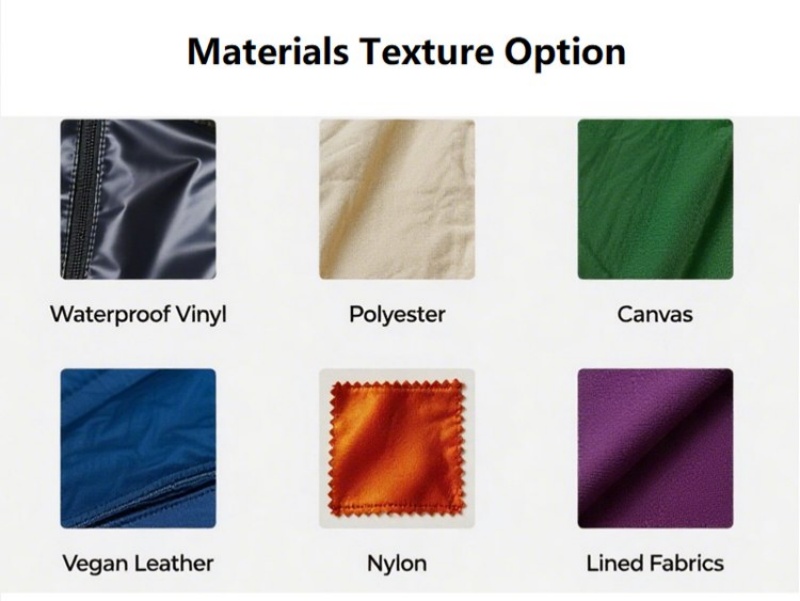
1. Fabric Materials (Canvas/Nylon/Polyester/Oxford)
Fabrics are the most widely used materials because they offer flexibility, affordability, and countless variations. Performance depends on the weave, thickness, and coating.
Fabric Strength Comparison Table
| Material | Durability | Weight | Water Resistance | Best Use |
|---|---|---|---|---|
| Canvas | Medium | Medium | Low–Medium | Totes, lifestyle bags |
| Nylon | High | Light | Medium | Backpacks, outdoor bags |
| Polyester | High | Light | High (with coating) | Travel bags, cooler bags |
| Oxford Fabric | Medium–High | Medium | High | School bags, tool bags |
Fabric is ideal for brands wanting:
- Lighter products
- Lower manufacturing cost
- Easy printing (screen print, heat transfer)
- Variety in textures and colors
2. PU Leather (Synthetic Leather)
PU is popular because it balances premium appearance with cost-efficiency.
Advantages:
- Vegan-friendly
- Affordable
- Smooth, modern texture
- Easier to clean
- Works well for handbags, makeup bags, or fashion products
Limitations:
- Less durable than real leather
- Sensitive to heat over time
3. Genuine Leather
Leather is the most premium material, known for durability and aging beautifully.
Benefits:
- Luxury texture
- Long-lasting
- Strong tensile strength
- Perfect for high-end handbags, wallets, luggage
Challenges:
- Highest cost
- Requires maintenance
- Heavier compared to other materials
4. Neoprene
Neoprene is a performance-driven material, used in sports, protective bags, and modern fashion.
Strengths:
- Soft, flexible, cushioned
- Water-resistant
- Protective for electronics or cosmetics
Use Cases:
- Makeup bags
- Laptop sleeves
- Beach totes
- Travel organizers
5. Plush (Soft Toy Fabric)
Plush is ideal for children’s bags, novelty products, or brands targeting comfort and cuteness.
Benefits:
- Soft and kid-friendly
- Customizable in shapes
- Works well for character bags
Limitations:
- Low resistance to heavy load
- Harder to clean
Which Material Is Best for Different Bag Types?
Different bag types require different materials: canvas for totes, nylon for backpacks, PU for makeup bags, neoprene for travel bags and protective cases, plush for kids’ bags, and leather for luxury goods. Matching material to function improves durability and user experience.
Different bags face different environments and usage patterns. A heavy-duty backpack needs high-tensile fabric, while a luxury handbag needs premium leather. A kid’s plush backpack requires softness, and a makeup bag needs easy-clean surfaces.
Best Material by Bag Type
| Bag Type | Recommended Material | Reason |
|---|---|---|
| Tote Bag | Canvas / Polyester | Stylish, lightweight, easy to print |
| Backpack | Nylon / Oxford | Abrasion-resistant and strong |
| Travel Bag | Polyester / PU | Water-resistant and durable |
| Makeup Bag | PU / Neoprene | Easy to clean & protects cosmetics |
| Kids’ Bag | Plush / Neoprene | Soft, safe, lightweight |
| Luxury Goods | Genuine Leather | High-end brand feel, long lifespan |
Why Matching Matters
- A heavy bag made with weak material will wear out quickly.
- Kids’ bags must prioritize safety, softness, and low weight.
- Makeup artists need wipeable and waterproof materials.
- Outdoor travel bags require durability and weather resistance.
A well-matched material ensures:
- Longer product lifespan
- Higher customer satisfaction
- Lower return rates
- Stronger brand perception
How Do Durability, Weight, Softness, and Weather Resistance Influence Material Choice?
Durability, weight, softness, and weather resistance determine how well a material fits specific bag functions. Strong fabrics suit heavy loads, lightweight materials improve comfort, soft materials suit children, and weather-resistant materials protect belongings outdoors.
Choosing material is a balancing act. No single material wins in all categories; instead, brands must prioritize.
Performance Comparison Table
| Feature | Fabric | PU | Leather | Neoprene | Plush |
|---|---|---|---|---|---|
| Durability | High | Medium | Very High | Medium | Low |
| Weight | Light | Light | Heavy | Medium | Light |
| Softness | Low | Medium | Medium | High | Very High |
| Weather Resistance | Medium–High | Medium | Low–Medium | High | Low |
Durability
Nylon and leather offer the highest structural strength. They’re ideal for bags carrying 3–20+ kg of weight.
Weight
Customers today prefer lightweight solutions:
- Fabric
- PU
- Plush
Neoprene is soft but not always light; thickness affects weight.
Softness
Soft materials appeal to:
- Kids
- Comfort-focused consumers
- Plush-based fashion
Weather Resistance
Neoprene and coated polyester excel here:
- Resistant to rain
- Fast-drying
- Mold-resistant
Weather resistance matters for:
- Beach bags
- Travel bags
- Outdoor backpacks
Do Sustainability, Safety, and Eco-Friendly Certifications Matter Today?
Yes. Modern brands increasingly require eco-friendly materials and certifications such as OEKO-TEX, GRS, and REACH. Sustainable fabrics like RPET polyester help reduce environmental impact and meet market expectations.
Sustainability has become one of the biggest global trends across all consumer categories.
Why It Matters
Consumers—especially Gen Z and millennials—prefer brands using:
- Recycled materials
- Non-toxic dyes
- Eco-safe coatings
- Vegan leather alternatives
- Responsible sourcing
Key Certifications to Consider
| Certification | Meaning |
|---|---|
| GRS | Global Recycled Standard—verifies recycled content |
| OEKO-TEX | Ensures fabric safety and chemical-free production |
| REACH | Compliance with EU chemical regulations |
| CPSIA | Safety for kids’ products (U.S. market) |
Sustainable Materials
- RPET Polyester (Made from recycled bottles)
- Plant-based PU leather (bio-based)
- Natural cotton canvas
These materials help brands:
- Reduce their carbon footprint
- Appeal to eco-conscious customers
- Comply with global import regulations
Conclusion
Material selection is one of the most important decisions when developing a bag. It influences durability, style, comfort, safety, sustainability, and overall product success. Each material—fabric, PU, leather, neoprene, or plush—serves a different purpose and fits different bag types.
If you’re looking to build a new product line, upgrade materials, or develop a private-label bag collection, Jundong can help you select the perfect material with:
✔ Free design
✔ Low MOQ
✔ Fast sampling
✔ 20+ years manufacturing experience
✔ Full OEM/ODM customization
✔ 100% quality assurance
📩 Contact Jundong today to start your custom bag development journey.
Let's work together
With over 10 years of OEM/ODM bag industry experience, I would be happy to share with you the valuable knowledge related to leather products from the perspective of a leading supplier in China.

Factory catalogue
Latest blogs


Make A Sample First?
If you have your own artwork, logo design files, or just an idea, please provide details about your project requirements, including preferred fabric, color, and customization options, we’re excited to assist you in bringing your custom bag designs to life through our sample production process.