Skip to content
Custom Tool Bag with Logo
Develop durable branded tool bags for professional product lines, industrial equipment kits, field teams, retail programs, and long-term repeat orders.
- Choose a proven tool bag structure or develop a new design around real tools, target load, pocket access, bottom support, carrying method, logo execution, and packing rules.
- Jundong supports material review, pattern development, sampling, reinforced sewing, bulk production, multi-stage inspection, private label details, and shipment preparation.
- Projects are evaluated for long-term use and stable repeat production. The 18,000-square-meter facility, 600+ employees, 80 QC inspectors, and 20+ years of OEM/ODM experience support organized execution.

Choose the Right Custom Tool Bag Development Route for Program
Two development routes keep timing, cost, tooling, and approval work aligned with the required level of product change and brand control before sampling begins.

Proven Structure Branding
Best for an established tool bag construction that already matches the required capacity, opening, carrying method, and general pocket arrangement. Development moves faster because the main pattern and load path need limited change.
- Change fabric color, lining, webbing, zipper pulls, and hardware finish.
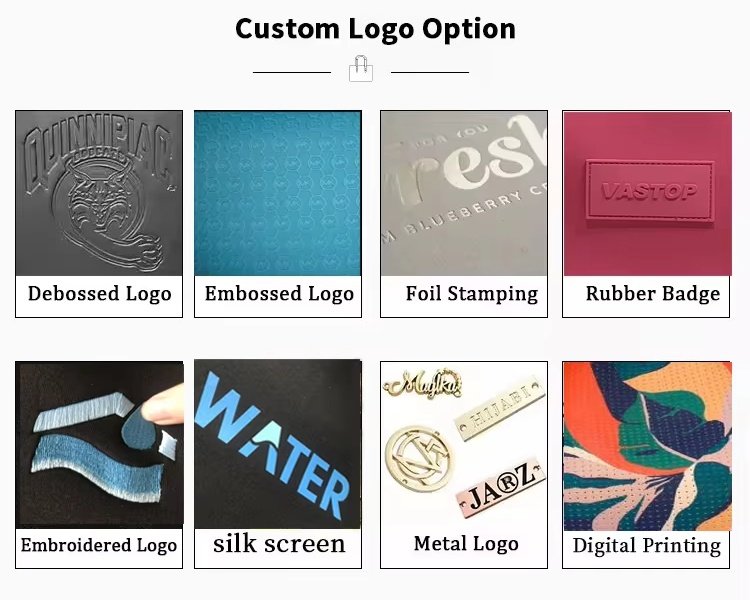
- Add embroidery, screen printing, heat transfer, woven labels, rubber patches, or metal plates after surface review.
- Refine selected pockets, handle length, shoulder strap, labels, or individual packing without rebuilding the complete structure.
- Use a branded pre-production sample to lock logo position, color, measurements, and packing before bulk production.
Full OEM Development
Best for an exclusive product requiring new dimensions, purpose-built pockets, reinforced load paths, a molded or supported bottom, custom carrying systems, and protected brand details. Development begins with the tools and working conditions rather than an existing catalogue shape.
- Review tool dimensions, combined weight, removal angle, pocket depth, and access sequence.
- Develop patterns for the opening, side walls, handle connection, shoulder system, internal dividers, and base support.
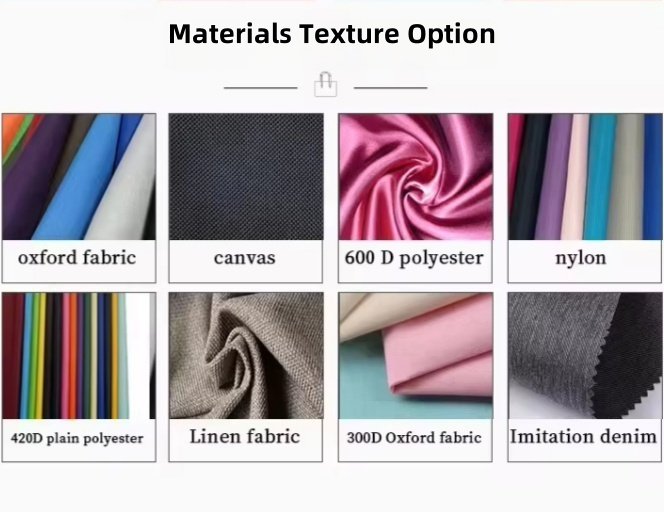
- Match 600D, 900D, 1000D, or 1680D Oxford, nylon, canvas, coated fabric, EVA, PE board, webbing, and hardware to the use level.
- Approve material swatches, logo tests, working samples, revisions, and a final reference sample before bulk cutting.
Custom Tool Bags for Professional Product and Work Programs
Tool Brands and Retailers
Develop branded tool bags, tool backpacks, electrician bags, tool rolls, and organizer pouches as coordinated retail lines. Material appearance, functional differentiation, label placement, barcode preparation, carton quantities, and repeat-order consistency receive equal attention. Product families can share fabrics, webbing, hardware finishes, and packaging language while each style keeps a clear use purpose.
Industrial Equipment Companies
Create equipment carry bags, accessory kits, service cases, and heavy-duty organizers around the machines, parts, or tools being supplied. Pocket dimensions, protective layers, abrasion zones, base support, closures, and identification labels should follow the equipment list. Stable specifications help keep every kit complete, recognizable, and ready for dealer or service distribution.
Construction and Field Teams
Plan tool totes, technician bags, worksite backpacks, and waist pouches for frequent carrying and fast access. Reinforced handles, shoulder systems, wide openings, durable zippers, strong webbing, and balanced pocket positions matter more than decorative styling alone. Logo placement remains visible without crossing high-stress seams, pocket openings, or heavy wear areas.
Corporate Workwear Programs
Prepare logo tool bags for employee onboarding, maintenance departments, service fleets, safety programs, dealer support, and technical training. Mature structures can be adapted with company colors, department labels, individual names, simple packing, and destination marks. Quantity allocation, artwork approval, packing instructions, and required arrival dates should be confirmed before production scheduling.
Choose the Right Tool Bag Style for Daily Work
Bag style should follow tool size, access frequency, carrying distance, worksite conditions, storage method, and required logo visibility before any sample pattern is approved.
Open Tool Totes
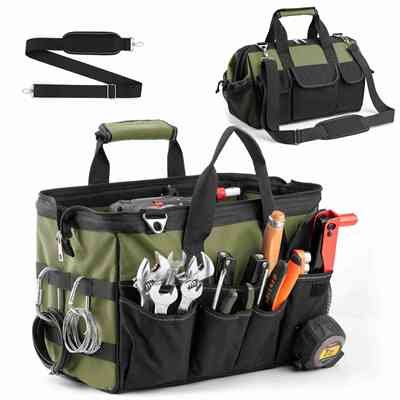
Open tool totes suit electricians, installers, maintenance teams, and technicians who need repeated access without opening a full zipper. A framed mouth can help the bag remain open while tools are selected and returned.
- Plan pocket depth around actual tool lengths and handle shapes.
- Review standing balance, center compartment width, base support, carrying grip, and exposed-tool protection.
Zippered Tool Bags

Zippered tool bags protect mixed hand tools during transport and keep loose items from falling out in vehicles, workshops, or service locations. A U-shaped or straight opening can be developed according to required access and internal visibility.
- Review zipper size, opening length, puller shape, and glove-friendly operation.
- Confirm internal dividers, exterior pockets, handle reinforcement, and logo position before sampling.
Molded-Bottom Tool Bags
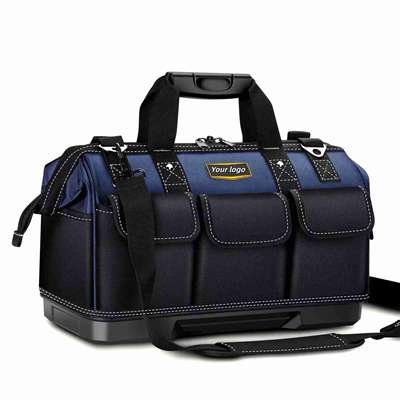
Molded-bottom tool bags provide added base shape, standing stability, moisture separation, and abrasion protection for demanding work environments. The base should be evaluated together with the fabric body rather than treated as an isolated part.
- Confirm base dimensions, wall connection, stitch or fixing method, drainage and cleaning needs.
- Review tooling cost, minimum quantity, sample timing, packing volume, and replacement consistency.
Tool Backpacks
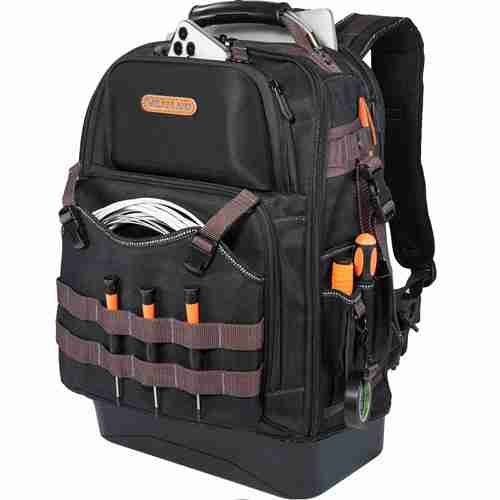
Tool backpacks support longer walking distances, ladders, public transport, and service work where both hands need to remain free. Internal weight distribution matters because dense tools can pull the bag backward or create pressure in one area.
- Review shoulder strap width, padding, back support, and upper carry handle connection.
- Separate heavy tools from documents, electronics, meters, or personal items.
Tool Pouches and Belts

Tool pouches and belt systems keep frequently used items within reach for assembly, repair, roofing, electrical, and installation work. Capacity must remain controlled so the pouch does not twist, sag, or interfere with movement.
- Confirm belt width, attachment method, pocket opening, hammer loop, and fastening hardware.
- Position the logo away from abrasion zones, folds, and tool entry paths.
Tool Rolls
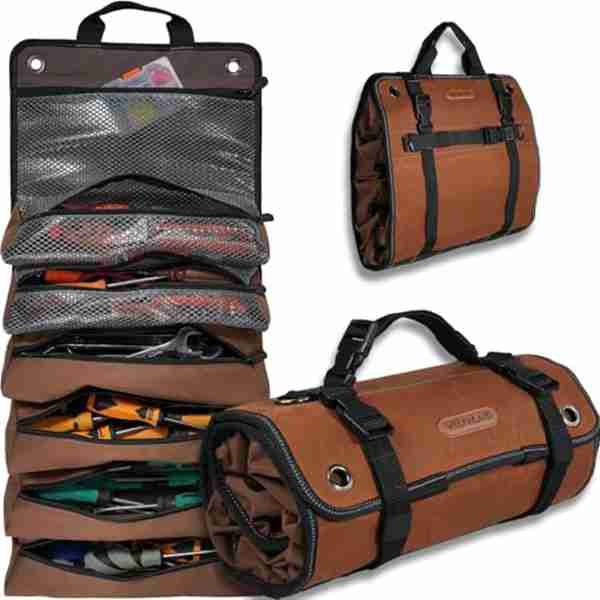
Tool rolls organize wrenches, chisels, screwdrivers, brushes, and compact hand tools in a flat, countable layout. The roll should hold each item securely while allowing fast visual checks before and after work.
- Match slot width, depth, spacing, and flap coverage to the tool list.
- Review closure straps, buckle type, rolling diameter, edge binding, and printed or woven identification.
Design Tool Bag Structure Around the Actual Tool List
Accurate pocket planning begins with tool dimensions, combined weight, removal direction, use frequency, carrying method, and the working environment where the bag will operate.
| Tool Use Need | Structure Decision | Jundong Control Detail |
|---|---|---|
| Long or Tall Tools | Deep sleeves, extended pockets, retaining straps, and sufficient opening clearance | Record tool length, width, handle shape, and removal angle. Pocket depth must secure the tool without hiding the grip or slowing access. |
| Heavy Tool Sets | Continuous webbing paths, reinforced handles, bartacks, supported side panels, and a stronger base | Assess the intended load as a complete structure. Fabric, seams, webbing, handles, hardware, and bottom support must work together. |
| Small Parts | Zipper pockets, mesh sections, labeled pouches, elastic holders, or divided trays | Control opening size, visibility, closure security, and part count. Small items should remain easy to check without falling into the main compartment. |
| Frequent Access | Wide openings, framed mouths, visible layouts, and clearly separated working zones | Confirm whether the opening stays stable during use. Zippers, frame materials, pocket edges, and tool handles should not block one another. |
| Standing Storage | PE board, EVA support, molded bases, balanced side panels, and anti-wear contact areas | Review base footprint, bag balance, floor contact, cleaning method, and loaded shape. A tall bag may need additional side support. |
| Mobile Service | Shoulder systems, backpack straps, grab handles, compact profiles, and balanced internal placement | Confirm carrying distance, loading position, strap width, padding, adjustment hardware, and vehicle storage. Dense tools should remain close to the body. |
Select Materials and Reinforcement for Durable Custom Tool Bags

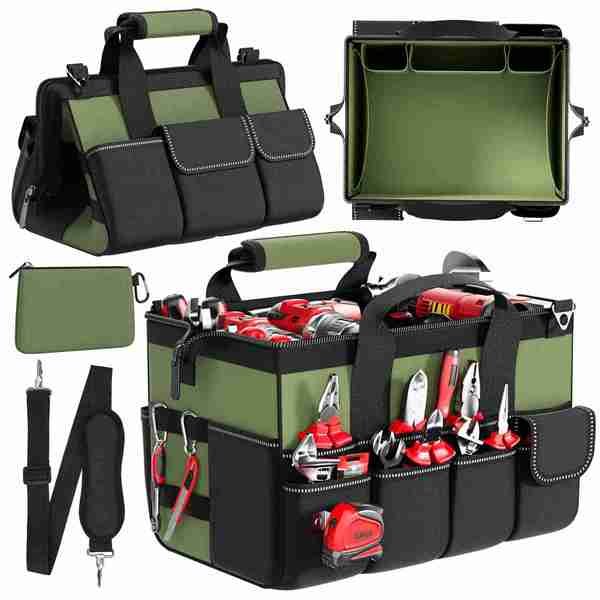

600D and 900D Oxford
600D and 900D Oxford fabrics suit many retail tool bags, service kits, organizers, and equipment carry cases where balanced weight, structure, decoration, and cost are required. Fabric specification should include fiber type, coating, color, hand feel, and backing rather than a denier number alone.
- Suitable for embroidery, screen printing, transfer, woven labels, or patches after surface review.
- Add lining, binding, backing, or local reinforcement where tools create repeated friction.
1000D and 1680D Oxford
1000D and 1680D Oxford options can provide a heavier appearance and added abrasion resistance for demanding tool totes, technician bags, and reinforced backpacks. Higher denier may also increase stiffness, sewing difficulty, finished weight, packing volume, and material cost.
- Use heavier fabric where the working condition and product position justify it.
- Confirm coating, weave, seam construction, needle selection, reinforcement layers, and logo method through sampling.
Nylon and Canvas Options
Nylon can support lighter premium structures, smooth surfaces, and strong abrasion performance, while canvas gives a workwear appearance and natural hand feel. Neither material should be selected by appearance alone; fiber content, weight, finishing, shrinkage, color behavior, and care expectations need review.
- Nylon often suits technical branding and clean, structured designs.
- Canvas may suit heritage tool lines, dealer programs, and waxed or washed visual directions.
PVC-Coated Fabrics
PVC-coated fabric can improve wipe-clean performance, surface protection, body stiffness, and resistance to wet or dirty work areas. Coated material does not automatically make the finished tool bag fully waterproof because stitched seams, openings, zipper construction, and panel connections still affect water entry.
- Confirm coating thickness, flexibility, odor expectations, cold-temperature use, and folding marks.
- Review printing, patch attachment, needle holes, seam design, and edge finishing before approval.
EVA Foam and PE Board
EVA, foam padding, EPE, and PE board can support the bottom, side walls, dividers, shoulder straps, or protected equipment areas. Structural layers influence finished thickness, weight, shape recovery, comfort, packing volume, and cost, so placement should follow the load path and protection need.
- Use a PE board where flat support or stiffness is required.
- Use EVA or foam where cushioning, shape, comfort, or impact separation is needed.
Webbing Zippers and Hardware
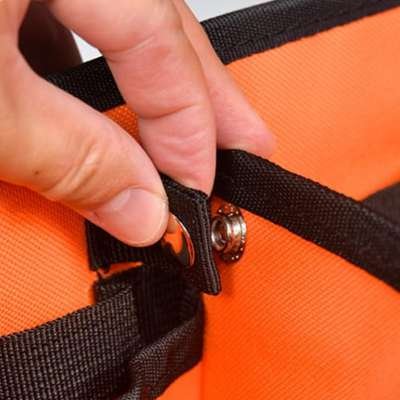
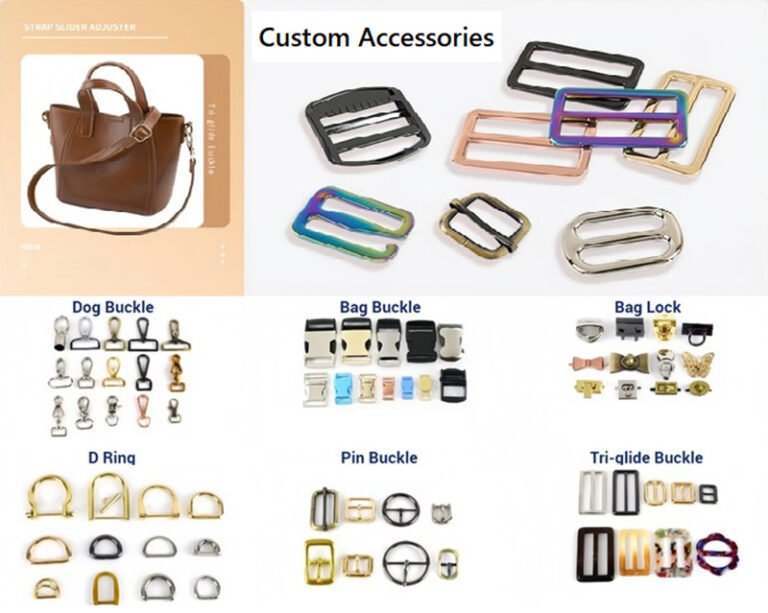
Heavy-duty webbing, zippers, D-rings, buckles, rivets, hooks, and metal fittings must match the bag structure and intended work cycle. Strong-looking hardware cannot compensate for weak attachment, short reinforcement, unsuitable tape, or poorly positioned seams.
- Review webbing width, thickness, weave, fold length, and bartack placement.
- Confirm zipper size, slider operation, corrosion expectations, hardware finish, edge shape, and replacement availability for repeat orders.
What Jundong Reviews Before Custom Tool Bag Sampling Begins
A workable sample starts with enough information to connect the intended tools, structure, brand finish, commercial conditions, and future bulk execution before pattern work starts.
Product Reference and Use
A reference photo, physical sample, sketch, specification sheet, or existing product helps define the intended form and use. Jundong reviews which details must remain, which can change, and which require new pattern work for initial approval.
- Confirm intended trade, work environment, carrying method, and daily access needs.
- Mark target dimensions, opening direction, pocket priorities, base type, and any protected design details.
Practical Tool Load Mapping
Tool dimensions and combined weight determine pocket depth, spacing, reinforcement, carrying balance, and bottom support. A clear loading plan prevents attractive samples that fail during real work.
- Provide tool names, quantities, lengths, widths, weights, and removal sequence.
- Identify sharp edges, oily parts, delicate meters, loose components, and tools requiring individual retention.
- State the expected carrying distance and loaded storage position.
Branding Material Match
Fabric, coating, lining, webbing, hardware, and logo technique must work as one system. A logo area may look suitable on a drawing but become distorted by texture, seams, pocket openings, or reinforcement layers.
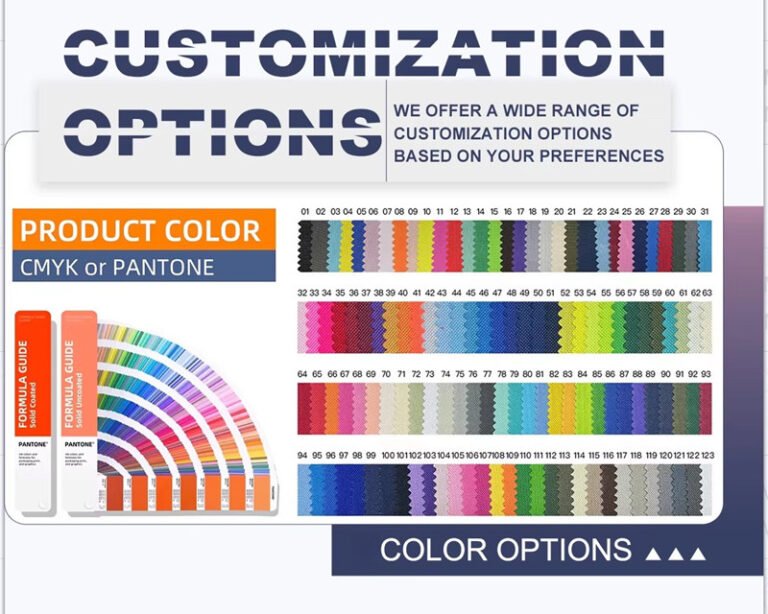
- Share vector artwork, target size, Pantone references, placement, and preferred finish.
- Confirm whether embroidery, printing, woven labels, patches, or metal plates require separate tests.
- Review label, hangtag, and private label needs together.
Project Feasibility Review
Quantity, target cost, packaging, approval route, delivery deadline, and destination affect material availability and development decisions. Early review helps avoid a sample that cannot move efficiently into repeat production.
- Confirm quantity by style, color, and SKU.
- State individual packing, barcode, carton mark, or kit assembly needs.
- Identify approval owners, testing requests, required arrival date, and any restricted materials or licensed artwork conditions.
How Custom Tool Bag Samples Are Developed and Approved
Each sampling stage should verify a defined decision, reducing late revisions and creating a clear physical reference for stable bulk production and later inspection control.
Material Review

Selected fabric, lining, webbing, coating, padding, board, and hardware are reviewed for color, hand feel, thickness, structure, and intended use. Swatches help identify differences before full sample cutting, especially when several fabric weights, coated surfaces, or matching brand colors are under consideration.
Pattern Development

Pattern work converts bag dimensions, tool measurements, pocket positions, opening shape, carrying system, and base support into cuttable components. Seam allowance, reinforcement overlap, binding, zipper curves, and assembly order are reviewed so the design can be sewn consistently rather than only drawn attractively.
Logo Test

A separate logo test checks scale, proportion, Pantone direction, thread or ink behavior, edge clarity, attachment, and compatibility with the selected panel. Testing before final assembly helps prevent embroidery distortion, weak print adhesion, patch misalignment, or a metal plate interfering with pockets and reinforcement.
First Working Sample

The first working sample brings material, pattern, pockets, handles, straps, zippers, hardware, bottom construction, and logo placement together. Review focuses on overall dimensions, opening behavior, internal visibility, carrying balance, workmanship, and whether the intended tools can enter, remain secure, and be removed efficiently.
Tool Fit Review

Real tools or accurate dummies are loaded into the sample to check pocket depth, spacing, access order, center of gravity, standing stability, and handle clearance. Load review can reveal hidden conflicts such as crowded openings, sagging side walls, blocked zippers, unstable bases, or concentrated pressure at one seam.
Revision Marking

Revision notes should identify every change by location, measurement, material, color, component, and required result. Marked photos, measurement sheets, and version names help separate approved changes from optional ideas. Clear records reduce repeated discussions and prevent an earlier detail from returning during later sample rounds.
Pre-Production Sample

The pre-production sample confirms the final material, dimensions, construction, logo, accessories, reinforcement, labels, and finishing intended for bulk execution. Approved details should be transferred into patterns, material records, workmanship instructions, measurement tolerances, logo standards, and inspection checkpoints before bulk cutting begins.
Packing Sample

A packing sample verifies bag folding, shape protection, individual packaging, hangtags, labels, barcodes, kit contents, carton quantity, and carton marks. Review also considers whether handles, molded bases, metal fittings, or structured panels may create pressure, scratches, distortion, excess volume, or inefficient carton loading during transit.
Choose the Right Logo Method for Your Tool Bag
Logo performance depends on fabric texture, artwork detail, placement, use conditions, desired finish, quantity, and approval requirements—not appearance alone during daily professional work cycles.
| Logo Method | Best Use on Tool Bags | Brand Effect | Approval and Risk Control |
|---|---|---|---|
| Embroidery | Flat Oxford, polyester, nylon, or canvas panels with enough clearance from pockets, seams, and reinforcement | Raised, durable, and professional, suitable for industrial brands, technician bags, and premium work programs | Review stitch count, thread color, backing, panel distortion, seam distance, and reverse-side protection. Dense embroidery may stiffen or pull lightweight panels. |
| Screen Printing | Smooth fabric panels, simple artwork, solid colors, and medium-to-large logo areas | Clear, direct, and cost-efficient for workwear programs, dealer projects, service fleets, and branded equipment kits | Confirm ink opacity, color separation, curing, surface texture, print position, and rub performance. Heavy texture or coated surfaces may change edge clarity and color coverage. |
| Heat Transfer | Polyester, nylon, Oxford, or selected coated fabrics requiring multicolor graphics, fine details, or gradients | Detailed, clean, and visually consistent when artwork contains several colors or complex shapes | Check heat compatibility, film edge, adhesion, folding position, panel coating, pressure, and temperature. The transfer area should avoid repeated creasing and concentrated abrasion. |
| Woven Label | Side seams, front panels, internal identification areas, pockets, and private label positions | Controlled brand colors and a clean product-line appearance across several styles and repeat orders | Confirm yarn colors, finished size, fold type, edge treatment, sewing allowance, and placement. Labels should not obstruct tools, zippers, reinforcement, or required product information. |
| Rubber or PVC Patch | Oxford, nylon, polyester, and canvas tool bags with outdoor, industrial, tactical, or heavy-duty styling | Dimensional, durable, and distinctive, with strong visibility on structured work bags and tool backpacks | Review mold detail, thickness, colors, flexibility, edge shape, attachment method, and placement. Mold setup and patch production can affect cost, quantity, and sample timing. |
| Metal Plate | Structured tool bags, equipment cases, premium technician bags, and selected retail collections | Refined and durable when the metal finish matches zippers, buckles, rivets, and the overall product direction | Confirm plate dimensions, weight, finish, edge safety, corrosion expectations, fixing method, and inner backing. Hardware must not contact tools, weaken the panel, or create pressure marks. |
Logo Artwork and Approval Control: Provide AI, CDR, or PDF vector artwork, final dimensions, Pantone references, placement instructions, and authorized usage. Bulk logo execution should follow the approved sample for color, scale, position, clarity, attachment, and finish.
Factory Capacity Supporting Stable Custom Tool Bag Programs
Factory data matters when it explains how development, production, inspection, packing, and repeat orders can remain organized as project volume and complexity increase.

20+ Years Experience
More than 20 years of OEM and ODM bag experience supports earlier identification of material, structure, logo, sewing, packing, and delivery risks. Experience does not remove the need for sampling or testing; it helps the project team ask better questions, compare workable options, and define clearer production standards before bulk execution begins.
600+ Employees
A team of more than 600 employees supports product development, pattern work, sample preparation, material handling, cutting, sewing, finishing, inspection, packing, and order coordination. Larger project teams require organized responsibilities rather than one contact handling every stage. Department support also helps several styles, colors, SKUs, and packing rules move through production with clearer control.
18,000㎡ Facility
An 18,000-square-meter production area provides space for development, sample work, material handling, production, quality checks, finished-goods organization, and packing operations. Factory space alone is not a quality guarantee, but adequate working areas help separate materials, work in progress, inspected goods, packing components, and completed cartons for more orderly project execution.
80 QC Inspectors
Eighty QC inspectors support checks across incoming materials, logo processes, sewing operations, finished products, and packing stages. The value lies in inspection coverage and clearly defined checkpoints, not in a final inspection claim alone. Tool bag projects can receive closer attention at handles, webbing paths, pockets, zippers, hardware, bases, logo positions, and carton information.
How Approved Tool Bag Samples Control Bulk Production Details
Final Approved Sample
The approved physical sample establishes the agreed appearance, structure, dimensions, opening behavior, pocket arrangement, carrying balance, logo position, and finishing direction. It should remain available as a reference during production and inspection rather than being treated as a display sample after approval.
- Record the final version name and approval date.
- Mark any details approved by exception or separate written instruction.
- Keep reference photos for visible construction and brand details.
- Do not replace approved components without review.
Material Control Record
Fabric, lining, coating, padding, board, webbing, zipper, hardware, thread, labels, and packing materials should be listed by specification. A general description such as black Oxford fabric is not enough for repeat execution because weight, weave, coating, finish, thickness, and color direction can vary.
- Record material codes, colors, widths, weights, and required finishes.
- Retain approved swatches where color or hand feel matters.
- Check incoming materials before cutting.
- Separate approved substitutes from the original specification.
Pattern Measurement Standard
Final patterns translate the approved shape into repeatable cutting parts. A measurement sheet supports finished-size checks for the body, opening, pockets, handles, straps, base, and tool-specific compartments. Critical dimensions should be distinguished from secondary measurements because not every deviation carries the same functional risk.
- Identify critical tool-fit and load-related measurements.
- Record measurement methods and reference positions.
- Control seam allowance, binding width, and reinforcement overlap.
- Update patterns after every approved structural revision.
Logo Color Standard
Logo control requires more than placing artwork on a panel. Final records should define size, location, distance from seams, Pantone direction, thread or ink reference, patch dimensions, plate finish, and attachment method. Production pieces can then be compared against one approved standard rather than judged by memory.
- Keep approved logo tests with the final sample.
- Use placement guides or fixed measurement references.
- Check color, scale, orientation, clarity, and attachment.
- Separate different logo versions by style or SKU.
Sewing Reinforcement Guide
Tool bag durability depends on how materials and reinforcement components connect through the load path. Workmanship instructions should identify handle folds, webbing extensions, bartack positions, reinforced seams, pocket corners, zipper ends, shoulder attachments, and base connections that require closer control during sewing.
- Mark reinforcement length and stitch position.
- Define bartack quantity, location, and direction where required.
- Review first pieces before continuous production.
- Correct repeated workmanship issues before later operations continue.
Packing Inspection Rules
Packing records should define folding, shape protection, individual packing, labels, barcodes, SKU identification, kit contents, carton quantity, carton marks, and destination separation. Inspection instructions should connect product checks with packing checks so an approved tool bag does not reach the wrong carton, label, or destination.
- Use packing samples or approved packing photos.
- Match style, color, SKU, barcode, and carton information.
- Protect molded bases, metal fittings, and structured panels.
- Record final carton quantities and visible shipping marks.
Quality Checks for Custom Tool Bags Before Shipment
Tool bag inspection should connect appearance with tool fit, load paths, operating parts, brand details, packing accuracy, and the approved project specification.

| QC Area | Inspection Focus | Risk Controlled |
|---|---|---|
| Incoming Materials | Fabric specification, coating, color, lining, webbing, board, padding, zipper, hardware, thread, and label details | Reduces material changes, shade differences, unsuitable stiffness, weak components, and inconsistencies before cutting begins |
| Dimensions and Tool Fit | Overall bag size, opening, pocket depth, pocket width, handle length, strap adjustment, base dimensions, and critical tool compartments | Prevents tools from fitting too tightly, falling below the grip, blocking access, changing bag balance, or exceeding planned storage dimensions |
| Stitching and Reinforcement | Seam alignment, stitch condition, bartacks, webbing folds, handle roots, shoulder attachments, pocket corners, zipper ends, and base connections | Reduces seam opening, handle failure, local tearing, pocket detachment, and weakness at concentrated load positions |
| Opening and Zippers | Opening stability, frame alignment, zipper size, slider movement, pullers, end stops, curves, and access while loaded | Prevents blocked access, difficult operation, zipper separation, distorted openings, and interference between tools, pockets, and closures |
| Handles Straps Hardware | Carry handles, shoulder straps, adjustment parts, D-rings, hooks, buckles, rivets, metal edges, finishes, and agreed functional checks | Reduces carrying discomfort, loose fittings, corrosion concerns, sharp edges, detachment, and mismatch between hardware strength and attachment structure |
| Bottom and Standing Shape | PE board, EVA, molded base, bottom fabric, side support, floor contact, loaded balance, and cleaning considerations | Reduces sagging, unstable standing, premature base wear, moisture contact, shape collapse, and concentrated pressure under heavy tools |
| Logo and Brand Details | Logo size, Pantone direction, placement, orientation, clarity, stitch or print condition, patch alignment, metal fixing, labels, and hangtags | Reduces visible brand inconsistency, incorrect artwork, distorted decoration, damaged panels, misplaced labels, and differences between approved samples and bulk pieces |
| Packing and Shipment | Individual packing, barcode, SKU, color, kit contents, carton quantity, carton marks, destination separation, and product protection | Reduces mixed styles, missing accessories, incorrect labels, wrong carton allocation, transit scratches, compressed structures, and warehouse receiving errors |
Inspection Planning: Inspection criteria should be agreed upon according to structure, intended load, use conditions, order size, packing complexity, and brand requirements. Load, handle, strap, zipper-cycle, abrasion, or drop checks can be arranged according to an approved method rather than one unsupported universal claim.
See Real Tool Bag Development and Production Evidence
Specification Review
Design drawings, measurement sheets, tool lists, and marked reference photos show how a request becomes a controlled development brief. Visible records should identify overall dimensions, pocket priorities, opening direction, carrying method, expected load, logo position, and protected details before paper patterns or materials are approved.
- Show measured tools beside the proposed pocket plan.
- Include marked dimensions and structural revision notes.
- Protect confidential artwork and identifying information.
Material and Logo Tests
Material swatches and separate logo trials show whether fabric texture, coating, color, reinforcement layers, and decoration work together under repeated handling. Evidence should include fabric surfaces, backing, embroidery, printing, woven labels, patches, or metal fixing so approval covers construction compatibility instead of a digital rendering alone.
- Photograph logo tests beside approved material swatches.
- Show front appearance and reverse-side construction.
- Record Pantone references, dimensions, and attachment details.
Working Sample Verification
A working sample should be photographed open, closed, carried, standing, and loaded with intended tools or accurate substitutes. Images can reveal pocket access, handle clearance, weight distribution, base stability, zipper movement, and internal visibility. Marked revision photos create a traceable record before the final reference sample is approved.
- Show tools entering and leaving each critical pocket.
- Capture the loaded bag from front, side, back, and bottom.
- Mark every approved structural change by version.
Reinforced Bulk Sewing
Bulk-production evidence should focus on operations carrying structural risk: handle roots, continuous webbing paths, pocket corners, zipper ends, shoulder attachments, binding, and base connections. Close images of sewing guides, reinforcement positions, bartacks, and first-piece checks show how approved details are repeated beyond one carefully prepared sample.
- Show webbing folds and reinforcement overlap before closing seams.
- Photograph bartack positions and handle-root construction.
- Include first-piece approval before continuous sewing.
In-Process Quality Checks
Inspection images should show measurements, pocket checks, zipper operation, logo position, handle and strap review, loaded shape, bottom construction, and visible workmanship. Records linked to the approved sample and order specification provide stronger evidence than general factory scenes because each image explains what is being checked and why.
- Include measuring tools and clear inspection positions.
- Show comparison against approved samples or specifications.
- Record repeated issues and corrective action before later operations.
Packing and Carton Control
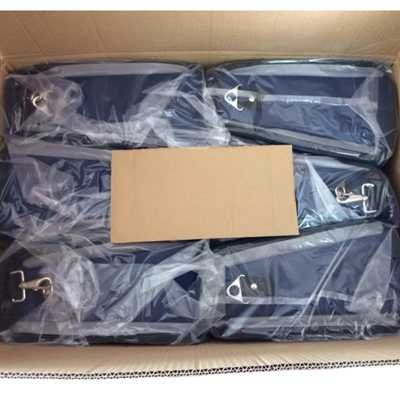
Packing evidence should show individual protection, labels, barcodes, SKU separation, kit contents, carton quantity, carton marks, and destination sorting. Structured bases, metal fittings, stiff panels, and projecting handles need suitable protection. Final carton photos and packing records help prevent correct products from entering incorrect packaging or shipping groups.
- Show the approved single-unit packing sequence.
- Photograph barcode, SKU, carton mark, and quantity checks.
- Separate styles, colors, and destinations before carton sealing.
Private Label Packing for Tool Bag Retail Programs
Retail-ready packing must connect product identity, barcode accuracy, SKU separation, carton planning, and physical protection so finished tool bags enter distribution without avoidable rework delays.

Professional Brand Labels
Private label details may include woven labels, printed labels, care labels, size or style identification, hangtags, instruction cards, warranty inserts, and warning information. Placement should be approved during sampling because labels can affect pocket access, seams, appearance, and compliance information. Final artwork, material, fold type, attachment method, and language version should be recorded for every style and later repeat order.
- Confirm internal and external label positions.
- Match label colors with the approved brand standard.
- Separate language versions and product information by destination.
- Retain final artwork and attachment records for replenishment.
Individual Product Packing
Individual packing can use an OPP bag, protective sleeve, paper wrap, color box, gift box, or assembled equipment kit according to the sales channel and product structure. Folding should not damage molded bases, reinforcement panels, logo plates, handles, or coated surfaces. Packing samples should confirm presentation, product protection, opening sequence, pack size, labor requirements, and carton efficiency before bulk packing starts.
- Protect metal fittings and hard edges from surface contact.
- Avoid folding through logo plates or structured base sections.
- Confirm warning labels, suffocation notices, and pack openings where required.
- Review finished pack dimensions before carton planning.
Barcode and SKU Control
Barcode and SKU control should link the correct tool bag style, color, logo version, accessories, and packaging to one readable identity. Retail barcodes, internal SKU labels, FNSKU labels, or warehouse codes must follow the supplied data and approved placement. Scan checks, printed proofs, and separation rules help reduce mixed variants, duplicated labels, receiving delays, and replenishment errors across production batches.
- Approve barcode data before bulk printing.
- Test readability on the final label material and surface.
- Separate products by style, color, logo version, and kit contents.
- Reconcile packed quantities against the order allocation record.
Carton and Destination Planning
Carton planning should define units per carton, inner assortment, gross-weight limits, carton dimensions, shipping marks, destination codes, and separation by style or SKU. Multi-destination orders need clear allocation records before packing begins. Carton protection should consider handles, rigid bases, metal fittings, coated fabrics, and stacked pressure so presentation remains controlled through transport, warehouse handling, retail receiving, and final distribution without repacking.
- Confirm carton quantity and assortment before sealing.
- Use destination marks that match allocation documents.
- Protect structured products from excessive compression.
- Photograph completed cartons and visible shipping marks.
MOQ, Cost, Sample Fee, and Lead Time Planning
Commercial planning becomes clearer when quantity, structure, materials, logo execution, packing, approval steps, and required arrival dates are reviewed before quotation and sampling begin together.
| Planning Item | Jundong Standard Direction | Project Details Affecting the Final Result |
|---|---|---|
| Standard MOQ | Usually 500 pieces per design | Product type, structure, material, logo method, color quantity, packing, and production arrangement affect the final MOQ. |
| Selected Simple Structures | Quantities of 200–300 pieces may be reviewed individually for selected simple designs | Feasibility depends on available materials, limited structural changes, common colors, logo execution, packing, and production efficiency. It is not the standard direction for fully developed tool bags. |
| Basic Low-Unit-Cost Styles | Some basic designs may require 1,000 pieces or more | Low material value, fabric minimums, printing setup, cutting efficiency, packing labor, and production allocation can raise the economic production quantity. |
| Sample Time | Usually 5–7 days; selected simple designs may take approximately 2–3 days | New patterns, molded bases, special materials, custom hardware, complex logos, several revisions, tool-fit testing, and packing samples can require additional review time. |
| Bulk Production | Usually 20–30 days after sample, material, logo, and packing approval | Quantity, construction complexity, material preparation, color count, SKU count, special accessories, logo processes, inspection requirements, and packing workload can affect scheduling. |
| Sample Fee | Sample fees can be refunded or deducted when the bulk order reaches 2,000 pieces | Product complexity, material, logo process, molds, special accessories, packing samples, revision rounds, and courier charges affect the sample cost. |
| Unit Cost | Quoted after specifications are reviewed | Size, fabric specification, lining, padding, PE board, pocket count, reinforced sewing, zippers, hardware, logo method, individual packing, order quantity, and deadline influence pricing. |
| Multi-SKU Projects | MOQ and pricing should be reviewed by style, color, SKU, and packing rule | Splitting one total quantity across several variants may increase material handling, cutting changes, logo setup, labeling work, inspection, sorting, and packing complexity. |
| Custom Packaging | Packaging may have a separate MOQ, tooling fee, or setup requirement | Color boxes, molded inserts, printed sleeves, custom labels, hangtags, barcode materials, and special carton specifications may follow separate production minimums. |
Information Needed for Accurate Pricing:
- Reference photo, drawing, physical sample, or technical specification
- Intended tools, combined load, and pocket arrangement
- Target dimensions and carrying method
- Preferred fabric, lining, reinforcement, and bottom structure
- Logo artwork, process, dimensions, colors, and placement
- Quantity by design, color, and SKU
- Individual packaging, labels, barcode, and carton requirements
- Sample approval schedule, required arrival date, and destination
A low quotation based on incomplete specifications may exclude reinforcement, structural materials, special hardware, logo setup, packing, or inspection work. Comparable quotations should use the same dimensions, materials, construction, logo, quantity, packing, and approval requirements.
Testing and Delivery Planning for Global Tool Bag Orders
Target-market requirements, production readiness, packing completion, transport mode, and destination handling should be reviewed together before a delivery commitment enters the approved order plan schedule.

Target Market Review
Material, chemical, label, packaging, and testing requirements may differ by destination, sales channel, product use, and internal brand standards. Requirements such as REACH, California Proposition 65, restricted-substance checks, retailer manuals, or third-party testing should be raised before material purchase. Jundong can review project-specific documents and cooperate with arranged testing, but no product should be presented as automatically suitable for every country or channel without relevant evidence.
- Provide the destination country and intended sales channel.
- Share required testing standards, restricted-substance lists, or retailer manuals.
- Confirm label language, warning text, barcode, and packaging information.
- Allow testing cost and timing within the approval schedule.
Production Deadline Planning
The required arrival date should be planned backward through sample approval, material preparation, logo processing, bulk production, inspection, packing, cargo booking, transit, customs, and destination receiving. A launch date cannot be protected by freight selection alone if artwork, samples, materials, or packaging remain unapproved. Multi-color, multi-SKU, molded-bottom, custom-hardware, or special-packing projects need additional coordination because each approval and production change can affect the following stage.
- Confirm the sample approval deadline and required arrival date separately.
- Reserve time for revisions, material confirmation, testing, and packaging approval.
- Approve final quantities by style, color, SKU, and destination before scheduling.
- Identify fixed launch, event, replenishment, or dealer-distribution dates early.
Shipping Method Selection
Express delivery is generally considered for samples, documents, and smaller urgent shipments. Air freight can support launch-sensitive orders or urgent replenishment but normally carries a higher freight cost. Sea freight is commonly considered for larger tool bag orders, heavy cargo, multi-carton shipments, and planned replenishment because unit transport cost is often lower. Rail transport, an appointed forwarder, FOB, CIF, DDP, or other terms require individual review according to destination and order conditions.
- Compare volume, chargeable weight, deadline value, budget, and destination handling.
- Confirm whether the shipment moves as one lot or several scheduled deliveries.
- Review carton dimensions and packing efficiency before freight comparison.
- Treat customs clearance and final delivery as destination-dependent arrangements, not automatic guarantees.
Make a Custom Tool Bag Sample First?
A useful custom tool bag should do more than display a logo. Its pocket layout, load-bearing structure, fabric, reinforcement, handles, zippers, and branding method should match the tools it will carry and the conditions in which it will be used. Confirming these details through a sample makes pricing, production, inspection, packing, and repeat orders more consistent.
Client Testimonials
800+ brand Clients Trust Jundong



FAQs About Custom Tool Bags
Clear responses below cover logo application, product development, minimum quantities, sampling, color control, load review, packing, variant management, and quotation preparation for branded programs worldwide.

Can I add my logo to an existing tool bag style?
Yes. A mature structure can be adjusted with brand colors, embroidery, printing, woven labels, rubber patches, PVC patches, or metal plates after surface and position review. Selected pockets, zipper pulls, handles, labels, and packing may also be refined. Logo size, artwork, Pantone references, placement, material compatibility, and an approved sample should be confirmed before bulk execution.
Can Jundong develop a completely new tool bag?
Yes. Full development can begin from a drawing, physical sample, reference photo, specification, or product idea. Tool dimensions, combined weight, pocket access, opening, carrying method, base support, reinforcement, materials, logo, and packing are reviewed before pattern development. A new structure normally requires material confirmation, working samples, tool-fit checks, revisions, and final approval before bulk cutting.
What is the MOQ for custom tool bags?
The standard direction is usually 500 pieces per design. Selected simple structures may be reviewed at 200–300 pieces when materials, colors, structure, logo, and packing remain suitable for efficient production. Some basic low-unit-cost styles may require 1,000 pieces or more. Final MOQ depends on the design, material minimums, logo setup, accessories, packaging, and quantity allocation across colors or SKUs.
How long does custom tool bag sampling take?
Sampling usually takes approximately 5–7 days after the required materials and specifications are confirmed. Selected simple designs may take around 2–3 days. New patterns, molded bases, custom hardware, special fabrics, complex logo work, tool-loading checks, several revisions, or packaging samples can extend development. Timing should be confirmed after reviewing the complete design and approval route.
Which logo method suits heavy-duty tool bag fabrics?
Embroidery, screen printing, heat transfer, woven labels, rubber or PVC patches, and metal plates can all be considered. The suitable method depends on fabric texture, coating, panel structure, logo detail, placement, abrasion exposure, quantity, and target appearance. A separate logo test is recommended where thick fabric, reinforcement layers, coated surfaces, fine artwork, or high-wear positions may affect the result.
Can Jundong match our Pantone brand color?
Pantone references can guide fabric, thread, printing, patches, labels, and packaging development. Exact appearance may vary across different material surfaces, coatings, yarns, inks, lighting, and production processes. Material swatches and logo tests should be reviewed before final approval. Bulk color control should follow the approved physical reference rather than a monitor image alone.
How is tool bag load performance reviewed?
Load performance is reviewed through the complete structure, including fabric, seams, continuous webbing paths, handle roots, shoulder attachments, bartacks, hardware, pocket placement, side support, and bottom construction. The intended tools, combined weight, carrying method, and use conditions should be provided before setting a test method. No single unsupported load claim is suitable for every tool bag design.
Can one order include several colors or SKUs?
Yes, subject to project review. Each style, color, logo version, accessory set, barcode, label, packaging rule, and destination must be clearly identified. Splitting one total quantity across many variants can affect material minimums, logo setup, cutting efficiency, inspection, sorting, packing workload, MOQ, and price. A SKU allocation sheet should be approved before materials and packaging enter production.
Can you prepare private label retail packaging?
Yes. Options can include woven labels, printed labels, hangtags, instruction cards, barcodes, SKU labels, OPP bags, protective sleeves, paper wraps, color boxes, gift boxes, and custom carton marks. Packaging materials may carry separate minimums or setup costs. Final artwork, label data, packing sequence, unit protection, carton quantity, and destination marks should be approved before bulk packing.
What information is required for an accurate quotation?
Provide a reference photo or drawing, target dimensions, tool list, intended load, pocket arrangement, material preference, carrying method, logo artwork, Pantone references, quantity by design and color, packaging requirements, required arrival date, and destination. A target cost or existing specification can also help. Quotations become more comparable when every factory receives the same construction, materials, branding, packing, and approval requirements.
Start Your Custom Tool Bag Project with Jundong
A useful project review can begin with a reference photo, existing sample, drawing, tool list, or early product idea. Share the intended tools, combined load, target dimensions, pocket arrangement, opening style, carrying method, material preference, logo artwork, Pantone references, and expected quantity. Include quantity by design, color, or SKU when several versions are planned.
Packing information should cover labels, hangtags, barcodes, individual protection, carton quantities, and destination separation. Please also provide the required sample approval date, bulk arrival date, destination country, target sales channel, and any testing or document requirements.
Complete technical files are helpful but not required for the first review. Jundong can identify missing decisions and evaluate the development route, material direction, logo feasibility, sample cost, sample timing, MOQ, bulk production plan, quality checkpoints, packing needs, and shipping options. Files may be uploaded through the form or sent to info@jundongfactory.com.
Please include:
- Reference photo, drawing, or sample image
- Tool list, dimensions, and combined load
- Target bag size and pocket layout
- Material and reinforcement preference
- Logo file, Pantone color, size, and position
- Quantity by design, color, and SKU
- Label, barcode, and packing requirements
- Sample deadline, arrival date, and destination
- Testing, retailer, or document requirements