Skip to content

Custom Sports Duffel Travel Bags
OEM/ODM duffel development for sports, gym, team travel, and retail programs built around real carrying and packing needs.
- Develop dimensions, capacity, openings, shoe storage, wet/dry zones, pockets, handles, shoulder straps, lining, zippers, and branding around the intended use.
- Review polyester, nylon, Oxford, canvas, RPET, mesh, padding, hardware, and structural details according to durability, weight, appearance, and packing requirements.
- Validate loading, compartment access, carrying balance, logo placement, and finished shape through physical sampling before bulk production.
- 20+ years of OEM/ODM bag experience supports development from concept and tech pack through approved sample, production control, QC, packing, and repeat programs.

Duffel Structures for Sports, Gym, Team Travel and Weekends
Different routines create different storage, carrying, cleaning, and packing requirements. Product architecture should follow how the finished duffel will actually move through the day.

Sports and Training
Training duffels need to organize footwear, clothing, towels, bottles, accessories, and personal items without making the main compartment difficult to use. Structure should reflect how often each item is reached and whether it needs separation after training.
- Review shoe storage without consuming unnecessary clothing capacity.
- Position bottles and small essentials for faster access.
- Consider easy-clean lining, mesh, and suitable materials around sweat-prone contents.
- Keep handles, straps, and opening geometry stable when the bag is filled.
Gym to Travel
A gym-to-travel duffel has to move between training, commuting, overnight stays, and short trips without becoming over-compartmentalized. Clothes, footwear, toiletries, chargers, towels, and personal items often compete for the same internal volume.
- Separate footwear or damp items where the product concept requires it.
- Protect usable clothing space after side compartments are loaded.
- Review shoulder carrying, quick-access pockets, and zipper opening for movement between locations.
- Balance organization with weight, flexibility, and compact packing.
Team and Club Travel
Team programs often combine functional storage with controlled branding, color versions, player identification, and repeated transportation. A bag may travel from training ground to coach, bus, hotel, changing room, and competition venue several times each week.
- Review equipment size and travel routine before setting capacity.
- Plan logo zones without interfering with pockets, handles, or seams.
- Prepare color, label, number, or SKU differences clearly for production.
- Keep packing and carton identification organized for team distribution.
Weekend and Travel
Travel duffels should make clothing, shoes, toiletries, documents, electronics, and smaller accessories easier to organize during short trips. A useful weekender is not simply a larger gym bag; access, internal volume, carrying comfort, and packing efficiency need to work together.
- Plan capacity around the intended trip length and item list.
- Review shoe storage, toiletry placement, quick-access areas, and optional travel features.
- Consider handles and shoulder straps under a fully packed condition.
- Evaluate finished size together with carton volume and retail presentation.
Build Duffel Compartments Around Real Sports and Travel Items
Shoe Compartment
A useful shoe compartment begins with actual footwear dimensions, not a standard tunnel added to every sports duffel. Running shoes, training shoes, football boots, and larger footwear need different depth and access. The compartment also expands into the main body when loaded, so footwear storage must be reviewed together with clothing capacity.
- Confirm target shoe size and pair count.
- Review side, end, or bottom access.
- Consider ventilation where required.
- Check how far loaded footwear enters the main compartment.
- Validate zipper clearance with shoes inside.
Wet and Dry Zone
A wet/dry section can help separate sweaty training clothes, towels, swimwear, toiletries, or damp items from clean contents. Its design should start with what needs separation and for how long. Lining, opening, seam construction, cleaning requirements, and compartment size all affect performance.
- Define the intended wet items before selecting materials.
- Keep the section large enough for real use without consuming excessive main volume.
- Review easy-clean lining and seam construction.
- Avoid describing the compartment as fully waterproof unless a defined structure and test requirement supports the claim.
- Check access when the main body is already packed.
Main Clothing Zone
The main compartment should retain enough useful space after shoes, side pockets, wet sections, padding, and structural parts are loaded. Gym and weekender programs often fail when every feature looks useful on paper but the central clothing area becomes too narrow or difficult to pack.
- Plan around folded garments, sports uniforms, or one-to-three-day travel loads.
- Protect opening width after exterior pockets are filled.
- Avoid unnecessary internal dividers where flexible space is more valuable.
- Review lining and base support according to intended contents.
- Check the filled silhouette rather than judging an empty prototype.
Quick Access Storage
Small items such as phones, wallets, keys, earphones, travel documents, cards, and access passes should not compete with the main clothing area. Quick-access pockets work best when their location follows movement: before training, during transit, at check-in, or while walking through an airport or venue.
- Place frequently used items where they can be reached without opening the entire bag.
- Review zipper direction and one-hand access.
- Keep valuables away from exposed or easily compressed zones where appropriate.
- Check pocket depth against actual contents.
- Avoid positions that interfere with carrying handles or shoulder-strap hardware.
Bottle and Utility Storage
Bottle pockets and utility sleeves can add value for fitness and team travel, but their dimensions should follow real items. A narrow mesh sleeve may work for a small bottle but fail with larger sports bottles. A fully loaded bottle pocket can also pull one side of the duffel outward and affect balance.
- Confirm bottle diameter and height.
- Decide between mesh, elastic, zippered, or structured storage.
- Review retention during movement.
- Check whether the bottle interferes with adjacent pockets or straps.
- Consider the effect of a full bottle on side-panel shape and weight distribution.
Travel Organization
Travel-focused versions may add toiletry storage, document pockets, cable organization, luggage straps, internal zipper pockets, or a padded electronic-device section when required. Each feature should support the intended trip rather than simply increase the feature count.
- Define travel duration and item list before adding compartments.
- Review laptop or tablet dimensions if protected storage is needed.
- Position toiletries away from clean clothing when separation matters.
- Keep passports, tickets, and charging accessories accessible.
- Evaluate every added layer against product weight, sewing complexity, and packing volume.
Engineer Duffel Capacity Around Real Loads, Not Size Labels
Useful capacity comes from what must fit, how compartments share space, and how the filled bag carries and packs—not from calling a product “large.”
Start With the Actual Sports or Travel Loadout

Capacity planning should begin with a list of real contents rather than choosing an outside dimension first. A sports duffel may need training shoes, spare clothing, a towel, bottle, protective equipment, small accessories, phone, wallet, and recovery items. A short-trip travel duffel may need one to three days of clothing, footwear, toiletries, chargers, documents, and personal electronics. Those two lists can produce very different structures even when the outside dimensions appear similar.
Build capacity from the inside out:
- Record the largest or least flexible items first, especially footwear, rigid bottles, protective equipment, toiletry kits, or electronic devices.
- Separate high-frequency items from contents that remain stored until arrival.
- Identify which items require dedicated zones and which can share the main compartment.
- Check whether a shoe compartment, wet section, padding, lining, or divider will reduce usable internal volume.
- Consider how easily the bag can be packed when the opening is narrower than the widest internal dimension.
Avoid capacity created only on paper:
Length × width × height can describe overall dimensions, but it does not show how efficiently the volume can actually be used. Curved side panels, padded walls, reinforced bases, recessed zippers, thick linings, and internal compartments all change the space available to the end user.
For a new sports or travel collection, Jundong can review the item list, target dimensions, intended trip or training routine, and compartment requirements before sampling. The aim is to make sure the product has enough usable space without becoming unnecessarily oversized, heavy, or inefficient to pack.
A duffel can look generous from the outside yet feel much smaller after functional sections are added. Shoe tunnels, wet/dry pockets, padded panels, bottle sleeves, internal zipper pockets, reinforced bases, and lining structures all consume space. Capacity engineering therefore needs to track how each added feature changes the main compartment instead of treating every compartment as “extra” storage.
Measure the effect of every compartment:
A side shoe tunnel is a clear example. When empty, it may collapse and leave most of the body volume available. Once shoes are inserted, the tunnel expands into the main compartment and reduces the space available for clothing. The larger the footwear and deeper the tunnel, the greater the intrusion. Similar effects occur with wet sections, padded laptop sleeves, large bottle pockets, and thick internal dividers.
Review opening and loading geometry:
Usable capacity also depends on access. A bag may technically have enough internal volume but remain difficult to pack if the zipper opening is short, the end panel is too rigid, or filled exterior pockets compress the opening. Large garments and equipment need enough clearance to enter without excessive folding or force.
Preserve shape after loading:
The body should also be reviewed after the bag is full. Poorly distributed contents can make side panels bulge, distort logo areas, twist the zipper path, or cause the bag to lean when placed on the floor. A larger nominal capacity is not valuable if the product loses its intended silhouette during normal use.
Sampling should therefore test the filled condition, not just measure an empty sample. Photos of the prototype fully loaded can also become a useful internal reference for evaluating pocket intrusion, visual balance, and future size revisions.
Separate External Dimensions From Usable Internal Volume

Balance Carrying Capacity With Packing and Freight Efficiency

A successful duffel has two capacity problems to solve: how much the end user can carry and how efficiently the product itself can be packed before delivery. Adding rigid support, thick foam, oversized pockets, structured end panels, bulky handles, or permanent dividers can improve certain features while increasing product weight and carton volume. Those effects should be considered during development rather than discovered after packing is finalized.
Consider packed behavior early:
Soft sports duffels can often be folded or nested more efficiently than heavily structured travel bags. However, excessive folding may crease branding, distort reinforced panels, compress padding, or affect retail presentation. The right packing method therefore depends on material, structure, logo process, product positioning, and how the item will be displayed after arrival.
Control unnecessary volume:
A shoe compartment that extends beyond real footwear needs, a wet pocket larger than the intended towel or clothing load, or overly thick padding can increase finished dimensions without adding meaningful value. Removing unnecessary volume can improve carrying comfort, reduce material consumption, and make carton planning more efficient.
Plan collection-level consistency:
For a multi-size or multi-color duffel collection, capacity decisions should also remain understandable across SKUs. Different sizes should have a clear functional reason rather than arbitrary dimension changes. The relationship between body size, shoe storage, strap length, opening, logo area, and packing should be reviewed consistently so the series feels related in use as well as appearance.
Jundong can evaluate usable capacity together with structure and packing requirements before the prototype becomes the production reference. This keeps product performance, retail presentation, warehouse handling, and international transport considerations connected from the beginning.
Match Duffel Materials and Workmanship to Real Use
Fabric alone does not determine performance. Material, lining, sewing, webbing, zippers, hardware, padding, and base construction should work as one finished product system.
| Product Area | Common Development Options | What It Influences | What Should Be Reviewed |
|---|---|---|---|
| Main Body | Polyester, nylon, Oxford fabric, canvas, RPET | Weight, abrasion resistance, hand feel, appearance, flexibility, brand positioning | Sports use, travel use, expected handling, desired structure, target product weight |
| Premium Exterior | PU, leather where suitable for the confirmed design | Surface appearance, hand feel, fashion positioning, care requirements | Intended use, abrasion exposure, maintenance, weight, cost direction |
| Lining | Polyester or other suitable lining fabrics | Interior appearance, cleaning, protection, pocket construction | Sweat exposure, toiletries, footwear, color, cleaning expectations |
| Mesh Areas | Mesh for ventilation or lightweight storage | Airflow, visibility, flexibility, product weight | Shoe ventilation, bottle pocket, internal organization, snag exposure |
| Padding | Foam padding in selected panels, straps, or protected areas | Comfort, shape, protection, packed volume | Shoulder comfort, electronic-device protection, side-wall structure, folding requirements |
| Bottom Structure | Main fabric, reinforced layers, padding, or suitable support construction | Shape retention, floor abrasion, standing behavior, loaded stability | Expected contents, repeated floor contact, finished silhouette, packing efficiency |
| Webbing | Selected width, thickness, material, color, and hand feel | Handle strength, shoulder carrying, appearance, long-term use | Loaded condition, handle length, strap design, connection area |
| Zipper System | Nylon or other project-suitable zipper construction, single or double sliders | Opening length, access, operation, durability, visual finish | Main opening, shoe compartment, wet zone, travel access, slider and puller requirements |
| Hardware | D-rings, hooks, buckles, adjusters, suitable metal or plastic parts | Strap connection, adjustment, carrying, weight, appearance | Webbing width, attachment method, operating frequency, product styling |
| Sewing and Assembly | Main-body sewing, pocket assembly, zipper installation, lining, binding, handles, straps, reinforcement | Strength, shape, cleanliness, repeatability, function | Approved sample, seam position, stress zones, pocket alignment, finished workmanship |
| Brand Application | Embroidery, woven labels, screen printing, rubber/PVC/silicone patches where suitable | Brand visibility, surface appearance, sewing or setup requirements | Material compatibility, logo size, position, colors, nearby seams and pockets |
| Packing Structure | Folded, nested, individually packed, or other confirmed packing | Carton volume, product shape, retail presentation, freight efficiency | Padding, structured panels, logo creasing, SKU separation, final presentation |
Material Choice Should Follow the Product Role
A lightweight gym duffel and a structured weekend travel bag should not automatically use the same specification. A training product may prioritize low weight, easy cleaning, flexible storage, and repeated daily handling. A travel version may need stronger shape retention, longer zipper openings, more organized interiors, and a more refined exterior. Material selection should therefore follow use, appearance, loaded condition, handling frequency, packing requirements, and cost direction together.
Workmanship Should Follow the Approved Structure
Sewing affects more than appearance. Handle installation, shoulder-strap connections, zipper alignment, pocket position, lining assembly, bottom construction, binding, hardware, and reinforcement all influence function and long-term use. Production instructions should reflect the approved sample rather than relying on one generic sewing method across every area.
Avoid Overbuilding the Duffel
Heavier fabric, thicker padding, larger hardware, and more reinforcement do not automatically create a better product. Excess construction can increase weight, reduce flexibility, complicate sewing, enlarge carton volume, and move cost into areas users may never value. Strong development focuses reinforcement and structure where the real load, abrasion, or protection requirement exists.
Engineer Duffel Carrying Systems for the Fully Loaded Condition
Handles and shoulder straps should be developed around real bag weight, carrying distance, attachment structure, balance, hardware, and repeated movement—not selected as decorative accessories.
Build Handle Strength Through the Entire Connection Path

A duffel handle is only as reliable as the structure supporting it. Thick webbing at the top of the bag may look substantial, but loaded weight does not stop at the grip. Force travels from the hand into the handle, through the stitching and webbing connection, into the side or body panels, and eventually through the lower structure carrying the contents. Weakness anywhere along that path can reduce long-term performance.
Handle geometry matters:
Handle length should match how the product is intended to move. Short handles may suit hand carrying but become uncomfortable when users need extra clearance around bulky clothing or equipment. Longer handles can improve access but may allow the bag to swing more during movement. Grip wraps or padded sections can improve comfort, yet they also add thickness and affect folding or packing.
Connection design matters:
Webbing width, thickness, material, sewing layout, attachment position, and reinforcement area should be reviewed together. Depending on the confirmed construction, webbing may extend farther down the body or connect into reinforced areas instead of ending at a small decorative patch. Stress should be distributed rather than concentrated into a narrow seam.
Balance must be checked with real contents:
A centered handle position on an empty drawing does not guarantee balanced carrying. Shoes, bottles, wet clothing, travel electronics, and heavier equipment can shift the center of gravity. A loaded prototype should be lifted repeatedly from both handles to observe whether the body stays level, whether the zipper twists, and whether one side panel pulls more heavily than the other.
No fixed load statement should be assigned without a defined construction and test method. The intended contents and expected loaded condition should be reviewed before any carrying claim is used.
Shoulder carrying changes how a duffel behaves. Weight that feels acceptable for a short hand carry can become uncomfortable across a station, airport, training venue, or hotel. Shoulder-strap development should therefore consider strap width, padding, adjustment range, hardware, anchor position, bag balance, and how the product sits against the body.
Strap width and padding:
A wider strap can spread pressure across a larger area, while padding may improve comfort for heavier or longer carrying. More width and foam are not automatically better. Excessively bulky shoulder pads can feel stiff, increase product weight, complicate packing, or slide awkwardly when the bag is lightly loaded. The structure should match expected usage.
Hardware and adjustment:
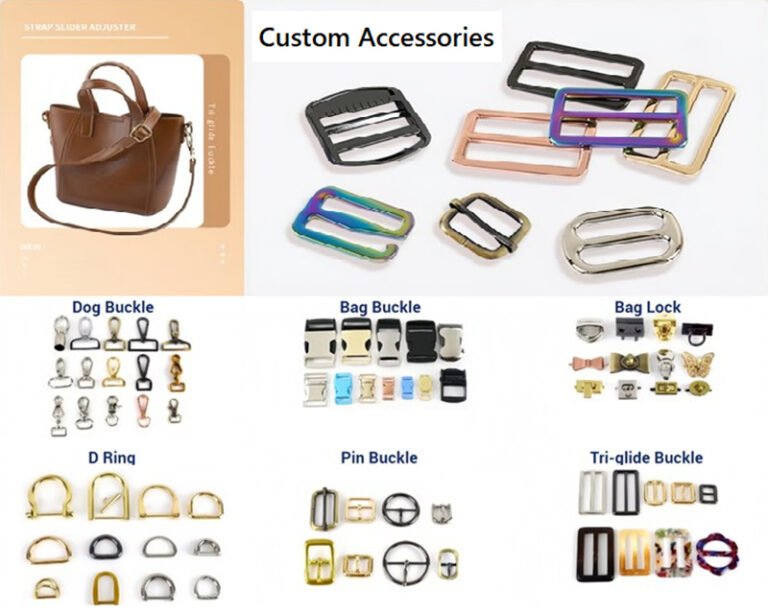
D-rings, hooks, adjusters, buckles, and other parts need to match the webbing width and attachment design. A premium-looking metal hook can add visual weight but also increases physical weight and may not suit every sports program. Plastic components can support lightweight concepts when the selected specification matches the required function. Adjustment should remain smooth without allowing the strap to slip unintentionally.
Anchor position affects balance:
Where the shoulder strap connects to the duffel influences how the bag hangs and whether it rotates during walking. Anchors positioned too high, too close together, or too near an overloaded side compartment can create an unstable carry angle. The shoe compartment and bottle side are especially relevant because they can change weight distribution.
Detachable or fixed construction:
Detachable straps improve flexibility and packing options, while fixed straps remove separate hardware and reduce the risk of components being misplaced. The best choice depends on product positioning, travel routine, retail presentation, and required function.
A physical sample should be carried with the intended load rather than judged only from strap measurements.
Design Shoulder Straps Around Comfort, Hardware and Movement

Control Load Distribution Through Base, Body and Stress Zones

Carrying performance depends on more than handles and straps. The contents first load the base, then the side panels, seams, compartment walls, webbing, anchors, hardware, and zipper areas respond as the bag is lifted and moved. A sports or travel duffel therefore needs a clear load path across the complete structure.
Base behavior:
Shoes, bottles, travel kits, and dense clothing can place concentrated weight on the bottom. The base should be reviewed for abrasion, shape retention, bending, and how it transfers force into the surrounding body. Suitable fabric layers, padding, or structural support can be considered according to the intended design. Extra stiffness should only be added where it improves real performance.
High-stress zones:
Common areas needing closer attention include handle roots, shoulder-strap anchors, D-ring connections, bottom corners, zipper ends, pocket corners, and webbing intersections. Repeated lifting, setting the bag on the floor, pulling zippers under load, and carrying uneven contents all create different stresses. Reinforcement should follow those real stress paths.
Compartment weight changes the system:
A loaded shoe section may make one end heavier. A full bottle pocket can pull one side outward. A wet section containing damp clothing adds both weight and volume. Structure review should therefore consider compartment placement together with carrying connections and bottom behavior.
Testing requirements should be defined, not assumed:
If a program requires a target carrying load or repeated-use test, the expected weight, loading method, test cycle, and acceptance condition should be agreed before evaluation. Without a defined standard, a general “heavy-duty” claim has limited technical value.
The goal is not maximum reinforcement everywhere. A well-developed duffel puts material, webbing, stitching, hardware, and support where they contribute most to stability and service life.
Review Duffel Structure Before Materials Are Cut for Sampling
Early structure review helps expose access conflicts, wasted volume, weak carrying areas, awkward branding positions, and unnecessary complexity before they become physical sample problems.
Opening and Zipper Route
A large-capacity duffel still performs poorly if the opening restricts loading. Main zipper length, end-panel shape, slider direction, and compartment placement should allow clothing, shoes, towels, and equipment to enter without excessive folding. Filled side pockets or shoe sections should not block the zipper path or reduce hand access.
- Review opening width under loaded conditions.
- Check single or double slider requirements.
- Confirm zipper ends remain accessible.
- Avoid pocket structures that press into the main opening.
Compartment Interference
Shoe tunnels, wet sections, bottle pockets, internal organizers, and padded sleeves share the same physical space. A feature may work well by itself but create problems when combined with other compartments. Structure review should identify where filled sections overlap, compress one another, or reduce usable clothing space.
- Load the planned compartments at the same time.
- Check shoe tunnel intrusion into the main body.
- Review wet-zone depth against clothing storage.
- Keep bottle pockets clear of strap anchors.
- Remove partitions that add complexity without useful storage value.
Handle and Strap Position
Handle roots and shoulder-strap anchors affect carrying balance as well as visual proportion. Their location should follow the expected center of gravity after shoes, clothing, bottles, and accessories are loaded. Connections placed too close to bulky compartments can make the duffel rotate, lean, or pull unevenly.
- Review handle spacing and carrying clearance.
- Check shoulder-strap anchor angle.
- Keep D-rings clear of zipper movement.
- Align reinforcement with the actual load path.
- Evaluate balance with representative contents.
Bottom and Body Shape
The base affects how a duffel stands, bends, packs, and carries concentrated weight. Too little support may cause excessive sagging; too much structure can increase weight and carton volume. Side panels and end panels should also hold the intended silhouette after the main compartment and shoe section are filled.
- Review bottom abrasion exposure.
- Decide how much shape retention is actually needed.
- Check lower seams and corners under load.
- Consider padding or support only where useful.
- Confirm the finished shape still matches the design language.
Logo and Visual Zones
Brand artwork should be positioned after pockets, handles, webbing, seams, and filled-body distortion are understood. A logo that looks centered on a flat drawing may move visually once side compartments are loaded or the body curves. Embroidery and patches can also introduce extra layers near structural sewing areas.
- Protect sufficient clear logo area.
- Avoid major seam crossings unless intentionally designed.
- Review distortion on curved or flexible panels.
- Check artwork scale against different bag sizes.
- Keep branding compatible with reinforcement and pocket construction.
Packing and Production Feasibility
A strong concept should also be repeatable in bulk. Deep tunnels, overlapping pockets, thick material stacks, difficult inside seams, oversized padding, and highly structured panels can increase sewing difficulty and packing volume. Simplification is valuable when it removes production risk without reducing the intended user benefit.
- Review material thickness at seam intersections.
- Avoid inaccessible sewing positions.
- Check whether the bag can fold or nest as planned.
- Compare added features against their functional value.
- Confirm the structure can be inspected consistently during production.
Validate Sports Duffel Function Before Approving the Final Sample
Sampling should confirm more than appearance. A developed prototype needs to prove capacity, compartment access, carrying behavior, materials, branding, packing, and production feasibility before approval.
Requirement Alignment

Sample development begins by aligning the information that controls the finished product: bag dimensions, intended capacity, sports or travel use, material direction, shoe storage, wet section, pockets, handles, shoulder strap, branding, quantity, and packing. A complete tech pack is useful, but clear drawings, reference samples, marked photographs, and item lists can also establish the first development version.
- Confirm the latest drawing or reference.
- Identify features that still need decisions.
- Separate required functions from optional details.
- Record color, material, branding, and packing directions.
Material Confirmation

Physical materials should be reviewed before the final sample becomes the production reference. Fabric weight, hand feel, color, texture, lining, mesh, foam, webbing, zipper, hardware, and logo materials all influence the finished result. Screen colors and material names alone are not enough when appearance or tactile quality is important.
- Compare actual swatches where needed.
- Check material compatibility with sewing and logo methods.
- Review lining and mesh around footwear or damp contents.
- Confirm hardware and webbing relationships.
- Record accepted material references for the next stage.
Prototype Construction

The first prototype converts measurements and drawings into a three-dimensional product that can be handled, filled, carried, and inspected. Standard sampling usually takes around 5–7 days after essential details and materials are ready. Simple constructions may be faster, while complex compartments, special materials, custom hardware, detailed branding, or special packing may need additional development time.
- Check overall proportion and dimensions.
- Review opening and compartment construction.
- Examine sewing access and structural thickness.
- Confirm handles, straps, zippers, and hardware are positioned correctly.
Real-Item Loading

A sports duffel should be tested with the kinds of items it was designed to carry. Shoes should enter the shoe section without excessive force; damp clothing or towels should fit the intended wet area; bottles, garments, toiletries, or equipment should remain accessible after surrounding zones are filled. Real loading often reveals issues that dimensional drawings cannot show.
- Load the main compartment and side sections together.
- Check pocket intrusion and zipper clearance.
- Observe body shape after filling.
- Verify item access in the intended order.
- Photograph the loaded condition for comparison and revision.
Carrying and Function Check

The filled prototype should be lifted, shoulder-carried, opened, closed, placed on the floor, and handled as it would be during sports or travel use. Handle clearance, shoulder-pad position, strap adjustment, D-rings, zipper operation, base stability, and balance can then be evaluated under a more realistic condition.
- Test hand carry and shoulder carry where both are included.
- Observe twisting or leaning caused by uneven contents.
- Check strap hardware during movement.
- Confirm zipper operation under normal loading.
- Review comfort without assigning unsupported load ratings.
Approval and Revision Record

Sample approval should confirm exactly what has been accepted. Appearance alone is not enough. Final review should cover dimensions, material, color, capacity, compartments, logo, zipper, webbing, handles, shoulder strap, hardware, lining, packing direction, and functional performance. Any changes should be recorded through marked photographs, measurement notes, or version-controlled specifications before the approved sample moves into production planning.
- Separate approved details from items still pending.
- Record every agreed revision clearly.
- Keep the latest version identifiable.
- Use confirmed details as the basis for production and QC.
Turn the Approved Duffel Sample Into a Production Standard
An approved sample becomes valuable only when its confirmed materials, dimensions, functions, branding, sewing details, and packing requirements are translated into repeatable production and inspection references.
| Control Stage | What Should Match the Approved Version | Sports Duffel Focus | Risk Reduced |
|---|---|---|---|
| Production Data | Size, material, color, structure, logo, accessories, packing | Make sure the current approved version is the only production reference | Old drawings, mixed revisions, unclear instructions |
| Incoming Materials | Main fabric, lining, mesh, foam, webbing, zipper, hardware, color | Confirm materials before cutting and assembly begin | Wrong fabric, shade, lining, hardware, or trim |
| Cutting | Body panels, end panels, pockets, shoe section, wet section, reinforcement parts | Keep related components aligned across the full quantity | Size variation, uneven pockets, distorted body shape |
| Logo Application | Artwork, size, color, position, method | Keep branding clear of seams, handles, pockets, and distorted areas | Incorrect logo position, scale, color, or version |
| Compartment Assembly | Shoe tunnel, wet section, bottle pocket, internal pockets, dividers | Maintain depth, opening, position, and usable space | Shoes not fitting, reduced capacity, access problems |
| Handle and Strap Sewing | Webbing, handle roots, strap anchors, D-rings, reinforcement | Follow the confirmed carrying structure and connection locations | Weak attachment, poor balance, inconsistent appearance |
| Zipper and Hardware | Main zipper, compartment zippers, sliders, hooks, buckles, adjusters | Check smooth movement and correct installation before completion | Jammed openings, loose hardware, incorrect components |
| In-Process Sewing | Seam alignment, stitching, binding, lining, bottom, pocket placement | Identify structural differences while correction is still possible | Large-scale rework after finished goods are completed |
| Functional Inspection | Opening, shoe storage, wet section, pockets, handles, strap, base | Confirm the finished duffel works according to the approved function | Acceptable appearance but poor real use |
| Finished Product Review | Dimensions, shape, workmanship, stains, loose threads, logo, hardware | Compare finished units with approved references and current specifications | Visual, dimensional, or structural inconsistency |
| SKU and Label Check | Color, size, style code, barcode, hangtag, label information | Keep different versions correctly identified before packing | Mixed colors, wrong labels, incorrect SKU allocation |
| Packing Control | Folding, individual packing, packing quantity, carton marks | Protect product shape and maintain the confirmed packing rule | Packing errors, excess compression, carton identification problems |
| PP Sample When Required | Final material, color, structure, branding, packing, labels | Useful for large, complex, private-label, or multi-SKU programs | Final production beginning before key details are fully aligned |
Before bulk production begins, the approved version should define the details that matter to the finished sports or travel duffel:
- Product dimensions and capacity direction
- Main material, lining, mesh, foam, and color
- Shoe compartment and wet/dry structure
- Main opening and zipper configuration
- Handles, shoulder strap, webbing, and hardware
- Pocket positions and internal organization
- Bottom and reinforcement construction
- Logo method, size, color, and position
- Hangtags, labels, barcodes, and packing rules
- Functional requirements used during inspection
Approval does not eliminate production variation by itself. Clear production references and checks are still needed to keep the confirmed design under control as the order moves from cutting to sewing, assembly, inspection, and packing.
What Serious Brands Should Verify in a Duffel Factory
Long-term sports and travel programs need more than a polished prototype. Development depth, production capacity, QC resources, and repeat-order discipline all affect execution.

Development Depth
A capable duffel program should move beyond copying an appearance. Development needs to connect capacity, materials, shoe storage, wet sections, handles, straps, zippers, branding, packing, and production feasibility before the design is approved. Jundong brings 20+ years of OEM/ODM bag experience together with product development, design, sampling, production, and quality teams.
- Review drawings, references, existing samples, and tech packs.
- Identify structure conflicts before cutting materials.
- Connect functional details with sewing and packing requirements.
- Convert approved sample details into production information.
- Support revisions when physical validation exposes problems.
Production Capacity
Production capacity matters when a single style develops into several colors, sizes, logo versions, or repeat orders. Jundong operates with 600+ employees and approximately 18,000㎡ of production area, providing working space and personnel for sampling, material handling, sewing, inspection, packing, and finished-goods movement.
Scale should be judged by what it supports:
- Multiple production stages operating at the same time.
- Larger custom orders requiring coordinated material and sewing preparation.
- Separate handling of components, semi-finished products, finished goods, and packing.
- Multi-style or multi-color programs that need clear physical separation.
- Repeat production that must follow previously confirmed specifications.
QC Resources
A large sports duffel order can contain many possible variation points: fabric shade, dimensions, shoe compartment depth, wet-zone position, logo placement, zipper movement, handle attachment, strap hardware, labels, and packing. Jundong has 80 QC inspectors supporting multi-stage inspection across custom bag programs.
Inspection should work with clear references rather than replace them:
- Incoming material checks before cutting.
- In-process review while correction is still possible.
- Functional checks for openings, compartments, straps, handles, and hardware.
- Finished-product comparison against approved specifications.
- Packing, barcode, SKU, label, carton quantity, and carton-mark checks.
QC reduces execution risk, but no inspection system should be described as a guarantee of permanent zero defects.
Repeat Program Readiness
A first order proves only one production cycle. Sports and travel collections often continue through seasonal colors, size extensions, revised artwork, replenishment orders, retailer-specific packaging, or new destinations. Long-term readiness depends on whether confirmed information can be kept clear and reused without losing control of the product.
Jundong supports custom, private-label, OEM, and ODM programs through coordinated development, production, QC, packaging, and delivery processes.
- Keep approved versions identifiable.
- Separate style, color, and SKU information.
- Carry confirmed material and branding details into repeat production.
- Maintain packaging and label rules by channel.
- Review changes before they are introduced into a reorder.
Plan MOQ, Cost and Lead Time Before Production
A reliable sports duffel quotation depends on confirmed structure, quantity, materials, branding, packing, timing, and destination—not only the outside dimensions of the bag.
| Planning Item | Jundong Working Basis | Main Factors Affecting It | What to Confirm |
|---|---|---|---|
| Standard MOQ | Usually 500 pcs per design | Structure, materials, color versions, logo process, packaging, production setup | Quantity by design and color |
| Selected Simple Styles | 200–300 pcs may be reviewed case by case | Simple structure, available materials, branding complexity, production feasibility | Reviewed individually rather than treated as the standard MOQ |
| Sample Development | Usually 5–7 days after essential details and materials are ready | Compartments, special materials, custom hardware, branding, packing | Tech pack/reference, size, material, function, logo |
| Simple Sample Timing | Selected simple styles may take 2–3 days | Existing materials and uncomplicated construction | Timing should be confirmed after sample scope review |
| Sample Fee | Refundable or deductible when the bulk order reaches 2,000 pcs | Pattern work, material preparation, logo setup, construction, revision scope | Sample requirements and final order quantity |
| Bulk Production | Usually 20–30 days | Structure, quantity, materials, logo process, packing, production schedule, QC requirements | Production schedule should be separated from international transit time |
| Product Cost | Calculated from the confirmed specification | Size, capacity, fabric, lining, shoe compartment, wet section, padding, pockets, zipper, webbing, hardware, branding, packing, quantity | Compare quotations using the same specification rather than the same outside size |
| Structure Complexity | More compartments and components usually require more material and sewing operations | Shoe tunnels, wet zones, internal organizers, padded sections, special openings | Keep functions that create real use value; simplify unnecessary construction where appropriate |
| Multi-SKU Programs | Different colors, sizes, artwork, labels, or packaging can affect preparation | SKU quantity, color allocation, logo versions, barcode data, carton rules | Quantity and specification for every version |
| Packaging Cost | Depends on the confirmed sales and distribution requirements | Polybag, hangtag, care label, barcode, SKU label, color box, gift box, inserts, carton marks | Packaging should be defined before bulk packing begins |
| Testing and Documents | Reviewed according to product, material, destination, and project requirements | Target country, sales channel, materials, required standards, third-party testing | Testing scope should be confirmed before production; compliance is not automatic for every market |
| Shipping Method | Express, air, sea, rail, or an appointed forwarder can be reviewed | Order volume, deadline, destination, freight budget | Choose transport separately from production lead time |
| Trade Terms | FOB, CIF, DDP, or other suitable options can be reviewed case by case | Destination, logistics arrangement, order situation | DDP and special delivery terms are not assumed for every order |
| Accurate Quotation | Requires enough information to understand the construction | Reference, dimensions, material, compartments, logo, quantity, packing, deadline, destination | A clear specification reduces later price revisions and makes comparisons more meaningful |
What Usually Changes Sports Duffel Cost Most
Two duffels with similar outside dimensions can have very different production costs. A simple open-body gym bag and a structured travel duffel with a shoe tunnel, wet section, padded panels, several zipper pockets, reinforced handles, detachable shoulder strap, private-label hardware, and retail packing do not use the same material or labor input.
Cost decisions are more effective when features are ranked by importance:
- Protect the capacity and functions that define the product.
- Use reinforcement where load or abrasion actually occurs.
- Avoid unnecessary padding or compartment depth.
- Review hardware weight and complexity against product positioning.
- Consider carton volume as part of total landed-cost planning.
- Keep multi-SKU changes controlled so avoidable setup and packing errors do not add cost later.
Separate Production Time From Delivery Time
Bulk production and international transit are different schedules. The 20–30 day standard production period refers to factory production under normal project conditions; freight timing depends on transport method and destination.
Samples or urgent goods may use express or air freight. Larger programs often evaluate sea freight, while rail or appointed-forwarder solutions may suit specific destinations. Freight selection should follow volume, deadline, destination, and cost rather than one default shipping method.
Control Multi-SKU Branding, Packing and Delivery Accuracy
Collections with several colors, sizes, branding versions, or destinations need clear identification from production through carton loading so the correct goods reach the correct channel.

SKU Master Mapping
A multi-SKU sports duffel program should establish a clear relationship between style number, size, color, logo version, quantity, label data, packing method, and destination before production moves too far. Similar-looking versions are especially easy to confuse when only one small detail changes.
- Give every confirmed version a clear identifier.
- Record quantity by style and color.
- Link each SKU to the correct branding and label information.
- Separate packaging instructions where channels differ.
- Update the master record whenever an approved change affects production.
Color and Material Versions
A collection may use the same silhouette while changing body colors, linings, webbing, zipper tape, hardware finish, or accent panels. Small material differences need the same discipline as large design differences because an incorrect component can make an otherwise acceptable unit belong to the wrong SKU.
- Match confirmed color references with each SKU.
- Keep lining, webbing, and zipper combinations identifiable.
- Separate materials where similar shades are easy to confuse.
- Check component allocation before sewing begins.
- Record approved substitutions before using them in production.
Branding Version Control
Sports programs can require different team marks, retailer identities, regional artwork, player numbers, seasonal graphics, or private-label versions on the same base duffel. Brand execution needs controlled artwork and placement information so production does not rely on memory or visual guessing.
- Identify the approved artwork file for each version.
- Record logo size, color, position, and method.
- Keep embroidery, printing, label, or patch instructions linked to the correct SKU.
- Check branding before large-scale assembly continues.
- Reconfirm any revised artwork before a reorder begins.
Logo production should only proceed with artwork the ordering company owns or is authorized to use.
Labels and Barcode Accuracy
For retail, e-commerce, team distribution, and private-label programs, a correct bag with the wrong barcode can still become a delivery problem. Hangtags, care labels, woven labels, barcode labels, SKU labels, FBA labels when required, and other identification data should match the exact product version.
- Confirm barcode data before printing.
- Match labels with style, color, and size.
- Check hangtag attachment position.
- Keep platform-specific labels separate from general retail labels.
- Verify label information again before carton loading.
Barcode or platform data should come from confirmed project information rather than being guessed during packing.
Packing and Carton Rules
Packing affects more than product protection. It influences warehouse receiving, scanning, shelf preparation, distribution, product shape, and transport efficiency. Multi-SKU orders need clear instructions for individual packing, color-separated cartons, SKU-separated cartons, mixed-style packing, set packing, carton quantity, and carton marks.
- Confirm folding or nesting method before final packing.
- Protect branding and structured areas from unnecessary compression.
- Define quantity per carton.
- Match carton marks to the contents inside.
- Check color, SKU, labels, and quantity before cartons are closed.
Color boxes, gift boxes, inserts, or special retail packing can be prepared when specified for the program.
Destination and Reorder Control
A collection may be divided between different warehouses, retailers, countries, event locations, or distribution centers. Destination labels, PO references, carton marks, and packing splits should therefore be confirmed before shipment. The same discipline also matters for repeat production, where one small revision may apply only to the new order.
- Separate quantities by destination or PO when required.
- Match destination labels with carton contents.
- Keep changed and unchanged specifications clearly distinguished.
- Reuse approved references only when the specification remains valid.
- Review new packaging, artwork, or material changes before replenishment.
Delivery accuracy begins before goods leave the factory; it depends on how clearly products are identified throughout production and packing.
Make a sample first ?
A well-designed custom sports duffel travel bag should match more than just your logo. It should fit the athletes, teams, travelers, or organizations who will use it, the equipment it needs to carry, the environments it will handle, and the way it will be packed, transported, and reused. When these details are confirmed early, the whole project becomes easier to quote, sample, produce, inspect, and deliver.
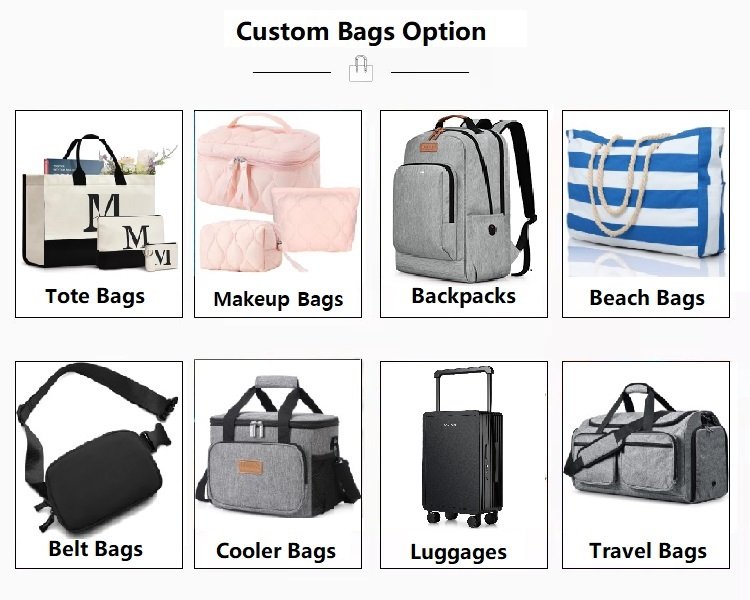
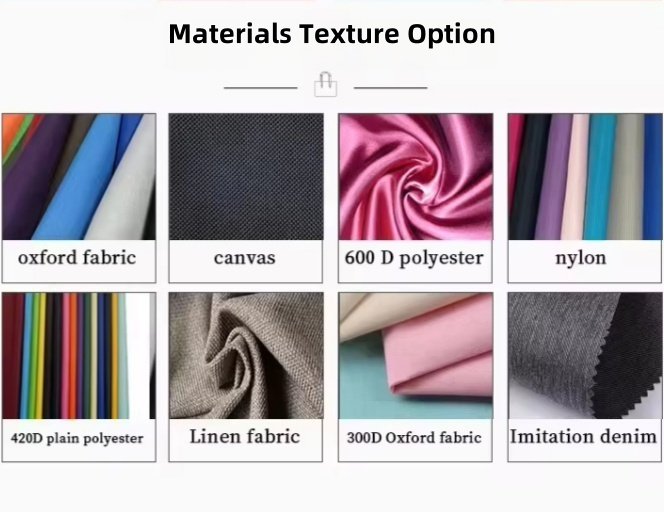
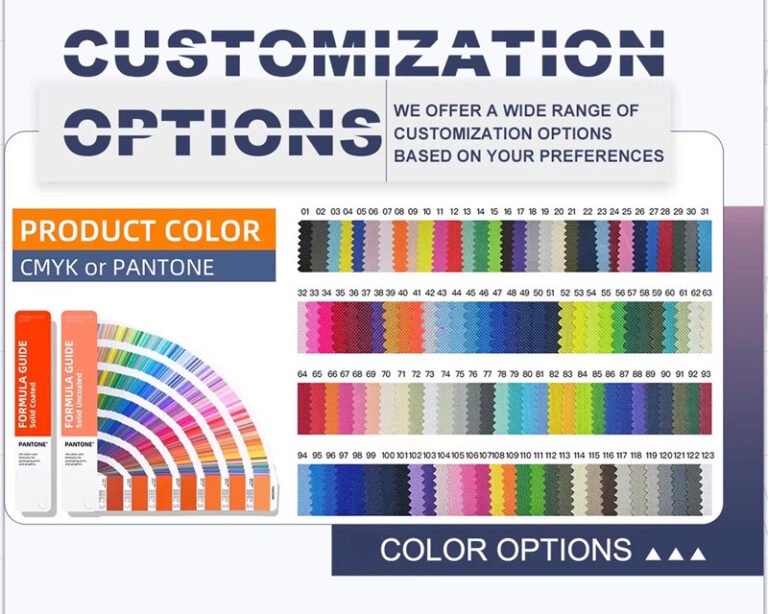
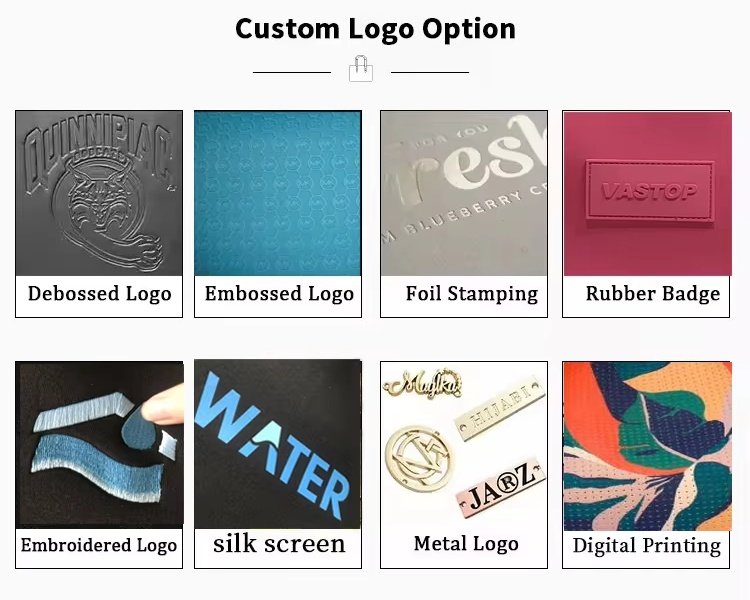
Client Testimonials
800+ brand Clients Trust Jundong


FAQs About Custom Sports Duffel Bags
Before approving a sports duffel program, procurement teams usually want clear answers on MOQ, cost, sampling, capacity, compartments, materials, QC, packaging, and compliance.

What is the MOQ for custom sports duffel travel bags?
Usually, 500 pcs per design is the standard MOQ for custom sports duffel travel bags. Selected simple constructions may be reviewed at 200–300 pcs case by case, depending on materials, branding, packing, and production setup. More complex gym duffels with shoe compartments, wet/dry zones, custom hardware, or multiple SKUs are normally better planned around the standard MOQ because material preparation and sewing operations become more involved.
What affects the price of a custom sports duffel bag?
Price is driven by the confirmed construction, not only by outside dimensions. Capacity, fabric, lining, shoe compartment, wet section, padding, zipper quantity, webbing, hardware, logo process, packaging, and order quantity can all change unit cost. Two 45 cm duffels can therefore have very different prices. For a meaningful quotation, send the size, structure, material direction, logo artwork, quantity, packing requirements, deadline, and destination.
Can you develop from our tech pack or existing sample?
Absolutely. Development can begin from a complete tech pack, an existing sample, a marked drawing, reference photographs, or a clearly defined product concept. The more complete the information, the faster key structural decisions can be reviewed. For sports and travel duffels, include target dimensions, expected contents, shoe or wet-zone requirements, preferred materials, carrying method, logo, quantity, and packaging so the first prototype can test real function rather than appearance alone.
How do you determine the right duffel bag capacity?
Capacity should be planned from the actual loadout, not from labels such as “large” or “medium.” Start with shoes, clothing, towels, bottles, protective equipment, toiletries, electronics, or one-to-three-day travel items. Then account for the space consumed by shoe tunnels, wet sections, lining, padding, and internal pockets. Jundong can review external dimensions together with usable internal volume so the finished duffel carries enough without becoming unnecessarily bulky or inefficient to pack.
Can shoe compartments and wet/dry zones be fully customized?
Certainly. Shoe compartments and wet/dry zones can be developed around the exact items they need to hold. Shoe size, access direction, ventilation, tunnel depth, and intrusion into the main compartment should be checked together. Wet areas should be sized around towels, training clothes, swimwear, or toiletries and reviewed for lining, cleaning, seams, and access. A fully waterproof claim should only be used when the specified construction and test requirements support it.
Which materials work best for sports and travel duffels?
Material choice should follow use, weight, appearance, cleaning needs, structure, and brand positioning. Common directions include polyester, nylon, Oxford fabric, canvas, RPET, mesh, suitable linings, foam, webbing, zippers, and hardware. A lightweight gym duffel may prioritize flexibility and easy cleaning, while a weekender may need stronger shape retention and more organized interiors. Thicker fabric is not automatically better if it adds weight or packing volume without improving the intended function.
How long does sampling take, and how are revisions handled?
Standard sampling usually takes about 5–7 days after essential specifications and materials are ready; selected simple styles may take 2–3 days, while complex structures can require longer. Sampling should verify size, materials, compartments, carrying, branding, and packing. Revisions depend on the scope and project stage rather than being treated as unlimited. Sample fees can be refunded or deducted when the bulk order reaches 2,000 pcs.
How do you control approved-sample consistency in bulk production?
Definitely. The approved sample should be converted into production details and inspection references before bulk work begins. Jundong uses confirmed materials, dimensions, compartments, logo position, zippers, webbing, hardware, packing, and labels as control points through production. With 80 QC inspectors supporting multi-stage checks, deviations can be identified during incoming material review, sewing, functional inspection, finished-product checking, and packing instead of relying only on one final inspection.
Can you manage multiple colors, SKUs, barcodes, and retail packing?
Of course. Multi-color and multi-SKU programs can be organized by style number, color, size, logo version, barcode, label, packing method, carton quantity, and destination. Jundong can support hangtags, care labels, woven labels, barcodes, SKU labels, FBA labels when required, color boxes, gift boxes, and carton marks. The important part is confirming the mapping early so a correct bag does not become a delivery problem because the wrong label or carton rule was applied.
Can you support testing and documentation for different markets?
Yes—testing and documentation can be reviewed according to product type, materials, intended use, destination, sales channel, and the standards your program requires. Jundong can cooperate with third-party testing when needed, but no bag should be described as automatically certified for every country or channel. Share the target market and required standard before sampling or production so material choices, labels, cost, timing, and document needs can be evaluated before they affect the launch schedule.
Start Your Custom Sports Duffel Travel Bag Project
A useful sports duffel quotation starts with the product brief, not only a reference image. Share the intended use, target dimensions or capacity, expected contents, preferred material, shoe compartment or wet/dry requirements, handle and shoulder-strap structure, branding, quantity, packing, deadline, and destination. If you already have a tech pack, CAD drawing, existing sample, or approved artwork, upload it with the inquiry. If the product is still being developed, a clear sketch, reference photos, loadout list, and target size are enough to begin a structural review.
For faster evaluation, include:
- Sports, gym, team travel, weekender, or other intended use
- Target size, capacity, and key contents
- Shoe compartment, wet zone, pockets, and organization needs
- Material, lining, zipper, hardware, and carrying preferences
- Logo artwork and private-label requirements
- Quantity by color, size, or SKU
- Hangtags, barcodes, labels, and packing rules
- Required completion date and destination
These details help clarify structure, sampling scope, production planning, and quotation accuracy before development moves forward. Files can also be sent to info@jundongfactory.com.