 Skip to content
Custom Printed Canvas Bags for Promotional Campaigns
Turn your campaign idea into reusable canvas bags with custom logo printing, practical sizing, controlled production, and shipment-ready packing for trade shows, retail events, brand giveaways, and corporate promotions.
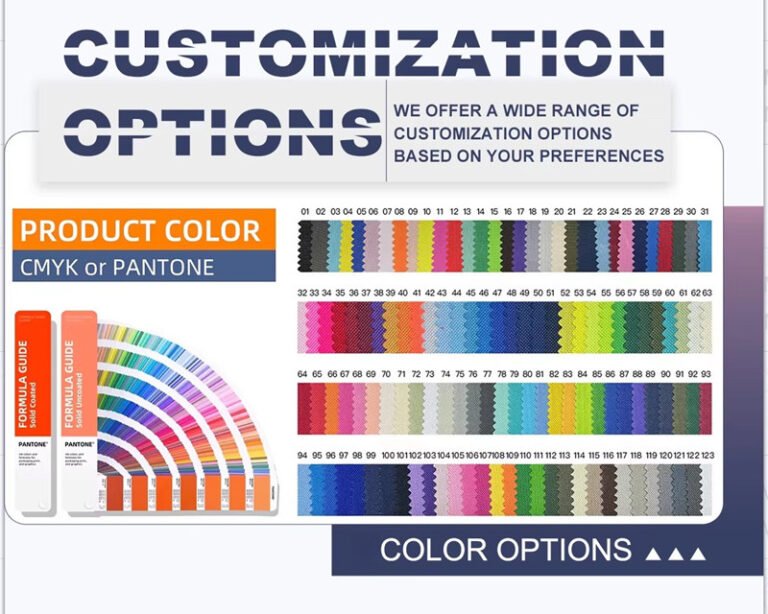
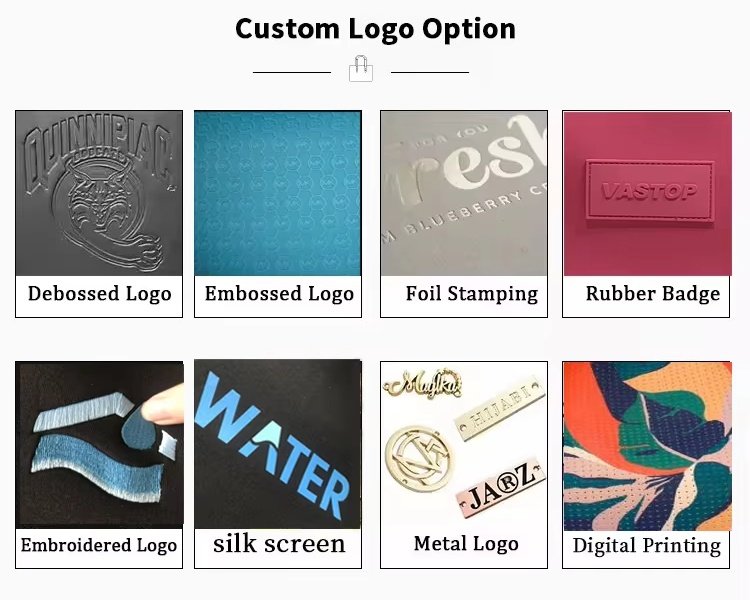
- Custom Logo Printing for Campaign Use: Supports screen printing, heat transfer, embroidery, woven labels, hangtags, and other branding details based on logo style, canvas color, order quantity, and final use.
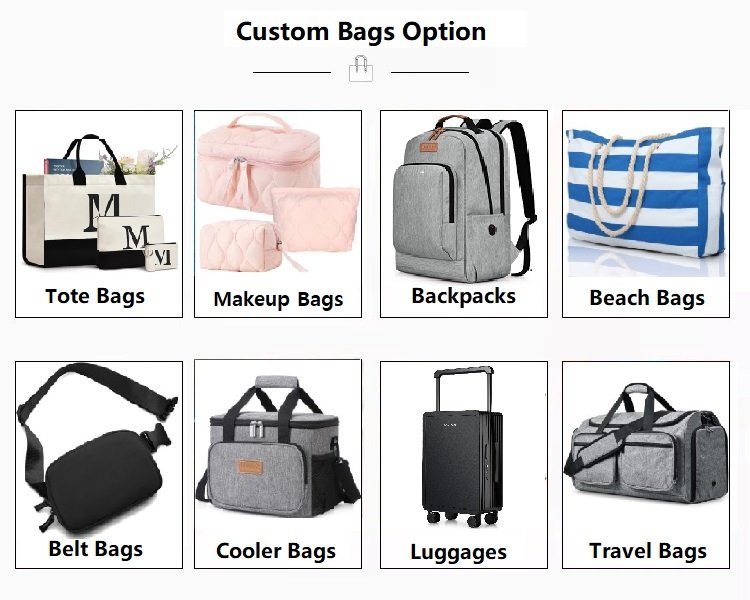
- Canvas Bag Styles for Events, Retail, and Giveaways: Flat totes, gusset totes, shopping bags, drawstring canvas bags, zipper canvas bags, and heavy canvas totes can be developed for different campaign needs.
- Sample Approval Before Bulk Production: Confirm size, fabric weight, handle length, logo position, print color, stitching, and packing method before mass production starts.
- QC From Fabric to Final Packing: Jundong has 80 quality inspection staff and multi-stage checks covering incoming materials, production, finished products, and packing.
- Export-Ready Packing for Campaign Distribution: Support for hangtags, barcode labels, SKU stickers, individual packing, carton marks, mixed shipments, and partial shipments.

Why Canvas Bags Work for Promotional Campaigns
A canvas bag does more than hold brochures, samples, or event gifts. It keeps your brand visible after the campaign ends.
For trade shows, retail promotions, corporate events, school programs, eco campaigns, and gift-with-purchase projects, printed canvas bags give people something useful to carry and reuse. That means your logo does not disappear after one event table, one checkout counter, or one giveaway moment.
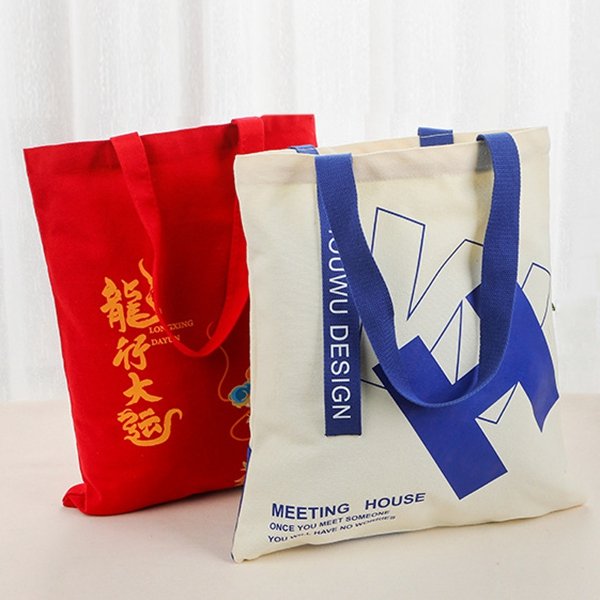
Canvas tote bags also offer a large print area. A simple logo, campaign slogan, mascot, event artwork, or retail graphic can be placed clearly on the front panel. Compared with many small promotional items, a printed canvas bag gives your visual identity more space and longer exposure.
For brands planning repeated campaigns, canvas bags are also easier to standardize. Once the size, fabric weight, handle length, logo placement, and packing method are confirmed, the same bag can be reordered for later events with better consistency.

Best-Fit Uses
- Trade show giveaway bags
- Retail promotion tote bags
- Corporate event gift bags
- School and campus activity bags
- Eco campaign reusable bags
- Gift-with-purchase tote bags
- Product launch sample bags
- Membership welcome kit bags
- Brand merchandise bags
What Makes a Canvas Bag Campaign-Ready?
| Campaign Need | What to Check Before Production |
|---|---|
| Strong logo visibility | Print area, logo size, fabric color, artwork format |
| Comfortable carrying | Handle width, handle length, seam reinforcement |
| Suitable loading space | Bag height, width, gusset, fabric weight |
| Better reuse value | Fabric feel, stitching, shape, and practical size |
| Smooth distribution | Folding method, packing style, carton labels |
Campaign Uses: Events, Retail, Gifts, and Brand Launches
Printed canvas bags are used in many campaign settings, but each setting has a different priority.
A trade show bag needs to hold catalogs, samples, name cards, and small gifts. A retail campaign tote may need better fabric texture, cleaner printing, and hangtags. A corporate event bag may need logo consistency, simple packing, and punctual delivery. A product launch bag may need a stronger visual effect for photos, social sharing, and offline displays.
That is why the same canvas tote style does not fit every project. Before production, the use scene should be clear: what will be placed inside, how the bag will be handed out, whether it will be sold or gifted, and how it will arrive at the event site.
Trade shows

Trade show canvas bags often need A4 document fit, comfortable handles, clear logo printing, and fast packing for brochures, catalogs, samples, and booth giveaways.
Gift with purchase

Gift-with-purchase canvas bags work best with simple tote or drawstring styles, controlled cost, suitable gift size, easy folding, and clean brand visibility.
Retail promotion

Retail promotion canvas totes should balance fabric handfeel, medium weight, logo finish, hangtags, and shelf-ready presentation for store campaigns and brand displays.
Corporate event
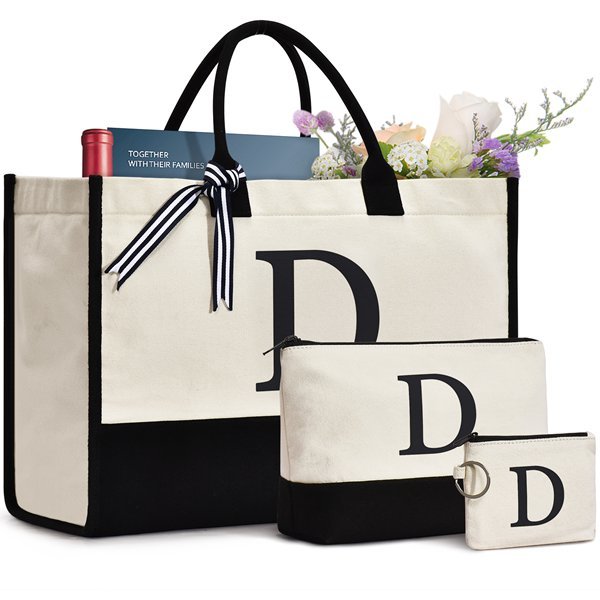
Corporate event canvas bags usually need classic logo tote styling, clear brand printing, quantity split, carton marks, and neat packing for organized distribution.
School activity

School activity canvas bags should focus on lightweight structure, durable stitching, practical budget, comfortable carrying, and reliable delivery timing for student programs.
Product launch

Product launch canvas bags can use custom shapes, heavier fabric, strong visual impact, approved samples, and branded packaging to support new product promotion.
Membership kit

Membership kit canvas bags need gusset or zipper structures, enough loading space, private label details, SKU labels, and organized packing for member gifts.
Eco campaign

Eco campaign canvas bags often use reusable cotton canvas, natural fabric texture, daily-use size, simple branding, and practical structure for repeated use.
If your bags need to go to different stores, regions, event sites, or sales teams, packing rules should be planned early. A clear carton label, SKU sticker, or location mark can save hours during unpacking and distribution.
Choose the Right Canvas Bag Style for Your Campaign
A good campaign bag starts with the right structure. Size, bottom width, closure, handle length, and fabric weight all affect how the bag feels in real use.
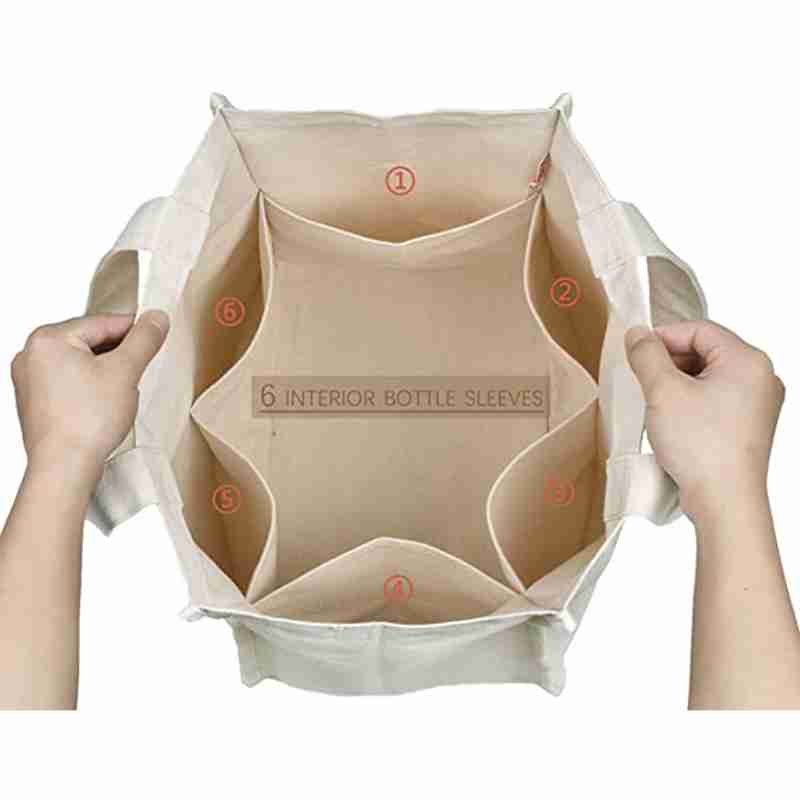
A flat canvas tote works well for printed materials and light giveaways. A gusset tote gives more loading space for boxed products, apparel, beauty sets, or event kits. A drawstring canvas bag is easy to close and carry for school programs, sports events, and light gift packs. A zipper canvas bag gives better protection when the contents are more valuable or need to stay together.
For premium campaigns, heavier canvas and cleaner stitching can make the bag feel closer to retail merchandise than a one-time giveaway.
Flat canvas tote

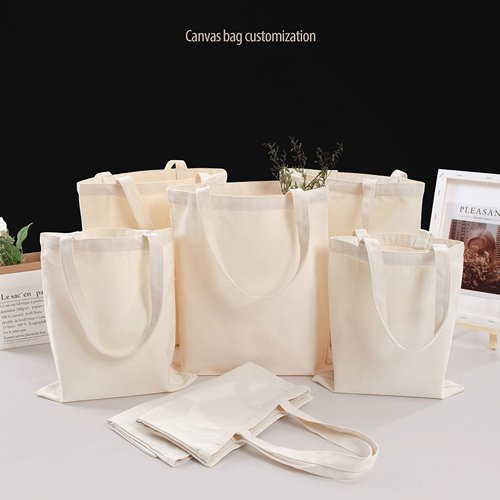
Flat canvas totes are cost-friendly and easy to print, making them suitable for flyers, brochures, light gifts, trade shows, and simple promotional handouts.
Gusset canvas tote
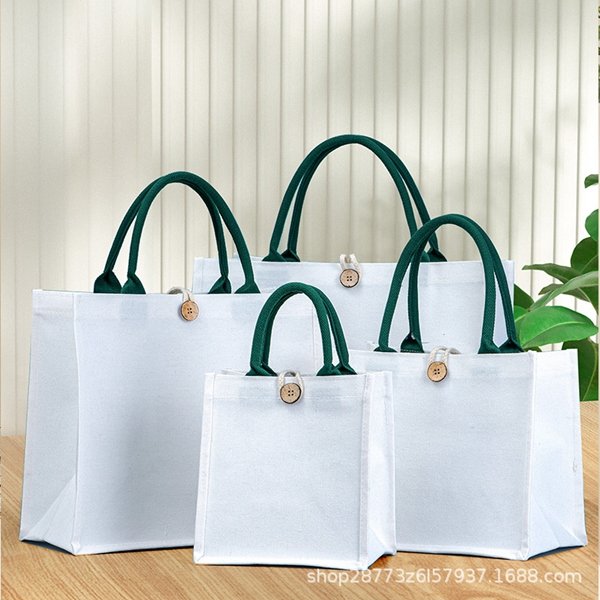
Gusset canvas totes offer more loading space and a better standing shape, making them ideal for product kits, apparel, boxed gifts, and retail campaigns.
Heavy canvas tote
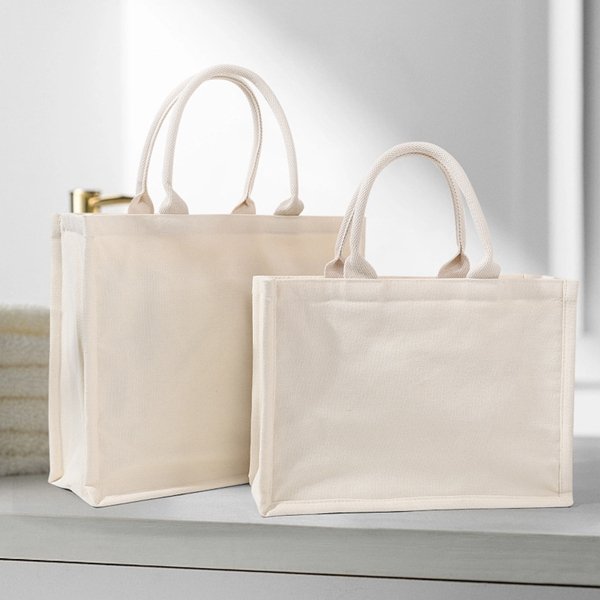
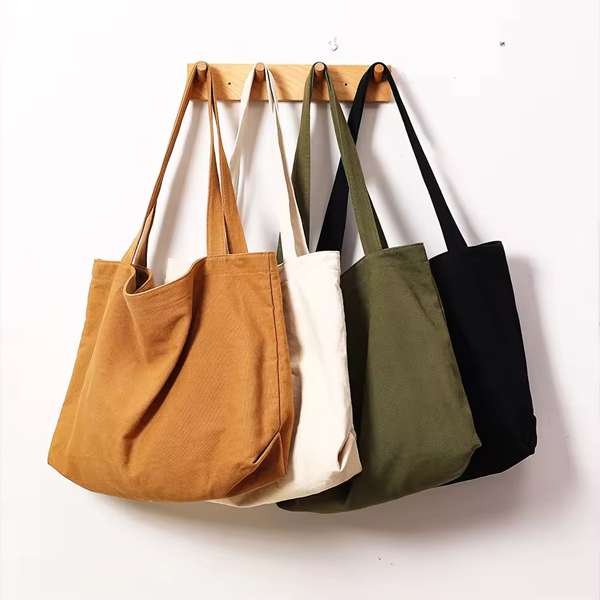
Heavy canvas totes provide stronger structure, better handfeel, and a premium look for retail gifts, brand events, membership packs, and high-value promotions.
Canvas shopping bag

Canvas shopping bags are practical for eco campaigns, store promotions, reusable retail bags, and daily shopping programs that need repeated use.
Canvas drawstring bag
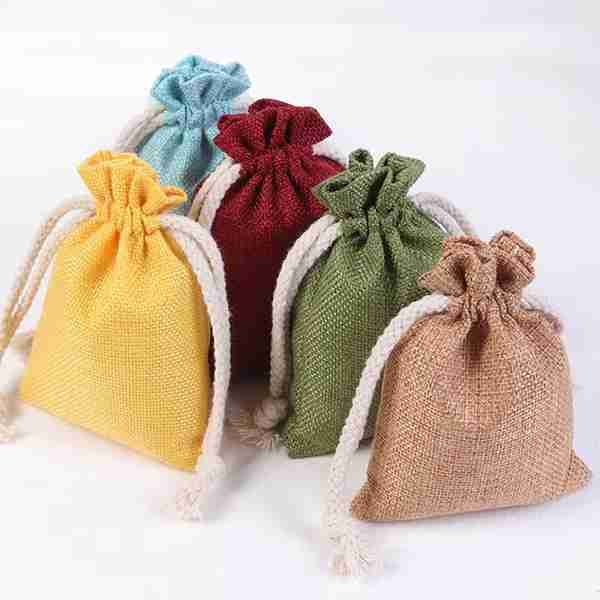
Canvas drawstring bags are lightweight, easy to close, and suitable for school activities, sports events, activity packs, giveaways, and casual gift sets.
Zipper canvas bag
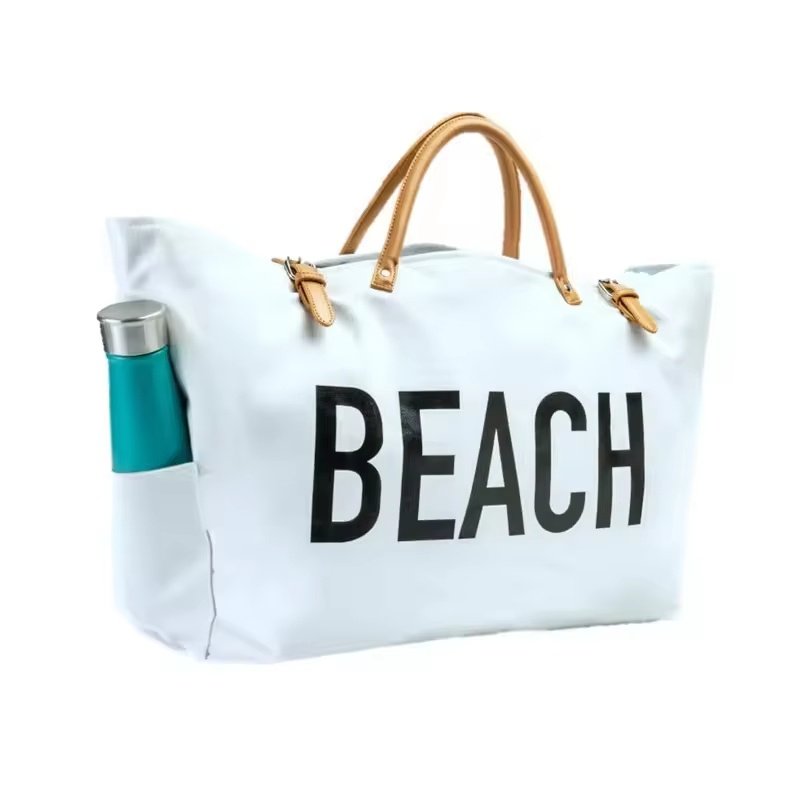
Zipper canvas bags keep items safer and more organized, making them useful for membership kits, travel sets, retail packs, and personal care gifts.
Foldable canvas bag

Foldable canvas bags are easy to carry and store, fitting green campaigns, travel use, store promotions, and reusable shopping programs.
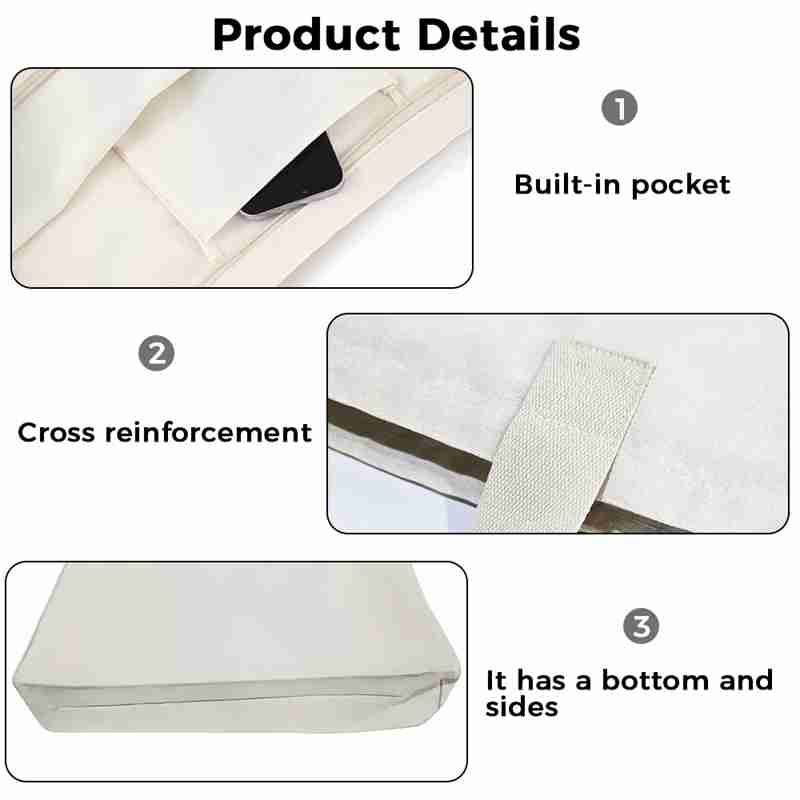
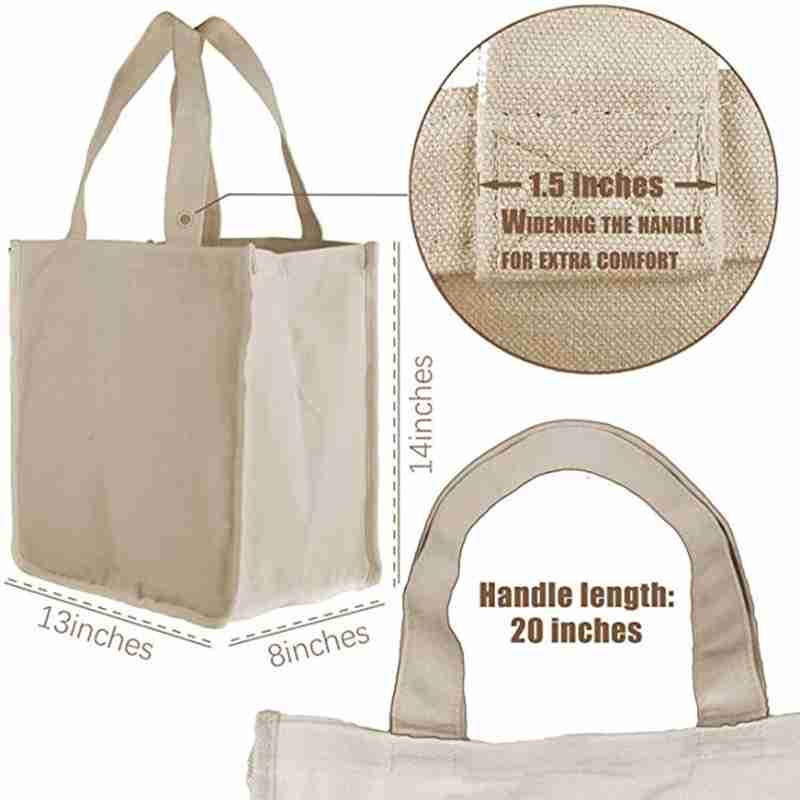
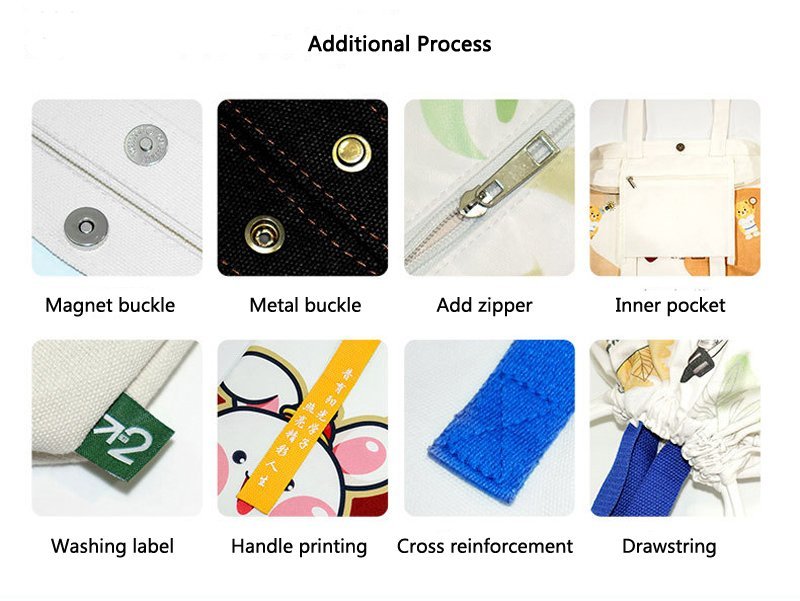
Small construction details can change how a custom canvas bag looks, feels, and performs. Short handles are better for hand carry, while longer handles improve shoulder comfort. A gusset adds loading space for boxes, folded apparel, product kits, and retail gift sets.
Zippers, inner pockets, and heavy canvas can raise practical value, but they also affect cost, production time, bag weight, and carton volume. For large promotional giveaways, a simpler canvas tote often works better because it is easier to print, pack, ship, and distribute.
Canvas Weight, Size, and Cost Planning
The right canvas bag is not always the thickest one. It is the one that fits your campaign use, budget, loading weight, brand level, and delivery plan.
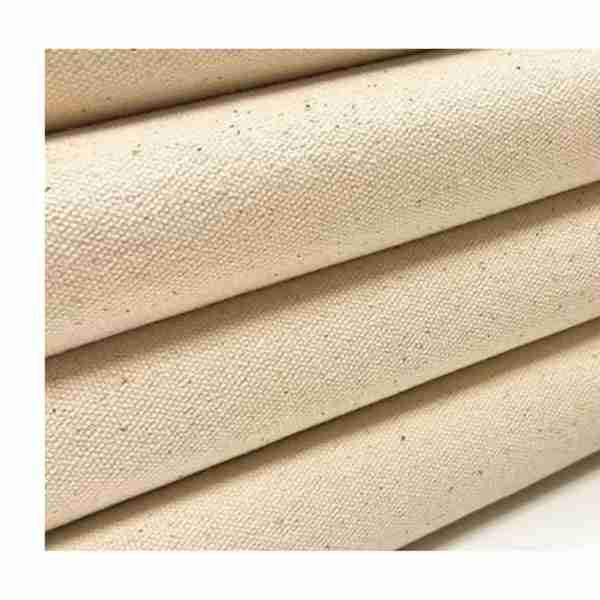
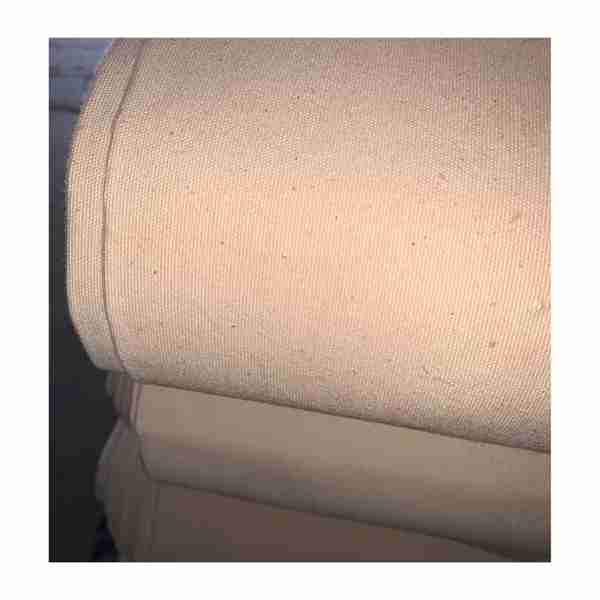
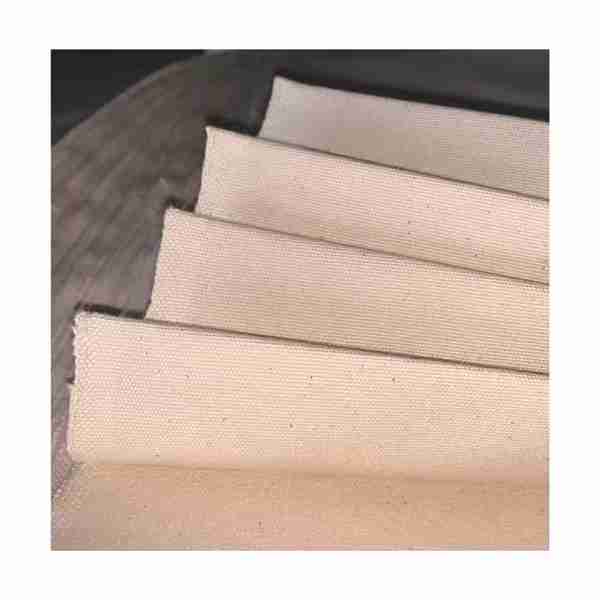
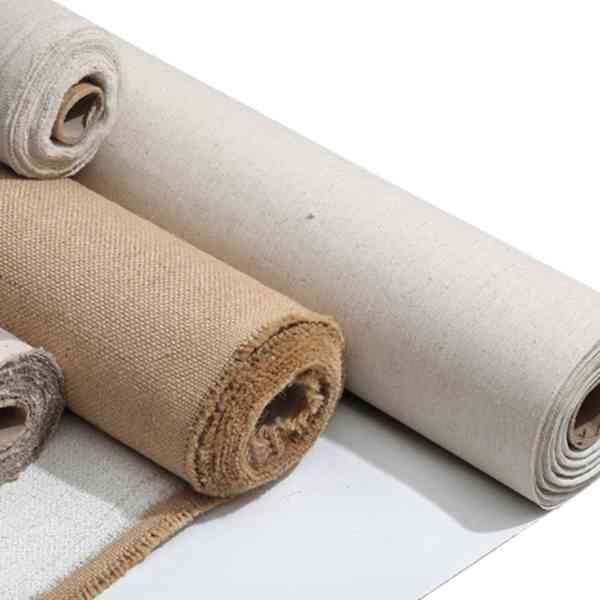
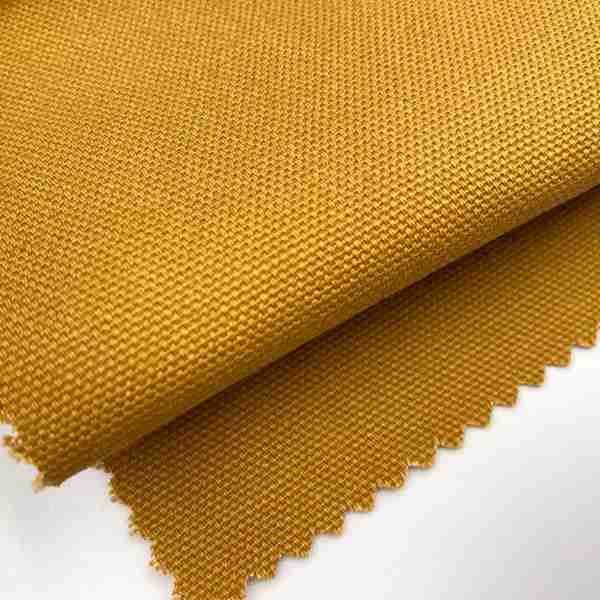
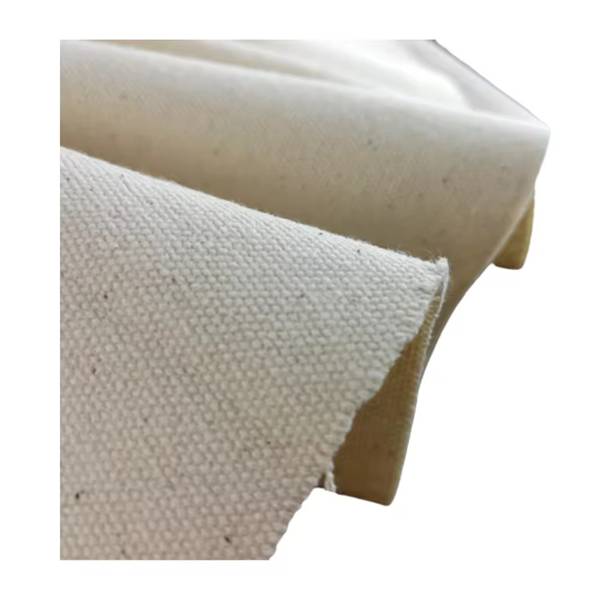
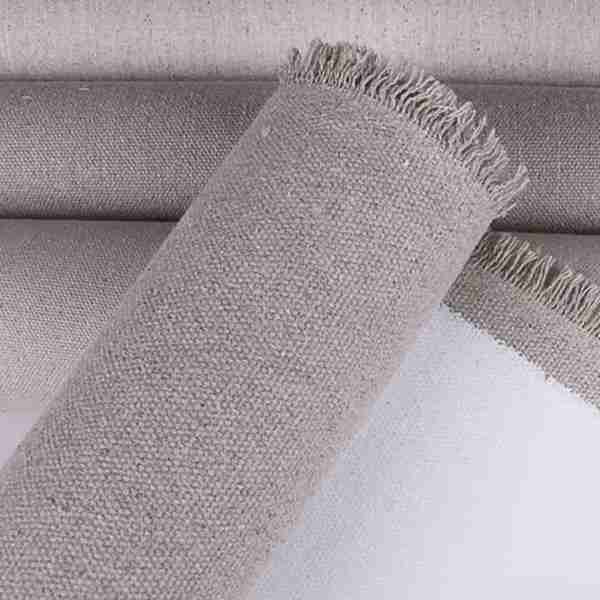
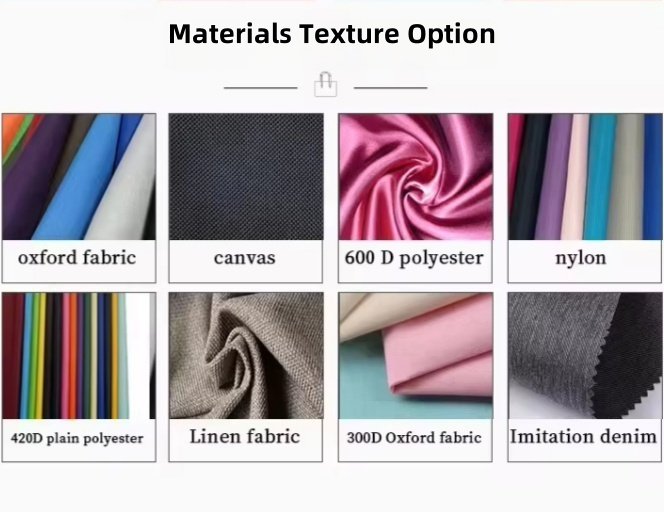
Lightweight canvas is often used for large event giveaways, school programs, and short-term promotions. Medium-weight canvas works well for retail campaigns, trade shows, and daily reusable totes. Heavy canvas is better for premium gifts, paid merchandise, brand stores, and membership programs where handfeel matters more.
Size also affects cost. A small change in height, width, bottom gusset, handle length, or print area can change fabric consumption, packing volume, and carton quantity. For large orders, these details can affect the total landed cost more than many teams expect.
Canvas Weight Guide
| Canvas Weight | Best Use | Notes |
|---|---|---|
| 5 oz / 6 oz | Large giveaways, light items | Budget-friendly and easy to fold |
| 8 oz | General event bags | Good balance for cost and use |
| 10 oz | Retail and trade show totes | Better feel and stronger structure |
| 12 oz | Premium promotion bags | More solid and suitable for reuse |
| 14 oz / 16 oz | Retail merchandise or heavy use | Stronger structure, higher cost, and weight |
Size Planning by Use
| Use Scene | Common Direction | What to Confirm |
|---|---|---|
| Brochure and catalog bag | A4-friendly flat tote | Document size and handle length |
| Product sample bag | Medium tote with gusset | Box size and loading weight |
| Retail shopping tote | Larger tote with stronger handle | Product type and folding method |
| Gift set bag | Custom size tote | Set dimensions and packing style |
| Eco daily tote | Practical reusable size | Shoulder carry and fabric feel |
| Premium campaign tote | Heavy canvas and clean finish | Brand color, logo size, hangtag |
The cost of a canvas bag should be reviewed early because each detail affects material use, labor time, packing volume, and delivery planning. Canvas weight, bag size, bottom gusset, handle material, handle length, logo method, color count, and print area all influence the final unit cost.
Functional and packing details also matter. Inner pockets, zippers, snaps, lining, hangtags, woven labels, barcodes, individual packaging, carton quantity, delivery route, and campaign deadline can both change the budget and the production schedule. Clear details help make the quote faster and more stable.





Logo Printing That Makes Your Brand Clear
A printed canvas bag works only when the logo looks clean, balanced, and easy to read.
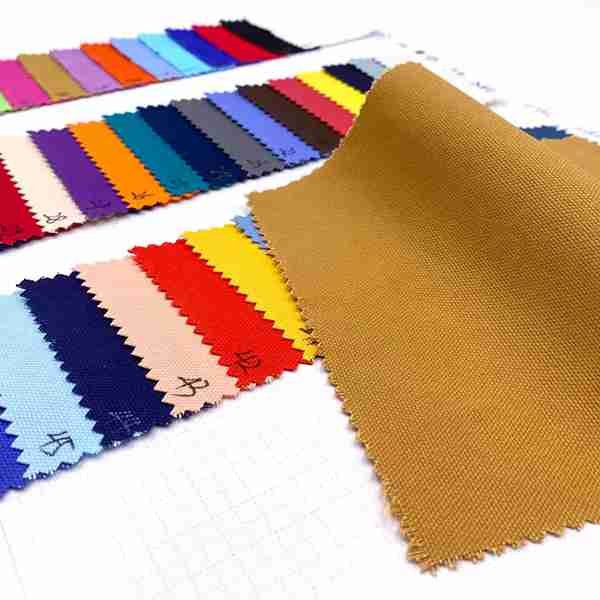
For campaign bags, the print method should match the artwork, fabric color, order quantity, and final use. A simple one-color logo may work well with screen printing. A full-color graphic may need heat transfer or digital printing. A premium retail gift may look better with embroidery, woven labels, leather patches, or hangtags.
The right choice is not just about the printing method. Logo size, front panel space, fabric texture, ink coverage, color contrast, and washing or rubbing performance all affect the finished result.
Before bulk production, the logo should be checked on the real canvas fabric, not only on a digital mockup. This helps reduce color deviation, unclear edges, weak contrast, and wrong placement.
Screen printing
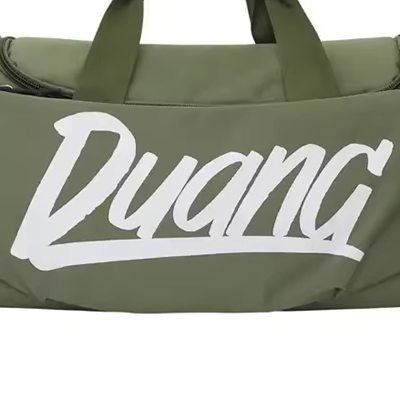
Screen printing works well for simple logos, solid colors, large quantity canvas bags, and promotional totes that need clean results and good cost control.
Heat transfer

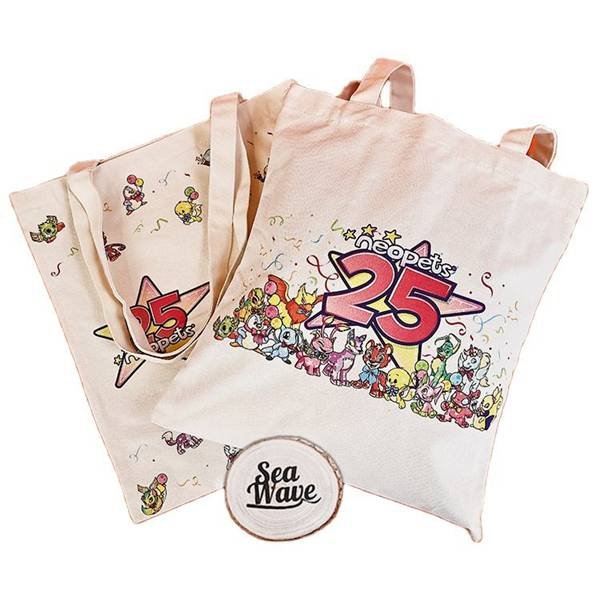
Heat transfer is suitable for multi-color artwork, detailed graphics, gradients, and campaign designs that need richer color presentation on custom canvas bags.
Woven label

Woven labels are useful for private label tote programs, repeat retail styles, brand collections, and canvas bags that need consistent label identity.
Rubber or PVC patch
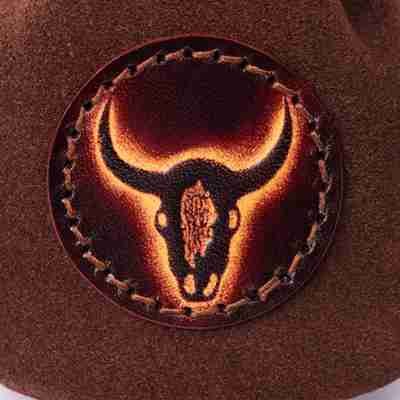
Rubber or PVC patches create stronger visual identity for outdoor bags, lifestyle canvas bags, casual totes, and designs that need a raised logo effect.
Digital printing
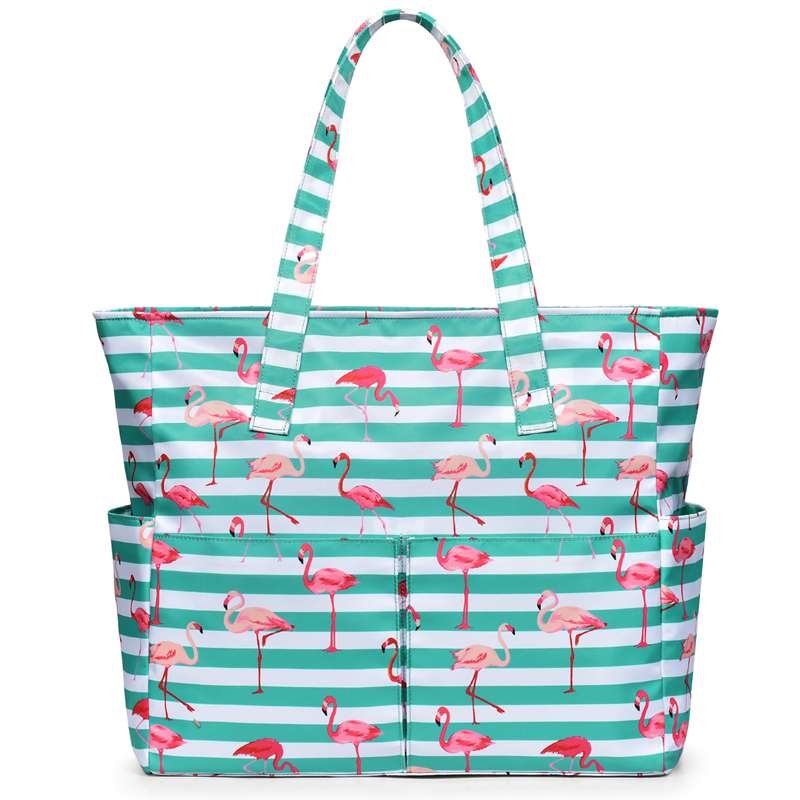
Digital printing offers flexible options for rich images, complex artwork, small batches, short runs, and custom canvas bag samples with detailed visual effects.
Embroidery
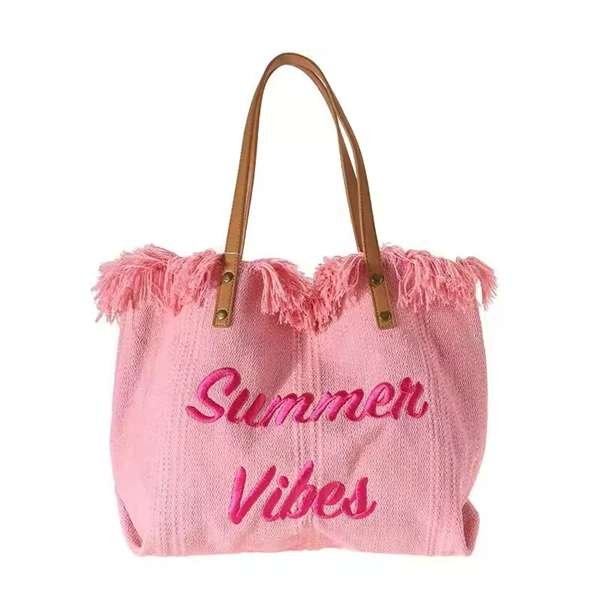
Embroidery adds better texture and premium feeling to simple marks, making it suitable for campaign gifts, retail totes, membership bags, and logo-focused designs.
Hangtag

Hangtags support retail and event kits by showing brand story, barcode information, care details, campaign message, and product value at first glance.
Logo details should be confirmed before canvas bag sampling, including artwork format, resolution, print size, front panel position, fabric color, logo contrast, color count, print area, edge distance, and folding method. Hangtags, woven labels, barcode labels, and reorder logo standards should also be planned early.
Better logo printing starts with clean files. Vector artwork is preferred for sharp printing on textured canvas. Gradients, thin lines, small text, and full-color graphics should be reviewed before sampling, because a logo that looks clear on screen may lose readability on cotton canvas fabric.
Sample Approval Before Mass Production
A campaign bag sample is not only for checking appearance. It is the control sample for size, fabric, logo, stitching, handle comfort, and packing.
Before bulk production starts, a real sample helps your team confirm how the bag will look, feel, carry, fold, and arrive. This is especially useful for trade shows, retail launches, brand gift sets, seasonal campaigns, and repeat programs where timing and consistency matter.
For simple canvas tote bags, the sample stage can be fast. For bags with gussets, zipper closure, special labels, heavy canvas, custom dyeing, embroidery, or private label packing, more details need to be locked before production.
Jundong supports in-house sample development, sample revision, material confirmation, color confirmation, logo approval, and pre-production sample review. Standard sampling is usually around 5–7 days, and some simple styles can be arranged faster depending on the structure and materials.
Canvas bag sample review should focus on real use, logo visibility, carrying comfort, fabric weight, folding performance, and final presentation. The bag should hold the intended items, show the logo clearly, feel comfortable when loaded, and match the campaign, retail, or event display needs.
After the sample is approved, key details such as fabric, size, logo placement, stitching, labels, hangtags, barcodes, packing method, and carton rules can become repeat order references. This helps reduce repeated approval work and keeps later promotional canvas bag orders more consistent.


What to Check on the Sample
| Sample Detail | Why It Matters |
|---|---|
| Bag size | Confirms loading space and visual proportion |
| Canvas weight | Affects handfeel, structure, cost, and reuse value |
| Handle length | Decides hand carry, or shoulder carry comfort |
| Logo position | Keeps the brand mark clear and centered |
| Print color | Reduces color deviation before bulk production |
| Stitching | Shows durability and finishing quality |
| Gusset or closure | Confirms real capacity and function |
| Packing method | Helps match event or retail distribution needs |
Bulk Production With Quality Control at Each Step
Campaign bags often have a fixed event date. Late delivery, unclear logo printing, wrong packing, or inconsistent color can create problems for the whole project.
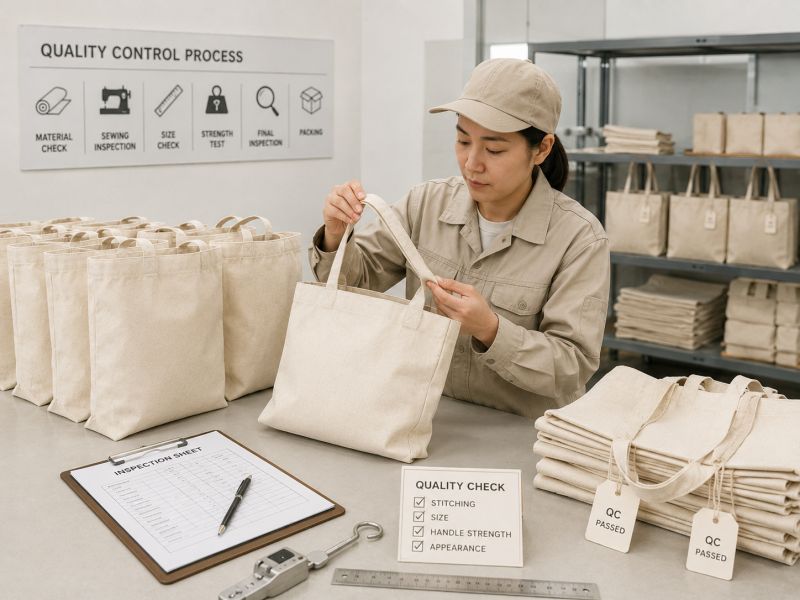
A stable production process helps reduce these risks. Fabric inspection, cutting checks, printing checks, sewing checks, finished bag inspection, and packing review all need to connect with the approved sample.
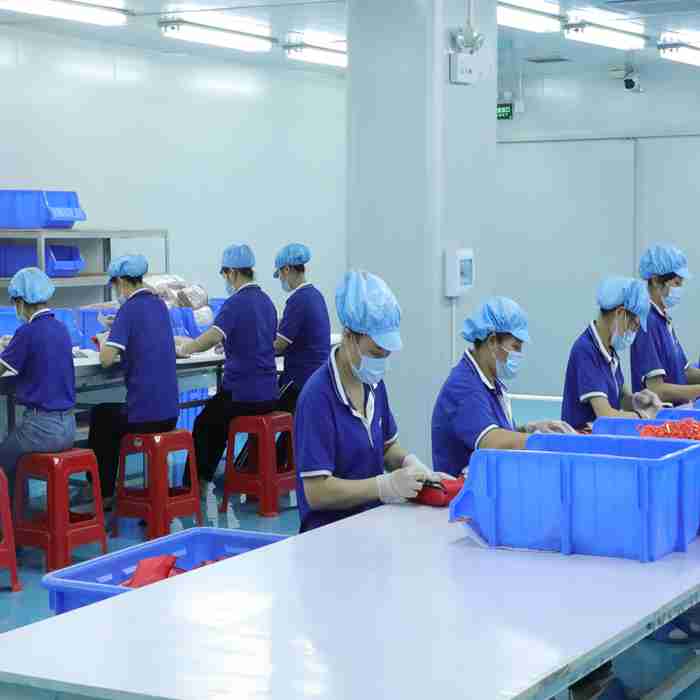
Jundong has a team of 600+ staff, an 18,000-square-foot㎡ factory base, professional production equipment, and 80 quality inspection staff. Quality checks cover incoming materials, production, finished goods, and packing, helping custom bag projects stay closer to the approved standard.
For printed canvas bags, inspection is not only about sewing. The logo must be placed correctly. The print should be clear. The bag size should stay within the agreed tolerance. Handles should be firmly attached. Packing labels should match the order plan.
Material arrival

Material arrival checks review canvas color, fabric weight, surface texture, stains, and visible defects before cutting, helping reduce batch mismatch and production risk.
Cutting

Cutting inspection checks bag size, fabric direction, panel balance, edge accuracy, and part matching to keep the canvas bag shape consistent.
Logo printing

Logo printing review focuses on print position, color accuracy, clarity, adhesion, edge distance, and overall brand visibility on the canvas surface.
Sewing

Sewing checks cover stitching quality, handle reinforcement, seam strength, stress points, thread trimming, and structure stability for daily use and promotional distribution.
Finished bag

Finished bag inspection reviews size, shape, surface cleanliness, loose threads, logo appearance, handle comfort, and overall presentation before packing.
Packing

Packing checks confirm hangtags, barcodes, carton quantity, carton marks, individual packing, label placement, and assortment details for easier receiving and distribution.
Shipment preparation
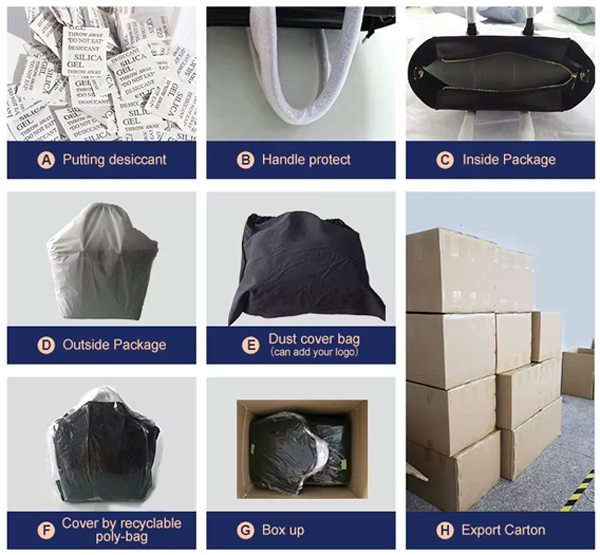
Shipment preparation reviews packing photos, carton labels, final count, delivery documents, carton condition, and campaign deadline details before goods leave the factory.
Printed canvas bag checks should cover fabric color, logo position, print clarity, handle reinforcement, bag size, stitching quality, folding method, carton marks, and shipping labels. These details help keep custom canvas tote bags consistent with the approved sample and ready for event, retail, or promotional use.
For orders with several designs, each logo, color, delivery location, and packing version should have a clear reference file. Separating artwork, color notes, packing rules, carton labels, and SKU details can reduce mixing errors and make multi-version promotional bag projects easier to manage.
Packing Support for Campaign Distribution
Good packing makes campaign bags easier to receive, store, count, and distribute.
A printed canvas bag may be handed out at a trade show, packed inside a gift set, sent to retail stores, delivered to a warehouse, or split across several event locations. Each situation needs a different packing rule.
For simple giveaways, bulk packing may be enough. For retail promotions, hangtags, barcode labels, SKU stickers, and individual polybags may be needed. For multi-location events, carton marks and location-based packing can help teams find the right goods faster.
Packing details should be confirmed before production, not after the bags are finished. This prevents last-minute relabeling, carton confusion, repacking costs, and event-site delays.
Clear packing details can save time before shipment. Carton marks should match the receiving plan, SKU labels should be easy to scan, hangtags should not cover the main logo, and polybags should fit the folded canvas bags. Gift sets, mixed designs, and extra labels should be confirmed before packing starts.
Jundong supports export delivery coordination, including sea freight, air freight, express courier, mixed shipment, and partial shipment. For fixed-date campaign projects or urgent event use, share the required arrival date early so production time, packing time, and shipping route can be reviewed together.

Packing Options
| Packing Need | Available Direction |
|---|---|
| Simple event giveaway | Bulk packing by quantity |
| Retail presentation | Hangtag, barcode, individual polybag |
| Gift set program | Bag folded with product kit |
| Private label style | Woven label, care label, paper card |
| Store distribution | SKU sticker and store-based carton mark |
| Multi-region campaign | Location mark and separated cartons |
| Warehouse receiving | Clear carton label and packing list |
| Mixed shipment | Separated colors, designs, or bag styles |
Why Jundong Is Built for Campaign Bag Projects
Promotional canvas bag projects need more than a bag style and a logo file. They need clear communication, practical material advice, sample control, stable production, quality checks, packing support, and delivery planning.
Jundong supports custom bag projects from Guangdong with export experience, product development support, in-house sampling, multi-material sourcing, quality inspection, and packing coordination. This helps brands, retailers, agencies, importers, distributors, and event teams reduce uncertainty before bulk production starts.
For printed canvas campaign bags, small details can affect the whole project. A handle that is too short may feel uncomfortable. A bag that is too thin may not match the brand image. A logo that looks fine on screen may not print clearly on textured canvas. A carton label error may slow down event distribution. These are the details Jundong helps review before production.
With 600+ staff, an 18,000-square-foot㎡ factory base, a product development team, design support, a professional sample room, and 80 quality inspection staff, Jundong is better suited for custom canvas bag projects that require repeatable standards, not just one-time decoration. Standard MOQ is usually 500 pcs, while some simple styles can be reviewed for 200–300 pcs depending on materials, structure, and production setup. Standard sampling is usually around 5–7 days, and regular bulk production is usually around 20–30 days, depending on order details and schedule.
What This Means for Your Project
| Your Need | How Jundong Supports It |
|---|---|
| A bag that fits the campaign | Bag style, size, fabric, and handle advice |
| A logo that looks clean | Print method review and logo placement support |
| A sample before the full order | In-house sample making and revision support |
| Stable bulk production | Production planning and multi-step inspection |
| Better packing control | Hangtags, labels, polybags, carton marks, and packing lists |
| Easier repeat orders | Approved specs can be kept for later campaigns |
| Export-ready delivery | Sea, air, express, mixed shipment, and partial shipment support |
Jundong supports printed canvas bag projects for brand teams, retail programs, private label needs, promotional agencies, event teams, importers, and distributors. We help align logo position, fabric feel, color direction, bag structure, print method, woven labels, hangtags, barcode stickers, SKU labels, carton marks, and export packing with each campaign plan.
Jundong is a good fit when you need custom canvas tote bags for trade shows, retail events, corporate gifts, or brand promotions. For a faster quote, send the bag style, reference photo, size, handle length, canvas weight, logo file, logo position, quantity, packing request, target delivery date, and destination country.

Make a sample first ?
A useful promotional canvas bag should do more than show a logo. It should match your campaign purpose, giveaway scene, carrying load, print artwork, packing plan, and delivery schedule. From fabric selection and print method to handle strength, folded size, carton marks, and event distribution, clear details help your project move from sample to bulk order with fewer risks.
Client Testimonials
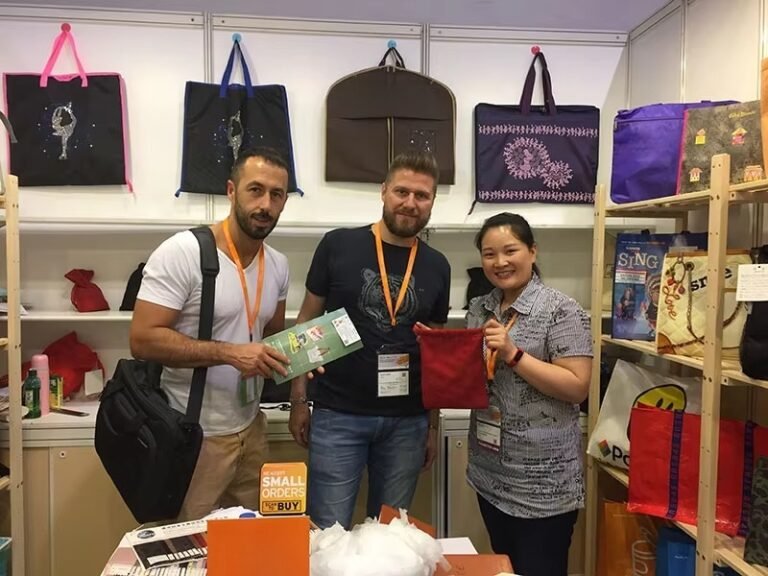
800+ brand Clients Trust Jundong


Ready to Build a Custom Canvas Bag That Fits Your Project? Contact Us!
Your custom printed canvas bag project may be simple, or it may need several layers of detail. A trade show giveaway may need lightweight canvas, a large print area, and simple bulk packing. A retail promotion may need stronger fabric, clean stitching, woven labels, hangtags, barcode stickers, and individual packing. A campaign gift bag may need a custom size, full-color printing, gusset structure, and coordinated brand colors. Different use scenes often lead to different choices in fabric weight, handle length, print method, and packing style.
The best result usually starts with a clear project brief. You do not need to finalize every detail before reaching out. If you already have a logo file, artwork, bag size, fabric preference, color reference, packing request, or previous sample, that will help. If not, you can start with the basics: what the canvas bag is for, how many pieces you need, what should be printed, which sales or event channel it will support, and when the goods need to arrive.
Jundong can help turn these early details into a workable custom printed canvas bag specification. The review can include canvas weight, bag size, gusset type, handle structure, pocket option, printing method, logo placement, woven label details, hangtag layout, barcode rules, packing method, sample timing, bulk lead time, QC checkpoints, carton marks, and shipment preparation.
For faster review, send your artwork, quantity, use scene, fabric preference, bag size, packing needs, and delivery timeline to info@jundongfactory.com. If your project is still open-ended, share the goal first: trade show giveaway, retail promotion, corporate event, bookstore campaign, eco campaign, resort merchandise, brand activation, or printed tote program. A practical recommendation can start from there.
The right custom printed canvas bag is not always the most complicated option. It is the option that fits the campaign, presents the artwork clearly, stays useful after the event, supports brand visibility, and can be produced at a realistic cost and timeline.
Custom canvas Bags products Made Easy
At Jundong factory, we make complexity simple! Follow these three steps to get started immediately:
1. Tell Us Your Needs
Provide us with detailed information about your requirements, supply design drawings or tech packs, reference images, and share your ideas.
2. Get Solutions and a Quote
We will customize the best solution based on your needs and drawings, and provide a specific quote within 24 hours.
3. Confirm for Mass Production
Once we receive your confirmation and deposit, we will commence mass production and take care of the subsequent shipping arrangements.
FAQs, You ask, we answer
Choosing custom printed canvas bags becomes much easier when the campaign details are clear from the beginning. The right bag may change depending on whether it is used for trade shows, retail promotions, brand events, bookstore programs, eco campaigns, gift sets, or seasonal marketing activities.
These FAQs cover the practical details often reviewed before sampling, including canvas weight, bag size, print method, artwork placement, handle length, gusset structure, MOQ, lead time, packing, labels, barcode stickers, and bulk quality control.


The best canvas bags for promotional campaigns are the ones that match the campaign use, logo style, loading need, and distribution method. A simple flat canvas tote is often enough for trade show brochures, event flyers, and light giveaways. A gusset canvas tote is better when the bag needs to hold boxed gifts, apparel, cosmetic sets, books, or product samples. For a higher-value brand event, a heavier canvas tote with cleaner stitching, better handle feel, and a hangtag can make the bag feel closer to retail merchandise.
Here is the practical way to choose.
For large-volume giveaways, use a lighter canvas tote, such as 5 oz, 6 oz, or 8 oz, because it helps control cost and packing volume. For retail promotions, corporate gifts, or brand launch kits, 10 oz or 12 oz canvas often feels better in hand and gives the bag more structure. If the bag will be sold, reused often, or presented as premium merchandise, heavier canvas, zipper closure, inner pockets, woven labels, or embroidery may be worth reviewing.
Do not choose by appearance alone. Ask what the bag must carry. A bag for A4 catalogs needs different proportions from a bag for boxed skincare sets. A bag for an outdoor eco event may need stronger handles than a light gift bag for a one-day seminar.
A good custom canvas bag project starts with four basic details: use scene, product size, quantity, and logo file. With those details, the bag style, fabric weight, handle length, and logo method can be reviewed more accurately.
Certainly, canvas weight should be chosen by use, not by the idea that “thicker is always better.” A heavier canvas bag feels stronger, but it also increases material cost, carton weight, and shipping volume. A lighter canvas bag may be a smarter choice for large campaign giveaways, especially when the bag only needs to hold flyers, cards, small samples, or light gifts.
For high-volume event giveaways, 5 oz or 6 oz canvas is often practical. It folds easily, packs efficiently, and helps keep the unit cost under control. For general event tote bags, 8 oz canvas is a common middle choice. It gives better feel than very light cotton while still staying friendly for larger quantities. For retail promotions, trade show kits, and reusable daily tote bags, 10 oz canvas is often a strong option. It feels more structured and works well with clear front-panel logo printing.
For premium campaigns, 12 oz canvas or heavier can make the bag feel more valuable. This direction works well for membership gifts, brand stores, limited events, and paid merchandise. However, heavier fabric is not always suitable for every budget or deadline. It may need more sewing attention, stronger needlework, and more careful packing.
The safest way is to match fabric weight with the real load. If the bag will carry catalogs, bottles, boxed gifts, or apparel, share the item size and weight before sampling. This allows the structure, handle width, stitching, and fabric choice to be reviewed together.
Quick Reference Table
| Canvas Weight | Suitable Use |
|---|---|
| 5 oz / 6 oz | Light giveaways, large-volume promotions |
| 8 oz | General event tote bags |
| 10 oz | Trade shows, retail campaigns, reusable totes |
| 12 oz+ | Premium gifts, retail merchandise, heavy-use bags |
Of course, the best logo method depends on your artwork, canvas color, order quantity, and how the bag will be used. For many promotional canvas tote bags, screen printing is a practical choice because it works well for simple logos, clear text, and larger quantities. It is often cost-friendly when the design uses fewer colors.
If the artwork has multiple colors, gradients, fine details, or a larger graphic area, heat transfer or digital printing may be more suitable. These methods can help present richer visual details, but they should be checked on the actual canvas surface before approval. Canvas has texture, so very thin lines or small letters may not look as sharp as they do on a screen.
For premium campaigns, embroidery can add texture and value. It works best with simple logos, initials, badges, or clean brand marks. If the project is for retail, private label, or repeated seasonal programs, woven labels, rubber patches, hangtags, or barcode labels can also help build a more finished brand presentation.
Here is a simple rule: choose the logo method after reviewing the fabric, not before. A white logo on natural canvas is different from a white logo on black canvas. A small chest-size mark is different from a large front-panel graphic. A bag that will be folded after printing also needs print placement review, so the logo does not crease in the wrong area.
Before bulk production, a printed sample or logo proof on the selected canvas can prevent many avoidable mistakes.
Logo Method Reference
| Logo Method | Better For |
|---|---|
| Screen printing | Simple logos, large quantities |
| Heat transfer | Multi-color graphics |
| Digital printing | Rich images, detailed artwork |
| Embroidery | Premium simple marks |
| Woven label | Private label and repeat styles |
| Hangtag | Retail or event information |
Absolutely. Canvas bags are one of the most flexible bag options for retail promotions, trade shows, corporate events, campus programs, eco campaigns, and gift-with-purchase projects. The key is to adjust the structure and details for the actual use instead of using the same standard tote for every campaign.
For trade shows, the bag should usually fit A4 catalogs, brochures, name cards, product samples, and small gifts. A flat tote or gusset tote with a clear front logo often works well. For retail promotions, the bag may need better fabric texture, hangtags, barcode labels, individual packing, and a cleaner finish. For corporate events, the focus may be logo consistency, simple distribution, fast counting, and carton marks. For a product launch, the bag may need a stronger visual identity, better photography value, and packaging that matches the campaign theme.
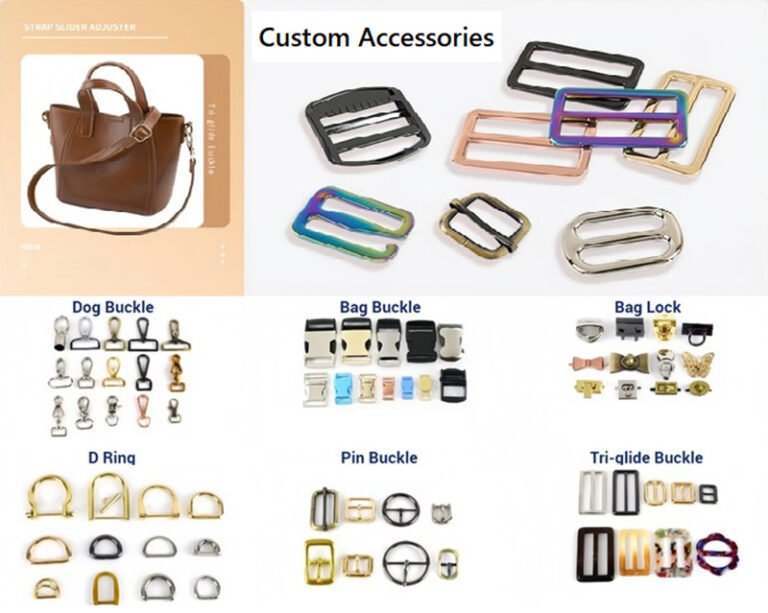
Canvas bags can also be customized with different handles, fabric colors, bottom gussets, zippers, snap buttons, inner pockets, woven labels, care labels, paper cards, and special packing. These details turn a simple tote into a more complete brand item.
If the campaign is repeated, it is worth setting a standard from the first order. Confirm the fabric weight, size, handle length, logo position, print color, packing method, and carton label format. This makes future reorders easier and helps keep the visual result more consistent.
For teams with multiple event sites or retail locations, packing can be planned by store, region, activity date, or SKU. That detail often saves more time than people expect.
Sure, a faster and more accurate quotation starts with clear project details. You do not need to prepare a long document at the beginning, but several key details can save time and reduce repeated communication.
The most useful information includes bag style, size, canvas weight, logo file, logo position, quantity, packing request, target delivery date, and destination country. If you do not know the exact canvas weight, you can describe the intended feel instead, such as “light giveaway bag,” “standard retail tote,” or “premium thick canvas bag.” A reference photo is also helpful.
For the logo, vector files are preferred, such as AI, EPS, SVG, or PDF. If only a PNG or JPG is available, it can still be reviewed first, but the artwork may need adjustment before printing. If the logo has several colors, gradients, or small text, send the file early so the print method can be checked before sampling.
If the bag needs to hold real products, share the item size and weight. This helps review bag dimensions, handle strength, fabric choice, and bottom structure. For retail or event distribution, packing details also matter. Hangtags, barcode labels, SKU stickers, individual polybags, carton marks, or store-based packing can affect cost and production time.
Jundong’s standard MOQ is usually 500 pcs. Some simple styles can be reviewed for 200–300 pcs, depending on structure, materials, and production schedule. Standard sampling is usually around 5–7 days, and regular bulk production is usually around 20–30 days after details are confirmed.
Fast Quote Checklist
| Detail | Example |
|---|---|
| Bag style | Flat tote, gusset tote, drawstring bag |
| Size | 35 × 40 cm, custom size |
| Fabric | 8 oz canvas, 10 oz canvas, natural cotton |
| Logo | Screen print, embroidery, woven label |
| Quantity | 500 pcs, 1,000 pcs, 5,000 pcs |
| Packing | Bulk pack, individual polybag, hangtag |
| Deadline | Event date or warehouse arrival date |
Definitely, timing should be reviewed early because promotional canvas bags often connect to a fixed event date, product launch, retail campaign, or trade show schedule. A bag that arrives late may still be well-made, but it can miss the moment it was created for.
For many custom canvas bag projects, standard sampling is usually around 5–7 days after the main details are confirmed. Some simple styles may be arranged faster, around 2–3 days, depending on material availability, structure, logo method, and workshop schedule. Regular bulk production is usually around 20–30 days after sample approval and order details are locked. These timing references come from Jundong’s project notes and may vary by quantity, printing method, packing request, and delivery route.
Timing is affected by several details. A plain flat tote with one-color screen printing is usually faster than a heavy canvas tote with a zipper, inner pocket, custom dyeing, embroidery, woven labels, hangtags, barcode stickers, and individual packing. Multi-color logo printing, special canvas color, several bag sizes, or store-based packing can also add review time.
For event use, work backward from the required arrival date. Leave time for sample approval, bulk production, packing, inspection, international shipping, customs clearance, and local distribution. If the bags need to reach several locations, the packing and carton marks should be confirmed before production ends.
A practical approach is simple: share your event date first. Then the production route, print method, packing plan, and delivery option can be reviewed together.
Timeline Reference
| Stage | Usual Time |
|---|---|
| Simple sample | Around 2–3 days, when feasible |
| Standard sample | Around 5–7 days |
| Regular bulk production | Around 20–30 days |
| Packing and shipment | Depends on the packing rule and transport route |
Absolutely, price is shaped by much more than quantity. For custom printed canvas bags, the main cost drivers are fabric weight, bag size, structure, logo method, print area, color count, packing style, order quantity, and delivery schedule.
Fabric weight is one of the first factors. A 6 oz canvas tote and a 12 oz canvas tote may look similar in photos, but the material consumption, handfeel, sewing difficulty, carton weight, and freight cost are different. Size also matters. A larger bag, wider gusset, longer handle, or reinforced stitching all increase material and labor costs.
Logo printing can also change the quote. One-color screen printing is usually more cost-friendly for larger runs. Multi-color graphics, full-panel artwork, embroidery, woven labels, rubber patches, or special hangtags add more work. If your design needs exact color control, a printed sample may be needed before bulk production.
Packing is often missed in early budgeting. Bulk packing is simpler. Individual polybags, hangtags, barcode labels, SKU stickers, care labels, store-based carton marks, or gift set packing will add handling steps and materials. For retail programs and multi-location campaigns, this extra planning is often worth it because it reduces receiving and distribution problems.
A good quote should match the real project, not just the lowest unit number. If the bag needs to represent a brand, hold real products, arrive before an event, and be easy to distribute, the quote should include those requirements from the start.
Price Factor Table
| Cost Factor | Why It Changes Price |
|---|---|
| Canvas weight | Changes the material cost and shipping weight |
| Bag size | Changes fabric use and carton volume |
| Structure | Gusset, zipper, pocket, lining, snap add labor |
| Logo method | Different setup, material, and labor needs |
| Print colors | More colors usually need more setup |
| Packing | Labels, polybags, hangtags add handling |
| Quantity | Larger runs can improve unit efficiency |
| Deadline | Urgent schedules may affect production planning |
Sure. Packing can be planned for retail shelves, store distribution, warehouse receiving, event giveaways, gift sets, and multi-location campaigns. This is one of the biggest differences between a simple printed tote order and a well-managed canvas bag project.
For basic event giveaways, bulk packing by quantity may be enough. For retail promotions, the bags may need individual polybags, hangtags, barcode labels, SKU stickers, care labels, or paper cards. For brand stores or chain retail programs, carton marks may need to show color, size, SKU, store code, quantity, and destination. For event teams, carton labels may need to match event dates, booth numbers, regional offices, or campaign groups.
Packing should be discussed before bulk production finishes. If labels, hangtags, or barcodes are added after the goods are packed, extra labor, relabeling, repacking, and delay may occur. The better way is to confirm the packing rule while the sample and order details are still being reviewed.
Canvas bags can also be packed as part of a kit. For example, one printed canvas tote may hold a brochure, product sample, coupon card, small pouch, or branded gift. In this case, the bag size, folding method, insert order, and outer carton quantity all need to be checked.
Good packing does not look exciting at first, but it saves real time when the goods arrive. A clear carton mark can help your team find the right bags fast. Correct barcode labels help retail teams process goods more smoothly. Clean individual packing gives the final giveaway a more finished look.
Packing Options
| Use Case | Suggested Packing |
|---|---|
| Event giveaway | Bulk pack or counted bundles |
| Retail promotion | Individual polybag, hangtag, barcode |
| Store distribution | SKU label and store carton mark |
| Gift set | Bag packed with inserts or products |
| Multi-location campaign | Separated cartons by region or date |
| Warehouse receiving | Clear carton mark and packing list |
Certainly. Consistency starts before bulk production, not during final inspection. The approved sample, artwork file, fabric choice, color notes, logo placement, stitching details, and packing rule should all become production references.
For printed canvas bags, the first control is the material. Canvas color, weight, texture, and shrinkage may affect how the logo looks. The second control is artwork. Logo size, placement, color count, and print method should be fixed before production begins. The third control is production checking. Cutting, printing, sewing, trimming, and packing need to follow the same approved standard.
Jundong’s quality work covers incoming material inspection, in-process checks, finished product inspection, and packing review. The team includes 80 quality inspection staff, and checks can include fabric color, print position, stitching, handle reinforcement, finished size, label placement, carton quantity, and carton marks.
For repeat orders, consistency depends on keeping the right references. The approved sample, fabric detail, logo file, print color, size specification, packing photo, and carton mark format should be saved. This helps the next order match the earlier campaign more closely.
Still, some material color variation can happen between fabric batches, especially with natural canvas or dyed fabric. That is why color confirmation before each new production run is helpful. For brand programs that repeat often, it is smart to keep a clear specification sheet and review any material change before production.
Consistency Control Checklist
| Control Area | What to Keep Stable |
|---|---|
| Fabric | Weight, color, texture |
| Logo | File, size, color, position |
| Sewing | Stitching, reinforcement, tolerance |
| Structure | Bag size, gusset, handle length |
| Packing | Folding, label, carton mark |
| Reorder | Approved sample and specification record |
Absolutely. Reordering the same printed canvas bags is one of the smartest ways to reduce future development time, especially for recurring retail promotions, annual events, school programs, corporate gifts, membership kits, trade shows, and seasonal campaigns.
The key is to save the right production references from the first order. This includes the approved sample, bag size, canvas weight, fabric color, handle length, logo file, print method, logo position, stitching details, label layout, packing method, carton mark, and any special notes. With these details, the next order can start from an existing standard instead of going back to the beginning.
Reorders can also be improved. For example, if the first campaign showed that the handle was slightly short, the second order can adjust it. If the bag was too large for carton efficiency, the size or folding method can be reviewed. If the logo looked too small in event photos, the placement or print size can be improved. A repeat order is not only a copy; it can become a better version.
For brand programs, keeping one stable canvas tote standard helps build visual consistency. The same tote can be used for trade shows, retail gifts, PR kits, corporate events, and membership programs. Different colors, slogans, hangtags, or seasonal prints can be added while keeping the main bag structure stable.
If you plan to reorder, share that at the beginning. The bag can then be developed with future use in mind, including fabric availability, logo method, packing rules, and cost planning.
Reorder Reference List
| Reference Item | Why It Helps |
|---|---|
| Approved sample | Keeps shape and handfeel clear |
| Fabric detail | Helps match weight and texture |
| Logo file | Keeps print quality stable |
| Print position | Keeps visual balance consistent |
| Packing photo | Helps repeat folding and labeling |
| Carton mark | Helps future warehouse receiving |
| Revision notes | Helps improve the next run |