Skip to content
Custom Logo Lunch Bags for Promotional Campaigns
Logo-ready insulated lunch bags built for corporate giveaways, wellness kits, school programs, food events, and repeat promotional orders.
- Develop lunch bags for brand campaigns, employee gifts, campus programs, retail promotions, food launches, outdoor events, and trade show giveaways.
- Review size, insulation, fabric, logo method, packing plan, carton marks, event date, and shipping destination before bulk production.
- Work with a Guangdong custom bag factory with 20+ years of OEM and ODM experience, 600+ employees, and 80 QC inspectors for multi-stage checks.

Who Uses Logo Lunch Bags In Promotional Programs
Corporate Campaign Teams
Corporate campaign teams often need branded lunch bags for employee appreciation, onboarding gifts, wellness programs, anniversary events, internal celebrations, and staff family days. A lunch bag works well because it is useful after the event and does not feel like a disposable giveaway. For larger programs, the key details are logo clarity, color matching, carton marks, individual packing, and delivery schedule. A well-planned bag can carry the brand into lunch rooms, office desks, company shuttles, weekend outings, and daily commutes.
Promotional Distributors
Promotional product distributors need lunch bags that are easy to present, quote, sample, and repeat. Their clients may ask for several logo positions, color options, price levels, and packing plans before approval. A strong lunch bag program should allow clear artwork review, fabric selection, insulation choice, and sample confirmation before bulk order release. Stable project records also matter, because repeat programs often need the same size, same fabric feel, same logo location, and same carton packing months later.
School Program Teams
School programs often choose logo lunch bags for welcome gifts, health campaigns, sports days, summer programs, fundraising events, and parent association projects. These orders usually need friendly colors, comfortable handles, simple closures, and reliable stitching. Capacity should match lunch boxes, drink bottles, snack packs, and small ice packs without making the bag too large. Packing also matters because schools may distribute by class, grade, team, or event group. Clear carton labels can save many hours during handout day.
Wellness Program Planners
Wellness programs need lunch bags that support healthier food habits, meal planning, gym routines, and office lunch culture. A reusable insulated bag feels more relevant than many short-life giveaways because recipients can carry meals, fruit, drinks, supplements, or post-workout snacks. Material choice should match the program tone: RPET for eco-focused campaigns, polyester for cost control, neoprene for soft touch, and aluminum or PEVA lining for easy cleaning. A sample should check capacity, opening size, and logo position before approval.
Food And Beverage Brands
Food and beverage brands often use logo lunch bags for product launches, retail tastings, loyalty gifts, picnic programs, delivery promotions, and outdoor sampling events. The bag must support the food story, not just carry a logo. A clean lining, enough insulation, sturdy zipper, and comfortable handle can make the gift feel connected to freshness, care, and everyday use. For multi-item kits, the design can include space for drinks, snack packs, sauce samples, menu cards, coupons, or branded inserts.
Trade Show Organizers
Trade show organizers and event teams need lunch bags that are easy to ship, store, display, and distribute. A bulky bag may increase freight cost and take too much booth space, while a weak bag may damage the event impression. The best option often balances visible logo area, flat packing, useful capacity, and fast handout. Before production, it is worth checking carton quantity, gross weight, booth delivery rules, event date, and whether bags need individual polybags or pre-packed inserts.
Risks That Hurt Promotional Lunch Bag Projects
Most lunch bag problems appear after artwork approval, sample review, or packing. Careful checks before production help protect brand image, schedule, and event budget.

Weak Logo Presence
A logo lunch bag fails when the logo looks small, dull, uneven, or poorly placed. A bag may be low cost, but a weak logo can make the whole program feel unfinished. Logo planning should review:
- artwork file type and resolution
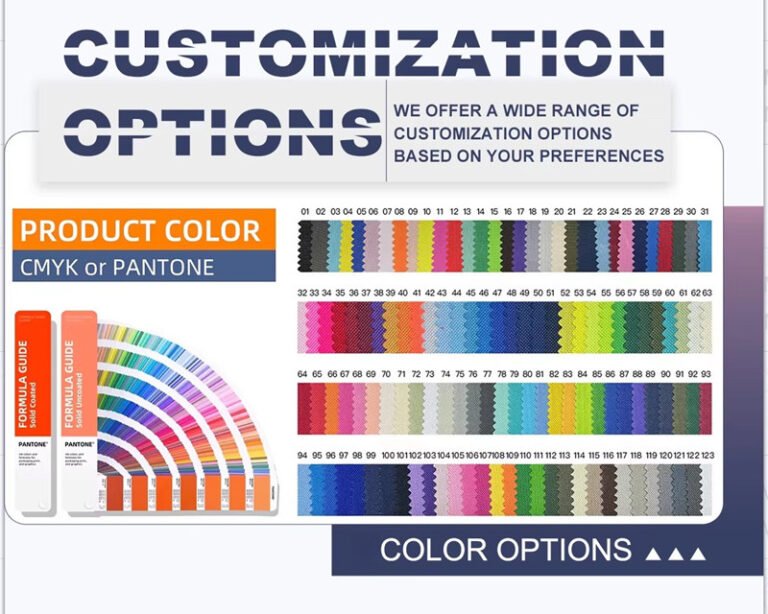
- Pantone or brand color reference
- printable area on each fabric
- logo position when the bag is carried
- color contrast against the bag body
- sample result under normal indoor light
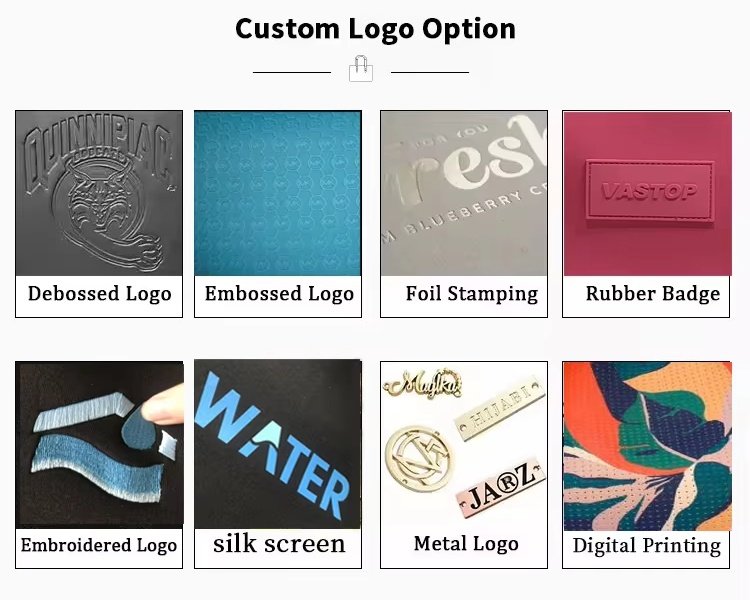
For simple one-color marks, screen printing can work well on many polyester or non-woven styles. For richer artwork, heat transfer may give a cleaner result. For premium gift programs, embroidery, a woven label, a rubber patch, or a metal plate can create stronger texture. The best method depends on fabric, logo size, order quantity, and the visual standard expected by the brand team.
Fixed Event Date
Promotional lunch bags often connect to a fixed date: trade show opening, school launch, wellness week, employee day, food tasting, or retail activation. Once the date passes, even a well-made bag loses value. A safe order plan should confirm the event date before sampling starts. Then the schedule can move backward through artwork review, fabric confirmation, sample making, sample revision, bulk production, packing, inspection, and shipping.
Sampling usually takes 5–7 days for standard styles, while simple styles may take 2–3 days. Bulk production usually takes 20–30 days depending on design, quantity, logo method, packing, and material readiness. Shipping method should be reviewed by destination, carton volume, order weight, deadline, budget, and agreed trade terms. Rushing every step is not a plan; locking the right details early is the safer way.
Messy Bulk Control
Campaign lunch bag orders often include several colors, logos, departments, locations, or packing groups. If production records are unclear, small mistakes become large problems: wrong logo on the wrong color, mixed carton labels, missing inserts, uneven insulation, or mismatched sample references. Bulk control should start from the approved sample and continue through material cutting, logo work, sewing, lining placement, handle fixing, packing, and carton marking.
A stable order file should include size, fabric, lining, foam thickness, logo artwork, logo position, packing method, carton quantity, carton mark, shipping destination, and deadline. For multi-color or multi-location programs, carton marks should be easy for warehouse teams to read. Quality checks should not wait until final packing. Fabric color, logo placement, stitching, zipper function, handle strength, lining cleanliness, and packing accuracy should be reviewed during production and before shipment.
Size, Capacity, and Function Planning
Daily Lunch Capacity
Daily lunch capacity should match how the gift will be used after the event. A compact bag may suit school snacks, light meals, campus gifts, and short office programs. A medium-size bag often works better for employee lunch, wellness kits, and food promotions because it can hold a meal box, fruit, drink, and small ice pack. A larger bag may fit outdoor events, sports days, and family activities, but it can increase material use and carton volume.
- Check the common meal box size
- Review drink bottle height
- Leave space for fruit or snack packs
- Test the opening width
- Avoid oversized shapes when handout cost matters
Bottle And Pocket Layout
Bottle and pocket layout can make a lunch bag feel more useful. Side mesh pockets, front zipper pockets, flat insert pockets, or inner dividers can support water bottles, utensils, coupons, napkins, menu cards, or small product samples. Extra pockets should not be added only for decoration. Each pocket changes sewing time, material use, packing shape, and sometimes logo position. For campaign gifts, pocket planning should balance function, clean appearance, and order budget.
- Side pocket for bottle or cutlery
- Front pocket for card or coupon
- Inner space for meal box and ice pack
- Flat shape for better carton packing
- Pocket size checked during sampling
Handle And Strap Options
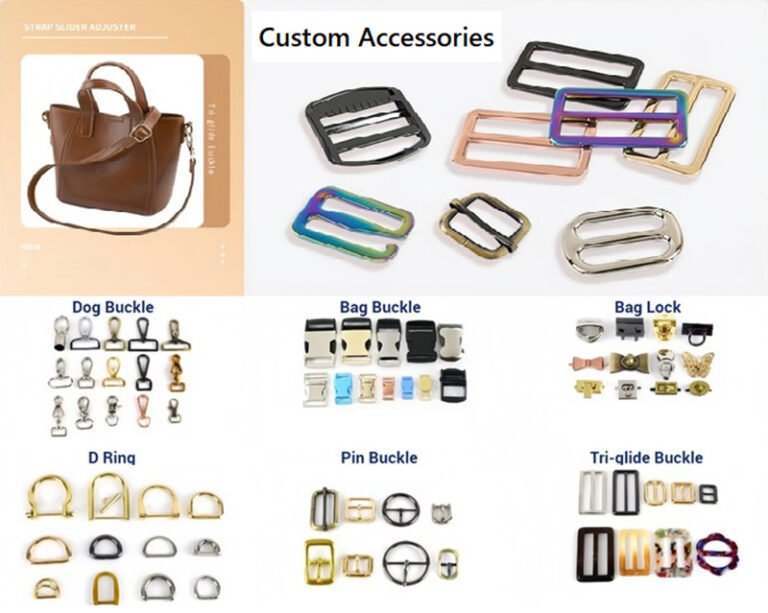
Handles and straps affect comfort, strength, and how the logo is seen during use. Short handles are simple and cost-controlled, suitable for school, office, and event gifts. Longer handles can make the bag easier to carry with other items. Adjustable shoulder straps may suit outdoor or sports programs, but they also add cost, webbing length, hardware, sewing steps, and inspection needs. For larger quantities, handle symmetry and reinforced stitching should be checked during production.
- Short handle for simple hand carry
- Longer handle for easier daily use
- Shoulder strap for outdoor programs
- Reinforced stitching for heavier loads
- Webbing color matched with bag body
Closure And Opening Design
Closure design should match the product use and target cost. Zipper closure gives a cleaner and more secure feel for employee gifts, food campaigns, and retail promotions. Velcro closure can be simple and fast for some basic programs. Drawstring closure creates a relaxed look for sports, picnic, and campus activities. A wide opening makes the bag easier to load, while a narrow opening may frustrate daily users even if the bag volume looks large from outside.
- Zipper for secure daily use
- Velcro for simple light programs
- Drawstring for casual activities
- Wide opening for meal boxes
- Smooth movement checked in sample review
Shape And Bottom Support
The bottom shape decides whether the lunch bag stands properly when filled. A flat bottom often gives better stability for meal boxes and drinks. A soft bottom can pack more easily but may collapse when loaded. Bottom reinforcement, piping, binding, or extra stitching can improve shape and durability, especially for cooler totes and employee gift bags. The right choice depends on gift value, campaign quantity, and shipping plan. Sample review should include a loaded test, not only an empty-bag photo.
- Flat bottom for better standing
- Soft bottom for easier packing
- Piping for stronger shape
- Binding for cleaner edge finish
- Loaded test before approval
Insert And Kit Space
Many promotional lunch bags are used with extra items. A bag may need to hold a bottle, snack pack, cutlery, menu card, flyer, coupon, welcome note, or product sample. Insert space should be planned before the bag pattern is fixed. If inserts are added later, the bag may feel crowded or hard to zip. For gift kits, item size, item order, packing direction, and carton grouping should be confirmed together. This keeps the final kit neat and easier to distribute.
- Confirm insert list early
- Check item size before sampling
- Keep zipper space clear
- Plan carton grouping by kit type
- Use labels for different groups
Lunch Bag Styles For Promotional Campaigns
Different campaigns need different lunch bag structures. The right style should match the gift value, logo size, packing method, handout plan, and how often people will use it after the event.
Insulated Lunch Bags

Basic insulated lunch bags are a strong choice for company events, school campaigns, health programs, and mass giveaways. They usually use polyester or non-woven fabric with an inner lining and light insulation. The structure is simple, the logo area is easy to control, and carton packing is efficient for larger quantities. This style works well when the campaign goal is wide distribution, clean branding, and controlled cost. Common details include zipper closure, short handle, front logo panel, and individual polybag packing.
Cooler Lunch Totes

Cooler lunch totes create a more useful gift feel because they can carry meals, drinks, fruit, snacks, and small ice packs. They are suitable for employee wellness kits, food brand promotions, outdoor events, sports days, and retail loyalty programs. A tote shape usually gives a larger logo panel and more space for side pockets or front pockets. For stronger daily use, the handle reinforcement, zipper quality, lining cleanliness, and bottom shape should be checked during sample approval.
RPET Lunch Bags

RPET lunch bags fit campaigns with sustainability messaging, employee wellness themes, eco gift programs, outdoor events, and retail brands that want a more responsible material story. The fabric can support a simple logo, woven label, heat transfer, or selected print methods depending on the surface and color. A good RPET project should confirm material certificate needs, color direction, lining choice, and packaging plan early. The message should feel honest and useful, not only decorative.
Foldable Lunch Bags

Foldable lunch bags are useful when freight cost, storage space, and event handout speed matter. They can pack flatter than many rigid styles, which helps reduce carton volume and makes booth or warehouse handling easier. This style suits trade shows, campus programs, travel-related promotions, and campaigns requiring large-volume distribution. The folding line, fabric thickness, insulation layer, and logo placement need careful planning, because the logo should still look neat when the bag is folded, opened, and carried.
Non-Woven Lunch Bags
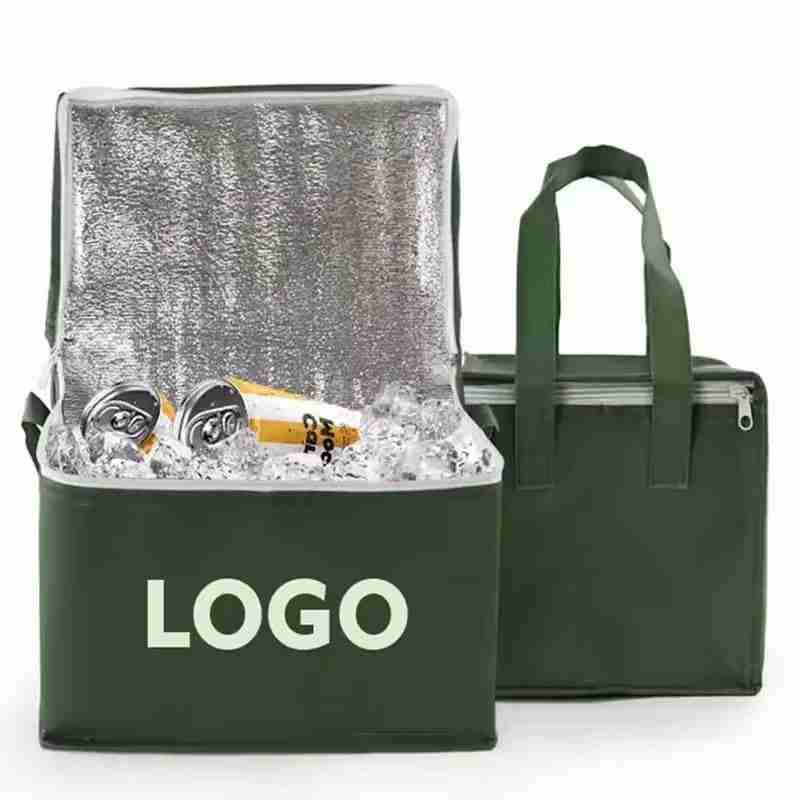
Non-woven lunch bags are often selected for wide-distribution campaigns with clear budget control. They are light, simple, and suitable for short-term events, school programs, community giveaways, exhibitions, and sampling projects. The logo panel is usually easy to present, and the style can be produced in friendly colors. The main checks are fabric weight, handle strength, stitching neatness, closure method, and packing quantity per carton. This option works best when the project needs volume, speed, and simple visual branding.
Neoprene Lunch Bags

Neoprene lunch bags offer a soft, flexible, modern feel. They work well for sports brands, youth programs, fitness events, outdoor lifestyle campaigns, and colorful promotional gifts. The material has a comfortable hand feel and can protect lunch boxes from light impact during daily use. Logo method needs review because the soft surface may require a suitable print or transfer solution. Sample approval should check odor, thickness, edge finishing, handle comfort, and whether the bag keeps its shape when loaded.
Drawstring Cooler Bags
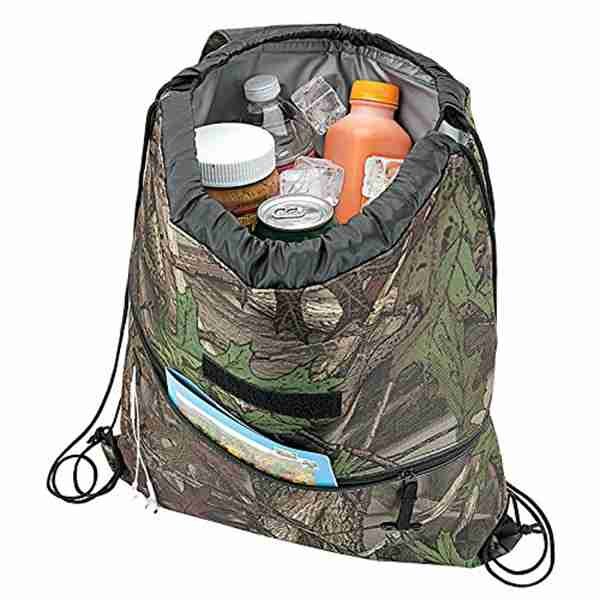
Drawstring cooler bags are suitable for outdoor promotions, campus events, sports days, picnic programs, drink campaigns, and casual lifestyle giveaways. The drawstring opening makes handout and use simple, while the cooler lining adds more function than a normal drawstring bag. The shape can feel more relaxed and youthful. Key details include cord strength, corner stitching, lining placement, bottom stability, and logo visibility when the bag is carried on the shoulder or held by hand.
Employee Gift Lunch Kits

Employee gift lunch kits combine a lunch bag with inserts such as a bottle, cutlery set, snack card, welcome note, coupon, menu card, or branded packing sleeve. This format works well for onboarding, wellness weeks, company anniversaries, team events, and internal reward programs. The lunch bag becomes part of a complete gift experience. Before production, kit size, item placement, insert packing, carton grouping, and label rules should be confirmed to avoid messy assembly during final packing.
Logo Methods For Strong Brand Visibility
A lunch bag used in a campaign must carry the logo clearly when held, opened, packed, photographed, or used every day. The logo method should match fabric, color, quantity, budget, and gift level.
| Logo Method | Best Match | Brand Effect | Production Check |
|---|---|---|---|
| Silk Screen Print | Simple logos, solid colors, polyester, non-woven fabric | Cost-controlled, clean, easy to read from a distance | Check ink coverage, color contrast, print edge, and logo position |
| Heat Transfer Print | Multi-color artwork, gradients, campaign graphics, detailed marks | Sharper visual result for richer artwork and modern gift programs | Check heat temperature, transfer edge, washing feel, and sample surface |
| Embroidery | Premium employee gifts, thicker fabrics, stronger texture | More tactile and longer-lasting look for higher-value programs | Check stitch density, backing, fabric puckering, and small letter clarity |
| Woven Label | Subtle private label look, repeat programs, retail-style lunch bags | Clean brand identity without a large printed logo | Check label size, edge fold, sewing position, and color reference |
| Rubber Patch | Outdoor cooler styles, sports programs, youth campaigns | Dimensional logo effect with stronger visual memory | Check mold detail, patch thickness, edge finish, and attachment strength |
| Metal Plate | Premium gift kits, executive programs, retail-inspired styles | Refined logo detail for stronger perceived value | Check plate finish, fixing method, scratch risk, and weight balance |
| Full-Color Print | Campaign artwork, large visual panels, food or wellness themes | Strong visual storytelling on front panels or full surfaces | Check artwork resolution, fabric surface, color layer, and print area |
| Leather Patch | Casual premium look, canvas, Oxford, selected cooler totes | Warm handcrafted feel for lifestyle and employee gifts | Check deboss depth, patch color, stitch line, and material match |
A strong logo plan starts before sample work. The logo file, Pantone reference, bag color, fabric texture, printable area, and carrying direction should be reviewed together. A logo that looks clear on a flat design file may feel too small after the bag is filled. A color that looks correct on screen may change after print, embroidery, or patch production.
For campaign lunch bags, the logo should not only look good on a product photo. It should stay visible when the bag is carried by hand, placed on an office table, stacked in event cartons, or included in a gift kit. Before bulk order release, Jundong can review logo size, position, technique, fabric match, sample result, and packing direction to reduce rework and protect brand presentation.
Material And Insulation Choices
Lunch bag material affects cost, print quality, insulation feel, hand comfort, carton volume, and repeat use. A campaign bag should look good on handout day and still feel useful weeks later.
Polyester And Oxford Fabric

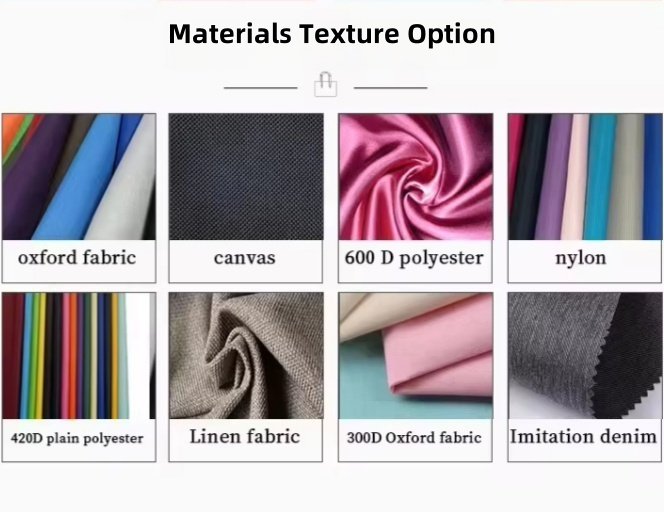
Polyester and Oxford fabric are common choices for logo lunch bags because they balance durability, appearance, cost, and print performance. For campaign orders, 210D, 420D, 600D, or higher Oxford fabric can be reviewed based on the bag structure and expected use. Lighter fabric helps control cost and carton weight. Heavier fabric gives a stronger hand feel and better shape, but may increase material cost and shipping volume.
For corporate gifts, employee programs, and food promotions, polyester usually gives a clean body surface for screen print, heat transfer, woven label, rubber patch, or embroidery depending on the style. The fabric color should be checked with the logo color before sampling. A dark logo on a dark bag may look too quiet, while a light logo on a bright body may need stronger print coverage. Jundong can review the logo file, bag color, fabric surface, and sample direction before bulk order release.
RPET fabric can support campaigns related to sustainability, wellness, outdoor lifestyle, retail gifting, and corporate responsibility. It is often selected when a brand wants the gift to carry a more responsible material story. For lunch bags, RPET can be used on the outer body, while the inner lining and insulation layer should still be chosen based on cleaning, temperature feel, cost, and durability.
A clean RPET project should avoid vague eco claims. The safer way is to confirm material type, color, bag structure, packing plan, and whether any material document is required for the program. Some campaigns only need a greener material direction, while others need more formal material records. Logo method also needs review because RPET fabric texture and color can affect print sharpness. For a polished result, sample approval should include fabric feel, logo clarity, lining quality, and carton packing.
RPET Fabric For Eco Campaigns

PEVA, Aluminum Lining And EPE Foam

The inside of a lunch bag matters as much as the outside. PEVA lining is often used for a clean inner surface and easy wipe-down feel. Aluminum foil lining can create a stronger cooler impression and a brighter inside look. EPE foam between the outer fabric and lining helps shape the insulation feel. Thickness should be chosen by campaign use, budget, bag size, and freight plan.
A very thin structure may look light and easy to pack, but it may feel weak when used with lunch boxes and drinks. A thicker structure may improve the hand feel and cooler impression, but it can increase carton volume and shipping cost. The best choice is rarely the thickest option. It is the structure that matches the event purpose, expected use, target cost, and delivery plan. Sample testing should check inner space, lining neatness, corner folding, zipper movement, and whether the bag stands properly when filled.
Sample And Artwork Approval
Artwork And Color Review
Artwork review should happen before sample making, not after the first sample comes out wrong. The team should confirm logo file format, artwork size, color reference, print position, and whether the logo works on the chosen fabric color. AI, EPS, PDF, SVG, or high-resolution files are usually easier to review than unclear screenshots. A Pantone reference helps reduce color confusion, especially for corporate marks, school colors, and food brand visuals.
- Confirm logo file quality
- Review artwork size
- Match logo color with the fabric.
- Check print or patch position
- Prepare clear sample instructions.
A well-prepared artwork file saves time during sampling and reduces avoidable changes. If the logo includes small text, gradients, thin lines, or several colors, the method should be reviewed carefully. Some details look fine on a screen but become weak on fabric. Jundong can check whether screen print, heat transfer, embroidery, a woven label, a rubber patch, or another technique better fits the visual target.
Physical Sample Review
The physical sample should be reviewed with real use in mind. A sample photo is not enough. The bag should be opened, filled, carried, zipped, folded, and checked under normal light. For lunch bags, the sample review should cover outer fabric, inner lining, insulation feel, foam thickness, handle comfort, zipper movement, logo clarity, size tolerance, pocket layout, and packing method.
- Check loaded capacity
- Test opening and zipper
- Review lining cleanliness
- Hold the handle with weight
- Confirm packing shape
Standard sample work usually takes 5–7 days, while simple styles may be reviewed at 2–3 days depending on material and logo method. A sample should not be rushed past the details that affect bulk quality. When feedback is clear, adjustment becomes faster and more accurate. The goal is not only to approve a nice-looking bag; the goal is to create a reliable production reference.
Pre-Production Confirmation
Pre-production confirmation turns the approved sample into a clear order file. Before bulk work begins, the final record should include fabric, color, lining, insulation layer, size, logo file, logo method, logo position, zipper, handle, pocket layout, packing method, carton mark, quantity, destination, and deadline. This file becomes the standard used by cutting, logo work, sewing, QC, packing, and shipment preparation.
- Lock approved sample details
- Confirm material and lining
- Record logo position
- Confirm packing and carton marks
- Share deadline and destination
For larger programs, especially orders of 500 pcs or more, a clean pre-production file helps protect consistency. If a program includes several colors, departments, or delivery groups, the record should separate each version clearly. Once the details are confirmed, production can move with fewer interruptions. This is how a campaign lunch bag order becomes controlled, repeatable, and easier to reorder later.
Bulk Production Workflow For Campaign Lunch Bags
Approved samples only work when every detail can be repeated in bulk. A clear workflow keeps fabric, logo, insulation, sewing, packing, and delivery records aligned from the first cut to the final carton.
From Approved Sample To Production File

Bulk work should begin with one approved sample and one clean production file. For custom logo lunch bags, the file should include bag size, fabric code, body color, lining choice, foam thickness, zipper type, handle material, pocket layout, logo artwork, logo method, logo position, packing method, carton quantity, carton mark, deadline, and delivery destination. These details should not stay only in messages or sample photos.
A clear file helps each department follow the same standard. Cutting needs the correct pattern and fabric direction. Logo work needs confirmed artwork size and position. Sewing needs pocket placement, handle length, bottom structure, lining position, and seam rules. Packing needs folding direction, insert placement, polybag rule, carton count, and label layout.
For campaign lunch bags, consistency matters more than a single beautiful sample. If one order includes different colors, group codes, store destinations, or department gifts, each version should have a separated record. A 500 pcs order may be simple, while a 5,000 pcs order with several colors and packing groups needs stronger document control. Early record setup reduces back-and-forth during production and makes reorder work easier later.
Cutting, Logo Work, and Sewing Flow

The production flow should protect both appearance and function. After material confirmation, fabric is prepared for cutting according to the approved pattern. Cutting accuracy affects final size, pocket alignment, zipper placement, and how the bag stands when filled. If fabric direction, coating, or texture is ignored, the body may look uneven across different pieces.
Logo work should happen with a clear position guide. Screen printing, heat transfer, embroidery, woven labels, rubber patches, leather patches, or metal plates each need a different setup. The logo area should be checked before sewing continues, because correction becomes harder after assembly. For multi-color orders, panels should be separated clearly to avoid placing the wrong logo on the wrong body color.
Sewing and assembly bring the lunch bag into shape. The team should follow the approved structure for outer fabric, foam, lining, zipper, handle, pocket, bottom, binding, and edge finish. Key checks include straight stitching, smooth zipper movement, clean lining, balanced handle position, and stable bottom shape. These checks should not wait until the end. Inline review helps catch small issues before they become repeated across hundreds or thousands of pieces.
Packing, Records, and Shipment Preparation

Packing is part of production control, not a final side task. For promotional lunch bags, packing rules can decide whether the order is easy or difficult to distribute after arrival. Each bag may need a polybag, hangtag, insert card, barcode, group label, or kit item. Each carton may need only one color, a mixed-color grouping, a department code, a destination label, or a neutral export mark.
Before shipment preparation, the packing team should follow the confirmed file: folding direction, logo-facing direction, insert position, pieces per carton, carton size, carton number, and mark content. For gift kit projects, item count and placement should be checked before sealing cartons. For event programs, readable carton labels can save many hours during warehouse sorting and on-site handout.
Jundong supports custom bag projects from sample approval to bulk order preparation with in-house coordination across development, sample work, production, QC, and packing. The goal is simple: keep the approved sample, production file, inspection standard, and packed order aligned. When order records are clean, repeat runs become easier, color changes are safer, and future promotional programs can move faster.
QC For Promotional Lunch Bags
Campaign lunch bags represent a brand in public spaces. QC should check more than the outside look. Fabric, logo, stitching, zipper, lining, handle strength, size, packing, and carton marks all affect the final program.
| QC Area | What We Check | Why It Matters For Campaign Orders |
|---|---|---|
| Fabric Color | Color shade, fabric surface, batch consistency, visible marks | Keeps each color group aligned with brand and event visuals |
| Logo Position | Size, placement, angle, edge, color, attachment strength | Protects brand visibility on handout day and during daily use |
| Printing Or Patch Quality | Ink coverage, transfer edge, embroidery density, patch fixing, label sewing | Prevents weak branding, peeling, uneven texture, or loose marks |
| Size And Capacity | Width, height, gusset, opening, loaded fit, inner space | Ensures meal boxes, bottles, ice packs, and inserts fit as planned |
| Insulation Structure | Foam placement, lining neatness, corner folding, inside cleanliness | Gives the bag a better cooler feel and cleaner food-use impression |
| Zipper And Closure | Smooth movement, puller strength, Velcro alignment, drawstring function | Makes the bag easier to use after the event |
| Handle And Strap | Symmetry, reinforcement, webbing color, pull strength, comfort | Helps the bag carry meals, drinks, and gift items more safely |
| Stitching And Edge Finish | Straight seams, skipped stitches, loose threads, binding, corner strength | Improves durability and makes the gift look well made |
| Pocket And Insert Layout | Side pocket, front pocket, inner divider, card space, kit placement | Keeps the design useful for campaign kits and daily carrying |
| Packing Accuracy | Polybag, hangtag, barcode, insert, color group, pieces per carton | Reduces sorting errors before event distribution |
| Carton Marks | Item name, color, quantity, carton number, destination, group code | Helps warehouse teams, event staff, and forwarders identify goods faster |
| Final Review | Sample match, order file match, packing file match, shipment readiness | Confirms the order follows approved details before release |
Jundong uses multi-stage checks rather than relying only on final inspection. The process can include material review, logo checking, sewing inspection, function testing, packing check, and pre-shipment review. With 80 QC inspectors, the focus is not only finding defects, but keeping production aligned with the approved sample and order file.
For promotional lunch bags, a small defect can become highly visible when hundreds or thousands of bags are handed out together. A crooked logo, weak zipper, dirty lining, mixed carton mark, or mismatched color group can damage the whole program. Clear inspection standards help protect brand presentation, event timing, and reorder confidence.
Campaign Packaging And Kitting Support
Campaign lunch bags often need more than a simple polybag. Packing rules affect event handout speed, warehouse sorting, gift presentation, shipping cost, and whether the right item reaches the right group.
Individual Handout Packing

Individual packing keeps each lunch bag clean during storage, transport, and event preparation. For simple giveaways, a clear polybag may be enough. For employee gifts, school programs, food promotions, or wellness kits, a hangtag, insert card, size label, barcode, or branded sleeve may be needed. Packing should be planned before bulk production, because bag shape, fold method, insert placement, and carton quantity all affect final handling.
A clean handout plan should answer several details early: Will each bag be given alone, placed into a kit, shipped to stores, or sorted by department? Does the program need a welcome card, meal plan card, coupon, menu insert, or product leaflet inside the bag? Should the logo face outward when packed? Should each carton carry one color only, or mixed colors by group? These details may look small, yet they decide whether the final event setup feels smooth or rushed.
Gift Kit Assembly Support

Lunch bags are often used as the main carrier for campaign kits. Common kit items include water bottles, snack packs, reusable cutlery, ice packs, notebooks, food samples, staff cards, coupons, and printed inserts. When the bag becomes part of a kit, the inner space should be checked with real item sizes before the pattern is locked. Otherwise, the zipper may become hard to close, the shape may bulge, or the gift may feel poorly arranged.
Kit assembly needs a clear packing order. The heavier item should not crush printed inserts. Sharp carton corners should not press into soft bags. Product samples should stay stable during transport. If several kit versions are needed, carton labels must be easy to read. For larger programs, item counting, inner placement, polybag direction, and carton grouping should be written into the packing file. A well-planned kit makes the gift feel prepared, not patched together at the last moment.
Carton Marking & Sorting

Carton marks matter a lot when campaign orders include several colors, logos, offices, stores, teams, classes, or event locations. A good carton mark can help the warehouse, freight forwarder, event team, and store staff identify the goods quickly. Poor carton marks can cause delays even when the lunch bags are produced correctly. For multi-location programs, labels should be readable, consistent, and matched with the packing list.
Useful carton details may include item name, color, quantity, carton number, gross weight, net weight, carton size, destination, department code, event group, or store code. The exact format depends on the program. Some projects need neutral export cartons, while others need destination labels or retailer-style barcode labels. Packing rules should be confirmed before final production so cartons, labels, and item grouping can be prepared correctly instead of adjusted in a hurry before shipment.
Timeline And Event Delivery Planning
A lunch bag program should be planned backward from the event date. Sampling, approval, bulk work, packing, inspection, and freight all need enough time to protect the launch schedule.
| Project Stage | What To Confirm | Suggested Timing Logic | Risk If Missed |
|---|---|---|---|
| Event Date | Launch day, trade show date, school opening, wellness week, staff event | Confirm before sample work starts | Late goods reduce the value of the whole program |
| Artwork Review | Logo file, color reference, logo size, placement, technique | Finish before sample instructions are released | Wrong artwork creates sample delay and repeat cost |
| Material Review | Outer fabric, lining, foam, zipper, webbing, patch or label | Confirm together with logo direction | Wrong material affects cost, print effect, and hand feel |
| Sample Work | Structure, logo result, capacity, lining, packing shape | Standard styles usually need 5–7 days; simple styles may be reviewed at 2–3 days | Rushed approval may lead to bulk issues |
| Sample Revision | Size change, logo adjustment, pocket update, packing change | Allow time before final release | Late changes can push the whole schedule |
| Bulk Production | Quantity, colors, packing groups, production file, inspection standard | Usually 20–30 days depending on design, order size, material readiness, and logo method | Tight timing increases pressure on production and packing |
| Packing Review | Polybag, insert card, barcode, carton mark, kit grouping | Confirm before goods enter final packing | Wrong grouping slows warehouse sorting and event handout |
| Freight Planning | Destination, delivery deadline, carton volume, weight, trade term | Review before carton packing is finalized | Freight option may not match cost or arrival date |
| Final Release | Inspection record, packing list, carton marks, shipment arrangement | Confirm before goods leave the factory | Missing records can delay release or receiving work |
Campaign goods often have a firm deadline. A trade show does not wait for a carton. A school program cannot move opening week. A staff gift loses impact when it arrives after the internal event. For this reason, the schedule should not start from “How fast can it be made?” It should start from “When must the goods arrive, and what details must be locked before that date?”
A safer timeline includes room for artwork review, sample check, one possible adjustment, bulk production, packing, inspection, and freight. If the project includes several colors, multiple logo versions, gift kit assembly, or delivery to different locations, the schedule should include extra review time. Clear early records reduce pressure later.
Jundong can review project timing together with bag structure, material choice, logo method, packing rule, carton volume, and destination. The goal is not only to finish the bags. The goal is to make sure the right bags, with the right logo and packing, arrive in time for the program.
MOQ, Price, and Cost Planning

MOQ Planning
The standard MOQ for most custom lunch bag projects usually starts from 500 pcs per design. Simple styles may be reviewed at 200–300 pcs case by case when material, structure, logo method, and packing are straightforward. Low-unit-cost basic styles may require 1,000 pcs or more because fabric purchasing, logo setup, cutting, sewing, and packing still need a stable production base.
- Standard custom orders: usually 500 pcs per design
- Simple selected styles: 200–300 pcs may be reviewed
- Low-cost basic styles: often need 1,000 pcs or more
- Multi-color orders: MOQ may apply by color
- Special material or patch: setup needs review
The safest way is to share target quantity early. A 500 pcs order, 2,000 pcs order, and 10,000 pcs order should not be planned in the same way. Larger orders may allow better material use, more stable packing, and improved unit cost. Smaller approved runs need tighter structure control to avoid over-complication.
Cost Factors
Price is shaped by the full product, not only the outer bag size. A simple non-woven lunch bag with one-color print is very different from an RPET cooler tote with EPE foam, PEVA lining, zipper pocket, woven label, insert card, and grouped carton marks. Each added detail changes material use, labor time, setup work, packing space, or inspection needs.
- Fabric type and thickness
- Lining and foam structure
- Logo method and logo size
- Pocket, handle, zipper, strap, bottom design
- Individual packing or kit assembly
- Carton mark and sorting rule
- Order quantity and delivery schedule
Cost planning should protect the campaign goal. If the order needs wide distribution, the design can stay simple and clean. If the gift represents a premium employee program, better fabric, stronger handle, cleaner lining, and higher-value logo method may be worth the added cost. Jundong can review where cost should be saved and where quality should not be reduced.
Sample And Order Budget
Sample work helps confirm whether the selected material, logo, size, lining, and packing direction are ready for bulk. For standard lunch bag styles, sample time usually takes 5–7 days. Simple styles may be reviewed in 2–3 days depending on material and logo method. Sample cost can be refunded or deducted when the bulk order reaches 2,000 pcs.
- Sample confirms real structure
- Logo result should be checked physically
- Packing shape should be reviewed before release
- Bulk production usually takes 20–30 days
- Shipping time depends on method and destination
A strong budget plan should include product cost, logo setup, sample work, packing, inspection, inland handling, export arrangement, and international freight. If the program has a fixed event date, timeline planning should start before the quote is approved. When quantity, design, packing, and destination are clear, the quote becomes faster, cleaner, and easier to compare.
Factory Partner vs Promo Catalog Platform
Catalog platforms are useful for fast style browsing. A factory partner is stronger when a program needs material control, size changes, private label packing, repeat records, and bulk consistency.
| Project Need | Promo Catalog Platform | Jundong Custom Bag Factory |
|---|---|---|
| Fast Style Browsing | Strong for choosing ready models from a list | Can review a reference style and adjust size, fabric, structure, and logo area |
| Deep Custom Development | Usually limited to existing shapes and decoration areas | Supports material, lining, insulation, pocket, handle, zipper, size, and packing changes |
| Logo Control | Good for standard imprint areas | Reviews logo method with fabric, color, position, sample result, and bulk repeat needs |
| Private Label Detail | Often limited to standard tag or imprint options | Can review woven labels, patches, hangtags, inserts, carton marks, and branded packing |
| Material Planning | Usually based on listed product specs | Can compare polyester, Oxford, RPET, non-woven, neoprene, PEVA, aluminum lining, and EPE foam |
| Bulk Consistency | Depends on product source and available stock | Uses approved sample, production file, inline checks, and packing records |
| Program Kits | Often limited to available bundle options | Can plan bag space, inserts, kit sequence, polybag direction, and grouped cartons |
| Reorder Stability | Product may change if stock source changes | Repeat orders can follow saved size, material, logo, and packing records |
| Cost Engineering | Usually based on listed product price breaks | Can review where to save cost and where not to reduce quality |
| Event Delivery Planning | Usually order-service driven | Can review production timing, packing timing, carton volume, destination, and freight method together |
A catalog platform can be a good fit when the program only needs a ready model with a standard logo position. It is simple, fast, and easy for early style comparison. But when a brand needs a lunch bag that matches a campaign color, gift value, packaging rule, material story, or long-term repeat plan, a deeper production route becomes more useful.
A factory partner can adjust the details that affect real use: bag size, bottom shape, lining, insulation, handle length, zipper type, logo method, insert space, and carton grouping. These details are often not visible in a simple online product list, but they decide whether the final order feels prepared or generic.
For promotional lunch bags, the best choice depends on project depth. Ready-style decoration is enough for some programs. For employee kits, food promotions, wellness campaigns, school projects, and retail brand gifts, stronger control over sample approval, production records, QC, and packing can reduce risk. Jundong is better suited for programs where the lunch bag must fit a real brand plan, not only carry a printed mark.
Make a sample first ?
A successful promotional lunch bag should do more than carry food. It should represent your brand, support your campaign goals, and fit the daily habits of the people who receive it. From company events and employee gifts to school programs and community promotions, custom lunch bags need the right material, logo placement, size, and packing method to create lasting brand exposure. With clear requirements from the beginning, each project becomes easier to sample, review, and prepare for large-scale distribution.
Client Testimonials
800+ brand Clients Trust Jundong


FAQs About Custom Logo Lunch Bags
Before starting a logo lunch bag program, most teams want clear facts about MOQ, sample time, logo effect, materials, packing, QC, and delivery. The following FAQ helps make those decisions easier.

What is the MOQ for custom logo lunch bags?
The standard MOQ for most custom logo lunch bags usually starts from 500 pcs per design. Simple selected styles may be reviewed at 200–300 pcs when the structure, material, logo method, and packing are straightforward. Low-cost basic lunch bags may require 1,000 pcs or more because fabric purchasing, logo setup, cutting, sewing, and packing still need a stable production base. If your program includes several colors or logo versions, MOQ may need to be reviewed by color or version. The best start is to share your target quantity, expected bag style, and logo file so the project can be planned clearly.
Can you make lunch bags for corporate promotional campaigns?
Certainly. Jundong can develop custom logo lunch bags for employee gifts, wellness programs, trade shows, food promotions, school events, onboarding kits, and retail activity gifts. The useful part is not only putting a logo on a bag; the real work is matching the bag with the event purpose, gift level, packing method, and arrival deadline. A corporate lunch bag may need stronger fabric, cleaner lining, better handle comfort, and more controlled carton marks than a simple one-day giveaway. For larger programs, the sample should confirm logo clarity, capacity, inner lining, zipper movement, packing shape, and delivery grouping before bulk production.
Which material works best for promotional lunch bags?
The best material depends on the program goal, not only on price. Polyester and Oxford fabric are strong choices for many logo lunch bags because they balance durability, appearance, cost, and print performance. RPET fabric fits eco-focused campaigns, employee wellness gifts, and outdoor lifestyle programs. Non-woven fabric works well for high-volume, cost-controlled events. Neoprene gives a soft and modern feel for sports, youth, or fitness themes. PEVA lining, aluminum lining, and EPE foam affect the inside feel and insulation structure. A strong material plan should review fabric surface, logo method, lining, foam thickness, bag shape, and carton volume together.
Which logo method gives the best brand visibility?
Sure, the right logo method can make the same lunch bag feel completely different. Silk screen print is suitable for simple solid-color logos and larger quantities. Heat transfer works better for multi-color artwork or cleaner campaign graphics. Embroidery adds texture for higher-value employee gifts. Woven labels, rubber patches, leather patches, and metal plates can create a more private-label or lifestyle gift look. The best method depends on fabric texture, logo size, color contrast, order quantity, and gift value. Before bulk work, the logo should be checked on a real sample, because screen color and fabric result are not always the same.
Can we approve a sample before bulk production?
Of course. Sample approval is one of the safest ways to protect a custom logo lunch bag order. Standard sample work usually takes 5–7 days, while simple styles may be reviewed at 2–3 days depending on material and logo method. The sample should not only check appearance. It should also confirm size, capacity, fabric feel, insulation structure, lining, zipper, handle comfort, logo clarity, packing shape, and carton direction. Sample cost can be refunded or deducted when the bulk order reaches 2,000 pcs. A clear sample review helps turn the design into a reliable production reference.
How long does bulk production usually take?
Bulk production usually takes 20–30 days after sample approval and final material confirmation. The exact timing depends on quantity, fabric availability, logo method, insulation structure, packing complexity, and whether the order includes several colors or gift kit versions. A simple one-color lunch bag with standard packing is easier to schedule than a multi-color RPET cooler tote with inserts, barcode labels, and grouped cartons. For fixed-date events, planning should start from the required arrival date, then work backward through sample review, production, packing, inspection, and freight. This keeps the delivery plan more realistic and easier to control.
Can you support individual packing, inserts, and gift kits?
Definitely. Campaign lunch bags often need more than a clear polybag. Many programs require hangtags, insert cards, barcode labels, welcome notes, meal plan cards, coupons, branded sleeves, or kit assembly with bottles, cutlery, snack packs, or small samples. Packing should be discussed before bulk production because it affects bag folding, carton size, labor time, sorting accuracy, and freight volume. For multi-location programs, carton marks can include color, quantity, group code, destination, or store code. Good packing planning helps the order arrive ready for warehouse sorting, office handout, school distribution, or event setup.
How do you control logo and bulk quality?
Jundong uses multi-stage checks to keep the approved sample and bulk order aligned. With 80 QC inspectors, checks can cover fabric color, logo position, print or patch quality, stitching, zipper movement, handle strength, lining cleanliness, size, packing accuracy, and carton marks. For logo lunch bags, small issues become obvious when many pieces are handed out together. A tilted logo, weak handle, dirty lining, or wrong carton mark can affect the whole program. That is why quality control should happen during material review, logo work, sewing, packing, and pre-shipment review, not only at the final stage.
What details affect the price most?
A clear price depends on size, material, insulation, logo method, pocket design, zipper, handle, packing, quantity, deadline, and destination. A simple non-woven lunch bag with one-color print is very different from an RPET cooler tote with PEVA lining, EPE foam, zipper pocket, woven label, insert card, and grouped carton marks. If the goal is wide distribution, the design can stay clean and cost controlled. If the program is for a higher-value employee gift, stronger fabric, better lining, reinforced handles, and a more premium logo method may be worth the extra cost. A full brief helps avoid vague pricing.
What should we send to get a useful quote?
A useful quote starts with six details: reference photo, target size, logo file, order quantity, packing needs, and delivery destination. If exact specifications are not ready, a photo or previous sample can still start the review. For logo files, AI, EPS, PDF, or SVG is preferred; Pantone color is helpful when brand color matters. Please also share the event date or required arrival date if timing is fixed. When project files are ready, they can be sent to info@jundongfactory.com. Clear details help review material choice, logo method, sample time, bulk cost, packing, and freight route more accurately.
Start Your Custom Logo Lunch Bag Review
A good promotional lunch bag program starts with clear details, not guesswork. Share the bag style, logo file, quantity, packing needs, event date, and destination. Jundong can review material options, logo method, sample direction, bulk schedule, QC focus, packing rules, and delivery route before the order moves forward.
You do not need a complete technical pack at the first step. A reference photo, target size, and logo file are enough to begin a useful review. If the lunch bag will be used for employee gifts, school programs, food promotions, trade shows, wellness kits, or retail activity gifts, please also share how the bags will be handed out or packed. That detail helps protect both cost and final presentation.
Please include:
- Reference photo, sketch, or previous sample
- Target size or items that must fit inside
- Logo file and preferred logo position
- Quantity by color or logo version
- Packing needs, inserts, labels, or kit details
- Event date or required arrival date
- Destination country, city, warehouse, or forwarder
- Any material preference, such as RPET, Oxford, neoprene, PEVA, or aluminum lining
Form Fields:
- Name
- Company
- WhatsApp / Tel
- Product Style
- Target Quantity
- Event Date
- Destination Country
- Message
- Upload Logo / Design File