Skip to content
Custom Logo Canvas Bags for Brand Merchandise
Canvas tote projects developed for brand merchandise, retail gifting, event launches, staff kits, and private label programs.
Jundong helps brand teams turn logo canvas bag ideas into production-ready merchandise with clear material, structure, logo, packing, and delivery checks.
- Guangdong custom bag factory with 20+ years of OEM/ODM project experience
- 600+ employees, 18,000㎡ factory area, and 80 QC inspectors
- Canvas weight, size, handle, gusset, pocket, label, and packing review before sampling
- Suitable for retail merch, corporate gifts, trade shows, staff kits, museum shops, and lifestyle campaigns

Project Needs Covered Before Canvas Bag Sampling
Strong canvas merchandise starts before cutting fabric. Logo files, canvas weight, handle length, size, label rules, carton marks, and delivery dates all affect the finished result. Clear early review helps avoid weak fabric, poor logo placement, wrong packing, and rushed bulk work.

| Project Need | What To Review | Jundong Support |
|---|---|---|
| Brand merchandise use | Retail resale, gift sets, staff kits, event launches, exhibition bags, resort shops, or cultural store items | Match canvas weight, bag structure, logo method, label style, and packing plan to the real use |
| Canvas selection | 6oz, 8oz, 10oz, 12oz, 14oz or heavier canvas; natural, bleached, dyed, recycled, or organic options | Review hand feel, stiffness, print effect, strength, shrinkage risk, and cost level before sampling |
| Logo presentation | Screen print, embroidery, woven label, leather patch, heat transfer, or inner label | Check artwork clarity, Pantone color, logo size, position, stitch detail, fabric texture, and sample approval needs |
| Structure details | Flat tote, gusset base, zipper top, inner pocket, long handle, short handle, reinforced seams | Review daily-use comfort, load needs, storage purpose, photo display, packing volume, and final product value |
| Packing and labels | OPP bag, hangtag, barcode, SKU label, inner label, carton mark, gift packing, store-ready packing | Prepare packing rules for retail, event, warehouse, gift, and multi-location delivery plans |
| Order planning | Standard MOQ, sample timing, bulk schedule, shipping method, deadline, and destination | Review cost, lead time, sample steps, production planning, inspection focus, and delivery route after project details are confirmed |
Who Uses Logo Canvas Bags For Brand Merchandise
Brand Merchandise Teams
Brand merchandise teams need canvas bags that feel aligned with the brand, not random promotional stock. A tote may appear in store launches, pop-up events, loyalty gifts, press kits, or seasonal campaigns, so fabric hand feel and logo placement matter. Jundong can review canvas weight, dyed fabric, handle proportion, logo scale, label placement, and packing style before sampling, helping the finished bag feel like part of the brand system rather than a loose giveaway item.
Retail Product Lines
Retail programs need canvas bags that can sit beside paid products without looking unfinished. Details such as gusset base, zipper top, inner pocket, hangtag, barcode, care label, carton mark, and repeat order records become important. Jundong can help develop canvas totes for lifestyle stores, fashion accessories, beauty sets, bookshops, museum shops, and resort stores, with material and packing choices reviewed around store display, shelf handling, and reorder consistency.
Corporate Gift Programs
Corporate gift programs often need bags for staff kits, client gifts, conference welcome packs, training materials, anniversary gifts, or VIP boxes. A canvas bag should carry the logo clearly, hold the planned contents, and arrive packed for easy distribution. Jundong can review size, handle length, logo method, fabric thickness, inner packing, carton quantity, and destination details, so the gift set feels organized instead of looking like a last-minute add-on.
Event Agencies
Event agencies care about visible logos, fixed dates, clear packing, and fast onsite distribution. Canvas bags for exhibitions, trade shows, product launches, music events, education events, and community campaigns need enough space for documents, samples, brochures, water bottles, or sponsor inserts. Jundong can review A4 capacity, printing area, carton marks, polybag options, sponsor versions, and shipping plan before sampling, helping event teams reduce deadline and packing confusion.
Cultural Shops
Cultural shops, museum stores, galleries, bookshops, tourism stores, and resort gift shops often need canvas bags with a stronger story value. The bag may carry an illustration, local symbol, collection theme, artist design, or destination logo. Jundong can review canvas texture, print detail, embroidery option, label style, tag material, inner pocket, and retail packing, helping the bag feel like a saleable keepsake instead of ordinary carry packaging.
Private Label Lines
Private label lines need more than an outside logo. Inner labels, woven tags, hangtags, barcodes, SKU records, packing rules, material cards, color records, and repeat order files are usually needed for stable product programs. Jundong can support logo canvas totes, cotton shopper bags, zipper canvas bags, gift totes, foldable totes, and related soft goods, with development records kept around material, logo, size, packing, and bulk inspection details.
Canvas Bag Styles For Brand Merchandise Programs
The right canvas bag style depends on how the item will be seen, carried, packed, and reused. A simple event tote, a retail shopper, and a gift-set bag need different structure, canvas weight, logo method, and packing rules.
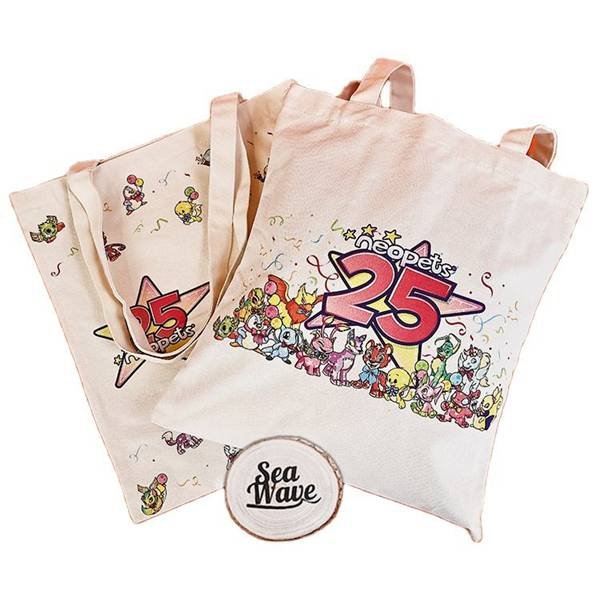
Classic Canvas Tote
The classic canvas tote is suitable for clean brand merchandise, event gifts, staff welcome kits, bookshop items, and lifestyle campaigns. Its strength is a simple shape with a large logo area, easy folding, and lower packing volume. Jundong can review canvas weight, handle length, logo size, and bag dimensions before sampling.
- Good for large logo display
- Suitable for screen print or embroidery
- Works well for mid-volume event and gift programs
Gusset Canvas Bag
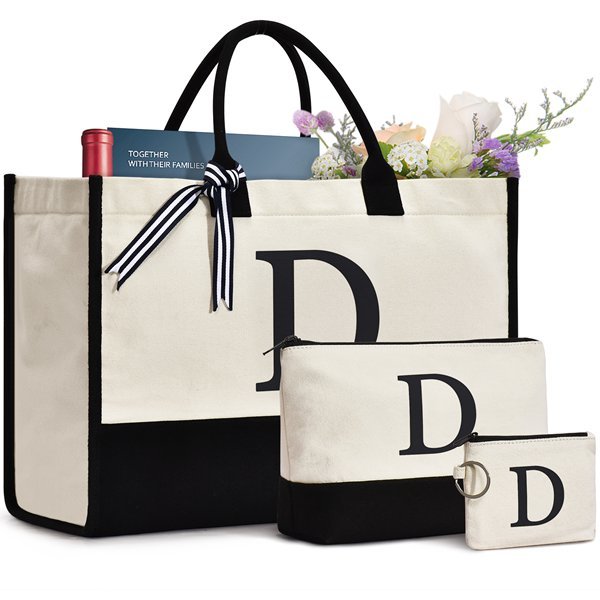
A gusset canvas bag gives more loading space and a stronger retail feel than a flat tote. It is useful for apparel, books, food gift sets, beauty kits, store merchandise, and trade show packs. The base width should match the planned contents, because too little gusset reduces capacity and too much gusset increases fabric use and carton space.
- Better for bulky items
- Helps the bag stand more naturally
- Good for retail and gift-kit presentation
Zipper Canvas Tote
A zipper canvas tote gives a higher-value feel and better content protection. It works for staff gifts, paid merchandise, travel retail, museum shops, college programs, and premium event kits. Zipper quality, opening width, puller style, lining choice, and stitch position should be checked before sampling, because a zipper changes both cost and structure.
- Better for repeated use
- Suitable for higher-value merchandise
- Can be paired with inner pockets or lining

Foldable Canvas Bag
A foldable canvas bag is useful when storage, shipping volume, and easy distribution matter. It can fit event kits, travel programs, education projects, loyalty gifts, or mailer-based campaigns. The folding method should be checked early, because handle length, canvas thickness, label placement, and logo position can affect the final folded size and appearance.
- Saves packing and storage space
- Good for mailer and event distribution
- Needs folding test during sample review
Heavy Canvas Shopper
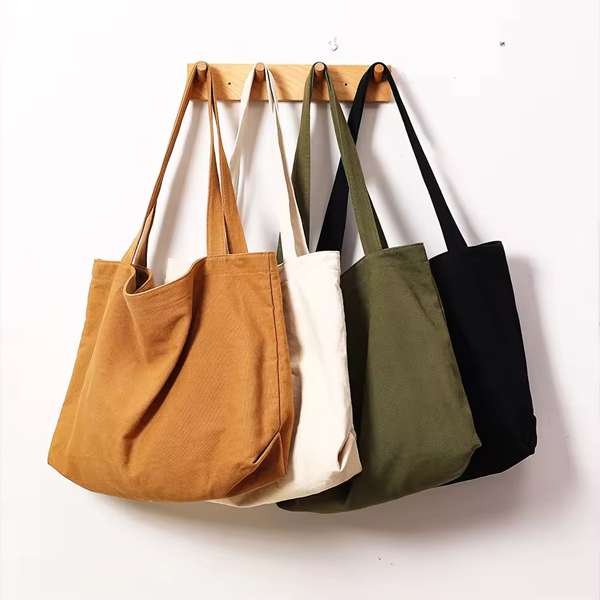
A heavy canvas shopper is suited to stronger retail identity. It can be used by fashion stores, lifestyle stores, bookstores, resort stores, and premium merchandise programs where the bag may be sold, not only given away. Heavier canvas gives better shape and hand feel, but also increases weight, sewing difficulty, and shipping volume.
- Better shape for store display
- Stronger hand feel for premium projects
- Works well with embroidery, leather patches, or woven labels

Retail Gift Tote
A retail gift tote is designed around presentation. It may hold a product bundle, seasonal gift, welcome set, beauty set, resort pack, or limited campaign item. The key details are size accuracy, opening width, handle comfort, inner packing, label position, and carton quantity. Jundong can review how the tote will be packed with other items before sample work.
- Useful for gift bundles
- Can support hangtags and barcodes
- Good for store, event, and VIP pack use

Brand Merchandise Risks To Fix Before Sampling
A logo canvas bag may look simple, but brand merchandise often fails through small details. Thin fabric, weak print, poor color control, loose handles, rough packing, and late delivery can make a polished campaign feel unfinished.

Cheap Fabric Feel
A canvas bag used for brand merchandise should not feel like a disposable giveaway unless the project is intentionally designed for short event use. Thin fabric may reduce cost, but it can also make the bag collapse, wrinkle easily, and look weak in product photos. Before sampling, Jundong reviews use scenario, load needs, canvas weight, fabric color, stiffness, hand feel, and packing method.
- For light event use: lower weight canvas may be suitable
- For retail merch: stronger canvas usually gives better structure
- For premium gift sets: fabric feel should match brand value
Weak Logo Result
Logo problems are one of the fastest ways to make canvas merchandise look unprofessional. A fine-line logo may lose detail on rough fabric. A large solid print may crack or feel heavy if the method is not selected well. Embroidery may look premium, but small text and complex gradients may not work. Jundong reviews artwork file, logo size, color count, fabric texture, placement, and decoration method before sample work starts.
- Vector artwork is preferred for cleaner output
- Pantone color helps reduce color confusion
- Sample approval should confirm both color and position
Wrong Brand Color
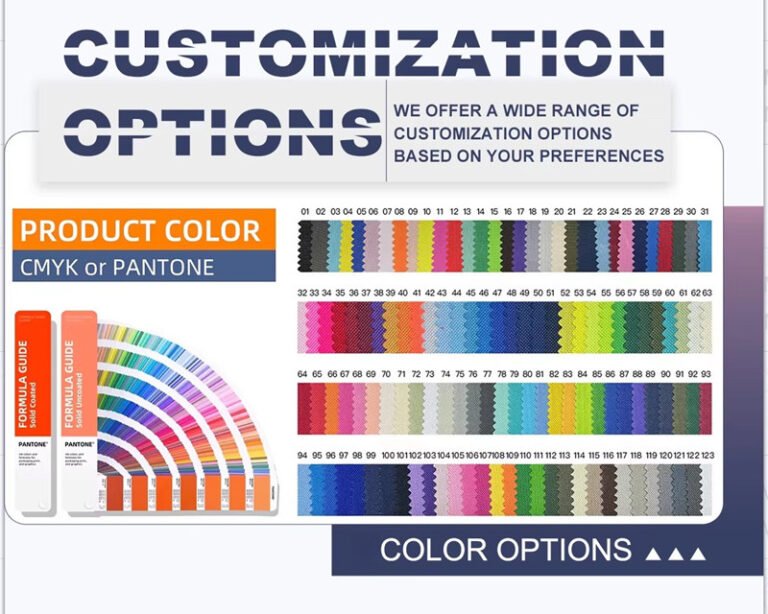
Canvas color is not just a background. Natural canvas, bleached canvas, dyed canvas, black canvas, and recycled cotton can make the same logo feel completely different. A cream fabric may suit lifestyle brands, while dyed canvas may fit retail launches or seasonal campaigns. Color can also shift under different light, packing, and photo conditions. Jundong can review fabric swatches, logo color, trim color, label color, and packing style together.
- Fabric color should support brand identity
- Dyed canvas may need earlier confirmation
- Logo contrast must be checked on real fabric
Poor Handle Strength
A canvas tote often fails at the handle before the main body fails. For brand merchandise, weak handles create a bad use experience and may cause complaints after events or retail sale. Handle width, length, fabric layer, stitch type, cross stitching, and stress position should match the planned contents. Jundong reviews whether the bag will carry books, bottles, apparel, gifts, brochures, or daily items before confirming handle construction.
- Long handles suit shoulder carry
- Short handles suit gift and retail hand-carry use
- Reinforced stitching helps reduce stress-point failure
Messy Packing Rules
Packing mistakes can make a good canvas bag hard to distribute. Event teams need clear carton marks. Retail teams need barcodes and hangtags. Gift teams may need individual polybags, tissue paper, or bundle packing. Warehouse teams may need SKU labels and carton details. Jundong reviews packing needs before bulk work, so the finished bags arrive in a way that fits the project rather than creating extra sorting work.
- Event use needs fast carton identification
- Retail use needs label and barcode planning
- Gift use needs cleaner single-piece presentation
Sample-Bulk Difference
A good sample is only useful when it can guide bulk work. If material, logo position, handle length, packing rules, or color records are not fixed, bulk production may drift away from the approved sample. Jundong treats the approved sample as a reference for material, structure, logo, sewing, and packing checks. Bulk inspection should follow clear records instead of relying on memory or loose verbal notes.
- Approved sample should be kept as production reference
- Material and logo records should be confirmed early
- Packing details should be written before bulk work
Canvas Materials For Logo Bag Projects
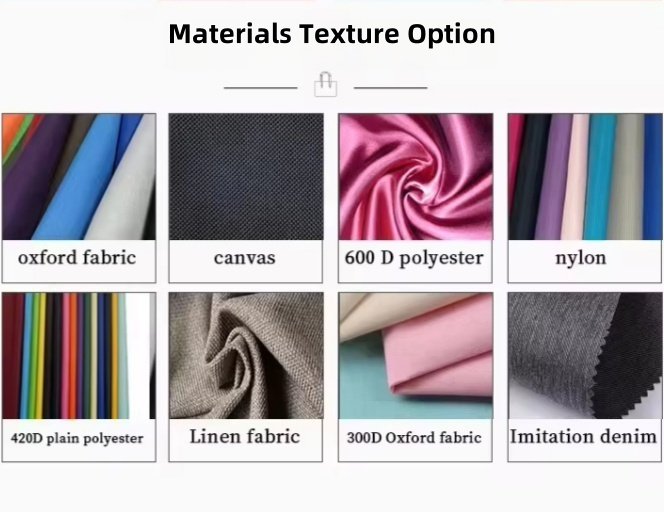
Canvas choice affects cost, shape, logo clarity, hand feel, packing volume, and perceived value. Light canvas can work for event distribution, while heavier canvas is better for paid merchandise, retail display, and premium gifting. Material should be confirmed before logo and packing decisions.


| Canvas Option | Suitable Use | Brand Feel | Logo Suitability | Review Before Sampling |
|---|---|---|---|---|
| 6oz Canvas | Light event totes, conference bags, education packs, simple promotional gifts | Lightweight, soft, cost-controlled, easy to fold | Best for simple screen print, one-color artwork, and larger logo shapes | Check wrinkle level, body softness, load limit, and whether the project needs a stronger fabric |
| 8oz Canvas | Staff kits, event merch, corporate gifts, bookstore totes, lifestyle giveaways | Balanced hand feel with better structure than very light canvas | Suitable for screen print, small embroidery, woven labels, and simple brand graphics | Check logo clarity on real fabric, handle strength, and packing method |
| 10oz Canvas | Retail gift totes, museum shop bags, fashion store bags, product bundle bags | More solid, cleaner display, stronger daily-use feel | Works well with screen print, embroidery, leather patch, and woven label | Check sewing thickness, folding volume, carton space, and cost change |
| 12oz Canvas | Paid merchandise, premium shopping totes, limited campaign bags, resort retail bags | Stronger structure, heavier hand feel, more premium appearance | Good for embroidery, patches, woven labels, and bold printed logos | Check weight, needle work, seam finish, bulk packing volume, and shipping impact |
| 14oz+ Canvas | High-value retail totes, structured shoppers, art merch, durable lifestyle bags | Heavy, firm, long-use feel with stronger store presence | Better for embroidery, leather patch, woven label, and selected print designs | Check sewing difficulty, handle reinforcement, cost level, sample time, and final packed weight |
| Recycled / Organic Cotton Canvas | Sustainability-led campaigns, eco gift sets, lifestyle programs, responsible merch | Natural, story-driven, suitable for brands with material messaging | Suitable for print, embroidery, label, and tag storytelling after fabric confirmation | Check material availability, color variance, document needs, MOQ, and lead time before quote |
Natural canvas usually gives a warm and organic look. Bleached canvas looks cleaner and brighter. Dyed canvas can support stronger brand colors but should be confirmed earlier because color, MOQ, cost, and lead time may change. Recycled or organic cotton canvas can support sustainability-led projects, but material availability and documentation should be reviewed based on project needs.
For most brand merchandise canvas bags, material selection should not start with price only. A 6oz tote may look suitable on a cost sheet, but it may feel too soft for a paid retail item. A 12oz tote may look premium, but it increases sewing effort, carton size, and freight weight. The best choice should match use, logo method, packing plan, and delivery deadline.
Logo Methods For Canvas Bags
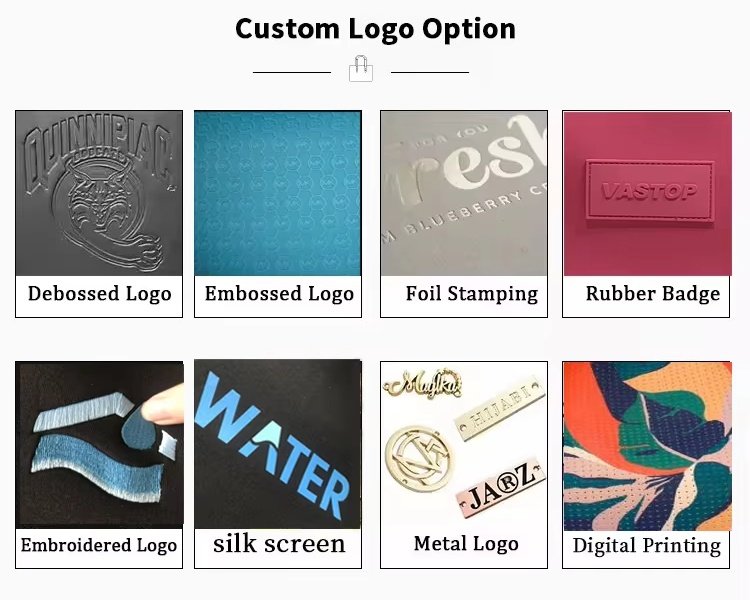
Logo method decides how a canvas bag speaks for the brand. A large event graphic, a fashion label, a museum illustration, and a corporate mark should not always use the same process. Artwork detail, canvas texture, color count, placement, quantity, and budget all need early review.
| Logo Method | Best For | Brand Effect | Important Check Before Sampling |
|---|---|---|---|
| Screen Printing | Large logos, event graphics, retail slogans, simple brand marks, one-color or few-color artwork | Clean, direct, cost-efficient for larger runs, strong visibility on flat canvas panels | Confirm vector file, Pantone color, print size, fabric color, ink coverage, and logo position |
| Embroidery | Premium logos, small badges, lifestyle tote bags, staff gifts, resort merchandise, fashion-related bags | Textured, durable, more premium, suitable for smaller logo areas | Check stitch density, small text, thread color, backing, fabric thickness, and placement stability |
| Leather Patch | Heavy canvas shoppers, premium retail totes, outdoor lifestyle bags, limited gift sets | Stronger product value, clean label look, more suitable for subtle branding | Confirm patch material, emboss/deboss effect, stitch edge, logo depth, color match, and wash or rub risk |
| Woven Label | Side labels, inner labels, private label tote bags, repeat product lines, store merchandise | Neat, consistent, easy for brand system use, good for small marks | Confirm label size, thread color, fold type, sewing position, MOQ, and label placement record |
| Heat Transfer | Full-color graphics, gradient designs, photo-style artwork, special campaign visuals | More flexible for complex color designs, smoother graphic output | Check fabric texture, press temperature, edge feel, washing needs, and long-use durability |
| Inner Label | Private label projects, retail lines, care notes, size info, material statement, brand identification | Helps product feel complete and organized, especially for store or gift programs | Confirm label wording, material content, language, sewing position, and packing rules |
Canvas has texture, so artwork should be tested on real fabric, not only on a flat digital mockup. Fine lines, small letters, gradients, and large solid blocks need special attention. For dyed canvas, logo contrast should be checked with real swatches. For embroidery, stitch density should not make the fabric pucker. For leather or woven labels, edge quality and sewing position should match the overall bag style.
Structure And Size Planning For Canvas Merchandise
A well-planned canvas product starts with the right structure and size. From daily carrying needs to retail display requirements, every detail such as capacity, handle position, pocket layout, and overall proportion affects the final user experience. Careful planning helps create a canvas item that looks balanced, functions smoothly, and fits different merchandise programs.


Logo canvas bags are not only flat fabric with a print. Size, base width, handle length, opening style, inner pocket, and seam reinforcement decide how the bag feels in daily use and how well it supports a brand program.
A 35 × 40 cm flat tote works well for documents, books, brochures, and light event kits. A 38 × 42 × 10 cm gusset tote gives more room for apparel, boxed gifts, beauty sets, and retail bundles. Larger shoppers can look stronger in store displays, but they also need heavier fabric, stronger handles, and more carton space.
Handle length also changes the experience. Short handles feel neat for gift hand-carry use. Long handles support shoulder carry and daily reuse. Wide handles feel stronger, while narrow handles can look lighter but may feel uncomfortable under heavier loads. For retail merchandise, handle proportion should match both bag size and target content weight.
Opening details also matter. An open top is simple and cost-controlled. A zipper top adds value and protection. A magnetic button gives a cleaner look for gift and lifestyle projects. Inner pockets help with daily-use value, especially for phone, card, ticket, or small accessory storage.
Before sampling, Jundong can review intended contents, target size, canvas weight, handle width, reinforcement method, stitch position, and packing method. A good canvas merchandise bag should look right in photos, feel reliable in hand, fold or pack cleanly, and carry the planned items without looking strained.
Details That Make Canvas Merchandise Look Finished
A canvas bag becomes brand merchandise when the small details work together. Color, handles, labels, stitching, and packing should support one clean product story. Jundong reviews these details before bulk work so the final bags feel planned, not improvised.


Color Matching
Canvas color shapes the first impression before the logo is even noticed. Natural canvas gives a warm and relaxed look. Bleached canvas feels brighter and cleaner. Black canvas creates stronger contrast. Dyed canvas can match seasonal drops, retail campaigns, or private label identity. Jundong can review fabric swatches, logo color, thread color, label color, and tag material together, so the bag looks consistent instead of assembled from unrelated parts.
- Natural, bleached, black, dyed, recycled, and organic canvas options
- Pantone color review for logos and dyed material where needed
- Real swatch checking before sample approval
Handle Feeling
Handles affect both comfort and product value. A bag may look good in photos but feel weak if the handle is too narrow, too thin, or poorly stitched. Long handles help shoulder carry. Short handles feel cleaner for gift use. Wider handles give stronger hand feel for heavier items. Jundong can review handle length, width, fabric layer, stitch type, reinforcement, and final use before sampling.
- Short, long, wide, reinforced, or double-handle options
- Structure matched to planned contents
- Stitch placement checked around stress areas
Label Placement
Labels turn a simple tote into a more complete brand item. A woven side label can look clean and subtle. An inner label helps private label programs feel organized. Hangtags can carry brand story, barcode, product name, or material note. Patch labels add texture on heavier canvas. Jundong can review label type, size, fold, sewing position, wording, and packing method so brand information feels intentional.
- Woven labels, inner labels, hangtags, leather patches, and barcode labels
- Placement records for repeat orders
- Useful for retail, gift, and private label programs
Stitching Finish
Stitching is often noticed only when it looks wrong. For canvas bags, seam alignment, top edge finish, handle box stitching, thread color, corner reinforcement, and loose thread trimming all affect perceived quality. A clean seam can make a simple tote feel reliable. A rough seam can make a premium logo look cheap. Jundong checks sewing details during sample review and bulk inspection to keep the final look cleaner.
- Box stitching and cross stitching for handles
- Thread color matched or contrasted by design
- Edge finish, seam alignment, and trimming review
Sample Workflow For Logo Canvas Bags
A canvas bag sample should confirm more than shape. It should verify canvas weight, logo method, color, handle comfort, label position, packing style, and whether the design can move into stable bulk work.
Project File Review

The first review starts with available project files. A complete tech pack is helpful, but not required at the first contact. A reference photo, target size, logo file, canvas preference, planned quantity, packing idea, and delivery destination can already support an initial review. Jundong checks whether the style is closer to a flat tote, gusset tote, zipper tote, heavy shopper, retail gift tote, or foldable bag.
- Useful files: photo, sketch, size, logo, color, packing note
- Useful details: quantity, deadline, destination, target use
- Early review helps clarify material, structure, logo, and cost direction
Material And Logo Trial

After the direction is clear, canvas and logo details should be checked together. A good logo on paper may not work well on rough canvas. A beautiful fabric may not support small embroidery or fine print. Jundong can review canvas swatches, thread colors, ink colors, logo size, placement, handle color, label option, and finishing method before the main sample is made.
- Canvas texture affects logo sharpness
- Dyed canvas needs color and contrast review
- Embroidery, print, patch, and label methods should be matched to the design
Sample Making
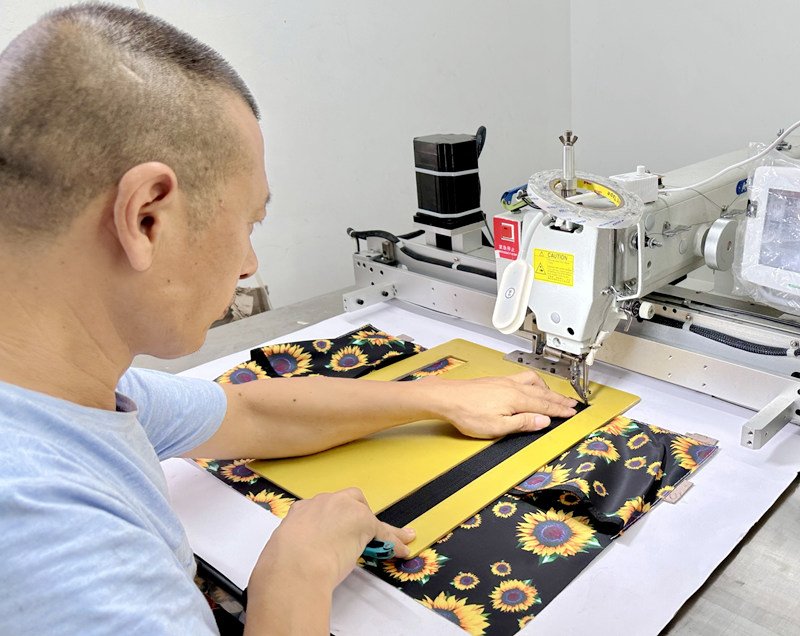
Sample making turns the selected details into a real product. For many canvas bag projects, sampling usually takes 5–7 days after key details are confirmed. Simple styles may take 2–3 days. More complex details, dyed fabric, special labels, zipper structures, or custom packing may need extra time. The sample should show real size, canvas hand feel, logo position, handle comfort, seam finish, and packing direction.
- Confirmed sample helps fix production details
- Complex logo or structure may need sample revision
- Sample fee can be refunded or deducted when the order reaches 2000 pcs
Approval And Revision

Sample approval should be clear and recorded. If changes are needed, the notes should identify exactly what needs adjustment: canvas weight, body size, gusset, handle length, logo size, logo color, label position, stitching, zipper, or packing. Once approved, the sample becomes the physical reference for bulk work. Jundong uses the approved sample and written details to guide material, cutting, sewing, logo work, packing, and inspection.
- Approve material, logo, size, structure, and packing together
- Keep written records for version control
- Use the approved sample as bulk reference
MOQ And Cost Factors For Logo Canvas Bags
Canvas bag cost is shaped by fabric weight, bag size, logo method, quantity, packing, and delivery plan. A clear specification helps Jundong review the quote more accurately and avoid cutting important details only to hit a low number.
MOQ Planning
For most custom canvas bag projects, Jundong usually reviews production from 500 pcs per design. Simple styles can sometimes be evaluated from 200–300 pcs, depending on canvas availability, logo method, packing, and production schedule. Very basic low-cost styles or special material projects may need higher quantities, especially when fabric purchase, dyeing, printing setup, label production, or packing materials create minimum order requirements.
MOQ is not only a factory rule. It is connected to material sourcing, cutting loss, logo setup, sewing line arrangement, inspection time, packing materials, and export handling. A 500 pcs order with clear details is often easier to plan than a smaller order with many uncertain changes.
- Confirm design, size, canvas weight, logo, and packing early
- Use one approved sample as the reference for bulk work
- Keep color, label, and packing records for future repeat orders
Cost Drivers
The unit price of a logo canvas bag can change even when the shape looks similar. A 6oz natural canvas flat tote with one-color screen print is very different from a 12oz dyed canvas shopper with embroidery, inner pocket, zipper top, woven label, hangtag, barcode, and retail packing. Cost should be reviewed as a full product, not only as a blank bag with decoration.
Canvas weight affects fabric cost and sewing effort. Bag size affects fabric consumption and carton volume. Logo method affects setup, labor, speed, and finish. Extra details such as zipper, lining, pocket, reinforced handle, dyed fabric, special label, and gift packing all need to be counted before the quote is fixed.
- Higher canvas weight usually increases fabric and freight impact
- Embroidery, leather patch, or woven label can raise product value and cost
- Packing style affects labor, carton size, and warehouse handling
Quote Details
A useful quote starts with useful project details. Jundong can review a project faster when the core information is clear: bag photo or sketch, target size, canvas weight preference, logo file, logo size, logo position, order quantity, packing style, deadline, and destination. If some details are not ready, a reference photo and use scenario can still help the first review.
The first quote should not be treated as the final production specification. After material, logo, sample, packing, and delivery details are confirmed, the quote can become more accurate. For brand merchandise, it is better to spend time confirming the right fabric and logo method than to save a few cents and receive a bag that feels too weak for the brand.
- Send artwork in vector format when possible
- Share Pantone color if logo color is important
- Include target delivery date and country for shipping review
QC Checks For Bulk Canvas Bag Orders
Bulk work should follow the approved sample, not a loose memory of it. For brand canvas bags, inspection needs to cover fabric, logo, sewing, handles, labels, packing, and carton details. Clear records help reduce avoidable rework.


| QC Item | What Jundong Checks | Why It Matters For Canvas Merchandise |
|---|---|---|
| Canvas weight and hand feel | Fabric type, thickness, stiffness, color, surface texture, and whether it matches the approved sample | Keeps the finished bag from feeling thinner, softer, rougher, or different from the sample |
| Bag size and shape | Body width, height, gusset, opening width, handle length, folded size, and shape after light loading | Helps the bag carry planned items and keeps product photos, packing, and retail display consistent |
| Logo position and clarity | Logo size, placement, print edge, embroidery density, patch alignment, label position, and color match | Protects brand presentation and reduces visible defects on the most noticed area |
| Handle strength | Handle width, fabric layer, stitch pattern, box stitching, stress point, and seam connection | Reduces failure risk during event use, retail handling, daily carry, and gift-set loading |
| Sewing finish | Top edge, side seam, bottom corner, loose thread, stitch spacing, seam alignment, and trimming | Helps even simple canvas totes look cleaner, stronger, and more suitable for brand use |
| Label and tag accuracy | Inner label, woven label, hangtag, barcode, SKU label, care note, and placement record | Supports retail, private label, gift, and repeat order handling with fewer sorting mistakes |
| Packing accuracy | Polybag, folding method, carton quantity, carton mark, mixed style separation, and packing list | Helps receiving, event distribution, warehouse handling, and multi-location delivery run more smoothly |
| Final review before shipment | Random finished product checks, logo review, sewing review, packing review, carton mark review, and project file check | Confirms the shipped goods follow the approved sample, written details, and packing plan |
Jundong has 80 QC inspectors supporting multi-stage checks across materials, logo work, sewing, finished products, and packing. The goal is not to make unrealistic promises. The goal is to reduce avoidable risk through sample records, clear production details, and structured inspection before shipment.
For canvas merchandise, small issues are easy to notice because the bag often carries a visible logo. A shifted logo, weak handle, wrong hangtag, rough seam, or mismatched carton label can affect launch work. That is why material records, logo files, approved samples, packing rules, and inspection notes should stay connected from sample approval to bulk shipment.
Timeline And Delivery Planning For Canvas Bag Programs
Canvas merchandise often has a real date behind it: a store launch, campaign release, staff kit schedule, conference opening, resort season, museum exhibition, or holiday gift plan. The production plan should work backward from that date, not start only after every detail becomes urgent.
From Review To Sample
The first stage is project review. Jundong checks the bag style, target size, canvas weight, logo artwork, quantity, packing idea, and destination. If the project is simple and the core details are clear, sampling can often move quickly. Many canvas bag samples take 5–7 days after key details are confirmed. Simple styles may take 2–3 days. Dyed fabric, special labels, zipper structures, heavy canvas, complex embroidery, or gift packing may need more time.
A sample should be reviewed as a production reference. It should confirm body size, handle length, canvas feel, logo position, label placement, stitch finish, and packing direction. If revisions are needed, notes should be clear before the next sample step.
- Prepare photo, size, logo file, quantity, packing idea, and deadline
- Review real canvas and logo effect before approval
- Avoid changing fabric or logo method after sample approval
From Approval To Bulk Work
After sample approval, bulk production can be planned around material preparation, cutting, logo work, sewing, trimming, inspection, packing, and carton marking. Standard bulk production for many custom bag projects usually takes 20–30 days, depending on style, quantity, material, logo process, packing requirements, and production schedule.
For brand merchandise, bulk planning should not focus on speed only. It should protect the approved sample details. Canvas weight, fabric color, logo position, handle sewing, label placement, and packing rules should be fixed before production starts. Changing details during bulk work can increase rework, delay shipment, or create inconsistent output.
- Keep the approved sample and written details together
- Confirm material, logo, label, and packing before bulk work
- Plan extra time for special fabric, custom labels, or complex packing
From Packing To Delivery
Shipping should be reviewed according to order size, deadline, destination, carton volume, and budget. Express delivery is suitable for samples and urgent small shipments. Air freight can support tighter launch dates when cost allows. Sea freight is usually better for larger volume orders when the schedule is planned earlier. Rail options may be reviewed for suitable routes.
Packing details affect shipping cost as much as product details. Folded size, polybag use, carton quantity, carton weight, and outer carton dimensions should be reviewed before shipment. For retail or event programs, carton marks and packing lists should be clear enough for teams to receive, sort, and distribute without confusion.
- Use express for samples and urgent small shipments
- Use air freight when launch date is tight
- Use sea freight when volume is larger and schedule allows
- Confirm destination, deadline, and packing rules before freight review
Packaging And Labels For Brand Canvas Bags
Packing is not the last step. For canvas merchandise, it decides how the bag arrives, how fast teams can sort it, and whether the product feels ready for retail, gifting, events, or warehouse handling.

Retail Packing For Store Display

Canvas bags made for retail display need more than clean sewing and a good logo. The product should arrive with the correct label system, packing method, and carton information, so store teams can receive and display the goods without extra work. A canvas tote for a museum shop, resort shop, bookstore, lifestyle store, or fashion accessory line may need a hangtag, barcode, inner label, material note, folded packing, and carton mark.
Jundong can review retail packing needs before sampling, so label position and folding method do not conflict with the logo area or handle shape.
- Hangtags can carry product name, material note, care details, and brand story
- Barcodes and SKU labels help with store receiving and inventory handling
- Inner labels help private label programs look more complete
- Folded packing should protect the logo and keep the bag shape neat
- Carton marks should match store or warehouse receiving rules
Retail packing should not be treated as decoration only. It affects how the bag looks when opened, how fast it can move through storage, and whether repeat orders can follow the same product record.
Canvas bags often work as part of a bigger branded set. A staff welcome kit, client gift, hotel pack, beauty set, conference welcome pack, or VIP campaign may include apparel, notebook, cosmetic pouch, bottle, brochure, or product sample. In these projects, the bag must fit the items and the packing must look planned.
Jundong can review item size, bag capacity, folding direction, inner protection, carton quantity, and destination before bulk work. This helps reduce last-minute packing changes and keeps the final gift set cleaner.
- Single-piece polybag packing suits clean distribution
- Tissue paper or insert card can improve gift presentation
- Bundle packing can group one bag with selected items
- Carton quantity should consider weight and onsite handling
- Destination and deadline should guide the shipping method
Gift packing needs early discussion because a bag that looks good alone may not fit the full set after all items are added. The sample review should include the actual or estimated contents whenever possible.
Gift Packing For Branded Sets

Event Packing For Fast Distribution

Event projects often care about speed and order. Canvas bags may be delivered to exhibition halls, hotels, offices, agencies, schools, or multiple event sites. If cartons are not marked clearly, teams may lose time sorting styles, quantities, sponsor versions, or location batches. Good event packing reduces stress before launch day.
Jundong can review carton marks, quantity per carton, style separation, logo version separation, polybag needs, shipping labels, and delivery date before packing instructions are fixed.
- Carton marks help teams identify style, color, quantity, and location
- Separate packing can reduce mix-ups between sponsor or campaign versions
- Polybag options can protect bags during transport and onsite storage
- Carton weight should allow easier moving and stacking
- Multi-location delivery needs a clear packing list before shipment
For event canvas bags, the packing rule should be as clear as the logo artwork. A clean packing plan helps the project arrive ready to distribute, not ready to reorganize.
Make a sample first ?
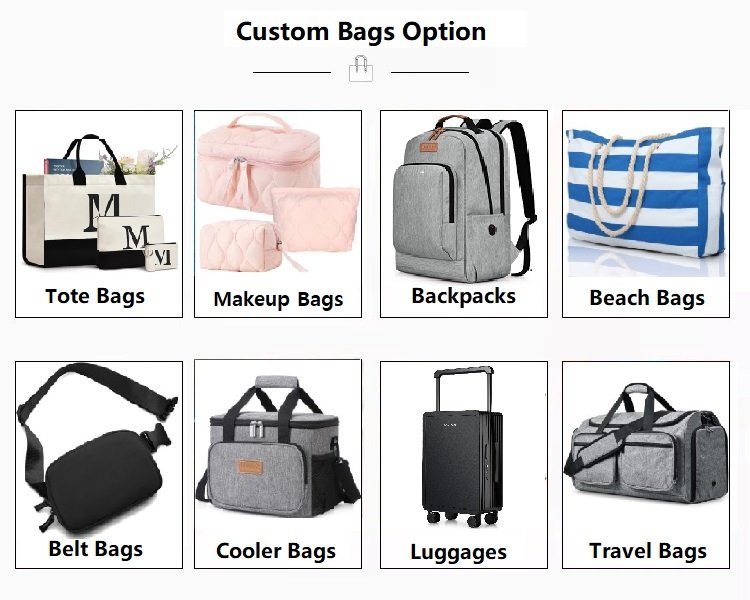
A successful custom canvas bag should carry more than a logo. It needs to reflect the brand style, match the intended use, and support different merchandise occasions such as promotions, events, retail campaigns, and daily use. From canvas weight and bag structure to handle design, printing method, and packaging details, every choice affects how the final product looks and performs. Planning these details before sampling helps create a canvas bag that feels practical, recognizable, and ready for long-term brand exposure.
Client Testimonials
800+ brand Clients Trust Jundong


Questions Before Custom Logo Canvas Bag Orders
Below are common concerns from brand teams planning canvas tote bags for merchandise, retail programs, event kits, corporate gifts, and private label lines. Clear details help Jundong review material, logo, sample, packing, cost, and delivery more accurately.

What canvas weight should I choose for brand merchandise?
For light event distribution, 6oz or 8oz canvas may work well; for retail merchandise or premium gift bags, 10oz, 12oz, or heavier canvas usually gives a better hand feel and stronger shape. The best option depends on how the bag will be used, what it will carry, how the logo is applied, and how the bag will be packed. Jundong can review reference photos, target contents, logo method, and budget direction before suggesting a canvas weight.
Can you print or embroider our logo on canvas bags?
Certainly. Jundong can support common canvas bag logo methods such as screen printing, embroidery, woven labels, leather patches, heat transfer, and inner labels. The right method depends on artwork detail, canvas texture, logo size, color count, and the final brand feel. For clean output, vector artwork is preferred. For brand color control, Pantone colors are helpful. For fine lines, small letters, or complex graphics, sample review is strongly recommended before bulk work.
What is the MOQ for custom logo canvas bags?
For most custom canvas bag projects, Jundong usually reviews production from 500 pcs per design. Simple styles can sometimes be evaluated from 200–300 pcs, depending on material, logo, packing, and production schedule. Some very basic or special-material projects may need higher quantities. MOQ is connected to fabric purchase, cutting, logo setup, sewing arrangement, inspection, packing materials, and export handling, so the final MOQ should be reviewed after project details are clear.
Can we make a sample before bulk production?
Of course. A sample is strongly recommended for logo canvas bag projects, especially when the bag is used for brand merchandise, retail sale, event launches, or gift sets. The sample helps confirm canvas weight, size, handle length, logo position, logo color, stitch finish, label placement, and packing direction. Many canvas bag samples take 5–7 days after key details are confirmed. Simple styles may take 2–3 days. Complex fabric, logo, or packing details may need more time.
How do you control logo color and placement?
Logo color and placement should be controlled through artwork files, Pantone references, sample approval, position records, and bulk inspection. Canvas texture can affect print clarity, so checking the logo on real fabric is better than relying only on digital mockups. Jundong reviews logo size, print area, embroidery density, patch position, label placement, and color contrast before approval. During bulk checks, the approved sample and written records are used as reference.
Can you add hangtags, barcodes, inner labels, or SKU labels?
Absolutely. Jundong can support hangtags, barcodes, woven labels, inner labels, care labels, carton marks, SKU labels, and packing lists for retail, gift, event, and private label programs. These details should be discussed before sampling, because label position, folding method, polybag size, and carton rules may affect the final presentation. For retail or warehouse programs, clear label and carton information can reduce receiving, sorting, and repeat-order confusion.
Can canvas bags be packed for retail or gift sets?
Yes, canvas bags can be packed for retail display, gift sets, event kits, staff welcome packs, and private label programs. Packing options may include folded packing, individual polybag, hangtag, barcode, insert card, tissue paper, bundle packing, carton mark, and location-based packing. The packing plan should match the final use. If a bag will hold other items, sample review should include actual or estimated contents so size and packing can be tested early.
How long does bulk production usually take?
Many custom bag projects take around 20–30 days for bulk production after sample approval and key material details are confirmed. The exact timing depends on canvas weight, quantity, logo process, bag structure, labels, packing, and production schedule. Dyed canvas, heavy fabric, zipper structures, custom labels, complex embroidery, or gift packing may need extra time. For launch events or holiday programs, sharing the target delivery date early helps Jundong plan the project more safely.
Can you help if we only have a reference photo?
Sure. A complete technical file is helpful, but a reference photo can already start the review. Please share the photo, approximate size, logo file, target quantity, use scenario, packing needs, and delivery destination if available. Jundong can then review whether the bag should be flat, gusseted, zippered, folded, heavy canvas, or gift-style. A clearer quote and sample plan can be prepared after material, structure, logo, and packing details are confirmed.
What information should we send for a quote?
Please send a bag photo or sketch, target size, canvas weight preference, logo file, logo size, logo position, order quantity, packing style, deadline, and destination. If the canvas weight is not decided yet, describe the intended use: event giveaway, retail merchandise, corporate gift, staff kit, museum shop item, resort store product, or private label line. Jundong can then review material, logo, sample, MOQ, cost, packing, and delivery direction more accurately.
Send Your Canvas Bag Details
Your logo canvas bag can start from a reference photo, a sketch, an old sample, or a clear brand idea. Send what you have now, and Jundong will review the material, size, logo method, sample route, packing needs, MOQ, cost direction, and delivery plan before the next step.
For a faster review, please include:
- Bag style: flat tote, gusset tote, zipper tote, heavy shopper, gift tote, or foldable bag
- Size idea: width, height, gusset, handle length, or items the bag should carry
- Canvas preference: 6oz, 8oz, 10oz, 12oz, 14oz+, natural, dyed, recycled, or organic cotton canvas
- Logo file: AI, PDF, CDR, PSD, PNG, or JPG, with logo size and position
- Quantity: usually reviewed from 500 pcs per design; simple styles may be checked case by case
- Packing needs: polybag, hangtag, barcode, inner label, carton mark, gift packing, or store-ready packing
- Date and destination: launch date, event date, warehouse address, port, or country
For confidential projects, NDA requirements can be mentioned before sending sensitive files. Logos, artwork, and licensed designs should be approved for custom production.