 Skip to content
Custom Gym Bags Manufacturer
OEM/ODM gym bags engineered for daily carry, sweat-proof organization, and bulk consistency
Gym bags may look simple, but long-term performance depends on disciplined engineering and repeatable manufacturing. Sweat, wet towels, shoes, protein shakers, electronics, and frequent over-packing place stress on different zones—zippers, base panels, strap anchors, and internal compartments. For you, the goal is not only a good-looking sample, but a bag that remains comfortable, organized, and durable after months of real use.
For B2B programs—fitness brands, wholesalers, promotional agencies, Amazon sellers, and gym chains—scalability is equally critical. That means stable materials, controlled stitch density, reinforced load points, consistent logo placement, and reliable reorder delivery without sample-to-bulk deviation.
Based in Guangdong, China, we provide end-to-end OEM/ODM development: style selection, compartment planning, fabric matching, sample refinement, bulk production, and defined QC checkpoints. The result is a gym bag line built for daily use and produced with repeatable specs—so each batch stays visually aligned and performs the way your channel expects.
Who Buys Custom Gym Bags—and Why Details Matter
“Gym bag” can refer to very different purchasing scenarios, and each channel defines success differently. Fitness brands typically prioritize brand feel, premium touchpoints, and repeatable logo execution across colorways and reorders. Wholesalers often focus on cost stability, reliable lead times, and designs with broad market appeal. Gym chains and corporate wellness programs usually require practical durability, easy cleaning, and fast replenishment with consistent specs. For e-commerce sellers, the key risk is returns and reviews—issues like strap failure, zipper breakdown, or a poorly engineered shoe compartment can quickly impact ratings.
Defining your channel early makes specification decisions easier and more accurate. It determines the right materials, structure, pocket logic, packaging, and labeling, and it clarifies where reinforcement and hardware upgrades are worth the investment. We help you translate market requirements into a production-ready, scalable spec—so your product is built for bulk consistency and smooth reorders, not just a good-looking sample.


Custom Gym Bag Styles We Manufacture
The right style choice can lower cost and improve the user experience at the same time. In some markets, a classic gym duffel with a dedicated shoe compartment is the most practical and best-selling option. In others, gym backpacks perform better for commuting, hands-free carry, and laptop storage. Weekend athletes often prefer larger duffels for full outfit packing, while studio members typically want compact styles that fit lockers and stay lightweight.
We help you select the best style by aligning three factors: capacity needs, access habits (how often the bag is opened and what must be reached quickly), and brand positioning (value, mid-range, or premium). Once the direction is clear, we engineer the build details—panel layout, base reinforcement, strap anchors, and zipper standards—to prevent sagging, deformation, and early wear in real daily use and bulk production.
Sports Gym Bag
Unisex Gym Bag
Studio Gym Bag
Training Duffel Bag
Expandable Gym Bag
Hard Bottom Gym Bag
Bodybuilding Gym Bag
Odor-Resistant Gym Bag
Gym Bag with Wet Dry Separation
Multi-Compartment Gym Bag
Gym Bag with Laptop Sleeve

Multifunction Backpack Gym Bag

Custom Color Lightweight Gym Bags

Custom Garment Gym Sport Bag

Custom-Made Sports Gym Bag
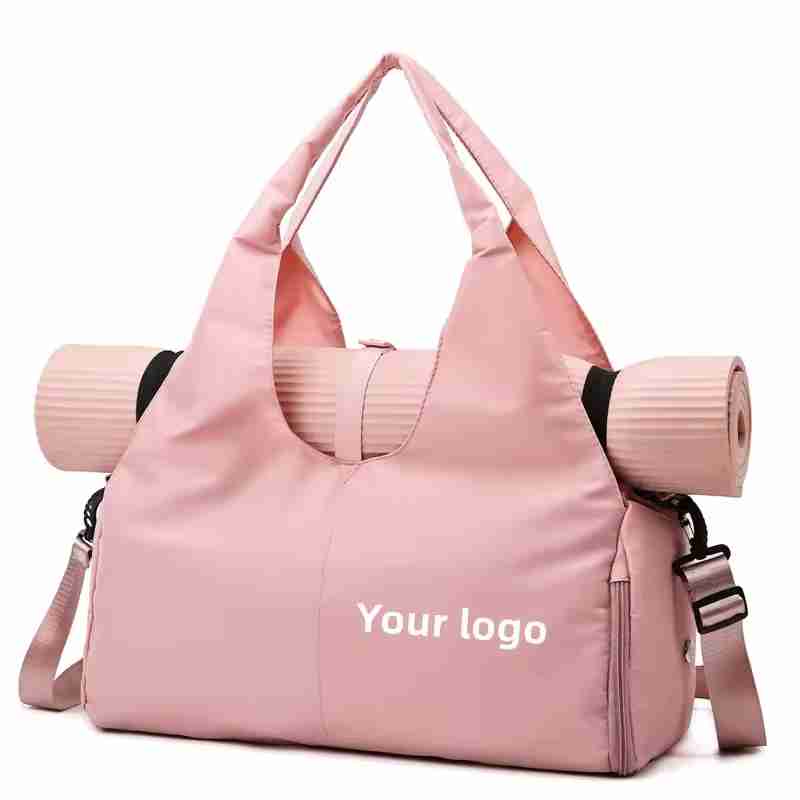
Custom Logo Gym Bags Travel Tote Bag

Personalized Large Capacity Gym Bag
Define Your Gym Bag Line: Entry, Core, Premium
Many gym bags underperform because they try to cover every use case in one design. A stronger product line starts with clear positioning and a spec that matches your channel. An entry-level range should focus on durability fundamentals and a clean, uncomplicated silhouette—reliable fabric, stable stitching, and a practical layout. A core line typically adds the features most users expect: a dedicated shoe pocket, wet or dry separation, a bottle pocket, and a more structured base to reduce sagging. A premium line goes further with upgraded materials, smoother and stronger hardware, improved lining, better padding comfort, and refined branding execution that stays consistent across batches.
We help you define what matters most for your market, then lock a production-ready specification that supports bulk repeatability and smooth reorders. This prevents a common issue: a sample that looks premium, followed by bulk production that drifts due to uncontrolled materials, inconsistent construction, or unclear reinforcement standards.

Structure Engineering Defines Daily Durability

Gym bags face constant stress from heavy loads and daily movement. The areas that take the most punishment are handles, strap anchors, zipper ends, and base corners. To improve service life, we reinforce these stress zones with controlled stitch paths, dense bartacks, layered support panels, and optional base stiffeners—so the bag holds shape and stays reliable under real use.
For commuting-focused styles, comfort and stability matter as much as strength. We plan how weight sits on the body by optimizing strap width, shoulder pad shape, and anti-slip details, reducing pressure points and helping the bag stay in place during walking or cycling.
A well-engineered structure keeps the bag upright, reduces zipper distortion, and protects contents—especially when shoes, bottles, and electronics share the same space. With the right panel layout and reinforcement logic, your gym bag line looks cleaner, performs longer, and remains consistent from sample to bulk production.
Gym Bag Features Ask For Most
Even the “best-looking” gym bag can earn poor reviews if small usability details are overlooked. Common requirements include wet or dry separation, ventilated shoe compartments, bottle pockets sized for real shaker bottles, and quick-access top pockets for keys and cards. For commuting athletes, a protective laptop sleeve and a functional trolley sleeve can be deal-makers. For studio members, compact organization and easy-open zippers often matter most.
We treat these as build-critical engineering decisions—not afterthoughts. That means selecting the right partition materials, defining a reliable seam sealing approach where needed, designing ventilation that supports airflow without losing structure, and controlling pocket depth so items stay secure and easy to reach. When these details are planned properly, the bag feels practical on day one—and continues to perform after months of daily use.

Materials That Balance Performance and Cost

Material selection should follow your positioning and sales channel, not short-term trends. For gym bags, the goal is a practical balance of abrasion resistance, shape retention, and a surface that stays clean-looking with daily handling. We support a broad material system, including performance textiles and coated options such as PU, PVC, and neoprene, along with multiple lining choices and calibrated padding layers for comfort and structure.
We also engineer reinforcement zones—the base, corners, and strap anchors—so high-wear areas last longer without overbuilding the entire bag. This keeps the product durable while protecting cost and weight targets.
For reorders, batch consistency is critical. Color tone, texture, and hand-feel must remain stable across production cycles, and key components like webbing, zippers, and trims should match approved specs. With controlled material selection and repeatable construction standards, your gym bag line stays consistent from sample to bulk—and from first order to repeat runs.
Wet Or Dry Separation That Actually Works
Many wet or dry compartments fail for predictable reasons: the separation layer is too thin, seams are not sealed properly, or ventilation is added without a clear structure plan. We design wet or dry systems based on what you need to store—wet towels, swim gear, or shoes—because each use case requires a different balance of barrier performance, airflow, and cleaning convenience.
For shoe compartments, ventilation can be achieved through air ports or breathable panels, but the surrounding seam construction and pocket geometry must be controlled to prevent odor buildup, leakage transfer, and shape collapse. If the pocket deforms, the zipper path distorts and usability drops quickly—especially under daily loading.
In programs, a well-executed wet or dry design also becomes a clear product message. When engineered correctly, it reduces complaints, improves long-term usability, and supports repeat purchasing. We can propose compartment layouts that remain efficient to produce—simple paneling, repeatable stitch paths, and stable materials—while delivering real benefits in everyday gym routines.

Hardware That Survives Daily Use

Gym bags are opened and closed many times every day. Zipper problems are rarely caused by the zipper brand alone—most issues come from alignment, corner stress, and weak end reinforcement. We strengthen zipper ends, stabilize the zipper line with proper panel support, and control sewing tension so the bag opens smoothly even when packed tight.
For higher-end builds, the hardware feel matters just as much as strength. Zipper pulls should be easy to grip with sweaty hands, and buckles should hold securely under movement without slipping or cracking. We also match hardware selection to the intended use case—gym, travel, commuting—so performance stays consistent and the look remains aligned with your brand.
These construction choices help reduce after-sales issues, limit avoidable returns, and protect online ratings in e-commerce channels—while keeping bulk production consistent across repeat runs.
Branding Built for Bulk Consistency
Branding on gym bags must stay consistent across hundreds or thousands of units. The most common risks are placement drift, uneven finishing, and a mismatch between the logo method and the fabric surface—leading to distorted edges, poor adhesion, or inconsistent appearance.
We help you select a branding approach that fits your product tier and real usage—such as screen printing, heat transfer, woven labels, embroidered patches, rubber/PVC patches, or metal plates—then control execution with clear reference points, approved artwork sizing, and defined tolerance ranges. This keeps logo alignment stable across batches and helps reduce variation between sample and bulk.
For program orders, we can also align branding, labeling, and packaging so SKUs remain easy to manage at warehouse receiving and retail fulfillment. Consistent barcode placement, clear carton marks, and durable care labels reduce handling errors, speed up counting, and support smoother distribution across channels.

Packaging That Reduces Returns and Receiving Errors

Packaging is part of both the product experience and operational efficiency. For e-commerce, clean presentation and effective scuff protection help reduce avoidable returns and negative reviews, especially during long-distance parcel shipping. For wholesale and gym program distribution, consistent packing standards matter even more—clear carton marks, accurate SKU labels, and repeatable pack quantities help prevent receiving mistakes and speed up warehouse handling.
We support practical packaging systems that fit your distribution model, including unit packaging (polybags, protective sleeves, shape support where needed), hang tags, barcode-ready areas, and standardized carton marking logic for easy counting and sorting. Label placement can be planned to support scanning workflows, while carton specifications can be optimized for stacking stability and damage control.
A documented packaging standard also makes future reorders easier to manage. When packing method, labeling rules, and carton marks are fixed, repeat runs stay consistent across production cycles—supporting smoother fulfillment, cleaner presentation, and more predictable logistics.
QC for Gym Bags: Stress Points and Functional Checks
Gym bags are ultimately judged by how they perform after weeks of daily use. Our QC approach focuses on the details that most directly impact durability and consistency. We inspect high-stress zones such as handle roots, strap anchors, and base corners, verifying reinforcement, stitch density, and workmanship stability. We also run functional checks, including smooth zipper run, correct zipper-end reinforcement, and accurate pocket alignment so compartments stay practical and easy to use.
Appearance consistency is controlled at the same time—clean stitch lines, stable panel symmetry, and precise logo placement that matches approved references. With multi-stage checkpoints (incoming materials, in-line control, and final inspection), variation is reduced across bulk production and repeat runs. This helps protect long-term consistency for programs that depend on stable customer experience and reliable reorders.

Effective Production Process From Sample to Bulk

A predictable process reduces delays and helps protect quality from sample to bulk. Our typical workflow follows clear, repeatable stages: requirement review → material confirmation → sampling → pre-production alignment → bulk production → in-process QC → final inspection → packing → shipment. Each step is designed to lock specifications early, control execution during production, and keep outcomes consistent across repeat runs, with clear checkpoints and documented records for traceability.
This structured approach supports reliable timelines you can plan around and helps ensure reorders match the approved sample—especially when materials, branding methods, and construction details must stay stable across batches and shipping destinations.
Start With Your Target Market and Feature List
To move fast, share your target market (brand/e-commerce / wholesale), preferred style, target size, key features ( shoe pocket, wet/dry separation, laptop sleeve ), and estimated quantity, plus any color and logo references you already have. We’ll respond with a practical proposal covering recommended materials, a structure reinforcement plan, compartment layout logic, branding approach, packaging options, defined QC checkpoints, and a realistic timeline for sampling and bulk production.
The goal is straightforward: a gym bag that sells well, holds up in daily use, and stays consistent across reorders. Welcome to customize—send your requirements anytime, and we’ll start with a clear development route.

International Certifications & Compliance Readiness
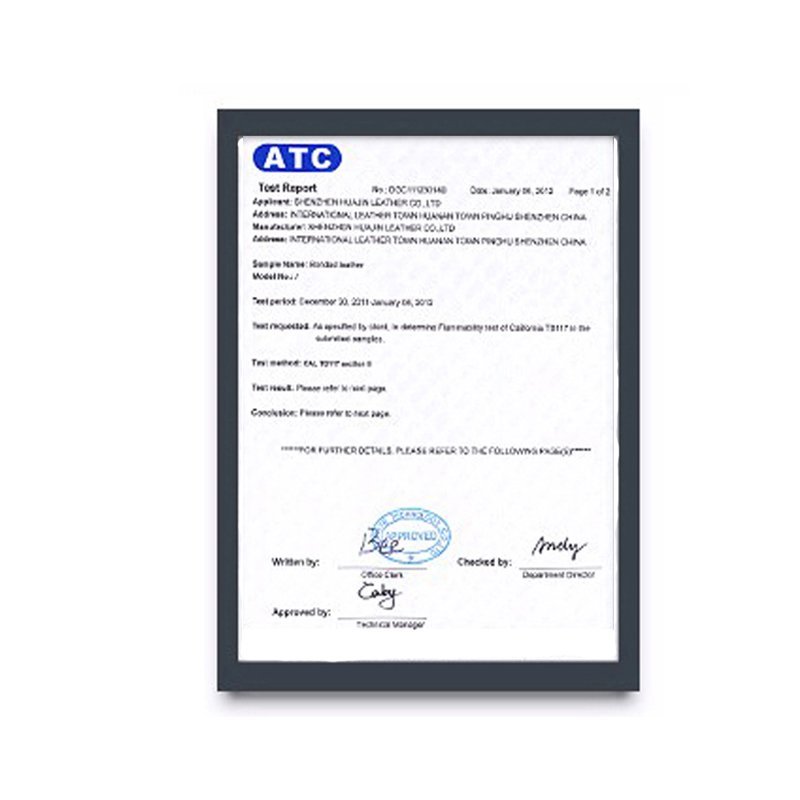
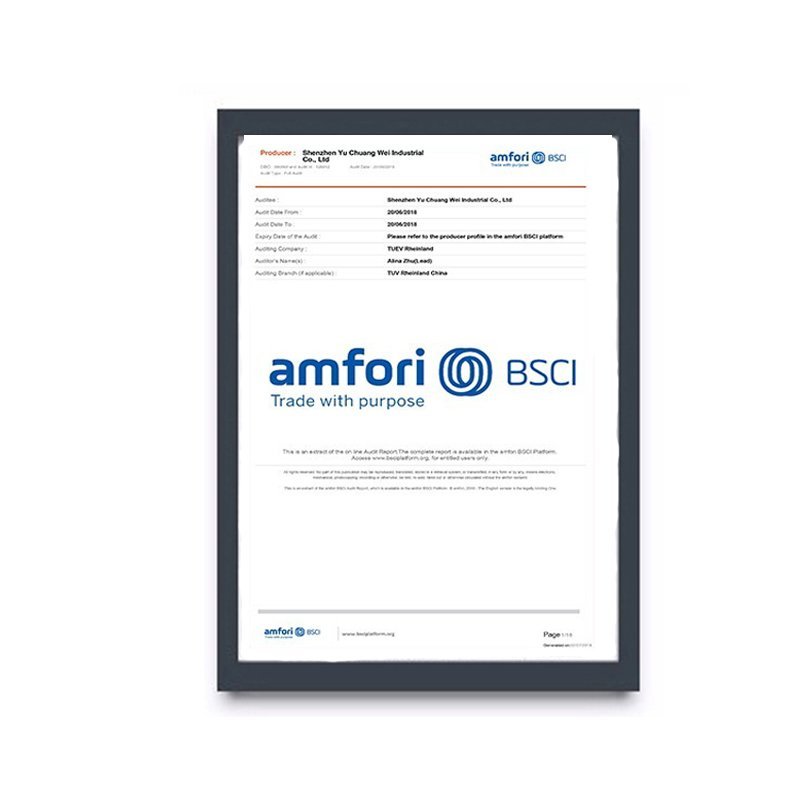
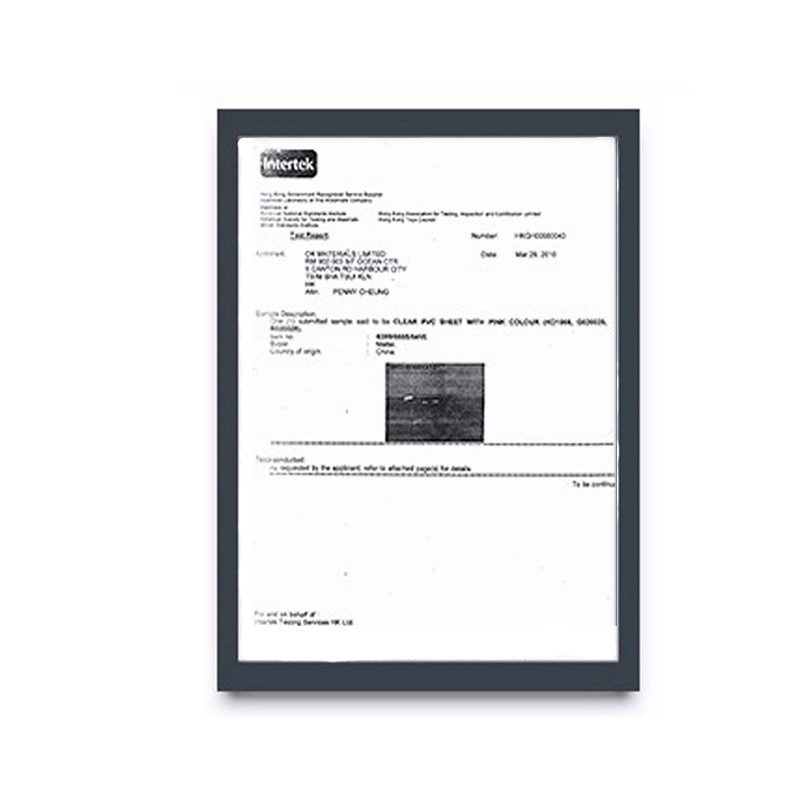
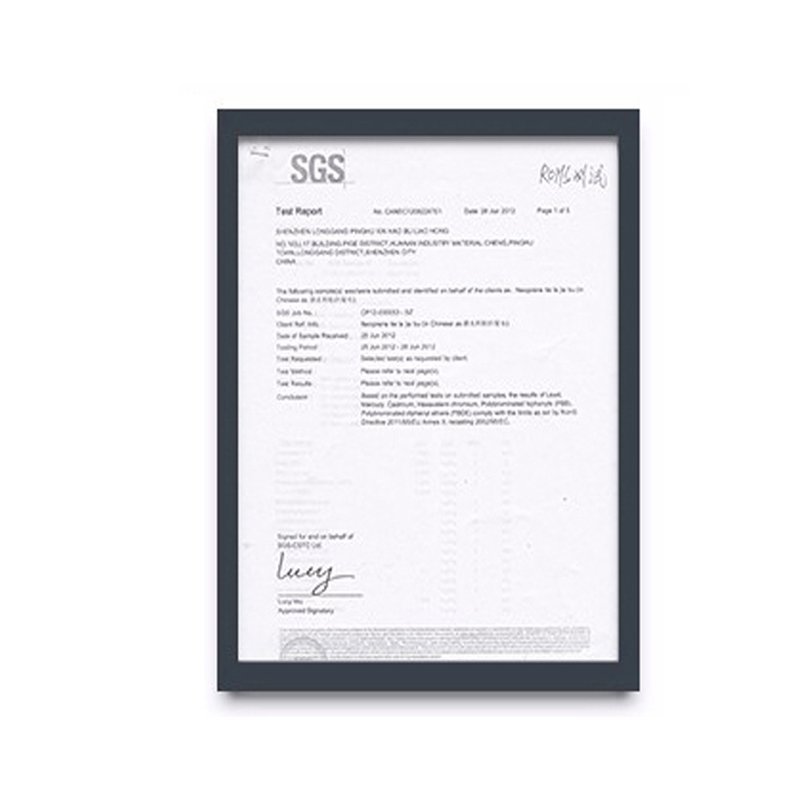
For custom gym bag procurement, you may need supplier qualification, documented standards, and compliance verification—especially when supporting retail programs, corporate purchasing, gym chains, institutional projects, or branded distribution. Relevant certifications and regulatory readiness help you complete due diligence, streamline vendor onboarding, prepare tender documentation, and reduce overall risk exposure across long-term supply programs.
If you plan to display certifications on this page, place them in this section with concise descriptions that explain how each item supports production management, quality systems, audit cooperation, social compliance, chemical safety/material safety, and continuous improvement. Clear explanations allow you to quickly assess whether a supplier can meet your operational, ethical, and regulatory expectations—rather than relying on logos alone.
This structured presentation helps you verify supplier credibility faster and confirm alignment with the standards required by your sales channel, ensuring your custom gym bag programs remain compliant, scalable, and ready for repeat orders.


Trusted by Global Buyers
Brand cooperation for custom gym bags is not just a logo wall—it shows whether a manufacturer can maintain stable specifications, meet strict timelines, and support consistent repeat orders. When you display cooperating brands, add concise captions that highlight real capabilities, such as program management, fast sampling, QC discipline, packaging execution, process reliability, and cross-team coordination.
This approach helps you understand what the factory can actually deliver in bulk gym bag programs. Instead of focusing on visual promotion alone, it communicates practical manufacturing competence, operational efficiency, and long-term reliability—all critical for gym bags that must perform consistently across daily use, reorders, and multi-channel distribution.





















Make A Sample First?
See your idea come to life before mass production.
At Jundong Factory, we offer free design mockups and custom samples to ensure every detail is perfect — from material and color to logo placement and stitching.
Start your project with confidence today: info@jundongfactory.com.
Custom Gym Bags FAQ
What makes a gym bag suitable for daily, high-frequency use?
A gym bag built for daily use must handle repeated loading, moisture exposure, and constant movement without losing shape or function. The most common failure points are rarely the fabric itself—they’re the handles, shoulder strap anchors, zipper ends, and base corners. If these zones aren’t reinforced, even thick materials can fail early.
Daily-use performance starts with structure engineering: controlled stitch paths, dense bartacks at stress points, layered handle anchors, and optional base stiffener panels to distribute load and reduce deformation. This becomes critical when shoes, bottles, towels, and electronics are carried together.
Layout also impacts durability. When compartments are unclear, items shift and press against zipper lines, increasing wear. A stable interior with defined pockets, shoe compartments, and divider panels reduces friction and improves usability. Material selection should prioritize abrasion resistance and shape retention, not appearance alone.
For you, a true daily-use gym bag is defined by months of stable performance, not a good first impression.
Which gym bag styles are most popular for orders?
Popular styles depend on salesthe channel and carry behavior. A gym duffel with a shoe compartment remains a top choice because it strikes a balance between capacity, cost, and a broad market fit. Gym backpacks are increasingly selected for commuting—hands-free carry with a laptop sleeve and better weight distribution.
For program distribution, medium duffels or tote-style gym bags are common because they fit lockers and are easy to standardize. For branding-heavy programs, simplified basic duffels or drawstring bags are often used when visibility matters more than advanced features.
What materials work best for gym bags exposed to sweat and moisture?
Sweat and moisture are unavoidable. The goal is not to make everything waterproof, but to choose materials that handle damp contact, odor, and easy cleaning. Outer fabrics should deliver abrasion resistance and stain tolerance, while linings should be smooth and wipe-friendly.
Coated options such as PU or PVC are often selected for easier cleaning and a more structured surface. Textiles can offer better breathability and a hand feelsofter hand-feel. The key is matching materials to price tier, channel expectation, and real usage.
Moisture protection is usually best applied to wet/dry zones and base panels rather than the entire bag—avoiding unnecessary stiffness and cost. For reorders, batch consistency matters: color tone, texture, and hand-feel must remain stable across production cycles.
How do you prevent zipper problems in gym bags?
Zipper problems usually come from alignment and sewing control, not the zipper brand alone. Gym bags are opened frequently and often when packed tightly. Without reinforced zipper ends and a stable zipper line, distortion and snagging occur quickly.
We reinforce zipper ends, stabilize corner transitions, and control stitch tension to keep the zipper run smooth under load—especially on wide openings and shoe compartments. Layout also matters: heavy items pressing directly against zipper lines accelerate wear.
During production, we perform zipper run checks (including under load where required) to reduce “sample smooth, bulk tight” issues and improve long-term reliability.
What logo methods work best for gym bags?
The best logo method depends on the fabric surface, product tier, and use frequency. Some premium-looking methods may not age well on flexible or textured fabrics. Some cost-effective methods require stricter placement control to avoid distortion.
For bulk production, consistency matters most. We recommend methods compatible with your material system—such as screen printing, heat transfer, woven labels, embroidered patches, rubber/PVC patches, or metal plates—then define placement reference points and tolerance ranges to keep branding stable across batches and reorders.
What is a reasonable MOQ, and why do small orders cost more?
MOQ varies by style complexity, material availability, and logo method. A basic duffel may start lower than a structured backpack with padding, wet/dry systems, and multiple accessories. Small orders cost more because the full workflow still applies: pattern making, cutting planning, line setup, QC, and packing. These fixed costs are spread across fewer units.
Material purchasing also changes pricing. Low quantities usually cannot reach the same rates for fabrics, webbing, foam, and hardware. In bulk, procurement cost improves and line efficiency increases, supporting better pricing and stronger consistency.
| Order Type: What | You Gain | Trade-off | Best Use |
|---|---|---|---|
| Small batch | faster test and feedback | higher unit price | market test, influencer launch |
| Bulk order | better pricing and stable efficiency | more planning needed | retail supply, programs, reorders |
How do you keep reorders consistent (materials, color, logo, hand-feel)?
Reorder consistency is managed through locked specs and measurable controls. Variation typically comes from material substitutions, uncontrolled tolerances, or unclear branding references. Before bulk, we lock key specs: dimensions, pocket sizes, reinforcement points, zipper position, and logo reference points—then convert them into QC checkpoints.
For materials, we focus on batch stability. Even “same-name” fabrics can drift in color tone, coating feel, or stiffness. For reorder programs, we recommend stable sourcing, defined tolerance ranges, and physical references (approved swatches or a “golden sample”) to align future batches.
| Consistency Area | Common Risk | Control Method |
|---|---|---|
| Material | shade/hand-feel drift | stable sourcing + swatch reference |
| Structure | pocket position variation | key measurements + tolerance rules |
| Logo | misplacement/size drift | placement template + QC check |
Can a gym bag support commuting and travel without losing gym functionality?
Yes, but it requires compartment engineering. The main risk is mixing “clean tech items” with wet gear. A workable layout separates zones: a padded laptop sleeve (often with a raised bottom), a dry main compartment, and a wet/shoe zone that doesn’t press against the laptop wall.
Comfort and stability matter: wider straps, breathable back padding, and balanced weight placement improve commuting use. For travel, a trolley sleeve and stable base help secure the bag on luggage. Feature selection should stay purposeful—confirm laptop size, bottle pocket dimensions, and shoe volume, then build a layout that stays efficient to produce.
Which QC checks matter most, and how do they reduce returns?
Key issues are predictable: strap tearing, zipper snagging, loose stitching, pocket misalignment, and early deformation. QC should focus on stress points, functional testing, and bulk consistency, not appearance alone.
We recommend three layers: incoming inspection (fabric/webbing/zipper/hardware), in-process checks (anchors, bartacks, base corners, zipper ends, pocket accuracy), and final inspection (zipper run under load, stitching cleanliness, packing readiness). This reduces variation and supports stable reorders.
How does packaging affect sales, fulfillment, and receiving?
Packaging impacts both experience and operations. For e-commerce, scuff protection and clean presentation reduce avoidable returns. For programs and wholesale, clear carton marks, SKU labels, and consistent pack quantities reduce receiving errors and speed up handling.
We support unit protection, hangtags, barcode-ready labeling, and carton marking logic aligned with your SKU system. A defined packaging standard also keeps reorders consistent and easier to manage.
What should you share to start faster and avoid revision loops?
To move fast, share decision-grade inputs: channel, style, target size/capacity, top features ( shoe pocket, wet/dry, laptop sleeve, bottle pocket size, trolley sleeve ), plus branding preference and estimated quantity per SKU. If dimensions aren’t fixed, send 1–2 reference links and a carry list.
With clear inputs, we can respond with a production-ready route: materials, reinforcement plan, interior layout logic, packaging, QC checkpoints, and a realistic sampling timeline—reducing back-and-forth and keeping bulk aligned with the approved sample.
Everything You Need to Know Before Customizing Your Bags
Custom gym bag sourcing decisions are rarely based on appearance alone. For you, effective procurement depends on clear answers around MOQ vs. bulk pricing, lead time, capacity, and compartment feasibility, wet/dry and shoe-pocket design, logo and labeling requirements, SKU coding, packing logic, and reorder consistency. This FAQ section is built to address these operational questions upfront, helping you evaluate supplier fit faster while reducing unnecessary internal back-and-forth.
We recommend structuring FAQs around real procurement triggers: what information is required to start sampling, how to prevent sample-to-bulk deviation, how to plan multi-channel distribution (e-commerce, wholesale, programs), and which QC checkpoints protect long-term performance—especially at strap anchors, zipper ends, and base corners. When written clearly, these FAQs also support long-tail search intent, such as “custom gym bag MOQ,” “bulk gym bag supplier,” “gym duffel with shoe compartment,” “wet/dry gym bag for wholesale,” or “gym backpack with laptop sleeve.”
For a quick evaluation, share your use case, packing list, and target dimensions by email. Our team will review your requirements and provide structure recommendations, material direction, and a realistic development route to support your custom gym bag program and stable reorders.
