 Skip to content
Custom Emergency Kit Bags Supplier
Emergency kit bags are sourced for one reason: they must perform reliably when time is limited. The focus is not just on a container, but on a standardized kit platform that enables consistent packing, clear visual identification, and durable performance during transport, storage, and real-world deployment. Whether the kits serve workplace safety programs, disaster preparedness initiatives, outdoor rescue operations, school or public facilities, or retail emergency solutions, the bag structure and internal layout directly determine usability, restocking speed, and long-term operational efficiency.
Based in Guangdong, China, we support B2B partners with end-to-end OEM/ODM development, covering bag type definition, compartment engineering, sample validation, bulk manufacturing, QC checkpoints, and export-ready packaging. The result is an emergency kit bag that maintains a professional appearance, preserves internal order, and delivers repeatable consistency across reorders—even at scale.
Emergency Kit Use Cases We Support
Different emergency programs require different bag logic. Workplace kits prioritize clear labeling, logical compartment zoning, and fast replenishment. Community and government programs depend on standardized packing, batch consistency, and shipping efficiency across large volumes. Outdoor and rescue kits demand reinforced structures, load-bearing construction, and weather-resistant materials. Retail emergency kits require shelf-ready presentation, barcode integration, and clean visual branding.
A supplier that understands these distinctions can prevent material mismatches, structural weaknesses, and disorganized internal layouts—issues that directly slow down deployment speed, restocking accuracy, and real-world usability.


Emergency Kit Bag Styles for OEM/ODM
Emergency kit bags are not one-size-fits-all. Some programs require compact pouches designed for glovebox or confined storage. Others depend on backpacks built for mobile response and hands-free movement. Certain applications call for structured protection to safeguard devices, medical tools, or fragile supplies.
We help clients select a bag format that balances capacity, access speed, durability, and unit cost, while maintaining production consistency, specification control, and repeatability across bulk orders.
Emergency Tool Pouch
Emergency Duffel Bag
EVA Emergency Kit Case
Emergency Crossbody Bag
Hard Shell Emergency Case
Tactical Emergency Backpack
Custom Emergency Sling Bag
Large Capacity Emergency Kit Bag
Water-Resistant Emergency Kit Bag
Custom Reflective Emergency Bag
Custom Reusable Emergency Supply Bag

Custom Emergency Kit With Logo Handheld

Emergency First Aid Bag for Outdoor

Custom Travel Emergency Kit Bag

Rip-away Travel Emergency Kit Bag

Portable Emergency Family Kit Bag

Custom Emergency Family Kit Bag
Structure Engineering for Real Emergency Use
Emergency kits are often stored for extended periods and then used intensively under pressure. Inadequate structural design leads to zipper failure, handle tearing, and bag deformation—especially after repeated vehicle transport, warehouse stacking, or field deployment.
We engineer each bag around high-stress load paths, applying reinforced carry handles, strap anchor reinforcement, stabilized base panels, corner protection, and controlled stitch density at critical zones. For program-based orders, this level of structural discipline improves batch consistency, reduces post-delivery issues, and simplifies long-term reorders across multiple production cycles.

Internal Layout Built for Fast Access and Clean Refill

A well-designed emergency kit bag significantly reduces search time during use. It also supports faster, more consistent restocking, which is especially critical for workplace safety kits and program-based distribution.
We design internal compartments directly from your kit item list: elastic loops for tools, mesh pockets for consumables, clear ID windows for rapid identification, and removable pouches for modular configurations. Each layout is engineered around access sequence—first-use items remain highly visible, fragile supplies receive dedicated protection, and refill components stay easy to count and verify.
Materials for Storage, Transport, and Field Conditions
Emergency kit bags often spend more time in storage and transport than in active use—on warehouse racks, in delivery cartons, vehicle trunks, jobsite lockers, or even outdoor staging areas. This reality directly informs material selection. It’s not enough to choose a fabric that simply “looks strong”; the surface must withstand abrasion, scuffing, temperature fluctuations, and repeated handling, while remaining presentable for audits, inspections, or retail environments.
We guide clients in selecting an outer shell tailored to real-world conditions: whether the kit is vehicle-mounted, stored in humid environments, or shipped in multi-batch program deployments. Coated materials such as PU or PVC improve wipe-down practicality, while neoprene offers cushioning for sensitive tools or devices. However, durability depends on more than the outer layer. High-wear areas—bottom panels, corners, handle anchors—require reinforcement and precision finishing, or even premium materials can fail prematurely.
Equally critical is material batch consistency for ongoing reorders. Large-scale emergency programs demand the same color tone, texture, and hand feel across months of replenishment. We implement sourcing strategies and tolerance control to minimize “same model, different look” issues, ensuring consistent quality and reducing procurement complaints.

Identification, Labels, and Program Coding
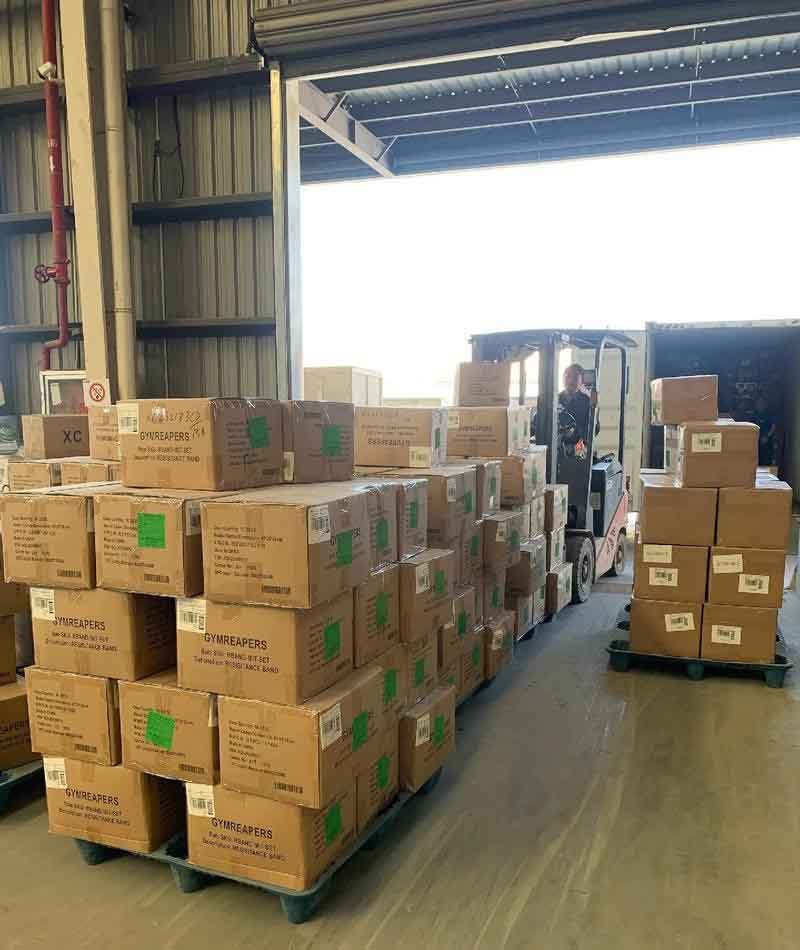
In emergency programs, kits are managed like inventory—distributed across multiple sites, tracked by team workflows, and replenished on schedule. That makes identification more than decoration; it is a critical part of operational infrastructure. A robust label system reduces receiving errors, accelerates deployment, and supports compliance verification.
We design kit bags with label-ready zones—including ID windows, barcode placement areas, department coding panels, and color-coded sections—so that kits can be standardized across locations.
Placement matters. Labels positioned too close to seams or high-wear corners are prone to peeling or distortion over time. We plan label locations using reference points and tolerance margins, ensuring that every unit remains consistent across bulk runs and future reorders. For multi-SKU kits, SKU coding logic can be aligned with packing methods, allowing warehouse staff to sort visually and scan efficiently.
For retail-facing kits, labeling also supports barcode scanning, shelf-ready presentation, and reduces returns due to mismatched SKUs. In program deployments, carton markings and unit labeling are coordinated to maintain accuracy from factory packing through final delivery.
Branding That Stays Consistent in Bulk
For emergency kits, branding serves a different purpose than in fashion products. Programs often require institution-level credibility—for corporations, government initiatives, school districts, or NGOs—along with clear field identification. The branding method must withstand handling, storage, abrasion, and repeated cleaning, while remaining consistent across thousands of units.
We guide the selection of branding techniques based on material systems and real-use friction. Embroidered patches provide a premium appearance but may snag; certain printing methods scale efficiently but require surface compatibility; reflective identification supports safety but must avoid flex points. Crucially, we enforce bulk repeatability by defining placement references and acceptable tolerance ranges, ensuring that all reorders remain visually aligned.
Branding is coordinated with labeling and packaging. For program-scale orders, the integrated system—logo, ID panel, and SKU label—creates a professional kit that is easier to distribute, audit, and verify. The objective is a kit bag that maintains a consistent appearance, not one that varies from batch to batch.

QC Checkpoints for Emergency Kit Bags

Emergency kit bags are evaluated by reliability, not showroom appearance. A bag that appears fine but fails at the handle anchor, zipper corner, or internal divider can generate significant downstream costs—returns, repacking, and program disruption. For this reason, quality control (QC) for emergency kits must prioritize functional failure prevention and batch consistency, particularly for multi-batch deliveries.
We implement multi-stage inspections : incoming material and component verification, in-process checks at critical stress points (handle and strap anchors, bottom reinforcement, zipper installation), and a final inspection that ensures smooth opening, pocket alignment, and packing readiness. For program-scale kits, we also verify key dimensions and placement tolerances, as even small deviations can become major issues when thousands of units must remain consistent across multiple locations.
A QC-driven approach enhances procurement confidence: fewer disputes, reduced replacements, and simplified reorders. This is especially critical for safety compliance programs, where performance and consistency are paramount.
Kit Packing and Assembly Support
For emergency kits, the bag represents only half of the product. The other half is the packing system, which ensures predictable distribution. Inadequate packing planning can result in missing components, incorrect SKUs, and delayed receiving, particularly when kits are shipped to multiple sites. We help clients define kit-level packing logic: how pouches are grouped, how checklists are inserted, how labels correspond to SKUs, and how cartons are marked for warehouse receiving.
This approach transforms a simple bag order into a scalable program asset. When packing logic is standardized, replenishment becomes more efficient: teams can repack consistently, and audits are simplified. For kits with multiple pouches or removable modules, we align the bag layout with the packing plan to ensure assembly remains consistent and fast.
Packaging also protects the kit during long-term storage. Unit-level packing reduces dust contamination and scuffing, while carton design improves stacking stability during transport. The result is fewer receiving disputes, smoother deployment, and more reliable program execution.

From Sample to Bulk: A Predictable Production Process

Program managers don’t want surprises—they require a structured process that converts a kit specification into repeatable production with clearly defined checkpoints. Emergency kit bags often include multiple components—pouches, dividers, labels, and reinforcements—so a simple bag timeline is insufficient. We manage development through a structured workflow: requirement review (use case + kit list), materials confirmation, sampling with prioritized revisions, pre-production alignment, bulk execution with in-process checks, final inspection, packing, and shipment readiness.
This approach safeguards both speed and quality. By prioritizing revisions, sampling focuses on functional and structural improvements rather than endless cosmetic changes. Proper pre-production alignment ensures that bulk runs proceed smoothly and reorders maintain consistency. For programs managing multiple SKUs, this also reduces internal coordination time, as responsibilities and checkpoints are clearly defined.
In summary, process discipline transforms emergency kit bags from a one-time purchase into a reliable supply item, capable of supporting scalable, repeatable program deployment.
One-Stop Kit Bag Solutions in Guangdong
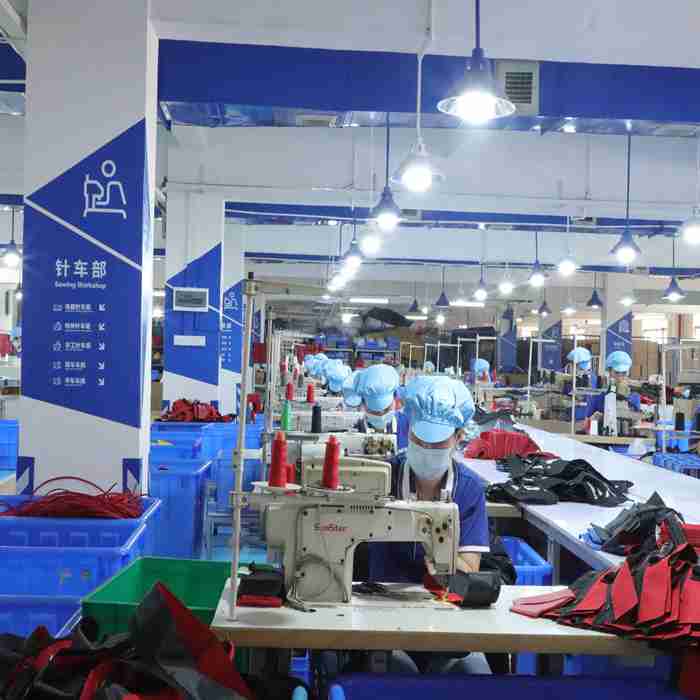
Emergency kit programs often involve multiple SKUs, rolling replenishment, and strict delivery windows. Meeting these demands requires more than sewing capacity—it demands integrated execution across development, sampling, production, and QC. With a one-stop setup—including sales coordination, design support, sample room, and factory production—we align structure, layout, materials, and labeling early, then replicate the same standards in bulk.
Our operational capability ensures consistency: a dedicated QC team and multi-stage inspections minimize defect drift; structured process control reduces batch variation; and material planning supports reorder stability. This approach means fewer supplier handoffs, faster feedback during sampling, and more predictable program rollouts.
For programs managing safety compliance or distribution-based emergency kits, a supplier’s ability to maintain standards over time is often more valuable than the lowest unit price.
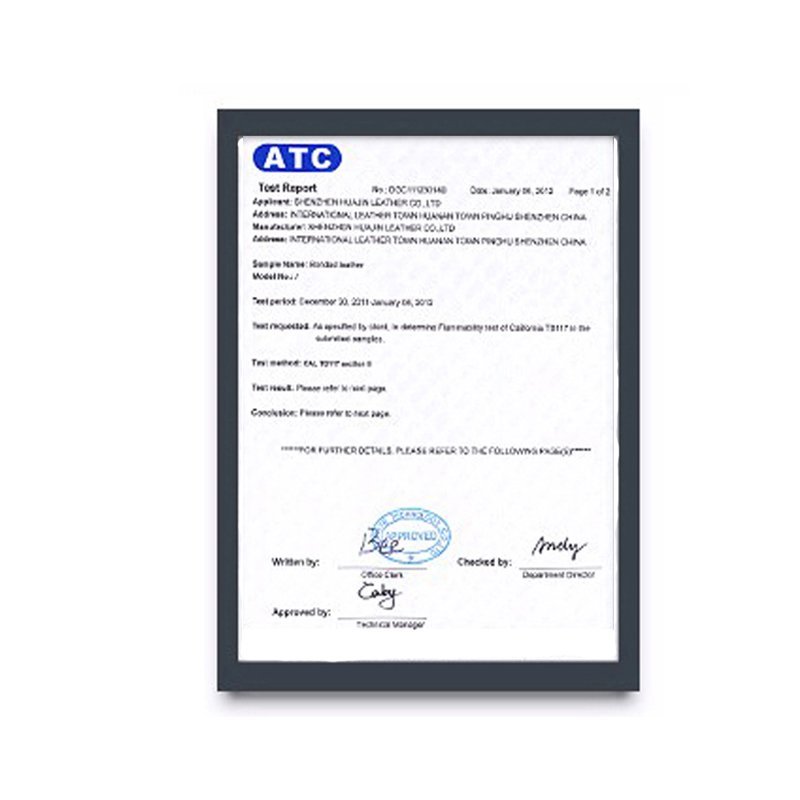
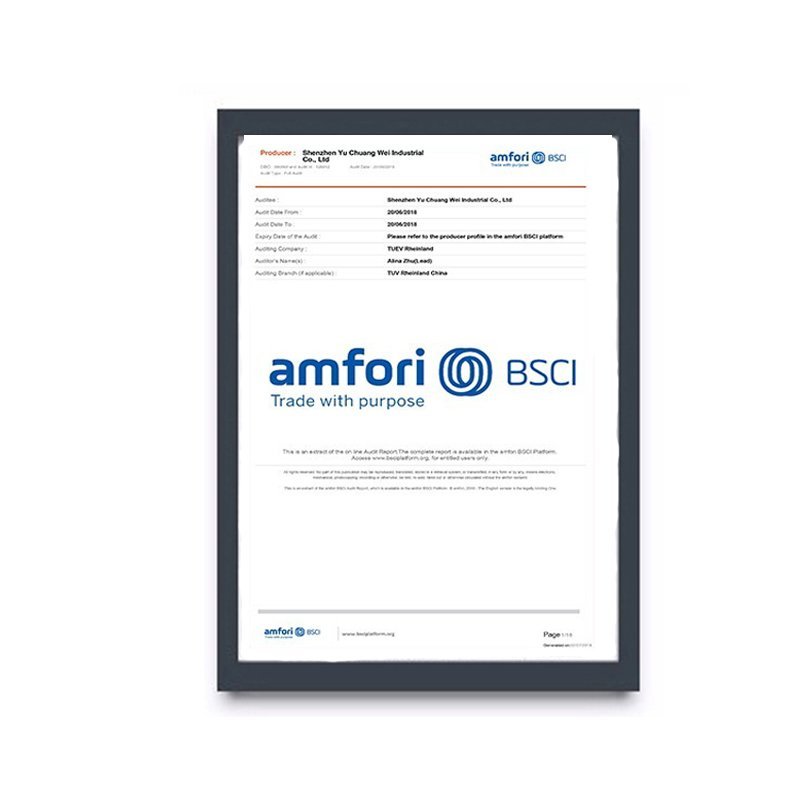
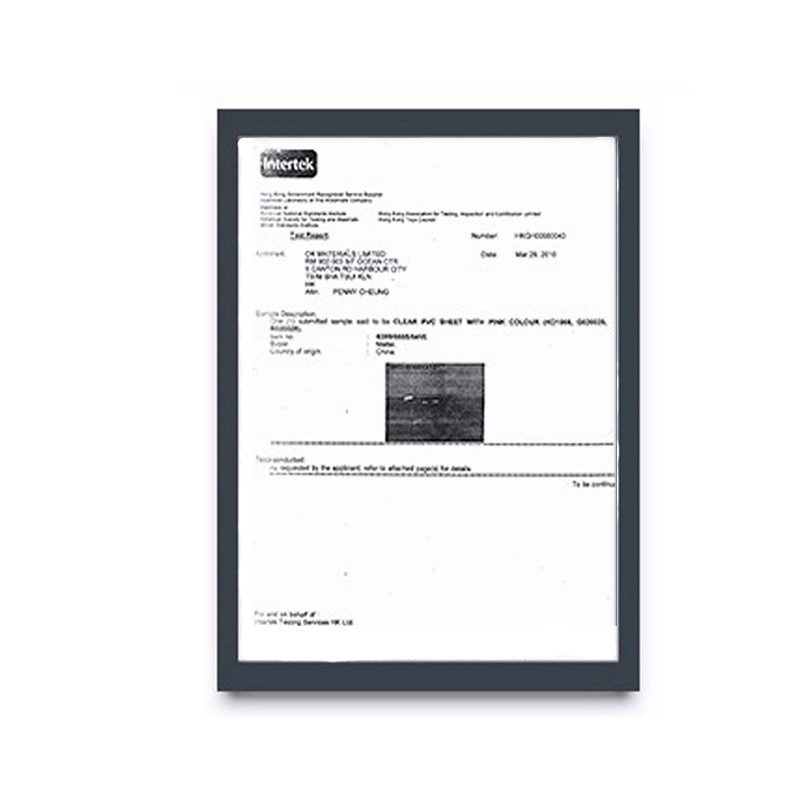
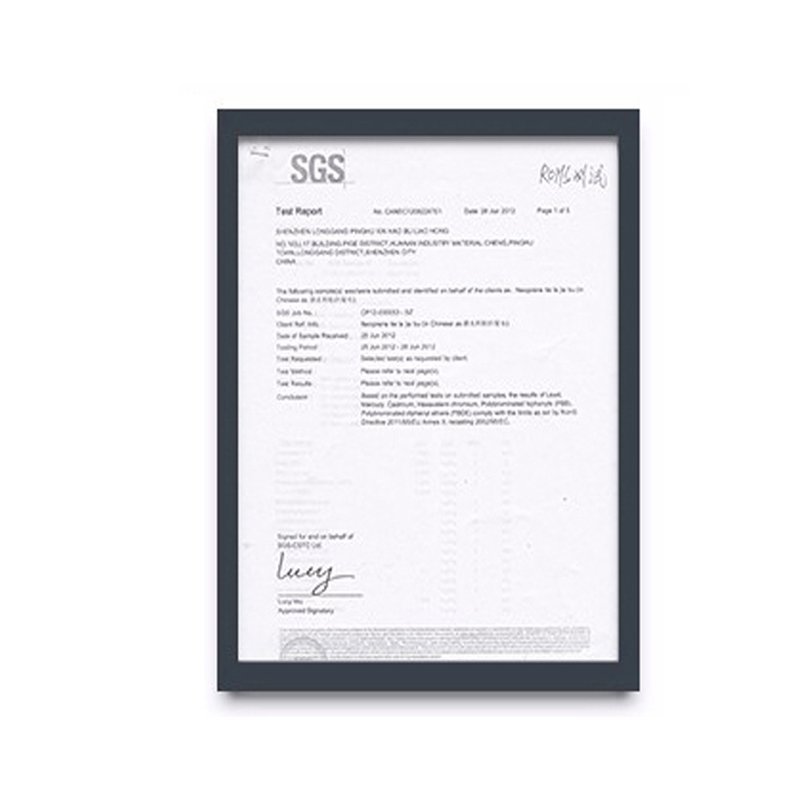
International Certifications & Compliance Readiness
Medical procurement often requires supplier qualification, documented standards, and compliance verification. Relevant certifications and regulatory readiness support buyer due diligence, vendor onboarding, program tender compliance, and risk mitigation. If you plan to display certifications on this page, place them here with concise descriptions that clearly explain their relevance to buyers, especially regarding production management, quality systems, audit cooperation, safety assurance, and continuous improvement practices. This ensures buyers can quickly verify supplier credibility and alignment with industry standards.


Trusted by Global Buyers
Brand cooperation is not just a logo wall—it demonstrates that a manufacturer can maintain stable specifications, meet strict timelines, and support consistent repeat orders. When displaying cooperating brands, include concise captions that emphasize capability, such as program management, fast sampling, QC discipline, packaging execution, process reliability, and cross-team coordination, so the section communicates practical manufacturing competence, operational efficiency, and trustworthiness rather than mere promotional imagery.

















Start with a Kit List and a Target Scenario

The fastest way to advance is to start with facts, not assumptions. Provide your kit list, target scenario, and distribution plan, and we will translate it into a practical bag proposal: recommended bag style, internal layout logic, reinforcement strategy, material options, labeling system, packing method, QC checkpoints, and a realistic production timeline.
For program-scale orders, include details on storage conditions (warehouse vs. vehicle), replenishment frequency, and whether barcode labels or site coding are required. These factors directly influence bag structure, material selection, and packing design. Our goal is to support a launch with minimal revisions, stable bulk output, and a clear path for reorders, ensuring that kits remain consistent across teams and locations.
Make A Sample First?
See your idea come to life before mass production.
At Jundong Factory, we offer free design mockups and custom samples to ensure every detail is perfect — from material and color to logo placement and stitching.
Start your project with confidence today: info@jundongfactory.com.
Custom Emergency Kit Bags FAQ
What’s the difference between an emergency kit bag and a first aid kit bag?
A first aid kit bag is often designed around medical consumables—bandages, gauze, disinfectants, and gloves—and prioritizes quick visibility, small-item organization, and clean refill. An emergency kit bag is a broader concept. It may include first aid supplies, as well as tools, flashlights, batteries, documents, radios, PPE, thermal blankets, water pouches, and vehicle items. Because of that, the bag often needs stronger structural engineering, heavier load distribution, and better protection for rigid items.
In OEM/ODM projects, the key difference is how we plan the interior and structure. First aid bags typically use more elastic loops, mesh pockets, and clear ID windows for faster access. Emergency kit bags may require modular pouches, reinforced base panels, and separated zones for sharp or heavy tools to prevent collision. The bag’s opening style also changes: workplace or home kits may prefer compact access, while response kits benefit from a wide-open clamshell design.
If you provide us with your kit list and deployment scenario (home, vehicle, workplace, program distribution, or retail), we can recommend the ideal bag type and layout to ensure your kits remain organized and consistent across bulk orders and reorders.
Which emergency kit bag sizes are most common for B2B orders?
The most suitable kit size depends on where the emergency kit is stored and how it is carried. For vehicle emergency kits, compact pouches that fit gloveboxes or trunk organizers are common, emphasizing slim profiles and secure closures. Workplace safety kits often use medium hand-carry bags—large enough to hold standardized contents while remaining easy to store in cabinets. For mobile teams or outdoor use, emergency backpacks are preferred, as they distribute weight and keep hands free.
Instead of sizing by liters alone, we recommend evaluating three variables: (1) kit list volume and fragile items, (2) access frequency and speed, and (3) storage constraints such as shelf height, locker depth, or vehicle compartment size. For program distribution, shipping efficiency also matters—carton dimensions, stacking stability, and consistent packing help reduce logistics costs.
By sharing your target application and approximate contents, we can propose 2–3 size options with layout logic and cost implications, allowing selection of a size that works effectively in real-world use and bulk shipping.
Can you design the internal compartment layout based on our item list?
Yes. For medical bags, the interior layout is often the most valuable and most used part of the product. If you provide an item list (names, approximate dimensions, quantities, and usage frequency), we can propose a compartment system that supports fast access and clean replenishment. Typical structures include elastic loops for tools/vials, mesh zip pockets for consumables, clear windows for quick identification, and removable pouches for modular kits.
We design around real usage: what must be accessed first, what requires impact protection, and what must remain upright or separated. Sharp or rigid items may need isolation and padding; liquids or fragile items may need dedicated zones to reduce collision. We also plan for restocking—layouts that are “neat once” but hard to refill become chaotic quickly.
For bulk consistency, we define key compartment dimensions and sewing tolerances so the interior does not drift across production lines or batches—helping your kit remain standardized.
What materials are best for emergency kit bags stored in vehicles or warehouses?
Vehicle and warehouse storage introduces friction, heat cycles, and long idle time. For vehicle kits, materials should resist abrasion, hold shape, and maintain appearance despite temperature changes. For warehouse programs, you also want surfaces that reduce scuff marks and remain presentable for audits or retail resale.
We typically recommend selecting the system, not one fabric: outer shell + reinforcement zones + base protection. Coated materials like PU/PVC can improve wipe-down and scuff resistance, while heavier textiles can offer tear resistance. High-wear areas—bottom panels, corners, handle anchors—should be reinforced with stronger layers or scuff guards. For kits with tools, adding internal structure or inserts can prevent deformation and protect contents.
Material batch consistency matters for reorders. If you plan rolling replenishment, we help choose materials with stable sourcing and define acceptable tolerance to reduce “same SKU, different look” across shipments.
How do you prevent zipper failure in emergency kit bags?
Zipper failure is usually not the zipper itself—it’s stress concentration at corners, poor reinforcement at zipper ends, or misalignment during sewing. Emergency kits are opened under pressure, sometimes with one hand, so we plan access design and reinforcement together. Wide openings like a clamshell design improve access but require stronger corner control and seam support to reduce distortion over time.
We reinforce zipper ends, stabilize zipper lines, and control stitching tension so the zipper runs smoothly even when the bag is loaded. We also consider what’s inside the bag: rigid tools can push against zipper lines and cause early wear if the interior is not separated or supported. That’s why layout and structure matter as much as hardware selection.
During production, we add in-process checks on zipper alignment and end reinforcement. This reduces the common “sample works, bulk feels tight” problem and supports consistent reorders.
Can you make emergency kit bags with modular pouches for program assembly?
Yes. Modular systems are one of the most effective ways to standardize emergency kits for B2B programs. Instead of one large compartment, the kit is divided into removable pouches (first aid, tools, lighting, documents, PPE). This improves speed: users grab the pouch they need without unpacking everything. It also improves replenishment and audits—teams can check modules against a checklist quickly.
From a manufacturing perspective, modular pouches require consistency in sizing, labels, and attachment points. We plan pouch dimensions, zipper orientation, and label windows so assembly is repeatable. If you have multiple SKUs, modularity also reduces confusion: the “same base bag” can work across versions by swapping out content and labels.
If you share your kit structure and distribution method, we can propose a modular layout that balances cost, usability, and bulk packing efficiency.
What QC checkpoints matter most for emergency kit bags?
Emergency kits are evaluated by “will it still work after storage and rough handling?” The most important QC checkpoints focus on stress points, access reliability, and layout repeatability. Incoming checks should confirm material consistency, zipper/hardware quality, and coating stability. In-process checks should validate handle anchors, strap joints, base reinforcement, and zipper corner support. Final inspection should confirm opening smoothness, pocket alignment, and packing readiness.
For program orders, tolerance control matters: a small drift in pocket position becomes a big problem when thousands of kits must match across sites. Below is a practical QC focus table buyers can use:
| QC Focus | Risk If Weak: What | t We Check |
|---|---|---|
| Load points | tearing under carry | anchors, bar-tacks, base corners |
| Zipper zones | stuck zipper/distortion | alignment, end reinforcement, corner stress |
| Layout | slow access / messy refill | pocket placement, loop tightness, divider stability |
| Consistency | reorder mismatch | key dimensions + placement tolerance |
How do you support reorders and multi-batch deliveries without variation?
Variation usually comes from three sources: material substitution, inconsistent process execution, and unclear specs. For emergency kit programs, we lock critical specs early—dimensions, reinforcement points, compartment measurements, label placement references, and packing method. That becomes the standard for production and QC.
We also plan material stability to support reorders. Even similar-looking materials can differ in texture and color tone across batches. We select sourcing options that are more stable and define acceptable tolerance ranges. During production, we rely on process checkpoints (especially around zippers and load points) to prevent drift.
For multi-batch deliveries, we recommend confirming “golden sample” references and documenting key measurements. That reduces disputes and makes reordering smoother, especially when procurement teams need a consistent appearance across different locations and time periods.
Can you make emergency kit bags for retail channels like Amazon?
Yes, retail-focused emergency kits have additional requirements beyond durability. Buyers often need shelf-ready presentation, consistent appearance, and packaging that supports barcode scanning and customer expectations. The bag must still perform as a kit: organized interior, fast access, and stable shape.
For retail programs, we recommend defining: target customer segment (home, car, outdoor), core contents, packaging style (unit packaging, inserts, hang tags), and label system (barcode-ready areas, SKU consistency). Return rates often increase when kits look inconsistent or when customers struggle to find items quickly. That’s why layout clarity and labeling are important even in retail.
We can align bag design with packaging and QC flow so the product arrives clean, consistent, and ready for fulfillment.
Do you offer reflective/ID features for workplace or outdoor emergency kits?
Yes. For workplace safety and outdoor-response kits, visibility and identification help teams find and deploy kits faster. We can integrate reflective strips, ID panels, and label windows. The key is functional placement: reflective areas should avoid heavy flex points and high-wear edges, and ID panels should remain readable after frequent handling.
We recommend defining the identification system early: department coding, site coding, user-specific tags vs program-wide labels. This prevents late-stage changes that disrupt production and packing. If your kits must comply with internal safety audits, consistent labeling is also a key requirement.
What’s your MOQ and why do small orders cost more than bulk?
MOQ depends on style complexity, materials, logo method, and whether you need modular pouches or special inserts. We support small-batch orders for development and testing, but small quantities typically cost more per unit because the full manufacturing process still applies: patterning, cutting, sewing, QC, and packing. Material purchasing is also less efficient at low volume.
Bulk orders usually achieve better pricing because materials can be sourced at better rates, and production teams become more familiar with the design, improving efficiency and reducing variation. Below is a practical comparison:
| Order Type | Typical Impact | Buyer Advice |
|---|---|---|
| Small order | Higher unit cost, same process steps | use for validation & field testing |
| Bulk order | better material pricing, stable efficiency | lock specs + plan reorders |
If you want a quick evaluation, you can share quantity, kit type, and size targets via info@jundongfactory.com.
How do we start a custom emergency kit bag project faster?
The fastest start is to provide “decision-grade inputs.” Buyers should share: (1) deployment scenario (vehicle, workplace, program distribution, retail), (2) an item list with approximate sizes and quantities, (3) target outer dimensions or storage constraints, (4) required identification (labels, barcode area, coding), and (5) order quantity/SKUs.
With that, we can propose a practical plan: recommended bag style, layout logic, reinforcement approach, material options, and a realistic sampling timeline. If you don’t have exact dimensions, photos of similar bags, and a kit checklist are still enough to begin.
Everything You Need to Know Before Customizing Your Bags
Emergency kit bag sourcing decisions are rarely based on aesthetics alone. Procurement teams require clarity on MOQ versus bulk pricing, lead time, layout feasibility, labeling and SKU coding, packing logic, and reorder consistency. This FAQ section is designed to address these operational questions upfront, enabling teams to assess risk quickly and minimize internal back-and-forth.
We recommend structuring FAQs around real procurement triggers: what information is needed to start sampling, how to prevent sample-to-bulk drift, how to plan multi-site distribution, and which QC checkpoints ensure reliability. When written clearly, FAQs also capture long-tail search queries such as “how to pack emergency kit bags,” “bulk emergency kit bag supplier,” and “custom first aid kit bag with compartments.”
For a quick evaluation, teams can email their kit list and target dimensions to info@jundongfactory.com for guidance and recommendations.