 Skip to content
Custom Drawstring Pouch
From jewelry pouches and gift bags to beauty packaging, dust bags, travel pouches, and small product set packaging, the right drawstring pouch can improve presentation, surface protection, pack-out efficiency, and repeat use. Different products need different pouch logic. A velvet jewelry pouch, canvas drawstring bag, satin gift pouch, or cotton dust bag should be chosen based on what goes inside. Size, fabric, lining, closure feel, logo method, and print finish all shape how the pouch looks, carries, stores, and supports the product after opening.
Small Pouches Change Value
A small drawstring pouch can change how a product feels before the product itself is even touched. That is why these pouches show up so often in jewelry packaging, beauty packaging, gift sets, and small product presentation. In public packaging-focused references, retailers use drawstring pouches for jewelry, cosmetics, and small electronics, while cotton, velvet, and satin are repeatedly associated with a more premium unboxing experience.
The reason is simple: a pouch does more than cover the product. It changes first touch, surface protection, visual restraint, and how “finished” the set feels. A ring placed loose in a box feels different from a ring placed in a velvet pouch inside the box. A skincare tool wrapped in a pouch feels more deliberate than one placed directly into outer packaging. Even when the product is small, the pouch can make the presentation feel more complete.
| What the pouch changes | Why it matters |
|---|---|
| Touch | softer materials can raise perceived care |
| Protection | helps reduce light rubbing and surface contact |
| Presentation | makes small items feel more intentional |
| Reuse value | gives the packaging a second life |






Start With the Contents
The safest way to define a drawstring pouch is not to start with the fabric color. It is to start with what goes inside, what needs protection, and what the pouch should communicate once opened. Public references connect drawstring pouches with jewelry, cosmetics, and small electronics, while broader materials guidance shows that fabric choice changes durability, weight, texture, water resistance, and cost.
A useful first step is to sort the product into one of these packaging roles:
| Pouch role | Typical contents | Better direction |
|---|---|---|
| Soft-touch gift pouch | jewelry, charms, crystals, keepsakes | velvet, satin, softer cotton |
| Protective product pouch | watches, glasses, tools, coated accessories | canvas, cotton, lined structures |
| Light retail pouch | beauty items, soap, candles, sample kits | muslin, cotton, organza, lighter canvas |
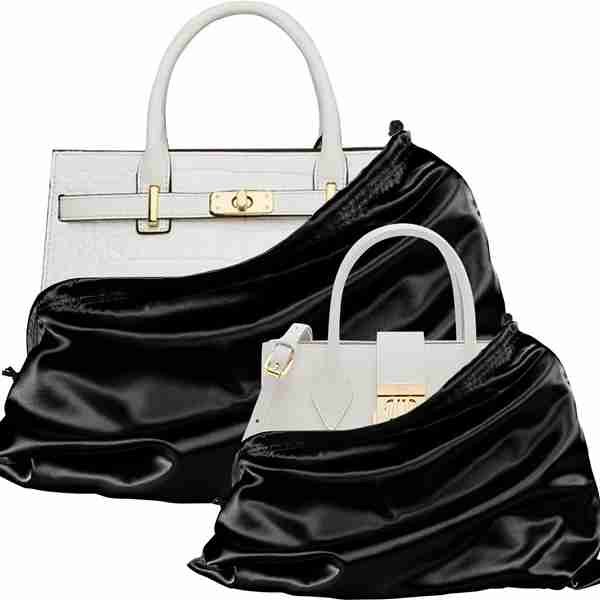
| Dust bag | handbags, shoes, accessories | breathable cotton or canvas |
Choose the Right Fabric
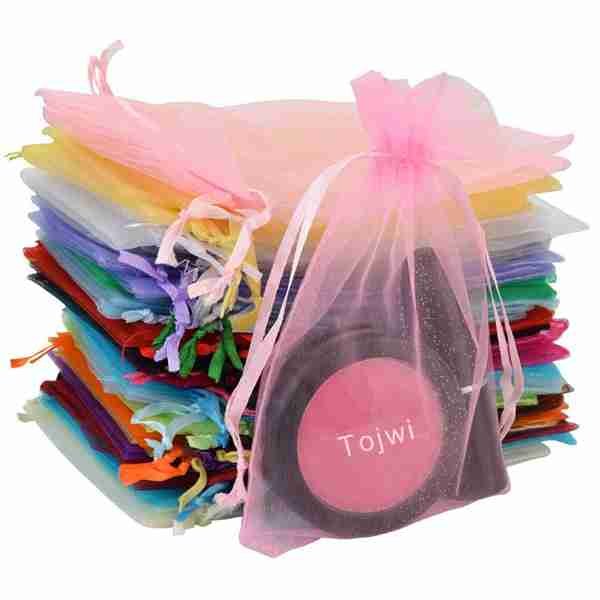
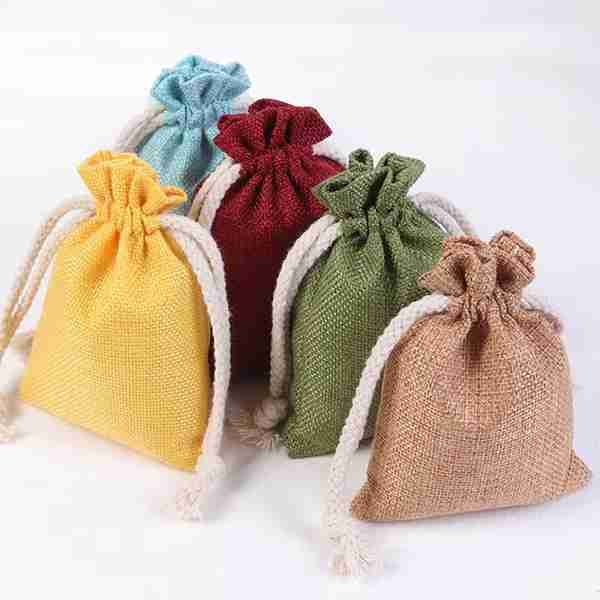
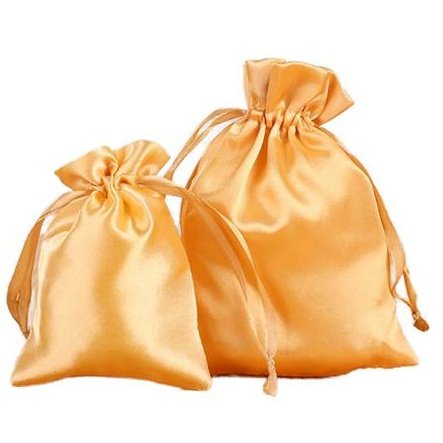
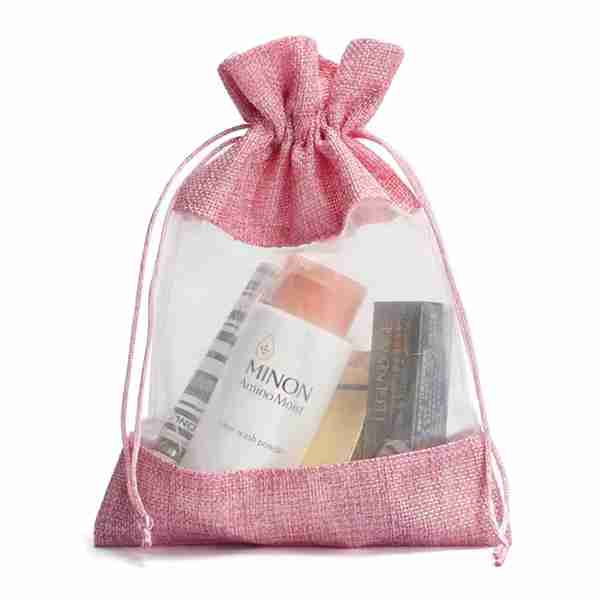
Material changes the role of a drawstring pouch more than many teams expect. Public packaging-focused references clearly separate velvet and satin for jewelry sets and higher-end cosmetics, cotton canvas for natural or eco-leaning product lines, and organza for sheer gift presentation and jewelry use. Broader materials guidance also shows how cotton, canvas, synthetics, and specialty materials differ in texture, strength, weight, and breathability.
| Material | Best used for | What it signals |
|---|---|---|
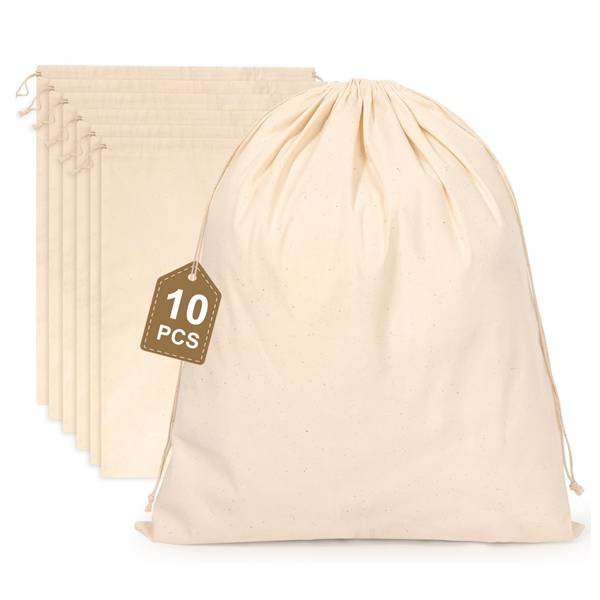
| Cotton | soft packaging, skincare, gift sets, dust bags | natural, reusable, understated |
| Velvet | jewelry, watches, keepsakes, premium gift items | rich, soft, elevated |
| Canvas | heavier accessories, dust bags, and more protective use | sturdy, practical, lasting |
| Muslin | soaps, candles, natural-product kits, light packaging | breathable, simple, natural |
| Satin | jewelry sets, favors, premium small gifts | smooth, dressy, refined |
| Organza | jewelry favors, visible gift packaging, light items | sheer, decorative, lightweight |



Choose the Right Pouch
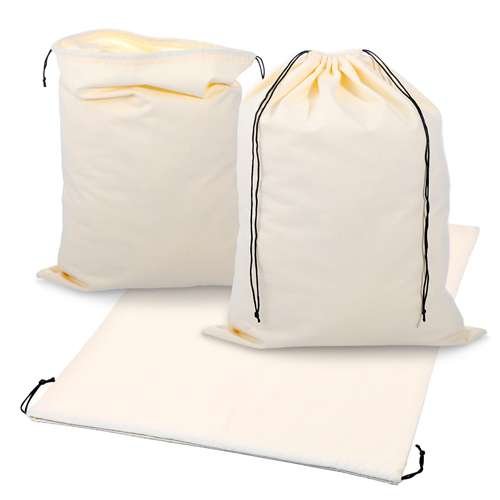
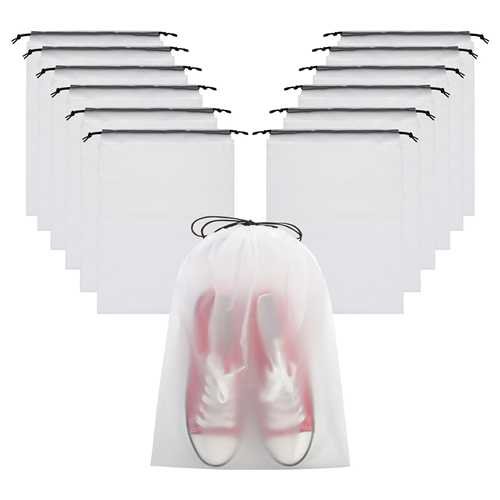
A drawstring pouch starts performing very differently once the structure changes. A flat pouch stays simple, light, and easy to stack. A gusseted pouch gains more standing room and handles thicker items better. A lined pouch adds softness, cleaner seams, and a more finished interior. A dust bag shifts the role toward surface protection, storage, and repeated use. Public references for cotton shoe and dust bags show how breathable cotton drawcord bags are used to protect surfaces from scratches, dust, and debris, while canvas guidance emphasizes stronger protection and longer wear. Velvet and satin, by contrast, are repeatedly associated with premium packaging rather than rugged storage.
| Structure | Better For | What It Changes |
|---|---|---|
| Flat pouch | jewelry, cards, charms, slim gift items | lower bulk, cleaner stacking |
| Gusseted pouch | candles, beauty kits, thicker accessories | more body, better fill shape |
| Lined pouch | watches, jewelry, coated items, delicate surfaces | softer contact, more finished feel |
| Dust bag | shoes, handbags, accessories, storage, and use | protection, breathability, reuse |
Size Depends on Contents
The safest pouch size is not a generic number. It is the size that fits the product category, protection needs, and presentation goal. Public drawstring and packaging references show cotton drawcord bags used for shoes and storage protection, while drawstring pouch material guides connect velvet and satin with jewelry or premium gift items, and organza with light decorative presentation. From that pattern, a useful size rule emerges: small valuable items benefit from tighter pouches that feel precise, while bulkier or mixed-shape items usually need extra width, depth, or a gusset to avoid awkward fill.
| Product Type | Better Size Logic |
|---|---|
| Jewelry | tighter fit, lower space, softer contact |
| Beauty items | enough room for mixed shapes without looking loose |
| Candles or soaps | consider depth and base shape, not width alone |
| Accessories | balance protection with easy insertion and removal |
| Gift sets | make the contents look complete, not scattered |




Closure Feel Shapes Experience
Many pouches look acceptable in photos but feel disappointing in hand because the closure experience was never treated as a real design decision. Public references on drawstring bags repeatedly note that material choice, cord system, and intended use affect satisfaction, while cotton drawcord bags and other packaging pouches rely heavily on how smoothly they open, gather, and close. A pouch used for gifting should not feel stiff and awkward. A pouch used for storage should not feel weak and unstable.
| Closure Detail | What It Changes |
|---|---|
| Cord thickness | changes grip feel and pull smoothness |
| Cord material | affects softness, slip, and visual finish |
| Channel width | influences how evenly the top gathers |
| Opening size | affects access and insertion ease |
| Closure tension | changes whether the pouch feels neat or flimsy |
A good drawstring pouch should close with control, not drag; open with ease, not resistance; and hold its top line neatly once cinched. These details are easy to overlook, but they often decide whether the pouch feels like simple packaging or part of the product experience itself. That conclusion is a practical inference from public guidance emphasizing material, size, and cord-system differences in drawstring bag performance.
Decoration Shapes Pouch Role
A drawstring pouch can move from simple packaging to gift presentation, or from protective storage to brand carrier, just by changing the decoration method. Public customization guidance repeatedly lists screen printing, embroidery, foil stamping, heat transfer, and labels or patches as core options, while public gift-bag references connect velvet with upscale gifting and jewelry packaging. That pattern matters because the same pouch body can feel understated, premium, playful, or more retail-ready depending on how the logo is applied.
| Decoration method | Best used for | What it tends to signal |
|---|---|---|
| Screen print | cotton, canvas, muslin, larger, simple logos | clear, practical, cost-aware |
| Foil logo | velvet, satin, gift pouches, jewelry packaging | refined, dressy, more gift-focused |
| Embroidery | thicker cotton or canvas pouches | tactile, crafted, longer-lasting |
| Woven or printed label | dust bags, subtle branding, reusable storage pouches | quieter, more understated |
The smarter choice is the one that matches the fabric texture, pouch role, and how visible the branding should feel once the pouch is opened or reused. A gift pouch may benefit from a restrained foil mark. A dust bag may work better with a woven label or understated print. A reusable cotton pouch often supports larger printed branding more naturally than a delicate satin bag does. Those choices quietly decide whether the pouch feels like outer packaging, an accessory, or part of the product itself.



More Than Surface Protection
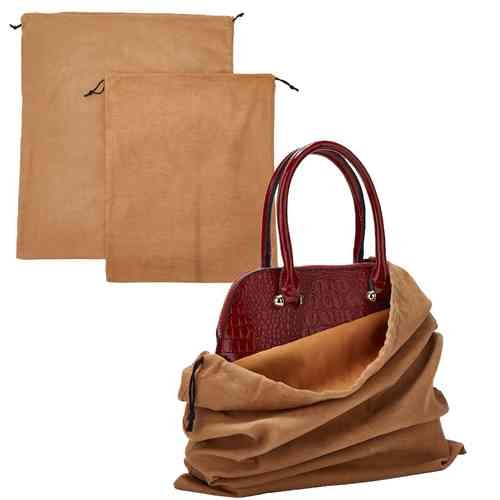
A drawstring pouch is often judged as a “soft package,” but a good one protects more than scratches. Public references for cotton shoe bags and dust bags describe them as helping protect contents from dust, dirt, contaminants, scratches, and contact with other items, while broader drawstring-bag material guidance shows how canvas improves durability, cotton supports breathability and gentler contact, and other materials shift the balance between softness, protection, and reuse.
| What the pouch protects | Why it matters |
|---|---|
| Surface finish | helps reduce rubbing, scuffs, and dust buildup |
| Product separation | keeps small items from knocking against each other |
| Storage cleanliness | helps isolate the item from dust, debris, or handling marks |
| Presentation quality | prevents a premium item from feeling too exposed |
A jewelry pouch may need softer inner contact more than heavy abrasion resistance. A dust bag for shoes or accessories may need breathable cotton or canvas more than decorative sheen. A pouch for coated beauty tools or small electronics may need a cleaner inner surface and more stable seams rather than visual softness alone.
Pack-Out Logic Matters More
A drawstring pouch project often looks simple until the packing plan begins. Public wholesale references show these pouches sold in many sizes, colors, and bulk formats, while broader drawstring bag guidance emphasizes that size, style, and volume choices should be matched to the actual use. That matters because once a pouch line includes multiple sizes, different materials, assorted colors, or grouped product sets, the real work shifts from “making a pouch” to organizing a repeatable packing system.
| Pack-out decision | What it quietly changes |
|---|---|
| single size vs assorted sizes | affects counting, picking speed, and packing accuracy |
| material split | changes how cartons stack and how styles are identified |
| color grouping | affects sorting and downstream distribution |
| set packing | determines whether the pouch ships empty or already paired with the product |
| outer carton logic | affects warehouse clarity, handling, and relabeling risk |
The smoother projects are usually the ones that decide early whether the pouches are single-spec, mixed-spec, or set-packed, and label cartons accordingly.
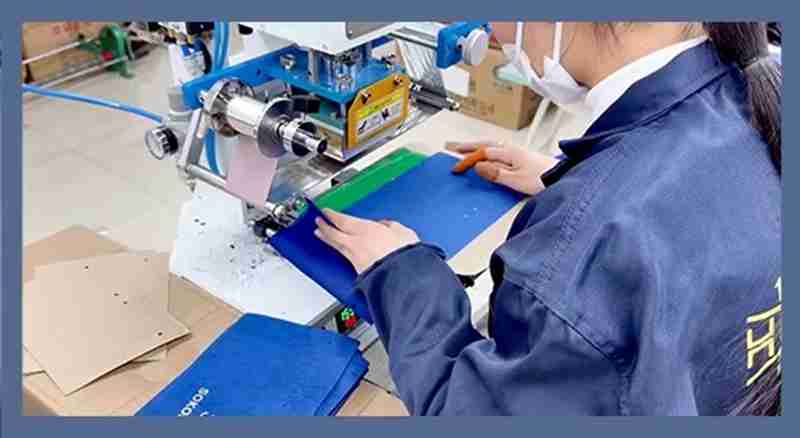


Make A Sample First?
See your idea come to life before mass production.
At Jundong Factory, we offer free design mockups and custom samples to ensure every detail is perfect — from material and color to logo placement and stitching.
Start your project with confidence today: info@jundongfactory.com
FAQs About Custom Drawstring Pouch
What fabric works best for a custom drawstring pouch?
The best fabric is the one that matches the product surface, the presentation style, and the way the pouch will be used after opening. There is no single fabric that fits every drawstring pouch program. A velvet drawstring pouch can feel softer and more gift-ready for jewelry, watches, and keepsake items. A satin pouch often gives a smoother, more polished reveal for beauty gifts and delicate presentation. A cotton or canvas drawstring pouch usually works better when the pouch feels more natural, more reusable, and more practical for dust protection or repeated storage. Organza can work well when visibility and decorative effect matter more than stronger protection.
The safest way to choose is to stop asking which fabric looks best on its own and start asking what the pouch must actually do. If the goal is soft-touch presentation, cleaner gifting, and a stronger first impression, velvet or satin is often a better fit. If the pouch is meant to stay with the product for longer-term storage, repeated handling, or travel use, cotton or canvas often makes more sense because the material usually feels steadier and easier to live with over time.
How do we choose the right size for a drawstring pouch? A good drawstring pouch size should hold the product neatly without ma
A good drawstring pouch size should hold the product neatly without making insertion, removal, or closing feel awkward. Many pouch sizing problems begin because the decision is made from visual guesswork instead of real product dimensions. A pouch that is too large can make a small item look lost and less valuable. A pouch that is too tight can make loading difficult, distort the shape, or create a closure that feels strained.
The safer way is to start with the actual product dimensions, then add room based on how the item will be inserted, removed, protected, and presented. A jewelry pouch for a ring, charm, or necklace usually looks better with a closer fit because the presentation feels more controlled. A pouch for candles, beauty sets, soaps, accessories, or thicker small products often needs more depth or width because the item is less flat and less forgiving. If the pouch will be used repeatedly, a little extra ease may also help.
Good size planning should always consider fit, protection, and ease of use together. The best result is usually a pouch that makes the item feel centered, easy to place, easy to remove, and visually complete.
When is a lined drawstring pouch worth adding?
A lined drawstring pouch becomes more valuable when the product surface needs gentler contact, or when the pouch should feel more complete inside as well as outside. Lining is not only about softness. It can also affect seam feel, structure, shape stability, and the overall impression when the pouch is opened.
This matters most when the pouch is used for jewelry, watches, polished accessories, coated items, beauty tools, or delicate gift products that should not rub directly against rougher inner seams. A lining can also help when the outer fabric looks attractive but is not the ideal direct-contact surface. For example, a velvet pouch may already look refined, but a lining can make the inner experience feel more finished and consistent. In some cases, a lined pouch also helps the pouch body feel steadier and less flimsy.
An unlined pouch can still work extremely well, especially when the goal is simplicity, breathability, lower bulk, or a more natural feel. Lining becomes worth adding when the pouch needs to do more than simply wrap the product. It should help protect the surface, improve the opening impression, and support the overall product experience.
Which logo method works best on a custom drawstring pouch?
The right logo method depends on the fabric surface, the level of brand visibility, and whether the pouch should feel more like packaging or more like a keepsake. The same logo does not behave the same way on every fabric. A method that looks refined on velvet may feel too strong on cotton. A logo that reads clearly on canvas may feel too plain on satin.
A foil or hot-stamped logo usually works well when the pouch needs a cleaner, more polished, or more gift-led appearance, especially on velvet, satin, or smoother premium surfaces. Screen printing often fits cotton, canvas, or muslin better because the brand reads clearly and feels more direct. Embroidery adds texture and value, but it usually suits thicker fabrics better than delicate, sheer, or glossy fabrics. Woven labels or printed labels often work well for reusable storage pouches and dust bags when the branding should feel quieter.
The best result usually comes when the logo method is chosen to match the fabric, pouch role, and desired first impression. The goal is not simply to add branding. It is to make the branding feel like it naturally belongs to that pouch.
When should a drawstring pouch feel more like a gift pouch, and when should it feel more like a dust bag?
A drawstring pouch should feel more like a gift pouch when the opening moment, touch, and visual presentation matter most. It should feel more like a dust bag when protection, storage, and repeated handling matter more. These two directions may look close, but they solve different problems.
A gift pouch usually focuses more on the first impression. The fabric may be softer, smoother, or more decorative. The branding may feel cleaner, and the pouch may be sized for a better reveal rather than only for practical storage. A dust bag, by contrast, usually puts more weight on breathable material, repeated handling, dust protection, and easier long-term storage. It is often less about drama and more about keeping the product cleaner and safer over time.
This distinction helps with nearly every later decision, including fabric, size, logo method, and whether lining is worth adding. The clearer the pouch role is at the beginning, the easier it becomes to build the right pouch. Many pouch problems start because the project is trying to behave like both at once without deciding which one matters more.
How should MOQ be judged for a custom drawstring pouch?
MOQ should be judged from the exact pouch build, not from the pouch category alone. A plain cotton pouch in one size is not the same kind of order as a lined velvet pouch with foil branding, mixed sizes, or set packing. Even if both are called drawstring pouches, the work behind them is not the same.
Our standard MOQ is usually 1000 pcs per design. For simpler styles, 500 pcs can also be arranged for production. Since the quantity is smaller, raw material purchasing costs are higher, while the full production process still stays the same, so the unit price will be higher. In general, the larger the order quantity, the lower the unit cost. Once the order reaches 1000 pcs or more, pricing becomes much more competitive. Quantity can still stay flexible depending on the pouch structure, fabric, branding method, and pack-out style.
A basic pouch with one fabric, one size, and no lining is usually easier to keep flexible. Once the project adds lining, embroidery, foil stamping, mixed colors, mixed sizes, or pre-packed product sets, MOQ discussions usually become more specific because the pouch build is no longer simple.
When is it worth developing a reusable drawstring pouch?
A reusable drawstring pouch becomes more worthwhile when it is expected to stay with the product after the first opening. If the pouch will be reopened, reclosed, stored, carried, or used during travel, it should be developed differently from a one-time gift pouch.
A pouch made for reuse usually needs more stable fabric, cleaner seams, a more reliable closure feel, and branding that still looks good after repeated handling. That is why cotton, canvas, or other more durable woven fabrics often work better when the pouch is meant to last longer. These fabrics usually feel more practical, more breathable, and better suited to storage or repeated contact. In contrast, a gift pouch can focus more on first-touch softness, surface beauty, and short-term presentation.
The key is to decide early whether the pouch is mainly there for a strong first impression or for longer-term use. If it is meant to stay useful after opening, the pouch should be built for repeat handling from the beginning. That usually leads to better fabric decisions, a cleaner structure, and a pouch that feels more worth keeping.
Which product types fit a custom drawstring pouch especially well?
A custom drawstring pouch works especially well for products that benefit from soft contact, lighter protection, cleaner presentation, and after-use storage. That is why it naturally fits jewelry, beauty items, candles, crystals, accessories, keepsakes, and small gift sets.
These products often gain something real from being softly wrapped rather than placed straight into harder or more structured packaging. A pouch can reduce rubbing, protect the surface, and make the item feel more thoughtfully presented. It also helps when the product is likely to be stored again after opening. Jewelry is a strong example because it benefits from gentle contact, cleaner reveal, and easy re-storage. Small beauty items, soaps, candles, accessories, and boutique gift pieces often follow the same logic.
The pouch is not automatically the right answer for everything. It becomes the right answer when the product benefits from soft protection, controlled presentation, lighter packing, or repeated storage. Once that use scene is clear, it becomes much easier to choose the right pouch fabric, size, finish, and branding style.
When is it worth developing mixed sizes instead of one standard pouch size?
Mixed sizes are worth developing only when the product line truly needs different pouch behavior, not just different measurements. If one item is flat and another is thick, if one needs more delicate protection and another only needs lighter wrapping, or if one is more gift-led while another is more storage-led, then a mixed-size pouch line often makes sense.
If the differences are small, keeping one or two standard sizes usually makes the line cleaner. Too many sizes can add complexity in counting, branding consistency, pack-out planning, and reorder control without giving enough real benefit in return. That is why mixed sizing is stronger when it solves a clear use problem, not when it is added just to feel more complete.
The better decision is usually not “offer more sizes just in case,” but rather “offer the fewest sizes that still present, protect, and pack the full line well.” That keeps the program easier to sample, easier to organize, and easier to repeat later.
What should be confirmed before sampling a custom drawstring pouch?
Before sampling, the most useful thing to prepare is not only the artwork. It is a full pouch brief that explains the product size, surface sensitivity, pouch role, fabric direction, lining needs, logo method, and pack-out format. A velvet jewelry pouch with foil branding, a cotton dust bag with a woven label, and a satin gift pouch may all be called drawstring pouches, but they are not the same build and should not be sampled the same way.
A stronger first brief usually includes:
- exact product dimensions
- whether the surface is polished, coated, soft, or scratch-sensitive
- whether the pouch is more gift-led or more protection-led
- preferred fabric direction
- whether lining is needed
- logo method
- whether the pouches ship empty, assorted, or pre-packed
These details reduce revision risk far more effectively than sending only a logo file and a rough pouch size. A clear pouch brief helps turn the first sample into a useful decision tool instead of a guess.
Everything You Need to Know Before Customizing Your Pouch
A drawstring pouch looks simple, but the real decision usually sits behind the fabric, structure, lining, print method, and what the pouch is expected to do after the product is packed. Public references repeatedly place drawstring pouches in jewelry packaging, cosmetics, gift presentation, dust bag use, and small product protection, while also separating materials such as cotton, velvet, satin, organza, canvas, and linen/linen-like fabrics by touch, protection level, and visual effect. That is why a pouch that looks attractive on its own can still be the wrong choice once the product, packing method, and final use are considered.
The questions focus on the issues that most often affect project quality: which fabric to start from, how to size the pouch properly, when lining is worth adding, how branding should be applied, and when a pouch should behave more like gift packaging or more like a protective dust bag. The goal is not to make the pouch more complex. The goal is to make the pouch better matched to the product, more consistent in presentation, and easier to move into repeatable packing later. Public references on retail gift pouches, protective cotton shoe bags, and personalized jewelry pouches all point in that direction.
