 Skip to content
Custom Drawstring Bag
Custom Drawstring Bag Factory for Promotional, Gift Pouch & Dust Bag Projects
Custom drawstring bags for event giveaways, retail packaging, dust bags, shoe bags, gift pouches, gym sacks, and private label collections. Explore cotton, canvas, polyester, nylon, mesh, velvet, satin, PVC, and other material options with custom sizing, logo methods, reinforced construction, and dependable sample-to-bulk execution.
One Bag, Many Roles
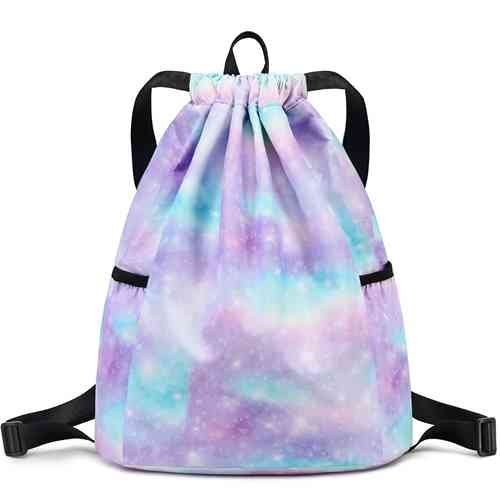
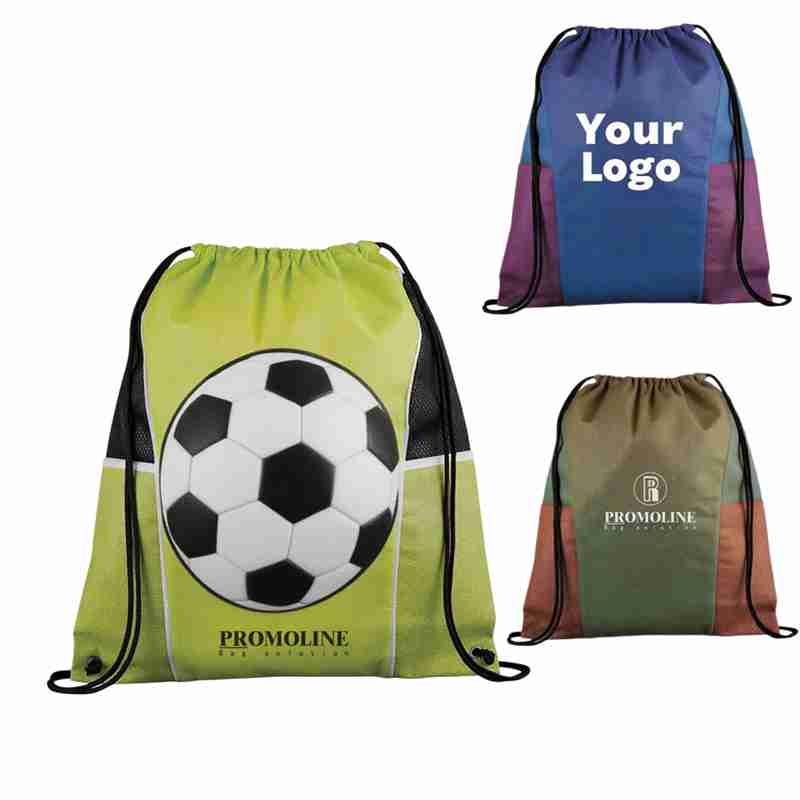
A drawstring bag is often underestimated because its shape looks simple. In practice, it can play three very different roles. It can work like soft packaging for shoes, gifts, apparel, and accessories. It can work like brand merchandise for events, launches, and campaign distribution. Or it can work like an everyday carry for gym use, travel, school, or lightweight storage.
That difference matters because the same bag should not be built the same way for every job. A gift pouch may need cleaner fabric, softer handfeel, and more refined print placement. A gym sack may need stronger corners, thicker cords, and better load balance. A dust bag may need quiet branding, gentle fabric, and a size plan that protects rather than compresses what goes inside.
Three common directions
| Role | Usually needs |
|---|---|
| Packaging | Softer feel, cleaner finish, easier sizing |
| Merchandise | Stronger branding, better print visibility |
| Everyday carry | More durability, comfort, and reinforcement |
A better drawstring bag project usually starts by deciding which role matters most.




Beyond the Gym Sack
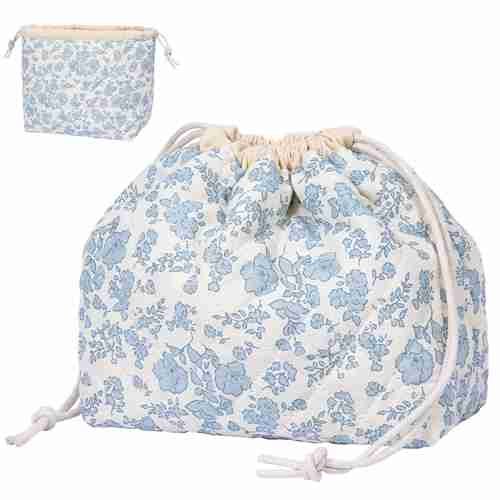
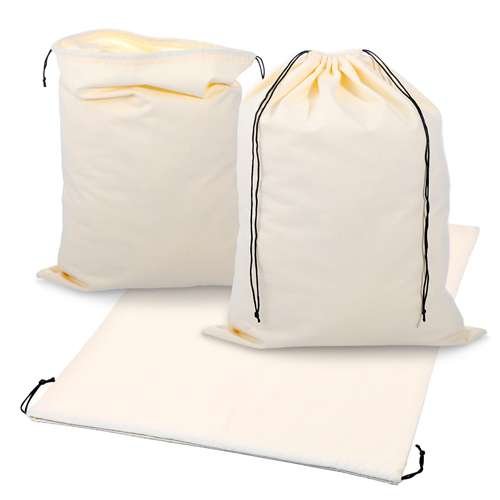
One of the most common mistakes in drawstring projects is treating every style like a sports cinch bag. That works for some uses, but not for all. A drawstring backpack needs stronger corners, better cord resistance, and enough body to carry weight. A gift pouch does not need that kind of structure. A shoe dust bag may need lighter fabric, cleaner edges, and easier folding. A jewelry or packaging pouch may need a softer drape and a more careful print scale.
A simple split helps:
| Style type | Better focus |
|---|---|
| Gym or cinch sack | Strength, carry comfort, print visibility |
| Gift or retail pouch | Surface feel, neat top channel, brand finish |
| Dust or shoe bag | Protection, fit, foldability, and clean storage |
| Travel organizer pouch | Easy opening, size clarity, and packing logic |
The bag looks simple only from a distance. Once the use scene changes, the build logic changes too.
Fabric Changes Cost Fast
Fabric decisions shape a drawstring bag much earlier than many teams expect. The material not only changes the cost. It also changes print sharpness, handfeel, foldability, dust protection, weight, and how the bag is perceived after repeated use.
A quick material guide makes the project clearer:
| Fabric | Often chosen for |
|---|---|
| Cotton | Soft packaging, shoe bags, simple gifting |
| Canvas | Stronger body, better structure, heavier feel |
| Polyester | Lighter cost control, event graphics, and broad use |
| Nylon | Strength, lighter weight, travel, or sports use |
| Mesh | Breathability, laundry, shoes, and sports storage |
| Waterproof or coated fabrics | Moisture resistance, outdoor or wet-use needs |
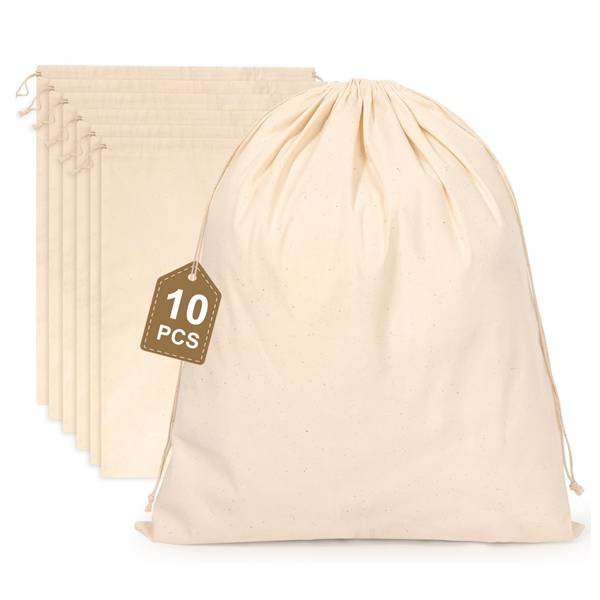
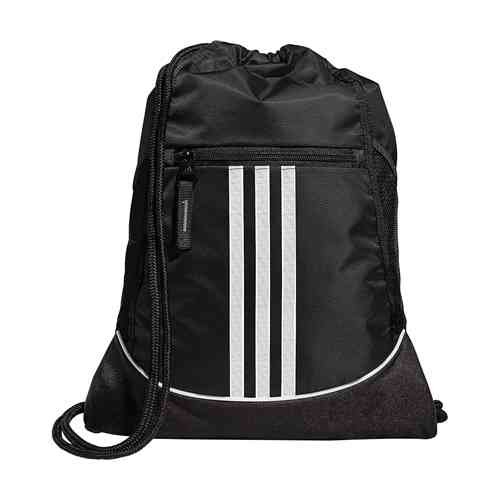
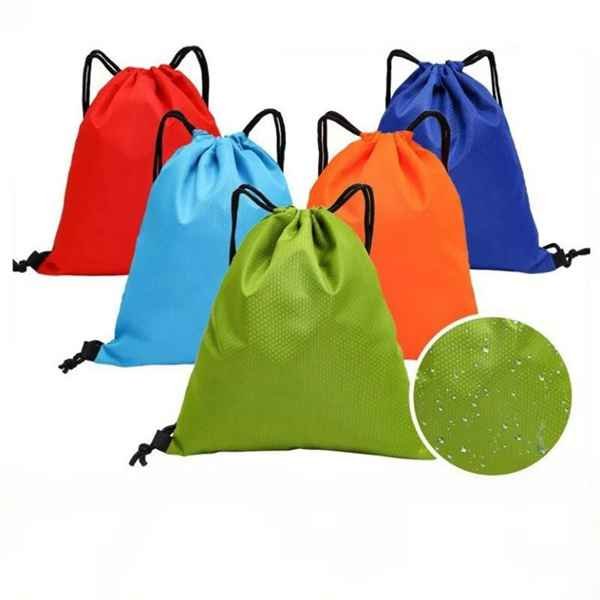
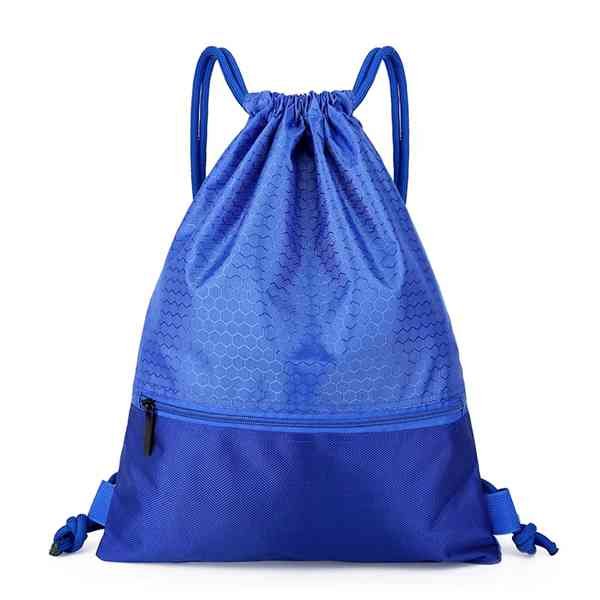
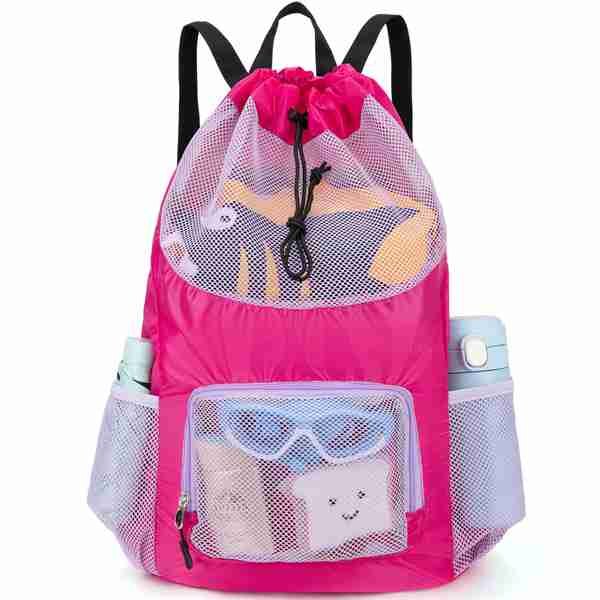


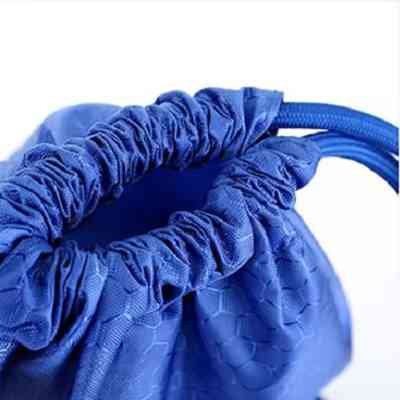
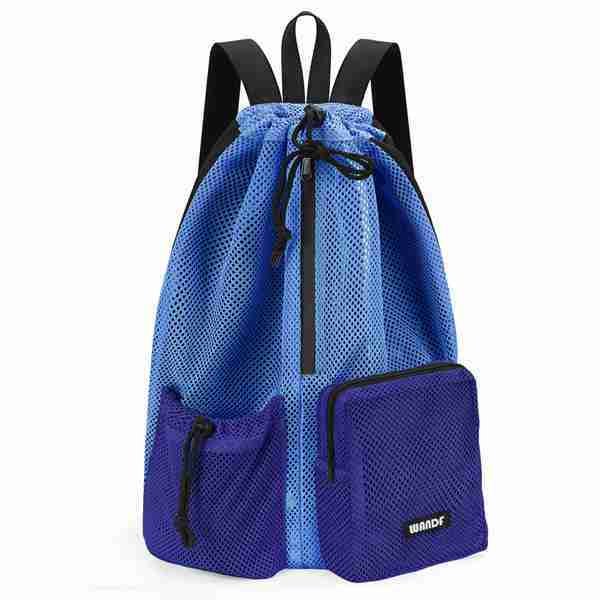
Cord and Corners Matter
A drawstring bag often looks acceptable when laid flat, but it starts to feel weak the moment it is pulled, loaded, or worn. That is because the most noticeable quality difference usually comes from four small areas: the cord, the top channel, the eyelet or exit point, and the bottom corner reinforcement. Publicly visible drawstring specifications often call out braided cord, reinforced eyelets, and corner strength for a reason: these parts take most of the friction and load.
A better review checklist looks like this:
| Detail | What to look for |
|---|---|
| Cord thickness | Too thin feels weak and cuts into the hand |
| Cord surface | Rough cords drag; smoother braids pull better |
| Top channel | Uneven sewing makes the opening less smooth |
| Eyelet or exit point | Weak edges wear fast under repeated pulling |
| Corner patching | Better reinforcement helps shape and load balance |
Size Starts with Contents
Many drawstring projects start with a “standard size,” then run into trouble later because the size was chosen before the contents were defined. Common sizes such as 14″ x 18″ or similar print-friendly formats, but those are only useful starting points. The real question is what the bag needs to hold, how tightly it should fit, and whether it should look soft, full, protective, or easy to stack.
A faster size-planning method is to begin with the contents:
| What goes inside | Better sizing logic |
|---|---|
| Shoes | Add room for entry and folding, not just outline |
| Apparel or gifts | Consider drape and top gather appearance |
| Gym or event use | Allow enough height for quick loading |
| Jewelry or accessories | Avoid oversized bags that weaken presentation |
| Travel sorting | Build size families, not one vague size |
The right size is not simply “large enough.” It should also look right when filled, close neatly at the top, and avoid wasted fabric, weak presentation, or awkward packing.

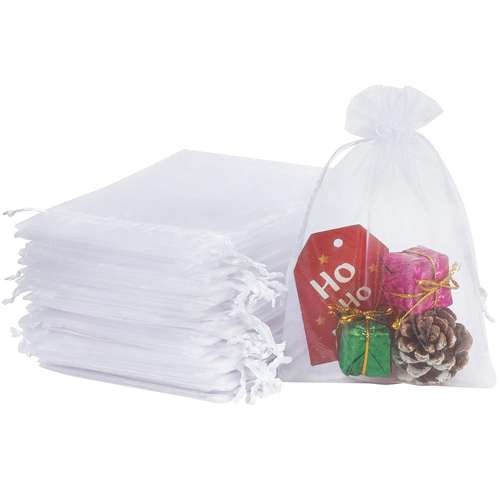
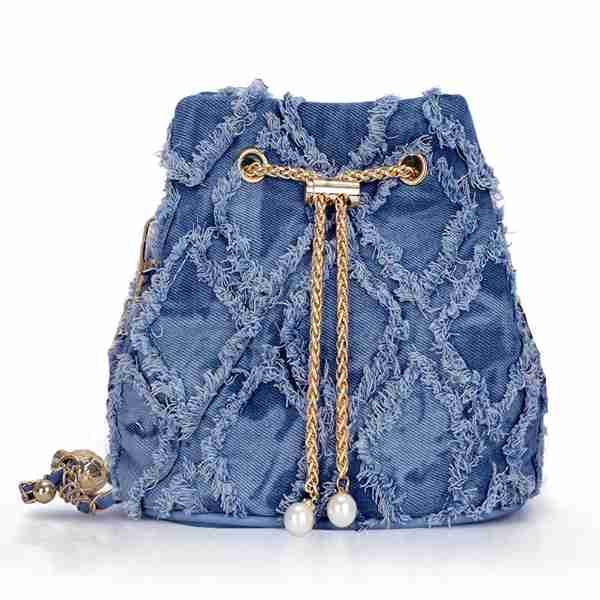


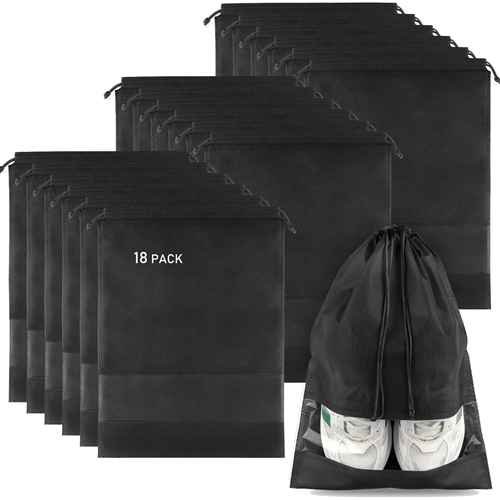
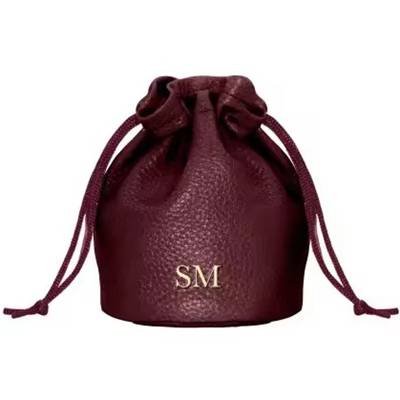
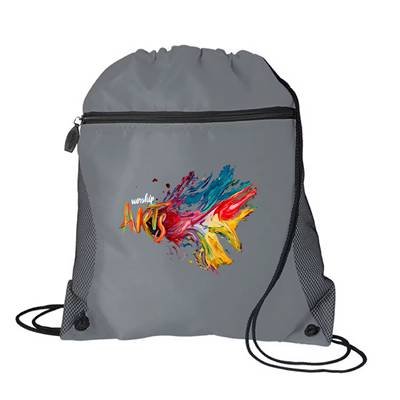
Match Branding to Surface
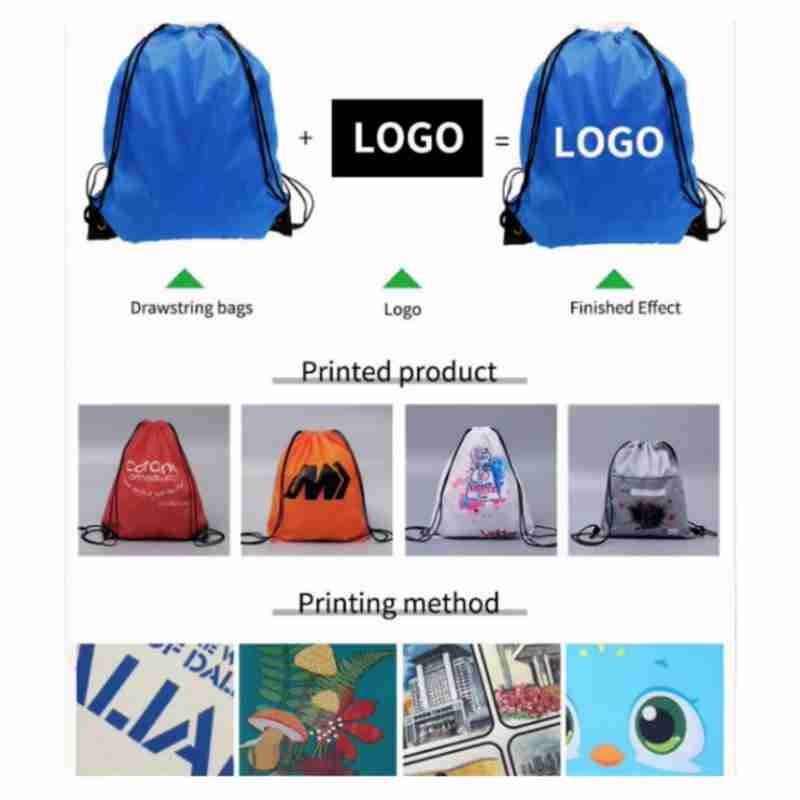
A drawstring bag often carries more branding area than people expect, but that does not mean every logo method works equally well on every fabric. We can repeatedly distinguish between surfaces that work well for screen printing, heat transfer, or certain decoration methods, and even note when embroidery is not a good fit. Fabric thickness, weave texture, and drape all change how the final branding looks.
A quick matching guide helps:
| Branding method | Usually suits |
|---|---|
| Screen print | Cotton, canvas, smoother flat surfaces |
| Heat transfer | Polyester and some synthetic fabrics |
| Embroidery | Heavier fabrics with enough body |
| Woven label | Dust bags, gift pouches, quieter branding |
| Patch or badge | Sportier or more casual drawstring styles |
A clean print on canvas can feel more refined than forcing embroidery onto a light bag. A woven label can feel more elegant than a large front print when the bag is meant to act like packaging.
More Than One Bag
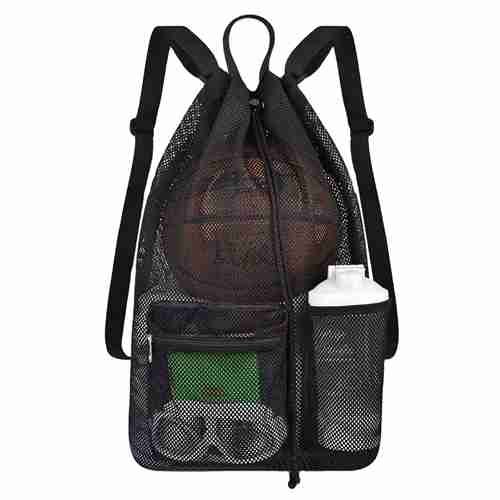
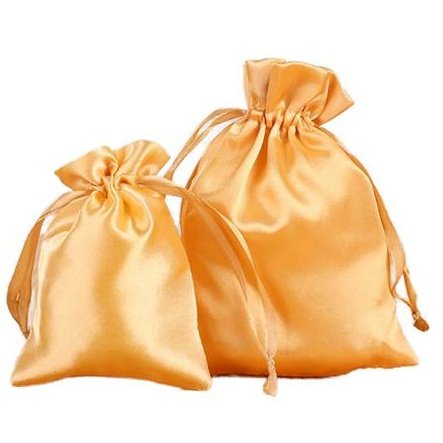
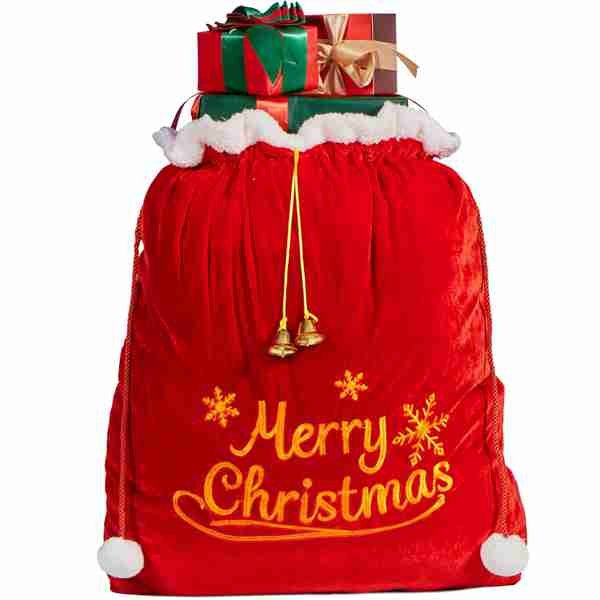
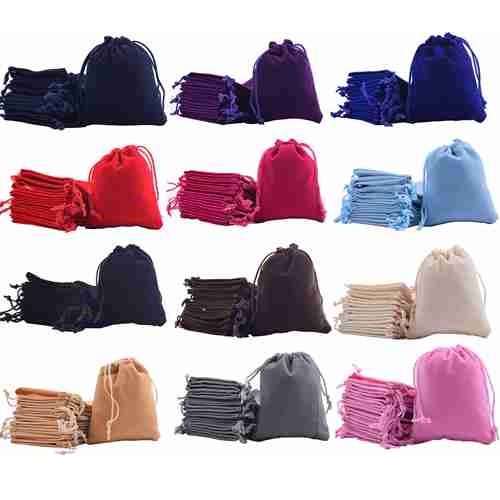
A drawstring bag project often performs better when it is planned as a small family of uses, not just one isolated item. Public drawstring catalogs repeatedly branch into gift bags, shoe bags, gym bags, mesh bags, velvet pouches, satin bags, clear styles, and organizer uses, which reflects a real buying pattern: one bag shape rarely covers every use scene well.
A stronger approach is to begin with one core structure, then decide whether the line should expand into nearby formats.
| Expansion direction | Why it works |
|---|---|
| Gym or cinch version | Better for events, sports, and daily carry |
| Gift pouch version | Stronger for retail sets and packaging use |
| Shoe or dust bag version | Better fit for storage and protection |
| Mesh variation | More breathable for shoes, laundry, sports items |
| Velvet or satin option | More suitable for premium gifting or jewelry |
It means the first bag should be designed with a possible second or third use in mind. One fabric family, one logo language, and one size logic can often support multiple related formats without forcing the whole project to restart.



Small Runs Need Simplicity
A small first run can be a smart way to test a direction, but only if the project stays controlled. Public production guidance for private label drawstring bags repeatedly ties smoother delivery to early decisions on fabric, sample development, logo method, MOQ, lead time, and QC. The more those factors stay open, the faster the first run becomes expensive, slow, and harder to repeat.
A safer first-run structure usually looks like this:
| Decision area | Better opening move |
|---|---|
| Fabric | Start with one main material |
| Color count | Keep one or two core shades |
| Logo method | Use one proven application |
| Size | Focus on one main format first |
| Cord or trim | Avoid too many custom variations |
| Packing | Keep one standard pack-out method |
Test Samples Before Approval
A drawstring bag sample should never be approved by front view alone. Public production and category pages emphasize durability, customization, and QC, but the real project risk usually appears when the bag is pulled open repeatedly, loaded with real contents, rubbed at the cord and corners, checked for print behavior, and packed the way bulk will actually ship.
A better approval checklist looks like this:
| Sample test | What it reveals |
|---|---|
| Pull test | Whether the cord and channel move smoothly |
| Load test | Whether corners, seams, and balance hold up |
| Rub test | Whether print, fabric, or trim scuffs too easily |
| Print check | Whether scale and sharpness suit the surface |
| Pack test | Whether folding or stuffing damages appearance |
This matters because many sample problems are not obvious on day one. They show up in repeated opening, surface friction, or post-packing wrinkles. A stronger sample is not only the one that looks good on the table. It is the one that still feels right after basic handling.


Make A Sample First?
See your idea come to life before mass production.
At Jundong Factory, we offer free design mockups and custom samples to ensure every detail is perfect — from material and color to logo placement and stitching.
Start your project with confidence today: info@jundongfactory.com.
FAQs About Custom Drawstring Bags
What is a realistic MOQ for custom drawstring bags?
A realistic MOQ depends more on design complexity than on the words “drawstring bag” alone. Our standard MOQ is usually 500 pcs per design. For simple styles, 200–300 pcs can also be arranged for production. Since the quantity is smaller, raw material purchasing costs are higher, while the full production process still stays the same, so the unit price will be higher. In general, the larger the order quantity, the lower the unit cost. Once the order reaches 500 pcs or more, our pricing becomes much more competitive. We can stay flexible and work with different quantity needs based on your project. A simple polyester cinch sack in one color with one print method is usually easier to open at a lower quantity than a multi-size velvet pouch program with woven labels, custom cords, and gift-ready packing. Public custom-bag guides consistently tie MOQ to fabric choice, trim complexity, logo method, and development requirements rather than category name alone.
A practical way to think about MOQ is to split projects into three levels:
| Project type | MOQ pressure usually comes from |
|---|---|
| Simple event or giveaway bag | Main fabric, print count, color count |
| Retail or private label pouch | Material finish, labeling, packing, repeatability |
| Premium packaging or dust bag line | Fabric quality, size variety, trim details, presentation |
This is why one team can start comfortably with a straightforward promotional bag, while another finds that a smaller run becomes expensive very quickly. Once you add multiple sizes, mixed colors, embroidery, woven labels, custom cords, and retail inserts, the run is no longer “simple,” even if the basic bag shape still looks easy.
A safer opening move is to reduce variables first. One fabric, one main size, one logo method, and one packing rule often create a much cleaner first run than trying to test every idea at once. MOQ becomes easier to manage when the project brief becomes easier to control.
Which fabric works best for drawstring bags?
The best fabric is the one that matches the bag’s job, not the one that sounds most familiar. Public drawstring-bag references repeatedly separate cotton, canvas, polyester, nylon, mesh, and coated fabrics because each one changes weight, print behavior, drape, durability, and use scene. A cotton pouch behaves very differently from a 210D polyester gym sack, and both behave differently from mesh storage or a coated outdoor style.
A quick material comparison helps:
| Fabric | Usually chosen for | Watch-outs |
|---|---|---|
| Cotton | Gift pouches, softer packaging, simple graphics | May mark or absorb dirt more easily |
| Canvas | Heavier handfeel, stronger body, better presence | higher cost and weight |
| Polyester | Event bags, broad color use, lighter cost control | Surface feel can vary a lot by grade |
| Nylon | Lighter weight, travel or sport use, stronger feel | Not every nylon surface prints the same way |
| Mesh | Shoes, laundry, sports storage, airflow | Less suitable for fine front graphics |
| Coated / water-resistant fabrics | Outdoor, damp-use, protective storage | Finish can change logo choices |
The right starting question is not “Which fabric is most popular?” It is “Should this bag feel promotional, protective, presentable, breathable, or lightweight?” Once that role is clear, the material choice becomes much easier.
What size should a custom drawstring bag be?
The right size should be based on what goes inside, how full the bag should look, and how the top should close after loading. Public products often show common dimensions such as 15″ × 18″ or 17″ × 20″, but those are reference points, not universal solutions. A shoe bag, event cinch sack, jewelry pouch, and garment dust bag should not be sized by the same logic.
A more useful size approach is this:
| Use scene | Better sizing logic |
|---|---|
| Shoes | Allow entry room and gather space above the shoe shape |
| Gift packaging | Keep proportions neat; too large weakens presentation |
| Gym or event use | Give enough height for fast loading and easy carrying |
| Travel sorting | Create size families instead of one oversized bag |
| Dust bag use | Fit the product closely enough to protect, not compress |
The biggest sizing mistake is choosing a bag that technically fits the item but looks wrong when filled. Too shallow, and the top cannot close neatly. Too tall, and the bag wastes fabric and feels sloppy. Too wide, and the contents shift badly. A good size should help the bag look controlled, close smoothly, and pack efficiently.
Which logo method works best on drawstring bags?
The best logo method depends on the surface, fabric weight, and the role of the bag—not on which decoration sounds most premium. Some cotton drawstring bags are recommended for screen printing or HTV and specifically noted as poor candidates for embroidery; polyester and synthetic surfaces often support different print routes; premium pouch styles may rely more on labels, embossing, or trim details than oversized front graphics.
A quick guide:
| Logo method | Often works best on | Common effect |
|---|---|---|
| Screen print | Cotton, canvas, flatter surfaces | Clear, direct, graphic |
| Heat transfer / HTV | Polyester and smoother synthetics | Sharper detail and color contrast |
| Embroidery | Heavier fabrics with enough body | More texture, but can distort lighter bags |
| Woven label | Dust bags, gift pouches, quieter branding | Cleaner and subtler |
| Patch/badge / trim branding | Sportier cinch sacks or casual styles | Stronger identity, more visible detail |
The right choice comes from asking how the bag will be used. A giveaway bag may benefit from a bold front print. A shoe dust bag may look better with a small woven label. A premium pouch may feel more refined with quieter branding and a better fabric finish.it
How do we judge whether a drawstring bag is durable enough?
Durability should be judged at the stress points, not from the front view. Public drawstring bag listings repeatedly highlight features such as 210D polyester, metal grommets, matching drawcords, and reinforced corners because these details affect how the bag behaves when pulled, loaded, and reused. The fabric alone does not decide durability; the cord system and corner build matter just as much.
A useful durability check should include:
| Check area | What to review |
|---|---|
| Cord | Thickness, braid quality, friction, comfort in hand |
| Top channel | Smooth movement and even gathering |
| Exit point/grommet | Whether repeated pulling will wear the edge |
| Bottom corners | Reinforcement and balance under load |
| Seams | Stitch consistency where stress concentrates |
| Filled shape | Whether the bag twists, sags, or bunches too fast |
Many weak bags do not fail immediately. They first start to feel wrong: the cords drag unevenly, the corners wrinkle, the bag twists when carried, or the print area collapses awkwardly. A stronger drawstring bag should feel controlled in motion, not just look decent when empty on a table.
Should we start with one drawstring style or a small related collection?
Starting with one core style is usually the safer move, but a small related collection often creates stronger long-term value when the end use is already clear. Public drawstring bag catalogs rarely stop at one format. They usually branch into gym sacks, gift pouches, shoe bags, mesh bags, dust bags, velvet pouches, and satin bags because one silhouette rarely serves every use scene well.
A practical way to decide is to match the starting plan to the project stage:
| Project stage | Better move |
|---|---|
| New idea test | One core drawstring style |
| Retail packaging line | One main pouch + one nearby size |
| Travel or organizer use | A size family works better |
| Gift/premium use | One base pouch + one upgraded fabric version |
| Event or promotion use | One standard size first, then color expansion |
One core style keeps early work cleaner. It makes cost control easier, simplifies logo approval, and reduces confusion around packaging and label setup. That is especially useful when the first run is meant to test fabric, print effect, cord behavior, or size acceptance.
A small related collection makes more sense when the use scene is already well defined. For example, a shoe program may need both a shoe bag and a matching dust pouch. A beauty or travel line may work better with two or three coordinated sizes. A premium gifting project may want the same concept in cotton for standard use and velvet or satin for a more elevated version.
So the better question is not “single style or collection?” It is “What role does the first run play?” If it is a trial, keep it focused. If it already belongs to a broader product story, a small connected collection may create much stronger continuity.
How should samples be checked before bulk starts?
A drawstring bag sample should be checked in motion, under load, and after packing—not only from the front view. Public drawstring guidance often highlights durability, print quality, and customization, but the most revealing checks are usually basic handling checks: pulling, loading, rubbing, print viewing, and pack-out simulation.
A more useful approval routine looks like this:
| Sample check | What it reveals |
|---|---|
| Pull-open test | Whether the cord and channel move smoothly |
| Loaded-use test | Whether corners, seams, and shape hold up |
| Rubbing test | Whether print, trim, or surface scuffs too easily |
| Logo viewing check | Whether the scale and placement still look right when filled |
| Packing test | Whether folding or stuffing damages the final look |
The filled-state check matters more than many teams expect. A bag that looks neat when empty may twist badly after shoes, apparel, or event items are added. A print that looks centered on a flat sample may feel off once the body gathers at the top. A cord may feel acceptable at first touch, then start dragging unevenly after repeated pulling.
It also helps to keep one clearly approved reference sample for later comparison. That gives production and inspection one physical target instead of several slightly different interpretations.
In short, a sample should not only “look ready.” It should survive the same opening, carrying, rubbing, and packing actions that the finished run will go through.
What packing details should be confirmed before production?
Packing details should be confirmed before production because many final complaints come from packing logic, not sewing defects. Public drawstring and general bag guides repeatedly bring up individual polybags, warning labels, barcode positions, hangtag placement, and carton marks because the last stage can easily damage appearance or create sorting mistakes if it is left vague. Your uploaded file also directly lists individual polybag packing, custom packaging bags, hangtags & labels, warning labels, and export packing compliance as part of your working scope.
A practical packing checklist should include:
| Packing item | Why it matters |
|---|---|
| Individual bagging method | Prevents dust, friction, and random marks |
| Flat-pack or stuffed | Changes arrival appearance and carton use |
| Barcode position | Affects receiving and stock handling |
| Warning / material label | Avoids relabeling and compliance confusion |
| Hangtag location | Reduces scratching and improves presentation |
| Carton marking | Helps with sorting accuracy and shipping control |
The right pack-out method depends on the role of the bag. A promotional cinch sack may be fine in a simple flat polybag. A premium pouch may need cleaner folding, tissue support, or more careful tag placement. A shoe or dust bag line may need consistent size marking to reduce packing errors across mixed runs.the
How long does a custom drawstring bag project usually take?
A custom drawstring bag timeline should be viewed in stages, because sample timing and bulk timing are driven by different factors. Public, private-label, and custom-bag guidance commonly links lead time to fabric choice, logo method, quantity, sample development, QC, and packing complexity rather than giving one fixed number that applies to every case.
A more realistic way to read timing is this:
| Stage | What usually affects it most |
|---|---|
| Brief confirmation | Clarity of size, fabric, use scene, logo direction |
| Sample stage | Structure revisions, print checks, trim approval |
| Pre-bulk setup | Material booking, final approval, packing decisions |
| Bulk run | Quantity, color split, trim coordination, QC pace |
| Shipment prep | Labeling, carton work, export arrangement |
For many projects, the sample stage is the most sensitive, because that is where the bag shape, cord details, print method, and size logic are still being corrected. A straightforward promotional bag with one fabric and one print route can move much faster than a mixed-size private label pouch line with upgraded trims and retail-ready packing.
The better timing question is not only “How many days?” It is “Which part of this project is still open?” A project with one clear fabric, one logo method, one size, and one packing rule usually moves faster than a project that keeps changing after the first sample.
How do we compare drawstring bag quotes without comparing the wrong things?
A useful quote comparison only works when the cost-driving details are aligned first. Public cost discussions across bag categories repeatedly show that material grade, logo route, hardware or trim level, quantity, and packing details can shift pricing more than many teams expect. A price that looks lower at first may simply be missing details that another quote already includes.
A cleaner comparison sheet should include:
| Cost area | What should be aligned |
|---|---|
| Main fabric | Type, weight, finish, grade |
| Cord and trim | Standard or upgraded, matching or custom |
| Logo method | Print, transfer, embroidery, label, patch |
| Size basis | One size or several, flat size or filled use |
| Construction | Single layer, lining, reinforcement, corner details |
| Packing | Polybag, labels, inserts, barcode, carton marks |
| Quantity logic | Single color or mixed colors, one style or several |
| Price term | Ex-works only or with other cost elements shown |
This matters because two bags that look similar in a photo can be priced from very different assumptions. One quote may be based on lighter polyester, thinner cords, no reinforcement, and simple flat packing. Another may include upgraded fabric, cleaner print control, stronger bottom corners, and more careful labeling.
The safest way to compare is to make every quote answer the same build list. Once the assumptions match, the number becomes much more meaningful.
Everything You Need to Know Before Customizing Your Bags
A custom drawstring bag may look simple at first, but the real decision usually depends on fabric choice, size, cord structure, corner reinforcement, print method, pocket setup, and the intended use scene. A bag for promotional giveaways, school kits, retail add-ons, gym use, shoe storage, gift packaging, or travel organization should not all be built the same way.
That is why the most useful questions are rarely about shape alone. They are usually about how the bag opens, how much it carries, how the logo works on the surface, how durable the corners and cords feel, and whether the build matches budget and repeat use.
The FAQs focus on the details that usually need to be clarified early: material direction, bag size, cord and reinforcement setup, branding method, MOQ, sampling, packaging details, and real-use fit.
