Skip to content
Custom Corporate Wallet Gift Sets
Develop coordinated wallet gift sets with refined materials, branded packaging, controlled sampling, and dependable bulk production for international brand programs.
- Choose bifold wallets, card holders, passport wallets, and coordinated leather accessories.
- Match natural leather, PU, microfiber, lining, hardware, and logo finishes to the intended gift level.
- Confirm dimensions, card capacity, color, stitching, personalization, and box construction through an approved sample.
- Control materials, workmanship, set completeness, and packing through staged inspections before shipment.
- Plan private-label programs from 500 sets per design, with final quantities reviewed against materials, accessories, and packaging.
- Suitable for client recognition, executive gifting, employee awards, travel programs, and branded events.

What Are Custom Corporate Wallet Gift Sets?
A corporate wallet gift set combines a useful wallet, coordinated accessories, controlled branding, and gift-ready packaging into one presentation designed for organized volume programs.

| Program Type | Product Development | Branding Depth | Packaging | Best Fit |
|---|---|---|---|---|
| Logo-Finished Wallet | Select an established wallet style and available color | Company logo, short message or initials | Standard gift box or protective pouch | Time-sensitive recognition and event programs |
| Coordinated Wallet Set | Combine a wallet with a card holder, key holder, passport cover or luggage tag | Shared material, color, hardware and logo placement | Branded box with a fitted insert | Employee awards, client gifts and travel programs |
| Private-Label Wallet Set | Develop dimensions, card layout, lining, closure, stitching and accessory combination | Custom colors, logo finishes, labels, lining print and brand details | Custom rigid box, drawer box, sleeve, insert and message card | Established brands requiring an exclusive product identity |
| Multi-SKU Personalized Set | Organize several styles, colors, recipient groups or destination allocations | Company branding plus individual names, initials or identification labels | Individually identified boxes with controlled packing lists | Large teams, regional programs and premium recipient groups |
Who Uses Custom Corporate Wallet Gift Sets?
Global Brand Programs
Global fashion, travel, lifestyle, and leather-goods brands often require exclusive dimensions, controlled colors, consistent hardware, and packaging aligned with established visual standards. Development can begin from a technical drawing, reference item, or approved concept, then move through material review, sampling, production records, and repeat-order control.
Corporate Gift Programs
Employee recognition, leadership awards, client appreciation, and anniversary programs need useful products with a clear gift level. Wallet style, accessory mix, logo visibility, individual names, message cards, and box presentation should be planned together so every recipient receives the correct configuration in consistent condition on arrival.
Agencies And Events
Gift agencies, conference organizers, hospitality groups, and event teams usually work against fixed launch dates, approved budgets, and distribution plans. A dependable program needs early confirmation of set contents, artwork versions, packing quantities, carton marks, and shipping method, especially when several event locations receive separate allocations.
Retail And Private Label
Retail groups and established product teams may develop a coordinated wallet collection for seasonal gifting, loyalty programs, or executive sales channels. Product codes, colorways, hangtags, barcode labels, gift boxes, and reorder specifications should follow one controlled file structure, protecting presentation consistency across stores, warehouses, and future production.
Factory Capacity Behind Every Wallet Gift Set
Large wallet programs depend on organized development, stable production capacity, documented inspections, and packaging control rather than attractive presentation alone. Jundong combines all four.

20+ Years Of Experience
More than two decades of OEM and ODM work help experienced teams identify issues before cutting begins. Material yield, card-slot tolerance, folded thickness, logo position, edge finish and box fit are reviewed early, reducing avoidable revisions when an approved concept moves into sampling and bulk production.
600+ Skilled Employees
A workforce of more than 600 people supports design review, pattern development, sampling, material preparation, production, inspection and packing. The scale is valuable for coordinated wallet programs involving several components, colorways or destination allocations, where one delayed item can hold the entire gift set before shipment.
18,000 m² Production Facility
An 18,000 m² facility gives material handling, sample development, assembly, inspection and packing enough working separation for organized order control. Approved swatches, logo references, production pieces and packing samples can be checked at defined stages instead of relying only on a final finished-product review before dispatch.
80 QC Inspectors
Jundong’s 80 QC inspectors support incoming, inline and final checks across materials, dimensions, stitching, edge paint, logo finish, accessory count, gift-box condition and carton information. Inspection criteria follow the approved sample and project specification, giving brand teams clearer evidence before goods leave the facility for shipment.
What Can Be Included In Each Gift Set?
A strong set combines products sharing material, color, hardware, and purpose, creating a coherent gift instead of several unrelated items packed together.
Executive Wallet Set
An executive configuration pairs a slim bifold or long wallet with a matching card holder and pen. Natural leather, restrained debossing, and a fitted rigid box create a formal presentation for leadership awards, board meetings, and premium relationship programs. Product dimensions should remain balanced so the box feels complete without becoming oversized.
- Recommended contents: wallet, card holder and pen
- Key controls: leather shade, logo depth, metal finish and insert fit
Client Appreciation Set
A client appreciation set can combine a bifold wallet, key holder, and printed message card in a coordinated gift box. Subtle branding usually keeps the product useful beyond the occasion, while the message card carries campaign-specific communication. Matching grain, thread color, edge paint and hardware finish helps the individual pieces feel intentionally developed as one collection.
- Recommended contents: bifold wallet, key holder and message card
- Key controls: color matching, logo position, card wording and box presentation
Travel Wallet Set
A travel configuration brings together a passport wallet, luggage tag, and compact card holder. The three pieces should use aligned colors, stitching, and hardware while serving different stages of a journey. Passport clearance, address-card coverage, card retention, and RFID requirements need confirmation before the fitted insert is developed.
- Recommended contents: passport wallet, luggage tag and card holder
- Key controls: document fit, privacy flap, RFID layer and insert dimensions
Employee Recognition Set
An employee recognition set may pair a familiar bifold wallet with a key holder and individual name or initials. Recipient files require controlled spelling, artwork approval, and packing identification so each person receives the correct item. A discreet company mark can sit inside the wallet while personal details remain visible on the exterior or gift box.
- Recommended contents: wallet, key holder and individual personalization
- Key controls: name list, artwork version, identification label and packing accuracy
Conference Gift Set
A conference configuration can combine a slim card holder wallet, a refillable notebook cover, and pen for everyday professional use. Compact dimensions support easier event distribution, while a shared color and logo system creates a unified appearance. Carton quantities and event-location allocations should be confirmed before packing begins.
- Recommended contents: card holder wallet, notebook cover and pen
- Key controls: event date, logo consistency, carton quantity and destination split
Retail-Ready Wallet Set
A retail-ready collection can group a wallet, cardholder, and key accessory in a branded box prepared for store, loyalty, or seasonal programs. Product codes, barcode labels, hangtags, and color references should connect each component to the correct set. Recorded specifications also support consistent replenishment after the first production run.
- Recommended contents: wallet, card holder and key accessory
- Key controls: SKU records, barcode files, hangtags, box labels and reorder standards
Which Wallet Styles Fit Corporate Gift Programs?
Wallet form should match recipient habits, gift level and set contents before materials, branding or packaging are finalized for sampling and volume production.
Card Holders

Cardholders create a lighter set for conferences, onboarding, travel programs and client appreciation. A typical format may measure around 95–105 × 65–75 mm and hold four to eight cards, depending on pocket construction. Slot opening, card retention, center-pocket depth and edge thickness require sample checks before quantity production.
Slim Bifold Wallets

Slim bifolds suit executive gifts and broad recipient groups because the format remains familiar and easy to carry. Many compact references close at approximately 105–115 mm wide and 85–95 mm high. Card-slot count, bill compartment height, leather thickness and folded profile should be developed together to prevent excessive bulk.
RFID Wallets

RFID wallets add a protective layer beneath selected exterior or lining panels for contactless cards commonly operating at 13.56 MHz. Protection depends on layer coverage, seam placement, and final construction, so performance should be confirmed on the finished sample. RFID wording should only be used when the agreed structure and test requirement are documented.
Passport Wallets

Passport wallets work for airline, hospitality, travel, and executive gift programs. Internal layouts can hold a passport, cards, boarding documents, and folded currency without forcing the cover open. Closed dimensions, spine allowance, document clearance, and RFID placement should follow the intended passport format and travel contents rather than a generic oversized pattern.
Executive Long Wallets
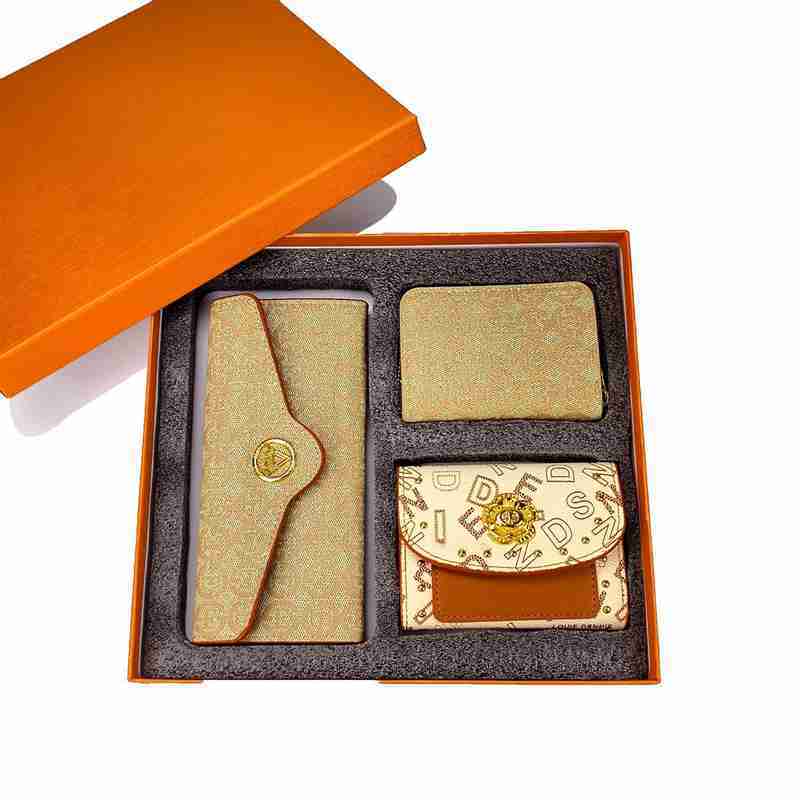
Executive long wallets offer space for multiple cards, full-length notes, receipts, and selected travel documents. Many styles close around 180–200 mm wide and 90–105 mm high, although capacity governs the final size. Edge straightness, panel reinforcement, pocket alignment, and closure pressure strongly influence the refined appearance expected from a premium gift.
Zip-Around Wallets

Zip-around wallets provide secure storage for cards, notes, coins, or small travel items. Development should confirm zipper radius, puller size, gusset allowance, internal divider thickness, and how smoothly the wallet closes when filled. Reinforcement around zipper ends and repeated opening tests help reduce distortion, snagging, and early seam failure.
Which Materials Fit Your Corporate Wallet Gift Program?
Natural Leather
Natural leather creates distinctive grain, depth, and a premium hand feel for executive recognition and high-value gifting. Hide grade, cutting yield, color variation, thickness, temper, and finishing method need approval together. Full-grain or top-grain selections should be confirmed against the physical swatch because natural surfaces cannot be judged reliably from a screen.
PU Leather
PU leather supports controlled color, repeatable embossing, and efficient multi-SKU coordination. Performance depends on more than surface appearance: backing strength, coating stability, hydrolysis resistance, abrasion behavior, and edge adhesion all matter. Specify the intended service life, storage conditions, and destination requirements before choosing a grade; visually similar swatches can perform very differently.
Microfiber Leather
Microfiber leather offers dense structure, clean skiving, and consistent folding for slim wallets, card holders, and travel pieces. It is often selected when uniform grain and dependable batch-to-batch color are priorities. Review thickness, tear strength, flex performance, edge-painting compatibility, and hand feel on the assembled sample, not on a loose swatch alone.
Verified Recycled Content
Recycled-content materials can support documented program goals when an appropriate construction is available. Claims must match the material declaration, transaction documents, or testing requested for the project. Review recycled percentage, backing composition, color consistency, durability, and logo response before approval. No environmental statement should appear on packaging until supporting records and wording are confirmed.
Lining And Reinforcement
Interior performance depends on lining, pocket backing, and reinforcement as much as the outer surface. Polyester, microfiber, woven fabric, and nonwoven supports create different thicknesses and recovery. High-stress areas around card-slot openings, folds, snaps, and zipper ends need suitable reinforcement without making the wallet bulky. Colorfastness and adhesive compatibility should be checked before bulk cutting.
Hardware And Functional Layers
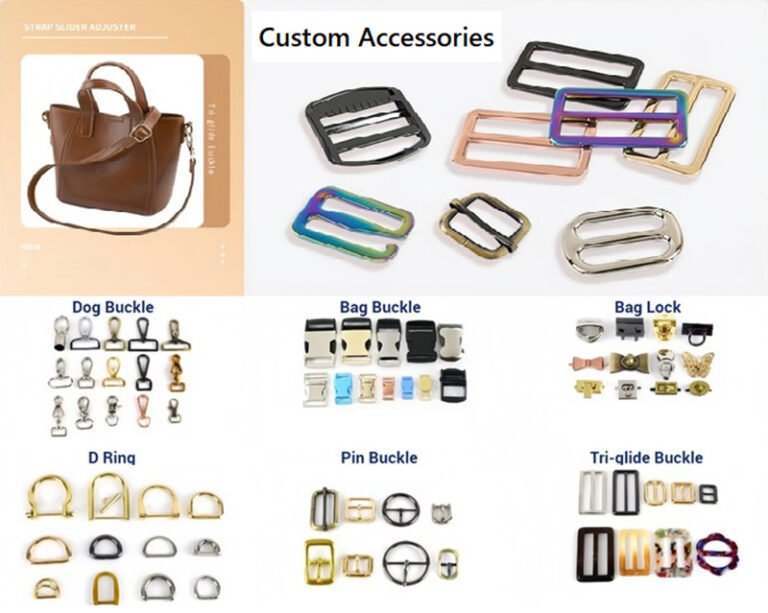
Zippers, snaps, magnets, metal logos, RFID shielding, and edge compounds must work as one material system. Plating color should match approved standards across components, while metal parts need suitable corrosion and surface-finish checks for the destination and use case. Functional layers are positioned during pattern development so seams or fold lines do not weaken their intended performance.
How Should You Choose The Right Corporate Wallet Gift Set?
Choose the set by recipient, use occasion, perceived value, and delivery method. Product architecture should be settled before materials, decoration, and packaging are priced.

| Program Goal | Recommended Wallet | Coordinated Piece | Material Direction | Packaging And Critical Controls |
|---|---|---|---|---|
| Executive And VIP Recognition | Slim bifold or executive long wallet | Card holder or key holder | Natural leather or premium microfiber | Use a rigid box with a fitted insert. Approve leather shade, edge finish, hardware tone and presentation order together. |
| Strategic Client Appreciation | Bifold wallet or card holder | Key holder, passport cover or pen sleeve | Natural leather, microfiber or selected PU | Use a drawer box or book-style box. Align decoration size, accessory position and the opening sequence before sampling. |
| Employee Milestones | Bifold wallet or compact card holder | Key ring or pen sleeve | Durable microfiber or PU | Use a compact rigid box with a branded sleeve. Control personalization files and match every named piece to its inner box and shipping carton. |
| Conference And Delegate Gifts | Card holder or travel wallet | Luggage tag or cable pouch | Lightweight microfiber or PU | Use a slim box or paper sleeve. Lock the packing sequence, carton quantities and event delivery date before bulk production. |
| Travel And Hospitality Programs | Passport wallet or zip travel wallet | Matching luggage tag | Abrasion-resistant microfiber or natural leather | Use protective packaging that prevents crushing in transit. Confirm passport fit, zipper operation, insert stability and exterior protection. |
| Retail And Private-Label Launches | Coordinated bifold and card-holder series | Optional matching accessory | Brand-specified leather or synthetic material | Use retail-ready boxes. Control SKU labels, barcodes, assortment ratios, color identification and master-carton marks. |
How Is Wallet Function and Structure Developed?
A reliable wallet starts with measured contents, controlled tolerances, and balanced thickness. Structural decisions are validated through drawings, prototypes, and an approved pre-production sample.
Card Slot Tolerance
Card pockets are drafted around intended card dimensions, material thickness, and access resistance. An overly tight slot damages corners; excess clearance weakens retention. Prototype review checks single-card insertion, stacked-card loading, pocket recovery, and stitch-line position. Final dimensions are frozen only after the selected surface material, lining, and reinforcement perform correctly together.
Banknote And Document Fit
Bill compartments and travel sections are sized around the largest contents expected in the destination region, with usable insertion clearance rather than nominal outer dimensions alone. Passport covers also need allowance at the spine and sleeve openings. Physical gauges or real contents are used during fitting so decorative proportions do not compromise everyday access.
Folded Thickness Control
Wallet bulk is calculated from every folded layer, seam turn, pocket overlap, and reinforcement piece. Skiving reduces selected zones while preserving strength at slot openings and corners. A balanced stack-up prevents a slim wallet from swelling after cards are loaded. Thickness records from the approved sample guide material preparation during bulk production.
Edge And Stitch Construction
Construction is chosen according to material behavior and design language: turned edges create a soft, tailored finish; painted edges deliver a clean, modern profile; and bound edges protect exposed layers. Stitch pitch, seam allowance, corner radius, and backtack position are approved together. Edge adhesion and paint build are checked where repeated folding creates stress.
Closures And Moving Parts
Zippers, snaps, and magnets are positioned only after evaluating pocket loading and folded balance. Pull direction, opening angle, tape exposure, and hardware clearance affect daily use. Prototype checks cover repeated operation, alignment, and surrounding seam stability. The project specification records any agreed-upon cycle, pull, or corrosion test before production begins.
RFID And Functional Verification
RFID shielding cannot be confirmed from material name alone. Coverage, orientation, seam gaps, and wallet position can change performance after assembly. Verification should use the finished sample and the agreed card or test method. The same principle applies to removable inserts, key rings, and pen loops: each function is approved in its final construction.
How Are Corporate Wallet Gift Boxes and Sets Packed?
Gift packaging must present the set, prevent movement, and preserve finishes during delivery. Box structure, insert design, and packing controls should be developed as one system.
Gift Box Structure, Presentation, and Opening Sequence

Packaging should reflect the value of the wallet set without adding unnecessary size or shipping weight. A lift-off rigid box gives a formal presentation and allows a clear top view. A magnetic book-style box creates a staged opening experience and provides room for an inside-lid message, although magnets and heavier board increase cost and packed weight. Drawer boxes create a controlled reveal but need correct pull-tab strength and sleeve clearance. Folding rigid boxes reduces storage volume before packing and may suit larger distribution programs, provided corner locking and final squareness are proven. Paperboard cartons with printed sleeves can provide a lighter structure for conferences or employee programs.
The box should be developed around the final wallet and accessories, not selected from exterior dimensions alone. Confirm internal dimensions, board thickness, wrapped-paper direction, hinge movement, lid clearance, and product removal space. Logo position should remain visible when boxes are stacked or opened. Foil, embossing, spot color, and printed messages need approval on production-equivalent paper because texture and lamination change their appearance. The opening order should also be defined: wallet first, accessory second, message card last, or another agreed sequence. One fully packed sample should be reviewed from the closed box through complete unboxing before bulk materials are released. Front, side, open, and closed photographs then become part of the approval record.
An insert controls alignment, separation, removal, and transport protection. Paperboard platforms suit lightweight sets and can be printed or wrapped to match the box. Molded pulp supports structured cavities and may reduce plastic use where shape, surface, and documentation meet project needs. EVA or foam inserts provide precise retention for heavier combinations, while flocked or wrapped surfaces improve touch. Material choice should consider odor, abrasion, color transfer, compression recovery, and destination requirements—not only appearance.
Each cavity needs the correct length, width, depth, and finger access. Wallets must sit flat without being bent by tight walls. Metal accessories should not touch leather, painted edges, or foil surfaces during transit. Key rings, pens, luggage tags, and spare parts need independent retention so they cannot slide under the wallet. Ribbons or pull tabs should lift the product without marking the edge. If tissue, a dust bag, or protective film is used, added thickness must be included in the cavity allowance.
A packed sample should be gently shaken, inverted, and opened again to check movement. Compression, vibration, drop, or transport simulation may be added according to box weight, route, and project requirements. After testing, inspect edge paint, plating, foil, corners, lining, and insert deformation. The final insert drawing, material, color, and cavity positions should match the approved packed sample.
Engineering Inserts To Protect Every Wallet And Accessory

Controlling Unit Packing, Labels, and Export Cartons

Final presentations can fail even when each component is correct if products, names, labels, or cartons are mismatched. A packing specification should define wallet orientation, accessory position, tissue method, protective bag, care card, barcode, seal, and outer sleeve. For named gifts, one identity must follow the decorated wallet through final inspection, inner-box packing, and carton placement. A second-person check or scanned record can be used when the project carries extensive variable data.
Retail-ready sets may require SKU labels, barcode readability, country-of-origin wording, warning labels, or price-free gift packaging. Wording and placement should be confirmed for the destination and distribution channel before printing. Master cartons need defined quantities, assortment ratios, carton dimensions, gross and net weight, shipping marks, and pallet instructions when applicable. Inner dividers or additional cartons may be needed to prevent rigid boxes from rubbing or crushing one another.
Before release, a complete pack-out should be photographed, weighed, and measured. Random finished cartons should be opened to verify count, color assortment, personalization sequence, label accuracy, and box condition. Carton compression, drop, or pallet stability checks can be arranged when route, weight, or handling conditions justify them. Packing records, approved labels, and carton marks then become part of the final quality reference, reducing preventable errors at warehouse receiving or event distribution.
How Can Logos And Names Be Personalized On Wallets?
Decoration should match the material, logo geometry, intended wear, and personalization volume. Approve size, position, color, and appearance on the finished wallet before release.
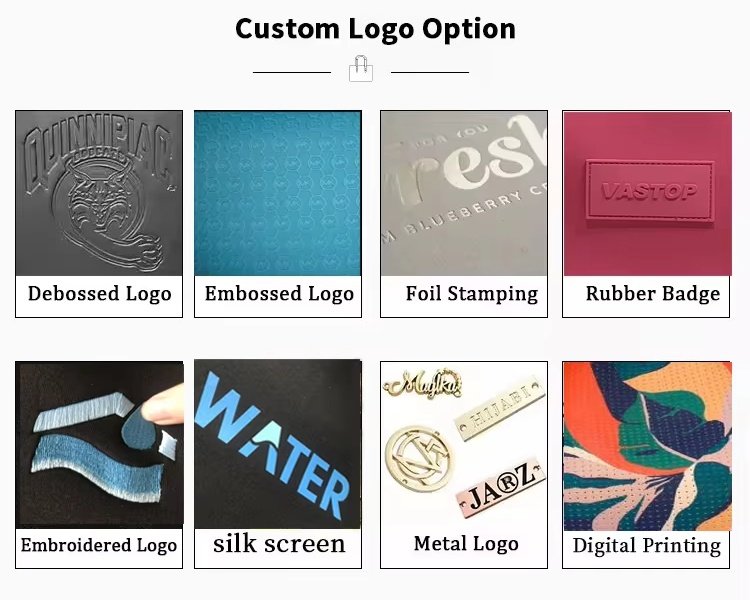
Blind Debossing
Blind debossing presses artwork into the surface without adding color, creating a restrained finish suited to executive wallet gift sets. Depth and edge definition depend on material density, grain, backing, and heat response. A trial on the selected material is necessary because one die may appear sharp on firm leather but soft on heavily textured PU.
- Material fit: Natural leather, microfiber and compatible PU
- Approval focus: Die size, impression depth, pressure, temperature and position
- Main risk: Small letters may close, soft grains may rebound, and excessive pressure may distort the panel
Foil Stamping
Foil stamping combines heat, pressure, and metallic or pigmented film to create a more visible branded finish. Adhesion varies across coatings, grains, and surface treatments. Fine strokes, large solid areas, and artwork near folds require separate evaluation. The approved sample should establish foil color, gloss, registration, edge definition, and resistance to light rubbing.
- Material fit: Smooth leather, selected PU, microfiber and coated gift-box paper
- Approval focus: Foil reference, artwork size, heat setting, pressure and dwell time
- Main risk: Incomplete transfer, pinholes, cracking on folds or foil spreading beyond fine artwork
Screen Printing
Screen printing works well when a defined spot color or larger graphic area is required. Ink chemistry must suit the wallet surface and its flex behavior. Artwork crossing seams, curved sections, or textured grain can lose definition, while very fine lines may fill during printing. Color should be matched under controlled lighting and checked after the ink has fully cured.
- Material fit: Selected PU, microfiber, fabric linings and compatible coated surfaces
- Approval focus: Color reference, ink type, mesh, curing conditions and print position
- Main risk: Ink migration, cracking, abrasion loss, uneven coverage or reduced clarity over grain
Metal Logo Hardware
Metal plates, badges, and individual letters provide dimensional impact for premium corporate wallet gift sets. Component weight, plating color, mounting method, and reinforcement affect both appearance and durability. Pins or posts must avoid card compartments and visible lining areas. The assembled sample should be checked for rotation, looseness, sharp edges, and pressure marks on adjacent surfaces.
- Material fit: Reinforced leather, microfiber and PU panels
- Approval focus: Metal size, plating standard, fixing method, backing support and clearance
- Main risk: Pull-out, plating variation, panel sagging, lining damage or contact marks during packing
Laser Engraving
Laser engraving creates a controlled permanent mark without foil or separate hardware. The final appearance depends on surface chemistry, coating thickness, grain, and laser settings. Natural leather may darken, while synthetic surfaces can reveal a contrasting layer or react unevenly. Only materials cleared through a processing trial should proceed to sampling and bulk decoration.
- Material fit: Confirmed natural leather, selected microfiber, compatible PU, and certain metal parts
- Approval focus: Engraving depth, contrast, edge sharpness, artwork scale and processing position
- Main risk: Scorching, weak contrast, coating damage, odor or variation between material batches
Individual Names And Initials
Names, initials, employee numbers, and serial codes require variable-data control in addition to decoration approval. One confirmed master list should define spelling, capitalization, font, position, and unit sequence. Every decorated wallet must remain linked to its inner box, name card, and shipping carton. A visual proof should be approved before the complete data file enters production.
- Suitable methods: Laser engraving, foil stamping, debossing or approved transfer processes
- Approval focus: Master data, font, character size, placement, sequence and duplicate checks
- Main risk: Spelling errors, repeated names, missing records or incorrect wallet-to-box matching
How Does Custom Wallet Gift Set Development Work?
A custom corporate wallet gift set moves from a structured brief to material confirmation, prototype review, and an approved pre-production sample before bulk release.

Define the Gift Program Clearly
Development begins with recipient group, use occasion, set composition, target quantity, destination, required arrival date and expected presentation level. Provide the intended wallet type, approximate size, required card or document capacity, accessory list, decoration needs and packaging direction. Clear priorities allow Jundong to identify technical conflicts before artwork, tooling or materials are committed.
Review All Design Files Carefully
Dimensioned drawings, reference photos, vector logos and color standards are reviewed together. The assessment checks proportions, pocket count, seam locations, edge treatment, hardware, name placement, box structure and visible branding areas. Missing dimensions are resolved through a construction proposal or paper pattern so appearance and function are aligned before sampling starts.
Confirm Materials And Components
Outer material, lining, reinforcement, thread, zipper, snap, magnet, RFID layer, edge compound, logo finish, box paper and insert material are selected as a coordinated system. Physical swatches are preferred for color, grain and hand-feel decisions. Availability, batch consistency, required documents and test needs should be confirmed before the final sample is assembled.
Build And Review Prototype
After materials and artwork are confirmed, a straightforward sample generally takes 5–7 days; complex structures or multi-piece sets usually require 7–15 days. Review should cover dimensions, card fit, folded thickness, logo appearance, hardware operation, box fit and opening sequence. Findings are recorded by item so revisions remain traceable and costing can be updated accurately.
Approve Pre-Production Sample
A revised sample is checked against all confirmed changes and becomes the physical reference for bulk work. Approval should cover the wallet, every accessory, personalization method, color, packaging, labels and carton arrangement—not only the main piece. Any accepted deviation must be written into the specification before material cutting or decoration begins.
Release Controlled Production File
Final release combines the bill of materials, measurement sheet, artwork positions, color references, component codes, packing instructions, label files, inspection criteria and approved sample status. Version control prevents an outdated logo, dimension or packaging file from returning to production. Bulk work begins only after commercial terms, sample approval and technical records are aligned.
What Should Be Approved Before Bulk Production Begins?
Construction And Dimensions
The approved wallet must carry final outside and folded dimensions, card-slot count, pocket sizes, seam positions, corner shape, and allowable tolerance. Review the product both empty and loaded with intended contents. A dimension can pass on paper yet fail in use if cards bind, the fold twists or an edge becomes excessively bulky.
- Approve: Measurement sheet, construction drawing and pocket layout
- Verify: Flat, folded and fully loaded conditions
- Release evidence: Dated specification and approved physical sample
Materials And Color Standards
Outer material, lining, reinforcement, thread, edge compound, zipper, and hardware should be confirmed by physical reference or controlled material code. Color needs evaluation under consistent lighting, while natural leather requires an agreed approach to grain and shade variation. Substitutions should not enter bulk work without written acceptance and an updated sample when appearance or performance may change.
- Approve: Material swatches, thickness, grain, color and component finishes
- Verify compatibility between folding, stitching, adhesive, edge paint and hardware
- Release evidence: Approved swatch set linked to the material list
Branding And Personalization
Every decoration method needs a final artwork file, exact size, measured position, and approved appearance. Debossing depth, foil color, ink tone, metal plating, or laser contrast should match the pre-production sample. Individually named wallets also require one locked data list, font standard, and unit sequence before any variable decoration starts.
- Approve: Vector artwork, decoration specification and personalization proof
- Verify: Legibility, alignment, durability and wallet-to-name matching
- Release evidence: First-piece approval and controlled master data
Gift Box And Packout
The complete gift set—not an empty box—should establish internal dimensions, cavity positions, opening order, and packing method. Confirm wallet orientation, accessory placement, protective materials, cards, labels, sleeves, and seals. A fully packed sample should remain stable when handled, inverted, and transported without metal parts rubbing against leather or decorated surfaces.
- Approve: Box structure, insert drawing, print files and complete pack-out
- Verify: Product retention, removal space, surface protection and label placement
- Release evidence: Approved packed sample with open and closed photographs
Test And Document Scope
Required testing should be defined from product materials, destination, intended use, brand policy, and supporting records. Generic certificate lists cannot replace a project-specific review. The tested sample, color, component, and report holder must correspond to the ordered construction. Material claims, country-of-origin wording, and care information should be checked before labels or boxes are printed.
- Approve: Required documents, test items, sample selection and responsibility
- Verify: Report scope, product match, validity and destination relevance
- Release evidence: Accepted reports or an agreed test plan before shipment
Order And Delivery Data
Final quantity by design, color, and name should match the approved commercial and technical records. Unit price, packing ratio, payment stage, production time, shipping term, destination, and requested delivery date also need alignment. Unresolved differences can cause excess materials, incomplete gift sets, incorrect carton assortments, or a schedule built around the wrong delivery requirement.
- Approve: Order document, color split, name, quantity, and packing ratio
- Verify: Production schedule, delivery term, destination and required arrival date
- Release evidence: One confirmed order version shared across relevant teams
How Does Bulk Production Move Forward After Approval?
Bulk production follows the approved sample, controlled files, and scheduled checkpoints. Materials, decorated parts, assembled wallets, and packed sets remain traceable through defined production stages.
Material and Component Intake

Outer materials, linings, reinforcement, thread, zippers, metal parts, boxes, and inserts enter production by identified lot. References, quantities, and critical characteristics are checked before issuing to the line. Materials with inconsistent shade, surface damage, or incorrect specifications are separated, preventing mixed lots from appearing in one coordinated wallet gift set.
Cutting, Skiving, and Bundling

Controlled patterns are used to nest and cut panels according to material direction, grain, shade, and expected yield. Selected zones are skived to approved thickness before folding or edge work. Pieces are counted and bundled by design, color, and production lot, while the first cut set is compared with the approved construction before full cutting continues.
Branding and Variable Data

Debossing, foil, printing, laser work, or metal-logo installation is completed at the stage suited to the construction. First outputs are compared with approved artwork, size, position, and appearance. Individually named pieces follow the confirmed data sequence and remain identified through later operations, reducing the risk of duplicate or mismatched gifts.
Sewing and Edge Finishing

Card pockets, compartments, and outer panels are assembled in a defined operation sequence. Seam allowance, stitch pitch, thread tension, folded balance, and reinforcement placement are monitored as work progresses. Painted edges receive the specified preparation, coating, and drying steps. A first finished piece confirms line settings before the remaining quantity advances.
Gift Set Kitting

Accepted wallets and accessories are matched by design, color, finish and personalization record before entering their gift boxes. Packing teams work from an approved pack-out sample showing orientation, insert position, protective materials, cards and labels. Counts are controlled at each workstation so a missing component is detected before cartons are sealed.
Final Release and Packing

Completed lots move to final release under the agreed inspection plan. Accepted sets are boxed, counted, placed in the specified carton assortment, and marked for shipment; exceptions are isolated for correction or replacement. Carton numbers and packing records preserve traceability from finished set to production lot before goods leave the facility.
What Affects MOQ, Price, and Lead Time for Wallet Sets?
MOQ, unit cost, and schedule are connected to product architecture, material commitments, decoration methods, and packaging complexity. Accurate terms require one confirmed specification, not photos alone.
| Cost And Schedule Factor | Effect On MOQ | Effect On Unit Cost | Effect On Lead Time | Best Control |
|---|---|---|---|---|
| Quantity Per Design And Color | Jundong’s standard starting point is 500 pieces per design. Materials, colors or decoration methods may carry additional source minimums. | Tooling, setup, cutting loss and line preparation are distributed across the ordered quantity. Efficient volume improves material use and production flow. | Extra colors create separate material lots, line changes and packing controls. | Confirm the quantity for every design and color before sourcing begins. Consolidate shared structures, materials and hardware where appropriate. |
| Material Specification | Custom-colored leather, PU, lining, thread or hardware may require source quantities beyond the finished-set count. | Leather grade, coating, thickness, cutting yield, surface finish and required documentation influence cost. | Custom colors may need color development, physical approval and separate material preparation. | Approve physical swatches and check material availability before final costing. Use an alternative only after equivalent appearance and performance are verified. |
| Number Of Set Components | Every wallet, card holder, key holder or travel accessory carries its own pattern, material and component requirements. | Additional pieces increase pattern work, cutting, decoration, assembly, inspection and packing. | The slowest component controls when complete gift sets can enter final kitting. | Share compatible materials, colors, hardware and decoration across the set. Remove unique parts that add little recipient value. |
| Logo And Personalization | Special metal parts, custom molds or variable-data processes may create a higher commercially workable quantity. | Dies, molds, foil setup, artwork handling and unit-by-unit name control add fixed or variable cost. | Tooling, artwork proofing, first-piece confirmation and name verification must finish before full decoration. | Lock vector artwork and the final name list early. Approve one production-equivalent decorated sample before release. |
| Gift Box And Insert | Custom rigid boxes, printed paper, molded pulp, EVA or foam inserts may have separate source minimums and allowance for replacements. | Board, wrapped paper, printing, finishing, insert material, assembly and packed volume affect total cost. | Dielines, blank mock-ups, printed proofs and complete pack-out approval add preparation stages. | Develop packaging around the approved wallet set. Confirm dimensions, materials and reserve quantities before box production. |
| Construction And Production Complexity | Specialized operations, numerous edge-finishing steps or extensive hand matching can increase the viable production quantity. | More pockets, tighter tolerances, multiple edge coats, custom fixtures and individual matching increase labor and handling. | Typical approved wallet programs normally require 20–30 days. Complex multi-component or individually named sets may require 25–45 days after all materials and files are ready. | Freeze the approved sample, component specifications and packing method before reserving capacity and issuing materials. |
How Is Wallet And Gift Set Quality Checked?
Wallet quality is controlled before cutting, during assembly and before shipment. Each stage uses approved references, defined checks and recorded action when results deviate.

Incoming Material And Component Control Before Cutting
Incoming quality control begins by matching each delivery to the approved material list, physical swatches and component specifications. Outer leather, PU or microfiber is reviewed for material code, color, grain, thickness, temper, surface defects and usable cutting area. Natural leather is also grouped according to the agreed shade and character standard so visibly different panels do not enter one wallet. Lining, reinforcement, thread and edge compounds are checked for color and compatibility with the intended construction.
Zippers, snaps, magnets and metal logos are compared for dimensions, finish, plating tone, operation and visible damage. Gift boxes, wrapped paper and inserts are reviewed for structure, print position, color, odor, deformation and fit against the packed reference. When a declaration or laboratory report is required, its material name, color, component and scope should correspond to the delivered item rather than a similar generic material.
Incoming lots remain identified throughout storage and issue. Materials outside the approved condition are separated before cutting, with the discrepancy recorded for replacement, rework or written disposition. Early control protects more than appearance: it prevents color mixing, weak backing, incorrect hardware and unsuitable packaging from becoming hundreds of finished sets. Critical characteristics and sampling depth are determined by project risk, material history and the agreed inspection plan.
Inline Workmanship And Functional Control During Assembly
Inline control begins with the first output from each critical operation. Cutting pieces are checked against controlled patterns; skived zones are compared for position and thickness; decorated panels are reviewed for artwork size, alignment, color, depth and surface condition. A correct first piece establishes settings before full quantities advance, reducing the risk of repeating the same defect across an entire lot.
During wallet assembly, inspectors review card-slot alignment, stitch pitch, thread tension, seam allowance, corner shape, folded balance and reinforcement placement. Wallets are opened, closed and loaded with intended contents to identify tight pockets, twisting folds, exposed adhesive or excessive stack-up. Edge-painted styles are checked between preparation, coating and drying stages for coverage, adhesion, smoothness and color consistency. Zippers, snaps, magnets and metal parts are operated in their assembled position because a component can work alone yet fail after surrounding layers add resistance.
Inspection frequency follows operation risk, early results and process stability. Repeated defects trigger separation of affected work, correction of machine or method settings and verification before the line continues. Individually named pieces also retain their identification through decoration, assembly and kitting. Inline records connect the defect, production stage, action and recheck result, giving the final inspection a traceable history rather than relying only on end-of-line sorting.
Final Inspection And Gift Set Release Control
Final inspection compares completed wallet gift sets with the approved sample, measurement sheet, artwork, packing reference and order data. An agreed Acceptance Quality Limit (AQL) sampling plan may be used, with sample size and acceptance numbers selected from lot quantity, inspection level and specified defect limits. Critical, major and minor defects should be defined according to safety, function, appearance and commercial impact before inspection begins.
Checks cover outside and folded dimensions, card and document fit, pocket count, stitch quality, edge finish, zipper or snap operation, hardware security, logo position, color consistency and overall presentation. Personalized units require spelling, sequence and wallet-to-box verification. Inspectors also confirm every set component, insert position, protective material, printed card, barcode, SKU label, carton assortment, shipping mark and finished carton condition.
A sampled result does not correct a failed lot. When acceptance criteria are exceeded, affected goods are contained, the cause is reviewed, corrective work is completed where possible and the lot is reinspected under the agreed arrangement. Shipment release follows accepted results and completion of required reports or corrective records. A brand-appointed third-party inspection can also be coordinated when specified in the order. The final release record should identify the inspected lot, sample quantity, findings, disposition and carton status, preserving evidence from finished product through shipment.
Which Documents And Tests May Corporate Wallet Sets Require?
Material Identity And Traceability
Material records connect the ordered construction to named inputs rather than a generic product family. Depending on project needs, files may include specifications, composition declarations, color or batch references, origin information and transaction documents supporting a material claim. Every file should identify its issuer, covered material, date and applicable scope.
- Confirm: Material name, composition, color, component and batch relationship
- Evidence: Specification sheet, declaration, transaction record or approved traceability file
- Avoid: Applying one material document to an unrelated coating, color or backing construction
Restricted Substance Screening
Restricted-substance testing is selected from destination requirements, material chemistry, contact type, decoration specifications and brand policies. Leather, coatings, adhesives, inks, plated parts and packaging may require different analytes or methods. The laboratory request must state the exact sample, color, component, test method and pass criteria; one report should not be extended to unrelated materials.
- Confirm: Destination, material list, high-risk components and required limits
- Evidence: Report from the agreed laboratory covering the submitted construction
- Avoid: Claiming universal compliance from a report covering only one color or component
Leather And Synthetic Performance
Performance testing should reflect how the wallet will be folded, handled, stored and carried. Relevant checks may include dry and wet rubbing, abrasion, flexing, coating adhesion, peel strength, tear strength, color transfer or hydrolysis resistance for selected synthetic materials. Test selection and pass criteria should be agreed before submitting the final construction.
- Confirm: Material type, expected use, test method and acceptance requirement
- Evidence: Laboratory result linked to the correct material and finished color
- Avoid: Selecting tests only because they appear on an existing generic report
Hardware And Closure Performance
Zippers, snaps, magnets and metal logos should be evaluated in their assembled position whenever surrounding layers affect operation. Project-specific checks may cover opening cycles, pull strength, attachment security, corrosion behavior, plating condition, sharp edges or metal-release requirements. Decorative hardware also needs sufficient reinforcement so testing represents the final wallet structure.
- Confirm: Hardware code, plating, attachment method and required performance
- Evidence: Component report, assembled-sample result or recorded functional check
- Avoid: Relying on an isolated component test when installation changes its behavior
RFID And Functional Verification
An RFID material name does not prove performance in a finished wallet. Shielding coverage, orientation, seam gaps, pocket position and card placement can alter results after assembly. Verification should use the approved wallet construction and an agreed card or test method. Other functional claims, including removable inserts or special closures, require the same finished-product approach.
- Confirm: Intended function, coverage area, test card, method and pass condition
- Evidence: Result from the assembled sample using the agreed procedure
- Avoid: Extending a raw-material statement to every wallet size or pocket layout
Packaging And Claim Evidence
Packaging documentation and transport testing address different risks. Recycled or certified fiber statements require evidence matching the paper, board and relevant chain of custody. Compression, drop or vibration checks may be selected according to packed weight, route and handling conditions. Labels, barcodes, origin wording and carton marks also need verification before shipment.
- Confirm: Packaging claims, material identity, packed dimensions and delivery route
- Evidence: Supporting document, approved label file and applicable transport-test result
- Avoid: Printing environmental or performance claims before records and wording are approved
See How Custom Wallet Gift Sets Are Made
Eight production views reveal how approved materials become coordinated wallet gift sets, with visible control over cutting, decoration, assembly, finishing, kitting and inspection before shipment.

Material Lot Verification
Approved swatches, material codes and received lots appear in the same frame. Show shade comparison, thickness measurement and lot identification, demonstrating how leather, lining, hardware and box materials are checked before cutting instead of being selected from an unmarked material pile.
Controlled Pattern Cutting
Controlled paper patterns, cutting direction and neatly bundled panels should be visible. The image should demonstrate efficient placement, grain alignment and separation by design or color. Include the first cut set beside its construction reference to show how incorrect pieces are detected before complete material lots are processed.
Skiving And Edge Preparation
Show wallet panels being reduced to the approved thickness at folds, card-slot openings and layered corners. The prepared edges should remain clean and even. A close view helps explain how controlled skiving reduces excessive bulk while preserving the strength required around repeatedly handled areas.
Decoration First-Piece Check
Present the first debossed, foiled, printed, engraved or metal-logo panel beside the approved artwork and sample. Size, position, depth, color and surface condition should be visible. The image provides clear evidence that decoration settings are checked before the remaining panels receive the same process.
Pocket And Wallet Assembly
Show aligned card pockets, controlled seam allowances and clearly separated work bundles. The workstation should reveal how lining, reinforcement and outer panels are joined in sequence. Include an opened wallet under construction so pocket depth, stitch position and folded balance can be understood rather than hidden inside a finished product.
Edge Finishing And Hardware
Capture edge preparation, coating, drying and final surface inspection with correctly positioned hardware nearby. Painted edges should appear smooth and even without concealing the hand-finishing work involved. The image should also show how snaps, zippers or metal details are checked after installation in the completed wallet structure.
Gift Set Kitting
Display the wallet, matching accessory, insert, message card and gift box at one organized packing station. Every component should be arranged according to the approved opening sequence. Color or SKU identification can remain visible while personal information is concealed, showing how incomplete or mismatched sets are prevented.
Final Release Inspection
Show completed sets beside the approved sample, measurement tools, inspection record and sealed export cartons. Include checks of wallet dimensions, card fit, logo position, accessory count and box condition. The scene should demonstrate that finished appearance and complete pack-out are both reviewed before shipment release.
How Are Large Multi-SKU Wallet Programs Controlled?
Large wallet gift programs succeed when every design, color, accessory, name and carton follows one controlled data structure from material allocation through final delivery.
SKU Master And Coding
Every approved combination receives a unique SKU covering wallet design, material, color, logo method, accessory set, packaging and destination. The master file connects quantities, component lists, labels and carton rules to the same code. Similar-looking products should never rely on informal color names or memory during production and packing.
- Control method: One released SKU master with unique codes and quantities
- Required evidence: Approved component list, images and packing definition for each code
- Risk prevented: Wrong color, accessory, label or carton assigned to a similar design
Shared Material Allocation
Using common leather, lining, thread, hardware or box paper across several SKUs can improve visual consistency and material efficiency, but allocation must remain controlled. Required quantities, expected cutting loss, replacement allowance and production sequence should be calculated before materials are divided. Identified lots prevent one SKU from consuming material reserved for another.
- Control method: Allocation sheet by material lot, SKU and planned quantity
- Required evidence: Received quantity, issued quantity, balance and approved replacement record
- Risk prevented: Material shortages, mixed batches and incomplete colors near the end of production
Color And Finish Standards
Each color needs a physical reference covering outer material, lining, thread, edge paint, hardware plating, foil and box finish. Generic descriptions such as navy, tan or gold are insufficient when several combinations are produced together. Standards should remain at cutting, decoration, decoration, sewing, kitting and final inspection areas under consistent identification.
- Control method: Numbered color boards and sealed approved references
- Required evidence: Material codes, finish references and first-piece approval by SKU
- Risk prevented: Mismatched thread, edge color, plating or packaging within one coordinated set
Personalization Data Control
Names, initials, serial numbers or location codes require one protected master file with a unique record for every unit. The process should define spelling, capitalization, font, decoration position, production sequence and matching box. Proof approval, duplicate checks and count reconciliation are completed before the full data set reaches decoration.
- Control method: Unique unit ID linked to the wallet, inner box and carton
- Required evidence: Approved proof, released name list and completed quantity record
- Risk prevented: Misspelled names, duplicate gifts, missing units or incorrect recipient matching
Kitting And Carton Assortments
A multi-piece wallet gift set needs a component list and approved pack-out sample for every SKU. Wallets, card holders, key accessories, message cards, inserts and boxes are counted before final assembly. Color-coded trays, workstation counts or scanning can be selected according to quantity and data complexity. Carton assortments are checked before sealing.
- Control method: SKU-specific kit list, packing sequence and carton ratio
- Required evidence: Completed pack-out record, carton count and assortment verification
- Risk prevented: Missing accessories, mixed colors, incorrect quantities or incomplete destination cartons
Schedule And Revision Control
The production schedule should track material readiness, decoration, sewing, accessory completion, box production, kitting and inspection for every SKU. The slowest component determines when complete sets can be released. Any change needs a revision number, date, affected SKUs, remaining material review and written impact on cost or timing before implementation.
- Control method: One revision log connected to the production schedule
- Required evidence: Change approval, affected-quantity record and updated controlled files
- Risk prevented: Outdated artwork, mixed specifications, hidden delays or uncontrolled material waste
Real Corporate Wallet Gift Set Project Examples
Selected program records show how quantity, personalization, material choice and packaging influence development. Brand identities remain confidential while specifications and control methods remain useful.

Executive Recognition Sets
An executive recognition program required 1,200 two-piece sets in two colors. Each set combined a slim bifold wallet and matching card holder in natural leather, finished with blind debossing and packed in a book-style rigid box. The main challenge was keeping leather shade, edge paint, thread, hardware and box presentation aligned across both colorways.
- Quantity: 1,200 sets—600 black and 600 dark brown
- Configuration: Bifold wallet, card holder and fitted rigid box
- Development: Two sample rounds completed within 12 days after material confirmation
- Bulk schedule: 30 days after final sample and packaging approval
- Control focus: Leather shade grouping, shared hardware finish, logo depth and complete pack-out stability
- Release result: Both colors passed final inspection against separate approved references before carton sealing
Personalized Employee Awards
A milestone-award program included 2,500 personalized wallet and key-holder sets for five regional destinations. Premium microfiber provided consistent grain and color across the full quantity, while each wallet carried an individually laser-engraved name. The key risk was not decoration quality alone; every name also had to remain connected to the correct inner box and destination carton.
- Quantity: 2,500 individually named sets in two colors
- Configuration: Bifold wallet, key holder, name card and drawer-style box
- Development: 15 days, including personalization proof and complete packed sample
- Bulk schedule: 42 days after the final name list was released
- Control focus: Unique unit identification, duplicate-name review, first-piece engraving and regional carton sequence
- Release result: Completed quantities were reconciled with the approved name list before shipment preparation


Travel Hospitality Gifts
A hospitality program required 800 coordinated travel sets containing a passport wallet and luggage tag. Abrasion-resistant microfiber, subtle foil branding and a paperboard insert created a refined presentation without excessive packed weight. Development focused on passport fit, luggage-tag strap strength, foil position near the fold and protection of both pieces during long-distance transport.
- Quantity: 800 sets in one coordinated color
- Configuration: Passport wallet, luggage tag, message card and rigid gift box
- Development: One structural revision and final approval within 10 days
- Bulk schedule: 28 days after artwork and packaging were confirmed
- Control focus: Passport gauge fitting, strap attachment, foil clearance, insert retention and carton protection
- Release result: Packed samples remained correctly positioned after agreed handling checks and final inspection
Which Risks Should Be Controlled In Corporate Wallet Gift Programs?
Most costly failures begin before sewing: unclear specifications, unsuitable materials, uncontrolled names, incomplete pack-outs or unrealistic arrival dates. Early evidence keeps each risk manageable.
| Project Risk | Earliest Warning Sign | Possible Consequence | Required Control | Release Evidence |
|---|---|---|---|---|
| Unclear Set Specification | Wallet, accessory and box references show different details, while dimensions or capacities remain missing. | Additional sample rounds, disputed costs, incorrect proportions or components that do not work together. | Create one controlled specification covering structure, measurements, set contents, materials, decoration and packaging. | Approved physical sample, measurement sheet, component list and complete pack-out reference. |
| Material Batch Variation | Shades, grain, backing, thickness or hardware finishes differ between received lots and approved swatches. | Visible color differences, uneven folding, weak edge adhesion or coordinated pieces that appear unrelated. | Identify incoming lots, group natural leather by agreed appearance and isolate unapproved substitutions before cutting. | Approved swatches, incoming records, lot identification and written disposition for discrepancies. |
| Decoration Incompatibility | Artwork is too fine, positioned near a fold or applied without a trial on the selected surface. | Blurred debossing, incomplete foil, cracked ink, weak laser contrast or panel distortion. | Test the intended method on production-equivalent material and approve the finished-wallet appearance. | Controlled artwork, decorated first piece and approved pre-production sample. |
| Personalization Data Errors | The name list contains duplicates, inconsistent capitalization, missing records or late revisions. | Misspelled gifts, duplicated units, incorrect recipient matching and unusable personalized stock. | Lock one master list, assign unique unit codes and connect every wallet to its box and destination carton. | Approved proof, released data file, first-piece record and reconciled finished quantity. |
| Box And Insert Mismatch | Packaging is developed before the final wallet and accessories are approved, or cavities lack removal space. | Bent wallets, scratched surfaces, moving accessories, crushed boxes or a poor opening experience. | Engineer internal dimensions around the complete set and verify retention, removal and transport protection. | Approved packed sample, insert drawing and open, closed and inverted inspection photographs. |
| Multi-SKU Packing Errors | Similar colors use informal names, components lack SKU labels or mixed-carton ratios remain undefined. | Incorrect accessories, incomplete sets, mixed colors or the wrong assortment reaching a destination. | Use unique SKU codes, kit lists, identified work trays and destination-specific carton plans. | SKU master, completed pack-out record, carton count and assortment verification. |
| Test Or Document Mismatch | An existing report covers a different color, coating, component or product construction. | Unsupported claims, rejected documentation, retesting costs or shipment delay. | Define destination, materials, claims, test methods and report scope before reserving test samples. | Accepted project-specific report, declaration or documented test plan. |
| Delivery Schedule Gaps | Planning starts from factory completion and ignores inspection, booking, customs, inland transport or event setup. | Missed presentation dates, emergency air freight, split shipments or unavailable gifts at the required location. | Work backward from the required arrival date and assign time for every production and transport stage. | Confirmed timeline, delivery term, routing plan, packing list and destination details. |
How Are Custom Wallet Gift Set Orders Shipped And Delivered?
Shipping should be planned from the required arrival date, carton profile and destination responsibilities. Production completion alone does not guarantee event-ready delivery on time.
Backward Delivery Planning
Delivery planning starts with the required receiving date and works backward through local distribution, import clearance, main transport, export handling, final inspection, packing and production. Time should also be reserved for approved changes or route disruption. A dispatch date is meaningful only when the full route and receiving responsibilities have been defined.
- Confirm: Required arrival date, destination, delivery address and receiving restrictions
- Plan around: Production completion, inspection, booking availability and local handling
- Main risk: Treating the factory completion date as the final arrival date
Air Freight For Urgent Programs
Air freight suits urgent, higher-value or partial quantities when delivery speed is more important than freight efficiency. Suitable routes may take approximately 7–12 days after collection, although customs, remote-area delivery and booking conditions can extend the schedule. Rigid gift boxes also create volumetric weight, so carton dimensions matter as much as actual weight.
- Best use: Event-critical quantities, advance sets or compact shipments
- Confirm: Chargeable weight, carton size, flight availability and delivery coverage
- Main risk: Underestimating volumetric weight or destination clearance time
Sea Freight For Planned Volume
Sea freight is normally more economical for full-volume wallet gift sets when sufficient time is available. Long-haul transport may require approximately 40–45 days on suitable routes, excluding possible clearance and inland-delivery delays. Cartons need suitable compression protection because rigid boxes remain stacked and handled for a longer period.
- Best use: Planned programs with larger packed volume and flexible arrival windows
- Confirm: Port pair, sailing schedule, container arrangement and destination charges
- Main risk: Booking too late or calculating transit without port and inland stages
Shipping Terms And Documents
FOB, CIF and other delivery terms define different responsibilities for freight, insurance, import clearance and local charges. DDP can be reviewed only after the destination, product details, shipment value and available service are confirmed; it should not be treated as an automatic worldwide option. No delivery term guarantees customs release without accurate import information.
- Confirm: Agreed delivery term, importer responsibility and final destination
- Prepare: Commercial invoice, packing list, transport document and agreed supporting files
- Main risk: Unclear responsibilities, incorrect shipment data or unexpected destination charges

Split And Multi-Destination Delivery
A project can be divided between urgent air freight and planned sea freight or shipped to several distribution centers. The split should be confirmed before final packing because carton quantities, labels, packing lists and destination marks change by route. Named or regional gift sets require especially clear carton mapping.
- Confirm: Quantity by route, destination, SKU, color and personalization group
- Control: Dedicated carton codes, separate packing lists and destination verification
- Main risk: Sending the correct products to the wrong warehouse, office or event location
Make a sample first ?
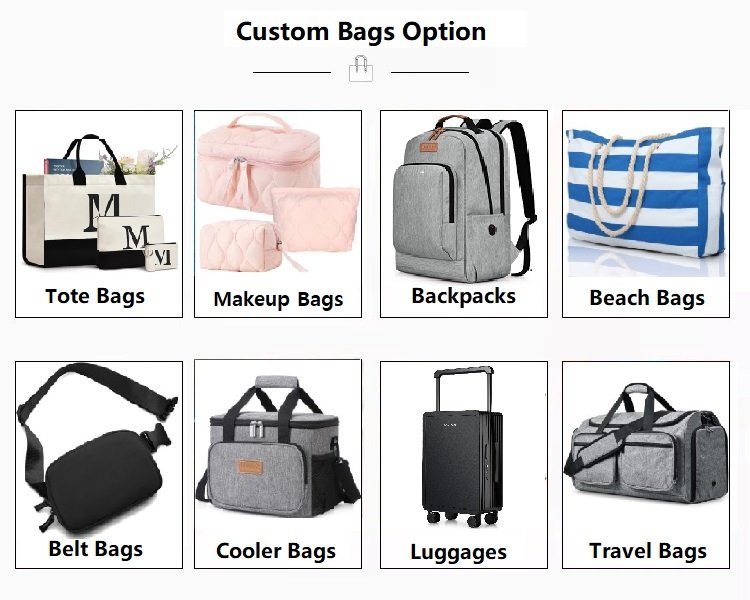
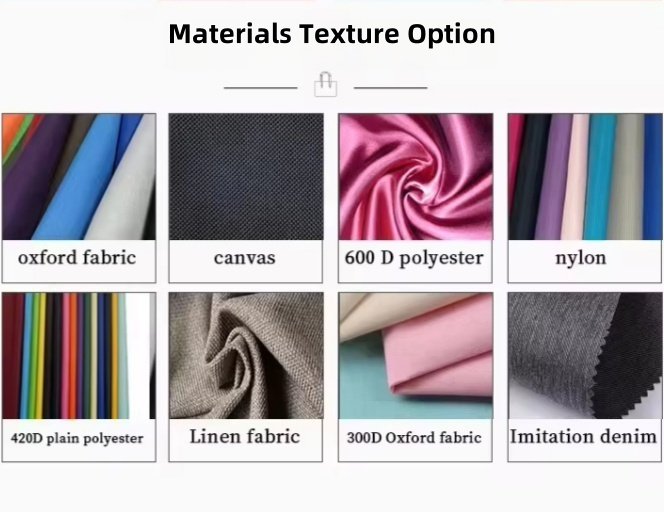
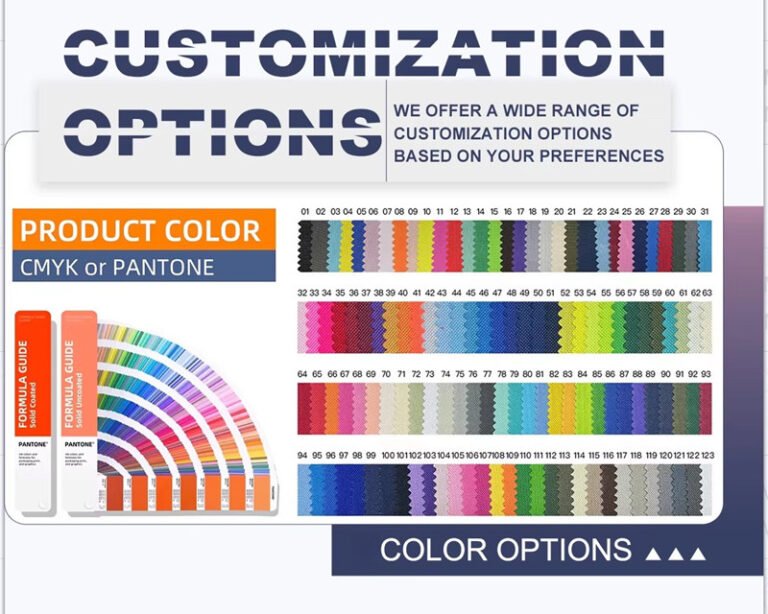
A sample allows you to evaluate the complete corporate wallet gift set before bulk production. Check the wallet’s size, leather or PU texture, card-slot structure, stitching, edge finishing, logo placement, lining, hardware, gift box, and accessory arrangement. Any necessary adjustments can be completed before approval, helping the finished sets remain consistent, presentable, and ready for employee recognition, client gifting, corporate events, or promotional programs.
Client Testimonials
800+ brand Clients Trust Jundong



Custom Wallet Gift Sets FAQs
Clear decisions begin with precise specifications. The ten topics below cover quantities, materials, personalization, samples, quality, packaging, testing, timing and delivery for corporate gift programs.

What Is The MOQ For Custom Corporate Wallet Gift Sets?
The standard MOQ is 500 pieces per design for custom corporate wallet gift sets. Final quantity planning also considers color splits, coordinated accessories, special materials, metal-logo tooling, personalization and custom packaging. A wallet, card holder and gift box may share one program quantity, but individual components can carry separate material or process minimums. Confirm the complete set before quotation so quantities, cost and production feasibility are evaluated together.
What Determines The Price Of A Custom Wallet Gift Set?
A reliable quotation requires the finished set configuration, not a reference photo alone. Unit cost is shaped by wallet structure, material grade, card-slot count, edge treatment, logo method, individual names, accessory quantity, gift-box construction, insert material and order volume. Shipping is calculated separately from carton size, weight, destination and delivery term. Providing drawings, expected quantity and packaging direction allows Jundong to prepare a usable quotation without hiding major cost items for later.
Which Products Can Be Combined In One Wallet Gift Set?
Certainly—one coordinated program can combine a bifold, card holder, key holder, passport cover, luggage tag or other compatible leather accessory. Shared materials, thread, hardware, logo scale and packaging create a stronger presentation and reduce unnecessary variation. Each piece still needs its own pattern, dimensions and functional approval. The slowest component also influences the kitting date, so set composition should be fixed before sample work and delivery planning begin.
Which Materials Are Best For Premium Corporate Wallet Gifts?
Natural leather offers distinctive grain and premium hand feel, while microfiber provides excellent batch consistency, clean skiving and dependable color control. Selected PU can support efficient large-volume programs and repeatable embossing. The best choice depends on desired appearance, service life, budget, logo method and required documentation. Approve the actual swatch and assembled sample; screen images cannot reliably show temper, thickness, grain depth or edge behavior.
Can Logos And Individual Names Be Added To Every Wallet?
Absolutely—logos can be debossed, foil stamped, printed, laser engraved or produced as metal hardware, subject to material compatibility. Individual names, initials or serial codes can also be applied. Variable personalization requires one locked master list, approved font, exact position and unique unit identification linking each wallet to its box and carton. Processing time and cost depend on data quantity, method and the level of unit-by-unit control.
How Long Do Samples And Bulk Production Take?
Straightforward wallet samples generally take 5–7 days after materials and artwork are confirmed. Complex structures or multi-piece gift sets usually require 7–15 days. Typical approved bulk programs need about 20–30 days; complex or individually named sets may require 25–45 days after files and materials are ready. Shipping time is additional. Every schedule should work backward from the required arrival date and include approval, inspection, booking, customs and inland delivery.
How Is Bulk Wallet Gift Set Quality Controlled?
Quality is controlled through incoming material checks, first-piece approval, inline inspection and final release against the approved sample. Wallet checks cover dimensions, card fit, stitch quality, folded balance, edge finish, logo position and hardware operation. Gift-set checks add accessory count, insert position, name matching, labels and carton assortment. An agreed Acceptance Quality Limit sampling plan can be applied, with failed lots contained, corrected where possible and reinspected before release.
Can Gift Boxes And Inserts Be Fully Customized?
Of course—rigid boxes, drawer boxes, book-style boxes, folding boxes, paper sleeves, inserts, message cards and retail labels can be developed around the finished wallet set. Internal dimensions and cavity positions should follow the approved products rather than guessed outer dimensions. A complete pack-out sample confirms opening sequence, product retention and transport protection. Packaging materials and environmental statements must match the documents and wording approved for the project.
Which Tests And Documents May Be Required?
Required tests and documents depend on destination, materials, intended use, product claims and internal brand standards. Relevant checks may cover restricted substances, rubbing, abrasion, flexing, coating adhesion, hardware security, corrosion, RFID performance or transport packaging. No single certificate proves every construction. The correct sample, color, component, test method and report scope must match the ordered product before any compliance or material statement is used.
Can One Order Ship To Multiple Countries Or Locations?
Sure—orders can be divided by country, warehouse, office, event location, SKU, color or personalized group. Air and sea quantities can also be split when part of the program is urgent. Each destination needs dedicated carton codes, packing lists, labels and receiving details before final packing. FOB, CIF and other delivery terms can be arranged as agreed. DDP is reviewed case by case after destination and shipment information are confirmed.
Start Your Custom Corporate Wallet Gift Set
A well-prepared brief allows Jundong to evaluate wallet construction, materials, personalization, gift packaging, timing, and delivery in one review. Send available drawings, reference images, technical files, or an existing sample, even when some details still need development.
For a focused proposal, include:
- Wallet type and coordinated accessories
- Target dimensions, pocket layout and intended contents
- Preferred leather, microfiber or PU direction
- Logo artwork and any individual-name requirements
- Gift-box structure, insert, cards and retail labels
- Quantity by design, color and destination
- Required arrival date, delivery location and test needs
Jundong will review how the wallet, decoration, accessories and packaging work together and identify decisions affecting durability, cost or schedule before sampling begins. Upload PDF, EPS, reference images, name lists or packaging drawings through the form. You may also send files to info@jundongfactory.com. A structured brief lets the next response address construction feasibility, sample planning, and quotation details without repeating basic information.