Skip to content
Custom Corporate Wallet Gift Set Packaging
Branded wallets, matching accessories, rigid gift boxes, fitted inserts, controlled assembly, inspection, and bulk delivery for corporate programs worldwide.
- Develop wallets, card holders, keychains, passport holders, and coordinated gift sets from reference images, samples, sketches, or specifications.
- Align materials, dimensions, logo methods, box structure, insert fit, presentation cards, and carton rules before bulk execution.
- Work with a Guangdong custom bag factory supported by 20+ years of OEM/ODM experience, 600 employees, an 18,000 m² facility, and 80 QC inspectors.
- Send the set contents, artwork, quantity, packing direction, deadline, and destination for an initial project review.

Corporate Wallet Gift Sets for High-Value Brand Programs and Events
Different programs need different set contents, branding levels, packing rules, and delivery plans. A clear audience definition prevents overdesigned gifts and wasted packaging costs.
Global Brand Programs
Established brands often need a coordinated item rather than a generic logo wallet. Material feel, stitching, edge finishing, metal color, box surface, insert fit, and artwork placement must follow one visual direction. Projects commonly cover executive gifts, partner recognition, regional campaigns, anniversary programs, or branded merchandise collections, with specifications recorded for later replenishment and color extensions.
Corporate Gift Agencies
Gift agencies manage several stakeholders, fixed event dates, presentation expectations, and approval rounds. A workable set needs clear product drawings, logo files, packing lists, sample sign-off, and carton identification. Wallets, card holders, keychains, pens, or passport holders can be combined, while each component remains traceable through material codes, artwork versions, and final packing instructions.
Employee Reward Programs
Employee gifts must feel useful, consistent, and suitable for broad distribution. Wallet size, card capacity, neutral colors, gift-box opening, message cards, and recipient presentation require balanced planning. Annual awards, service anniversaries, onboarding kits, and holiday programs also benefit from repeatable specifications, separated destination cartons, and clear quantities for departments, offices, or regional teams.
VIP Client Gifting
Executive and VIP sets place greater weight on hand feel, clean edge work, restrained branding, coordinated hardware, fitted inserts, and premium box construction. Small visual defects become more noticeable in high-value presentation. A complete approval sample should show the wallet, accessory placement, protective layers, inner card, box logo, and final opening sequence before bulk production begins.

Retail Gift Collections
Retail and private-label programs need more than an attractive box. Product codes, color variants, barcode positions, hangtags, SKU separation, carton quantities, and repeat-order records must be defined early. Wallet sets may be sold as seasonal gifts, travel accessories, business essentials, or premium bundles, with packaging planned for shelf display, online photography, warehouse handling, and replenishment.
Control the Whole Wallet Gift Set as One Project
Separate wallet, box, insert, and assembly decisions create avoidable mismatches. Coordinated review connects appearance, fit, protection, quantity control, and delivery planning from the start.

Common Coordination Risks
Wallets, accessories, boxes, and inserts are often approved through separate files or different teams. Small inconsistencies can become visible only during final assembly, when correction costs are highest. Typical failures include the following:
- A box cavity larger than the wallet, allowing movement during transport.
- Metal keychains touching leather surfaces and causing scratches.
- Wallet and box logos using different foil tones or artwork proportions.
- Insert cutouts blocking easy product removal.
- Gift cards, labels, or components missing from selected cartons.
- Rigid boxes are increasing freight volume beyond the planned shipping budget.
Early coordination prevents attractive samples from becoming difficult bulk packing projects.
Integrated Project Control
Jundong reviews the wallet gift set as one linked specification before sampling and bulk execution. Product dimensions, materials, logo methods, box construction, insert structure, packing sequence, and carton rules are recorded together. Core controls include the following:
- Confirming every item included in one finished set.
- Matching wallet dimensions with box and insert tolerances.
- Separating metal parts from coated, PU, microfiber, or leather surfaces.
- Approving wallet artwork and box artwork under one version record.
- Building a fully packed approval set before bulk assembly.
- Checking set contents, SKU identity, final appearance, and carton marks before shipment.
Coordinated records support clearer revisions, repeat orders, and multi-destination programs.
Corporate Wallet Gift Set Combinations for Different Program Needs
Set composition should follow recipient profile, brand position, event purpose, box size, transport limits, and future repeat-order needs rather than decorative preference alone from the start.
Wallet Only Gift Box

A single wallet in a fitted box suits employee recognition, conference gifts, service anniversaries, and broad corporate distribution. The format keeps assembly clear while leaving room for refined materials, restrained branding, a message card, and a clean opening sequence. Review wallet thickness, box cavity, insert support, logo position, and individual surface protection before sampling.
Wallet and Passport Holder

A wallet and passport holder set fits travel programs, airline partnerships, hospitality gifts, and executive trips. Material tone, document capacity, card layout, cover thickness, and logo placement should read as one collection. Box dimensions need enough room for both pieces without creating empty space, while the insert must keep the larger passport holder flat and stable.
Wallet and Pen Set

A wallet and pen set gives corporate events and executive gifting a formal business character. Pen length, clip shape, metal color, case protection, and brand marking should be reviewed together with wallet size and finish. A separate channel or covered recess in the insert helps prevent the pen from rolling, rubbing the wallet, or shifting when cartons are moved.
Wallet and Keychain

A wallet with a branded keychain works well for event programs, travel teams, dealer rewards, and client appreciation. Metal plating, ring size, attachment method, and logo finish should complement the wallet hardware. The keychain must remain isolated from leather, PU, microfiber, or coated surfaces to reduce scratching during bulk packing and international shipment.
Executive Multi-Piece Set

A multi-piece executive set may combine a wallet, card holder, keychain, passport holder, or pen under one visual system. More components increase the need for version control, item counting, fitted cavities, protective layers, and clear assembly instructions. A fully packed approval sample should confirm presentation, removal order, component identity, box balance, and outer-carton efficiency before bulk production.
Wallet and Card Holder

A coordinated wallet and card holder creates a useful business set without making the box oversized. Matching material, edge color, stitching, lining, and logo scale gives both pieces a consistent identity. The insert should hold each item separately, provide easy removal, and prevent one product from pressing against the other during transport or warehouse handling.
Choose Wallet Materials by Brand Positioning, Use, and Budget
Material choice changes hand feel, edge treatment, logo performance, natural variation, packing protection, and cost. Compare the full construction before approving color alone.
| Material Option | Suitable Positioning | Hand Feel and Appearance | Compatible Branding | Main Development Controls |
|---|---|---|---|---|
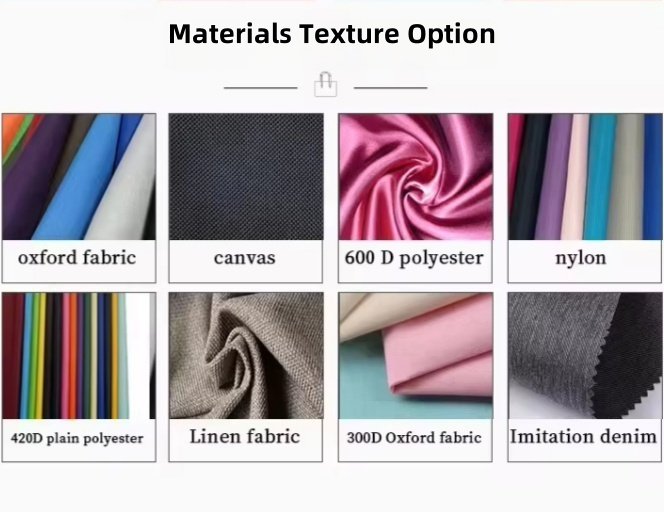
| Genuine Leather | Executive gifts, premium client programs, anniversary collections, refined private-label lines | Natural grain, distinctive touch, and material character. Texture, shade, and grain may vary within an accepted standard. | Embossing, debossing, selected hot stamping, metal plates | Confirm leather type, usable area, thickness, grain direction, color tolerance, skiving, edge paint, stitching, natural variation, and surface protection inside the gift box. |
| PU Leather | Corporate programs requiring controlled colors, repeatable appearance, and balanced cost | Broad texture and color options with a more uniform surface than natural leather. Quality differs by thickness, backing, coating, odor, flexibility, and folding performance. | Embossing, debossing, hot stamping, metal plates, selected printing | Review surface texture, backing fabric, thickness, folding marks, abrasion, adhesion, edge method, smell, logo testing, and contact with packaging materials. PU should not be presented as genuine leather. |
| Microfiber or Selected Synthetic Leather | Refined business sets requiring a consistent surface, clean edges, and controlled color matching | Dense, even appearance with a structured hand feel. Final performance depends on the selected grade, backing, coating, thickness, and construction. | Embossing, debossing, selected foil methods, metal plates | Confirm material specification, edge treatment, folding behavior, stitch performance, logo depth, color reference, lining compatibility, and resistance to pressure inside fitted inserts. |
| Canvas, Nylon, or Mixed Material | Lifestyle gifts, travel-oriented sets, casual brand collections, and programs seeking a less formal leather appearance | Textile texture, lighter visual character, and broader color or pattern opportunities. Structure may need reinforcement to maintain a clean wallet shape. | Woven labels, embroidery on suitable areas, screen printing, selected patches, metal plates | Review fabric density, backing, fraying control, edge binding, reinforcement, lining, print or label position, stain protection, and how textile thickness fits the gift-box insert. |
| Combined Material Construction | Collections combining leather-like surfaces, textile panels, metal details, or contrasting interiors | Allows stronger visual layering and product differentiation, but introduces more joining lines, color references, and material interfaces. | Mixed branding according to each surface | Approve every material separately and as one finished wallet. Check color coordination, bonding, seam transition, thickness balance, metal contact, edge continuity, and repeat-order records for all components. |
Wallet Details to Confirm Before Sampling and Bulk Production
Small leather goods expose small errors quickly. Internal layout, thickness, edge work, stitching, closures, lining, and branding must be confirmed as one usable specification.
Plan Card Capacity and Internal Layout Around Real Use

Card layout affects usability, folded thickness, sewing difficulty, and the overall feel of a wallet. A compact exterior can become bulky when too many layers, card pockets, linings, and folded edges are combined. Before pattern development, the specification should define the intended recipient, wallet format, number and direction of card slots, cash storage, coin storage, identification window, zipper pocket, document space, and any RFID-related requirement.
Key review items:
- Card-slot count and direction: Horizontal, vertical, staggered, or stacked layouts change pocket depth, opening force, and finished thickness.
- Cash compartment: Currency size, divider requirement, lining, and opening width should match the intended region and use.
- Coin or zipper pocket: Added closures and gussets affect bulk, balance, and the way the wallet folds.
- Passport or travel use: Passport position, boarding documents, SIM cards, tickets, and receipts need a dedicated layout rather than an enlarged, standard wallet.
- RFID requirement: Shielding material and validation criteria must be specified and tested; protection should never be assumed from appearance alone.
- Recipient comfort: Pocket edges should allow cards to enter and leave without excessive force while retaining them securely during normal use.
A development sample should be loaded with representative cards and documents during review, not judged empty on a display table. The approval record should capture the internal layout, component count, opening direction, lining, closure position, and any revision affecting thickness. Clear records make later color versions and repeat orders easier to reproduce without rebuilding the layout from memory.
Wallet appearance depends heavily on how material layers are reduced, folded, bonded, stitched, and finished along the edges. A premium surface cannot compensate for bulky corners, uneven edge paint, exposed lining, wavy stitching, or a fold that refuses to close naturally. Material thickness must be reviewed together with pocket count and construction method, because every added layer changes the finished profile.
Core construction controls:
- Layer planning: Outer material, reinforcement, pocket layers, lining, and adhesive should be reviewed as a combined build, not as separate materials.
- Skiving and folding: Leather and selected synthetic materials may require thickness reduction at folds and corners to avoid hard ridges.
- Edge method: Painted edges, folded edges, turned edges, or bound edges create different visual results, costs, and maintenance needs.
- Edge paint: Color, coating sequence, drying, adhesion, smoothness, and corner coverage need approval on the selected material.
- Stitching: Thread color, line distance, stitch density, backtack position, and corner turning should follow the approved sample.
- Fold behavior: The wallet should open and close evenly, sit flat when required, and avoid excessive spring-back or twisting.
Close-up inspection is essential because wallets are handled at short viewing distance. Sample review should include front, back, open, folded, edge, corner, and interior views under consistent lighting. Any accepted natural variation in genuine leather should be separated from workmanship defects. Once approved, edge color, thread reference, construction sequence, and visible stitch requirements should be recorded for bulk production.
Control Thickness, Folding, Edges, and Stitching Before Approval

Match Closures, Hardware, Lining, and Branding to the Program

Closures, hardware, lining, and logo details shape both function and presentation. A snap button can alter the front profile; a zipper adds security but increases thickness; a metal plate brings strong visibility but introduces weight, plating, fixing, and scratch-control needs. Every element should support the intended gifting level rather than compete for attention.
Selection and control areas:
- Closure method: An open fold, snap, zipper, magnetic component, or elastic closure should be chosen according to use, thickness, and opening frequency.
- Zippers and sliders: Tape color, tooth finish, puller shape, smooth movement, end stops, and surrounding stitching need review.
- Snap buttons and magnets: Position, holding force, backing reinforcement, and surface marking should be checked on the finished construction.
- Metal parts: Plating tone, logo clarity, edge smoothness, attachment security, and contact with wallet surfaces require inspection.
- Lining: Fabric type, color, hand feel, fraying control, bonding, and visibility at openings influence the finished impression.
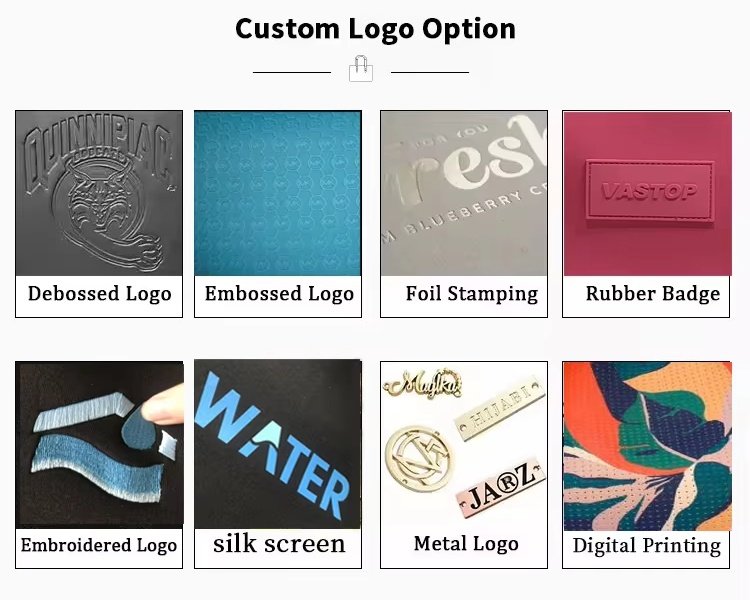
- Branding: Embossing, debossing, hot stamping, metal plates, or selected printing methods must be matched to material texture, logo line thickness, size, and placement.
For corporate sets, wallet branding should also coordinate with card holders, keychains, gift boxes, and presentation cards. Gold, silver, gunmetal, or painted finishes should use approved references rather than verbal descriptions alone. A complete sample should confirm how branding looks when the wallet is closed, opened, placed inside the insert, and viewed beside the other set components. Such coordination prevents a strong individual logo from becoming visually inconsistent within the finished gift set.
Coordinate Branding Across Wallets, Boxes, and Inserts
One logo system should define scale, color, finish, position, and production files across every visible surface while respecting the limits of each material.
| Branding Area | Suitable Methods | What Must Be Approved | Main Risk to Control |
|---|---|---|---|
| Wallet Exterior | Embossing, debossing, hot stamping, metal plate | Logo size, depth, foil color, position, distance from edges, material response, and appearance when the wallet is folded | Fine lines may disappear, foil may react differently on textured material, and metal plates may add weight or create surface pressure |
| Card Holder or Passport Holder | Embossing, debossing, hot stamping, metal plate | Whether the logo should match the wallet in scale or remain smaller, plus placement, orientation, color, and edge distance | Copying the same logo size across different products can make the smaller item look crowded or unbalanced |
| Keychain or Small Accessory | Metal logo execution, embossed or debossed leather tab, selected printed component | Component size, plating tone, attachment position, edge smoothness, brand visibility, and contact with other products | Metal parts may scratch wallet surfaces; a strong accessory logo may compete with the main wallet branding |
| Gift Box Exterior | Printing, foil stamping, selected embossing, label application | Box artwork, position, foil reference, print color, surface paper, opening direction, and visibility during presentation | Screen colors may not match printed paper; large solid areas can reveal surface or printing variation |
| Inner Lid and Insert Card | Printing, foil stamping, branded card, thank-you card, instruction card | Message wording, typography, card size, paper, color, placement, opening sequence, and required languages | Late text changes can delay printing; long wording or several languages may reduce clarity and increase card size |
| Hangtag, Barcode, and Outer Label | Printed hangtag, barcode label, SKU label, style label, destination label | Product code, barcode file, readable size, label position, SKU rule, carton relationship, and destination information | Incorrect codes, mixed labels, or unclear carton marks can affect warehouse receipt, distribution, and replenishment |
Plan Gift Boxes and Inner Trays Around the Finished Set
Box structure should follow product dimensions, opening sequence, presentation level, surface protection, carton efficiency, and budget before artwork or decorative finishes are approved.

Rigid Lid-and-Base Box
A two-piece rigid box gives a clean, balanced presentation for single wallets and compact two-piece sets. The lid depth, base height, board thickness, paper wrap, and insert level should be planned around the finished product rather than a generic box size.
- Best suited to restrained executive or anniversary programs.
- Easy to open and photograph from above.
- Requires controlled lid fit and corner finishing.
- Outer-carton quantity should be checked before approval.
Magnetic Closure Box
A magnetic closure box creates a stronger opening experience and offers space for an inner-lid message or printed brand story. Magnet position, closing force, hinge movement, surface wrap, and internal clearance must be checked with the complete set inside.
- Suitable for VIP, membership, and partner gifts.
- Supports foil, printing, or selected embossed details.
- Needs protection against edge crushing and surface scuffing.
- Added board and magnets can increase packed weight and volume.
Drawer Gift Box
A drawer box separates the outer sleeve from the product tray and works well when the set should be revealed gradually. Pull-tab length, drawer tolerance, insert height, and product weight affect whether the drawer moves smoothly without sliding open during handling.
- Suitable for wallets with card holders, pens, or keychains.
- Offers clear front or sleeve branding.
- Requires stable tray movement and secure transit packing.
- The pull direction should match the planned opening sequence.
Foldable Rigid Box
A foldable rigid box can reduce storage and shipping volume before final assembly while maintaining a structured appearance after setup. Panel alignment, adhesive areas, magnetic parts, folding lines, and setup instructions must be validated through a physical sample.
- Useful for larger programs with limited warehouse space.
- Can lower empty-box freight compared with fully assembled rigid boxes.
- Requires consistent assembly training.
- Final shape and corner strength should be checked after repeated folding.
Fitted EVA or Foam Tray
EVA or foam inserts provide controlled cavities for wallets, metal accessories, and pens. Density, thickness, cavity depth, finger notches, surface covering, and contact pressure should be selected according to product weight and material sensitivity.
- Keeps several components separated and aligned.
- Helps reduce movement and metal-to-wallet contact.
- Requires accurate product dimensions and tolerance.
- Dark inserts may show dust; light inserts may show handling marks.
Paper Tray or Divider
Paper inserts, folded supports, molded pulp, or simple dividers can provide a lighter presentation with less material complexity. Structural strength depends on paper weight, folding direction, support points, and how the wallet is removed from the box.
- Suitable for single wallets and lighter accessory sets.
- Easier to coordinate with paper-based brand graphics.
- Can support recycling goals when material choices are documented.
- Must prevent collapse, loose movement, and difficult product removal.
What Jundong Reviews Before Wallet Gift Set Development Starts
Clear project information allows material, construction, branding, packaging, cost, and timing to be reviewed before patterns, samples, molds, or printed components are prepared.
Set Contents
Start by defining exactly what one finished gift set includes. A wallet-only box follows a different development path from a wallet, cardholder, keychain, pen, and message-card set. Each component should receive an item name, quantity, material direction, and packing position.
- List every product and paper insert.
- Mark optional or regional components.
- Define whether spare parts are packed separately.
- Confirm one-set and one-carton quantities.
Product Dimensions
Accurate dimensions connect the wallet, accessory spacing, insert cavities, and final box size. External length, width, thickness, open size, hardware projection, and loaded thickness should be checked instead of relying on a retail reference alone.
- Provide drawings, a physical sample, or measured references.
- Include card capacity and closed thickness.
- Note metal parts extending beyond the product body.
- Allow suitable insert tolerance without loose movement.
Material and Color
Material direction should include more than a general request, such as black leather. The review needs material type, surface grain, thickness, backing, lining, edge color, thread, hardware finish, and acceptable natural variation where genuine leather is selected.
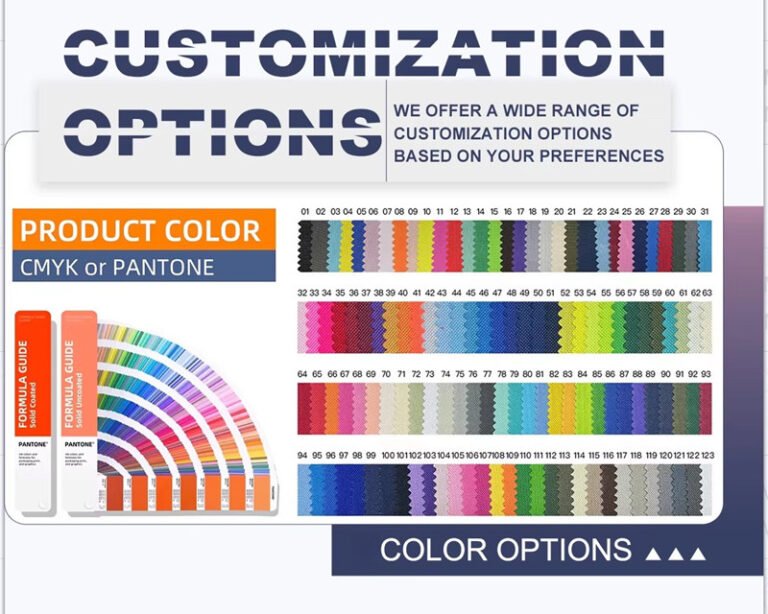
- Share Pantone references when brand color control matters.
- Confirm wallet and accessory material matching.
- Identify surfaces needing scratch protection.
- Approve physical swatches when screen color is insufficient.
Logo and Artwork
Brand files guide wallet marking, accessory branding, box graphics, cards, labels, and outer presentation. Vector artwork gives clearer control over line detail, size, placement, and production setup. Low-resolution files may require redrawing before sampling.
- Send AI, PDF, EPS, SVG, or CDR files when available.
- State size and position for every component.
- Add Pantone or foil references.
- Confirm artwork ownership and final production versions.
Box and Insert
A gift-box reference should show the preferred opening style, product arrangement, branding area, and expected presentation level. Insert design then follows actual product dimensions, removal needs, surface sensitivity, and transport protection rather than appearance alone.
- Select rigid, magnetic, drawer, foldable, or simpler paper construction.
- Mark every cavity and finger notch.
- Add cards, tissue, sleeves, or paper bags when required.
- Review box volume against delivery planning.
Quantity and Deadline
Order quantity influences material allocation, hardware preparation, logo setup, box production, assembly capacity, and carton planning. A required delivery date should be evaluated together with sampling, approval, bulk work, packing, inspection, and transport time.
- State quantity per design, color, and destination.
- Identify fixed event or launch dates.
- Separate factory completion from arrival date.
- Include destination and preferred shipping method.
- Flag split deliveries or regional packing rules early.
Approve the Wallet and Packaging as One Complete Set
Separate approvals cannot reveal every assembly issue. Wallet construction, box structure, insert fit, branding, protection, and opening experience should be reviewed together before bulk work.
Confirm Wallet Construction Before It Enters the Gift Box

Card capacity, pocket depth, closed thickness, edge method, stitching, lining, closures, and logo placement should be reviewed before packaging approval. A wallet may look balanced when empty but become bulky after representative cards, cash, or documents are inserted. Sample review should therefore include both unloaded and loaded conditions, along with front, back, open, closed, edge, corner, and interior views.
The wallet approval record should capture:
- Finished length, width, thickness, and open size.
- Card-slot count, direction, depth, and retention.
- Cash, coin, zipper, passport, or document sections.
- Outer material, reinforcement, lining, thread, edge color, and hardware.
- Logo artwork, size, location, depth, foil, plating, or fixing method.
- Fold behavior, closure force, zipper movement, surface cleanliness, and accepted material variation.
Normal samples are often completed in about 5–7 days after essential materials and artwork are confirmed. Simple constructions may be faster, while custom leather, special metal parts, complex structures, or coordinated gift boxes may require more time. Approval should never rely on appearance alone. The confirmed sample becomes one reference for production, but dimensions, material codes, artwork versions, workmanship notes, and revisions still need to be transferred into executable production and inspection records.
When a revision is accepted, the changed item should be highlighted in the approval record rather than hidden inside an email thread. Side-by-side photos, dated comments, and a final version code help prevent earlier artwork or dimensions from returning during production.
A box can appear attractive yet fail when the real wallet and accessories are placed inside. Sample approval should therefore use finished or dimensionally accurate products rather than empty display boxes. Box length, width, height, lid fit, drawer movement, magnetic closure, board strength, surface wrap, corner finish, and printing should be examined together with the insert.
Insert approval should verify:
- Cavity length, width, depth, and assembly tolerance.
- Finger notches and removal space for wallets, pens, and accessories.
- Separation between metal parts and sensitive product surfaces.
- Pressure on edge paint, zippers, snaps, or raised logos.
- Position of cards, tissue, sleeves, labels, or paper bags.
- Product stability when the box is tilted, carried, or placed in a carton.
Color and finish should also be viewed under consistent neutral lighting. The same reference color may look different on leather, PU, metal, coated paper, uncoated paper, foam, or fabric-covered inserts. A box sample should record the paper, board, surface treatment, foil or print reference, insert material, cavity drawing, opening direction, and acceptable fit. These records reduce the risk of approved artwork being applied to a box structure that cannot protect or present the finished set properly.
Box approval should also consider outer-carton efficiency. A few millimeters added to each rigid box can materially change carton count, pallet use, or freight volume across an order of 500 pieces or more. Presentation and transport planning should therefore be reviewed together.
Approve Box Structure and Insert Fit With Real Products

Build a Fully Packed Reference Set Before Bulk Assembly

The most important approval stage is the complete packed set, because separate wallet and box approvals do not prove that the assembled gift will work. One finished reference set should include every product, accessory, protective layer, card, label, and branded component in the intended opening sequence. The set should be reviewed as the recipient will receive it, not as loose samples placed temporarily inside a box.
Complete-set approval should confirm:
- Correct item count and version for one set.
- Color and material coordination across all components.
- Wallet and accessory placement inside the insert.
- Protection against scratching, pressure, dust, and movement.
- Logo balance across wallet, accessory, box, and printed card.
- Ease of opening, removal, replacement, and closing.
- Final packed weight, box dimensions, and outer-carton direction.
- SKU, regional language, barcode, or destination differences where required.
Photographs should record the closed box, opening sequence, complete layout, each cavity, protective layers, final labels, and carton orientation. The approved packed set then becomes a visual and physical reference for assembly training and final inspection. Sample approval does not remove every production risk; it creates a clear standard that production, packing, and QC teams can follow, compare, and document during bulk work.
For multi-color or multi-destination orders, separate reference sets may be needed when artwork, language, accessories, or carton rules differ. Each approved version should carry a clear code so assembly staff can identify the correct components without relying on verbal instructions.
Quality Checks for Wallets, Boxes, and Finished Gift Sets
Jundong’s 80 QC inspectors support multi-stage checks from incoming materials through wallet workmanship, box fit, set assembly, labels, cartons, and pre-shipment preparation for bulk programs.
| Inspection Stage | Main Checks | Risk Reduced | Inspection Reference |
|---|---|---|---|
| Incoming Materials and Components | Material type, surface, color, thickness, lining, thread, edge paint, zippers, snaps, metal finish, gift-box paper, board, insert material, printed cards, and labels | Wrong material, mixed color, unsuitable thickness, mismatched hardware, incorrect paper, or unstable insert material entering production | Approved swatches, material codes, accessory list, color references, artwork, and purchase specifications |
| Wallet Workmanship | Finished dimensions, card-slot depth, card retention, lining, reinforcement, folding, stitching, corners, edge paint, zipper movement, closure force, cleanliness, and accepted natural variation | Wallets becoming too thick, cards fitting poorly, uneven stitching, rough edges, exposed lining, difficult closure, or inconsistent appearance | Approved wallet sample, dimension sheet, workmanship notes, loading test, and process inspection record |
| Logo and Hardware | Logo size, position, depth, foil color, print clarity, metal plating, edge smoothness, fixing security, alignment, and contact with product surfaces | Crooked logos, weak foil adhesion, unclear fine lines, wrong plating, loose metal parts, sharp edges, or scratches on wallet surfaces | Approved artwork, placement guide, Logo sample, foil or plating reference, and process instruction |
| Gift Box and Insert | Box dimensions, lid fit, drawer movement, magnet function, board strength, surface wrap, corner finish, print or foil, cavity size, finger notch, pressure, separation, and product stability | Loose products, crushed edges, difficult removal, poor opening, scratched wallets, unstable accessories, incorrect branding, or oversized packaging | Approved box sample, cavity drawing, paper and board record, insert specification, artwork, and complete-set reference |
| Finished Set Assembly | Correct wallet, accessories, protective layers, printed cards, labels, SKU, language, product placement, opening sequence, cleanliness, and complete item count | Missing parts, mixed versions, wrong regional cards, metal-to-wallet contact, poor presentation, incorrect SKU, or inconsistent assembly | Packed approval set, assembly guide, component checklist, SKU list, destination rule, and set inspection sheet |
| Carton and Pre-Shipment Check | Gift-set quantity, individual protection, carton strength, dividers, carton marks, barcode or destination labels, gross and net weight, carton dimensions, packing list, and visible damage | Incorrect carton quantity, mixed destinations, unclear warehouse identification, crushed gift boxes, wrong documents, or freight discrepancies | Approved carton rule, carton-mark file, packing list, destination schedule, inspection requirement, and shipment records |
From Approved Samples to Finished Corporate Wallet Gift Sets
Bulk execution depends on controlled records, coordinated components, scheduled wallet production, early box preparation, staged inspection, and a repeatable final assembly sequence.

Release Production Data
Once the complete reference set is approved, key details are converted into production records shared across development, production, inspection, and packing. The release should include approved photographs, dimensions, material and accessory lists, artwork versions, workmanship notes, box and insert drawings, labels, carton marks, packing sequence, revision history, and inspection priorities. Production should not begin from one photo or verbal confirmation alone.
Material & Component Prep
Outer materials, lining, reinforcement, thread, zippers, snaps, metal parts, edge paint, gift-box paper, board, insert material, cards, labels, and protective items are checked against the approved references. Special colors, custom metal finishes, printed boxes, or molded inserts need earlier preparation. Materials with different lead times should be scheduled together so wallet production and packaging components reach assembly in the correct sequence.
Cut and Build Wallets
Wallet construction moves through pattern confirmation, cutting, skiving where required, reinforcement, pocket preparation, lining, edge work, sewing, folding, and closure assembly. Card slots, corners, central folds, zipper areas, and visible edges require closer control because small deviations are easy to notice. In-line checks should compare dimensions, stitch position, edge finish, fold behavior, and component orientation with the approved sample and production record.
Apply Logos and Hardware
Embossing, debossing, hot stamping, metal plates, printed components, and branded accessories are processed according to confirmed artwork, size, position, color, and finish. Metal parts should be checked for plating tone, smooth edges, fixing security, and contact with product surfaces. Logo work completed too early or without material testing can create avoidable waste, so approved samples and process instructions should remain available at the workstation.
Produce Boxes and Inserts
Gift boxes, printed cards, labels, and fitted inserts are prepared alongside wallet production rather than after every wallet is finished. Box size, lid or drawer movement, magnet position, surface wrap, foil or print, cavity dimensions, finger notches, and component separation should follow approved drawings and samples. Early box checks allow fit corrections before large quantities reach the final assembly area.
Assemble, Inspect, and Pack
Finished wallets are cleaned and checked before they enter the gift box. Packing teams follow a set sequence for protective layers, product placement, accessories, cards, labels, and closure. Completed sets are then checked for item count, correct version, presentation, SKU, destination, and carton quantity. Clear carton marks and packing lists help prevent mixed products during warehouse receipt, regional distribution, or repeat-order comparison.
MOQ, Cost, and Timeline for Corporate Wallet Gift Sets
Order quantity affects material purchasing, logo setup, gift-box preparation, line efficiency, inspection, and unit cost. Timing should separate sample development, bulk work, and transport.
| Planning Area | Jundong Working Basis | What Can Change It | Information Needed for Review |
|---|---|---|---|
| Standard MOQ | The standard MOQ is usually 500 pcs per design. Quantity should be reviewed by wallet style, color, material, Logo, accessory combination, and packing rule. | Special leather, custom colors, metal parts, printed boxes, molded inserts, several SKUs, or independent packaging-material minimums | Quantity per design, color, set version, destination, and expected repeat-order plan |
| Selected Quantity Review | Selected simple constructions or light customization projects may be reviewed at 200–300 pcs case by case. The quantity is not an automatic commitment for every wallet or gift-box design. | Material availability, Logo setup, hardware minimums, box structure, insert tooling, color count, and production efficiency | Reference product, final set contents, material direction, Logo method, box type, and target quantity |
| Sample Development | Standard sampling usually takes about 5–7 days after key details and available materials are confirmed. Selected simple styles may take 2–3 days. Complex wallets, custom hardware, special materials, rigid boxes, or fitted inserts may take longer. | Pattern complexity, material sourcing, Logo trials, metal parts, box sampling, insert development, revisions, and feedback speed | Wallet drawing or reference, size, material, Logo file, set contents, gift-box direction, and sample deadline |
| Sample Fee | Sample cost covers development work, material preparation, Logo setup, sample construction, packaging samples, and agreed revisions. Sample fees can be refunded or deducted when the bulk order reaches 2000 pcs. | Number of sample versions, special materials, metal molds, Logo plates, printed boxes, insert tooling, and international courier | Required sample quantity, destination, wallet and packaging complexity, and requested approval stages |
| Bulk Production | Standard bulk production usually takes about 20–30 days after sample approval and essential production information are ready. Production time and international transport time must be planned separately. | Material lead time, quantity, color count, Logo process, gift-box complexity, assembly workload, inspection requirements, production schedule, and revisions | Approved sample, final quantities, artwork, packing files, inspection needs, completion target, and destination |
| Cost Formation | Unit cost is reviewed from the complete specification rather than quantity alone. Higher volume can improve allocation of setup and preparation costs, but material, workmanship, packaging, and testing still create a cost floor. | Wallet material, size, internal layout, edge treatment, stitching, Logo, hardware, set components, box, insert, cards, labels, quantity, testing, deadline, and transport | Complete product specifications, expected quantity, target cost when available, packing requirements, testing needs, and delivery plan |
Documents and Requirements for Global Corporate Wallet Gift Programs
Documents and Requirements for Global Corporate Wallet Gift Programs


Confidentiality and Design Ownership
Unreleased wallet collections, private-label artwork, executive gift concepts, and presentation details may require confidentiality controls before files or physical samples are shared. An NDA can be reviewed when the project contains protected intellectual property, confidential launch information, or restricted brand assets.
- Identify which drawings, samples, and files are confidential.
- Confirm who may receive development information.
- Mark approved communication and file-transfer channels.
- Remove third-party logos from reference images unless permission exists.
- Record ownership or authorized use of every artwork file.
Artwork and Version Control
A gift set may involve wallet artwork, accessory marks, box graphics, inner cards, barcodes, SKU labels, and regional text. One uncontrolled revision can place an old logo, incorrect language, or outdated code into bulk packing. Every production file should carry a clear name, date, and final status.
- Use vector artwork whenever available.
- Separate wallet, accessory, box, and label files.
- Confirm dimensions, colors, locations, and languages.
- Lock final versions before printing or Logo processing.
- Keep revision records for repeat orders and color extensions.
Testing and Material Documents
Material, chemical, labeling, packaging, or performance documents may differ by product construction, destination, retail channel, and internal brand standard. Requirements should be raised before material purchase and sampling so cost, timing, and test samples can be planned correctly.
- State the destination country and sales channel.
- Provide the requested standard or test protocol.
- Identify leather, PU, metal, adhesive, ink, and packaging concerns.
- Confirm whether reports must apply to materials or finished products.
- Review third-party testing costs and timing before approval.
Independent Inspection Planning
Independent inspection can be included when a brand team, retailer, or import office requires an external check before shipment. Inspection scope should be defined early because wallet workmanship, gift-box appearance, set contents, labels, and carton data may require different sample sizes and acceptance criteria.
- Name the inspection company when already appointed.
- Confirm inspection level, defect classes, and acceptance rules.
- Share the approved wallet and packed-set references.
- Define required photos, reports, and corrective actions.
- Reserve enough time between inspection and shipment release.
Plan Gift Box Volume, Cartons, and Delivery Before Production
Rigid gift boxes can protect presentation while increasing volume. Carton design, destination labels, freight data, and arrival planning should be reviewed before final packing approval. logo placement, or poor packing can affect brand presentation before the product is even used.
Control Box Dimensions Before Freight Cost Is Reviewed

Gift sets are often light compared with the space they occupy. A few millimeters added to a rigid box can increase carton dimensions, reduce the number of sets per carton, and raise chargeable volume for courier or air transport. Sea freight is also affected by total cubic volume and container efficiency. Box appearance should therefore be balanced with product protection and transport use.
Start with the finished wallet and every accessory, then establish the minimum safe insert and box dimensions. Review:
- Clearance around wallets, raised logos, zippers, snaps, and metal parts.
- Insert thickness needed to prevent movement without creating excessive pressure.
- Lid, drawer, or magnetic structure required for stable closing.
- Protective sleeves, tissue, cards, and labels added to the packed height.
- Carton orientation, layers per carton, dividers, corner protection, and compression limits.
- Whether a foldable rigid box can reduce empty-box storage or inbound transport volume.
Freight estimates become more dependable after trial packing confirms carton length, width, height, gross weight, net weight, carton quantity, and total volume. Reducing a box only for freight can damage presentation or place pressure on edge paint and hardware; oversizing it for appearance can create unnecessary movement and cost. A physical packing test provides a better decision than an isolated box drawing.
Build Clear Carton, SKU, and Destination Packing Rules

Corporate programs often involve several wallet colors, accessory combinations, languages, departments, warehouses, or destination countries. Packing rules must make every carton identifiable without opening all gift boxes. The set code, SKU, color, regional card, item count, and destination should connect from the approved packing record to the individual set and outer carton.
Recommended controls include:
- One component checklist for each approved set version.
- Separate style, color, and destination codes where contents differ.
- Barcode and SKU files supplied in final readable form.
- Carton marks showing purchase order, style, quantity, carton sequence, and destination information.
- Defined sets per carton, inner protection, divider position, and stacking direction.
- Separate packing lists for split deliveries when requested.
- Photo records of finished sets, sealed cartons, marks, and loading preparation.
For a multi-destination program, each carton should be traceable to one packing list and one destination rule, rather than relying only on color tape or handwritten notes.
Jundong can assist with commercial invoices, packing lists, carton details, shipment marks, gross and net weight, product descriptions, and shipment information according to the confirmed order and trade arrangement. HS Code information can be coordinated, while final classification and import clearance may still require confirmation by the import team, appointed forwarder, or customs authority. Clear rules reduce mixed cartons, missing regional cards, warehouse receiving delays, and replenishment confusion.
Work Backward From the Required Arrival Date

The required arrival date is not the same as the factory completion date. Corporate anniversaries, conferences, holiday programs, executive meetings, and regional launches should be planned backward through destination handling, international transit, shipment booking, final inspection, packing completion, bulk production, sample approval, and artwork confirmation.
Use the confirmed sampling and bulk-production schedule from the earlier project review as the production portion of the timeline. Transport starts only after cargo readiness, inspection release, packing data, documents, and booking arrangements are complete. Internal approval delays, late artwork, revised labels, box corrections, holidays, flight or vessel space, customs review, and local delivery can all affect the final arrival.
Shipping options can include express courier, air freight, sea freight, rail freight, or an appointed forwarder. Express or air may suit samples and urgent deliveries; sea freight is often considered for larger volumes with more planning time. EXW, FOB, CIF, DDP, and other terms can be reviewed according to destination and order conditions, but no method or trade term fits every project.
Before selecting a route, confirm:
- Target arrival date and any fixed event date.
- Destination address, airport, seaport, or appointed warehouse.
- Carton quantity, dimensions, gross weight, and total volume.
- Required trade term and forwarder contact.
- Split-shipment or regional delivery instructions.
- Time reserved for inspection, corrections, booking, customs, and local delivery.
Why Global Brands Review Jundong for Corporate Wallet Gift Sets
A reliable gift-set program needs more than attractive samples. Factory scale, development depth, inspection coverage, packing discipline, and repeat-order records support controlled execution across every stage.

20+ Years Development Experience
More than two decades of OEM/ODM work support earlier identification of material, construction, Logo, packing, and delivery risks. Experience matters when a wallet must coordinate with accessories, a fitted insert, printed components, and a fixed event date. Development records also help later color extensions, repeat orders, and approved-version control.
600+ Employee Team
A team of more than 600 employees supports product development, sample preparation, production planning, workmanship control, packing, and shipment coordination. Larger programs often involve several colors, gift-set versions, printed cards, or destinations. Organized responsibilities help keep components, instructions, and timing aligned instead of relying on one person to manage every detail.
18,000㎡ Factory Area
An 18,000㎡ production area provides room for development, sample work, wallet production, inspection, packing, and order handling. Corporate gift sets need space not only for sewing but also for material control, box and insert fit checks, complete-set assembly, carton preparation, and separation of different SKUs or destination requirements.
80 QC Inspectors
Eighty QC inspectors support checks from incoming materials through wallet workmanship, Logo execution, gift-box fit, complete-set assembly, labels, and cartons. The value lies in staged inspection rather than a final visual check alone. Approved samples, drawings, component lists, packing rules, and defect requirements provide the references used during review.
Approve Corporate Wallet Gift Set Packing First?
A well-planned corporate wallet gift set should protect the wallet, present the brand professionally, and stay practical for storage and delivery. Box size, molded or paper inserts, tissue, sleeves, logo placement, color matching, barcode labels, gift cards, and outer-carton packing should be confirmed before bulk production. Clear packing specifications help control packaging cost, reduce wasted space, prevent surface damage, and keep every gift set consistent for corporate events, employee programs, promotions, and branded gifting.
Client Testimonials
800+ brand Clients Trust Jundong



Corporate Wallet Gift Set FAQs
The following answers cover development scope, materials, packaging, MOQ, sampling, inspection, timing, and the information needed for a clear project review before approval.

Can Jundong develop wallets and gift boxes as one project?
Yes. Wallet construction, matching accessories, branding, gift-box structure, fitted inserts, printed cards, set assembly, inspection, and carton rules can be reviewed as linked project requirements. Some packaging components may be coordinated with specialized partners, so specifications, samples, quality references, and responsibilities should be confirmed before bulk work.
What wallet styles suit corporate gift sets?
Common options include bifold wallets, trifold wallets, long wallets, zipper wallets, card holders, passport holders, and coordinated small leather goods. Selection should follow recipient profile, card capacity, travel use, material position, box size, branding level, and intended distribution rather than appearance alone.
Can matching accessories use the same material and color?
Matching materials and colors can be reviewed for wallets, card holders, passport holders, keychains, and selected accessories. Exact visual consistency depends on material batch, surface texture, construction, metal finish, and production method. Physical swatches and a complete sample set provide stronger approval references than screen images.
Which gift box structures can be reviewed?
Options may include lid-and-base rigid boxes, magnetic closure boxes, drawer boxes, foldable rigid boxes, and simpler paper gift boxes. The suitable structure depends on set contents, presentation level, product weight, insert design, storage space, carton efficiency, budget, and required opening experience.
How is a fitted inner tray developed?
The tray is planned from actual product dimensions, component weight, removal space, surface sensitivity, and transport protection. EVA, foam, paper, molded pulp, dividers, or covered inserts may be considered. Cavity depth, finger notches, separation, pressure, and stability should be confirmed with real products inside a sample box.
Can logos appear on wallets, accessories, and boxes?
Yes, subject to material and construction review. Embossing, debossing, hot stamping, metal plates, selected printing, foil-stamped box graphics, cards, hangtags, and labels may be coordinated. Logo size, placement, color, finish, and artwork version should be approved separately for every visible component.
What is the standard MOQ for each design?
The standard MOQ is usually 500 pcs per design. Selected simple constructions may be reviewed at 200–300 pcs based on material availability, Logo setup, hardware, box structure, insert requirements, colors, and production efficiency. Packaging materials or custom components may carry separate minimum quantities.
How long do samples and bulk production take?
Standard sampling usually takes about 5–7 days after key details and available materials are confirmed. Selected simple styles may take 2–3 days. Standard bulk production usually takes about 20–30 days after approval. Complex structures, special materials, custom hardware, gift boxes, revisions, inspection, and transport require additional planning.
How are complete gift sets inspected before shipment?
Inspection can cover incoming materials, wallet dimensions, card slots, stitching, edges, Logo execution, hardware, box construction, insert fit, component count, printed cards, SKU, destination labels, carton quantity, and visible damage. The approved wallet sample, complete packed set, drawings, packing guide, and inspection requirements provide the comparison references.
What information is needed for an initial review?
Send a wallet reference or drawing, dimensions, material direction, set contents, Logo file, quantity per design or color, gift-box preference, insert needs, target deadline, destination, and any testing or inspection requirements. A complete technical pack is useful but not required to begin an initial assessment.
Start Your Corporate Wallet Gift Set Review
A complete technical pack is helpful but not required for an initial discussion. Jundong can begin with a reference image, an existing wallet, a sketch, or a short description of the intended gift program. Clear information allows the team to review product structure, material direction, Logo methods, gift-box fit, insert protection, sampling work, production feasibility, and delivery planning with fewer assumptions.
Please include:
- Wallet style, dimensions, card layout, lining, closure, and material preference.
- Complete set contents, including card holders, keychains, passport holders, pens, cards, or other approved components.
- Vector Logo files, required positions, colors, foil, plating, or other brand references.
- Quantity per design, color, SKU, and destination.
- Gift-box style, insert direction, printed materials, labels, and outer packing needs.
- Sample deadline, required arrival date, destination, and preferred shipping arrangement.
- Testing, documentation, NDA, or independent inspection requirements.
Files may be uploaded through the form or sent to info@jundongfactory.com. After review, Jundong can identify missing specifications and discuss the next development step. Final price, MOQ, and timing are confirmed only after materials, construction, branding, packaging, quantity, and required approvals are clear.