 Skip to content
Custom Canvas Tote Bags for Brands and Retail Programs
Create custom canvas tote bags for retail stores, lifestyle brands, event giveaways, brand merchandise, private label programs, and repeat bulk orders with flexible fabric weights, logo options, retail packing, sampling support, and quality control.
- From Trial Orders to Repeat Retail Programs
- 600+ Staff, 18,000㎡ Factory, 80 QC Inspectors
- Sampling Before Bulk Production
- Fabric Weight, Size, Handle, and Structure Options
- Screen Printing, Embroidery, Labels, and Hangtags
- Retail Packing with Barcodes, SKU Labels, and Carton Marks

Custom Canvas Tote Bags for Brand and Retail Projects
Jundong supports custom canvas tote bags for lifestyle brands, fashion labels, beauty stores, bookstores, museums, coffee shops, gift shops, event teams, online brands, and retail groups.
For store merchandise, the tote needs a clean shape, strong stitching, good logo placement, and packing that fits retail handling. For event giveaways, the tote should be light, easy to fold, easy to count, and simple to distribute. For daily shopping programs, durability, handle comfort, and fabric strength matter more. For private label collections, the tote may need hangtags, inner labels, barcode stickers, SKU labels, and clear carton sorting.

A tote bag project becomes easier when the basic direction is clear from the start:
| Project Use | Better Direction |
|---|---|
| Store merchandise | Medium or heavy canvas with refined logo details |
| Event giveaway | Lightweight or medium canvas with clear print |
| Retail shopping bag | Strong handle, useful size, neat folding |
| Brand gift | Better fabric feel, hangtag, and individual packing |
| Private label line | Label, barcode, SKU, repeat order records |
| Museum or bookstore tote | Strong print area, clean shape, daily carry size |
| Coffee shop or lifestyle tote | Natural canvas, simple print, compact size |
Tote Bag Styles for Stores, Events, and Merchandise
Canvas tote bags can be simple or highly detailed. The right style depends on the carrying load, retail value, campaign budget, packing method, and how often the end user will reuse the bag.
Basic flat totes are practical for trade shows, brand launches, campus events, and low-cost handouts. Gusseted totes give more capacity and shape, making them suitable for bookstores, grocery stores, museum shops, and lifestyle retail. Heavy canvas totes feel more like merchandise and can support a higher perceived value. Zipper totes, pocket totes, and lined totes fit programs that need a more finished look.
Heavy Canvas Tote
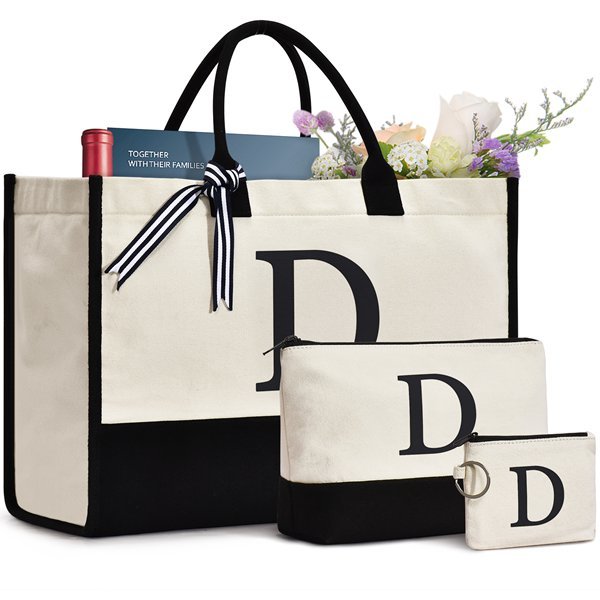
Heavy canvas totes suit retail sale, premium merchandise, and reusable shopping programs. Thick fabric, reinforced handles, inner labels, and stronger stitching help create a higher-value branded tote.
Foldable Tote Bag
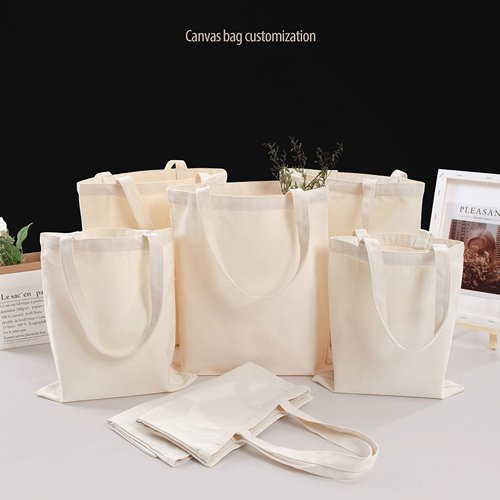
Foldable tote bags fit eco programs, travel retail, events, and giveaway campaigns. Lightweight fabric, compact folding, pouch packing, and easy storage make them convenient for repeat use.
Flat Canvas Tote
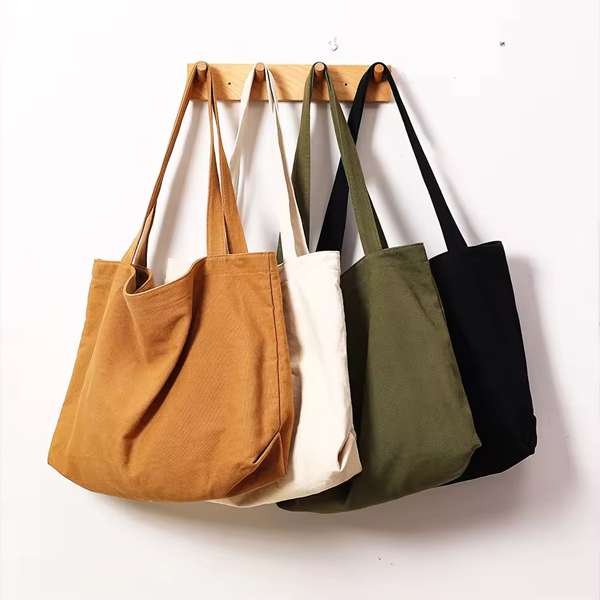
Flat canvas totes work well for events, handouts, light retail, and simple brand promotions. Long handles, screen printing, and easy folding make them cost-friendly for bulk distribution.
Canvas Tote with Pocket
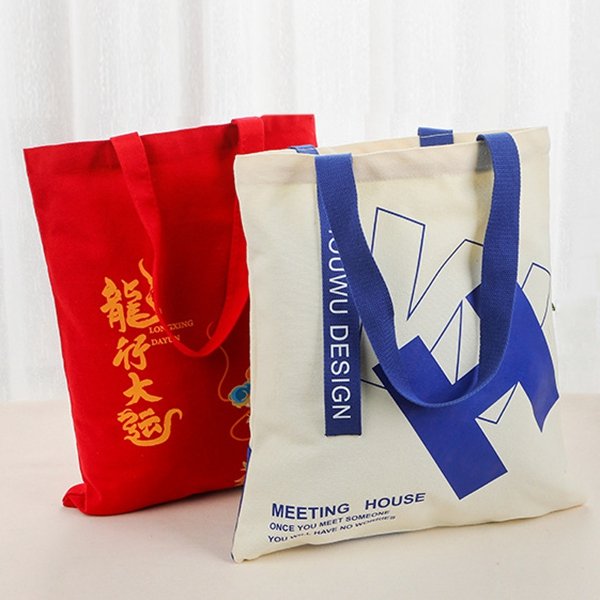
Canvas totes with pockets support lifestyle brands, daily carry, and organized retail use. Inner pockets, outer pockets, woven labels, and logo details make storage easier and branding clearer.
Large Canvas Shopper

Large canvas shoppers are ideal for grocery stores, supermarkets, chain stores, and high-capacity retail use. Strong handles, larger body size, carton sorting, and durable stitching support heavier loads.
Mini Canvas Tote

Mini canvas totes are a smart fit for beauty sets, cafes, gift shops, and small retail kits. Compact sizing, neat logo placement, hangtags, and color options create a polished gift-ready look.
Zipper Canvas Tote
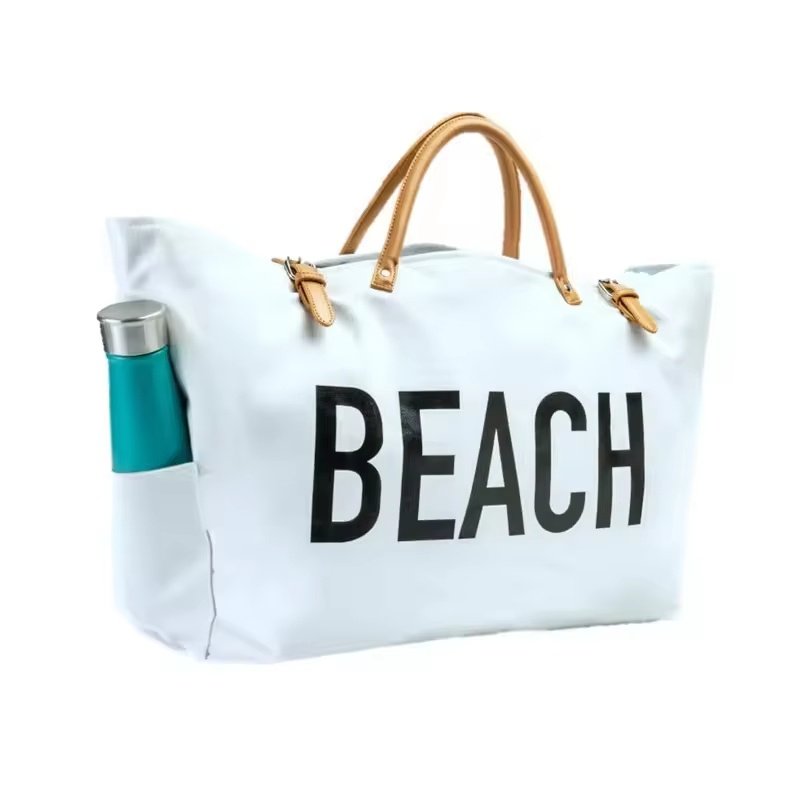
Zipper canvas totes add better security for travel, membership gifts, and retail sets. Zipper closure, inner pockets, custom pullers, and structured fabric help protect items during daily carry.
Gusseted Canvas Tote

Gusseted canvas totes offer more carrying space for bookstores, shopping programs, and store gifts. Bottom width, side gussets, and larger logo areas make them more practical for daily use.
Canvas Weight, Fabric Feel, and Daily Durability
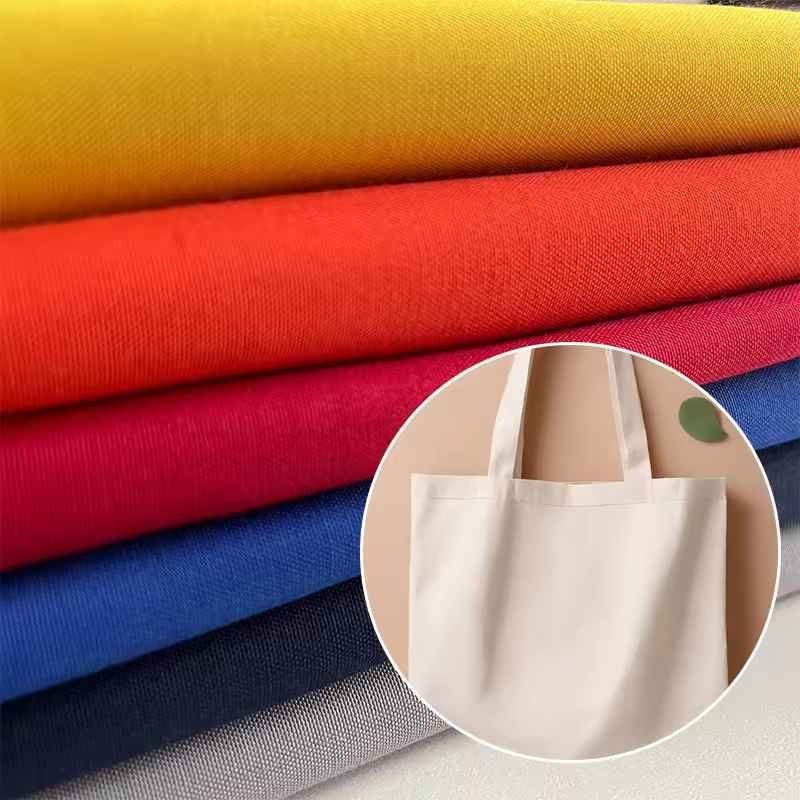
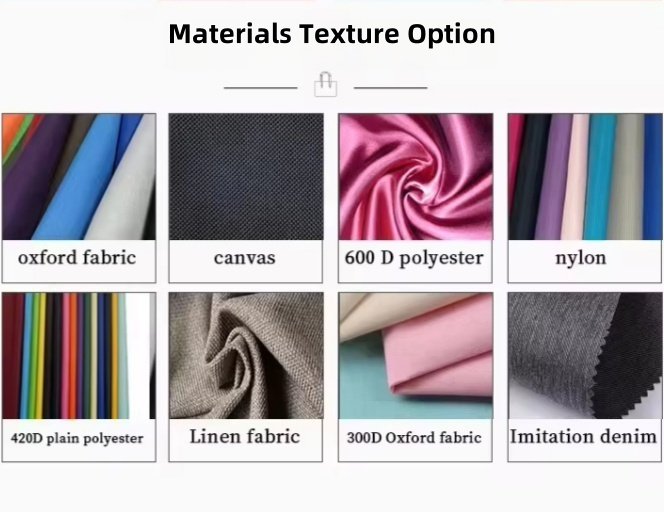
Canvas is not one single material choice. A lightweight cotton tote is useful for low-cost events. A medium canvas tote works well for brand gifts and store programs. Heavy canvas gives stronger structure and a more retail-ready feel. Natural cotton, organic cotton, recycled cotton, RPET blends, and jute-cotton blends can also support different brand directions.
Fabric selection should match the expected use. A tote for event flyers does not need the same strength as a grocery tote. A bookstore tote may need stronger fabric and handles because books are heavy. A fashion or lifestyle tote may need a cleaner surface for print and a better handfeel. A reusable shopping bag may need washing, folding, and long-term carrying performance.
| Material Direction | Better For | Review Before Production |
|---|---|---|
| Lightweight Cotton | Events, simple giveaways | Print clarity, folding, and cost control |
| Medium Canvas | Store gifts, daily carry, retail packaging | Handfeel, strength, logo result |
| Heavy Canvas | Retail sale, bookstore totes, merchandise | Structure, handle reinforcement, carton weight |
| Natural Canvas | Lifestyle brands, clean packaging | Shade consistency, print contrast |
| Organic Cotton | Eco-minded retail programs | Certification needs, cost, and material availability |
| Recycled Cotton / RPET Blend | Reusable programs, sustainability lines | Color tone, strength, supply stability |
| Jute-Cotton Blend | Natural retail packaging, grocery programs | Texture, print area, and handle comfort |
Logo Printing, Embroidery, and Brand Details
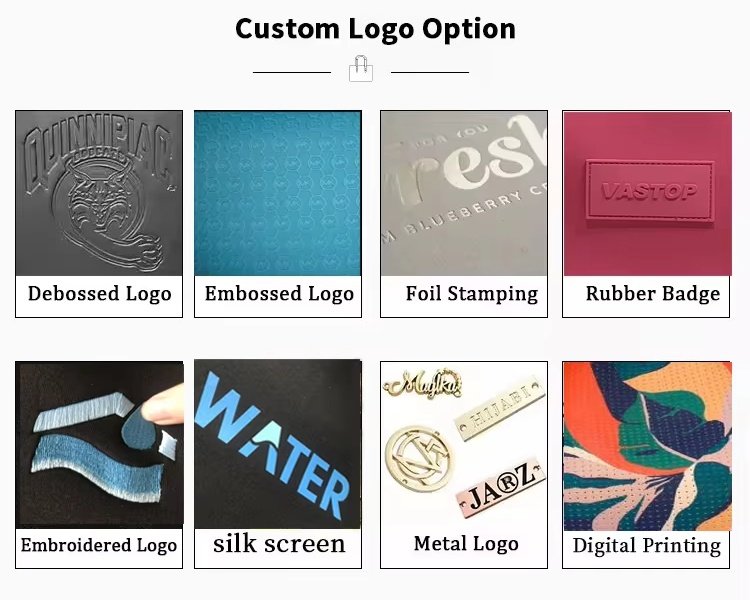
Canvas is a strong base for brand artwork, but the logo method should match the fabric and the design. Screen printing is a strong choice for simple logos, slogans, large flat artwork, and event bags. Heat transfer can support richer color details. Embroidery gives a more textured look for lifestyle brands and premium merchandise. Woven labels, leather patches, inner labels, and hangtags can make the tote feel more finished.
For retail programs, brand details go beyond the front logo. Handle color, handle length, inner pocket label, zipper puller, care label, hangtag, barcode sticker, and SKU label all affect how the tote is received in stores or warehouses.
Custom Hangtag

Custom hangtags help canvas totes look ready for store display. They can include brand story, material notes, barcode details, pricing information, or campaign messages.
Screen Printing

Screen printing suits simple logos, slogans, and large flat artwork on canvas totes. It is a practical choice for event giveaways, retail promotions, and high-volume brand projects.
Embroidery
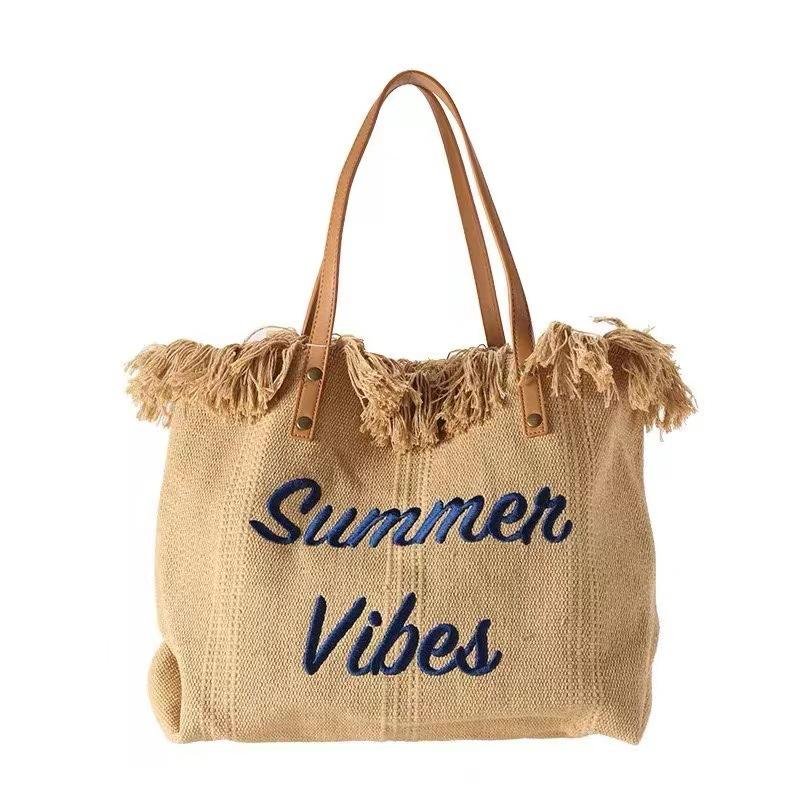
Embroidery gives canvas totes a stronger textured logo effect, suitable for premium retail lines, lifestyle products, and gift collections that need a more refined brand finish.
Heat Transfer

Heat transfer works well for multi-color artwork, smooth print areas, and detailed brand graphics. It helps canvas tote bags show cleaner colors for retail and promotional use.
Leather Patch

Leather patches work well on heavier canvas totes, outdoor styles, and lifestyle bags. They create a stronger logo detail and help the product feel more structured.
Barcode / SKU Label

Barcode and SKU labels support retail warehouse control, online stock management, and multi-style orders. They help separate colors, sizes, designs, and packing batches clearly.
Handle Color
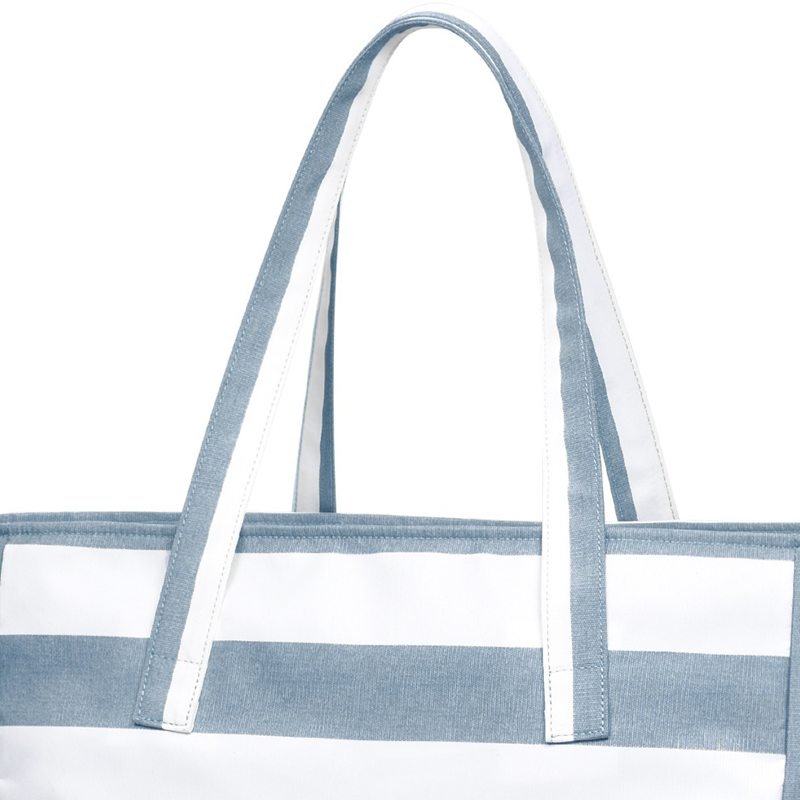
Custom handle colors help match brand palettes, seasonal collections, and multi-style tote series. Contrast handles can make simple canvas bags look more distinctive.
Woven Label
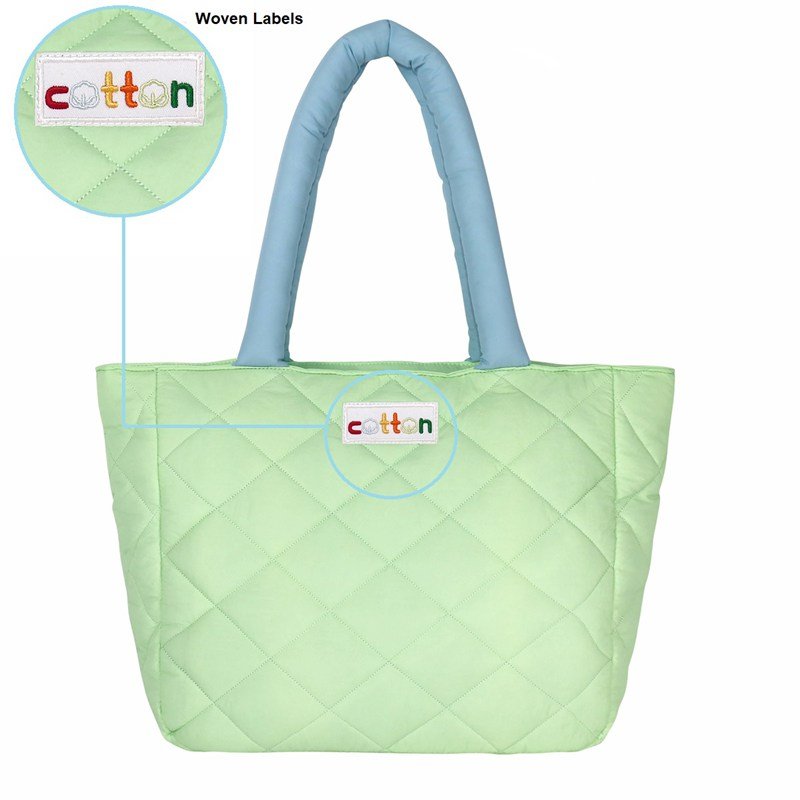
Woven labels are ideal for subtle branding, repeat collections, and private label canvas bags. They add a neat brand identity without covering the main tote design.
Inner Label
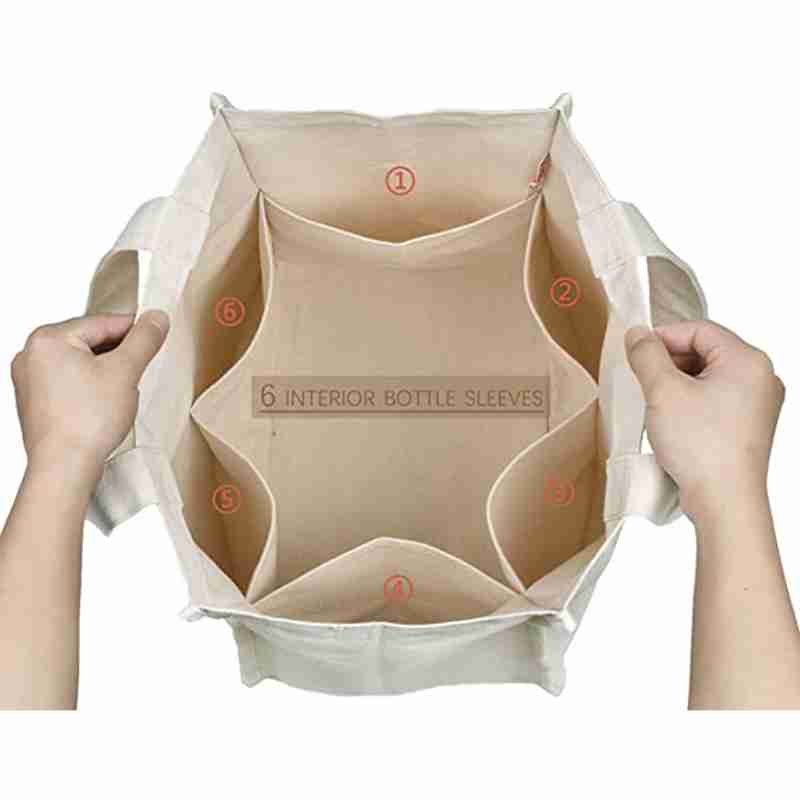
Inner labels support private label programs, retail branding, and product identification. They can show brand names, size details, origin information, or care instructions inside the tote.
Care Label

Care labels provide washing notes, fabric details, and retail product information for canvas tote bags. They help users maintain the bag and support more professional product presentation.
Before sampling, artwork should be reviewed for logo file quality, print size, placement, canvas color, fabric texture, and number of colors. It also helps confirm the final handfeel after printing, wash or rub resistance needs, and any hangtag, woven label, care label, barcode, or SKU label requirements.
Retail-Ready Packing with Tags and Barcodes
For store programs, private label lines, museum shops, bookstore merchandise, coffee shop goods, and lifestyle collections, packing details can affect how smoothly the tote bags move after arrival.
A tote sold in a store may need a hangtag for material details, care notes, brand story, or price information. A tote shipped to a warehouse may need barcode labels, SKU labels, color codes, carton marks, and clear quantity control. A tote used as a gift set carrier may need individual packing or set packing with other items.
| Packing Detail | Best Use |
|---|---|
| Hangtag | Store display, brand story, material notes |
| Barcode Label | Retail checkout, warehouse scanning, stock control |
| SKU Sticker | Multi-color, multi-size, and multi-style orders |
| Individual Polybag | Keeps each tote clean during transport and storage |
| Inner Label | Private label and repeat retail programs |
| Care Label | Washing notes and product information |
| Insert Card | Gift sets, campaign message, product explanation |
| Carton Mark | Warehouse receiving and shipment sorting |
| Color Sorting | Store allocation and multi-SKU distribution |
| Set Packing | Gift programs, kits, retail bundles |

Packing details should be confirmed based on the sales channel, barcode or SKU format, hangtag size, individual packing, bulk packing, carton quantity, carton size, and carton weight. For multi-color or multi-design canvas tote bag orders, clear sorting rules also help reduce mistakes during warehouse receiving and distribution.
Good packing keeps tote bags clean, counted, labeled, and ready for retail stores, online warehouses, distributors, event teams, or final delivery. It also supports smoother shipping routes and delivery schedules.
Event Giveaway Tote Bags for Campaigns and Launches
Canvas tote bags are widely used for trade shows, pop-up stores, store openings, product launches, school events, conferences, membership gifts, charity events, and seasonal campaigns.
For a large giveaway, the tote should usually be lightweight or medium weight, with a clear logo and simple folding. For a premium launch, a heavier canvas, larger print area, custom handle color, or hangtag can make the gift feel more valuable. For a reusable shopping campaign, handle strength and fabric durability become more important than decoration alone.


Event Tote Planning Guide:
| Event Type | Better Tote Direction | Details to Check |
|---|---|---|
| Trade Show | Lightweight flat tote | Fast packing, clear logo, carton count |
| Store Opening | Medium canvas tote | Brand color, gift packing, handout plan |
| Product Launch | Stronger visual tote | Print area, insert card, launch date |
| Pop-Up Event | Colorful or compact tote | Easy carry, photo appeal, quick distribution |
| Membership Gift | Better fabric and finish | Hangtag, inner label, repeat quality |
| School or Campus Event | Practical daily tote | Size, handle comfort, cost control |
| Charity or Eco Campaign | Reusable natural canvas tote | Material story, simple packing |
For event projects, timing matters as much as the bag itself. The size, fabric, logo method, packing count, carton volume, and delivery route should be reviewed together. A tote that folds neatly and packs efficiently can make a big difference when thousands of pieces need to be counted, shipped, and handed out on schedule.
Size Planning for Shopping, Gifts, and Daily Carry
Canvas tote size affects cost, comfort, capacity, carton volume, and user experience. A mini tote can work well for beauty gifts, coffee shop merchandise, and small retail goods. A medium tote is suitable for daily carry, bookstore items, event materials, and store gifts. A large shopper works better for grocery, lifestyle retail, and reusable shopping programs.
The bottom gusset also matters. A flat tote is easier to fold and ship. A gusseted tote can hold more products and stand better when filled. Handle length should match the use scene. Short handles feel neat for hand carry. Long handles are better for shoulder carry and daily use.
Mini Tote

Mini totes fit beauty sets, cafes, gift shops, and small retail kits. Compact size, light loading, neat logo placement, and simple hangtags help create a clean gift-ready canvas tote.
Small Tote
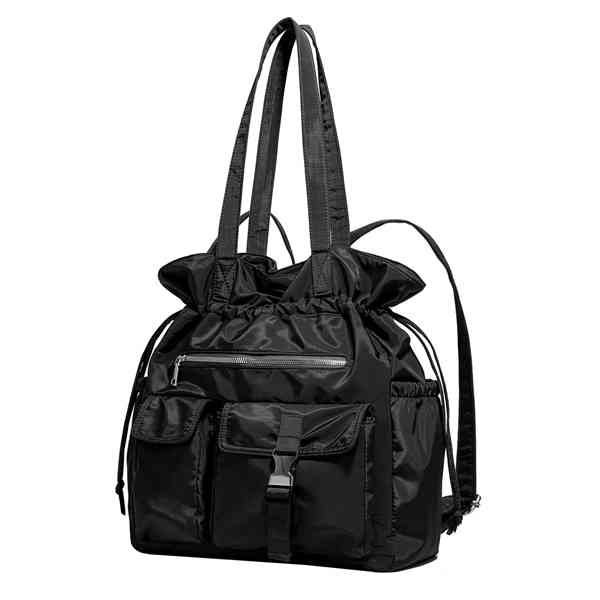
Small totes work well for event gifts, sample kits, store handouts, and promotional packaging. Easy folding, simple packing, and lightweight structure make them practical for bulk distribution.
Medium Tote
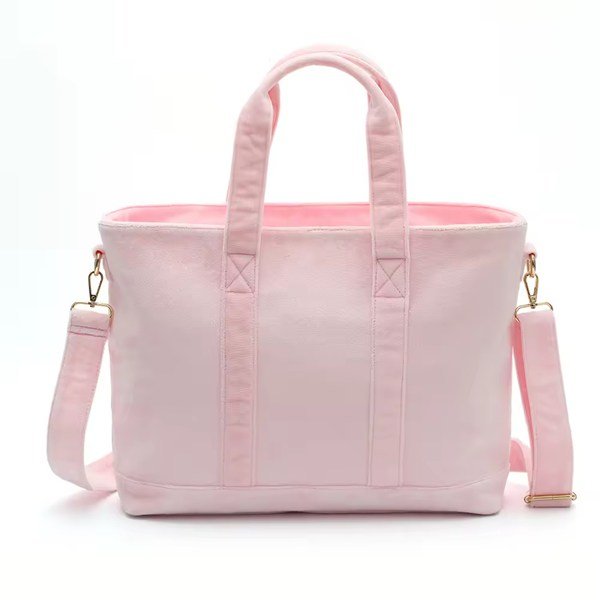
Medium totes offer a balanced choice for daily carry, bookstores, retail gifts, and lifestyle brands. They provide useful capacity while keeping cost, packing volume, and logo display easier to control.
Large Tote

Large totes suit grocery stores, lifestyle retail, shopping programs, and heavier daily use. Strong handles, bottom gussets, larger capacity, and carton planning help support smoother bulk orders.
Tall Tote

Tall totes are useful for books, documents, trade show materials, and vertical product packing. Height, handle drop, print position, and fabric strength should be checked before sampling.
Wide Tote
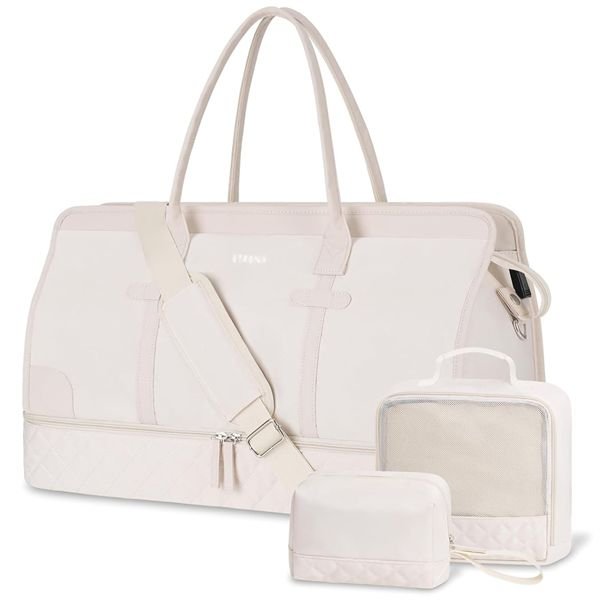
Wide totes fit apparel, gift boxes, retail products, and flat-packed items. Width, bottom support, packing method, and handle strength help keep the bag stable and easy to use.
Gusseted Tote
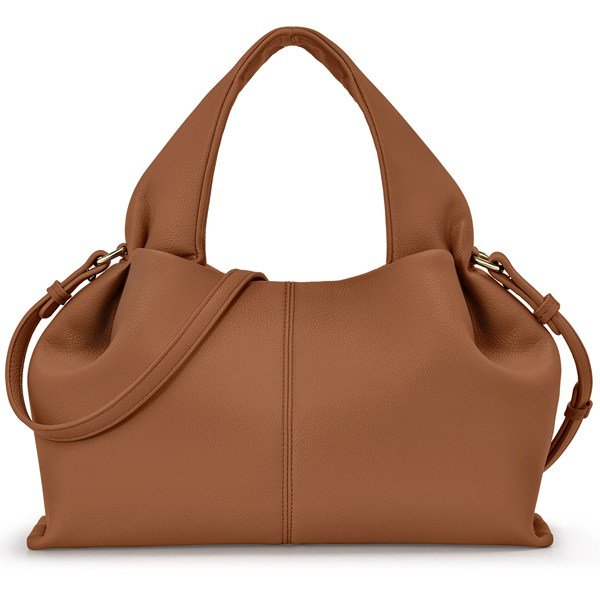
Gusseted totes provide more capacity for store merchandise, groceries, gift sets, and reusable shopping programs. Shape control, bottom seam strength, and side gussets improve loading performance.
Zipper Tote

Zipper totes suit membership gifts, travel use, premium retail programs, and secure daily carry. Opening size, zipper strength, inner pocket, and fabric structure should match the product purpose.
For size review, confirm the items to be carried, expected load weight, hand-carry or shoulder-carry preference, flat or gusseted structure, logo size, print area, folding method, carton quantity, and final use, such as retail display or event handout.
A practical size test is to place real items inside the sample, check handle comfort, fold the tote as it would be packed, and review the carton volume. This helps avoid bags that look good but feel awkward, carry poorly, or increase shipping costs.
Sampling, MOQ, and Bulk Order Planning
Jundong supports in-house sampling for custom canvas tote bag projects. Standard sampling time is usually 5–7 days. Some simple tote styles can be sampled in 2–3 days when the fabric, size, artwork, and structure are clear.
The usual MOQ is 500 pcs per design. For some simple canvas tote bag projects, 200–300 pcs can be reviewed depending on fabric availability, structure, logo method, and packing requirements. Bulk production usually takes 20–30 days after sample approval and material readiness.
Fabric Review

Fabric review confirms canvas weight, handfeel, color shade, texture, and shrinkage risk. It also helps identify defects early before cutting, printing, sewing, and bulk tote bag production.
Size Review

Size review checks tote width, height, bottom gusset, handle drop, and panel direction. Accurate sizing helps the canvas tote fit real products, packing plans, and daily carrying needs.
Structure Review

Structure review confirms flat, gusseted, pocket, zipper, lining, and reinforcement details. This step helps improve carrying performance, storage function, shape stability, and long-term tote bag use.
Logo Test

Logo testing checks print size, placement, color accuracy, clarity, adhesion, embroidery quality, and final handfeel. It helps the brand artwork look clean and consistent on canvas fabric.
Handle Check

Handle check reviews length, width, attachment strength, comfort, and stitching security. Strong handles help canvas totes carry real weight while staying comfortable for hand or shoulder use.
Packing Trial
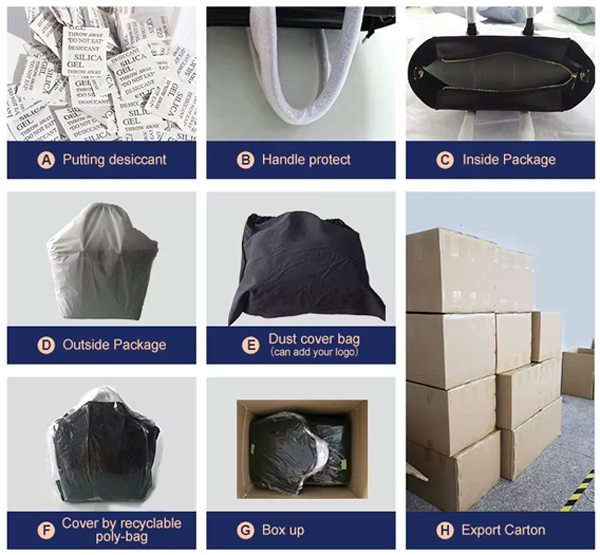
Packing trial confirms folding method, polybag size, hangtag position, label details, and carton count. Proper packing keeps canvas totes clean, organized, labeled, and ready for delivery.
Final Sample Approval
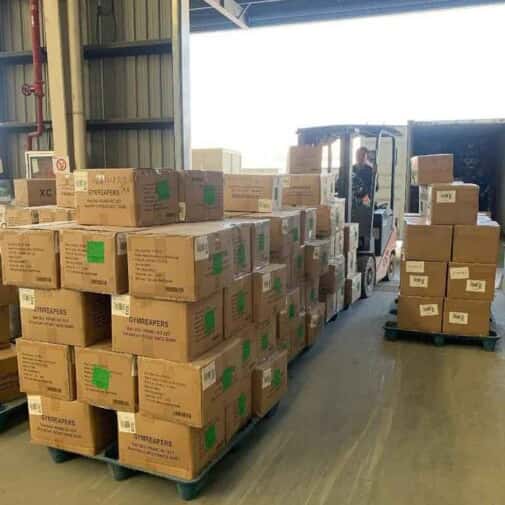
Final sample approval creates the reference standard for bulk orders and repeat runs. It confirms fabric, size, structure, logo, handles, packing, and production details before mass work starts.
For quotation and sampling, please send a reference image or sketch, target size, preferred canvas weight or material direction, logo file, order quantity, color requirement, packing request, delivery country, and target delivery date. These details help review tote structure, fabric cost, logo method, sample feasibility, and bulk order planning more accurately.
For retail programs, a clear sample record is useful for future reorders. Photos, measurements, material notes, logo placement, handle details, packing notes, and carton information help later batches stay closer to the approved sample.
Quality Checks for Canvas Tote Bag Orders
A strong canvas tote order starts with material control. Fabric color, canvas weight, surface texture, shrinkage risk, smell, and stains should be reviewed before cutting. During production, panel size, handle placement, stitching density, bottom gusset, pocket position, zipper movement, and loose threads need regular checks.
Logo and brand details need separate review. A tote used for retail or events must have the right logo position, print clarity, color accuracy, and durable finish. If the order includes hangtags, barcode labels, SKU stickers, inner labels, care labels, or carton marks, these details should be checked against the final packing plan.
Jundong has 80 quality inspectors and supporting inspection equipment, with checks covering incoming materials, production steps, and finished goods before shipment. This is especially useful for retail tote programs, event giveaway tote bags, private label canvas bags, and repeat bulk orders where consistency matters.
| Check Area | What Gets Reviewed |
|---|---|
| Fabric | Color, canvas weight, texture, stains, smell, shrinkage risk |
| Cutting | Panel size, grain direction, shape consistency |
| Stitching | Seam strength, stitch density, loose threads, edge finish |
| Handles | Length, width, attachment position, reinforcement strength |
| Logo | Print position, size, color, clarity, adhesion, alignment |
| Structure | Bottom gusset, inner pocket, zipper, snap button, lining |
| Labels | Hangtag, inner label, care label, barcode, SKU sticker |
| Packing | Folding, individual polybag, set packing, color sorting |
| Carton | Quantity, carton mark, weight, shipping label, mixed styles |
Before shipment, inspection should check fabric shade, canvas weight, logo position, handle length, bottom gusset shape, loose threads, barcode accuracy, SKU sorting, carton marks, and packing plan. These details help avoid color mismatch, wrong labels, mixed cartons, and last-minute warehouse problems.

Repeat Orders and Multi-SKU Retail Programs
Repeat orders need more than the same artwork file. They need clear records of fabric, canvas weight, color, size, handle length, logo position, print method, label placement, packing style, carton quantity, and inspection focus.
For retail brands, lifestyle collections, bookstore totes, museum shop bags, supermarket shopping totes, event giveaway bags, and private label lines, consistency helps the product stay recognizable across different batches. A small change in fabric shade, print size, handle drop, or label position can be obvious when the new batch is placed beside the earlier one.
Jundong can support multi-SKU canvas tote projects with different sizes, colors, prints, handles, labels, packing formats, and carton sorting rules. This helps when one program includes store allocation, online sales, retail shelves, event stock, distributor orders, or regional versions.


Multi-SKU Program Checklist:
| Program Detail | What to Keep Clear |
|---|---|
| Fabric Standard | Canvas type, weight, texture, color reference |
| Size Version | Mini, small, medium, large, tall, wide, gusseted |
| Logo Version | Artwork file, print size, print position, color |
| Handle Detail | Length, width, color, reinforcement method |
| Label System | Inner label, care label, hangtag, barcode, SKU |
| Packing Format | Folded size, polybag, set packing, carton quantity |
| Sorting Rule | By color, size, artwork, store, region, or SKU |
| Reorder Record | Approved sample photos, measurements, and production notes |
Typical retail tote programs may include one logo across three tote sizes, one tote style in seasonal colors, bookstore artwork themes, museum collection prints, coffee shop mini totes, private label SKU labels, or event totes with retail-ready follow-up versions.
For long-term canvas tote projects, keeping an approved sample and written specification record helps control size, fabric, logo placement, color, packing, SKU details, and repeat order consistency.
Make a sample first ?
A strong canvas tote should match your brand identity, retail price, daily use scene, and packing plan. From fabric weight and handle length to logo printing, labels, hangtags, and carton marks, clear details help every order move smoothly from sample to bulk production.
Client Testimonials
800+ brand Clients Trust Jundong


Ready to Build a Custom Canvas Tote Bag That Fits Project? Contact Us!
Your custom canvas tote bag project may be simple, or it may need several layers of detail. A brand campaign may need clean logo printing, matched colors, soft handfeel, and simple event packing. A retail program may need heavier canvas, neat stitching, woven labels, hangtags, barcode stickers, individual packing, carton marks, and repeat order records. A lifestyle or private label line may need custom sizes, inner pockets, zipper closures, gusseted bottoms, care labels, and coordinated packaging.
The best result usually starts with a clear project brief. You do not need to finalize every detail before reaching out. If you already have a logo file, artwork, bag size, canvas weight, handle length, color reference, packing request, or previous sample, that will help. If not, you can start with the basics: what the tote bag is for, how many pieces you need, what logo or design should be added, which sales or retail channel it will serve, and when the goods need to arrive.
Jundong can help turn these early details into a workable custom canvas tote bag specification. The review can include canvas fabric choice, tote size, gusset structure, handle length, stitching reinforcement, pocket layout, zipper option, logo method, woven label position, hangtag layout, barcode rules, packing method, sample timing, bulk lead time, QC checkpoints, carton marks, and shipment preparation.
For faster review, send your logo, quantity, use scene, canvas fabric preference, bag size, color direction, packing needs, and delivery timeline to info@jundongfactory.com. If your project is still open-ended, share the goal first: brand promotion, retail tote line, boutique collection, bookstore program, supermarket campaign, corporate gift, eco event, resort merchandise, or private label canvas tote series. A practical recommendation can start from there.
The right custom canvas tote bag is not always the most complex option. It is the option that fits the brand style, supports real daily use, presents the logo clearly, works for retail packaging, and can be produced at a realistic cost and timeline.
Custom canvas Tote Bags products Made Easy
At Jundong factory, we make complexity simple! Follow these three steps to get started immediately:
1. Tell Us Your Needs
Provide us with detailed information about your requirements, supply design drawings or tech packs, reference images, and share your ideas.
2. Get Solutions and a Quote
We will customize the best solution based on your needs and drawings, and provide a specific quote within 24 hours.
3. Confirm for Mass Production
Once we receive your confirmation and deposit, we will commence mass production and take care of the subsequent shipping arrangements.
FAQs, You ask, we answer
Choosing custom canvas tote bags becomes much easier when the brand, product, and retail details are clear from the beginning. The right tote bag may change depending on whether it is used for brand promotions, retail shelves, boutique collections, bookstore programs, supermarket campaigns, corporate gifts, eco events, or private label lines.
These FAQs cover the practical details often reviewed before sampling, including canvas weight, tote size, handle length, gusset structure, pocket options, zipper closure, logo method, woven labels, hangtags, barcode stickers, packing rules, MOQ, lead time, carton marks, and bulk quality control.


Certainly, the best canvas tote bag depends on how the bag will be used, what it needs to carry, how it will be displayed, and whether it will be sold, gifted, or handed out at events. A basic flat tote works well for trade shows, school events, lightweight giveaways, and simple brand promotions. It folds neatly, packs efficiently, and keeps cost easier to manage.
For store merchandise, bookstore totes, museum shop bags, lifestyle collections, and reusable shopping programs, a medium or heavy canvas tote is often a better choice. It feels stronger in the hand, holds shape better, and can support a more polished retail look. If the tote needs to carry books, groceries, apparel, beauty sets, or boxed items, a gusseted bottom can make the bag more useful because it adds capacity and helps the tote stand better when filled.
A zipper canvas tote is a smart option for membership gifts, travel programs, or higher-value store items because it keeps contents more secure. A tote with an inner pocket is useful for daily carry and lifestyle retail. A mini canvas tote can work well for coffee shops, beauty gift sets, small retail goods, and limited drops.
Before choosing a style, review four details: the expected load, the desired retail value, the logo area, and the packing method. A tote that looks attractive but feels weak, folds badly, or takes too much carton space may create problems later. A good tote bag should look right, carry comfortably, pack efficiently, and still feel useful after the first use.
Sure, canvas weight should match the project purpose, not just the price target. Lightweight cotton or light canvas is suitable for simple event giveaways, trade show handouts, campus programs, and short-term campaigns. It is easier to fold, lighter to ship, and more cost-friendly for large quantities. The trade-off is that it may feel softer, thinner, and less structured.
Medium canvas is a good middle choice for many brand and retail programs. It can work for store gifts, daily carry totes, bookstore bags, lifestyle merchandise, coffee shop totes, and reusable shopping bags. It usually gives a better handfeel than lightweight fabric while still keeping packing and cost manageable.
Heavy canvas is better for retail sale items, premium brand merchandise, grocery totes, book totes, and long-term reusable programs. It feels stronger, holds shape better, and can support a higher perceived value. However, it can also increase material cost, sewing time, carton weight, and shipping volume, so it should be chosen when the project truly needs that stronger feel.
A simple way to choose is:
| Use Case | Suggested Direction |
|---|---|
| Large event handout | Lightweight cotton or light canvas |
| Store gift | Medium canvas |
| Retail merchandise | Medium to heavy canvas |
| Bookstore or grocery tote | Heavy canvas with reinforced handles |
| Eco shopping program | Natural canvas, organic cotton, recycled cotton, or RPET blend |
Before production, review fabric handfeel, surface texture, shrinkage risk, logo method, handle strength, and folded carton volume. A fabric sample or tote sample is the most reliable way to confirm the final direction.
Absolutely, the usual MOQ for custom canvas tote bags is around 500 pcs per design. Some simple tote styles can be reviewed at 200–300 pcs when the fabric is available, the structure is basic, the logo method is simple, and packing requirements are not complex. This depends on material sourcing, fabric color, tote size, printing setup, sewing steps, label needs, and carton packing.
MOQ is not only a quantity number. It affects unit cost, fabric purchasing, print setup, cutting efficiency, sewing arrangement, inspection time, and packing labor. For a new brand gift, coffee shop tote, small event, or limited test project, a lower quantity may be useful for checking response. For store programs, retail merchandise, supermarket shopping totes, bookshop bags, and seasonal campaigns, 500 pcs or more usually gives a better cost structure.
If the tote needs custom dyed canvas, heavy fabric, embroidery, woven labels, leather patches, custom handles, barcodes, hangtags, or multiple color versions, the order may need more quantity because these details require extra preparation. If the project uses existing natural canvas, a basic flat tote structure, and simple one-color printing, it may be easier to review a smaller starting quantity.
Jundong’s standard MOQ, sampling, and production planning are based on project details. Standard sampling time is usually 5–7 days, with some simple styles possible in 2–3 days. Bulk production usually takes 20–30 days after sample approval and material readiness.
Definitely, the best logo method depends on the canvas weight, fabric texture, artwork detail, color count, order quantity, and expected brand effect. Screen printing is one of the most common choices for canvas tote bags. It works well for simple logos, slogans, large flat artwork, event tote bags, and retail merchandise with clear graphic areas.
Embroidery is better when the brand wants a textured, premium, lifestyle-driven feel. It works well on medium or heavy canvas, especially for smaller logos, initials, icons, and refined merchandise. It may not be ideal for very large filled graphics because embroidery can add weight, stiffness, and cost.
Heat transfer can support more color detail and smoother graphic edges, but it should be tested on the chosen fabric because texture and heat settings can affect the final result. Woven labels are a smart option for subtle branding, repeat collections, and private label totes. Leather patches can work well on heavy canvas bags, outdoor-inspired totes, and premium store merchandise.
For retail programs, logo work may also include hangtags, inner labels, care labels, barcode stickers, and SKU labels. The front artwork helps people notice the tote. The smaller details help the tote feel complete as a store item.
Before sampling, review these details:
| Detail | Why It Matters |
|---|---|
| Artwork file | Controls clarity and production accuracy |
| Canvas texture | Affects print edges and logo sharpness |
| Logo size | Affects visibility and cost |
| Color count | Affects setup and price |
| Placement | Affects overall balance |
| Use case | Event, retail, gift, daily carry |
| Wash or rub needs | Affects durability review |
A logo should not only be visible. It should feel right on the fabric and stay aligned with the brand style.
Of course. Canvas tote bags can be prepared for retail programs with hangtags, barcode stickers, SKU labels, inner labels, care labels, individual packing, color sorting, carton marks, and packing lists. These details are especially useful for store merchandise, museum shops, bookstores, lifestyle collections, coffee shop goods, supermarket shopping totes, and private label lines.
A tote sold in stores often needs more than a logo. A hangtag can show the material, size, care notes, brand story, collection name, or retail price. A barcode sticker helps checkout, inventory control, warehouse receiving, and store scanning. SKU labels help separate different colors, sizes, designs, or seasonal versions. Inner labels and care labels make the tote feel more complete and help repeat orders stay consistent.
Retail packing also affects how the tote is handled after arrival. Individual polybags keep each tote clean during shipping and storage. Folded packing can reduce carton volume. Color sorting helps stores or distributors receive the correct versions. Carton marks help warehouse teams identify quantity, style, SKU, destination, and shipment details.
A simple retail packing plan may include:
| Retail Detail | Useful For |
|---|---|
| Hangtag | Display and product information |
| Barcode | Store scanning and stock control |
| SKU label | Color, size, and style sorting |
| Inner label | Private label identity |
| Care label | Cleaning and use instructions |
| Polybag | Clean storage and transport |
| Carton mark | Warehouse receiving |
Retail-ready packing saves time after arrival. It also reduces relabeling, re-sorting, and repacking work before the tote bags reach stores or final users.
Usually, bulk production for custom canvas tote bags takes about 20–30 days after sample approval and material readiness. The actual timeline depends on fabric availability, canvas weight, dyeing needs, logo method, order quantity, sewing complexity, packing requirements, and inspection schedule.
A simple flat canvas tote with available fabric and one-color screen printing can usually move faster than a heavy canvas zipper tote with embroidery, custom handles, inner pocket, hangtag, barcode label, and individual packing. If the order includes several colors, several sizes, or different SKU versions, extra time may be needed for sorting, label checking, and carton planning.
A practical timeline often looks like this:
| Stage | Typical Review |
|---|---|
| Project review | Size, fabric, logo, quantity, packing |
| Sampling | Usually 5–7 days; some simple styles 2–3 days |
| Sample approval | Size, print, handle, packing confirmation |
| Material preparation | Fabric, handles, labels, zipper, trims |
| Bulk production | Cutting, printing, sewing, finishing |
| Inspection and packing | Label check, folding, carton mark, final review |
| Shipment preparation | Packing list, carton details, delivery route |
For event giveaways, store openings, seasonal launches, or retail drops, the target date should be shared early. This allows the team to review whether the schedule fits sampling, production, packing, and shipment. A clear production calendar helps avoid rushed decisions close to the launch date.
The fastest projects are usually the clearest projects. When size, fabric, artwork, quantity, packing, and delivery country are confirmed early, production can be planned with fewer pauses.
Absolutely. Makeup bags can be packed together with skincare bottles, cosmetic tubes, makeup brushes, palettes, beauty tools, sample sachets, travel-size products, and gift cards as a complete retail set. The key is to confirm the loading method before bulk packing begins.
For a retail beauty set, the bag must do more than hold items. It should keep the products neat, make the set feel complete, and support the final selling format. If the pouch will be sold on a shelf, barcode placement, hangtag position, product visibility, and bag shape matter. If the set will be shipped through e-commerce channels, packed size, product movement, and protection become more critical.
There are usually three packing methods. The first is empty bag packing, where the pouch is shipped as a standalone item. The second is set packing, where cosmetic products are placed inside the bag before shipment. The third is display packing, where the bag and products are arranged together in a box, sleeve, tray, or gift pack.
Before confirming set packing, it helps to review the product order, inside direction, weight after loading, zipper pressure, and whether the products may scratch the lining. For fragile bottles or premium gift kits, a paper insert, inner card, tissue wrap, or divider may be useful. For high-volume event sets, a simple and repeatable packing method is better than a complicated arrangement that slows the packing line.
A clear packing reference photo can save many problems. Once the first set is approved, the same photo can guide product placement, label position, and carton packing for the full order.
Certainly. Canvas tote bags are one of the most useful event giveaway items because they are practical, visible, easy to carry, and often reused after the event. They can be used for trade shows, pop-up stores, conferences, campus events, store openings, brand launches, charity campaigns, and membership programs.
For event giveaways, the tote should be planned around four things: carrying purpose, logo visibility, packing speed, and delivery schedule. If the tote will hold brochures, catalogs, samples, notebooks, or small gifts, the size and handle strength should match the load. If the main purpose is brand exposure, the logo area should be clear and easy to see from a distance. If thousands of pieces need to be handed out quickly, folding, carton count, and packing method become very practical details.
Different events need different tote directions:
| Event Type | Better Tote Choice |
|---|---|
| Trade show | Lightweight flat tote with clear logo |
| Store opening | Medium canvas tote with gift-style packing |
| Product launch | Strong visual tote with insert card |
| Campus event | Practical tote with comfortable handles |
| Charity campaign | Natural canvas or reusable shopping tote |
| Pop-up shop | Compact tote with photo-friendly design |
| Membership gift | Better fabric, hangtag, inner label |
Event totes do not need to be complicated, but they do need to be prepared correctly. A simple tote with the right size, clean print, strong handles, and efficient packing can perform better than an over-designed bag that is hard to distribute.
For large event programs, carton marks, quantity per carton, delivery route, and handout schedule should be checked early. This helps the event team receive, count, store, and distribute the tote bags with less pressure.
Definitely, repeat order consistency comes from clear records and confirmed references. For canvas tote bags, the approved sample, fabric weight, fabric color, handle length, logo size, logo position, print method, label placement, packing style, carton quantity, and inspection notes should all be saved before the first bulk order is finished.
Retail tote programs often grow over time. A bookstore may reorder the same tote for a new season. A museum shop may add new artwork based on the same bag structure. A lifestyle brand may launch new colors every quarter. A supermarket or grocery program may need the same reusable shopping tote across different locations. Without clear records, small differences can appear between batches.
The most common repeat order risks include:
| Risk | What to Control |
|---|---|
| Fabric shade difference | Keep fabric swatch or color reference |
| Canvas weight change | Record fabric weight and material type |
| Logo position shift | Save placement measurements |
| Handle length variation | Record handle width and drop length |
| Print color difference | Keep artwork and color reference |
| Packing change | Save folding method and carton count |
| SKU mix-up | Use barcode and carton sorting records |
A written specification sheet can make repeat orders much easier. It can include size, fabric, handle, print, label, packing, carton, and inspection details. Photos of the approved sample from multiple angles are also very useful.
Consistency does not mean the tote can never change. It means changes are controlled. New colors, new sizes, or new prints can be added while the core standard stays stable.
Sure. To get an accurate quote for custom canvas tote bags, it is best to provide the tote style, target size, canvas weight or fabric preference, logo file, quantity, color requirement, handle details, packing request, delivery country, and target date. If the tote will carry specific products, books, gift boxes, apparel, groceries, or event materials, those item details are also helpful.
A complete quote request usually includes:
| Information | Why It Helps |
|---|---|
| Tote reference image | Shows the style direction |
| Size | Helps calculate fabric use and capacity |
| Canvas weight | Affects cost, handfeel, and durability |
| Logo file | Helps review print or embroidery method |
| Quantity | Affects MOQ, unit cost, and production setup |
| Color requirement | Helps check stock color or dyeing needs |
| Handle length | Affects use comfort and material cost |
| Packing method | Affects labor, labels, carton volume |
| Barcode or SKU needs | Useful for retail and warehouse handling |
| Delivery country | Helps review export and shipping details |
| Target date | Helps check sampling and production schedule |
If the design is not final yet, a reference photo and rough size can still be enough for an early estimate. If the project includes retail tags, barcodes, inner labels, individual packing, color sorting, or set packing, include those details early so the quotation can reflect the real project cost.
The most accurate quotes come from clear project information. A low price that misses hangtags, barcodes, carton sorting, or packing labor can create surprises later. A complete quote makes it easier to compare options and choose the right tote for the project.
Project files, logo artwork, product measurements, and packing references can be sent to info@jundongfactory.com for review.