Skip to content
Custom Backpacks for Schools, Brands, and Corporate Programs
Develop custom backpacks for school, brand, and corporate programs with material review, logo options, sampling, QC, packaging, and bulk support.
Develop program-ready backpacks with material review, logo work, sampling, QC, packaging, and bulk production from Guangdong.
- Built for school kit releases, campus events, retail brand programs, employee gifts, conference packs, and long-term product lines.
- Jundong supports backpack projects from structure review, material selection, logo method, sample development, and production planning to packing control.
- 20+ years of OEM/ODM experience, 600+ employees, an 18,000 m² factory area, and 80 QC inspectors support stable custom bag projects.
- Send a reference photo, size, logo file, quantity, packing needs, deadline, and destination for a clear review.


Backpack Programs Need Different Review Paths
School Programs
School backpack projects often focus on daily use, large-quantity planning, and a clear delivery date. A student’s bag may need enough space for books, folders, tablets, water bottles, and personal items without becoming too heavy. For back-to-school kits, campus programs, youth sports teams, and school spirit gifts, Jundong helps review the following:
- Student age group and target capacity
- Shoulder strap comfort and back padding
- Main compartment and front pocket layout
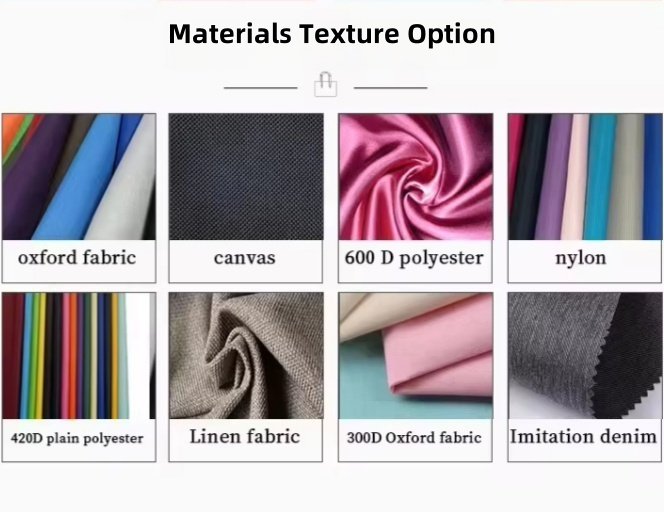
- 600D polyester, Oxford fabric, RPET, or other material options
- Logo method for school name, mascot, team, or event
- Color sorting, carton marks, and distribution packing
Brand Programs
Brand backpack projects usually need more than a logo on an existing bag. A retail brand, private label line, e-commerce collection, sports brand, outdoor brand, travel brand, or lifestyle brand often needs a backpack that carries a clear visual identity. Jundong can help review:
- Product shape, size, and compartment structure
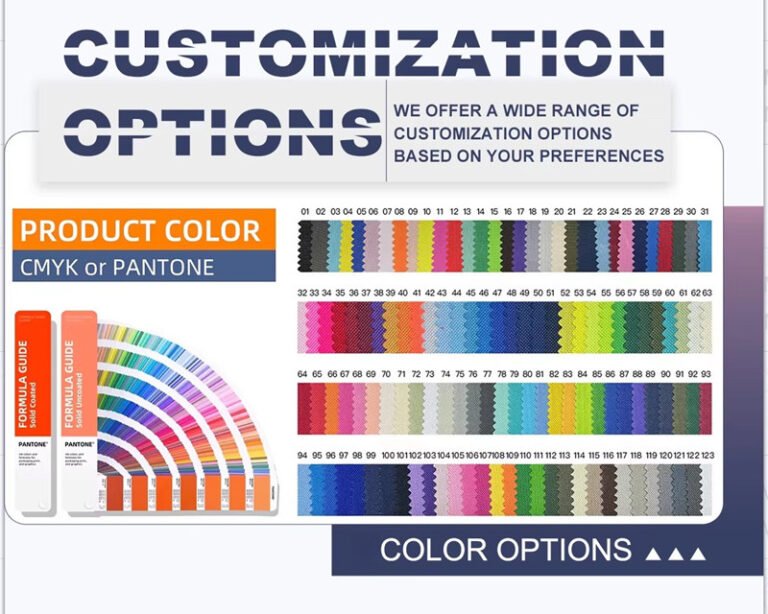
- Fabric hand feel, color tone, and surface texture
- Logo method, label position, hangtag, and inner label
- Laptop sleeve, organizer pocket, side pocket, and zipper system
- Retail packing, barcode labels, SKU rules, and repeat order records
- Sample records for future color, material, and logo consistency
Corporate Programs
Corporate backpack programs usually care about use rate, professional appearance, and delivery discipline. Employee onboarding kits, conference backpacks, sales team bags, client gifts, training packs, and travel incentive programs need a product people will actually use after the event. Jundong helps review:
- Laptop compartment size, inner organization, and document storage
- Business-friendly materials, colorways, and logo placement
- Embroidery, woven label, leather patch, rubber patch, or heat transfer
- Packing for gift sets, event distribution, or department sorting
- Production schedule based on event date and destination
- Outer carton labels, quantity rules, and shipping document needs
Structure Details: Decide Daily Backpack Performance
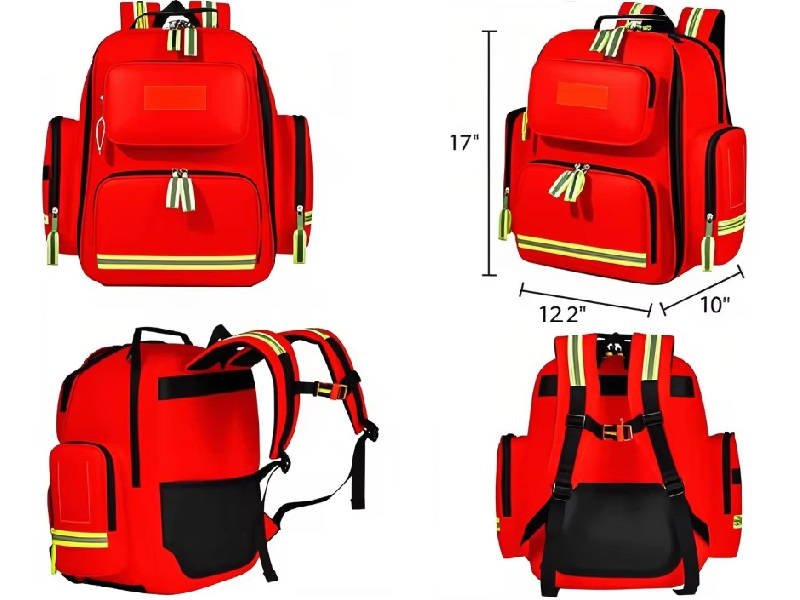
A backpack may look simple from the outside, but daily performance comes from inner layout, strap strength, padding, zipper flow, pocket placement, and reinforcement. These details should be reviewed before sample approval.
Load Path And Strap Strength
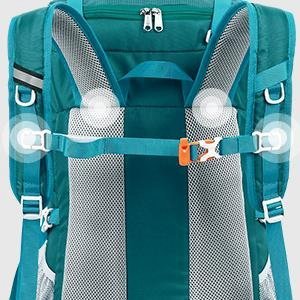
Backpack performance starts with the load path. When books, laptops, bottles, uniforms, or travel items sit inside the bag, weight moves through the shoulder straps, top handle, side seams, back panel, bottom panel, and zipper openings. If one area is weak, the bag may fail even when the fabric looks strong.
Jundong reviews the load path before sample production by checking:
- Shoulder strap width, curve, padding, and stitching
- Top handle webbing and sewing density
- Back panel and bottom panel structure
- Side seam strength near bottle pockets
- Bartack positions at high-stress zones
- Fabric thickness against expected load
Compartments And Storage Flow
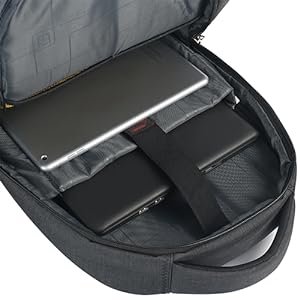
The backpack layout should match the way people actually use the product. A student may need quick access to stationery, tablets, lunch items, and water bottles. A corporate user may need a laptop sleeve, charger pocket, document area, pen organizer, and clean front panel. A brand retail pack may need a unique layout that feels different from a standard promotional bag.
Jundong can review compartment planning according to use scenario, product size, and target capacity. Before sampling, the layout should confirm:
- Main compartment opening size
- Laptop sleeve size, padding, and position
- Front pocket depth and zipper direction
- Side pocket stretch, width, and seam strength
- Inner pocket count and placement
- Lining color and cleaning requirement
Padding, Zippers, and Comfort

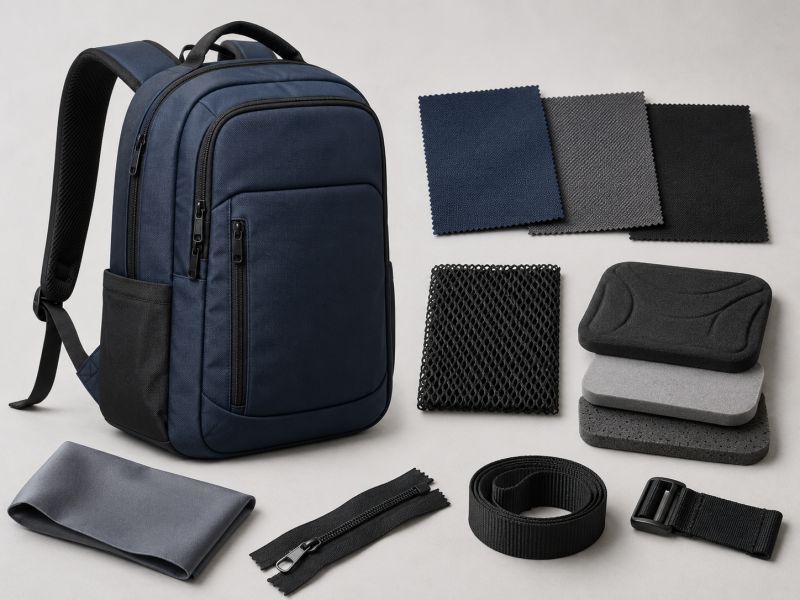
Jundong reviews padding and hardware as part of sample development. Shoulder straps can use different foam thickness, curved shapes, mesh backing, or reinforced webbing depending on the project. Back panels can be simple, padded, breathable, or shaped for travel and laptop use. Zippers can be selected by size, puller style, smoothness, color, and stress level.
Key details to confirm include:
- Shoulder strap foam thickness and width
- Back padding shape and breathable mesh option
- Zipper size, puller style, and opening direction
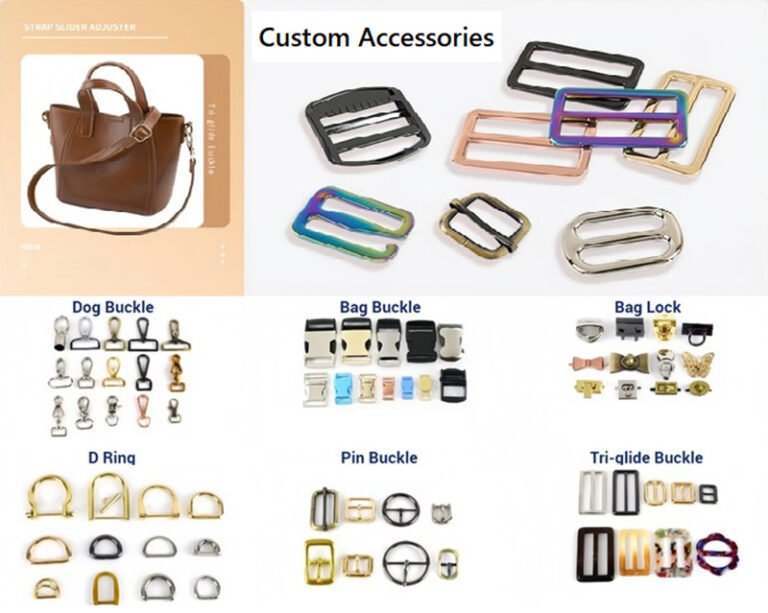
- Buckle, adjuster, webbing, and handle material
- Laptop padding thickness and edge protection
- Bottom support and corner reinforcement
Backpack Styles For Program Goals
A custom backpack should be selected by use case first, not by appearance alone. The right style depends on daily load, user age, laptop needs, logo visibility, packing method, and delivery plan.
School Backpacks

School backpacks are used for student kits, campus stores, after-school programs, youth groups, donation drives, and sports team releases. A good school backpack should be light enough for daily use but strong enough to carry books, folders, lunch items, water bottles, and basic devices. Jundong can review material thickness, shoulder strap width, back padding, zipper quality, side pocket structure, and color consistency before sampling.
- Common size idea: 15–18 inches
- Common fabrics: 600D polyester, Oxford, RPET
- Key details: front pocket, side pockets, padded straps
- Useful logo methods: screen print, embroidery, woven label
Private Label Packs

Private label backpacks are developed for brands that need their own material feel, color language, logo system, retail packing, and repeat order records. A private label backpack should be planned as a product line, not a single sample. Jundong can review shape, fabric, trims, zipper puller, inner label, woven label, hangtag, barcode, carton rules, and future reorder details.
- Brand details: inner label, woven label, logo patch
- Retail support: barcode, hangtag, polybag, carton mark
- Record needs: material card, color record, sample version
- Best fit: retail, online store, brand merchandise, product line
Corporate Backpacks
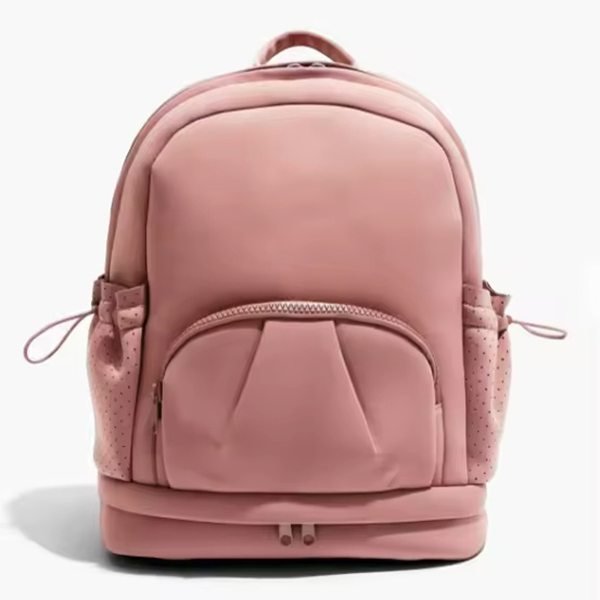
Corporate backpacks work well for employee gifts, conference programs, business travel sets, client appreciation packs, and team equipment. The main goal is to create a bag that feels professional, durable, and not overly promotional. Jundong can help review muted colors, subtle logo positions, laptop storage, document pockets, shoulder comfort, and packing rules for event distribution or office delivery.
- Recommended look: clean front, neat stitching, balanced shape
- Common colors: black, navy, grey, charcoal, khaki
- Key details: laptop sleeve, document pocket, bottle pocket
- Packing options: polybag, gift box, carton sorting
Sports Backpacks
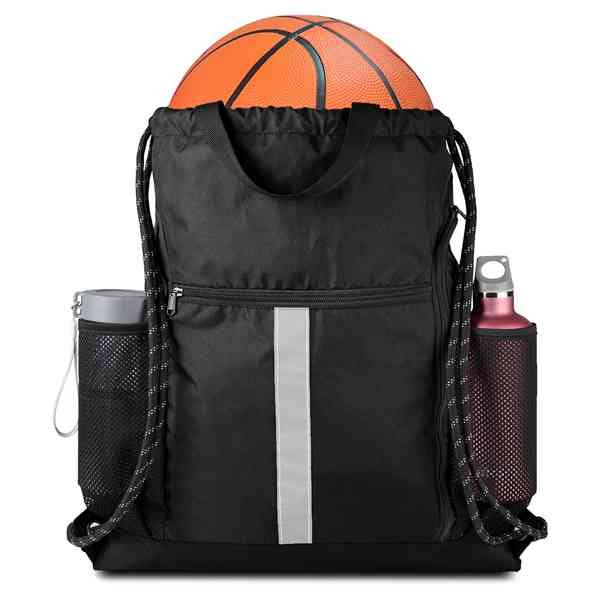
Sports backpacks fit school teams, fitness brands, outdoor clubs, training programs, gym promotions, and active lifestyle collections. A sports backpack may need larger side pockets, breathable mesh, shoe separation, a wet-item pocket, a chest strap, or stronger bottom material. Jundong can review load areas, zipper length, shoulder strap curve, sweat-friendly fabric, and reinforcement points before sample approval.
- Common materials: polyester, Oxford, mesh, PVC-coated fabric
- Useful details: shoe pocket, bottle pocket, vented panel
- Logo choices: rubber patch, embroidery, heat transfer
- Risk focus: strap strength, bottom wear, zipper tension
Laptop Backpacks
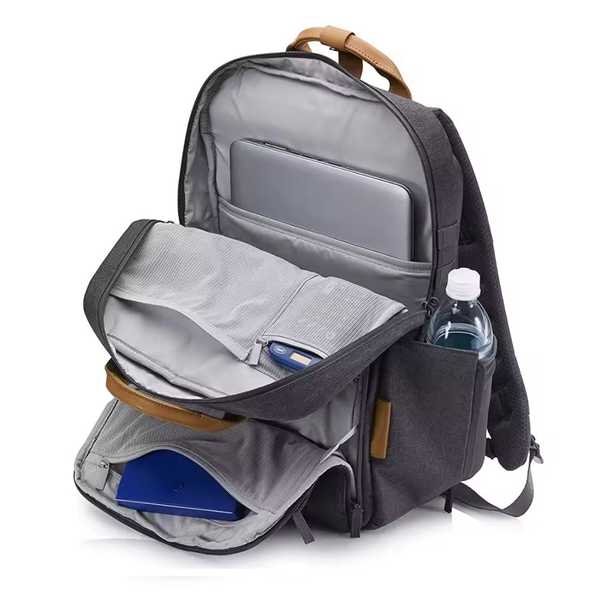
Laptop backpacks fit corporate programs, tech brands, university stores, travel teams, employee onboarding kits, and premium event gifts. The laptop sleeve should match the device size, while the inner layout should protect chargers, documents, pens, notebooks, and small electronics. Jundong can review padding thickness, sleeve position, back panel comfort, zipper path, handle strength, and logo placement so the bag looks clean and works in daily office use.
- Common laptop sizes: 13, 14, 15.6, or 17 inches
- Common details: padded sleeve, organizer panel, luggage strap
- Suitable fabrics: nylon, polyester, Oxford, PU trim
- Useful logo methods: embroidery, woven label, leather patch
Travel Backpacks
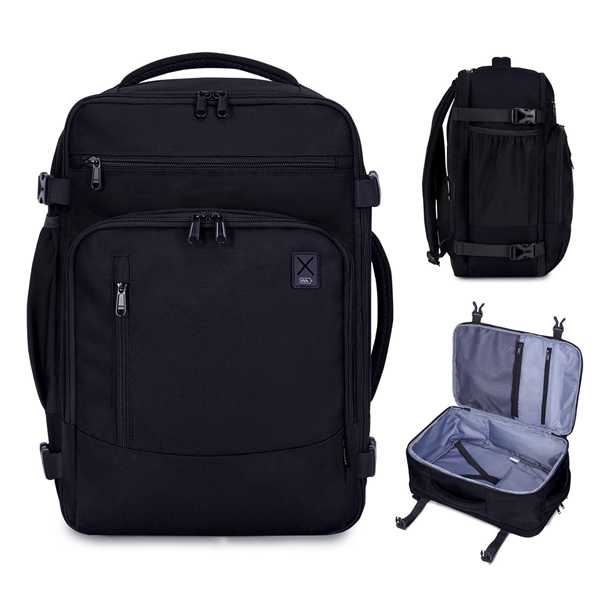
Travel backpacks are suitable for airline gifts, hotel programs, travel brands, employee travel kits, tour groups, and retail travel collections. Compared with a school bag, travel backpacks often need more organized storage, stronger handles, better back comfort, and a smarter opening structure. Jundong can review carry-on use, packing volume, laptop storage, passport pocket, luggage strap, and outer fabric performance based on the travel scenario.
- Useful details: luggage strap, hidden pocket, laptop sleeve
- Common materials: nylon, Oxford, polyester, PU details
- Packing needs: hangtag, barcode, SKU label, carton marks
- Development focus: comfort, weight, structure, storage flow
Choose Backpack Fabrics By Program Use
Fabric choice affects cost, hand feel, weight, durability, logo result, and daily use. A school backpack, corporate laptop pack, sports backpack, and private label retail pack should not use the same material plan.
| Material Option | Best Fit | Common Specification Direction | Development Notes |
|---|---|---|---|
| 600D Polyester | School backpacks, event backpacks, promotional packs, campus kits | Stable cost, good color availability, suitable for medium-load daily use | A common choice when the project needs cost control, color matching, logo printing, and large-quantity production. It can work well for student backpacks, school programs, and corporate event bags when zipper quality, shoulder strap width, and stress areas are reviewed before sampling. |
| 900D / 1000D Oxford | Stronger school packs, sports backpacks, outdoor-style programs | Thicker hand feel, stronger abrasion resistance, more structured look | Suitable when the backpack needs better wear performance. It is helpful for youth sports teams, outdoor clubs, travel programs, and heavier daily loads. The project team should review fabric coating, bottom panel strength, sewing thickness, and logo method before sample approval. |
| 1680D Polyester | Premium corporate packs, laptop backpacks, travel backpacks | Dense weave, better structure, stronger business appearance | A stronger choice for office travel, employee gifts, branded laptop packs, and higher-value programs. It can give a more solid shape than basic polyester. Logo placement, zipper grade, handle strength, and inner padding should be matched with the premium positioning. |
| Nylon Fabric | Lightweight travel packs, compact laptop bags, premium active use | Lighter hand feel, smooth surface, good strength-to-weight balance | Nylon suits backpacks that need a cleaner look, lighter carry feel, or higher perceived value. It is useful for travel, tech, outdoor, and corporate sets. Material color, surface sheen, heat transfer result, and embroidery tension should be checked during sample development. |
| Canvas / Cotton | Lifestyle brands, campus stores, retail merchandise, eco-themed releases | Natural touch, softer shape, stronger lifestyle appearance | Canvas creates a warmer, retail-friendly look. It works well for lifestyle brands, bookstores, museum shops, campus merchandise, and casual collections. Shrinkage, color tone, fabric weight, embroidery density, and inner lining support should be reviewed before bulk production. |
| RPET Fabric | Sustainability programs, school campaigns, corporate ESG projects | Recycled polyester direction, available in different weights and finishes | RPET is useful when a program wants a more responsible material story. It can be used for school events, employee programs, and brand campaigns. Material source documents, color availability, fabric strength, and label wording should be confirmed based on project requirements. |
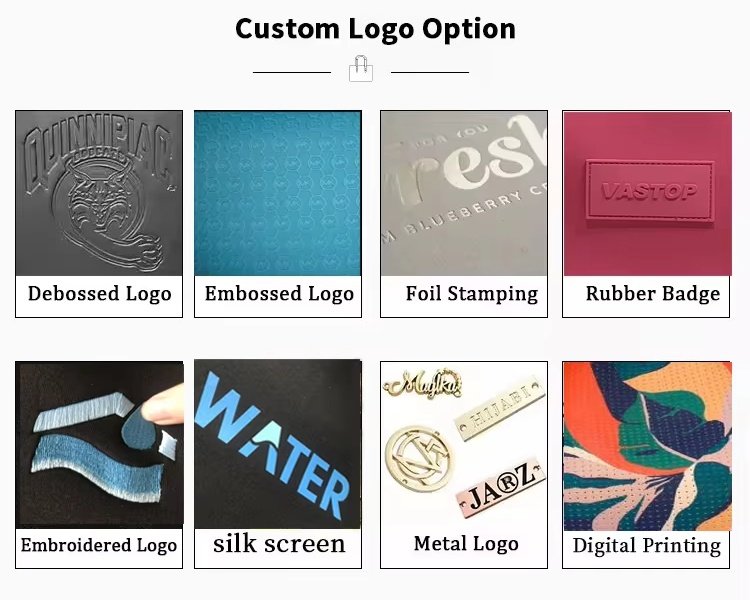
Match Logo Methods With Backpack Materials
A logo method should match fabric, quantity, budget, brand level, and use scenario. A school pack, a corporate laptop bag, and a private label backpack often need different logo finishes to look right.
Screen Print
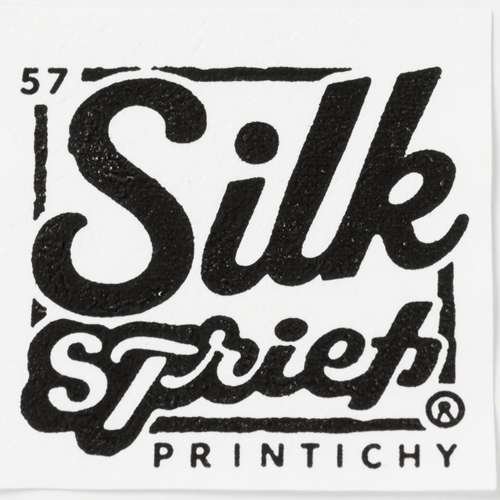
Screen print is a stable option for school programs, event backpacks, student giveaways, sports team packs, and larger-quantity projects.
It works well on many polyester and Oxford fabrics when the logo artwork is clean, and the color plan is confirmed. It is suitable for school names, mascots, event dates, club logos, and simple brand graphics.
Heat Transfer

Heat transfer is useful when the logo needs more color detail, a gradient effect, or a smoother surface appearance.
It can work well for corporate programs, event gifts, sports collections, and some private label styles. It is often selected when embroidery is too heavy or screen printing cannot show enough detail.
Embroidery

Embroidery gives a raised, textured, and professional logo effect. It is often used on corporate backpacks, laptop bags, school alumni merchandise, retail packs, and premium gift programs.
Embroidery works best when the logo size, thread color, stitch density, and fabric tension are reviewed early.
Woven Label
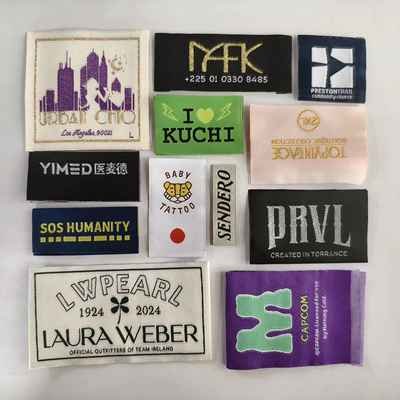
Woven labels are helpful for private label backpacks, retail product lines, lifestyle packs, campus store merchandise, and subtle corporate branding. A woven label can appear on the front panel, side seam, shoulder strap, inner lining, or zipper pull area. It works well when the brand wants a cleaner, less promotional look.
Rubber Patch

Rubber patches work well for sports, outdoor, youth, travel, and active-lifestyle backpacks. They can create a stronger visual identity than flat printing and can be shaped to match the logo. Rubber patches are useful when the backpack needs a more dimensional or durable brand element.
Leather Patch
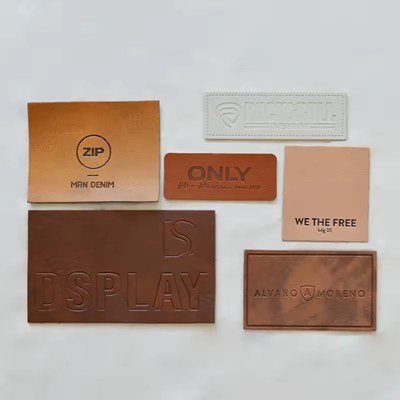
Leather patches create a premium, calm, and retail-friendly logo effect. They are suitable for corporate gifts, travel backpacks, lifestyle brands, canvas packs, and higher-value private label collections. Options can include PU leather, genuine leather, debossed logo, embossed logo, or stitched patch construction.
Turn Backpack Ideas Into Approved Samples
Sampling should verify fabric, structure, logo, comfort, packing, and bulk feasibility. For school programs, brand lines, and corporate packs, one approved sample becomes the physical standard for later production.
Start With Clear Project Inputs
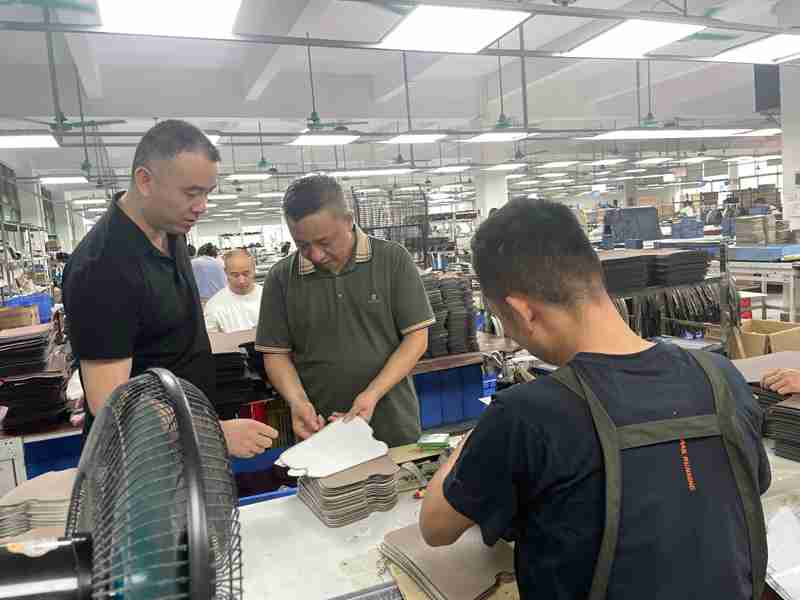
A backpack sample starts faster when the basic project inputs are clear. A full technical pack is helpful, yet not always required at the first review stage. A reference photo, physical sample, sketch, logo file, target size, material idea, quantity, packing need, launch date, and destination can already support an initial development review.
Jundong reviews these inputs before sample making, so the first sample can move in the right direction. The review usually covers:
- Size and capacity target
- Fabric and lining direction
- Strap, handle, pocket, and zipper structure
- Logo method and placement
- Packing and label requirements
- Quantity, cost level, and production feasibility
The first sample is built to test direction, not only to create a good-looking display piece. For backpack projects, sample makers need to convert drawings, reference images, material choices, logo files, and size notes into patterns, cut panels, lining pieces, trims, straps, zippers, padding, and sewing sequences.
During the first sample making, Jundong can review:
- Pattern proportion and panel shape
- Fabric direction and cutting accuracy
- Shoulder strap curve and foam thickness
- Zipper opening and pocket usability
- Logo test effect on real fabric
- Lining, binding, stitching, and trim match
Build The First Sample Correctly
Refine Before Bulk Orders

After the first sample is reviewed, comments should be organized into a clear revision list. A useful revision list should not only say “make it better.” It should identify exact changes: increase shoulder strap width, move logo up 2 cm, enlarge the laptop sleeve, change the zipper puller, strengthen the bottom panel, adjust the front pocket height, replace the lining color, or change the hangtag position.
Before the final sample is approved, Jundong can help confirm:
- Final size, capacity, and structure
- Final material, color, lining, and trims
- Final logo method, size, and position
- Final stitching, reinforcement, and comfort details
- Final packing, label, barcode, and carton rules
- Final sample record for bulk production
Approve Samples With Production Details
Sample approval should check more than appearance. A backpack sample must confirm size, structure, fabric, logo, comfort, packing, and records before bulk production starts.
| Approval Item | What To Check | Why It Matters Before Bulk Production |
|---|---|---|
| Size And Capacity | Overall height, width, depth, main compartment, laptop sleeve, bottle pockets, and usable storage space | A small size difference may affect school book load, laptop fit, retail description, shipping volume, and carton planning. Size approval should be written down clearly, not judged only by photos. |
| Fabric And Lining | Outer fabric weight, surface texture, coating, color tone, inner lining, binding, and trim match | Fabric changes can affect hand feel, cost, logo result, durability, color consistency, and final appearance. For repeat programs, material records help keep later orders closer to the approved sample. |
| Logo Position | Logo method, size, color, placement, stitch density, print edge, patch shape, or label position | Logo approval protects brand presentation. A 1–2 cm position change can affect front panel balance, pocket opening, embroidery tension, and retail visual effect. Real fabric testing is important. |
| Strap And Handle | Shoulder strap width, padding, curve, webbing, adjuster, bartack, top handle strength, and seam density | Straps and handles carry real load. Weak areas may not appear during photo review, but they can create daily-use problems after school, office, or travel distribution. |
| Zipper And Pocket Flow | Zipper smoothness, opening direction, puller style, pocket depth, side pocket stretch, and inner organizer layout | Zipper and pocket flow decide whether the backpack feels easy to use. A clean-looking pocket can still fail if the opening is too narrow, puller is weak, or pocket depth does not match use. |
| Comfort And Padding | Back panel, shoulder foam, laptop sleeve padding, bottom support, and breathable mesh option | Comfort helps the backpack stay in use. For corporate and school programs, a bag that feels uncomfortable may be stored away quickly, reducing long-term brand exposure. |
| Packing Rules | Polybag, hangtag, inner label, barcode, SKU label, carton quantity, carton mark, and sorting method | Packing approval reduces warehouse and distribution errors. School kits, corporate gift packs, retail cartons, and multi-SKU programs should confirm packing rules before production begins. |
| Production Records | Final sample photos, material card, logo artwork, pattern version, color reference, packing file, and revision notes | Records help control bulk consistency. Once sample approval is complete, the approved sample and related files should guide material purchase, cutting, logo work, sewing, inspection, and packing. |
From Approved Sample To Bulk Production
Bulk backpack production is not copying one sample many times. It converts approved sample details, materials, logo files, packing rules, and delivery needs into an executable order flow.
Material Preparation

After sample approval, material preparation begins with confirmed fabric, lining, zipper, webbing, foam, buckle, label, and packing details. For a school backpack, material preparation often focuses on color consistency, fabric cost control, zipper supply, and enough webbing for straps.
For corporate laptop packs, preparation may include premium fabric, padding material, muted lining, branded trims, and label files. For private label packs, material cards, and color references should be kept for future repeat orders. Material preparation should match the approved sample, not a rough verbal description.
Cutting Control

Cutting affects size accuracy, panel balance, pocket position, and sewing efficiency. Backpack panels can include a front panel, back panel, gusset, bottom panel, shoulder straps, pocket pieces, laptop sleeve panels, lining parts, and reinforcement pieces. If cutting is not controlled, later sewing cannot fully correct shape problems.
Jundong checks the cutting according to the approved pattern and material direction. Fabric surface, coating direction, stripe direction, color shade, and panel size should be watched carefully, especially for retail and brand programs where visual consistency matters across many units.
Logo Process

Logo work should follow the approved sample and final artwork file. Screen print, heat transfer, embroidery, woven label, rubber patch, and leather patch each need different preparation. For embroidery, the stitch file, thread color, backing, position, and density should be checked.
For printing, color, edge clarity, placement, pressure, and fabric compatibility should be controlled. For patches and labels, size, sewing position, color, and edge finish should match the approved sample. Logo process control is especially important because a backpack can be structurally correct yet still fail visually if branding details drift.
Sewing Assembly

Sewing assembly turns cut panels, lining, zippers, straps, foam, and trims into finished backpacks. Important areas include shoulder strap joining, top handle, side seams, zipper ends, bottom corners, front pocket, laptop sleeve, and inner binding. For school projects, strap strength and zipper durability are key. For corporate packs, neat stitching, smooth shape, and clean front panels matter.
For private label projects, inside sewing should also look tidy because retail clients may inspect the product more closely. Assembly should follow the approved sample, sewing sequence, and reinforcement requirements.
In-Line Checks

In-line checks help catch issues before the order is fully finished. The team can review logo placement, stitching density, zipper smoothness, strap alignment, pocket function, panel shape, lining attachment, and early packing details during production. These checks reduce the risk of finding too many problems at the end.
For backpack orders above 500 pcs, early inspection is valuable because repeated errors can spread quickly across a production batch. In-line control also helps keep school colors, corporate logo placement, and brand details closer to the final approved sample.
Packing Preparation

Packing preparation connects the finished backpack with the final delivery plan. A school program may need color sorting, carton marks, grade grouping, or kit packing. A corporate program may need individual polybags, event labels, gift set packing, or department sorting. A retail brand may need hangtags, barcodes, SKU labels, inner labels, carton marks, and warehouse-ready packing.
Packing should be confirmed before production moves too far, because packaging materials can affect cost, lead time, carton size, and logistics planning. Clear packing rules help avoid shipping and warehouse errors.
Quality Checks Should Follow Backpack Use
A backpack inspection plan should match the real use scenario. School programs need strap and zipper strength. Corporate packs need a clean appearance and laptop protection. Brand programs need stable details from sample to repeat orders.
Material And Color Check
Backpack quality starts before sewing. Fabric, lining, webbing, zipper tape, foam, buckle, label, and packing materials should be checked against the approved sample and material record. A school backpack order often needs a stable color across large quantities because bags may be distributed together at one event. A brand program may require closer color control because products may sit together on retail shelves or online listings. A corporate gift pack usually needs a clean, professional color tone that matches the logo and event identity.
Jundong reviews material details before bulk work moves forward:
- Outer fabric color, texture, coating, and thickness
- Lining color, weight, and sewing match
- Webbing width, hand feel, and shade
- Zipper tape color and puller finish
- Foam thickness for straps, back panel, and laptop sleeve
- Label, patch, hangtag, and packing material consistency
Sewing inspection focuses on both appearance and strength. A neat stitch line matters, but the important question is whether the backpack can handle a daily load. Shoulder straps, top handle, zipper ends, side seams, bottom corners, laptop sleeve, and pocket openings need closer attention because these areas receive repeated pulling, weight, or movement.
Key sewing and structure checks include:
- Stitch density and straightness
- Shoulder strap alignment and bartack position
- Top-handle sewing strength
- Zipper end finishing and puller movement
- Pocket opening and side seam stability
- Bottom corner reinforcement and inner binding
Sewing And Structure Check
Logo And Detail Setup Check
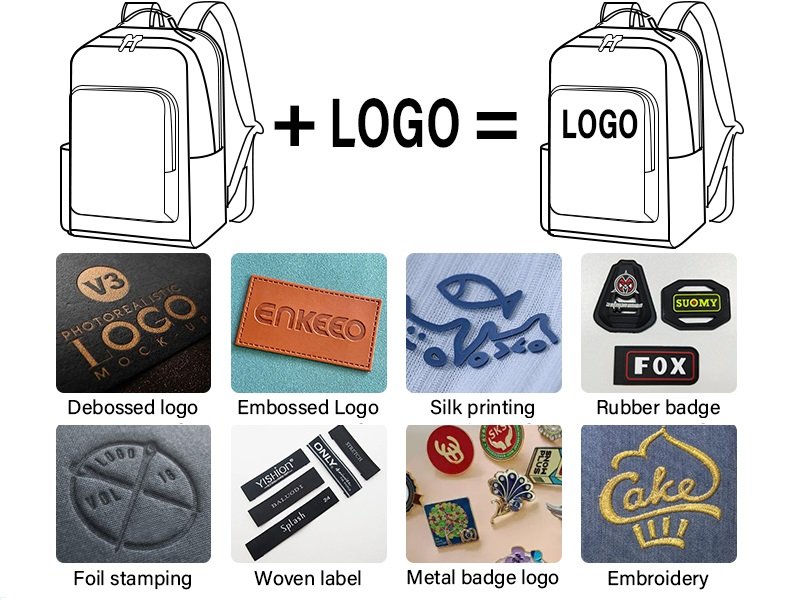
Logo details are often the first thing people notice. For school backpacks, the school name, mascot, club mark, or event logo should sit in a balanced position. For corporate packs, logo placement should look professional and not oversized. For private label backpacks, woven labels, patches, inner labels, and hangtags should match the approved brand system.
Jundong checks the ,logo and detail positions against the approved sample:
- Screen print edge clarity and color accuracy
- Heat transfer, adhesion and surface finish
- Embroidery stitch density, thread color, and backing
- Woven label position and sewing edge
- Rubber or leather patch size and attachment
- Inner label, hangtag, barcode, and SKU label,
Finished backpacks should be checked as products people will actually carry, open, pack, and store. A function check reviews zipper smoothness, pocket access, strap adjustment, laptop sleeve fit, side pocket use, handle comfort, and inner lining. For laptop packs, the sleeve size should match the confirmed device direction. For sports or travel packs, pocket flow and load areas should be reviewed with more attention.
Packing inspection confirms the product reaches the next step in correct form. Jundong packing checks include:
- Individual bag cleanliness and folding method
- Polybag, hangtag, barcode, and label position
- Carton quantity and carton mark
- SKU, color, and style separation
- Outer carton condition and sealing
- Shipment preparation file match
Function And Packing Check

Plan MOQ, Cost, And Lead Time Early
Backpack cost and schedule depend on style, material, size, structure, logo method, packing, and order quantity. Clear details help Jundong review a more accurate plan before sampling.
| Decision Area | Standard Planning Direction | What Affects The Result |
|---|---|---|
| MOQ | Standard custom backpack projects usually start from 500 pcs per design. Simple styles can be reviewed at 200–300 pcs case by case. Low-cost basic styles or special material projects may need higher quantities. | Material availability, color choice, logo method, fabric purchase quantity, trim minimums, packing style, and production line planning. |
| Sample Time | Regular backpack samples usually take about 5–7 days after main details are confirmed. More complex backpacks may need additional time for structure review, logo testing, or packing development. | Laptop sleeve, special pocket layout, custom zipper puller, rubber patch, embroidery, private label packing, material sourcing, or several revisions. |
| Bulk Production Time | Standard bulk production commonly takes about 20–30 days after final sample approval and material confirmation. Larger or more complex programs should be reviewed with the delivery date. | Quantity, number of styles, fabric lead time, logo process, sewing complexity, packing requirements, QC schedule, and shipment preparation. |
| Cost Level | Cost is shaped by material, size, structure, padding, zipper grade, hardware, logo method, packing, and quantity. A higher quantity can improve unit cost when material and process are stable. | 600D polyester, 1680D polyester, nylon, canvas, RPET, laptop padding, bottom reinforcement, embroidery, rubber patch, gift packing, or retail labels. |
| Logo Cost | Logo cost depends on method, size, color count, position, and application difficulty. Screen print, heat transfer, embroidery, woven label, rubber patch, and leather patch follow different cost logic. | Artwork complexity, stitch density, mold needs, patch size, print area, fabric surface, number of positions, and sample testing. |
| Packing Cost | Basic polybag packing is simpler. Retail packing, gift set packing, barcode labels, hangtags, SKU labels, and carton sorting require more preparation and labor. | Packaging material, label files, item insertion, carton size, color sorting, multi-site delivery, warehouse label rules, and inspection needs. |
| Delivery Plan | Express, air, sea, rail, and forwarder options can be reviewed based on deadline, carton volume, destination, and budget. Trade terms should be confirmed with the project team. | Destination, order quantity, carton size, goods weight, deadline, shipping season, warehouse requirement, and document needs. |
For a smoother quotation, send the backpack style, reference photo, size, target quantity, logo file, material idea, packing needs, delivery deadline, and destination. When some details are not fixed yet, Jundong can review options first and help narrow the plan before sampling.
Packaging Should Match The Program Channel
Backpack packing affects presentation, warehouse handling, event sorting, retail readiness, and shipping cost. School, corporate, and brand programs need different packing and label plans.
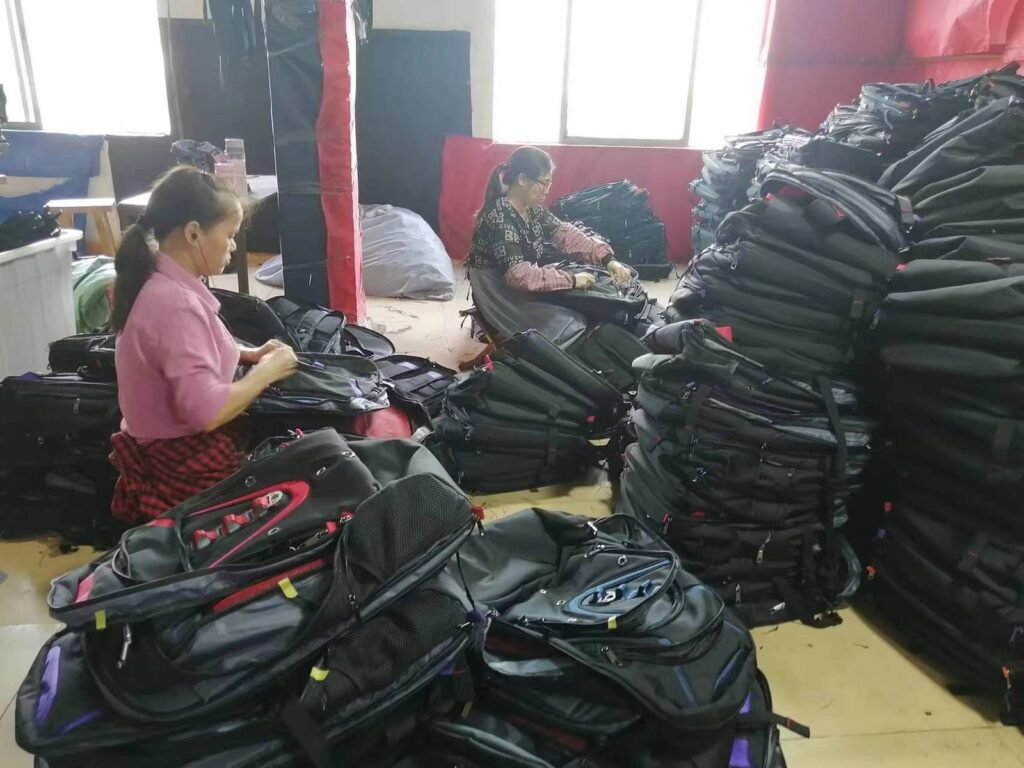
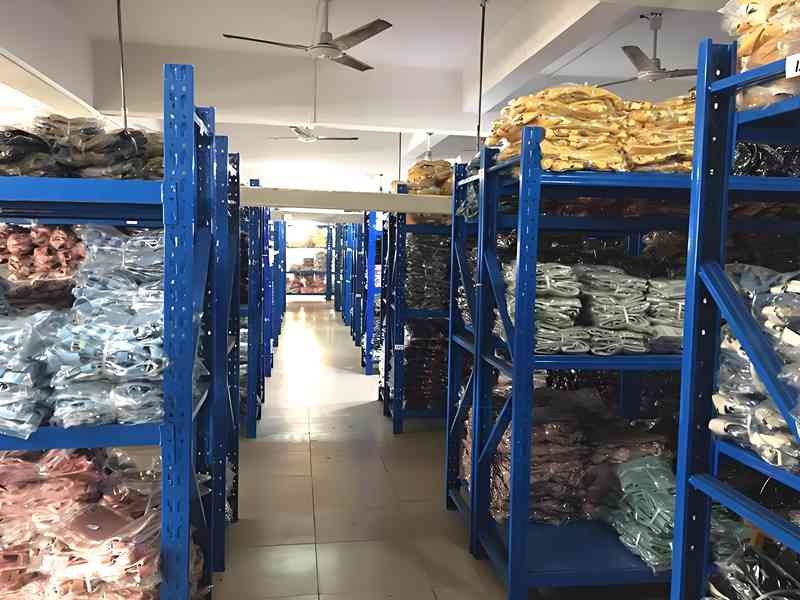
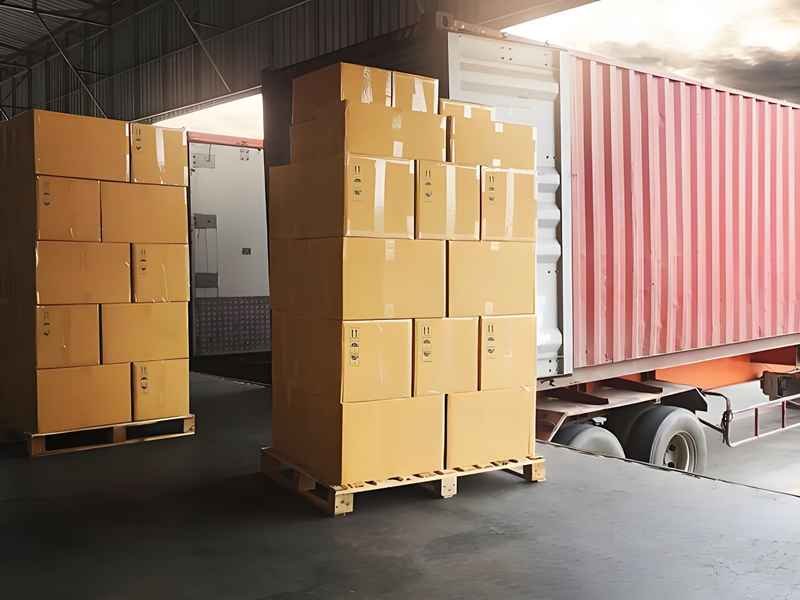
Individual Polybag
Individual polybags protect backpacks from dust and handling marks before delivery. School programs, corporate events, and retail shipments often use one polybag per backpack. The bag size should match the folded backpack dimensions, not squeeze the product too tightly. Vent holes, warning text, sticker label, and folding direction can be reviewed when needed.
For school projects, polybags can help with clean distribution. For corporate packs, they protect products before event setup or office delivery. For brand programs, polybag quality and sticker position should match the retail or warehouse requirement.
Hangtag
Hangtags help communicate brand identity, product details, material direction, care information, or program story. A school backpack may use a simple hangtag with school program information. A retail brand backpack may use a branded hangtag with a barcode, product name, material, size, and style code. A corporate gift pack may use a clean branded tag for a more complete presentation.
Hangtag size, paper thickness, string type, attachment position, and barcode space should be confirmed before bulk work begins. A hangtag placed in the wrong location may affect appearance or packing.
Woven Label
Woven labels can appear outside or inside the backpack. They are useful for private label packs, campus store merchandise, brand collections, and corporate gift lines that need a more finished identity. Outer woven labels usually work as visible branding. Inner woven labels can show brand name, care directions, material, or origin details based on project need.
Label size, color, folding method, sewing edge, and placement should match the approved sample. For repeat programs, woven labels help keep a stable brand system across different backpack styles.
Barcode And SKU Label
Barcode and SKU labels are important for retail channels, online sales, warehouse handling, and multi-style programs. A backpack project with several colors or versions should keep labels clear and separated. SKU labels can be placed on polybags, hangtags, inner cards, or cartons depending on storage and delivery rules.
For brand programs, barcode and SKU planning should be confirmed before packing materials are printed. Mistakes in SKU labels can create warehouse confusion even when the backpacks are produced correctly.
Gift Set Packing
Corporate and school programs may need backpacks packed with notebooks, bottles, pens, uniform items, brochures, or event materials. Gift set packing should confirm what goes inside, where each item sits, how the backpack is folded, and whether extra protection is needed. For employee onboarding kits or conference packs, neat packing can improve the first impressions.
Gift set packing affects labor time, carton size, weight, and delivery schedule. The item list and packing method should be confirmed before bulk packing starts.
Carton Marks
Carton marks help warehouses, event teams, school offices, and logistics partners identify what is inside each carton. Marks may include style name, color, quantity, carton number, destination, SKU, PO number, or program name. For school distribution, carton marks may separate grade, color, or campus. For corporate programs, they may separate departments, events, or delivery sites.
Clear carton marks reduce receiving errors. They also help when backpacks need to be delivered to several locations or stored before release.
Backpack Orders Need Scenario-Based Planning
School Kit Project
A U.S. education program planned 1,200 student backpacks for a back-to-school release. The main goal was not a luxury finish, but stable quality, clean school colors, comfortable shoulder straps, and delivery before the distribution date. The selected direction used 600D polyester, one main compartment, one front pocket, two side pockets, padded straps, and a printed school logo.
Jundong reviewed the project through size, fabric, color, logo, and packing control. The sample focused on book capacity, side pocket width, zipper movement, strap strength, and logo position. For packing, the backpacks were grouped by color and carton marks, so the school team could sort them faster during distribution.
Retail Brand Release
A lifestyle brand prepared 800 private-label backpacks for an online and retail product release. The pack needed a cleaner shape than a standard promotional backpack, with a stronger retail feel. The selected direction used Oxford fabric, custom zipper pullers, a woven label on the front panel, an inner brand label, a hangtag, a barcode sticker, and SKU carton marks.
The first sample checked shape proportion, front pocket balance, zipper puller scale, label placement, inner finishing, and folded packing. After review, the brand team adjusted the woven label position, increased front pocket depth, changed the lining color, and confirmed barcode placement before final sample approval.
Corporate Gift Program
A corporate team developed 2,000 laptop backpacks for an employee welcome program. The direction required a professional look, quiet logo placement, reliable laptop protection, and gift-ready packing. The selected bag used 1680D polyester, a padded laptop sleeve, an organizer panel, a bottle pocket, a luggage strap, an embroidered logo, and individual polybag packing.
The sample review focused on laptop sleeve size, shoulder comfort, embroidery position, back panel padding, handle strength, and overall shape. Since the backpacks were prepared for a scheduled internal release, the carton labels needed to show quantity, style, color, and delivery grouping clearly.
Backpack Orders Need Scenario-Based Planning
A backpack order becomes easier to control when the use scenario is clear. School distribution, branded retail release, and corporate gifting may all use backpacks, but the development focus, packing rules, and inspection details are different.
School Kit Project
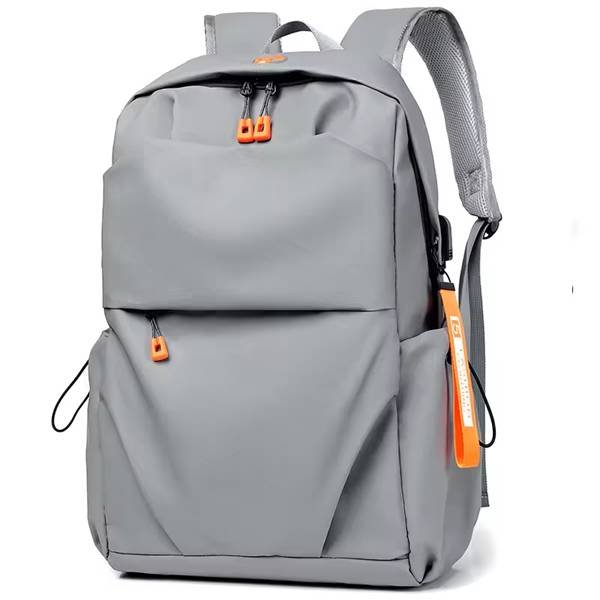
A U.S. education program planned 1,200 student backpacks for a back-to-school release. The main goal was not a luxury finish, but stable quality, clean school colors, comfortable shoulder straps, and delivery before the distribution date. The selected direction used 600D polyester, one main compartment, one front pocket, two side pockets, padded straps, and a printed school logo.
Jundong reviewed the project through size, fabric, color, logo, and packing control. The sample focused on book capacity, side pocket width, zipper movement, strap strength, and logo position. For packing, the backpacks were grouped by color and carton marks, so the school team could sort them faster during distribution.
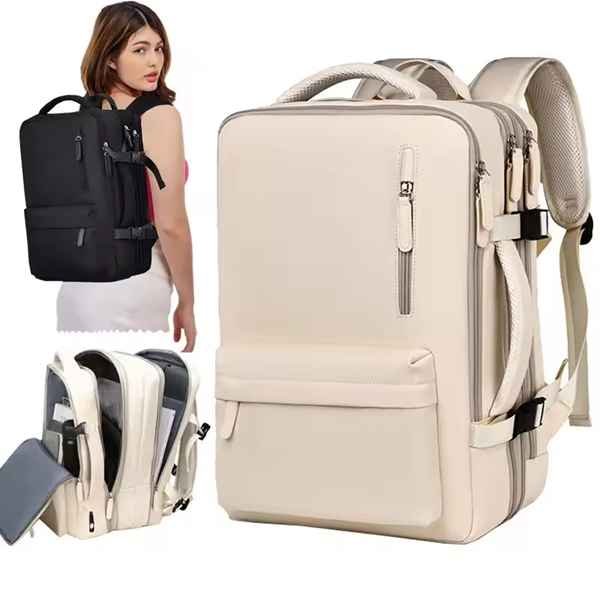
Compartments And Storage Flow
The backpack layout should match the way people actually use the product. A student may need quick access to stationery, tablets, lunch items, and water bottles. A corporate user may need a laptop sleeve, charger pocket, document area, pen organizer, and clean front panel. A brand retail pack may need a unique layout that feels different from a standard promotional bag.
Jundong can review compartment planning according to use scenario, product size, and target capacity. Before sampling, the layout should confirm:
- Main compartment opening size
- Laptop sleeve size, padding, and position
- Front pocket depth and zipper direction
- Side pocket stretch, width, and seam strength
- Inner pocket count and placement
- Lining color and cleaning requirement
Padding, Zippers, and Comfort
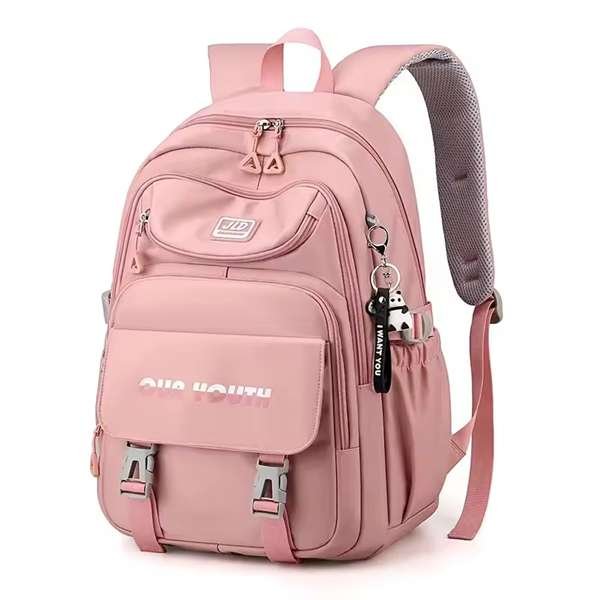
Jundong reviews padding and hardware as part of sample development. Shoulder straps can use different foam thickness, curved shapes, mesh backing, or reinforced webbing depending on the project. Back panels can be simple, padded, breathable, or shaped for travel and laptop use. Zippers can be selected by size, puller style, smoothness, color, and stress level.
Key details to confirm include:
- Shoulder strap foam thickness and width
- Back padding shape and breathable mesh option
- Zipper size, puller style, and opening direction
- Buckle, adjuster, webbing, and handle material
- Laptop padding thickness and edge protection
- Bottom support and corner reinforcement
Review Risk Before Production Starts
School, retail, and corporate backpack programs may face different material, label, safety, packing, and delivery risks. These details should be reviewed before final sample approval and bulk production.
| Review Area | What To Confirm | Risk If Ignored |
|---|---|---|
| Use Scenario | Student age group, office use, retail sale, travel use, sports use, or event distribution | A backpack built for light giveaways may not perform well for school books, laptops, sports gear, or daily commuting. |
| Material Selection | Fabric type, coating, lining, foam, webbing, buckle, zipper, label, and packing material | Wrong material choices can affect durability, hand feel, logo effect, color stability, comfort, and cost. |
| Strap And Load Areas | Shoulder strap joining, top handle, side seams, bottom corners, zipper ends, and bottle pocket seams | Weak load areas may lead to strap tearing, seam opening, zipper stress, or bottom wear after daily use. |
| Logo Method | Print, heat transfer, embroidery, woven label, rubber patch, leather patch, size, color, and position | The logo may look unbalanced, peel, wrinkle, stitch poorly, or sit too close to seams and pockets. |
| Label And Packing | Hangtag, inner label, barcode, SKU sticker, polybag, carton mark, and sorting rules | Warehouse, school, event, or retail teams may face receiving errors, wrong SKU sorting, or delayed distribution. |
| Testing Need | Material documents, chemical testing, colorfastness, label requirements, or channel rules based on target region | Assuming all tests are the same can create schedule delay or rework when a program has special requirements. |
| Production Record | Approved sample, material card, logo file, color reference, pattern version, packing file, and revision list | Without records, repeat orders may drift in color, structure, logo position, material, or packing details. |
| Delivery Timing | Sample approval date, fabric lead time, production time, packing time, inspection time, and shipping method | Late confirmation can compress production, reduce review time, increase freight cost, or miss the release date. |
A reliable backpack plan should not depend only on a good-looking sample. It should connect the approved sample with material records, logo files, structure details, packing rules, inspection focus, and delivery timing. Jundong can help review these details before production starts, so the order has a clearer path from sample to shipment.
Delivery plans should match the release date
School Distribution
School backpack programs usually have a clear release date. Back-to-school events, donation drives, sports team releases, campus welcome programs, and youth activities often require backpacks to arrive before a fixed day. Late delivery can create pressure even when the product quality is good.
For school distribution, the delivery plan should review:
- Quantity per color, grade, team, or campus
- Carton marks for quick sorting
- Individual polybag or kit packing
- Carton weight and carrying convenience
- Destination address and receiving window
- Express, air, or sea option based on schedule
Corporate Event Delivery
Corporate backpack programs often connect with a meeting, trade show, onboarding date, training program, sales event, or annual campaign. The product may need to arrive at an office, warehouse, hotel, convention center, or several company locations. In these projects, carton labels and packing rules are as important as the backpack itself.
For corporate delivery, Jundong can review the following:
- Event date and latest arrival date
- Department, location, or group sorting
- Gift packing or individual polybag packing
- Carton label information
- Delivery address, contact person, and receiving rules
- Shipping method based on timeline and volume
Brand Supply Delivery
Brand backpack programs may require warehouse-ready packing, barcode labels, SKU sorting, retail cartons, FBA-related preparation, or repeat shipment planning. A brand release may include several colors, several styles, or several packing versions. If delivery details are not confirmed early, warehouse errors can happen after the products arrive.
For brand supply, the delivery plan should review:
- SKU, color, style, and carton separation
- Barcode and hangtag position
- Carton quantity and carton mark format
- Warehouse receiving rules
- Repeat order record and packing file
- Sea, air, express, or forwarder arrangement
Make a sample first ?
A successful custom backpack project should match more than a logo. It should fit the students, teams, staff, or customers who will use it, the items it needs to carry, and the way it will be packed, shipped, displayed, and reordered. For school programs, brand campaigns, and corporate use, details like size, pocket layout, fabric strength, comfort, logo method, and packaging all affect the final result. When these points are confirmed early, the project becomes easier to quote, sample, produce, inspect, and deliver.
Client Testimonials
800+ brand Clients Trust Jundong


FAQ For Backpack Program Orders
Backpack programs often fail in small details: weak straps, unclear logo placement, wrong packing labels, late sample approval, or material choices that do not match real use. These FAQs focus on the decisions that matter before a school, brand, or corporate backpack order moves into sampling and bulk production.

Can Jundong develop custom backpacks for schools, brands, and corporate programs?
Certainly. Jundong can develop custom backpacks for school releases, campus kits, corporate gift programs, employee onboarding packs, retail brand lines, sports teams, travel programs, and private label collections. The stronger starting point is not only a logo file, but a clear use scenario: who will carry the backpack, what will go inside, where it will be delivered, and how it should be packed.
For a school project, the review usually focuses on capacity, shoulder straps, zipper strength, side pockets, and color sorting. For a corporate program, laptop sleeve size, clean logo placement, packing, and event timing matter more. For a brand line, material feel, woven labels, hangtags, barcode labels, SKU rules, and repeat order records become important.
Jundong supports project review, sample development, material selection, logo methods, bulk production, QC, packing, and delivery planning from Guangdong.
What MOQ works best for custom backpack orders?
Absolutely. A standard custom backpack project usually starts from 500 pcs per design. Some simple backpack styles can be reviewed at 200–300 pcs case by case, while low-cost basic styles, special colors, custom fabric, complex trims, or private label packing may need higher quantities.
MOQ is not only a number. It is connected with fabric purchase, zipper and webbing preparation, logo process, packing materials, cutting efficiency, and production planning. For example, a simple 600D school backpack with one printed logo is easier to plan than a private label laptop backpack with custom zipper pullers, woven labels, hangtags, barcodes, and retail cartons.
A clear target quantity helps Jundong review the right material, logo method, packing rule, and unit cost direction before sampling begins.
How long does backpack sampling usually take?
Sure. Regular custom backpack samples usually take about 5–7 days after the main details are confirmed. This timing works better when the project team has already provided a reference photo, size, logo file, material direction, pocket layout, quantity, packing need, and target delivery date.
More complex backpacks may need extra time. A laptop backpack with padding, organizer panels, special zipper pullers, rubber patches, embroidery, woven labels, or private label packing often needs more review than a basic school backpack. If the first sample needs revision, another 3–7 days may be needed depending on the change.
The best way to save time is to make comments specific. Instead of saying “make it better,” mark exact changes such as “move logo up 2 cm,” “increase shoulder strap width,” or “make laptop sleeve fit 15.6 inches.”
Which backpack material should we choose for school or corporate use?
Definitely. Material should be selected by real use, not only by appearance. For school backpacks, 600D polyester and Oxford fabric are common choices because they can balance cost, color options, daily durability, and logo printing. For heavier school use, sports programs, or outdoor-style packs, 900D or 1000D Oxford can offer a stronger feel.
For corporate laptop backpacks, 1680D polyester, nylon, Oxford, and PU trim can create a cleaner business look. If a project needs a sustainability direction, RPET fabric can be reviewed based on color availability, strength, and document needs. Canvas or cotton is better for lifestyle brands, campus stores, bookstores, and retail merchandise with a softer feel.
The right material should match size, padding, zipper grade, logo method, packing plan, and cost target.
Can we customize laptop sleeves, pockets, shoulder straps, and inner compartments?
Of course. Backpack structure can be adjusted around real carrying needs. Jundong can review laptop sleeves for 13-inch, 14-inch, 15.6-inch, or 17-inch devices, depending on the project direction. Inner organizers, charger pockets, bottle pockets, front pockets, hidden back pockets, shoe compartments, wet-item pockets, luggage straps, and padded back panels can also be reviewed before sampling.
The important part is to avoid adding pockets without purpose. Too many compartments may increase cost, weight, sewing time, and pattern complexity. For school projects, a simple and strong layout often works better. For corporate laptop packs, protection and clean organization matter more. For travel or sports backpacks, pocket flow and load areas become more important.
A reference photo plus a target contents list can help Jundong plan the structure more accurately.
What logo methods work best on custom backpacks?
Certainly. The best logo method depends on fabric, brand tone, quantity, budget, and use scenario. Screen print works well for many school backpacks, event bags, student programs, and larger quantity projects. Heat transfer is useful for multi-color graphics, sports projects, and cleaner visual effects. Embroidery gives a more professional finish for corporate laptop backpacks and premium gift programs.
Woven labels are strong for private label backpack lines because they create a cleaner retail identity. Rubber patches suit sports, outdoor, youth, and travel backpacks. Leather patches work well on canvas, travel, lifestyle, and corporate gift backpacks when a calmer, premium look is needed.
Logo size and placement should be tested on the real fabric. A logo that looks good on a screen may need adjustment when placed near seams, zippers, curved panels, or padded areas.
How can we reduce the risk of sample-to-bulk difference?
Absolutely. The best control method is to turn the approved sample into a clear production standard. The final sample should not stay only as a photo. It should be connected with a material card, logo file, color reference, pattern version, packing file, label file, and revision list.
For backpacks, sample-to-bulk differences often happen in fabric shade, logo position, zipper puller, shoulder strap padding, pocket depth, lining color, stitching density, and packing labels. These details should be recorded before bulk production starts. If a backpack has multiple colors or several styles, each color and style needs its own confirmed record.
Jundong can support this process through sample review, material checks, in-line checks, finished product inspection, and packing inspection. Records help future repeat orders stay closer to the approved sample.
Can backpacks be packed for retail, school kits, or corporate gift sets?
Sure. Backpacking can be planned for several channels: school distribution, corporate gifting, warehouse delivery, online retail, store shelves, or event handouts. Basic packing may use one backpack per polybag. Retail programs may need hangtags, inner labels, barcode stickers, SKU labels, and carton marks. Corporate gift sets may include notebooks, bottles, pens, brochures, or onboarding materials inside the backpack.
Packing should be confirmed before bulk production moves too far. If the packing plan changes late, it may affect carton size, labor time, label printing, shipping volume, and delivery schedule. For school kits, carton grouping by color, grade, campus, or team can save time during distribution. For brand programs, barcode and SKU rules help warehouse teams receive goods more smoothly.
How does Jundong control backpack quality during production?
Definitely. Jundong controls backpack quality through material checks, logo checks, sewing checks, in-line checks, finished product inspection, and packing checks. The factory has 600+ employees, an 18,000㎡ production area, and 80 QC inspectors supporting custom bag projects.
For backpacks, inspection should not only check appearance. It should check shoulder strap joining, top handle strength, zipper movement, side pocket seam, laptop sleeve size, back padding, bottom corners, logo placement, lining, label position, carton quantity, and carton marks. A school backpack should be checked for daily load areas. A corporate laptop pack should be checked for clean appearance and device protection. A private label backpack should be checked against sample records and packing files.
Good quality control starts before final inspection. Early checks reduce repeated mistakes before they spread through the full order.
What information should we send for an accurate backpack quotation?
Of course. A useful backpack quotation starts with clear project information. Please send the backpack style or reference photo, target size, quantity per design, logo file, preferred material, laptop size if needed, pocket requirements, packing details, delivery deadline, and destination.
If the design is still early, a simple reference image and rough size are enough for the first review. Jundong can help narrow down material, structure, logo method, packing direction, and production feasibility. If the project is more developed, a tech pack, physical sample, Pantone color, barcode file, label file, and packing guide will help speed up review.
For urgent programs, share the event date first. A timeline affects sample planning, material preparation, production schedule, QC time, and shipping method. Clear information makes the quotation more useful and helps avoid wrong assumptions.
Send Your Backpack Project For Review
A good backpack project starts with the right details. You do not need every file ready before speaking with Jundong, but the more clearly you describe the use scenario, the faster our team can review material, structure, logo method, sample direction, packing, MOQ, cost factors, and delivery planning.
For schools, share the student age group, quantity, color plan, school logo, distribution date, and packing needs. For brand programs, share the product position, material direction, label system, hangtag, barcode, SKU plan, and target launch time. For corporate programs, share the event date, laptop size, logo tone, gift packing need, delivery address, and expected quantity.
Please include the following details when available:
- Backpack style or reference photo
- Target size and capacity
- Laptop size if a computer sleeve is needed
- Preferred fabric, such as 600D polyester, Oxford, nylon, canvas, RPET, or 1680D polyester
- Logo file and preferred method, such as print, embroidery, woven label, rubber patch, or leather patch
- Quantity per design and color
- Packing needs, such as polybag, hangtag, barcode, gift set, SKU label, or carton marks
- Delivery deadline and destination
- Any sample, tech pack, Pantone color, or existing product to match
Once your details are received, Jundong can review the project and help confirm the next step: material direction, structure adjustment, sample plan, or bulk order quotation.
For a direct project review, send details to info@jundongfactory.com.