Skip to content

Custom Corporate Gift Lunch Bags
Develop branded insulated lunch bags for employee gifting, wellness programs, events and corporate campaigns with OEM/ODM support from concept to delivery.
- Material and insulation review for intended daily use, cleaning needs, capacity, appearance, packing volume and target cost.
- Custom structure, Pantone color, logo placement, private label details and gift presentation developed before production approval.
- Sampling verifies size, lining, insulation, branding and packing before confirmed specifications move into bulk production.
- 20+ years OEM/ODM experience, 600+ employees, 18,000㎡ production area and 80 QC inspectors support structured project execution for branded gift programs requiring controlled sampling, bulk production, packing and delivery planning.

Corporate Gift Lunch Bags for Everyday Brand Programs
Employee Onboarding Kits
New-hire kits need more than a printed logo. A well-planned insulated lunch bag should fit daily office use, reflect company colors, pack neatly with welcome materials, and arrive ready for organized distribution. Logo placement, individual packing, department quantities and delivery timing should be confirmed before production starts.
Best for: Welcome kits and regional onboarding.
Development focus: Branding, pack-out and quantity allocation.
Workplace Wellness Programs
Wellness programs often favor reusable insulated bags that support everyday meal carrying without feeling like short-term promotional merchandise. Capacity, easy-clean lining, handle comfort, insulation structure and brand visibility should match how employees will actually use the bag at work, during commuting or on hybrid schedules.
Best for: Wellness initiatives and staff meal programs.
Development focus: Insulation, cleaning and daily usability.
Staff Recognition Gifts
Recognition and anniversary gifts usually require a stronger sense of value. Structured shapes, refined fabrics, embroidery, woven details, metal logo options or upgraded packing can be evaluated according to the brief. The aim is a useful branded item that feels intentional when presented, not a disposable giveaway.
Best for: Anniversaries, recognition and holiday gifts.
Development focus: Material feel, branding and presentation.
Client And Executive Gifts
Client and executive programs place greater emphasis on finish, proportion and brand presentation. Material texture, hardware, logo method, lining appearance and gift packing should work together as one visual system. A premium direction can still be engineered around quantity and cost targets without relying on oversized decoration.
Best for: Client gifts and executive programs.
Development focus: Finish, refined details and gift presentation.
Events And Conferences
Conference, company picnic and event programs often work against a fixed date. Product choice must balance branding, capacity, distribution speed and carton planning. Clear artwork approval, packing rules and delivery deadlines help prevent late changes that can create rework when thousands of pieces are already scheduled.
Best for: Conferences, events and company campaigns.
Development focus: Deadline, distribution and bulk consistency.
Multi-Office Distribution
Regional offices, departments or international teams may need different colors, logo versions, labels or carton marks within one program. SKU rules should be organized before packing begins. Clear quantity allocation and carton identification reduce sorting errors and make receiving easier when goods move to several offices or event locations.
Best for: Regional and international programs.
Development focus: SKU control, carton marks and allocation.
Corporate Gift Projects Fail on Details, Not Just Price
Brand teams usually compare appearance, daily usability, insulation, logo quality, packing accuracy and schedule together because one weak link can undermine the entire gift program.

Gift Feels Too Promotional
A lunch bag can meet a low target cost and still miss the brand brief if the fabric feels thin, the structure collapses, or the decoration dominates the product. Cost decisions should be reviewed together with material, shape, logo method and packing so the finished gift still feels suitable for repeated daily use.
- Risk: Low-cost details reduce perceived gift value.
- Control: Align gift level, material feel, structure and branding before sampling.
Thermal Structure Misses Use
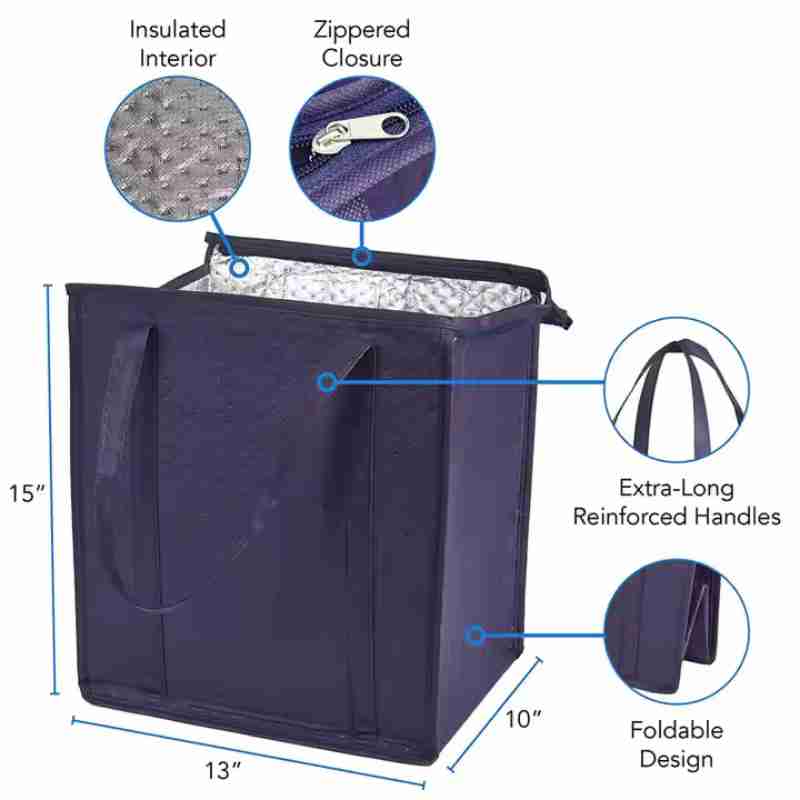
Insulation cannot be judged by foam thickness alone. Outer fabric, EPE or other insulation layers, PEVA or foil lining, opening size, zipper closure, capacity, ambient conditions and use time all affect performance. Cleaning expectations and leak-resistance needs also influence the construction review before a sample is approved.
- Risk: A generic insulation build may not match the intended use.
- Control: Review the complete thermal structure instead of relying on one material specification.
Sample And Bulk Drift
A strong prototype is only useful when its approved details become production standards. Fabric, color, lining, dimensions, stitching, logo placement and packing rules should be recorded before bulk production. Confirmed samples and QC checkpoints reduce avoidable drift, while production records support clearer checks on repeat orders and future color extensions.
- Risk: Approved details become inconsistent during volume production.
- Control: Convert confirmed specifications into measurable production and QC references.
Packing Or Deadline Fails
Corporate gifting often works against an event, onboarding wave or year-end distribution date. Wrong labels, mixed colors, missing components or late packaging approval can damage an otherwise good product. Packing files, SKU allocation, carton marks and required in-hand dates should be confirmed early enough to plan sampling, production, packing and shipping in sequence.
- Risk: Correct products arrive incorrectly packed or too late.
- Control: Lock packing rules and schedule milestones before bulk execution.
Build the Right Insulation Structure for Daily Use
Outer fabric, insulation, lining, opening, capacity and carrying structure work together; specifications should match intended use instead of relying on one material claim.
| Construction Area | Options to Review | What It Influences | What Should Be Confirmed |
|---|---|---|---|
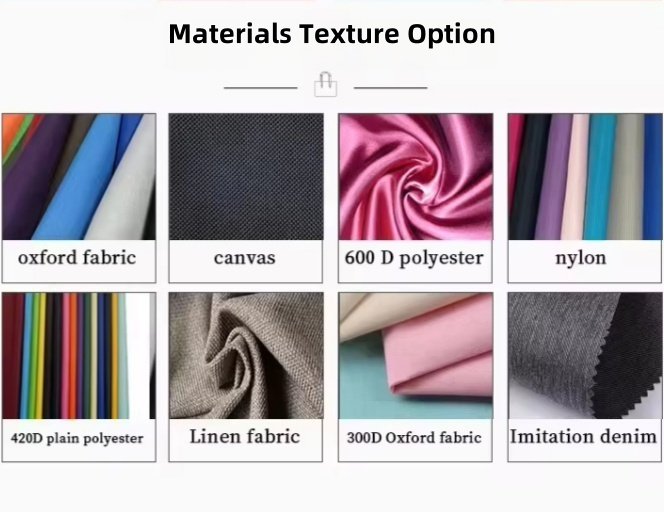
| Outer Fabric | Polyester, Oxford, canvas, RPET, neoprene or other suitable fabrics | Appearance, abrasion resistance, hand feel, decoration compatibility, weight and cost | Intended use, desired texture, color, coating, brand position and packing volume |
| Insulation Layer | EPE foam or other suitable insulation structures | Thermal performance, cushioning, shape, thickness, internal capacity and carton volume | Target use, bag size, required structure, packing method and intended contents |
| Inner Lining | PEVA, aluminum foil or other suitable lining options | Cleaning convenience, internal appearance, insulation structure and perceived quality | Cleaning needs, appearance, seam construction and any specific material requirements |
| Opening & Closure | Zippered opening, wider access or other construction based on design | Air exchange, access, packing convenience and insulation behavior | Opening size, zipper type, frequency of access and intended contents |
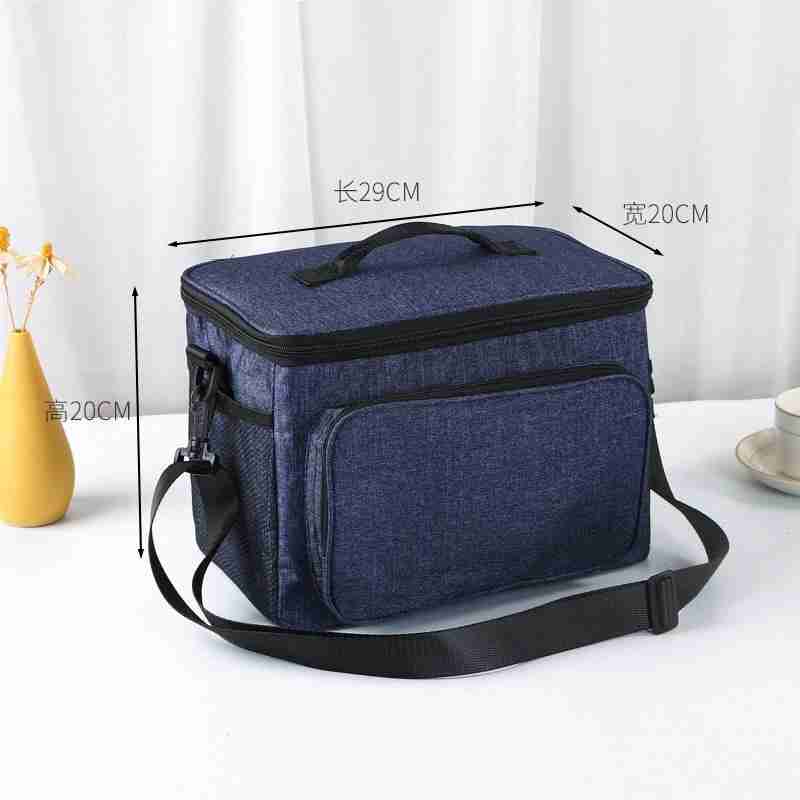
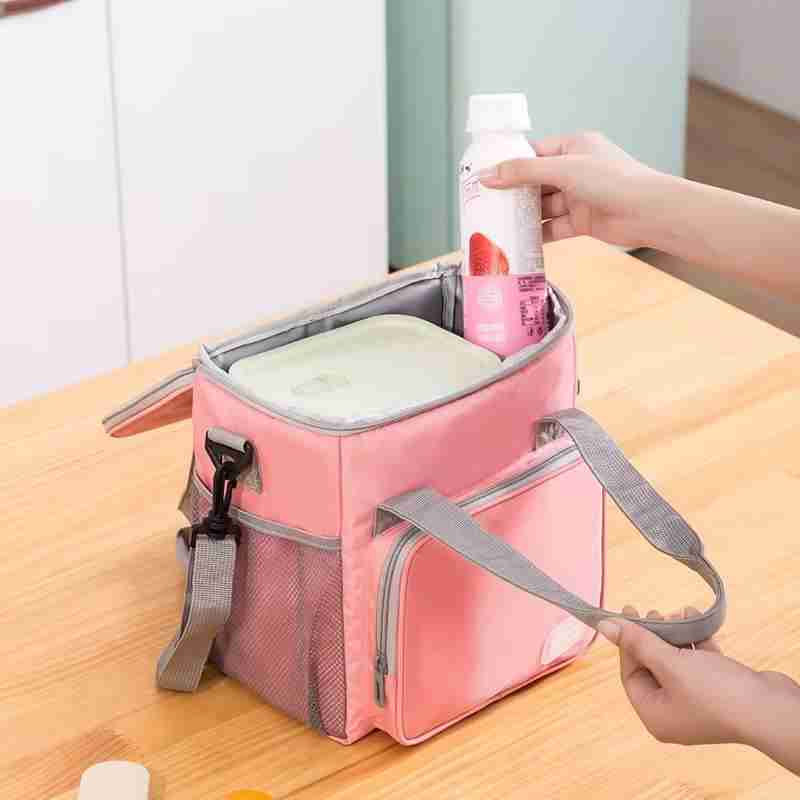
| Capacity Planning | Lunch box, bottle, snacks, utensils or ice-pack space | External dimensions, internal organization, weight, shape and carrying comfort | Actual food-container dimensions, bottle size, desired capacity and compartment needs |
| Handles & Support | Webbing handles, padded grips, shoulder straps, reinforcement or structural support | Carrying comfort, load distribution, shape retention and long-term use | Expected load, handle length, attachment position, reinforcement and carrying style |
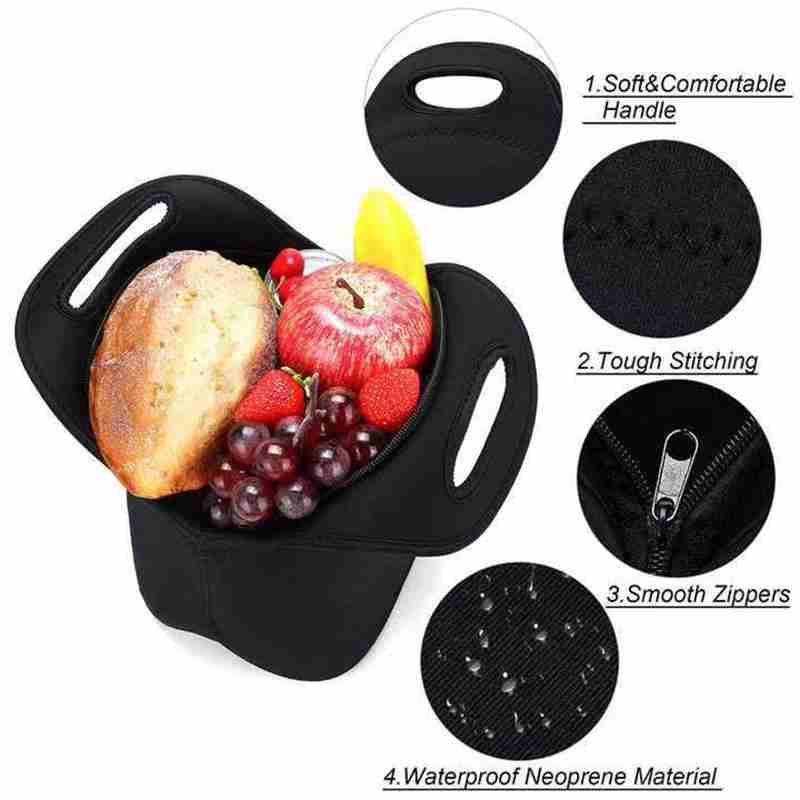
| Neoprene Construction | Common thickness directions may include 3 mm, 5 mm, 7 mm or 8 mm depending on the project | Soft hand feel, flexibility, light insulation, sewing difficulty and packing thickness | Thickness, elasticity, odor, decoration process, binding and intended level of insulation |
| Leak & Cleaning Details | Seam construction, lining joints, opening design and selected sealing methods | Ease of wiping, resistance to minor spills and overall internal maintenance | Expected use, liquid exposure, seam method and realistic performance requirements |
Insulated lunch bag performance cannot be defined by PEVA, aluminum foil or EPE foam alone. Outer fabric, insulation thickness, stitching, opening structure, zipper closure, capacity, ice-pack use, ambient conditions and testing method all influence the result. Fixed cold-retention hours or complete leakproof performance should only be stated when supported by an agreed construction and relevant testing.
Choose the Right Lunch Bag for Each Gift Program
Choose a lunch bag direction by gift level, daily use, capacity, brand presentation, program size and distribution method before detailed sampling begins.
Everyday Employee Lunch Bag

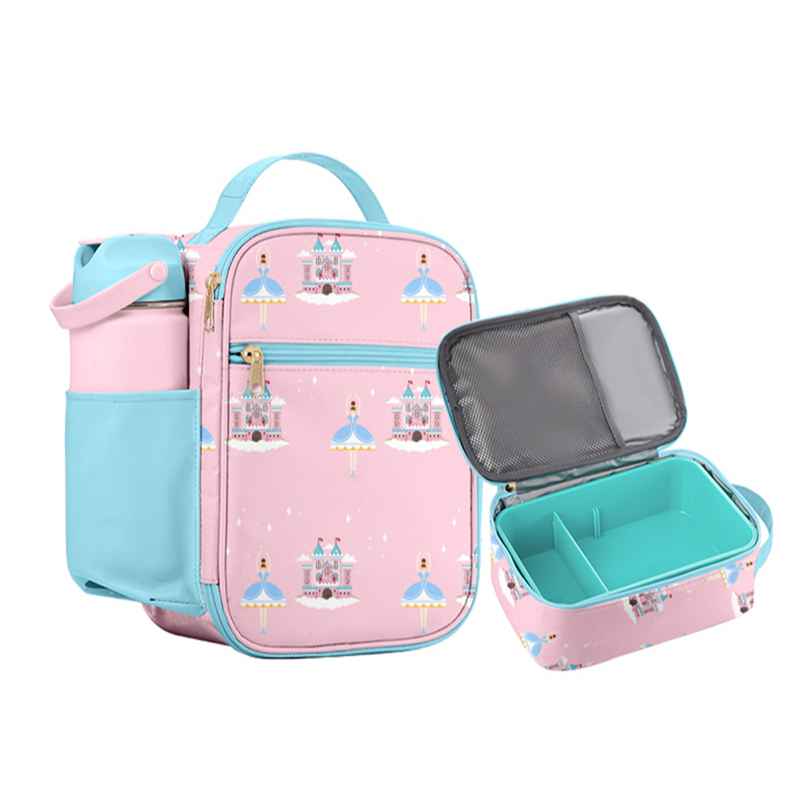
Designed for daily office meals, commuting and wellness programs, this direction favors balanced capacity, easy-clean lining, comfortable carrying and stable branded decoration. Polyester or Oxford outer fabrics can support controlled cost and multiple color options, while internal insulation and closure details are reviewed around intended use, packing volume and gift presentation.
Best for: Employee wellness, onboarding and everyday staff programs.
Development focus: Usability, insulation, cost balance and repeat-order consistency.
Premium Structured Lunch Bag

For recognition programs, executive gifts and higher-value employee sets, a more structured silhouette can create stronger presentation value. Fabric texture, reinforcement, zipper quality, handle construction, lining finish and understated branding are developed together so the product feels considered in hand rather than looking like ordinary promotional merchandise.
Best for: Executive gifts, anniversaries and premium staff recognition.
Development focus: Structure, material feel, refined detailing and presentation.
Corporate Lunch Cooler
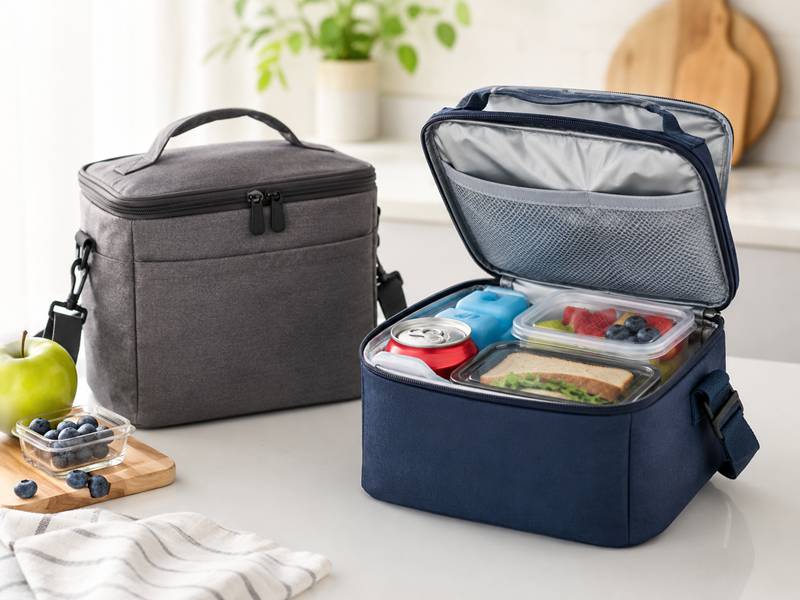
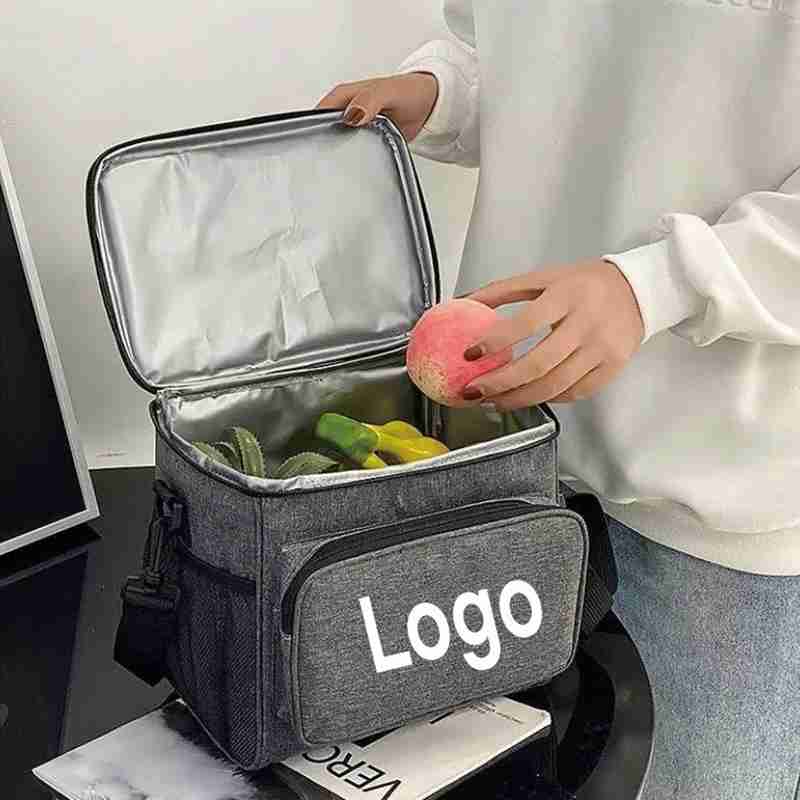
A larger insulated format suits team events, food and beverage programs, outdoor company activities and gifts that need space for lunch boxes, bottles or ice packs. Capacity planning comes first, followed by insulation structure, opening design, handle strength, internal cleaning needs and carton efficiency so size does not create avoidable packing or freight issues.
Best for: Team events, wellness kits and outdoor company programs.
Development focus: Capacity, insulation structure, carrying strength and carton efficiency.
Eco-Oriented Gift Bag

RPET and other material directions can be reviewed when sustainability is part of the brand brief, but environmental claims should follow available material documentation rather than marketing language alone. Color, hand feel, coating, print compatibility, lining choice and packaging still need the same development control as conventional materials before the gift specification is approved.
Best for: Sustainability-led employee and brand programs.
Development focus: Material documentation, brand presentation, print compatibility and packing.
Gift Set Lunch Bag

A lunch bag can act as the anchor item in a welcome kit, wellness set or seasonal gift pack. Dimensions should be planned around the other components, with attention to internal space, folding, gift-box fit, card placement, barcode or SKU rules and packing sequence. Early pack-out review reduces missing components and last-minute box changes.
Best for: Welcome kits, wellness sets and seasonal gift programs.
Development focus: Component fit, gift-box layout, SKU rules and packing sequence.
Compact Event Lunch Bag
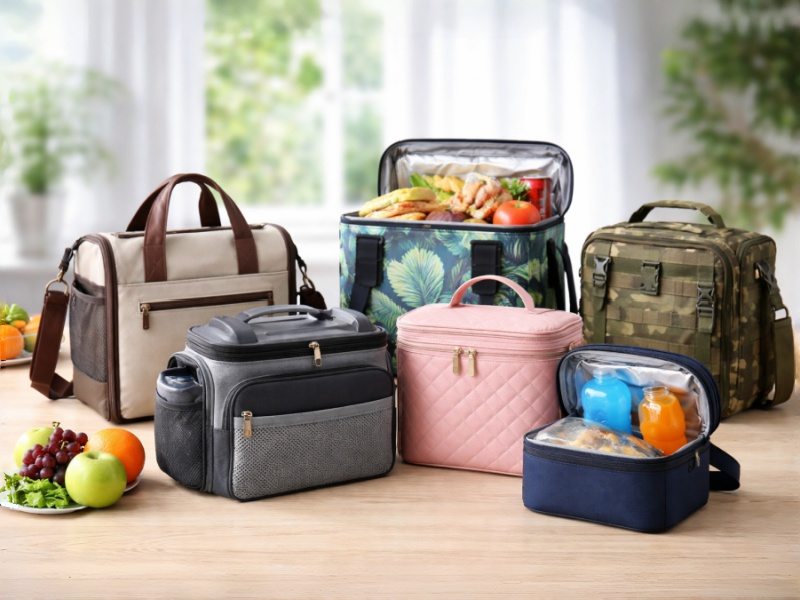
For conferences, company picnics and large campaign programs, a compact insulated style can balance visible branding, useful capacity and efficient distribution. Mature construction, controlled decoration and simple individual packing may help manage unit cost without turning the item into a disposable giveaway. Event date, carton quantity and delivery location should be confirmed early.
Best for: Conferences, company picnics and large event programs.
Development focus: Branding, distribution speed, carton planning and deadline control.
Branding Should Look Engineered, Not Added Afterwards
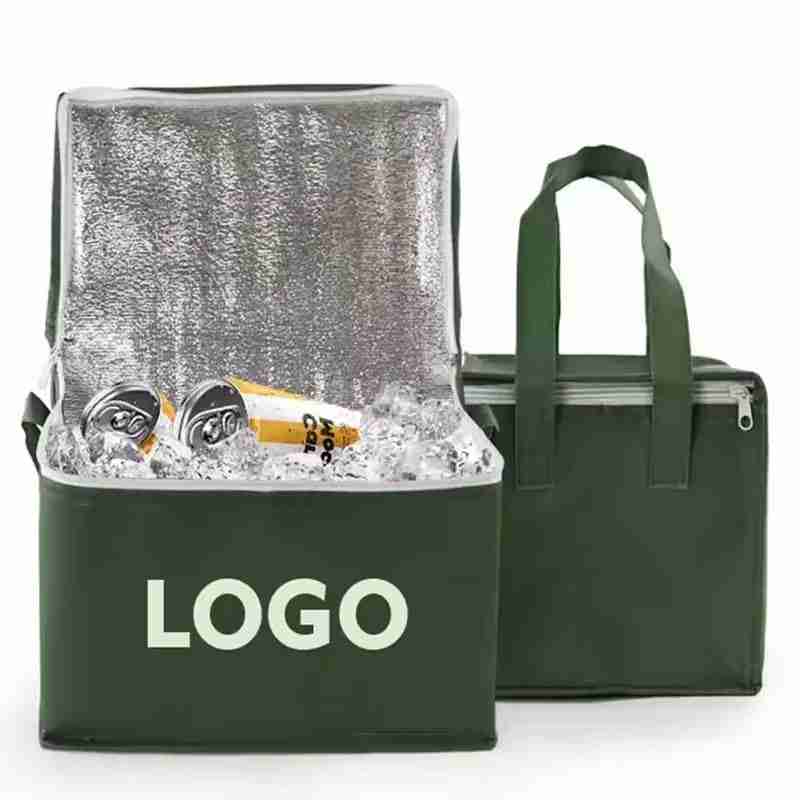
Brand decoration should match fabric, structure, artwork complexity and gift positioning, with physical approval controlling color, size, placement and finish before volume production.


Printed Branding
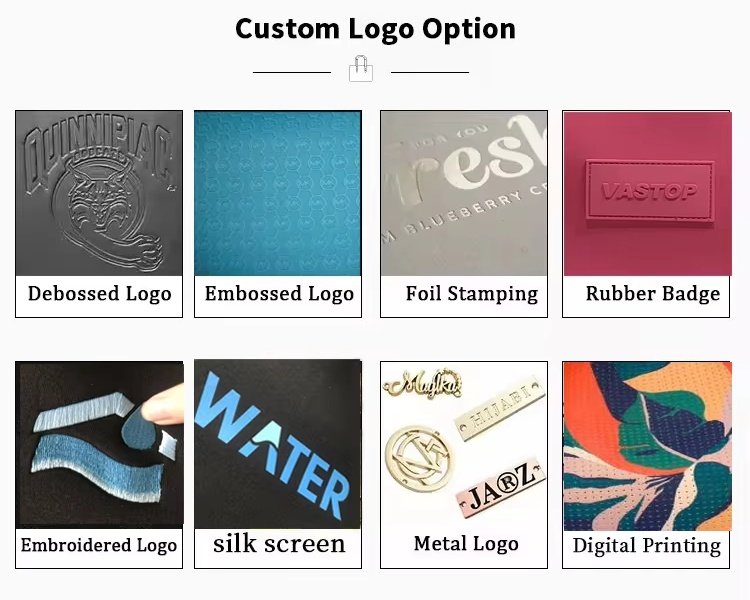
Screen printing works well for clear, limited-color graphics on suitable polyester, Oxford, and other compatible surfaces, while heat transfer can support more detailed artwork where the material and temperature tolerance allow it. The best choice depends on logo complexity, print area, fabric coating, quantity and target finish. Color, placement and adhesion should be checked on the approved sample before bulk decoration begins.
- Best suited to: Clean graphics, larger print areas and campaign artwork.
- Confirm before production: Pantone reference, finished dimensions, position, surface compatibility and adhesion.
- Avoid: Selecting a print method before the actual fabric surface is known.
Embroidery And Woven Labels
Embroidery can give selected lunch bag styles a more dimensional, durable brand appearance, especially when the outer fabric and structure can support stitching without distortion. Woven labels offer a cleaner textile identity for smaller marks or private-label details. Stitch density, thread color, backing, label size, edge finish and attachment position should be confirmed so branding remains consistent with the bag’s overall proportion.
- Best suited to: Staff recognition, premium gifts and refined textile branding.
- Confirm before production: Thread color, stitch area, backing, label construction and attachment.
- Avoid: Oversized embroidery that distorts soft or heavily insulated panels.
Patches And Premium Details
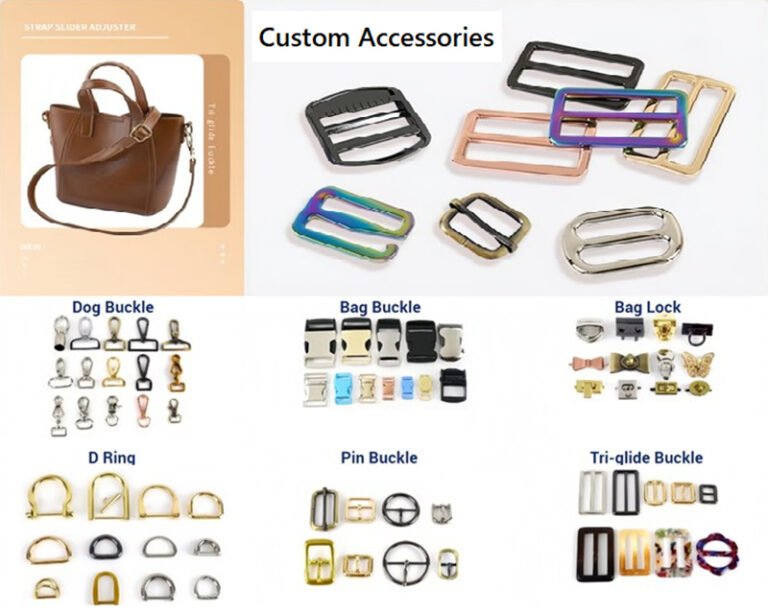
Rubber patches can create a raised, durable identity on suitable cooler and lunch bag constructions, while selected structured or PU designs may also be reviewed for metal plates or other refined details. Molds, patch thickness, plating color, attachment method and surrounding reinforcement affect both appearance and cost. Premium decoration should support the brand language rather than add weight or complexity without purpose.
- Best suited to: Branded cooler styles, executive gifts and distinctive private-label programs.
- Confirm before production: Mold design, thickness, finish, attachment method and surrounding reinforcement.
- Avoid: Adding heavy decorative parts where they interfere with folding, packing or daily handling.
Artwork And Color Control
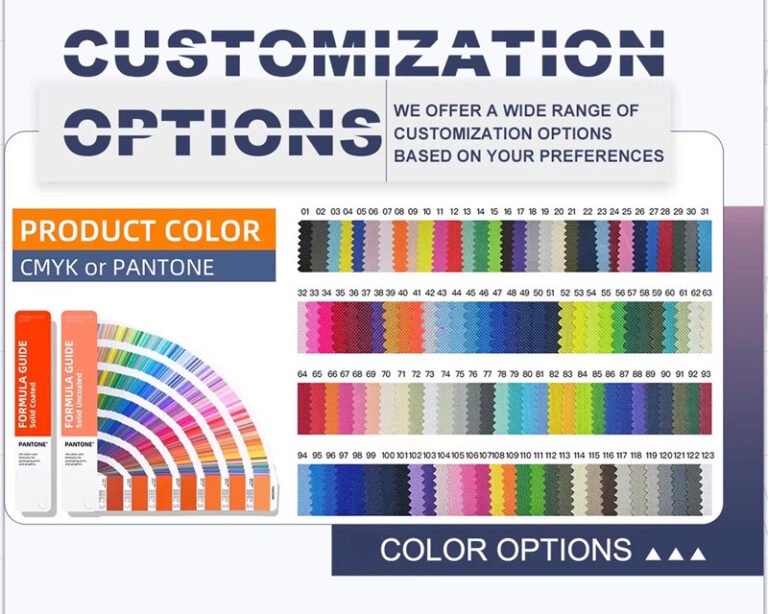
Accurate production starts with clear artwork. Vector files such as AI, CDR, PDF, EPS or SVG are preferred because size, line quality and proportions can be controlled more reliably. Pantone references, intended placement, finished logo dimensions and color expectations should be provided before sampling. Material texture, coating, lighting and process can influence perceived color, so approved physical samples remain the production reference.
- Preferred files: AI, CDR, PDF, EPS or SVG.
- Confirm before production: Pantone color, finished logo size, exact position, proportion and physical sample.
- Control reference: Approved decoration sample or approved finished product.
Gift Packaging Must Work Beyond the Presentation Moment
Corporate lunch bag programs often involve labels, gift sets, department quantities and multiple destinations, so packing rules should be defined before finished goods reach the packing line.

Brand-Ready Gift Packing
Presentation begins before the carton is opened. Depending on the program, packing may include individual polybags, hangtags, care labels, branded insert cards, color boxes, gift boxes or other agreed components. The format should protect the lunch bag, preserve its shape, communicate the brand clearly and remain efficient for large-scale packing and distribution. Decorative packaging that adds unnecessary volume can increase handling and freight cost without improving the recipient experience.
- Review: Bag dimensions, folded size, box fit, insert position and brand elements.
- Control: Confirm the physical packing arrangement before bulk packing.
- Plan early: Special boxes, printed cards and labels may affect cost and schedule.
Gift Set Assembly
A corporate wellness kit or onboarding set may combine the insulated lunch bag with bottles, utensils, cards or other prepared components. Pack-out should follow a confirmed component list and sequence rather than relying on memory at the packing table. Product dimensions, quantity per set, positioning, inner support and box size need to work together to reduce missing items, crushed products or inconsistent presentation.
- Review: Component list, dimensions, quantities and layout.
- Control: Use an approved set arrangement as the packing reference.
- Important: Third-party component sourcing or consolidation should be reviewed separately by project.
Multi-SKU Packing
Large programs may include several bag colors, logo versions, departments, offices or event groups. SKU-separated packing helps prevent mixed colors, wrong labels and quantity errors before shipment. Barcode files, SKU labels, style numbers and carton quantities should match the confirmed order information, especially when different versions look similar on the packing line.
- Review: SKU list, color allocation, logo version and quantity.
- Control: Separate, label and count each defined SKU before carton loading.
- Check: Barcode, label text and carton quantity against approved files.
Multi-Destination Cartons
Global or regional gift programs often move to several offices, warehouses or event venues. Destination marks, PO references, style numbers and quantity-per-carton rules make receiving and redistribution easier after arrival. Clear carton identification is especially valuable when the same shipment contains multiple colors or regional allocations, because the receiving team should not need to reopen every carton simply to find the correct group.
- Review: Destination list, quantities, carton marks and shipment split.
- Control: Match outer-carton identification with the confirmed allocation.
- Result: Faster receiving, sorting and local distribution with fewer avoidable handling errors.
From Brand Brief to a Production-Ready Lunch Bag
Start With the Information You Already Have
A complete technical pack is helpful, but it is not the only way to begin. A project may start from a reference image, an existing bag, a hand sketch, artwork, logo file or an early concept. The first development stage should turn those inputs into a clearer product direction before material is cut.
Product definition: Intended use, approximate dimensions, carrying method and expected contents help establish the basic shape and capacity.
Material review: Outer fabric, lining, insulation, zipper, webbing, reinforcement and decorative details are assessed together because changing one layer can affect structure, cost, hand feel and packing volume.
Brand execution: Logo artwork, Pantone references, position and finished dimensions are matched to the selected surface and process before final decoration is approved.
Construction review: Opening size, pocket layout, handle attachment, insulation thickness, lining joints and internal support are checked against actual use rather than copied blindly from a reference image.
Packing direction: Gift box, insert card, hangtag, barcode, SKU rule or individual packing should enter development early when they influence folded size or final presentation.
Once the initial specification becomes clear, pattern making and sample construction can begin with fewer assumptions. A first sample should test how the design works physically: whether proportions look right, lunch containers fit correctly, handles feel balanced, the zipper opens naturally, the lining sits cleanly and the branding aligns with the intended visual identity.
Clear decisions at this stage reduce expensive changes later, especially when several colors, multiple offices or a fixed event date are involved.
Treat Sampling as a Verification Process
A first sample is rarely valuable simply because it “looks close.” Its purpose is to test the details that will later become measurable production references. Review should cover appearance, dimensions, material feel, color, internal capacity, insulation structure, lining, zipper operation, handles, decoration and packing direction.
Comments are most useful when they are specific. Marked photographs, measurements and clear written notes help distinguish a true structural change from a minor visual adjustment. Revisions may involve dimensions, fabric, color, logo position, zipper, handle reinforcement, lining, pockets, packing or cost optimization. Major material or construction changes can affect sampling time and development cost, so revision scope should be reviewed rather than treated as unlimited.
For larger brand programs, a pre-production sample adds an important control stage before the main run. The approved version can confirm final materials, colors, dimensions, construction, logo appearance, packaging, labels and carton information. Once approved, those details should be translated into production information and inspection references instead of remaining only as photographs or email comments.
The strongest sample approval is therefore not simply “approved.” It is a clear record of what has been approved.
Recommended Approval Record:
- Final product photos and dimensions
- Confirmed outer fabric and lining
- Insulation and structural materials
- Pantone and logo execution
- Zippers, webbing and accessories
- Packaging and label requirements
- Approved revision version
- Key inspection details for bulk production
Keep Approved Details Consistent Through Bulk Production
Once a sample is approved, materials, dimensions, decoration, construction and packing should become measurable references followed through production, inspection and shipment preparation.
Material Intake Control

Bulk consistency begins before sewing. Incoming fabric, lining, insulation materials, zippers, webbing and other components should be checked against confirmed specifications before entering production. Color, surface texture, thickness, coating and component details can influence the finished appearance even when the product pattern remains unchanged.
- Check: Material type, color, texture, thickness and component specification.
- Reference: Approved sample and confirmed production information.
- Purpose: Prevent unsuitable materials from moving deeper into the production flow.
Cutting And Preparation

Cut pieces determine dimensions, alignment and later assembly accuracy. Directional fabrics, visible defects, color differences and incorrect piece sizes are easier to correct before sewing than after a finished lunch bag is assembled. Reinforcement, insulation and lining components also need to match the intended structure before they move to the sewing stage.
- Check: Dimensions, cutting direction, visible defects and component quantity.
- Reference: Pattern information and approved measurements.
- Purpose: Reduce dimensional drift and prevent avoidable assembly problems.
Logo And Brand Checks

Brand execution is inspected as a product specification, not as decoration added at the end. Logo position, finished size, color, clarity, embroidery appearance, patch attachment or print adhesion should follow the approved version. Errors are especially noticeable when hundreds or thousands of identical gifts are distributed together.
- Check: Position, size, color, clarity, alignment and attachment.
- Reference: Approved logo sample or approved finished sample.
- Purpose: Protect consistent brand presentation across the full order.
Sewing And Function Checks

Stitching quality affects appearance, structure and daily use. Seam allowance, stitch condition, reinforcement, symmetry, handles, zippers, pockets and opening movement should be reviewed during production rather than waiting until all pieces are completed. For insulated lunch bags, lining placement and structural layers also need attention because internal assembly can affect shape and usability.
- Check: Stitching, reinforcement, zipper operation, handles, pockets and structure.
- Reference: Approved construction and function requirements.
- Purpose: Identify production issues while correction is still manageable.
Finished Goods Inspection

Completed pieces are reviewed for overall appearance, dimensions, cleanliness, structure, function and brand execution before packing. Jundong has 80 QC inspectors supporting multi-stage inspection for custom bag projects, with inspection references built from approved samples and confirmed production details rather than vague descriptions such as “high quality.”
- Check: Appearance, measurements, structure, function, decoration and cleanliness.
- Reference: Approved sample, measurements and agreed inspection details.
- Purpose: Verify the finished product before it enters final packing.
Packing And Shipment Checks

Delivery quality continues after the bag itself is finished. Hangtags, care labels, barcodes, SKU labels, gift boxes, carton marks, packing quantities and destination information should be checked against confirmed files. Multi-color or multi-location programs require especially clear carton rules because a packing error can become a warehouse or event-distribution problem after arrival.
- Check: Labels, SKU, packing quantity, carton marks and destination information.
- Reference: Approved packing files and allocation rules.
- Purpose: Reduce receiving, sorting and distribution mistakes before shipment.
Factory Capacity Built for Complex Corporate Gift Programs
Large branded programs need development, sampling, production and packing teams working from the same approved specification, not isolated departments handling separate pieces of the order.
Development and Production Capacity Behind Every Approved Design
A corporate gift lunch bag moves through more steps than cutting fabric and sewing panels together. Material choice affects hand feel, insulation, decoration and packing volume. Structure affects capacity, presentation and production difficulty. Logo execution must match the selected surface. Gift packaging introduces another set of dimensions, printed materials and packing instructions. A factory serving established brands needs enough organization to keep those decisions connected from development through shipment.
Jundong is a Guangdong-based custom bag factory with 20+ years of OEM/ODM bag experience, supported by 600+ employees and approximately 18,000㎡ of production space. The organization includes foreign-trade sales, product development, design, a professional sample room, production and quality inspection functions.
For a branded insulated lunch bag program, those resources support a connected working sequence:
- Development: Review size, material, insulation, structure, decoration and packaging before sampling.
- Sample room: Turn drawings, reference products and approved materials into physical samples for evaluation.
- Production preparation: Convert the approved version into material, construction, logo and packing information.
- Bulk execution: Coordinate cutting, decoration, sewing, assembly, inspection and packing around the confirmed specification.
- Order follow-up: Track key production stages so required delivery dates, packaging milestones and shipment preparation remain visible.
Scale alone does not make a project reliable. The stronger advantage comes from connecting product decisions with production records, approved samples and packing instructions before thousands of identical pieces move through the line.
How a 1,500-Piece Wellness Gift Program Can Be Controlled
Consider a 1,500-piece corporate wellness lunch bag program with three brand colors, one approved logo treatment and individual gift packing. The important work begins before the 1,500 pieces enter production.
First, the program specification defines bag dimensions, intended meal-container capacity, outer fabric, insulation layer, lining, zipper, handles, logo size and packaging format. Samples then verify physical proportion, color, decoration, internal construction and packing fit. Once the final version is approved, those details become the working references for production.
For three colors, the quantity allocation can be recorded as 500 pieces per color, with each color linked to its approved material reference and packing identification. Logo position and finished dimensions remain common control items across all versions. If different offices or departments require separate allocations, carton rules can be prepared before packing begins rather than sorting finished cartons afterward.
A controlled sequence can include:
- 1 approved construction for all 1,500 pieces
- 3 confirmed color references
- 1 approved logo specification
- Defined quantity allocation for each color or destination
- Approved unit-packing arrangement
- Carton quantity and carton-mark rules
- Production and packing checkpoints tied to the final approved version
The same logic scales to larger corporate programs. More colors, locations or packaging versions increase the need for clearer records and separation rules; they should not increase dependence on verbal instructions.
Compliance and Global Delivery for Corporate Gift Programs
Destination requirements, testing, export documents and freight planning should be reviewed before shipment so the finished lunch bags arrive with the correct product and logistics information.

Target-Market Requirements
Material, labeling and testing expectations can differ by destination, product use and internal brand standards. Requirements should be identified before final specifications are locked, especially when a corporate program has specific chemical, material, labeling or third-party testing criteria. No material should be assumed food-safe, certified or compliant with every destination standard without the relevant specification or supporting documentation.
Testing Coordination
Testing and compliance documents can be reviewed according to the destination and confirmed project requirements. The required scope may involve materials, finished products, labels, packaging or other specified items. Testing should be planned early because sample preparation, laboratory submission, corrective work or document review may affect the overall schedule. Test scope, laboratory requirements, cost and timing should be confirmed for each program.
Export Documents
International orders often require information beyond the physical product. Jundong can assist with commercial invoices, packing lists, carton marks, shipping marks, HS Code coordination, product descriptions, carton quantities, gross and net weights, SKU information and destination details according to the shipment. Documents should match the actual packing and outer cartons, especially when one order contains several SKUs, PO numbers or destinations.
Freight and Trade Terms
Courier, air freight, sea freight, rail freight and appointed forwarders can be evaluated according to volume, weight, destination, deadline and budget. EXW, FOB, CIF and DDP or other terms can be reviewed according to the agreed order arrangement. DDP is not a default option for every destination, and customs clearance depends on local rules, shipment documents and destination-side requirements.
MOQ, Sampling Cost and Lead Time at a Glance
Accurate commercial planning depends on construction, materials, branding, quantity, packing and schedule; confirming these factors early produces a more useful quotation and production plan.
| Planning Item | Jundong Reference | What Affects the Result | What to Prepare |
|---|---|---|---|
| Standard MOQ | Usually 500 pcs per design | Fabric purchasing, insulation materials, logo setup, color quantity, packaging and production scheduling | Design or reference image, target quantity, colors and logo requirements |
| Sample Development | Standard sampling usually takes 5–7 days | Product complexity, material sourcing, insulation structure, special branding, custom components and packaging samples | Size, material direction, logo artwork, color reference and packing idea |
| Sample Fee | Sample fee is reviewed by project; it can be refunded or deducted when the bulk order reaches 2,000 pcs | Material preparation, development labor, logo setup, special accessories, packaging sample, revisions and courier cost | Product specification and required sample scope |
| Bulk Production | Usually 20–30 days after final details are confirmed | Quantity, material availability, logo process, structure, packaging complexity, production schedule and inspection requirements | Final approved sample, quantity split, packaging files and required shipment date |
| Unit Cost | Quoted after project details are reviewed | Size, outer fabric, EPE or other insulation, lining, zipper, handles, structure, decoration, hardware, quantity and packing | Reference product, dimensions, quantity, material preference and branding |
| Custom Packaging | Reviewed together with the product program | Gift box construction, printed cards, hangtags, labels, SKU quantity, carton rules and packaging-material MOQ | Packing reference, box style, artwork, label files and distribution plan |
| Multiple Colors / SKUs | Quantity and production setup are reviewed by version | Fabric color, minimum material purchasing, logo version, packing rules and destination allocation | SKU list, color quantities, logo versions and carton allocation |
| Delivery Schedule | Production time and freight transit time are planned separately | Required in-hand date, packing completion, destination, freight method and seasonal capacity | Final destination and required arrival date |
A corporate lunch bag quotation becomes more accurate when the product is defined beyond a photograph. Even a strong reference image cannot show exact dimensions, insulation thickness, internal lining, decoration setup or gift packing requirements.
Providing size, quantity, material direction, logo artwork, packaging and required delivery date allows the project to be costed around the intended result rather than around assumptions.
Make a sample first ?
A well-designed corporate gift lunch bag should do more than carry a logo. It should suit daily commuting, office meals, employee gifts, events, and promotional programs while balancing insulation, capacity, durability, branding, and packaging. Making a sample first helps confirm the size, materials, logo placement, color, zipper quality, handle strength, and overall appearance before bulk production begins.
Client Testimonials
800+ brand Clients Trust Jundong


FAQs About Corporate Gift Lunch Bags
Planning quantities, samples, branding, insulation, packing or delivery? These are the questions companies most often raise before approving a custom corporate lunch bag program.

What is the MOQ for custom corporate gift lunch bags?
Our standard MOQ is usually 500 pieces per design. Quantity can vary with fabric, color count, insulation structure, logo method and gift packaging. Selected simple constructions may be reviewed at 200–300 pieces case by case, while certain low-unit-price promotional items may require higher quantities. For multi-color programs, send the total quantity and quantity per color so material purchasing and production setup can be assessed accurately.
What determines the price of a custom lunch bag?
Unit cost is mainly shaped by size, materials, insulation, construction, branding, quantity and packing. A larger bag with thicker EPE, upgraded lining, reinforced handles, embroidery and a gift box will follow a different cost structure from a compact printed design. Quantity also affects how material purchasing and setup costs are distributed. Send the reference design, size, quantity, logo and packing requirement for a meaningful quotation rather than an estimate based only on appearance.
Can you develop a lunch bag from our own design?
Certainly — development can begin from a drawing, reference photo, existing sample, sketch or early product idea. A complete technical pack is helpful but not compulsory at the first stage. Dimensions, capacity, outer fabric, insulation, lining, zipper, handles, logo and packing are reviewed before sampling. When specifications are incomplete, the available information can be assessed first and the missing production details clarified before the sample is made.
How long does sampling take, and is the sample fee refundable?
Standard sampling usually takes 5–7 days after key details are confirmed. Simple styles may take 2–3 days, while special materials, complex branding, custom hardware or custom packaging can require additional time. Sample fees cover development, materials, setup and sample-making work rather than the cost of one finished bag alone. When the bulk order reaches 2,000 pieces, the sample fee can be refunded or deducted from the production order.
Which materials work best for insulated corporate lunch bags?
The right structure depends on how the bag will actually be used. Polyester, Oxford, RPET, neoprene and other suitable outer materials can be combined with EPE insulation and PEVA or aluminum-foil lining according to the required appearance, capacity and cleaning needs. Insulation performance is influenced by more than one layer: foam thickness, opening size, zipper closure, internal capacity, stitching, ice-pack use and ambient conditions all matter. Fixed cooling hours should only follow an agreed construction and relevant testing.
Can you match our logo, Pantone colors and private-label details?
Absolutely — branding can be developed around the approved artwork, material and desired finish. Suitable lunch bag methods may include screen printing, heat transfer, embroidery, woven labels and rubber patches, with other details reviewed according to the construction. Vector files such as AI, CDR, PDF, EPS or SVG are preferred. Pantone reference, finished logo size, placement and physical sample should be confirmed because fabric texture, coating and decoration process can influence the final appearance.
Can you handle gift boxes, multiple SKUs and office allocations?
Definitely — packing can be organized around the distribution plan, not added as an afterthought. Available project support may include individual polybags, hangtags, care labels, barcodes, SKU labels, insert cards, color boxes, gift boxes and carton marks. Programs involving several colors, departments or destinations should define quantity allocation, label files and carton rules before packing begins. Clear SKU separation makes receiving and regional distribution easier after the shipment arrives.
How do you control consistency from approved sample to bulk production?
The approved sample becomes a production and inspection reference, not just a visual example. Confirmed materials, dimensions, colors, logo placement, construction and packing details are translated into production information before the main run. Inspection continues through material intake, cutting, branding, sewing, finished goods and packing. Jundong has 80 QC inspectors supporting multi-stage checks, with measurements and approved specifications used to reduce avoidable sample-to-bulk variation.
How long does bulk production take for an event program?
Normal bulk production usually takes 20–30 days after final specifications are confirmed. Actual timing depends on quantity, material availability, construction, decoration, packaging and inspection requirements. Shipping transit time is planned separately. For conferences, employee onboarding or seasonal gifts, provide the required in-hand date early so sampling, production, packing and freight can be planned backward. Rush feasibility should be assessed before materials and packaging are committed rather than promised after production has started.
Can you support testing, export documents and international delivery?
Of course — testing and shipping arrangements can be reviewed around the destination and project requirements. Material, labeling or third-party testing needs should be identified before production when applicable. Export support may include commercial invoices, packing lists, carton marks and shipment information. Courier, air, sea, rail and appointed forwarders can be evaluated by volume, deadline and destination. EXW, FOB, CIF and selected DDP arrangements may also be reviewed; DDP and customs clearance are not automatic for every country.
Turn Your Corporate Lunch Bag Brief Into a Clear Plan
A useful quotation starts with the product you actually want to create, not a generic catalog price. Send your reference photo, drawing, existing sample or design file together with the information already available. The team can review product direction, materials, insulation, branding, quantity, packing and timing, then identify any details that still need confirmation before sampling.
For a more accurate first review, include:
- Product reference, artwork or existing sample
- Target size or required internal capacity
- Preferred outer material and lining, if already selected
- Insulation or functional requirements
- Logo artwork, Pantone colors and intended position
- Total quantity and quantity per color or SKU
- Gift box, label, barcode or set-packing requirements
- Target price when relevant to material selection
- Required in-hand date
- Destination country or delivery location
- Testing or compliance requirements, if applicable
Incomplete briefs are welcome. Send the information currently available and the missing production details can be clarified before sampling. Sensitive unreleased projects can also mention NDA requirements before files are shared.
You may upload the files through the form or email info@jundongfactory.com.