Skip to content

Carry-On Luggage Customization
OEM and private-label carry-on development with controlled dimensions, dependable components, brand detailing, quality checks, and export-ready packing.
Jundong supports travel labels, retail groups, private-label programs, and corporate travel projects from specification review through shipment.
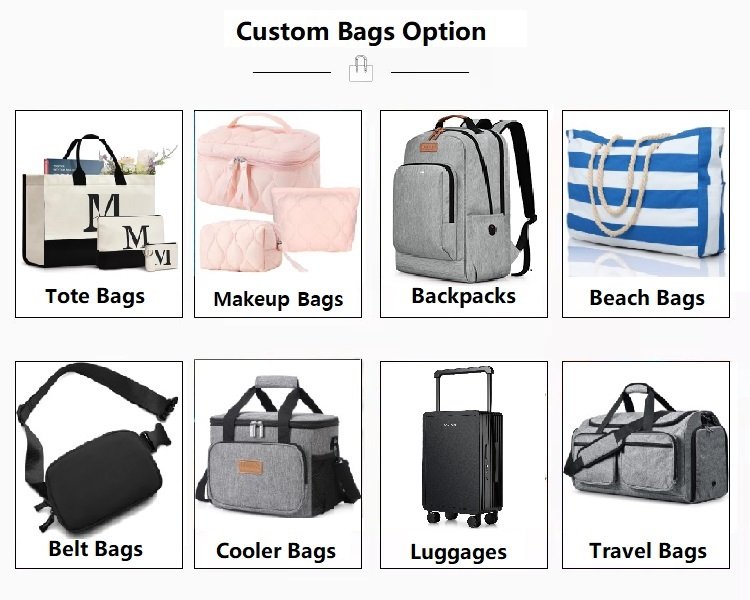
- Develop softside, molded EVA, rolling travel bags, and coordinated luggage collections.
- Define outside dimensions, empty weight targets, usable capacity, wheels, trolley handles, zippers, locks, interiors, logos, and packaging before sampling.
- Move approved specifications into controlled bulk production with material verification, inline inspection, finished-product review, and transport-ready packing.

Brand Development or Personal Luggage Personalization?
Carry-on customization can describe two very different services. Confirming the intended order type early prevents incorrect quotations, unsuitable development routes, and wasted sampling time.

Brand Product Development
Jundong is suited to planned carry-on programs for travel labels, chain retail, department stores, e-commerce lines, licensed collections, and corporate travel use. Development can cover body structure, dimensions, capacity, fabrics or shell direction, wheel format, trolley system, pullers, locks, lining, compartments, color matching, logo application, labels, cartons, and launch packing. Quotations are built around approved specifications, order volume, test needs, destination requirements, and repeat-order expectations—not a simple logo added to a ready-made suitcase.
Personal Item Personalization
Jundong is not designed for one-off monograms, individual name printing, replacement parts, or a single suitcase ordered for personal travel. Those requests are better served by consumer personalization studios or retail services with finished stock. Commercial programs should begin with an intended quantity, target launch date, destination, reference style, size requirements, preferred materials, branding method, packaging needs, and any required test standard. Sharing those inputs allows the correct development route to be reviewed before artwork or samples are prepared.
Who Needs Custom Carry-On Luggage Programs?
Travel Gear Brands
Create signature carry-on models with recognizable panel lines, hardware language, interior organization, and coordinated color stories. Development can connect single cabin cases with larger sizes or travel bags, keeping key details consistent across the collection. Early decisions should cover target empty weight, capacity, durability level, destination, launch calendar, and whether protected components or exclusive molds are required.
Chain Retailers
Build store-ready programs around defined price tiers, shelf presentation, barcode rules, carton limits, color ratios, and seasonal delivery windows. Product specifications need enough distinction for the retail concept while remaining stable for repeat orders. Assortment planning may include opening quantities by color, replenishment forecasts, packaging format, master-carton marks, inspection level, and distribution-center handling requirements.
Department Stores
Department-store collections often need elevated finishing, restrained branding, clean presentation, and dependable comparison across several price levels. Carry-on specifications can be adjusted through fabric choice, shell direction, trims, wheels, handles, lining, and packaging. Development should also consider display samples, hangtags, care labels, barcode placement, carton appearance, and timing for seasonal review meetings.
Private Label Programs
Translate a retailer or licensed identity into a controlled private-label luggage program rather than applying a logo to a generic case. Brand codes can guide color matching, puller design, lining artwork, badge construction, zipper details, carton marks, and instruction materials. Approval records should lock each visible and functional element before bulk materials are released.
E-commerce Product Lines
Online-focused carry-on models must communicate benefits clearly through measurable specifications and consistent visual details. Useful development inputs include outside dimensions, empty weight target, packing capacity, wheel type, trolley positions, laptop or wet-pocket needs, packaging drop protection, and color accuracy. Stable construction also reduces listing variation and supports cleaner replenishment across later production runs.
Corporate Travel Programs
Corporate, airline-adjacent, hospitality, and employee travel programs may require restrained identification, recipient-friendly packing, address labeling, and synchronized delivery. Product direction can balance everyday mobility with controlled branding through woven labels, metal badges, heat transfer, embroidery, or printed lining. Project planning should confirm quantity allocation, delivery destinations, presentation requirements, and approval responsibility before sampling begins.
Which Carry-On Luggage Styles Can Jundong Develop?
Carry-on construction should follow appearance, weight, protection, tooling, price position, and launch timing. Jundong reviews every style against its actual structural, component, and repeat-order requirements.
Softside Carry-On Luggage
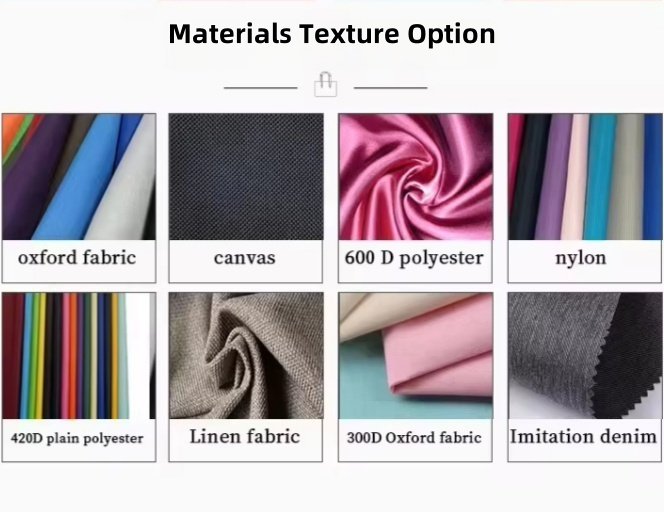
Softside carry-on luggage offers flexible pocket layouts, expandable capacity, lighter construction options, and broad fabric choices. Development may cover polyester, nylon, or RPET directions, reinforced base panels, front access, laptop storage, spinner or inline wheels, and coordinated interiors. Fabric strength, coating, seam design, frame support, and edge protection must be balanced rather than selected independently.
Molded EVA Luggage
Molded EVA luggage combines a shaped semi-rigid body with a textile surface, providing more protection than a conventional soft case without the appearance of a full hard shell. The route suits distinctive contours, equipment-inspired travel cases, and structured cabin designs. Mold dimensions, foam density, lamination, zipper alignment, rebound, and shell symmetry require early validation.
Rolling Travel Bags
Rolling travel bags use a fabric body with wheels and a retractable handle, offering a softer silhouette and flexible packing space. Formats may include duffel-style openings, U-shaped access, end pockets, and reinforced bases. Development should control base sagging, trolley concealment, loaded balance, corner abrasion, handle anchoring, and clearance between the bag body and wheels.
Coordinated Luggage Sets
Coordinated luggage sets connect cabin cases with larger checked sizes or matching travel bags. Exterior panel language, trims, colors, logos, lining, wheels, and handles can remain consistent across the family while internal reinforcement changes by size. Disciplined size grading prevents visual consistency from creating excessive weight, poor balance, inefficient nesting, or unnecessary carton volume.

Reviewed Hard-Shell Projects
ABS or PC hard-shell carry-on projects are reviewed individually because tooling, shell forming, component compatibility, minimum material runs, and external production resources vary by structure. Feasibility is confirmed after drawings, target dimensions, shell direction, quantity, finish, test needs, and schedule are assessed. Jundong does not present every hard-shell concept as automatically available; the complete production route must be verified before quotation.
Choose the Right Carry-On Production Route
Customization depth changes development cost, approval work, tooling exposure, and lead time. Select the lightest route while protecting product identity, function, and repeat-order consistency.
| Development Route | Best Suited To | What Can Change | Evidence Before Release | Commercial Impact |
|---|---|---|---|---|
| Existing Structure Adaptation | Collection updates and defined launch dates using a proven core construction. | Fabrics, colors, lining, pockets, zipper pullers, badges, woven labels, printed graphics, hangtags, cartons, and retail packing. | Approved swatches, artwork placement, component board, revised specification sheet, packing details, and signed pre-production sample. | Lowest tooling exposure and fewer structural unknowns. Timing still depends on material availability, color development, component confirmation, and approval speed. |
| Structural Redevelopment | New dimensions, panel layouts, capacity targets, openings, compartments, reinforcement, or wheel and trolley arrangements. | Complete patterns, body proportion, opening direction, pocket architecture, support boards, base construction, interior organization, and component interfaces. | Dimensioned drawings, pattern or mock-up review, loaded fit check, component compatibility, revised carton calculation, function checks, and signed final sample. | Requires additional sampling and verification. Order conditions depend on material, component, workmanship, and test requirements rather than logo application alone. |
| New Mold Or Exclusive Components | Molded EVA bodies, proprietary shapes, exclusive hardware, protected structural parts, or project-reviewed ABS and PC shell concepts. | Mold geometry, cavities, formed shells, exclusive badges, wheel housings, handle bases, structural connectors, and surface finish. | Feasibility assessment, mold or 3D drawings, tooling quotation, component commitment, pilot sample, test plan, and approved production reference. | Highest upfront commitment and longest validation route. Quantity, tooling ownership, component availability, and schedule are confirmed only after technical review. |
Choose existing structure adaptation when product identity can be achieved without moving structural interfaces. Choose structural redevelopment when dimensions, capacity, opening, balance, or component layout must change. Choose new tooling only when a proprietary form or protected part justifies the added validation and upfront commitment. A color, logo, lining, or packaging update alone rarely requires a new mold.
Why Carry-On Luggage Projects Fail Before Launch
Most delays begin with unresolved specifications, not sewing or assembly. Four early decisions determine whether custom carry-on luggage reaches sampling, approval, and shipment without costly rework.

Undefined Cabin Dimensions
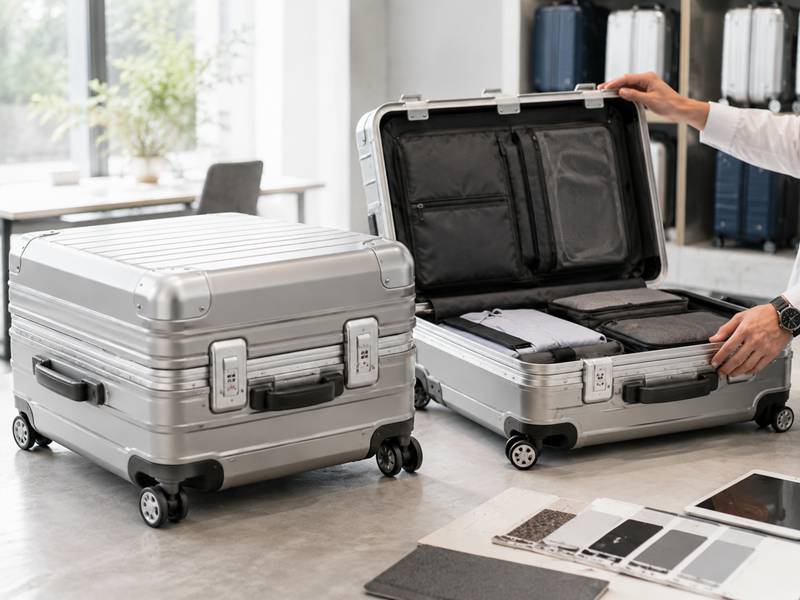
Cabin luggage cannot be developed around the phrase “airline size” alone. Accepted dimensions differ by carrier, route, fare class, and measurement method. The approved specification must state the complete outside size, including wheels, feet, handles, and other projections.
- Confirm priority airlines and destinations.
- Record target dimensions in millimeters and inches.
- Decide whether capacity or broader travel compatibility takes priority.
A visual sample without an agreed measurement method creates avoidable approval disputes.
Weight and Capacity Conflict
Large capacity, low empty weight, rigid shape, premium hardware, thick lining, and heavy-duty reinforcement cannot all be maximized at once. Every added layer or component affects weight, usable volume, price, and balance.
- Set a target empty weight with an acceptable tolerance.
- Rank impact protection, capacity, appearance, and weight in order.
- Compare alternative fabrics, boards, frames, handles, and wheels during development.
A realistic priority order protects the product brief from contradictory revisions.
Late Component Selection
Wheels, trolley tubes, handle bases, locks, zipper sizes, and interior frames are structural inputs, not finishing accessories. Changing them after the case pattern or molded body is approved may alter holes, clearances, balance, carton size, and test results.
- Approve critical component models before the final sample.
- Record finish, color, dimensions, and attachment drawings.
- Review replacement options for future repeat orders.
Locked component data improves consistency and reduces forced substitutions during later production.
Incomplete Validation Plan
Appearance approval alone does not confirm travel readiness. A carry-on can look correct while wheel tracking, trolley movement, handle anchoring, zipper operation, loading balance, or transport packaging remains unresolved.
- Define function checks before sampling begins.
- Confirm loading conditions and acceptance criteria for required tests.
- Inspect both the product and packed carton before shipment approval.
- Retain signed samples and approved specifications.
Validation should reflect the intended sales channel, destination, and product promise rather than a generic checklist.
How Should Carry-On Luggage Dimensions Be Defined?
Reliable carry-on luggage sizing requires more than three nominal numbers. External projections, usable capacity, empty weight, measuring conditions, and production tolerances must be recorded separately.
Measure the Complete Exterior
The controlling measurement is the complete outside size, not the sewn body or molded shell alone. Width, height, and depth are measured at the widest fixed projections with the case closed and standing normally.
- Include wheels, wheel housings, feet, handles, piping, guards, and lock bodies.
- Record millimeters as the master unit, then add inches where required.
- Photograph every measuring position used for approval.
A dimension sheet without defined measuring positions can still create conflicting inspection results.
Calculate Usable Capacity
Published capacity should come from verified internal geometry or a defined packing method, not simple multiplication of external dimensions. Lining, trolley channels, frames, reinforcement boards, curved corners, and wheel recesses all reduce usable space.
- Map the main compartment and pocket volumes separately.
- Test representative travel items under normal closing tension.
- Record expandable and non-expanded formats separately.
- Note any laptop, shoe, wet, or compression compartment.
A deeper case may still provide less usable space when structural parts occupy the packing cavity.
Set Empty Weight Targets
Empty weight can only be confirmed after the final wheels, trolley system, handles, lining, reinforcement, lock, zippers, and trims are selected. Reducing fabric weight alone rarely corrects an overweight design.
- Set the target before approving the final sample.
- Weigh the complete case with every removable part included.
- Check the loaded balance from both the top and side handles.
- Review every weight reduction against strength, shape, and appearance.
A lighter specification adds value only when mobility and structural support remain dependable.
Define Production Tolerances
Carry-on dimensions can shift through fabric stretch, foam rebound, sewing buildup, frame placement, wheel installation, and packing pressure. The specification therefore needs fixed measuring conditions and construction-appropriate tolerances.
- Measure approved samples and production pieces in the same position.
- State whether expandable sections are open or closed.
- Use fixed inspection locations for height, width, and depth.
- Record any critical maximum dimension separately.
Consistent measuring methods provide better control than an unrealistic zero-tolerance statement.
Which Materials and Structures Fit Carry-On Luggage Best?
Material selection affects weight, protection, appearance, repairability, tooling, and repeat consistency. The best option follows intended use, price position, product promise, and construction route.


| Material And Structure | Main Advantages | Variables To Specify | Control Priorities | Suitable Product Direction |
|---|---|---|---|---|
| Woven Polyester Softside | Offers broad color selection, coating options, stable availability, and flexible pocket construction. Different deniers, weaves, and backings can support entry, mainstream, or elevated collections. | Denier, finished weight, weave, backing, coating, color standard, water-resistance requirement, abrasion expectation, and lining combination. | Verify finished fabric rather than relying only on the material name. Check shade consistency, coating adhesion, crease recovery, seam behavior, and compatibility with binding and reinforcement. | Softside cabin cases, expandable carry-ons, front-pocket luggage, retail programs, and coordinated luggage families. |
| Nylon Softside | Can provide a refined hand feel, lower-weight construction, and strong abrasion performance when the correct yarn, weave, and finish are selected. | Yarn type, denier, weave density, finished weight, coating, surface finish, color, lining, reinforcement, and required performance level. | Nylon quality varies significantly. Confirm the actual approved swatch, laboratory data where required, color migration risk, coating condition, and production-lot appearance. | Premium softside luggage, lightweight travel collections, business carry-ons, and products where fabric touch and appearance carry greater importance. |
| RPET Woven Fabric | Supports recycled-material programs while retaining many construction options available in conventional woven luggage fabrics. Product claims can be linked to material documentation when requested. | Recycled content requirement, yarn and weave, denier, finished weight, coating, color, traceability documents, lining, labels, and packaging statements. | Confirm documentation before making environmental claims. Review color consistency, coating, abrasion behavior, bulk-lot traceability, and whether trims and lining follow the same material direction. | Travel collections with documented recycled-material goals, coordinated retail lines, corporate programs, and softside carry-ons requiring responsible material positioning. |
| Molded EVA With Textile | Creates a shaped semi-rigid body with more defined protection than conventional soft luggage. Textile lamination allows color, texture, printed graphics, and stitched details to remain part of the design. | EVA thickness and density, mold geometry, surface fabric, adhesive system, lamination, rebound, zipper path, edge binding, lining, and reinforcement. | Check mold symmetry, heat-forming consistency, surface bonding, edge compression, zipper alignment, recovery after pressure, and dimensional stability. Mold changes require separate review. | Structured carry-ons, protective travel cases, equipment-inspired luggage, distinctive shapes, and projects where a fully rigid shell is not preferred. |
| ABS Or PC Hard Shell | Provides a rigid exterior and a recognizable suitcase presentation. Shell composition, thickness distribution, forming, surface finish, and component interfaces determine actual performance. | Shell material direction, thickness target, mold, texture, color, wheel housing, handles, lock position, frame or zipper construction, lining, and test needs. | Review tooling, forming resources, minimum material runs, shell consistency, corner behavior, component compatibility, and project-specific testing before quotation. Availability is not assumed for every design. | Individually reviewed hard-shell concepts with defined quantities, technical drawings, tooling commitment, component requirements, and sufficient development time. |
Choose fabric only after the required structure is clear. A higher denier does not automatically create a stronger case, recycled content does not replace performance verification, and a rigid shell does not guarantee impact resistance by appearance alone. Material, reinforcement, seam construction, components, and test conditions must work as one specification.
How Should Carry-On Luggage Interiors Be Planned?
Main Compartment Architecture
A carry-on interior should begin with the intended packing behavior rather than the maximum possible pocket count. A clamshell layout separates two packing zones, while a lid-and-base format provides one deeper main cavity. Expansion adds flexibility but also changes external depth and loading balance.
- Define clothing volume, trip length, and opening style.
- Keep zipper paths clear of packed items.
- Confirm whether the case must remain within the planned dimensions when expanded.
- Check access in both upright and flat positions.
The selected architecture should match how the product is presented, packed, and transported.
Compression and Retention
Compression systems should prevent contents from moving without creating hard pressure areas against the shell or zipper. X-straps are simple and light, wide panels create flatter packing, and zippered dividers separate contents but add weight and sewing operations.
- Position anchors around reinforced structural areas.
- Confirm buckle access when the case is fully packed.
- Test strap length with both light and heavy loads.
- Keep compression hardware away from delicate garments.
- Check whether the system supports quick security inspection.
Retention design should follow the selected opening style rather than copy an unrelated case.
Laptop and Quick Access
Quick-access laptop storage is useful only when device fit, impact exposure, and opening security are defined. The compartment should be sized from the actual device length, width, and thickness, including any protective sleeve.
- Keep the device away from wheel and trolley hardware.
- Add padding where the body structure provides limited protection.
- Check access while the main compartment is full.
- Prevent accidental opening when the luggage is upright.
- Confirm whether documents, chargers, or tablets share the same area.
A nominal laptop size alone is insufficient because device proportions and protective sleeves differ.
Shoe and Wet Separation
Separate shoes or wet storage can improve organization, but every divider reduces the main packing cavity. Shoe sections should use a realistic footwear size and cleanable lining. Wet pockets need suitable coated material, seam construction, and closure.
- Define stored items and dimensions before drafting the pocket.
- Allow ventilation where appropriate.
- Check cleaning access and odor retention.
- Keep moisture away from electronics and documents.
- Avoid describing a pocket as waterproof unless its seams and closure support the claim.
Useful separation comes from accurate content planning, not extra pockets alone.
Trolley Channel Integration
Internal trolley tubes and wheel housings create raised areas affecting folded clothing, divider shape, and lining tension. Covering them without planning can produce wrinkles, abrasion, pressure areas, or wasted volume.
- Map every hardware intrusion on the interior drawing.
- Shape padding and lining around raised components.
- Add controlled service access where tightening or repair may be required.
- Keep packed items away from exposed screws and sharp edges.
- Check whether trolley channels obstruct pocket depth.
A clean interior should conceal structural parts without preventing inspection or service.
Lining and Service Access
Lining controls touch, visibility, cleaning, interior branding, and long-term appearance. Light colors make contents easier to see but show dirt sooner; darker shades conceal marks but reduce visibility. Printed linings need repeat, direction, and seam-placement control.
- Specify fabric, finished weight, color standard, backing, and print method.
- Reinforce pocket openings and high-contact areas.
- Check loose threads, puckering, stains, and zipper access.
- Preserve access to replaceable components where possible.
- Confirm appearance across every colorway.
Interior quality should remain consistent from the first approved sample through repeat orders.
How Should Wheels, Trolley Handles, And Locks Be Selected?
Mobility hardware controls handling, noise, stability, repair risk, and perceived quality. Selection must follow case dimensions, loading targets, travel conditions, and replacement planning.


Spinner or Inline Wheels
Four-wheel spinner layouts support upright movement and frequent direction changes, while two-wheel inline systems keep more of the wheel within the case outline and respond differently on uneven surfaces. The choice affects base construction, usable volume, overall height, and carton size.
- Confirm expected floor and travel conditions.
- Measure the complete wheel projection.
- Test loaded tracking, turning, and tipping.
- Review how the wheel format affects packing space.
Select the wheel arrangement before body proportions and base reinforcement are locked.
Wheel Material and Diameter
Wheel diameter, tread profile, bearing structure, axle fit, and housing material influence noise, rolling resistance, vibration, and wear. A larger wheel is not automatically better because additional projection may affect the planned external dimensions.
- Compare wheel samples under the intended load.
- Check wobble, tread contact, and housing clearance.
- Match finish and color to the luggage design.
- Keep the approved component code for repeat orders.
Performance should be judged on a loaded case rather than by spinning an uninstalled wheel by hand.
Wheel Housing Reinforcement
Wheel housings transfer repeated movement and impact into the base panel or shell. Weak attachment areas may pass visual approval but loosen, distort, or crack after loaded use.
- Review screw positions, backing plates, rivets, and molded seats.
- Maintain equal wheel clearance at every corner.
- Check whether internal hardware contacts the lining or packed items.
- Inspect alignment on a level surface.
- Confirm reinforcement before finalizing the base structure.
The selected housing and attachment method should determine the reinforcement design, not be added after a test failure.
Trolley Height and Stages
Trolley height should suit the intended user and case size without adding unnecessary tube length or taking excessive interior space. One-stage, two-stage, and multi-position systems change tube overlap, stability, weight, and intrusion into the packing compartment.
- Specify extended heights and locking positions.
- Check lateral movement and smooth release.
- Review tube spacing against the internal layout.
- Test extension and retraction with the case loaded.
A taller handle cannot compensate for weak tube engagement, unstable mounting, or poor balance.
Carry Handle Integration
Top and side handles need suitable grip clearance, secure attachment, and reliable recovery after loading. Recessed, flat, padded, and molded designs create different comfort, appearance, and structural demands.
- Measure usable hand clearance.
- Reinforce the load path beneath every attachment.
- Check handle return, stitching, screws, and trim covers.
- Position the side handle according to the loaded balance.
- Confirm clearance from trolley and lock components.
Comfort and alignment should be assessed with a realistic load, not only on an empty display sample.
Lock and Zipper Compatibility
Combination locks must match zipper puller geometry, mounting position, opening direction, and destination requirements. Lock selection does not replace reliable zipper, seam, or puller construction.
- Confirm the lock type before cutting body panels or shells.
- Check puller engagement and release repeatedly.
- Prevent the lock body from interfering with handles or packing.
- Record finish, code-setting instructions, and approved model details.
- Verify any TSA-recognized feature through the selected component documentation.
Travel-security claims should follow documented component information rather than the appearance of the lock.
How Are Brand Details And Custom Components Developed?
Successful private-label carry-on luggage depends on a controlled visual system, not a logo alone. Colors, artwork, trims, hardware, labels, and packaging must read as one collection.
Color System Control
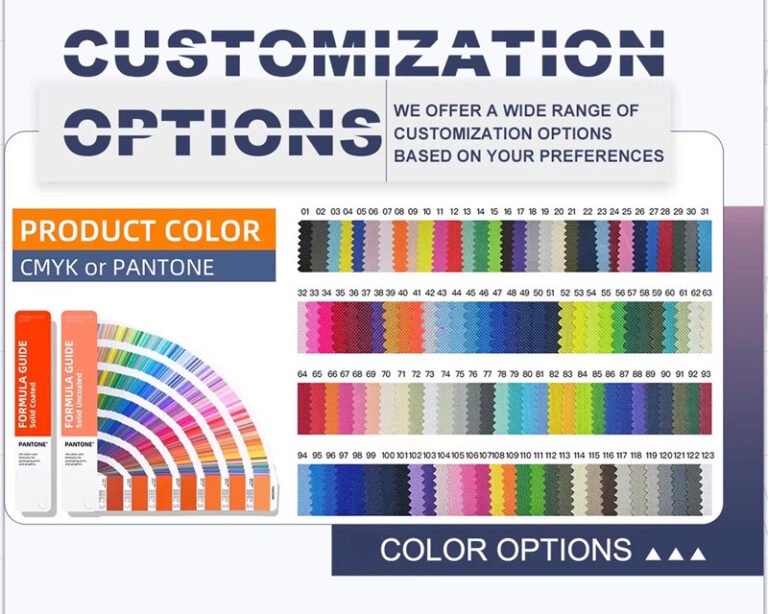
One Pantone reference can appear different on polyester, nylon, EVA lamination, metal, rubber, zipper tape, and printed board. Color approval therefore needs a separate physical reference for each visible substrate.
- Identify primary, secondary, lining, and hardware colors.
- Approve lab dips, strike-offs, or component samples before bulk release.
- Review all colors under consistent lighting.
- Record acceptable variation for unlike materials.
- Keep signed standards for repeat orders.
Collection harmony comes from controlled differences rather than expecting unrelated materials to look chemically identical.
Logo Method Selection
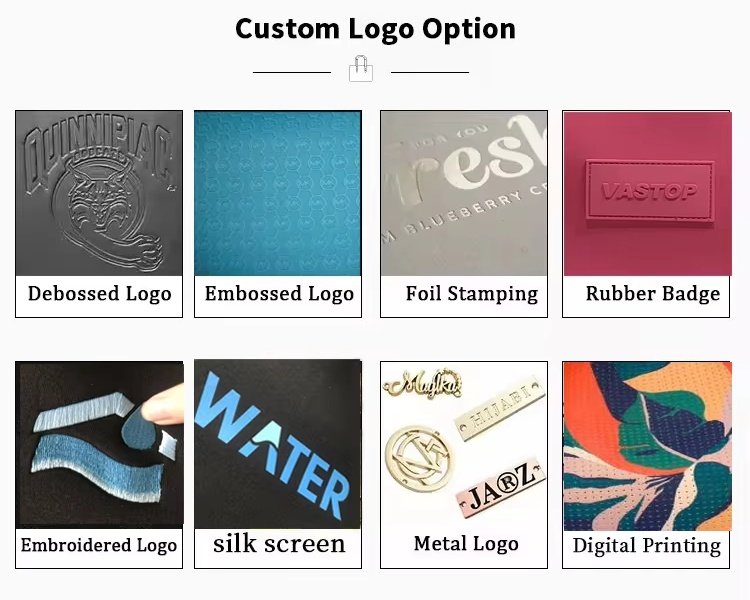
Metal badges, rubber patches, embroidery, screen printing, heat transfer, woven labels, and debossed parts create different weight, texture, durability, cost, and placement limits.
- Match the logo method to panel material and reinforcement.
- Confirm artwork size, line thickness, colors, and edge treatment.
- Check visibility on curved, padded, or textured surfaces.
- Review attachment from both exterior and interior.
- Test whether branding affects folding, expansion, or pocket access.
A premium-looking logo can still weaken a panel when the mounting method is overlooked.
Custom Hardware Development
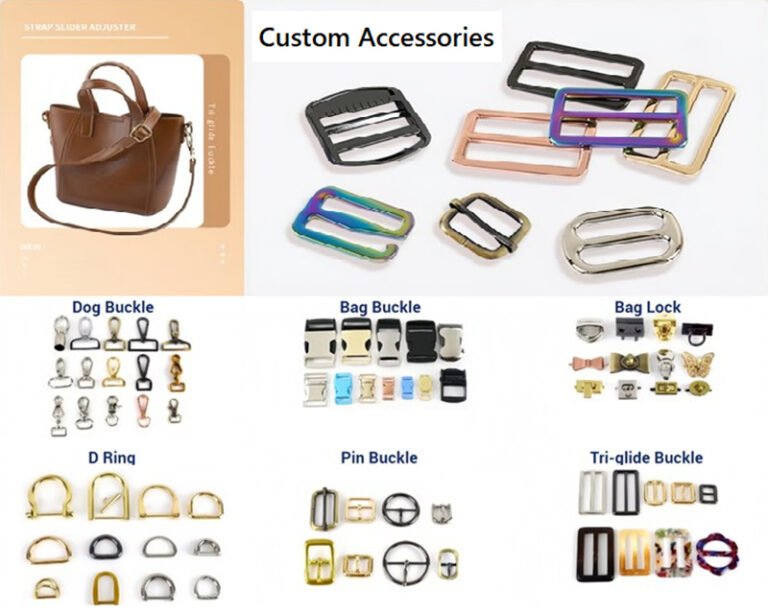
Custom zipper pullers, badges, handle inserts, rivets, and wheel caps can establish a recognizable hardware language. New shapes may require tooling, while existing bases can sometimes be adapted through finish, color, texture, or engraved details.
- Confirm dimensions and all hand-contact edges.
- Define plating, paint, texture, and logo depth.
- Check added weight and attachment strength.
- Review corrosion or finish requirements for the destination.
- Record tooling ownership and approved component codes.
Hardware development should support repeat supply as well as the first collection launch.
Printed Lining Artwork
Printed lining gives private-label luggage a distinctive interior, but artwork must account for repeat size, print direction, seams, pockets, folds, and pattern interruption.
- Provide vector artwork and color references.
- Approve a printed strike-off on the intended fabric.
- Decide whether motifs need alignment across panels.
- Check print clarity, fold appearance, and possible color transfer.
- Store the approved repeat file with the product specification.
Attractive flat artwork can appear disordered after cutting unless repeat and placement rules are defined before production.

Labels and Retail Packing
Brand presentation continues through woven labels, care labels, country-of-origin information, hangtags, barcode stickers, dust bags, polybags, cartons, and instruction cards. Each item needs approved wording, dimensions, placement, and file version.
- Match barcode data to each SKU and color.
- Confirm destination labeling before printing.
- Protect visible surfaces, handles, and wheels during packing.
- Check the carton fit with the complete product.
- Keep approved packaging files with repeat-order records.
Retail readiness depends on accurate information and controlled packing, not decorative packaging alone.
How Does Carry-On Luggage Sample Development Work?
A useful sample must resolve dimensions, structure, components, appearance, function, and packing—not simply resemble a reference image. Each approval should remove a specific production risk.
Turn The Product Brief Into A Buildable Specification

Strong carry-on luggage development begins with a brief description of the intended product, not only a photograph. The development file should include front, side, back, and interior references; complete external dimensions; target empty weight; planned order quantity; destination; material direction; colors; logo methods; packaging; test needs; and launch timing.
Before physical sample work begins, structural and commercial inputs need to be reviewed together:
- Size feasibility: Wheels, handles, locks, piping, and expansion must fit within the intended external limit.
- Component feasibility: Trolley systems, wheels, zippers, locks, handles, and frames require compatible dimensions and attachment methods.
- Material feasibility: Fabrics, linings, EVA bodies, trims, and color processes must support the chosen structure and required quantity.
- Artwork readiness: Logos, repeat prints, badges, labels, and packaging need usable vector files and placement dimensions.
- Risk decisions: Conflicts involving weight, capacity, structure, tooling, price position, or timing should be resolved before materials are cut.
A complex custom carry-on sample commonly requires about 7–15 days after essential dimensions, materials, components, colors, and artwork are confirmed. New molds, proprietary hardware, uncommon colors, or unavailable parts can extend the schedule and should be planned separately.
The intake stage should produce a buildable specification, sample route, component direction, and clear approval list. Consolidated decisions reduce incompatible revisions and allow the physical sample to represent the intended bulk construction.
The first sample is a physical decision tool. Its purpose is to reveal conflicts that drawings, component photographs, or material swatches cannot fully show. Review should use defined measuring methods and representative packing weight rather than visual impressions alone.
A complete sample review should cover:
- External dimensions: Measure height, width, and depth at agreed positions, including fixed wheels, handles, feet, guards, and locks.
- Empty weight and balance: Weigh the finished case and check top-handle, side-handle, and trolley balance under load.
- Mobility: Roll the case on suitable surfaces, examine tracking and turning, and operate every trolley stage repeatedly.
- Opening and storage: Fill the main compartment, pockets, compression sections, laptop area, and any shoe or wet compartment with representative items.
- Appearance: Compare color, texture, panel shape, stitching, logo placement, hardware finish, lining, and print direction against approved references.
- Packing: Place the complete product in its planned protective materials and carton to check pressure, movement, and external presentation.
Record issues in one consolidated revision sheet with photographs, measurements, responsibility, and required results—separate critical structural or functional corrections from optional cosmetic preferences. Conflicting instructions sent at different times can produce another inaccurate sample even when every individual change appears reasonable.
A revised sample is appropriate when changes affect dimensions, structure, major components, material, function, or appearance. The objective is not to avoid revision at any cost; it is to prevent unresolved sample issues from becoming repeated defects across the complete order.
Review Appearance, Fit, And Function Under Real Load

Lock the approved sample before bulk material release

Bulk materials should not be released based on informal email approval or a sample carrying unrecorded changes. The approved reference needs to connect the physical product with the documents used for production, inspection, packaging, and repeat orders.
The approval set should include:
- Signed reference sample: Label the style, version, approval date, and any accepted deviations.
- Product specification: Record dimensions, tolerances, weight target, materials, construction, reinforcement, pocket layout, and workmanship criteria.
- Component record: Keep approved wheel, trolley, handle, lock, zipper, puller, frame, and trim models with finishes and attachment details.
- Color and artwork files: Store signed swatches, print repeats, logo placement, label data, barcode files, and packaging artwork.
- Function requirements: Define loading conditions, inspection methods, required tests, and acceptance criteria.
- Packing instructions: Record folding, protective materials, wheel and handle protection, polybag, labels, carton quantity, carton marks, and any SKU separation.
If the approved sample contains temporary materials or prototype components, every difference from the planned bulk product must be documented. A pre-production reference should be confirmed when bulk materials, tooling, or construction differ from the earlier prototype.
Any change after approval needs a written revision linked to the relevant specification and sample version. Silent component substitution, unrecorded color changes, or verbal adjustments weaken traceability and make repeat production harder to control.
A signed sample is therefore more than a visual reference. It is the physical standard connecting design intent, material release, production, inspection, packing, and future replenishment.
Which Function Tests Should Carry-On Luggage Complete?
Test plans should follow product claims, construction, destination, and expected load. A single generic checklist cannot validate every softside, molded EVA, or hard-shell carry-on design.
| Test Area | What It Verifies | Variables To Define Before Testing | Typical Failure Evidence | Decision Before Bulk Production |
|---|---|---|---|---|
| Complete Dimensions And Weight | Confirms external height, width, depth, and empty weight against the approved specification. | Measuring positions, expanded or closed condition, included projections, scale calibration, tolerance, and sample condition. | Oversized wheel projection, inconsistent depth, uneven body shape, or weight above the approved target. | Correct body dimensions, hardware selection, reinforcement, or measurement method before release. |
| Loaded Wheel Running | Reviews tracking, turning, noise, wheel contact, housing stability, and tipping behavior under representative load. | Load weight, weight distribution, floor type, travel distance, cycles, turning method, and acceptance criteria. | Wobble, drifting, flat spots, housing movement, excessive noise, poor floor contact, or unstable turning. | Adjust wheel model, alignment, housing, base reinforcement, or loaded balance. |
| Trolley Cycling And Locking | Checks tube movement, locking positions, release button, lateral play, handle stability, and mounting under repeated operation. | Extended height, locking stages, load condition, cycle count, operating speed, permissible movement, and inspection interval. | Sticking, failed locking, excessive side movement, bent tubes, loose mounting, or poor retraction. | Revise trolley specification, tube overlap, base attachment, clearances, or component choice. |
| Carry Handle Loading | Verifies top and side handle attachment, grip recovery, reinforcement, stitching, screws, and loaded balance. | Applied load, holding time, number of cycles, lifting direction, acceptable deformation, and post-test inspection. | Torn stitching, stretched webbing, cracked handle seats, loose hardware, permanent deformation, or distorted panels. | Improve load paths, backing, attachment hardware, handle material, or handle position. |
| Zipper And Lock Operation | Reviews zipper movement, puller engagement, lock alignment, closure security, corner resistance, and expansion operation. | Loaded or empty condition, opening path, operation cycles, pulling direction, lock model, and acceptable operating force. | Jammed corners, separated zipper teeth, misaligned pullers, failed lock engagement, fabric trapping, or excessive force. | Correct zipper route, tape tension, puller geometry, lock position, seam allowance, or surrounding material buildup. |
| Drop And Corner Impact | Examines how the body, corners, wheels, handles, frame, shell, and internal contents respond to defined impact. | Product load, drop height, landing orientation, number of drops, surface, conditioning, and acceptable damage. | Cracked parts, detached wheels, distorted frame, split seams, shell whitening, broken handles, or damaged packed items. | Change reinforcement, corner structure, component mounting, materials, or product claim. |
| Material And Surface Performance | Checks fabric, coating, lining, print, lamination, hardware finish, and visible surfaces against project requirements. | Test method, abrasion level, colorfastness conditions, adhesion method, exposure, specimen preparation, and acceptable change. | Coating separation, print loss, color transfer, surface peeling, excessive abrasion, staining, or finish corrosion. | Revise material specification, surface process, adhesive system, print method, or care information. |
| Packed Carton Validation | Reviews product protection, carton fit, movement, compression exposure, labels, and condition after handling or transport simulation. | Packing method, carton quantity, carton dimensions, protective parts, drop or compression method, storage condition, and acceptance criteria. | Crushed corners, wheel pressure marks, scratched surfaces, displaced labels, carton failure, or internal movement. | Adjust carton strength, fit, internal protection, wheel covers, packing direction, or quantity per carton. |
Not every project requires every test at the same severity. Before sample approval, define the method, sample quantity, load, cycles or height, conditioning, acceptable result, and responsible inspection or laboratory party. Internal test results should not be presented as universal airline approval. Any regulatory, travel-security, or performance statement must match documented evidence for the selected design.
How Is Carry-On Luggage Workmanship Controlled?
Carry-on luggage workmanship is judged through alignment, load paths, moving components, shape, and interior finish. Attractive materials cannot compensate for weak construction or inconsistent assembly.
Accurate Panel Cutting

Accurate cutting establishes the final shape before sewing begins. Exterior fabric, foam, lining, reinforcement, and printed panels need separate cutting rules because stretch, grain, thickness, and artwork placement differ.
- Use approved patterns and marked matching positions.
- Control mirrored left and right parts as pairs.
- Align printed repeats and logo areas before cutting.
- Separate visible shade lots during material preparation.
- Check critical dimensions before parts enter sewing.
Small cutting errors can later appear as twisted seams, uneven pockets, misaligned branding, or inconsistent external dimensions.
Structural Reinforcement

Reinforcement belongs beneath load paths such as trolley bases, wheel housings, carry handles, lock mounts, zipper ends, and base corners. Adding thicker material everywhere increases weight without correcting local stress.
- Match reinforcement stiffness to panel flexibility.
- Extend backing beyond attachment holes and stitch lines.
- Prevent hard edges from rubbing against the lining.
- Secure boards and padding against movement.
- Check loaded shape before closing interior access.
Effective reinforcement distributes force into the surrounding structure instead of strengthening only the visible attachment area.
Controlled Seam Construction

Seam performance depends on seam allowance, thread, needle, stitch density, machine tension, panel feeding, and reinforcement—not stitching appearance alone. Thick junctions and curved areas require particular control because layers can shift or become compressed.
- Maintain the approved seam allowance throughout assembly.
- Match thread and needle to the selected materials.
- Keep stitch tension balanced on both sides.
- Reinforce zipper ends, handles, corners, and opening areas.
- Prevent skipped stitches, puckering, exposed raw edges, and loose backstitching.
Consistent seam construction protects dimensions and shape while reducing repeated failures at stress locations.
Zipper and Binding Finish

Carry-on luggage uses long zipper paths, curves, corners, expansion sections, and layered edges. Uneven feeding can create waves, tight corners, mismatched openings, or excessive operating force.
- Maintain equal zipper tape exposure around the case.
- Keep paired pullers meeting at the intended position.
- Control binding width and stitch distance.
- Prevent lining, foam, and loose threads from entering the zipper path.
- Operate the zipper with the case empty and loaded.
- Check expansion sections in open and closed positions.
A smooth zipper depends on accurate installation as much as the selected zipper specification.
Aligned Hardware Installation

Wheels, trolley bases, locks, handle seats, and feet must align with the case centerline, internal structure, and matching components. Position errors can cause wobble, uneven standing, restricted movement, or visible distortion.
- Use fixed fixtures or location marks for repeated placement.
- Check screw, rivet, and backing combinations.
- Protect exposed hardware beneath the lining.
- Verify left-right symmetry and level floor contact.
- Operate every moving part after installation.
- Confirm clearance between adjacent components.
A well-finished part still performs poorly when its mounting angle or supporting structure is incorrect.
Shape And Interior Finish

Final shape comes from accurate panel matching, balanced padding, frame position, foam recovery, lining tension, and controlled packing. Excessive stuffing can temporarily hide weak form while creating pressure on zippers and panels.
- Compare front, back, side, and top symmetry.
- Remove loose threads and trapped debris.
- Check lining flatness, pocket level, and label direction.
- Confirm handles, locks, and wheels sit square.
- Review corners, piping, and panel transitions.
- Pack the case with approved supports and protection.
Presentation should reflect the true structure rather than depend on excessive filling or digital correction.
How Is Bulk Carry-On Luggage Quality Controlled?
Incoming Material Control
Incoming quality control checks whether bulk materials and components match approved references before cutting or assembly. Review may cover exterior fabric, lining, EVA bodies, reinforcement, zippers, wheels, trolley systems, locks, labels, and packaging.
- Compare delivery lots with purchase and approval records.
- Check material identity, quantity, shade, appearance, and dimensions.
- Separate different color or surface-finish lots.
- Quarantine nonconforming items pending disposition.
- Retain relevant swatches and component records.
Early control prevents an incorrect material or component from being repeated across the complete order.
First Carry-On Unit Approval
Before full line output, first assembled units are compared with the signed sample and production specification. The review confirms whether patterns, machines, fixtures, operators, materials, and components are producing the intended result.
- Measure complete outside dimensions and key positions.
- Check seam allowance, reinforcement, and component alignment.
- Review color, artwork, logo placement, lining, and workmanship.
- Operate wheels, trolley, handles, zippers, and locks.
- Confirm packing method where it affects shape.
- Correct repeated risks before line speed increases.
A signed sample has limited value unless the first production output is compared directly against it.
Inline Process Inspection
Inline inspection finds repeated problems while affected operations can still be corrected. Checkpoints should follow the actual production route rather than wait until the luggage is fully closed and packed.
- Inspect cutting, printing, embroidery, and prepared components.
- Review reinforcement before lining covers attachment areas.
- Check seam construction, zipper installation, and edge binding.
- Verify wheel, trolley, handle, and lock alignment during assembly.
- Record defects by operation, quantity, and corrective action.
- Recheck output after adjustments are made.
Early detection reduces the risk of opening completed cases for structural repair or repeating the same fault through an entire production lot.
Final AQL And Release
Finished luggage is evaluated against approved specifications, samples, artwork, function requirements, and packing instructions. When an AQL sampling plan is specified, inspection level and defect limits should be agreed before production.
- Confirm quantity, SKU, color ratio, and carton marks.
- Measure selected units and check empty weight where required.
- Operate wheels, trolley systems, handles, zippers, and locks.
- Review appearance, workmanship, labels, barcodes, and accessories.
- Inspect protective packing and carton condition.
- Record critical, major, and minor defects according to the agreed plan.
Shipment release follows inspection results and documented disposition rather than appearance alone or an informal verbal approval.
What Does a Real Carry-On Luggage Project Look Like?
An anonymized 3,000-piece softside carry-on program shows how specifications, sample corrections, component control, and inspection records move a defined concept into repeatable production.
Translate Commercial Goals Into One Controlled Product Specification

The program covered 3,000 softside carry-ons divided into three colors, with 1,000 pieces allocated to each SKU. The design was intended for selected travel routes and retail channels; its dimensions were never presented as a universal airline standard.
The approved product direction included:
- Complete external target: 55 × 36 × 23 cm, including wheels, handles, feet, piping, and fixed projections.
- Empty-weight target: No more than 2.8 kg for the approved construction.
- Exterior: 600D RPET woven fabric with controlled coating, shade, and documentation.
- Interior: 210D lining, crossed compression straps, zippered divider, mesh pocket, and trolley-channel cover.
- Mobility: Four double-spinner wheel units and a two-stage aluminum trolley system.
- Access: Main zipper opening, front document pocket, top handle, side handle, and combination lock.
- Brand details: Metal badge, custom pullers, printed lining detail, woven label, hangtag, barcode sticker, and carton marks.
- Packing: One carry-on per protective bag and export carton, separated by SKU and color.
The commercial target required a recognizable private-label appearance without opening new molds for every visible component. Existing wheel and trolley structures were therefore combined with custom colors, finishes, pullers, badge artwork, lining, labels, and packaging.
Before sampling, complete exterior dimensions, component positions, fabric references, logo artwork, lining repeat, barcode data, test conditions, and carton direction were recorded together. Early specification control prevented the visual design, intended capacity, empty-weight target, and component availability from becoming separate or conflicting decisions.
The first physical sample was completed in 12 days after dimensions, materials, components, colors, and artwork were confirmed. Review under representative load identified several issues not visible in the original drawings.
Four corrections were recorded:
- Overall height: Installed wheels increased the complete height by 7 mm. The body height and wheel-seat position were revised to recover the approved external target.
- Trolley channel: The original lining sat directly against raised tube areas and showed pressure marks after loading. Shaped padding and a controlled service zipper were added.
- Handle reinforcement: Top-handle backing ended too close to the attachment holes. The reinforcement was extended to distribute force across a wider panel area.
- Front-pocket balance: The pocket volume created visible bulging when filled. Gusset shape and internal depth were adjusted without increasing the approved overall depth.
A revised sample was then measured, weighed, loaded, rolled, opened, locked, packed, and compared against updated documents. The signed reference connected the physical product with the material list, component codes, color standards, artwork, workmanship criteria, test requirements, and packing instructions.
Bulk production required 38 days from confirmed material release to packed completion. Incoming materials were checked by lot, first assembled units were compared with the signed sample, and production checkpoints covered reinforcement, zipper installation, wheel alignment, trolley operation, branding, lining, and packing.
Final random inspection followed the agreed AQL plan. The 3,000 finished pieces were separated into three 1,000-piece color SKUs, with corresponding barcodes, carton marks, quantities, and packing records. Shipment release followed documented inspection results rather than appearance alone.
The value of the case lies in the correction sequence: dimension, lining pressure, load-path reinforcement, and pocket balance were resolved while changes remained manageable—not repeated across 3,000 finished units.
Correct Sample Risks Before Releasing Bulk Materials

How Are MOQ, Tooling, Price, And Lead Time Determined?
MOQ, tooling, unit price, and delivery schedule are connected decisions. Structure, materials, color splits, component commitments, testing, packaging, and approval speed shape the commercial result.
Order Quantity Structure
Standard custom bag programs commonly begin at 500 pieces per design. Carry-on luggage may require a higher quantity when selected fabrics, molded EVA bodies, exclusive colors, trolley systems, wheels, locks, or custom parts involve larger minimum runs.
- Define quantity by design, size, and color.
- Separate total order quantity from the minimum per color.
- Confirm material and component commitments.
- Include required spare parts in early planning.
- Review whether several sizes share the same materials and trims.
A large total divided across many colors or component combinations may still fall below the workable requirement for each variant.
Tooling and Development Cost
Tooling can apply to molded EVA bodies, hard-shell structures, metal badges, zipper pullers, handle parts, wheel housings, or other exclusive components. A tooling fee and a unit price cover different cost areas.
- Confirm which part requires a new tool.
- Review drawings and feasibility before quoting.
- Record tooling ownership, storage, maintenance, and future use.
- Clarify whether prototype and production tools differ.
- Check how design changes affect completed tooling.
- Confirm the expected service life where relevant.
Opening a new tool is justified when exclusive form, function, or identity creates enough value to support the additional commitment.
Custom Unit Price Calculation
Carry-on luggage price is not determined by size and quantity alone. Two cases with similar dimensions can differ substantially through materials, reinforcement, wheels, trolley systems, locks, lining, pockets, branding, testing, and packaging.
- Lock the product specification before comparing quotations.
- Separate standard components from custom-developed parts.
- Confirm color quantities and material consumption.
- Include labels, accessories, protective packing, and cartons.
- Define inspection, testing, and delivery terms.
- Record any optional feature as a separate cost item.
A lower figure based on an incomplete specification cannot be compared fairly with a quotation covering the full approved construction.
Bulk Production Lead Time
Complex carry-on luggage orders commonly require approximately 25–45 days after the signed sample, materials, components, artwork, packing, and commercial release are confirmed. The exact schedule depends on construction, quantity, custom parts, production capacity, and approval timing.
- Separate material preparation from assembly time.
- Reserve extra time for molds or exclusive hardware.
- Confirm deadlines before approving uncommon colors.
- Include testing, final inspection, and packing.
- Plan split shipments before production begins.
- Avoid changing specifications after bulk materials are released.
A realistic schedule should contain clear approval dates and dependencies rather than a single unsupported delivery promise.
How Are Packaging, Labeling, and Shipment Prepared?
Carry-on luggage packing must protect projecting components, preserve presentation, separate SKUs, support transport, and provide accurate carton data for warehouse receiving and shipment planning.
Product Surface Protection
Wheels, handles, pullers, badges, locks, piping, and shell or fabric surfaces can rub against cartons or adjacent components during handling. Protection should follow actual contact risks rather than cover the product with unnecessary materials.
- Use suitable sleeves, films, tissue, foam, or shaped protectors.
- Prevent metal parts from contacting visible surfaces.
- Keep wheels from marking fabric or lining.
- Secure trolley handles in the closed position.
- Check whether protective materials leave stains or pressure marks.
- Preserve the intended unboxing appearance.
The packed sample should be reviewed before applying the method across the full quantity.
Labels and Product Information
Carry-on luggage may require woven labels, care information, country-of-origin details, hangtags, barcode stickers, SKU labels, lock instructions, and material statements. Required content varies by destination and sales channel.
- Approve wording before printing.
- Match barcodes to each design, size, and color.
- Keep origin and care information readable.
- Confirm the label position against the signed sample.
- Control language and file version.
- Support responsible-material statements with relevant documents.
Decorative presentation should never reduce the accuracy or visibility of required product information.
SKU And Color Sorting
Multi-color and multi-size programs need clear separation from final inspection through warehouse handover. Mixing similar colors, barcodes, or carton marks can create receiving and distribution errors even when the products themselves are correct.
- Assign one SKU code to every design, size, and color combination.
- Match product label, barcode, polybag label, and carton mark.
- Record quantity by SKU during packing.
- Use controlled color names across all documents.
- Separate cartons physically where confusion is likely.
- Reconcile packed quantities before shipment release.
Sorting accuracy is part of order quality, not an administrative task added after production.
Export Carton Engineering
Carton dimensions should come from the fully packed product, not only from a drawing. Excess space allows movement, while an overly tight carton can press wheels, handles, panels, or shells.
- Confirm internal fit and product orientation.
- Record net weight, gross weight, and carton dimensions.
- Select carton construction for the product weight and handling route.
- Protect corners and projecting parts.
- Check stacking, closure, tape, and carton marks.
- Complete drop or compression evaluation when required.
- Avoid packing quantities that distort the product.
Final carton data also supports freight volume calculation and warehouse planning.


Shipment Planning and Handover
Shipment preparation should connect finished quantity, carton data, trade terms, destination, booking window, and any split-delivery plan. Freight arrangements become unreliable when based on estimated cartons before packing is confirmed.
- Verify carton count and cubic volume from final packing records.
- Confirm origin, destination, requested trade term, and delivery address.
- Separate urgent and standard shipments before booking.
- Prepare a packing list, commercial invoice, and required supporting documents.
- Record carton numbers for split destinations.
- Protect inspection access where pre-shipment checks are planned.
- Confirm handover condition with the appointed logistics party.
A complete shipping file reduces avoidable discrepancies between production records, freight booking, and destination receiving.
How Are Repeat Orders and Multi-SKU Programs Controlled?
Repeatability depends on version control, approved physical standards, component continuity, and SKU-level records. Reordering from memory exposes colors, dimensions, hardware, labels, and packing to avoidable drift.
Master Specification Control
Every repeat order should begin with the latest approved master record rather than an old quotation or product photograph. The control set connects the physical product with every production detail.
- Confirm the style number and revision.
- Use the signed sample or approved production reference.
- Review dimensions, tolerances, weight, materials, construction, and workmanship.
- Link artwork, lining repeat, labels, barcode files, and packing instructions.
- Record accepted deviations separately.
- Remove obsolete documents from active use.
A repeat order is only truly repeatable when all teams work from the same version.
Component Continuity Planning
Wheels, trolley systems, locks, handles, zipper pullers, and hardware finishes may change or become unavailable over time. Component continuity therefore needs active review before material release.
- Keep approved model codes, drawings, finishes, and attachment details.
- Confirm availability at the start of every repeat order.
- Identify critical parts requiring advance commitment.
- Maintain approved alternatives where possible.
- Compare fit, appearance, weight, and function before substitution.
- Record every replacement against the relevant product version.
No component should be exchanged silently because even a visually similar part can affect dimensions, balance, assembly, or test performance.
Detailed SKU and Color Records
Multi-SKU control requires one connected record for style, size, color, barcode, labels, packaging, carton marks, and quantity. Similar colors or repeated artwork can still belong to different distribution codes.
- Assign a unique SKU to every combination.
- Use one approved color name across all documents.
- Link material shade references to each SKU.
- Match product, polybag, carton, and packing-list data.
- Record packed quantity by color and size.
- Separate replacement parts where relevant.
- Reconcile carton totals before shipment release.
Clear SKU control prevents a correct product from entering the wrong channel or carton.
Repeat Order Change Review
Before repeat production begins, compare the new order with the last approved version. Quantity, destination, materials, components, artwork, labels, tests, and packaging may have changed even when the style number remains the same.
- List every intended change in one revision record.
- Review effects on price, MOQ, tooling, testing, and timing.
- Approve new material or component samples where required.
- Recheck first production units after any structural change.
- Retain the earlier version for traceability.
- Confirm whether old and new stock may be mixed.
Controlled changes protect product continuity while allowing the collection to evolve.
How Are Compliance and Material Claims Supported?
Compliance depends on destination requirements, approved materials, final construction, test evidence, and controlled documents. One certificate cannot cover every claim, component, color, product version, or shipment.
Define Requirements Before Product and Material Approval

Carry-on luggage does not have one universal compliance certificate. Relevant requirements depend on the destination, intended use, sales channel, selected materials, product statements, packaging, and any retailer-specific protocol. A clear requirement list should therefore be established before final material approval or sample testing.
The review should identify:
- Destination and channel: Record every planned country or region and whether the product is intended for retail, e-commerce, corporate travel, hospitality, or another defined program.
- Product classification: Confirm the intended use, user group, textile composition, accessories, and whether any added feature changes the required assessment.
- Performance statements: List proposed claims involving recycled content, water resistance, impact protection, load capacity, travel-security locks, or other measurable benefits.
- Material concerns: Review exterior fabric, lining, coatings, adhesives, printed areas, EVA bodies, plastics, metals, rubber, labels, and packaging.
- Testing responsibility: Define whether evidence will come from approved material documents, component documents, internal checks, retailer protocols, or an independent laboratory.
- Labeling and records: Confirm origin information, fiber content where relevant, care instructions, barcode data, lock instructions, packaging marks, and required language.
Cabin-size planning and product compliance are separate decisions. Meeting a selected external size does not mean acceptance by every airline, route, or fare class. Likewise, a material certificate cannot confirm wheel, handle, lock, seam, or complete-product performance.
The output should be a project-specific compliance list connecting every important statement with the material, component, test, or document needed to support it.
Useful test evidence must relate to the materials, components, construction, and product version intended for the order. A report for loose fabric does not automatically cover a complete carry-on, and a result from a similar style does not prove the performance of a revised wheel, handle, lock, seam, coating, or molded body.
Before testing, define:
- Test subject: Identify the exact SKU, color, size, sample version, material lot, and component models.
- Test method: Record the standard or agreed procedure, equipment, conditioning, load, cycles, height, exposure, and acceptance criteria.
- Sample selection: Confirm sample quantity and whether pieces come from development, pilot output, or bulk production.
- Testing party: Decide whether the check is completed internally, by an appointed inspection party, or through a qualified independent laboratory.
- Failure response: Establish whether failure requires redesign, component replacement, material change, retesting, or adjustment of the proposed product statement.
- Report control: Link the report number, date, sample description, photographs, results, and conclusions to the product specification.
Testing should use representative samples. A prototype containing substitute materials or temporary components cannot support a claim for the planned bulk construction unless every difference is assessed and recorded.
Changes made after testing also need review. Replacing the fabric coating, wheel housing, handle base, adhesive, printed lining, lock, or reinforcement can alter relevant results even when the visible design remains similar.
Internal testing is valuable for development and process control. Independent evidence may still be required where a destination, retailer, contract, or stated performance benefit calls for it. Accurate wording should describe the tested scope instead of using unsupported statements such as “all tests passed” or “approved everywhere.”
Connect Test Evidence to the Final Product Version

Keep Responsible Material And Facility Evidence Separate

Responsible-material statements require evidence linked to the selected material and order, not visual appearance or a general promise. RPET fabric, for example, should be supported by documentation identifying the material, stated recycled content, relevant holder, scope, and traceability expected for the program.
Document control should distinguish three evidence types:
- Material-level evidence: Fabric or component certificates, test reports, recycled-content records, restricted-substance information, and technical data should match the approved material code and relevant scope.
- Product-level evidence: Complete-product reports should identify the tested sample, construction, size, components, date, methods, and results.
- Facility-level evidence: Credentials such as ISO 9001, ISO 14001, BSCI, or SA8000 relate to quality, environmental, or social-management systems at facility level. They do not replace product-specific testing.
Before any document is cited, check:
- Holder name and production location.
- Certificate or report number.
- Issue and expiry dates.
- Product, material, or process scope.
- Testing method and result.
- Connection to the selected material or product version.
- Permission to share or reproduce the file.
OEKO-TEX, RoHS, recycled content, chemical, or similar documentation should only be described within its actual scope. A certificate for one fabric, color, coating, or component cannot automatically be extended to unrelated materials.
If an approved material is replaced because of availability, price, color, or production timing, its supporting evidence should also be reviewed. The order file should retain the documents used for approval, along with relevant versions and expiry information.
Clear separation between material, product, and facility evidence prevents overclaiming while making legitimate credentials easier to verify.
How Should You Evaluate A Carry-On Luggage Factory?
A capable carry-on luggage factory should prove control over specifications, samples, components, quality, capacity, and repeatability. Product photographs alone reveal little about execution risk.
Relevant Product Capability
The first check is whether the factory has experience with the intended construction, not merely luggage photographs in a catalog. Softside cases, molded EVA bodies, rolling travel bags, and hard-shell concepts use different patterns, equipment, tooling, and component routes.
- Request examples with similar structure and complexity.
- Ask which operations are handled directly and which require outside resources.
- Confirm the available wheel, trolley, lock, frame, and mold route.
- Review limitations before artwork or tooling begins.
Relevant capability reduces feasibility surprises after time and development costs have already been committed.
Specification And Sample Discipline
A reliable development process converts drawings and references into measurable specifications. Dimensions, weight, materials, components, artwork, workmanship, testing, and packing should be connected to the same sample version.
- Review how complete external dimensions are measured.
- Ask how sample revisions are recorded.
- Check whether signed samples and component boards are retained.
- Confirm how temporary prototype materials are identified.
- Request an example of a controlled specification sheet.
A visually attractive sample offers limited protection when its construction details are not recorded for production.
Component Control And Continuity
Wheels, trolley systems, locks, handles, zippers, frames, and molded parts influence dimensions, function, appearance, and future availability. Component control should extend beyond choosing from a display board.
- Check whether every approved part receives a model code.
- Review finish, dimensions, attachment, and supporting structure.
- Ask how unavailable parts are replaced.
- Confirm whether alternatives require new approval or testing.
- Review spare-part and repeat-order planning.
A similar-looking component should never be treated as identical without checking fit, weight, movement, and installation.
Quality And Test Evidence
General quality statements are less useful than inspection records connected to an approved product. A credible control route should cover incoming materials, first units, production operations, finished luggage, and packed cartons.
- Ask for inspection criteria linked to the signed sample.
- Review defect classification and corrective-action records.
- Check how wheel, trolley, handle, zipper, lock, and packing functions are evaluated.
- Confirm the proposed AQL plan before production.
- Separate internal checks from independent laboratory evidence.
Test reports should identify the relevant sample, version, method, conditions, and result—not only display a pass symbol.
Capacity And Schedule Control
Production capacity should be evaluated against the actual order structure, not total employee numbers alone. Multi-color luggage programs require material coordination, line planning, quality coverage, SKU separation, packing space, and shipment timing.
- Confirm capacity for the required production window.
- Review how several colors or sizes are scheduled.
- Identify any externally handled operation.
- Check whether testing and final inspection are included in the timeline.
- Review the effect of late approvals or material changes.
- Ask how split shipments are controlled.
A realistic schedule shows dependencies and approval dates instead of offering an unsupported delivery promise.
Commercial And Repeat Transparency
A useful quotation should explain what the price includes and which decisions remain open. MOQ, color splits, tooling, sample route, testing, packaging, inspection, payment, delivery terms, and change responsibility need clear treatment.
- Compare quotations against the same product specification.
- Separate one-time tooling from unit cost.
- Record optional features individually.
- Confirm whether packing and labels are included.
- Review repeat-order records and component continuity.
- Clarify how approved changes affect price and timing.
Commercial clarity at the beginning reduces disputes after materials, molds, or production capacity have been committed.
Why Choose Jundong For Carry-On Luggage Development?
Jundong combines long-term bag experience, large-scale resources, structured development, broad material capability, quality control, and export preparation for demanding private-label carry-on luggage programs worldwide.

20+ Years of Experience
More than 20 years in custom bags gives Jundong experience across soft luggage, molded EVA cases, rolling travel bags, coordinated sets, and private-label programs. Long-term value appears in early risk recognition: dimensions, weight, materials, component compatibility, reinforcement, testing, and packing are reviewed before they become expensive corrections.
Scalable Production Resources
An 18,000 m² production area and 600+ employees provide resources for development, material preparation, cutting, sewing, assembly, inspection, packing, and order coordination. Scale matters when programs include several colors, multiple SKUs, repeat releases, or staggered shipment dates because capacity planning and product separation must remain controlled throughout production.
Integrated Development Support
Design, pattern, sample, merchandising, and production teams connect drawings with buildable structures. Carry-on concepts can be reviewed for dimensions, capacity, fabrics, molded EVA direction, wheels, trolley systems, locks, interiors, branding, labels, and cartons before bulk materials are committed or ordered.
Broad Material Capability
Available directions include polyester, nylon, RPET, mesh, PVC, TPU, EVA, neoprene, PU, and related reinforcements and linings. Material selection follows use, weight, protection, appearance, structure, documentation, and target price instead of applying one preferred fabric to every project or collection.
80-Person Quality Team
Jundong’s 80-person quality team supports incoming material checks, first-unit review, production inspection, finished-product evaluation, and packing release. Approved samples, specifications, component records, artwork, and AQL plans give inspectors defined references instead of relying on personal judgment alone during shipment decisions.
Private Label Execution
Private-label support covers colors, logo methods, custom pullers, badges, printed linings, labels, barcodes, protective packing, cartons, and shipment records. The same approval files also support repeat orders, helping later production maintain the intended appearance, components, SKU data, and packing method across programs and regions.
Why Make a Carry-On Luggage Sample First?
A carry-on sample helps confirm the luggage dimensions, internal capacity, shell strength, wheel movement, telescopic handle stability, zipper performance, lining, compartments, logo placement, and packaging before bulk production. It also allows you to check whether the finished design fits your brand positioning and intended travel use, reducing costly corrections after materials and components have been ordered.
Client Testimonials
800+ brand Clients Trust Jundong



FAQs About Carry-On Luggage Customization
These ten procurement-focused FAQs cover the information most often needed before quotation, sampling, testing, production approval, repeat ordering, and shipment planning for custom carry-on luggage.

What Is The MOQ For Custom Carry-On Luggage?
Jundong’s standard starting point is 500 pieces per design for conventional custom bag projects. Carry-on luggage may require a higher commitment when molded EVA bodies, exclusive colors, trolley systems, wheels, locks, custom hardware, or minimum material runs are involved. Quantity is reviewed by design, size, and color—not only by total pieces. For example, 3,000 units divided into six colors can create six separate material and component commitments. Share the planned SKU allocation so the workable quantity can be confirmed accurately.
What Information Is Needed For An Accurate Quotation?
An accurate quotation requires the planned quantity by design and color, complete external dimensions, reference images or drawings, material direction, interior layout, wheel and trolley requirements, lock type, logo methods, labels, packaging, destination, and launch timing. Target price can also help identify the appropriate construction route. If some details remain open, send the intended use and priority features. Quotations should state assumptions clearly so material, component, testing, or packing differences do not create misleading price comparisons.
Can Jundong Develop A Custom Carry-On Size And Structure?
Absolutely—Jundong can develop custom dimensions, pockets, interiors, reinforcement, wheels, trolley systems, handles, locks, branding, and packaging for suitable bulk programs. Available directions include softside luggage, molded EVA cases, rolling travel bags, and coordinated sets. ABS or PC hard-shell concepts require individual review because tooling, shell forming, material runs, and component compatibility vary by design. Complete external dimensions must include wheels, handles, feet, locks, and other projections; no single size should be presented as universally accepted by every airline.
How Long Does Carry-On Luggage Sampling Take?
Complex custom carry-on samples commonly need about 7–15 days after essential dimensions, materials, components, colors, and artwork are confirmed. The schedule may extend when a project needs a new EVA mold, exclusive metal parts, uncommon component colors, printed lining strike-offs, or parts unavailable from regular stock. Sample timing should begin from confirmed inputs rather than the first inquiry date. A development plan should also distinguish the first prototype from any revised or pre-production sample required after structural changes.
How Long Does Bulk Production Usually Take?
Expect approximately 25–45 days for complex carry-on luggage production after the signed sample, materials, components, artwork, packing, payment terms, and commercial release are confirmed. Quantity, structure, custom hardware, molds, seasonal capacity, testing, inspection, and split shipments can influence the final schedule. Material preparation and assembly should be planned separately. A reliable production calendar identifies every approval deadline and dependency instead of promising one fixed date before the specification and component route are known.
Which Carry-On Luggage Materials Can Jundong Work With?
Of course—material directions include polyester, nylon, RPET, mesh, PVC, TPU, EVA, neoprene, PU, related linings, foam, boards, webbing, and reinforcements. Softside carry-ons may use woven fabrics with coating or backing, while molded EVA designs combine a shaped semi-rigid body with textile lamination. Material selection follows weight, protection, appearance, structure, documentation, price position, and intended use. ABS or PC shell availability is confirmed only after project-specific tooling and production-route review.
Can One Carry-On Size Fit Every Airline?
No—one carry-on size cannot be guaranteed for every airline, route, aircraft, or fare class. Cabin limits and measurement practices differ, and wheels, handles, feet, locks, and guards all count toward complete external dimensions. A project should identify priority airlines or travel routes, record target measurements in millimeters and inches, and define the exact measuring positions. The resulting design can support selected travel requirements, but responsible product wording should never promise universal cabin acceptance without direct verification.
How Is Carry-On Luggage Quality Checked Before Shipment?
Jundong uses incoming material control, first-unit approval, inline inspection, and final AQL review, supported by an 80-person quality team. Checks can cover dimensions, weight, materials, reinforcement, seams, wheels, trolley systems, handles, zippers, locks, lining, branding, labels, packaging, and carton data. Function tests are selected according to the approved construction and intended claims. Final release follows documented results and disposition, not appearance alone. Inspection levels and defect limits should be confirmed before production begins.
Can Logos, Linings, Hardware, Labels, And Packaging Be Customized?
Definitely—custom options include metal badges, rubber patches, embroidery, printing, heat transfer, woven labels, pullers, lining artwork, hardware finishes, hangtags, barcodes, instructions, protective packing, and cartons. Existing components can often be adapted through color, finish, or artwork, while exclusive shapes may require tooling. Every visible item should have an approved size, color, material, position, attachment method, and file version. Brand development works best as one coordinated system rather than several unrelated decorative additions.
Can Jundong Manage Multiple SKUs, Repeat Orders, And Split Shipments?
Sure—multi-SKU programs can be controlled through unique style, size, and color codes linked to materials, barcodes, labels, packing, carton marks, and quantities. Repeat orders use approved samples, master specifications, component codes, artwork, and revision records to limit drift. Split shipments should be planned before production so urgent quantities, destinations, carton numbers, and freight documents remain traceable. Component availability and material shade should be reconfirmed for every repeat order, especially when production occurs in a later season.
Start Your Carry-On Luggage Project With Jundong
Share enough detail to receive a useful technical and commercial review, not a generic price based on assumptions. Jundong can assess softside carry-ons, molded EVA luggage, rolling travel bags, coordinated luggage sets, and project-reviewed hard-shell concepts.
Please include:
- Planned quantity by design, size, and color.
- Target complete external dimensions, including wheels and handles.
- Reference images, drawings, tech packs, or existing samples.
- Preferred materials, structure, interior layout, and empty-weight target.
- Wheel, trolley, lock, handle, and branding requirements.
- Labels, barcodes, packaging, test needs, and destination.
- Target launch date and requested delivery terms.
Clear inputs allow the development team to identify feasibility, MOQ, tooling, component availability, sample route, cost drivers, and production timing before unnecessary work begins. Where specifications remain incomplete, send the intended use and reference design; missing decisions can be organized during project review.
Upload files through the form or email info@jundongfactory.com. Confidential drawings and artwork are used only for project evaluation and development communication.