 Skip to content
Canvas Bag Manufacturer
Canvas Bag Manufacturer in China for Custom Tote Bags, Cotton Canvas Styles & Low MOQ Projects
Develop custom canvas tote bags, shopping bags, drawstring pouches, beach bags, work bags, and branded carry bags with better control over canvas fabric weight, thickness, gusset size, handle strength, stitching, logo printing, embroidery, washing effect, packaging setup, and bulk quality consistency. Suitable for retail collections, promotional giveaways, gift packaging, private label programs, supermarket use, event merchandise, and repeat-order projects that need practical function, clean branding, and stable large-order production.
Why Canvas Bags Stay Relevant
Canvas bags stay relevant because they meet several practical needs at once: visible fabric texture, clear logo display, repeat use, daily storage, and a more natural material feel than many lightweight synthetic bags. They are widely used for canvas tote bags, shopping bags, promotional bags, gift bags, retail bags, organic cotton bags, printed bags, and embroidered bags, making them a strong option for stores, events, giveaways, and reuse-focused programs.
One reason canvas works so well is its flexibility across different bag styles. A simple cotton tote bag for bookstore retail, a gusseted shopping bag for supermarket use, a branded event bag, or a washed canvas carry bag can all come from the same canvas category while still serving different visual and practical goals.
Canvas also fits both short-run testing and repeat programs. It gives more room to adjust size, fabric weight, gusset depth, handle length, printing method, embroidery effect, washing finish, and packaging style without losing product recognition.
For many teams, canvas is not just a fabric option. It is often a practical starting point for bags that need to look dependable, clearly carry branding, and remain useful in everyday use.

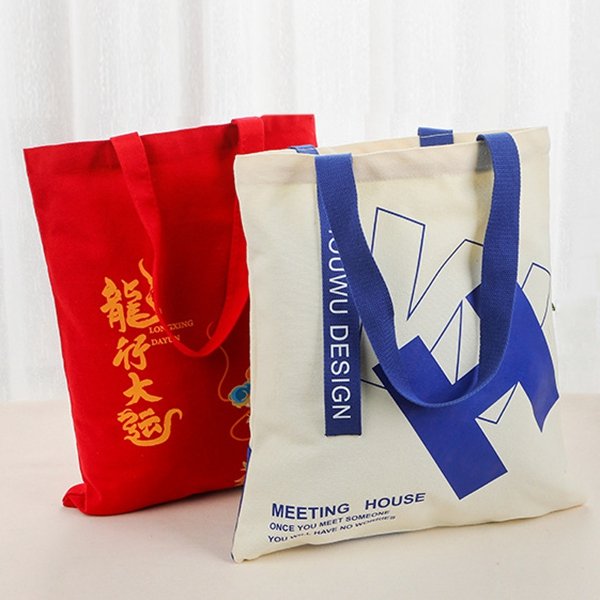

Choosing Canvas with Purpose
Canvas is not one fixed material. The right result depends on fabric weight, fiber blend, surface texture, wash finish, and intended use. A canvas bag made for event giveaways is very different from one made for grocery carry, bookstore retail, beach use, or daily work.
A practical canvas choice often looks like this:
| Canvas Type | Typical Feel | Common Use |
|---|---|---|
| Lightweight canvas | soft, foldable, easy to carry | promo totes, event bags, simple shopping bags |
| Mid-weight canvas | balanced structure and comfort | retail tote bags, gift bags, daily carry |
| Heavy canvas | firmer body, stronger load support | grocery bags, beach bags, work totes |
| Washed canvas | softer, casual look | lifestyle bags, fashion tote lines |
| Organic or recycled canvas | stronger material story | reusable bags, eco gift programs, branded collections |
That is why many teams are not simply asking for “canvas bags.” They are choosing the right canvas fabric for logo printing, embroidery clarity, shape retention, handle comfort, load strength, and cost control.
Heyzizi supports fabric sourcing, custom dyeing, Pantone color matching, texture selection, washing effects, and small-batch development, making it easier to match the canvas direction to the real bag style instead of treating all canvas the same.


What Makes Canvas Bags Better
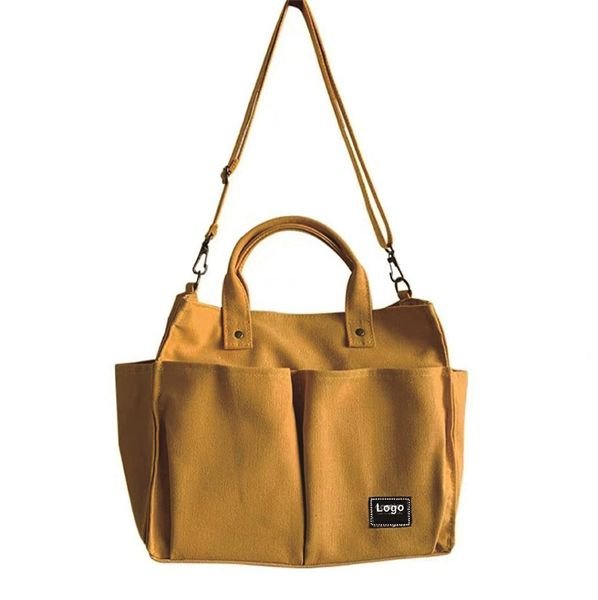
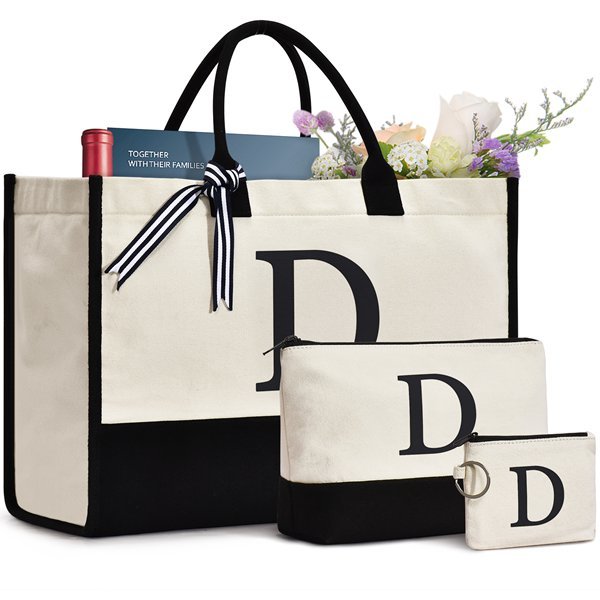
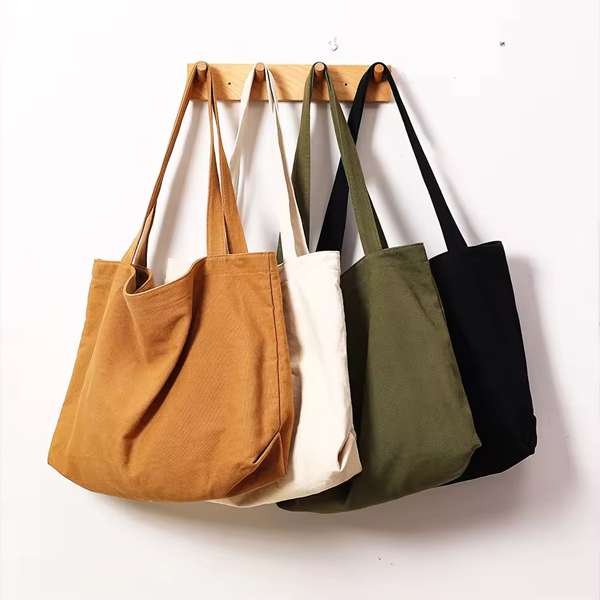
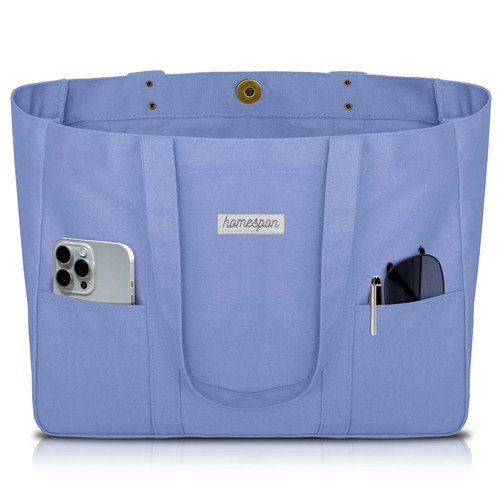
A canvas bag may look simple in photos, but real quality shows in the details. The difference between a cheap-feel bag and a well-made one usually comes from fabric body, handle construction, reinforcement, stitching, logo finish, and shape control after repeated use.
A practical review often includes:
| Detail Area | Cheap-Feel Sign | Better-Made Sign |
|---|---|---|
| Fabric | too thin, limp, uneven texture | cleaner body, steadier surface |
| Handles | twisting, weak joins, poor comfort | balanced length, reinforced attachment |
| Logo | blurry print, poor placement | sharper print, better proportion |
| Shape | collapses awkwardly | holds form more naturally |
| Stitching | loose seams, uneven lines | neater sewing, stronger stress points |
A good canvas bag is not just about thicker fabric. It also depends on handle strength, stress-point reinforcement, print clarity, load support, and overall finishing.
Heyzizi supports canvas tote development, reinforced stitching, load testing, screen printing, heat transfer, woven labels, and quality inspection, helping canvas bags look better, feel stronger, and perform more reliably in daily use.


Details That Improve Carry Comfort
A canvas bag can look good in photos, but still feel uncomfortable in real use. Daily comfort often depends on handle length, handle width, webbing material, and stress-point reinforcement. These small details affect how the bag hangs on the shoulder, how it feels in the hand, and how well it holds up under repeated loading.
A practical review often includes:
| Detail | Why It Matters |
|---|---|
| Short handles | better for hand carry, less comfortable on the shoulder |
| Long handles | easier shoulder carry, changes load position |
| Self-fabric handles | softer look, more integrated style |
| Webbing handles | stronger feel, better for heavier use |
| Stress-point reinforcement | helps reduce tearing where handles join the bag |
A good canvas tote is not only about fabric or shape. It also depends on how the weight moves from the bag’s body to the hand or shoulder during daily use. Poor handle choices can make even a well-printed bag feel awkward.
Heyzizi supports canvas tote development, reinforced stitching, load-bearing structure, handle construction testing, and durability checks, helping canvas bags feel better, carry more comfortably, and perform more reliably over time.


Flat vs Gusseted Tote Bags
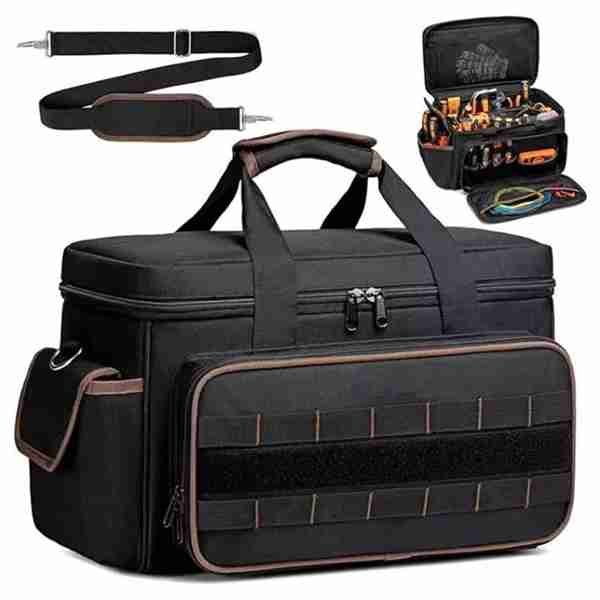
Many bag problems do not come from the main fabric alone. They come from what sits behind it. A bag may look good in a photo, but if the coating, backing, lining, or reinforcement layout is wrong, the product can fail in daily use. That is why a strong Oxford bag program is built layer by layer, not fabric by fabric.
A PU coating can help improve water resistance and surface control. Backing choices affect stiffness and sewing behavior. Lining affects both interior feel and long-term wear. Reinforcement decisions matter even more in stress areas such as handles, strap roots, zipper ends, bottom panels, and corners.
A useful way to think about it:
| Detail | What It Changes |
|---|---|
| Coating | Water resistance, surface control |
| Backing | Shape, stiffness, sewing stability |
| Lining | Interior durability, finish quality |
| Reinforcement | Load strength, service life |
When these details are aligned early, the bag becomes easier to sample, easier to quote correctly, and less risky in bulk production.


Popular Canvas Bag Types
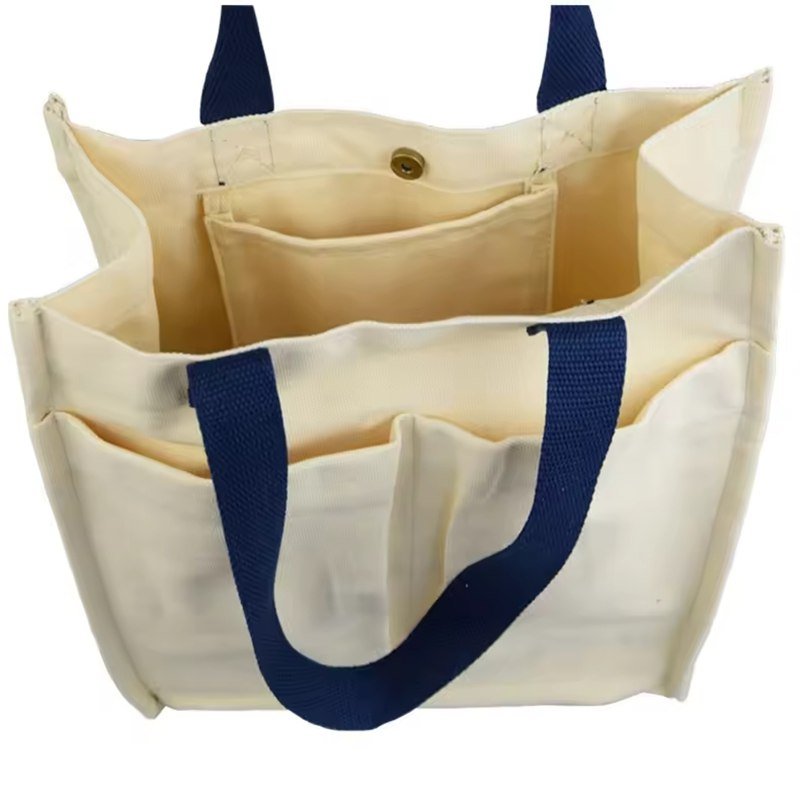
Canvas is one of the most practical materials for building multiple bag styles under one product line. It works well for retail tote bags, shopping bags, grocery totes, beach bags, travel totes, bookstore bags, event giveaway bags, and canvas pouches, which is why demand stays broad across many usage scenes.
For collection planning, the most common canvas bag types include:
| Canvas Bag Type | Why It Sells Well |
|---|---|
| Retail tote bags | clean logo area, simple daily use, easy repeat orders |
| Shopping or grocery totes | reusable, larger capacity, strong everyday function |
| Event giveaway bags | easy printing, flexible sizing, practical for promotions |
| Book or work totes | Medium or heavy canvas supports heavier contents better |
| Beach or travel totes | wider opening, stronger handles, casual carry appeal |
| Canvas pouches | useful add-on items for gift sets, kits, and merch lines |
One reason canvas sells well is that it can grow from one bag into a wider matching series. A single tote design can later expand into pouches, beach bags, grocery bags, work totes, or branded merchandise bags while keeping a consistent material look.
That makes canvas a strong choice for projects that need both daily use value and line extension potential.



Best Printing for Canvas Bags
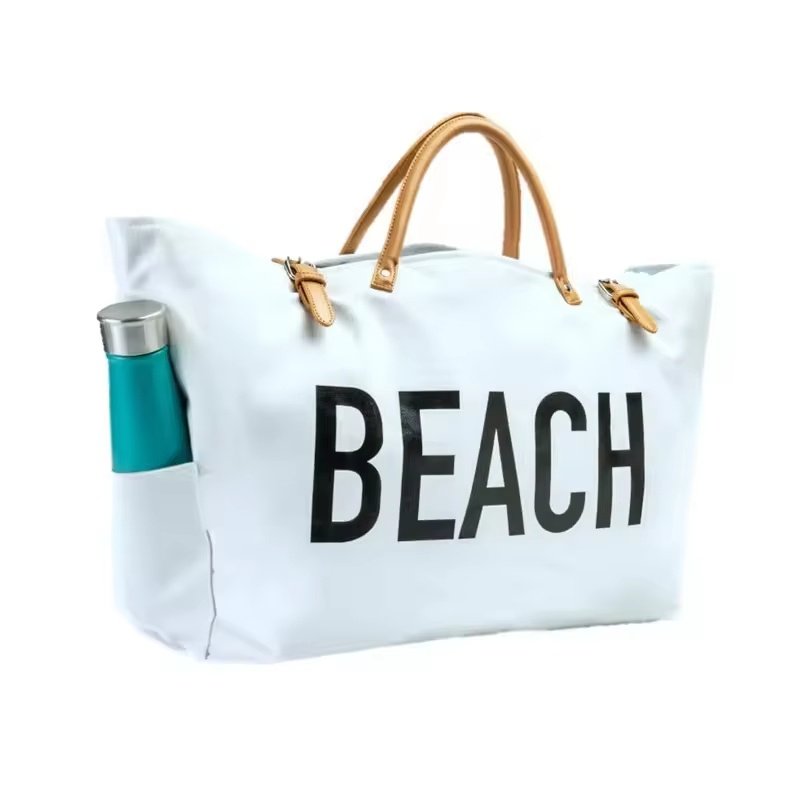
Printing on canvas is not only about adding a logo. The final look depends on canvas texture, fabric weight, ink coverage, artwork detail, print size, and daily use needs. A simple promotional tote and a more polished retail canvas bag may both use canvas, but they often need different printing methods.
A practical comparison looks like this:
| Print Method | Better For | Watch-Out |
|---|---|---|
| Screen printing | bold logos, solid colors, larger runs | rough canvas can soften small details |
| Heat transfer | multi-color artwork, sharper graphic effect | depends more on the fabric surface and heat control |
| Digital-style printing | detailed designs, more complex visuals | needs better color and fabric control |
| Minimal logo print | clean retail look, subtle branding | Placement errors are easier to notice |
A good canvas print should look clear when the bag is flat, and still look balanced after folding, filling, carrying, and repeated handling. That is why the print method should match both the artwork style and the canvas bag use scene.
Heyzizi supports screen printing, heat transfer, logo sizing, Pantone color matching, and surface texture adjustment, helping canvas bags achieve a cleaner print result, a better brand look, and more stable bulk consistency.

Canvas Bag Branding Details
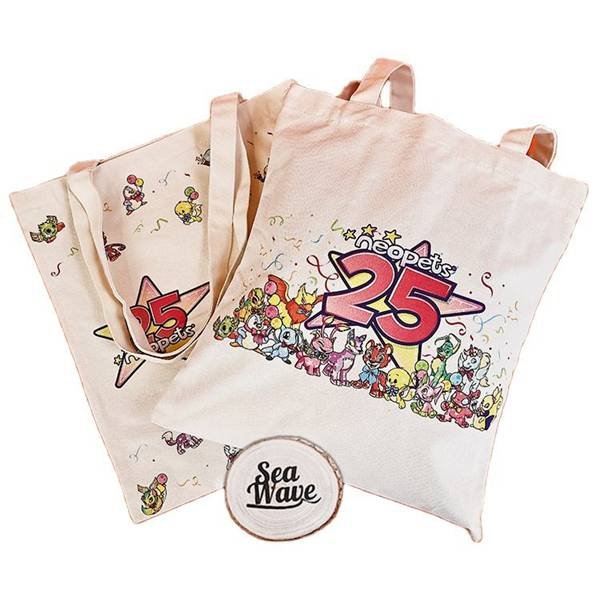
Canvas bags are often selected because branding can be built into them in several ways, not only through printing. For styles that need a stronger identity, details like embroidery, woven labels, PVC patches, metal hardware, contrast handles, and custom zipper pulls can make the bag look more distinctive and more finished.
A simple branding view looks like this:
| Detail Method | Better For | Visual Effect |
|---|---|---|
| Embroidery | stitched logos, small icons, textured branding | warmer, more tactile, more crafted |
| Woven labels | subtle branding, side seam tags, inner labels | cleaner, quieter, more versatile |
| PVC or rubber patches | sporty, outdoor, utility-style bags | bolder, more technical |
| Metal details | Sharper retail styles | more polished, more structured |
| Contrast trims or handles | shape definition without large logos | stronger visual recognition |
These details help a canvas bag move beyond basic utility. They add brand recognition, texture contrast, and product character while keeping the bag practical for daily use.
Heyzizi supports woven labels, PVC patches, metal logos, logo placement planning, and custom trim development, helping canvas bags carry branding through the structure itself, not only through surface decoration.

Responsible Canvas Material Choices
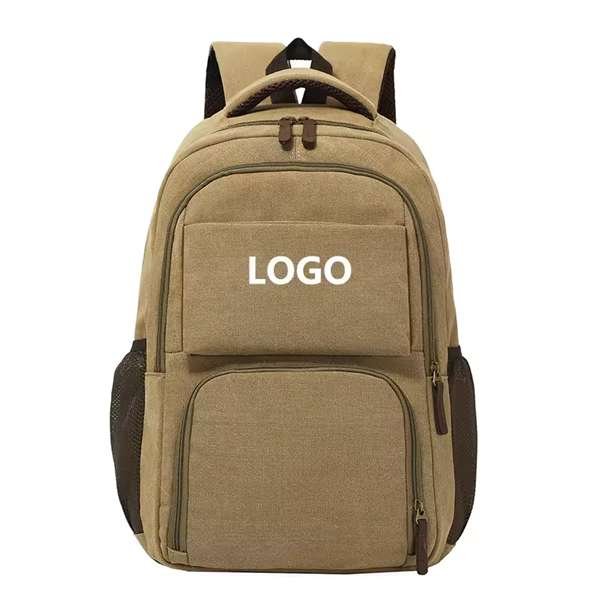
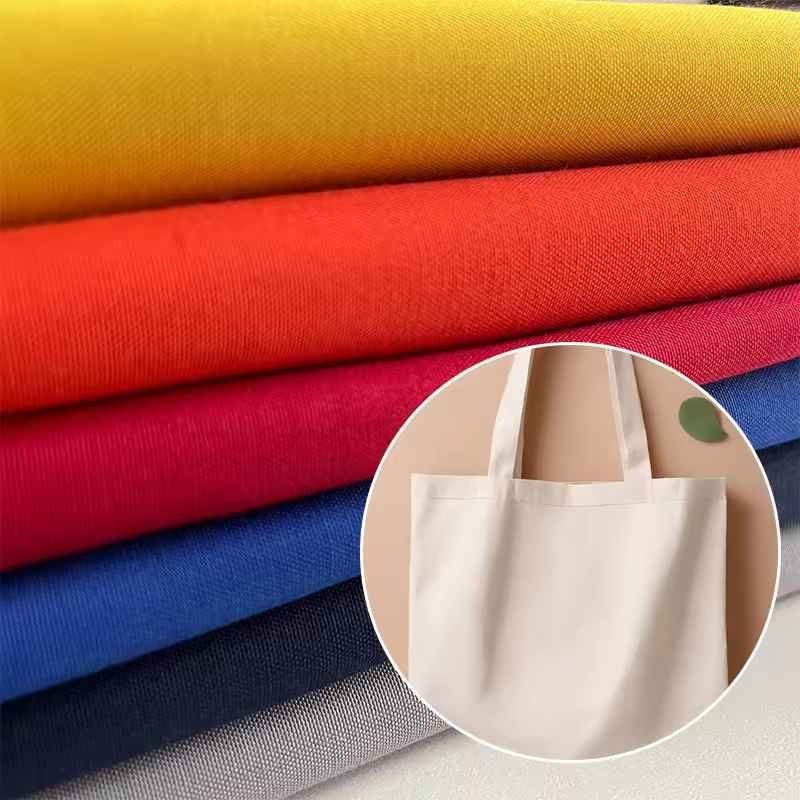
Material stories only work when they match the real bag. Organic cotton canvas, recycled canvas, and other lower-impact options can add value, but only if the bag still feels strong, prints well, and works in daily use. A weak tote does not become better just because the material claim sounds attractive.
What most teams care about is a practical mix of durability, material identity, logo compatibility, and honest positioning.
A simple material view looks like this:
| Material Direction | What It Often Supports |
|---|---|
| Organic cotton canvas | cleaner product story, gifting, retail collections |
| Recycled canvas | reuse-focused positioning, wider brand storytelling |
| Natural-look canvas | visible texture, softer and more honest appearance |
| Matched packaging direction | more consistent overall presentation |
Canvas works well for this because the material itself is easy to see and feel. The strongest choice is usually straightforward: pick a canvas direction that supports the brand story, print result, bag structure, and real-use performance at the same time.

Balancing MOQ and Variety
Canvas bag planning can become complex once you add different sizes, fabric weights, print methods, handle options, packaging styles, and multiple SKUs. A small test order may help check market response. A mixed-style order may make the collection look broader. But neither option always gives the best cost balance.
A practical order review often looks like this:
| Order Direction | Better For | Trade-Off |
|---|---|---|
| One style, low quantity | testing, early launch, faster validation | higher unit cost |
| Mixed styles, small run | broader collection trial, more design variety | more setup and coordination work |
| One style, higher volume | stronger cost control, simpler production flow | less flexibility |
| Step-by-step repeat orders | lower risk, gradual expansion, easier adjustment | slower style growth |
Canvas projects often grow in stages rather than through one large first order. That is why order planning should match the current goal: testing, cost control, style expansion, or repeat development.
The better question is usually not only “Which option is cheapest?” It is “Which order structure gives the best result for this stage of the project?”

Canvas Sample Approval Checklist
A canvas bag sample should not be approved by appearance alone. Small differences in fabric weight, texture, print position, handle length, stitching, bag shape, and packing method can change how the bag looks and performs in real use. An empty sample may look fine on a table, but still feel wrong once filled and carried.
A stronger sample review should confirm:
| Approval Item | What to Check |
|---|---|
| Fabric | weight, texture, color, wash finish |
| Bag shape | flat or gusseted structure, size, proportion |
| Handles | length, width, material, attachment strength |
| Branding | print, embroidery, label method, placement, scale |
| Construction | stitching quality, corner finish, inside neatness |
| Packing | folding method, insert card, barcode, outer packing |
A good canvas sample should work as the control standard for later production, not just as a visual reference. It should help confirm material direction, bag structure, logo effect, carrying comfort, and packing setup before bulk starts, so later execution stays more stable and consistent.and


Quality Checks Beyond Stitching
Canvas bags are often judged too quickly by stitching alone. Stitching matters, but it is only one part of real bag quality. A stronger quality review should also check fabric consistency, logo finish, handle strength, shape control, edge finishing, and load performance after repeated use.
A practical check can include:
| QC Checkpoint | Why It Matters |
|---|---|
| Fabric color and surface | keeps the batch more consistent |
| Print or embroidery result | protects logo clarity and brand image |
| Handle attachment area | reduces the risk at stress points |
| Corners and edge finish | affects durability and appearance |
| Shape consistency | keeps bags looking stable across units |
| Inside cleanliness | improves overall finish and perceived quality |
| Load behavior | shows whether the bag performs in daily use |
Useful inspection is not about broad quality claims. It is about checking the exact points where canvas bags usually look better, last longer, and feel more dependable in real carrying conditions.

Start Smarter Canvas Bag Projects
The smoothest canvas bag projects usually start with the right decisions in the right order. For canvas tote bags, shopping bags, beach bags, pouches, and branded carry bags, that often means confirming the use scene first, then canvas fabric weight, bag shape, handle style, logo method, order quantity plan, and packing requirements. When these points are clear early, sample review becomes easier, quotation review becomes clearer, and bulk production becomes easier to manage.
This matters because small changes can quickly affect the final bag. A different canvas weight changes body feel. A different handle structure changes carrying comfort. A different print or embroidery method changes the visual result. A practical starting path is simple:
| Step | Focus |
|---|---|
| 1 | confirm use and target bag style |
| 2 | choose fabric weight, bag shape, and handle direction |
| 3 | review print, embroidery, label, or trim details |
| 4 | align sample target, MOQ plan, and delivery timing |
This order helps reduce unnecessary revisions and makes the first sample round more useful.


Make A Sample First?
See your idea come to life before mass production.
At Jundong Factory, we offer free design mockups and custom samples to ensure every detail is perfect — from material and color to logo placement and stitching.
Start your project with confidence today: info@jundongfactory.com.
Decision FAQs About Canvas Bag
What canvas weight is usually best for custom tote bags?
The best canvas weight depends on what the bag needs to carry, how structured it should feel, and what kind of branding result you want. A lighter canvas tote bag usually suits event giveaways, simple promotional bags, foldable shopping bags, and lighter daily use. A mid-weight or heavier canvas bag is often better for grocery totes, bookstore bags, retail totes, beach bags, and reusable shopping bags that need stronger shape support.
Canvas weight affects more than thickness. It changes body feel, print clarity, handle comfort, foldability, load confidence, and shelf appearance. A bag that looks fine in photos may still feel too soft, too limp, or too weak once it is filled.
A practical way to choose is to review three points together: what the bag will carry most often, whether it should feel soft or more upright, and whether the project is for retail, gifting, events, or repeat daily use. The right fabric weight should match the real bag job, not just follow a number copied from another canvas tote listing.
Should we choose a flat tote or a gusseted canvas tote?
If the bag needs to carry bulkier, heavier, or less predictable items, a gusseted canvas tote is usually the better choice. A flat tote bag works well for lighter contents, cleaner front print display, easier folding, and simple promotional or retail use. A gusseted tote bag usually gives more usable volume, a steadier base, and better support for books, groceries, boxed products, beach items, work essentials, or gift sets.
This choice affects daily function more than many teams expect. A flat canvas bag may look neat on a product sheet, but once real items are added, it can feel tight or lose shape quickly. A bottom gusset or side-and-bottom gusset can make the tote feel more complete, more balanced, and easier to carry.
A useful decision method is to test the bag around the real contents, not only the sketch. If the bag is meant for retail sets, shopping use, bookstore programs, or reusable grocery carry, gussets often improve both function and appearance. If the use is light, flat, and print-led, a flat tote may still be the better fit.
What handle length and handle type work best for canvas tote bags?
The best handle setup depends on how the bag will actually be carried: by hand, on the shoulder, or both. Handle length, width, webbing choice, and reinforcement all affect comfort, balance, and long-term use. A good-looking canvas tote bag can still feel awkward if the handles are too short for shoulder carry, too long for hand carry, or too weak at the attachment points.
Shorter self-fabric handles often suit light event totes, simple gift bags, and hand-carry styles. Longer self-fabric handles can work for softer, casual tote bags. Cotton webbing handles are often better for grocery bags, bookstore totes, work bags, and heavier reusable shopping bags because they usually feel stronger and more dependable under load.
The joint area matters just as much as the handle length. Weak stitching or poor reinforcement at stress points often leads to early failure, even when the fabric itself is fine. For that reason, handle planning should be treated as part of the bag structure, not as a small styling detail. A comfortable canvas bag carries weight well over time, not one that only looks balanced when empty.
Which logo method is better for canvas bags: screen print, heat transfer, embroidery, or labels?
There is no single best logo method for every canvas bag. The right choice depends on fabric texture, artwork detail, bag style, and how the finished bag should feel in the market. Canvas is not a smooth synthetic surface, so the weave, weight, and texture can all affect how clearly a logo appears.
Screen printing usually works well for bold graphics, larger logos, promotional canvas totes, and simple shopping bags. Heat transfer can suit more detailed or multi-color artwork when a sharper image effect is needed. Embroidery often gives a warmer, more tactile look and suits smaller logos, premium gift bags, or branded retail totes. Woven labels work well for quieter branding, side seam identity, and cleaner private label presentation.
The best method should fit both the artwork and the bag’s use. A retail canvas tote bag, a giveaway bag, and a reusable grocery tote may all need different branding logic. Logo placement also matters. A small artwork can look lost on a large tote, while a large print can overwhelm a simple bag. Good branding should feel integrated into the bag, not added at the last minute.
How can we keep canvas bag samples and bulk production consistent?
The safest way to keep canvas bag samples and bulk production aligned is to approve more than appearance. A canvas bag sample should lock the key working points before bulk starts, including fabric weight, color, surface texture, shape, handle build, logo method, logo position, and main QC checkpoints. If these details stay loose, the finished batch can feel noticeably different even when the overall style looks similar.
Canvas bags are sensitive to small variations. A slight change in the fabric body can alter the bag’s shape. A small shift in print position can weaken the visual balance. A different stitch density or weaker handle attachment can reduce comfort and durability. That is why sample approval should not stop at “looks fine.”
A practical pre-bulk checklist should include: confirmed fabric and color, approved handle construction, approved print or embroidery method, agreed measurements and tolerances, and a clear note on which issues are not acceptable. When those points are written down early, the approved sample becomes a working standard for production and repeat orders, not just a rough visual reference.
What is the usual MOQ for custom canvas bags?
MOQ for custom canvas bags depends more on style complexity and order structure than on the word “canvas” itself. A simple canvas tote bag with standard fabric and one-position printing is usually easier to start at a lower quantity than a gusseted retail tote with custom dyeing, embroidery, inside pockets, woven labels, and branded packaging.
MOQ becomes more demanding when the project includes multiple sizes, multiple colors, mixed styles, custom trims, special washing effects, or several logo methods. A single-style test order is often easier to arrange than a mixed-SKU program. A repeat order on an approved style is usually easier again, because the bag structure, material direction, and branding details have already been defined.
A better way to review the MOQ is to ask what stage the project is in. Is it an early market test, a retail launch, a promotional run, or a repeat order? The right quantity plan should match the stage. A smaller first run can help check response and reduce pressure, while a larger single-style order may give better unit pricing. The goal is not only to find the lowest starting quantity, but to choose a quantity structure that makes sense for the project.
Are canvas bags suitable for retail programs, event giveaways, and grocery use at the same time?
Yes, canvas bags can work across retail, events, gifting, and grocery use, but not as one identical bag. The same material family can support very different projects when the fabric weight, gusset structure, handle build, logo method, and finishing level are adjusted to the real use case.
A promotional canvas tote bag usually needs simple printing, lighter construction, and easier cost control. A retail canvas bag often needs a cleaner silhouette, stronger branding details, better stitching finish, and a more considered material feel. A reusable grocery tote or shopping bag usually needs stronger handles, better reinforcement, more usable volume, and more confidence under repeated loading.
That is why the same words, such as canvas tote bag or cotton shopping bag, can still describe very different products. The smarter starting point is to decide whether the bag is mainly for brand visibility, retail sell-through, gift presentation, or regular carrying. Once that is clear, canvas becomes a very flexible category. Without that clarity, even the right material can still lead to the wrong bag. The use of scene should always come before style references.
How do printing, embroidery, labels, and packaging affect the final price of a canvas bag?
These details affect price through setup time, labor content, finishing level, and packing complexity, not only through decoration itself. Many teams compare canvas bag costs based on size and fabric first, but branding and packaging often create the biggest price changes.
A one-color screen-printed canvas tote bag is usually easier to control than a bag with detailed embroidery, woven labels, inside labels, swing tags, custom polybags, insert cards, and export carton instructions. Once branding becomes layered, the bag is no longer only a sewn item. It becomes a more complete retail or gift product, and that changes the work involved.
The main cost drivers often include: multi-color or detailed print setup, embroidery stitch time, added labels or patches, stronger packaging materials, and more inspection points. These details may be exactly right for retail collections, branded merchandise, museum shops, bookstore programs, or gift-with-purchase projects. But they should be judged early.
The better cost-control approach is not to remove all details. It is to decide which branding elements truly raise the bag’s selling value, and which ones only add cost without improving the result enough.
Should we choose cotton canvas, organic cotton canvas, or recycled canvas?
The right material direction depends on what matters most in the project: price balance, brand positioning, gifting context, reusable value, or a stronger material story. Standard cotton canvas, organic cotton canvas, and recycled canvas can all work well, but they do not serve the same purpose.
Standard cotton canvas usually gives broader flexibility for everyday tote bags, shopping bags, event bags, and larger-volume programs. Organic cotton canvas often fits retail tote bags, bookstore bags, museum bags, gifting, and lifestyle collections where the material story needs to feel cleaner and more deliberate. Recycled canvas can work well when the brand wants a stronger reuse or lower-waste direction, especially for branded merchandise or responsible packaging programs.
The main point is that the material story should still match the real bag. A canvas tote should still hold shape, print clearly, carry comfortably, and work in daily use. A stronger material claim does not help much if the bag itself feels weak or impractical. The better question is not only which fabric sounds better, but which fabric direction fits the bag’s job, the target market, and the branding message at the same time.
What should we prepare before asking for a canvas bag sample or quotation?
You do not need a perfect tech pack to start, but a clearer first brief usually leads to a faster sample review and a more accurate quotation. Many canvas bag projects slow down at the beginning because the request is too general. If the first message only says “I want a canvas tote bag,” too many points remain unclear, including shape, fabric, size, handle style, logo method, and packing expectations.
A useful starting brief often includes reference photos, target size, flat or gusseted structure, intended use, estimated quantity, logo artwork, preferred fabric direction, handle preference, and required delivery timing. If you already know whether the project is for retail tote bags, shopping bags, grocery bags, beach bags, event giveaway bags, or private label canvas bags, that also helps narrow the development path faster.
The goal is not to prepare a complicated document. The goal is to give enough direction for the bag to be judged correctly from the start. Even a short but well-structured brief usually saves time on sample revision, quotation correction, and avoidable back-and-forth later.
Everything You Need to Know Before Customizing Your Bags
Custom canvas bag development is rarely judged by fabric alone. When comparing options, many teams focus more on practical points such as MOQ and bulk price balance, sample lead time, canvas fabric weight, cotton or organic canvas choice, gusset structure, handle construction, logo method, lining option, zipper or accessory matching, packing setup, and repeat-order consistency. A well-planned FAQ section helps visitors review these points earlier and makes product evaluation more efficient.
A stronger FAQ direction should focus on real project concerns: what information should be prepared before sampling, how to keep sample-to-bulk consistency in fabric color, texture, shape, print result, and embroidery finish, how to match flat tote bags, gusseted shopping bags, beach bags, work bags, pouches, and retail carry bags with actual use, and which inspection points help protect appearance and daily durability.
Clear content can also support keyword coverage around custom canvas bags, canvas tote bag factory, private label canvas bags, OEM canvas tote bags, wholesale canvas shopping bags, branded cotton bags, promotional canvas bags, and reusable retail bags. This makes the FAQ section more useful for both first-time inquiries and repeat canvas bag programs.
