 Skip to content
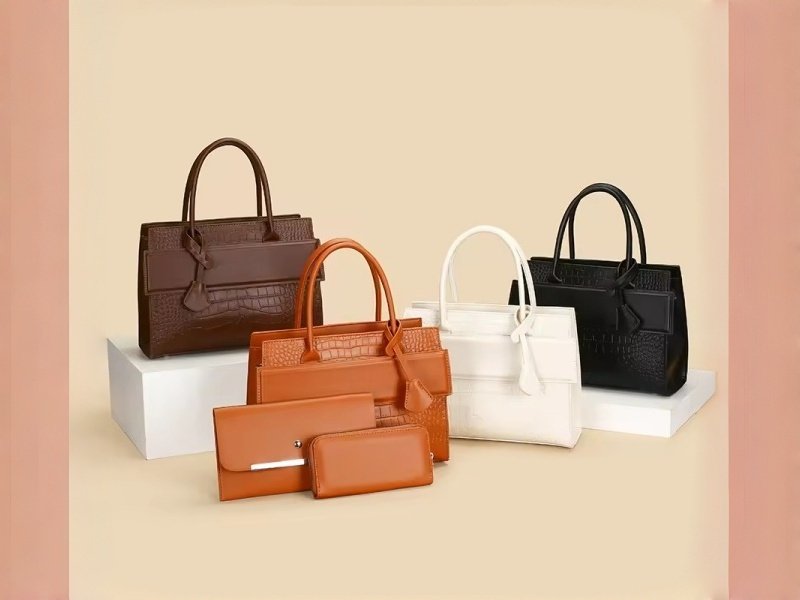
Tote bags are everywhere. You see them in offices, grocery stores, airports, trade shows, and fashion streets. They look simple, almost effortless. Two handles. An open top. A spacious interior. Yet behind this simplicity sits a long list of decisions that separate an average tote bag from the best tote bags people search for, buy again, and even build brands around.
What makes this topic so popular on Google is not style alone. People are asking practical questions. Which tote bags last the longest? What materials hold weight without stretching? Are tote bags good for work, travel, or branding? Which tote bag styles will still look right next year? These are not casual questions. They come from buyers who want value, reliability, and purpose.
The best tote bags combine the right material, structure, size, and features for specific needs such as work, travel, shopping, or branding. High-quality tote bags use durable fabrics, reinforced stitching, comfortable handles, and functional compartments. Choosing the best tote bag depends on how it will be used, how much weight it carries, and whether customization or branding is required.
Picture a buyer standing in front of hundreds of tote bags online. Most look similar. Only a few feel right once picked up. The difference is rarely accidental. It comes from design decisions made long before production started. That’s the story worth understanding.
What Are Tote Bags and Why Are They So Popular?

Tote bags are open-top bags with parallel handles designed for easy carrying and wide capacity. They are popular because they are versatile, simple, reusable, and suitable for many daily scenarios, from work and shopping to travel and branding.
The tote bag is one of the most adaptable bag formats ever created. Unlike backpacks or handbags, tote bags do not force users into a specific way of carrying or organizing items. They adapt to the user, not the other way around.
This flexibility explains their popularity. A tote bag can carry groceries in the morning, documents in the afternoon, and personal items in the evening. It fits into fast-paced lifestyles where people move between roles and environments without changing bags.
Another reason tote bags remain popular is accessibility. They are easy to produce, easy to customize, and easy to understand. There is no learning curve. You pick it up and use it. That simplicity lowers the barrier for first-time buyers and makes tote bags ideal for promotions, retail, and gifting.
From an environmental angle, tote bags also align with reusable habits. Many consumers replace disposable bags with reusable totes. This has pushed demand for stronger materials and better construction, moving tote bags away from flimsy giveaways toward long-term products.
For brands, tote bags serve as walking billboards. A well-designed tote bag travels with the user, exposing logos and messages repeatedly. Unlike digital ads, this exposure feels natural, not intrusive.
The popularity of tote bags is not a trend spike. It reflects how modern consumers value convenience, flexibility, and practical design.
Which Types of Tote Bags Are Considered the Best?

The best tote bags depend on use. Everyday totes focus on comfort and light weight, work totes emphasize structure and organization, shopping totes prioritize capacity and durability, and travel totes balance size with portability.
There is no single “best” tote bag for everyone. The best tote bag is the one designed for a specific purpose and user behavior. Understanding this difference prevents mismatched expectations.
Everyday tote bags are built for routine use. They usually feature medium capacity, comfortable handles, and lightweight materials. These totes prioritize ease of carrying over long periods without strain.
Work tote bags focus on structure. They often include reinforced bases, internal dividers, and compartments for laptops or documents. A structured silhouette helps the bag keep its shape, which matters in professional settings.
Shopping and grocery tote bags prioritize strength. They need to hold weight without tearing or stretching. Reinforced stitching, thicker fabrics, and wide handles reduce pressure on hands and shoulders.
Travel tote bags bridge the gap between personal item and carry-on. Size limits matter. These totes often include zip closures, internal pockets, and sometimes trolley sleeves to attach to luggage handles.
The table below highlights how purpose affects design:
| Tote Type | Key Focus | Typical Features |
|---|---|---|
| Everyday | Comfort | Lightweight, soft fabric |
| Work | Organization | Structured body, compartments |
| Shopping | Load capacity | Thick fabric, reinforced seams |
| Travel | Portability | Zippers, pockets, size control |
Buyers searching for the best tote bags are often comparing across these categories without realizing it. Clear classification helps them choose correctly.
What Features Should the Best Tote Bags Have?
The best tote bags include durable stitching, comfortable handles, suitable capacity, and functional closures or compartments that match the intended use.
Features define experience. A tote bag may look good, but poor features quickly turn it into a problem.
Handles and straps are one of the most overlooked features. Length matters. Short handles strain hands. Long straps dig into shoulders if not reinforced. The best tote bags balance handle length with padding or width.
Capacity and structure also matter. A tote without structure collapses under weight. Adding a reinforced base panel helps distribute load and keeps the bag upright. For work totes, internal structure reduces clutter and improves access.
Closures influence security. Open-top totes are convenient but risky in crowded areas. Zippers, magnetic snaps, or drawstrings add protection. The right closure depends on context.
Internal organization is no longer optional for many buyers. Pockets for phones, keys, or devices reduce frustration. For business or travel use, these features turn a simple tote into a reliable daily tool.
Durability is the result of multiple small decisions. Stitch density, seam reinforcement, and stress-point reinforcement determine how long a tote bag lasts under daily use.
How Do Materials Affect Tote Bag Quality and Performance?

Material choice affects durability, weight, appearance, and lifespan. Canvas offers strength, leather adds structure and style, while synthetic fabrics provide water resistance and lighter weight.
Materials are the foundation of tote bag quality. Choosing the right material depends on how the bag will be used and perceived.
Canvas and cotton are popular for their natural look and strength. Thick canvas handles weight well and ages gradually. It works well for shopping, everyday use, and branding.
Leather and PU leather provide structure and a polished appearance. Leather totes are heavier but hold shape better. PU leather offers a cost-effective alternative with similar visual appeal.
Nylon and polyester are lightweight and water-resistant. These materials suit travel and outdoor use. They also allow for more color consistency and easier cleaning.
Eco-friendly materials, such as recycled fabrics, are increasingly requested. Buyers expect performance to match sustainability claims. Weak materials damage brand credibility.
Material performance also affects cost, MOQ decisions, and lead time. For B2B buyers, understanding material behavior reduces returns and improves customer satisfaction.
Are Tote Bags Suitable for Business, Branding, and Retail?
Yes. Tote bags are widely used in branding, retail, and corporate promotions due to their visibility, usability, and customization potential.
Tote bags perform well as branded products because they integrate into daily life. Unlike disposable items, they remain in use for months or years.
Retail brands use tote bags as packaging upgrades. Corporate clients use them for events and onboarding. Trade shows rely on tote bags to distribute materials while promoting logos.
Customization options include printing, embroidery, woven labels, and material color choices. The best results come from matching branding methods with material type.
Industries commonly sourcing tote bags include retail, education, exhibitions, hospitality, and corporate gifting. For these buyers, consistency, quality, and delivery time matter more than novelty.
How Do You Choose the Best Tote Bag for Your Needs?
Choosing the best tote bag requires matching size, material, features, and structure to the intended use and user expectations.
The first question buyers should ask is how the tote will be used. Daily use demands comfort. Heavy loads demand strength. Branding demands visual consistency.
For B2B buyers, additional factors matter: MOQ flexibility, sampling speed, and production reliability. Customization should enhance function, not complicate it.
A good sourcing decision balances cost, performance, and long-term value. Cheap tote bags often fail early, increasing replacement costs and damaging brand perception.
Why Are Custom Tote Bags a Smart Choice for Brands Today?
Custom tote bags allow brands to control design, quality, and branding, helping them stand out and meet specific market needs.
Customization turns tote bags into brand assets. Size, fabric, color, and logo placement create differentiation. In 2026, trends lean toward minimalist design, multi-function use, and sustainable materials.
Brands increasingly prefer OEM and ODM solutions to maintain consistency and protect design identity. Reliable manufacturers support this by offering design assistance, sampling, and quality control.
Custom tote bags are not just products. They are part of brand strategy.
Request Custom Tote Bags From Jundong
If you are looking for best-in-class tote bags tailored to your market, Jundong offers over 20 years of experience in bag design and manufacturing. We support custom tote bags across materials, structures, and branding methods, with low MOQ, fast sampling, and stable lead times.
Contact Jundong today to request a quotation or sample and turn your tote bag idea into a reliable product line.