Skip to content
Best Fabric for a Makeup Bag
Choosing the best fabric for a makeup bag starts with how the bag will actually be used. Different fabrics shape cleanability, durability, structure, weight, and overall feel. From canvas, polyester, nylon, PU leather, neoprene, and velvet to laminated and water-resistant materials, each option fits different needs, such as travel kits, daily cosmetics, gift sets, retail beauty lines, and promotional launches. The right fabric choice improves spill resistance, ease of cleaning, print quality, and long-term use, while supporting better packaging, stronger brand presentation, and more consistent results across repeat orders.
Fabric Needs More Function
A strong makeup bag fabric should do more than look good in a color card or studio photo. It needs to deal with powder dust, leaking liquids, repeated zipper friction, hand oils, bathroom humidity, and frequent wiping without losing its shape too quickly. That is why fabric selection should start with use conditions, not surface style alone. Travel pouches, vanity cases, daily touch-up bags, and gift-ready cosmetic sets do not ask the same things from a material. Water resistance, stain resistance, surface cleanability, crease response, and how the fabric behaves when half-filled matter more than appearance alone. Competitor content in this category repeatedly centers material decisions around durability, water resistance, easy cleaning, and fit with the use scene rather than “best fabric” in the abstract.
| What the fabric must handle | Why it matters |
|---|---|
| Spills and smudges | Makeup bags get stained faster than many other pouch types |
| Moisture and wiping | Bathroom and travel use expose the bag to water and repeated cleaning |
| Shape retention | A bag that collapses too easily feels messy after short-term use |
| Surface wear | Daily opening, closing, and packing creates rubbing at corners and zipper areas. |




Best Bag Material Uses
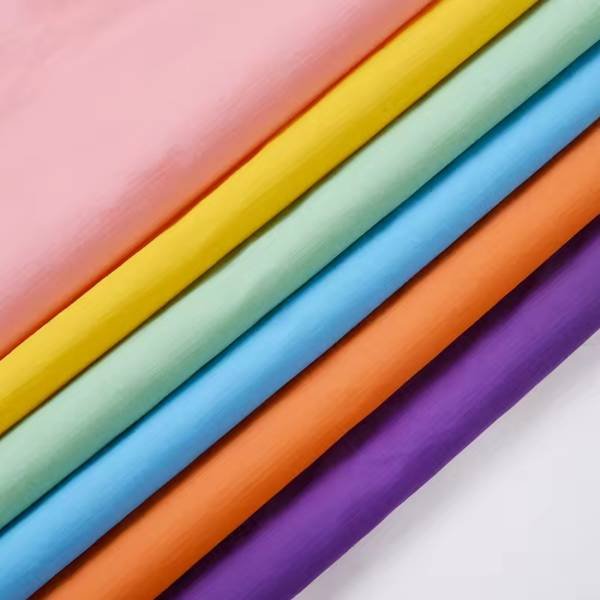
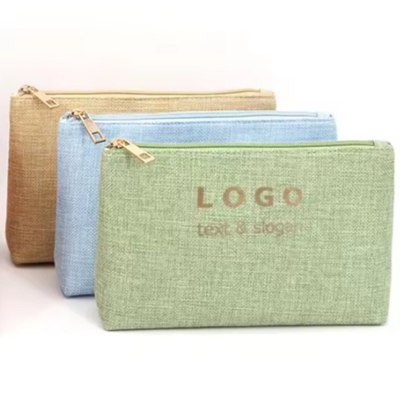
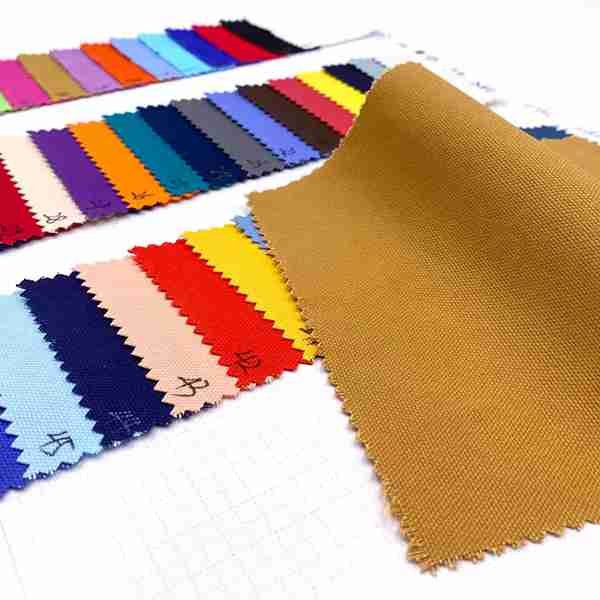
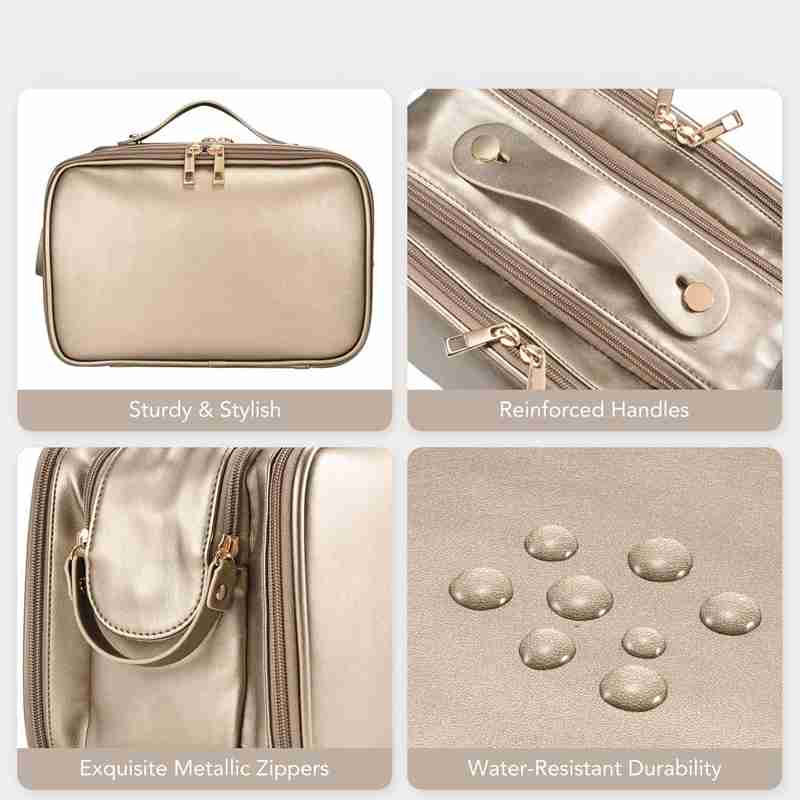
The most common outer materials for makeup bags do not compete on the same standard. Nylo,n usually performs well when the bag needs to stay light, durable, and easier to wipe, especially for travel-led styles. Polyester is often chosen for cost balance, stable color options, and broad print compatibility. Canvas gives a more natural, relaxed feel, but it shows stains faster and usually needs better planning if the set is meant to face spills or wet surfaces. PU creates a smoother, more polished surface and often suits gift sets, beauty launches, and presentation-led pouches. Quilted shells add softness and volume, but they need careful control or the bag can start to feel bulky rather than refined. These same material paths appear repeatedly across custom makeup bag content, with nylon and polyester linked to practicality, PU to presentation, and quilted/puffer directions to softness and travel styling.
| Material | Stronger side | Better fit |
|---|---|---|
| Nylon | Light, durable, water-friendly | Travel pouches, daily organizers |
| Polyester | Cost control, printability | Patterned or high-volume programs |
| Canvas | Natural handfeel | Lifestyle collections, casual looks |
| PU | Smooth, polished surface | Gift-ready or presentation-led sets |
| Quilted shell | Soft volume | Holiday, pouch sets, softer visual tone |
Clear TPU PVC Materials
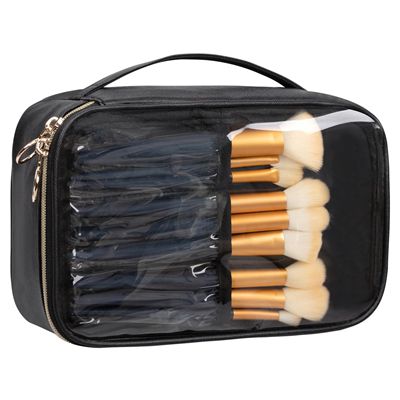
Some makeup bags fail not because the outer shell is weak, but because the material system does not know how to deal with leaks. For travel kits, mini skincare sets, and liquid-heavy routines, wipe-clean and non-absorbent surfaces often matter more than soft handfeel. Clear TPU or PVC helps with fast visibility, easier cleaning, and separation of leak-prone items. Laminated cotton or other coated fabric options can keep a softer look while improving wipe-down performance. Spill-resistant design guidance in this category repeatedly highlights non-absorbent lining, laminated fabrics, and seam behavior because leakage usually spreads through stitch areas, zipper zones, and absorbent interiors first.
| Material route | Best use | Watch-out area |
|---|---|---|
| Clear TPU | Cleaner look, travel visibility | Softness, transparency, stability |
| Clear PVC | Easy wipe-down, liquid separation | Stiffness, feel, long-term fold marks |
| Laminated cotton | Softer visual with wipeable face | Edge finish and coating durability |
| Wipe-clean lining | Inside spill control | Peeling risk if the quality is poor |
A useful rule is simple: when the bag is likely to hold foundation, cream, serum, gloss, or mini bottles, easy-clean performance should be treated as a core material decision, not a bonus feature.





Fabric Beyond Outer Layer
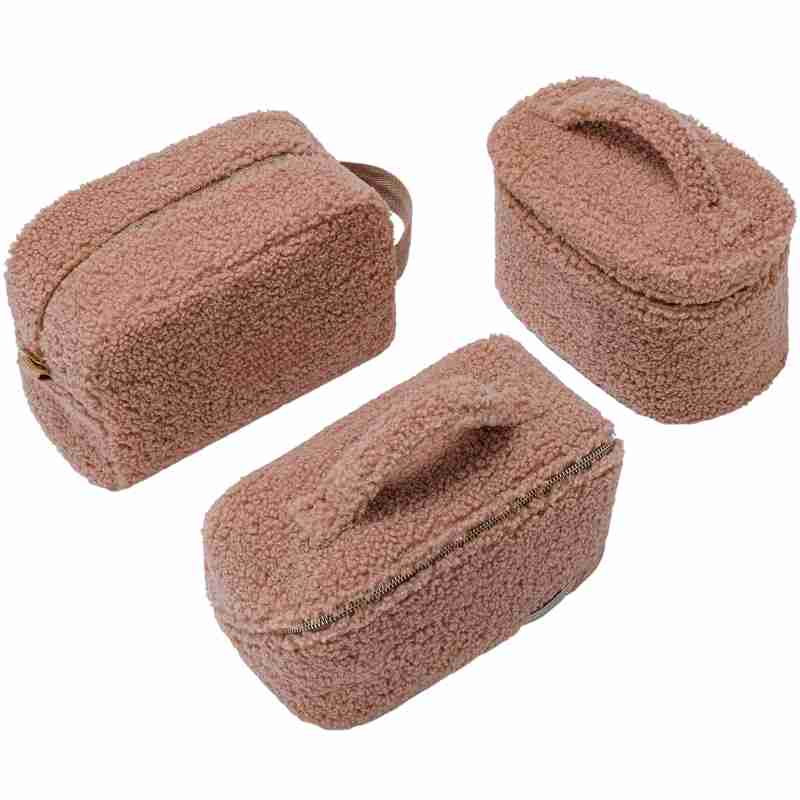
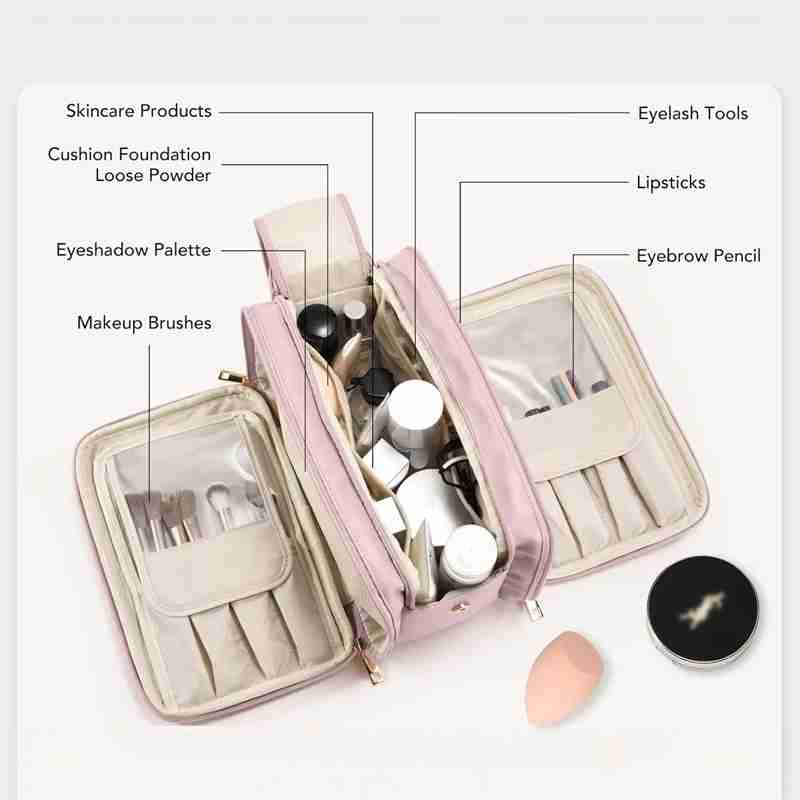
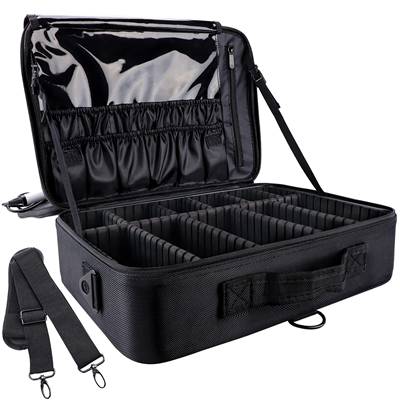
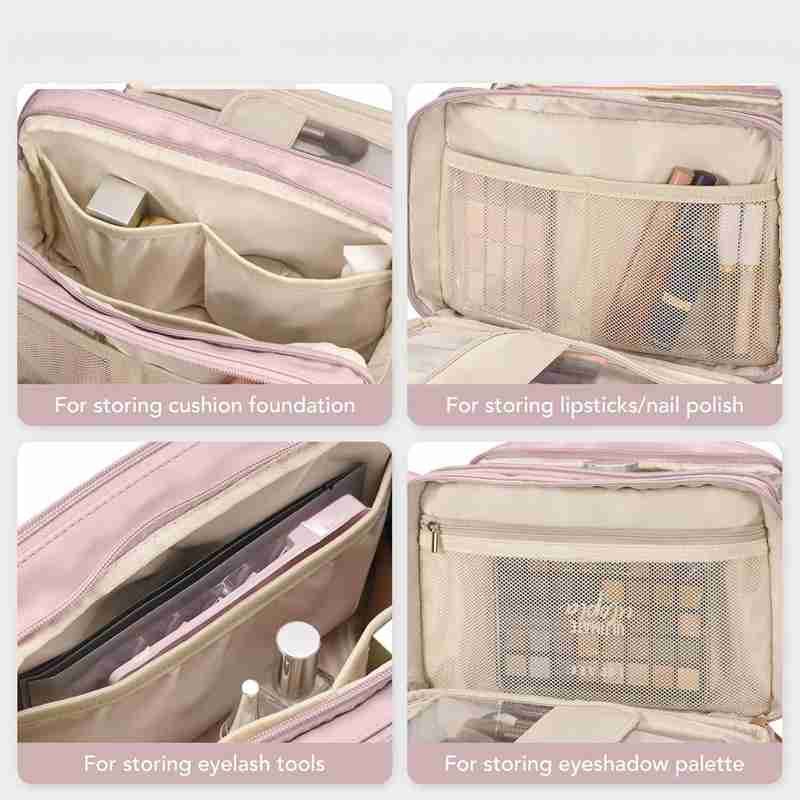
A makeup bag’s performance is not decided by outer fabric alone. The shell may look good, but daily use depends on the inner structure. Lining choice affects stain resistance and how easy it is to clean after contact with powders, creams, or liquid leaks. Padding thickness influences protection and how the bag feels in the hand. Backing and bonding also control shape stability, from structured standing designs to softer foldable styles. Materials like wipe-clean polyester, TPU, or PEVA-coated interiors are often used for better hygiene and durability. A balanced material system helps the bag stay clean, stable, and functional over repeated use.
| Inner component | What it changes |
|---|---|
| Wipe-clean lining | Faster cleanup after spills and powder marks |
| Thin padding | Softer protection without too much bulk |
| Backing or lamination | Controls stiffness, collapse, and body shape |
| Bonding quality | Affects peeling, wrinkling, and long-term neatness |
The strongest makeup bags usually balance three things at once: surface feel, interior cleanability, and shape control. If one of those is ignored, the bag may still photograph well, but it becomes harder to use, harder to clean, or less stable in repeated packing.
Different Bags Need Fabrics
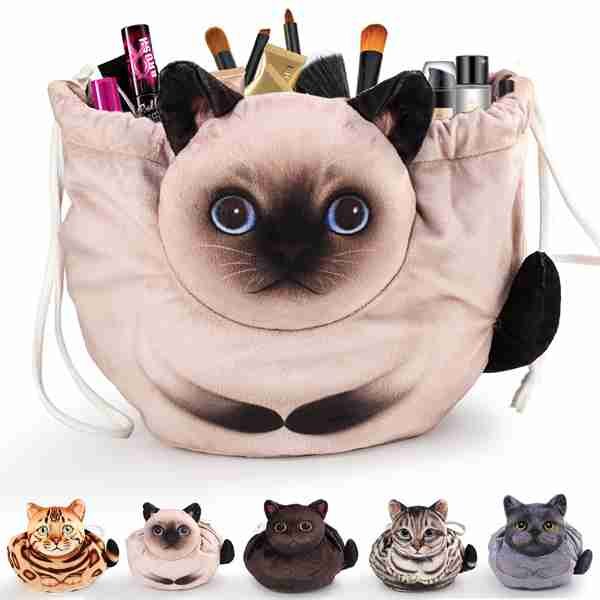
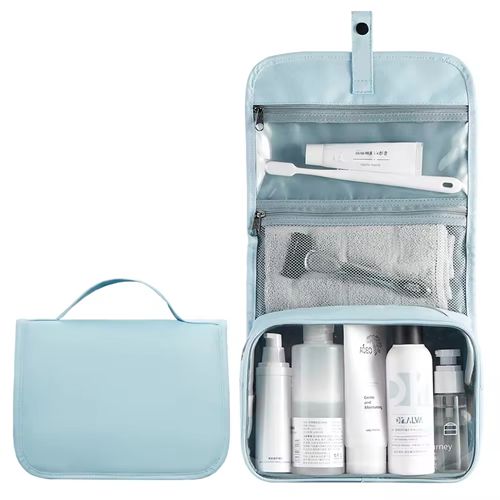
One of the most common material mistakes is treating all makeup bags as if they need the same surface behavior. They do not. A daily pouch usually needs a light structure, easy hand entry, and a fabric that does not feel too precious for frequent use. A travel case usually needs more wipe-clean performance, better shape retention, and stronger tolerance for bottles, mini skincare, and repeated packing. A gift set pouch often needs a more polished outer feel, softer visual volume, or a more elevated finish that reads well when boxed or photographed. Material logic changes because the routine changes. That is why competing content often separates daily use, travel use, and premium presentation instead of pushing one “best fabric” answer across all styles.
| Bag direction | Fabric logic that usually fits better |
|---|---|
| Daily pouch | Soft-to-semi-soft shell, easy-access opening, lower maintenance |
| Travel case | Wipe-clean lining, stronger shell, better spill tolerance |
| Gift set | More polished surface, cleaner finish, stronger presentation feel |
The practical takeaway is simple: choose fabric by how the bag will be opened, packed, wiped, and presented, not by trend alone. A material that feels excellent in a gift box may feel annoying in a purse. A fabric that works beautifully for daily use may look too casual for a boxed beauty set.






Fabric Performance Trade-Offs
The best fabric choice is often a trade-off, not a perfect win in every direction. Water-resistant coated fabrics usually make wipe-down easier, but some coatings reduce softness or change the way the surface takes print. Canvas and softer woven fabrics often feel warmer and more natural, but they can show stains faster and may need laminated linings to stay practical. PU and coated synthetics usually offer a cleaner surface and stronger spill response, yet they can crease differently and need closer attention to finish quality. Clear PVC or TPU improves visibility and wipeability, but it changes handfeel and fold behavior. This is why material comparison on competing bag sites often revolves around balancing cleanability, texture, visibility, and branding finish rather than chasing one universal winner.
| Priority | Usually gained by | Common trade-off. |
|---|---|---|
| Easier wipe-down | Coated fabric, PU, TPU/PVC | Less soft or more technical feel |
| Natural handfeel | Canvas, cotton blends | Higher stain visibility |
| Stronger print surface | Polyester, smoother synthetics | May feel less textured |
| Better spill separation | Clear or coated materials | More visible fold marks or stiffness |
A more useful material conversation starts with ranking priorities: cleanability first, print impact first, gift feel first, or daily comfort first. Once that order is clear, fabric selection becomes much more precise and much less frustrating
Eco-Friendly Fabric Use
Eco-minded material choices work best when they match real daily use. Recycled polyester (RPET) is widely used for makeup bags and pouches because it keeps strong durability, good printability, and a clear recycled material story. Recycled nylon suits travel cases that need lighter weight, abrasion resistance, and a more technical feel. Organic cotton fits lifestyle or gift packaging, but requires careful stain control and easier cleaning planning. GRS-certified recycled fabrics, RPET, recycled nylon, organic cotton, and water-based or low-solvent coatings are common directions in practical production, balancing sustainability with performance needs.
| Material direction | Better fit | What to review carefully |
|---|---|---|
| RPET or recycled polyester | Printed pouches, broad beauty programs | Surface handfeel, color consistency |
| Recycled nylon | Travel-led or more technical pouch lines | Coating feel, price impact |
| Organic cotton | Softer lifestyle or gift styles | Stain visibility, cleaning ease |
| Low-solvent or water-based PU routes | Cleaner surface with lower-impact positioning | Finish stability and crease behavior |


Makeup Bag Fabric Mistakes
Most fabric mistakes in makeup bags come from mismatched use scenarios rather than wrong materials. Issues often appear when fabrics are chosen for appearance only, then fail in real use—showing stains easily, collapsing when filled, or being hard to wipe clean. Another common error is applying the same material setup across daily pouches, travel cases, and gift sets, even though each requires different surface, lining, and structure performance. Good material selection should consider wipe-clean ability, durability, quilting, printability, and structural stability. Travel-ready, eco-minded, and printed fabrics should be matched to actual usage needs.
| Common mistake | Better prevention |
|---|---|
| Choosing by appearance only | Test staining, wiping, folding, and fill behavior |
| Ignoring the lining system | Review the shell and lining as one material set |
| Using one fabric logic for every bag type | Split daily, travel, and gift use early |
| Skipping real fill-item testing | Load actual products before final approval |
Another expensive mistake is underestimating how coatings, quilting, lamination, or recycled content change the sample path. A quilted pouch can feel too bulky if the padding is not controlled. A coated fabric may print differently than expected. A recycled fabric may require a different MOQ or color route than a stock synthetic. A safer approach is to test the bag in the way it will actually be used: open it quickly, wipe it, half-fill it, overfill it slightly, and place it into the final packing. If the material starts to feel inconvenient at that stage, it is much cheaper to correct it before the set expands into more samples, more trims, and more packaging work.
Make A Sample First?
See your idea come to life before mass production.
At Jundong Factory, we offer free design mockups and custom samples to ensure every detail is perfect — from material and color to logo placement and stitching.
Start your project with confidence today: info@jundongfactory.com.
FAQs About the Best Fabric for a Makeup Bag
Which fabric usually works best for a travel makeup bag?
For most travel-led makeup bags, the better fabric is usually the one that balances lightweight, wipe-clean performance, and enough structure to stay usable after repeated packing.
That is why nylon, polyester, coated synthetics, and clear TPU/PVC components appear so often in travel-oriented cosmetic bag collections. They tend to handle moisture, friction, and daily movement better than more absorbent or more delicate surfaces. Travel use places different pressure on a bag than vanity-top use does. The bag may sit in luggage, get packed tightly beside bottles, meet humid bathroom counters, and be wiped more often after contact with creams, serums, foundation, or shampoo minis. In that situation, a beautiful fabric that stains quickly or absorbs moisture easily can become frustrating very fast. Travel-focused makeup bag collections and material guides repeatedly emphasize lightweight shells, wipe-clean or coated interiors, and spill-aware construction for this reason.
That does not mean one single fabric is always the winner. A nylon shell often makes sense when the goal is low weight, flexibility, and easy handling. Polyester is frequently useful when stable print appearance, color control, and cost balance matter. Clear TPU or clear PVC are often strongest as one part of the set rather than the entire bag, especially when liquid separation and fast visibility matter. PU can still work for travel, but it usually performs better when the design also includes a wipe-clean lining and reasonable structure control, because surface creasing and weight feel can become more noticeable in constant packing.
| Travel priority | Usually matched by |
|---|---|
| Low weight | Nylon, lighter polyester |
| Easy wipe-down | Coated fabric, TPU/PVC details, wipe-clean lining |
| Bottle separation | Clear inner pouch or coated interior |
| Shape control in luggage | Backed shell, light padding, stronger zipper area |
A practical way to decide is to ask what the bag will carry most often. If the contents are mostly powders and dry items, a broader fabric choice is possible. If the contents include liquids, minis, creams, and travel bottles, easy-clean performance should move much higher in priority.
How should nylon, polyester, canvas, and PU be compared for makeup bags?
A more useful comparison is not which fabric sounds better, but which one matches the bag’s routine, visual direction, and maintenance pressure with fewer compromises.
These four material families stay at the center of cosmetic bag development because each one solves a different problem. Nylon is often favored for travel-led pouches because it is light, durable, and easier to manage in repeated carrying. Polyester is often chosen for its broad color and print flexibility, along with more stable cost planning. Canvas usually gives a softer, more natural appearance and works well for lifestyle-led collections, but it tends to show stains faster and needs more thought if the bag will be used near liquids. PU creates a smoother, more polished surface that often suits presentation-led styles, gift sets, and beauty launches, but it also asks for closer attention to crease behavior, edge finishing, and how the bag feels once packed. Competing makeup bag content consistently places these same materials in different roles rather than treating them as interchangeable.
A cleaner comparison starts with the actual use scene:
| Fabric | Stronger side | Watch closely |
|---|---|---|
| Nylon | Light, durable, travel-friendly | Print tone, technical handfeel |
| Polyester | Broad print and color flexibility | Can feel ordinary if the finish is weak |
| Canvas | Natural texture, relaxed look | Higher stain visibility, slower wipe-down |
| PU | Smooth, polished, gift-ready | Creasing, edge detail, and weight feel |
The strongest decision often comes from knowing what should matter most. If the bag must feel casual, tactile, and less polished, canvas may be right. If it must look cleaner and more elevated in a box or set, PU may be more suitable. If it must handle frequent travel or daily movement, nylon or polyester usually creates fewer maintenance issues. The mistake is not choosing any one of these materials. The mistake is expecting them to behave the same way once the bag is filled, zipped, wiped, and carried.
Does a makeup bag really need waterproof fabric, or is wipe-clean performance enough?
In many cosmetic bag projects, wipe-clean performance is more useful than chasing full waterproof behavior, because most real problems come from residue, smudging, and minor leaks rather than full water exposure.
A bag marketed as “waterproof” can still disappoint if the seams, zipper zone, and lining system are not designed around spill control. That is why many strong makeup bag material paths focus first on wipe-clean surfaces, coated interiors, or non-absorbent sections rather than promising total waterproof performance. Makeup bags usually deal with foundation marks, cream traces, gloss residue, toner drops, and bottle seepage. These issues are often easier to manage with a fabric that wipes down quickly and does not hold stains deeply, even if the bag is not built like outdoor rain gear. Competing collections in this category frequently highlight water-resistant, wipeable, coated, and easy-clean surfaces because those terms match real cosmetic use more closely.
A practical material hierarchy often looks like this:
| Need level | Better material focus |
|---|---|
| Daily dry items | Standard woven shell, easy-care lining |
| Mixed makeup and skincare | Wipe-clean lining, stain-aware shell |
| Liquid-heavy travel use | Coated shell, coated interior, clear separation pouch |
| High spill-risk set | Easy-clean interior plus non-absorbent component |
This is why a bag can be completely usable without being fully waterproof. A wipe-clean PU shell, coated nylon, laminated fabric, or easy-clean lining can solve more real-life problems than a heavy waterproof claim that ignores the inside of the bag. The more accurate question is usually not “Is it waterproof?” but “How easily can it be cleaned when a cosmetic mess actually happens?”
What kind of lining works best inside a makeup bag?
A useful makeup bag lining is usually one that cleans faster, shows less wear, and supports the shell instead of fighting it.
The lining is often where the real experience is decided. A shell may look attractive on the outside, yet the bag can still feel disappointing if the inside absorbs stains, wrinkles too easily, or peels after repeated wiping. That is why material guides and travel-ready cosmetic bag collections repeatedly bring attention to polyester lining, wipe-clean lining, coated lining, PEVA/TPU-backed sections, or easy-care interiors rather than treating lining as a minor detail.
For many beauty pouch styles, a polyester lining is a practical base because it is familiar, widely available, and easier to coordinate. When spill control matters more, an easy-clean coated lining or a more non-absorbent interior surface becomes stronger. A very soft lining may feel more premium in hand, but it can also make cleanup slower and expose wear faster if the bag is used around powders and liquids. Lining choice should also match the shell logic. A stiffer outer shell often needs a lining that does not add unnecessary drag or bulk. A softer outer shell may benefit from a lining that adds more body and neatness.
| Lining type | Better fit | Watch closely |
|---|---|---|
| Standard polyester lining | Broad use, stable coordination | Cleanup speed depends on the finish |
| Wipe-clean coated lining | Liquid-prone or travel use | Peeling risk if the coating quality is poor |
| More structured lining route | Bags needing better body | Can add stiffness if overused |
| Softer lining | Gift feel, softer hand | Slower cleaning, easier visible wear |
The best lining is rarely the most luxurious-looking one by itself. It is the one that still feels acceptable after repeated contact with powder, cream, zipper friction, and cleaning cloths.
How should fabric be tested before sample approval for a makeup bag?
The most useful fabric testing is small, practical, and close to real use, not overly technical at the beginning.
Before approving a material for a makeup bag sample, the first goal is not to prove perfection. It is to expose the inconvenience early. A fabric can look right as a swatch and still fail once it is folded, stitched, half-filled, wiped, and placed beside real cosmetic items. That is why the early sample stage works best when the fabric is tested in the same way the final bag will actually be handled. Competing guidance around cosmetic bag development repeatedly stresses sample review, material behavior, lining compatibility, and use-scene testing because those checks catch expensive mistakes before the set expands into more trims and packaging work.
A simple sample-stage review can include these checks:
| Test | What it reveals |
|---|---|
| Fold and crease test | Whether the surface looks tired too quickly |
| Wipe test with cosmetic residue | How easily foundation, gloss, or powder can be removed |
| Half-fill and full-fill test | Whether the shell collapses or distorts too easily |
| Zipper-area rub test | Whether the surface shows wear near high-friction zones |
| Lining check after wiping | Whether the inside stays neat or starts to wrinkle and dull |
One more check matters a lot: view the sample in ordinary light, not only in studio lighting. Some coated or smoother materials look clean under strong controlled light but show fold marks, uneven sheen, or color shifts in daily conditions. If the bag is meant for a gift set, also look at it after packing. If it is meant for travel use, test it with real bottles and quick access. Early material testing should make later choices narrower and calmer. If it leaves too many doubts, the fabric path is probably not ready yet.
Are recycled fabrics a good choice for makeup bags, or do they usually compromise performance?
Recycled fabrics can work very well for makeup bags when the material route matches the bag’s real use, but they should be judged by handfeel, cleanability, color consistency, and structure, not by recycled content alone. Other factories list recycled polyester made from PET bottles, organic cotton, and water-based coatings among its eco-oriented material options, while another highlights rPET, recycled nylon, regenerated fibers, and certified routes such as GRS-certified recycled polyester for custom bag programs. Another also points to rPET as a common sustainability path and notes that recycled nylon exists but usually comes at a premium.
The more useful comparison is performance by use scene. Recycled polyester is often a practical choice when a pouch needs familiar print response, broad color options, and a balanced cost structure. Recycled nylon usually fits better when the bag needs a lighter, more technical feel with stronger abrasion resistance for travel or daily carry. Organic cotton or other softer natural-fiber directions can work for lifestyle-led or gift-led styles, but they usually need more care around staining and wiping down. Eco-focused makeup bag guidance also keeps returning to the same caution: the claim is not enough by itself. The bag still has to survive rubbing, wiping, filling, and repeated opening without becoming inconvenient.
A practical review checklist looks like this:
| Review item | Why it matters |
|---|---|
| Surface handfeel | Some recycled routes feel stiffer or more technical |
| Wipe-clean response | Cosmetic residue and liquid marks still need easy cleanup |
| Color stability | Eco fabrics can vary more if the source route is not controlled |
| MOQ / lead path | Certified or special eco fabrics may affect sourcing flexibility |
The strongest eco-minded makeup bags are usually the ones that make sustainability feel integrated, not forced. That usually means testing the material exactly as it will be used: with lining, zipper, fill items, and final packing all in place before the full collection expands.
Which fabric usually works better for printed makeup bags and patterned pouch sets?
For many printed makeup bags, smoother polyester-based surfaces and stable synthetics usually make graphics easier to control, while canvas and more textured fabrics often create a softer, less crisp visual effect. Other drawstring makeup bag content describes polyester as durable, water-resistant, lightweight, easy to clean, wrinkle-resistant, and good at retaining color, while its broader makeup bag guidance places nylon and polyester among the most common cosmetic bag materials.Other bag-material guides also keep polyester in the center of printed and color-led pouch programs because it balances repeatability with broad surface treatment options.
That does not mean canvas or natural-fiber blends are poor choices. They simply create a different result. Canvas tends to give a warmer, more relaxed look, which can suit lifestyle-led or gift-led pouch collections, but the print often reads more as part of the texture rather than as a sharp graphic statement. Coated synthetics or smoother polyester faces usually help when strong color edges, all-over pattern work, or retail-facing clarity matter more. For clear cosmetic pouches, Other clear-bag material guide notes that PVC adapts well to screen printing, heat transfer, and digital printing, which is one reason it keeps showing up in transparent cosmetic and travel formats.
A useful way to compare print-oriented fabric routes is this:
| Surface direction | Usually stronger for |
|---|---|
| Smooth polyester / synthetic face | Crisp graphics, repeat pattern consistency |
| Canvas / textured woven face | Softer artwork, relaxed visual tone |
| Coated face | Cleaner wipe-down with more controlled graphic placement |
| Clear PVC / TPU panel | Logo placement, visibility, and see-through styling |
The most expensive mistake in printed pouch development is treating print quality as a separate step from material choice. The sharper the graphic needs to look, the more the surface itself matters.
When does clear TPU or PVC make more sense than a regular fabric shell?
Clear TPU or PVC makes the most sense when visibility, spill separation, and easy wipe-down matter more than a soft textile handfeel. Other clear-bag material guidance describes PVC as valued for high transparency, chemical stability, cost-effectiveness, and printing adaptability, while TPU is highlighted for flexibility, durability, resistance to oil and water, mold resistance, and better cold performance. It also notes a key difference: PVC can face yellowing and brittleness in extreme cold, while TPU stays more flexible.
That is why clear materials usually work best in specific roles rather than as a universal answer. A clear inner pouch is often stronger for liquid minis, skincare bottles, or spill-prone items because it keeps visibility high and cleanup direct. A full clear outer pouch can also make sense for travel-led or see-through styling, but it changes the handfeel of the product and can make fold marks, panel stiffness, or thickness choice more obvious. Many projects solve this by combining materials: fabric outside for the overall look, clear inside or clear accents for organization, and leak-aware separation.
A quick comparison looks like this:
| Clear material route | Usually makes sense when |
|---|---|
| PVC | Cost and clarity matter, and the use scene is less cold-sensitive |
| TPU | Flexibility, softness, and broader temperature tolerance matter more |
| Clear insert pouch | Liquids need separation from the main fabric bag |
| Clear outer pouch | Visibility and visual styling are central to the concept, |
A regular fabric shell still wins when the bag needs warmth, texture, softer handling, or a more gift-led feel. Clear materials win when the routine rewards visibility and faster cleaning.
Why do some quilted makeup bags feel premium while others look bulky?
The difference usually comes from proportion, padding control, and how the outer shell, middle layer, and lining work together. Other factories’ quilted makeup bag guidance defines quilting as a stitched or embossed structure that combines an outer fabric, a padded middle layer, and a lining to create texture, softness, and protection. Its related lining guidance for quilted cosmetic bags also points to PU-coated polyester, PVC-free waterproof film, and recycled nylon as practical lining routes chosen for spill control and easy cleaning.
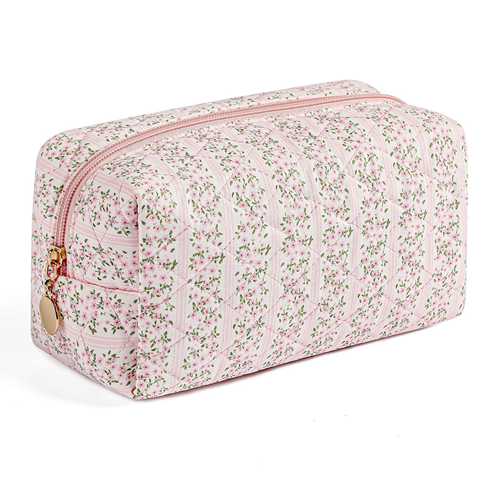
A quilted bag starts to look refined when the quilting pattern matches the bag size, the padding is controlled, and the bag still holds a usable silhouette once filled. It starts to look bulky when the pattern scale is too large, the padding is too thick, or the shell already has too much visual volume before quilting is added. This is why a small cosmetic pouch often benefits from a tighter quilting rhythm and lighter fill, while a larger vanity case can sometimes carry a more visible padded effect without losing proportion. The outer material also matters. A glossy shell plus heavy padding plus a busy zipper detail can quickly make the whole bag feel overdone.
A practical review can focus on these areas:
| Quilting factor | Better result when |
|---|---|
| Pattern scale | It fits the size of the pouch rather than overpowering it |
| Padding thickness | It adds softness without obvious swelling |
| Lining choice | It supports easy cleaning and keeps the inside neat |
| Trim balance | Zipper, puller, and logo do not compete with the quilt texture |
That is why quilting is not only a surface decoration choice. It is a structural decision. When the inner build is right, quilting can make a pouch feel protective and gift-ready. When the balance is off, it can make the same pouch look swollen and less practical.
What fabric mistakes most often cause expensive re-sampling in cosmetic bag projects?
The most expensive re-sampling usually comes from choosing the material too early, testing it too narrowly, or treating the shell as if it exists separately from lining, coating, quilting, and fill behavior. Others’ custom-fabric guidance explicitly frames material choice as a material system that can include nylon, canvas, leather, PU, polyester, recycled and specialty textiles, while its sustainability and special-craft information also shows that coated routes, recycled content, and special constructions can change sourcing and development decisions. Another’s makeup-bag material content similarly separates daily, travel, wipe-clean, coated, quilted, and premium directions instead of pretending one route behaves well in every scenario.
The most common mistakes are usually practical. A shell is chosen from a swatch without checking how it looks once stitched and folded. A soft fabric is approved before anyone checks whether it collapses when half-filled. A wipe-clean claim is accepted before the lining is actually wiped with cosmetic residue. A quilted pouch is approved from the front view without reviewing the side profile bulk. An eco material is selected for brand positioning before color continuity, MOQ pressure, or coating feel are understood. These are exactly the kinds of errors that make the second and third sample rounds more expensive than they needed to be.
A safer pre-approval checklist is simple:
| Risk area | Better early check |
|---|---|
| Shell behavior | Fold, fill, and zipper-rub test |
| Lining claim | Wipe with real cosmetic residue |
| Coated / clear route | Check fold marks, stiffness, and cleanup speed |
| Quilted structure | Review front, side, and packed profile |
| Eco route | Confirm color, feel, MOQ, and certification path |
A useful rule is this: if the material still needs too much explanation after a small real-use test, it is not ready for wider approval yet. The earlier that is recognized, the less likely the project is to lose time and money in repeated sampling.
Everything You Need to Know Before Customizing Your Bags
The fabric discussion around a makeup bag often sounds simple at first. Then real decisions begin. A shell that looks polished may be too stiff for daily use. A soft fabric may feel pleasant in hand but become difficult to wipe clean. A coated surface may solve spill control yet change print response, fold behavior, or overall feel. That is why fabric selection usually needs more than a quick preference for nylon, canvas, PU, or clear material.
The FAQs focus on the material decisions that most often change the final result: travel use, surface cleanability, lining choice, shape control, print response, and sample-stage testing. They are written to help beauty pouch lines, travel kits, vanity bags, and gift-ready cosmetic sets move from broad ideas to more dependable choices. Industry-facing makeup bag material guides and product collections consistently highlight nylon, polyester, canvas, PU, quilted shells, clear TPU/PVC, wipe-clean lining, and travel-ready construction as the core fabric paths partners compare most often.