 Skip to content
Belt Bag Manufacturer for Bulk Orders
Develop custom belt bags for bulk programs with sample review, material control, QC, packing, and delivery planning.
- Guangdong custom bag factory with 20+ years of OEM/ODM project experience.
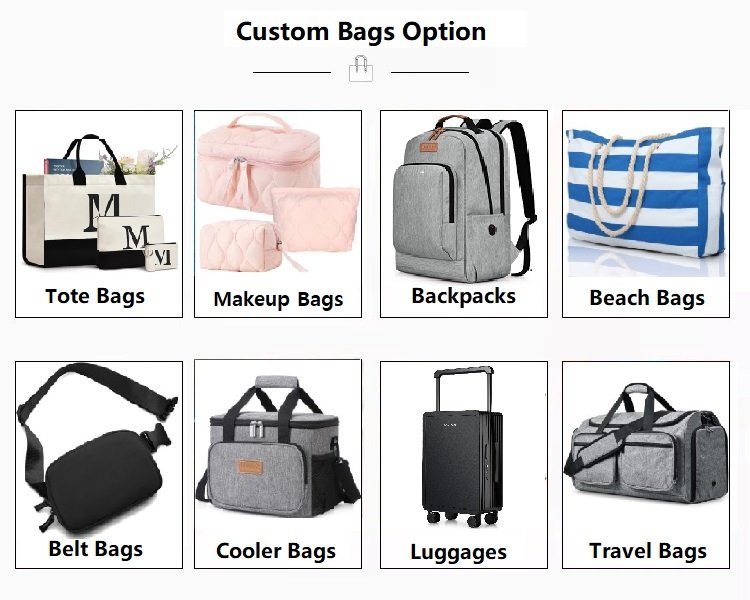
- Support for belt bags, waist bags, fanny packs, running waist bags, and crossbody belt bags.
- Review material, size, strap, buckle, zipper, logo, packing, MOQ, sample path, and delivery schedule before production.
- Suitable for retail programs, travel gear, sports lines, private label projects, import programs, and large-volume branded orders.

Bulk Belt Bags For Serious Programs
Retail Bag Brands
Retail bag brands often need belt bags that feel ready for store shelves, online listings, and seasonal replenishment. Material hand feel, zipper smoothness, label placement, stitching balance, hangtag position, barcode placement, carton sorting, and carton packing all matter.
Jundong can review the style from a reference photo, sample, or design file, then check fabric grade, logo method, lining, hardware, SKU split, and packing rules before sample work starts, so the final product feels like a planned retail item rather than a simple logo bag.
Travel Gear Brands
Travel gear brands usually care about comfort, storage, and daily use. A belt bag may need passport space, a phone pocket, a card slot, a hidden zipper, a soft back panel, lightweight fabric, and a longer strap for crossbody wear.
Jundong can review body size, pocket depth, zipper access, buckle level, strap width, and packing volume before sample development. For travel lines, a clean shape and stable repeat production can be just as important as visible branding.
Sports And Outdoor Lines
Sports and outdoor belt bags need movement control, durable materials, and reliable parts. Running waist bags, hiking belt bags, and active travel styles may need elastic sections, water-resistant fabric, breathable backing, reflective logo, smooth zipper pullers, and stronger buckle stress points.
Jundong can review structure, strap tension, zipper placement, material coating, and functional details before sampling. For active use, comfort and belt strength often decide whether the belt bag feels dependable in real conditions.
Private Label Programs
Private label belt bag programs need a complete brand system, not only a logo. Common requirements include a woven label, care label, hangtag, barcode sticker, SKU sticker, color naming, carton mark, and repeat order records.
Jundong can review logo artwork, label files, packing style, color plan, and material options before bulk production. Clear files help keep the approved sample, first bulk pieces, and later replenishment closer to the same standard.
Import And Wholesale Groups
Import and wholesale groups usually care about stable cost, clear MOQ, packing volume, carton marks, shipping handover, and product consistency across large quantities. A belt bag order may include several colors or related styles, so material preparation, cutting separation, logo checking, and packing sorting need to be planned early. Jundong can review quantity by color, target material, logo method, carton requirements, and destination details before confirming the sample and bulk planning.
Promotional Programs
Promotional belt bag projects often require clear logo placement, steady cost, easy packing, and firm arrival timing. These orders may support events, sports runs, staff gifts, tourism programs, or branded campaigns, but they still need reliable straps, zippers, and buckle quality.
Jundong can review simple polyester, Oxford, RPET, or clear PVC options based on use, logo effect, and budget level. A basic belt bag can still feel well-organized when the material, logo, and packing are confirmed early.
Control Risks Before Bulk Work
Bulk belt bag orders fail when details are treated as small issues. A good review should cover sample records, structure strength, logo control, packing files, and repeat order planning before full production.

Sample-Bulk Difference
A belt bag sample may look correct, yet bulk pieces can still change if fabric, color, zipper, buckle, strap length, logo position, and packing rules are not recorded clearly.
Jundong uses approved sample details as production references, then links material notes, color standards, logo files, sewing details, and packing rules to bulk work. This helps reduce avoidable differences between the first sample, first bulk pieces, and final packed goods.
Weak Product Details
Belt bags are small, but weak details show quickly. A short strap can fail in crossbody wear. A light buckle can feel unreliable. A curved zipper can become wavy after sewing. A pocket may not fit current phone sizes.
Jundong reviews size, capacity, webbing, buckle, zipper, pocket depth, and wearing angle before sample approval. These details matter more in bulk orders because the same small issue can repeat across hundreds or thousands of pieces.
Packing And Reorder Gaps
A belt bag can be well-made, but still create problems if packing files arrive late or SKU rules are unclear. Retail and private label programs may need OPP bags, hangtags, woven labels, barcodes, SKU stickers, color sorting, and carton marks. Import and wholesale programs may need clear carton packing and a forwarder handover.
Jundong can review packing files and repeat order records before shipment, so later replenishment follows the approved structure, material, logo, and packing plan.
Belt Bag Types For Bulk Programs
Bulk belt bag projects may look similar at first, but structure, material, wearing method, pocket plan, and logo area can change the full production plan.
Classic Belt Bags
Classic belt bags are clean, compact, and suitable for retail, travel, staff programs, import projects, and branded merchandise. A common structure includes one main zipper pocket, adjustable webbing, a side-release buckle, and a flat front panel for logo placement.
Polyester, nylon, Oxford fabric, or PU can be reviewed based on product level and cost plan. For bulk orders, the main control details are body shape, zipper curve, strap length, buckle size, logo position, and packing rule.

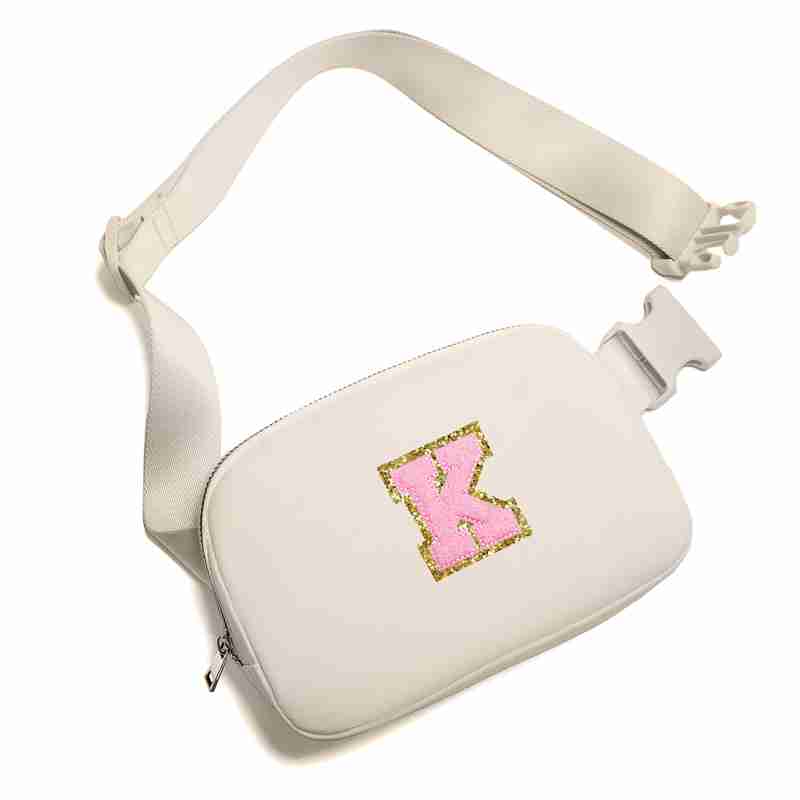
Fanny Packs
Fanny packs remain useful for high-volume branded programs because they are easy to wear, easy to distribute, and easy to recognize. They can be made in simple promotional styles, travel versions, sport versions, or retail-ready styles.
A strong plan should confirm front panel size, phone fit, waist and crossbody use, zipper puller, logo method, and packing format before sample development. For larger orders, clear production records help keep color, sewing, strap, and logo details stable.
Running Waist Bags
Running waist bags need a lightweight structure and close-body comfort. They are usually smaller than standard belt bags and may include elastic sections, slim zipper pockets, soft backing, a reflective logo, or stretch fabric. The pack should hold a phone, key, card, or energy gel without feeling bulky.
During development, strap tension, zipper access, bounce control, and buckle position should be reviewed carefully. For bulk production, fabric stretch and stitch strength need more attention than decorative details.

Travel Belt Bags
Travel belt bags usually need better organization and a more polished finish. Common details include passport space, phone pocket, card slot, hidden back zipper, inner divider, and a longer adjustable strap for crossbody wear.
Nylon, RPET, premium polyester, or PU can work well depending on the product level. For travel orders, zipper smoothness, lining color, pocket depth, strap comfort, and packing volume should be checked before approval. Retail packaging and barcode placement may also be needed.


Crossbody Belt Bags
Crossbody belt bags are designed to be chest-worn as well as waist-worn. This changes strap length, body angle, logo direction, zipper opening, and buckle position. A bag that looks balanced on a table may twist when worn across the body, so wearing photos is important before sample approval.
Nylon, PU, quilted fabric, or textured polyester can create different looks. Bulk control should focus on strap length, anchor position, zipper access, and front panel shape.
Outdoor Waist Bags
Outdoor waist bags need durable fabric, reliable zippers, and stronger stress areas. Oxford fabric, nylon, ripstop polyester, coated fabric, or mesh details may be reviewed depending on the intended use. These bags may support hiking, camping, light travel, equipment accessories, or outdoor brand programs.
The structure should avoid unnecessary bulk while keeping useful storage. Reinforced strap anchors, stronger buckle options, water-resistant fabric feel, and smooth zipper pullers should be checked before moving into larger production.

Tactical Waist Bags
Tactical waist bags usually require more structure, heavier fabric, and stronger accessory planning. 600D Oxford, 900D Oxford, 1000D nylon, MOLLE webbing, reinforced seams, and functional pocket layouts may be reviewed based on the project.
These styles need clean panel cutting and careful sewing because extra webbing, loops, and pockets can make the body thick. Bulk quality checks should focus on seam strength, webbing alignment, buckle function, zipper access, and pocket usability.

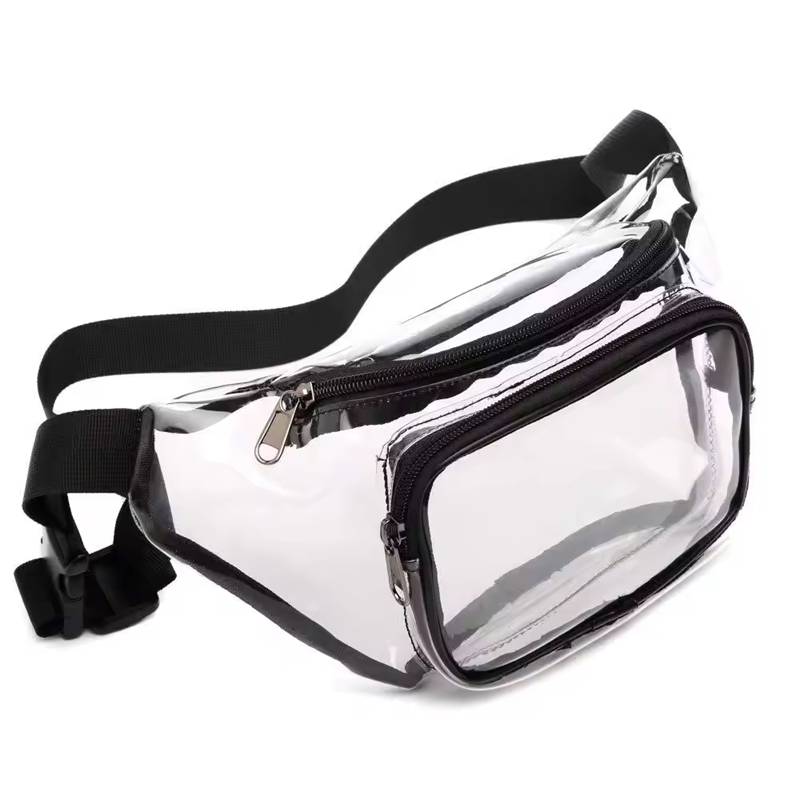
Clear PVC Belt Bags
Clear PVC belt bags are useful for stadium, concert, venue-entry, and transparent bag policy programs. The structure may be fully clear, semi-clear, or designed with a clear window.
PVC thickness, clarity, softness, edge binding, zipper quality, and logo method should be reviewed early because transparent panels expose every sewing and binding detail. For bulk orders, cutting accuracy, seam alignment, packing protection, and surface scratch control are more important than they appear at first glance.
Private Label Belt Bags
Private label belt bags need stronger planning around brand files and repeat production. A project may include several colors, a shared structure, different logo applications, an inner label, a hangtag, a barcode, an SKU sticker, and carton marks.
The goal is not only to make one style but also to build a repeatable product record. Jundong can review material, logo, label, packaging, and color files before production, so future replenishment can follow the approved product standard more smoothly.

From Idea To Production-Ready Belt Bag
A belt bag order can start from a design file, reference sample, sketch, photo or product direction. Jundong helps review development details before sample work begins.

Start From Reference
Many belt bag projects begin with a reference photo instead of a complete technical file. A clear front, back, side, inside, and wearing reference can already show body shape, zipper location, strap direction, pocket needs, and logo area.
Jundong can review whether the style is closer to a retail belt bag, running waist bag, travel pouch, tactical waist bag, or basic fanny pack. Early review helps set size, fabric, structure, logo method, and sample path before the development cost is incurred.
Develop From Sample
A physical sample can make development faster because the team can review size, material, hand feel, zipper type, buckle, lining, webbing, and sewing structure more accurately. The goal is not blind copying. The goal is to understand what should be kept, improved, or changed for the new program.
Jundong can review sample width, pocket depth, strap length, hardware level, logo position, and packing needs, then prepare a clearer development direction for the first sample.


Build Private Label Line
Private label belt bag lines often need more than one style. A brand may need a shared structure, several colors, two material levels, one logo system, and different packaging rules for retail, wholesale, or online channels.
Jundong can review color naming, SKU split, woven label, hangtag, barcode, carton mark, and repeat order records from the beginning. This makes the project easier to expand from one approved sample into a more organized product line.
Plan Belt Bag Materials For Bulk Orders
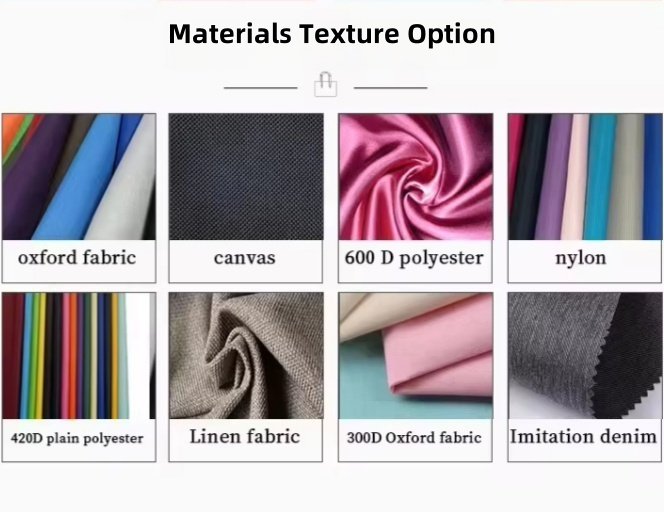
Material choice affects cost, logo method, structure, hand feel, packing volume, and repeat order stability. A good belt bag material plan should match product level and bulk production control.
| Material | Best For Bulk Orders | Production Advantage | Risk To Review | Logo Fit |
|---|---|---|---|---|
| Polyester | Promotional packs, basic retail, large-volume branded orders | Cost-stable, light, many color options | Fabric denier, color shade, coating, and lining match | Screen print, heat transfer, woven label |
| Nylon | Travel belt bags, sports styles, cleaner retail looks | Smooth hand feel, stronger appearance, good for daily use | Fabric weight, coating, wrinkle, and color consistency | Heat transfer, embroidery, rubber patch, woven label |
| Oxford Fabric | Outdoor waist bags, utility styles, tactical-inspired designs | Durable texture, stronger body feel, good shape support | 300D/600D/900D/1000D choice, seam bulk, coating | Screen print, woven label, rubber patch |
| Canvas | Lifestyle waist bags, vintage styles, casual retail programs | Natural texture, strong visual warmth, good for embroidery | Shrinkage, color variation, and heavier body weight | Embroidery, woven label, screen print |
| PU | Premium retail belt bags, fashion lines, gift programs | Polished surface, stronger shelf appeal, suitable for refined branding | Surface scratch, backing thickness, edge finish, and packing protection | Embossed logo, debossed logo, metal plate, woven label |
| Clear PVC | Venue-entry packs, stadium programs, concert bags | Transparent look, visible contents, strong policy fit | Thickness, clarity, binding, surface marks, zipper strength | Screen print, patch, printed trim, tag branding |
| Neoprene | Active use, soft travel, padded small bags | Soft touch, flexible body, protective feel | Thickness, stretch, odor control, edge binding | Heat transfer, rubber patch, woven label |
| RPET | Recycled material programs, travel retail, eco-minded merch | Similar handling to polyester, good brand story support | Material proof, color availability, label wording | Heat transfer, woven label, embroidery |
| Mesh | Sport details, breathable pockets, lightweight panels | Breathable, light, useful as a partial material | Stretch, tearing, edge finish, transparency | Woven label, patch, limited print use |
For high-volume belt bag orders, material should be reviewed together with zipper, buckle, strap, lining, pocket layout, logo method, and packing. A material that looks good on a photo may behave differently during cutting, sewing, printing, folding and carton packing.
Polyester and Oxford often support cost-controlled programs. Nylon and RPET fit travel, sport and lifestyle lines. PU can lift the retail impression, while clear PVC needs stronger edge and surface control. The best material is the one that matches function, brand level, logo effect and order scale at the same time.
For high-volume belt bag orders, material should be reviewed together with zipper, buckle, strap, lining, pocket layout, logo method, and packing. A material that looks good on a photo may behave differently during cutting, sewing, printing, folding and carton packing.
Polyester and Oxford often support cost-controlled programs. Nylon and RPET fit travel, sport and lifestyle lines. PU can lift the retail impression, while clear PVC needs stronger edge and surface control. The best material is the one that matches function, brand level, logo effect and order scale at the same time.
Structure Details For Bulk Belt Bags
Belt bag structure affects comfort, storage, brand look, and repeat production. Size, strap, zipper, pocket, buckle, and wearing angle should be checked before sample approval.


Size And Capacity
Belt bag size should be set by real use, not only by a flat drawing. A compact running style may only need space for a phone, key, and card. A travel belt bag may need passport space, a cash pocket, and hidden back storage.
A retail style may need a cleaner shape for shelf photos and packaging. Common body width often sits around 20–32 cm, but the final size should follow product level, pocket depth, logo area, and wearing comfort.
Strap And Webbing
The strap decides how many wearing styles the belt bag can support. Waist-only styles may use a shorter adjustment length. Crossbody belt bags need a longer strap and better angle control.
Webbing width, thickness, edge feel, adjuster position, and color should match the body size and fabric level. A strap that feels weak can reduce product value quickly, even when the main bag looks good. For large orders, strap length should be checked carefully before cutting bulk webbing.
Buckle And Adjuster
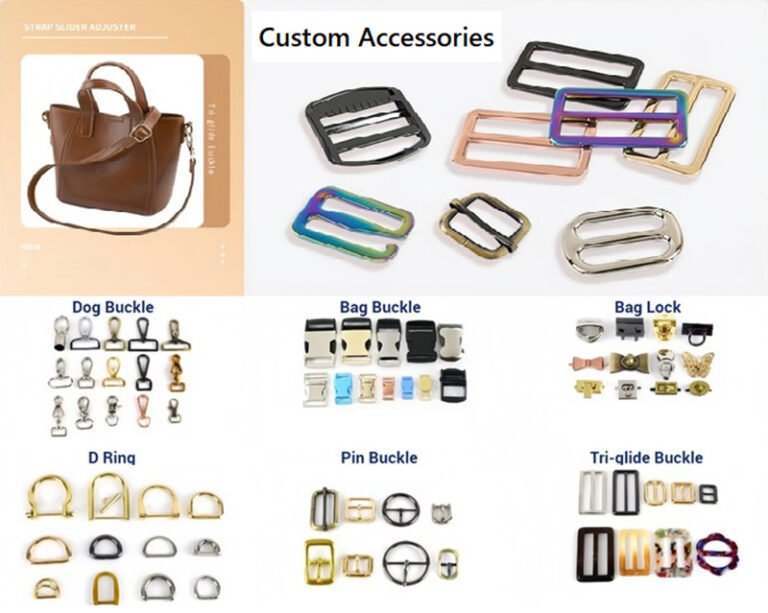
Buckles and adjusters carry daily stress, so they should not be selected by appearance alone. A light buckle may work for simple event packs, while travel, outdoor, or retail belt bags may need stronger plastic, metal-look hardware, or a smoother release feel.
The buckle should match the webbing width and body scale. If the buckle is too large, the style looks heavy. If it is too small, the strap may feel unreliable when wearing.
Zipper And Puller
Zipper quality changes the whole belt bag experience. Curved front zippers need careful sewing because uneven tension can create waves on the front panel. A hidden back zipper can improve travel value, while a large main zipper gives easier access for daily use. Puller size should also match the use scene. A tiny puller may look clean, but outdoor, travel, or sports styles often need an easier grip. Zipper tape color should match fabric, lining, and logo style.
Pocket Layout
The pocket layout should support the use scene without making the belt bag too thick. One main pocket can work well for basic orders. A front pocket helps for fast access.
A back pocket supports travel and festival security needs. Inner dividers can lift retail value, but too many compartments may increase sewing work, cost, and inspection difficulty. The best pocket plan keeps storage useful, shape clean, and production stable across the full order.
Wearing Angle
Modern belt bags are often worn across the chest, not only around the waist. Wearing angle changes logo direction, strap anchor position, zipper access, and body balance.
A pack may look correct on a table, but twist when worn. Sample approval should include wearing photos when crossbody use is planned. For travel, sport, and lifestyle styles, this step is especially important because comfort is felt immediately after the bag is worn.
Match Logo Method With Belt Bag Material
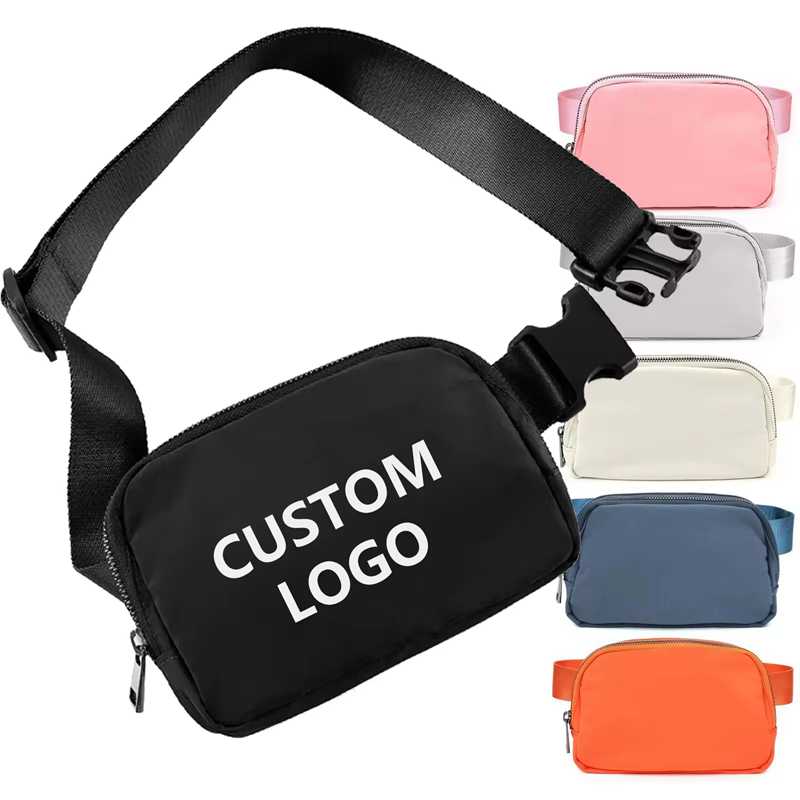
The logo method should match the fabric, panel shape, product level, and order size. A strong logo plan makes bulk belt bags easier to inspect and easier to repeat.

| Logo Method | Best Materials | Best Use | Bulk Control Detail | Brand Effect |
|---|---|---|---|---|
| Screen Printing | Polyester, Oxford, canvas, clear PVC | Basic programs, simple logos, large orders | Ink color, print position, panel flatness | Clean, direct, cost-stable |
| Heat Transfer | Polyester, nylon, RPET, neoprene | Multi-color artwork, sports styles, smooth logos | Edge adhesion, heat setting, fabric texture | Bright, smooth, detailed |
| Embroidery | Canvas, nylon, polyester, PU panels | Retail styles, travel lines, premium merch | Stitch density, backing, thread color | Raised, textured, durable |
| Woven Label | Polyester, nylon, canvas, PU | Private label lines, retail programs | Label size, fold type, sewing position | Clean, controlled, brand-ready |
| Rubber Patch | Nylon, Oxford, polyester, PU | Outdoor, sport, lifestyle belt bags | Mold detail, patch thickness, fixing method | Dimensional, modern, strong |
| PVC Patch | Nylon, Oxford, polyester | Festival, youth, outdoor styles | Color limit, edge finish, attachment strength | Bold, colorful, flexible |
| Metal Plate | PU, premium nylon, structured fabric | Fashion, gift, travel retail | Plate size, plating color, fixing method | Polished, premium, structured |
| Embossed Logo | PU, leather-like panels | Minimal retail, gift, fashion styles | Pressure depth, surface support, panel flatness | Subtle, tonal, refined |
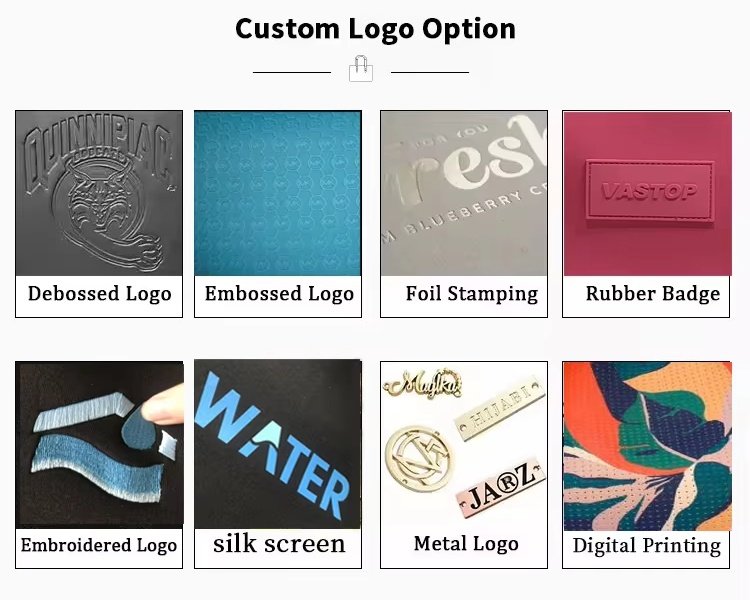
A logo plan should be reviewed before sample setup. Curved zipper panels, pocket seams, and thick strap anchors can affect logo placement. For basic large orders, screen printing or heat transfer often gives clear visibility and a stable cost. For retail belt bags, embroidery, woven labels, rubber patches, metal plates, or embossed logos can improve product value. For repeat programs, logo size, position, color, and process records should be saved with the approved sample.
Develop Samples Before Bulk Production
A belt bag sample should check the structure, material, logo, wearing comfort, and packing direction. It is a working reference for production, not only a photo item.
Project File Review

Sample development starts faster when the first file set is clear. Useful files include reference photos, target size, material idea, logo artwork, color plan, quantity, packing notes, and delivery date.
A full technical pack is helpful, but a good reference photo with marked changes can already begin the review.
Material And Parts Check

Material and parts should be reviewed before sample cutting. Fabric type, lining, zipper, buckle, webbing, label, patch, and hardware can all change cost and structure.
Polyester may support cost-stable large programs. Nylon may suit travel or sport styles. PU may improve retail look. Clear PVC needs careful edge control.
Logo Setup

Logo setup should be confirmed before the sample body is fully assembled. Screen print, heat transfer, embroidery, woven label, rubber patch, PVC patch, metal plate, and embossed logo all need different preparation.
Logo size, color, placement, and process should match the fabric and panel shape. A large logo near a curved zipper may look different from artwork.
First Sample

A regular belt bag sample often takes about 5–7 days after the main details are confirmed. Simple existing structures may move faster, while special fabric, custom color, molded patch, metal plate, clear PVC structure, or packing samples may need more time.
The first sample should check body shape, size, pocket plan, zipper, buckle, strap, logo, and basic packing direction.
Sample Revision

Sample revision should be specific and measurable. Comments such as “make it better” do not help production. Better comments include increasing strap length by 8 cm, moving the logo 2 cm upward, widening the main pocket by 1.5 cm, changing the zipper puller size, or adjusting buckle position.
Clear notes help the sample room revise faster and reduce misunderstanding.
Production Approval
Sample approval should create a production standard. The approved sample should connect with material notes, size record, logo file, zipper and buckle details, webbing length, label position, packing rule, and carton needs. Without these records, a good sample may be difficult to repeat.
Jundong can keep approved sample information for production checking and later replenishment.
Keep Approved Details In Bulk Production
Approved Sample Records
An approved belt bag sample should not stand alone. It should be linked with the material name, fabric weight, lining, zipper type, buckle size, webbing width, strap length, logo position, color standard, and packing rule. Without these records, a sample can look correct, but production may still drift in small details.
Jundong keeps approved sample details as a working reference for cutting, logo setup, sewing, checking, and packing. For repeat orders, these records are also useful when the same style returns with new colors or updated packaging.
Pre-Production Details
Before full production starts, pre-production details should be reviewed again. This step helps catch small changes that may happen after sample approval, such as updated logo color, changed zipper puller, revised hangtag file, new barcode, adjusted carton mark, or final color split.
For belt bag orders with several colors, material and label files should be separated clearly before cutting. For retail and private label programs, final packing files should be ready before finished goods move into the packing area.
First Bulk Piece Review
The first finished bulk pieces should be reviewed before the full line continues. This check compares the early bulk pieces with the approved sample. Important areas include body shape, front panel balance, zipper curve, pocket depth, strap position, buckle release, logo placement, lining condition, and sewing tension.
If an issue appears at this stage, it can still be corrected before more pieces are completed. For large orders, this first review is one of the most useful steps for controlling consistency.
Production Steps For Belt Bag Orders
A stable belt bag order depends on controlled production steps. Material, cutting, logo work, sewing, function check, and packing should follow the approved sample record.
Material Preparation
Material preparation starts with fabric, lining, zipper tape, buckles, webbing, labels, and packing materials. Each part should match the approved sample and order record before cutting begins.
For belt bags, fabric color and webbing color are especially visible because both parts sit close together when worn. Clear PVC, PU, and coated fabrics need extra surface checks. Good material preparation reduces color disputes, cutting waste and delays during sewing.

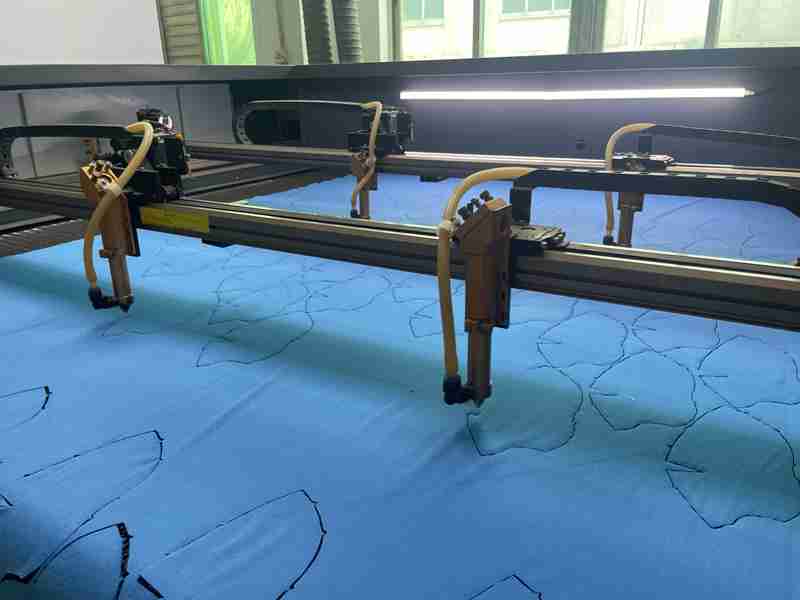
Fabric Cutting
Cutting accuracy affects the finished body shape. Belt bags often include curved front panels, back panels, lining pieces, pocket pieces, and strap anchor areas. If cutting is not consistent, zipper curves may wave, pockets may tilt, and the front body may lose balance.
For multi-color orders, each color should follow the same pattern. Clean cutting also makes sewing smoother and helps the finished pieces look closer to the approved sample.
Logo Process
Logo work should be checked before assembly. Screen printing, heat transfer, embroidery, woven labels, rubber patches, PVC patches, metal plates, and embossed logos all need different control steps.
The first logo pieces should be reviewed for color, position, size, edge quality, and fixing strength. If the logo position is not checked early, the same mistake may repeat across many pieces. Logo records should be kept for future replenishment.

Sewing Assembly
Sewing gives the belt bag its final structure. The team should control stitch length, seam allowance, zipper curve, pocket edges, strap anchors, and buckle stress areas.
Belt bags are small, but their curves and functional parts require careful sewing. A clean seam makes the product look more refined. Strong sewing near the strap and buckle areas helps the bag feel more reliable during daily wear, travel, or outdoor use.


Function Checking
Function checking looks at how the belt bag works in the hand and on the body. Zippers should open smoothly. Buckles should release cleanly. Straps should adjust through the planned length.
Pockets should hold the intended items. Crossbody styles should be checked for wearing angle and access. These checks help find problems that may not appear in still photos but can affect comfort and daily use.
Packing Preparation
Packing preparation should follow the order plan. Basic bulk orders may use simple cartons and color separation. Retail orders may need OPP bags, hangtags, woven labels, barcode stickers, SKU labels, care labels, and carton marks.
Mixed-style or mixed-color orders need stronger sorting rules. Packing should be prepared before finished goods pile up, so the final stage remains organized, and shipping handover becomes easier.

Quality Checks For Bulk Belt Bags

Fabric Color Check
Fabric color should be checked before cutting, especially for multi-color belt bag orders. Polyester, nylon, Oxford, RPET, PU, and clear PVC can all show color differently under light, coating, or texture. Webbing, zipper tape, lining, and labels should also match the approved direction.
When several colors are produced under one style, color names and material records should be kept clearly, so later replenishment can follow the same standard.
Logo Position Check
The logo position should be checked before mass assembly, not only after finishing packing. A logo may shift because of a panel curve, pocket seam, zipper placement, or strap anchor area. For retail belt bags, a small shift can affect the final product’s feeling.
For promotional programs, logo visibility is often the most important display detail. Jundong reviews first logo pieces against approved artwork and sample records before larger output continues.
Stitching And Shape
Stitching affects both appearance and strength. Belt bags often include curved panels, tight pockets, zipper edges, and strap stress areas. Uneven stitching can make the bag twist, pull, or look less refined.
Stitching checks should include seam allowance, stitch length, thread tension, pocket alignment, and strap anchor reinforcement. First bulk pieces should be compared with the approved sample before the full order moves forward.
Zipper Smoothness
Zipper smoothness is one of the first things people feel when using a belt bag. A zipper that looks acceptable may still feel tight, wavy, or rough during daily use.
Curved openings need special attention because sewing tension can affect movement. For travel, sport, and retail belt bags, zipper puller size and access angle also matter. Zipper checks should be done by hand, not only by visual review.
Buckle And Strap Test
Buckles, adjusters, and straps carry the wearing load. A belt bag may fail the user experience if the buckle feels weak or the strap slips too easily.
Strap checks should include length, adjustment, edge feel, webbing thickness, and anchor strength. Buckle checks should include release feel, fit with webbing, and color match. For crossbody belt bags, wearing tests should confirm whether the strap length supports real use.
Packing Accuracy
Packing accuracy protects the whole order after the products are finished. Retail belt bags may need OPP bags, hangtags, barcode stickers, woven labels, care labels, SKU stickers, and carton marks. Wholesale or import orders may need color sorting, quantity control, and clear carton labels.
A packing mistake can delay store receiving or warehouse sorting, even when the bag itself is correct. Final checks should match the packing list, color split, and carton mark records.
Plan Quantity, Cost, and Order Structure
Quantity And MOQ Planning
For standard custom belt bag orders, 500 pcs per design is a realistic starting level. Some simple structures may be reviewed at 200–300 pcs case by case, while very low-unit-price basic styles, special fabric colors, custom-molded patches, or multi-SKU programs may need 1,000 pcs or more. Quantity should be shared by style and color, not only as one total number. A 3000-piece order in one color is easier to plan than a 3000-piece order split across six colors.
For larger programs, quantity planning affects fabric purchasing, cutting arrangement, logo setup, sewing line efficiency, packing labels, and carton sorting. Jundong can keep approved sample details, color names, material notes, logo files, and packing rules, so the next order can follow the same structure with fewer unclear details.
Cost Drivers To Review
Material is usually the first cost driver, but it is not the only one. Polyester and Oxford often support cost-controlled orders. Nylon and RPET can create a cleaner travel or lifestyle feel. PU can improve shelf appeal, but packing protection and surface control become more important. Clear PVC may look simple, yet edge binding, surface marks, and zipper quality need careful control.
Structure also changes the cost. One main pocket is faster to make than a belt bag with a front pocket, back zipper, inner divider, and padded panel. The logo method affects both cost and time. Screen printing and heat transfer often work well for larger basic programs. Embroidery, rubber patches, metal plates, and embossed logos can lift product value but need more setup control. Packing can also affect labor, especially when each piece needs a hangtag, barcode, SKU sticker, and individual bag.
Order Planning Examples
An 800-piece polyester belt bag order may use one body color, one screen-printed logo, basic OPP packing, and simple carton marks. This type of project is usually cost-focused and should confirm logo position, zipper smoothness, strap length, and arrival date first.
A 1500 pcs travel belt bag order may include nylon fabric, two colors, a hidden back pocket, a woven label, an individual OPP bag, a hangtag, and a barcode sticker. This project needs clearer material records, pocket checking, label placement, and carton sorting. A 3000-piece private label belt bag order may include three colors, a shared body structure, a rubber patch, an inner label, a hangtag, a barcode, SKU stickers, and color-separated cartons.
Quote Review Details
A clear quote should be based on product details. Useful information includes reference photo, target size, material direction, logo file, logo method, quantity by color, packing needs, destination, and target arrival date. Without these details, the first price can only be a rough estimate.
Jundong can review costs from both product and production angles. The goal is not to remove every detail for the lowest number. The goal is to keep the belt bag suitable for its use while controlling unnecessary costs. A better plan may adjust fabric, pocket count, logo method, or packing style while still keeping the product level aligned with the brand program.
Private Label Packing For Belt Bag Orders
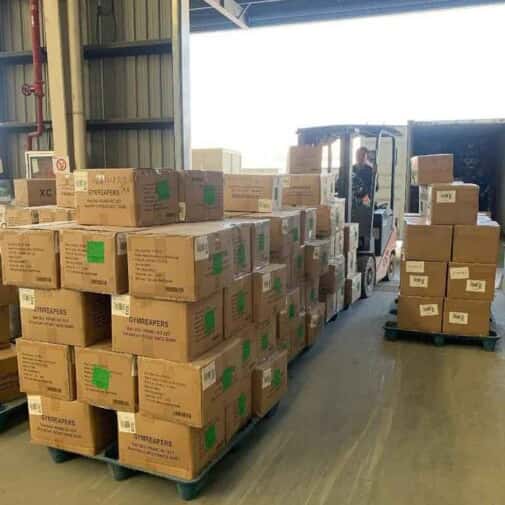
Packing is part of the product plan, not only the last step before shipment. Retail belt bags, travel belt bags, and private label lines need clear labels, barcodes, SKUs, and carton rules before final packing begins.

| Packing Need | Used For | Files Needed | Bulk Control Detail |
|---|---|---|---|
| Individual OPP Bag | Retail, online orders, warehouse handling | Bag size, warning text if needed, packing direction | Keep each belt bag clean, folded and protected during carton packing |
| Hangtag | Retail display, lifestyle collections, travel lines | Hangtag artwork, hole position, string type | Confirm tag position before packing to avoid blocking logo or zipper |
| Woven Label | Private label, retail lines, premium belt bags | Label artwork, size, fold type, sewing position | Check label direction, stitch position and color before full assembly |
| Care Label | Retail programs, travel gear, export orders | Material content, care wording, country wording if needed | Confirm wording before sewing, because late changes affect production flow |
| Barcode Sticker | Store receiving, online inventory, SKU control | Barcode file, sticker size, SKU code | Match barcode with color, style and carton record |
| SKU Sticker | Multi-color or multi-style orders | SKU list, color names, sticker position | Separate colors and styles before final carton packing |
| Carton Mark | Import, wholesale, warehouse receiving | Carton mark file, PO number, style code, color code | Match carton mark with packing list and color split |
| Color Sorting | Multi-color belt bag programs | Final quantity by color, carton packing rule | Avoid mixed-color confusion during receiving and replenishment |
| Retail Display Packing | Store shelf or gift presentation | Insert card, display card, paper wrap, box file | Review fold shape and presentation before bulk packing |
| Warehouse Label | Larger import programs, appointed logistics | Forwarder label, warehouse code, shipping mark | Prepare label rules before final carton sealing |
For private label belt bag projects, packing should be confirmed before bulk production is completed. If hangtag, barcode, care label, or carton mark files arrive too late, finished goods may wait in the packing area. This can create pressure near shipment even when the bags themselves are already finished.
A clear packing plan also helps future orders. When the same belt bag returns in new colors, saved SKU, barcode, label, and carton rules make replenishment easier. For retail and wholesale programs, this can reduce sorting mistakes and make warehouse receiving smoother.
Plan Delivery Before Bulk Completion
Delivery planning should start before the belt bags are finished. Sample shipment, bulk transit, carton size, forwarder handover, and arrival date can all affect the final schedule.
Arrival Date Review
The target arrival date should be shared at the beginning, especially for retail launch, seasonal sales, travel campaigns, sports programs, or event distribution. Production finish date and arrival date are not the same.
A belt bag order may still need final checking, carton packing, export preparation, transport time, customs handling, and warehouse receiving after production ends. Jundong can review the schedule backward from the required arrival date, then connect sample timing, bulk production, and packing preparation.
Sample Shipment
Samples are usually shipped by express courier when speed matters. Express delivery often takes about 5–7 days, depending on the destination and the courier arrangement.
The sample shipment should include the correct sample, color note, logo effect, and packing reference if needed. For urgent programs, photo review can help save time before physical sample arrival, but final approval should still check hand feel, wearing comfort, zipper movement, and structure details.
Air Freight Option
Air freight can be reviewed for urgent bulk orders when timing is tight and volume is manageable. It is usually faster than sea freight, but the cost is higher, and carton volume matters.
Air delivery often takes around 7–12 days after shipment arrangement, depending on the route and destination handling. For belt bags with retail packing, the carton size should be reviewed early because individual packing can increase volume and freight cost.
Sea Freight Planning
Sea freight is often more suitable for planned bulk belt bag orders, especially when quantity, carton volume, and cost control matter. Sea delivery commonly needs around 40–45 days, depending on the route, destination port, and onward delivery plan.
For retail or wholesale programs, sea freight should be planned early with carton marks, packing lists, shipping documents, and forwarder details. Waiting until packing is finished can make the schedule too tight.
Forwarder Handover
Some brands and import teams use their own forwarder. In that case, Jundong can coordinate carton information, packing lists, shipping marks, pickup timing, and factory handover details. The forwarder should receive carton size, gross weight, carton quantity, and packing information before pickup.
A clear handover reduces confusion between the factory, forwarder, and receiving warehouse. If trade terms need review, they should be discussed before final packing begins.
Delivery Risk Control
Most delivery pressure comes from late decisions. Late logo approval, delayed material confirmation, revised hangtag files, new barcode requests, unclear carton marks, or missing destination details can compress the full schedule.
For large belt bag orders, each change affects not only production but also packing and shipment preparation. A better plan fixes key product and packing details early, then leaves enough time for final checking, carton sealing, and transport handover.
Make a sample first ?
A reliable custom belt bag should do more than carry a logo. It should match your target users, sales channel, fabric choice, pocket layout, zipper quality, buckle strength, packaging method, and bulk delivery plan. When these details are confirmed before sampling, your project becomes easier to quote, sample, produce, inspect, and reorder.
Client Testimonials
800+ brand Clients Trust Jundong


FAQs About Bulk Belt Bag Orders
Before choosing a belt bag factory, most brand teams want clear details about MOQ, sample time, materials, logo methods, sample-to-bulk control, packing, barcodes, delivery, and repeat orders. The following FAQs focus on real decisions that affect bulk belt bag projects.

Can Jundong produce belt bags for bulk orders?
Certainly. Jundong develops custom belt bags, waist bags, fanny packs, running waist bags, travel belt bags, and crossbody belt bags for bulk programs. The work can start from a reference photo, sample, sketch, product idea, or logo file. Our team reviews material, body size, pocket layout, zipper, buckle, strap, logo method, packing, and delivery schedule before production begins. For a brand team comparing factories, the biggest value is not only making one belt bag but also keeping approved details organized for bulk production and later replenishment.
What MOQ should we plan for belt bag orders?
For standard custom belt bag projects, 500 pcs per design is a realistic planning level. Some simple existing structures may be reviewed at 200–300 pcs case by case, while low-unit-price basic styles, custom colors, molded patches, special hardware, or multi-SKU programs may need 1000 pcs or more. MOQ depends on material, structure, logo, color split, packing, and order value. If your order includes several colors, share the quantity by color. One color with 3000 pcs is much easier to plan than six colors sharing the same total quantity.
Can you develop from our sample or reference photo?
Absolutely. A physical sample or clear reference photo can speed up development because it shows body shape, zipper placement, strap direction, pocket depth, wearing angle, and logo area. Jundong can review what should be kept, improved, or changed for your new belt bag program. If there is no technical pack, send front, back, side, inside, and wearing photos with simple notes. The team can then review size, fabric, buckle, zipper, lining, logo method, and packing needs before making the first sample.
How long does belt bag sampling usually take?
Usually, a regular belt bag sample takes about 5–7 days after the main details are confirmed. Simple existing structures may move faster. Clear PVC, custom-colored fabric, molded rubber patches, metal plates, special zipper pullers, complex lining, or retail packing samples may need extra time. A sample should not be checked for appearance only. It should confirm size, material, logo, pocket layout, zipper movement, buckle feel, strap length, wearing comfort, and packing direction. If a bulk order reaches 2000 pcs, the sample fee can be refunded or deducted according to project review.
Which materials work best for bulk belt bags?
Material should follow product use, brand level, and packing plan. Polyester and Oxford fabric often work well for cost-controlled large programs. Nylon and RPET are good options for travel, sport, and lifestyle belt bags. PU can create a cleaner retail look, but surface protection and packing need more care. Clear PVC is useful for stadium, concert, and venue-entry programs, yet edge binding and scratch control matter. Jundong reviews fabric together with zippers, buckles, webbing, lining, logo methods, and carton packing because every material behaves differently during cutting, sewing, and bulk handling.
How does Jundong control sample-to-bulk consistency?
Definitely. Jundong uses the approved sample as a working reference, then connects it with material records, color notes, size details, logo files, zipper and buckle information, webbing length, label position, and packing rules. The first bulk pieces should be checked against the approved sample before wider production continues. Important checks include body shape, zipper curve, pocket depth, logo placement, strap adjustment, buckle release, and sewing tension. This process helps reduce avoidable differences between samples, early bulk pieces, and final packed goods.
Can one order include several colors or SKUs?
Of course. One belt bag order can include several colors or related SKUs when the quantity and material plan support it. The key is to share a clear split by style and color. Multi-color programs need stronger control over material purchasing, cutting separation, logo checking, packing labels, and carton marks. For retail and private label lines, SKU names, color codes, barcode files, hangtag artwork, and carton rules should be fixed before packing begins. Clear SKU planning helps store receiving, warehouse sorting, and later replenishment work more smoothly.
Which logo method is best for branded belt bags?
Sure. The best logo method depends on material, panel shape, product level, and quantity. Screen printing and heat transfer often work well for larger basic programs because they keep cost and visibility balanced. Embroidery, woven labels, rubber patches, PVC patches, metal plates, and embossed logos can lift retail belt bags or travel belt bags to a stronger product level. Before sampling, Jundong reviews logo size, color, position, fabric surface, zipper curve, and seam location. A good logo plan should look clean on the sample and remain easy to inspect during bulk work.
Can Jundong support private label packing and barcodes?
Absolutely. Jundong can support individual OPP bags, hangtags, woven labels, care labels, barcode stickers, SKU stickers, carton marks, color sorting, and warehouse labels. For retail belt bags, packing is not a minor final step. It affects store receiving, online inventory, warehouse sorting, product presentation, and replenishment. The best time to confirm packing files is before bulk production is completed. If barcode, hangtag, care label, or carton mark files arrive too late, finished goods may wait in the packing area and compress the final delivery schedule.
What should we send for a useful quotation?
For a useful quotation, send reference photos, target size, material direction, logo artwork, logo position, quantity by color, packing needs, destination, and target arrival date. A complete tech pack is helpful, but not required for the first review. If your belt bag has a required phone size, passport pocket, hidden zipper, crossbody strap length, or special retail packing, mention it early. A quote based on real product details is more reliable than a quick number based on a product name only. Jundong can start with partial information and ask for missing details.
Start Your Belt Bag Bulk Review
Share your belt bag idea, reference photo, sample image, or product file with Jundong. The team can review the structure, material, logo method, sample path, order quantity, packing rules, and delivery plan before production begins. For larger programs, clear early details help control cost, reduce production changes, and make it easier to repeat approved standards.
What To Send
Detail To Send | Why It Helps |
|---|---|
Reference Photos | Helps the team understand the belt bag shape, wearing method, pocket layout, strap angle, zipper position, and target product level quickly. Front, back, side, inside, and wearing photos make the first sample review more accurate. |
Target Size | Helps review body width, height, depth, strap length, capacity, and real use needs. If the size is not fixed, share what the bag must hold, such as a phone, passport, keys, cards, tickets, sunglasses, or small travel items. |
Material Direction | Helps review product level, hand feel, cost, logo effect, and sample path. Polyester, Oxford, nylon, RPET, PU, and clear PVC all work for different belt bag projects, so the use scene should be confirmed early. |
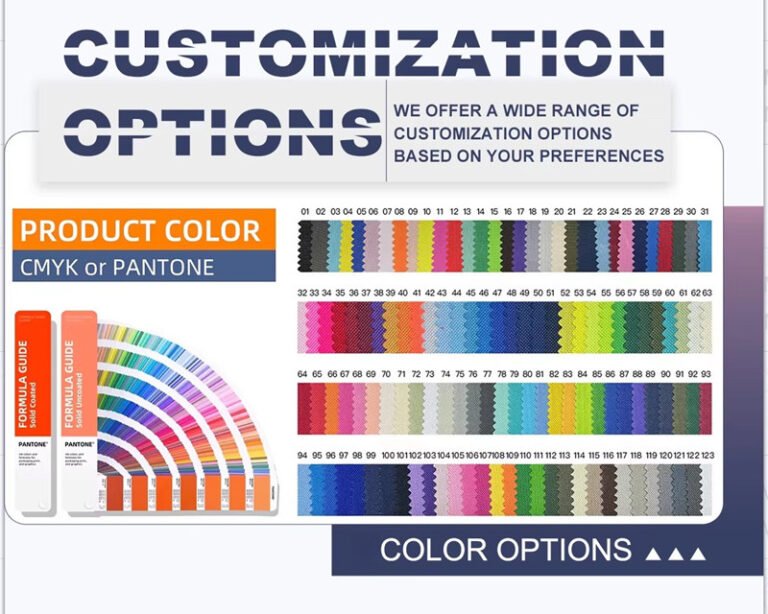
Logo Files | Helps review logo method, logo size, color accuracy, Pantone reference, position, and sample feasibility. AI, PDF, EPS, or high-resolution files are preferred for screen printing, heat transfer, embroidery, woven label, patch, metal plate, or embossed logo. |
Quantity And Color Split | Helps review MOQ, fabric purchasing, cutting plan, color matching, packing separation, carton marks, and unit cost. Please share the quantity by style and color, not only the total order quantity. |
Packing And Destination | Helps review packing method, label needs, barcode rules, carton marks, warehouse requirements, shipping method, and delivery schedule. Destination and target arrival date should be confirmed early to avoid shipment delays. |

Your belt bag project should be reviewed before cost, timing, and production details are finalized. Send reference photo, size, logo, quantity, packing needs, destination, and deadline for a practical review.
Email: info@jundongfactory.com