 Skip to content

Belt Bag Manufacturer for Bulk Custom Orders
OEM and private label belt bags designed for retail brands, promotional programs, and large-scale product development projects.
- Custom belt bag development based on brand sketches, samples, or concept ideas
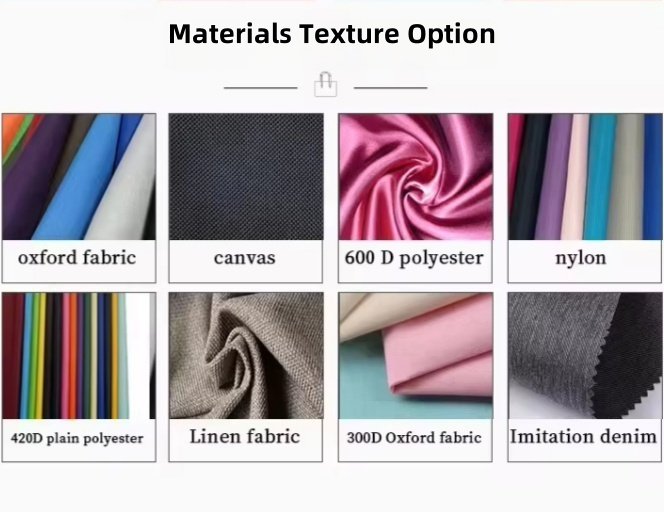
- Material selection covering nylon, polyester, PU leather, and waterproof fabrics
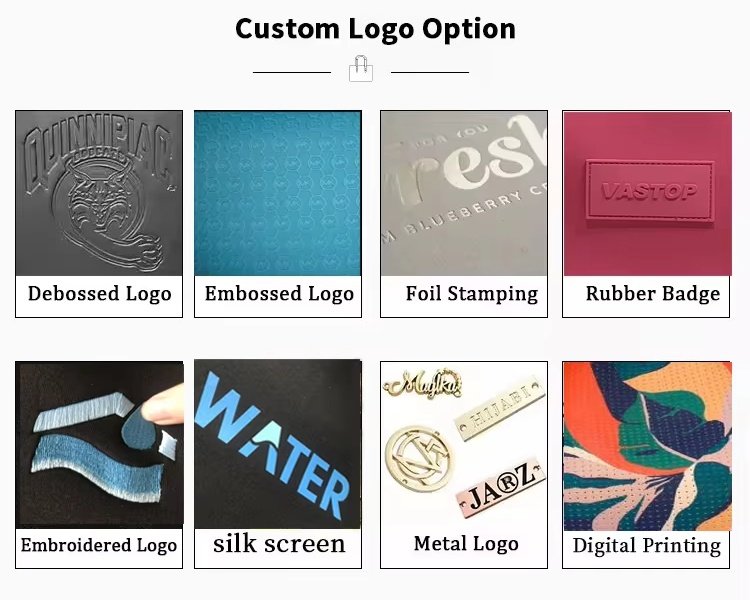
- Logo techniques including embroidery, heat transfer, silicone patch, and woven labels
- Sampling process with structured revision and confirmation stages
- Bulk production aligned with consistent quality control checkpoints
- Packaging solutions for retail, e-commerce, and gift distribution channels
Built For Brand-Level Belt Bag Programs
Brand Collections
Brand collections require a consistent design language across multiple belt bag styles. This includes matching fabric tones, logo placement, hardware finish, and packaging alignment.
Projects often involve seasonal drops, capsule collections, or long-term product lines. Each model must maintain visual consistency while allowing variation in size, pocket layout, and functionality.
Stability across repeated production cycles is essential to maintain retail presentation and brand identity across global markets.
Retail & Online Stores
Retail and e-commerce programs require belt bags optimized for shelf display, packaging efficiency, and SKU management.
Each unit typically includes barcode labels, individual polybag protection, and standardized carton packing. Close attention is placed on product consistency across batches to reduce return risks.
These programs often require flexible scaling from test orders to repeat production cycles, ensuring a stable supply for online platforms and physical retail distribution channels.
Belt Bag Usage Across Industries
Belt bags are widely used across fashion, sports, travel, and promotional industries. Each application requires different structural planning, material selection, and branding strategy to match usage environments, durability expectations, and retail positioning requirements.
Fashion Collections
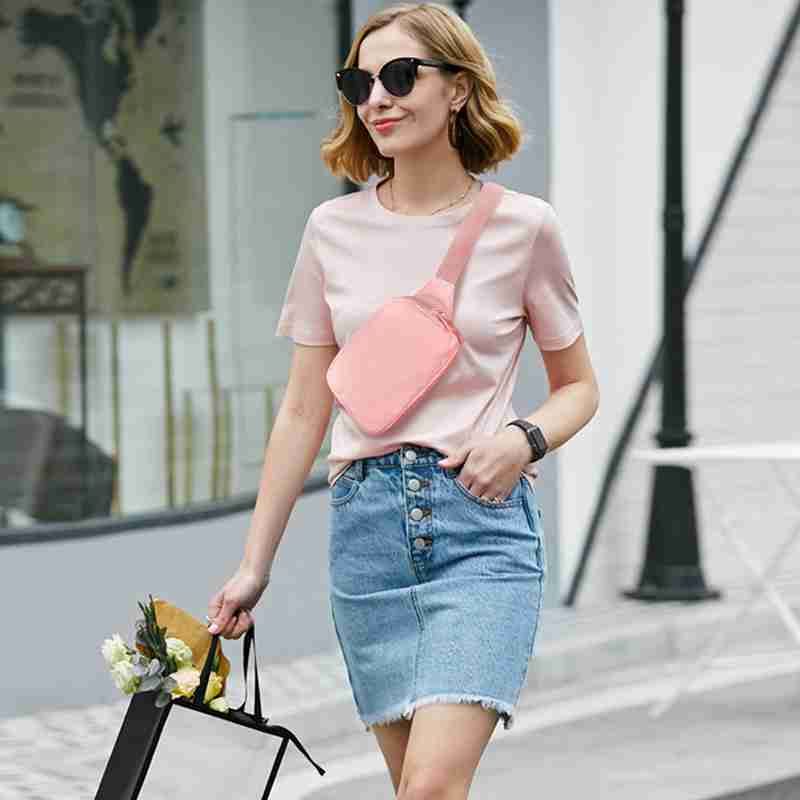
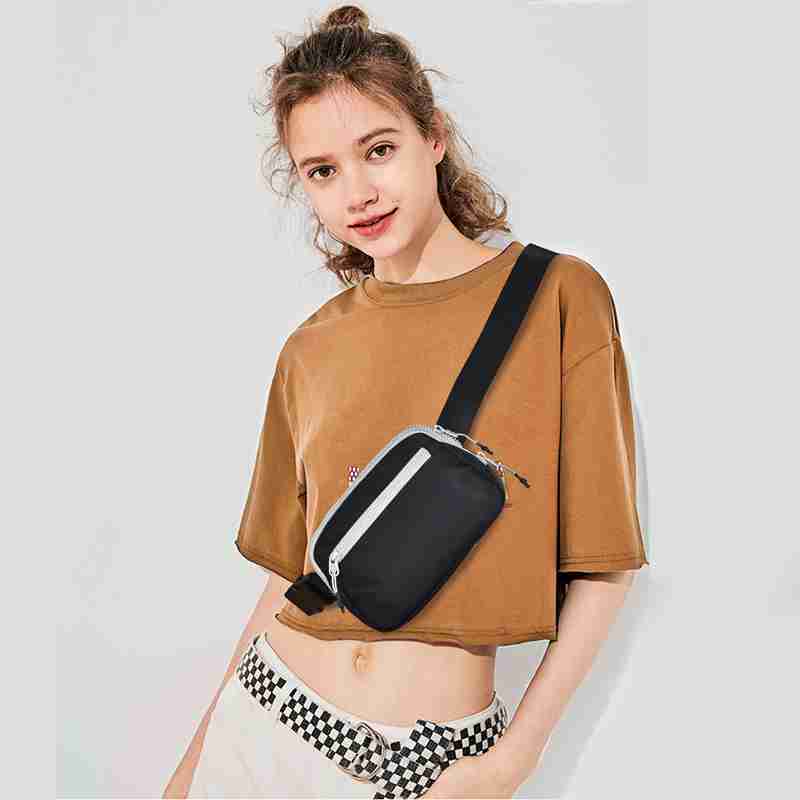
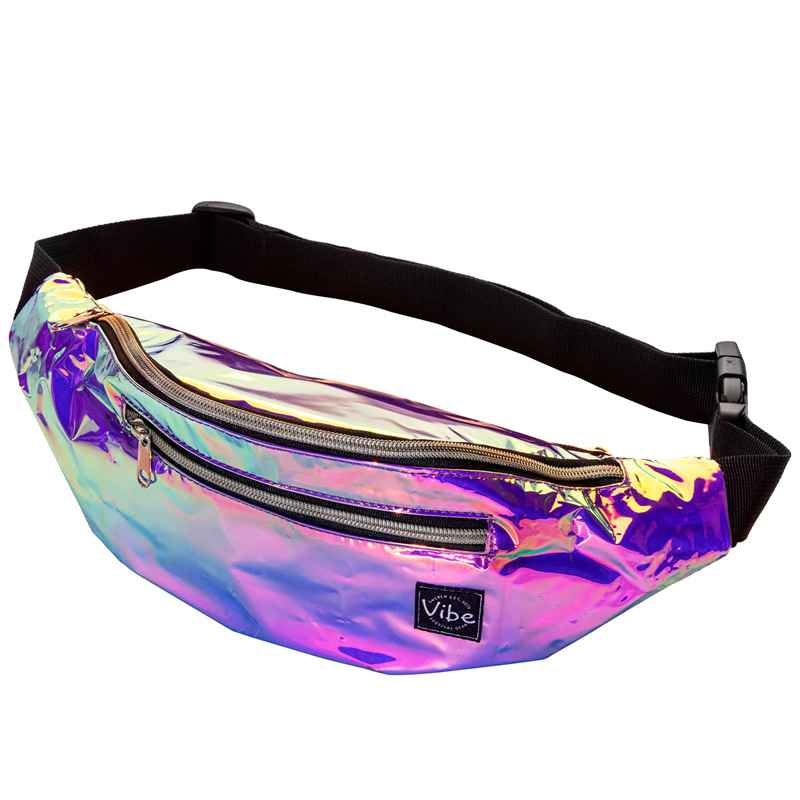
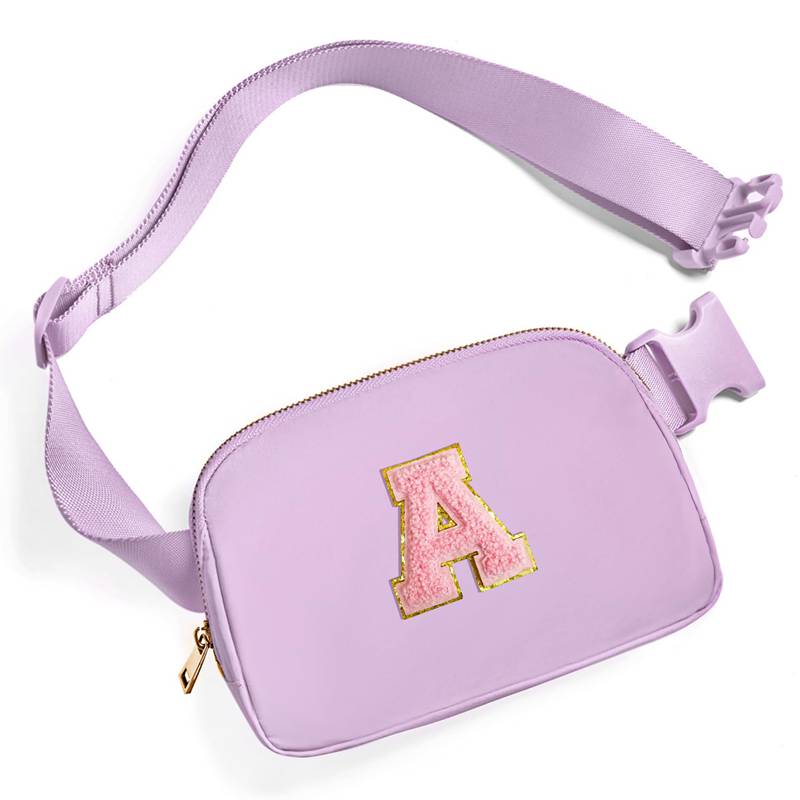
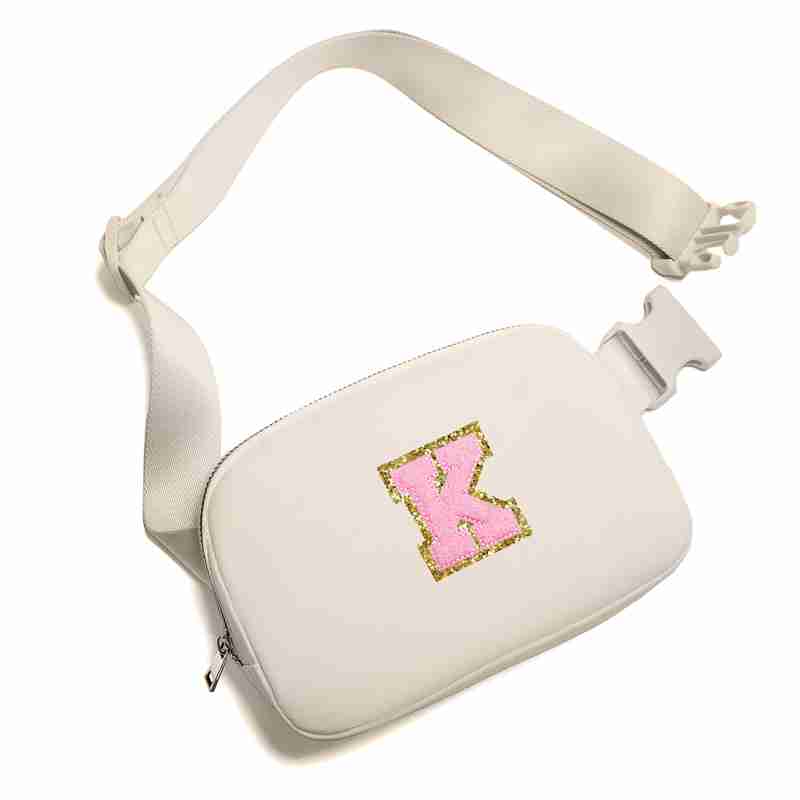
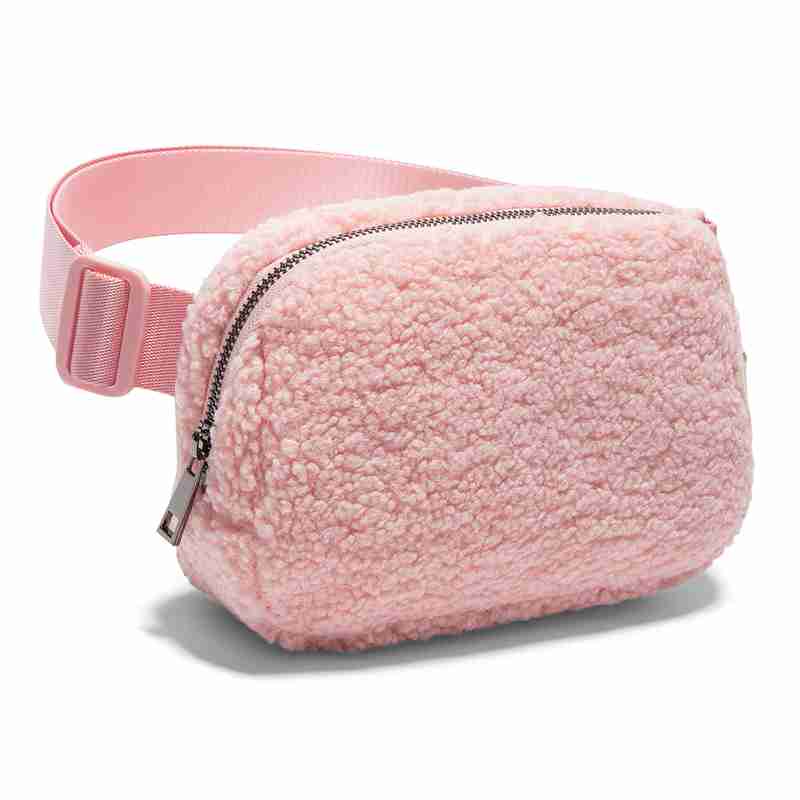
Fashion-focused belt bags prioritize visual identity, seasonal trends, and material expression. Designs often include PU leather, textured nylon, or mixed fabric combinations. Attention is placed on silhouette, color harmony, and logo placement to match brand aesthetics.
These products are commonly used in seasonal launches, capsule collections, and retail fashion lines where appearance consistency and brand storytelling are essential across multiple markets and distribution channels.

Promotional Campaigns
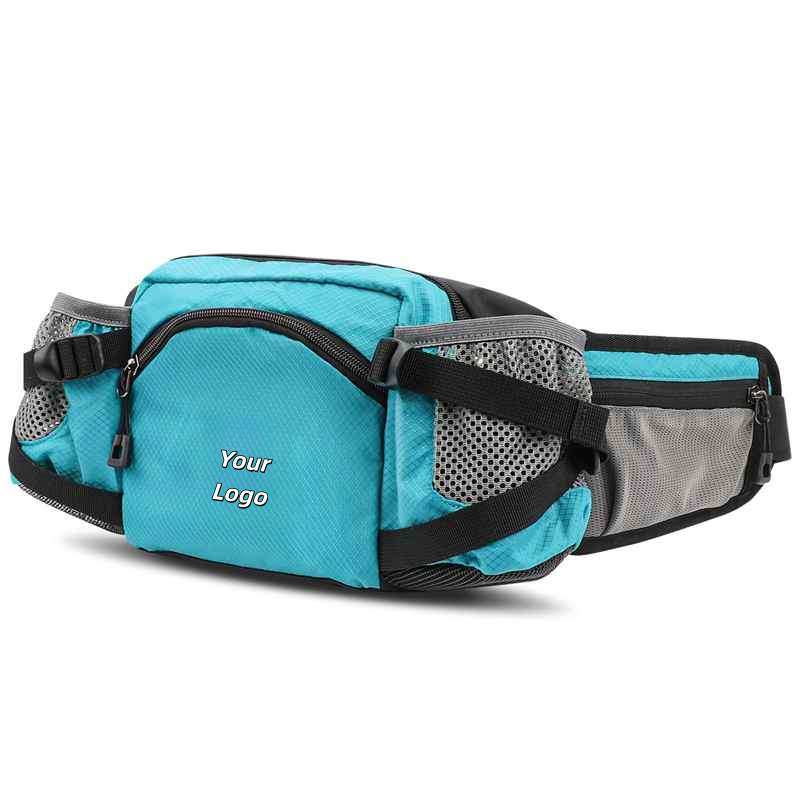
Promotional belt bags are commonly used for brand events, marketing campaigns, and corporate gifting programs. These projects prioritize cost efficiency, scalable production, and fast turnaround timelines. Logo visibility and packaging presentation play a key role in brand exposure.
Designs are typically simplified but must maintain durability and consistent quality across large quantities to ensure uniform brand representation during distribution or event-based usage.
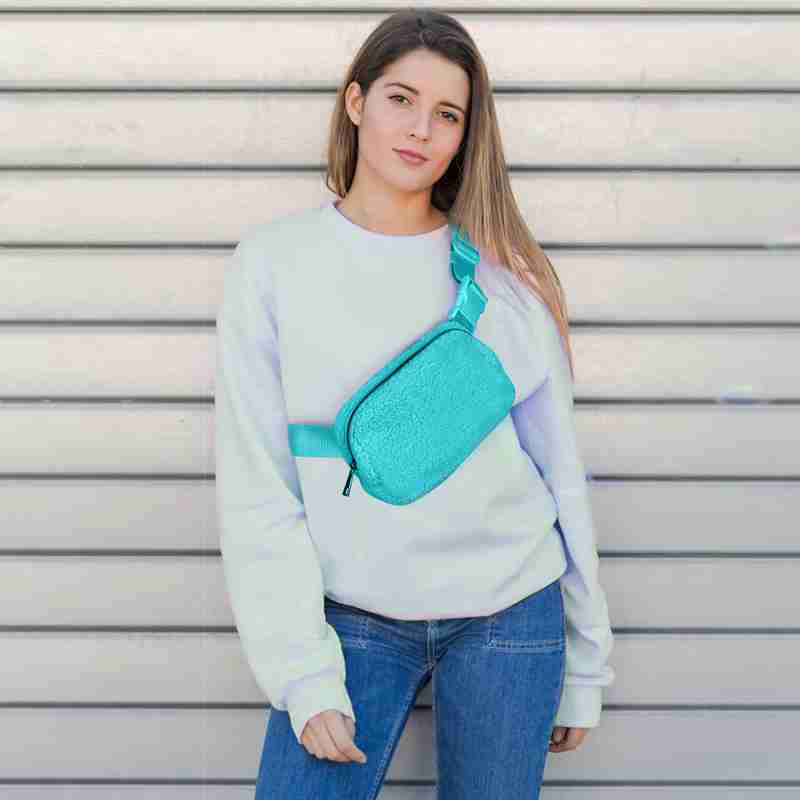
Travel & Daily Use
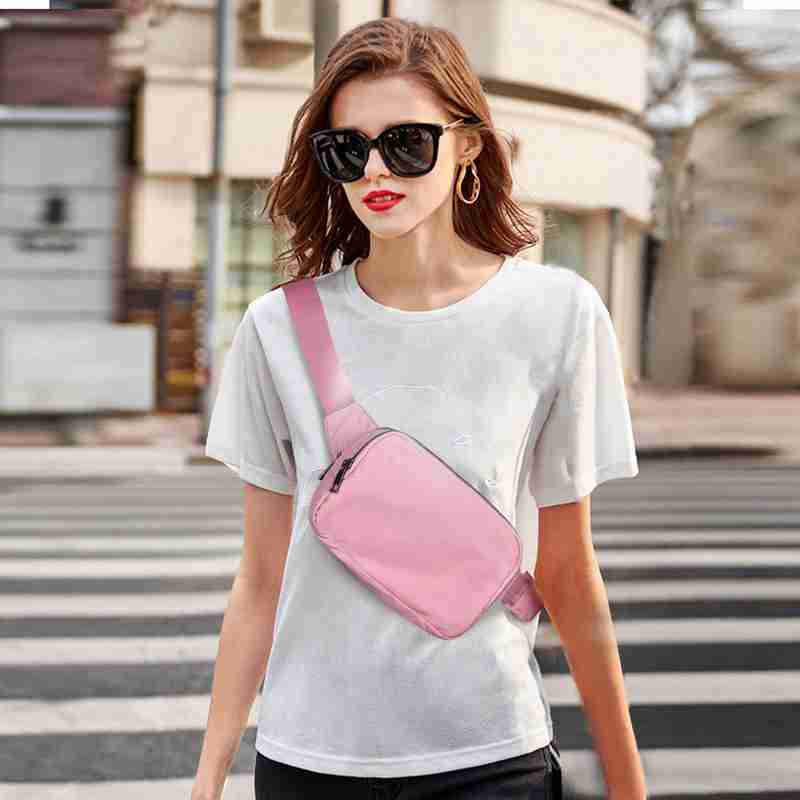
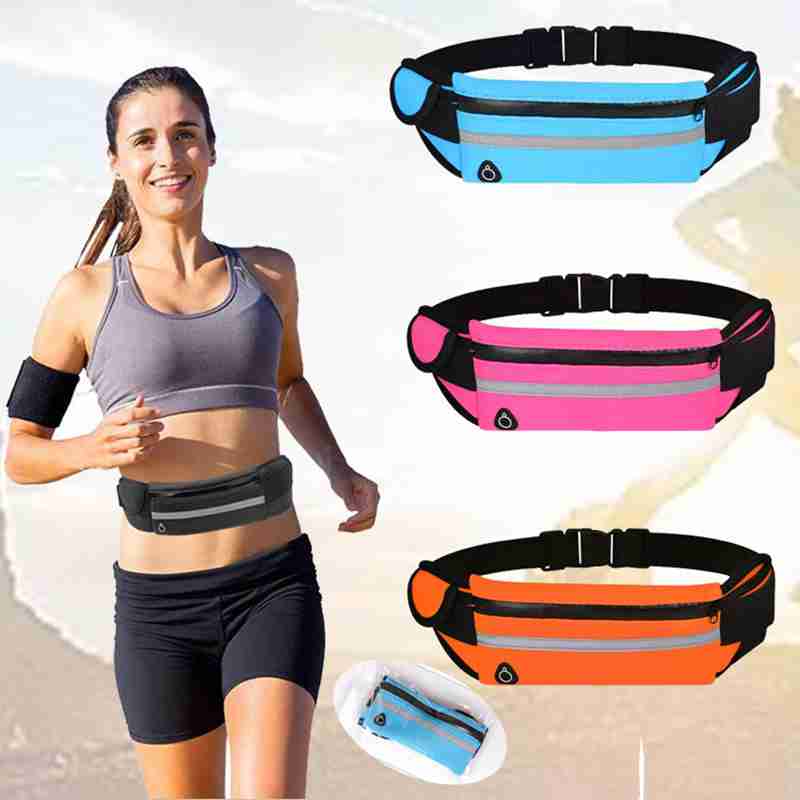
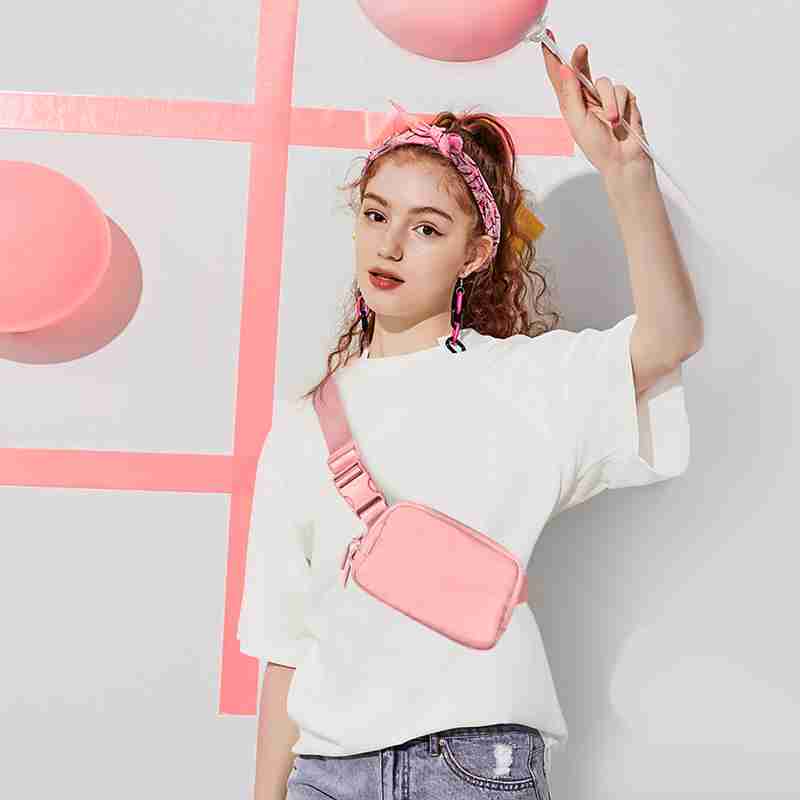
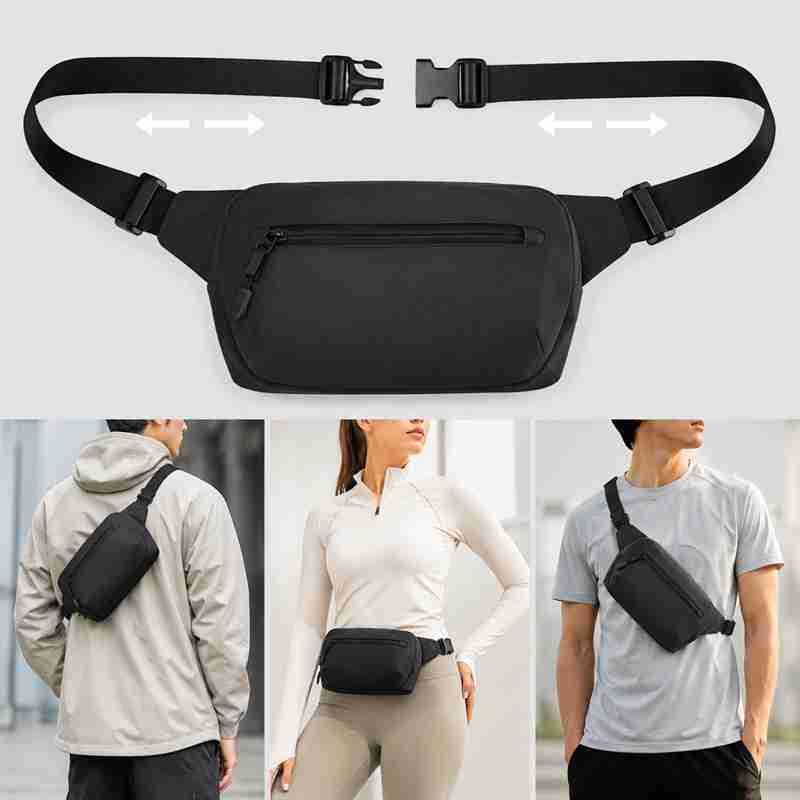
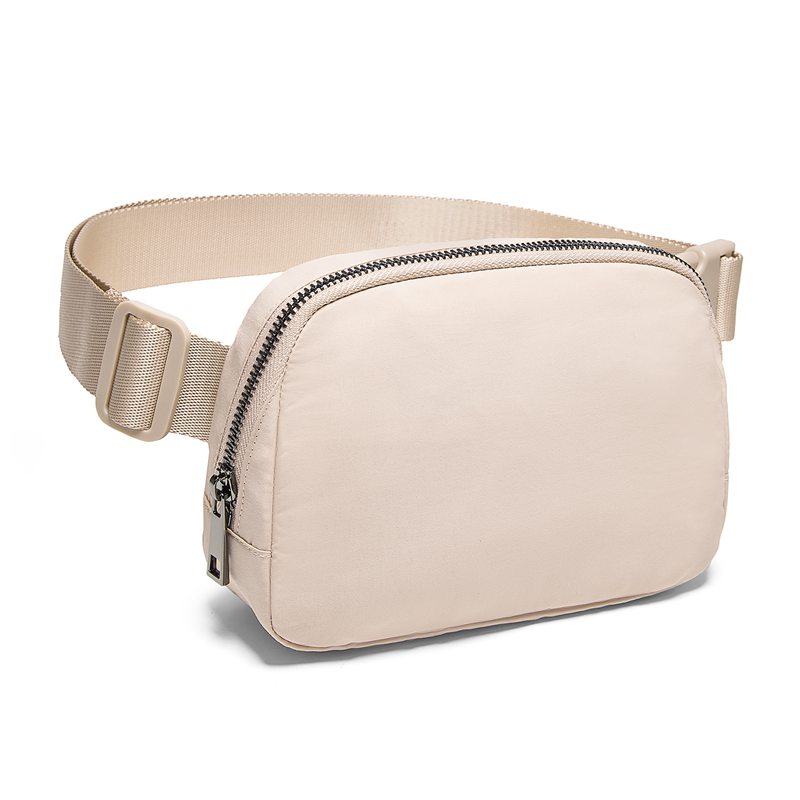
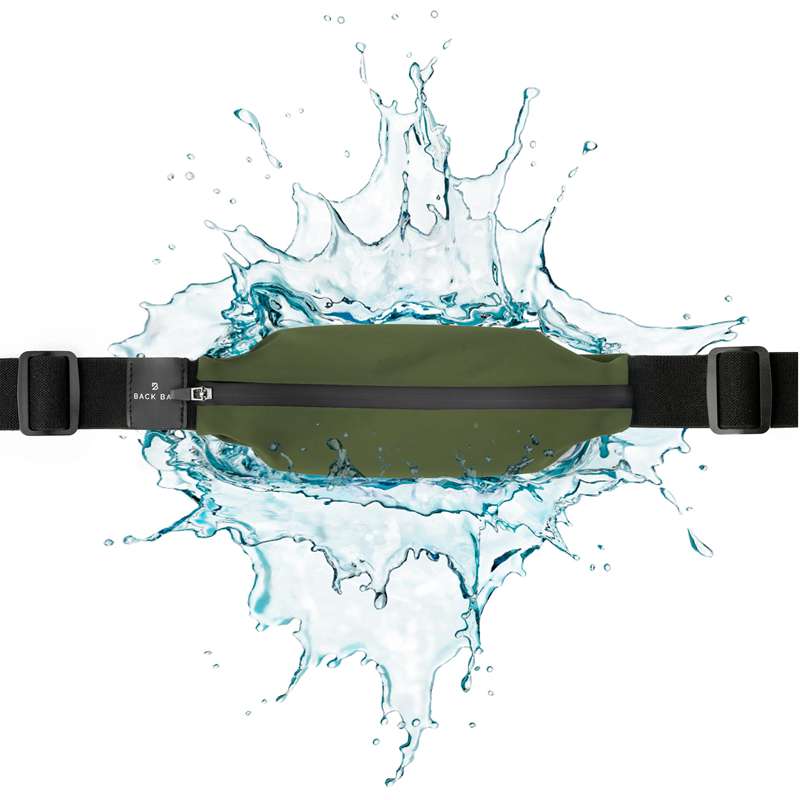
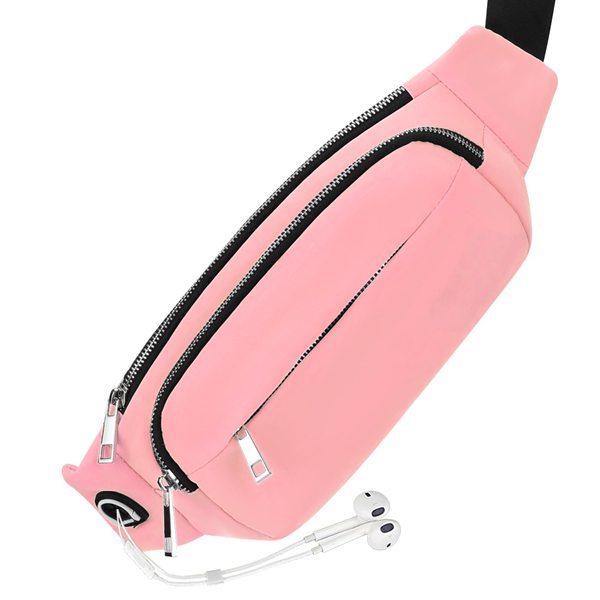
Travel-oriented belt bags focus on practicality, lightweight structure, and storage efficiency. Features often include multiple compartments, secure zipper systems, and adjustable straps. Materials are selected for durability and water resistance to support daily commuting, airport travel, or outdoor movement.
These designs are optimized for comfort and functionality while maintaining a clean and adaptable visual style suitable for both casual and urban environments.



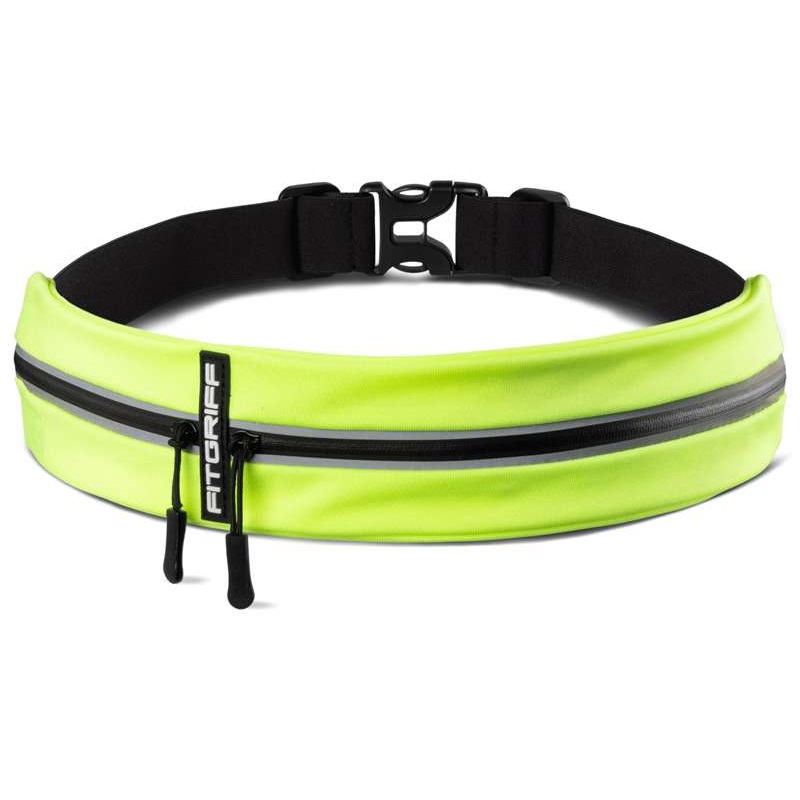
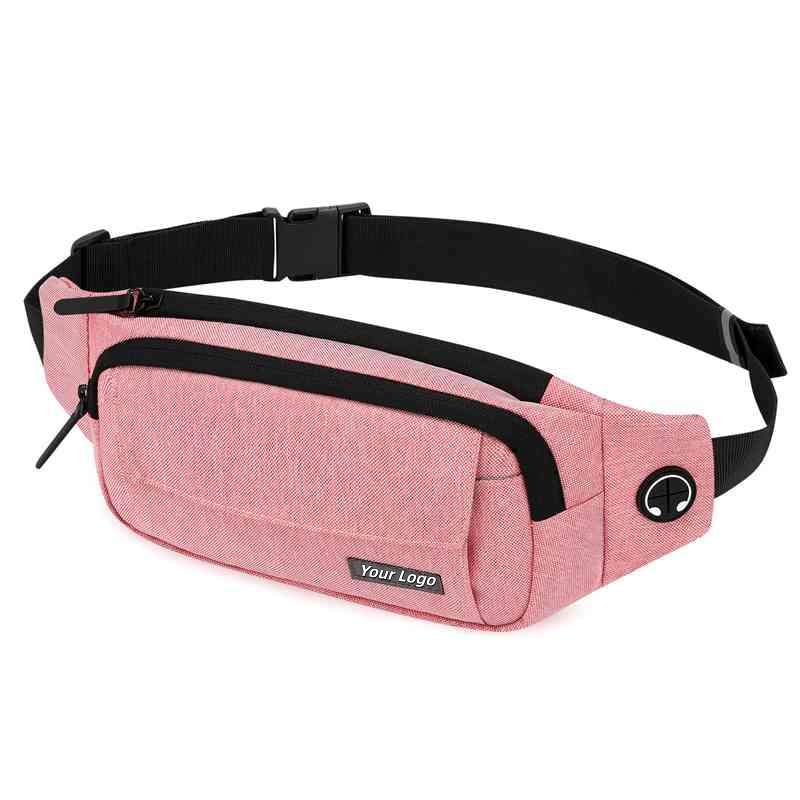
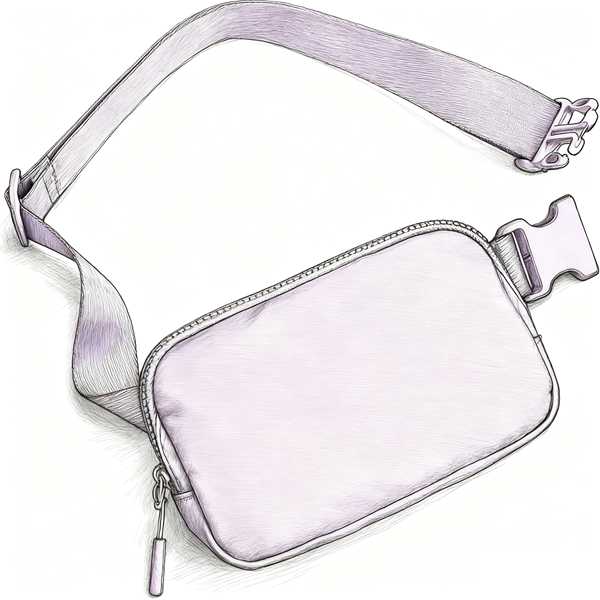
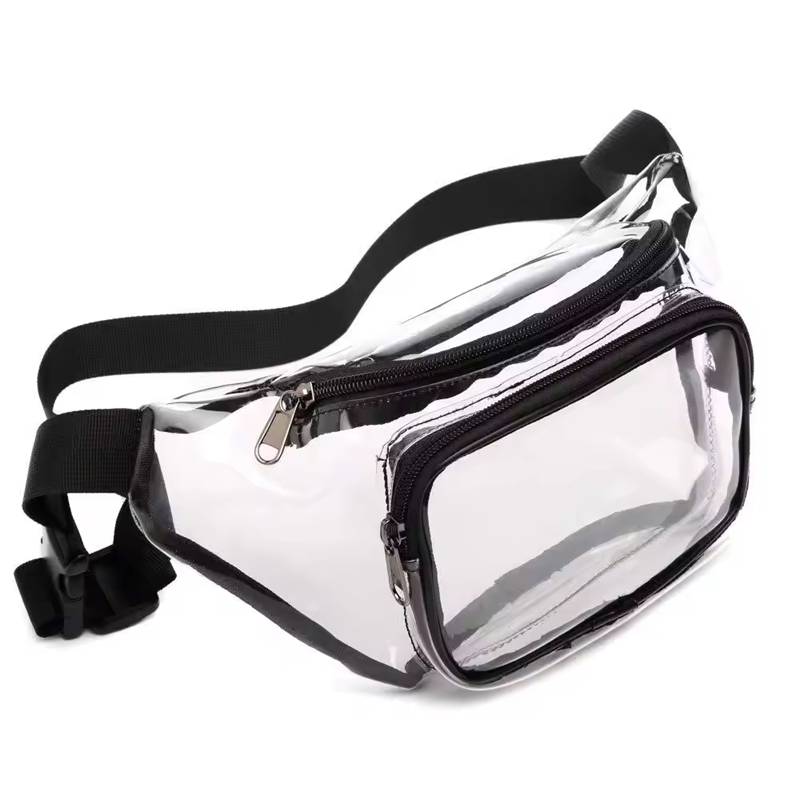
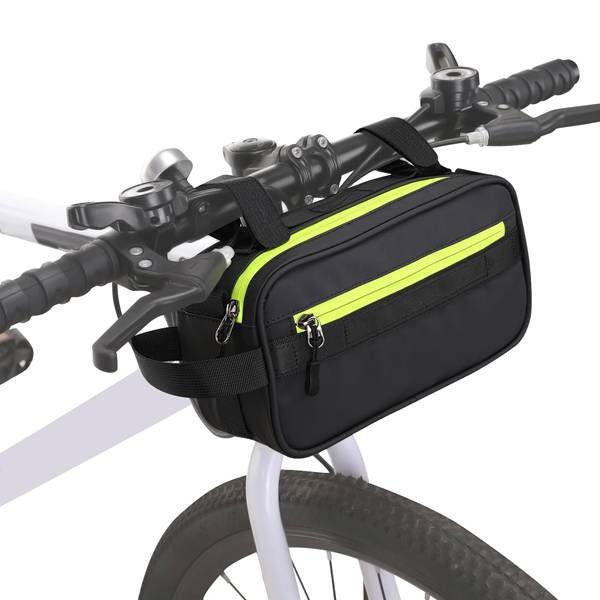


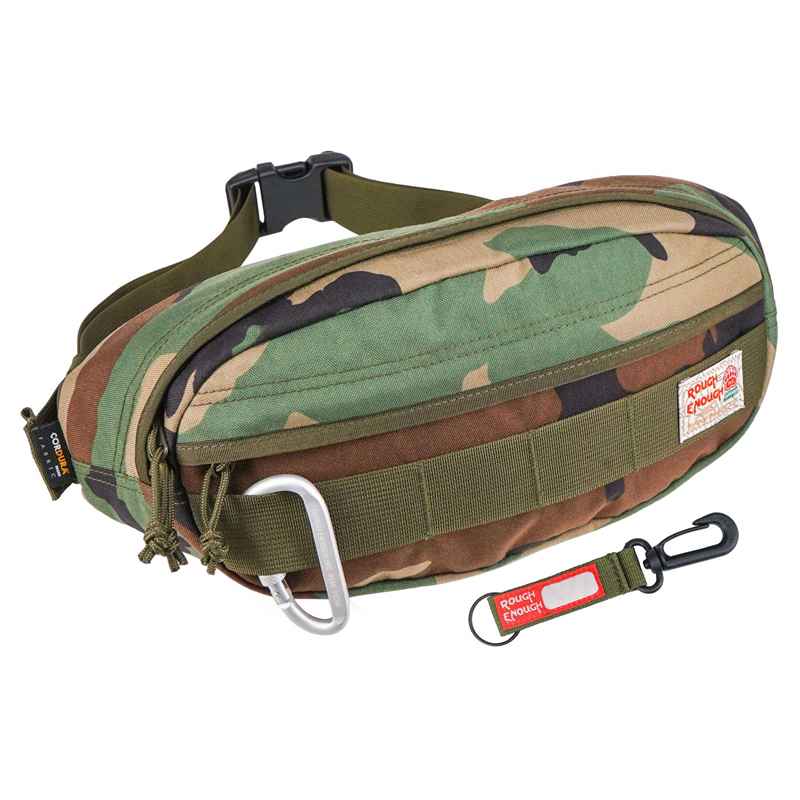

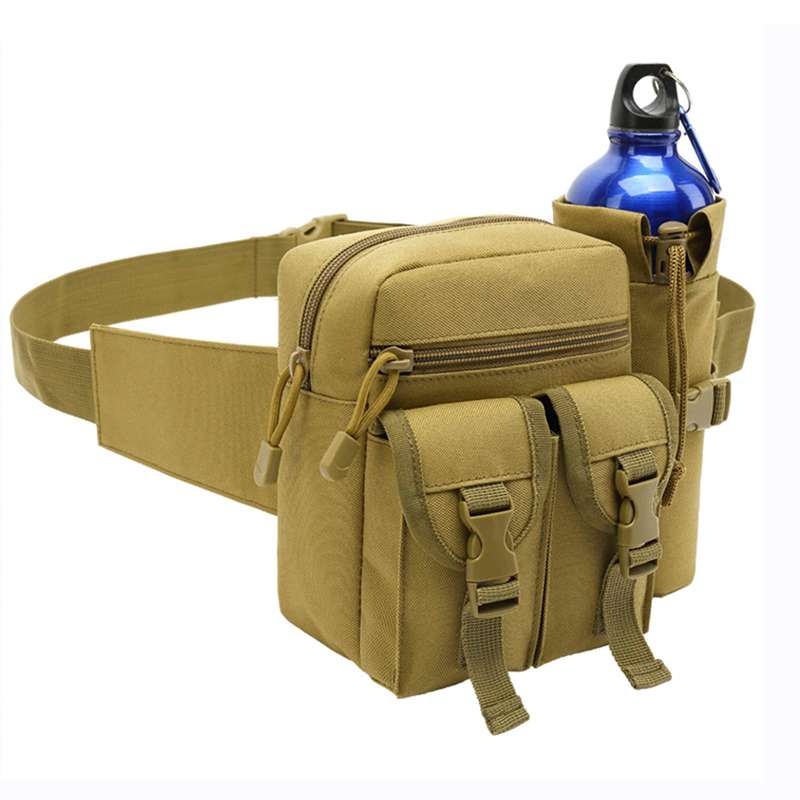
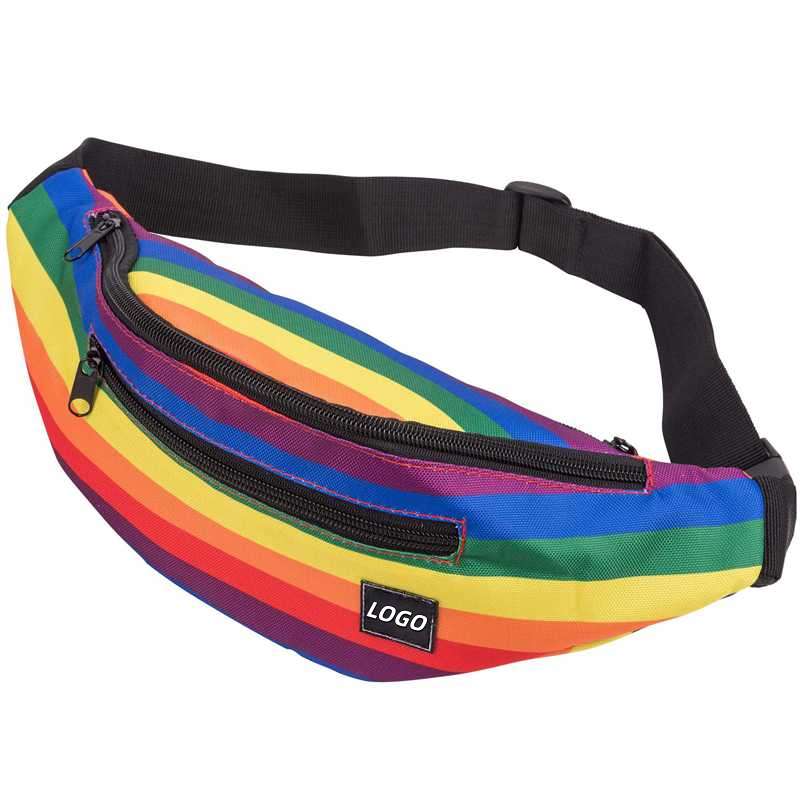
Key Risks in Belt Bag Development
Material Inconsistency Risk
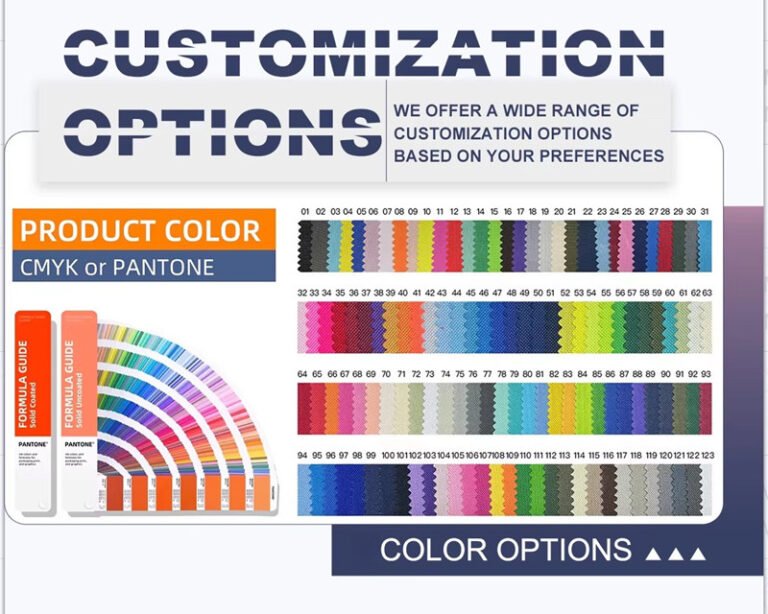
One of the most common issues in belt bag development is inconsistency in fabric quality between samples and bulk production. Differences in coating thickness, texture, or color shading can significantly affect the final appearance. This often happens when material selection is not standardized before sampling approval. To avoid this, fabric specifications, GSM values, and coating requirements must be clearly defined at an early stage. Without this control, final production may deviate from brand expectations, especially in large-scale retail programs where uniform appearance is critical.
Logo Application Errors
Logo placement and technique selection directly impact brand recognition and product value. Common issues include misalignment, incorrect color matching, or unsuitable application methods for certain materials. For example, embroidery may distort on lightweight nylon, while heat transfer may fade on textured surfaces. Each logo method must be matched with the correct material and product structure. Without proper evaluation, inconsistencies can appear across production batches, affecting retail presentation and brand identity across different sales channels.
Material Options For Belt Bag Projects
Material selection directly affects the durability, appearance, and production stability of belt bag designs. Each fabric behaves differently in stitching, printing, and long-term use, making early selection critical for consistent large-scale production outcomes.
Nylon & Polyester Systems
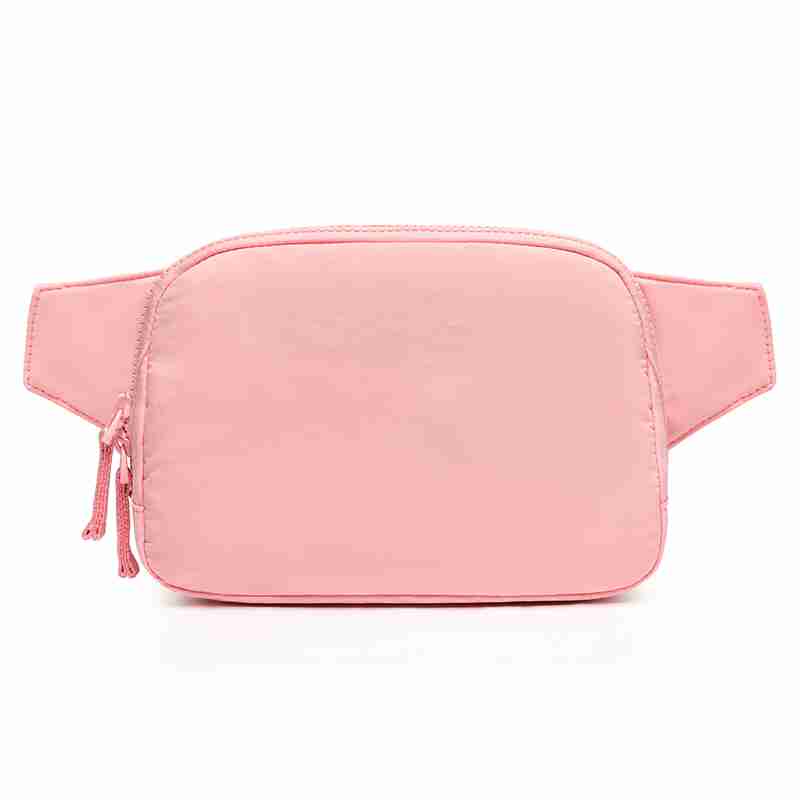
Nylon and polyester fabrics are widely used in belt bag development due to their balance of durability, flexibility, and cost efficiency.
These materials support multiple finishing options such as water-repellent coating, matte or glossy textures, and reinforced stitching structures. They are commonly applied in sports, travel, and promotional programs.
Fabric density variations (such as 210D to 1680D) directly affect strength and weight balance. Proper specification control ensures consistent color matching and structural stability during repeated production cycles, especially for long-term retail supply programs.


PU & Leather-Look Materials
PU and leather-look materials are often selected for fashion-oriented belt bag collections where visual identity is a priority. These materials enable embossing, debossing, and metallic finishes, supporting premium brand positioning.
However, they require careful handling during stitching and shaping due to sensitivity to temperature and pressure. Thickness consistency and surface coating quality directly influence final appearance.
These materials are commonly used in retail fashion lines, boutique collections, and seasonal product launches where aesthetic consistency is essential.
Brand Identity & Logo Techniques
Logo application methods define how a brand is visually represented on belt bag products. Different materials and structures require specific techniques to ensure clarity, durability, and long-term visual consistency across production batches.
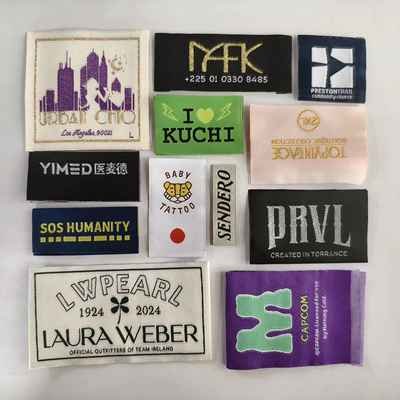
Embroidery & Woven Labels
Embroidery and woven-label techniques are commonly used in fabric-based belt bag designs. Embroidery creates a textured, durable visual effect that works well on nylon and polyester surfaces. Woven labels provide fine detail reproduction, making them suitable for complex brand logos. Both methods offer strong resistance to wear and washing conditions. However, stitch density, thread selection, and placement accuracy must be carefully controlled to maintain consistency across bulk production, especially for retail-focused product lines.
Heat Transfer & Silicone Patch
Heat transfer and silicone patch applications are widely used for modern belt bag designs requiring sharp visual identity. Heat transfer allows high-detail color reproduction on smooth surfaces, while silicone patches provide a raised, tactile branding effect. These methods are suitable for fashion, sports, and promotional collections. Material compatibility is essential, as some fabrics require temperature adjustment or surface preparation to ensure strong adhesion and long-term durability across repeated usage and washing conditions.

Sampling And Development Process
Sampling is the most critical stage in belt bag development, as it defines structure, materials, logo placement, and production feasibility. A clear sampling process reduces production risks and ensures alignment before large-scale manufacturing begins.
Concept To Sample
The development process starts from design references such as sketches, photos, or existing samples. Based on this input, material suggestions, structure planning, and logo method evaluation are conducted. Key elements such as pocket layout, strap system, and stitching reinforcement are defined during this stage.
This ensures that early design ideas are translated into a practical and production-ready structure. Each adjustment is reviewed before sample creation to reduce future modification risks during bulk production stages.

Revision & Approval Stage
After the first sample is produced, a detailed evaluation is carried out covering dimensions, fabric texture, logo positioning, and stitching accuracy. Feedback is applied through structured revisions until final confirmation is achieved.
This stage ensures alignment between design intention and physical output. Multiple revision cycles are supported depending on project complexity. Once approval is completed, the confirmed sample becomes the reference standard for bulk production consistency.
Bulk Production Workflow System
Bulk production requires structured coordination across cutting, stitching, assembly, and finishing stages. Each step must follow confirmed sample standards to ensure consistency, stability, and repeatable quality across large-scale belt bag orders.
Material Cutting & Sewing
Production begins with fabric inspection and precision cutting based on approved specifications. Each material batch is checked for color consistency, thickness, and surface quality before entering the cutting process.
Sewing operations follow structured stitching guidelines to ensure durability in stress areas such as straps, zippers, and compartment joints. Reinforcement stitching is applied where needed to improve long-term product stability, especially for travel, sports, and promotional use cases requiring high durability.

Assembly & Finishing Control
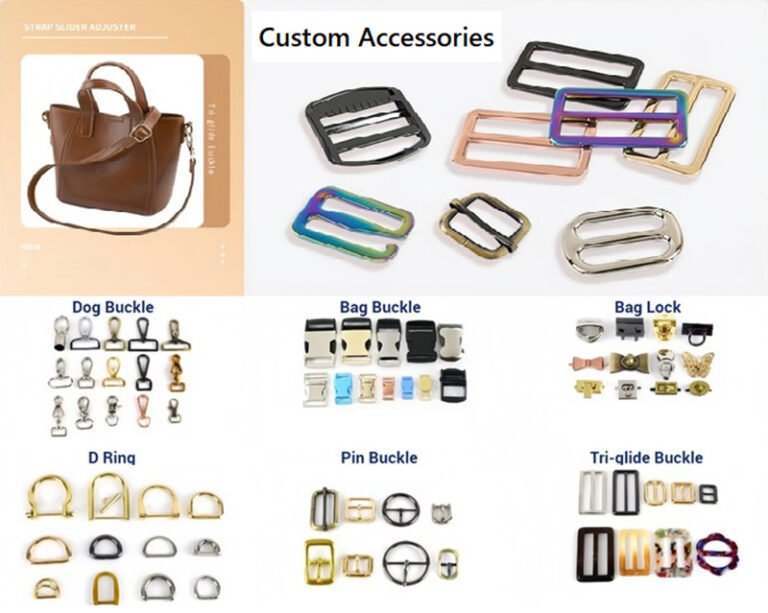
After sewing, all components, including zippers, buckles, labels, and straps, are assembled into the final structure. Finishing includes thread trimming, surface cleaning, shape correction, and functional checks for zipper smoothness and strap adjustment.
Each unit is inspected during assembly to ensure consistency with the approved sample standard. This stage ensures visual uniformity and structural stability across all units before entering final inspection and packaging processes.

Multi-Stage Quality Control System
Quality control is implemented across multiple production stages to ensure consistency from raw materials to finished packaging. Each checkpoint is designed to reduce defects, improve stability, and maintain uniform standards across bulk belt bag production.
In-Line Inspection

During production, continuous inspection is conducted at each key stage, including fabric cutting, stitching, and assembly. Inspectors evaluate seam strength, alignment accuracy, and material consistency.
Early detection of issues prevents the accumulation of defects in later stages. This step ensures production stability and reduces the risk of large-scale rework. Special attention is given to high-stress areas such as straps, zipper seams, and load-bearing points.
Final & Packing Inspection

Before packaging, each unit undergoes a final inspection covering appearance, functionality, stitching quality, and accessory completeness. Packaging checks ensure correct labeling, polybag sealing, carton marking, and quantity verification.
This stage ensures that every shipment maintains consistent presentation and functional reliability. Products are only approved for shipment after passing all inspection stages, ensuring alignment with confirmed sample standards.
Retail Ready Packaging Solutions
Packaging plays a critical role in belt bag programs, especially for retail and e-commerce channels. It ensures product protection, brand presentation, barcode management, and logistics efficiency across different distribution environments.

Retail Presentation Packaging
Retail packaging focuses on visual presentation and shelf readiness. Each belt bag can be packed with individual polybags, branded hangtags, and customized inserts to support retail display requirements. Packaging design ensures alignment with brand identity, including color coordination, logo placement, and material selection. This structure improves in-store visibility and enhances perceived product value, making it suitable for fashion retail chains, boutique stores, and seasonal product launches.
E-Commerce & Logistics Packaging
E-commerce packaging prioritizes protection, labeling accuracy, and warehouse efficiency. Each unit is packed with barcode labels, protective wrapping, and carton-level SKU identification. This reduces handling errors during warehouse sorting and international distribution. Carton strength and size optimization are designed to minimize shipping damage and reduce logistics cost per unit, especially for high-volume distribution across multiple fulfillment centers.
Order Scale & Cost Structure
Minimum Order Logic
Production scale is determined by design complexity, material availability, and customization level. Standard belt bag projects typically follow a reference scale of around 500 units per design, while simpler structures or promotional programs may support flexible lower entry levels.
Complex designs with multiple materials or advanced logo techniques require higher production setups to maintain efficiency and consistency across batches.
Cost Composition Factors
Total project cost is influenced by fabric type, hardware selection, stitching complexity, logo technique, and packaging requirements. For example, PU leather and embossed logos require additional processing steps compared to basic nylon and screen printing.
Packaging customization, such as retail boxes or barcode systems, also affects total cost structure. Transparent evaluation at early stages helps optimize design choices and production planning.
Global Delivery & Logistics Support
Global delivery planning ensures belt bag programs are shipped efficiently and safely across different regions. Logistics methods are selected based on order size, urgency, and destination requirements.
Air & Sea Shipping Options
Air freight is typically used for urgent or smaller volume shipments, while sea freight supports large-scale, cost-efficient distribution. Each method is selected based on delivery timeline, budget, and destination infrastructure.
Proper packaging reinforcement ensures product safety during long-distance transportation, reducing damage risks during multi-stage handling processes.
Export Handling & Documentation
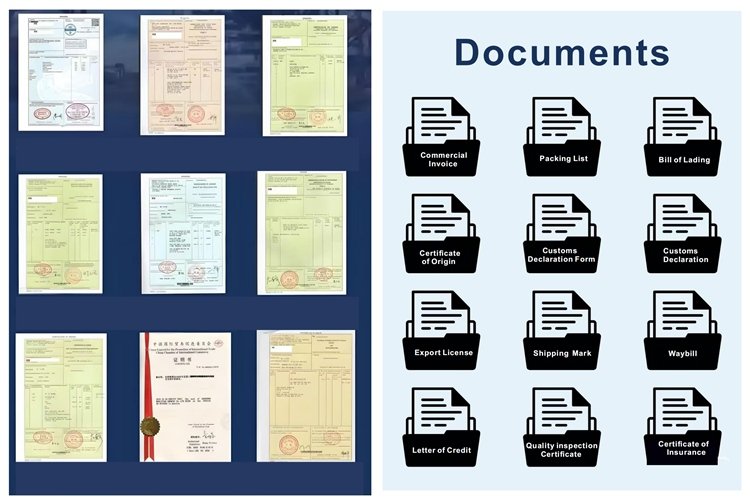
Export preparation includes carton labeling, shipping documentation, and compliance with destination regulations. Each shipment is organized with clear SKU identification and packaging lists to ensure smooth customs processing.
Coordination across logistics partners ensures stable delivery performance for global retail and distribution programs.
Make a sample first ?
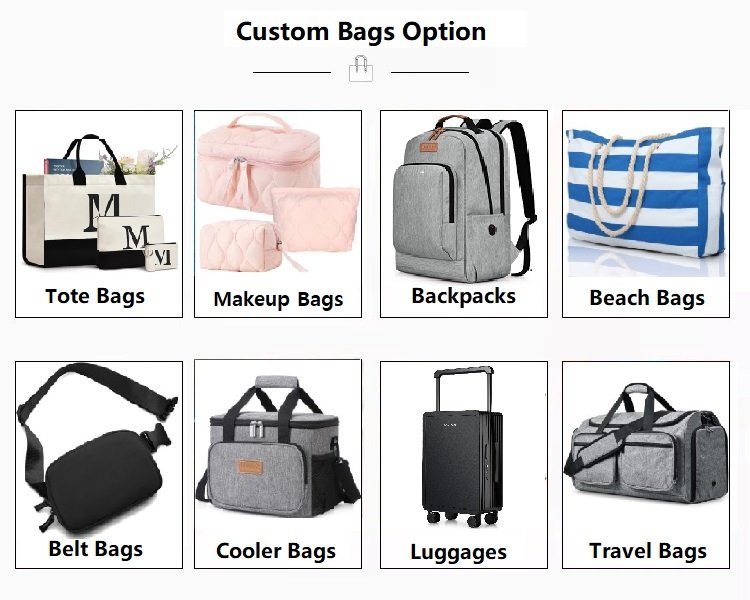
A useful custom belt bag should match more than a logo. It should match the people who will wear it, the items it will carry, the sales channel it will serve, and the way it needs to be packed, shipped, received, and reordered. When bag size, fabric, zipper structure, strap length, buckle position, pocket layout, logo method, label details, and carton rules are clear from the beginning, the whole project becomes easier to quote, sample, produce, inspect, and deliver.
Client Testimonials
800+ brand Clients Trust Jundong


FAQ Introduction
Before moving forward with a belt bag development project, most brand teams evaluate a few critical factors such as production stability, sampling accuracy, material selection, and bulk consistency.
This section answers the most common decision questions from global retail brands, promotional programs, and product development teams to reduce uncertainty before starting a project.

What Is The Minimum Order Quantity For Custom Belt Bags?
Certainly. The production scale for belt bag projects is not a one-size-fits-all rule. For most standard designs, the reference scale is around 500 units per style. However, simpler constructions with fewer material variations or basic logo applications may allow more flexible entry levels, while complex multi-material or multi-logo designs usually require higher setup quantities.
This is because cutting patterns, hardware setup, and stitching calibration all influence production efficiency. A simpler structure usually allows more flexibility. A more complex structure often needs a more stable batch requirement.
The key factor is not quantity alone, but whether the production structure is stable enough for efficient bulk work.
How Long Does It Take To Make A Belt Bag Sample?
Definitely. A typical belt bag sample cycle ranges from 7 to 14 working days, depending on material availability and logo technique. Simple nylon or polyester designs can be completed faster, while PU leather, embossed logos, or multi-layer structures require additional time for refinement.
Each sample goes through material confirmation, stitching evaluation, and structure adjustment before final approval. This helps make sure the sample is not only visually close to the design but also practical for real production.
Complex designs may require one or more revision cycles before final confirmation.
How Long Does Bulk Production Take After Sample Approval?
Of course. Once sample approval is confirmed, bulk production usually takes around 25 to 40 days, depending on order size, material sourcing, and customization complexity.
Production includes cutting, stitching, assembly, finishing, and multi-stage inspection. Larger projects or multi-SKU orders may require additional coordination time to ensure consistent fabric, trim, logo placement, stitching quality, and packing across all units.
Stable scheduling depends on early material confirmation, clear design details, and timely sample approval.
What Materials Can Be Used For Custom Belt Bags?
Absolutely. Belt bag projects commonly use nylon, polyester, PU leather, and coated waterproof fabrics. Each material behaves differently in stitching, durability, shape stability, handfeel, and visual finish.
For example, nylon is often chosen for lightweight durability. PU is suitable when the project needs a stronger fashion appearance and better branding effect. Polyester is practical for cost control, stable color matching, and large-volume promotional use.
Material choice directly influences structure design, logo technique, sample cost, and final product positioning.
What Logo Methods Are Suitable For Custom Belt Bags?
Certainly. Branding methods for belt bags can include embroidery, heat transfer, woven labels, silicone patches, screen printing, and embossing techniques.
Each method should be selected based on the fabric surface and product style. Embroidery performs well on nylon and selected fabric panels. Heat transfer is more suitable for smooth synthetic surfaces. Silicone patches are often used when the project needs a more premium, sporty, or fashion-focused appearance.
The logo technique must match the material structure; otherwise, durability, color effect, and long-term appearance may be affected.
How Do You Keep Quality Stable Across Bulk Belt Bag Orders?
Definitely. Production consistency is maintained through material inspection, in-line production checks, stitching evaluation, and final packaging review.
Each stage is designed to detect issues early and keep the bulk order aligned with the approved sample. Special attention is given to stress points such as waist straps, buckles, zippers, zipper pullers, binding edges, and load-bearing seams.
Consistency is controlled through the full process, not only through final inspection. This is especially important for repeat orders, retail programs, promotional campaigns, and multi-color belt bag projects.
What Packaging Options Are Available For Retail And E-Commerce Belt Bags?
Of course. Packaging options can include individual polybags, hangtags, barcode labels, insert cards, retail boxes, gift boxes, and carton-level SKU identification.
Retail programs usually focus on shelf presentation, label accuracy, and brand alignment. E-commerce programs often pay more attention to product protection, warehouse handling, barcode scanning, and easy distribution. Event or promotional projects may need simpler packing to support faster handouts and lower packing costs.
Packaging structure directly affects distribution efficiency, product presentation, storage, and final user experience.
Can You Support Shipping And Global Delivery For Belt Bag Orders?
Sure. Air freight is usually used for urgent or smaller shipments, while sea freight is more cost-efficient for larger-volume distribution.
Each shipment can be prepared with export labels, carton optimization, packing list support, and documentation preparation to help international delivery run more smoothly. For bulk belt bag projects, carton size, carton weight, SKU separation, destination rules, and delivery timing should be reviewed before packing begins.
The shipping method is selected based on timeline, order scale, destination, and cost expectations.
What Design Information Should We Send To Start A Belt Bag Project?
Absolutely. Early-stage evaluation can begin with a simple sketch, reference photo, product idea, or existing belt bag sample. A complete technical file is helpful, but it is not required at the beginning.
Additional details such as size, material preference, logo file, logo position, pocket layout, strap style, expected quantity, packing method, and delivery deadline will help refine the quotation and production plan.
A complete technical file is not required at the beginning stage. The most important step is to share enough practical information so the structure, cost, and sampling direction can be reviewed clearly.
What Factors Affect The Cost Of Custom Belt Bags?
Certainly. Pricing is influenced by multiple factors, including fabric selection, hardware quality, stitching complexity, branding technique, pocket layout, strap structure, and packaging requirements.
For example, PU with embossing usually has a higher processing cost. Nylon with screen printing is often more efficient for standard promotional projects. Custom packaging, gift boxes, barcode labels, or multi-SKU packing can add another cost layer.
Transparent specifications lead to more accurate evaluation. When material, size, quantity, logo method, packing, and delivery needs are clear, the quote can be more realistic and easier to compare.
Information Needed To Start
Clear project information helps accelerate evaluation of belt bag development feasibility, cost structure, and production planning. Providing structured details ensures faster alignment and reduces revision cycles.
What To Send

| Detail To Send | Why It Helps |
|---|---|
| Reference Photo Or Design File | Helps identify belt bag style, shape, zipper opening, strap structure, buckle type, pocket layout, and target look. |
| Bag Size | Helps review capacity, body proportion, wearing comfort, packing method, material use, and unit cost. |
| Fabric Or Material Direction | Helps compare nylon, polyester, canvas, PU leather, RPET, clear PVC, mesh, or water-resistant fabric options. |
| Logo File | Helps review logo method, colour, size, position, material compatibility, and sample feasibility. |
| Logo Position | Helps avoid wrong placement and improves sample accuracy for front panel, strap, label, patch, or zipper puller. |
| Quantity Per Design | Helps review MOQ, material sourcing, unit cost, production planning, colour split, and packing method. |
| Strap Or Buckle Requirement | Helps confirm waist strap length, crossbody wearing angle, buckle position, adjuster type, and webbing direction. |
| Pocket Layout Requirement | Helps review the main compartment, back pocket, inner divider, elastic pocket, key hook, bottle holder, and anti-theft storage. |
| Packaging Requirement | Helps review polybag, hangtag, barcode label, insert card, gift box, carton mark, and multi-SKU packing. |
| Target Destination | Helps review label rules, packing method, testing needs, carton strength, shipment mode, and delivery preparation. |
| Delivery Deadline | Helps review sample timing, material lead time, production schedule, inspection plan, and shipping method. |
Design & Product Details
To begin evaluation, visual references such as sketches, sample photos, or existing belt bags are highly useful.
Key details include approximate size, compartment structure, strap design, and intended usage scenario. These inputs help define production feasibility and material recommendations while reducing uncertainty during early development stages.
Brand & Order Requirements
Important information also includes the logo file, expected quantity, packaging requirements, and target delivery timeline. The destination region is also essential for logistics planning.
These elements allow proper alignment of production scheduling, material sourcing, and packaging configuration. For initial communication, structured information can be shared via info@jundongfactory.com to accelerate evaluation.