 Skip to content
Bag Factory Supporting Mixed Orders — Multi-SKU Production You Can Control
Mixed orders look simple on paper—until SKUs multiply and small mistakes snowball. In real sourcing, a “mixed order” is rarely just “different colors.” It often means multiple bag styles, different materials, separate logo methods, multiple packaging rules, and shipping marks that must match each SKU precisely. One wrong label, a swapped carton, or inconsistent stitching on a single SKU can delay your entire shipment and create chargebacks or rework on your side.
Jundong is built for this reality. With a structured team setup—export sales, product development, design, pattern room, and an in-house QC team—we manage mixed orders as a controlled production program, not a gamble.
Mixed Orders: Who Needs Them, Fit
Not every customer should place a mixed order immediately. Mixed orders work best when there are clear operational reasons: testing multiple styles, supporting multiple channels, or building a category line under one supplier. The challenge is that many factories treat mixed orders like a favor, not a planned delivery model—so customers end up managing the factory instead of the other way around.
Jundong supports mixed orders for brands and sourcing teams that need SKU flexibility without sacrificing spec control. Our setup is built for export projects: English-capable communication, development support, and a QC system that tracks consistency across SKUs and batches.


What Counts as a Mixed Order
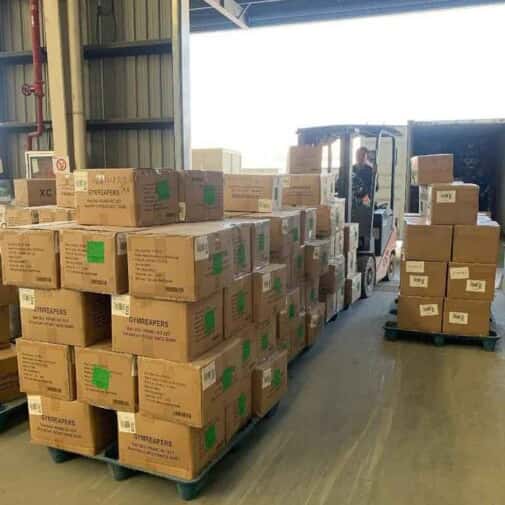
Many inquiries use “mixed order” as a single sentence: “Can you do mixed orders?” The better question is: mixed in what way—and what stays consistent? In bag manufacturing, a mixed order can refer to multi-style, multi-material, multi-color, multi-logo, or multi-packaging rule production in one PO. Each type changes the production plan, supplier coordination, and QC approach.
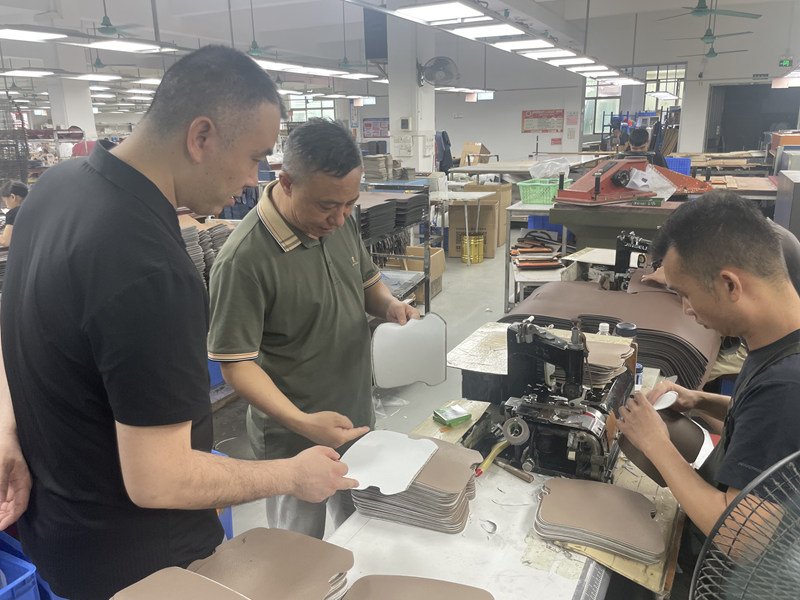
Jundong supports mixed orders with a controlled scope. We encourage buyers to define what changes per SKU (size, fabric, compartments, logo method) and what must stay stable (spec, tolerances, stitching standards, packaging rules). This prevents preventable delays and reduces sample-to-bulk deviation.


Mixed Order Workflow to Prevent Confusion
If your mixed order depends on “messages in chat” to control production, problems are almost guaranteed. Multi-SKU projects need a workflow where every SKU has a reference: spec, sample standard, packaging rule, and QC checkpoints. This is especially true for export shipments where one error can trigger delays, relabeling costs, or warehouse rejection.
Jundong’s workflow is designed to keep mixed orders predictable. We align sample-to-mass production control, in-house QC, and structured communication so each SKU is tracked through clear deliverables. Buyers don’t need generic updates—they need a system that makes mistakes harder to happen.
Decision table: Trial mixed order vs. bulk mixed order
| Item | Trial Mixed Order | Bulk Mixed Order |
|---|---|---|
| Goal | verify market + specs | scale with stability |
| Risk focus | sample accuracy | consistency across batches |
| Best practice | fewer SKUs, tighter scope | lock specs, use SKU coding |

Mixed-Order Quoting: Clear Cost Drivers
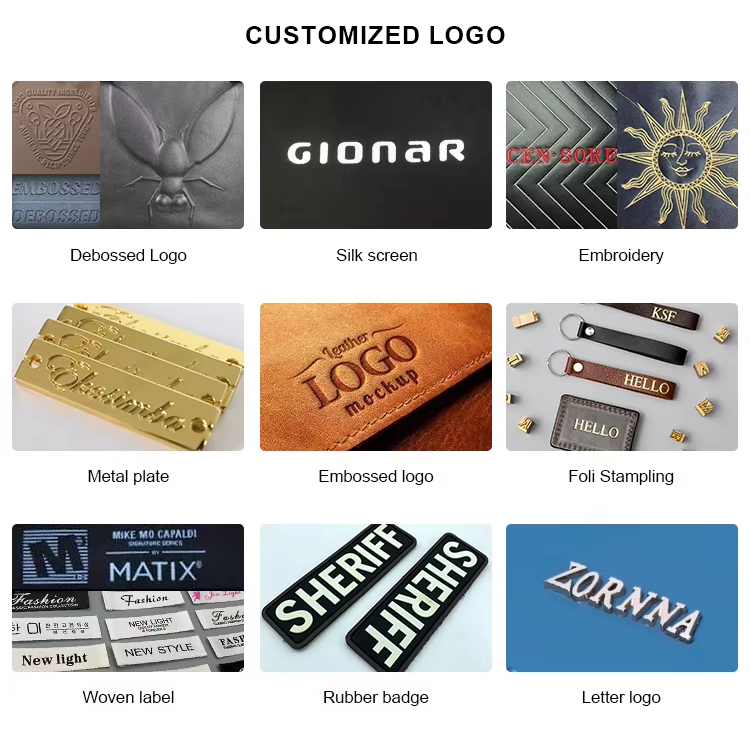
In mixed orders, the biggest pricing confusion is not “why one bag costs more than another,” but why the total program cost changes when SKUs increase. A multi-SKU PO spreads resources differently: patterns, samples, materials, trims, logo setups, and packaging work all scale with complexity. When a supplier gives only a single blended price, you lose the ability to control trade-offs—what to standardize, what to keep premium, and which SKUs to test first.
Our quoting approach is built for procurement teams. We map the cost drivers SKU-by-SKU, then highlight where standardization reduces cost without sacrificing performance or brand presentation. That makes mixed-order decisions easier to justify internally and safer to execute.
BOM Locking to Prevent Substitution Delays
Mixed orders fail most often at the material level. When SKUs use different fabrics, linings, webbing, zippers, or hardware, the supply chain becomes the bottleneck—especially if the BOM is not locked early. A factory may start cutting for one SKU while waiting for another material batch, creating line interruptions, inconsistent shading, or unapproved substitutions. These issues typically show up as late shipments, unexpected color variation, or inconsistent hand-feel across SKUs.
We reduce this risk by treating mixed orders as a material-planning project. With development support and an in-house pattern room, we align materials, components, and tolerances to each SKU before bulk production. That’s how mixed orders become repeatable instead of fragile.

Mixed-Order QC: SKU Risk Checklists

In mixed orders, quality problems rarely look the same across all SKUs. One SKU may fail at stitch tension, another at zipper smoothness, another at logo alignment or color consistency. That’s why one generic QC standard is not enough. Mixed orders require QC that is SKU-aware: different checklists, different critical points, and clear acceptance references for each SKU.
Jundong’s QC strength is supported by our team and process depth. With a dedicated inspection group and professional inspection resources, we run incoming checks, in-process checks, and final inspections while keeping multi-SKU consistency under control. With 80 quality inspectors, we can maintain inspection coverage without slowing down production.
Anti-Mix Packing to Prevent SKU Confusion
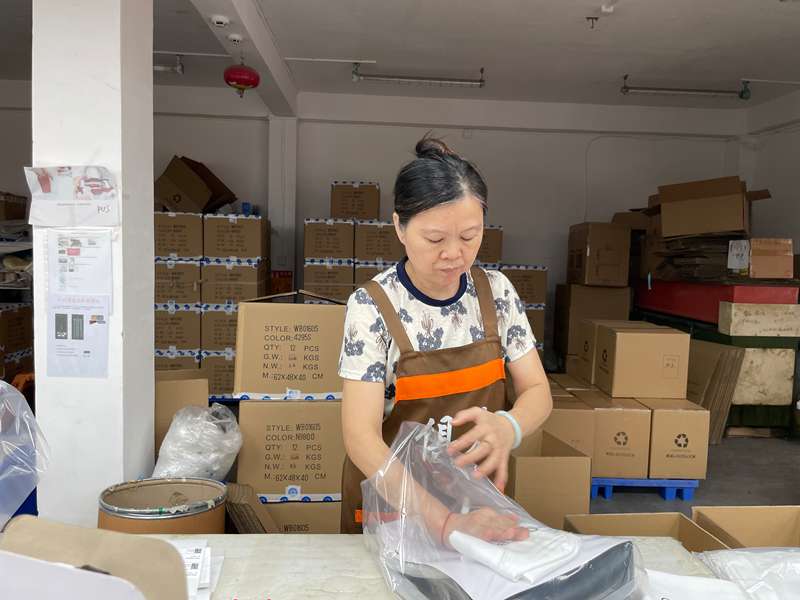
Even if production is perfect, mixed orders can still fail at packing. Many teams have experienced the same nightmare: correct products, wrong labels; correct cartons, wrong packing list; correct SKU, wrong barcode language version. These issues create expensive downstream work—relabeling, warehouse rejection, delayed inbound appointments, and chargebacks.
For mixed orders, packing is not a “last step.” It is a control system. We treat packaging specs, barcode rules, hangtag requirements, carton marks, and packing list reconciliation as a dedicated workflow—because this is where mixed orders are most likely to go wrong. When your mixed order ships, it should be shipment-ready for your channel, not a puzzle a warehouse must fix. We recommend defining packaging and labeling at the SKU sheet stage.
Mixed-Order Lead Time Bottleneck Control
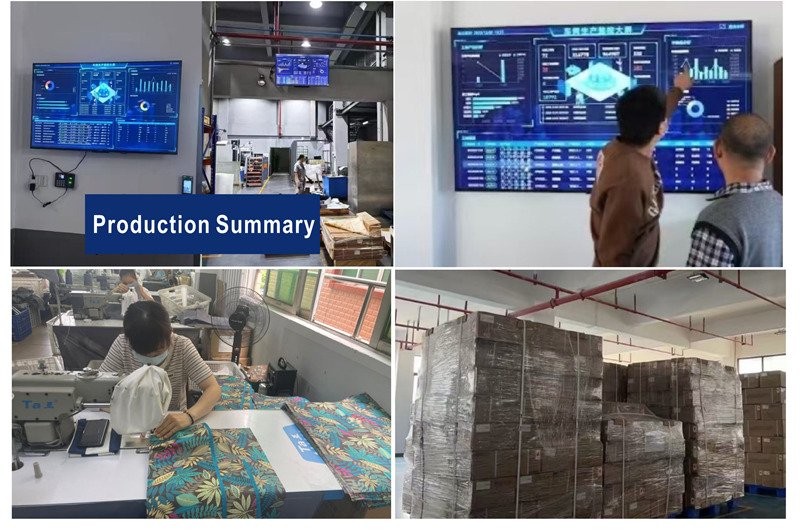
Mixed orders rarely fail because a factory “cannot sew.” They fail because production time is lost between SKUs: waiting for missing materials, changing thread colors, switching logo methods, resetting machines, or re-checking specs that were never locked. When a supplier lacks a scheduling system for multi-SKU production, lead times become a guess—especially with multiple packing rules or multi-region labeling. Uncertainty is expensive: it impacts inbound appointments, campaign dates, and reorders.
We manage mixed orders by planning around bottleneck operations and changeover costs, then sequencing SKUs to keep lines stable. The goal is simple: make a mixed order behave like a predictable program, not a chaotic collection of small jobs.
Sample-to-Bulk Control: Standards and Tolerances
For mixed orders, the biggest frustration is not developing one good sample—it’s keeping that standard consistent across many SKUs and across the full production run. Samples may be approved, then small changes appear in bulk: logo placement shifts, pocket depth changes, stitches look different, or materials feel slightly off. In multi-SKU programs, these “small changes” become brand risk because they show up side-by-side in the same shipment.
We reduce deviation by defining reference standards for each SKU and controlling changes through clear checkpoints. With an in-house pattern room, development support, and disciplined QC execution, we treat samples as a manufacturing standard—then protect that standard through pre-production alignment and in-process checks.

Mixed-Order RFQ Checklist Info Pack

Mixed-order inquiries stall when key details arrive in fragments—dimensions in one message, logo files in another, packaging rules later. That slows quoting and increases mistakes. A simple RFQ Info Pack fixes this. If you complete 80%, we can confirm feasibility, flag risk points, and propose a stable route for sampling and production.
Mixed Order RFQ Info Pack
SKU List: name, bag type, target quantity
Dimensions: width x height x depth, key pocket sizes
Materials: main fabric, lining, padding or foam or EVA
Logo Method: embroidery, print, or patch; placement; logo file
Color References: Pantone code or physical sample
Packaging Rules: polybag, hangtag, barcode, carton marks
Target Market: region and channel needs
Timeline: sample deadline, ship date
Compliance Needs: required standards (if needed)
Mixed-Order Shipping: Consolidation and Risk Control
In mixed orders, the shipping strategy is part of the manufacturing strategy. If every SKU is forced into one shipment, the slowest material or the longest logo lead time can delay the entire PO. On the other hand, splitting shipments without a plan can increase freight costs and create receiving confusion. The right question is not “one shipment or two,” but how to protect the launch date while keeping receiving clean.
We support mixed-order shipping planning by aligning production readiness, packaging rules, and documentation sets—so the warehouse receives what it expects, in the sequence that matches your timeline.
Decision table (what you should choose):
| Constraint | Best Route | Why |
|---|---|---|
| Hard launch date for key SKUs | Split | protect critical SKUs |
| Many materials with different lead times | Split / Rolling | avoid waiting for the slowest |
| Warehouse prefers one inbound | Consolidation | Reduce receiving complexity |
| Many channels/packaging rules | Rolling | Reduce labeling confusion |

Start Mixed Orders: Trial, Scale, Repeat
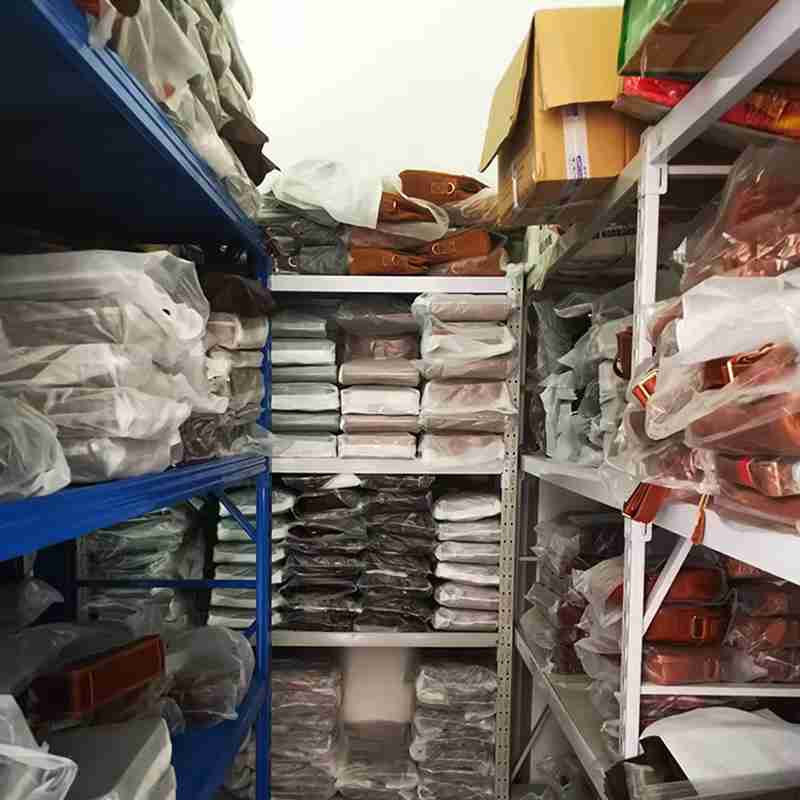
Many customers want mixed orders for flexibility—but the safest way to gain it is to build in stages. A trial mixed order validates structure, materials, and packaging rules with limited risk. A bulk mixed order scales the proven SKUs and locks repeatable standards. Reorders then become easier because specs, QC points, and packaging files already exist.
We recommend treating mixed orders as a program lifecycle, not a one-time event. This approach reduces surprises, improves budget control, and increases the chance that the second order is smoother than the first.
Comparison table (what changes by phase):
| Phase | Primary Goal | What We Control Most |
|---|---|---|
| Trial | validate feasibility | sample accuracy + scope |
| Bulk | scale safely | consistency + packaging |
| Reorder | stabilize supply | efficiency + repeatability |
Our Mixed-Order Structure: Facts, Not Hype
Mixed orders require more than machines. They require coordination across development, pattern control, inspection execution, and export communication. Many teams only discover later that “mixed order support” is really one salesperson juggling everything without a system. That’s when delays, confusion, and inconsistency start.
We present capability with facts. Jundong operates in Guangdong, with a factory area around 18,000㎡, supported by 600 staff and a dedicated QC team of 80 quality inspectors. We also maintain structured teams for export sales, product development, design, and an in-house pattern room—so mixed orders are executed with traceable deliverables, not guesswork.

Make A Sample First?
See your idea come to life before mass production.
At Jundong Factory, we offer free design mockups and custom samples to ensure every detail is perfect — from material and color to logo placement and stitching.
Start your project with confidence today: info@jundongfactory.com.
Bag Factory Supporting Mixed Orders FAQs
What exactly is a “mixed order” in bag manufacturing?
A “mixed order” means one PO includes multiple SKUs with differences in style, material, logo method, or packaging rules. It should be managed as a controlled production program, not casual bundling.
In bag manufacturing, “mixed order” can refer to multi-style (tote, backpack, pouch), multi-material (fabric, PU, PVC, neoprene), multi-logo (embroidery, print, patch), or multi-packaging (different barcodes, hangtags, carton marks). Each type changes lead time risk and the factory’s planning workload. The most common reasons mixed orders fail are not sewing quality—they are SKU confusion, unlocked BOMs, and late packaging changes.
To source mixed orders safely, ask the supplier to define:
what can change per SKU (size, fabric, logo)
what must remain stable (tolerances, stitch standards)
how mixing is prevented at packing (barcode scan checks, carton numbering, packing list reconciliation)
If a supplier can’t explain these controls clearly, you may still receive goods—but with higher operational risk.
Can we mix different bag types in one PO (totes, backpacks, pouches, cases)
Yes—mixing bag types is workable when each SKU has a locked tech pack/BOM, and the order is planned around shared materials and bottleneck operations.
Procurement teams often mix bag types to reduce supplier count and consolidate shipments. The key is documenting each SKU properly. Multi-style mixed orders usually require: SKU coding, a clear BOM per SKU, and a pre-production alignment step so stitching standards, reinforcement points, and packaging rules are consistent.
To keep timelines stable, we recommend grouping SKUs that share the same main fabric, lining, or trims (zippers/webbing), and batching SKUs that share the same logo method. This reduces changeover time and lowers error probability. If some SKUs require special materials or longer logo lead times, a split shipment strategy may protect your launch date.
Before you place the PO, verify the supplier’s ability to manage multiple packaging rules (barcodes, hangtags, carton marks). Multi-style projects often fail at packing, not production.
How does MOQ work for mixed orders across multiple SKUs?
Mixed-order MOQ is typically driven by materials and logo setup, not just the total quantity, and sharing components across SKUs is the fastest way to lower MOQ pressure.
In practice, MOQ in mixed orders has two layers:
- Order-level feasibility: total quantity must justify line planning and QC/packing control.
- SKU-level constraints: certain materials, trims, or logo methods may have supplier MOQs (e.g., custom zipper pulls, special fabrics, printed hangtags).
A smart procurement strategy is to standardize where it does not impact brand identity: reuse the same lining, webbing width, zipper type, or base fabric color across SKUs. This reduces both material MOQ risk and lead time uncertainty. Keep differentiation for high-visibility areas (logo placement, color accents, special pockets).
Below is a practical MOQ driver table:
| MOQ Driver | Why It Matters | How to Reduce |
|---|---|---|
| Special fabric | supplier MOQ + dye lots | reuse fabric across SKUs |
| Custom hardware | tooling / minimum order | standardize hardware |
| Logo method | setup cost + defects | limit logo methods per batch |
| Packaging print | print MOQ | unify packaging files |
What information should we provide to get an accurate mixed-order quote fast?
The fastest accurate quote comes from a complete SKU sheet that includes dimensions, materials, logo method, packaging rules, quantities, and target date.
For mixed orders, vague inputs like “a few styles, different colors” lead to inaccurate pricing and later changes. A reliable supplier should request:
SKU name, bag type, quantity
Dimensions (W x H x D) and key pocket sizes
Main fabric, lining, padding
Logo method, placement, and logo file type
Color references (Pantone code or sample guidance)
Packaging requirements (barcode, hangtag, polybag, carton marks)
Target market and channel rules
Sample deadline and ship date
If you send the pack in one message or one file set, the factory can confirm feasibility, clarify cost drivers, and propose the safest route for sampling. When files are heavy (barcode, hangtag, carton mark sets), email submission is often cleaner and easier to control.
How do you prevent SKU mixing during packing and shipment?
Preventing SKU mixing requires SKU coding, barcode scan verification, carton numbering, and packing list reconciliation as a standard workflow.
Packing is the highest-risk stage for mixed orders. Even with perfect production, one wrong barcode or a mixed hangtag version can trigger warehouse rejection and expensive relabeling. A professional anti-mix system includes:
Inner pack identification (SKU sticker on polybag)
Barcode scan checks before sealing cartons
Carton marks showing SKU range and carton numbers (1/50, 2/50)
Packing list reconciliation (carton count versus SKU totals)
Physical separation on packing tables by SKU group
Ask the supplier to share sample photos of carton marks and a packing list format. If a controlled approach can’t be shown clearly, mixed orders carry higher downstream risk.
What causes sample-to-bulk deviation in mixed orders, and how to reduce it?
Most sample-to-bulk deviation comes from unlocked BOMs, unclear tolerance standards, and late changes to logo or packaging files.
Mixed orders amplify small deviations because SKUs are compared side-by-side. The best prevention is locking production standards for each SKU: approved sample reference, measurement table with tolerances, logo file and placement guide, material swatch reference, and packaging spec.
Change control matters: no material substitution without approval; logo method changes require re-approval; structure changes should trigger a verification sample or photo confirmation; packaging changes must be confirmed before mass packing.
Deviation risk also drops when representative SKUs are sampled first, then scaled after standards are proven. This shortens time-to-bulk because fewer surprises appear in production.
Can we mix different logo methods (embroidery, print, patch) in one order?
Yes. Mixing logo methods increases lead-time complexity, so the safest approach is batching by logo method and locking approval files early.
Different logo methods have different setup needs, rejection risks, and process timing. Embroidery needs stitch files and placement control. Screen printing needs color consistency and curing control. Patches require clear attachment methods and reinforcement. If methods are mixed without a schedule, one method can become the bottleneck and delay the shipment.
A practical strategy is to limit the number of logo methods per production batch, finalize all logo approvals before bulk starts, and add QC checkpoints for placement and alignment per SKU. Standardize where possible—same patch size across SKUs, or consistent print placement references—to keep control simpler.
Should we ship all SKUs together or use split shipments?
Choose split shipments when key SKUs have a hard deadline or material lead times differ. Choose consolidation when warehouse receiving simplicity is the top priority.
A single shipment reduces receiving complexity, but forces the entire PO to wait for the slowest SKU. Split shipments protect campaign timelines and reduce the risk of missed inbound appointments, but require cleaner documentation: carton marks, carton numbering, packing lists, and barcode versions must match the split plan.
A good supplier should help decide based on launch date constraints, differences in material and logo lead times, packaging rule complexity, and warehouse preference. For multi-channel projects, rolling shipments can also reduce labeling confusion.
How do you handle multiple packaging rules (different barcodes, hangtags, languages)?
Multi-market packaging is manageable when files are approved early and executed with version control and scan verification.
The biggest risk is mixing language versions or applying the wrong barcode to the right product. To prevent this, packaging must be treated like a controlled file set: master barcode list per market, hangtag master file per version, and carton mark templates tied to SKU groups. During packing, scan checks should verify barcode accuracy before cartons are sealed.
Buyers can simplify execution by minimizing unnecessary variation—use the same hangtag layout across markets where possible and vary only the language block or barcode. If you need fully different packaging per channel, consider split shipments by market to keep receiving clean.
What’s the best way to reduce cost in mixed orders without lowering quality?
The most effective cost lever is standardizing “low-visibility” items—lining, trims, webbing, zipper specs—while keeping differentiation in brand-facing areas.
Mixed orders become expensive when every SKU uses unique materials and components. Standardization reduces supplier MOQs, shortens lead time, and reduces packing errors. The key is choosing what to unify: keep the same zipper type across SKUs, reuse the same lining, unify webbing width, and share hardware where it doesn’t impact design.
Keep your branding strong by differentiating logo placement, color accents, and functional features (pockets, compartments) rather than rebuilding the entire BOM for each SKU.
How do we plan QC acceptance criteria for many SKUs?
Use a two-layer QC standard: universal workmanship rules plus SKU-specific risk checklists with critical tolerances.
One QC sheet for all SKUs is not enough. Mixed orders need universal workmanship standards (stitch density, reinforcement points, zipper performance) and SKU-level checks (logo placement tolerance, pocket measurement, material defect rules). Procurement teams should ask the supplier to define “critical defects” per bag type and show inspection checkpoints (incoming, in-process, final).
This reduces argument during acceptance and makes reorders easier because standards are already written.
Can we start with a small trial mixed order and scale later?
Yes—starting with a trial mixed order is often the safest route, as long as you treat it as a standards-building phase rather than a shortcut.
Trial mixed orders help you validate fit, workmanship, branding methods, and packaging rules with controlled risk. The key is selecting representative SKUs (highest risk or highest volume), locking BOMs early, and confirming tolerance standards. Even in small quantities, the workflow still needs full steps—sampling, QC checks, packing verification—so unit cost can be higher.
Once standards are proven, scaling becomes smoother: shared materials reduce cost, operators become familiar, and packing rules are already validated. This is how mixed orders become repeatable procurement programs rather than one-off projects.
Everything You Need to Know Before Customizing Your Bags
Mixed-order sourcing decisions are rarely based on appearance alone. Effective evaluation depends on clear answers around MOQ vs. bulk pricing, lead time, SKU complexity, material and trim consistency, logo method planning, packing logic, and repeat-order stability. This FAQ section is built to address the operational questions that typically decide whether a mixed order stays on spec—or becomes a confusing shipment that creates downstream rework.
We recommend structuring FAQs around real execution triggers: what information is required to quote multiple SKUs accurately, how to lock BOMs early to prevent substitutions and delays, how to manage sample-to-bulk control across many SKUs, how to prevent SKU mixing during packing with barcode checks and carton numbering, and which QC checkpoints must be SKU-specific rather than generic. When written clearly, these FAQs also support long-tail search intent, such as “mixed order bag manufacturer,” “multi SKU bag order,” “bag factory small mixed order,” or “mixed order packaging and labeling.”
For a quick evaluation, share your SKU sheet, target quantities, logo files, and packaging rules by email. Our team will review feasibility, map cost drivers SKU-by-SKU, and propose a stable execution route for sampling, production sequencing, and shipment planning—so your mixed order runs like a controlled program, not a set of disconnected jobs.
