 Skip to content
Bag Factory Supporting International Expansion
Expand internationally with a bag factory that supports more than production. Jundong helps brands, importers, and private label manage the full process—from custom bag development and sampling to bulk production, quality control, packaging, labeling, and shipment readiness. This makes global expansion projects more stable and easier to scale across different markets. Whether you are developing tote bags, backpacks, travel bags, cosmetic bags, cooler bags, or promotional bags, our team supports OEM/ODM manufacturing, lead time planning, multi-SKU coordination, and repeat-order consistency. With stronger execution across development, QC, and export preparation, Jundong helps you reduce sourcing risk and build more reliable international bag supply programs.
More Than a Supplier: Global Expansion Partner
(1) International expansion creates operational complexity, not just production demand
A factory may produce a good bag for one market.
But expansion often adds requirements such as:
- different packaging expectations by channel or country
- different labeling formats (barcode, language, carton marks)
- different replenishment rhythms (campaign launches, retail windows, seasonal timelines)
- more SKUs or colorways
- higher coordination pressure between brand, sourcing, sales, and logistics teams
- faster decision cycles with less room for rework
They are purchasing a reliable execution process.
If the factory only focuses on production output, you may still face delays and operational issues in sampling, packaging, labeling, or shipment release.
(2) A production-capable supplier is not always an expansion-capable partner
This is a key sourcing distinction.
A supplier may be strong in:
- sewing capacity
- basic customization
- quoting speed
But international expansion also requires support in:
- RFQ clarification
- sample version control
- material lock timing
- CTQ-based quality planning
- packaging and labeling control
- shipment readiness coordination
- milestone-based lead-time communication
Without these capabilities, they often end up using their own internal teams to fill the gaps. That creates hidden costs: more follow-up, more corrections, more cross-team alignment, more relabeling risk, and more last-minute pressure before shipment. For growing brands, this becomes a real scaling problem. What works for one small order may fail when SKU count, market count, order frequency, and channel complexity increase.
International expansion also requires repeatability, not just one successful first order. A reliable bag factory for international expansion should help make Orders 2, 3, and 10 more stable than Order 1. That means building repeatable systems for sample references, approved materials and trims, CTQ checkpoints, packaging instructions, carton labeling, milestone reporting, and shipment release logic.
When evaluating a bag manufacturer for global markets, you should look for stronger execution support. A better factory asks smart early questions about the target market, packaging requirements, launch timing, pilot vs rollout quantity, and approval workflow. They also explain risks and trade-offs clearly, structure communication around milestones, and treat packaging, labeling, and shipment readiness as critical workflow steps.
For brands expanding into retail, e-commerce, wholesale, or distributor channels, this support reduces operational drain, preventable errors, and sourcing risk. Over time, it creates real business value: faster project alignment, more predictable lead times, smoother repeat orders, and easier international scale-up.


Seamless Scaling: Pilot, Rollout, Production
Stage-Based Order Strategy: The Key to Successful International Expansion
International market entry typically unfolds in three strategic stages, each with unique objectives and priorities.
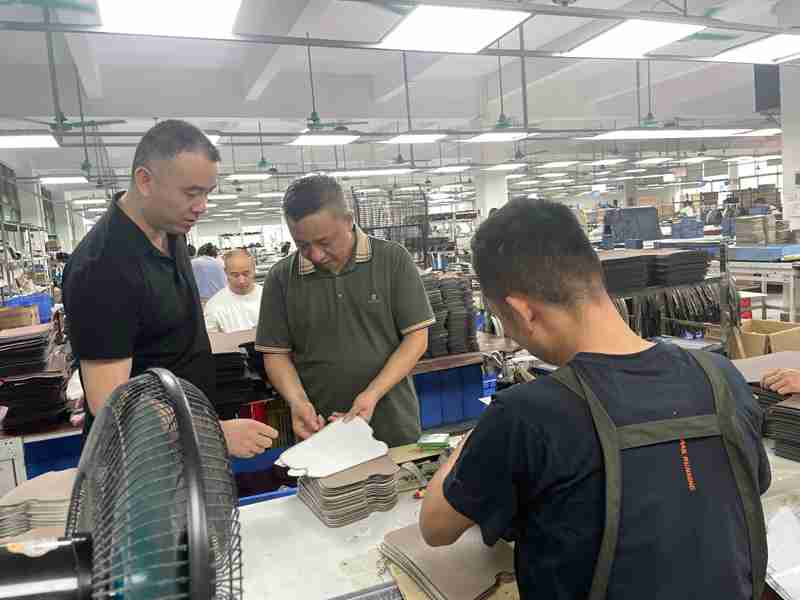
Stage A: Pilot Order focuses on market validation, testing product-market fit, channel response, and operational readiness. We should prioritize learning quality, decision speed, risk visibility, and clear records over maximum margins. A reliable factory assists in defining must-validate features, suggesting practical customization, identifying critical materials, and aligning basic packaging. Avoid overcomplicating SKUs, packaging, or pursuing aggressive costs before validation.


Lead Time Management: Milestones & Risk Control
(1) Quick Definitions That Matter in Procurement
- Full-grain leather: the top surface remains intact. Strong natural character, good aging, premium feel. More variation across hides.
- Top-grain leather: the surface is lightly corrected/sanded, then finished. More uniform appearance, easier bulk consistency.
- Split leather: the inner layer after the top is separated. Often coated/laminated to look uniform. Can be cost-effective but feels different and may age differently.
- Suede/nubuck: texture finish types; they affect stain sensitivity and care requirements.
(2) How We Help You Choose
Retail premium: often prefers full-grain or high-quality top-grain with a natural finish. You accept a slight variation if the story is clear.
Corporate gifting / uniform programs: usually need top-grain for a consistent look across batches.
High-wear use (travel, daily commute): choose leather and a finish that resists surface scratches and is easy to maintain.
(3) What Should Be Written in Specs
When you send an RFQ, include:
Leather type: full-grain / top-grain / split
Tanning: vegetable-tanned / chrome-tanned (or hybrid)
Thickness range (mm) and tolerance
Finish: semi-aniline / pigmented/waxed (if you have a preference)
Color reference (Pantone/physical swatch)
Expected feel: firm/soft, matte/gloss level
This removes ambiguity and speeds up sampling.
(4) Authenticity & Incoming Checks (Simple, Realistic)
We don’t “lab test everything,” but we do practical controls:
Confirm leather supply consistency (same batch rules)
Visual grading: scars, grain uniformity, color tone distribution
Thickness spot checks across hide zones
Small cutting trials to confirm the stretch direction and panel yield
If you need third-party tests for market compliance, we can align on that at the RFQ stage.


Quality Assurance: CTQ Planning to Shipment
Quality Consistency in International Bag Expansion Projects
In international bag expansion projects, quality consistency is a key factor in sourcing success. It covers three connected layers that you should manage together, not separately.
The first layer is product workmanship quality. This includes stitching cleanliness, seam straightness, shape symmetry, smooth zipper function, reinforcement strength at stress points, and logo consistency. These details directly affect craftsmanship, durability, and brand presentation. If workmanship is unstable, it may face complaints even when the overall design looks correct.
The second layer is functional and use-quality stability. This refers to how consistently the bags perform in real use. Examples include strap and handle feel, zipper smoothness across all units, pocket sizing, and shape retention during carrying or storage. You are not just approving one good sample. They are buying repeatability across the full order.
The third layer is operational quality, which is often overlooked. This includes label accuracy, packaging correctness, assortments, quantity control, and carton marks. In international shipments, small operational mistakes can create major problems. Wrong labels, mixed SKUs, or incorrect carton marks may delay warehouse receiving, disrupt launch timing, and increase extra costs, even when the bags themselves meet quality standards.
To improve consistency, clients and factories should define CTQ points (Critical to Quality) before bulk production. CTQ points are the features that most affect your acceptance, user experience, brand presentation, complaint risk, and shipment release. Common CTQ points in bag projects include logo position, visible seam straightness, zipper alignment, handle reinforcement, and packaging accuracy for retail or channel-sensitive orders.
In-line control is also essential. Relying only on final inspection usually increases rework cost and shipment pressure. In-line checks help detect process drift early, such as seam variation, logo deviation, or zipper misalignment, before the issue spreads across the order.
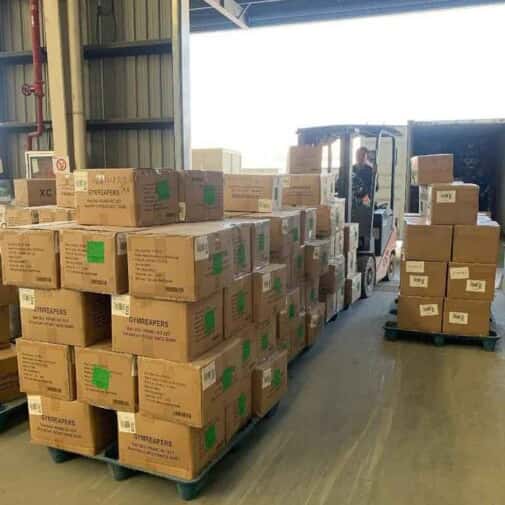
Finally, shipment readiness is part of quality consistency. A factory should verify not only the product itself, but also packaging, labeling, assortments, and carton accuracy before shipment. A global-ready factory treats product quality and shipment correctness as one integrated quality system.


Accurate Labeling: Channel & Version Control
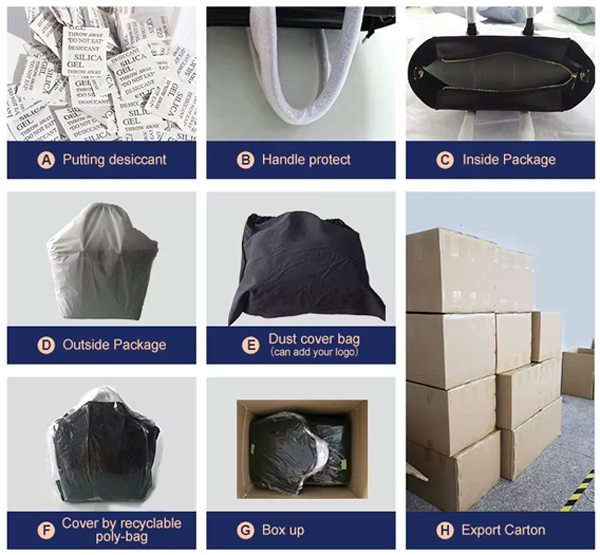
Packaging and Labeling Control in International Bag Expansion
As brands expand into international markets, the bag itself may stay similar, but packaging and labeling requirements usually become more complex. Different channels, such as retail, e-commerce, and wholesale, often require different packaging formats, label content, carton marks, and assortment rules. When multiple SKUs, markets, or launch schedules are involved, packing errors become much more likely.
A common problem is that packaging decisions are made too late. In real projects, many shipment issues happen because the factory is already near the packing stage when requesting a new label version, revised barcode list, updated carton mark, or changed SKU pack ratio. These are not only communication problems. They are workflow problems. Packaging and labeling must be planned as a defined project stage, not treated as a last-minute task.
Another key point is that retail, e-commerce, and wholesale packaging should not be treated the same. Retail programs usually focus on shelf presentation, barcode readability, label placement, and store rollout accuracy. E-commerce shipments care more about protective packaging, SKU clarity, and fulfillment efficiency. Wholesale orders often prioritize carton quantity consistency, assortment accuracy, transport handling, and receiving speed. Even when the product is the same, packaging logic may need to change by channel.
Version control is also critical. Many packing mistakes happen because the wrong file version is used, not because someone intentionally made an error. Common problems include outdated label files, unclear barcode updates, carton mark template confusion, or multiple “final” versions shared by different teams. A stronger process includes one approved packaging package before packing starts, covering label files, barcode mapping, carton marks, packing instructions, assortment rules, version names, approval dates, and a cutoff point for non-critical changes.
Finally, packing accuracy should be managed as part of the quality system. A reliable factory should control SKU separation, carton counts, label checks, assortment checks, and carton mark verification during packing, not only at final inspection. You can evaluate a factory by asking whether it confirms channel requirements early, uses version-based file control, adds packing-stage checks, and treats shipment correctness as part of quality control.
In international bag expansion, strong packaging execution directly protects shipment accuracy, launch timing, and client trust.
Milestone Updates, Risk Escalation, Fast Decisions
Communication Control in International Bag Expansion Projects
As international bag projects grow, communication often becomes a scaling issue. At a small order size, teams may solve problems quickly through chat. But as projects expand, this becomes risky. More approvals, more people, more file versions, and more milestone dependencies all increase the chance of misunderstanding. A simple message like “label confirmed” may sound clear, but it can still create confusion if no one defines which label, which version, which channel, or which shipment. In expansion projects, communication quality should be judged not only by response speed, but by how well it supports clarity, timing, and decision ownership.
One of the most useful upgrades a factory can offer is milestone-based communication. Many factories send short status messages such as “in progress,” “production is ongoing,” or “we will update soon.” These are not wrong, but they usually do not help you make decisions. A stronger milestone update should clearly show what is completed, what is in progress, what is pending, what is blocked, what decision is needed, and by when. This gives you a much clearer view of the project’s condition and next action. It works especially well in bag projects because it matches real stages such as sampling, approval, material lock, production, packing, and shipment release.
Early risk escalation is another key part of strong communication. In complex projects, problems are normal. The bigger danger is raising them too late. Small issues such as material delays, unfinished packaging files, CTQ drift, label confusion, or approval delays can become major shipment problems if they are not escalated early. A strong escalation message should explain what happened, which stage is affected, what risk it creates, what action is already underway, what support is needed, and the decision deadline. Early escalation usually builds trust because it shows accountability and process maturity.
Finally, communication should help you make faster internal decisions. If you must rewrite every factory message for sourcing, operations, sales, or management teams, the communication is not efficient enough. Stronger communication reduces internal friction by keeping one topic tied to one decision, using clear version references, stating deadlines, and making the next action easy to understand.

Custom Bags: Balance Standard & Unique
Standardization and Differentiation in International Bag Expansion
Many brands enter international expansion with a strong product idea, but problems begin when customization grows faster than control. Common warning signs include too many versions with unclear naming, repeated approvals for similar changes, rising lead-time uncertainty, more packing and labeling errors, weaker quality consistency across variants, and internal confusion about which version is the main one. The issue is not customization itself. The issue is adding variation without a control framework.
In practice, complexity is cumulative. One color change, one logo adjustment, one trim update, or one packaging variation may seem small on its own. But together they affect materials, approvals, production planning, QC focus, packaging execution, and communication load. Expansion-stage development needs intentional variation management, not endless change requests.
A practical strategy is to split product elements into what should be standardized and what can be differentiated. Elements often best standardized include core structure and dimensions, critical reinforcement logic, CTQ workmanship standards, base packaging workflow, and naming/version rules. These areas strongly affect repeatability, lead time, quality stability, and production control. Standardizing them helps reduce operational friction while protecting execution reliability.
At the same time, some areas are more suitable for controlled differentiation. These often include colorways, logo application format within approved options, packaging and labeling by channel or market, accessory bundles, and selected feature variants such as pocket or strap details. These changes can support market fit and channel needs, but they should be managed through defined options rather than unlimited one-off requests.
A scalable model for expansion is the Core Platform and Controlled Variants. The core platform includes the stable product foundation, such as base structure, pattern system, key construction rules, CTQ standards, and version logic. Controlled variants are the approved adaptations built on top of that platform, such as colors, logo versions, packaging options, or campaign inserts. This model improves sampling efficiency, approval clarity, production planning, QC consistency, and reorder speed.
Before approving a new customization request, ask: What business value does this change create? Which workflow stages will it affect? Can it be added as a controlled option instead of a one-off version? Is it truly launch-critical now, or better moved to a later phase?
The strongest factory partners help brands protect repeatable standards while supporting controlled differentiation. That is how expansion stays organized instead of chaotic.


Cost Control: Total Cost, No Hidden Losses
Cost Control in International Bag Expansion: Look Beyond Unit Price
In international bag expansion projects, unit price alone is rarely enough to judge sourcing value. A lower quote may look attractive, especially as volumes grow, but if the execution system is weak, hidden costs can quickly erase the apparent savings.
Common hidden cost sources include extra sampling rounds caused by unclear decisions, repeated changes after approval, late material or trim adjustments, QC drift that creates rework, packaging or labeling mistakes that lead to repacking, delayed shipments that affect launch timing, and high communication workload for the team. These costs may not appear directly in the PO price, but they affect margin, timing, and operational efficiency.
This is why we should use total cost thinking, not just unit-price comparison. Visible costs include unit price, tooling, sampling, packaging, and development charges. But often the bigger impact comes from execution cost and time-related business costs. Rework, sorting, urgent inspections, packing corrections, change confusion, and shipping delays can all create cost leakage.
One of the strongest cost-control tools is change discipline. Customization is not the problem. Unstructured change is the problem. Small late-stage changes, inconsistent updates from multiple decision-makers, unclear version references, and structural adjustments near shipment can all create delay, confusion, rework, and more QC or packing risk. A stronger workflow should define what changed, who approves it, which version is valid, what the impact is, and when non-critical changes must stop. This protects both cost and timeline.
Strong factories also help you save money indirectly by preventing hidden losses. Better in-line control reduces rework. Clear packaging and labeling version control reduces repack and relabel costs. Milestone-based communication and early escalation reduce delay risk. Standardized processes also lower internal coordination costs and improve repeat-order efficiency.
For practical cost control, you should compare suppliers on execution capability, set change rules early, track simple cost-leakage indicators such as rework or packing corrections, and review total cost after shipment, not just quote price.
In expansion-stage sourcing, predictable execution is often one of the strongest cost-control advantages.
Supply Chain: Ready Materials, Stable Deliver
Supply Chain Resilience in International Bag Manufacturing
In bag manufacturing, supply chain resilience does not mean that nothing ever goes wrong. A more practical definition is the ability to maintain delivery and quality stability when normal disruptions happen. These disruptions may include material lead-time shifts, trim shortages, color consistency issues, packaging file delays, approval timing slips, production scheduling conflicts, or shipment pressure. A resilient factory does not solve these issues only by rushing at the last minute. It manages them through readiness checks, backup logic, early risk signals, and clear decision timing.
One of the most important foundations of resilience is material readiness. In many projects, delivery risk begins before production starts. Real readiness means more than simply placing material orders. It includes correct specification alignment, color or finish confirmation, quantity availability, timing alignment with the production plan, key trim readiness, and clear substitution status. Many delays happen because teams assume materials are ready when only part of the material system is actually confirmed.
Another key factor is backup logic. Often worry about substitutions, but there is a clear difference between controlled alternatives and last-minute reactive substitutions.
A strong factory identifies selected high-risk items early and defines which components must remain fixed, which can have controlled alternatives, who approves them, and by what deadline. This prevents late-stage choices between risky change and shipment delay.
Delivery stability also depends on cross-stage coordination. Many problems blamed on production actually begin earlier or later. Delivery is affected by product clarity, material readiness, approval timing, production planning, in-line QC, packaging readiness, packing accuracy, and shipment release timing. If one stage becomes unstable, later stages absorb the pressure. Stronger factories manage not only task completion, but also whether each handoff between stages is truly ready.
Client can evaluate resilience by asking whether the factory discusses material readiness in detail, identifies critical components early, separates controlled backup logic from uncontrolled substitution, and manages readiness across development, production, packing, and shipment.
In international expansion, resilience is not about perfection. It is about predictable control under pressure.


Scalable Quality: CTQ, Alignment, Consistency
Quality Consistency at Scale in International Bag Projects
In international bag expansion, quality consistency becomes harder as volume and variant count grow. More scale creates more opportunities for variation. Common risks include workmanship drift across lines or production periods, logo placement inconsistency, zipper or hardware performance differences, trim or color lot variation, packaging and label mistakes, and even inconsistent judgment between inspectors. These issues do not always come from the same source. Some are manufacturing problems, some are communication problems, and some come from unclear acceptance standards.
This is why sample-to-bulk consistency is a real challenge. A sample is usually made with more attention, a slower pace, closer supervision, and less production pressure. Bulk production is different. It involves more operators, longer runs, more handoffs, and multiple variants moving at the same time. So the real question is not only whether a factory can make one good sample, but whether it can turn that sample quality into repeatable bulk execution.
A practical way to improve consistency is CTQ control. CTQ means Critical-to-Quality points—the features that most affect your acceptance, product function, visual brand presentation, experience, and channel compliance. In bag projects, CTQ points often include zipper smoothness, strap attachment strength, logo position, visible stitching quality, shape consistency, key material or hardware appearance, and packaging or labeling accuracy. Packaging and label mistakes should also be treated as quality failures, not only logistics issues.
CTQ control works better than generic “strict QC” because it helps teams focus on what matters most, reduce inconsistent judgments, and improve in-line correction. It also supports stronger acceptance alignment between you and the factory. Many disputes happen not because quality is poor, but because both sides judge quality differently. That is why acceptance criteria should be aligned before inspection, not during shipment pressure.
In the end, quality consistency is not created by final inspection alone. It depends on clear CTQ priorities, aligned acceptance criteria, version control, in-line checks on drift-prone points, and repeatable execution across production, packing, and shipment stages.
For international expansion, quality consistency is a system capability, not just a final QC event.
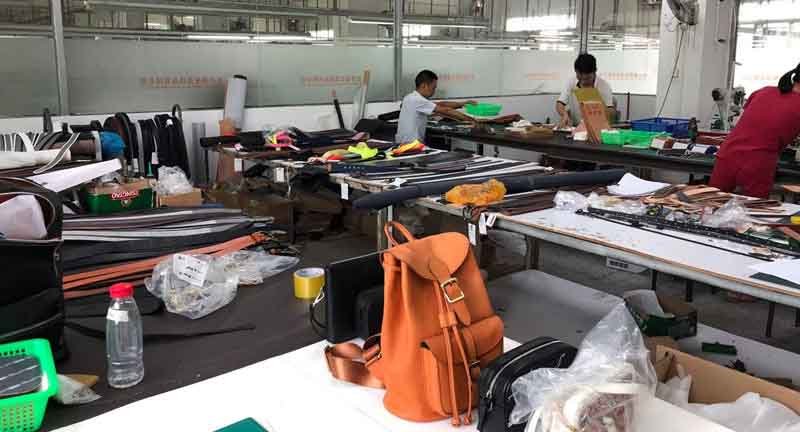

Launch Ready: Packaging, Assortment, Shipment
Launch Execution Control in Multi-Market Bag Orders
In multi-market bag orders, launch risk often rises in the final stage because product execution and launch execution are not the same. Product execution asks whether the bag is made correctly. Launch execution asks whether the correct version is packed for the correct market or channel, in the right mix, with the right markings, and ready to ship on time. A factory may be strong in production but still weak in final-stage execution if controls are not clear.
Common last-mile risks include wrong market labels, outdated packaging files, mismatched inserts or hangtags, incorrect assortment ratios, carton mark errors, mixed-version packing, and shipment readiness being assumed before all details are complete. These problems often happen under time pressure, especially when many versions move in parallel.
This is why packaging accuracy must be treated as a delivery-quality issue, not just a packing task. In international expansion, packaging often carries channel identity, market compliance details, product differentiation, brand presentation, and receiving logic. If the packaging is wrong, the bag may still be physically usable, but operationally or commercially unusable for the intended order. Packaging accuracy should include correct packaging version, label version and placement, inserts, carton marks, packout format, and assortment setup.
Another hidden risk is assortment control. A shipment may contain the correct products and correct packaging, but still fail if the SKU mix is wrong. This is common when projects involve multiple colors, sizes, channels, markets, or promotional bundles. Assortment errors lead to receiving discrepancies, allocation delays, stock imbalance, and extra manual correction costs.
You should make it between “production complete” and “shipment-ready.” Goods may be finished, but not truly ready to ship until packaging, labels, assortment checks, carton marks, and release conditions are all confirmed.
A practical control framework includes defining launch-critical items early, locking final-stage file versions, checking packaging and assortment accuracy separately from product QC, and using a clear shipment-readiness status in communication.
For international bag expansion, final-stage execution capability is a real sourcing advantage. Reliable launches depend not only on making the product well, but on delivering the right version correctly and on time.


Choose Strategic Partner, Start Lower Risk
Choosing the Right Bag Factory Partner for International Expansion
In expansion-stage sourcing, the goal is not perfection. The goal is predictable execution with manageable risk. Strong usually optimize for repeatability, lower hidden cost leakage, better decision visibility, and reliable launches across growing complexity. A good sample and a successful first order matter, but long-term scaling depends on whether performance can stay stable across batches, variants, teams, timelines, and repeat orders.
This is why you should not compare factories by price, MOQ, and quoted lead time alone. A stronger decision framework looks at five areas: product and development capability, execution management, supply chain readiness, consistency and quality control, and launch delivery capability. In practical terms, you should ask whether the factory can turn design intent into scalable production, manage versions and changes clearly, protect delivery through material readiness and backup logic, control CTQ points and acceptance standards, and support packaging, assortment, and shipment-readiness accuracy for multi-market launches.
A lower quote may look attractive, but it can lose value if the project creates rework, delays, repeated revisions, packaging mistakes, or a heavy coordination workload for the team.
The best partner is often the one that helps the scale more smoothly, not simply the one with the lowest unit price.
A low-risk way to start cooperation is with a structured first order. The first order should not only test product output. It should also test communication quality, version control, change management, material readiness visibility, CTQ understanding, packaging execution, assortment accuracy, and shipment-readiness communication. A well-designed first order gives you a much stronger basis for future scaling than a rushed low-price trial.
Before contacting a factory, you should prepare basic information such as product type, target market or channel, expected customization level, launch timing, packaging expectations, variant count, and any past sourcing problems such as delays, rework, label mistakes, or inconsistent batches.
A factory feels truly strategic when it communicates clearly, raises risks early, explains trade-offs honestly, supports structured decisions, and improves repeat-order stability over time. In the end, a strategic partner is not defined by slogans. It is defined by lower-friction, more repeatable cooperation.
Make A Sample First?
See your idea come to life before mass production.
At Jundong Factory, we offer free design mockups and custom samples to ensure every detail is perfect — from material and color to logo placement and stitching.
Start your project with confidence today: info@jundongfactory.com.
Bag Factory for Global Expansion FAQs
How do we know whether a bag factory is truly a strategic partner for international expansion, not just a supplier that can make products?
This is one of the most important sourcing questions, because many factories can produce a bag, but far fewer can support a brand during real expansion pressure.
A basic supplier may do well in these areas:
- respond to RFQs
- make samples
- produce standard orders
- quote quickly
That is useful. But international expansion usually creates more complexity:
- more SKUs
- more packaging versions
- more channels
- more shipment windows
- more internal stakeholders reviewing output
- more risk if timing slips
A factory is more likely to be a strategic partner if it can do the following consistently:
(1) Translate product intent into scalable execution
A strategic partner does not stop at “sample approved.” It can explain how the sample quality and design intent will be controlled in bulk production, including key risk points.
(2) Discuss total execution risk, not only unit price
A strong partner helps you identify hidden cost leakage, such as rework, delays, packaging errors, and repeated decision loops.
(3) Show readiness-based delivery thinking
Instead of only promising lead time, it can discuss:
- material readiness
- critical-path items
- backup logic
- escalation timing
(4) Use consistent logic, not only final inspection
A strategic partner usually talks about:
- CTQ (Critical-to-Quality)
- acceptance alignment
- in-line control
- repeatable execution standards
(5) Treat packaging, assortment, and shipment readiness as real control points
Many launch failures happen in the last mile. A stronger partner treats these as part of delivery quality, not “just warehouse work.”
(6) Improve cooperation over repeat orders
This is a major sign. If every order feels like a reset, the supplier may be transactional. A strategic partner usually improves predictability over time.
What makes a bag factory suitable for global expansion, not just one-off production?
A factory that supports global bag expansion must do more than produce a nice sample. It must show that it can handle repeatable execution, multi-market complexity, and stable delivery over time.
What should you look for:
Repeat-order consistency
The factory should be able to keep workmanship, shape, logo execution, and packaging stable across multiple orders, not only on one pilot run.Multi-channel execution ability
A strong partner understands that retail packaging, e-commerce packing, and wholesale carton logic are often different, even for the same bag style.Version-control discipline
In international projects, label files, carton marks, inserts, and SKU lists often change. A factory should be able to manage approved versions clearly.Shipment-readiness control
“Finished bags” and “shipment-ready bags” are not the same. A global-ready factory should verify final packaging, assortment, labeling, and carton accuracy before release.Clear communication under pressure
You need milestone updates, early escalation, and clear decision points, not vague reassurances.
In simple terms, the right bag supplier is not only a producer. It is a factory that helps brands scale into new regions, channels, and product programs with lower risk. That is what makes a real OEM bag manufacturer for international markets different from a factory that only supports basic order fulfillment.
What information should you prepare before contacting a bag factory for international projects?
You do not need a perfect tech pack to start. But better first-contact information helps a custom bag factory respond faster and more accurately.
Useful information to prepare:
Bag type and intended use
Tote bag, backpack, travel bag, cosmetic bag, cooler bag, laptop bag, tool bag, or promotional bag. The use case affects structure, materials, reinforcements, and testing focus.Target size and basic construction direction
Approximate dimensions, number of pockets, zipper or open-top design, shoulder strap requirements, and base structure.Material direction
Canvas, nylon, polyester, PU leather, genuine leather, EVA, PVC, RPET, cotton, or mixed materials.Branding method
Print, embroidery, patch, metal logo plate, deboss, woven label, heat transfer, or screen print.Estimated order volume
Sampling quantity, first bulk order, and possible repeat volume.Target markets and channels
Retail, e-commerce, wholesale, corporate gifting, or licensing programs. Different channels often require different packaging logic.Known pain points from past suppliers
Delays, sample-to-bulk inconsistency, weak packaging control, labeling mistakes, poor communication, or repeat-order instability.
This helps the factory evaluate not just manufacturability, but also execution risks. A stronger bag manufacturing partner will use your brief to give structure advice, material recommendations, packaging suggestions, and a practical development route from sampling to bulk production.
How should you evaluate MOQ versus bulk pricing in global bag sourcing?
MOQ and bulk pricing should never be judged in isolation. In international bag manufacturing, you need to understand what the MOQ actually reflects and how pricing changes as the order structure becomes more efficient.
Key things to evaluate:
MOQ is usually tied to process efficiency
MOQ often depends on fabric sourcing, trim setup, logo process, printing minimums, packaging complexity, and production-line efficiency.Low MOQ may increase the unit price.
Small orders often carry higher material waste, more manual handling, and lower line efficiency.Bulk pricing depends on configuration stability.
Price improves when size, material, logo method, and packaging are more standardized across the order.Variant count affects cost.
Ten SKUs of 100 pieces each are not the same as one SKU of 1,000 pieces. More variants often mean more packing risk, more changeover time, and more version management.Packaging and labeling may affect the real order cost.
A quote may look attractive, but if the project includes multiple channels, complex barcode rules, or frequent version updates, execution cost rises.
Procurement teams should ask:
What is the MOQ by style, color, and logo method?
What cost difference appears between the trial order and the repeat order?
What part of the price is driven by material, labor, logo, and packaging?
Which changes will most affect the final quotation?
A good bag factory for private label and OEM will explain not only the number, but the logic behind it. That makes cost planning more reliable and reduces surprises later in development.
How can customer reduce sample-to-bulk drift when scaling custom bag production?
Sample-to-bulk drift is one of the most common problems in custom bag sourcing. A sample may look excellent, but bulk goods can shift in shape, stitching, hardware feel, logo placement, or packaging execution.
The best way to reduce drift is to control it before the bulk starts.
Important steps include:
Lock the approved sample standard clearly.
The factory and you should align on what the approved sample actually represents: structure, size tolerance, logo method, material appearance, hardware tone, edge finish, reinforcement points, and packaging version.Define CTQ points before bulk.
CTQ means Critical to Quality. These are the details that most affect acceptance, such as zipper function, shape symmetry, visible stitching, logo position, and label accuracy.Confirm material consistency early.
Fabric lot, leather shade, grain, trim color, hardware finish, and lining tone should be reviewed before bulk execution.Use in-line checks, not only final inspection.
If issues are found only at the end, correction becomes expensive and slow. Drift should be monitored during cutting, sewing, assembly, and packing.Control packaging and labels as part of quality
A correctly packed bag with the wrong label is still a failure in global business.
What are CTQ points in bag manufacturing, and why do they matter?
CTQ stands for Critical to Quality. These are the features that most strongly affect your acceptance, end-user experience, brand image, and shipment approval.
In bag manufacturing, not every detail carries the same weight. A stronger factory identifies which points matter most, then builds control around them.
Typical CTQ areas include:
Function-related CTQ
zipper smoothness
handle or strap attachment strength
closure reliability
reinforcement at load-bearing points
Appearance-related CTQ
logo position and consistency
straight stitching in visible zones
shape stability and symmetry
panel alignment and edge cleanliness
Material and trim CTQ
fabric or leather consistency
hardware finish consistency
trim color accuracy
lining compatibility
Packaging and labeling CTQ
correct barcode or label version
correct carton marks
correct assortment ratio
correct channel packaging
Why CTQ matters:
It reduces inspection confusion.
It helps both sides focus on what you truly care about
It improves in-line correction.
It lowers the risk of repeated acceptance disputes
Why is packaging and labeling control so important in global bag orders?
In international sourcing, packaging and labeling are not secondary tasks. They are part of delivery quality and launch execution.
A bag may be manufactured correctly, but still create major problems if final-stage packaging is wrong.
Packaging and labeling usually affect:
market compliance
barcode readiness
warehouse receiving
store rollout
e-commerce fulfillment
brand presentation
Common risks include:
wrong label version was applied
barcode mismatch
incorrect carton marks
wrong insert or hangtag
mixed packaging versions
Wrong assortment packed into the wrong channel
Why are these mistakes expensive?
Goods may need relabeling or repacking.
Receiving may be delayed.
Launch dates may slip.
Warehouse teams may reject or hold shipments.
Teams may spend extra time troubleshooting avoidable issuesThe
A reliable bag manufacturer for global expansion treats packaging accuracy as part of the quality system, not just warehouse work. This is especially important for private label bag programs, multi-SKU orders, and multi-market shipping projects.
How can you manage multi-market and multi-channel packaging more effectively?
As brands grow, packaging often becomes more complex than the product itself. One bag style may need different labels, inserts, carton marks, and packout logic depending on region or sales channel.
To reduce mistakes, one should avoid a general packaging note and instead build a more structured system.
Best practices include:
Separate requirements by channel
retail: shelf presentation, barcode readability, hangtags
e-commerce: protective packing, SKU clarity, fulfillment readiness
wholesale: carton efficiency, count accuracy, receiving speed
Separate requirements by market
language differences
compliance information
labeling content
carton mark format
routing information
Use one approved packaging package.
This should include:final label files
barcode mapping
carton mark format
insert/hangtag files
assortment rules
version names and approval dates
Define a change cutoff.
Last-minute packaging changes are one of the biggest causes of confusion and repacking costs.Add packing-stage checks
Do not wait until loading day to discover wrong labels or wrong assortments.
What is the difference between production complete and shipment-ready?
This is a very important sourcing question. Many delays and misunderstandings happen because they hear “the goods are finished,” but the order is not actually ready to ship.
These are not the same thing.
Production is usually complete when:
bags are sewn and assembled
Core: The product units are finished
Some inspection may be completed.
Shipment-ready should mean:
product is complete
approved packaging is completed
Labels are correct
Carton marks are correct.
assortment and packout are verified
Final release conditions are met.
shipment-facing requirements are fully aligned
Why this distinction matters:
International programs often involve warehouse appointments.
Promotional launch windows may be tight.
downstream distribution plans depend on timing
One missing packaging detail can block loading
Common failures include:
The product is finished, but the packaging file is still pending.
cartons marked, but not according to the shipment plan
packing completed, but assortment check incomplete
“done” reported before relabeling corrections close
How can you assess whether a factory has strong quality consistency at scale?
The supplier may show a beautiful sample and still struggle when volume, SKUs, and markets increase. So you should assess the consistent systems, not only spot quality.
Important evaluation points:
CTQ definition
Can the factory explain the points that matter most for this specific bag style?Acceptance alignment
Does the supplier align with you on what is acceptable before bulk starts?In-line control
Does the factory check drift during production or wait until final inspection?Version clarity
Can the factory keep product, packaging, and labeling versions separated correctly?Repeat-order learning
Does the factory improve standards based on past issues?
Warning signs include:
quality of the discussion stays vague
CTQ priorities change frequently
acceptance disputes happen late
final inspection is treated as the main control point
Packaging mistakes are not treated as quality failures.
The same variation problem happens again on future orders
For bag manufacturing at scale, consistency means stable execution across batches, variants, and timelines. You should ask how the factory maintains repeatability when production becomes more complex, not simply whether it can produce one approved sample.
How should you judge lead time and delivery stability in global bag manufacturing?
Quoted lead time alone is not enough. What matters more is whether that timeline is supported by real readiness and strong execution discipline.
Delivery stability depends on several linked stages:
product specification clarity
sample approval timing
material readiness
trim availability
production scheduling
in-line quality stability
packaging readiness
assortment and carton accuracy
Final shipment release
Questions should ask:
Are materials fully ready or only partially confirmed?
Which trims or components are on the critical path?
What happens if packaging files arrive late?
How does the factory escalate timing risk before delay becomes severe?
Is the quoted lead time based on actual readiness or an optimistic assumption?
You should also understand that delivery risk often starts before sewing begins. For example:
Materials may be ordered, but the wrong version is confirmed.
The main fabric may be ready, but a key trim is missing.
Label approval may slip close to packing.
Carton mark logic may change late.
Stable delivery is usually the result of readiness checks, cross-stage coordination, and early escalation. In global sourcing, these are stronger indicators than quotation speed alone.
Everything You Need to Know Before Customizing Your Bags
Global bag sourcing decisions are rarely based on sample appearance alone. For sourcing and procurement teams, a reliable factory evaluation depends on much broader factors: MOQ versus bulk pricing logic, lead-time stability, quality consistency across batches and variants, packaging and labeling accuracy, version-control discipline, shipment-readiness visibility, and the factory’s ability to support repeat orders as programs expand across markets and channels. This section is designed to answer those operational questions early, helping you assess fit faster while reducing unnecessary internal clarification and decision delays.
We recommend structuring this FAQ area around real expansion-stage sourcing triggers: what information is needed to start a project efficiently, how to define CTQ points before bulk production, how to reduce sample-to-bulk drift, how to manage packaging differences across retail, e-commerce, and wholesale channels, how to prevent version confusion in labels and carton marks, how to control assortment accuracy in multi-SKU programs, and how to distinguish “production complete” from “shipment-ready” in real project communication. When written clearly, these FAQs also support long-tail search intent such as “bag factory for global expansion,” “OEM bag manufacturer for international markets,” “private label bag with packaging control,” “bag factory with repeat-order consistency,” or “custom bag manufacturer with multi-market shipping support.”
For a quick project evaluation, you can share your bag type, target dimensions, material direction, logo method, expected quantity, target markets, sales channels, and packaging requirements by email. Our team will review your inputs and provide a realistic development and execution route, including structure recommendations, material and trim options, packaging logic, and practical guidance for sampling, bulk production, and repeat-order scaling.
