Skip to content
Bag Factory Helping Reduce Supplier Risk
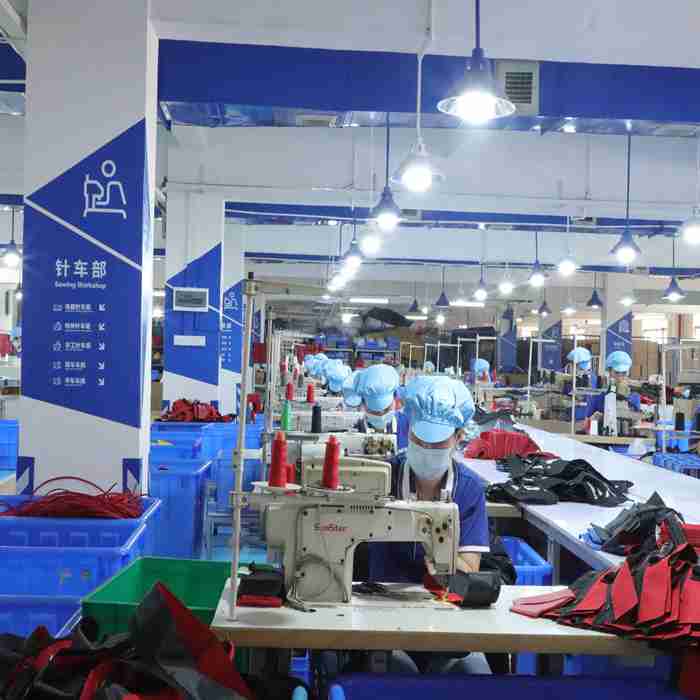
Supplier risk isn’t just price risk—it’s late delivery, sample-to-bulk drift, unstable materials, and QC gaps that trigger returns and lost accounts. Jundong in Guangdong helps customers reduce risk with a spec-lock workflow, multi-stage sampling, and QC checkpoints that match real use. With 600+ staff, an 18,000-square-foot ㎡ facility, and a dedicated 80-person QC team, we run your bag program like a controlled project, not a “hope it works” order.
Supplier Risk Map for Bag Programs
Supplier risk in bag manufacturing is usually a chain reaction: one weak point creates a second problem, and the final cost shows up as returns, delays, and damaged brand trust. To control risk, you need two things: (1) a clear risk map, and (2) a repeatable control system.
Below is a practical risk map we use with customers. It’s written so your team can copy it into an RFQ, a supplier scorecard, or a factory audit checklist.
(1) The 6 core supplier risks
| Risk Category | What It Looks Like in Real Orders | What It Causes | Control You Should Require |
|---|---|---|---|
| Sample-to-Bulk Drift | Bulk shape, stitching, and logo placement differ from the approved sample | Returns, bad reviews, chargebacks | Golden sample, tolerance sheet, PPS approval gate |
| Material Instability | Fabric weight/hand-feel changes; color shifts; hardware substituted | Rework, inconsistent quality, compliance issues | BOM lock, material batch tracking, incoming inspection |
| Quality Gaps | Broken zippers, strap tearing, seam bursting, print peeling | Warranty claims, account loss | In-process QC, stress-point reinforcement rules, and final inspection |
| Delivery Risk | Late shipment, partial shipment without warning | Stockouts, missed promotions | Production plan, WIP reporting, staged shipping options |
| Packing & Label Risk | Mixed SKUs in cartons, wrong barcodes, missing inserts | Warehouse chaos, Amazon penalties | Pack-out SOP, carton mark rules, anti-mix checks |
| Communication Risk | Slow response, unclear confirmations, vague “OK.” | Spec errors become bulk disasters | Written confirmations, change-control log, and photo proof |
This table is not theoretical. Every single item above is a common trigger in global B2B sourcing—especially for customers who scale quickly, run multiple SKUs, or sell on marketplaces.
(2) The difference between a “cheap supplier” and a “risk-reducing factory.”
A cheap supplier often wins on unit price by silently reducing hidden cost inputs: fewer QC checks, weaker reinforcement, lower-grade hardware, simplified packaging, or replacing materials without documenting the change. The buyer sees a lower quote and assumes it’s the same product. It rarely is.
A risk-reducing factory behaves differently. It makes the order measurable, traceable, and repeatable. That means:
- A locked spec that’s written, not verbal
- A multi-stage sample process that prevents drift
- QC checkpoints that match real failure modes (strap roots, zipper ends, base corners)
- Pack-out rules that stop SKU mixing and label mistakes
- Clear communication that turns changes into approvals, not surprises
(3) What we do at Jundong (how we structure control)
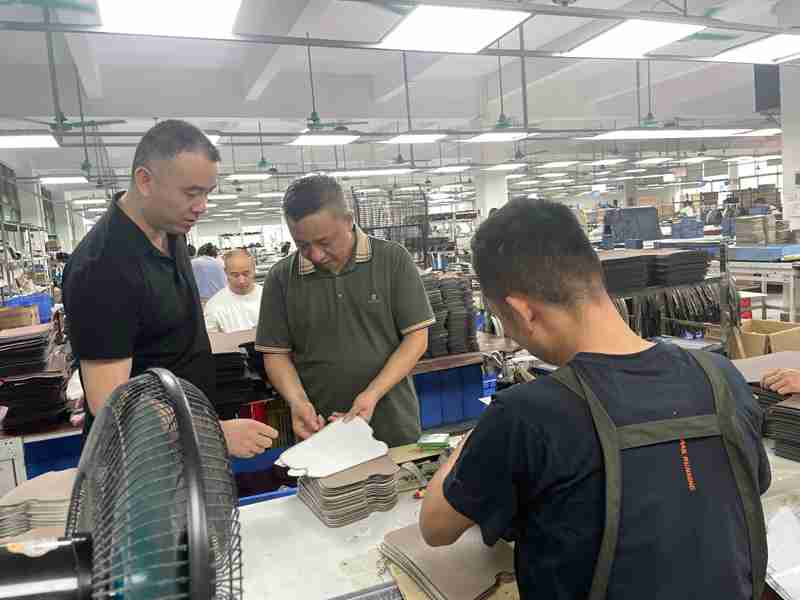
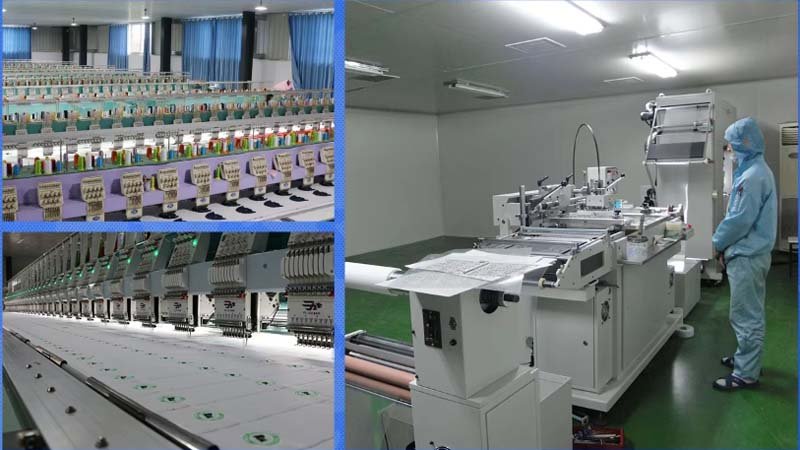
Jundong is positioned in Guangdong as a B2B manufacturing and supply partner, built around project collaboration and stable production delivery. We maintain dedicated teams for B2B communication, product development/design, and pattern and sampling support. We also operate at a manufacturing scale and with QC resources (600+ employees, 18,000㎡ square feet factory, 80 QC inspectors) to support long-term programs and repeatable output.


Golden Sample and BOM Lock Control System
Spec lock is the simplest concept that most suppliers avoid because it requires discipline. But it’s also the fastest way to reduce supplier risk.
What “Spec Lock” includes
(1) Golden Sample (Physical Reference)
The approved sample becomes the physical reference for bulk.
It must be labeled with the version number and the approval date.
Photos are not enough; you need a physical standard.
(2) BOM Lock (Bill of Materials)
Lock every critical component:
Outer fabric (composition, weight, coating)
Lining (type and weight)
Webbing (width, thickness)
Zippers (brand/size/type)
Hardware (D-ring, buckle, snap grade)
Thread (type) and binding tape
Logo method (screen print, embroidery patch, transfer)
(3) Tolerance Sheet (Measurable rules)
Define acceptable deviations:
Bag width/height/depth tolerances
Strap length tolerance
Stitch density range
Logo placement tolerance (mm)
Pocket-size tolerance
Weight tolerance (if required)
(4) Change Control (Approval gate for any change)
If anything changes—material batch, zipper supplier, print process—there must be a written approval.
How Jundong supports spec lock
Our internal structure includes B2B communication support, product development, design and pattern, and sampling capability. That matters because spec lock isn’t paperwork; it’s the ability to turn a design into a repeatable pattern and production rule set.


Prototype → Revision → PPS → Pilot Run → Bulk
Sampling is where risk is either removed or multiplied. Customers often treat sampling as “make one sample and approve.” In reality, a controlled roadmap gives you three benefits:
- It reveals failure modes early
- It locks repeatability before mass production
- It protects delivery dates by preventing rework late in the process
The staged sampling roadmap (what each stage proves)
(1) Prototype Sample (Structure Truth)
What it proves:
Pattern geometry and capacity
Pocket layout feasibility
Reinforcement needs at stress zones.
What you should check:
Carry comfort, strap anchor strength.
Zipper alignment
Realistic loading test
(2) Revision Sample (Fix the failure modes)
This is where most value is created.
Typical improvements:
- Add bartacks at strap roots
- Reinforce zipper ends
- Adjust seam allowance to stabilize shape
- Improve logo placement stability
(3) PPS — Pre-Production Sample (Bulk settings confirmation)
PPS is not “another sample.” It’s the proof that the bulk line can replicate the standard:
- Same machines, same operators (as much as possible)
- Same materials and trims intended for bulk
- Same packing method if packing affects shape
(4) Pilot Run (Risk removal for complex programs)
When to use:
Multi-SKU orders
Tight compliance needs
New materials or complex constructions
What it proves:
Defect rate reality
Pack-out accuracy
Timeline realism
Timeline planning that reduces late surprises
A realistic roadmap avoids “rush approvals” that cause bulk disasters. The key is to treat approvals as gates:
- You don’t approve until the test results are acceptable
- You don’t move to bulk until PPS matches the golden sample
- You don’t ship until packing checks pass
How Jundong supports sampling stability
We operate with a dedicated pattern or sampling capability that supports fast pattern making and repeated sample revisions. This matters because the purpose of sampling is not speed alone; it’s stable repeatability in bulk.


QC Cuts Returns — Incoming, Process, Final, Stress
Quality risk is rarely random. In bag manufacturing, defects repeat because the same weak points repeat. The simplest way to reduce supplier risk is to turn QC into a structured checkpoint system with clear pass or fail rules.
Jundong’s internal service structure includes Incoming Material Inspection, In-Process Quality Control, Final Product Inspection, and functional tests like Durability Testing and Load & Stress Testing. The value is not the words; it’s how these checkpoints connect to the specific failure modes your buyers will complain about.
(1) The “defect-to-return” chain
A typical return story looks like this:
- A strap anchor seam is slightly off → webbing edge frays → strap loosens → buyer feels unsafe → review says “poor quality.”
- Zipper tape is not flat → zipper jams under load → buyer says “broken after one week.”
- Logo transfer not cured right → peels after a few folds → buyer says “cheap print.”
- Carton packing mixed SKUs → wrong color sent → buyer says “seller unreliable.”
(2) Incoming inspection
Incoming inspection is your defense against “looks similar” material swaps. This checkpoint should verify:
- Fabric spec (hand feel, thickness, coating, color)
- Webbing width & thickness
- Zipper type and size
- Hardware grade (buckles, D-rings, snaps)
- Printing materials (transfer film, ink batch)
(3) In-process QC (catch errors while they’re still cheap)
End-of-line inspection is expensive because the value is already built into the item. In-process QC is where you catch:
- Wrong seam allowance
- Incorrect reinforcement placement
- Misaligned zippers
- Skipped bartacks
- Logo placement drift
Key rule: QC must focus on high-risk operations, not random sampling everywhere. A smart checkpoint list is short but sharp.
(4) Final inspection (verify function, not just appearance)
Final inspection should include:
- Full visual check (stains, scratches, print defects)
- Measurement check using your tolerance sheet
- Function check: zipper open/close, hardware action, pocket usability
- Packing check: labels, inserts, barcode accuracy
If you sell on marketplace channels or retail, final inspection must include packing accuracy to prevent chargebacks and “wrong item” returns.
(5) Stress tests tied to real use
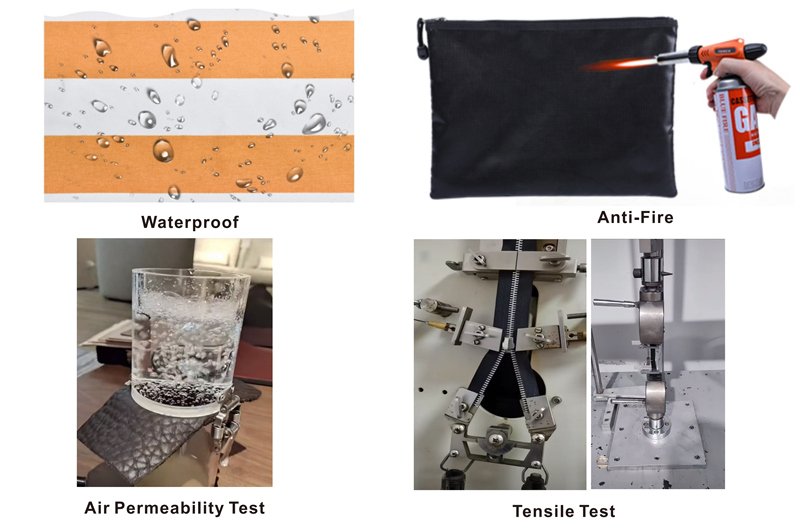
Jundong lists functional tests like Load & Stress Testing and durability testing as part of QC services. You can make those tests concrete by defining simple methods:
| Test | How to Run It | What It Protects |
|---|---|---|
| Strap Pull Test | Load bag to target weight, lift/cycle 50–200 times | Strap root tearing, webbing slip |
| Zipper Jam Test | Zip under load, repeat cycles, check end reinforcement | Jam complaints, broken zipper reviews |
| Drop Test | Drop the loaded bag from waist height 5–10 times | Burst seams, hardware pop |
| Abrasion Check | Rub base corners, check coating/edge binding | Base wear, early holes |
| Logo Rub/Peel Check | Fold/rub logo area, check adhesion | Peeling print, “cheap logo” reviews |
These are not “lab tests.” They are fast, repeatable checks that predict 80% of the field failures.
(6) The buyer-facing output: inspection report and photo proof
Jundong also includes Inspection Report Preparation as a service. For customers, a simple PDF with checkpoints and photos builds trust and reduces dispute time.

Traceability: BOM Lock, Incoming, and Batch
If you’ve sourced bags long enough, you’ve seen the “same SKU, different feel” problem. It creates customer distrust and damages reorder stability. Material traceability is how you stop that.
Jundong’s service structure includes Incoming Material Inspection as a defined QC component. Use that as the foundation, then add a buyer-friendly traceability framework that you can demand from any supplier.
(1) What does “traceability” mean in practical sourcing terms
Traceability is not a fancy certification by default. It means:
- You can point to the exact materials used in bulk
- You can confirm they match the approved BOM
- You can identify the batch if a problem appears
- You can repeat the same materials for reorders
(2) What must be locked in the BOM
Lock the parts that cause the most disputes:
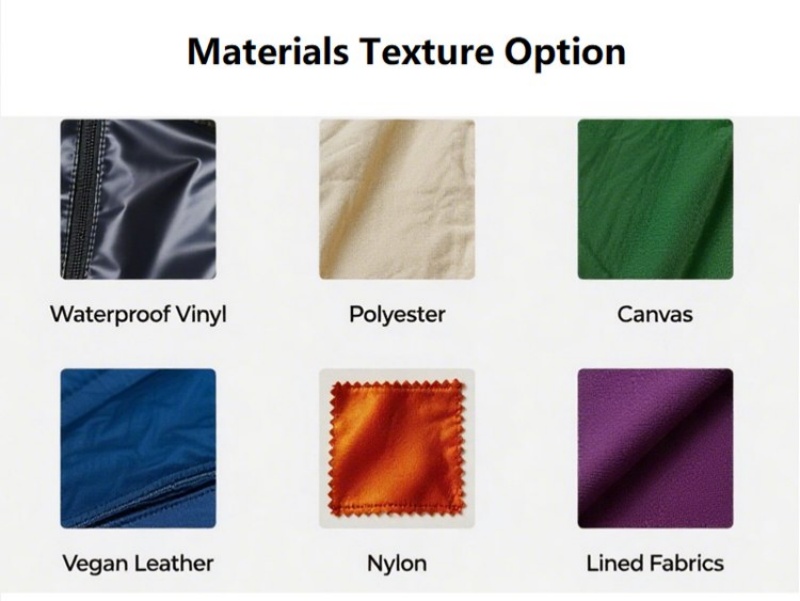
Fabric system
- Outer fabric: composition, weight, coating type, backing
- Lining/backing: type and thickness
- Foam/padding: density and thickness (if used)
Trim system
- Webbing: width, thickness, weave density
- Zippers: size/type and slider spec
- Hardware: D-ring/buckle material and plating
- Thread: type and thickness
- Binding tape: width and thickness
Branding system
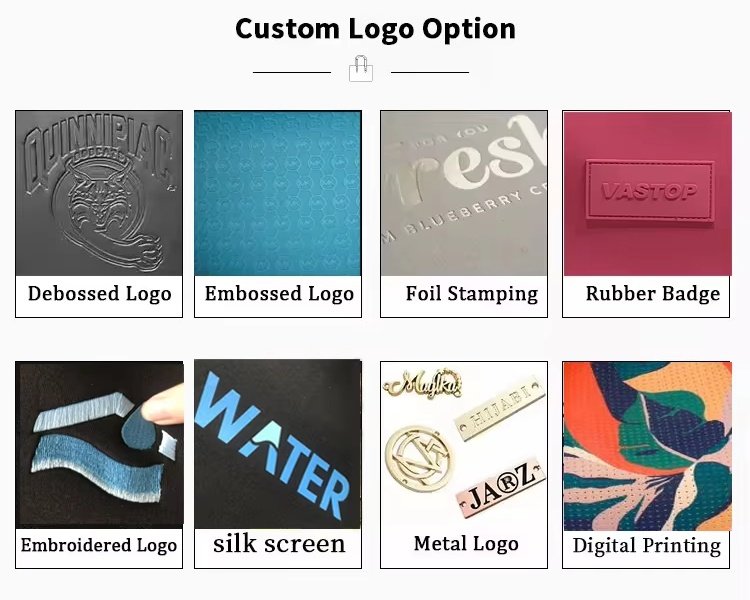
- Print method and ink/film type
- Embroidery patch backing
- Label material and wash-care printing method
(3) The three checkpoints that stop substitutions
Checkpoint A: Pre-bulk material confirmation
Before bulk, confirm “material sample approval” and “color sample approval.” Jundong’s internal process list includes these exact confirmations: Material Sample Confirmation and Color Sample Confirmation.
Checkpoint B: Incoming inspection with photos
Incoming inspection should verify: fabric hand feel, coating, color shade, zipper pull action, and hardware finish. Require:
- Photos of cartons and labels
- Random measurement photos (webbing width, zipper size)
- A short checklist with pass/fail
Checkpoint C: Batch marking and storage rules
This can be simple: mark incoming lots by date, supplier, and internal code. The key is that the supplier can reuse the same lot or source the same standard for reorders.
(4) Why traceability improves price control
When you lock materials, you also lock cost drivers. Without it, price comparisons become meaningless because suppliers can quietly lower costs by lowering the grade. With traceability, you can negotiate openly:
-
“If we change from 900D to 600D, what’s the cost delta?”
-
“If we keep zipper grade, can we simplify packaging to hit the target price?”
That’s real sourcing control.
(5) A customer-ready traceability table
| Material Category | What to Lock | Proof to Request |
|---|---|---|
| Outer fabric | composition, weight, coating | supplier sheet + sample photo |
| Webbing | width, thickness | measurement photo + spec line |
| Zipper | size/type/slider | zipper photo + supplier info |
| Hardware | material + plating | photo + grade statement |
| Branding | method + placement | approval sample + diagram |
| Color | Pantone/target shade | color swatch approval record |
(6) Where to be strict, and where to be flexible
Be strict on stress parts (webbing, zippers, hardware) and on customer-facing feel (outer fabric). You can be flexible on minor internal parts if it doesn’t change the function, and you approve it in writing through change control. does
Project Comms — Confirm, Update, Control
Communication is a risk-control tool. If you treat it like “customer service,” you’ll still lose money. If you treat it like “project control,” you gain stability.
Jundong’s internal services include Order Follow-Up Service and Production Status Updates, plus a long-term cooperation approach focused on repeat orders and continuous improvement. Those items become powerful when you structure them into a clear rhythm and documentation format.
(1) The four communication failures that create the biggest losses
Unwritten approvals
“Looks good” without measurable standards → drift risk
Uncontrolled changes
Zipper/hardware/fabric swapped without buyer sign-off
Version confusion
Old logo file, wrong size chart, wrong label text used
No visibility into production
Customer learns about delays only when shipping date is missed
(2) A practical communication rhythm (weekly control, not daily noise)
For most bag programs, this rhythm works well:
- Kickoff confirmation: spec lock + sample plan + timeline
- Sampling updates: photos + change list + next steps
- Bulk production updates: weekly WIP status + risk flags
- Packing updates: carton marks + label check photos
- Pre-shipment confirmation: inspection report + final photos
This gives you control without burying teams in messages.
(3) Written confirmation templates
Use short templates that force clarity:
Template A — Spec confirmation
- Confirm product name or SKU
- Confirm dimensions and tolerance
- Confirm BOM items (fabric, zipper, hardware)
- Confirm logo method and placement
- Confirm packaging method and labeling
Template B — Change request
- What changes? (item + old spec + new spec)
- Why change? (availability/cost/performance)
- What impact? (price/lead time/compliance)
- Buyer approval: Yes/No (timestamped)
These templates reduce the “we thought you agreed” problem.
(4) Change control log (the simplest version that works)
A one-page change log prevents 90% of bulk confusion:
| Date | Change Item | Old Spec | New Spec | Impact | Approved By |
|---|
If a supplier refuses to maintain a change log, that’s a risk signal.
(5) Photo proof rules (make issues visible early)
Ask for photos at specific moments:
- Material arrival (fabric roll labels + zipper cartons)
- First article on the line (stitching + reinforcement close-ups)
- Logo placement check (ruler visible)
- Packing line check (carton marks + SKU labels)
This is not micromanagement. It’s preventing expensive disputes.
(6) Why does this improve delivery reliability
Delivery delays often start as “small issues” that no one escalates: missing zipper stock, print plate remake, wrong label text, or packing confusion. With weekly status updates and risk flags, you can respond early: substitute approved materials, adjust shipping plan, or stage shipments.
If you want a structured template pack (RFQ, spec lock, and change control and QC checklist) for your team, email info@jundongfactory.com and we’ll share a buyer-ready format that matches real bag program workflows.

Pack-Out — Anti-Mix, Marks, Barcodes, SRP
If you manage B2B orders long enough, you’ll notice a pattern: defects upset customers, but pack-out mistakes break operations. A mixed SKU carton can destroy receiving accuracy, kill a launch schedule, and trigger penalties from marketplaces or retail partners.
Jundong’s internal services include Packaging & Carton Preparation and explicitly mention Shipping Mark Handling, Carton Mark or Barcodes Labeling, and shipping support. The key is to convert those services into a strict anti-mix system that works at scale.
(1) The 5 most common pack-out failures
SKU mixing (color/size mixed in one carton) → receiving delays, mis-shipments, returns
Wrong barcode labels → Amazon inventory mismatches, retail chargebacks
Missing inserts (manual, hangtag, polybag warnings) → compliance issues, returns
Inconsistent carton count → shipping claims and warehouse confusion
Damaged packaging → “arrived dirty or crushed,” lower ratings
(2) Anti-mix pack-out SOP (simple rules that stop big losses)
A pack-out SOP doesn’t need to be a 30-page document. It needs 10–15 rules that workers can follow:
One carton means one SKU rule (default)
- SKU defined by: style, size, color, logo version, and packaging type
- If mixed SKUs are needed (rare), require a written packing map and carton label that says “MIXED.”
Packing station labeling
- Each station shows: SKU photo, SKU code, carton quantity, insert list
- Workers pack only that SKU until the station is cleared
Two-person check at carton close
- Person A packs; person B checks: SKU, quantity, label accuracy
- Add a simple tick-sheet per carton batch
Barcode label verification
- Use a sample scan or visual confirmation against the packing list
- Confirm placement location (front/top) to match your warehouse rules
Master carton mark discipline
Carton marks are not decoration. They are warehouse language:
- PO number, carton number (1/50), SKU code, color, quantity, gross or net weight, country of origin
- If you sell retail, add required icons/warnings and carton compliance data
(3) Packaging choices that reduce returns (e-commerce vs retail)
- E-commerce (Amazon or Shopify): durable polybag, clear label zone, insert card, crease-minimizing fold rules
- Retail: hangtag, barcode placement standards, shelf-ready box option, consistent pack counts
- High-end brand: tissue wrap, dust bag, rigid insert, premium carton
The “best packaging” depends on your customer promise. If your listing sells “gift-ready,” packaging must prove it.
(4) Pack-out documentation that customers should request
- Packing list per shipment
- Carton packing map (SKU → cartons → quantities)
- Photo proof: packing station, carton mark close-up, barcode close-up
- Pre-shipment checklist signed by QC
(5) Why is this a supplier-risk reduction
When pack-out is controlled, you get:
- Faster receiving
- Lower claims and penalties
- Higher customer ratings
- Smoother reorders (same carton logic repeated)


Compliance — Labels, Materials, Multi-Market Risk
Many suppliers talk about compliance as if it’s a single certificate. In real B2B operations, compliance is a system: labeling, materials control, claim control, and documentation readiness.
Jundong’s service list includes Certification Support & Product Safety Compliance, and references widely requested standards such as BSCI, ISO9001, along with ASTM F963, CPSIA, and EN71 for relevant product categories. Even if your bag category doesn’t require every toy standard, the point is capability: the factory understands multi-market compliance workflows.
(1) What compliance looks like for bags
For most bag programs, buyers should focus on:
Label accuracy and permanence
- Country of origin marking rules (where required)
- Fiber content label (if you claim specific compositions)
- Care label (if you claim washable)
- Retail barcode and warnings (polybag warnings, if applicable)
Materials and restricted substances
- Avoid restricted substances in coatings, inks, and hardware plating
- Ensure stable suppliers for fabrics and trims
- Manage material change approval so you don’t break compliance after tests
Claims discipline (marketing claims can create compliance risk)
Common risky claims:
“100% waterproof” (needs test logic and defined conditions)
“Food-safe” (bags are often not regulated like food contact, but claims can trigger scrutiny)
“Eco-friendly” (must define recycled content and avoid vague promises)
Better approach: define claims precisely: “water-resistant coating,” “RPET fabric with recycled content,” etc.
(2) Multi-market sales: why “small labeling mistakes” become big delays
Customs and retail partners often reject shipments for simple reasons:
- Wrong carton marks
- Missing origin info
- Barcode mismatch
- Incorrect label text version
(3) How to reduce recall risk (systems thinking)
A recall risk usually comes from three sources:
Material change after approval
Uncontrolled subcontracting
Claims that overpromise without evidence
Risk controls are simple:
BOM lock andchange control
Incoming inspection and traceability
Controlled labeling and packaging versioning
(4) Documentation support that customers should request
Even if you don’t need formal lab tests, request a “compliance pack” per shipment:
- BOM summary and key material declarations
- Label text approval record
- Carton mark template confirmation
- Any required certificates or test reports (if applicable)
(5) Compliance without slowing lead time
The fastest method is to handle compliance at the sampling stage:
- Confirm label text and placement on samples
- Confirm carton marks and barcode formats early
- Lock claims and wording before listings go live
Logistics Risk — Shipping, Staged, Damage-Pack
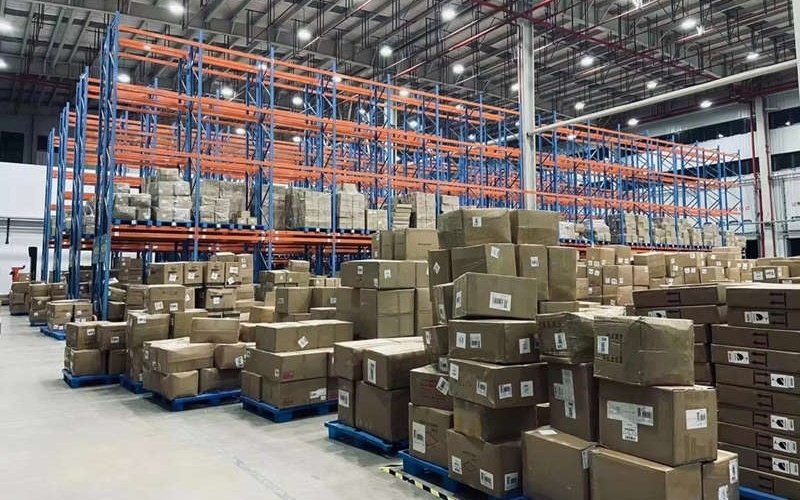
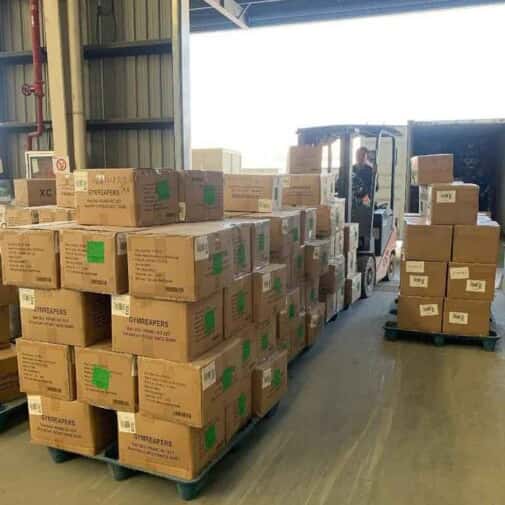
Most customers plan logistics too late—after bulk is finished. That’s when options shrink, and costs rise. Logistics risk reduction starts while the product spec is being locked, because spec decisions determine carton cube, weight, and damage risk.
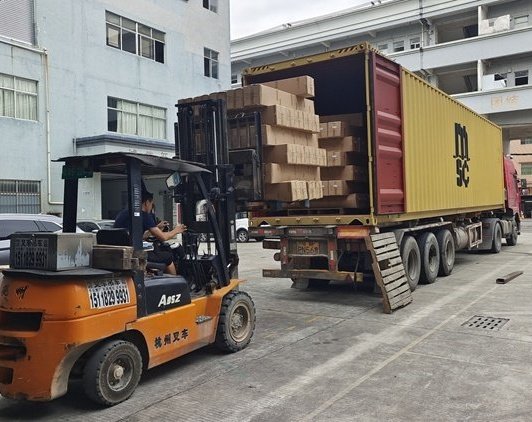
Jundong’s service list includes Shipping Coordination and handling shipping marks and carton marks. Use that support to build a logistics plan that protects your schedule.
(1) What you should decide early
Shipping mode strategy
Air: fastest, expensive, good for launch buffer quantities
Sea: cost-efficient, slower, needs earlier planning
Rail or truck (where applicable): middle option
Best practice: split shipments: air for the first drop, sea for the rest.
Carton size or weight targets
Warehouse and carrier costs increase sharply when cartons exceed thresholds. Define targets and design packaging to fit them. You don’t need perfect optimization—just avoid obvious cube waste.
Damage prevention in packing
Bags often arrive with: crushed corners, scuffed prints, or creases. Damage-control packing includes:
- protective polybag
- tissue or separator layers
- edge protectors (for premium packaging)
- crease-minimizing fold rules or roll pack-out (for certain designs)
(2) Staged shipping
Staged shipping is a risk tool, not just a logistics tool. It helps when:
- You have a hard launch date
- You’re running multiple SKUs
- You’re unsure about customs timing
- You want to reduce cash pressure
Instead of waiting for 100% completion, stage shipments by:
- “first-ready SKUs.”
- “first 20% of quantity.”
- “air buffer and sea bulk.”
This reduces stockout risk and improves flexibility.
(3) Incoterms and responsibility clarity
Many disputes come from unclear responsibility for:
freight booking
insurance
customs documents
destination charges
Agree early on Incoterms and document responsibilities so you don’t get surprise costs.
(4) What a factory should provide to support shipping
Request these outputs:
- carton packing list and weights
- carton dimensions summary
- photo proof of palletization (if used)
- export carton mark confirmation
(5) A simple logistics planning table
| Decision | Options | Best for | Risk it reduces |
|---|---|---|---|
| Shipping mode | Air, Sea, Split | Launch and margin control | Late inventory, stockouts |
| Shipment strategy | One batch, Staged | Multi-SKU programs | Missed drop dates |
| Packing method | Fold, Roll, Box | Appearance and cube | Damage, creases |
| Responsibility | Incoterms | Clear cost control | Surprise fees |
Cost Clarity — Drivers, Savings, Quote Rules
If you want a stable bag program, cost control must be transparent. When customers and factories don’t share a clear pricing structure, two bad things happen:
- The factory cuts hidden corners to hit your target, and quality drifts.
- The customer keeps changing specs during production, and lead time slips.
A risk-reducing factory should be able to explain cost drivers in plain language, and a buyer should be able to decide where to spend and where to simplify without increasing returns.
(1) The 7 major price drivers
| Cost Driver | Examples | Why It Matters |
|---|---|---|
| Material system | canvas vs polyester vs Oxford, coating, lining/backing | Biggest cost + biggest impact on durability and feel |
| Trim system | zippers, webbing, hardware grade | Drives failure risk (jams, breakage, pull-out) |
| Structure & reinforcement | strap-root bartacks, base corner binding, zipper-end reinforcement | “Hidden quality” that prevents returns |
| Branding method | screen print vs embroidery vs transfer | Affects appearance, wash/abrasion performance |
| Packaging & inserts | polybag, hangtags, retail box, insert cards | Impacts chargebacks, damage, reviewsand |
| QC level | checkpoints + stress testing | Impacts the defect rate and dispute risk |
| Order complexity | multi-SKU, mixed colors, special packing | Adds management and anti-mix labor |
If a quote is much cheaper, it’s usually because one of these drivers was reduced—even if the supplier doesn’t say so.
(2) “Safe savings” vs “risk savings.”
Safe savings (usually low risk):
- Reduce packaging complexity (fewer inserts, simplified hangtags) after verifying customer experience still works
- Standardize colors (fewer custom dyes)
- Combine SKUs (launch with one best-selling version first)
- Simplify non-structural pockets or decorative panels
- Use a standard lining when the outer fabric is the hero
Risk savings (often creates returns):
- Downgrading zippers and hardware
- Removing strap-root reinforcement
- Reducing stitch density in stress zones
- Thinner webbing or weaker thread
- Changing coating or backing without testing
- Skipping in-process QC and relying only on final inspection
A good supplier will warn you when a cost change increases failure risk. If a supplier says “no problem” to everything, that’s not flexibility—it’s a sign they’re not controlling quality.
(3) Quote comparison rules
Before you compare quotes, lock a “quote spec.” It should include:
- Main fabric (composition, weight, coating)
- Lining/backing type
- Webbing width and thickness
- Zipper size/type (and slider)
- Hardware grade
- Reinforcement requirements (strap roots, zipper ends, base corners)
- Logo method and placement count
- Packaging method + label requirements
- Inspection level (what reports/photos you need)
Then ask suppliers to quote with a cost-breakdown format:
| Line Item | Option A | Option B | Notes |
|---|---|---|---|
| Main fabric | include coating/backing | ||
| Zipper + hardware | Specify grade/type | ||
| Printing/branding | method + placements | ||
| Packaging | insert/hangtag/box | ||
| QC & inspection | report + photo proof | ||
| Total | Compare across suppliers |
This makes negotiation fair and reduces miscommunication.
(4) How to hit the target price without quality compromise
A strong approach is “lock performance, simplify complexity”:
- Keep stress parts strong (zippers, webbing, reinforcement)
- Simplify packaging where possible
- Launch fewer SKUs first
- Use staged shipping for time-sensitive launches
- Run a pilot if order complexity is high
Jundong’s workflow supports structured sampling, QC checkpoints, and packing discipline and offers shipping coordination support. The goal is not to be “the cheapest.” It’s to protect your long-term cost: fewer returns, fewer disputes, smoother reorders.

Reorder Stability — Versions, Materials, QC
Reorders are where supplier risk becomes visible. A first order can be “special attention.” A reorder reveals whether the supplier can repeat.
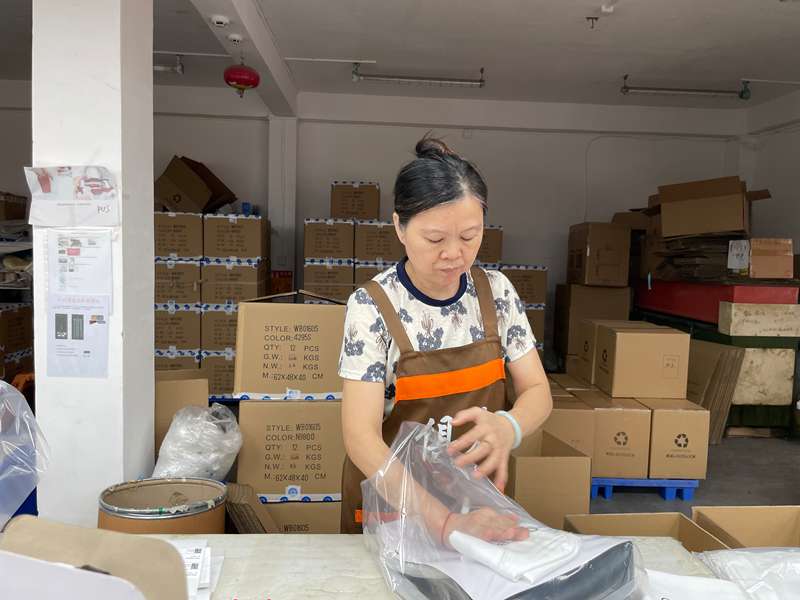
Jundong’s process includes approvals like Material Sample Confirmation, Color Sample Confirmation, Logo Sample Confirmation, and Pre-Production Sample (PPS), which are exactly the gates that protect reorder consistency. The point is to convert this into a “reorder system” that your team can run every season.
(1) Why reorders drift
Material substitution (fabric coating, lining weight, webbing thickness)
Trim source changes (zipper sliders, hardware plating)
Workshop interpretation drift (seam allowance, stitch tension, reinforcement placement)
Branding version confusion (old logo file, wrong label text)
Packaging drift (different fold method, wrong carton marks)
If you don’t control these, you’ll see higher returns even if the bag “looks similar.”
(2) Reorder stability checklist
Use this at reorder kickoff:
| Reorder Control Item | What to Confirm | Evidence to Request |
|---|---|---|
| SKU version | same version code as last bulk | version sheet + photo |
| BOM continuity | no changes in fabric/trims | BOM compare list |
| Color continuity | same target shade | swatch approval record |
| Logo files | correct file + placement | placement diagram |
| PPS requirement | PPS matches golden sample | PPS photos + measurement |
| QC checkpoints | same high-risk checks | checkpoint list + report |
| Packaging logic | same carton marks + barcodes | carton photos + packing list |
(3) The “version control” method that works
You only need three version items:
- SKU version code (e.g., V1.0 or V1.1)
- BOM version (list of locked components)
- Artwork version (logo, label, insert files)
Every change must update the version and be approved via change control (Module 6). This prevents the most common reorder disaster: wrong file used.
(4) Material continuity rules
Material stability isn’t about never changing suppliers. It’s about controlled change.
- If the same material lot is available: confirm lot label and reuse
- If new lot is needed: confirm it matches the spec and approve before bulk
- If a component must change (availability): request impact statement (price, lead time , performance) and approve in writing
(5) Reorder QC: focus on “repeat points”
Reorders should inspect the repeat points that most often drift:
- strap-root bartack placement
- zipper end reinforcement
- logo placement measurement
- carton marks and barcodes
- pocket dimensions and alignment
Your supplier should be able to show the first-article photos and measurement records quickly.
(6) Why stable reorders improve your total cost
Stable reorders reduce:
listing complaints and review drops
warehouse receiving issues
rework time
disputes and delayed payments
This is how strong suppliers protect your margin without needing to cut unit price.


Make A Sample First?
See your idea come to life before mass production.
At Jundong Factory, we offer free design mockups and custom samples to ensure every detail is perfect — from material and color to logo placement and stitching.
Start your project with confidence today: info@jundongfactory.com.
Bag Factory: Reduce Supplier Risk FAQs
How do you prevent sample-to-bulk drift (approved sample vs mass production mismatch)?
You prevent sample-to-bulk drift by locking a measurable standard (golden sample + BOM + tolerance sheet) and enforcing production gates (PPS + in-process QC + change control) so “looking similar” isn’t treated as “same product.”
In bag manufacturing, drift usually comes from three places: (1) materials change (fabric coating, webbing thickness, zipper grade), (2) process change (seam allowance, stitch tension, reinforcement placement), and (3) file/version confusion (wrong logo file, old label text). The fix is not “try harder,” it’s building a controlled system.
Start with a Golden Sample (physical reference) and label it with version + date. Photos help, but they’re not the standard. Next, lock a BOM (Bill of Materials) that lists the exact outer fabric (composition/weight/coating), lining, webbing width/thickness, zipper size/type, hardware grade, thread/binding, and logo method. Then create a Tolerance Sheet so the factory can’t guess: bag width/height/depth tolerances, strap length tolerance, logo placement tolerance (mm), pocket size tolerance, and weight tolerance (if needed).
Then enforce PPS (Pre-Production Sample) as the “bulk reality test.” PPS should be made using the intended bulk materials and production settings, not the sample room’s “best effort.” PPS approval should include: measurement record vs tolerance sheet, close-up photos of stress zones (strap roots, zipper ends, base corners), and a functional check (zipper under load, hardware action).
Finally, run Change Control. If anything changes—zipper supplier, coating lot, print method—there must be written approval, and the version must be updated. Many buyer disputes happen because changes are made “to keep schedule,” but the buyer never approved the impact.
If you want to reduce risk even more, add a small pilot run for complex multi-SKU orders. A pilot quickly reveals real defect rates and pack-out accuracy before you scale. When you source this way, you don’t rely on trust—you rely on repeatable proof.
What should we send in an RFQ to reduce back-and-forth and get an accurate quote?
A “low-risk RFQ” includes a clear use case, measurable dimensions/capacity, locked logo method, defined pack-out rules, and a realistic target quantity + timeline, so the factory can quote the same spec— not their own assumptions.
Many RFQs fail because buyers only send a photo and ask for a price. The factory then guesses materials and construction, and later you discover the quote was based on a weaker zipper, cheaper coating, or simpler reinforcement. To reduce supplier risk, your RFQ should force clarity.
Include these 8 items:
- Bag type + use case: tote, backpack, cooler, travel, tool bag, etc. Describe real use: daily commuting, warehouse handling, outdoor sand, oil/dust environment, promotional giveaways.
- Target size and capacity: L×W×H, handle drop, strap length range, laptop size fit, weight load target (e.g., 8–12kg).
- Material direction: “600D polyester with PU coating” vs “canvas” vs “RPET.” If you don’t know, state your priorities: abrasion resistance, water resistance, premium feel, washable.
- Construction expectations: must-have reinforcement zones (strap roots, base corners, zipper ends) and whether padding/foam is needed.
- Branding method: screen print vs embroidery vs woven label vs rubber patch, plus placement count and size.
- Color requirements: number of colors, Pantone targets if needed, and whether color matching is strict.
- Packaging & labeling: one SKU per carton, carton quantity, barcode format, hangtag/insert needs, carton marks template.
- Order plan: sample quantity, expected order quantity, destination country, target ship date, and whether staged shipment is acceptable.
If you provide these details, the factory can return a quote that is stable and comparable across suppliers. If you want, you can email info@jundongfactory.com with your RFQ and reference images, and we’ll reply with a feasibility check plus a risk-control plan (spec lock + sampling gates) so your first order is smoother.
How do you control materials to avoid silent substitutions (fabric, zippers, hardware)?
Material stability comes from BOM lock + incoming inspection + batch traceability, and any substitution must go through written change approval—otherwise reorders and quality will drift.
Silent substitutions usually happen when a factory is under schedule pressure or trying to protect margin. They may switch to a similar-looking zipper, thinner webbing, or different coating lot. The buyer then sees higher return rates weeks later, and it’s hard to prove what changed. The best defense is a traceable system.
First, lock your BOM with “risk parts” prioritized: main fabric spec (composition, weight, coating/backing), lining weight, webbing width/thickness, zipper type/size, slider quality, hardware grade (D-rings/buckles), thread and binding tape, and branding materials (ink/film). If you can’t lock everything, lock these high-risk parts first: zippers, webbing, hardware, coating, and logo method.
Second, require incoming material inspection. This doesn’t need a lab. It can be simple: measure webbing width, check zipper pull smoothness, compare fabric hand feel and thickness to the approved sample, visually check coating consistency, and photograph carton labels. Ask for a short checklist + photo proof, especially for multi-SKU orders.
Third, implement batch traceability. Each incoming lot should be tagged with date + supplier + internal code. If a defect shows up (peeling, fraying, zipper jams), the factory should be able to identify which batch was used. Traceability also protects you on reorders: you can match the same spec and reduce “same SKU, different feel.”
Finally, enforce change control: if a supplier proposes a substitution, they must state: what changed, why, and the impact on performance, price, and lead time. You approve or reject in writing. This is how professional B2B sourcing stays stable.
What QC checkpoints should we require, and what proof should a factory provide?
Require QC that targets real failure zones (strap roots, zipper ends, base corners, hardware) across incoming, in-process, and final inspection, plus simple stress tests and photo/report proof for procurement accountability.
A common mistake is asking “Do you inspect?” Every supplier says yes. What matters is whether their QC is designed around how bags fail in real life. The top return triggers are predictable: strap tearing, zipper jamming, hardware pulling out, base abrasion, and logo peeling. If QC doesn’t target these, it’s theater.
A strong QC requirement has four layers:
- Incoming inspection: verify critical specs before production (fabric, webbing, zippers, hardware).
- In-process QC: check high-risk operations at the line—strap root reinforcement, zipper end finishing, seam allowance stability, logo placement measurement. Catching a defect early saves huge rework cost.
- Final inspection: verify measurements vs tolerance sheet, appearance, and full function (zippers, hardware, pockets).
- Stress/functional checks: quick tests that predict field failure—strap pull cycles, zipper under load cycles, drop checks, abrasion attention on base corners, logo rub/fold check.
Proof matters because it reduces disputes. Ask for:
- a short QC checkpoint list (not generic)
- an inspection report tied to your PO/SKU
- photo proof of stress zones and packaging labels
- a packing accuracy check (Module 7) for barcodes/carton marks
If you’re comparing suppliers, ask them to show example inspection photos and a sample report format. The supplier who can provide this consistently is usually the supplier who can ship consistently.
How do you handle mixed SKUs and prevent wrong packing / barcode mistakes?
Mixed-SKU success depends on a strict anti-mix pack-out SOP (one carton one SKU by default), station labeling, double checks, barcode verification, and carton-mark discipline with photo proof.
Mixed SKUs are where many suppliers fail because the product may be correct, but the pack-out system is weak. For B2B buyers, the “wrong color in the right carton” can cost more than a minor sewing defect—especially if you ship to Amazon FBA or retail DCs.
Here’s what to require:
(1) Define SKU clearly
A SKU is not only “style.” It’s style + size + color + logo version + packaging type. If a factory treats a SKU loosely, expect mixing.
(2) Default rule: one carton = one SKU
This should be the default unless you explicitly approve mixed cartons. Mixed cartons require a written packing map and bold labels that say “MIXED.”
(3) Packing station controls
Each packing station should display: SKU photo, SKU code, carton quantity, insert list, barcode label sample. Workers pack one SKU at a time.
(4) Two-person verification
Person A packs, Person B verifies before sealing: SKU, quantity, barcode label, carton mark. This is low cost and high impact.
(5) Barcode and carton mark discipline
Require photo proof of:
- barcode label on the product packaging
- carton mark with carton count (1/50) and PO/SKU details
- packing list matching cartons shipped
How do you protect delivery timelines and reduce late shipment risk?
Delivery reliability comes from early critical-path planning, visibility through weekly WIP updates, stable materials, and contingency tools like staged shipments and controlled substitutions via change approval.
Late shipment risk usually starts weeks earlier as a “small issue” that nobody escalates: zipper stock delay, print remake, label text correction, or a bottleneck on a high-skill operation. A factory that reduces supplier risk doesn’t hide these issues. They run a clear plan and communicate early.
The practical system looks like this:
- Kickoff plan: confirm spec lock, sampling gates, production schedule, and packaging requirements.
- Critical path: identify the items that can stop everything—custom fabric dyeing, special hardware, complex printing, retail label approvals.
- Weekly WIP updates: short, consistent status notes: what’s completed, what’s in progress, what’s blocked, and what decisions the buyer must make.
- Risk flags: if a material is delayed, the supplier proposes options with impact statements (price, lead time, performance).
- Staged shipping: protect launch dates by shipping ready SKUs or first 20% quantities first, then the remainder. This reduces stockout risk and protects cash flow.
- Pre-shipment verification: packing list + carton marks + barcode photos + inspection report.
If your timeline is hard (retail drop, promotion), the safest approach is: lock stress parts and core materials early, simplify SKU complexity, and plan staged shipping. This is also how you reduce “rush decisions” that cause quality drift.
What factors affect the price of a custom bag order, and how can we compare quotes fairly?
The only fair way to compare bag quotes is to lock the same spec baseline (materials, trims, reinforcement, branding, packaging, QC level) and ask for a simple cost breakdown—otherwise “cheaper” often means hidden downgrades.
In B2B bag sourcing, unit price is the output of a system. When two suppliers quote very different prices for “the same bag,” it usually isn’t the same bag under the surface. The biggest price drivers are predictable:
- Material system: outer fabric type/weight/coating, lining weight, foam/padding. Coatings and backing often change cost and performance together.
- Trim system: zippers, webbing, hardware. This is where many suppliers cut quietly because the bag still looks fine in photos.
- Structure & reinforcement: bartacks at strap roots, binding on base corners, reinforcement at zipper ends, extra stitches in stress zones.
- Branding method: screen print vs heat transfer vs embroidery vs rubber patch—each has different setup cost, durability, and yield risk.
- Packaging & labeling: hangtags, inserts, polybag warnings, retail box, barcode placement, carton marks.
- Order complexity: number of SKUs/colors, mixed packing, special instructions, compliance documentation.
To compare quotes fairly, lock a Quote Spec Sheet. Even one page helps. Include:
- Outer fabric spec (composition/weight/coating/backing)
- Lining spec
- Webbing width/thickness
- Zipper size/type + slider
- Hardware grade (material + plating)
- Reinforcement rules (strap roots, zipper ends, base corners)
- Logo method + placements
- Packaging method + carton quantity + barcode rules
- QC requirement (incoming + in-process + final, plus photo proof)
Should we start with a pilot order or go straight to bulk? When does a pilot reduce supplier risk?
A pilot order reduces supplier risk when your program has new materials, complex structure, multi-SKU packing, or a tight launch date—because it reveals real defect rates and operational issues before you scale.
Many buyers skip pilots to save time and cost, then pay more through rework and late shipments. A pilot is not “small bulk.” It’s a risk test for repeatability. You should consider a pilot if any of these are true:
- New design or new material system (new coating, new lining weight, new zipper brand)
- High stress use case (heavy load, outdoor abrasion, warehouse handling)
- Multiple SKUs with anti-mix requirements (colors/sizes/packaging variations)
- Strict compliance/labeling (retail packaging, marketplace barcode rules)
- High consequences of failure (launch date, retail drop, influencer campaign)
A pilot can be structured in a few smart ways:
- First-article pilot: 50–200 pcs of the main SKU to validate reinforcement, stitching stability, and function.
- Multi-SKU packing pilot: smaller quantity across SKUs to validate barcode and carton mark accuracy.
- Material stability pilot: confirm material lot consistency and incoming inspection workflow.
What should you measure in a pilot? Not just appearance. Measure defect categories and operational metrics:
- zipper jam rate under load cycles
- strap root reinforcement consistency
- logo placement accuracy (mm)
- carton pack-out accuracy (wrong SKU rate)
- packaging damage rate after drop/handling simulation
A pilot saves money by preventing scaled failure. After pilot, you lock the spec and run bulk with higher confidence. If your design is simple, single SKU, and materials are standard, you may go directly to bulk—but still require PPS and structured QC.
How do you support compliance for different markets without slowing down lead time?
The fastest compliance path is to lock labels, claims, and packaging rules during sampling, then maintain version control and change approval so compliance doesn’t break when materials or artwork change.
Compliance problems often look like “paperwork,” but the root cause is usually process: wrong label text, missing warnings, barcode mismatch, or uncontrolled material changes after approvals. Buyers should treat compliance as a spec-lock item and handle it early.
A practical compliance workflow for bag programs includes:
- Market mapping: identify where you will sell (US/EU/UK/AU) and what channels (Amazon, retail, corporate gifting). Each channel can have different packaging and label expectations.
- Label text lock: confirm required text versions (country of origin if required, fiber content if claimed, care label if claimed, warning labels for polybags).
- Claims discipline: avoid absolute claims like “100% waterproof” unless you define test conditions. Prefer precise claims like “water-resistant coating” or “splash-resistant fabric” based on your material system.
- Packaging compliance: carton marks, barcode placement, pack count rules, and warning labels must be tested in pack-out (connect to anti-mix system).
- Version control: label files, barcode files, and inserts must have version numbers. If artwork changes, update version and re-approve.
- Change control: if materials or inks change, confirm whether claims and compliance are affected.
This approach prevents the most common compliance delays: last-minute label corrections, reprinting inserts, and customs hold due to incomplete carton marks. It also protects your listing credibility—because compliance and customer trust are connected.
If you have a multi-market program, the most efficient buyer habit is to provide one “Compliance Notes” page in your RFQ: target markets, channel packaging rules, label languages, and claim boundaries. The factory can then build compliance into sampling instead of patching later.
How do you guarantee reorder consistency (same SKU, same feel, same performance) over time?
Reorder consistency is guaranteed by version control (SKU/BOM/artwork), traceability, and repeatable QC—because reorders fail when materials, files, or reinforcement rules change silently.
Buyers often judge suppliers by the first order, but the real risk shows up on the reorder: “same SKU, different feel,” color shift, zipper grade change, or packaging drift. These issues can destroy marketplace ratings and retail trust, even if the bag is “close enough.”
A reorder-stability system includes:
SKU versioning
Assign a simple version code (V1.0, V1.1). Every change—material, reinforcement, artwork, packaging—must update version. This prevents “old file used” mistakes.
BOM continuity + traceability
Maintain the same BOM spec for outer fabric (weight/coating), lining, webbing thickness, zipper type, hardware grade, and logo method. For each bulk, record material lots. If a problem appears, you can trace it. For reorders, you can match the same spec and reduce drift risk.
Artwork and label control
Logo files and label texts must be treated as controlled documents. The factory should confirm file name/version before production, and show first-article photos with rulers for placement.
PPS for reorders when risk is high
If the reorder happens after a long gap, or materials are re-sourced, run a quick PPS to confirm feel and function. This is cheaper than dealing with a drifted bulk.
Repeat-point QC
Reorders should inspect the points that drift most: strap-root bartacks, zipper end finishing, base corner binding, logo placement, carton marks and barcode accuracy.
This system creates “repeatable trust.” Instead of relying on the memory of a workshop team, you rely on documents, versions, and measured checkpoints. That’s what scalable sourcing looks like.
What determines MOQ and lead time for custom bag orders, and how can we reduce both without increasing risk?
MOQ and lead time are driven by your material and process complexity—custom fabric/printing, special hardware, SKU count, and packing rules—and the safest way to reduce them is to standardize what’s flexible while locking what prevents failures.
Customers often think MOQ is only about “factory unwillingness,” but it’s usually about setup economics and supply chain constraints. The main drivers are:
- Custom materials: custom-dyed fabrics, special coatings, unique linings, or branded webbing often require minimum yardage and longer sourcing time.
- Branding complexity: embroidery patches, rubber patches, or multi-position prints can increase setup time and yield risk.
- Special hardware: custom buckles, logo metal plates, or unusual zipper sliders may need a minimum order and longer production.
- SKU count: more colors/sizes mean more changeovers, more anti-mix control, and longer planning.
- Packaging rules: retail barcodes, hangtags, inserts, and carton mark requirements add coordination time and inspection steps.
How to reduce MOQ safely:
- Start with one core SKU (one fabric system, one logo method, one packaging type), validate stability, then expand.
- Use standard materials for the first run (standard zippers/hardware) while keeping reinforcement strong.
- Avoid premature “perfect branding” across multiple placements—begin with one high-impact logo location.
- If you need multiple markets, lock labels early so compliance doesn’t rework packaging later.
How to reduce lead time safely:
- Confirm BOM lock early (especially zippers/hardware).
- Approve PPS quickly with measurable standards (tolerance sheet + photos).
- Use staged shipment: ship the first-ready quantity while the rest completes (protect launch dates).
- Keep change control strict—late changes cause the biggest delays.
Private Label vs OEM vs ODM — which sourcing model is best for reducing supplier risk?
Private label is fastest when the base design already works, OEM is best when you have a defined design/spec and need repeatable execution, and ODM reduces development burden but requires stronger spec control to avoid “standard product drift.”
These terms are often used loosely, so buyers get confused. Here’s the practical procurement meaning:
- Private Label: You choose an existing bag style (often a proven structure) and add your branding (logo/labels/packaging). Risk is lower because the structure is already known to manufacture. Best for fast launches and testing demand.
- OEM (Original Equipment Manufacturing): You provide the design or reference and the factory produces it to your spec under your brand. Risk is manageable when you lock BOM + tolerances + QC checkpoints. Best for brands scaling a stable SKU across seasons.
- ODM (Original Design Manufacturing): The factory proposes or owns the design platform; you customize elements. Risk can be low for speed, but higher if you don’t control versioning and materials—because the factory may update its platform design over time.
Which is best for reducing risk depends on what you control:
If you are new to a category:
Start with private label or light OEM (modify an existing proven structure). Use PPS and stress-zone QC to validate.
If you need brand differentiation:
Use OEM with strict spec control. You should own: logo files, label text, BOM, tolerances, and pack-out rules.
If you need speed and factory engineering support:
ODM can work—if you require version control and confirm that your SKU is treated as a locked program, not a rotating catalog item.
Everything You Need to Know Before Customizing Your Bags
Supplier risk in bag manufacturing is rarely caused by one big mistake. It usually comes from small gaps: unclear specifications, inconsistent materials between sampling and bulk, weak change-control, missing QC records, and packing mistakes that trigger returns. For procurement teams, a safer evaluation depends on operational answers around MOQ vs tier pricing, lead time reliability, material continuity, reinforcement mapping, hardware consistency, labeling compliance, pack-out control, and repeat-order stability. This FAQ section is written to surface those answers early, so you can assess supplier fit faster and cut internal back-and-forth.
We recommend structuring FAQs around real risk triggers: what information is needed to start sampling, how we lock a BOM to prevent quote changes, how we manage shade/hand-feel variance across lots, how we handle multi-SKU programs without mix-ups, and how written confirmations reduce misunderstandings on sizing, logo placement, and packaging. We also cover “what happens when something changes” (materials, artwork, testing targets, delivery plan), so your team can avoid rework and timeline slips. Clear FAQs also support long-tail search intent, such as “bag supplier risk control,” “multi-SKU order management factory,” “BOM lock bag manufacturer,” or “QC checkpoints prevent returns.”
For a quick evaluation, share your bag type, target dimensions, usage scenario (load, wear points), preferred materials, colorways/SKU count, logo method, compliance markets, and packing requirements by email. Our team will review your inputs and propose a practical risk-control route: spec checklist → sampling roadmap → BOM lock → QC checkpoints → pack-out rules → reorder stability, with clear documentation at each step to support your program from prototype to repeat production.