Skip to content

Emergency Rescue Bag Customization
Custom emergency rescue bags developed around real equipment, rapid access, modular organization, identification, sampling, and controlled bulk production for professional programs.
- Loadout-led development for EMS, fire and rescue, emergency response, medical equipment, safety, and government project requirements.
- Internal layouts can be reviewed around equipment dimensions, access order, removable modules, protected zones, labeling, and carrying conditions.
- Materials, reflective details, reinforcement, zippers, webbing, hardware, and packing are evaluated against the intended application before sampling.
- Approved samples and production details become references for bulk execution, inspection, labeling, and packing.
- 20+ years of OEM/ODM bag experience, 600+ employees, an 18,000㎡ production area, and 80 QC inspectors support organized project delivery.

Custom Rescue Bags for Emergency Response Programs
Different response organizations carry different equipment and follow different operating routines. Bag structure should reflect mission, access sequence, identification, documentation, and distribution requirements.
EMS & Medical Response
EMS programs often carry airway supplies, dressings, diagnostic tools, small devices, documents, and other mission-specific equipment that must remain organized and reachable. Development should consider the actual loadout, opening direction, protected zones, compartment labels, shoulder or hand-carry requirements, and the way contents are replenished between calls.
- Review: equipment list, dimensions, access priority
- Focus: visibility, separation, fast retrieval, repeatable packing
Fire & Rescue Teams
Fire and rescue operations may involve protective equipment, ropes, hand tools, medical supplies, communication items, or mixed response gear. Bag structure should reflect abrasion exposure, floor contact, lifting frequency, identification needs, and the need to reach selected items without emptying the entire pack. Reinforced handles, strong webbing, visible markings, and organized internal zones can be reviewed during development.
- Review: mission, load, carrying method
- Focus: reinforcement, visibility, access, durable hardware
Safety Equipment Brands
Safety and emergency equipment brands often need a product line that combines functional storage with controlled visual identity. Rescue backpacks, emergency duffels, trauma bags, or equipment carriers may require custom dimensions, color coding, reflective details, branded patches, labels, packing instructions, and repeat-order records. The approved structure should also remain workable for production rather than becoming a concept that is difficult to reproduce.
- Review: product specification, SKU plan, brand files
- Focus: function, identity, repeatability
Medical & Safety Distributors
Distributors supplying hospitals, clinics, service networks, industrial safety programs, or emergency organizations need clear product specifications and dependable pack-out. A rescue bag may be supplied empty, combined with another equipment program, or delivered under private label. Internal organization, barcode rules, labels, carton marks, packing quantity, and destination requirements should therefore be defined before bulk packing begins.
- Review: sales channel, SKU, packaging rules
- Focus: consistency, labeling, distribution efficiency
Government & Project Procurement
Government, municipal, NGO, and emergency-management projects are often specification-driven. Product dimensions, materials, identification, labels, packaging, inspection requirements, and required documents may be defined before sampling or tender submission. Development should follow the supplied specification carefully while flagging details that need clarification, testing, or production review. Clear records help connect the approved sample with later inspection and delivery requirements.
- Review: specification, testing, documentation
- Focus: traceable requirements, controlled execution
Emergency Rescue Bag Formats For Different Response Missions
Bag format should follow the equipment load, movement pattern, access sequence, protection needs, and deployment environment rather than forcing every response program into one design.
EMS Rescue Backpack

Designed for mobile emergency-response teams that need hands-free carrying and organized access to mission-specific contents. Structure can be developed around protected device areas, removable modules, clear or mesh pockets, label zones, reflective identification, shoulder support, and fast-opening access.
- Best for: EMS and field response
- Custom focus: layout, access, carrying structure
Trauma Response Bag

A trauma response bag usually needs wide access, visible internal organization, and fast separation of frequently used contents. Development can review divider geometry, elastic retention, removable pouches, zipper opening, identification, reinforced handles, and packing logic so the finished bag supports the intended response sequence.
- Best for: trauma and first-response programs
- Custom focus: visibility, modular storage, retrieval speed
Emergency Response Duffel

Duffel-style rescue bags suit programs requiring wider openings, flexible capacity, and rapid access from a vehicle, station, warehouse, or field location. Internal dividers, side pockets, handles, shoulder straps, identification panels, and reinforced base areas can be adapted to the equipment list and transport method.
- Best for: mobile response and equipment programs
- Custom focus: opening, capacity, carry options
Medical Equipment Carrier

Sensitive or structured equipment often needs more protection than a standard soft organizer. A custom medical equipment carrier can be reviewed around exact device dimensions, padding, internal separation, zipper access, secure retention, handles, shoulder options, exterior labels, and packing protection without describing the bag itself as a medical device.
- Best for: equipment brands and service networks
- Custom focus: fit, protection, controlled access
Fire & Rescue Bag

Fire and rescue equipment bags may face repeated floor contact, abrasion, lifting, vehicle storage, and mixed equipment loads. Fabric, bottom construction, handles, webbing, hardware, reflective elements, compartment layout, and external identification should be considered together rather than selected independently.
- Best for: fire and rescue organizations
- Custom focus: durability, visibility, equipment separation
Disaster Response Pack

Disaster-response programs may require portable storage for mixed emergency items across changing locations. Bag size, color coding, label windows, compartment systems, durable carrying features, packing quantities, carton marks, and destination separation can be reviewed when products must be issued, stored, replenished, or distributed across multiple teams.
- Best for: emergency-management and relief programs
- Custom focus: organization, identification, distribution
Design Rescue Bags Around Emergency Equipment Loadout
A reliable emergency rescue bag begins with the equipment carried, how quickly each item must be reached, and how the pack moves during real response work.
Map Equipment Size And Access Priority Before Pattern Development

Starting from a generic backpack shape often creates wasted space, buried equipment, oversized pockets, or compartments that look organized while empty but become difficult to use after loading. Development should begin with a clear loadout: item type, approximate dimensions, weight, access frequency, protection requirement, and preferred position.
Equipment dimensions:
Long items, compact instruments, cables, dressings, accessories, documents, and protected devices require different pocket geometry. Pocket depth should secure the contents without forcing the user to reach too far inside. Width should match the actual object rather than an arbitrary compartment size.
Access priority:
Equipment required first should remain visible and reachable without removing unrelated contents. Frequently accessed items can be positioned near the main opening, front access zone, or clearly identified modules. Lower-priority items may sit deeper when they do not interrupt the response sequence.
Protection requirement:
Sensitive equipment may require padding or separation from harder objects. Small consumables may benefit from zippered, mesh, or transparent zones. Long or narrow items can use elastic retention or shaped slots where suitable.
Refill and reset:
Emergency bags are often reorganized after use. Removable or clearly identified modules can make replenishment more controlled, especially where teams follow a defined packing list.
A useful development file can include the equipment list, approximate dimensions, photos, intended bag size, access sequence, identification method, carrying preference, quantity, and any required specification. Complete technical drawings are helpful but not essential at the first review stage.
Once equipment placement is defined, the internal layout must work together with the opening, outer shell, carrying system, bottom, zippers, webbing, reinforcement, labels, and later bulk production.
Opening architecture:
A wide opening may improve visibility, but zipper route, panel stiffness, internal dividers, and loaded shape must remain stable. An opening that collapses inward or becomes obstructed after loading can reduce access even when the empty sample looks correct.
Internal architecture:
Removable pouches, mesh panels, transparent zones, elastic retainers, dividers, label windows, and fixed pockets should each serve a defined item or function. More compartments are not automatically better. Excessive internal construction can add weight, sewing work, cost, and unnecessary complexity.
Carrying structure:
A rescue backpack, emergency duffel, or equipment carrier may be lifted, worn, moved between vehicles, placed on floors, or carried through buildings and outdoor locations. Handle position, shoulder straps, webbing routes, bottom support, and reinforcement should reflect the expected movement pattern.
Identification:
Reflective details, color coding, patch areas, label windows, printed marks, or woven labels can support recognition when required by the program. Their position should remain visible without interfering with zippers, handles, reinforcement, or frequently contacted surfaces.
Production reference:
After revisions are approved, pocket dimensions, module positions, zipper routes, reinforcement areas, colors, labels, logo placement, and packing details should be converted into clear production information. The confirmed sample then provides a physical reference for later checks.
Convert The Loadout Into A Repeatable Rescue Bag Structure

Rapid Access and Modular Organization for Rescue Bags


Quick-Access Opening
Opening geometry affects how much equipment can be seen and reached at once. Wide zip openings, panel orientation, lid construction, and internal divider height should be reviewed with the bag fully loaded. A large opening has little value if contents fall forward, modules block the zipper, or the structure loses shape during use.
- Review: zipper route, opening width, loaded stability
- Goal: faster visibility and retrieval
Removable Inner Modules
Removable pouches can separate groups of equipment and simplify replenishment after use. Module size, attachment method, zipper direction, label position, and color identification should follow the actual packing routine. Modules should be easy to remove without disturbing surrounding contents and stable enough to remain positioned during transport.
- Review: module size, attachment, identification
- Goal: controlled grouping and faster reset
Elastic Retention Zones
Elastic loops and retainers can hold narrow tools, small devices, tubes, cables, or accessories where suitable. Loop width and tension should match the object instead of using one repeated size across the entire interior. Excessively tight retention slows access, while loose loops allow contents to shift.
- Review: object diameter, retention tension, spacing
- Goal: visible and controlled placement
Clear & Mesh Storage
Transparent or mesh zones help teams identify contents without opening every pocket. They can be useful for lightweight supplies, accessories, documents, or grouped items where visibility matters. Material choice, zipper construction, edge binding, cleaning needs, and item weight should be checked before deciding where these sections belong.
- Review: visibility, weight, cleaning, edge construction
- Goal: faster identification with less searching
Color-Coded Identification
Color coding can separate modules, functions, teams, or equipment groups when the program requires it. Color should remain consistent with labels, reflective details, artwork, and packing records. Identification systems work best when they follow an established operational rule rather than adding several colors only for appearance.
- Review: coding logic, color reference, label system
- Goal: clearer recognition under time pressure
Adjustable Divider Systems
Adjustable or removable dividers allow one rescue bag format to support different equipment arrangements. Divider height, stiffness, attachment, padding, and spacing affect whether contents stay separated when the bag is lifted or carried. A flexible system is useful only when the final layout remains stable and easy to reset.
- Review: divider dimensions, stiffness, fixation
- Goal: adaptable organization without uncontrolled movement
Materials, Visibility, Cleaning & Reinforcement for Rescue Bags
Material selection should reflect abrasion, cleaning, visibility, carrying load, floor contact, equipment protection, and required testing rather than relying on one fabric name.
| Construction Area | Material Or Structure Direction | What Should Be Confirmed | Why It Matters |
|---|---|---|---|
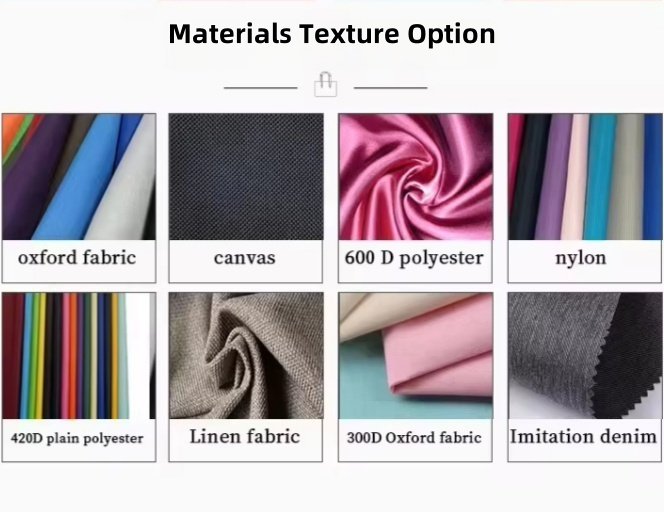
| Outer Shell | 600D, 1000D or 1680D polyester/nylon Oxford, coated fabrics, or other project-specified materials | Abrasion exposure, stiffness, surface treatment, color, intended environment, required testing | Rescue bags may contact vehicle floors, equipment rooms, outdoor surfaces, storage racks, and mixed gear. Fabric denier alone does not define finished durability. |
| Easy-Clean Surfaces | Smooth linings, coated surfaces, PVC, TPU, PEVA, or other suitable materials can be reviewed by project | Cleaning method, chemical exposure if specified, surface texture, seams, intended contents | A material that wipes easily may support routine cleaning, but no medical-grade, antibacterial, or disinfection claim should be made without supporting specifications and testing. |
| Internal Visibility | Light-colored lining, mesh sections, transparent panels, labels, or color-coded modules | Required visibility, equipment weight, cleaning needs, privacy, durability | Clear identification can reduce unnecessary searching and help distinguish modules, but transparent or mesh materials must still suit the actual load. |
| Reflective Identification | Reflective strips, patches, piping, printed elements, or other specified visibility details | Placement, width, sewing method, color, required visibility standard | Reflective details can support recognition in selected environments. Performance claims should follow the specified material and required standard rather than appearance alone. |
| Bottom Structure | Additional fabric layers, PE board, EVA, reinforcement panels, or other supporting structures | Floor contact, loaded weight, standing requirement, folding, carton volume | The bottom receives concentrated load and abrasion. Firmer structures may improve stability but can increase weight, packing volume, and production complexity. |
| Shoulder & Handle Connections | Heavy webbing, padding, reinforcement layers, strengthened sewing | Carry method, expected load, strap width, handle position, connection route | Load transfers through handles and shoulder attachment areas. Strong outer fabric cannot compensate for poorly designed connection points. |
| Zipper & Access Areas | Zipper specification, pullers, surrounding reinforcement, wide-opening construction | Opening frequency, glove use if relevant, route, panel tension, loaded operation | Emergency bags may be opened repeatedly. Zipper function should be reviewed with the actual opening structure and loaded shape. |
| Internal Pouches & Dividers | Polyester, nylon, mesh, transparent materials, foam, hook-and-loop, binding | Item size, weight, removability, identification, cleaning, attachment | Internal modules should remain stable during transport and easy to remove or reset when the program requires modular organization. |
| Reinforced Stress Areas | Extra webbing, supporting fabric, patches, bar-tack or strengthened sewing where suitable | Handle roots, strap roots, pocket edges, bottom corners, attachment areas | Reinforcement should follow real stress locations rather than being added only for appearance. |
| Labels & Program Identification | Woven labels, printed labels, ID windows, patches, warning or instruction labels | Artwork, wording, location, language, SKU, project specifications | Identification and documentation should follow the supplied program requirements. Medical, safety, or compliance wording should not be invented during production. |
Material selection for emergency rescue bag customization should begin with the intended use and any supplied performance requirement. Water resistance, abrasion resistance, cleaning performance, reflective visibility, load capability, or other technical claims should be linked to the selected material, construction, and required test method.
For projects with specific medical, emergency, institutional, or tender requirements, material standards and testing documents should be reviewed before sampling so the proposed construction matches the required specification.
Identification, Private Label And Packing For Rescue Programs
Rescue bags often require more than a logo. Identification, color coding, labels, SKU control, packing instructions, and destination rules may all affect final delivery.

Visual Identification
Emergency equipment needs to be recognized quickly in storage, vehicles, stations, warehouses, or field use. Depending on the specification, identification can include reflective strips, contrast panels, color-coded modules, ID windows, patch areas, printed wording, or other visible markings. Placement should remain clear after the bag is loaded and should not interfere with zippers, handles, high-wear areas, or reinforced seams.
- Review: color reference, location, visibility
- Confirm: material, attachment, required wording
- Avoid: unsupported visibility or safety claims
Brand & Private Label
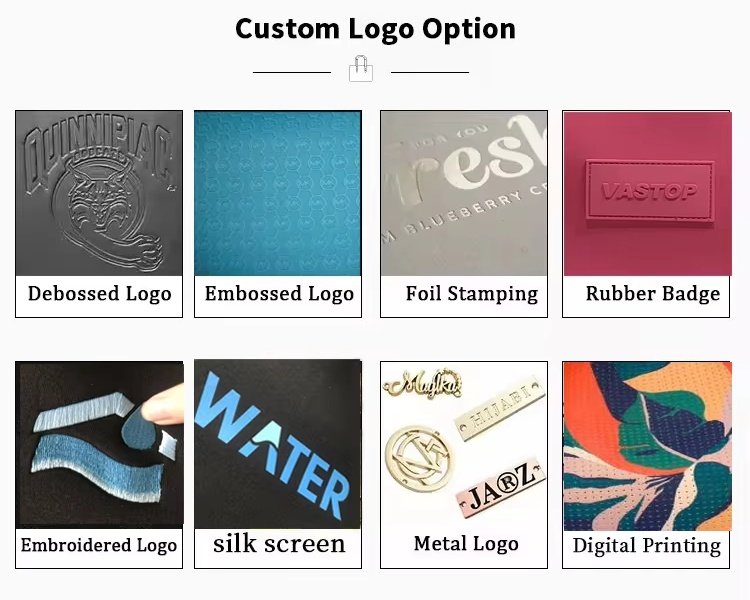
Brand presentation can be developed through embroidery, woven labels, rubber patches, screen printing, printed labels, or other suitable techniques. Logo files, dimensions, colors, positioning, attachment methods, and surrounding construction should be confirmed before final approval. For repeat production, the approved artwork and placement record should remain part of the product file so later orders do not rely only on visual memory.
- Review: artwork, size, color, method
- Confirm: location and surrounding structure
- Record: final approved branding standard
Labels & SKU Control
Professional rescue programs may require product labels, content identification, warning text, instruction cards, barcodes, SKU labels, department codes, or batch-related information. The wording and format should follow files supplied by the brand, institution, distributor, or relevant specification. Multi-SKU programs need clear separation by model, color, configuration, and packing rule to reduce receiving and distribution errors.
- Review: SKU matrix, barcode, label files
- Confirm: language, placement, version
- Control: model and configuration separation
Distribution Packing
Packing requirements can change according to retail, medical distribution, emergency deployment, government supply, or multi-destination delivery. Jundong can support OPP bags, hangtags, barcodes, SKU labels, FBA labels where relevant, color boxes, gift boxes, carton marks, and multi-SKU packing based on confirmed instructions. Packing quantity, carton identification, PO information, destination labels, and required documents should be checked before shipment preparation.
- Review: pack-out, carton quantity, destination
- Confirm: labels, carton marks, SKU
- Control: receiving and distribution accuracy
Prototype & Sample Validation Before Rescue Bag Production
A rescue bag sample should prove equipment fit, access, organization, carrying structure, identification, and production feasibility before larger quantities are committed.
Test The Sample With The Intended Equipment Loaded
A sample is most useful when it is reviewed under the conditions it was designed for. An empty rescue backpack may look balanced and organized, yet the result can change once modules, devices, accessories, documents, and other equipment are loaded.
Equipment fit:
Individual pockets, elastic retainers, dividers, removable pouches, and protected zones should match the intended contents. A compartment that is only slightly too shallow, narrow, or deep can slow access or allow equipment to move during transport.
Access sequence:
The sample should be opened and used in the expected order. Frequently needed items should remain reachable without moving several unrelated modules. Zippers, lids, dividers, and internal pouches should not obstruct each other after loading.
Loaded shape:
Weight can change the bag profile, base stability, zipper tension, handle position, and shoulder comfort. Reviewing the loaded sample helps identify whether reinforcement, padding, divider stiffness, or carrying structure should be adjusted.
Identification:
Reflective details, labels, ID windows, color-coded modules, and branding should remain visible in the final configuration. Their position can also be checked against frequently touched or high-abrasion areas.
Cleaning and handling:
Surface materials, linings, transparent sections, mesh, binding, and removable modules can be reviewed according to the intended handling and cleaning routine specified for the product.
Sampling usually takes 5–7 days after core details and materials are confirmed. Simpler constructions may be completed in 2–3 days, while special materials, complex internal systems, custom components, or revisions can extend the schedule.
Convert Sample Approval Into Production And QC References
Approving the appearance is only one part of sample confirmation. A rescue bag entering bulk production needs a clear record of the details that made the approved version acceptable.
Key approval references can include:
- Finished dimensions and overall shape
- Outer material and lining
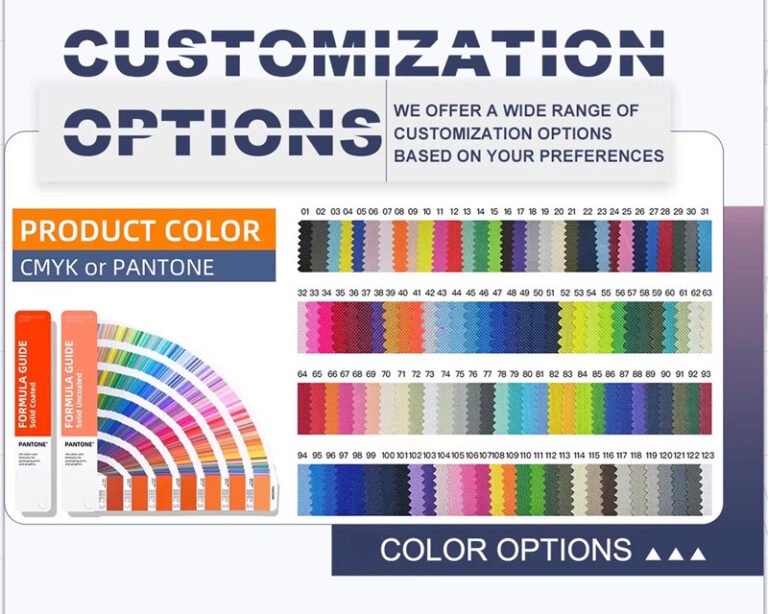
- Color references
- Compartment dimensions
- Removable pouch size and position
- Divider structure
- Elastic retention layout
- Zipper routes and pullers
- Webbing, buckles, and hardware
- Handle and shoulder-strap construction
- Bottom support and reinforcement
- Reflective or identification details
- Logo artwork and placement
- Labels, SKU information, and warning text
- Packing method and carton marks
- Final revision notes
For programs with multiple configurations, each SKU should have its own confirmed details rather than assuming all versions share the same internal layout.
A pre-production sample may also be useful for larger, more complex, private-label, multi-SKU, institutional, or specification-driven orders. It provides another opportunity to align final materials, color, accessories, labels, packing, and construction before production moves ahead.
Approved samples and documented production details create measurable references for later inspection. They do not mean every physical unit will be absolutely identical, but they help reduce avoidable changes in size, layout, branding, function, and packing between sample approval and bulk delivery.
Testing & Documentation for Rescue Bag Programs
Emergency and medical-related bag programs often include requirements beyond appearance. Materials, test methods, labeling files, inspection rules, and project specifications should be clarified before sampling.
Material Requirements

Material selection should follow the intended use and any written performance requirement supplied for the program. Fabric denier, coating, lining, reflective trim, webbing, foam, transparent panels, and hardware can all influence later testing or acceptance. A material name alone does not prove resistance, cleanliness, visibility, or suitability for every emergency environment.
- Provide: material specification or required performance
- Confirm: color, thickness, coating, component details
- Review early: special chemical, cleaning, or durability requirements
Testing & Inspection
If a program requires third-party testing, an AQL level, load testing, reflective performance review, material testing, or another inspection standard, the method and acceptance criteria should be defined before production. Testing should match the finished construction rather than relying on broad claims such as “medical grade,” “fully waterproof,” or “heavy duty” without supporting conditions.
- Provide: test method and acceptance criteria
- Confirm: sample quantity, timing, laboratory or inspector
- Plan: testing cost and schedule before bulk production

Labels & Documentation

Professional emergency programs may require warning labels, instruction cards, product identification, SKU records, batch information, barcodes, carton marks, or other documentation. Wording should come from approved brand, institutional, regulatory, or tender files rather than being created during production. Language version, placement, artwork revision, and SKU mapping should be controlled before labels are printed.
- Provide: approved wording and artwork
- Confirm: language, position, version
- Control: label-to-SKU accuracy
Tender & Project Specifications
Institutional, government, emergency-management, and large distribution programs may arrive with detailed technical specifications covering size, materials, colors, reflective details, construction, labels, packing, testing, inspection, and delivery. Each requirement should be reviewed for production feasibility before sampling. Where a specification is unclear or conflicts with the proposed construction, clarification should happen before materials are committed.
- Provide: specification, drawings, packing rules
- Confirm: testing and inspection requirements
- Review: feasibility, timing, quantity, documentation

Rescue Bag QC From Approved Sample To Bulk Delivery
With 80 QC inspectors, Jundong supports multi-stage checks based on approved samples, specifications, and defined rescue-bag requirements rather than relying only on final inspection.
| QC Stage | What Is Reviewed | Rescue Bag Focus | Risk Reduced |
|---|---|---|---|
| Incoming Material | Fabric color, thickness, surface, lining, zipper, webbing, reflective trim, hardware, labels, packing materials | Confirm materials and components before cutting begins | Wrong fabric, accessory, color, or specification entering production |
| Cutting Preparation | Pattern dimensions, pocket panels, divider pieces, reinforcement components, lining, bottom parts | Check compartment geometry and structural pieces against approved records | Incorrect internal layout or final dimensions |
| Identification & Branding | Reflective position, color coding, logo, patch, label, ID window, printed wording | Compare placement and artwork with approved files | Misidentification, branding errors, incorrect labeling |
| Sewing Process | Seams, binding, reinforcement, pocket placement, webbing ends, handles, strap roots | Focus on repeated stress areas and functional internal construction | Weak connections, inconsistent layout, poor workmanship |
| Compartment Check | Pocket dimensions, removable pouch size, divider location, elastic loops, clear or mesh sections | Compare internal architecture with the final approved sample | Equipment no longer fitting the intended storage system |
| Zipper & Hardware | Zipper movement, pullers, buckles, D-rings, hooks, attachment parts | Check operation around loaded openings and access zones | Difficult opening, loose hardware, installation mistakes |
| Structural Function | Handles, shoulder straps, base support, removable modules, access sequence | Review the intended carrying and organization functions | Finished units that look correct but perform differently |
| Finished Appearance | Shape, stitching finish, surface, color, reflective elements, visible defects | Compare overall appearance with approved reference | Visible inconsistency across branded bulk production |
| Labels & SKU | Barcode, SKU label, warning or instruction label, configuration code | Match the correct product version and supplied files | Distribution, receiving, or configuration errors |
| Packing & Shipment | Packing method, quantity per carton, carton marks, PO/SKU information, outer carton condition | Verify pack-out against confirmed delivery instructions | Errors discovered only after arrival at warehouse or destination |
QC standards should be defined before production whenever a program includes a specific AQL level, third-party inspection, material test, load test, reflective requirement, special checklist, or tender specification. The required method and acceptance criteria should be supplied early so the inspection plan can follow the intended application.
Quality inspection reduces avoidable variation but does not replace clear specifications. The strongest control comes from combining approved samples, defined product records, process checks, functional review, label verification, and packing inspection.
Why Jundong Fits Long-Term Rescue Bag Programs
Established rescue, safety, medical-equipment, and distribution programs need development capacity, organized production, clear records, bulk inspection, packing control, and continuity beyond the first purchase order.

Factory Capacity Should Support The Entire Program, Not Only The First Sample
A technically convincing sample is only the beginning. Larger rescue bag programs often involve several internal modules, special labels, reflective details, multiple materials, different SKUs, structured packing, inspection requirements, and repeat production. The selected factory needs enough development and production depth to keep those details controlled after the sample leaves the sample room.
Jundong has 20+ years of OEM/ODM bag experience, supported by a foreign trade sales team, product development team, design team, professional sample room, production team, and quality inspection team.
The operating scale includes:
- 600+ employees
- 18,000㎡ production area
- 80 QC inspectors
- Development, sampling, production, inspection, packing, and export coordination
- Support for custom, OEM, ODM, private-label, and bulk bag programs
These figures matter when translated into project execution.
A development team can review loadout, internal structure, materials, identification, and production feasibility before sampling. A professional sample room allows structural revisions to be tested physically. Production teams need clear pattern and product information when the approved version moves into bulk. QC personnel support checks from incoming materials through production, finished goods, labels, packing, and shipment preparation.
The 18,000㎡ production environment also supports material handling, cutting, sewing, inspection, packing, finished-goods organization, carton sorting, and delivery preparation. Facility size should not be interpreted as unlimited capacity; production planning still depends on product complexity, quantity, material availability, packing requirements, and requested delivery date.
For established programs, the value is therefore not simply factory size. It is the ability to connect development → sample approval → production information → QC → packing → repeat production without treating each stage as an isolated task.
Commercial Planning For Bulk, Multi-SKU And Repeat Rescue Programs
Commercial planning should be clear early enough for brand teams to decide whether the proposed product, schedule, and quantity fit the program.
Jundong’s standard MOQ is usually 500 pcs per design. Selected simple constructions may be reviewed at 200–300 pcs case by case, but the company is positioned around structured custom production rather than very small or stock-style orders.
Typical sampling takes 5–7 days after key specifications and materials are confirmed. Some simple constructions may take 2–3 days. More complex rescue bags with removable modules, special components, new materials, repeated revisions, or testing requirements can require additional development time.
Bulk production is usually 20–30 days after final details are confirmed. Actual timing can change with structure, quantity, material procurement, branding, packing, testing, inspection requirements, production schedule, and late revisions.
Sample fees can be refunded or deducted when the bulk order reaches 2,000 pcs.
Representative planning example — not a historical client order:
Consider a 1,500-piece emergency response backpack program using three approved color variants at 500 pcs each. The brand provides a fixed loadout, internal module plan, reflective layout, artwork, labels, and carton rules. Sampling is used to verify compartment fit and loaded access. After approval, the three variants follow the same structural reference while color, SKU, label, and packing records remain separated. QC then checks material, compartment dimensions, branding, functional construction, SKU identification, and final pack-out against the approved records.
The example shows why mature programs benefit from clear specifications before production: one unresolved label, module, or color detail can affect hundreds of finished units.
Long-term orders also benefit from retaining approved artwork, material references, sample records, SKU files, packing instructions, and revision notes. Before every repeat run, current material availability, artwork versions, quantities, and any updated specification should still be reconfirmed.
Start Your Emergency Rescue Bag Project?
A reliable emergency rescue bag should be designed around real response needs, not only appearance. It should match the equipment it carries, the environment where it will be used, the people who depend on it, and the way it needs to be stored, transported, and accessed quickly. When these details are confirmed from the beginning, the entire project becomes easier to develop, test, produce, inspect, and deliver.
Client Testimonials
800+ brand Clients Trust Jundong


FAQs About Custom Emergency Rescue Bags
Clear answers to development, quantity, sampling, testing, labeling, and production concerns help professional teams evaluate a rescue bag program before submitting an RFQ.

What is the MOQ for custom emergency rescue bags?
The standard MOQ is usually 500 pcs per design. Selected simple constructions may be reviewed at 200–300 pcs case by case, depending on materials, structure, branding, accessories, packing, and production feasibility. Jundong mainly supports structured custom programs rather than one-piece or retail-style purchasing.
Can you develop the bag around our equipment list?
Yes. Development can begin with the intended equipment, approximate dimensions, access priority, protection requirements, carrying method, and preferred bag format. Internal pockets, dividers, removable modules, elastic retention, protected zones, labels, and opening structure can then be reviewed around the real loadout.
Do we need a complete technical pack before contacting you?
No. A reference image, existing sample, sketch, drawing, equipment list, or current specification can start the review. A complete tech pack is helpful for complex projects, but missing information can be clarified before sampling, including size, material, structure, branding, quantity, packing, testing, and delivery requirements.
Do you supply the medical contents inside the rescue bag?
The primary scope is custom bag and equipment-carry system development. Medical supplies, medicines, instruments, or complete first-aid contents should not be assumed to be included. If a program requires additional contents, the exact scope, sourcing responsibility, testing, documentation, and packing requirements would need separate review.
Can removable pouches and color-coded modules be customized?
Yes, when suitable for the intended loadout. Pouch dimensions, attachment method, zipper direction, clear or mesh sections, label windows, divider construction, and color coding can be reviewed around equipment groups and replenishment routines. Color systems should follow an approved operational or branding standard.
Are rescue bags automatically medical certified?
No. A bag should not be described as automatically medical-certified, medical-grade, antibacterial, or suitable for every emergency application. Testing and documentation depend on material, product construction, intended use, destination, and the requirements provided for the individual program.
Can you support third-party inspection or AQL requirements?
Project-specific inspection can be reviewed before production. If an AQL level, third-party inspector, material test, load test, reflective standard, special checklist, or tender requirement applies, provide the method and acceptance criteria early so timing, cost, sampling, and inspection preparation can be aligned.
How long does custom rescue bag sampling take?
Sampling usually takes 5–7 days after key specifications and materials are confirmed. Some simple constructions may take 2–3 days. Complex internal modules, special materials, custom components, testing, or structural revisions may require additional time.
How is the approved sample transferred into bulk production?
Important sample details are converted into production and QC references, including dimensions, materials, compartment layout, removable modules, zippers, hardware, reinforcement, identification, labels, branding, and packing. Bulk checks then compare key details against the approved sample and confirmed records.
What information should we include in an emergency rescue bag RFQ?
Send the intended use, bag format, equipment list, approximate equipment dimensions, target size, internal layout, access priorities, material requirements, reflective or identification needs, logo files, quantity, SKU plan, testing requirements, packing method, required arrival date, and destination. Existing samples, drawings, tender specifications, and label files are also valuable.
Start Your Emergency Rescue Bag Project
A well-prepared RFQ helps move an emergency rescue bag project from concept to sample with fewer assumptions. You can begin with a reference photo, existing bag, sketch, drawing, equipment list, or current specification. A complete tech pack is helpful for complex programs but is not required for the first review.
For a more accurate structure, sample plan, MOQ, cost, and production review, please share the intended use, bag format, equipment carried, approximate item dimensions, access priorities, internal organization, material preference, identification details, logo files, quantity, packaging, required arrival date, and destination. If the program includes AQL, third-party inspection, material testing, reflective requirements, tender documents, warning labels, or special packing rules, include those files as early as possible.
Useful RFQ details:
- Intended rescue or emergency use
- Equipment / kit list
- Approximate equipment dimensions
- Target bag size or capacity
- Pocket and module requirements
- Access sequence and priority items
- Material and cleaning requirements
- Reflective or identification details
- Logo, labels, and SKU files
- Quantity and color/SKU plan
- Testing or inspection requirements
- Packing and carton-mark rules
- Required arrival date
- Destination
Project files can also be sent to info@jundongfactory.com.