 Skip to content
20 Different Types of Bags for Men: Which One Is Right for You?
Men today have more bag choices than ever before. Thanks to technology, travel needs, hybrid work, and streetwear trends, bags are no longer only a women’s accessory — they are essential tools for daily life. But with backpacks, totes, messengers, slings, and even belt bags all competing for attention, many men still wonder: Which bag do I actually need? And for brand buyers or retailers, the challenge is even bigger — you need the right bag for the right customer persona.
The right men’s bag depends on where it will be used and what must be carried. For work, a structured briefcase or laptop bag provides device protection. For travel, a weekender or duffel offers enough capacity. For everyday city use, backpacks, sling bags, and crossbody bags keep essentials organized hands-free. Choosing the best bag means matching function, size, durability, and style to your lifestyle or target customer’s needs.
The goal of this guide is simple: give men (and brands creating men’s bags) real clarity. You’ll see the essential bag types, when to use them, what features matter, and how to choose correctly — whether for personal use or OEM/ODM sourcing. Let’s break down exactly what a “bag for men” should do and how you can determine which one is right.
What defines a men’s bag category, and how do you pick by use-case?
Men’s bags are defined by how they are carried, their capacity, and the main purpose they serve — such as business, travel, gym, or daily routine. The best way to pick is by asking: what must the bag hold, how often will it be used, and how professional or casual should it look?
A smart bag decision starts before you even look at product images. Instead, think like a designer or sourcing specialist:
✅ Step 1: Identify the primary use-case
Which of these applies?
- Work & commuting
- Weekend trips
- Gym & sports
- Travel security
- Hands-free urban EDC
- Photography/tech gear transit
✅ Step 2: Determine formal vs casual needs
| Work Environment | Best Styles |
|---|---|
| Corporate | Briefcase, Laptop Bag |
| Hybrid casual | Messenger, Work-Backpack |
| Field/Active | Sling, Crossbody, Tactical |
Strong styling is important — a gym duffel might look out of place in meetings.
✅ Step 3: Decide required capacity
| Capacity | Liters | Typical Use |
|---|---|---|
| Small | 3–10L | Essentials, phone, wallet, keys |
| Medium | 12–22L | Work or school daily carry |
| Large | 30–45L | Travel or gym + clothing |
✅ Step 4: Prioritize comfort and access
- Shoulder or crossbody for quick access
- Back-carry for heavier weight
- Hand-carry = more formal
✅ Step 5: Consider device protection
If carrying a laptop/tablet:
- Padded laptop sleeve
- Reinforced bottom panel
- Secure internal layout
✅ Step 6: Style reflects identity
A bag is now part of men’s fashion:
- Urban minimalism
- Business luxury
- Tactical/outdoor influence
- Retro streetwear
Manufacturers like Jundong help brand buyers turn these requirements into professional product specifications. Because once use-case is clear, choosing the exact type becomes easy.
What kind of bag should a man carry to work?
For professional settings, choose a structured bag with:
- Laptop protection
- Neat rectangular form
- Water-resistant exterior
- Handle + optional shoulder strap
Top work-bag styles:
- Briefcase → polished & executive
- Laptop Bag → tech-smart practicality
- Work-Backpack → comfort without sacrificing office aesthetics
- Messenger Bag → hybrid mobility for commuters
Work bags should express reliability — because they represent you.
Which 20 types of bags for men should you know in 2025?
There are 20 essential men’s bag types to consider. Backpacks and messengers lead for work and commuting. Tote bags and crossbody bags dominate casual city use. Duffels and weekenders shine for short trips. Specialized bags — like Dopp kits, tech organizers, garment bags and camera bags — protect gear on the move. Each bag serves a different purpose, so the right choice depends on the user’s lifestyle.
Here is the full list — each aligned to a purpose men commonly need:
| Bag Type | Primary Benefit | Best For |
|---|---|---|
| 1. Backpack | Balanced weight, multi-carry | Students, commuters |
| 2. Travel Backpack | Organized packing + overhead-fit | Business travel |
| 3. Messenger Bag | Quick access while walking | City professionals |
| 4. Briefcase | Corporate image | Business meetings |
| 5. Laptop Bag | Device protection | Office + hybrid work |
| 6. Sling Bag | Slim modern carry | Minimalists, cyclists |
| 7. Crossbody Bag | Safe street carry | Urban EDC |
| 8. Tote Bag | Open capacity + fashion | Creative workplaces |
| 9. Duffel Bag | Sports gear + clothing | Gym or sports |
| 10. Weekender | Short trip storage | Road trips |
| 11. Holdall | Flexible, large capacity | Longer weekends |
| 12. Garment Bag | Wrinkle-free transport | Formal events |
| 13. Belt / Waist Bag | Hands-free secure storage | Travel, festivals |
| 14. Camera Bag | Padded dividers | Creatives & pros |
| 15. Gym Bag | Ventilated footwear pocket | Daily workouts |
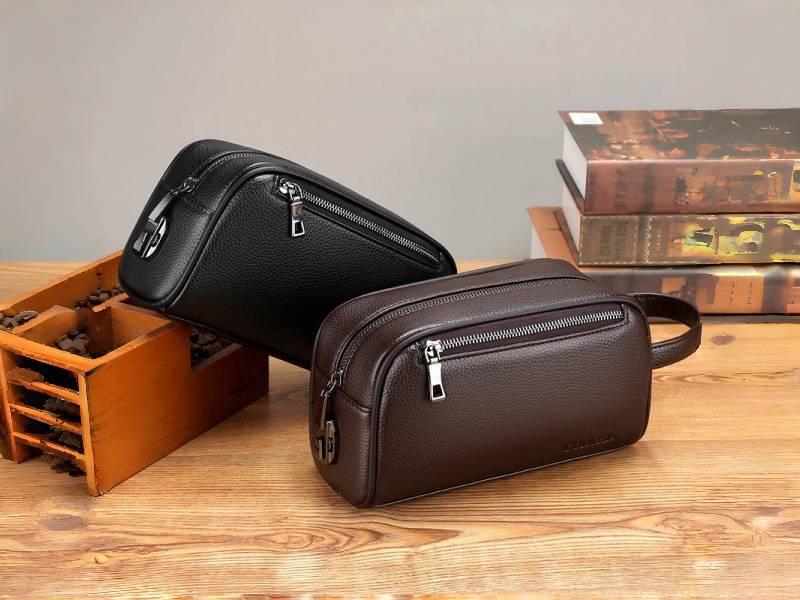
| 16. Toiletry / Dopp Kit | Waterproof liner | Travel hygiene |
| 17. Tech Organizer | Cable + accessory protection | Business travel |
| 18. Messenger-Hybrid | Backpack conversion | Mixed commute |
| 19. Rolling Carry-On | No heavy lifting | Airports |
| 20. Anti-Theft Urban Pack | Hidden zips + RFID | Crowded cities |
Each type can be customized with:
- Materials (leather, canvas, nylon, polyester, RPET)
- Compartments
- Branding methods (printing, embroidery, rubber patch)
- Buckles, zippers, and comfort features
Brand buyers want collections — multiple bag types targeting different customers for maximum retail coverage. Jundong supports one-stop custom sourcing for all of these categories.
What type of bag should I use?
To decide personally:
- If you walk daily → Backpack or Messenger
- If you drive → Briefcase or Tote
- If you attend gym after work → Duffel or Weekender
- If carrying minimal essentials → Sling or Crossbody
The best bag answers:
Where are you going + What are you carrying + How do you want to look?
How do materials, hardware, and construction affect durability and price?
Stronger materials (like leather and nylon), premium zippers, reinforced stitching, and internal padding all raise durability — and cost. Choosing the right combination balances product lifespan, price target, and brand positioning.
When sourcing men’s bags, details drive cost and perception.
✅ Material Options & Performance
| Material | Strength | Waterproof | Style | Cost Level |
|---|---|---|---|---|
| Nylon (600D+) | Strong | Splash-resistant | Sporty | $ |
| Polyester | Budget-friendly | Good | Casual | $ |
| PU Leather | Stylish | Splash-resistant | Fashion | $$ |
| Genuine Leather | Premium | Requires care | Luxury | $$$ |
| Canvas | Durable | Low unless treated | Outdoors | $$ |
| RPET | Eco-friendly | Good | Sustainable | $$ |
✅ Hardware Quality Signals
- YKK/SBS zippers → smooth + long lasting
- Metal buckles → premium feel
- Adjustable straps with padding → comfort
✅ Construction Standards
- Dense stitching: 8–11 stitches per inch
- Bar-tack reinforcement at load points
- Padded bottom for laptops and cameras
Cheap bags fail at:
- Strap join points
- Zipper corners
- Fabric abrasion zones
Premium bags last years — saving buyers money long-term.
For OEM/ODM brands, the key is:
✔ Cost-performance match
✔ Clear specification before sampling
✔ Factory capable of sourcing correct materials
Factories like Jundong guide buyers through these choices early, avoiding redesign costs later.
Do size, capacity, and carry style change comfort and ergonomics?
Yes. Larger bags shift weight differently than small crossbody bags. Backpacks are best for heavier loads, while slings and belt bags work for essentials. Proper padding, strap width, and back panel design prevent fatigue.
Bag comfort = weight + how weight is carried.
Carry Style Comparison
| Carry Type | Pros | Cons |
|---|---|---|
| Backpack | Even weight + hands-free | Bulkier indoors |
| Crossbody | Easy access | Can strain one shoulder |
| Sling | Modern look, compact | Limited capacity |
| Hand-carry | Professional | Not hands-free |
| Rolling | No lifting | Requires smooth terrain |
Capacity Guide
| Bag Type | Typical Volume | What Fits |
|---|---|---|
| Work Bag | 12–22L | Laptop, notebook, charger |
| Gym Duffel | 25–35L | Change of clothes + shoes |
| Weekender | 35–45L | 2–3 days travel gear |
| EDC Crossbody | 3–8L | Phone, wallet, keys |
Extra ergonomic features include:
- Breathable back panels
- Sternum and waist straps (backpacks)
- Rotating buckles for crossbody bags
- Wider straps to reduce pressure
This is why a backpack can carry 10 kg comfortably, while a tote cannot. If your buyer persona walks frequently, ergonomics must be prioritised in the spec sheet.
Brand sourcing managers need to align:
- Style targets (fashion vs sport)
- Weight targets
- Average carrying duration
A factory that understands ergonomics helps ensure repeat purchases and fewer returns.
Are custom OEM/ODM options right for your brand, and how do you brief a factory?
Yes — OEM/ODM partnerships let brands tailor men’s bags to customer needs. Create a detailed brief including target market, use-case, capacity, materials, hardware, branding method, target price, and MOQ. This ensures accurate sampling and smooth manufacturing.
Whether launching a new product line or expanding existing SKUs, custom manufacturing provides competitive differentiation.
To brief correctly, include:
✅ Target user
Example: “For business travelers aged 25–45”
✅ Intended use
Laptop commute? Weekend travel? City EDC?
✅ Material preferences
Nylon / PU / Leather / Canvas / RPET
✅ Capacity & dimensions
Laptop size, clothing fit, number of pockets
✅ Hardware & branding
YKK zipper, matte buckles, printed or embroidered logo
✅ Pricing & MOQ goals
Define feasibility early to reduce redesigns
How do you choose the right bag-type for your target market and use-case?
Ask your sourcing team:
1️⃣ What price will our customers accept?
2️⃣ What design language fits our brand?
3️⃣ Where will customers use the bag?
4️⃣ What features truly improve user experience?
Create a decision matrix:
| Target Customer | Recommended Bag | Style Priority | Performance Priority |
|---|---|---|---|
| Urban Workers | Laptop Bag / Messenger | Professional | Device protection |
| Streetwear Youth | Sling / Crossbody | Trend-driven | Lightweight |
| Business Travelers | Travel Backpack / Weekender | Premium | Organization |
| Gym/Sports | Duffel | Casual | Ventilation + capacity |
Factories like Jundong help brands:
- Review feasibility
- Suggest materials and hardware
- Provide design and sampling support
- Scale from low MOQ to high volume as demand grows
OEM/ODM isn’t just production — it’s strategic product development.
FAQ – Bags for Men
Q: What size bag do I need for daily commuting?
A: 12–20 liters fits laptop, notebook, charger, and essentials.
Q: Is a crossbody bag professional enough for work?
A: Yes for casual offices; in formal settings, choose a briefcase or smart backpack.
Q: What’s the most versatile men’s bag?
A: A mid-sized backpack or sling bag works for most modern routines.
Interested in Customizing Men’s Bags?
You’ve now explored 20 major men’s bag types, how to choose based on lifestyle or target user, and how materials and ergonomics affect performance.
If you are a brand buyer, retailer, distributor, or designer planning to build a men’s bag product line, Jundong can support you with:
✅ 20+ years of OEM/ODM manufacturing
✅ Low MOQ for startup brands
✅ Fast sampling + free design
✅ Fabric and hardware sourcing flexibility
✅ Custom packaging (paper box, paper tube, etc.)
Whether you want a full men’s bag collection or a single signature design, Jundong helps you source confidently and launch faster.
📩 Contact Jundong today to discuss your men’s bag customization needs!
Let's work together
With over 10 years of OEM/ODM bag industry experience, I would be happy to share with you the valuable knowledge related to leather products from the perspective of a leading supplier in China.

Factory catalogue
Latest blogs


Make A Sample First?
If you have your own artwork, logo design files, or just an idea, please provide details about your project requirements, including preferred fabric, color, and customization options, we’re excited to assist you in bringing your custom bag designs to life through our sample production process.