Skip to content
Custom Resort Beach Bag Solutions
Develop resort-ready beach bags for hotel groups, hospitality programs, resort retail, travel collections, and long-term branded projects.
- Build each concept around actual use, including towels, swimwear, sunscreen, water bottles, room gifts, boutique sales, and guest carry comfort.
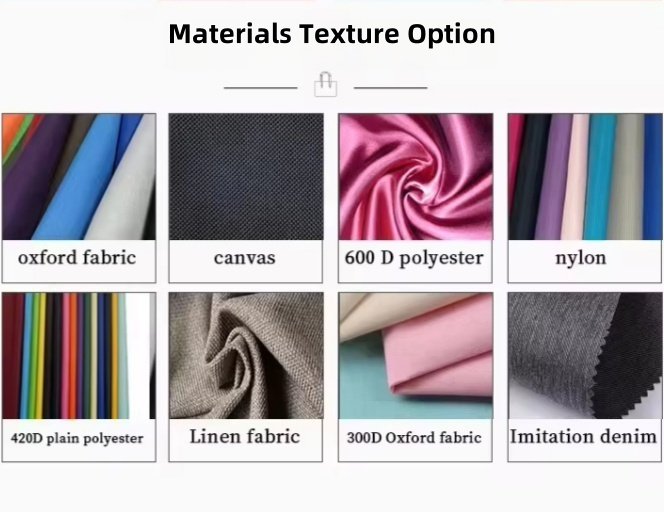
- Compare canvas, mesh, PVC, TPU, EVA, neoprene, Oxford, polyester, and RPET according to appearance, function, cleaning needs, structure, and target cost.
- Review capacity, handles, pockets, closures, wet-use details, logo method, labels, presentation, and packing before the sample is approved.
- Move confirmed specifications into organized bulk production with material checks, sewing control, logo inspection, finished-product review, packing checks, and shipment planning.

Who Needs Custom Resort Beach Bag Development?
Different resort programs need different bag specifications. Strong projects begin by matching product design, branding, packing, and delivery to the operating model from the start.

Resort & Hotel Groups
Beach bags may serve as in-room welcome gifts, pool or beach amenities, VIP packages, member benefits, or branded items guests keep after checkout. Procurement teams often need a style that feels consistent with the property while remaining easy to carry, clean, pack, and replenish. Multi-property programs also require clear color standards, logo files, carton marks, packing rules, and destination planning before bulk production.
Resort Retail & Private Label
Boutique and private-label programs need more than a resort logo on a standard tote. Material feel, silhouette, color control, inner labels, hangtags, barcode placement, retail packing, SKU separation, and repeat-order records influence whether a bag is ready for store shelves. A strong specification should also consider perceived value, display shape, pack size, replenishment planning, and future seasonal color or size extensions.
Resortwear & Travel Brands
Resortwear, swimwear, travel, and lifestyle collections often need a beach bag to sit naturally beside apparel, towels, hats, sandals, or travel accessories. Development may begin from a sketch, reference sample, mood board, or existing collection. Fabric texture, trim finish, handle proportion, logo scale, lining, pockets, closure, and packaging should support the same visual language while remaining stable enough for bulk production.
Hospitality & Destination Programs
Beach clubs, villas, spas, destination weddings, membership programs, and seasonal hospitality events often work to fixed dates and specific distribution plans. A project may require welcome-set packing, room allocation, event bundles, property-specific carton marks, or coordinated accessories such as wet pouches, cooler bags, toiletry bags, or towel bags. Early planning helps align product details, packing materials, production schedule, and delivery destination before the event window becomes critical.
Why Resort Beach Bags Need More Than Basic Customization
Resort-grade development must balance guest use, material behavior, brand presentation, housekeeping needs, seasonal timing, and repeat-order control before a concept moves into bulk production.
Guest Experience Starts With What The Bag Must Carry

A resort beach bag often becomes part of the stay rather than simple packaging. Guests may carry folded towels, swimwear, sunscreen, water bottles, sunglasses, a book, room cards, a phone, children’s beach items, or a change of clothes. Capacity should therefore be planned from the expected contents and carrying route, not from a generic tote dimension.
Use scenario: An in-room welcome bag may need a clean silhouette that looks composed on a bed or console. A poolside tote may need easier cleaning, faster access, and better separation for small valuables. A boutique style may need stronger shape retention, refined trims, and retail presentation.
Structure logic: Handle drop, opening width, bottom gusset, pocket placement, closure, lining, and reinforcement all affect daily use. A bag that looks elegant when empty can become uncomfortable or unstable after towels and bottles are added. Handle attachment areas deserve particular attention because beach contents can become heavier when damp.
Brand value: A well-developed resort tote should feel natural in guest photos, pool decks, beach transfers, and travel after checkout. Subtle embroidery, woven labels, patches, controlled color matching, or refined print placement can create stronger brand presence than an oversized logo.
Before sampling, Jundong can review the expected contents, carrying style, appearance direction, structure, logo position, and packing plan so the first prototype starts from a defined use case rather than a decorative sketch alone.
Sun, sand, moisture, sunscreen, repeated handling, and frequent packing create a different operating environment from an ordinary shopping tote. Material selection therefore needs to consider appearance and use together. Canvas can provide a natural, premium feel for lifestyle-led resort programs. Mesh can support ventilation and sand release. PVC or TPU can suit clear, wipe-clean directions. EVA can create a more structured beach form. Neoprene can provide a soft, water-oriented feel. Oxford, polyester, and RPET may suit selected functional, travel, or branded programs.
Material boundary: Water resistance depends on more than the fabric name. Coating, seams, lining, zipper design, opening structure, and construction method all influence performance. A water-resistant material should not automatically be described as a fully waterproof finished bag.
Construction boundary: Mesh strength, edge binding, handle reinforcement, bottom support, zipper installation, pocket seams, and trim attachment should be reviewed according to expected use. Wet towels increase carried weight, while sand and repeated cleaning can expose weak stitching or unsuitable surface finishes.
Cleaning direction: Resort operations may prefer surfaces that can be wiped, shaken free of sand, or dried more easily. Boutique collections may prioritize hand feel and visual texture. One material cannot deliver every benefit at the same level.
Sampling should confirm hand feel, thickness, color, shape, logo effect, handle comfort, pocket access, and the way the bag behaves when filled. Jundong can compare material and structural directions before sampling, helping the specification match beach, pool, room-gift, or resort-retail use without relying on broad performance claims.
Beach And Pool Conditions Change Material And Construction Decisions

Brand Presentation And Resort Operations Must Work Together

Resort beach bags often sit at the intersection of brand experience and operational execution. A tote may be placed in a guest room, handed out through a membership program, displayed in a boutique, packed with towels or amenities, or distributed across several properties. Branding, packaging, SKU control, and delivery planning therefore need to be considered early instead of being added after the bag is finished.
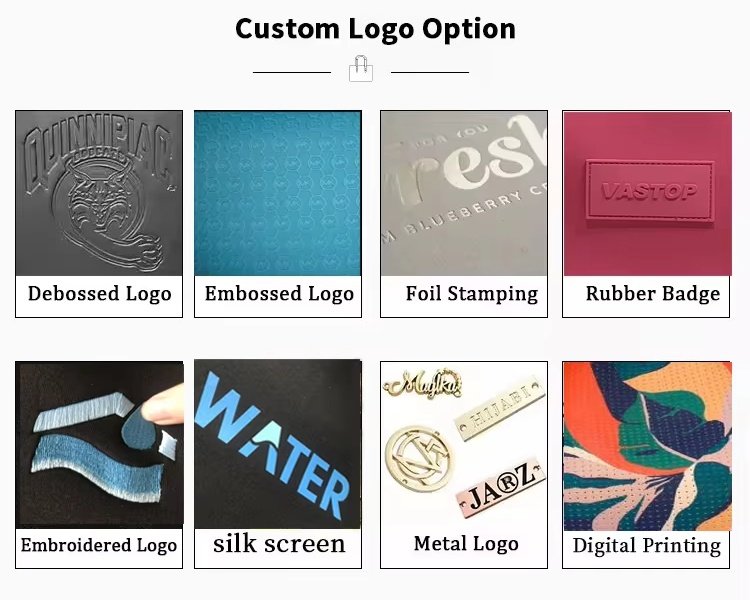
Brand presentation: Logo size, position, color, and process should match the material and the atmosphere of the property or collection. Embroidery may create a textured, refined finish on suitable fabrics. Woven labels can keep branding understated. Printed graphics may support seasonal artwork. Patches, inner labels, care labels, hangtags, and coordinated packaging can extend the identity beyond the front panel.
Retail and room use: A boutique item may need barcode labels, hangtags, SKU information, individual packing, and carton marks. A room gift may need cleaner presentation, welcome cards, gift-set packing, or allocation by property. Different channels can use the same core bag while requiring different finishing and packing specifications.
Seasonal operations: Resort openings, summer launches, holiday programs, destination events, and replenishment windows all work to fixed dates. Approval of material, color, logo artwork, sample details, packing files, quantities, and destinations should happen early enough to protect production and shipping plans.
For long-term programs, keeping approved sample references, material details, logo files, packing rules, and SKU information can support more consistent repeat orders and future style extensions. Jundong can organize these details from development through packing so brand presentation and operational requirements remain aligned.
Resort Beach Bag Solutions For Different Guest Programs
A beach bag should fit the way each property welcomes, serves, retails to, and moves guests through beach, pool, spa, and travel settings.
In-Room Welcome Bags

For welcome gifts, the bag becomes part of the first visual impression inside the room. Canvas, cotton, RPET, or refined woven-look constructions can create a softer hospitality feel. Size should accommodate selected amenities without looking oversized when displayed. Logo scale, folded presentation, welcome cards, tissue, hangtags, and room allocation rules should be confirmed together before packing begins.
Destination Event Bags

Weddings, retreats, seasonal programs, resort launches, and destination events operate around fixed arrival dates. Beach bags may carry towels, itinerary cards, bottles, sunscreen, gifts, or event merchandise. Product size, artwork approval, packing list, quantities, guest grouping, carton identification, destination, and transport timing should be confirmed early enough for sampling, bulk production, packing, and shipment to follow one coordinated schedule.
Resort Boutique Totes

A resort boutique bag must feel like merchandise rather than an event giveaway. Canvas weight, surface texture, structured base, lining, hardware, stitching finish, logo placement, inner labels, hangtags, barcodes, and individual packing all influence perceived value. Seasonal colors and size extensions should also be considered early when the style may become a recurring private-label collection instead of a one-season item.
Poolside Amenity Bags

Pool programs need quick access, easy handling, and materials suited to sunscreen, damp towels, swimwear, and frequent movement. Mesh, coated polyester, PVC, TPU, EVA, or selected easy-clean fabrics may fit different concepts. Handle comfort, drainage, ventilation, wipe-clean surfaces, inner pockets, and closure design deserve more attention than decorative details when repeated daily use is expected.
Spa And Villa Gifts

Spa, villa, and premium accommodation projects usually favor calmer proportions, tactile materials, restrained branding, and presentation that feels considered rather than promotional. Smaller beach totes, soft canvas styles, lined fabric bags, or coordinated amenity sets can work well. Embroidery, woven labels, subtle patches, color-matched trims, tissue wrapping, cards, and gift presentation should support the property atmosphere without making the product visually heavy.
Beach Club Bags

Beach clubs often need a stronger balance between style and active use. Guests may carry towels, footwear, drinks, sunscreen, phones, and personal items between loungers, changing areas, restaurants, and transport. Large openings, stable bottoms, reinforced handles, secure inner pockets, sand-friendly construction, and distinctive but controlled branding can help the bag perform naturally across a full beach-club day.
Which Resort Beach Bag Material Fits Each Program?
Material should follow the intended use, appearance, cleaning routine, carried contents, structure, logo method, packing plan, and expected frequency of use.
| Beach Bag Direction | Best-Fit Resort Use | Material Direction | Main Advantage | Confirm Before Sampling |
|---|---|---|---|---|
| Canvas Resort Tote | Guest welcome, boutique retail, resortwear collections | Canvas, cotton canvas, selected RPET canvas | Natural texture, strong lifestyle appearance, broad logo compatibility | Fabric weight, hand feel, shrinkage expectations, handle construction, lining, logo size |
| Mesh Beach Bag | Pool, beach club, water activities | Polyester mesh with fabric binding or solid panels | Ventilation, visible contents, easier sand release | Mesh strength, hole size, edge binding, handle reinforcement, logo panel, small-item storage |
| PVC / TPU Pool Bag | Poolside programs, clear-style concepts, easy-clean applications | PVC or TPU with suitable trims | Wipe-clean surface, visual clarity, modern water-side appearance | Thickness, transparency, flexibility, seam method, edge finish, logo compatibility |
| EVA Beach Bag | Structured pool and beach programs | EVA body with molded or assembled components | Shape retention, easy-clean direction, recognizable structured form | Body thickness, handle construction, component fit, decoration method, tooling needs |
| Neoprene Beach Bag | Swimwear, active resort, water-oriented collections | Neoprene in selected thicknesses | Soft hand feel, flexible construction, sporty premium appearance | Thickness, seam finish, edge treatment, shape recovery, logo process, finished weight |
| Oxford / Polyester Tote | Travel-resort programs, events, functional hospitality use | Oxford or polyester with suitable coating | Controlled cost, broad color choice, strong print compatibility | Fabric denier, coating, lining, reinforcement, zipper, print specification |
| RPET Resort Tote | Sustainability-led hospitality or branded collections | Verified RPET fabrics suited to the chosen structure | Recycled-material direction with broad fabric styling options | Material documentation, texture, weight, color, coating, logo method, project-specific claims |
Water-resistant fabric does not automatically create a fully waterproof bag. Finished performance also depends on seams, openings, zippers, lining, construction method, and intended exposure. Environmental claims for RPET or other recycled materials should follow available material documentation rather than broad assumptions.
Design Around A Real Resort Beach Day
Strong beach-bag design begins with actual contents, carrying distance, wet items, access frequency, cleaning habits, and how the filled bag behaves in use.


Capacity From Real Contents
Dimensions should begin with what guests are expected to carry. Two folded towels, swimwear, sunscreen, a one-liter bottle, footwear, a book, and small personal items require a different base width and opening from a light welcome tote. Testing the intended contents during sampling helps reveal whether the bag feels balanced, whether the opening is wide enough, and whether the finished dimensions remain visually appropriate for the property.
Comfortable Carry Under Load
Handle length cannot be chosen from appearance alone. A beach tote may be carried by hand, over the shoulder, from a room to the pool, across sand, onto a shuttle, or through an airport after checkout. Strap width, handle drop, attachment area, reinforcement, bag width, and filled weight affect comfort. Damp towels can increase the carried load, making handle construction and connection seams especially important during sample review.
Wet, Sand And Cleaning Details
Beach environments introduce moisture, sand, sunscreen, salt, and repeated surface contact. Mesh panels can help ventilation or sand release, while selected coated or smooth materials can support easier wiping. Bottom panels, lining, internal wet sections, drainage details, binding, zipper areas, and seam construction should match the intended exposure. Claims such as waterproof, leakproof, or salt-resistant should only be used when the complete structure and relevant verification support them.
Access And Small-Item Control
Phones, sunglasses, keys, room cards, sunscreen, and wallets often need faster access than towels or clothing. Inner zipper pockets, slip pockets, key loops, divided sections, top closures, or removable wet pouches can improve daily usability without turning a resort tote into an overbuilt travel bag. Pocket size and placement should be checked with actual contents so seams, logo areas, lining, and exterior appearance remain balanced after the structure is added.
Build Resort Beach Bags Around Brand Identity
A resort beach bag should carry the same visual language as the property or collection, from material texture and color to logo scale, labels, trims, and presentation.
Make Branding Feel Native To The Bag

A strong resort bag does not need an oversized logo to be recognizable. Brand value often comes from how material, color, proportion, trim finish, and logo placement work together. A natural canvas tote may suit tonal embroidery or a woven label. Smooth PVC or TPU can work with selected print or patch applications. EVA may need a different decoration route because the surface and structure behave differently from fabric. Neoprene, coated polyester, and RPET fabrics also require process choices that match thickness, stretch, texture, and expected use.
Logo scale: A mark that looks balanced on a 35 cm tote may feel too small on a larger family beach bag or too dominant on a compact villa gift. Position should be reviewed with the finished proportions, not only from artwork dimensions.
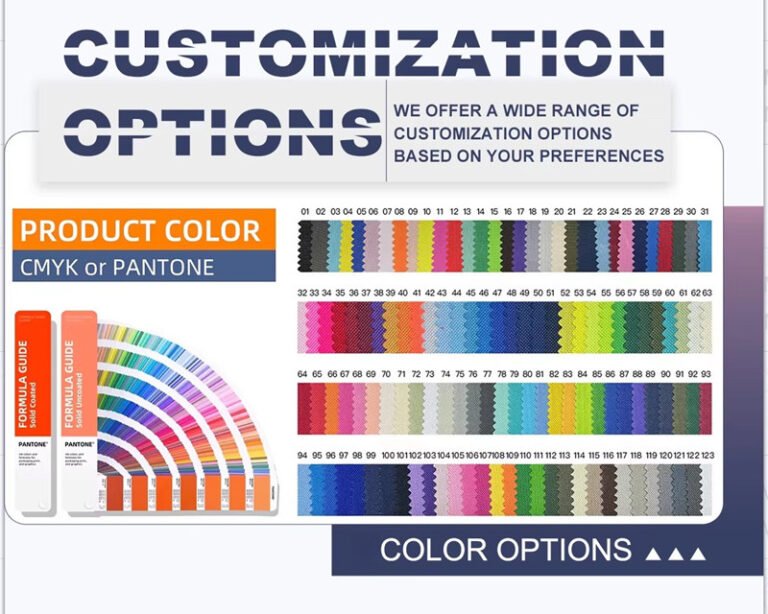
Color control: Brand colors may extend across body fabric, handles, binding, zipper tape, lining, stitching, patches, labels, and packaging. Pantone references are useful, but different materials can reflect the same color differently because of texture, gloss, coating, and dye behavior.
Private label details: Inner labels, woven labels, care labels, branded pullers, hangtags, patches, zipper details, and coordinated packing can help turn a custom hotel beach bag into a complete branded product. Each element should earn its place. Too many visible branding details can make a premium resort item feel promotional.
Sampling should confirm the complete visual balance: fabric tone, logo size, handle color, trim finish, label placement, stitching, and how the product looks both empty and filled. A private label resort beach bag becomes more convincing when every visible detail supports one consistent identity.
The same custom resort beach bag may need different finishing depending on where it enters the guest journey. A bag prepared for a hotel room follows different presentation rules from an item sold through a resort boutique. Treating both channels as identical can create unnecessary packaging, poor display, or missing label information.
Room-ready presentation: Welcome gifts often need clean folding, controlled shape, tissue, a welcome card, amenity inserts, or placement inside a larger guest set. Packaging should protect the product without making the room setup look commercial. If bags are allocated by property, villa category, room package, event group, or destination, the carton identification plan should be established before packing.
Retail-ready presentation: Boutique products may require hangtags, barcode labels, SKU identification, care information, individual bags, price-label space, and carton marks. Color and style separation becomes important when one order includes several designs or seasonal versions. Retail teams may also need consistent folding, label position, hangtag attachment, and product orientation so replenishment arrives looking like the original release.
Collection consistency: A resort beach tote may later expand into a wet pouch, toiletry bag, cooler tote, towel bag, or seasonal color edition. Keeping confirmed logo files, material references, label rules, and packing specifications helps future additions remain visually connected.
Brand presentation therefore continues beyond the bag itself. Product, labels, packing, carton identification, and future collection extensions should be reviewed as one coordinated program rather than separate finishing tasks.
Plan Room-Ready And Retail-Ready Presentation Separately

How A Resort Beach Bag Moves Into Sampling
Project Brief Review

Development can begin from a sketch, reference bag, mood board, photo, existing product, or early concept. The first review should identify intended resort use, items carried, approximate size, visual direction, logo plan, quantity, packing, destination, and required delivery window. Missing information does not stop an initial discussion, but clearer inputs reduce avoidable revisions later in sampling.
- Resort or hospitality use
- Reference image or drawing
- Target quantity and destination
Material Direction

Material selection should connect appearance with use. A natural resort tote, pool bag, mesh beach carrier, structured EVA style, or soft neoprene design all behave differently during cutting, sewing, branding, cleaning, and packing. Hand feel, thickness, color, coating, lining, structure, and trim compatibility should be reviewed together before the main sample material is prepared.
- Surface feel and weight
- Water or cleaning requirements
- Logo and trim compatibility
Structure And Capacity

Approximate dimensions are not enough when the bag must carry towels, bottles, footwear, swimwear, or guest amenities. Width, height, gusset, opening, handle drop, pocket position, closure, base support, lining, and reinforcement should be considered as one structure. Early capacity review helps avoid a sample that looks correct on paper but becomes awkward after actual contents are added.
- Filled-use capacity
- Handle and opening proportions
- Pocket and base layout
Branding Feasibility

Logo artwork should be checked against the material surface and intended visual effect. Embroidery, printing, woven labels, patches, embossed details, branded pullers, or other decoration methods do not behave the same across canvas, mesh, PVC, TPU, EVA, neoprene, and coated fabrics. Logo size, position, colors, backing, edge finish, and surrounding seams can all affect the finished result.
- Artwork format and colors
- Position and finished size
- Process matched to material
Prototype And Revision

The first sample is a working development tool, not only a beauty sample. Review should cover measurements, shape, material feel, stitching, handle comfort, pocket access, logo result, closure, filled appearance, and packing direction. Complex styles may need revisions before approval. Written comments, marked photographs, updated measurements, and approved references help each revision move toward a clearer bulk specification.
- Measure and fit review
- Functional use check
- Revision record
Packing And Approval

Packaging should be considered before the sample becomes the production reference. Hangtags, care labels, barcode positions, individual bags, tissue, welcome cards, gift sets, SKU rules, carton marks, and property allocation may influence product folding or final dimensions. Once product and packing details are approved, the confirmed sample and related specifications become the working reference for production preparation.
- Packing format
- Label and SKU rules
- Approved production reference
From Approved Sample To Controlled Bulk Production
Bulk quality depends on converting the approved resort beach bag into clear production references, inspection items, packing rules, and records before volume work begins.
| Control Stage | What Should Be Confirmed | Main Risk Controlled | Production Reference |
|---|---|---|---|
| Approved Sample Release | Dimensions, shape, fabric, lining, handles, pockets, closure, logo, trims, packing direction | Different teams following different versions | Approved physical sample, marked photos, confirmed specification |
| Material Preparation | Fabric type, color, thickness, coating, lining, webbing, zipper, hardware, labels | Shade variation, wrong material, incorrect trim | Material swatches, color reference, accessory list |
| Pre-Production Review | Pattern, construction sequence, logo location, reinforcement, critical dimensions, packing method | Design details being interpreted differently in volume production | Pattern files, sample comments, workmanship reference |
| Cutting And Logo Work | Panel direction, cutting dimensions, print or embroidery placement, logo size, color and clarity | Misaligned panels, incorrect logo position, artwork inconsistency | Cutting pattern, logo approval, position reference |
| Sewing And Assembly | Stitching, seam allowance, handle attachment, binding, pockets, zipper installation, reinforcement | Weak stress areas, distorted shape, assembly inconsistency | Approved sample and sewing specification |
| In-Process Inspection | Key measurements, appearance, stitching, logo, construction, function during production | Repeating defects across a large batch | Inspection criteria and production records |
| Finished Product Review | Overall shape, dimensions, handle symmetry, closure, pockets, surface cleanliness, logo finish | Defects reaching packing stage | Approved sample, tolerance requirements, inspection checklist |
| Packing Verification | Hangtags, care labels, barcodes, SKU separation, individual packing, carton quantity, carton marks | Wrong labels, mixed SKUs, incorrect property allocation | Packing instruction, SKU list, carton-mark file |
| Shipment Preparation | Final carton count, destination information, shipping marks, delivery schedule, handover documents | Dispatch errors, incomplete shipment information | Packing list, destination plan, confirmed shipping details |
Sample-to-bulk consistency does not mean every textile item is visually identical under every condition. Fabric behavior, production tolerances, handwork, and material batches require defined inspection criteria. The objective is to keep approved construction, appearance, dimensions, branding, function, and packing within agreed project standards.
For custom resort beach bags, inspection priorities should match the product. Canvas totes may place more emphasis on shape, stitching, handles, color, and logo finish. Mesh bags need attention around mesh strength, binding, panel attachment, and small-item pockets. PVC or TPU styles need surface, transparency, seam, edge, and decoration checks. EVA constructions require structure and component alignment review. Packing controls become especially important when several properties, colors, SKUs, or retail formats are included in one order.
How Resort Packing And Multi-Property Delivery Stay Organized
Resort programs often involve different presentation formats, SKUs, properties, destinations, and launch dates. Packing rules should therefore be confirmed before finished bags enter cartons.
Room, Retail And SKU Packing Need Different Rules

A beach tote placed inside a guest room does not need the same finishing sequence as a product prepared for boutique retail. Room-ready programs usually emphasize clean presentation, correct property allocation, amenity combinations, and efficient unpacking by hotel teams. Resort boutiques often need hangtags, care labels, barcode placement, SKU identification, individual packing, and carton information that supports receiving and replenishment.
Room-ready packing: Bags may be folded with tissue, paired with welcome cards, packed with towels or selected amenities, or prepared as part of a villa or membership set. The packing method should protect the product while keeping setup simple for hotel staff. Excessive retail-style packaging may add cost and waste without improving the guest experience.
Retail-ready packing: Hangtag position, barcode format, SKU code, individual bag size, product orientation, carton quantity, and external marks should be agreed before packing materials are produced. Multi-color or multi-style orders need especially clear SKU separation so receiving teams can identify each variation without opening unnecessary cartons.
Set packing: Beach bags may also be combined with wet pouches, toiletry bags, cooler totes, towels, cards, or other branded items. Every combination changes carton dimensions, packing sequence, and item counts. Set components should therefore be listed and approved before the final packing specification is released.
Clear packing instructions reduce last-stage confusion and help preserve the same presentation from the approved sample through warehouse receiving, room placement, or boutique display.
Hotel groups and resort operators may divide one production run across several properties, warehouses, countries, or opening schedules. A single beach bag design can therefore become a more complex distribution project once different colors, quantities, property codes, carton marks, or arrival dates are introduced.
Property allocation: Each location should have a confirmed quantity, style, color, and packing rule. A property list can identify the hotel name or code, SKU, quantity, carton sequence, and destination. Without this information, products can be correctly produced but incorrectly divided during packing.
Carton identification: External marks may include PO number, SKU, color, quantity, carton number, property code, or destination. The exact format should follow the project files provided by the brand or hotel group. Carton marks should be reviewed before mass packing rather than added after goods are already sealed.
Split destinations: When one order moves to several receiving locations, the packing list and carton count need to match the shipment plan. Some programs may require separate forwarders, different warehouse references, or different collection dates. These details affect sorting and dispatch preparation even when the bag itself is identical.
Repeat programs: Keeping confirmed SKU lists, carton-mark files, packing instructions, label positions, and property allocation records supports smoother replenishment later. Seasonal color updates or additional hotel locations can then start from a clearer operating reference instead of rebuilding packing rules from memory.
Well-organized destination control is especially valuable for hotel groups because the final stage is not simply “pack the bags.” The real task is sending the correct product, in the correct quantity, with the correct identification, to the correct location.
Multi-Property Orders Need Destination-Level Packing Control

Plan MOQ, Cost, and Seasonal Resort Delivery Together
Quantity, development cost, production timing, and arrival date are connected. Early planning helps prevent a seasonal resort program from losing time after design approval.
MOQ Planning
Jundong’s standard MOQ is usually 500 pcs per design. Selected simple styles may be reviewed at 200–300 pcs case by case, while some low-unit-price basic constructions may require 1,000 pcs or more because material purchasing, logo setup, sewing, packing, and inspection still require a complete production flow.
- Quantity is reviewed together with material and construction.
- Multi-color programs should confirm quantity by design and color.
- Special trims or custom packing can affect the workable production level.
Cost Structure
The unit price of a custom resort beach bag comes from the complete specification rather than the bag name alone. Material type and thickness, coating, lining, size, gusset, pockets, handles, zippers, hardware, logo process, packing, quantity, delivery requirements, and project-specific testing can all influence cost.
- Premium texture may increase material or finishing cost.
- Added pockets and structure increase sewing work.
- Retail labels and gift packing should be priced before approval.
The goal is not the lowest possible number, but a specification that keeps appearance, function, quality, and delivery aligned with the intended program.
Sampling And Approval
Sampling is used to confirm the details that are difficult to judge from drawings alone: material feel, actual size, capacity, structure, logo result, handle comfort, pocket access, and packing presentation. Sampling usually takes around 5–7 days, while selected simple styles may be completed faster when materials and artwork are ready.
Sample fees cover development work, material preparation, logo setup, and sample making. The fee can be refunded or deducted when the bulk order reaches 2,000 pcs.
Seasonal Delivery Planning
Resort launches often have fixed dates: summer opening, holiday program, event weekend, boutique collection, or property reopening. Bulk production usually takes around 20–30 days, depending on material, structure, quantity, logo, packing, and approval status.
- Work backward from the required arrival date.
- Include sampling and revision before bulk production.
- Allow time for packaging preparation and inspection.
- Review shipping method according to destination and deadline.
Late artwork, special materials, added SKUs, or packaging changes can move the schedule, so key decisions should be closed before production begins.
Why Jundong Fits Serious Resort Beach Bag Programs
Large resort and brand programs need more than sample making. Development, volume production, inspection, packing, and repeat-order control must work as one operating system.

20+ Years OEM/ODM Experience
More than two decades of custom bag work gives the development team broader exposure to material behavior, construction choices, logo execution, sampling revisions, packing requirements, and production risk. Experience matters most before problems reach volume production. For resort beach bags, early review can connect appearance with capacity, wet-use conditions, brand positioning, seasonal timing, and the intended hotel or retail channel.
600+ Employees
A team of more than 600 employees supports development, sampling, production, inspection, packing, and export coordination across larger custom programs. Scale becomes especially relevant when one resort project includes several colors, multiple SKUs, separate packing formats, or repeat production. Headcount alone does not create quality; organized coordination helps keep approved specifications moving through the different production and packing stages.
18,000㎡ Factory Area
An 18,000㎡ production facility provides working space for development, material handling, cutting, sewing, inspection, packing, and order movement. Resort programs often involve bulky totes, multiple cartons, packaging components, and several SKU groups, so physical workflow matters. Enough production and handling space helps different stages remain separated and easier to manage as an order moves from sample approval toward shipment preparation.
80 QC Inspectors
Jundong has 80 QC inspectors supporting checks across materials, logo work, sewing, finished products, and packing. Inspection criteria should change with the bag type: canvas handles and shape need different attention from mesh binding, PVC surfaces, EVA structure, or multi-SKU packing. The purpose is not to claim perfect production, but to identify and control deviations before products move to the next stage.
Need A Resort Beach Bag Sample First?
A well-designed resort beach bag should do more than look attractive. It should suit hotel guests, beach clubs, spas, poolside use, welcome gifts, and retail programs while providing the right capacity, durability, comfort, and branding details. Confirming size, material, handles, pockets, logo method, packaging, and expected quantity before sampling helps create a bag that is practical, consistent, and ready for its intended use.
Client Testimonials
800+ brand Clients Trust Jundong


FAQs About Resort Beach Bags
These are the questions most often raised before resort beach bag sampling, quotation, production planning, private label packing, and seasonal delivery are confirmed.

What is the MOQ for custom resort beach bags?
Jundong’s standard MOQ is usually 500 pieces per design for custom resort beach bag projects. Selected simple constructions may be reviewed at 200–300 pieces case by case, while some basic low-unit-cost styles may require 1,000 pieces or more because fabric purchasing, logo setup, sewing, packing, and inspection still require a complete production run.
MOQ also depends on material, color quantity, structure, branding method, special trims, and packing format. A 500-piece canvas resort tote with one color and embroidery follows a different production logic from an EVA style, multi-color private label collection, or individually boxed retail program.
Send the reference style, target quantity, material direction, logo, and packing requirement first. The workable quantity can then be reviewed against the actual specification rather than applying one number to every beach bag.
Which material is best for a resort beach bag?
There is no single “best” material; the right choice depends on how the bag will be used. Canvas and cotton work well when natural texture, lifestyle appeal, and boutique presentation matter. Mesh is useful where ventilation and sand release are important. PVC or TPU can support clear, wipe-clean poolside concepts. EVA creates a more structured form, while neoprene offers a softer water-oriented feel.
Oxford, polyester, and selected RPET fabrics can also suit travel, hospitality, branded amenity, or seasonal retail programs.
Before deciding, compare the expected contents, cleaning method, moisture exposure, required shape, logo process, target appearance, packing format, and cost level. Material names alone do not determine finished performance. Water resistance, for example, also depends on seams, lining, openings, zippers, coating, and overall construction.
Can you develop a beach bag from a photo or concept?
Certainly—development can begin from a reference photo, sketch, existing sample, mood board, or early product concept. A complete technical pack is helpful but not required for the first review.
The development process normally starts by clarifying the intended resort setting, items carried, approximate dimensions, material feel, brand direction, logo position, quantity, packing, destination, and delivery date. From there, structure and production feasibility can be reviewed before sampling.
Some ideas need small adjustments before they become suitable for stable volume production. Handle construction, opening width, pocket layout, bottom support, logo position, material thickness, or packing size may need refinement without changing the original design character.
For confidential or unreleased collections, NDA requirements can be raised before sensitive artwork or project files are shared.
How long does custom resort beach bag sampling take?
Sampling usually takes around 5–7 days after the main specifications, materials, and artwork are ready. Selected simple styles may move faster, while more complicated structures, special materials, molded components, unusual trims, or multiple logo processes can require additional development time.
A useful sample should do more than show the appearance. It should help confirm dimensions, capacity, material feel, handle comfort, structure, logo result, pocket access, closure, lining, and packing direction.
Complex projects may also need one or more revisions before approval. That is normal product development rather than a failure of the first prototype.
The most efficient way to shorten development is to provide clear reference images, target size, expected contents, logo artwork, material preference, quantity, packing direction, and deadline before sample making begins.
How do you control sample-to-bulk consistency?
Approved samples are converted into production references before bulk work begins. Key dimensions, materials, colors, logo placement, sewing details, reinforcement, pockets, trims, packing rules, and other approved details are recorded and used during production preparation.
Control continues through material checking, cutting, logo work, sewing, in-process inspection, finished-product review, and packing verification. Jundong has 80 QC inspectors supporting checks across different stages rather than relying only on a final visual inspection.
Inspection priorities also change with the product. Canvas totes may require closer attention to shape, handles, stitching, and logo finish; mesh styles need binding and mesh-connection checks; PVC or TPU products need surface and seam review; EVA designs require structural alignment.
The aim is controlled production within agreed specifications, not an unrealistic promise that every textile item will be visually identical under every condition.
Can you support private label resort boutique packaging?
Absolutely—private label resort programs can include much more than adding a front logo. Depending on the project, branding may extend to embroidery, print, woven labels, inner labels, care labels, patches, branded pullers, hangtags, barcode stickers, individual packing, welcome cards, gift presentation, SKU identification, and carton marks.
Resort boutique products often need retail-ready details such as UPC or EAN labels, hangtag placement, consistent folding, single-unit packing, SKU separation, and replenishment records. Room-gift programs may instead need tissue, welcome cards, amenity combinations, or simpler presentation suited to hotel setup.
Packaging should be discussed before bulk production because label position, folding method, gift-set contents, and retail packing can affect product dimensions, carton quantity, cost, and production timing.
Can one order be divided among several resort properties?
Of course—multi-property programs can be organized when you clearly provide allocation and destination instructions before packing. You can divide one production run by hotel, resort, warehouse, country, SKU, color, event group, or scheduled opening.
A clear allocation sheet should identify each property or destination, required style, color, quantity, carton sequence, and any specific packing rule. Carton marks may include PO number, SKU, color, quantity, carton number, property code, or destination according to the files supplied for the project.
Split shipments may also require different freight arrangements, warehouse references, or collection dates.
For repeat programs, keeping approved SKU lists, packing instructions, property codes, and carton-mark files makes later replenishment easier and reduces the need to rebuild distribution rules from the beginning.
What determines the price of a custom resort beach bag?
Price is determined by the complete specification, not simply by calling the product a beach tote. Important cost factors include fabric type, thickness, coating, lining, size, gusset, pockets, reinforcement, handles, zippers, hardware, logo process, number of logo positions, packaging, quantity, testing requirements, and delivery timing.
For example, a simple unlined canvas tote with one-color print has a very different cost structure from a lined premium resort tote with embroidery, custom hardware, inner labels, retail hangtags, and individual packaging.
Quantity also affects material purchasing and production efficiency.
A useful quotation therefore starts with reference photos, dimensions, material direction, logo artwork, quantity, packing requirements, destination, and deadline. Jundong focuses on balancing presentation, function, cost, production stability, and delivery rather than using the lowest unit price as the main project decision.
How early should a seasonal resort project begin?
The safest approach is to plan backward from the required arrival date, not from the factory production date. Resort openings, summer collections, holiday programs, destination weddings, and beach-club launches usually have fixed dates that cannot move simply because development takes longer.
Sampling normally requires around 5–7 days, and bulk production is commonly around 20–30 days depending on the confirmed specification. Additional time may be needed for revisions, material preparation, logo processes, retail packaging, inspection, shipping, or multi-destination sorting.
Special fabrics, custom colors, new hardware, molded EVA components, complex gift sets, or late artwork approval can extend the schedule.
Share the required arrival date and destination as early as possible so sampling, production, packing, inspection, and transport can be planned as one timeline rather than separate steps.
Can you support testing and compliance documentation?
Definitely—testing and documentation requirements can be reviewed according to the product, material, destination, use, and sales channel. Requirements should be raised early, preferably before final material selection or sampling, because different fabrics, coatings, trims, recycled-material claims, and intended uses can involve different documentation or testing needs.
For projects entering the United States, Europe, the United Kingdom, or other regulated destinations, the applicable requirements should be confirmed according to the specific product and channel rather than assuming one report covers every style.
RPET projects may also require supporting material documentation when recycled-content claims are part of the specification.
Jundong can coordinate project-based testing or document review when required, but it is not accurate to claim that every beach bag automatically carries every certificate for every destination. Clear standards at the beginning lead to cleaner execution later.
Send Your Resort Beach Bag Project For Review
A useful project review can begin with a reference image and expected quantity; a complete tech pack is not required at the first stage. If specifications are already available, include the intended resort setting, approximate dimensions, material preference, logo artwork, colors, packing format, target quantity, delivery deadline, and destination.
These details allow material, structure, capacity, branding, MOQ, development direction, packing requirements, production timing, and shipment planning to be considered together. For retail or multi-property programs, add SKU lists, barcode files, hangtag artwork, carton-mark formats, property allocations, or separate delivery instructions where applicable.
For projects involving recycled materials, chemical requirements, special performance expectations, or third-party testing, include the required standard before final material approval. Confidential collections can also mention NDA requirements before unreleased designs are shared.
The clearer the project information, the more accurately the next development step can be reviewed. Early-stage concepts are equally welcome—send the reference first, then build the specification around the actual resort use.
Helpful Details To Send
- Reference photo, sketch, sample image, or design file
- Resort, hotel, pool, beach club, boutique, or event use
- Target size or items the bag should hold
- Preferred material or desired hand feel
- Logo artwork, colors, position, and branding direction
- Quantity by design, color, or SKU
- Room-ready, retail-ready, gift-set, or individual packing
- Hangtag, barcode, inner-label, or carton-mark requirements
- Required arrival date and delivery destination
- Testing, material documentation, or compliance requirements
- Property allocation or split-destination instructions
- NDA request for confidential or unreleased projects
For direct project communication, files can also be sent to info@jundongfactory.com.