Skip to content
Custom Clear PVC Event Bags
Clear bag development for brand activations, stadium programs, concerts, festivals and event merchandise requiring controlled materials, branding and bulk execution.
- Develop from a reference image, drawing, approved sample or new concept, with bag size, PVC clarity, trim, closure, strap and logo details reviewed before sampling.
- Plan event-specific requirements early, including target venue rules, distribution method, packing format and required arrival date, so product decisions support the actual program rather than a generic stock style.
- Move approved details into bulk production with material checks, process inspection, finished-product review and packing control backed by Jundong’s 20+ years of OEM/ODM bag experience.
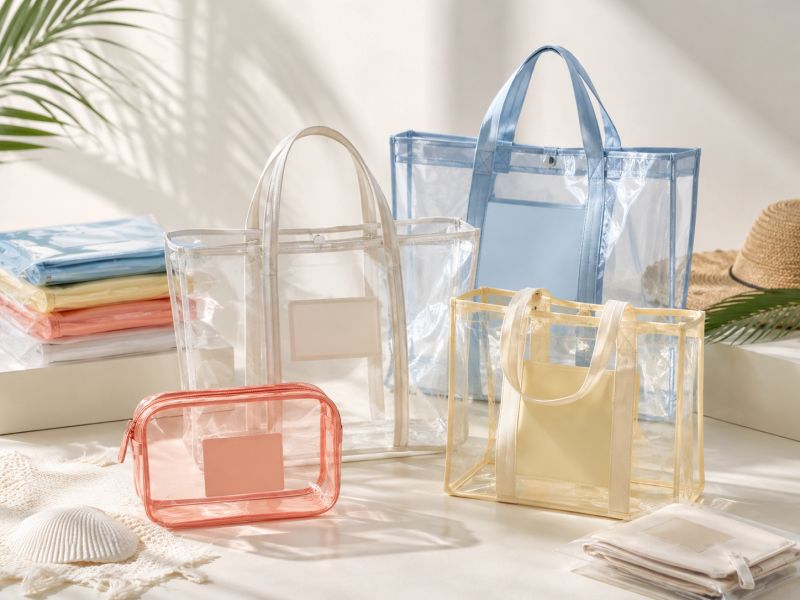
Who Uses Custom Clear PVC Bags for Events?
Event programs use clear bags for security visibility, branded distribution and hands-free carrying, but each program brings different structure, timing and presentation requirements to manage.


Brand Activation Programs
Brand activations often need more than a transparent bag carrying a printed logo. Material clarity, trim color, strap design, hardware, print position and packing presentation all influence how the finished item represents the brand. Clear PVC totes, crossbody bags and compact event styles can be developed around campaign artwork, event use and distribution plans. Sample approval should confirm visual balance and construction before large quantities move forward.
Stadium & Sports Programs
Sports programs, clubs, sponsors and venue projects usually place greater importance on dimensions, transparent viewing area, carrying structure and entry requirements. A bag that looks similar to a common stadium style may still need adjustment for a specific venue. Size restrictions, logo coverage, closure type, strap length and PVC clarity should therefore be reviewed against the intended use before sampling rather than assumed from a standard promotional format.
Concert & Festival Programs
Concerts and festivals often favor compact crossbody bags, waist bags, clear totes and other hands-free formats that remain easy to carry in crowded environments. Product planning should balance capacity, PVC softness, zipper access, strap comfort, visible branding and fast distribution. Event dates are fixed, so artwork approval, sample revision, bulk production, packing and transport planning must be coordinated early enough to protect the required arrival schedule.
Corporate & Agency Programs
Corporate teams, event agencies, promotional companies and conference organizers often manage several requirements at once: brand artwork, quantity, budget, packing, delivery date and onsite distribution. A clear bag project may also involve multiple logo versions, event groups or carton markings. Early confirmation of artwork files, packing units, destination information and required arrival dates helps reduce late-stage changes while keeping the finished bags organized for efficient event handling.
What Should Be Confirmed Before Event Bag Approval?
Venue use, visibility, dimensions, carrying structure and packing method should be reviewed before sampling, especially when entry rules or fixed event dates apply.
| Event Use | What To Confirm | Why It Matters | Review Focus |
|---|---|---|---|
| Stadium Programs | Maximum dimensions, transparent area, closure, strap, logo coverage | Entry requirements may differ between venues and organizers | Match the proposed structure against the stated venue specification before sample approval |
| Sports Events | Capacity, carrying comfort, handle or shoulder strap, reinforcement, distribution method | Bags may be carried for several hours and distributed in high volume | Balance visibility, carrying comfort, simple handling and bulk consistency |
| Concerts | Compact size, zipper access, strap length, logo placement, required arrival date | Security screening and hands-free carrying often influence the preferred format | Review size, access, strap structure and branding without unnecessarily blocking transparent areas |
| Festivals | PVC softness, bag depth, zipper, adjustable strap, repeated-use comfort | Long wear and crowded environments increase the importance of handling and comfort | Match material feel and structure with expected contents and carrying duration |
| Corporate Events | Logo artwork, brand colors, packing units, carton grouping, distribution plan | Brand presentation and onsite organization influence the event experience | Align product details with artwork, event grouping, packing instructions and arrival schedule |
| Trade Shows | Carrying capacity, giveaway contents, logo visibility, packing efficiency | Bags often need fast distribution and easy carton handling | Review capacity, artwork size, packing quantity and carton identification before production |
| Staff & Crew Use | Capacity, badge or accessory storage, strap durability, event identification | Staff bags may carry more items and stay in use throughout the program | Strengthen suitable connection areas and separate staff versions when required |
A clear bag should never be described as suitable for every stadium or venue without reviewing the relevant rules. Organizers may set different limits for dimensions, transparency, closures, pockets and logo coverage. When entry approval matters, provide the venue name, event rules or published bag specification during development.
Which Clear PVC Bag Style Fits Your Program?
Bag format should follow how people enter, carry, receive and reuse it. Six core structures cover most stadium, concert, festival and branded event applications.
Clear Fanny Pack
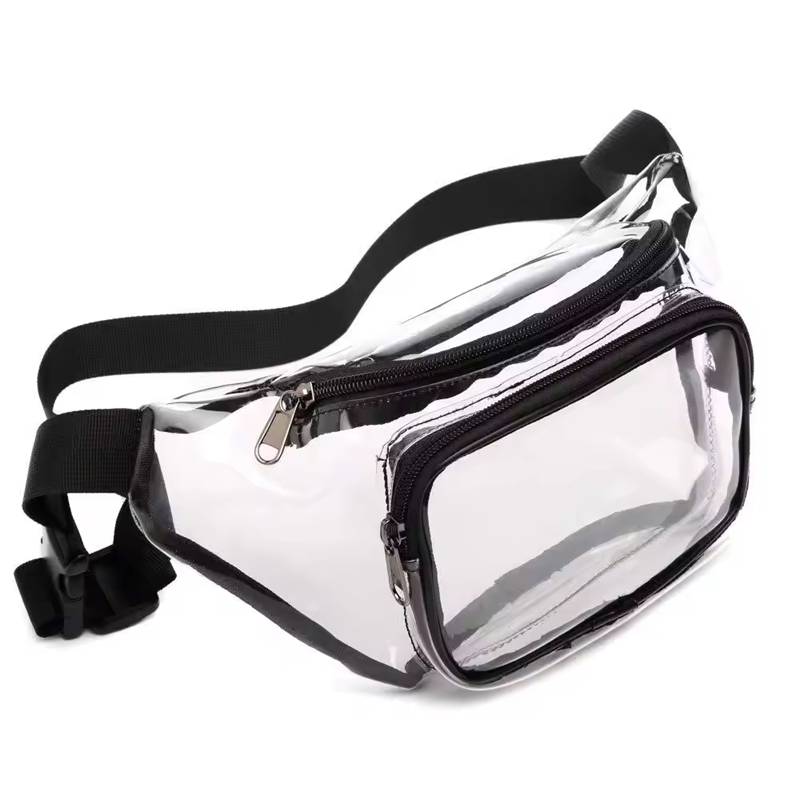
A clear fanny pack is useful for festivals, sports activations, music events and staff programs where compact storage and quick access matter. Development should consider waist-belt comfort, buckle quality, zipper opening, bag depth, transparent panel shape and reinforcement around stress areas. Branding can be placed on the PVC panel, strap, patch or trim depending on visibility needs and material compatibility.
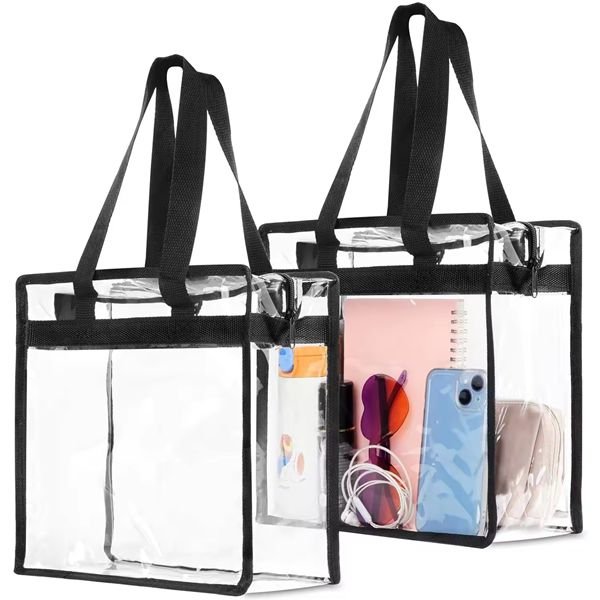
Clear Stadium Tote

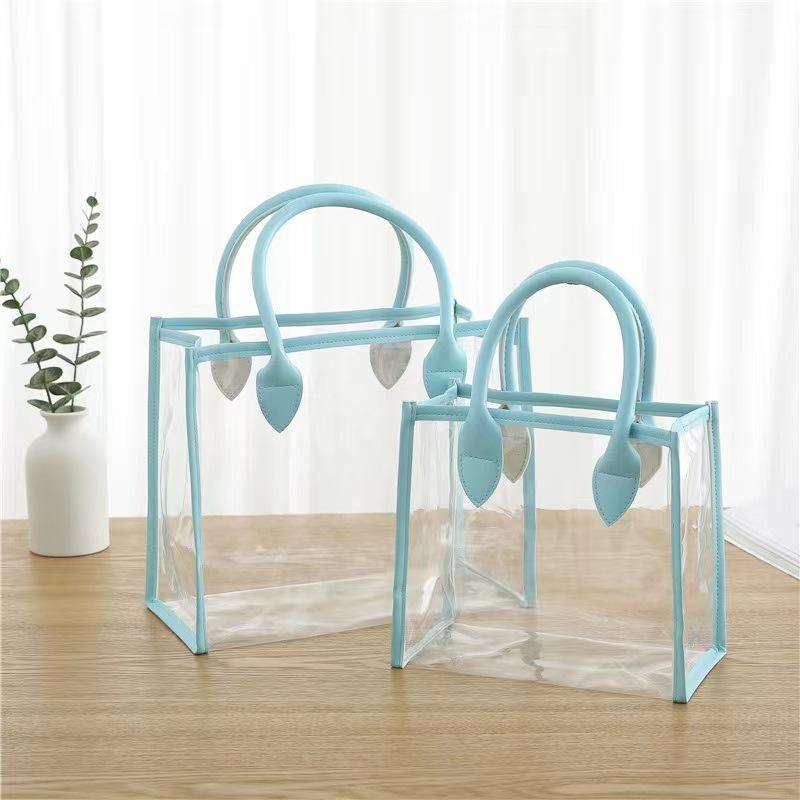
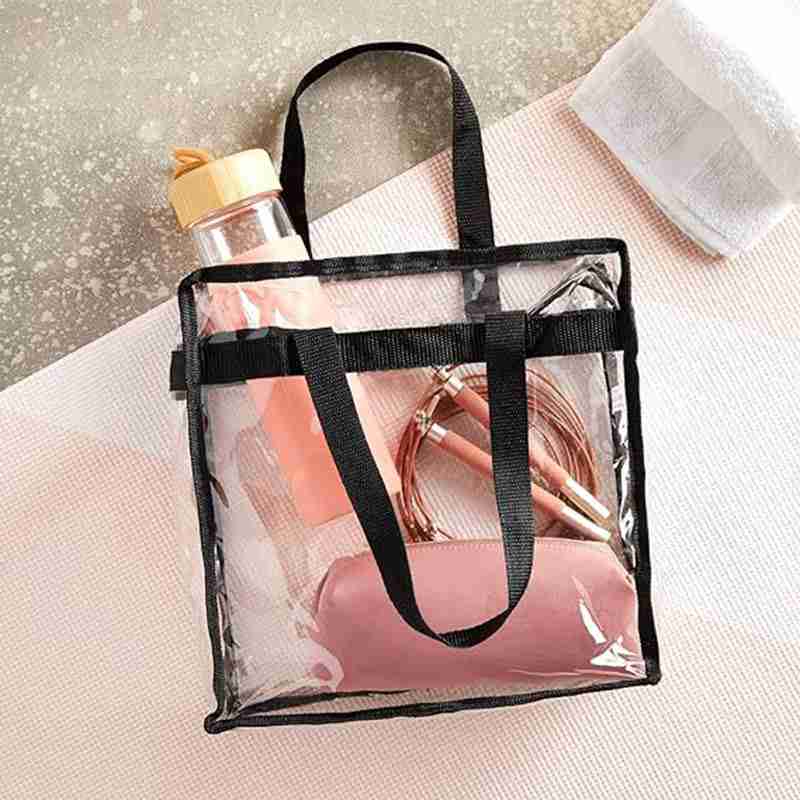
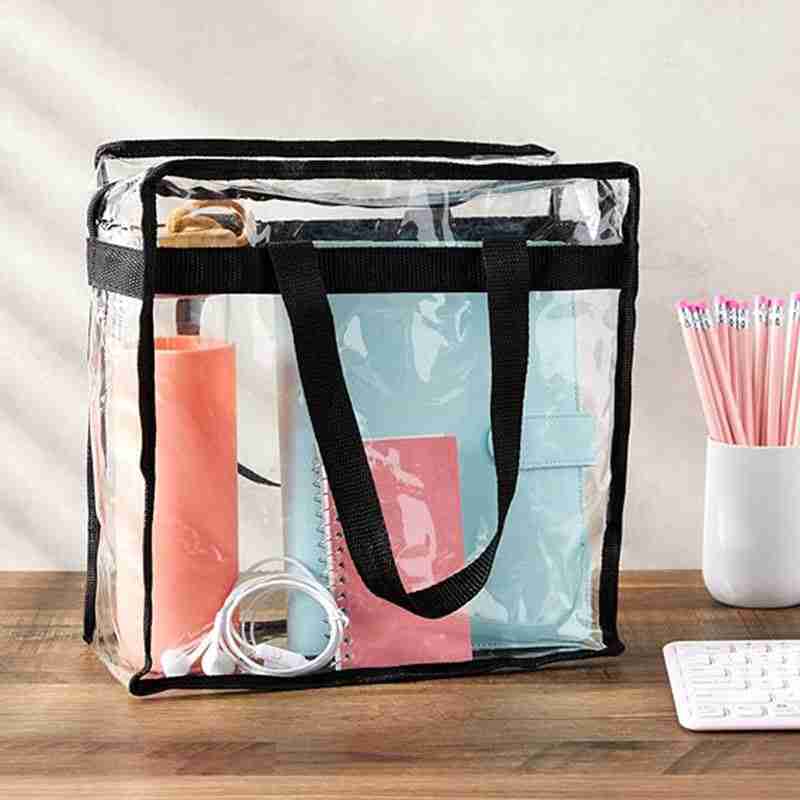
A clear stadium tote works well for sports programs, venue promotions, sponsor giveaways and organized event distribution. Development should review overall dimensions, transparent panel area, handle length, trim construction, closure choice and logo placement. The target venue’s published requirements should be checked before sample approval because size and visibility rules can differ between locations and event operators.
Clear Event Backpack

Clear backpacks provide greater capacity for school programs, staff use, sports events and larger venue activities. Compared with a simple tote, more attention is required around shoulder straps, zipper length, binding, panel connection and load-bearing areas. PVC thickness should match the intended capacity, while reinforced strap connections and clean transparent panels help the finished product maintain a controlled appearance during repeated handling.
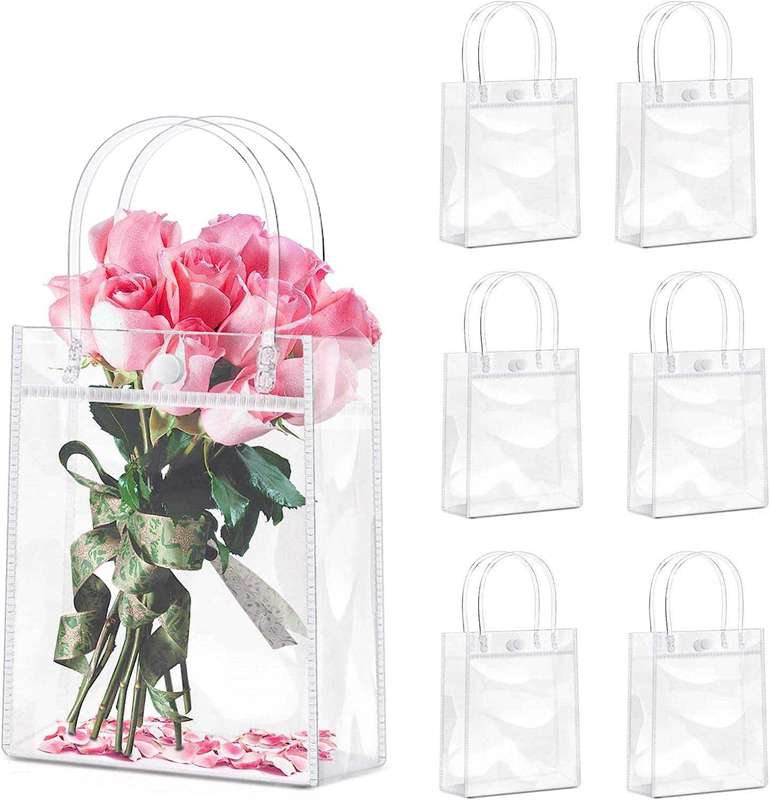
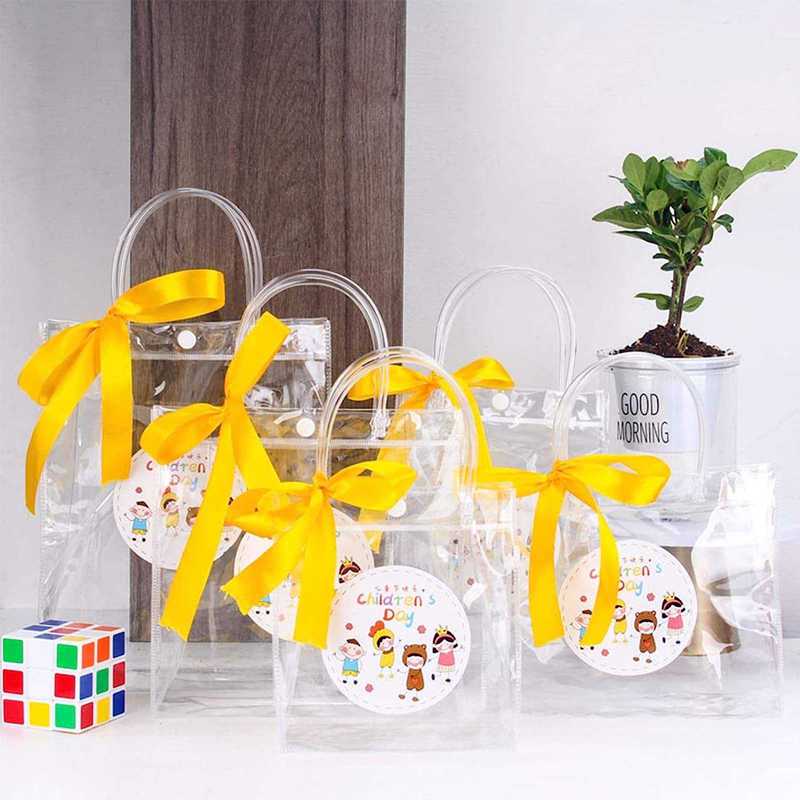
Transparent Event Tote

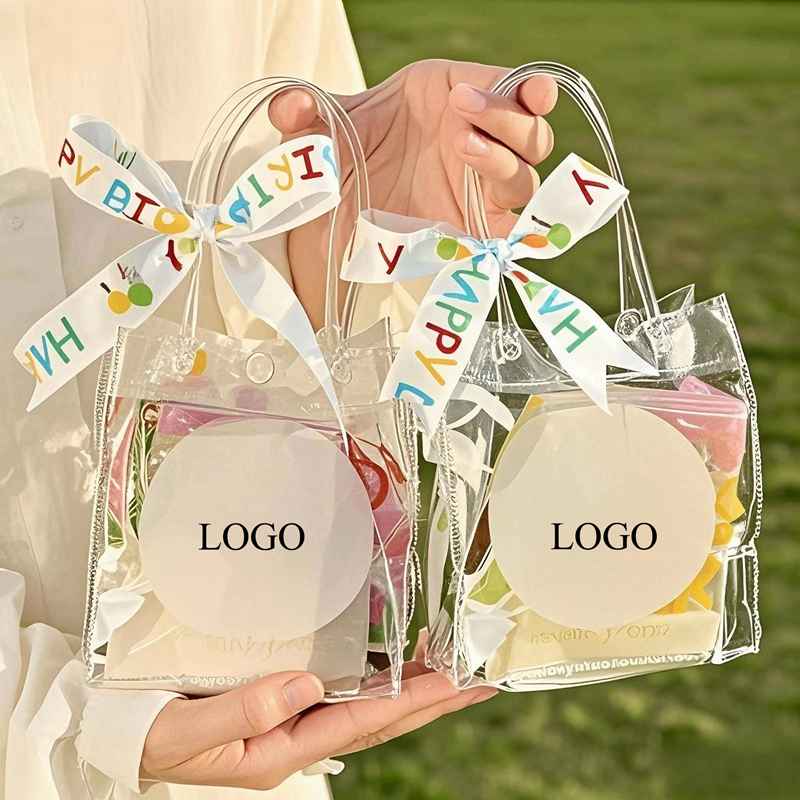
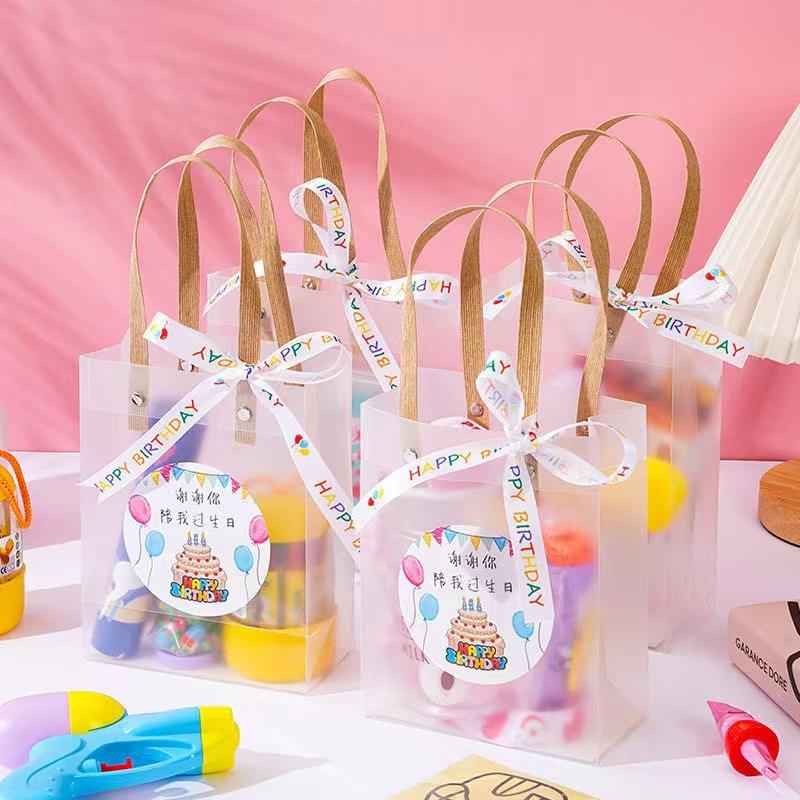
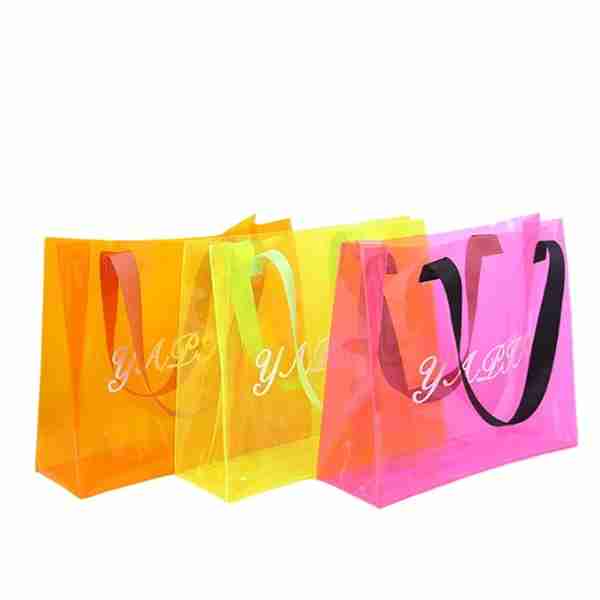
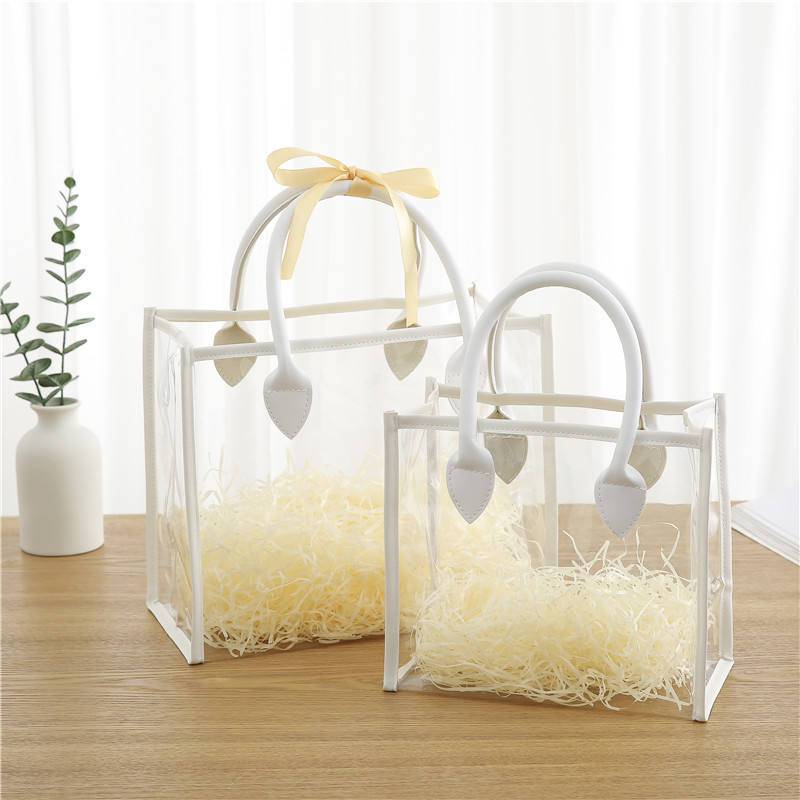
A transparent event tote offers more design freedom than a standard stadium format and can suit corporate events, trade shows, brand launches and campaign merchandise. Handle material, trim color, gusset depth, closure, logo treatment and packing presentation can be adjusted around the program. For projects without strict venue-entry rules, proportions can place greater emphasis on capacity, appearance and branded presentation.
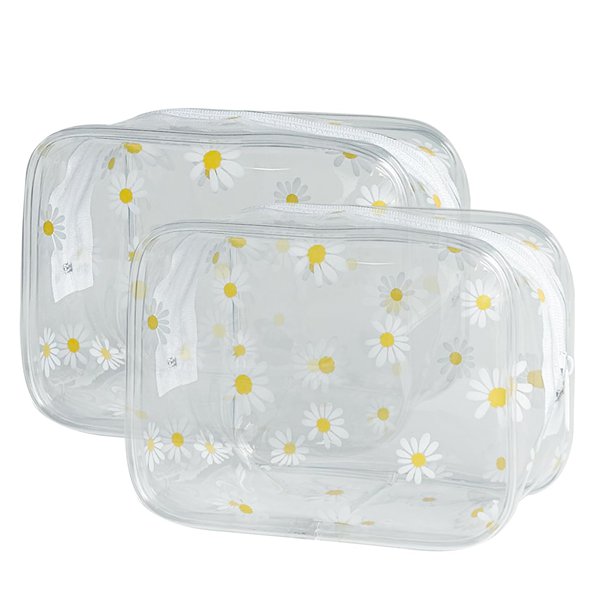
Clear Zip Pouch

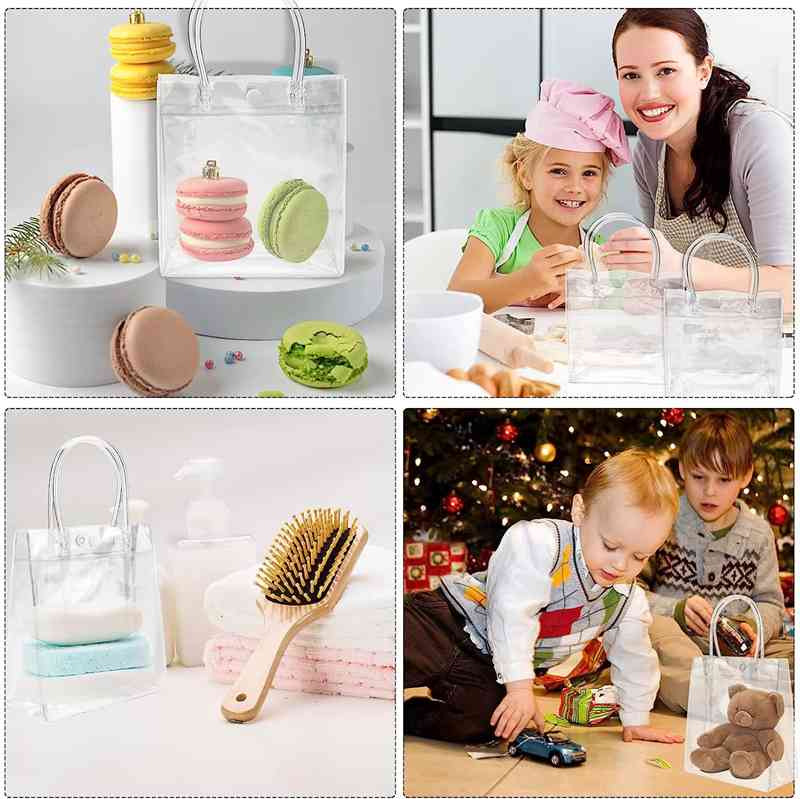
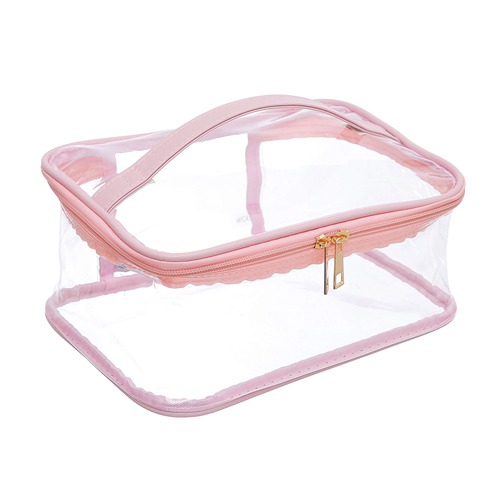
Clear zip pouches work well for VIP kits, event packs, cosmetic sets, ticketing accessories and smaller promotional items. The compact structure allows brands to combine transparent visibility with controlled organization. Development can adjust pouch size, PVC softness, zipper color, binding, printed artwork and packing method. Heat-pressed or sewn construction may be reviewed according to the required appearance, use and production feasibility.
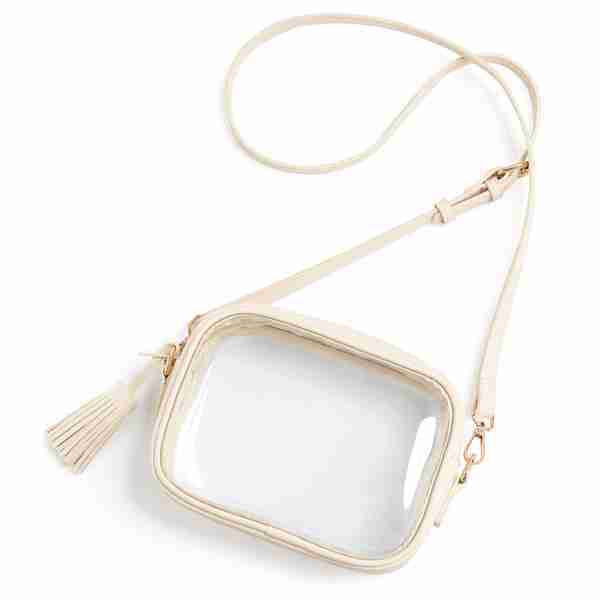
Clear Crossbody Bag

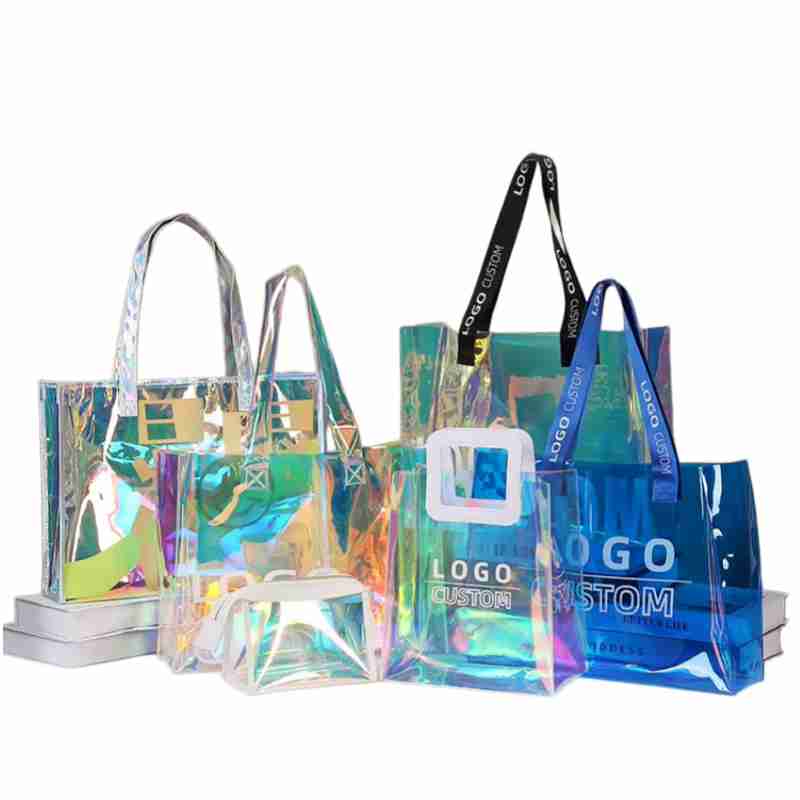
Clear crossbody bags suit concerts, festivals, sporting events and branded merchandise where compact storage and hands-free carrying are important. Key details include PVC thickness, zipper opening, shoulder strap width, adjustable hardware, binding color and logo position. The format can feel more product-led than a basic giveaway tote when proportions, trims and hardware are developed around a brand’s visual direction.
How Should PVC Material And Construction Be Specified?
Clear bag quality depends on more than transparency. Thickness, softness, edge treatment, structure and branding compatibility all influence appearance, handling and bulk production results.
PVC Thickness, Clarity And Hand Feel

PVC selection should start with the intended use rather than a generic thickness preference. A lightweight promotional pouch and a structured clear event tote do not need the same material behavior. Thinner PVC can reduce weight and folding volume, but insufficient stiffness may make a larger bag feel weak or lose shape. Heavier material can create stronger visual structure, yet excessive thickness may affect sewing, folding, edge handling and packing volume.
Transparency also deserves separate review. A very clear panel may support venue visibility and product presentation, while colored or slightly tinted PVC may better suit a fashion-led event concept where entry rules are less restrictive. Surface quality should be checked for scratches, haze, marks and material consistency because transparent panels reveal defects more easily than woven fabrics.
Hand feel matters during repeated use. Softness influences folding, zipper access, corner shape and how the bag sits against the body. Material odor and low-temperature behavior should also be considered when relevant to the destination or use environment.
Before sampling, useful specifications include target size, required transparency, desired firmness, intended contents, event use, logo method and packing method. These details help determine whether the selected PVC suits the structure instead of forcing one material specification across every style.
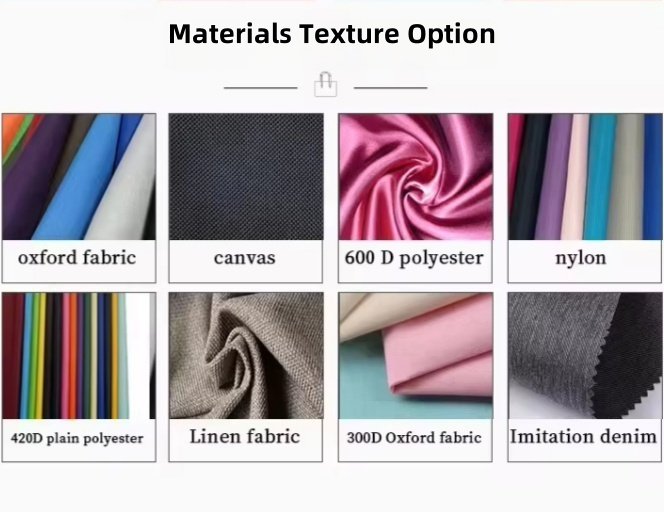
Construction determines how a transparent bag looks after repeated handling. Clear PVC can be combined with webbing, polyester or nylon trims, zippers, binding, shoulder straps and selected hardware. Each connection changes the appearance and stress pattern of the finished bag.
Sewn structures are common for totes, crossbody bags, waist bags and backpacks because they allow straps, zippers, binding and trim components to be integrated with greater design freedom. Stitch spacing, needle marks, edge alignment and corner handling become especially visible on transparent panels, so clean execution is important. Binding can protect exposed edges, add brand color and improve the finished appearance, but width, material, corner treatment and color consistency should be confirmed during sampling.
Heat-pressed or welded structures may suit selected pouches or simplified transparent forms where a cleaner plastic edge is preferred. The correct method depends on material behavior, product shape, sealing area and required appearance. It should not be assumed that one joining method is suitable for every clear bag.
Stress areas require extra attention. Strap connections, handles, zipper ends and gusset corners receive repeated pulling during use. Larger bags or staff-use styles may need reinforced connection designs rather than simply increasing PVC thickness.
Sampling should therefore verify more than appearance. Structure, opening function, carrying comfort, connection strength, edge finish and packing behavior should all be reviewed before bulk production.
Sewn, Bound And Connected Structures

How Can Branding Work On Clear PVC Event Bags?
Branding should remain visible without weakening transparency, structure or event usability. Logo method, trim color, strap design and hardware can work together as one visual system.
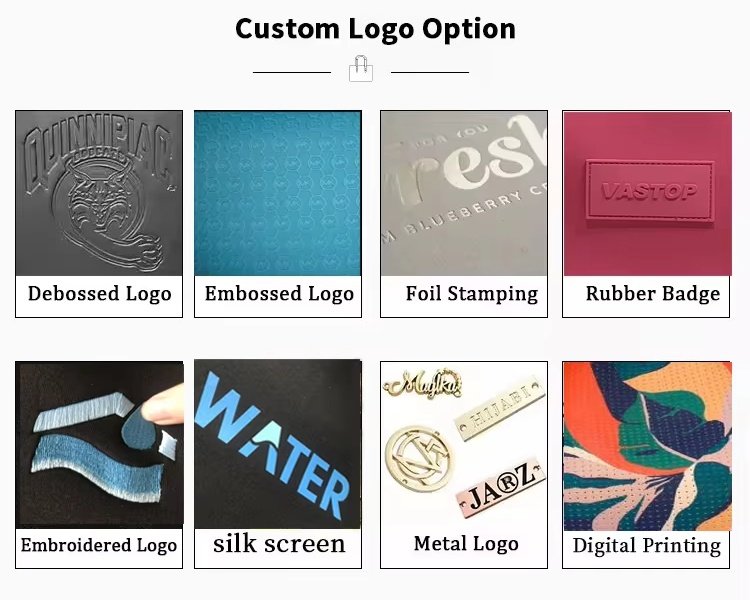
Screen Printed Branding
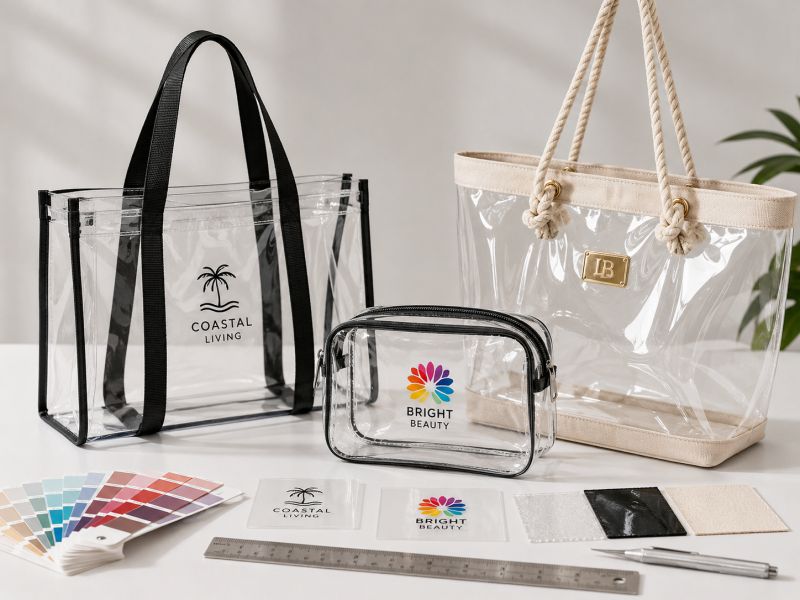
Screen printing is a common option for simple, solid-color artwork on selected PVC surfaces. It works well for event logos, sponsor marks, and bold graphics where clean visibility matters. Print size, color count, ink compatibility, and placement should be confirmed during sampling because the clear base can change how colors appear. Review large printed areas when venue visibility requirements apply, since excessive coverage may reduce the transparent viewing area.
Branded Straps And Trims
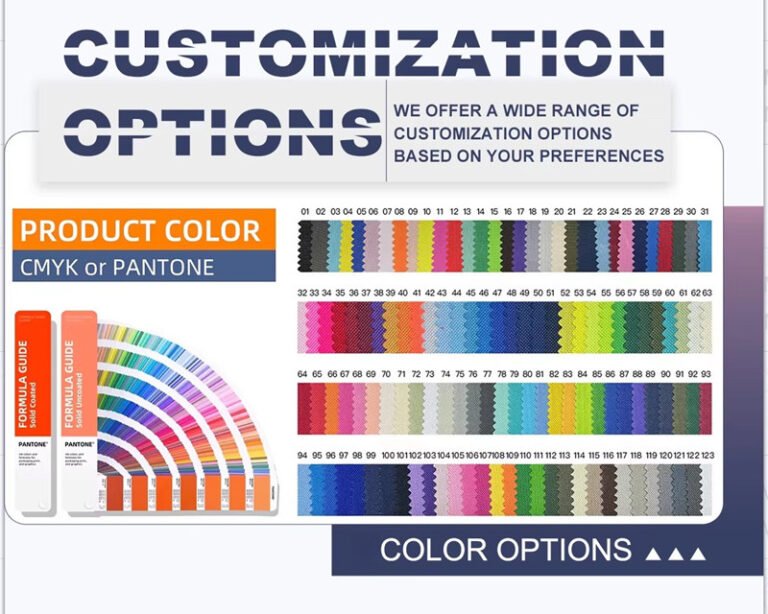
Brand identity does not need to sit only on the PVC panel. Webbing, binding, zipper tape, handles and shoulder straps can carry brand colors while leaving more of the transparent area visible. This approach is useful for concert, sports and fashion-led event bags where the product should feel more considered than a standard promotional tote. Color references, strap width, binding width and placement should be confirmed together so the finished piece feels visually balanced.
Labels, Patches And Details
Woven labels, selected patches or other attached branding elements can create a more controlled identity when direct printing is not preferred. The best method depends on bag structure, material compatibility, artwork detail and intended use. A compact label near the binding or strap may provide clear recognition without covering a large transparent area. Sampling should confirm attachment method, proportion, position and durability so decorative elements do not interfere with carrying or access.
Custom Hardware And Pullers
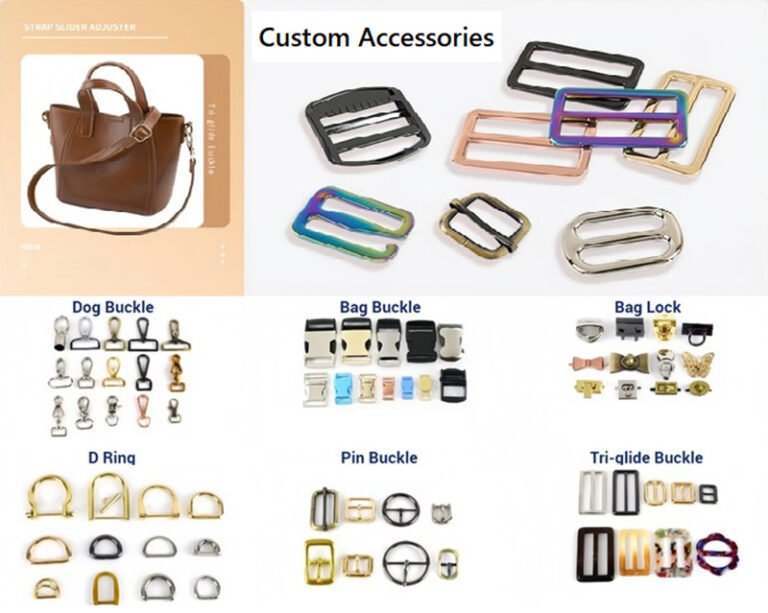
Zipper pullers, selected hooks, rings and small hardware details can support a more developed brand presentation on clear crossbody bags, waist bags and merchandise styles. Hardware color, finish, shape and connection method should match the overall trim direction rather than appearing as unrelated decoration. Custom components may add setup work and additional lead time, so they should be approved early enough for sampling and bulk scheduling. Standard hardware remains suitable when speed and cost control are more important.
How Does A Clear PVC Event Bag Reach Approval?
Project Brief Review
Development can begin from a reference image, existing sample, sketch or design file. The first review should define intended use, dimensions, PVC preference, trim colors, logo artwork, quantity, packing method and required arrival date. For stadium or controlled-entry programs, relevant venue specifications should also be supplied early. Clear information at this stage reduces unnecessary revisions and allows structural feasibility to be considered before materials are prepared.
Material And Structure Setup
Once the brief is clear, PVC characteristics, binding, zipper, webbing, shoulder strap, hardware and joining methods can be matched to the proposed bag. A larger clear tote may require different stiffness and connection details from a compact crossbody or pouch. Logo placement is reviewed at the same stage because printing area, transparent visibility and structural seams can affect the finished appearance. Technical conflicts are easier to solve before sample cutting begins.
Physical Sample Development
The sample is produced to verify more than visual appearance. Standard sampling usually takes 5–7 days, while selected simple styles may take 2–3 days; special materials, custom hardware, complex branding or packaging can require additional time. The physical piece allows size, PVC clarity, hand feel, zipper access, strap proportions, edge finishing, logo execution and carrying behavior to be inspected together before a bulk commitment is made.
Approval Into Production
Approval should create a clear production reference, not simply a message saying the sample looks good. Confirmed dimensions, materials, trim colors, logo placement, accessories and packing instructions are recorded for bulk execution and inspection. If revisions are required, changes should be completed before production starts because later alterations may affect material usage, cost and schedule. The approved sample then becomes an important reference for sample-to-bulk consistency.
How Is Clear PVC Bulk Quality Controlled?
With 80 QC inspectors, Jundong supports multi-stage checks from incoming transparent materials through finished bags and packing, using approved details as production references.
Incoming PVC Inspection

Transparent material exposes defects that ordinary woven fabric may hide, so inspection starts before cutting. PVC should be checked against the confirmed project specification instead of relying only on the material name. Batch differences in thickness, clarity, hand feel or surface condition can affect the appearance of a large order.
- Review PVC transparency and thickness
- Check scratches, haze, marks and odor
- Confirm trim, zipper, webbing and hardware specifications
- Separate materials by color or SKU when required
Cut Panel Control

Once PVC panels are cut, dimensions and surface condition become critical. A scratched or incorrectly sized transparent panel cannot be hidden later by stitching or lining. Cut pieces should follow the approved pattern and remain clearly separated where several colors, versions or sizes are being produced.
- Check panel dimensions against patterns
- Inspect scratches, stains and damaged edges
- Review direction and left-right symmetry
- Keep different colors or versions identified before sewing
Accurate cutting helps protect final bag proportions and makes later assembly more consistent.
Logo Application Check

Branding on clear PVC deserves its own inspection because color, placement and adhesion are highly visible. An approved logo file should define size, position and process before the bulk run. Printed artwork also needs to be assessed against the transparent base material, especially when visibility requirements apply.
- Confirm logo dimensions and placement
- Review clarity and color against the approved sample
- Check material and ink compatibility
- Watch for print defects before panels move into final assembly
Early correction prevents one branding error from spreading across an entire production batch.
Sewing And Connections

Transparent construction makes uneven stitches, misaligned binding and poorly finished connections easier to notice. Production inspection should therefore cover visual workmanship as well as functional stress areas. Handles, shoulder straps, zipper ends and gusset corners need to follow the approved construction rather than being judged only after completion.
- Review stitch alignment and edge finishing
- Check binding width and corner handling
- Inspect strap and handle connections
- Verify zipper installation and opening function
In-process inspection allows problems to be corrected before finished quantities accumulate.
Finished Bag Review

Finished pieces are compared with confirmed specifications and the approved sample before packing. The inspection should look beyond general appearance and verify whether the bag works as intended for the event program. Clear materials make dimensions, internal alignment and surface condition especially visible.
- Check overall size and shape
- Review PVC clarity and visible surface defects
- Test zipper, strap, handle and hardware function
- Compare branding and trim details with the approved reference
Sample approval becomes useful only when it continues to guide bulk inspection.
Packing And Shipment Check

Quality control continues after the bag itself is finished. Clear PVC surfaces can be vulnerable to scratching, pressure marks or transfer during storage and transport, while incorrect labels or carton quantities can create problems during event distribution. Packing instructions should therefore be treated as part of delivery quality.
- Verify unit packing and protective arrangement
- Check labels, carton marks and quantities
- Keep SKUs or event groups separated when required
- Confirm packing details before shipment preparation
A correctly made product still needs to arrive organized and protected.
How Should Production Follow A Fixed Event Deadline?
Work backward from the required arrival date. Sample approval, materials, branding, packing and transport all need enough time before the event becomes immovable.
| Planning Stage | What Must Be Locked | Schedule Risk To Avoid |
|---|---|---|
| Required Arrival Date | Warehouse date, venue date or distribution date | Treating the event date as the shipping date leaves no buffer for transport or receiving |
| Transport Planning | Destination, shipment volume, preferred freight method, appointed forwarder if applicable | Production time and transit time are separate; one should not be used to estimate the other |
| Packing Completion | Unit packing, carton quantity, labels, carton marks and event grouping | Late packaging files can hold finished bags while printed materials are being corrected |
| Final Inspection | Approved specifications, appearance, dimensions, logo, function and packing | Discovering avoidable defects after all cartons are packed makes correction slower |
| Bulk Production | Confirmed quantity, colors, PVC, trims, logo process and production details | Standard bulk production usually takes 20–30 days, depending on structure and order requirements |
| Material Preparation | PVC specification, trim colors, zippers, straps, hardware and printed components | Special colors or custom components may extend preparation if approved too late |
| Sample Approval | Final structure, dimensions, branding, accessories and packing direction | Starting bulk work before key details are approved increases rework and material-loss risk |
| Artwork & Specification Freeze | Vector logo, colors, placement, dimensions and venue requirements | Late artwork or specification changes can affect production documents, cost and completion date |
Event-Date Planning Principle
For concerts, tournaments, festivals, launches and scheduled promotions, the meaningful date is when the bags must be ready for use, not when production finishes. Shipping transit depends on destination and freight method, so transport should always be planned separately from the normal 20–30 day bulk production period.
How Should Clear Event Bags Be Packed And Delivered?
Packing should protect transparent surfaces, simplify event distribution and keep quantities, labels and destinations organized from the production floor to the receiving location.

Clear Surface Protection
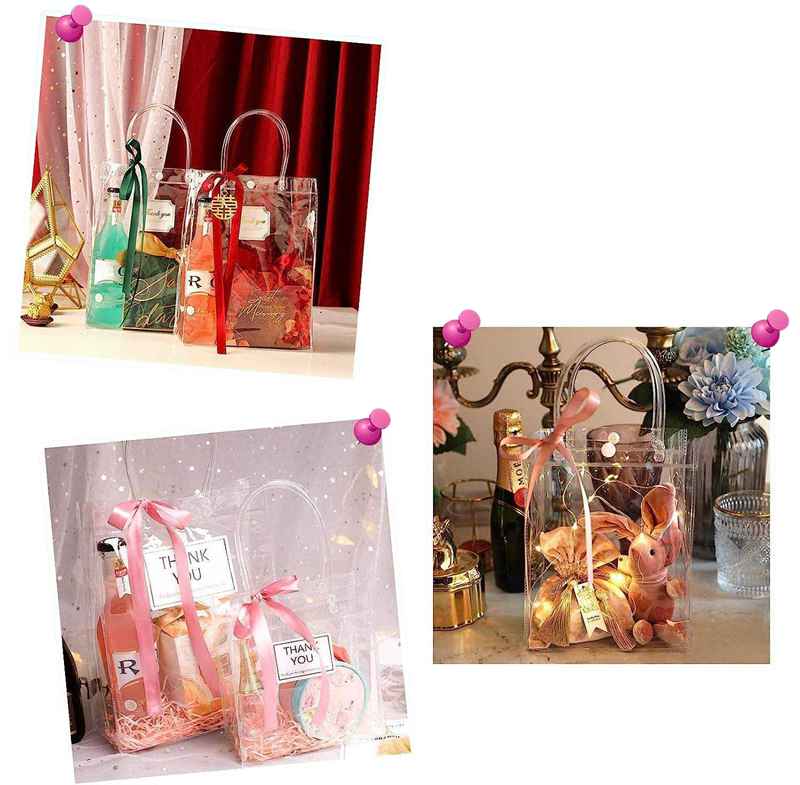
Clear PVC needs thoughtful packing because scratches, pressure marks, surface transfer and excessive folding can remain visible when cartons are opened. The packing method should follow PVC softness, bag shape, printed areas and expected transport conditions rather than using one standard solution for every style.
- Review individual bag protection and folding direction
- Keep printed surfaces from unnecessary rubbing
- Avoid excessive pressure on shaped or structured pieces
- Confirm suitable OPP bag or polybag dimensions
- Check appearance again before cartons are sealed
Well-planned protection helps the bags arrive looking ready for distribution rather than requiring extra sorting or cleaning at the destination.
Event Distribution Packing
A 5,000-piece festival program and a 500-piece corporate event should not automatically use the same carton arrangement. Packing units can be planned around how the bags will be received, stored, divided and handed out. Projects involving several event locations, sponsor versions or staff groups need particularly clear carton organization.
- Group quantities by event, team or destination when required
- Define pieces per inner pack and carton
- Separate different logo versions or colorways
- Use clear carton identification for onsite handling
- Review packing efficiency against carton volume
Distribution planning becomes especially valuable when the receiving team has limited time between delivery and the event opening.
Labels And Carton Control
Labels are part of delivery accuracy, not an afterthought. Jundong can support hangtags, care labels, woven labels, barcodes, SKU labels, warning labels, carton marks and other confirmed packing components. Multi-version projects should define identification rules before packing begins.
- Match SKU or style information with the correct product
- Check carton quantity and total carton count
- Confirm PO numbers and destination marks when supplied
- Review barcode files rather than recreating them from assumptions
- Keep approved packing instructions available during inspection
Clear labeling reduces avoidable errors during receiving, warehousing and event distribution.
Freight And Arrival Planning
Transport should be selected around order volume, carton size, destination, required arrival date and budget. Express courier or air freight may suit urgent samples and selected time-sensitive shipments; sea freight is often more suitable for larger volumes with sufficient planning time. Rail freight and an appointed forwarder can also be considered where appropriate.
- Separate production lead time from transport transit time
- Confirm carton dimensions before comparing freight options
- Share the required arrival date rather than only a shipping date
- Coordinate FOB, CIF, DDP or other terms according to the project
- Allow destination procedures and receiving arrangements enough time
No single freight method is right for every event program.
What determines MOQ, sampling, and clear bag cost?
Quantity and price should reflect real production requirements. PVC specification, structure, branding, packing and order scale all influence how a project is quoted.
| Decision Area | Jundong Reference | What Changes The Result | What To Confirm |
|---|---|---|---|
| Standard MOQ | Usually 500 pcs per design | PVC purchasing, logo setup, structure, trims, packing and production efficiency | Style, size, quantity and artwork |
| Selected Simple Styles | 200–300 pcs may be reviewed case by case, not as a standard promise | Available materials, simple construction, branding method and production setup | Exact structure and required quantity |
| Certain Basic Products | Some low-unit-price basic bags may require 1,000 pcs or more | Material purchase quantities and fixed production steps | Product type and specification |
| Multi-Version Orders | Reviewed by design, color, material, logo and packing rule | Too many small subdivisions can reduce production efficiency | SKU list and quantity per version |
| Sample Development | Sample fee covers development work rather than bulk quantity | PVC preparation, branding, hardware, pattern work and revisions | Reference, size, material, logo and packing |
| Sample Fee Policy | Fee may be refunded or deducted when bulk quantity reaches 2,000 pcs | Applies according to the confirmed bulk order | Final order quantity |
| Unit Cost | Calculated from actual product specifications | PVC thickness, size, construction, zipper, strap, hardware, logo and quantity | Complete specifications |
| Custom Packing | Quoted according to the chosen format | Branded cards, labels, boxes, special packing and separate packaging MOQs | Packing files and distribution method |
| Testing | Reviewed according to product, material and destination requirements | Laboratory scope and document requirements affect cost and timing | Destination and required standard |
| Freight | Evaluated separately according to delivery terms | Carton volume, weight, route, deadline and freight method | Destination and required arrival date |
Cost Should Follow The Product, Not The Photo
Two clear bags can look almost identical online yet carry different costs because PVC thickness, zipper grade, strap construction, printing, hardware and packing specifications are different. An accurate quotation therefore needs more than a reference image.
If a target cost has already been established, share it early. Material specification, construction details, logo treatment or packing format can then be reviewed without reducing essential product performance blindly.
Make a sample first ?
A useful custom clear PVC event bag should do more than display a logo. It should match event security requirements, bag size limits, carrying needs, PVC thickness, handle or strap structure, closure style, printing position, and packing method. A physical sample helps confirm transparency, material feel, dimensions, logo appearance, stitching, hardware, and overall usability before the full quantity moves forward.
Client Testimonials
800+ brand Clients Trust Jundong


Clear PVC Event Bags FAQs
These ten topics cover the specifications, timing, venue use, branding, quality and commercial details most often clarified before a clear event bag project proceeds.

What is the MOQ for custom clear PVC event bags?
For most custom programs, Jundong’s standard MOQ is usually 500 pcs per design. Selected simple structures may be reviewed at 200–300 pcs case by case, while some basic low-unit-price items may need 1,000 pcs or more. Quantity depends on PVC purchasing, logo setup, trims, sewing, packing and production scheduling. For multi-color or multi-logo programs, send the quantity required for each version so feasibility and unit cost can be assessed accurately.
How should we choose PVC thickness for an event bag?
PVC thickness should match bag size, structure, intended contents and desired hand feel rather than one universal specification. A small zip pouch can use a different material direction from a structured tote or clear backpack. Thickness affects stiffness, folding, sewing behavior, packing volume and cost. Certainly, Jundong can compare suitable PVC options after reviewing size, capacity, required transparency, carrying method and event use. A physical sample is the most reliable way to confirm the chosen feel and structure.
Can you make bags to specific stadium or venue rules?
Certainly — a clear bag can be developed around a stated venue specification, but acceptance should always be checked against the target venue’s current rules. Requirements may cover maximum dimensions, transparent areas, pockets, closures or logo coverage. Send the venue name, organizer guideline or published size requirement before sampling. Jundong can then review dimensions and structure against the supplied information. No responsible factory should claim that one clear bag is automatically accepted by every stadium, concert hall or event operator.
Can logos be printed directly on clear PVC?
Absolutely — screen printing works well for simple, solid-color artwork on selected PVC surfaces when the ink and material are compatible. Logo size, color, position and print area should be tested during sampling. More complex graphics may require another method after reviewing the artwork and surface. Large branding should also leave enough transparent viewing area when entry visibility matters. Vector artwork and Pantone references help improve control over placement and color during sample approval and later production.
How do you manage PVC odor, scratches and clarity?
Clear PVC requires material-specific checks because surface defects remain highly visible on the finished bag. Incoming material can be reviewed for transparency, thickness, hand feel, odor and visible marks before cutting. Cut panels are then checked for scratches, stains and damage before sewing or assembly. Definitely, prevention matters more than trying to hide defects after completion. Packing also needs suitable protection because friction, pressure and poor folding can affect otherwise acceptable transparent surfaces during storage and transport.
How long do samples and bulk production usually take?
Standard sampling usually takes 5–7 days, and normal bulk production is generally 20–30 days after key details are approved. Some simple samples may take 2–3 days, while special PVC, custom hardware, complex branding or packaging may require longer. Production time does not include freight transit. For a concert, tournament or launch with a fixed date, provide the required arrival date early so sample approval, materials, production, packing and transport can be planned backward from the actual deadline.
Can one order include several colors or logo versions?
Of course — multi-version programs can be organized, but quantities and packing rules should be reviewed by version before production. A project may include different trim colors, sponsor logos, staff editions or event destinations while sharing the same basic bag construction. Each version should have a clear SKU or identification rule, approved artwork and quantity. Smaller splits can influence material efficiency, logo setup and unit cost, so a complete SKU list helps establish the most efficient production and carton plan.
Can you provide branded packaging, labels and carton marks?
Sure — Jundong can support event and private-label packing such as OPP bags, polybags, hangtags, care labels, woven labels, barcodes, SKU labels, color boxes and carton marks according to confirmed requirements. Packaging should follow how the bags will be received and distributed, not simply look attractive. For multi-location programs, quantities can also be grouped by destination where arranged in advance. Barcode, PO, SKU and platform files should be supplied accurately rather than recreated from assumptions.
Can testing or compliance documents be arranged for the project?
Yes, testing and documentation can be reviewed according to the material, product type, destination and specific program requirements. Third-party testing can be arranged when required, but no single certificate automatically covers every clear bag or every destination. Share the country of sale or use, required standard and any internal brand specification before quotation or sampling. The scope can then be evaluated together with material selection, labeling, timing and cost, avoiding unsupported claims or unnecessary testing.
What should we send for an accurate quotation?
The fastest route to an accurate quotation is a complete product brief rather than only a reference photo. Send the bag style or drawing, dimensions, PVC or transparency preference, trim details, logo artwork, quantity, packing method, event or venue requirements, required arrival date and destination. If some specifications are still open, provide the intended use and target cost direction. Jundong can review the missing technical details before sampling and identify where decisions are still needed.
Start Your Clear PVC Event Bag Project
A useful quotation starts with enough information to understand how the bag will be used, branded, packed and delivered. Send a reference image, drawing, existing sample or specification together with the core project details. If PVC thickness, construction or branding method has not been finalized, Jundong can review available options before sample development.
For venue-based programs, include the applicable size or transparency rules rather than relying on a general “stadium approved” description. For concerts, festivals, corporate activations or multi-location campaigns, the required arrival date and distribution plan are equally important because production and freight need to be scheduled separately.
Please include where available:
- Bag style, reference image or drawing
- Finished dimensions and intended use
- PVC thickness or transparency preference
- Trim, zipper, strap and hardware requirements
- Vector logo artwork and brand colors
- Quantity and SKU breakdown
- Packing, label and carton-mark requirements
- Venue or event specifications
- Required arrival date and destination
- Testing or documentation requirements
Files can also be sent to info@jundongfactory.com for project review.