Skip to content
Custom Kids Luggage Design Solutions
Develop age-appropriate branded kids’ luggage with controlled sizing, lightweight structures, artwork, sampling, bulk QC, retail packing, and repeat-order consistency.
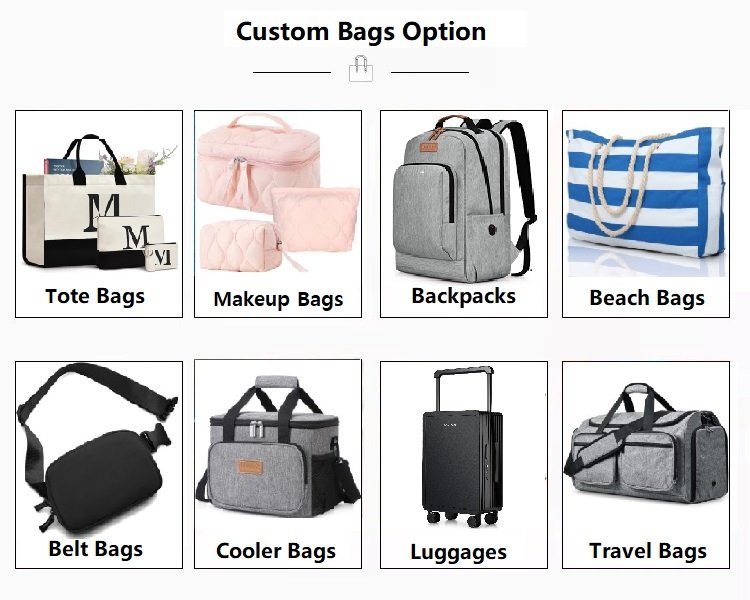
- Build soft-sided rolling luggage, structured EVA styles, trolley backpacks, luggage-and-backpack sets, and selected special concepts around age group, travel use, empty weight, capacity, handle reach, wheel behavior, artwork, and packing.
- Begin from a reference image, licensed character file, existing sample, technical drawing, or early concept. Jundong reviews materials, patterns, trolley parts, wheels, lining, labels, packaging, and shipment protection before bulk production.
- 20+ years of OEM/ODM experience, an 18,000-square-meter facility, 600+ employees, and 80 QC inspectors support organized development, inspection, packing, and repeat-order control.

Choose the Right Kids Luggage Development Route
Three routes separate visual customization, new soft-sided development, and special-structure evaluation, keeping cost, timing, tooling, testing, and approval work aligned for each planned collection.

Private Label Styling
Best for a proven kids’ luggage body that already fits the planned age group, capacity, wheel layout, trolley height, and retail price position. Development focuses on coordinated brand details while the primary structure remains controlled.
- Adjust fabric colors, prints, lining, zipper pulls, webbing, labels, and packaging.
- Apply approved artwork, embroidery, woven labels, patches, or logo details after surface review.
- Confirm barcode, SKU, hangtag, carton quantity, and destination requirements before bulk packing.
- Use a branded pre-production sample to lock color, artwork scale, component finish, and packing.
Soft-Sided Custom Development
Best for an exclusive soft-sided rolling case, structured EVA luggage, trolley backpack, or coordinated travel set requiring new dimensions and internal organization. Development begins with child use, loaded balance, and family travel needs rather than a catalog shape.
- Define target age, child height, trip length, empty-weight direction, and required capacity.
- Develop patterns for the body, opening, pockets, lining, trolley sleeve, wheel base, handles, and support layers.
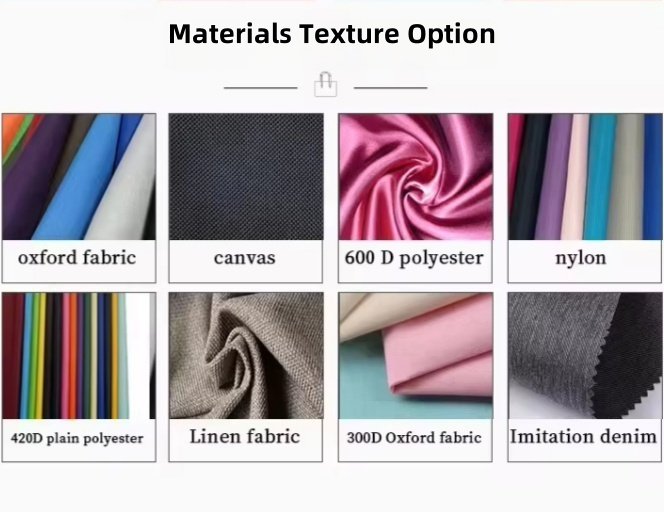
- Review Oxford, polyester, nylon, EVA, padding, lining, zippers, wheels, and trolley parts together.
- Approve material swatches, artwork tests, functional samples, revisions, and final packing before bulk cutting.
Special Structure Review
Required for ABS/PC or PP hard shells, molded 3D bodies, new tooling, ride-on concepts, scooter structures, unusual wheel systems, or other high-risk ideas. Feasibility must be confirmed against the actual production route, component sourcing, quantity, tooling, testing, and ownership terms.
- Review shell material, mold requirement, edge shape, wheel connection, trolley system, and internal assembly.
- Define tooling cost, ownership, maintenance, approval samples, and repeat-order access.
- Set separate checks for stability, pinch areas, moving parts, intended load, warnings, and destination requirements.
- Do not release artwork or tooling until capability, rights, timing, and written specifications are confirmed.
Kids Luggage Solutions for Brand and Retail Programs
Kids Travel Brands & Retailers
Build focused luggage collections around age group, travel duration, independent use, visual identity, and planned price position. Soft rolling cases, trolley backpacks, EVA structures, and coordinated travel pieces can share colors and graphics while keeping different capacities, handle heights, storage layouts, and packing rules for each intended use.
Family Travel Collections
Extend an established adult luggage or travel line with children’s rolling luggage, backpacks, duffels, and accessory pieces that feel related without becoming miniature copies. Shared color systems, hardware finishes, lining graphics, labels, and packaging create family recognition, while lighter construction, easier handles, and child-focused organization protect usability.
Retail Private Label Solutions
Prepare shelf-ready and e-commerce-ready kids’ luggage with controlled artwork, SKU allocation, barcodes, hangtags, care information, individual protection, carton assortments, and repeat-order records. Product selection should reflect the intended channel, pack size, presentation, replenishment cycle, and allowable return risk rather than appearance or unit cost alone.
Licensed Character Programs
Translate authorized characters, mascots, or story themes into coordinated luggage artwork, lining, zipper pulls, patches, labels, and packaging. Approval records should identify artwork version, color references, placement, territory, product type, and final sign-off. Confidential files and protected designs require controlled access before sampling and bulk release.
Compare Kids’ Luggage Formats for Different Product Lines
Product format should follow age positioning, carrying behavior, storage needs, artwork direction, component risk, retail presentation, and the development depth approved for the collection before sampling.
Ride-On Special Concepts

Ride-on, scooter, molded character, and other moving concepts require a separate engineering and safety review rather than normal luggage approval. Intended age, load, sitting position, balance, wheel attachment, steering, folding parts, pinch areas, warnings, and destination rules must be defined. Jundong should confirm the production route, tooling, testing, rights, and project feasibility before artwork release.
- Establish separate approval criteria for moving, sitting, folding, and load-bearing functions.
- Confirm design ownership, warning content, test methods, and destination restrictions in writing.
Structured EVA Luggage

Structured EVA luggage creates a shaped appearance with cushioning and better form retention than a basic fabric case. Surface fabric, EVA hardness, molding depth, zipper alignment, lining, internal support, artwork method, and carton protection require coordinated approval. A fixed shape may increase packing volume, so product dimensions and finished packaging should be reviewed together before pricing and delivery planning.
- Suitable for character-inspired forms, protective structures, and premium presentation.
- Confirm mold cost, EVA density, surface bonding, edge shape, and packing volume.
Soft-Sided Rolling Luggage

Soft-sided rolling luggage offers flexible storage, lighter construction options, exterior pockets, and broad artwork areas for travel collections. Development should review body support, opening shape, lining, zipper paths, trolley sleeves, wheel bases, and abrasion zones so a lightweight direction does not create sagging, unstable standing, or weak component connections during repeated travel.
- Suitable for printed panels, embroidery, patches, woven labels, and coordinated lining.
- Review local reinforcement around wheels, trolley parts, handles, and lower corners.
Hard-Shell Kids Luggage

Hard-shell kids’ luggage can support strong graphics, wipe-clean surfaces, structured interiors, and a recognizable retail silhouette. ABS/PC, PP, shell forming, printing, hardware, wheel systems, trolley parts, and assembly capability must be confirmed for the specific program. New shells or exclusive shapes may involve tooling, ownership terms, higher minimums, longer sampling, and separate transport testing.
- Review shell thickness, forming method, artwork durability, edge finishing, and internal fixing.
- Confirm actual production route and component capability before releasing final artwork.
Backpack Luggage Sets

Coordinated backpack-and-luggage sets help brands build a complete children’s travel collection with shared artwork, colors, labels, zipper pulls, lining, and packaging language. Each item still needs its own function, size, weight, and carrying logic. Set packing should protect wheels, handles, structured panels, and decoration while keeping carton volume and SKU identification under control.
- Coordinate artwork without forcing identical proportions onto different product shapes.
- Confirm whether products pack separately, nest together, or ship as one retail set.
Kids Trolley Backpacks

Trolley backpacks combine rolling use with backpack carrying for school trips, camps, holidays, and family travel. The design needs controlled empty weight, protected wheel contact, comfortable shoulder straps, stable trolley storage, and enough clearance between the back panel and rolling components. Internal organization should separate clothing, books, electronics, and small travel items without creating excessive depth.
- Protect clothing from direct contact with wheels and dirty lower surfaces.
- Review shoulder-strap storage, trolley stability, back comfort, and lifting balance.
Plan Kids’ Luggage by Age, Size, and Travel Use
Age alone cannot define a suitable case; child height, reach, trip length, empty weight, packing habits, and adult assistance should guide each specification during sample review.
| Development Factor | Younger Children | School-Age Children | Older Children | Jundong Review Detail |
|---|---|---|---|---|
| Primary Travel Use | Family holidays, overnight visits, short stays, and trips managed mainly with adult support | Holidays, camps, school travel, and trips where children begin managing personal belongings | Longer holidays, organized trips, and travel requiring greater independent packing | Define trip duration, transport method, storage conditions, and whether the child or an adult handles the case most often. |
| Size Direction | Compact dimensions, clear visual recognition, and limited packing depth | Balanced capacity with simple organization and enough space for clothing, books, and travel items | Greater capacity with a less childish appearance and longer product life | Record external length, width, and height in millimeters. Review storage, carton volume, airline use, and destination requirements separately. |
| Empty-Weight Priority | Very important because smaller children have limited lifting and pulling ability | Important because the case may contain clothing, books, toys, and personal items | Still important because larger capacity can quickly increase loaded weight | Record empty weight in grams for every sample version. Compare weight again after final wheels, trolley parts, lining, artwork, and accessories are installed. |
| Trolley Reach | Lower operating position, easy grip, simple release, and frequent adult assistance | Several usable handle positions may improve control as height changes | Wider adjustment may support longer use across several seasons | Measure closed height, every locking height, grip width, button position, and clearance from the case body. Avoid choosing trolley height by age label alone. |
| Wheel Handling | Stable direction, controlled movement, and easy parking are more important than speed | Smooth rolling and predictable turning help children manage stations, hotels, schools, and camps | Greater maneuverability may be suitable when the child has stronger control | Review wheel diameter, attachment, floor clearance, loaded balance, turning behavior, and heel contact using the final sample structure. |
| Interior Organization | One main compartment with simple straps or a small pocket may be easier to understand | Dividers, mesh pockets, and clear sections can support independent packing | More organized sections can separate clothing, electronics, documents, and personal items | Each pocket should solve a defined packing need. Added compartments increase weight, sewing work, hardware, and opening complexity. |
| Visual Direction | Strong character recognition, clear shapes, bright color blocking, and easy ownership identification | Character themes can be combined with useful features and coordinated accessories | More mature graphics can reduce early visual aging and extend retail life | Review artwork scale, color system, panel shape, seams, curves, zipper paths, and consistency across luggage, backpacks, and travel accessories. |
| Adult Assistance | Adults usually lift, store, pack, and manage the case during transport | Handling is often shared between the child and accompanying adult | Children may manage more stages independently, while adults still handle storage and transport | Review top handles, side grips, trolley operation, lifting clearance, and packed weight for both child use and adult handling. |
Age groups provide a design direction, not a universal sizing rule. Final dimensions should follow the intended child profile, travel duration, packed items, empty weight, trolley reach, and agreed use conditions.
Balance Size, Weight, Capacity, and Child Handling
Child handling improves when empty weight, packed balance, trolley reach, grip, wheel movement, opening access, and adult assistance are evaluated as one operating system before sampling.
Control empty weight before adding more luggage capacity

A children’s case should not gain capacity by adding unnecessary structure, thick decoration, oversized hardware, or support layers without reviewing the final empty weight. A larger interior may look attractive in a specification, yet a heavy empty case leaves less usable carrying allowance and can become difficult for a child to lift, pull, or place in storage.
- Record measurable data: Development sheets should state external dimensions in millimeters, target internal dimensions, empty weight in grams, intended capacity in liters when verified, and packed dimensions after individual packaging. The same measurement method should be used for every sample version.
- Separate essential structure from decorative weight: Wheel housings, trolley tubes, base boards, EVA layers, padding, metal accessories, thick patches, and molded parts should each have a clear function. Removing support without testing can weaken the case, while adding support everywhere can make the product unnecessarily heavy.
- Review the intended packing list: Clothing, shoes, books, toys, comfort items, or electronics create different volume and balance needs. A short family trip does not require the same interior as a camp program or longer holiday.
- Compare weight after revisions: Artwork, lining changes, stronger zippers, larger wheels, new handles, and added pockets can change the finished weight. The final pre-production sample should be weighed again after all approved details are installed.
The preferred result is not the largest possible case. It is a product with enough usable capacity, controlled empty weight, suitable structure, and a packing format that remains manageable for the intended child and accompanying adult.
Trolley dimensions should follow child reach and operating posture rather than copying an adult luggage system at a smaller scale. A handle that is too low can cause bending and heel contact; a handle that is too high can reduce control, increase side movement, and make turning less stable. Adult assistance also matters because the same case may be pulled by a child, lifted by a parent, and stored by transport staff.
- Measure every operating height: Record the closed height, each locking height, grip width, tube spacing, button position, and clearance between the handle and case body in millimeters. Compare the figures with the intended user profile during sample review.
- Check grip and release: The handle shape should allow a secure grip without sharp edges. Release buttons need clear movement, enough return force, and a position that reduces accidental operation or finger trapping.
- Review extension stability: Excessive side play, twisting, incomplete locking, or difficult retraction can create poor handling and return risk. Trolley tubes, brackets, fixing points, and internal backing should be checked together.
- Coordinate the top carry handle: Parents may lift the case into a car, train rack, hotel storage area, or overhead space where permitted. The carry handle needs enough clearance, comfortable contact, and a connection that does not interfere with the trolley.
- Test with shoes and normal walking: The sample review should observe whether the case strikes heels, tilts excessively, or forces the arm into an awkward position during pulling.
A suitable trolley system supports different handling moments without turning the children’s case into a loose, heavy, or difficult product.
Match Trolley Height and Grip to Child Reach

Check Loaded Balance, Rolling, Standing, and opening access

A children’s case can meet the specified dimensions and still handle poorly after loading. Clothing may shift toward one side, books may create a dense lower corner, and an exterior pocket may pull the center of gravity forward. A loaded review, therefore, needs to examine movement, standing, access, and organization together rather than checking capacity with empty volume alone.
- Build a realistic load plan: Place representative clothing, shoes, books, toys, and accessories in the intended compartments. Record the loaded weight, item position, and any compression needed to close the case.
- Check standing and turning: Observe forward, backward, and side-tipping tendencies on a level surface. Two-wheel designs need stable support when parked, while spinner structures require balanced wheel contact and controlled direction changes.
- Protect opening access: Zippers, lid panels, divider straps, mesh sections, and pockets should remain usable when the case is full. The child should not need to remove most contents to reach one common item.
- Control internal movement: Compression straps, dividers, elastic sections, and zippered pockets can reduce shifting, but added parts also affect weight, cost, and opening simplicity. Each feature should solve a defined storage need.
- Review child and adult handling: A child may pull the case while an adult carries it upstairs, loads it into transport, or manages several pieces. Top handles, side grips, trolley balance, and carton protection should support the complete travel sequence.
- Repeat checks after artwork and component approval: Final wheels, trolley parts, lining, labels, and decorations can change weight distribution or contact areas.
The approved sample should be reviewed in an empty state, with a representative load, while rolling, while standing, and during opening. Those conditions provide a stronger basis for bulk specifications and later inspection.
Turn Brand Artwork into a coordinated kids' travel collection
Full-Panel Artwork
Full-panel artwork gives soft-sided luggage, EVA structures, trolley backpacks, and coordinated sets a strong visual identity. Placement must be adjusted to the real panel shape because seams, zipper curves, pockets, binding, and trolley openings can interrupt faces, lettering, or key character features.
- Supply vector artwork, approved color references, scale, orientation, and safe areas.
- Review artwork on flat patterns and the assembled sample before bulk printing.
Embroidery and Patches
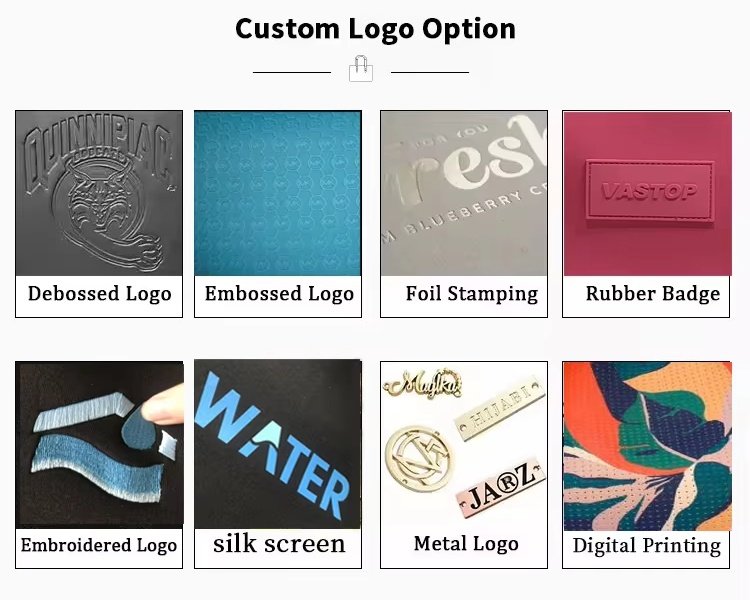
Embroidery, woven patches, rubber patches, and appliqué details can add texture and perceived value to children’s travel products. Decoration should match the panel thickness and internal structure so stitches, backing, molds, or fixing points do not distort the surface, create hard contact areas, or interfere with opening and storage.
- Confirm stitch density, patch thickness, edge finish, attachment method, and reverse-side protection.
- Test small details and color separation before final placement.
- Avoid adding heavy decoration without reviewing empty weight and balance.
Brand Color Systems
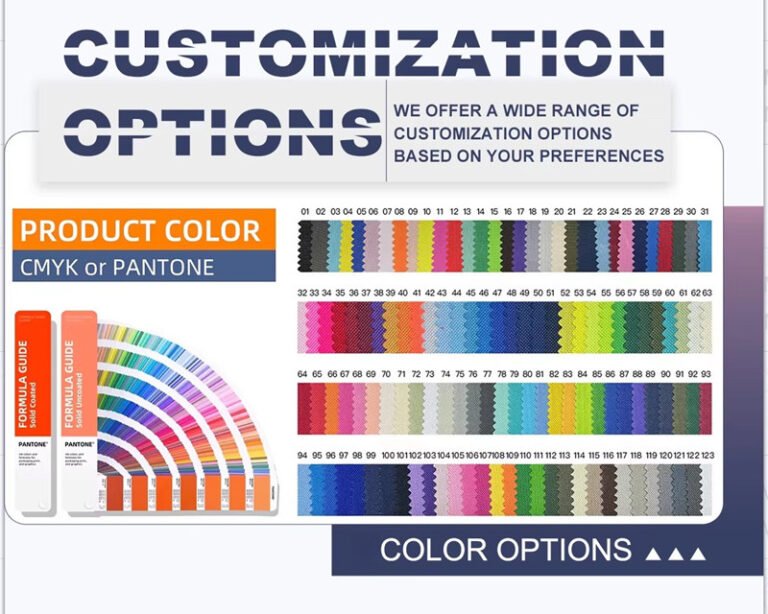
A coordinated color system connects shell or fabric, lining, webbing, zipper tape, pullers, wheels, trolley parts, labels, and packaging. Pantone references provide direction, but appearance can change across textile, plastic, rubber, metal, ink, and screen displays. Physical references remain important before final approval.
- Approve material swatches and component samples under consistent lighting.
- Record acceptable color direction for every material category.
- Keep final sample references and production records for later replenishment.
Custom Lining Graphics
Custom lining can extend the story inside the luggage through repeated icons, maps, stars, mascots, or simple branded patterns. The graphic must remain readable after sewing, pocket installation, divider construction, and folding. Lining selection also affects weight, hand feel, cleaning, opacity, and how internal seams appear.
- Review print repeat, direction, base color, seam placement, and pocket alignment.
- Confirm whether the lining is printed by roll or prepared as positioned panels.
- Keep internal artwork compatible with labels, care information, and storage functions.
Character Accessories
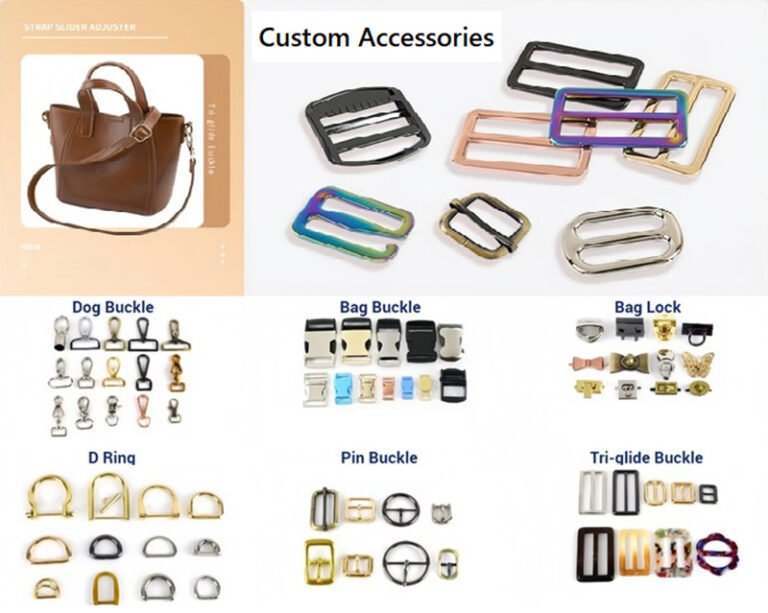
Character details may continue through custom zipper pullers, woven labels, luggage tags, wheel covers, molded badges, handles, or detachable accessories. Every added part should support recognition without creating unnecessary weight, sharp edges, snagging, detachment, or licensing confusion. Detachable elements may require separate risk and destination review.
- Define material, dimensions, attachment, edge shape, and color for each accessory.
- Confirm artwork rights and approved character version before tooling.
- Keep high-contact parts easy to inspect and replace in repeat production.
Collection Coordination
A coordinated collection should feel related across rolling luggage, trolley backpacks, standard backpacks, duffels, and smaller travel accessories without forcing one artwork layout onto every shape. Shared colors, labels, pullers, lining, and packaging can create recognition, while each item keeps its own capacity and use logic.
- Build a collection artwork map for every product surface and SKU.
- Record design names, color versions, packaging versions, and destination allocation.
- Approve the complete family together before bulk release when launch consistency matters.
Compare Material and Structure Options for Kids’ Luggage
Material decisions affect empty weight, shape retention, artwork quality, cleaning, packing volume, component attachment, cost, and the production route required for each luggage concept.

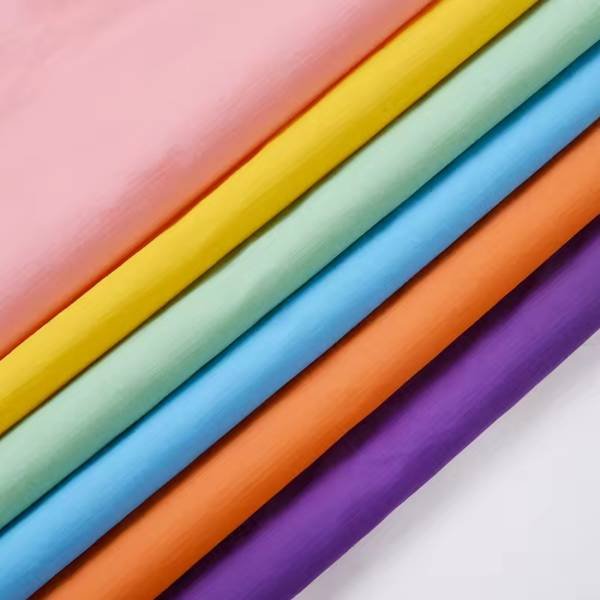

| Material or Structure | Suitable Product Direction | Main Development Value | Critical Review Before Approval |
|---|---|---|---|
| Polyester and Oxford Fabric | Soft-sided rolling luggage, trolley backpacks, travel duffels, and coordinated fabric sets | Supports printed panels, embroidery, exterior pockets, flexible structures, varied colors, and lighter product directions | Confirm fabric specification, weave, coating, backing, hand feel, abrasion areas, local reinforcement, artwork behavior, and connection around wheels, trolley parts, handles, and lower corners. |
| Nylon Fabric | Lightweight premium luggage, technical travel pieces, clean structured designs, and higher-touch collections | Offers a smoother surface, refined appearance, flexible weight planning, and good compatibility with selected prints, labels, and trims | Review fiber specification, surface finish, coating, color behavior, wrinkle appearance, seam stability, cleaning expectations, and whether the selected structure needs additional backing or support. |
| Structured EVA Body | Shaped children’s luggage, character-inspired forms, protective travel cases, and premium soft-structure products | Provides cushioning, form retention, molded contours, and a more dimensional presentation than a basic textile case | Confirm EVA density, thickness, molding depth, surface bonding, edge shape, zipper alignment, lining attachment, mold requirement, finished weight, carton volume, and pressure protection during transport. |
| Lining and Padding | Interiors, dividers, pockets, trolley backing, handle support, protected storage, and comfort areas | Improves organization, appearance, cushioning, structural separation, and protection for packed items and internal components | Review lining weight, opacity, print method, cleaning, seam visibility, foam placement, board placement, pocket function, added weight, folding behavior, and compatibility with labels and care information. |
| ABS or PC Hard Shell | Structured rolling luggage, high-impact graphics, wipe-clean surfaces, and recognizable retail silhouettes | Supports defined shell shapes, printed or decorated surfaces, structured interiors, and consistent external dimensions | Project feasibility must be confirmed by shell material, forming route, tooling, thickness, artwork method, edge finishing, internal assembly, wheels, trolley parts, quantity, testing, ownership terms, and actual production capability. |
| PP or Special Molded Structure | Molded cases, selected ride-on ideas, unusual shapes, integrated shell details, and special structural concepts | Can support durable molded forms, integrated shapes, distinctive silhouettes, and product concepts not achievable through textile sewing alone | Confirm mold design, resin direction, wall structure, edge safety, moving parts, intended load, wheel attachment, tooling cost, ownership, sample stages, testing route, minimum quantity, storage, and repeat-order access. |
No single material is automatically best for every age group or retail program. Final selection should follow the intended use, empty-weight direction, artwork, structure, component system, packing volume, target quantity, testing needs, and approved production route.
Review Wheels and Trolley Systems for Child Mobility
Rolling performance depends on wheel layout, attachment, trolley height, loaded balance, floor clearance, grip, turning behavior, and component consistency across samples and repeat production.
Two-Wheel Systems
Two-wheel systems suit children’s rolling cases that are tilted and pulled in a controlled direction. Wheel size, axle position, lower-corner protection, support feet, and ground clearance affect how the case stands, follows behind the child, and avoids heel contact. The wheel structure must connect securely to the reinforced base.
- Record wheel diameter, width, axle position, and floor clearance in millimeters.
- Review rolling noise, straight tracking, heel clearance, and parked stability with a representative load.
- Check wheel housings, screws, rivets, and internal backing before approval.
Spinner Wheel Systems
Spinner systems support upright movement and easier direction changes in stations, hotels, retail aisles, and other smooth-floor environments. Greater maneuverability also requires balanced wheel contact, stable mounting, and controlled side movement. A light empty case may still tip or drift when dense items are packed unevenly.
- Confirm two-wheel, four-wheel, or multidirectional configuration by intended use.
- Check wheel rotation, swivel movement, attachment, clearance, and loaded standing balance.
- Compare carton protection and replacement consistency because exposed wheels can receive transport pressure.
Trolley Handle Systems
The trolley system should match child reach, case height, loaded weight, and expected adult assistance. Review the closed position, every locking height, grip width, release button, tube spacing, side play, internal bracket, and retraction path. A smooth first extension is not enough if repeated use creates looseness or incomplete locking.
- Record all operating heights and clearances in millimeters.
- Check button return, locking engagement, tube alignment, twisting, and internal fixing.
- Confirm the final trolley version on the approved sample and component record.
Carry and Lift Options
Children may pull the case, lift it over steps, place it beside a seat, or hand it to an adult. Top handles, side grips, trolley grips, and any backpack straps should support those different moments without interfering with artwork, openings, or moving parts. Adult lifting also affects handle clearance and load connection.
- Review grip size, edge comfort, fold direction, attachment, and clearance around the trolley.
- Check lifting balance with the intended load and final interior layout.
- Keep carrying parts consistent across samples, bulk production, and future replenishment.
How Kids’ Luggage Concepts Become Approved Product Samples
A disciplined sample process converts age, size, artwork, structure, mobility, packing, and compliance requirements into one approved reference before bulk production begins for retail programs.
Project Brief

A useful brief defines the planned age group, travel duration, product format, target dimensions, empty-weight direction, capacity, artwork rights, quantity, price position, packing, destination, and required arrival date. Clear priorities help separate essential functions from optional decoration before pattern work, component sourcing, or tooling starts.
Age and Use Review

Age labels alone do not establish fit. The sample direction should reflect child height, reach, independent handling, adult assistance, packed items, walking distance, storage method, and travel setting. Those details guide trolley height, grip size, wheel layout, opening access, interior organization, and the level of structural support required.
Artwork Mapping

Approved artwork is mapped onto real panels, curves, seams, zipper paths, pockets, lining, pullers, labels, and packaging. Critical faces, names, logos, and licensed details need protected areas. Scale, orientation, Pantone references, color separation, and repeat patterns should be checked on flat layouts before a physical sample is assembled.
Material Selection

Fabric, EVA, lining, padding, board, zippers, wheels, trolley parts, handles, labels, and decoration are reviewed as one product system. Each choice affects empty weight, shape, cleaning, artwork quality, packing volume, cost, and repeat-order consistency. ABS/PC, PP, molded shells, or special parts require confirmed sourcing and project capability.
Pattern or Mold Review

Soft-sided luggage needs accurate patterns for the body, opening, pockets, trolley sleeve, wheel base, lining, support layers, and handles. Molded or hard-shell concepts require separate review of tooling, wall shape, edge treatment, assembly, ownership, and testing. Development should not proceed until the chosen route is technically and commercially workable.
First Functional Sample

The first functional sample brings dimensions, materials, artwork, wheels, trolley parts, handles, opening, lining, and internal organization together. Review should cover empty weight, standing shape, trolley reach, rolling behavior, zipper access, visual balance, and workmanship. Representative items should be packed to expose conflicts hidden by an empty presentation sample.
Revision and Loaded Test

Each revision should identify the location, measurement, component, color, artwork, and required result. Marked photographs and version names prevent older details from returning. Loaded checks should observe tipping, heel clearance, turning, handle comfort, wheel contact, opening access, internal movement, and adult lifting before the next sample version is approved.
Pre-Production Approval

The pre-production sample confirms the final structure, dimensions, empty weight, materials, components, artwork, labels, packing, and inspection focus. Written approval should match the physical reference. Any later change to wheels, trolley parts, shell, fabric, decoration, or packaging may affect cost, scheduling, testing, and retail consistency, so changes require formal review.
Review Safety and Compliance Before Kids Luggage Production
Safety review should follow the product structure, intended age, use conditions, destination country, sales channel, artwork, accessories, and documented testing requirements before materials are ordered.
| Risk Area | Required Review | Evidence for Approval | Brand Decision |
|---|---|---|---|
| Small Parts and Attachments | Review zipper pullers, badges, luggage tags, wheel covers, detachable decorations, cords, hooks, and other added accessories for size, attachment, access, and intended age. | Component specification, attachment method, approved sample, inspection images, and any agreed pull or retention check. | Retain, strengthen, enlarge, redesign, remove, or add age guidance before bulk release. |
| Sharp Edges and Hard Contact | Check metal logos, rivets, zipper pullers, molded edges, wheel housings, trolley brackets, internal fittings, and exposed hardware for sharp corners or hard pressure areas. | Close inspection photographs, physical sample review, edge treatment details, internal backing, and agreed checking method. | Approve the finish, add protection, change the component, or reposition the hard part away from child contact. |
| Pinch and Folding Areas | Review trolley release buttons, tube gaps, recessed handles, folding sections, hinges, locks, and moving accessories where fingers may enter during normal operation. | Operational sample, gap measurements, movement video, locking review, and repeated-use checks where required. | Change the geometry, restrict access, add guards, revise instructions, or reject the moving structure. |
| Wheels and Trolley Parts | Check wheel attachment, axles, housings, screws, rivets, trolley tubes, brackets, locking positions, internal fixing, and replacement consistency. | Approved component models, assembly instructions, loaded rolling review, attachment inspection, and operating-height records. | Confirm the component system, strengthen fixing, change the model, or adjust the structure before production. |
| Stability and Loaded Handling | Review standing balance, turning, tipping direction, heel clearance, loaded movement, lifting, opening access, and internal item movement using representative contents. | Defined loading plan, recorded empty and loaded weight, handling photographs, measurements, and approved functional sample. | Adjust dimensions, wheel position, interior layout, support, trolley height, or age direction before approval. |
| Materials and Restricted Substances | Review fabrics, coatings, EVA, plastics, inks, adhesives, metal finishes, labels, packaging, and other components against destination and retailer requirements. | Material declarations, test reports where required, component records, restricted-substance lists, and approved specifications. | Accept the material, request further evidence, arrange testing, replace the component, or limit the intended destination. |
| Labels and Warnings | Confirm product identity, age guidance, care information, importer details, material information, loading instructions, warnings, language, barcode, and special-use statements where applicable. | Approved label artwork, language files, legal review where needed, placement sample, and final packaging proof. | Approve the label set, add missing information, separate destination versions, or delay packing until data is complete. |
| Ride-On or Scooter Concepts | Review sitting or standing position, intended load, balance, steering, braking, folding, wheel attachment, pinch areas, misuse risks, warnings, and destination restrictions separately from normal luggage. | Engineering specification, tooling record, functional samples, documented test plan, rights confirmation, and written approval route. | Proceed only after the structure, testing, ownership, liability, instructions, and destination conditions are fully defined. |
Testing depends on product classification, destination country, sales channel, materials, construction, age direction, and written requirements. Reviews may include REACH, CPSIA, California Proposition 65, EN71-related requirements, restricted-substance controls, or retailer protocols where applicable. No single report should be treated as automatic approval for every style, destination, or future order.
Quality Checks for Kids’ Luggage Before Retail Delivery
Inspection should confirm dimensions, weight, mobility, artwork, workmanship, interior function, packing accuracy, and approved specifications before children’s luggage enters retail distribution channels.
Dimensions and Empty Weight
Finished luggage should be measured using the same method applied to the approved sample. External height, width, depth, trolley positions, handle clearance, wheel diameter, floor clearance, opening size, and packed dimensions affect age fit, storage, carton planning, transport cost, and product information. Empty weight should be recorded after all approved components and decorations are installed.
- Measure critical positions against the approved specification.
- Record empty weight in grams for every inspected style.
- Separate functional tolerances from minor visual variation.
- Recheck dimensions after any authorized component change.
Fabric or Shell Finish
Soft-sided luggage should be checked for fabric specification, coating, shade, panel alignment, wrinkles, abrasion marks, backing, piping, binding, and structural support. EVA or molded structures need review for bonding, shape, edge finish, surface pressure, and symmetry. ABS/PC or PP shell checks depend on the confirmed production route and approved project specifications.
- Compare visible surfaces with approved swatches and samples.
- Check lower corners, wheel areas, trolley backing, and high-contact zones.
- Reject stains, cracks, delamination, severe distortion, or exposed sharp edges.
- Confirm shell or fabric appearance under consistent lighting.
Artwork and Logo Placement
Artwork must follow the approved file version, scale, orientation, Pantone direction, protected areas, and placement measurements. Character faces, names, licensed graphics, logos, lining prints, labels, zipper pullers, and packaging graphics should remain coordinated across every SKU. Printing or decoration should not cross unapproved seams, curves, folds, or abrasion zones.
- Compare print scale and placement with the approved reference.
- Check color direction across textiles, plastics, rubber, and packaging.
- Inspect print edges, embroidery, patches, labels, and attachments.
- Separate artwork versions by design, color, destination, and SKU.
Zippers and Opening Access
Main zippers, pocket zippers, pullers, zipper ends, lid panels, lining, dividers, and compression straps should work smoothly in an empty and representatively loaded condition. Children should be able to reach common items without removing most contents. Curved openings require careful alignment because lining tension, structured panels, or artwork seams may interfere with movement.
- Open and close every zipper through the full path.
- Check slider movement, end stops, puller attachment, and seam clearance.
- Review the opening shape after representative packing.
- Confirm internal dividers do not block the main closure.

Trolley and Handle Operation
Trolley systems should be checked at the closed position and every approved locking height. Grip comfort, button return, tube alignment, side play, retraction, internal brackets, and handle clearance affect child control and adult assistance. Top handles and side grips should remain secure under the agreed functional review without interfering with artwork, openings, or trolley movement.
- Record every locking height and operating position.
- Check button return, locking engagement, twisting, and retraction.
- Inspect internal fixing, backing, screws, rivets, and handle roots.
- Compare the exact component model with the approved record.
Wheels and Rolling Performance
Wheel checks should cover attachment, rotation, swivel movement where applicable, axle position, rolling noise, floor clearance, heel clearance, standing balance, and turning under a representative load. Exposed wheels also need protection during packing and transit. A smooth wheel is not enough when its fixing, alignment, or replacement version differs from the approved sample.
- Roll the loaded case forward, backward, and through direction changes.
- Check all wheel housings, screws, rivets, axles, and internal backing.
- Observe tipping, drifting, uneven contact, and heel interference.
- Confirm wheel model consistency across inspected cartons.
Interior and Accessories
Lining, pockets, dividers, straps, labels, luggage tags, detachable decorations, and internal fittings should match the approved layout and age direction. Every accessory needs a defined purpose, secure attachment, suitable edge shape, and correct quantity. Small or removable parts may require additional review according to destination, product classification, and written project requirements.
- Check pocket size, location, closure, and intended packing function.
- Count included accessories and confirm attachment security.
- Inspect internal seams, backing, labels, and exposed fittings.
- Separate destination-specific labels, warnings, and language versions.
Packing and Carton Protection
Final inspection should connect the correct luggage style, artwork, color, accessories, barcode, SKU, individual protection, carton quantity, and destination. Wheels, trolley parts, hard edges, structured panels, prints, patches, and molded surfaces require protection against pressure, scratches, rubbing, and distortion. Carton marks and allocation records should match the finished contents before sealing.
- Verify SKU, barcode, labels, accessories, and packing sequence.
- Check protective sleeves, paper, corner protection, and wheel spacing.
- Confirm carton quantity, dimensions, gross weight, and destination marks.
- Photograph completed cartons before shipment release.
Control Approved Kids’ Luggage Details Through Bulk Production
Final Approved Sample
The final physical sample is the main visual and structural reference for bulk execution. It should represent the approved body shape, opening, trolley height, wheel system, handles, interior, artwork, labels, and packing direction. Approval is stronger when photographs and written records identify the same version instead of relying on memory or informal messages.
- Record the final sample code and approval date.
- Mark any accepted exceptions in writing.
- Keep the sample available for production and inspection comparison.
- Require review before replacing any approved detail.
Material Component List
A detailed material and component list reduces substitutions hidden behind broad descriptions such as pink polyester or standard wheels. Fabric, EVA, lining, padding, board, zippers, pullers, wheels, trolley tubes, brackets, handles, labels, and packing materials need specific references that can be checked at incoming inspection and repeated for later orders.
- Record material codes, colors, weights, thicknesses, and finishes.
- Identify approved component models and sources.
- Retain physical swatches where appearance or hand feel matters.
- Separate approved alternatives from the original specification.
Dimensions Empty Weight
Children’s luggage requires measurable control beyond overall length, width, and height. Critical records should include trolley locking heights, handle clearance, wheel diameter, floor clearance, opening size, pocket measurements, empty weight, and packed dimensions. Those values affect age fit, child handling, carton planning, transport cost, and retail claims.
- Define the measurement method for every critical dimension.
- Weigh the final sample after all accessories are installed.
- Set tolerances according to function and structure.
- Recheck measurements after approved design revisions.
Artwork Color Standard
Artwork control should define file version, scale, orientation, placement, protected areas, Pantone direction, print method, lining repeat, label data, and accessory graphics. Color references need to reflect fabric, plastic, rubber, metal, ink, and packaging differences. A digital image alone cannot control bulk appearance across several materials.
- Keep approved print, embroidery, patch, and lining samples.
- Use placement templates or fixed measurement references.
- Separate artwork versions by style, color, SKU, and destination.
- Protect licensed files and restrict unauthorized changes.
Mobility Workmanship Control
Wheels, trolley parts, handles, support layers, seams, zipper ends, and lower-corner connections carry much of the operational risk. Workmanship instructions should show fixing methods, reinforcement, bracket placement, stitch areas, screw or rivet positions, and required operation. First pieces should be checked before continuous assembly continues.
- Confirm the exact wheel and trolley version.
- Mark handle and base reinforcement positions.
- Check movement, locking, clearance, and loaded balance.
- Correct repeated issues before later operations proceed.
Packing Repeat Order Records
Packing records should connect the correct luggage style, artwork, color, accessories, barcode, labels, individual protection, carton quantity, and destination. Repeat-order files should preserve the approved sample, component list, artwork versions, measurement standards, inspection focus, and packing layout so replenishment does not restart from incomplete memory.
- Approve one complete packing sample.
- Match SKU, barcode, carton mark, and destination data.
- Protect wheels, trolley parts, structured panels, and decoration.
- Update records after every authorized change.
Private Label Packing for Kids Luggage Retail Collections
Retail packing should protect artwork, wheels, trolley parts, structured surfaces, product identity, and destination allocation while remaining efficient for warehousing, replenishment, and store presentation.

Labels and Age Information
Private label details may include woven labels, printed labels, care instructions, age guidance, importer information, material descriptions, loading advice, warnings, hangtags, warranty cards, and licensed artwork references. Placement should be approved with the physical sample because labels can affect appearance, lining, pockets, openings, and required product information.
- Confirm artwork, language, dimensions, material, fold, and attachment.
- Separate destination-specific labels and warning versions.
- Match age guidance and product claims to approved specifications.
- Keep final files for repeat-order control.
Individual Product Protection
Individual packing may use an OPP bag, protective sleeve, paper wrap, nonwoven cover, color box, or coordinated set packaging. The method should protect prints, patches, molded surfaces, wheel assemblies, trolley handles, zipper pullers, and structured panels without creating unnecessary carton volume. Folding and pressure should be reviewed on a complete packing sample.
- Protect wheels and metal or hard accessories from surface contact.
- Avoid folding through molded sections, large prints, or structured panels.
- Confirm warning labels and bag openings where required.
- Measure the completed pack before carton planning.
Barcode and SKU Control
Every design, color, size, luggage format, accessory set, label version, and destination needs a distinct identity where required. Retail barcodes, internal SKU labels, FNSKU labels, warehouse codes, or carton labels should follow approved data and placement. Scan checks and allocation files help reduce mixed artwork, duplicated labels, missing accessories, and receiving delays.
- Approve barcode data before bulk printing.
- Test scanning on the final label material.
- Separate products by artwork, color, format, and destination.
- Reconcile packed quantities against the approved SKU allocation.
Carton Destination Planning
Carton planning should define units per carton, nesting method, carton dimensions, gross and net weight, wheel protection, compression limits, carton marks, PO numbers, SKU information, and destination codes. Structured EVA or hard-shell cases may require more space than soft luggage. Multi-destination orders need clear separation before packing begins.
- Confirm assortment and quantity before carton sealing.
- Protect trolley parts, wheels, corners, prints, and molded surfaces.
- Match carton marks with allocation and shipping documents.
- Photograph completed cartons and visible marks before release.
MOQ, Cost, Lead Time, and Delivery Planning
Commercial planning is clearer when quantity, design complexity, sample approval, tooling, packing, compliance, production, and transport are reviewed before launch dates are committed.
| Planning Area | Jundong Direction | What Can Change the Result | Decision Required Before Approval |
|---|---|---|---|
| Standard MOQ | Custom kids luggage usually starts from 500 pieces per design. | Product format, fabric or shell direction, artwork process, color quantity, wheel and trolley parts, labels, packing, and production allocation can affect the final minimum. | Confirm quantity by design rather than giving one combined figure for the whole collection. |
| Selected Simple Styles | Quantities of 200–300 pieces may be reviewed case by case for selected simple structures. | Feasibility is stronger when the body is mature, materials are available, component changes are limited, artwork is straightforward, and packing remains standard. | Confirm whether the project is primarily visual customization or requires new structural development. |
| Basic Low-Unit-Price Styles | Some basic products may require 1,000 pieces or more. | Fabric minimums, printing setup, component ordering, cutting efficiency, assembly work, and packing labor can make very small runs commercially unsuitable. | Compare the economic production quantity with the intended retail volume and replenishment plan. |
| Multiple Designs and SKUs | MOQ should be reviewed by style, artwork, color, size, SKU, and packing rule. | Dividing 2,000 pieces across many graphics does not create the same production efficiency as one 2,000-piece design. Every version requires artwork control, material allocation, labels, inspection, sorting, and carton planning. | Provide a quantity matrix showing pieces per design, color, product format, and destination. |
| Sample Time | Regular samples usually take about 5–7 days after essential specifications and available materials are confirmed. Selected simple styles may take 2–3 days. | New patterns, structured EVA, molded parts, special wheels, custom trolley systems, complex artwork, retail packaging, testing, and several revisions may require additional time. | Approve the sample route, artwork, material direction, and feedback schedule before development begins. |
| Sample Fee | Sample fees can be refunded or deducted when the bulk order reaches 2,000 pieces. | Product complexity, materials, logo or artwork process, molds, special accessories, packaging samples, sample quantity, revisions, and courier charges affect the fee. | Review what the sample fee includes and whether molds, packaging, testing, or freight are quoted separately. |
| Tooling and Special Parts | Molds, custom pullers, badges, trolley parts, wheel systems, EVA forming, hard shells, or unusual structures require separate evaluation. | Tooling ownership, mold life, maintenance, component minimums, development stages, testing, exclusivity, storage, and repeat-order access can affect cost and timing. | Confirm ownership and written usage terms before releasing final artwork or paying tooling charges. |
| Bulk Production | Bulk production usually takes about 20–30 days after sample, materials, components, artwork, labels, and packing are approved. | Quantity, structure, material preparation, colors, SKU count, printing, molded parts, component supply, inspection, packaging, and production scheduling can extend the timeline. | Separate production time from shipping transit and set a final approval deadline for every critical item. |
| Unit Cost | Pricing is reviewed from the complete specification rather than appearance alone. | Size, empty-weight target, fabric or shell, EVA, lining, support layers, wheels, trolley parts, zippers, artwork, accessories, packing, quantity, testing, and delivery terms affect cost. | Compare quotations using the same materials, dimensions, components, artwork, packaging, and inspection requirements. |
| Delivery Planning | Express, air freight, sea freight, rail freight, an appointed forwarder, or agreed trade terms can be reviewed according to the project. | Shipment size, carton volume, chargeable weight, destination, deadline, budget, customs arrangements, and receiving conditions influence the suitable option. Transit time varies by route and destination. | Plan backward from the required arrival date through approval, production, inspection, packing, booking, transit, and destination receiving. |
Production timing begins after critical approvals are complete. Shipping transit, customs procedures, destination handling, retailer booking, and internal approval time should be planned separately. A low quotation based on incomplete specifications may exclude tooling, component upgrades, retail packing, testing, or multi-SKU handling.
Kids’ Luggage Development Evidence and Typical Order Profiles

Design Brief Evidence
A useful development record shows the target age, travel use, external dimensions, empty-weight direction, capacity, trolley heights, wheel layout, artwork version, quantity, packing, destination, and arrival requirement. Marked drawings, measured samples, and dated approval files allow brand teams to see how an early concept became a controlled product specification.
Artwork Sample Evidence
Flat artwork should be shown beside printed panels, embroidery, patches, lining, accessories, and the assembled luggage sample. The comparison should confirm scale, placement, protected character details, Pantone direction, seam interaction, and visible color differences across materials. Authorized files, revision names, and final sign-off create a traceable approval route.
Component Mobility Evidence
Wheel models, trolley parts, handles, brackets, zipper systems, support layers, and fixing methods should be visible in component records and physical samples. Loaded rolling, standing, turning, handle reach, and adult lifting images provide stronger evidence than catalog specifications alone. Component codes also help preserve consistency during replenishment.
Typical 800-Piece Soft Case
A typical 800-piece soft-sided kids’ luggage program may use two artwork versions with 400 pieces per design, one shared body size, common trolley and wheel components, printed polyester panels, coordinated lining, barcode labels, and protective individual packing. Shared components simplify control while separate artwork files and SKU records protect visual accuracy.
Typical 1,200-Piece EVA Set
A typical 1,200-piece structured EVA collection may contain 600 rolling cases and 600 coordinated backpacks across three color directions. Development would need matched surface materials, EVA shape, artwork placement, zippers, lining, labels, nested or separate packing, and carton allocation. Finished dimensions and carton volume should be confirmed before freight planning.
Typical 2,400-Piece Retail Program
A typical 2,400-piece private label program may include four graphics, two product formats, and several destination allocations. SKU files should connect every artwork, color, barcode, accessory, label, packing method, carton quantity, and shipping mark. Production records and approved references help reduce mixed variants and simplify future replenishment.
Need A Custom Kids Luggage Sample First?
A successful kids luggage design requires more than an attractive appearance. It needs to balance child-friendly dimensions, lightweight structure, durable materials, smooth mobility, safe components, and the way children will use it during travel, school trips, or daily activities. When these details are confirmed early, the entire project becomes easier to develop, test, produce, and deliver.
Client Testimonials
800+ brand Clients Trust Jundong


FAQs About Custom Kids Luggage
These ten purchase-focused responses cover development, materials, sizing, hard shells, mobility, artwork, quantities, sampling, and quotation details commonly reviewed before a kids’ luggage program starts.

Can Jundong develop kids’ luggage from a concept drawing?
Certainly—Jundong can develop custom kids’ luggage from a concept drawing, reference photo, licensed character file, physical sample, or early product idea. The first review should define target age, travel use, dimensions, empty-weight direction, capacity, product format, artwork, quantity, packing, destination, and deadline. Soft-sided or EVA concepts can move into pattern development after feasibility review. Hard-shell, molded, ride-on, or scooter concepts require separate confirmation of tooling, components, testing, rights, and production route.
Can an existing kids’ luggage style be customized?
Absolutely—an existing kids’ luggage structure can be customized when its size, trolley height, wheel layout, capacity, and handling already fit the planned collection. Brand development may include fabric colors, prints, lining, zipper pullers, labels, patches, barcodes, hangtags, and retail packing. Structural changes should still be reviewed because a new pocket, larger wheel, thicker EVA layer, or different handle can affect weight, balance, carton size, sampling time, and unit cost.
Which materials work best for custom kids’ luggage?
The right material depends on product format, target weight, shape, artwork, cleaning needs, quantity, and retail positioning. Polyester or Oxford works well for printed soft luggage. Nylon supports a cleaner, lightweight finish. EVA provides cushioning and shaped structure; lining and support boards improve organization and form. ABS/PC or PP can suit hard-shell concepts, but shell forming, tooling, components, testing, and the actual production route must be confirmed before approval.
Can Jundong develop hard-shell kids’ luggage?
Hard-shell development is possible only after the specific structure and production route are verified. ABS/PC or PP projects may involve shell forming, molds, wall thickness, edge finishing, printing, internal assembly, wheels, trolley parts, testing, minimum quantities, and tooling ownership. A catalogue shell with custom graphics is usually simpler than an exclusive molded shape. Jundong reviews each hard-shell proposal by design, quantity, component availability, tooling needs, destination requirements, and documented capability before releasing final artwork.
How should kids’ luggage size be selected by age?
A suitable kids’ luggage size should follow child height, reach, trip length, packed items, empty weight, and expected adult assistance—not age alone. Younger children often need compact dimensions and lower trolley positions, while school-age and older children may need more capacity and wider handle adjustment. Every sample should record external dimensions, operating handle heights, wheel clearance, empty weight, and representative loaded behavior. Airline carry-on suitability must be checked against the intended carrier and route.
Can wheels and trolley handles be customized?
Of course, wheel and trolley systems can be selected or customized after reviewing age direction, case height, loaded balance, floor clearance, handling, and component availability. Important records include wheel diameter, axle or swivel structure, trolley locking heights, grip width, button position, tube spacing, internal brackets, and fixing method. New or unusual components may affect tooling, minimum quantities, sample timing, testing, replacement consistency, and carton protection, so the final models should be locked on the approved sample.
Can licensed character artwork be used?
Definitely—authorized character artwork can be developed across luggage panels, lining, zipper pullers, patches, labels, tags, and packaging. Before sampling, the project should confirm the approved character version, territory, product category, file access, Pantone references, protected facial details, placement, and final sign-off route. Curves, seams, pockets, and zipper paths may require artwork adjustment. Jundong does not use unlicensed characters or publish protected files without permission, helping brands preserve design control throughout sampling and bulk production.
What MOQ applies to multiple designs or SKUs?
Jundong’s standard MOQ usually starts at 500 pieces per design. Selected simple styles may be reviewed at 200–300 pieces case by case, while some basic low-unit-price products may require 1,000 pieces or more. Multiple graphics, colors, sizes, or packaging versions should be reviewed by SKU because splitting one total quantity can affect material minimums, printing setup, component allocation, inspection, and packing. Share the planned quantity per design so feasibility and pricing can be assessed accurately.
How long does kids’ luggage sampling take?
Regular custom kids luggage samples usually take about 5–7 days after key specifications and available materials are confirmed; selected simple styles may take 2–3 days. Structured EVA, new patterns, special wheels, custom trolley parts, molded components, complex artwork, retail packaging, or several revisions may require longer. Sampling time excludes international courier transit and internal approval delays. A clear brief, approved artwork, material direction, and fast revision feedback help keep the development schedule controlled.
What information is needed for an accurate quotation?
Accurate pricing starts with a clear product specification rather than one reference image alone. Please provide target age, travel use, product type, dimensions, expected empty weight, capacity, materials, wheel and trolley requirements, artwork or logo files, quantity by design and SKU, labels, packaging, destination, testing needs, and required arrival date. Pricing is affected by structure, components, decoration, tooling, quantity, packing, inspection, and delivery terms. A target cost can help guide suitable material and construction options.
Start Your Custom Kids Luggage Design Project
A focused project review can begin with a concept drawing, reference image, existing sample, licensed artwork, or preliminary specification. Share the intended age group, travel use, product format, target dimensions, preferred empty weight, capacity, materials, wheel and trolley requirements, artwork, quantity, packaging, destination, and required arrival date.
For several graphics or colors, provide quantities by design and SKU so material minimums, component allocation, labels, and carton planning can be assessed correctly. Hard-shell, molded, ride-on, or scooter concepts should also include tooling expectations, intended load, ownership terms, testing needs, and destination restrictions.
Complete technical files are helpful, but they are not required for the first review. Jundong can identify missing decisions and assess the development route, sample plan, cost factors, MOQ, production timing, quality checks, retail packing, and delivery options. Upload available files through the form or send them to info@jundongfactory.com. Early confirmation of artwork rights, component models, barcode data, and sample deadlines helps prevent late changes from disrupting cost, testing, packing, or retail delivery.
Please include:
- Concept drawing, reference photo, or existing sample
- Target age group and intended travel use
- Product format and required dimensions
- Empty-weight direction and capacity needs
- Preferred fabric, EVA, shell, lining, or support structure
- Wheel layout and trolley handle requirements
- Artwork, character files, Logo, and Pantone references
- Quantity by design, color, size, and SKU
- Labels, barcode, retail packing, and carton rules
- Destination, testing needs, sample deadline, and required arrival date