 Skip to content
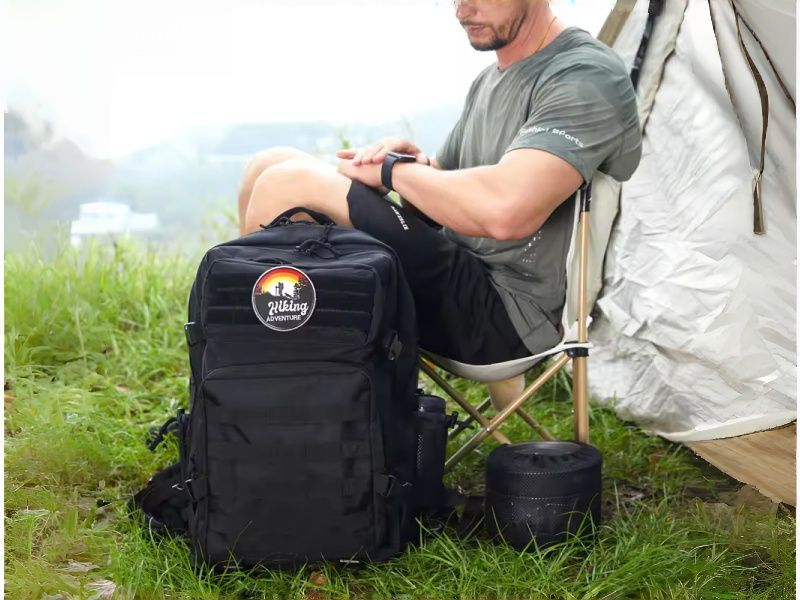
We all have that one backpack — loyal through commutes, travels, or outdoor adventures — that’s seen better days. Dust, coffee spills, rain stains, and sweat marks accumulate silently until you realize it’s time for a refresh. But here’s the dilemma: how do you wash a backpack without ruining it?
The truth is, backpacks can’t be treated like regular laundry. A single mistake — harsh detergent, hot water, or machine spin — can damage its coating, warp zippers, or loosen stitching. Whether it’s nylon, canvas, or leather-trimmed, every fabric has its cleaning science.
To wash a backpack safely, empty it completely, check care labels, and pre-treat stains. Hand wash using mild detergent and lukewarm water, or machine wash on gentle mode if allowed. Always air-dry in shade, avoid heat, and apply waterproof spray afterward. Regular cleaning keeps the backpack fresh and extends its lifespan.
So before you toss your travel or school backpack into the machine, let’s go step-by-step through how professionals — and manufacturers like Jundong — clean and maintain backpacks for long-lasting quality. By the end, you’ll know not just how to clean, but how to care like a factory expert.
What Does It Mean to Wash a Backpack Properly?

Washing a backpack properly means cleaning it in a way that removes dirt, odors, and stains without damaging the materials, zippers, or waterproof coating — ensuring longevity and maintaining its original structure.
Most people think of “washing” as simply throwing the backpack into a machine. That’s a common mistake. A well-made backpack is built from multiple layers — fabric, padding, webbing, and coating — all sensitive to temperature and friction. Cleaning it “properly” means respecting those layers.
Why Backpacks Need Cleaning
Backpacks carry more than belongings. They hold bacteria, sweat, oils, and grime. According to a 2023 consumer hygiene study, the average commuter backpack contains three times more bacteria than a kitchen counter. Cleaning not only keeps it looking fresh but also prevents fabric deterioration and odor buildup.
What Should You Check Before Washing a Backpack? ✅
Before you even grab a sponge:
Check the care label (inside seam) — it tells you if it’s machine washable.
Inspect zippers and straps — ensure they’re intact.
Empty all pockets — coins or pens can scratch inner lining.
Spot-test detergent on a small area to ensure colorfastness.
Remove detachable parts like hip belts or metal frames.
A little pre-inspection saves hours of regret later — especially if your backpack has waterproof PU or TPU coatings that can’t handle heat.
Common Mistakes to Avoid
Using hot water (it damages coatings).
Using bleach or fabric softener (can discolor fabric).
Machine drying (can warp shape).
Soaking leather-trimmed backpacks.
A professional factory like Jundong always runs material compatibility checks before cleaning prototypes — that’s how high-quality brands preserve product integrity.
Which Materials and Features Determine How You Should Wash a Backpack?
Different materials require different care. Nylon and polyester backpacks are easiest to wash; canvas needs gentle scrubbing; leather-trimmed and waterproof backpacks require hand-cleaning and air-drying to protect coatings.
Fabric Types and Cleaning Behavior
| Fabric Type | Recommended Cleaning | Risk if Washed Wrong |
|---|---|---|
| Nylon / Polyester | Hand or machine wash (gentle mode) | Coating peeling under hot water |
| Canvas / Cotton | Hand wash only | Shrinking or color fading |
| Leather or PU | Spot clean | Cracking or warping |
| Waterproof / TPU-coated | Wipe clean only | Coating damage or leaks |
Factories like Jundong test fabrics for wash durability during quality control (QC) to ensure colorfastness and coating strength — especially for outdoor and travel lines.
Coatings, Frames & Padding
Waterproof coatings (PU or PVC) lose efficiency under heat. Always hand wash.
Foam padding inside straps or back panels must not soak too long — it traps moisture and grows mildew.
Metal frames (in hiking backpacks) should be removed before cleaning.
Hardware & Accessories
Zippers, buckles, and pullers can corrode or break during rough washing. Use a mesh laundry bag if machine cleaning, or wrap them in a towel for protection. Jundong recommends YKK or SBS zippers for all OEM backpacks precisely because they resist oxidation after washing.
How Do You Wash a Backpack: Hand-Wash vs Machine-Wash?
Hand washing is safest for most backpacks — use lukewarm water, mild detergent, and soft brushes. Machine washing is acceptable for soft-structured backpacks if care labels allow, using a gentle cycle and protective laundry bag.
Step-by-Step Hand Washing
Step 1: Empty & Shake Out Debris
Turn it inside out to remove crumbs or sand.
Step 2: Mix Soap Solution
Use mild detergent or baby shampoo in lukewarm water (30°C).
Step 3: Scrub Gently
Use a sponge or soft brush on stained areas.
Step 4: Rinse Thoroughly
Rinse until water runs clear — no soap residue.
Step 5: Air Dry
Hang upside down in shade for natural drying.
Safe Machine-Washing
Machine washing is convenient but risky. Follow this checklist:
Use cold water and gentle spin.
Place the bag in a pillowcase or laundry bag.
Avoid bleach or softeners.
After washing, reshape and hang to dry naturally.
How to Dry and Deodorize a Backpack After Washing? ✅
Never use a dryer or direct sunlight. Instead:
Air-dry in shade to preserve color and shape.
Insert paper towels inside to absorb moisture.
Deodorize naturally — sprinkle baking soda inside for 24 hours or use activated charcoal pouches.
For stubborn odors, wipe interiors with vinegar solution (1:3 ratio water).
These are the same drying methods used by factories before product photography — ensuring no moisture spots or color dullness.
How Do You Dry, Maintain, and Prolong the Life of a Washed Backpack?

Always air-dry your backpack, reapply waterproof spray, and perform light maintenance every 2–3 months. Consistent cleaning and deodorizing extend durability and keep fabrics fresh longer.
Air-Drying vs Heat-Drying
Air-drying preserves the bag’s form. Avoid dryers or heaters, as they can shrink synthetic materials or crack leather trims. Hang backpacks upside down so water drains naturally.
Deodorizing & Anti-Bacterial Tips
Use baking soda or activated charcoal bags.
For humid climates, use UV or ozone sanitizers (popular in Japan and Korea).
Wipe interiors with disinfectant wipes after long trips.
Post-Wash Protection
Apply waterproof spray to restore the protective barrier. This step is especially vital for travel and outdoor backpacks.
Is It Necessary to Maintain and Wash Regularly? ✅
Absolutely. Clean backpacks last up to 40% longer than neglected ones. For best results:
Spot-clean monthly.
Deep clean every 3–4 months for heavy users.
Condition leather parts every 6 months.
Storage Tips
Store in a cool, dry place with silica gel packs. Avoid plastic bags, which trap moisture.
Factories like Jundong advise global buyers to include a “Care Card” with each product — simple, printed washing and maintenance instructions that reduce warranty claims.
How Should Manufacturers and Brands (OEM/ODM) Advise Customers and Design Backpacks for Easy Cleaning?

Brands should design backpacks with easy-clean features — removable liners, simple compartments, and waterproof fabrics — while providing clear washing labels and care instructions to customers.
Design for Easy Maintenance
Manufacturers can integrate cleaning-friendly elements like:
Removable liners or organizers
Wide-open zippers for access
Coated interiors that resist liquid absorption
Detachable straps for easy rinsing
These small design tweaks improve user experience and minimize post-sale issues.
Material & Construction Considerations
Selecting fabrics that withstand repeated washing adds long-term value. For example:
| Material | Wash Durability | Typical Use |
|---|---|---|
| 600D Oxford | High | Everyday & travel bags |
| Tarpaulin / TPU | Very High | Outdoor or cooler bags |
| Canvas | Moderate | Lifestyle bags |
| RPET | High | Eco-friendly markets |
Jundong’s engineers test materials for colorfastness, shrinkage, and coating adhesion before approval. This guarantees that every custom product maintains its quality through repeated cleaning.
Clear Labeling & End-User Education
Factories can add printed washing icons or QR codes linking to care instructions. This helps end-users clean properly — reducing returns caused by improper washing.
Jundong’s OEM/ODM Advantage
With 20+ years of manufacturing expertise, free design, low MOQ, and fast sampling, Jundong assists brands in developing easy-care backpack collections that attract long-term buyers. They also help write care manuals and packaging instructions for private-label clients worldwide.
Conclusion: Wash Smart, Design Smarter — Partner with Jundong

Learning how to wash a backpack is more than hygiene — it’s about protecting your investment, your style, and your brand reputation. Whether you’re a consumer who wants your gear to last or a retailer planning a new backpack line, maintenance defines longevity.
Jundong, a professional bag manufacturer with over 20 years of experience, helps brands design and produce durable, easy-to-clean backpacks that keep their quality wash after wash.
With free design services, low MOQs, fast sampling, and 100% quality inspection, Jundong partners with businesses worldwide to create private-label and OEM backpacks that meet every cleaning and usability standard.
👉 Contact Jundong today for a consultation or sample request.
Your next backpack — built to last, easy to clean, and ready for market — starts with the right manufacturing partner.